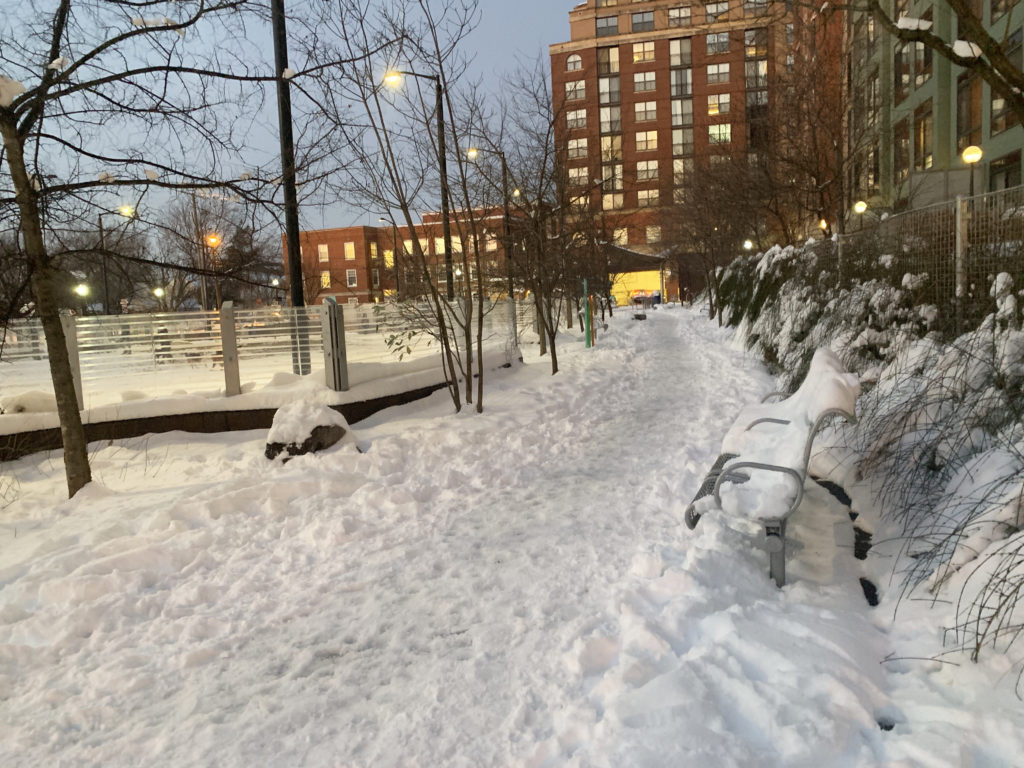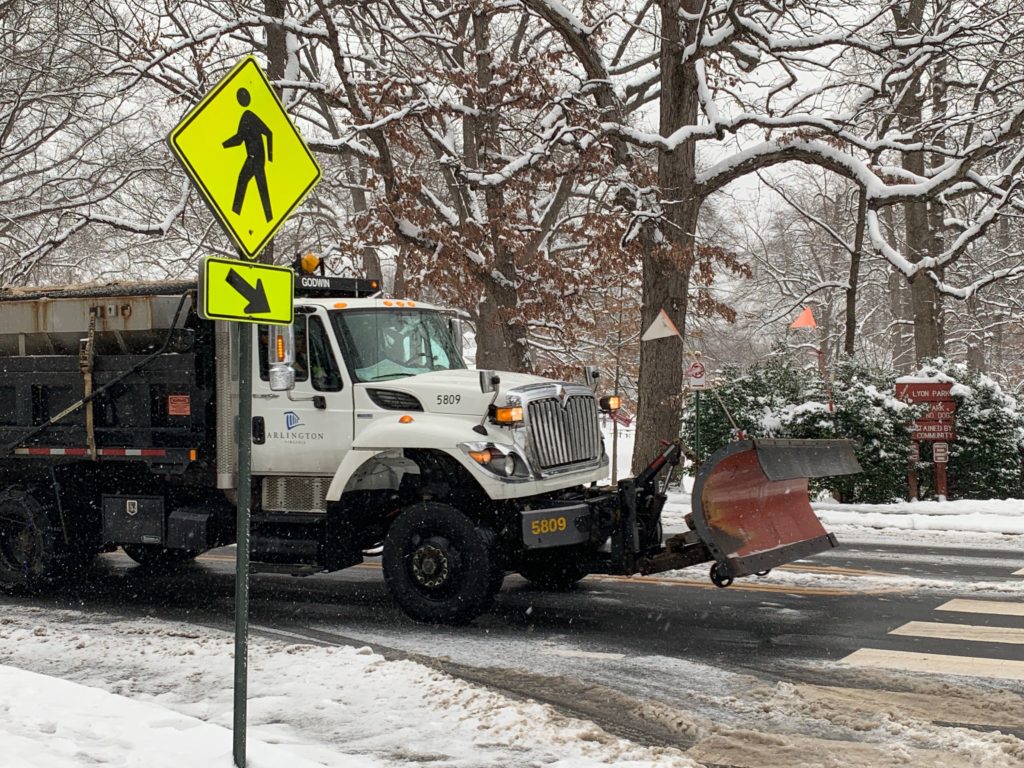
Three days out from one of the D.C. region’s biggest snowstorms in years, Arlington officials say they’ve managed to clear most streets and county-controlled sidewalks — but the frigid temperatures of the last few nights have led to some trouble spots.

Since this weekend’s big storm, county workers have been able to clear the vast majority of highly trafficked roads, and many neighborhood streets as well. But Katie O’Brien, a spokeswoman for the county’s Department of Environmental Services, told ARLnow that snow plows are still on the road today (Wednesday) “to address areas that need additional treatment.”

“We have been having a lot of issues with refreezing over the past few days on both streets and sidewalks,” O’Brien wrote in an email. The problem was even significant enough to prompt the county school system to switch from a planned two-hour delay yesterday morning (Tuesday) to a full closure.

When it comes to those troublesome sidewalks, the county puts most of the onus for clearing walkways on residents and businesses. But Arlington crews still have responsibility for sidewalks outside county facilities, like libraries and community centers.

And on that front, O’Brien says that workers have managed to clear all the sidewalks the county is responsible for maintaining. The same goes for the walkways near county parks, according to Department of Parks and Recreation spokeswoman Susan Kalish.

“We’ve got everything cleared at this point, but will continue to monitor things due to snow melt and refreeze,” Kalish wrote in an email.

Of course, some slick spots still linger on trails within the parks themselves. Some walking paths remain iced over in parks around the county, prompting a few complaints from frustrated ARLnow readers. A quick survey of paths in both the James Hunter Dog Park in Clarendon and the Henry Clay Park in Lyon Park showed that ice still coated most of their walkways.

But Kalish says that’s largely because the county prioritizes sidewalks “around our community centers so they can safely open,” then focuses on “clearing safe routes to schools and then the heaviest used sidewalks (normally associated with Metro or busier urban areas).”

Kalish added that parks workers also are responsible for clearing “10 miles of high-volume, multi-use county trails,” and that process is just about wrapped up as well.

Notably, this was the county’s first storm since setting up a temporary salt storage facility to replace the old “Salt Dome” providing road salt for the northern half of the county — a controversial process that rankled neighbors this summer — but O’Brien says there were “no major concerns or unexpected issues” with the new facility.

She added that the county’s “staffing levels for plow operators and snow-clearing personnel have remained steady,” despite Arlington’s recent budget woes, allowing the county to operate its full fleet of 46 snow plow trucks without a hitch.

Going forward, O’Brien says that anyone who notices a street or patch of sidewalk that needs some work can report it for attention through an online form on the county’s website.

And it might be a good idea to give any remaining patches of ice some attention sooner rather than later — forecasters expect a wintry mix to roll back through the area tomorrow night (Thursday).


Over the last few years, Arlington police and prosecutors have embraced a controversial tactic to deal with people who are frequently drunk in public — but most county residents don’t even know it exists.

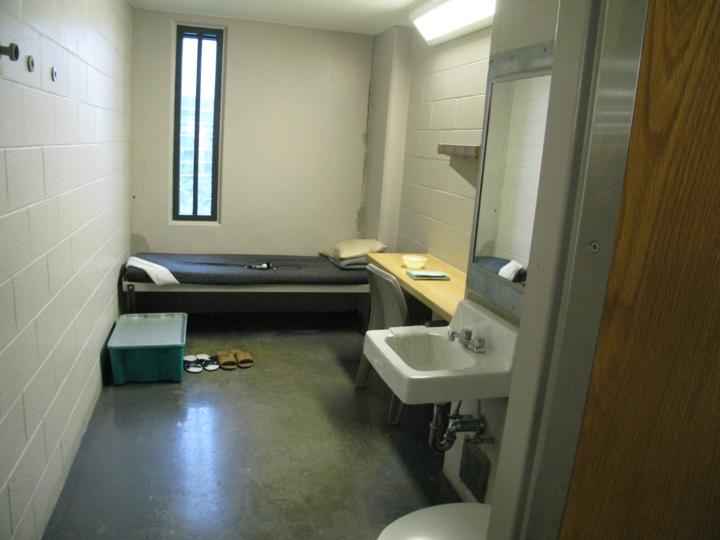
The unusual process, known as “interdiction,” allows county prosecutors to ask a judge to declare someone a “habitual drunkard” if they’ve committed several alcohol-related offenses. That designation means these “drunkards” can be charged with a misdemeanor and jailed for up to a year if they’re found so much as buying or drinking alcohol again.

Virginia and Utah are the only states in the entire country with this sort of law on the books; the commonwealth’s statute passed just before the turn of the 20th century.

Accordingly, interdictions are far from commonplace in the county — prosecutors estimate that they’ve only interdicted 12 people dating back to September 2015, and that just 50 people around Arlington are currently deemed “drunkards.”

But the latter figure is the third highest for any locality across the entire state, according to statistics compiled by the Charlottesville-based Legal Aid Justice Center. Only Virginia Beach and Roanoke have more interdicted people, with 616 and 140 respectively.

And Arlington’s place on that list disturbs attorneys and advocates alike, given the brewing controversy over interdictions.

Commonwealth’s Attorney Theo Stamos, the county’s top prosecutor, dubs interdiction a “tool of last resort,” helping officers force people who are constantly drunk to finally get help. Yet critics believe it has a massively disproportionate impact on the homeless, and that police use it as a cudgel against people living on the streets who are struggling with substance abuse issues.

Others still argue that it robs interdicted people of due process — prosecutors request the “drunkard” designation in a civil hearing rather than a criminal one, meaning that even indigent defendants aren’t entitled to have an attorney present for the proceedings.

A legal challenge to the law on those grounds is currently working its way through federal court, while an Arlington public defender-turned-state lawmaker is working to repeal the statute in this year’s General Assembly session.

Yet, as those efforts proceed, some legal observers can’t understand why county police and prosecutors still pursue interdictions at all, given their stated commitment to other kinds of criminal justice reform.

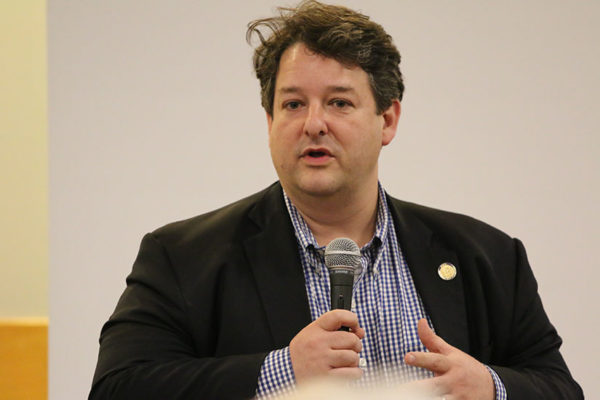
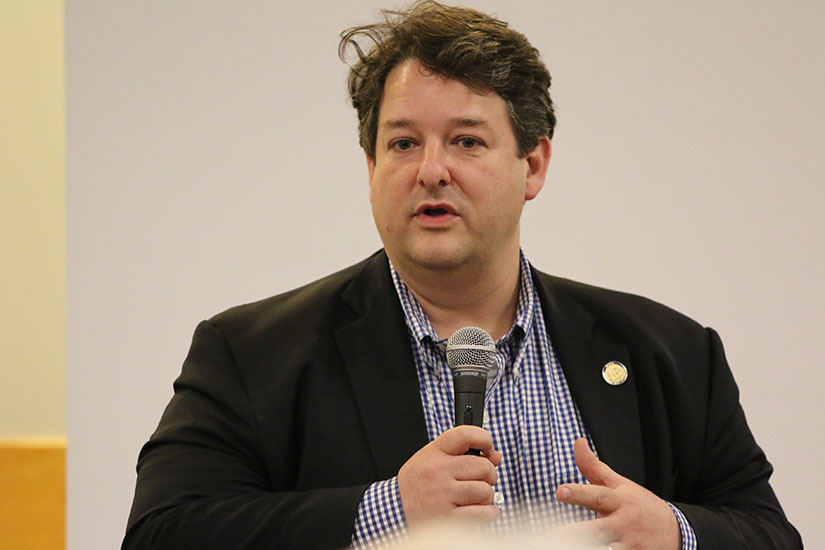
“It’s inappropriate, unfair, and it doesn’t work,” Brad Haywood, Arlington’s chief public defender, told ARLnow. “In over 15 years as an attorney, I’ve served as a public defender in two of the few jurisdictions that still actively enforce this law. While I can think of many who owe their sobriety to residential alcohol treatment, intensive outpatient services and the expertise and compassion of mental health professionals, I can’t think of anyone who owes their sobriety to interdiction. Not a single person.”

Criminalizing the homeless, or a ‘last resort’ for addicts?

To Haywood, who has strongly criticized Stamos in the past, interdiction effectively criminalizes homelessness. After all, he points out that the law “only targets people who possess or drink alcohol while visible to others,” which essentially leaves just the homeless, many of whom turn to alcohol to make it through the day or are gripped by addiction.

“They live their entire lives in public,” Haywood said. “If they have alcohol, drink it, or are drunk, they will be seen, and under this statute, they will be arrested.”

Of course, he believes there are other “problem drinkers” around the county. As he puts it: “I read ARLnow, I know what happens on the Wilson Boulevard corridor on weekends.”

But he argues police have embraced a completely different strategy for those cases, choosing to work with popular bars to encourage stronger partnerships and prevent arrests, even though the circumstances are similar.

“If the goal of interdiction is to curb problem drinking generally, and to be equitable about it, then I’d think the Arlington bar scene would receive some attention,” Haywood said. “It hasn’t, obviously, and I’m not suggesting it should, but if it had, you’d have certainly have heard about it by now. ”

However, law enforcement officials note that they’re not using interdictions indiscriminately, or targeting all homeless people. County police spokeswoman Ashley Savage says officers ask for interdictions “only in the most significant cases, where public safety resources are utilized for the same individual on a [recurring] basis.”

She adds that police take into consideration whether people are committing “criminal violations while intoxicated” as well as “concerns for the safety of the individual or those around them” in making such a decision.

“The goal is not to wantonly incarcerate people,” Stamos said. “A lot of these people are not mindful of their surroundings and can be victimized… and it’s a safety concern. We see pedestrian accidents every single day, and in some cases it’s because people are wandering into the street.”

Stamos says that, in many cases, her office only interdicts people after family and friends urge some sort of drastic step to force them to get help.

For instance, Stamos says prosecutors have interdicted four people since July 2017 — and those people had an average of 19 prosecutions each for alcohol-related offenses before being declared a “drunkard.” Prosecutors pursued a high of 37 cases against one person; the person with the smallest total had been prosecuted four times, and even then they’d been drunk during 35 different encounters with county medics over a two-year period.

“This is absolutely a last resort to hook them up with services,” Stamos said. “It’s a deprivation of liberty, but it’s done with the purpose of getting these people in jail, and getting them sober.”

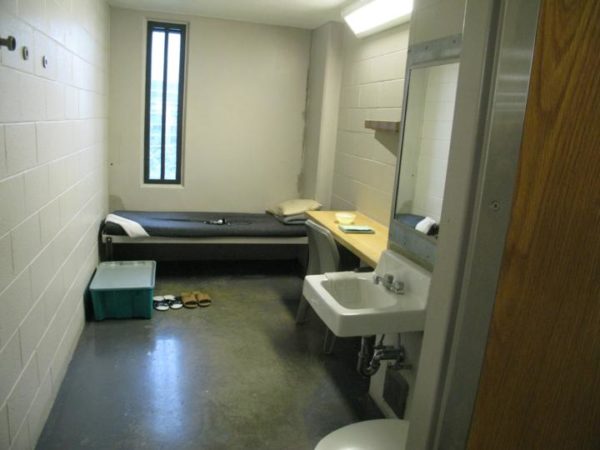
It may not be a perfect solution, but county officials say they work hard to find people with substance abuse issues once they’re in jail, then get them help.

Kelly Nieman, who works on the county’s forensic jail diversion team, says Arlington has been a leader across the state in finding ways to treat inmates’ mental health issues or substance abuse problems, which are often interconnected. She hopes that helps stop people from “revolving in and out of the system.”

“We have a model to intercept individuals at junctions when they butt up against the legal system,” Nieman said. “We screen people for services and develop a release plan to get them back into the community.”

Stamos says she’d love to have another way to “induce compliance” with a treatment program for homeless addicts, but she just doesn’t see one available to her prosecutors.

“Give us another tool, and we’ll use it,” Stamos said. “If you do away with this statute, give us more money for treatment services.”

While he acknowledges that the county does good work in this area, Haywood pushes back against the notion that workers at the county jail should be “front-line caretakers for the chronically mentally ill, which is what most interdicted people actually are.” He’d rather police connect the homeless to dedicated treatment services, rather than simply sending them to jail.

“That’s a job for mental health professionals, in settings appropriate to the treatment of addiction and serious mental illness,” Haywood said. “If what we want is to help the most destitute, vulnerable people in our community, we should ensure they have access to intensive mental health and substance abuse treatment services, and stop pretending we’re making the situation better by locking sick people away so the public can’t see them.”

Challenging the process

Elaine Poon, the managing attorney for the Legal Aid Justice Center, also believes that the very manner in which the statute is written makes the process punitive, not rehabilitative. Her group is leading a legal challenge to the law, arguing that interdictions create a vicious cycle for people declared “drunkards.”

Poon notes that police can — and do — pursue all manner of charges against people who are drunk in public. What sets interdictions apart is that people designated as “drunkards” can be prosecuted for simply drinking alcohol or having it in their possession, which she believes help police wrack up charge after charge against the same people.

According to Stamos’ own statistics, the 12 people her office have interdicted since 2015 have subsequently been prosecuted an average of three times each for possessing alcohol or appearing drunk in public. Poon believes this shows how interdicting someone can simply compound the time they spend in jail, criminalizing people “just for being who they are: a homeless person on the street.”

Poon feels this is all the more disturbing because many people who are declared “drunkards” don’t understand the process, and don’t have legal representation at the hearing deciding whether they’ll be interdicted in the first place. Most homeless people rely on the service of court-appointed public defenders, as they can’t afford their own lawyers, but the civil nature of the interdiction proceedings means that a judge is not required to assign them counsel.

Stamos says her prosecutors go to great lengths to find people set for an interdiction hearing, and get them to a sign paperwork acknowledging they’re aware of when they can come to court.

But Poon points out that many of her clients easily lose any forms they’ve been given by police — they don’t have homes, after all — and don’t attend the hearings, or are too mentally ill to understand a complex legal matter.

Jennifer Carroll Foy, a public defender in Arlington, says she’s often come to court and made such arguments to a judge about her interdicted clients. But her protests are commonly dismissed as a “collateral attack” on a civil case — even though that case has a direct impact on the charges her clients are facing.

“It may be a civil process, but there are criminal ramifications,” Foy said. “If there’s a possibility you’ll go to jail, I absolutely believe an attorney should be there.”

Stamos says her hands are tied by the statute in this case, arguing that public defenders “have no role” under the law in these interdiction cases.

“Their frustration shouldn’t be with my office, it should be with the system,” Stamos said.

Changing the law

Foy is in a unique position to address such displeasure with the law; she doubles as a state delegate representing parts of Prince William and Stafford counties, and has introduced legislation to repeal the “habitual drunkard” statute this year for a second time in a row.

Her bill died quickly in a subcommittee last year, but she’s more optimistic this time around, now that she’s worked to raise awareness about the issue.

“The most difficult part is educating people about it, because they don’t even know this law exists,” said Foy, a Democrat representing the House of Delegates’ 2nd District. “I hope it picks up a lot more traction this time.”

Though Democrats have a bit more clout in Richmond after a wave election in 2017, the party is still in the minority in both chambers of the General Assembly. That means Foy will face an uphill battle in getting anything passed, at least for now.

Poon is hopeful that the courts could provide some relief instead. A three-judge panel on the Fourth Circuit Court of Appeals rejected the case last August, but Poon’s organization is appealing the ruling to the full court, which could have the final say on the law’s constitutionality.

However, she says it’s “a mystery” when, or if, the court will agree to take the case.

In the meantime, interdictions in Arlington continue. County police referred two more people to Stamos’ prosecutors to be designated as “drunkards” just last fall.

“We have to do better when it comes to how we help the most vulnerable class of citizen in this state,” Foy said. “We’re not doing a very good job right now.”

File photo


(Updated at 3 p.m.) With Amazon gearing up to move into his neck of the woods, Del. Alfonso Lopez (D-49th District) is angling to substantially beef up state spending on affordable housing development.

Lopez, who represents a variety of South Arlington neighborhoods surrounding the tech company’s planned headquarters in Crystal City and Pentagon City, is eyeing a two-pronged approach to the issue in this year’s General Assembly session.

Both of his legislative efforts involve the Virginia Housing Trust Fund, a pot of money Lopez helped create back in 2016 to offer low-interest loans for developers hoping to build reasonably priced housing. Though state lawmakers have only allocated a few million dollars to the fund for the last few years, Lopez hopes to simultaneously ramp up appropriations for the program and find a more stable source of funding for it going forward.

Leaders in Arlington and Alexandria have both committed to send more resources to local programs targeting housing affordability in the wake of Amazon’s big announcement, but those efforts will only be designed to target the communities surrounding the tech giant’s new office space. And with most prognosticators predicting that the 25,000 Amazon employees set to descend on the area will choose to live all over the Northern Virginia region, Lopez sees a clear need for a state-level solution.

“This is a statewide problem,” Lopez told ARLnow. “And I believe affordable housing is a quality of life issue in Virginia, and it’s something we should be funding in the same breath as transit, transportation, environmental protection and education.”

Gov. Ralph Northam, a Democrat, has already proposed sending $19 million to the housing fund over the next two years as part of his latest budget proposal. That change would make $20 million available for the current fiscal year, and another $10 million available the year after that.

But Lopez is envisioning an even larger amount heading to the fund, and he’s planning on proposing a one-time, $50-million influx to make a difference right away.

The amount might seem small compared to the state’s mammoth budget, but Lopez expects it could make a big difference — he points out that the fund has already helped kick start two projects along Columbia Pike in just the last few years alone.

Michelle Winters, the executive director of the Arlington-based Alliance for Housing Solutions, notes that the trust is “currently a small source of funding that is spread fairly thin across the state.” That means even Northam’s proposal, to say nothing of Lopez’s more ambitious ask, would be a “quantum leap” forward for the state, according to Michelle Krocker, the executive director of the Northern Virginia Affordable Housing Alliance.

Federal housing dollars are really diminishing, so it’s increasingly up to state and local governments to fund this stuff,” Krocker said. “Arlington has been a leader on this…but the state of Virginia is being fairly negligent, to put it mildly, in providing resources through the trust fund.”

Accordingly, Winters expects even a modest increase would prove to be meaningful, in Arlington and elsewhere.

“Even though it is small, any source of funding to help fill the gap in an affordable housing project’s budget is very valuable and can help make some more projects feasible,” Winters wrote in an email.

Yet Lopez also sees a clear need to make affordable housing funding a bit more predictable going forward.

Currently, Lopez laments that he has to go “hat in hand” to appropriators on General Assembly committees, urging them each year to set aside money for the trust fund. He’d much rather see lawmakers set up a dedicated funding stream to ensure regular, stable contributions to the loan program each year.

Accordingly, Lopez is backing a bill to establish such a funding mechanism — in essence, the legislation would pull away an annual percentage of surplus revenue from state “recordation” taxes, or levies on home transactions.

He’s proposed such legislation in the past, and acknowledge that it could face an uphill battle this time around — lawmakers with power over the state’s purse strings may be loathe to give up any budgetary discretion, after all.

Even the one-time cash infusion could prove difficult for Lopez to achieve, considering that Republicans have already declared Northam’s budget proposals “dead on arrival,” as a fight over tax revenues brews in the General Assembly.

“We’re all very concerned that with Republicans being so opposed to the governor’s amendments… that we’ll really have to wait and see whether the governor’s housing trust fund plans survives these deliberations,” Krocker said.

It doesn’t help matters either that some key lawmakers (and even some Northam administration officials) shied away from including more affordable housing money in the state’s proposal to Amazon, arguing localities and developers are better suited to fund this kind of development.

But Lopez is “hopeful” that the grave concerns raised about the housing market in the wake of Amazon’s announcement could help change minds on the issue, and he’ll certainly have allies among Arlington’s legislative delegation.

“Housing will be an issue here for at least a decade or more,” said Del. Patrick Hope (D-47th District). “Amazon coming in won’t change all that dramatically, but it does increase the urgency for affordable housing and putting funding behind this.”

File photo


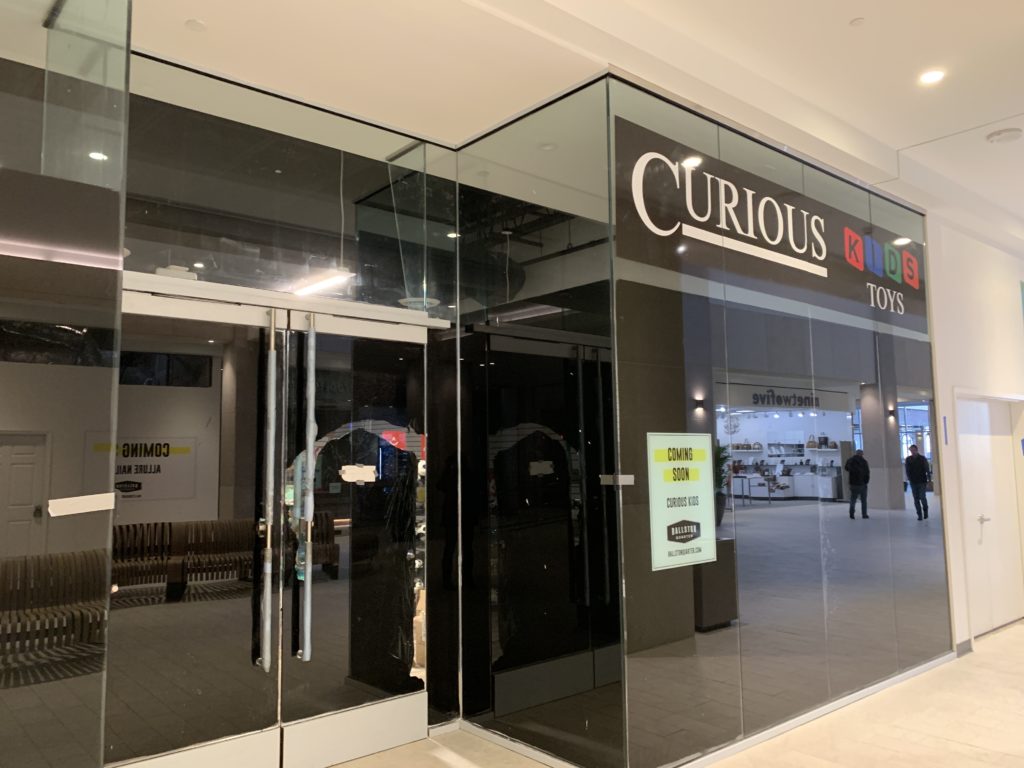
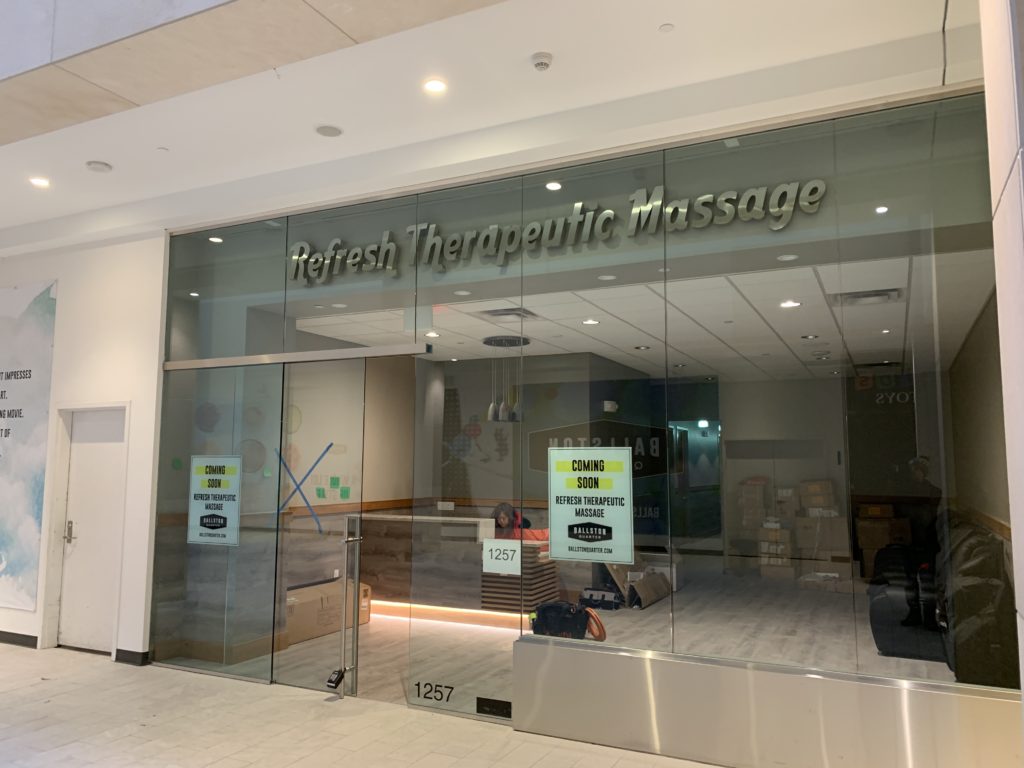
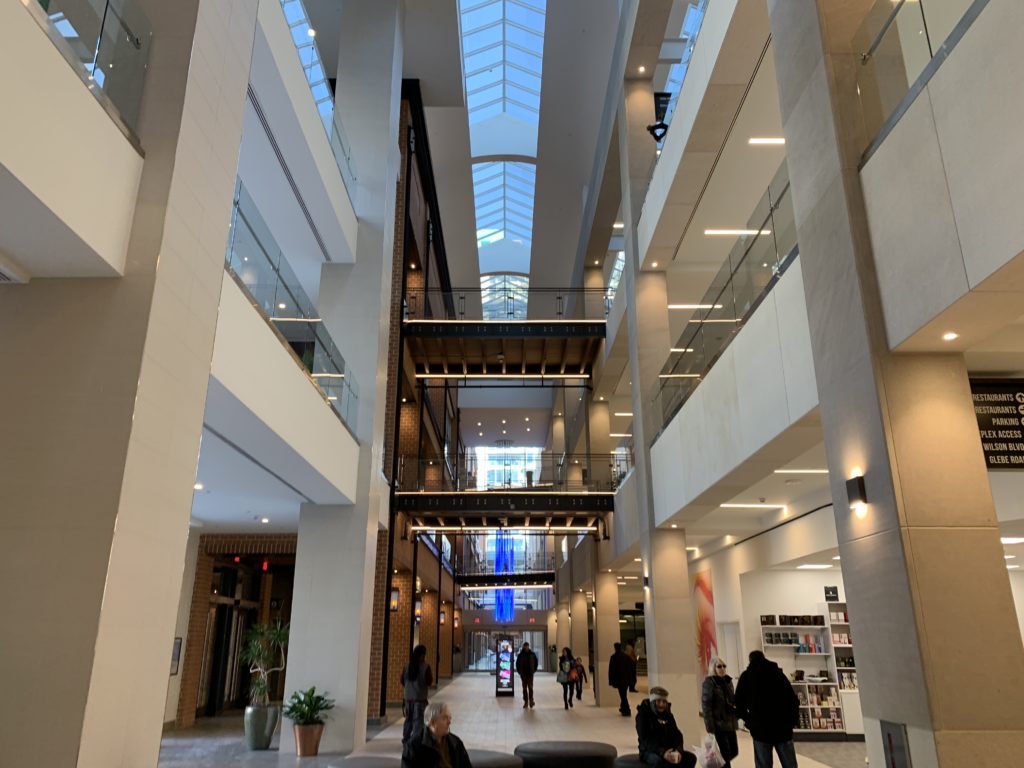
A pair of stores that once called the old Ballston Common mall home will soon re-open in the development’s new reincarnation, Ballston Quarter.

Curious Kids Toys and Refresh Therapeutic Massage have both posted signs announcing plans to return to storefronts on the development’s ground floor.

Both stores were forced to close when Ballston Common, located at 4238 Wilson Blvd, shut down in 2016. Developer Forest City has since been hard at work refreshing the mall, luring a host of new restaurants and businesses to the development.

But some shops from the old mall are gradually returning to the location — Chick-fil-A just opened in a brand new space a few weeks back, after the restaurant was long one of the most popular dining options in Ballston Common.

Curious Kids offers a selection of “board games, dolls, trucks, electronic games and more,” according to Ballston Quarter’s website. The store also operates a location in the Fashion Centre at Pentagon City mall.

Refresh will “help you de-stress, unwind, or work out a tight spot,” the development’s website says. The new location appears to be the only one in Arlington.

A variety of shops in Ballston Quarter have begun opening to customers over the last few months, though much of the development remains a work in progress. A newly revamped food court still seems set to open sometime next month, according to signs posted around the mall.


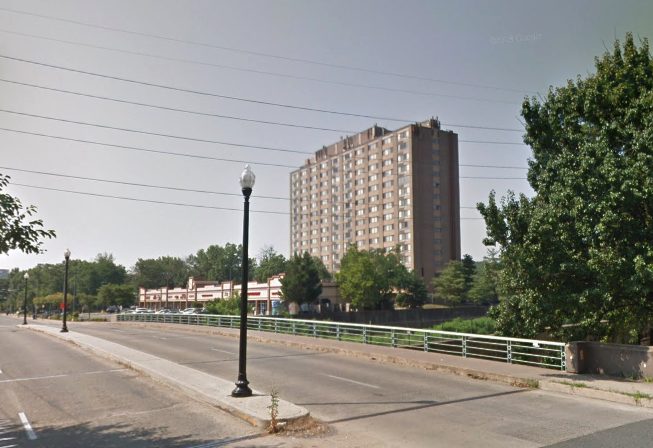
Safety concerns have prompted the county to close a sidewalk along a bridge over Four Mile Run connecting Arlington and Alexandria.

The western sidewalk of the bridge connecting S. Arlington Ridge Road with Mount Vernon Avenue is now closed indefinitely, the county announced last week.

Officials say a recent inspection revealed “beam deterioration” on one of the supports under the bridge’s western sidewalk. The structure was built back in 1956.

The county now plans to use “signage and barricades” to direct people to the other side of the bridge. A Metrobus stop serving the 10A, 10E, 23A and 23B routes and the entry to the Four Mile Run Park and the Four Mile Run Trail sit just before the north end of the bridge on the east side at S. Glebe Road.

Another Metrobus stop sits at the northwest corner of Arlington Ridge and Glebe Road, serving the 10A and 10E routes.

County engineers plan to “monitor conditions and look at eventual replacement options,” but have no timetable for the sidewalk to reopen.

The county closed sidewalks along another nearby bridge at W. Glebe Road over Four Mile Run due to similar concerns back in November.

Photo via Google Maps


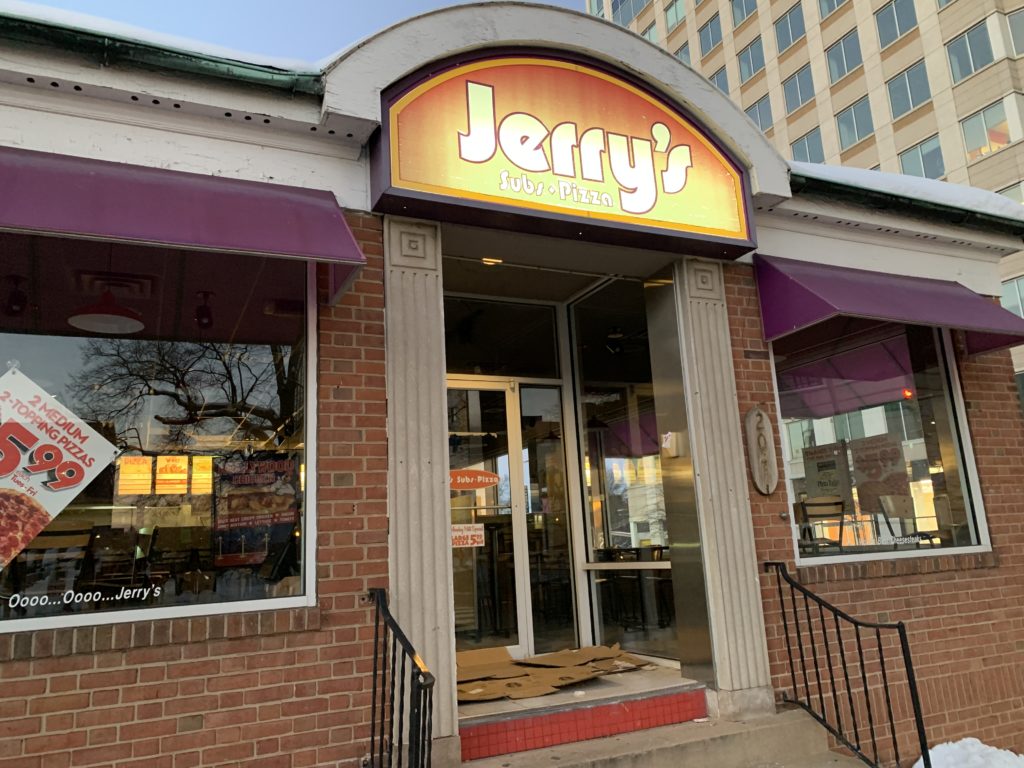
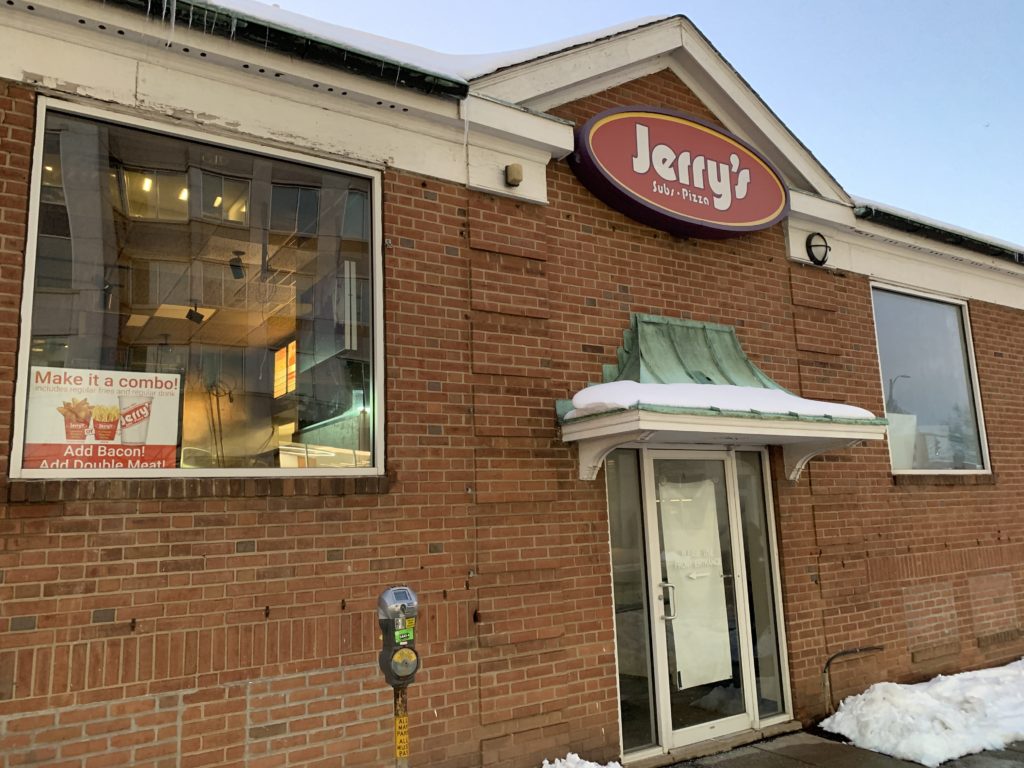
Jerry’s Subs and Pizza in Courthouse appears to have shut down.

The restaurant, located at 2041 15th Street N., was not open during normal business hours yesterday (Monday).

Workers also seem to have broken down the shop’s counter, and construction materials are strewn about the restaurant. The phone number listed for the location has been disconnected.

The lone Jerry’s location in Arlington, which sits directly across from the county courthouse and jail, previously closed for remodeling in September 2017. It reopened a few months later under new management, according to a series of Yelp reviewers.

Anyone looking to get a hold of the chain’s pizza or sandwiches won’t have to go too far, however.

Jerry’s also operates a pair of restaurants in Alexandria, and one in Reston as well, though that location recently closed due to a small fire.


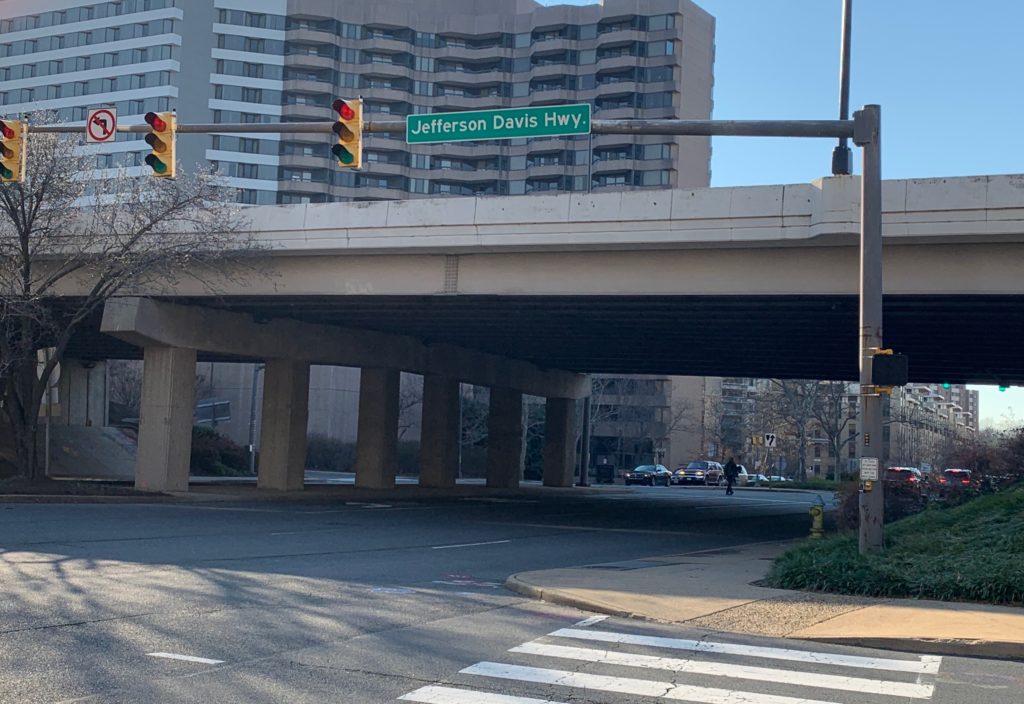
Arlington officials remain stymied in their long push to rename the section of Jefferson Davis Highway running through the county — but you’d never know it by glancing at Google Maps.

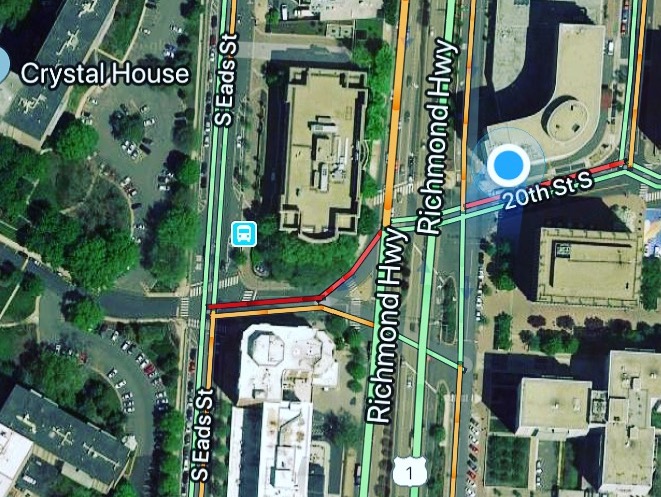
The tech company’s virtual atlas now identifies Arlington’s section of Route 1 as “Richmond Highway,” dating back to at least Friday (Jan. 11). An ARLnow reader, who asked to remain anonymous, first noticed the switch.

That matches the new name Alexandria leaders picked for the road last year, stripping the Confederate president’s moniker from the highway. Arlington’s County Board is anxious to make a similar change, but a complex provision of state law currently bars it from doing so — Attorney General Mark Herring’s office issued an opinion clarifying that cities like Alexandria have the authority to change the names of state roads within their boundaries, but counties don’t.

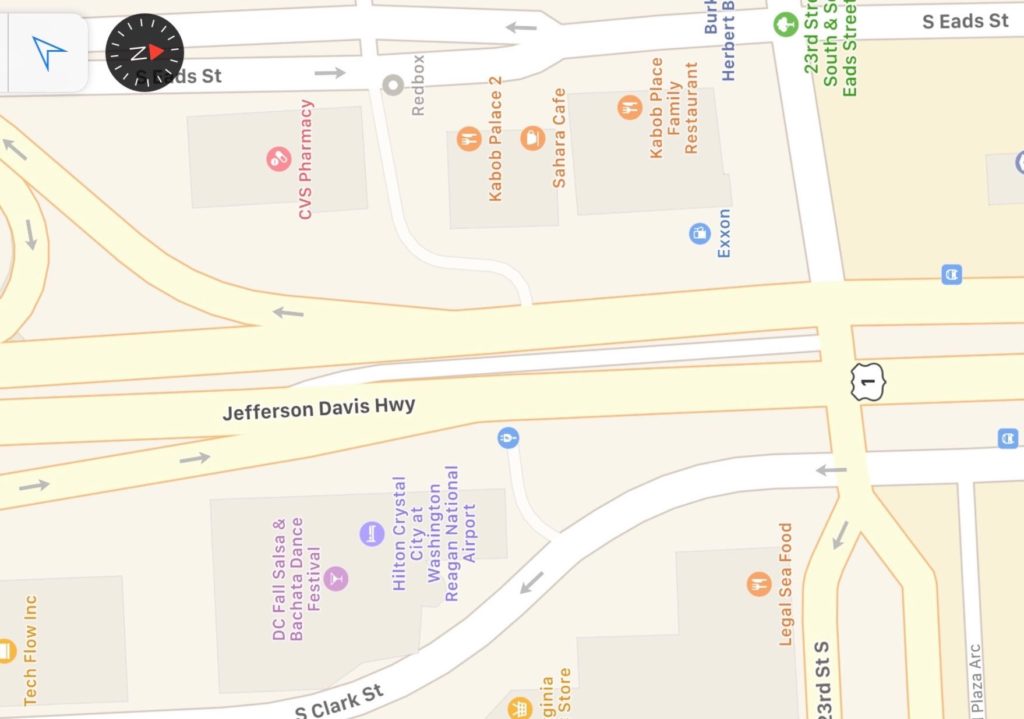
Accordingly, signs around Crystal City and Pentagon City will still bear the “Jefferson Davis” name for the foreseeable future, but many people looking up the road online would never know it was there. Apple Maps users, however, will still see the Confederate president’s name on the highway, as of today (Tuesday).

The swap will surely come as good news for the Board, which recently urged state lawmakers to renew old efforts to pass a bill giving the county the power to change the name on its own. The impending arrival of Amazon in the neighborhood added some urgency to that push, given the company’s stated commitment to inclusivity and diversity and Davis’ connections to Virginia’s slaveholding past.

But Arlington legislators say they likely won’t raise the issue in this year’s new General Assembly session.

Sen. Adam Ebbin (D-30th District) initially signaled that he could be willing to back legislation on the matter this time around if the local business community, or perhaps some Republicans, came on board with the issue. But without that backing, he’d rather wait to see if Democrats can seize control of the legislature in this fall’s elections first.

“It might not be the best year to push forward on that,” Ebbin told ARLnow. “We’re looking into the best strategies for 2020, to see if we go ahead with allowing them to name contiguous roads the same as in adjacent localities. That’s probably the most palatable case we can make to others that have strongly held beliefs on this.”

On the House of Delegates side of things, Del. Rip Sullivan (D-48th District) added that he doesn’t plan to introduce any bill on the subject and that “I don’t know that any of my colleagues will either.”

So far, his prediction has proven to be correct — as of Tuesday, no legislation on the topic has been filed down in Richmond.


A high-end barbershop for men will soon join the new Ballston Quarter development.

The Grooming Store is “coming soon” to the revamped Ballston Common mall (4238 Wilson Blvd), according to the company’s website and Ballston Quarter’s online directory.

The shop applied for a building permit at a 1,300-square-foot space in the development back in November, county records show, though it’s unclear where in the mall it will be located.

The barbershop offers hair cuts and beard trims with online reservations available, according to its website. It also sells a whole host of skincare and haircare products.

The Ballston location will become the company’s second overall: the other is located in Ashburn.

The Grooming Store becomes the latest retailer to join Ballston Quarter, with stores in the development slowly opening to customers over the course of the last two months.

The mall’s new upscale food court is set to open sometime next month, and developer Forest City hopes to have the bulk of stores in the development open by this spring.


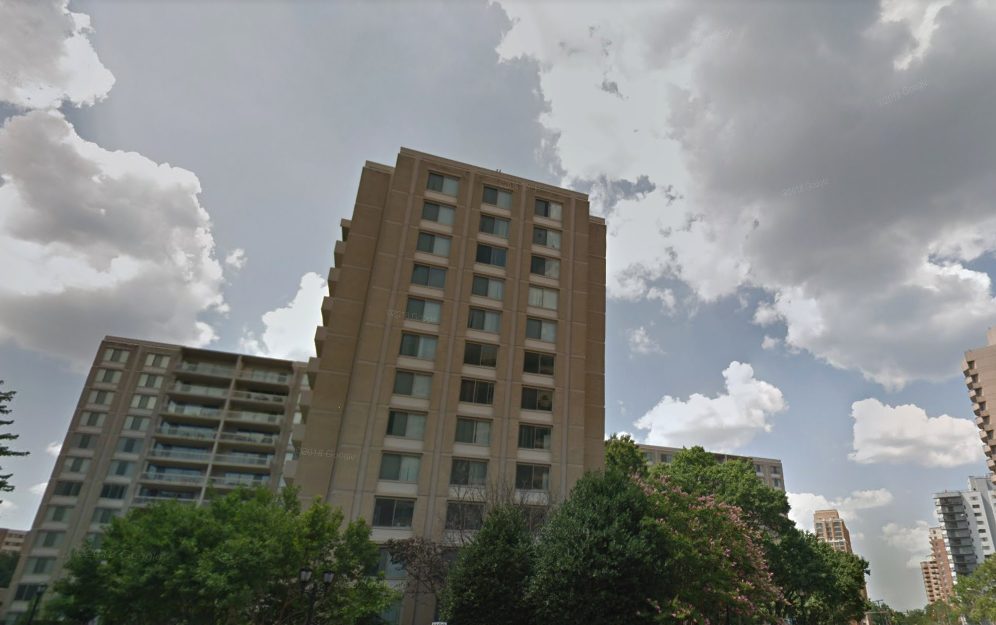
(Updated at 10:45 a.m.) Firefighters have extinguished a blaze that started in a dryer at a Crystal City apartment complex this morning (Tuesday).

Crews were called to the 1600 block of S. Eads Street around 10:30 a.m. to respond to the fire.

Firefighters have since knocked the fire down, but are still working to determine the extent of the blaze, the fire department said.

The fire does not appear to have resulted in any injuries, but the department is still urging people to avoid the area while clean-up work continues.

Photo via Google Maps


(Updated at 10:45 a.m.) PBS has signed a new deal to keep its headquarters in Arlington, though it will be relocating to a different building in Crystal City.

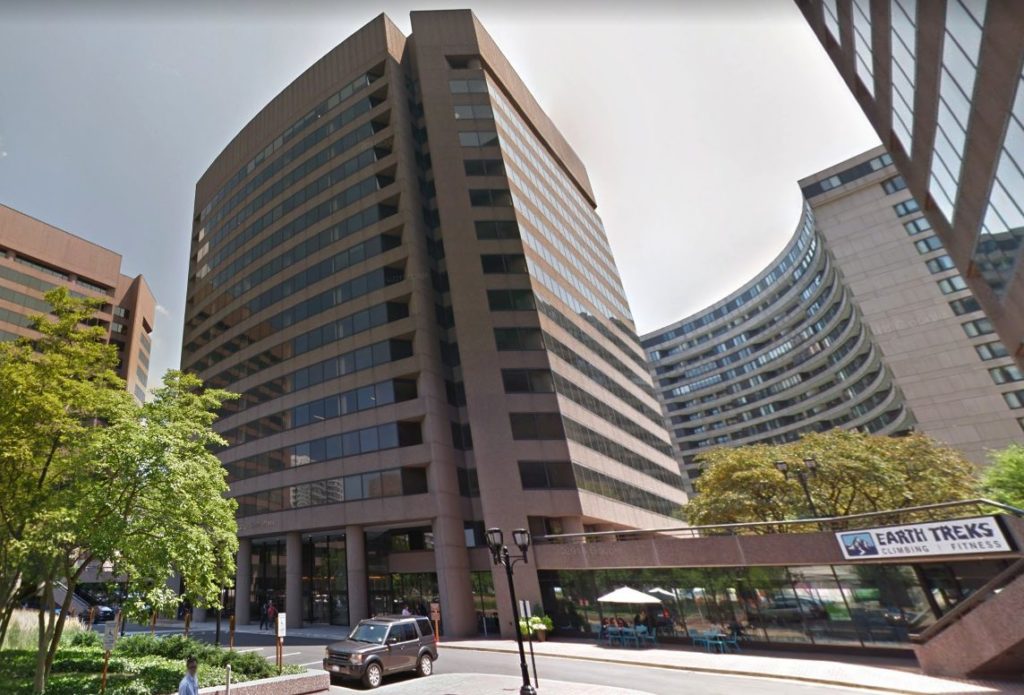
The media company announced today (Tuesday) that it will be moving from its current space at 2100 Crystal Drive to a 120,000-square-foot office at 1225 S. Clark Street. PBS agreed to a 15-year lease in the building, and plans to make the move sometime in “mid-2020,” per a press release.

The nonprofit has been based out of the 2100 Crystal Drive property since 2006. Its new headquarters is adjacent to both the Earth Treks climbing gym and the headquarters of the U.S. Marshals Service.

“We are thrilled that PBS will remain in Crystal City, especially during such a transformative and exciting time for this community,” PBS President and CEO Paula Kerger said in a statement, no doubt referring to Amazon’s impending arrival just a few blocks away. “Keeping our headquarters in Arlington is great for PBS and our employees, and we’re proud to call ‘National Landing’ our home.”

The move takes PBS from one property controlled by developer JBG Smith to another. The company is the dominant property owner throughout Crystal City, Pentagon City and the nearby Potomac Yard, controlling millions of square feet of space even after helping bring Amazon to some of its properties.

“This continued long-term commitment by PBS to stay within the submarket further validates our excellent location, as well as our many planned improvements for the neighborhood,” David Ritchey, JBG Smith executive vice president said in a statement. “The relocation and extension of the PBS lease is also indicative of our plan to retain and attract diverse industries to National Landing, including associations and non-profits.”

The March of Dimes nonprofit also recently announced plans to relocate to the area, moving to a building at 1550 Crystal Drive.

Attracting businesses to the area remains a major concern for the county, even with Amazon set to take up as much as 8 million square feet of office space in the area someday. The county is hoping many property owners, like JBG, will use the company’s arrival as the impetus to refresh some of their older buildings in the area, and further reverse Arlington’s spiking office vacancy rate.

PBS member station WETA is also one of the county’s more well-known office tenants in South Arlington, though one of the TV station’s facilities could also be on the move. County officials hope to someday acquire the station’s studio property in Nauck, in which programs like the PBS NewsHour is produced, then use the land for the redevelopment of Jennie Dean Park.

Photo 1 via Google Maps


As Amazon moves into Arlington, it seems the company is ready to start spreading some of the wealth around to local lawmakers — but, so far, one has already turned down the tech giant’s cash.

Del. Alfonso Lopez (D-49th District) told ARLnow that Amazon sent him $1,000 in late October to back his re-election effort this year, just before announcing that it plans to set up a new headquarters in Pentagon City and Crystal City. In fact, Lopez’s South Arlington district covers some of the locations that the tech firm eventually plans to call home.

Yet Lopez says he quickly returned the contribution once Amazon formally selected Arlington, in order to avoid any implication that the company will influence his decision making in Richmond, no matter how small.

“While I would never allow a campaign contribution to affect my judgement as an elected official, trust in the government is essential,” Lopez wrote in a newsletter to constituents today (Monday) announcing his decision. “Constituents should have no doubts about the independence of my judgement, or think there are any motivations beyond doing what is right for the community. This is the right thing to do. Fostering trust in government is more important now than ever.”

Lawmakers are currently gearing up to vote on an incentive package that could someday send anywhere between $550 million and $750 million in state grant money to Amazon, so long as the company comes through on its promise to bring at least 25,000 jobs to the area. Legislators will also be charged with signing off on hundreds of millions more in transportation and education spending designed to lure the company to Arlington, likely to be included as part of a bill adjusting the state’s biennial budget.

Though the company has attracted plenty of criticism locally, the General Assembly is broadly expected to approve the incentives (negotiated primarily by Gov. Ralph Northam’s staff) by a wide margin. Yet Lopez’s move comes as Democratic politicians all over Virginia wrestle with the influence of corporations on the state’s politics.

A growing number of Democrats, Lopez included, have pledged to refuse money from state-regulated monopolies like Dominion Energy, long the biggest political donor in the state. Northam has also backed a ban on corporate donations of any kind in state elections, and Lopez has recently drawn a primary challenger pledging not to accept any cash from corporations.

In a separate bit of controversy, activists have targeted Lopez for scorn after he reported earning thousands of dollars from a company that runs an ICE detention center in Central Virginia.

In general, however, Amazon has yet to chip in much money for Virginia lawmakers, even though the company has long operated a variety of offices and data centers around the state.

But the tech firm did send Lopez $250 back in October 2017, and donated $5,000 to Northam’s inaugural committee last January. Amazon has also contributed $11,000 to the influential Northern Virginia Technology Council, and currently retains the services of nine lobbyists registered in Richmond, according to state records.

As for how much money the tech company has since donated to other state lawmakers, that won’t become clear until legislators submit final campaign finance reports covering the second half of 2018 tomorrow (Tuesday). All 140 lawmakers will be on the ballot this fall, and will soon begin reporting campaign contributions on a more regular basis.

File photo


View More Stories