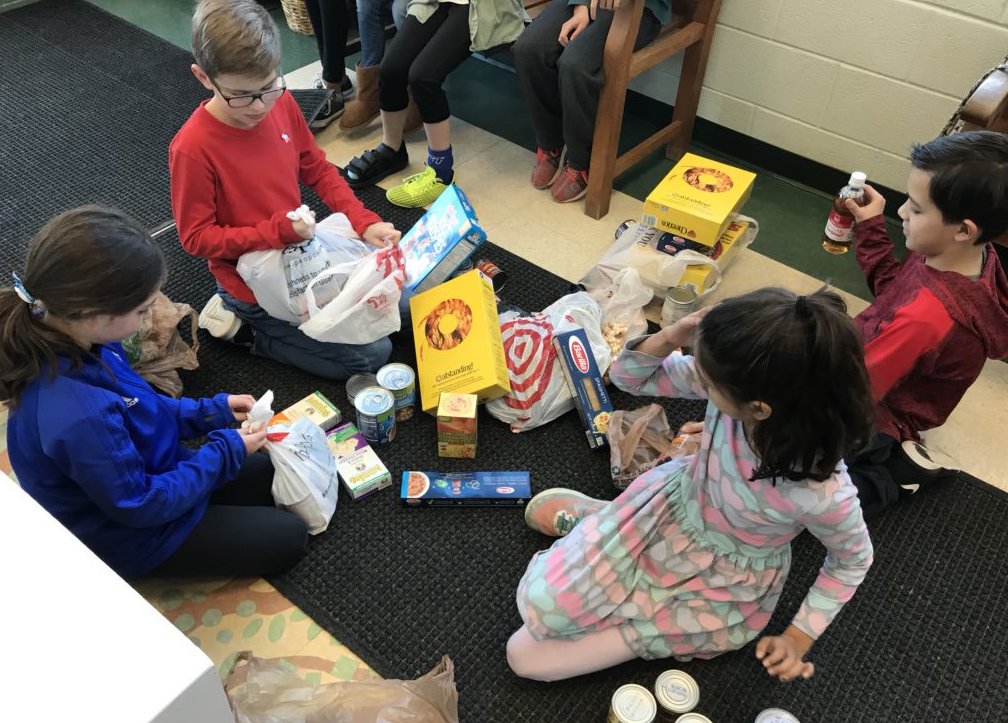
Democrat Matt de Ferranti wants to end child hunger in Arlington if he wins a spot on the County Board next week, and he says he can achieve that goal in the next four years.

In debates, campaign mailers, and his official platform, de Ferranti has pledged to ensure that no child in the county goes hungry by the time his first term on the Board would be up in 2022.

It’s a target that some observers think Arlington can meet, but gives others pause. And, crucially, it’s a key area of difference between de Ferranti and the man he’s hoping to unseat: independent John Vihstadt, the first non-Democrat to sit on the Board since 1999.

Both of the contenders for the lone Board seat on the ballot this fall want to reduce hunger in the county, of course. Yet the pair differs on how to achieve that goal, and how much the Board should prioritize it in the first place, providing a clear contrast between candidates who otherwise broadly agree on many of the pressing issues facing the county.

“The differences between me and my opponent are not always in votes, they’re often in agenda and focus,” de Ferranti told ARLnow. “I think we have to call Arlingtonians to be committed to this equity and be a caring, compassionate community on hunger in ways that we haven’t been called to until this point.”

Vihstadt and de Ferranti agree that the county could use more data on hunger and food insecurity in Arlington, and say they’d support a new study of the matter. The Arlington Food Assistance Center (AFAC) teamed up with Virginia Tech to release a paper on the matter back in 2012, and both Board contenders are eager for an update to that document.

Yet the incumbent admits to being a bit puzzled that de Ferranti is bringing up the issue so frequently in the first place, and would much rather wait for more information before acting.

“He is the only one who’s talking about critical gaps in child hunger,” Vihstadt said. “I haven’t heard an explanation of why we’re doing this by 2022 and why we’re only talking about child hunger versus senior hunger. He’s raised a good issue, but I would want to see more analysis on this.”

De Ferranti says he’s so focused on child hunger, specifically, because research links food insecurity to stunted development among children, and suggests that kids learn less if they come to school hungry. But he’s also relying on data from AFAC, the most prominent Arlington nonprofit focusing on hunger, claiming the numbers demand urgent attention to child hunger.

Charlie Meng, the executive director of AFAC, says de Ferranti is right to do so, and notes that he’s raised the issue with the County Board. In data Meng provided to ARLnow, AFAC has indeed seen a steady increase in the number of people requesting meals through the center, and an increase in the number of children served, specifically.

The numbers show that, in fiscal year 2014, AFAC served meals to 3,034 children. That number crept slowly upward over the years, and AFAC served 4,349 children in fiscal year 2018, an increase of about 43.3 percent over those four years.

“The question to the county is always: what’re your priorities?” Meng said. “It’s not always the government’s responsibility, but better support and coordination would go a long way to solving this issue.”

Meng believes that de Ferranti is absolutely correct that the county could effectively cut the number of hungry kids to zero within the next few years, “especially if the coordination and the desire to is there.

On that front, Meng thinks a good place to start would be sending AFAC more money each year.

The county currently allocates about $478,000 annually to help the nonprofit stay afloat, but Meng says AFAC largely depends on private donors to afford its roughly $7.5 million yearly operating budget. For the last two years, the county tacked on an extra $50,000 in one-time funds to send to the center, but the Board declined to do so this year amid a tight budget crunch.

Meng says he hasn’t needed to cut back on any of his programs after losing out on that money, but he has had to work a bit harder to fundraise to make up the difference. He believes that restoring that money, and even sending AFAC a bit more, would make a huge difference in helping the nonprofit identify hungry kids and reach them.

“They give me $478,000, and I give them $7 million in services,” Meng said. “The deal I give these guys is crazy. If you take money away, I can make it up, but it never makes anything easy.”

De Ferranti says he strongly disagreed with the Board’s decision not to send AFAC the additional funding. Even in a challenging budget environment, he argues “we should not be cutting back when the need in terms of the number of families per month has not decreased.”

Vihstadt is sympathetic to Meng’s case, but points out that AFAC already receives more county financial support than most nonprofits in Arlington. Similarly, he said the Board decided not to tack on any more funding in this year’s budget because members trusted in Meng’s fundraising prowess.

“There are nonprofits who are struggling and who do great work: AFAC is not one of them,” Vihstadt said. “I know he used that $50,000 reduction as an opportunity to raise money. I would love to know how much he raised as a result.”

Others working on the issue of child hunger across the state wonder if a focus on services in county schools might be the surer way for Arlington to reach de Ferranti’s goal.

Claire Mansfield, the director of No Kid Hungry Virginia, says her organization largely focuses on making sure schools offer “healthy, nutritious” meals for breakfast and lunch, as that’s generally the easiest way to reach kids who might not know where their next meal is coming from at home.

She’s particularly interested in making sure that schools not only serve a healthy breakfast, but do so as part of the regular school day, which can “remove the stigma” around students looking for a free or reduced price meal.

Mansfield points out that some, but not all of Arlington’s schools offer breakfast in the classroom — Arlington Public Schools spokesman Frank Bellavia says Randolph Elementary, Oakridge and Hoffman-Boston all do so, though Randolph only offers it to preschoolers and kindergarteners.

Mansfield says expanding such programs can have a huge impact, and that Oakridge has already seen a difference since starting breakfast in the classroom. According to her data, only 24 percent of students at the school eligible for free and reduced lunch ate breakfast in the 2014-15 school year; by last year, that number was up to 85 percent.

She added that schools can be key destinations for hungry kids looking to receive meals over the summer. Bellavia said the school system set up nine such “summer meal sites” this year, and Mansfield believes such options are a key way to fill in “gaps” in reaching families in need.

However, she’s a bit more hesitant than Meng to declare that simply following her prescriptions could definitively end child hunger in the county.

“I’m not one to put a timeline on that per se; if I could do it tomorrow I would do it tomorrow,” Mansfield said. “It’s just a case of making a commitment and saying, ‘We know how to solve this and we’re going to do what it takes.'”

Meng says he’s more than willing to do more work with county schools — in fact, one of his priorities is to expand AFAC’s “summer backpack program,” partnering with schools to reach hungry kids when class isn’t in session.

But to do so, he needs more money, and he says that’s where the County Board’s leadership matters on this question.

“We hear all the time, ‘Where are these people who need food?'” Meng said. “All you have to do is look around. Where do you think these people come from who are washing your dishes, doing your laundry, getting paid $7.25 an hour? We have them in this community. But we may not very long.”

Photo via @NottinghamSCA


If your jack-o-lantern is starting to get a bit droopy now that Halloween has come and gone, Arlington is offering an eco-friendly solution.

The county is offering to compost pumpkins for free this Saturday (Nov. 3). Anyone interested in recycling their gourd simply needs to drop it off at the county Trades Center at 4300 29th Street S., any time between 8 a.m. and 4:30 p.m.

Officials simply ask that only Arlington residents take advantage of the service, and that people remove any decorations, candles, paint or other “inorganic materials” before dropping off their pumpkins. The county won’t accept pumpkins from any commercial establishments, either.

The county’s Solid Waste Bureau plans to use the composted pumpkins in Arlington’s “parks and other landscaping endeavors,” according to the county’s website.

Anyone who misses the weekend drop-off can also compost their gourds by using the Trades Center’s normal “food scraps” drop-off, which is open from 7 a.m. to 4 p.m. on weekdays.

File photo


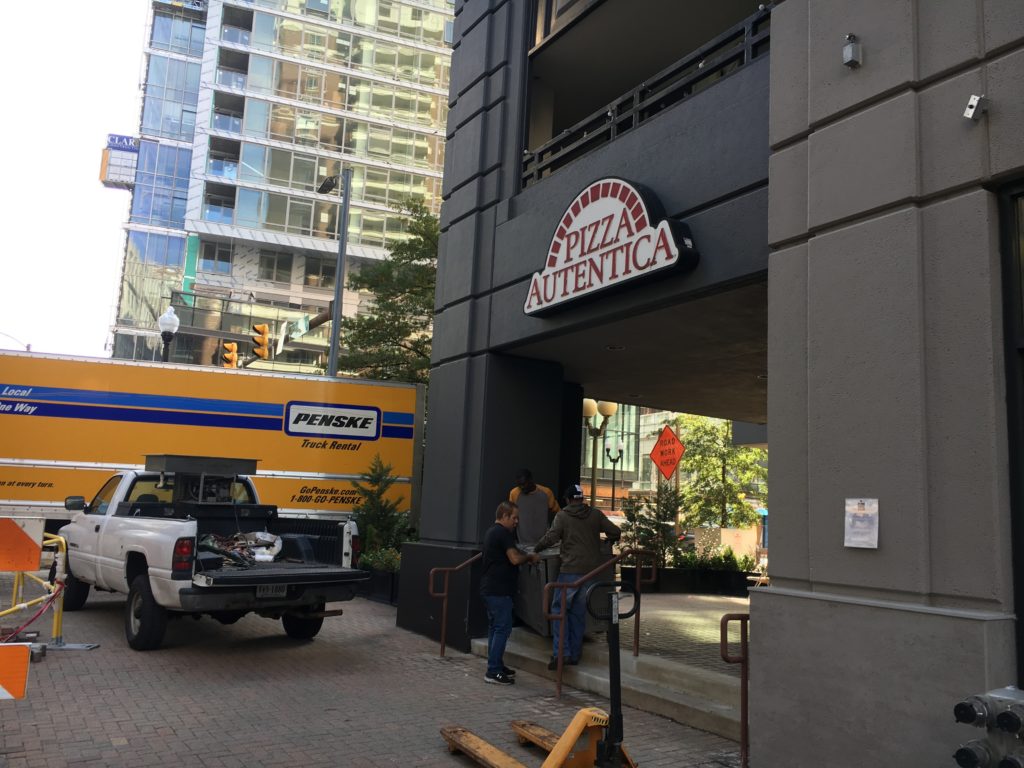
Pizza Autentica in Ballston has shut down, after serving up slices for roughly eight years in the space.

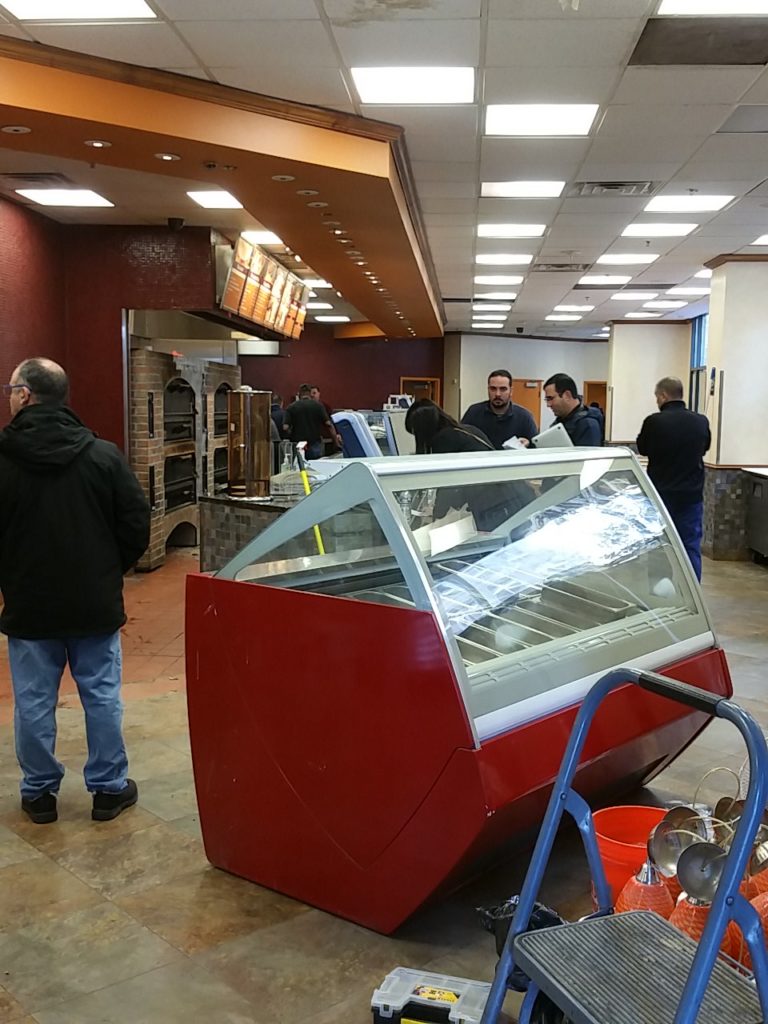
Workers began emptying out the restaurant today (Wednesday) at its space in the ground floor of an office building at 850 N. Randolph Street.

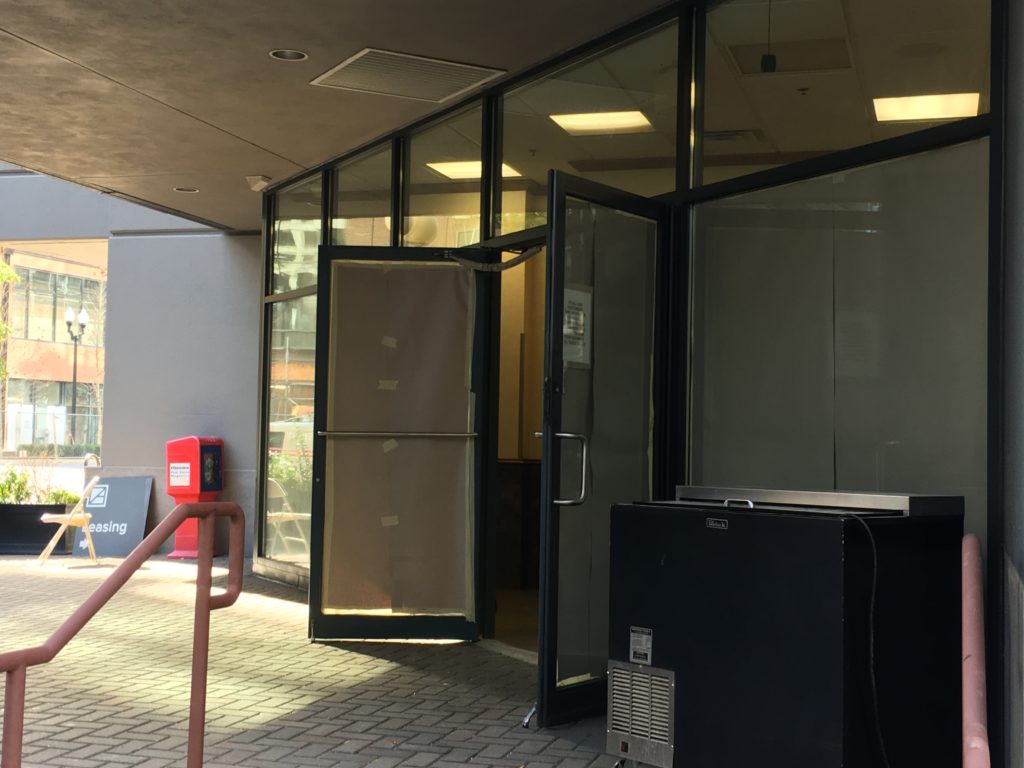
A sign on the door thanks customers “for your business all these years,” adding that the restaurant’s lease just ended, prompting the permanent closure.

The pizzeria opened in the space back in 2010, and operates seven other restaurants around the D.C. area. Its only other Arlington eatery is located in Crystal City.

County permit records don’t show any other applications for a new business looking to move into the space, as of yet.

H/t Timothy R. 


Read through Thomas Oh’s campaign platform too quickly, and you might come away with the impression he’s a Democrat.

Consider that he supports efforts to combat climate change, he backs some gun control measures and he’s refused to accept any money from Virginia’s electric utility companies or from political action committees, a series of positions favored by most on the left in this day and age.

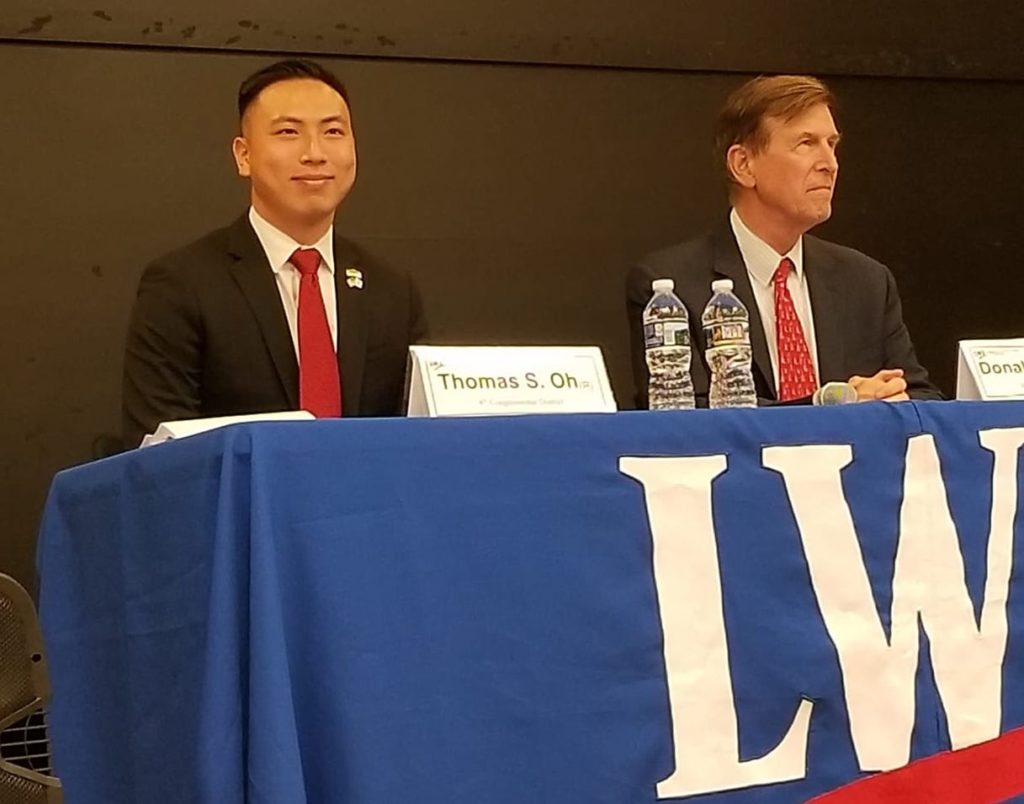
But Oh, of course, is the Republican nominee hoping to unseat Democratic Rep. Don Beyer this year in the 8th District, which includes Arlington and parts of Alexandria.

Oh faces the longest of long odds, considering that the district last elected a Republican back in 1988 and voters have twice sent Beyer to Congress with margins of victory larger than 30 percent. With good reason, Beyer, once Virginia’s lieutenant governor and the owner of several local car dealerships, is widely seen as one of the safest members of Congress in the entire country.

Regardless of his chances, however, Oh’s candidacy presents an interesting question for Republicans around the state, and around the country. In an increasingly conservative GOP, led by a combative president, is there room for a moderate Republican like Oh?

“You can pet the base and make them like you, just keep saying you’re pro-life, you love the Second Amendment and the base will love you,” Oh told ARLnow. “Or you can try your best to win it and piss a lot of your base off by trying to be in the middle of the road… but someone needs to do it, otherwise we’ll continue going down this road we’re on.”

Oh is hoping that embracing some positions running against the party platform will win him votes from independents, Republicans and even some Democrats looking for a change. But he notes that his views have frustrated plenty of hard-core Republicans, and he hasn’t exactly attracted an outpouring of support from traditional GOP groups and donors — the National Rifle Association’s political arm has refused to endorse him, and Oh says he hasn’t had much in the way of support from either the state Republican party or the National Republican Campaign Committee.

It doesn’t help matters either that Oh is on the ticket with Corey Stewart, the party’s nominee against Sen. Tim Kaine (D-Va.), who has attracted scorn from all corners for his tirades against undocumented immigrants and his embrace of Confederate symbols and white nationalists.

It all adds up to an unusual fit for Oh, as he tries to present a moderate, more libertarian vision in the deep blue district, while the rest of the party moves sharply in the other direction.

“He may not be likely to win a statewide Republican primary, but it’s been a while since Republicans have won a statewide election,” said Stephen Farnsworth, a professor of political science at the University of Mary Washington in Fredericksburg. “Presenting the party as an aggressive, conservative voice isn’t leading to success… so it does seem the Republican party is going to have to do some redefining to be competitive, and this candidate may be the shape of things to come.”

The 26-year-old Alexandria resident certainly hopes so.

Oh says he decided to run for office in the first place because he wanted to “do something, rather than just complain about our problems.” He grew up in Northern Virginia, graduated from Centreville High School and joined the Army right out of school. He earned his degree from George Mason University, and ultimately moved back to the area as a federal contractor.

Most of Oh’s positions are familiar ones among traditional Northern Virginia Republicans. He worries the federal deficit is too high, he wants to cut taxes and address Metro’s rising costs by confronting expenses generated by its labor union.

His arguments are also mirror those made by most long-shot challengers to entrenched incumbents — he claims that Beyer “takes the seat for granted” and has been unresponsive to constituent concerns, particularly those of veterans. In a statement, Beyer forcefully pushed back against the latter notion, calling it “absurd” and noting his office has taken on more than 400 veterans’ cases during his time in Congress.

Where Oh diverges a bit more from Republican orthodoxy is on guns — he supports modest gun safety measures and, like Beyer, has earned a “gun sense candidate” distinction from the advocacy group Moms Demand Action — and the environment.

He not only supports investments in renewable energy, but he’s refused to accept any money from Dominion Energy and Appalachian Power, the state-regulated electric monopolies who have long been the state’s most generous political contributors. The group “Activate Virginia” began asking candidates to swear off such contributions last year in order to encourage politicians to be more skeptical of their interests, and Executive Director Josh Stanfield says Oh is the only Republican to have taken his group’s pledge.

“Dominion has been buying Democrats and Republicans for years,” Oh said. “My opponent talks about climate change all the time, but you can’t take money from Dominion Energy.”

Records show that Dominion’s PAC has given Beyer $16,500 over the course of his three campaigns, and Stanfield notes that his request that Beyer sign the anti-fossil fuel money pledge was “apparently not worthy of a response.”

But Beyer points out that Oh is taking an unusual tack by impugning his credentials on the environment. Beyer has been especially vocal on climate change, even introducing carbon tax legislation, and he was a leading voice in calling for the resignation of former Environmental Protection Agency Administrator Scott Pruitt.

“If the assumption is that financial support from utility companies (many of which have significant clean energy portfolios, by the way) means that I’ve been bought, well, those companies aren’t getting very much for their money,” Beyer wrote.

But Oh sees Beyer’s decision to accept that cash as hypocritical, and he believes people appreciate his stance as a “political outsider” willing to take a strong stance on such issues.

It’s certainly put him at odds with Stewart, who is also skeptical of Dominion contributions, but disagrees with Oh on just about every issue. Oh says he doesn’t worry too much about that split, noting that he’s “running my own campaign, more towards my own philosophy.” The Arlington County Republican Committee has also campaigned for both Oh and Stewart, despite their differences.

But has the state GOP and the NRCC, the chief fundraising arm of the party’s congressional leadership, come in to help him out? As Oh puts it, “not so much.”

For his part, Virginia Republican Party Spokesman John March insists that the GOP “is a big-tent party and we make room for everyone who supports limited government and lower taxes,” and he pushes back on any implication that the party has been anything less than fully supportive of Oh.

Yet Oh’s campaign finance reports make it clear that he hasn’t exactly benefited financially from institutional support — outside of a $5,500 donation from the 8th District Republican Committee, Oh hasn’t gotten much in the way of cash from Republican groups to power his campaign. Oh himself has lent the campaign $5,000, and only reported taking in about $56,000 in contributions. Beyer, by contrast, has raised more than $1.9 million to support his re-election bid.

Perhaps unsurprisingly, Farnsworth doesn’t see much chance of success for Oh. He points out that Oh would need some sort of major scandal involving Beyer to have a chance — none have been forthcoming — or a “generous national environment.” However, Farnsworth notes that Donald Trump has “generated extraordinary hostility in the suburbs,” making Oh’s task ever more difficult, regardless of his moderation.

“But sometimes what elections can do is get you noticed,” Farnsworth said. “You run for state legislature, get a job in an administration, move to a more favorable district. Any of these things might happen.”

Oh wouldn’t say whether where his ambitions might lie should he lose on Nov. 6, saying he’s learned to “focus on what’s in front of you.” Considering his reluctance to toe the party line, however, he stresses that he’s not taking on this quixotic bid for his own selfish reasons.

“I don’t have an ulterior motive, I’m just here to do it,” Oh said. “I just want to do something to help the community.”

Photo via Facebook


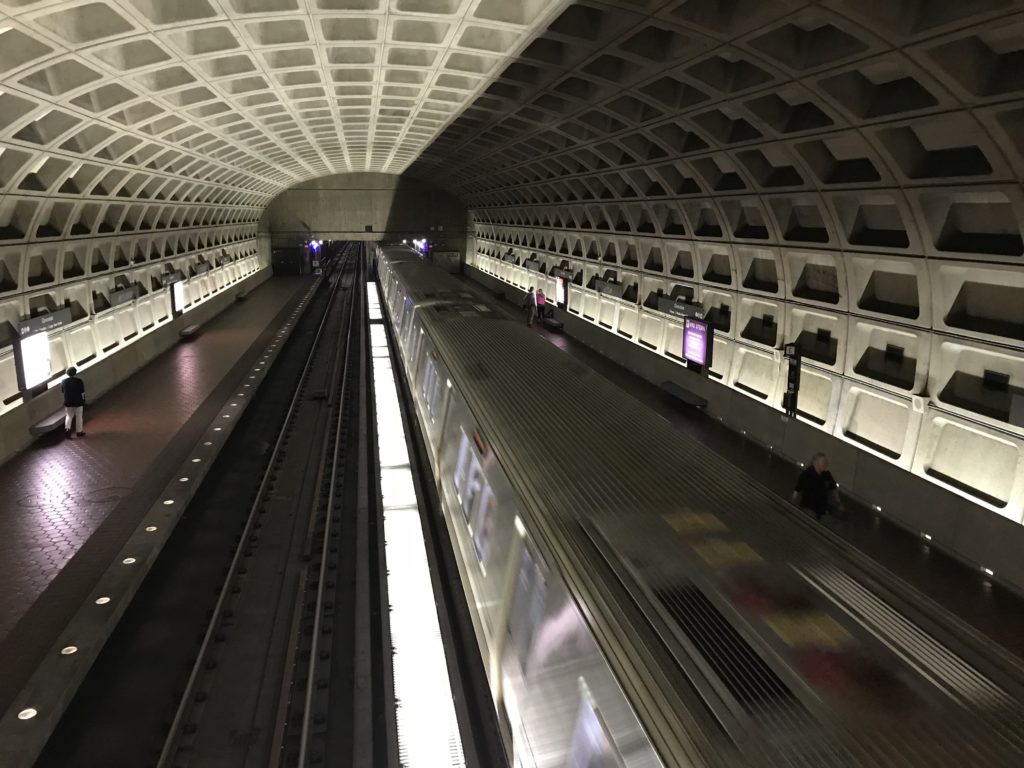
(Updated Thursday at 3 p.m.) Metro leaders are hoping to increase service during the morning and evening rush hours next year, but they could well face an uphill battle in convincing Arlington officials to help fund the change.

WMATA General Manager Paul Wiedefeld proposed a budget for the new fiscal year that doesn’t include any fare increases, but does call for rush hour service to extend to 10 a.m. and 8:30 p.m. to better serve commuters. The budget, set to be reviewed for the first time by Metro’s Board of Directors tomorrow (Thursday), also beefs up service on the Yellow and Red lines and expands all trains to a maximum eight cars as part of a broader bid to win back riders for the struggling rail service.

The catch, of course, is that such service increases won’t come without a steep price tag. Even though Metro expects to bring in some new revenue with the added service, Wiedefeld expects that he’ll need an extra $20 million from Maryland, D.C. and Virginia to afford those changes.

Virginia relies on individual localities like Arlington to chip in for WMATA each year, and that means Wiedefeld’s proposed changes would increase the county’s annual funding obligation to Metro from $75 million each year to $83 million. That works out to a 9.8 percent increase, a number that is giving Arlington officials some real pause.

“It’s not that it’s a bad idea,” County Board Chair Katie Cristol told ARLnow. “It’s a question of, where does the money come from?”

Christian Dorsey, the County Board’s vice chair and Arlington’s representative on the Metro Board of Directors, agrees that he’d love to see some service increases, particularly as Metro wrestles with a thorny internal debate about how to boost ridership. Yet he’s concerned that Arlington won’t be able to afford all of Wiedefeld’s changes, at least all at once.

The county is already dealing with an intense funding squeeze, driven in part by falling revenues but also by the deal struck by state lawmakers to provide dedicated funding to Metro, which already put a larger burden on Arlington’s budget. This latest funding increase could make the county’s already grim financial picture even gloomier, Dorsey said.

“That’s a challenge, and there’s not the ability for any jurisdiction to just say, ‘Let’s take this budget and adopt it as is,'” Dorsey said. “I’ll be honest with you, this surprised me… I can’t quite come up with a rational reason why these service enhancement proposals were developed in this way.”

As Dorsey puts it, “something’s got to give, and something’s got to shift” in Wiedefeld’s proposal. He expects that some of the proposed changes to boost ridership “might need to wait until later,” due not only to Arlington’s specific budget challenges but one specific issue affecting all of Virginia’s localities.

A provision included in the dedicated funding deal prohibits the state from increasing its funding level to Metro by more than 3 percent each year, as part of a bid to control costs. Yet Wiedefeld’s proposal calls for an increase closer to 16 percent for the entire state, though that is largely driven by new construction costs for the second phase of the Silver Line, borne primarily by Loudoun County.

To Cristol, who doubles as the secretary-treasurer of the Northern Virginia Transportation Commission and argued forcefully for the dedicated funding legislation last year, fighting to exceed that 3 percent cap seems like a perilous decision for Metro.

(more…)


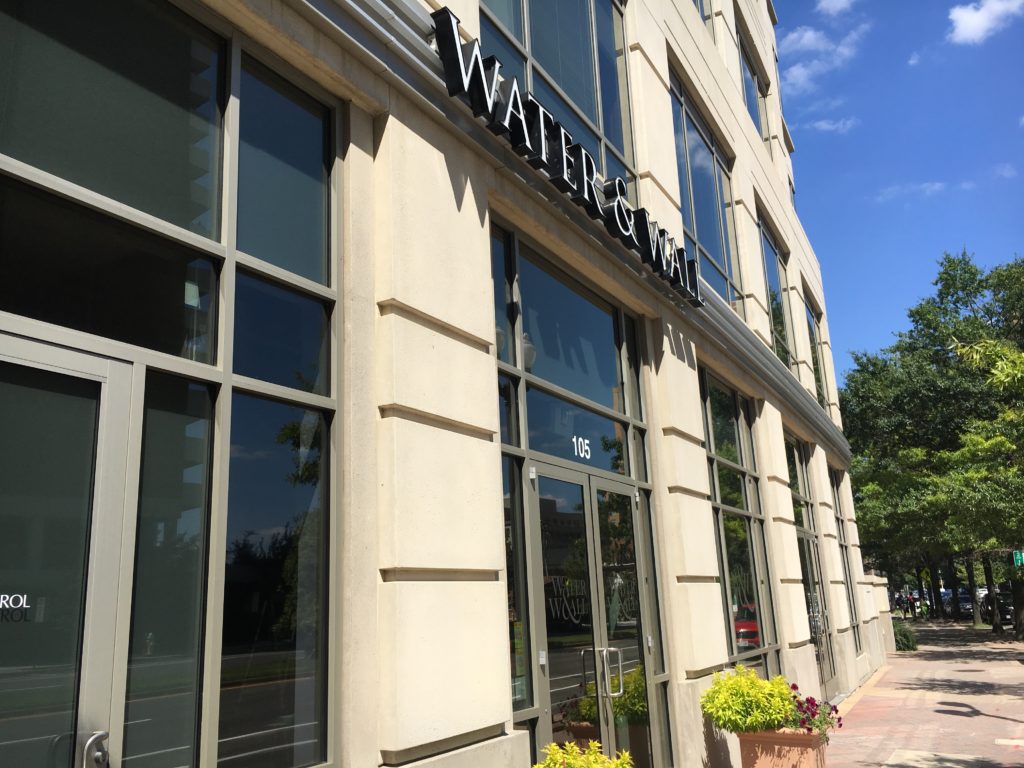
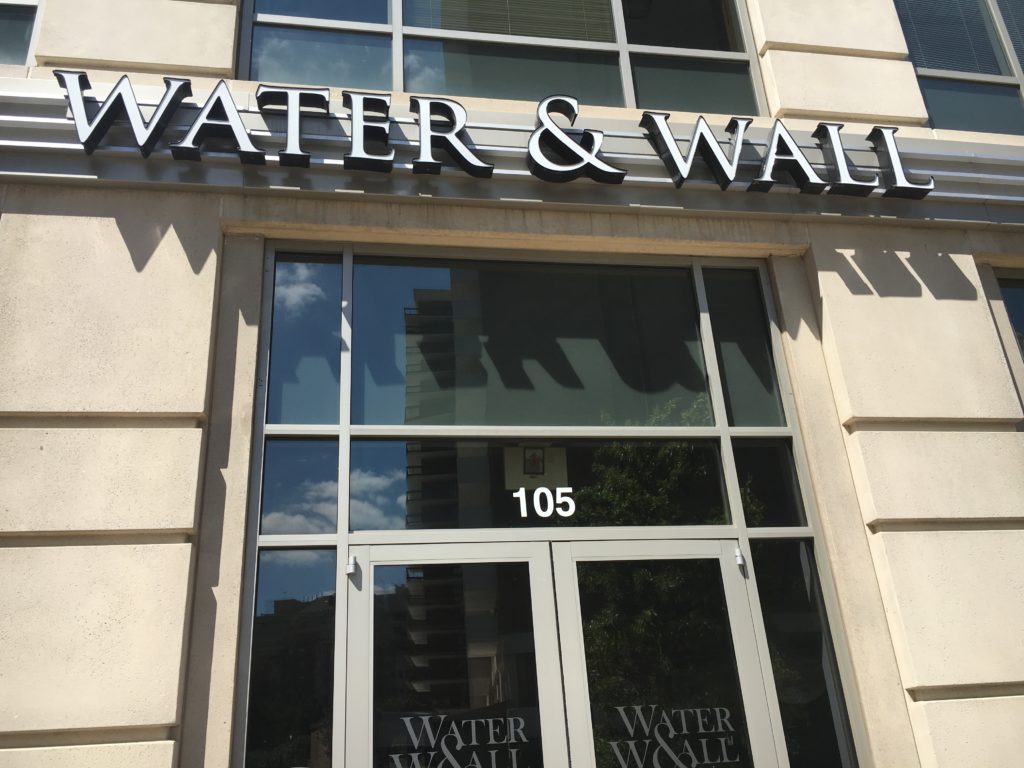
A new Asian fusion restaurant is on the way for Virginia Square, moving in to the space once occupied by Water & Wall.

Thai Treasure will soon open a new location at 3811 Fairfax Drive, owner Nui Bumrungsiri told ARLnow.

Bumrungsiri also operates a restaurant of the same name in Vienna, but she said this new eatery will offer “all kinds of Asian food, not just Thai.”

She added that it was too soon to be sure when the restaurant might open, exactly.

But Thai Treasure has applied for a license to serve wine, beer and mixed drinks at the restaurant, records show, and plans to have space for up to 150 people.

Water & Wall closed at the space in February 2017, after roughly three and a half years in business.

The chain Burgerim and a restaurant dubbing itself “Erasian” have also requested permits or announced plans to move into the same office building, which is currently home to a Tropical Smoothie Cafe.


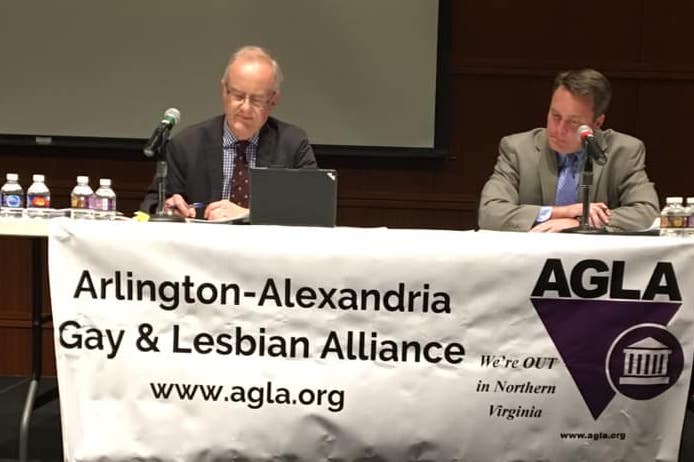
Independent County Board member John Vihstadt managed to pull in more cash contributions than Democratic challenger Matt de Ferranti over the final month of the race, but de Ferranti has kept his campaign afloat financially thanks to hefty loans from both himself and his mother.

Vihstadt, the first non-Democrat to win a seat on the Board since 1999, raised about $27,400 from Oct. 1 through Oct. 25, according to campaign finance documents released yesterday (Monday). De Ferranti pulled in about $21,100 over the same time period, after quite narrowly out-raising Vihstadt over the course of September.

But, in total, the Democrat reported raising about $66,100 over the course of the last month, thanks to $45,000 in loans. De Ferranti himself supplied $25,000, while his mother, Margot, lent the campaign $20,000. In the run-up to his primary win over Chanda Choun, de Ferranti and his mother both loaned the campaign $4,000 as well.

De Ferranti also donated $3,500 directly to his campaign, though that was far from his largest contribution for the fundraising period. The Leaders in Education Fund, the political giving arm of the advocacy group Leadership for Educational Equity, cut de Ferranti another $10,000 check after previously doing so last month.

None of Vihstadt’s contributions were more than $1,000 each. However, Steve Harris, the owner of the Arlington-based Mr. Wash Car Wash chain, did chip in a total of $2,000 to the campaign over the course of October, the documents show.

The incumbent, who’s seeking his second full term on the Board after winning a special election and then the general against Alan Howze in 2014, also bested de Ferranti when it came to small-dollar donations. Vihstadt notched 72 contributions of $100 or less, for a total of $4,425, while de Ferranti managed 55 for a total of $2,943.

The Democrat has also managed to spend down the bulk of his campaign account, shelling out nearly $124,500 in the last month alone. He now has about $10,850 left for the campaign’s remaining days.

Vihstadt’s spending was also in the six figures for the final month — he reported about $111,650 in expenses — but his larger campaign war chest means he still has about $58,300 left in the bank.

The independent incumbent has now marshaled just over $212,598 to support his re-election bid. De Ferranti’s total is slightly behind that at around $203,100, but that includes the $53,000 in loans he and his mother have provided to the campaign. Records do not show any loans made to Vihstadt’s campaign.

Voters will decide the lone County Board race on the ballot next Tuesday (Nov. 6).

Photo via Facebook


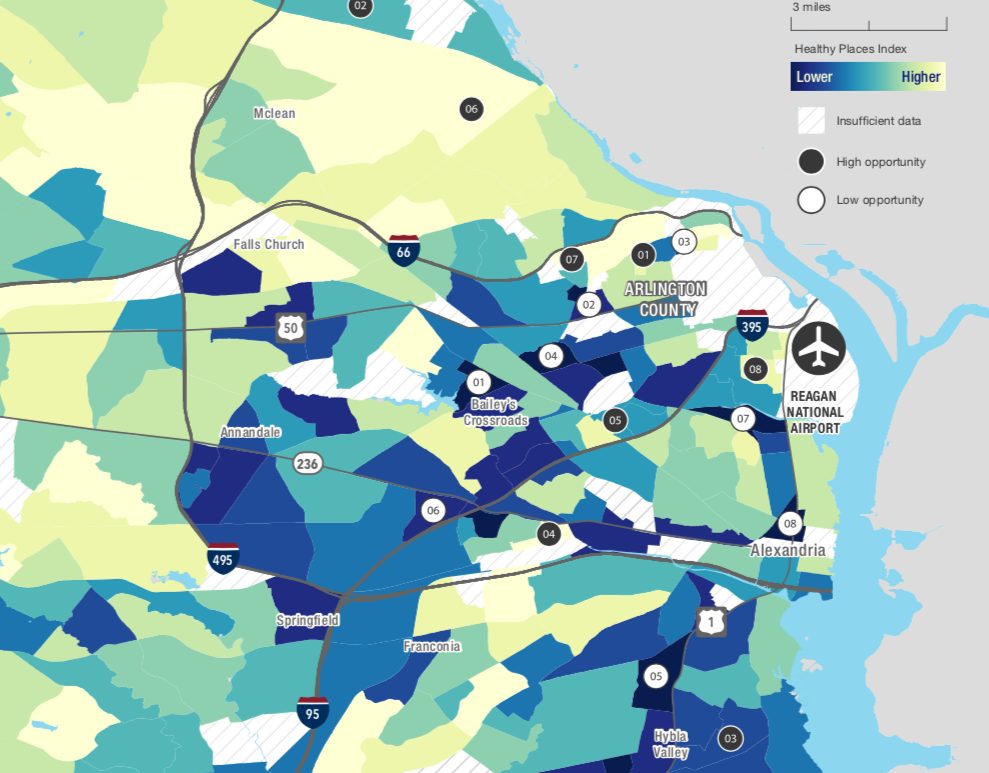
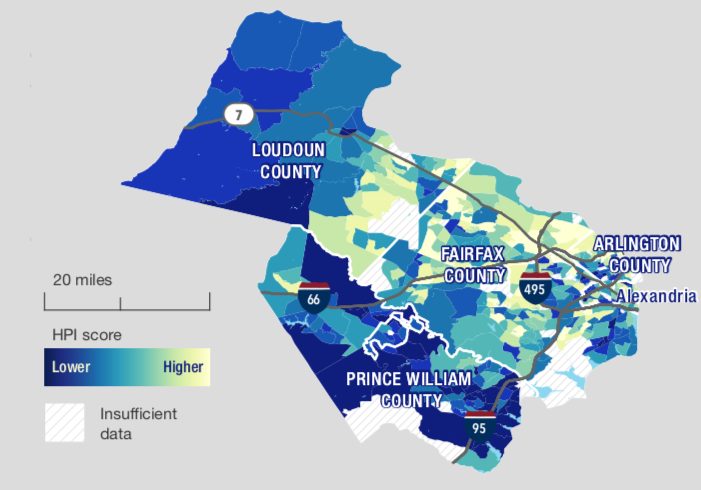
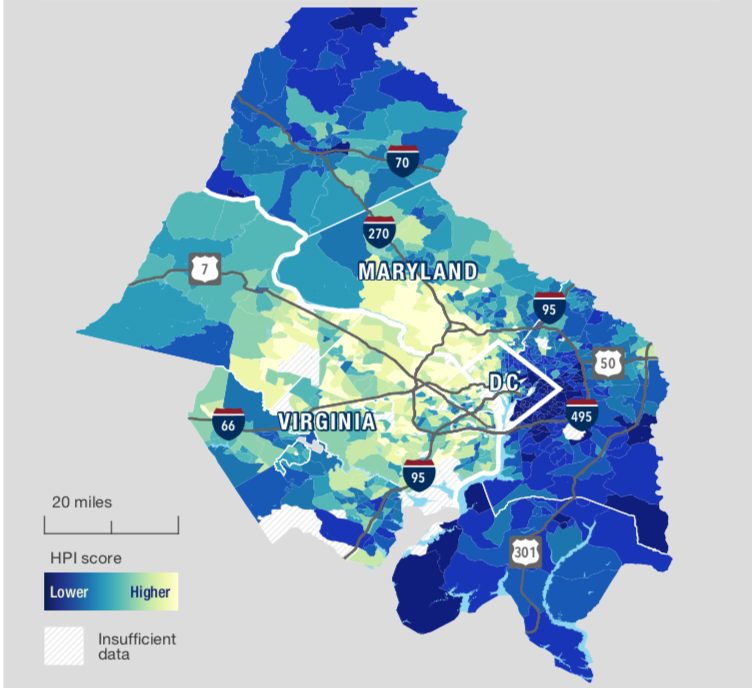
New research suggests that people living in Arlington’s poorest neighborhoods also have the fewest opportunities to lead healthy lives when compared to other communities throughout the entire D.C. region.

A study commissioned by the Metropolitan Washington Council of Governments and conducted by researchers at Virginia Commonwealth University show that many of Arlington’s most diverse neighborhoods with the lowest median incomes, such Columbia Heights, Nauck, Douglas Park and Buckingham, also scored the lowest in their measure of “health opportunities” across metropolitan Washington. The results closely mirror a previous study’s findings that people living in many of the same neighborhoods lack economic opportunities as well.

The researchers developed a “Healthy Places Index,” known as HPI, to evaluate not only health outcomes (like life expectancy) in each community, but also to understand whether people have the opportunity to be healthy based on where they live. That includes evaluations of factors like air quality, access to healthcare, housing affordability, the availability of public transportation and education levels.

The study applies that index to neighborhoods across the D.C. area, examining communities using granular Census tract designations to detect patterns within counties and cities in the region. Though the group found that the overall health of the 4.5 million people living in the District and its suburbs is “excellent” and “well above the national average,” they also uncovered “islands of disadvantage” within even wealthy localities like Arlington.

Even though some of the more affluent, higher educated areas of the county rate quite highly in the study’s measure of health opportunities, others rank among the lowest in all of Northern Virginia. The researchers identified the Columbia Heights neighborhood, just off Columbia Pike, as having one of the “the lowest HPI scores in the region,” noting that about 23 percent of adult residents there live in poverty. Buckingham, located along Route 50, also posted poor HPI scores, and the study noted that its residents have a median income of about $38,125 annually.

“The researchers found stark contrasts in socioeconomic and environmental conditions in Northern Virginia, often between neighborhoods separated by only a few miles or blocks,” the VCU academics wrote. “As was observed elsewhere in the region, people of color were disproportionately exposed to adverse living conditions.”

To illustrate those points, the study compared McLean — one of the wealthiest and whitest communities in the area — to Columbia Heights. The former ranked among the top-scoring neighborhoods in the region on the HPI, a far cry from Columbia Heights’ own performance.

“The population in the McLean tract was predominately white (70 percent) and Asian (19 percent), the population in Columbia Heights was largely Hispanic (51 percent) and black (19 percent),” the researchers wrote. “More than half was foreign-born, and most immigrated during 2000-2009.”

While the researchers identify a whole host of factors that could be contributing to such a split, they also stress that it is impossible to ignore the impact of “institutional racism” in understanding why such a divide exists between the races when it comes to health opportunities. They note that discriminatory housing and economic policies mean that people of color are “more likely to live in racially and ethnically segregated neighborhoods that suffer from decades of disinvestment,” which can have a whole host of negative consequences for their health.

“As a result, neighborhoods of color often lack access to affordable high-quality housing, stores that sell healthy foods, green space, clean air and clean water,” the researchers wrote. “These communities are often targets for fast food outlets, tobacco and alcohol marketing and liquor stores. These conditions affect not only the health, economic opportunity, and social mobility of people of color, but they also weaken the health and economy of the entire region.”

Accordingly, the study recommends approaches recognizing that history to officials sitting on the Council of Governments, as they try to craft a response across the region.

“Real solutions require targeted investments in marginalized neighborhoods to improve access to affordable, healthy housing as well as affordable transportation, child care, and health care (e.g., primary care, dental care, behavioral health services),” they wrote. “Everyone benefits from this approach, not only the residents in low-income neighborhoods and communities of color, but also the entire regional economy. Economic and racial inequity saps the strength of the economy. Everyone pays a price for inaction: persistent poverty and social isolation fuel discontent, unhealthy behaviors (e.g., drug addiction), crime, and violence.”


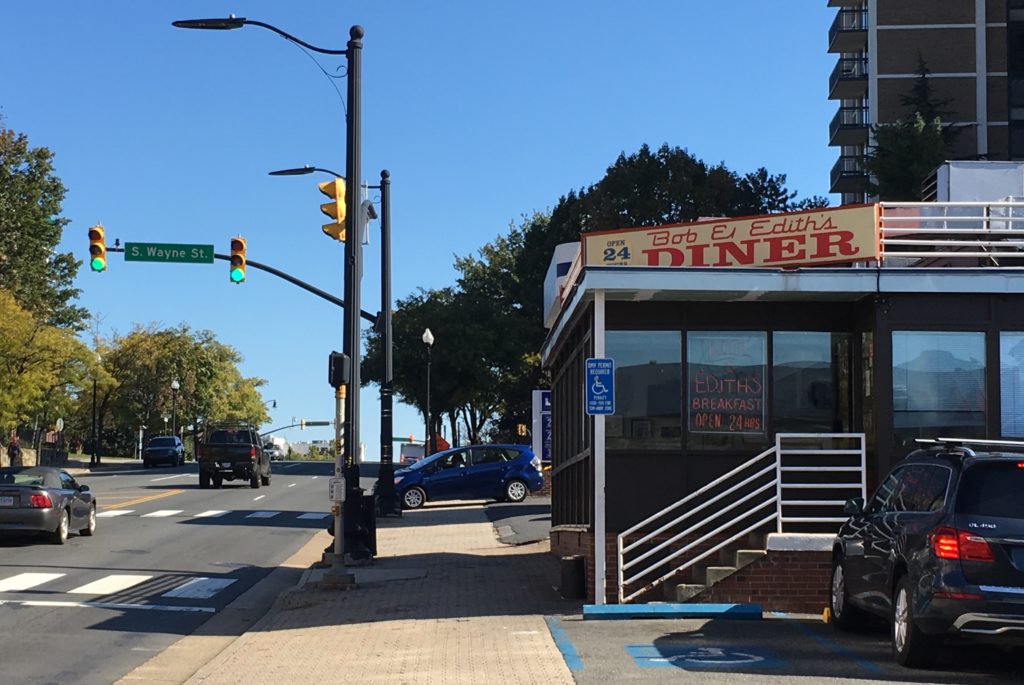
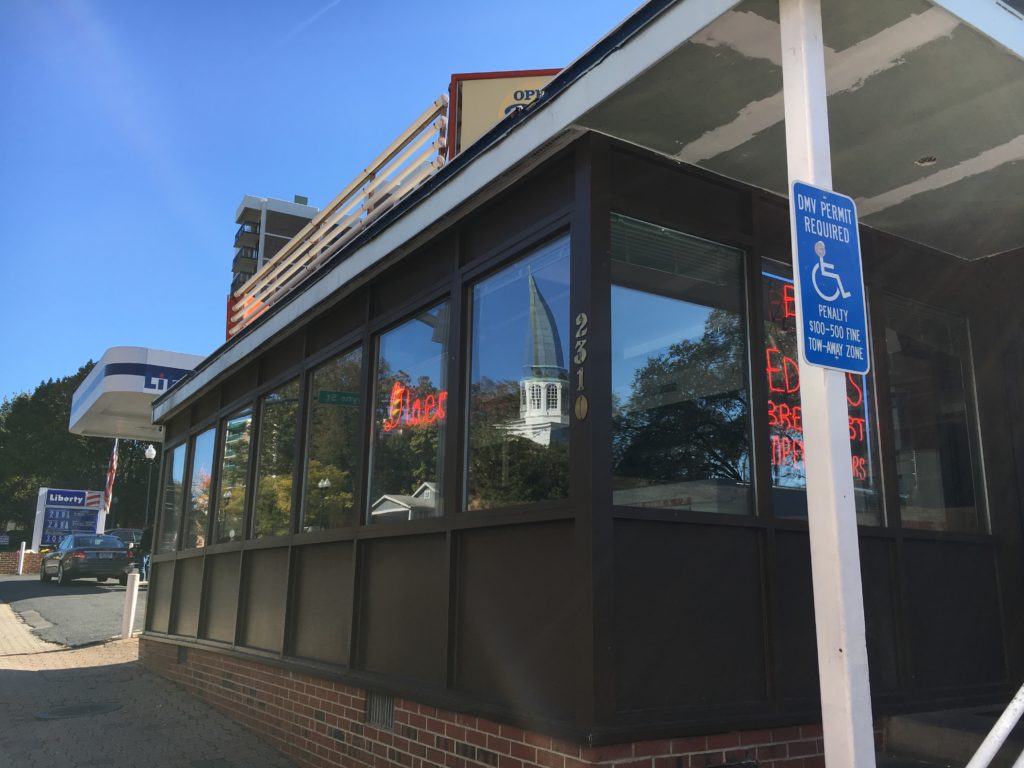
The original Bob and Edith’s Diner along Columbia Pike is currently closed for maintenance.

A sign posted on the door of the diner, located at 2310 Columbia Pike, informs would-be customers of the closure, and was still posted as of noon today (Tuesday).

A lawyer for the restaurant chain’s owner, Greg Bolton, did not immediately respond to a request for comment on how long the location might be closed.

Repeated calls to the restaurant went unanswered. Kurt Larrick, spokesman for the county’s Department of Human Services, said the closure “is not related” to any code violation or other health department action.

Longtime fans of the diner have expressed fear about its future over the last few weeks, after the building was listed for sale in late September. The listing, offered up by real estate and development firm BM Smith, remains active, and neither Bolton nor the realtors have responded to inquiries about what the sale means for the restaurant. Bob and Edith’s has operated out of the space since 1969.

Earlier this year, Bolton acquired Linda’s Cafe along Lee Highway, with plans to open a new restaurant at the location. The chain last expanded back in 2015, opening restaurants in Crystal City and Springfield.

H/t to ARLnow commenter G. Clifford Prout


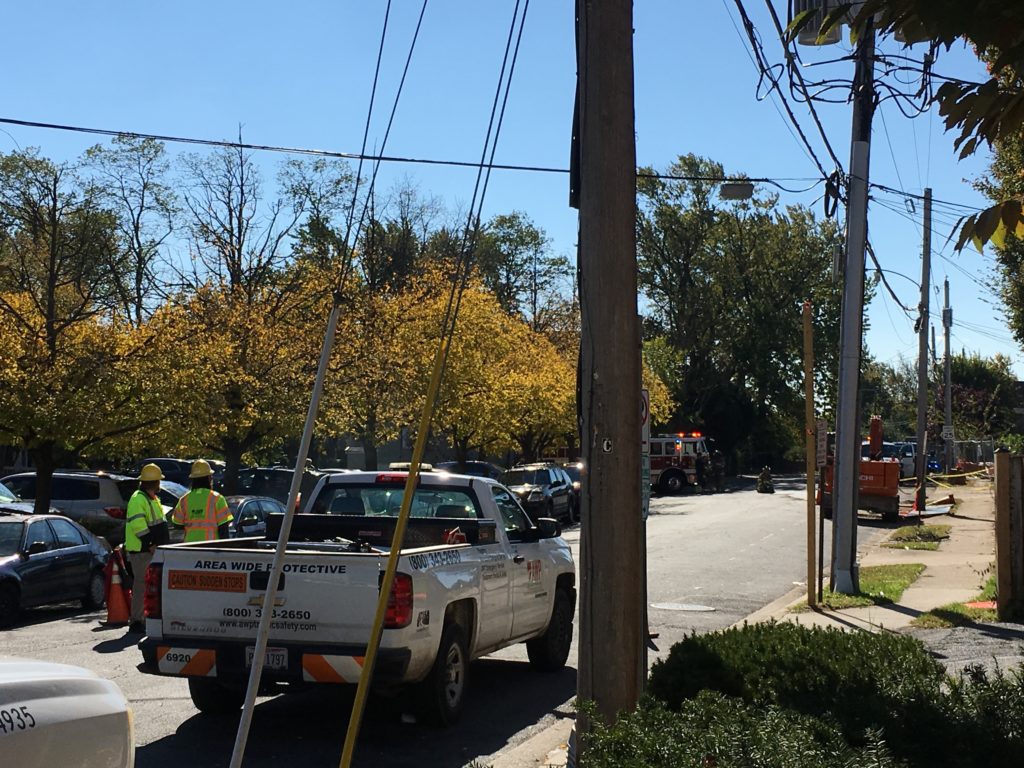
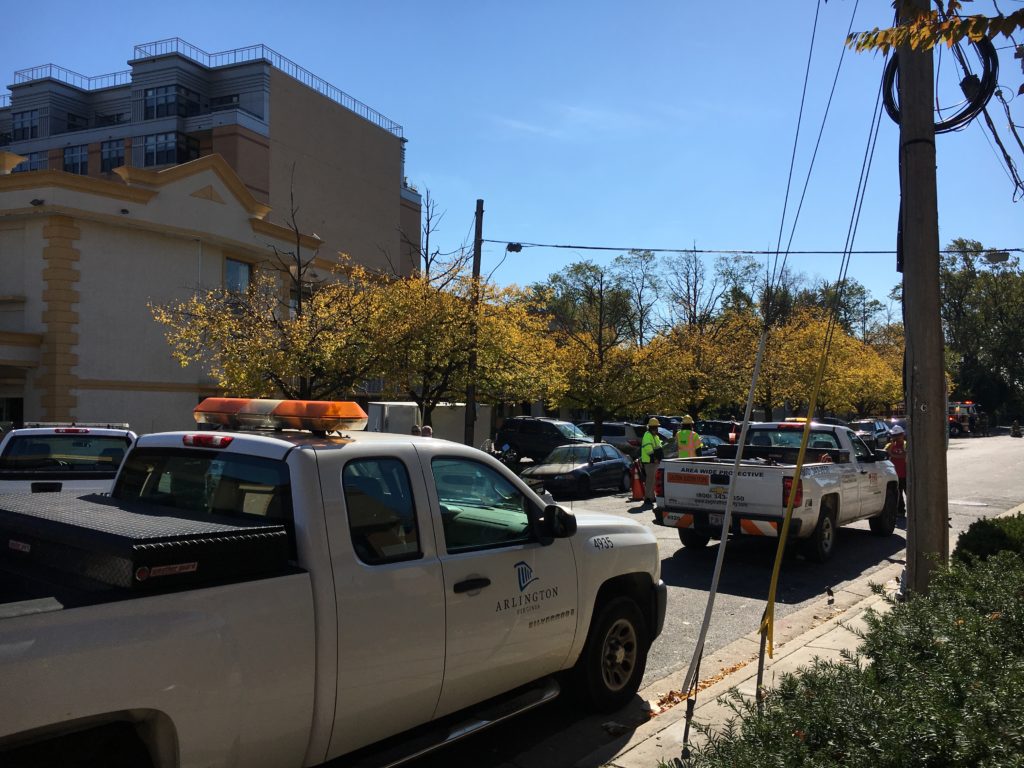
(Updated at 11:45 a.m) An outside gas leak has prompted county police to close a section of S. Highland Street as it meets Columbia Pike.

First responders were first called about the leak around 11 a.m. today (Tuesday), per scanner traffic. The leak will also result in the closure of 12th Street S. as it meets S. Highland.

Police are currently waiting on Washington Gas to evaluate the situation. The area is home to a Days Inn and a Shell gas station.

Photo via Google Maps


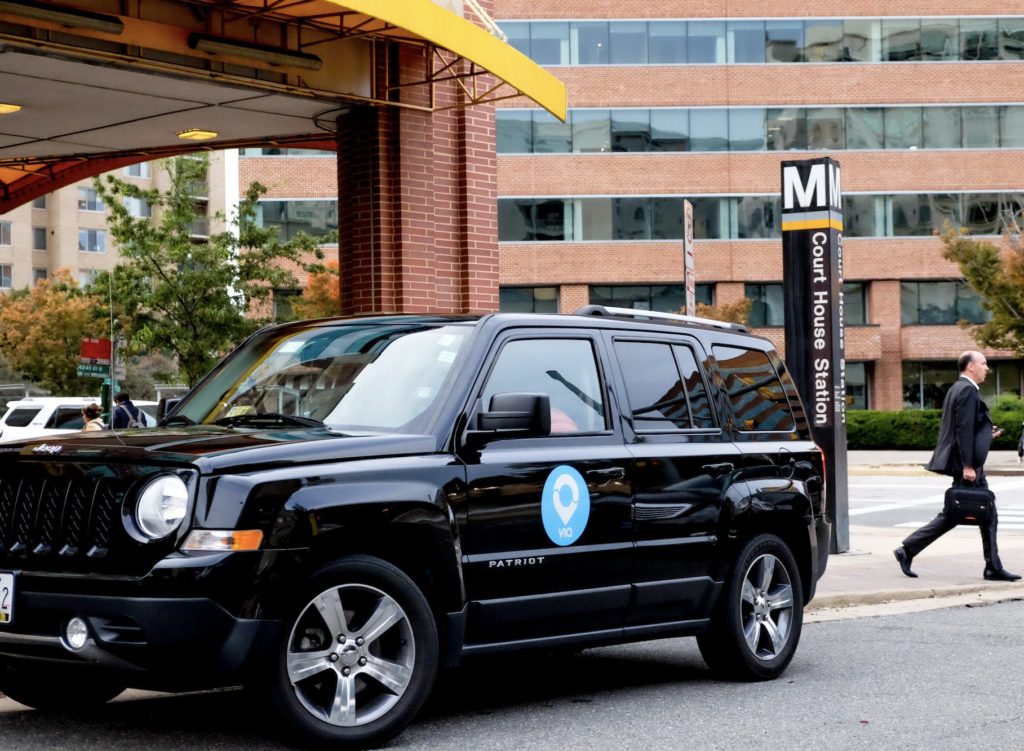
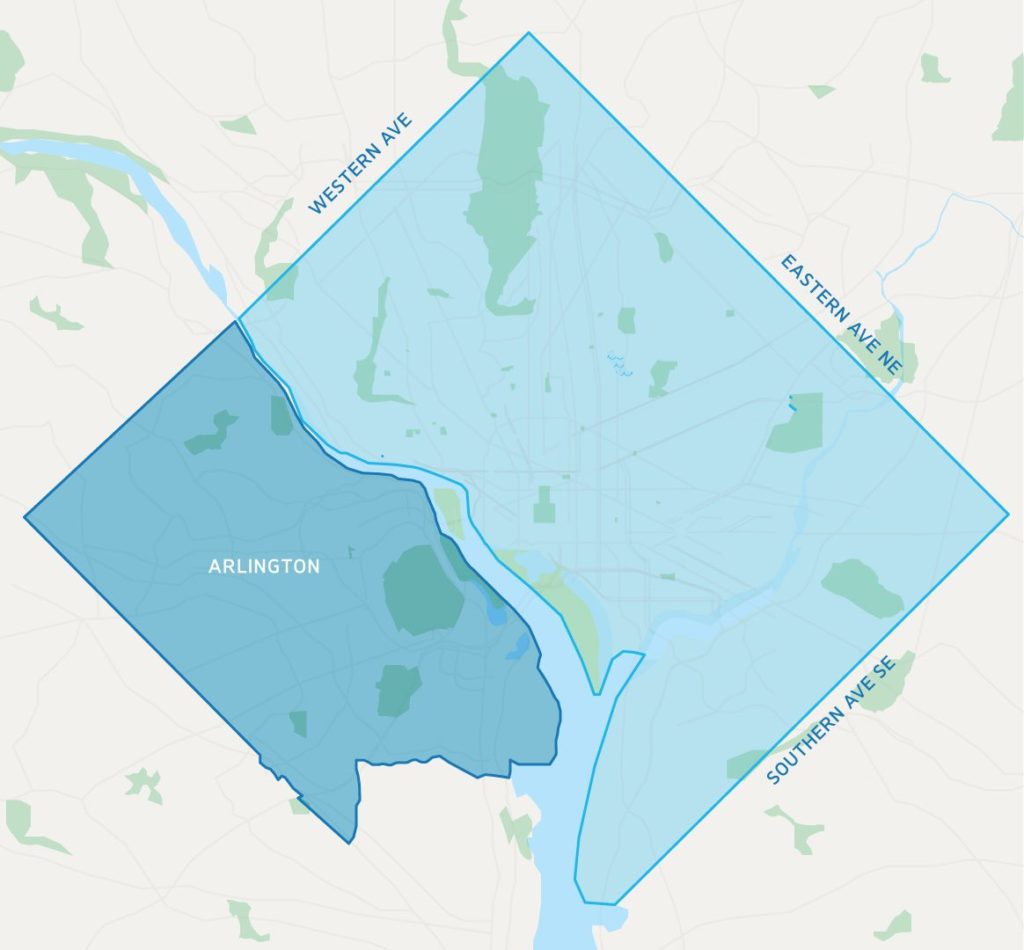
Arlington is getting a new ridesharing service that will offer “virtual bus stops” to encourage more efficient trips.

Via announced yesterday (Monday) that it plans to expand from D.C. into Arlington. The company says that for now it will not offer service to Reagan National Airport as part of its Arlington expansion, but it plans to do so “in the coming months.”

Via first launched in the District in 2016, in a bid to take advantage of commuters abandoning Metro during the height of the “SafeTrack” maintenance work. But unlike its more prominent competitors, Uber and Lyft, Via encourages multiple passengers to split each ride by default.

Once a would-be rider enters their destination, the Via app directs them to a nearby street corner, dubbed a “virtual bus stop” by the company, in order to offer “quick and efficient shared trips without lengthy detours that take riders out of their way,” according to a press release.

The company hopes this cuts down on the number of car trips and vehicles used by other taxi and ridesharing services, which it believes “reduces congestion and emissions, providing an inexpensive, eco-friendly, and convenient transportation alternative.”

“Via’s powerful technology is seamlessly integrating with public transit infrastructure around the globe, redefining the way people get around cities,” Daniel Ramot, co-founder and CEO of Via, wrote in a statement. “We’re delighted to be expanding into Arlington, extending our convenient, affordable and congestion-reducing service to residents of Virginia.”

The company also plans to briefly cap the cost of shared rides at $4 to entice riders to try the service, and will operate 24 hours a day, seven days a week.

Via launched in New York City in 2013, and also operates in the Chicago area as well. Other ridesharing alternatives to Uber and Lyft like Split and Sidecar have briefly operated in D.C. before shutting down, while local Arlington option Sprynt also seems to have ceased offering rides.


View More Stories