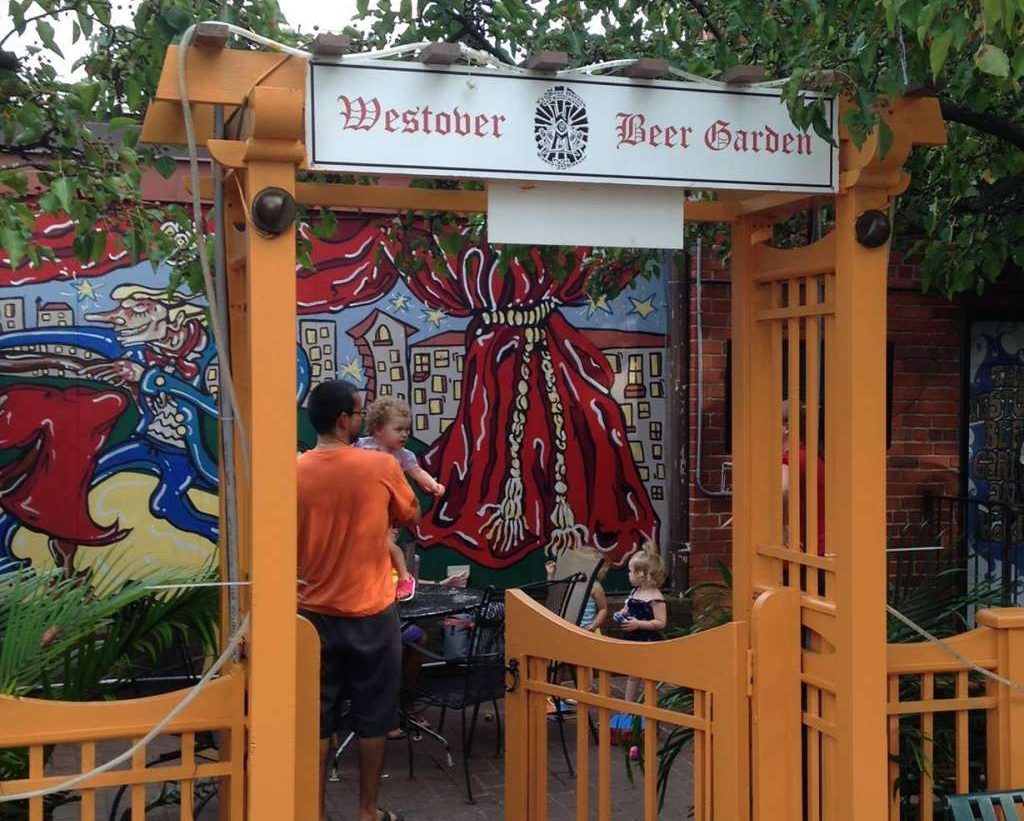
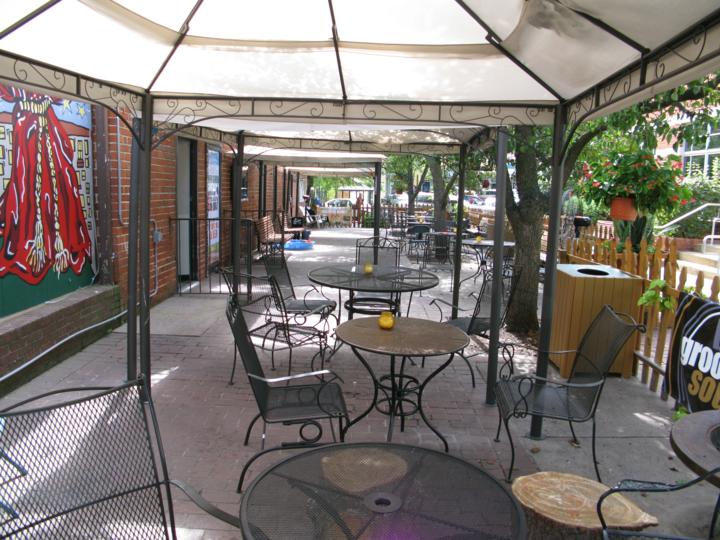
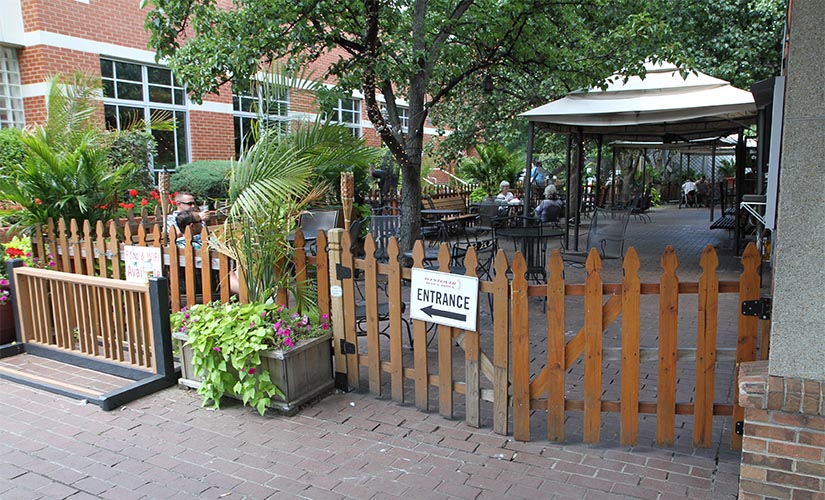
The Westover Market and Beer Garden will still be able to offer outdoor amplified music after striking a new deal with county officials, offering a compromise to placate neighbors who remain concerned about the noise emanating from the establishment.

The County Board unanimously agreed to revamped permit requirements for the popular beer garden Saturday (Oct. 20), stipulating that musicians at the restaurant will only be able to play amplified music outside until 9 p.m. on Fridays, one hour short of the current 10 p.m. limit. The Board is also requiring the restaurant to submit a modified “sound management plan” by this coming March.

County staff originally urged the Board to ban all amplified music at the beer garden, arguing that the restaurant had repeatedly violated its noise limits and elicited a number of complaints from people living in the residential neighbors surrounding the location at 5863 Washington Blvd. The beer garden has drawn all manner of county scrutiny in recent years, from its noise levels to its compliance with county permit regulations.

Yet the restaurant’s owners offered to limit outdoor music on the weekends as a middle-ground solution, and it was one the Board happily accepted.

“The Board recognizes that the Westover Beer Garden is a popular gathering spot for the neighborhood,” Board Chair Katie Cristol wrote in a statement. “But it also is close to homes. Arlington’s mixed-use neighborhoods, where we sometimes have commercial uses very close to homes, depend on everyone following the rules to work. By reducing the hours for amplified outdoor music, the Board is seeking to address the violation, while also giving the beer garden a path forward to comply with the conditions of its use permit.”

Several beer garden patrons spoke in support of the restaurant Saturday, noting that noise in the parking lot of the restaurant’s shopping center would often rise to the same level as the decibel limits set on the restaurant by the county. The beer garden has the distinction of being the only establishment in Arlington with an “outdoor live entertainment use permit,” according to the county, and its supporters argued that it’s generally abided by the permit’s strictures over the years.

“There are some things you have to accept as part of a big picture with wherever you live,” Dee Doyle told the Board. “There’s some noise, but that’s part of the bargain… The benefits of this business vastly outweigh any negatives.”

The Westover and Tara-Leeway Heights civic associations both urged the Board to maintain the beer garden’s live music permissions, and the restaurant’s backers argued that only a few disgruntled neighbors were complaining about the noise generated by the establishment. According to a new county staff report prepared for the meeting, county police received 12 calls about noise at the restaurant between April and October, but 75 percent of those calls came from the same two households.

But Thomas McCall, who lives near the restaurant, argued that people living on both sides of Washington Blvd have come together to protest the beer garden’s disruptions. He viewed the depiction of his fellow neighbors as “selfish” for complaining as a frustrating one, noting that he felt the neighborhood had tried to work with the restaurant in good faith on the issue.

“This permit modification allows the music to continues, allows the the patrons to continue to enjoy the beer garden, and alleviates the problems for nearby neighbors,” McCall told the Board.

Yet Bill Lawson, an attorney for the beer garden, argued that “if these guys can’t have amplified music, there’s just no point” in offering live entertainment outside at all.

“If you complain often enough and loud enough, you might succeed in shutting this business down,” Lawson said.

He offered the reduced hours as one way to address the issue, and added that owners David and Devin Hicks would also be willing to offer an independent “ombudsman” to monitor noise levels on a regular basis.

The Board was eager to sign off on that compromise, though many members expressed consternation that the issues at the beer garden have so frequently required their mediation.

“We want to build community, but at the same time, as we grow and change, if people have a nice home and a nice situation, we need to make sure they suddenly don’t hear a lot of music where they live,” said Board member Libby Garvey.

The Board will review the beer garden’s permits once more next October.
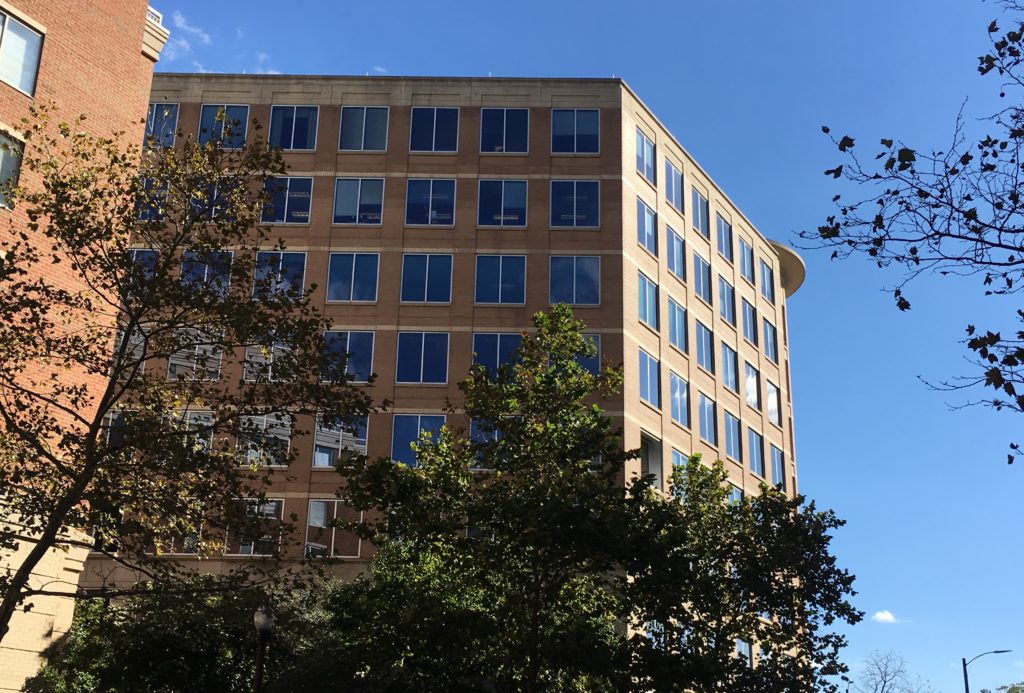


A new fitness studio looks to be headed to Ballston.

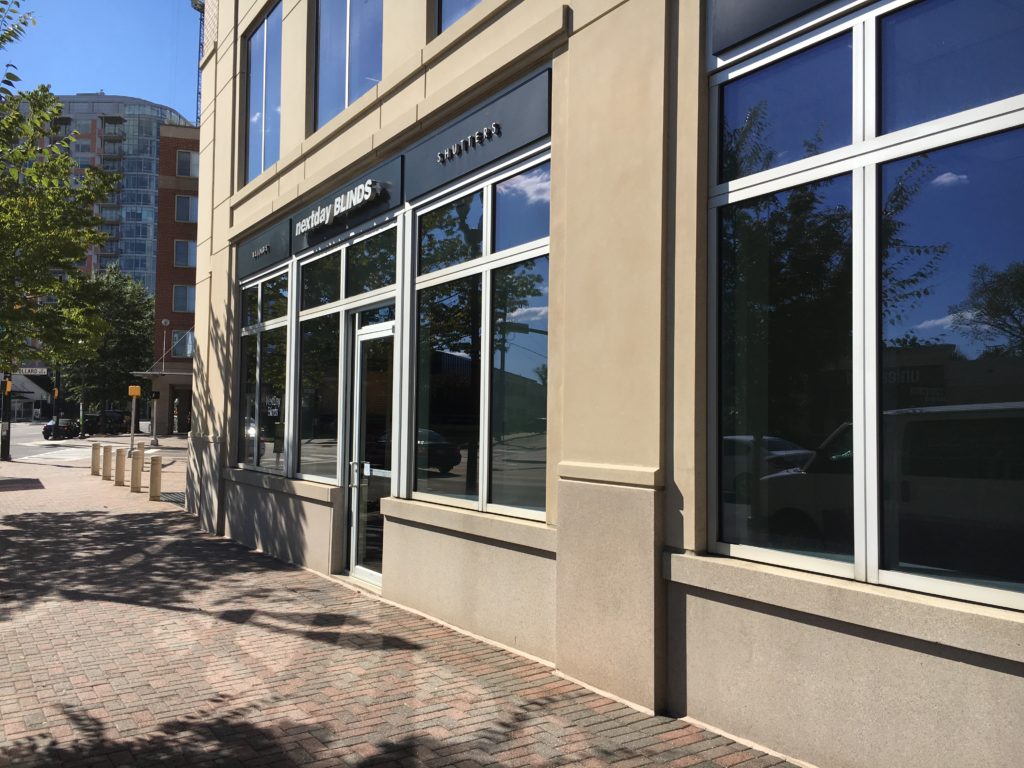
F45 Training has applied for building permits in a 2,230-square-foot space at 3865 Wilson Blvd, according to county records. The office building is also home to a Next Day Blinds show room, though the permit application doesn’t make it clear where in the building the gym would be located.

F45 didn’t immediately respond to a request for comment seeking clarity on when the gym might open, but its website lists the location as “coming soon.” The gym would be F45’s second in Arlington, as the company already operates a location in Pentagon Row.

F45 also offers studios across the rest of the D.C. region, and the country. According to its website, each studio offers “a 45-minute high-intensity, circuit training workout class” for members, with 27 different classes offered in total.

The company applied for the building permits in September, records show.


After a brief delay, the developers of the Red Top Cab properties in Clarendon look set to win permission to include fewer parking spaces as part of a major redevelopment of the area into mixed-use buildings.

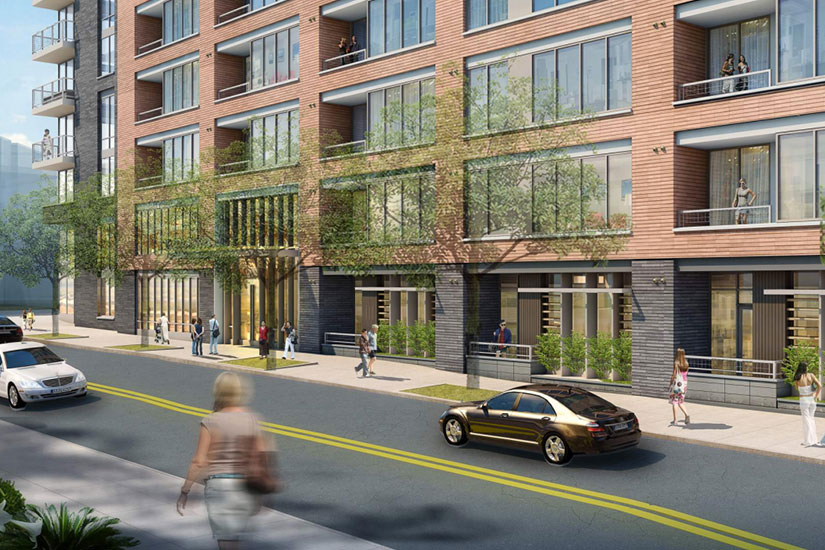
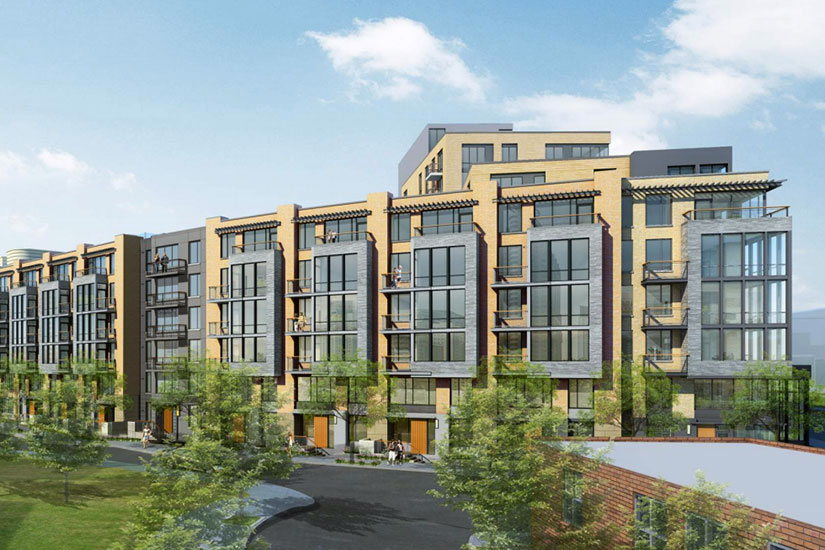
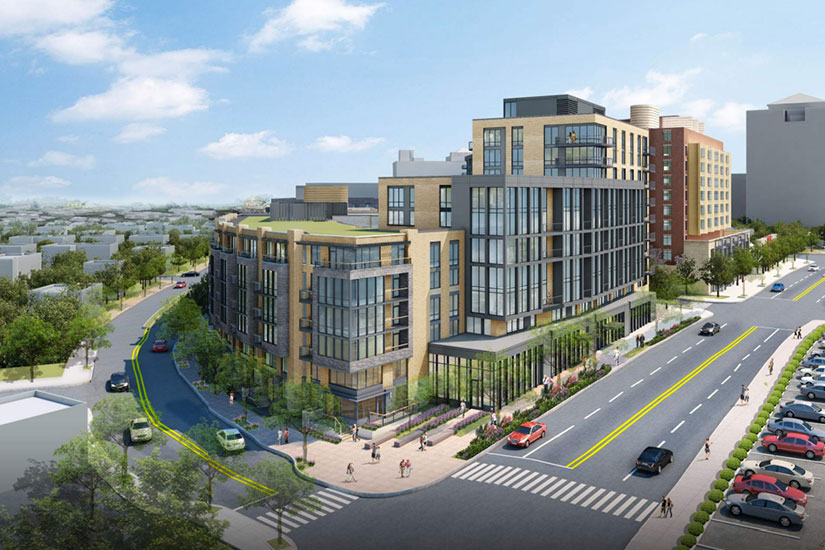
The Shooshan Company has hoped for weeks now to slash 178 parking spaces from its previously approved plans for the site, located where Washington Boulevard meets 13th Street N. The developer has long planned on transforming the space into three buildings offering 584 multifamily units, 1,295 square feet of retail space and two parking garages, but hoped to cut back on some of the parking at the site to save a bit of money.

The County Board first heard that request back in September, but ultimately decided to delay consideration of the matter for a month. That decision was largely due to “concerns expressed by the Board Members regarding retroactive changes to the residential parking ratio” after plans were already approved, according to a county staff report on the issue.

Neighbors also voiced concerns that a reduction in parking without a corresponding addition of space for bicycles would have a negative impact on surrounding streets.

Since then, county staff have taken a fresh look at the issue, and are prepared to tell the Board that “no undue adverse impacts are anticipated as a result of the reduction in the parking ratio.”

Not only did county staffers “not find any deficiencies in the infrastructure around the site,” but the developer also completed another analysis of traffic in the area. That study found that changes in the area are likely to reduce congestion nearby, and that the parking to be added (both in the garages and on the street) should be adequate to manage demand in the neighborhood.

The Board will consider the issue again at its meeting tomorrow (Saturday). Shooshan is currently targeting the first quarter of 2019 to begin construction on the properties, and recently closed on the sale of the property while also teaming up with another developer to manage the project.


Arlington officials expect a mix of across-the-board service cuts and tax rate increases is the surest way for the county to tackle its widening budget gap next year.

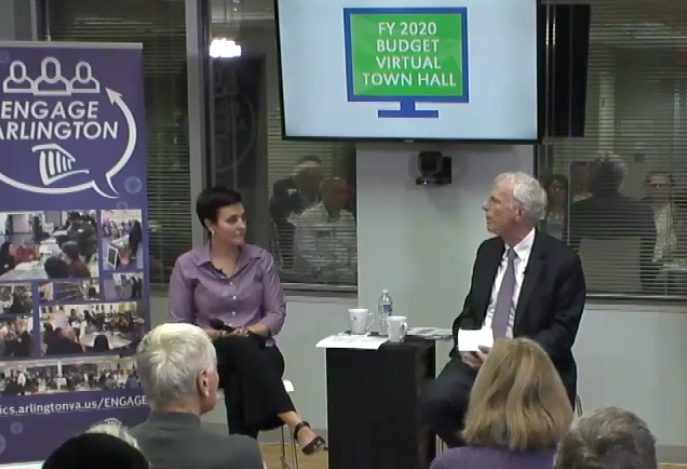
With a funding gap that could ballon as large as $78 million for fiscal year 2020, County Manager Mark Schwartz has repeatedly warned that some tough times are ahead for the county government. He repeated those gloomy projections at a budget-focused town hall with community leaders last night (Wednesday), noting that factors ranging from swelling school enrollment levels to dwindling county revenues to increasing Metro funding obligations will all squeeze county coffers once more.

The question Schwartz (and soon enough, the County Board) is looking to answer is: how should Arlington balance cuts with new tax increases? The answer will set the tenor of the Board’s upcoming budget deliberations, particularly when considering that the county has avoided tax increases in recent years.

“New tax increases are certainly a tool we should be looking at this year,” Schwartz told the group. “It depends on what the Board gives me as guidance, but I’m hoping that they carve out some room for tax increases.”

That’s not to say that Schwartz is only looking at jacking up tax rates — he says he’s asked all of his department heads to sketch out what an 8 percent budget reduction would look like for them, even though he tends to “hate across-the-board cuts” and would much rather “apply a set of principles to choose among departments and decide where to spend our marginal dollars.”

Nevertheless, Schwartz believes the county’s funding squeeze is such that simply slashing expenses can’t be the only answer. In addition to opening three new schools in the coming year and digging deep to cope with money pulled away from the county as part of the new Metro funding deal, Schwartz says the county needs to get creative to address the new costs of public safety pay increases the Board approved last year and new expenses associated with the state’s Medicaid expansion.

“People really have a problem finding something in the budget to get rid of or do less of,” Schwartz said. “It’s not a complaint, but in many cases, we’ve not had a really hard conversation about what we don’t want to do. And at a certain point, efficiencies won’t cut it, and this is one year where it won’t.”

He suggested that both the real estate and personal property tax rates could go up to address those budget concerns, though it’s difficult to know by how much just yet. A great deal depends on the budget the school system delivers to the county, considering that initial estimates suggest a $43 million budget gap from Arlington Public Schools alone — Schwartz encouraged the School Board to consider the hard question of bumping up class sizes and formulating a “revenue-based budget versus a needs-based one,” but the final decision will rest with APS leaders.

Eventually, Schwartz expects that the county’s office vacancy rate will shrink to a point where Arlington isn’t constantly facing such pressures. He noted that the rate has shrunk from 20.8 percent in 2015 to 18 percent as of last month, and as “outdated buildings” in neighborhoods like Crystal City are increasingly refreshed or converted into apartments, he expects the county will soon enough be back on sound financial footing.

In the meantime, however, he urged a focus on more than “nibbling a little bit here and there” and a real focus on “looking at how we do things” to bolster the county’s financial picture.

While the sentiment among county taxpayers is another story entirely, the town hall participants, at least, seemed broadly receptive to paying a bit more to avoid drastic cuts.

“I’m a old, retired coot living on a fixed salary… but Arlington has absolutely fantastic programs for everybody,” said Bill Braswell, a member of the county’s Neighborhood Complete Streets Commission. “I’m ready, willing and able to support a tax increase, because I’m getting far more than I pay in tax increases, and I enjoy it.”

Photo via Facebook


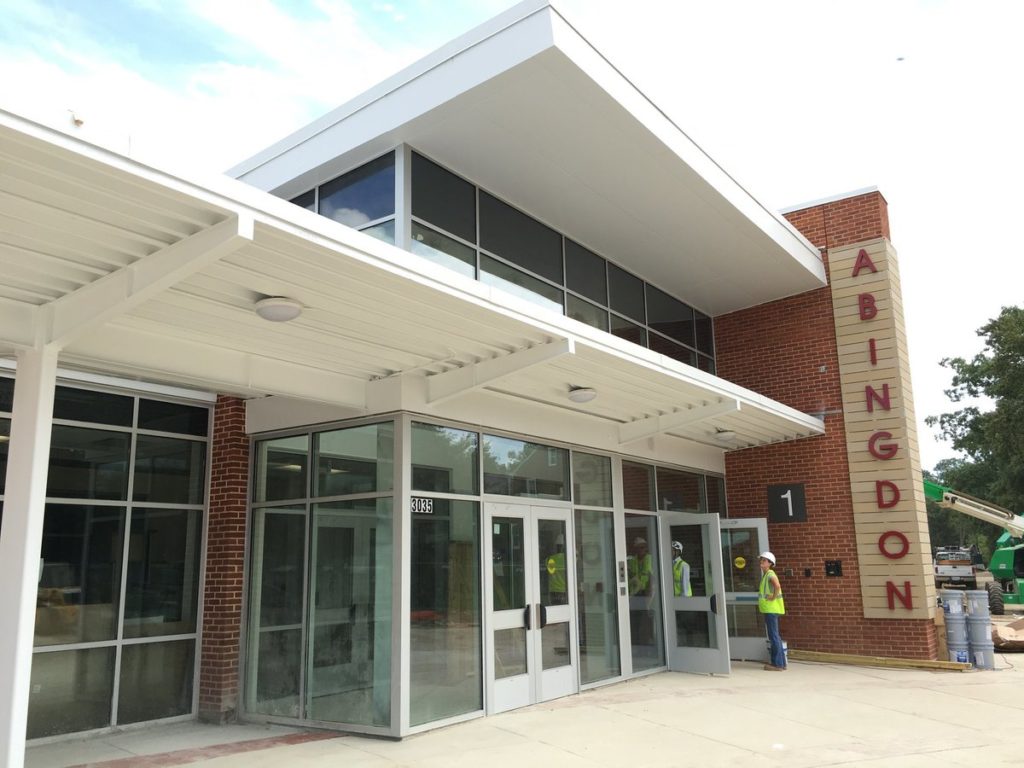
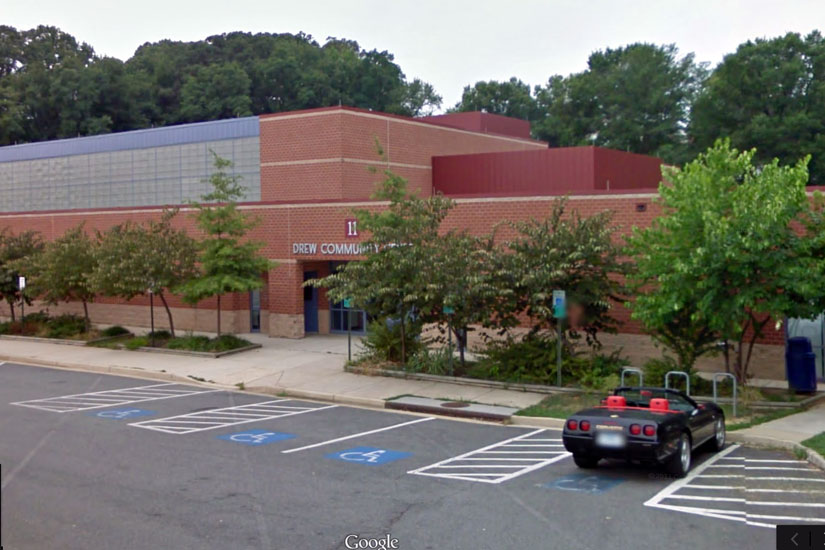
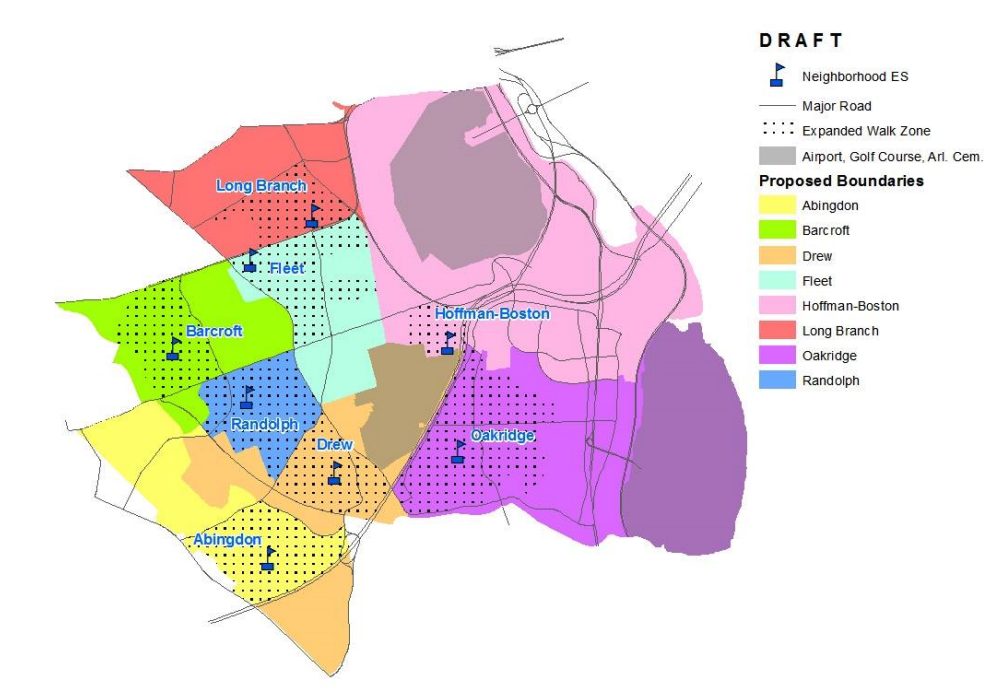
Arlington school officials have hit a bit of a snag in the complex, contentious process of setting new boundaries for the county’s southern elementary schools — changes they’ve proposed to address concerns from Drew Model School parents have generated a new backlash from the Abingdon Elementary community.

Some parents living in the Nauck neighborhood initially raised concerns that proposed boundary tweaks at Drew would drastically change the school’s socioeconomic make-up, leading to a substantial boost in the number of students receiving “free and reduced lunch,” a measure of each family’s economic means, at the school. They feared such a shift would amount to packing poorer students into a single building, rather than maintaining a more balanced percentage at each South Arlington school.

Accordingly, Arlington Public Schools planners offered a change to the new boundary map, which is being crafted as the school system prepares to open Alice West Fleet Elementary School ahead of the 2019-2020 school year. The zoning change would send a few neighborhoods in the southernmost reaches of Fairlington, an area roughly bounded by N. Quaker Lane and King Street, to Drew instead of Abingdon in order to better balance out the “free and reduced lunch” population at each school.

However, that suggestion was immediately met with fierce criticism from the Fairlington community. A petition protesting the change launched on Friday (Oct. 12) has already garnered more than 1,000 signatures, and the Fairlington Citizens’ Association fired off a pointed letter to the School Board on Sunday (Oct. 14).

“Shifting South Fairlington students to another school will weaken the fabric of the community, diminish the cohesiveness of the community, and disrupt social and educational connections that currently exist,” Citizens’ Association President Guy Land wrote. “It runs counter to the community-centric focus Arlington has for years promoted.”

Beyond even that broad criticism, Land and the petition’s authors argue that the change would be an inefficient one from a transportation perspective, charging that it would increase the number of students forced to ride the bus to school instead of walk.

“Bus rides from Fairlington to Drew would significantly lengthen the ride for kids,” the petition reads. “This would put a greater strain on APS transportation, which is not a luxury APS has.”

Yet APS staff pointed out in a presentation to the Board last Wednesday (Oct. 10) that such a boundary change would have substantial benefits in balancing out the free and reduced lunch divide between Drew and Abingdon.

They noted that Abingdon had 41 percent of students living in its attendance boundary eligible for free and reduced lunch, as of last October. Meanwhile, Drew stands at 66 percent, a number that is a bit deceiving, as it reflects the move of the Montessori program to Patrick Henry Elementary next year, and the program generally includes kids from wealthier families. With Montessori students included, Drew’s free and reduced lunch percentage is closer to 52 percent.

The first boundary proposal would’ve dropped Abingdon’s free and reduced lunch percentage down to 34 percent, while moving Drew to 60 percent. The newly revised proposal would bump Abingdon up to 45 percent, compared to 49 percent for Drew. And, in a bid to ease some worries over the boundary change, APS could allow rising fifth grade students and their siblings to be exempt from the switch, with APS transportation provided.

The newest boundary map would also address the concerns of parents at Drew that students could be zoned to matriculate to one of three middle schools, instead of just one, under the first APS proposal. The new map would have Drew students eligible for two middle schools instead.

Parents and community members now have until Oct. 29 to offer comments on the latest boundary proposal. APS plans to release a final map on Nov. 5, with the School Board expected to take a final vote on the matter on Dec. 6.


Meridian Pint is getting closer to opening its first Arlington restaurant, with plans to open a new brewpub in Dominion Hills sometime next spring.

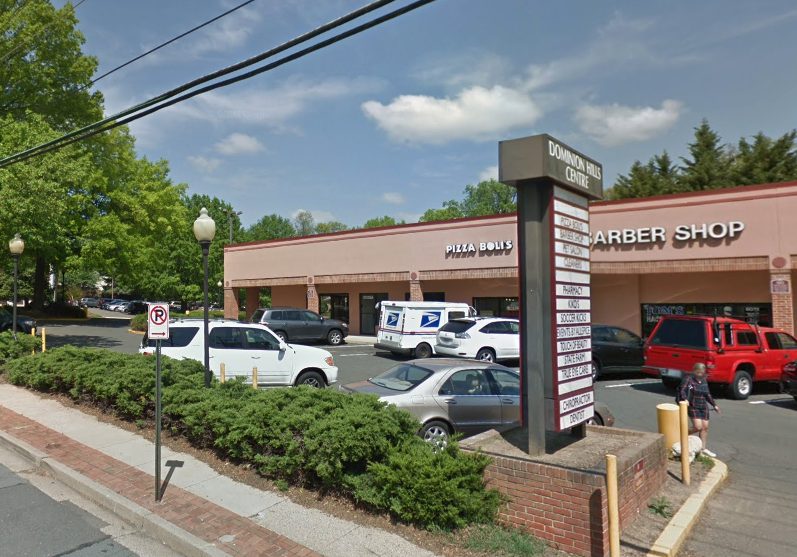
The D.C.-based, craft beer-focused chain announced plans to expand into the county late last year, targeting a spot at 6035 Wilson Blvd in the Dominion Hills Centre shopping plaza. Construction is set to get underway next week at the new space, and owner John Andrade told ARLnow that he’s “tentatively targeting the beginning of April to get it open.”

“It’ll just be another iteration of the expanding ‘Pint’ brand,” Andrade said. “And this is nestled into a great community.”

Andrade currently operates two “Pint” restaurants in D.C. — Meridian and Brookland Pint — as well as Rosario’s Tacos and Tequila and Smoke Barrel. But as an Arlington resident, living just a quarter mile away from the new location, he says he was anxious for the chance to expand into his home county.

“The idea that I can just walk to work, door-to-door in somewhere between 13 and 15 minutes is really great,” Andrade said. “It’s just a great opportunity… especially for those of us that live slightly more than walking distance from Ballston or Clarendon, or have multiple kids, and don’t really want to do the dance of finding a parking garage or hunting down a metered space to go explore out that way.”

Andrade is unsure of a name for the new establishment just yet — he originally planned to dub it “Dominion Pint,” but ran into some legal headaches — but he says it will generally mirror the food and beverage options at his D.C. locations.

“It’ll have an all-American menu and all-American craft beer, with a generous emphasis on wine and spirits as well,” Andrade said.

Andrade also foresees offering growler fills and six-packs for sale at the restaurant, something he’s barred from doing in D.C. but is anxious to try now that he’s operating in Virginia.

He hopes to “start swinging hammers” at the space Monday (Oct. 22) now that he’s won all the necessary permits, and expects it will take roughly six months to get things up and running.

“We’re really planning on being members of the community, so we hope it’ll be a great neighborhood establishment,” Andrade said.

Photo via Google Maps


Plans to transform a section of Crystal City into a new retail hub for the neighborhood could soon move ahead, though neighbors and cyclists are still pressing for changes to the redevelopment effort.

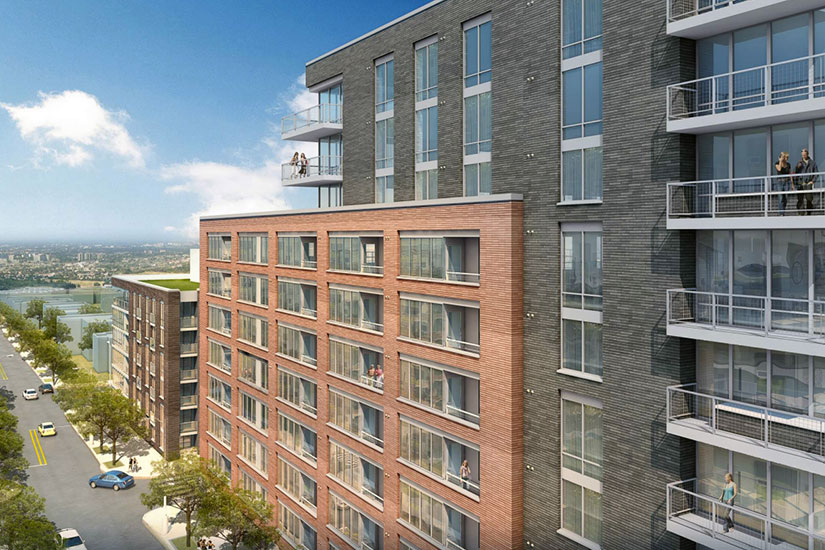
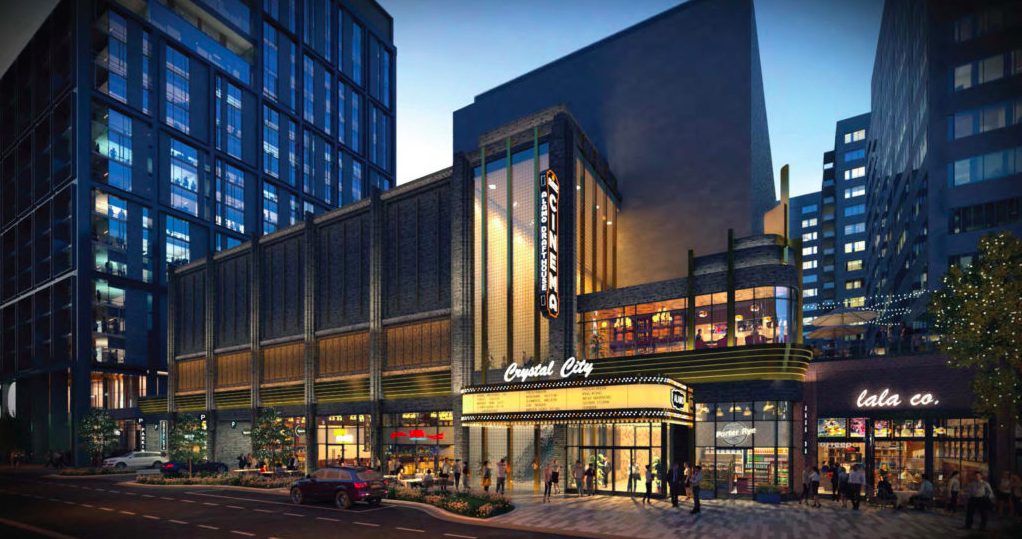
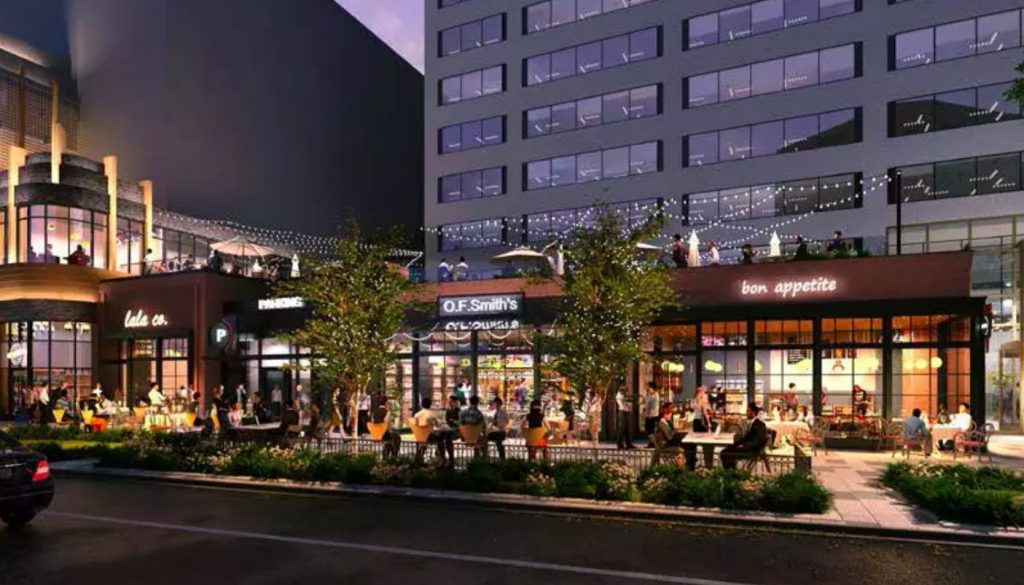
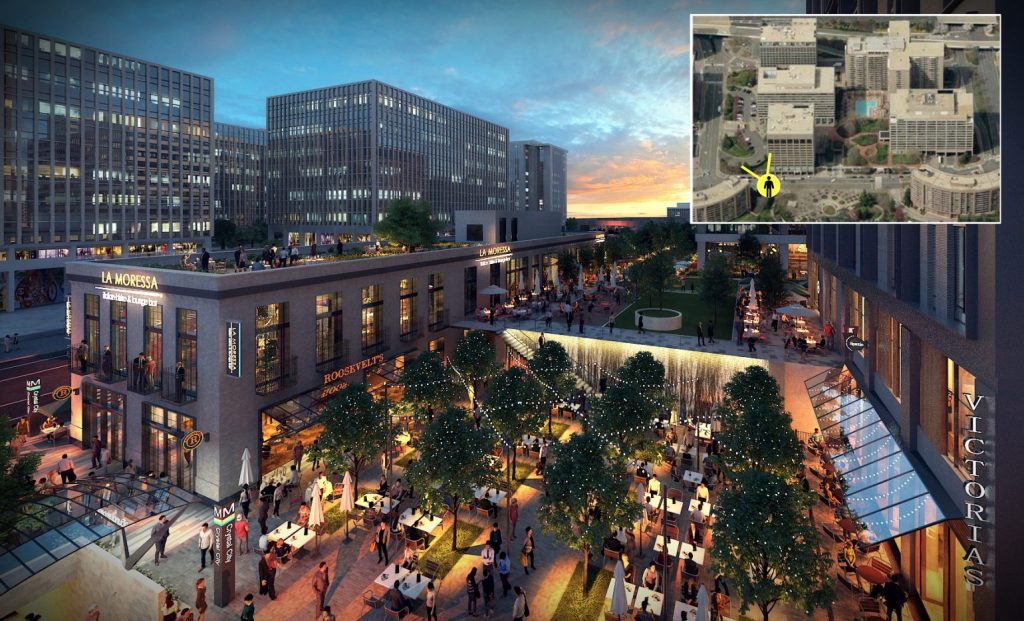
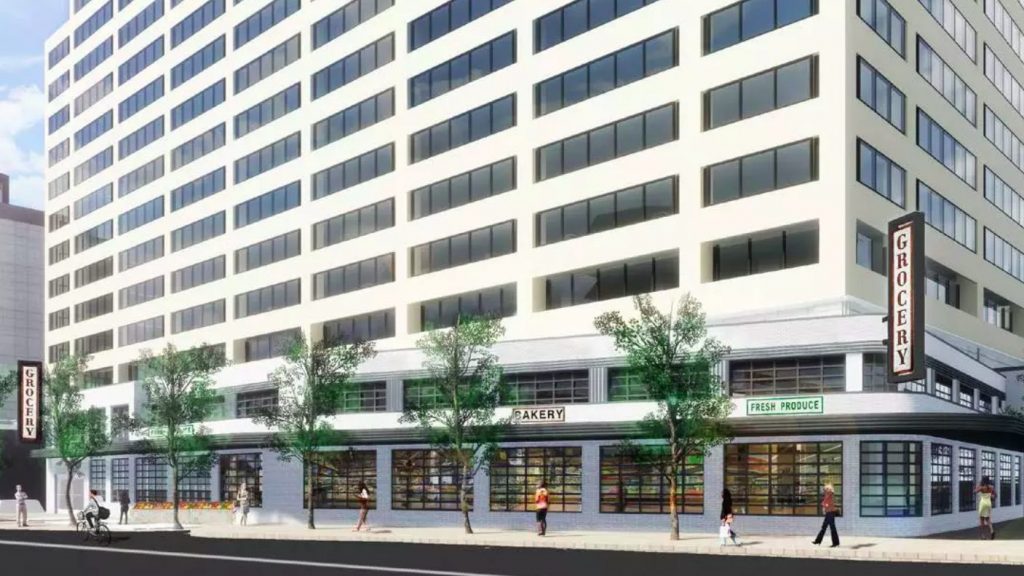
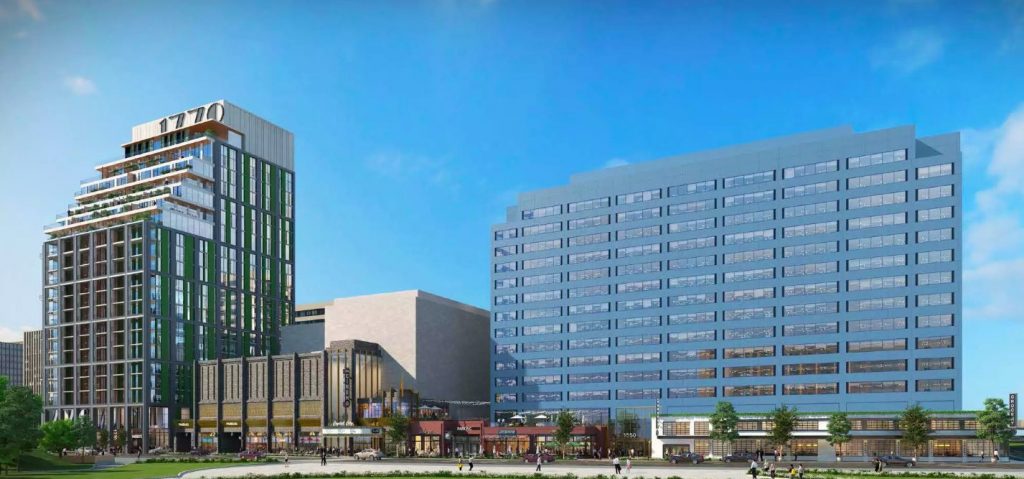
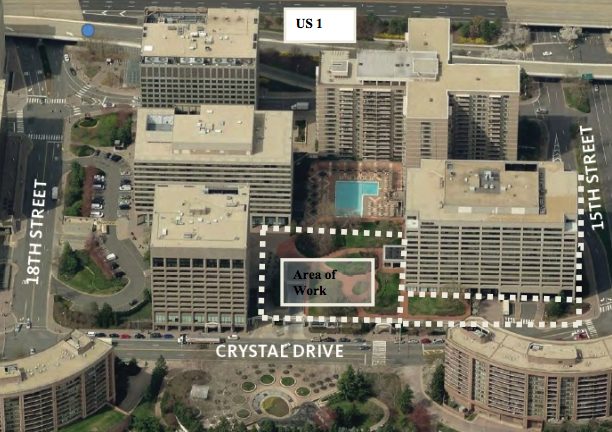
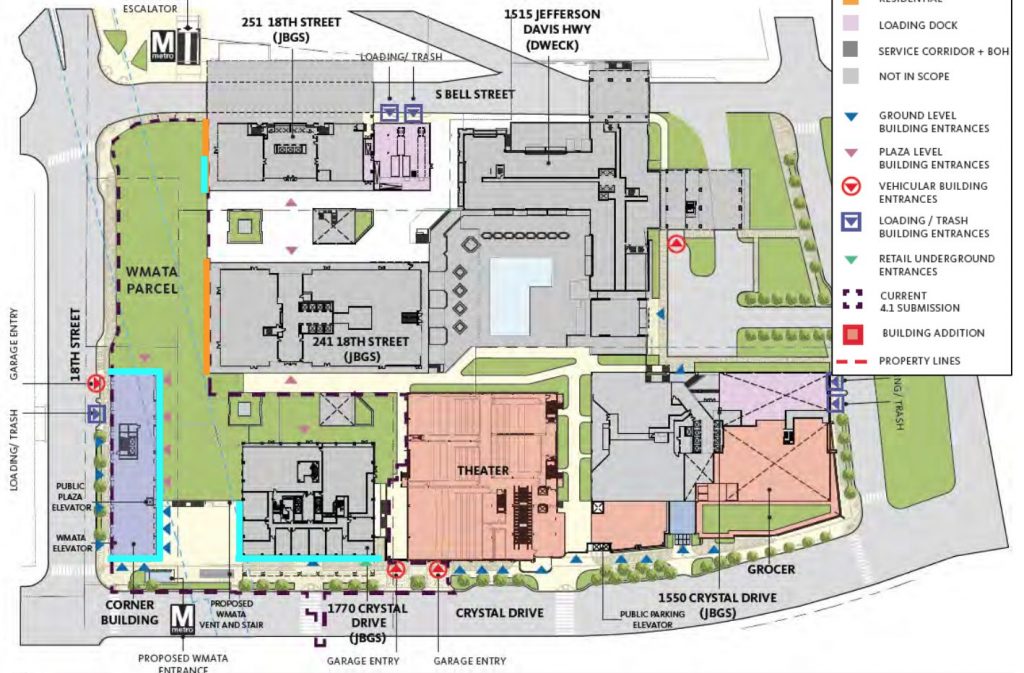
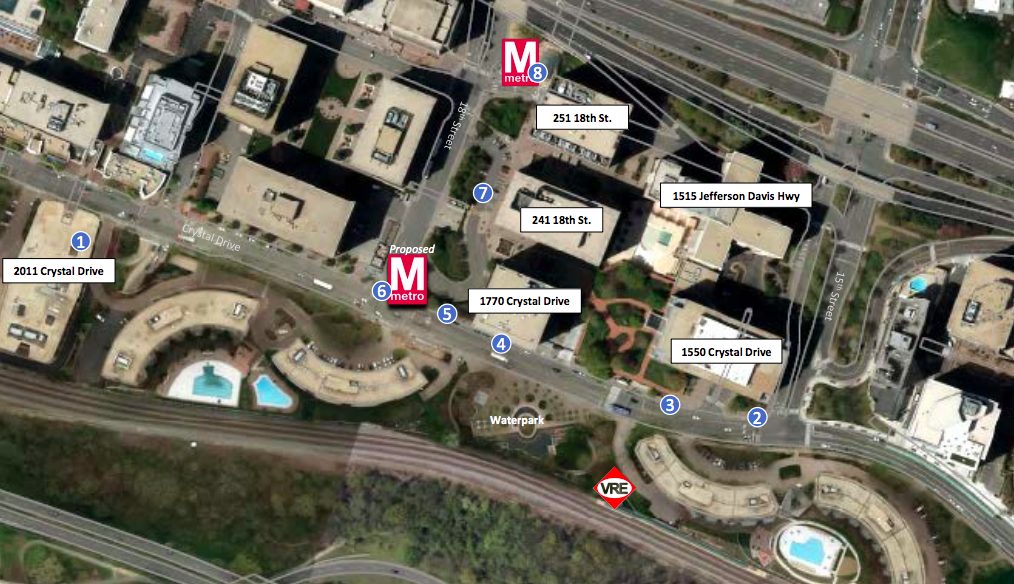
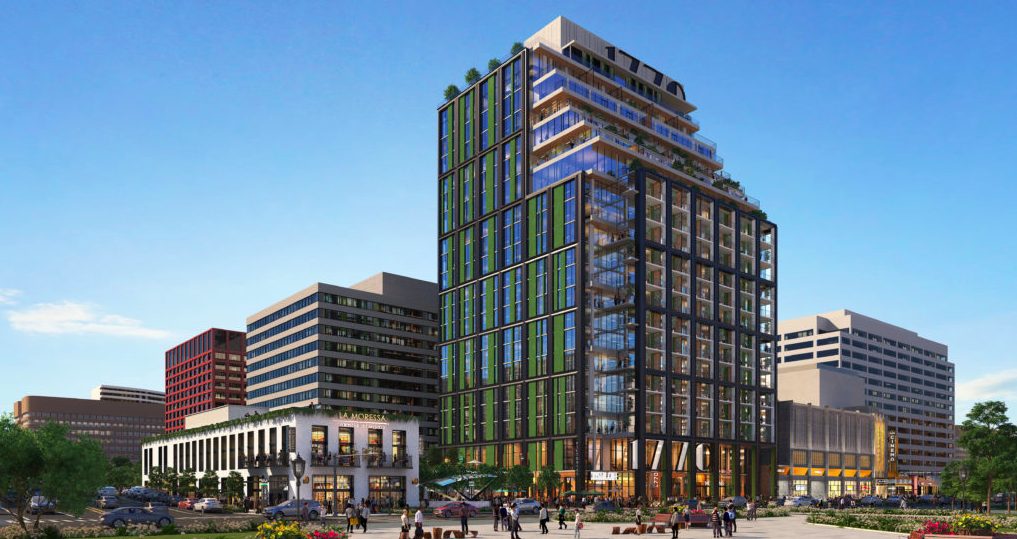
Many of JBG Smith’s plans for the “Crystal Square” project, centered on a block of Crystal Drive between 15th Street S. and 18th Street S., are up for approval by the County Board this weekend. The long-awaited project would completely revamp the existing office buildings on the block, adding a new movie theater, grocery store and other retailers to replace the existing Crystal City Shops at 1750.

County staff and planners have generally given the project a green light, given its potential to help speed along the transformation of a block centered around the area’s Metro station. Even still, some people living nearby worry that the construction will blot out some of Crystal City’s limited green space, and won’t address the neighborhood’s transportation challenges.

The heart of the Crystal Square development, backed by the area’s largest property owner, generally isn’t up for dispute. In all, JBG Smith plans to add 84,000 square feet of retail and commercial space along Crystal Drive by renovating some of the existing buildings on the property, and tacking on some additions as well.

The main draws will be a three-story movie theater, reportedly an Alamo Drafthouse location, and a 15,000-square-foot “small format specialty grocer,” like a Trader Joe’s or Whole Foods. Those businesses, and perhaps many others, will generally be centered closest to Crystal Drive’s intersection with 15th Street S., and the existing one-story retail in the area will likely be demolished to connect the theater and the grocery store, removing a small park in the process.

County staff note in a report for the Board that the proposal is “not a complete redevelopment that breaks up the existing superblock with new public streets,” as might eventually be desirable for the area, but it is a chance to “create a high-quality public realm…[that] enhances multimodal access and connectivity by placing large regional draws such as a movie theater and grocer within easy access of the Metro, bus stops, and VRE station.”

However, cycling advocates worry that all these plans will do little to improve connectivity to the Mt. Vernon Trail, leaving people highly dependent on cars in the area. The Washington Area Bicyclist Association is urging cyclists to press for protected bike lanes along both Crystal Drive and 18th Street S. to create a safer, low-stress place to bike that wouldn’t be constantly blocked by parked cars.

JBG Smith declined to comment for this article, but it seems the developer doesn’t see much room for protected bike lanes in the area. While a bike lane along Crystal Drive is included in the Crystal Square plans, county transportation staff told the Planning Commission back in February that “there is not enough space to provide a protected bike lane” on the road.

Eventually, JBG says it could also build a two-story retail building further down the block, at Crystal Drive’s intersection with 18th Street S. That feature has drawn a bit more scrutiny from neighbors, who note that the site was long envisioned as a new park to replace the green space set to be removed in the earlier construction.

“The proposed two-story building would take a chunk out of that green space and destroy the sight line from Crystal Drive up to Clark/Bell [Streets,” Crystal City Civic Association President Carol Fuller told ARLnow. “The CCCA has been fighting this for months.”

Fuller points out that the location is also the proposed place for a second Metro station entrance, but with the county putting the brakes on that project as it deals with a funding crunch, she argues it would make much more sense to delay consideration of adding a new building there as well. Otherwise, she sees it as a “poison pill” impacting the whole development proposal.

The Planning Commission ultimately voted to endorse that building back in May, though many members expressed grave concerns about the proposal. The Parks and Recreation Commission even said it was “premature” to allow the building until securing firm funding commitments from JBG to ensure a park of some kind is indeed built on the space.

Those concerns aside, the Board seems unlikely to take action on that part of the proposal, at least in the near term.

JBG is also asking for permission to revert one office building on Crystal Drive back to office space, doing away with plans to convert it into an apartment building, a move fueling speculation that the company wants to wait to see if Amazon tabs the neighborhood for its second headquarters before committing to plans for the building.

Staff recommend that the Board defer any consideration of that request, and plans for the two-story building, for up to a year, given all the uncertainty still surrounding the site.

The Board will take up consideration of the project at its meeting Saturday (Oct. 20).


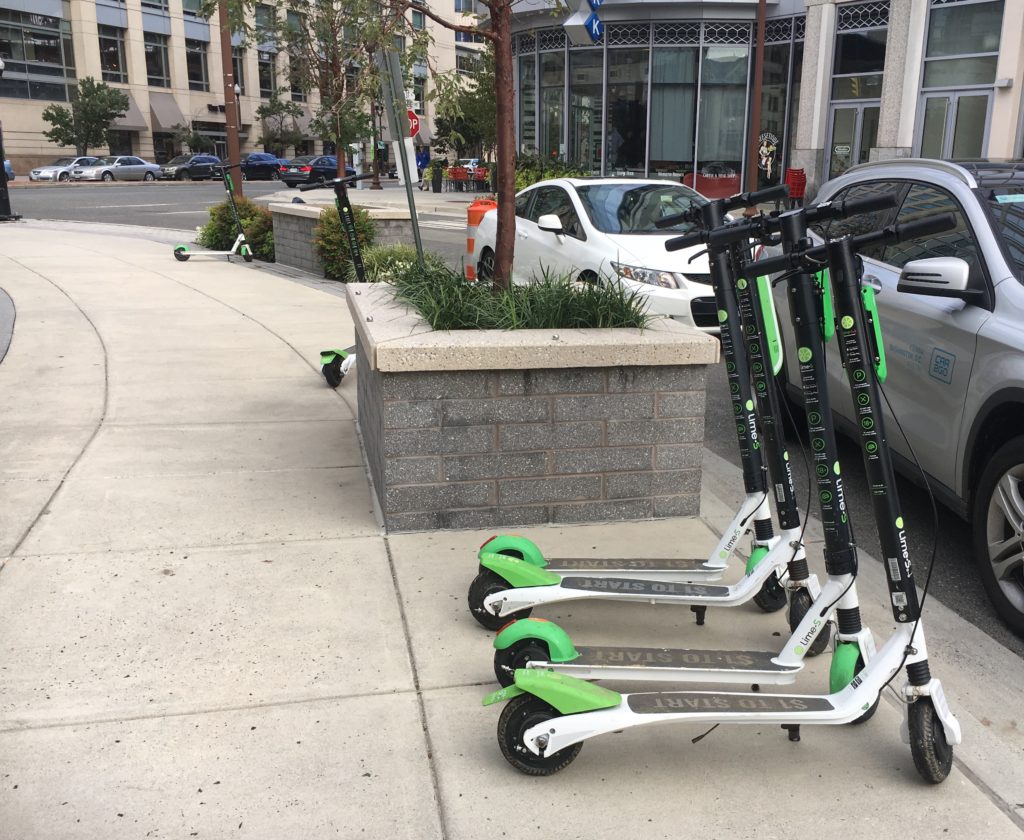
Lime has become the second company to start offering dockless electric scooters in Arlington, expanding into the county soon after officials signed off on a pilot program to allow more of the vehicles around the area.

The company successfully applied for that program and is so far only offering scooters, not bikes, in Arlington, according to county transportation spokesman Eric Balliet. Bird was the first company to drop its dockless scooters in the county this summer, though Lime has been courting support from the county’s business community for months now.

Even still, the company, which also operates in D.C., has been reticent to mirror Bird’s approach and deploy scooters in Arlington without the county’s blessing. But after the County Board signed off last month on a nine-month “demonstration project” for companies to test out dockless vehicles, allowing each company to operate up to 750 vehicles in Arlington over the length of the pilot, Lime jumped in.

The company did not immediately respond to a request for comment on how many scooters its deployed in Arlington. The terms of the pilot program allow dockless companies to deploy up to 350 vehicles right away, then increase the size of the fleet by 50 vehicles per month, so long as they can meet ridership targets.

Bird is the only other company to sign up to participate in the pilot program as of yet, Balliet said. County officials previously warned the Board that as many as 10 companies could ultimately apply, given the other firms already operating bikes and scooters in D.C., which is why they initially pressed for a lower cap on the number of vehicles allowed in the county.

County staff specifically mentioned Skip as one company looking to expand into Arlington right away, and CEO Sanjay Dastoor previously told ARLnow that the company is indeed interested in bringing its scooters to the county. Dastoor did not respond to a request for comment on his plans for the pilot program, and a quick scan of Skip’s mobile app shows only a handful of scooters currently in Arlington.

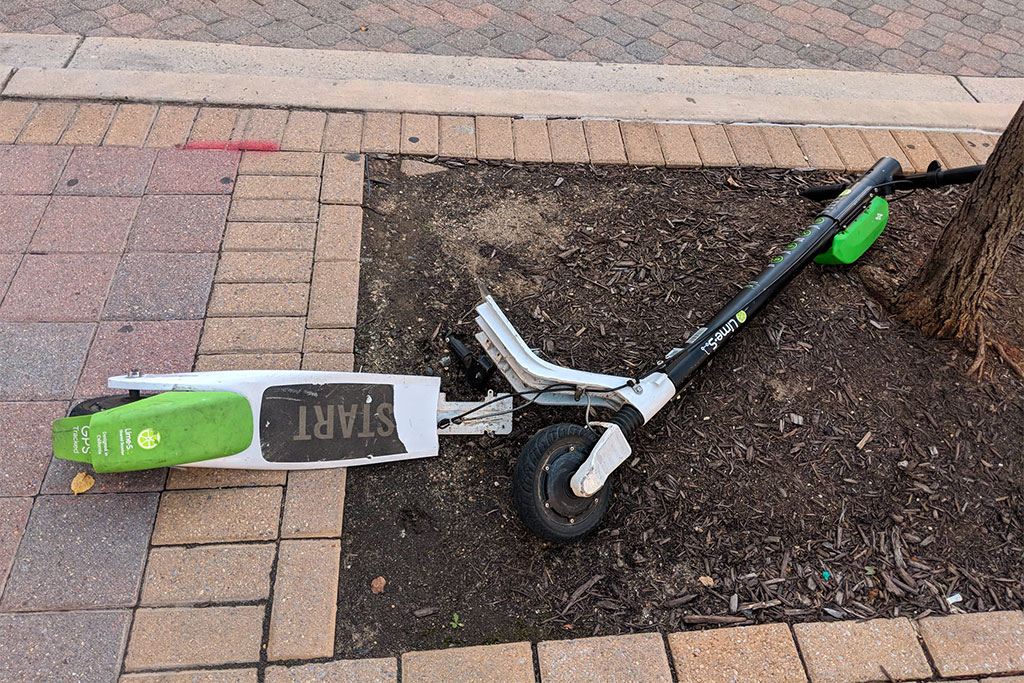
Not everyone seems thrilled to have more scooters on Arlington’s streets. A photo taken by a passerby and sent to ARLnow this morning, below, shows a Lime scooter snapped in half in front of P.F. Chang’s in Ballston.

Photo (bottom) courtesy Richie F.


Arlington could soon make it easier for owners of older duplexes and townhomes to renovate the buildings or tack on additions.

Plenty of Arlington homeowners looking to make a change to a home built before the 1940s have encountered a vexing conundrum in the county’s zoning ordinance; the building could well be deemed “nonconforming” with Arlington’s zoning rules, as it wasn’t built to match the standards the county’s been using since 1942. That means any sort of renovation or addition to the home would require extensive county review, and could ultimately be prohibited, restrictions that have persistently frustrated property owners over the years.

But the County Board is weighing a change to loosen some of those restrictions on two-family homes in some sections of the county.

Not only could the change result in less headaches for homeowners, but county staff expect it would help preserve more affordable housing around Arlington, a key conundrum officials have looked to address in recent years.

“Staff finds that the proposed amendments… allow for reinvestment in existing housing stock that contributes to the overall diversity of housing countywide,” staffers wrote in a report prepared for the Board ahead of its meeting this weekend. “These proposed changes are intended to remove zoning barriers that have existed for decades that limit the type of reinvestment and renovation activities for nearly all of the county’s supply of two-family, and some one-family, dwellings.”

County staff estimate that the change, targeted at homes zoned “R2-7,” would affect as many as 1,488 structures around the county, giving those homeowners the chance to make a range of changes “by right” instead of pursuing county approval first.

Staff noted that the Board of Zoning Appeals, which hears requests from the owners of nonconforming homes, has reviewed 12 cases involving “R2-7” homes over the last two years alone. In all, they believe the bulk of such homes are concentrated “along Lee Highway, Columbia Pike, Wilson Boulevard, and in Nauck.”

The county also doesn’t expect that these “proposed amendments will significantly alter existing neighborhood character where these one- and two-family dwellings occur,” a fear frequently cited by zoning officials reviewing previous cases.

Staff added that the county will “consider opportunities to encourage development of new, two-family dwellings” in the future, noting that officials could someday commence a more detailed study of “missing middle” housing in the county, or homes falling in the price range between affordable housing and luxury apartments.

The county’s ongoing review of “housing conservation districts” to promote the preservation, and perhaps redevelopment, of older apartments and duplexes will also offer more clarity on the matter in the coming months.

The Board will take up these zoning changes at its meeting Saturday (Oct. 20).

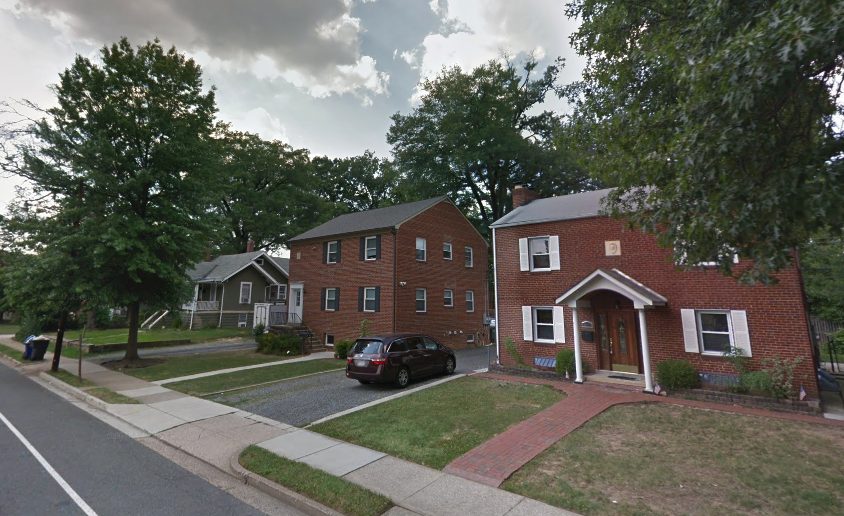
Photo via Google Maps


A Falls Church man is now facing a series of charges after police say he drunkenly forced his way into an apartment and assaulted its occupants.

Police received a call around 3 a.m. after a woman living along the 1200 block of N. Fillmore Street in Clarendon was woken up by a visibly intoxicated man “speaking incoherently” at her front door. He was subsequently identified as 25-year-old Daniel Fay.

The woman told police that she “closed the door and [Fay] left momentarily, but returned, and forced his way past the victim into her residence.”

“A neighbor arriving on scene to assist, as well as the victim and an additional occupant of the residence, were allegedly assaulted while attempting to control the suspect until police arrival,” police said.

Fay was then arrested and charged with drunk in public, unlawful entry, and three counts of assault and battery. He’s being held without bond at the county jail, and is set for a hearing on those charges on Friday (Oct. 19).

Full details from a county crime report:

UNLAWFUL ENTRY, 2018-10140059, 1200 block of N. Fillmore Street. At approximately 2:51 a.m. on October 14, police were dispatched to a burglary in progress. Upon arrival, it was determined that the victim was awoken to noise and upon investigating, located an intoxicated unknown male subject at her door speaking incoherently. She closed the door and the subject left momentarily, but returned, and forced his way past the victim into her residence. A neighbor arriving on scene to assist, as well as the victim and an additional occupant of the residence, were allegedly assaulted while attempting to control the suspect until police arrival. Daniel Fay, 25, of Falls Church, Va., was arrested and charged with Drunk in Public, Assault & Battery (x3) and Unlawful Entry. He was held on no bond.

Below are the rest of the highlights from this week’s crime report, including some we’ve already reported.

(more…)


(Updated at 4:35 p.m.) Arlington voters seem ready to flood the polls in record numbers on Nov. 6, with early turnout numbers presaging a “blue wave” that could — potentially — wipe independent County Board member John Vihstadt out of office.

New figures compiled by the nonprofit Virginia Public Access Project show that the county has seen a 114 percent increase in the number of absentee ballots cast through Wednesday (Oct. 17), compared to the same time last year. The county’s surge to 4,236 ballots cast, compared to 1,976 a year ago, mirrors similarly boosts around the state.

While absentee voting can be an imperfect measure of Election Day enthusiasm, the numbers in Arlington are strong enough to convince some observers that the county could see huge turnout levels for the midterm elections. Former county treasurer Frank O’Leary, a close watcher of Arlington elections, projects that the current absentee numbers are robust enough that the county sees as many as 95,000 votes cast next month.

That figure would be higher than what the county might expect in a midterm election with a Senate seat on the ballot, without a heavily Democratic electorate itching to send a message to President Donald Trump. It would be close to 10,000 votes more than the 85,300 people who turned out for last year’s closely watched governor’s race that swept Democrat Ralph Northam into office with a hefty victory.

Given Arlington’s overwhelmingly blue political complexion, O’Leary expects “at greater levels of turnout, the blue tide will become increasingly the determining factor” in down-ballot races. That includes Vihstadt’s contest with Democratic challenger Matt de Ferranti, who is hoping to return the Board to unified Democratic control after Vihstadt won a pair of upset victories back in 2014.

O’Leary notes that turnout in the county was severely depressed six years ago, when Sen. Mark Warner (D-Va.) very nearly lost to Republican Ed Gillespie and Democrats took a beating nationwide, and he doesn’t expect those conditions to repeat themselves this time around.

The county lacks a competitive race in the 8th Congressional District, but with U.S. Sen. Tim Kaine up for re-election against Prince William Board of County Supervisors Chairman Corey Stewart, a politician disavowed by members of both parties for his frequent embrace of white nationalists and the Confederate flag, O’Leary expects that “an expanded electorate coupled with an odious opponent will net Tim Kaine more than 80 percent of the Arlington vote.”

While O’Leary notes that Vihstadt benefits from the “advantage of incumbency, name recognition, and the support of a number of prominent Democratic elected office holders and the benefit of a well-organized, highly-focused campaign,” he also expects that some of the galvanizing issues Vihstadt seized on in his 2014 bid — the Columbia Pike streetcar and “million-dollar bus stops” among them — aren’t as relevant this time around. It doesn’t help, either, that Vihstadt will have to contend with “a re-vamped (and equally determined) Democratic Party structure” and “the curse of ‘The Donald.'”

“In the event that total turnout exceeds 88,000 (with 75,000 or more votes cast in the County Board race), [Matt] de Ferranti will defeat John Vihstadt and win election to the County Board,” O’Leary predicted.

“Mr. Vihstadt starts with a proven base of 35,000, de Ferranti, perhaps 27,500. (That totals 62,500.) Thereafter, at greater levels of turnout, the blue tide will become increasingly the determining factor,” he explained.

Of course, Vihstadt has out-fundraised de Ferranti so far, and some Democrats remain concerned that the challenger has done little to separate himself from his opponent. For his part, the independent remains confident that he can once again shock the county’s political establishment this year.

“I was the underdog in 2014 and may be again this year,” Vihstadt told ARLnow. “I wasn’t supposed to win in the first place, but Arlingtonians proved that they are sophisticated voters. As I knock on doors across Arlington, people, regardless of partisanship at the federal and state levels, say they value the balance and independence that I bring to local government. I’m confident that my purple tugboat will survive the blue wave.”

Flickr pool photo via wolfkann


View More Stories