
A group of state lawmakers is urging Arlington’s top prosecutor to reform the county’s cash bail bond system — but Commonwealth’s Attorney Theo Stamos thinks they’re barking up the wrong tree.

Each one of the three state senators and four state delegates representing Arlington in Richmond, not to mention two lawmakers from nearby Falls Church, sent a letter on the subject to Stamos last Thursday (June 21).

Echoing efforts by criminal justice reform advocates around the country, the lawmakers argued that requiring people to post a cash bond to earn their freedom contributes to the “disproportionate incarceration of low-income individuals and people of color.” They’d rather see Stamos adopt a system for pretrial release “based more on the severity of the crime and the defendant’s perceived public safety and flight risk, rather than the ability to pay.”

“The current system of cash bail is broken in that it conditions the pretrial release of individuals on the ability to pay, violating the principle of the presumption of innocence that is foundational to our criminal justice system,” the lawmakers wrote.

Stamos says she’s joined some of her colleagues around the state in examining such a policy change, but, fundamentally, she feels this “was a rather silly letter to send me.”

“I think the letter is misguided on a number of levels,” Stamos told ARLnow. “If these members of the General Assembly have a problem with cash bail, they should change the law. It’s perfectly within their power to do so.”

Stamos says prosecutors in her office regularly recommend releasing people on “personal recognizance bonds,” giving them the chance to go free before trial with paying. However, Stamos feels bound by state law, which obligates prosecutors to evaluate if someone charged with a crime “is a flight risk or a threat to the community” when assigning a cash bond.

“I understand the considerations around cash bail, but the countervailing considerations are: who is being held and why are they being held?” Stamos said. “Do they have a prior criminal history? Are they a flight risk? Many of our defendants are from D.C. or Maryland, and we don’t have the resources to be extraditing everyone.”
(more…)


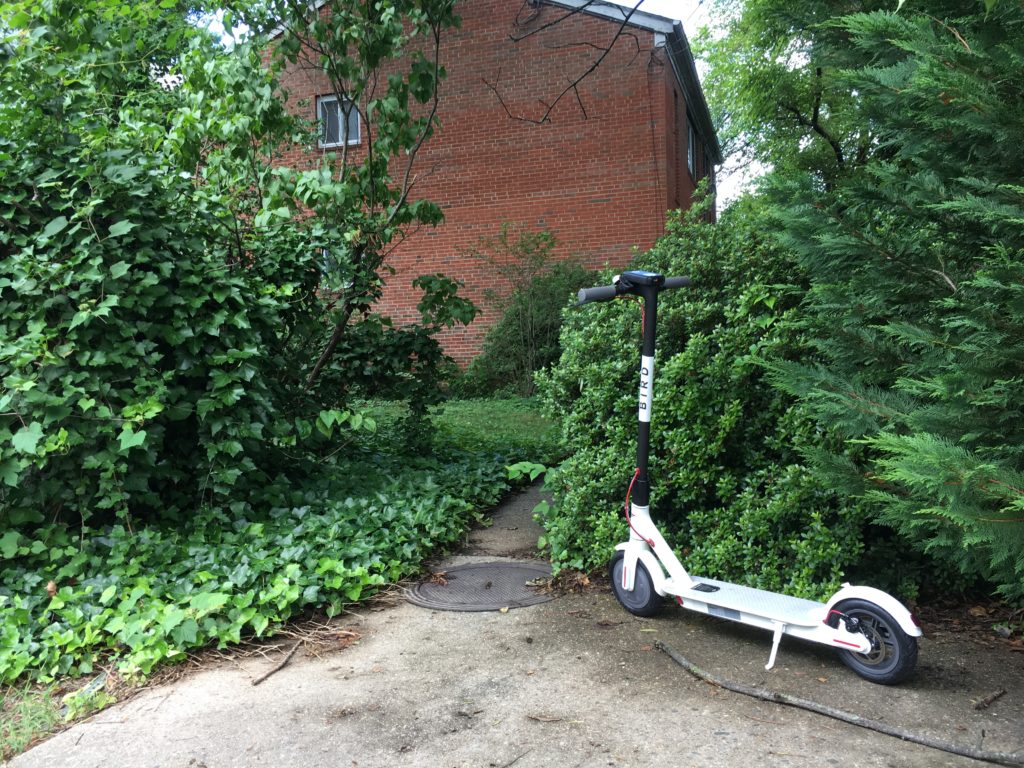
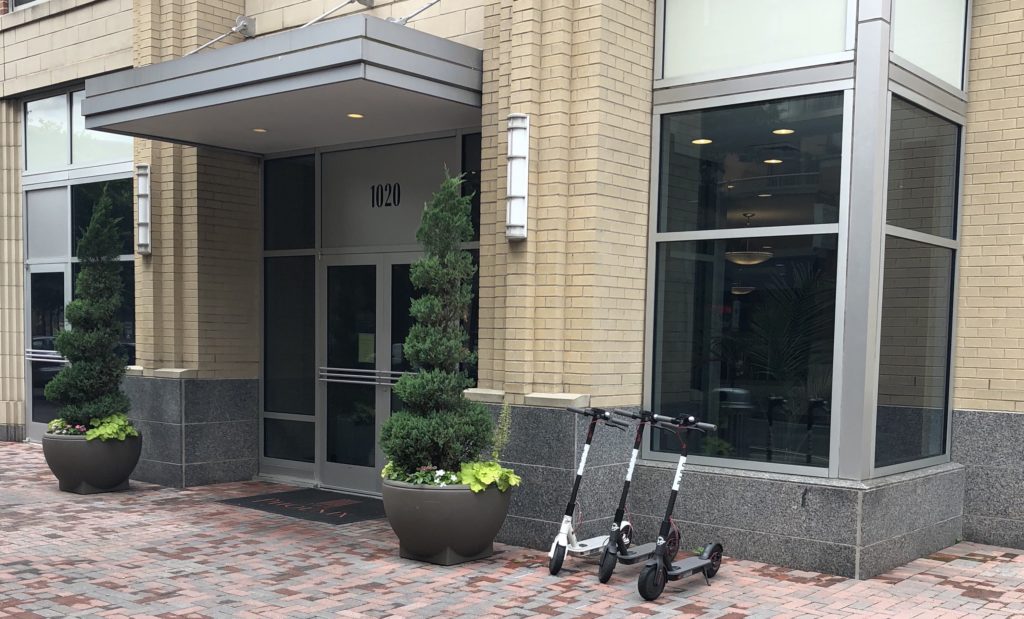
Dockless electric scooters have now made their way to Arlington.

The electric vehicle company Bird scattered dozens of its scooters across the county on Sunday (June 24), becoming the first company to offer the vehicles in Arlington. Bird’s operated in D.C. for the past few months, in addition to several other electric bike and scooter “ride sharing” firms like Lime and Skip.

Company spokesman Nick Samonas says Bird scooters are now available in Ballston, Clarendon, Crystal City, Pentagon City and some areas along Columbia Pike, and he noted that “as ridership grows, the company will expand its fleet to serve all of Arlington’s residents and communities.”

“As Arlington rapidly develops, it’s clear there’s an urgent need for additional transit options that are accessible, affordable and reliable for all residents and local communities,” Samonas wrote in an email. “Birds are a great solution for short ‘last mile’ trips that are too long to walk, but too short to drive.”

Anyone hoping to use the scooters needs to download the company’s mobile app, then use it to find an available scooter. The app then guides would-be riders through the process of piloting the scooter, parking it and, of course, paying for the ride. Bird charges a base fee to “unlock” each scooter, then assess an additional fee based on how long riders use the vehicle.

Samonas declined to discuss how many scooters the company has made available across Arlington — though a quick scan of the app Monday morning shows more than 50 scooters around the county — but he said the company will only add more vehicles “when each is being ridden three or more times per day.”

Spokesmen for Lime and Skip, the other dockless scooter companies operating in D.C., didn’t immediately respond to requests for comment on whether they plan to follow suit and expand to Arlington. As of Monday morning, Lime’s app does show one scooter available just outside Crystal City; Skip’s scooters, meanwhile, remain on the other side of the Potomac River for now.


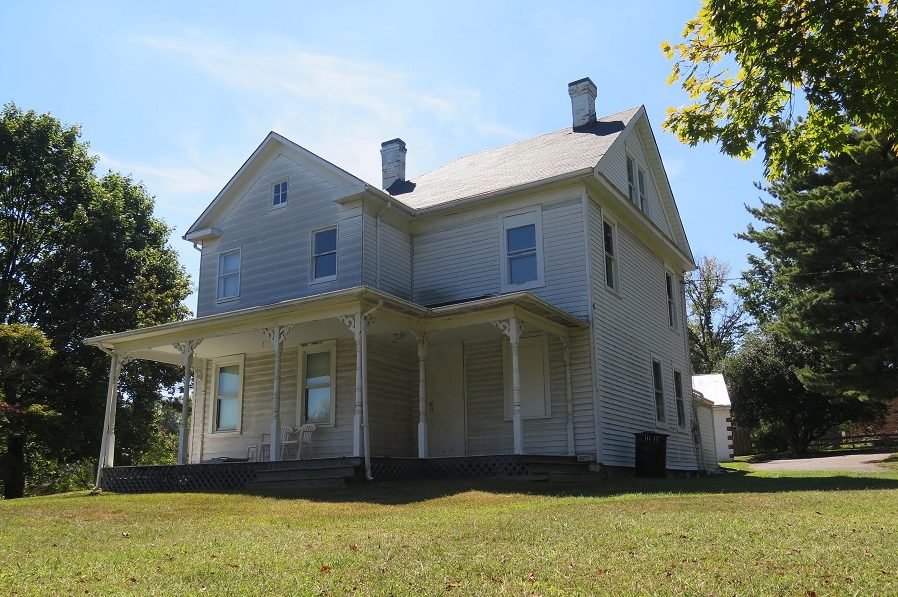
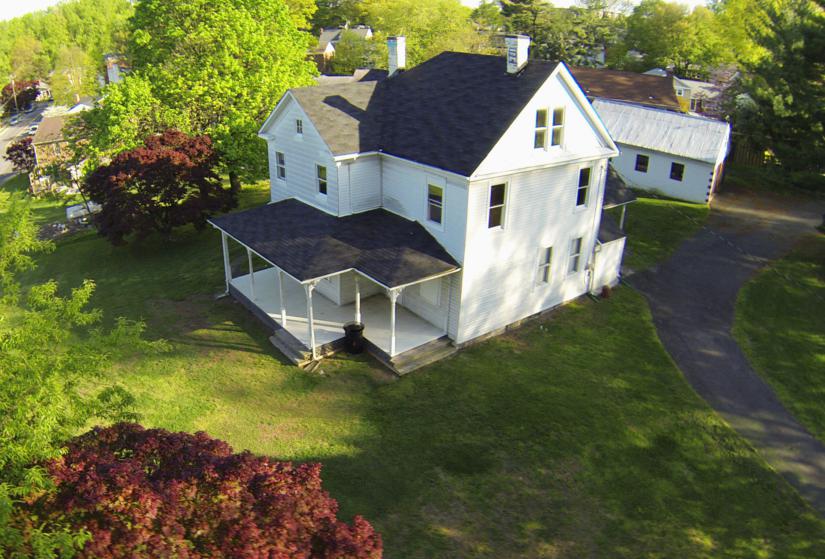
After years of debate over the future of the historic Reeves farmhouse in Bluemont, a solution that the community likes and does not require lots of taxpayer dollars may have been found.

County officials have worked up a plan to team up with Habitat for Humanity to transform the farmhouse into a group home for adults with developmental disabilities.

The Northern Virginia branch of the nonprofit is currently exploring the prospect of renovating the 118-year-old home, then turning it over to another group to manage it, Habitat director of real estate development Noemi Riveira told ARLnow.

The farmhouse sits on the 2.4-acre Reevesland dairy farm property (400 N. Manchester Street), which the county purchased in 2001. The County Board has long hoped to find some other use for the home, with community groups urging the county to transform it into a museum or learning center, but the high cost of renovating the house convinced the Board to move toward selling it instead.

Riveira cautions that her group is still in the “very, very preliminary” phases of studying the property, and she isn’t sure yet whether this plan would involve Habitat buying the farmhouse from the county. Board Vice Chair Christian Dorsey suggested that the nonprofit could end up purchasing it, then transferring ownership to whichever entity runs the group home, or simply lease the house from the county instead.

Regardless of the details, however, both Riveira and Dorsey are cautiously optimistic that this arrangement could prove to be the best possible outcome for the historic home.

“Any opportunity we have to serve anyone that needs a shelter, we’re happy to assist,” Riveira said. “It’s a bit outside of our normal program scope… but this is a demographic that needs homes, so we’re there to help.”

Riveira noted that the “community came to us” with this proposal. Specifically, Chris Tighe, president of the Boulevard Manor Civic Association, says he first floated the idea of reaching out to Habitat in a conversation with Dorsey roughly a year ago.

“A lot of nonprofits valiantly tried to save it over the years, but all of that just sort of petered out,” Tighe said. “So at one point I just said, ‘How come no one’s thought of [Habitat] before?'”

Tighe reached out to the nonprofit, and brokered a meeting with the group and Dorsey to work up an initial proposal.

Broadly, Habitat would agree to renovate the exterior of the house and select portions of the interior, as well as constructing an addition. The county estimates that renovating the home via contractors would cost anywhere from $2.5 million to $3 million, though at this stage Riveira is unsure how expensive the work would be with volunteer help.

“That was a lot of money for us… but they’re a nonprofit that can leverage volunteers, so it provides a great opportunity for a traditional renovation not paid for in traditional market ways,” Dorsey said.

(more…)


Some more showers are on the way this weekend, though Arlington seems set to avoid a total wash-out if you’re trying to get outside.

Storms will stick around tonight, even though more than a foot of rain has already plagued the D.C. region since mid-May, and could make Saturday a bit dreary as well. Sunday, however, should provide a few rays of sun.

Check out our event calendar if you need some ideas about things to do. If you’re headed to downtown Clarendon, be aware that some big drop-off and pick-up changes are now in effect. Or if you’re planning on swinging by the Arlington Cemetery, know that you won’t be able to get there by Metro.

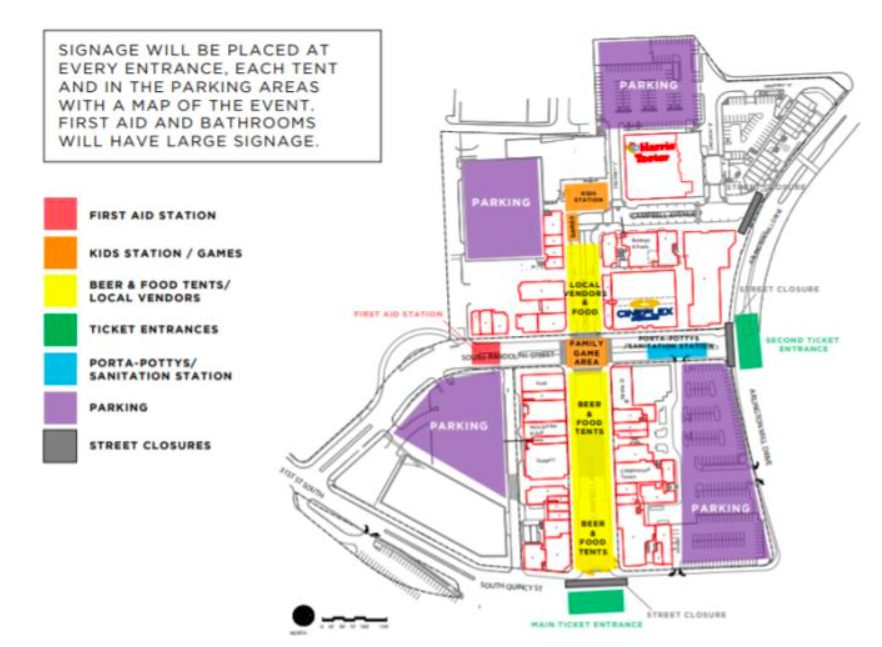
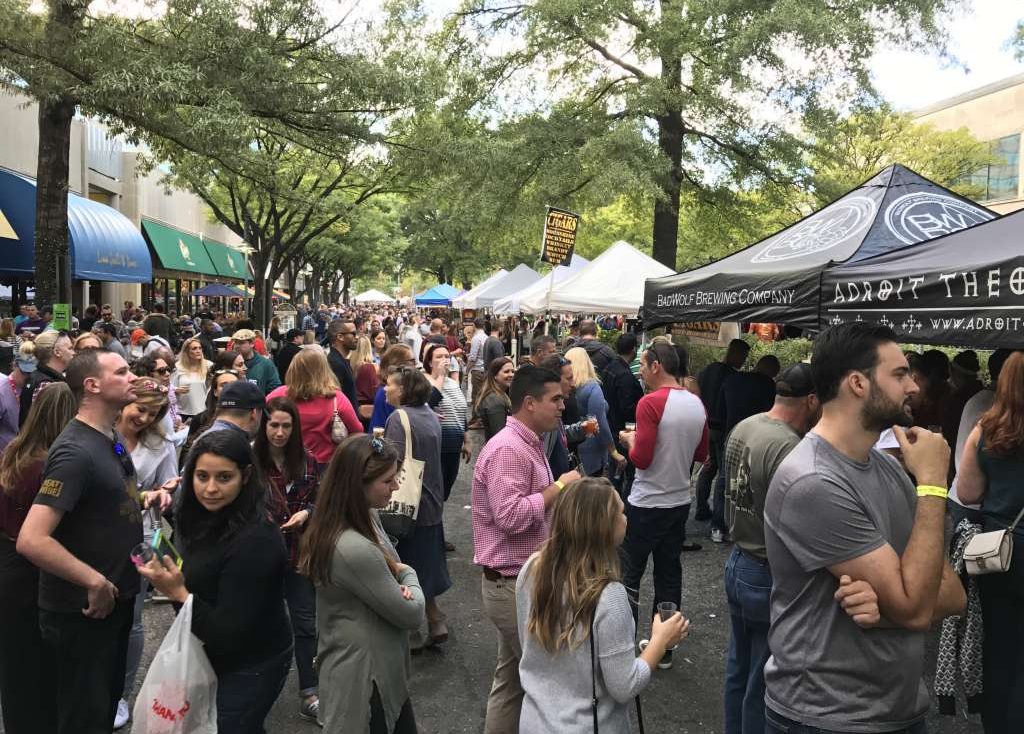
And if you’re the owner of a wayward stuffed rabbit lost at the Taste of Arlington, county officials remain ready to arrange a reunion.

If you’re looking to wait out these storms, check out our most popular stories of the past week:

  1. I-66 Tolls Have Yet to Convince Arlington Commuters to Choose Transit
  2. Morning Poll: What’s Above the CVS in Clarendon?
  3. Rustico Ballston to Host Crawfish Boil, Open New Beer Garden Saturday
  4. New Ballston Quarter Pedestrian Bridge Delayed Until 2019
  5. Following a Maywood Roof Dispute, County Board Weighs Historic District Policy Changes

Head down to the comments to discuss these stories, your weekend plans or anything else local.


Arlington’s economic outlook is “so bright you need to wear shades,” according to Terry Clower, an expert on the D.C. region over at George Mason University.

As a professor of public policy and director of Mason’s Center for Regional Analysis, Clower can speak with some authority on just how Arlington is doing. But between Amazon’s potential arrival in Arlington and all of the problems surrounding the region’s transportation, Clower does see a few clouds on the horizon.

On this edition of the 26 Square Miles podcast, we discussed the county’s odds of landing Amazon, what would happen if the county is successful, and all manner of the hottest economic and transportation-related debates around Arlington.

Listen below or subscribe to the podcast on iTunesGoogle PlayStitcher or TuneIn.

Photo courtesy of George Mason University


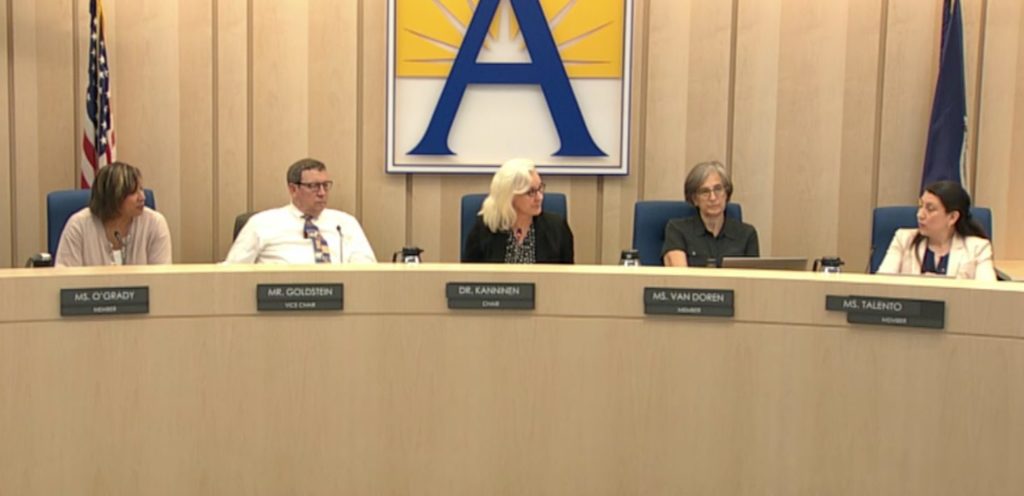
A new capital spending plan for Arlington’s burgeoning public school system calls for adding more than 4,200 seats through 2027.

The $631 million construction plan includes a new elementary school at the Reed School site and 1,650 new seats for high schoolers split between the Education Center site and the Arlington Career Center.

The Board has spent weeks working to strike a balance between the school system’s increasingly tight finances and its ever-rising enrollment figures, resulting in a new Capital Improvement Plan that left Board members optimistic, yet unsatisfied.

Debate over the plans at Career Center, in particular, dominated the Board’s discussions about the CIP. Parents living near the center, which is located just off Columbia Pike and will someday be home to another 1,050 high school students, raised frequent concerns that APS might not build the same amenities at the site as it has at its three comprehensive high schools.

“With all the pressures on the school system right now, some may say the plan is not perfect today,” said Board member Monique O’Grady. “But I believe it’s evolving in the right direction.”

The Board’s tight financial picture meant that it couldn’t quite meet all the parent requests, but members did work to speed up the construction of some features at the site by re-allocating some of the school system’s capital reserve money.

Under the version of the plan approved Thursday, the Career Center will now include a multi-use gym, a “black box” theater, a performing arts wing, a synthetic athletic field and a parking garage.

The field and parking garage will be constructed in 2o23 to make those features available to students as more high schoolers move to the site. APS will then simultaneously add an 800-seat expansion and the performing arts section in 2025.

That will address some of the concerns raised by local parents, including some who formed an advocacy group focused on the issue. But they remain wary of how the Board will ultimately decide which students attend the Career Center site high school — members have yet to decide if it will be a “neighborhood” school only for students who live nearby, or a countywide “option” school.

“No child should be zoned to this school described in this proposal,” said Christine Brittle, an organizer with Citizens for Arlington School Equality. “Arlington has never had a choice school of this size.”

Board members stress that such a decision is a long way off, and the county’s financial picture could someday improve and allow APS to add more amenities to the site. There’s broad hope among officials that tax revenues will rebound when it comes time for the next CIP update in 2020.

“When the inputs change, the plan will change,” said Vice Chair Reid Goldstein. “The CIP is a plan, not a promise.”

In the near term, the County Board still needs to sign off on the school system’s CIP as part of its own capital spending process.

County Manager Mark Schwartz has previously warned that the School Board was a bit too ambitious in its ask from the county, though at a work session Tuesday (June 19), he suggested the version of the CIP the Board passed “can work… with a few minor adjustments.”

The County Board is set to pass its CIP by July 14.


Beer lovers will have not just one, but two Oktoberfest-themed events to enjoy in the Shirlington area this fall.

New District Brewing announced this week that it’s expanding its “Arlington ValleyFest” event to help pick up where Capitol City Brewing, long the hosts of an Oktoberfest celebration, left off after the brewpub closed this spring.

But restaurateur Reese Gardner tells ARLnow that he’ll also be hosting an Oktoberfest gathering along Campbell Avenue, in and around his Copperwood Tavern (4021 Campbell Avenue), ensuring that the Village at Shirlington will still have a fall beer festival even with Cap City gone.

Gardner is dubbing the event “Shucktoberfest,” as it will be co-sponsored by the Northern Neck’s Waverly Point Oyster Company, and it’s now set for Oct. 20. He says he secured an agreement from the shopping center’s landlord to host the event shortly after Cap City closed up shop in April, and recently finalized securing the necessary permits from the county.

Gardner said 19 Virginia breweries have committed to attend, many of which served up their suds at Cap City’s Oktoberfest events. Gardner says the event will feature “oyster tents” and other food options, as well as a “kids’ zone” and game area that will include cornhole.

Tickets will be available for the event on its website. Gardner is also looking for volunteers to help staff the festival.


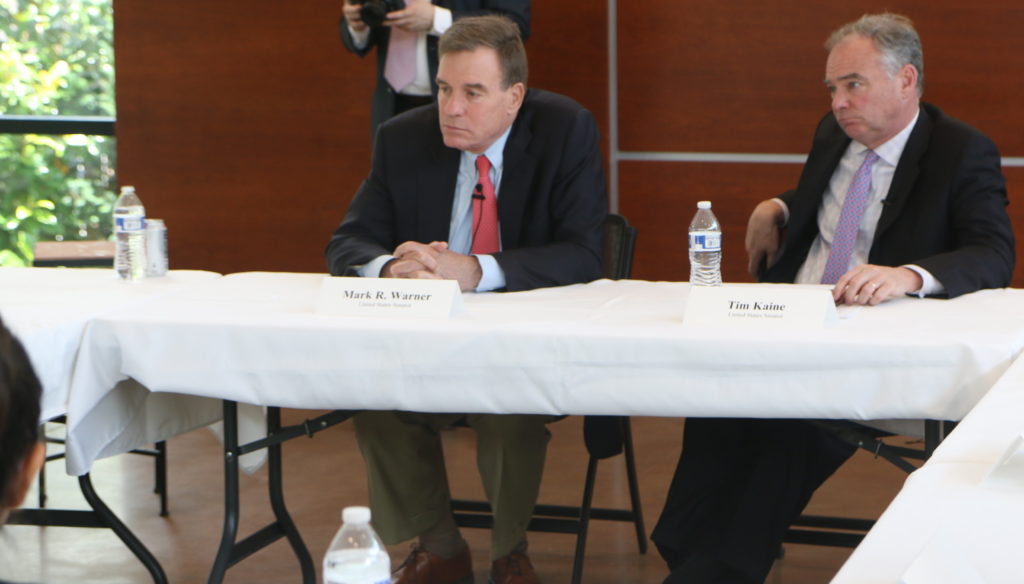
President Trump may have agreed to stop separating families at the Mexican border, but Sens. Tim Kaine and Mark Warner (D-Va.) fear the administration could soon concoct a plan to jail immigrant families indefinitely instead.

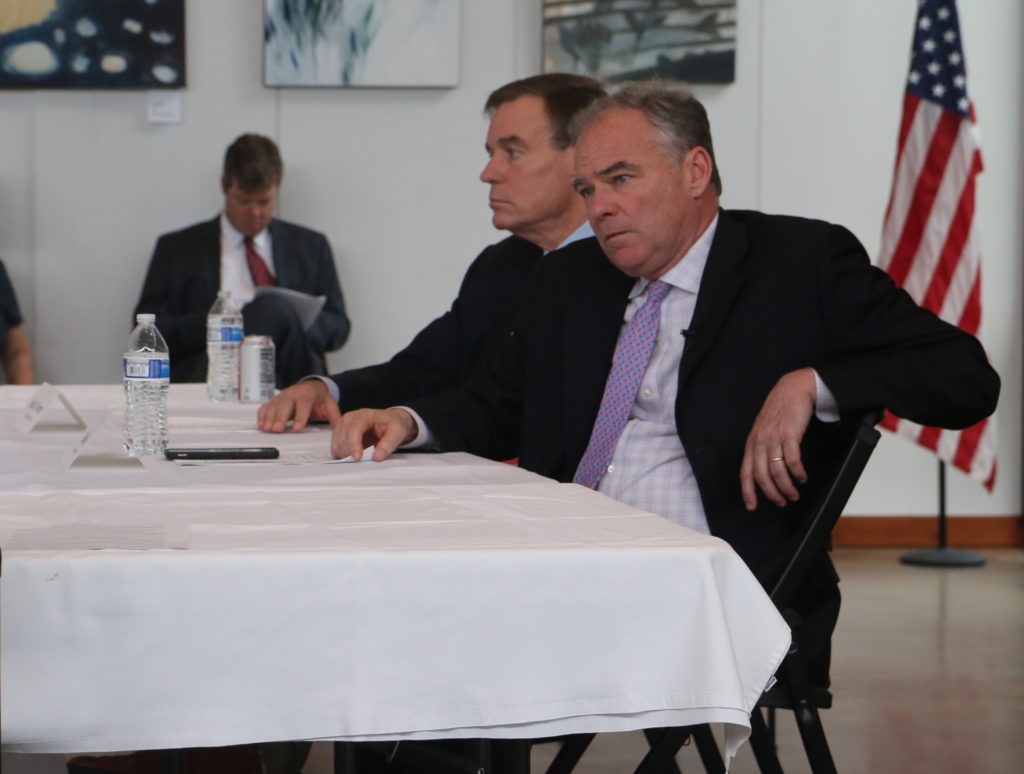
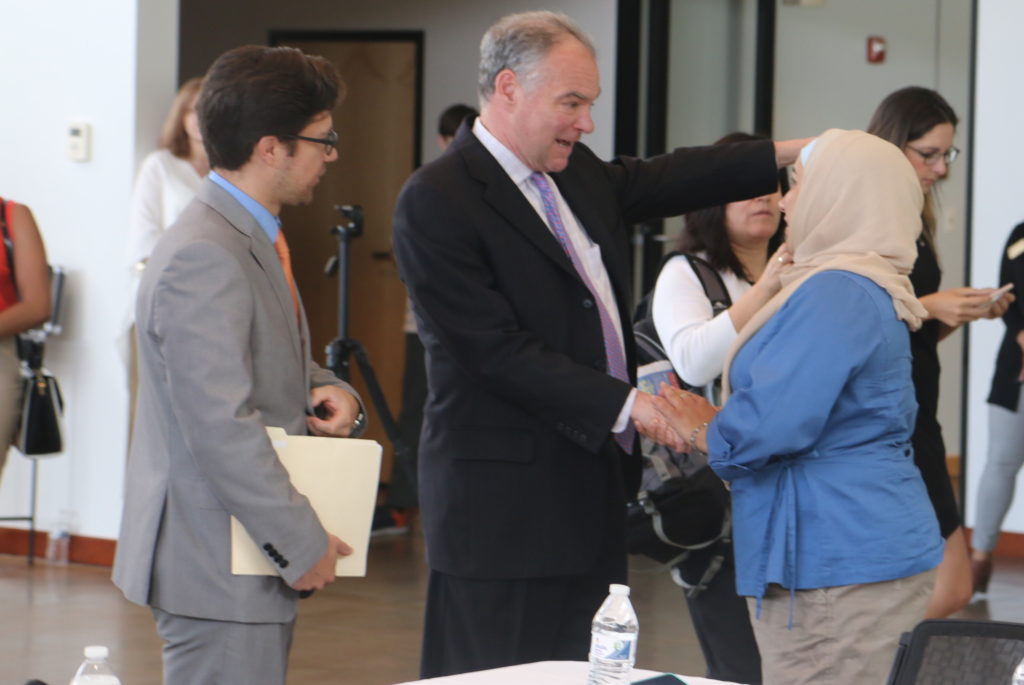
At a gathering of local faith leaders and immigrant advocates today (Thursday) at the Unitarian Universalist Church of Arlington (4444 Arlington Blvd), both senators expressed relief that Trump backed down from his policy of breaking up migrant families that attempt to cross the border illegally.

Yet Warner lamented that Trump’s executive order “raises as many questions as it answers,” and the senators are deeply concerned that the White House will now try to convince Congress to pass some sort of compromise legislation on the issue.

Trump’s order yesterday (Wednesday) required families to be detained together until their criminal and immigration proceedings are completed — but a federal court order requires children to be released after 20 days, and Kaine and Warner both worry that Trump could try to push through legislation to supersede that order and remove any limit on detaining families.

“We could see version two, or version three, of this, that will get presented as something that’s not as bad as what came before,” Kaine said. “But I’m not going to agree to something bad just because he’s being cruel.”

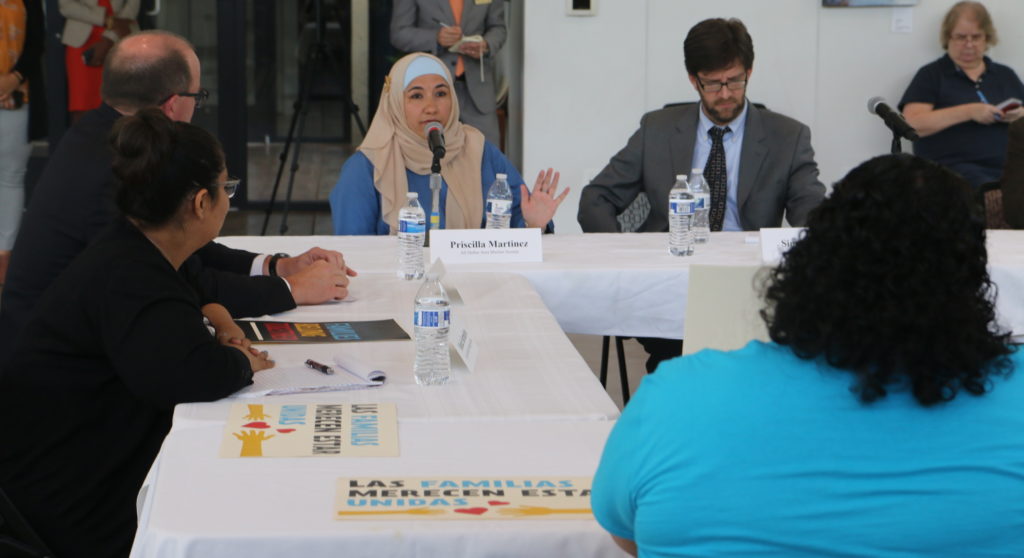
Priscilla Martinez, a fourth-generation Mexican American with Loudoun’s All Dulles Area Muslim Society, worried that such an approach by Trump might prove effective.

While she noted that the public may be outraged about the family separation policy now, she’s concerned that people could become “anesthetized” to less extreme versions of it. She drew a parallel to the public reaction to Trump’s travel ban on Muslim-majority countries — while the initial executive order prompted mass protests, the administration subsequently proposed less draconian versions of the same policy that gradually drew less attention.

“They could easily put something forward that’s still bad, but people accept it because it’s less awful that what came before,” Martinez said. “I’m concerned it’s so bad right now, people might run out of steam.”

That’s why Simon Sandoval-Moshenberg, the legal director of the Legal Aid Justice Center’s immigrant advocacy program, urged the senators to not accept that this debate is over simply because Trump has changed the family separation policy. He suggested that they press the administration to allow children to be released to other family members instead of being held in a jail cell, a process he says Trump has worked to make increasingly difficult.

“Kids don’t belong in cages, and that’s the bottom line,” Sandoval-Moshenberg said. “Whether it’s the same cage as their mother and father or two separate cages… Any solution that results in kids being kept in cages is no solution at all.”

Kaine and Warner agreed to that request, and they’re pledging to visit Virginia’s detention facilities for immigrant children in Bristow and Staunton to inspect their conditions. They do take some hope from reports today that the Border Patrol plans to stop referring migrant parents who cross the border illegally with children for criminal charges, but they say they can’t be sure what the White House will do next.

“This administration has no plan,” Warner said. “As we’ve seen continuously, he zigs and zags on an hourly basis.”


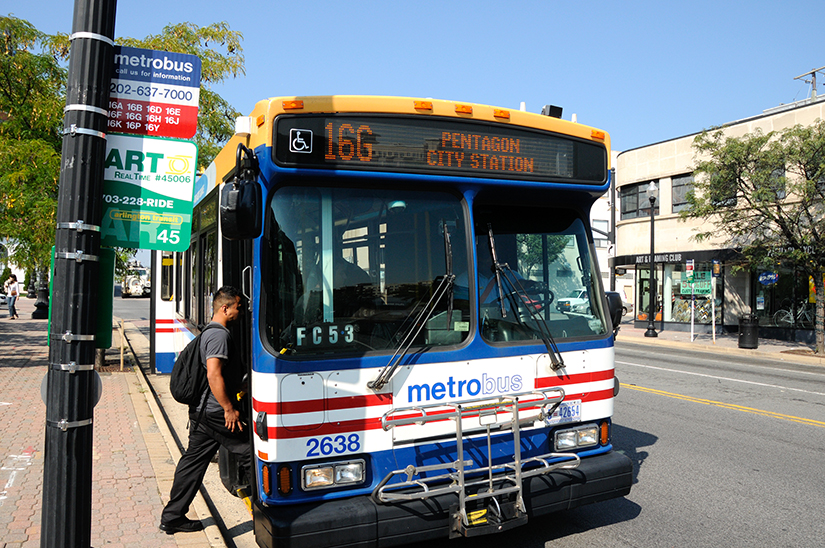
Bus riders along Columbia Pike will see significant service changes starting Sunday (June 24), as part of the long-awaited “premium transit network” planned for the corridor.

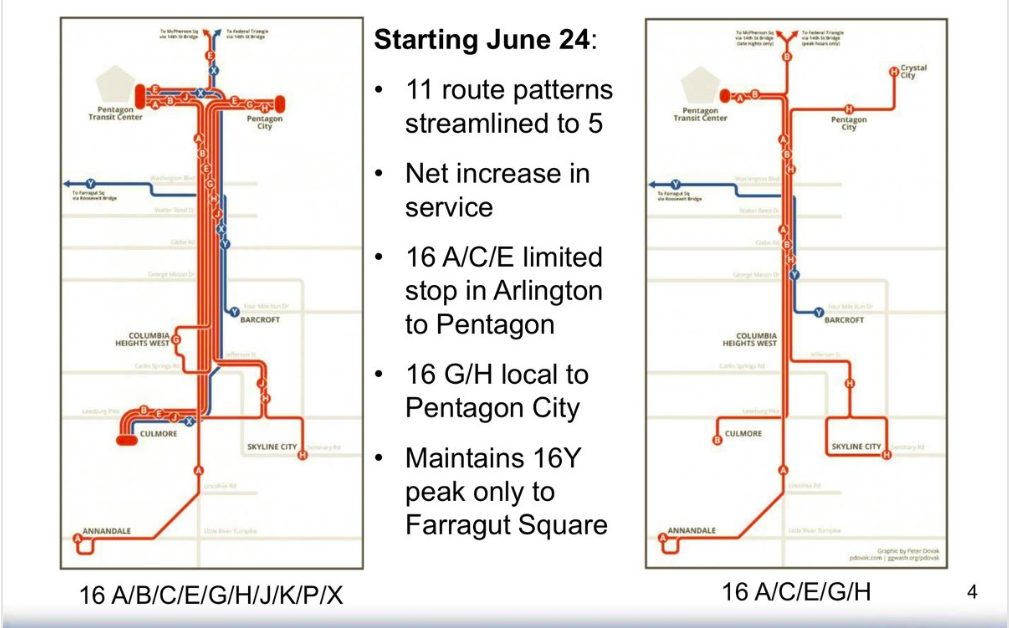
Metrobus will soon offer five streamlined routes along the Pike, down from 11, and offer more frequent service across all of those routes, Arlington transportation officials told the County Board Tuesday (June 19).

The changes will move in tandem with some other Metrobus service alterations recently approved by WMATA’s governing board, and bring the county closer to delivering on its promise to improve transit options along the Pike after abandoning the contentious streetcar project four years ago.

“You may not necessarily move through the corridor faster, but you won’t have to wait as long for a bus to take you somewhere, particularly during the peak hours,” said Board Vice Chair Christian Dorsey.

Lynn Rivers, the county’s transit bureau chief, noted that Metrobus will offer 30 additional hours of service across all the different routes on the 16 line, with the ultimate goal of running buses once every six minutes along the most crowded stops on the Pike.

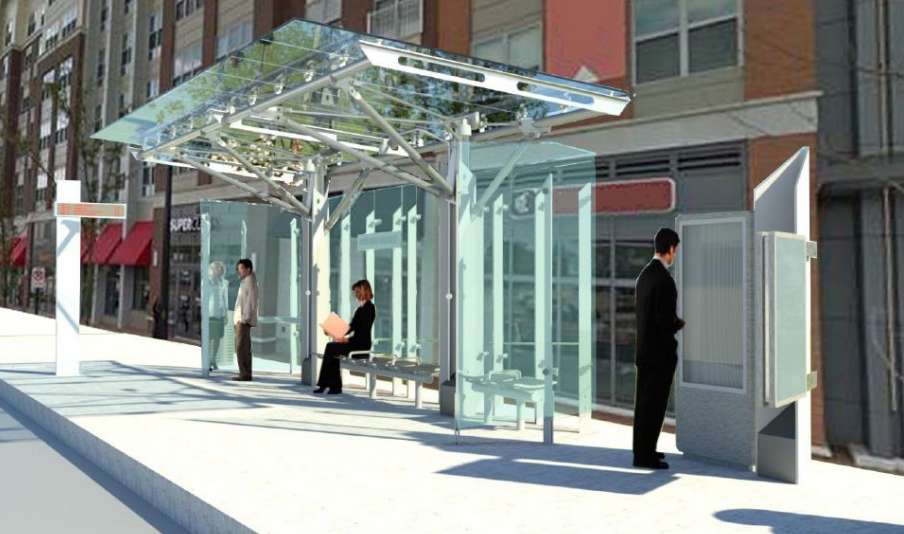
The county has also kicked off the process of finding a contractor to build 20 new bus shelters along the Pike.

Dennis Leach, the county’s transportation director, told the Board that the county started soliciting bids for the project last Wednesday (June 13). By July, he expects the county will know how much each shelter will cost, a key point of interest for Board members after the Pike’s “$1 million bus stops” prompted community outcry years ago.

Yet Rivers believes the more noticeable change for riders right away will be the alteration to Metrobus routes along the Pike. She noted that buses won’t be changing where they drop off and pick up riders, but Metrobus will be tweaking how it describes its various routes to be less confusing.

“The idea was to streamline that to make it easier not just for those who are using it, but also bring more people onto the system,” Rivers said.

Moving forward, the five routes on Columbia Pike will be known as 16A, 16C, 16E, 16G and 16H. Rivers added that 16Y service will still be available as well during peak hours, though only to Farragut Square, and service along the 16X route to Federal Triangle will still be available during peak times as well.

While these changes came as good news to Board members, John Vihstadt did point out that “our communities have been frustrated with the pace” of the county’s work to implement bus service changes along the Pike. Rivers believes this first phase of improvements is the equivalent of starting off “with a bang,” but she did acknowledge there’s lots of work left to be done.

Eventually, the county and Metro plan to offer nonstop bus service between the Pike and Crystal City, and extend the Transitway, or dedicated lane bus service, out to Pentagon City — the latter effort just won some new regional funding as well.

“This is just the beginning of many more phases,” Rivers said.


It might seem odd that the consulting firm Accenture would open a second Arlington office in Rosslyn, just a 10-minute drive from its current location in Ballston and a brief Metro ride away from its office in D.C.

But company executives believe Arlington’s pool of talented tech workers is so deep that such a move makes perfect sense — and state leaders are hoping tech giants from Apple to Amazon are similarly swayed by the strength of the county’s workforce.

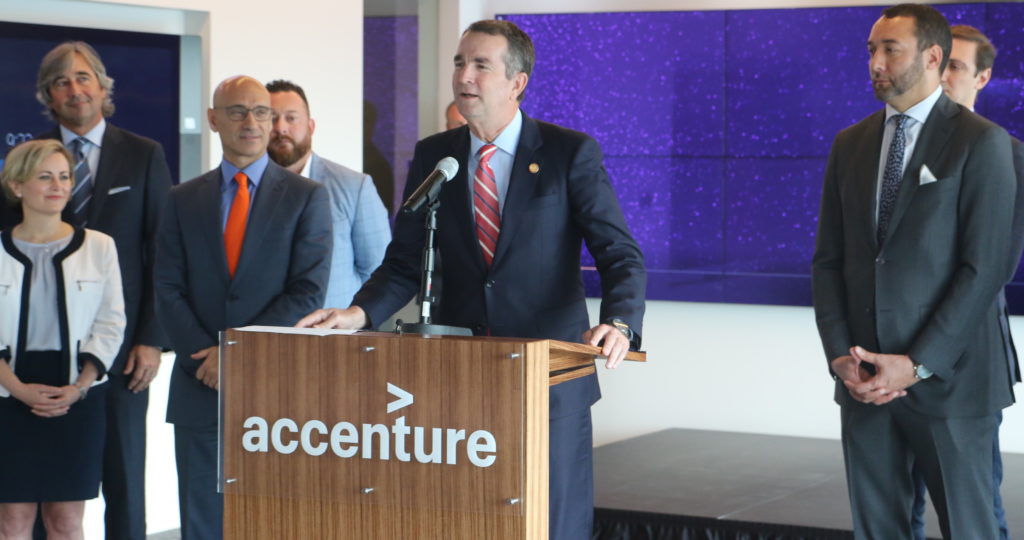
Gov. Ralph Northam (D) and Rep. Don Beyer (D-Va.) helped Accenture christen its new “cyber fusion center” inside the new CEB Tower at Central Place (1201 Wilson Blvd) today (Wednesday), hailing the company for its plans to create 1,000 high-paying tech jobs in the D.C. region by 2020.

Marty Rodgers, Accenture’s metro D.C. office managing director, says the firm ultimately plans to have 4,500 employees at its Arlington locations alone, and they’ll have plenty of company. As of last year, the Bureau of Labor Statistics estimates that more than 17,000 people in Arlington work in IT-focused jobs, and Rodgers adds that 185 cybersecurity startups in the area won outside funding in 2017.

Observers have speculated that those numbers are part of why Jeff Bezos and Tim Cook are eyeing Arlington so closely for expansion. Northam hopes they’re right.

“I’ve always been a big believer that if we bring talent to the area, talent will attract other talent,” Northam told reporters Wednesday. “We’ve made that pitch and we’re excited about that opportunity, and we’ve had those discussions with Amazon. But whether it’s Amazon or Apple or any other company, in order for them to grow or come here, we’ve got to be able to train our workforce.”

Northam credits his predecessor, ex-Gov. Terry McAuliffe, for putting a focus on tech training programs at both the higher education level and in K-12 schools. But it also helps that many of those workers have gained experience in the area’s bevy of federal government tech jobs, making them even more attractive to companies like Accenture that do plenty of business in D.C.

“This is where all the talent is,” Rodgers said. “You need people who have that combination of experiences, with for-profits, with nonprofits, with government.”

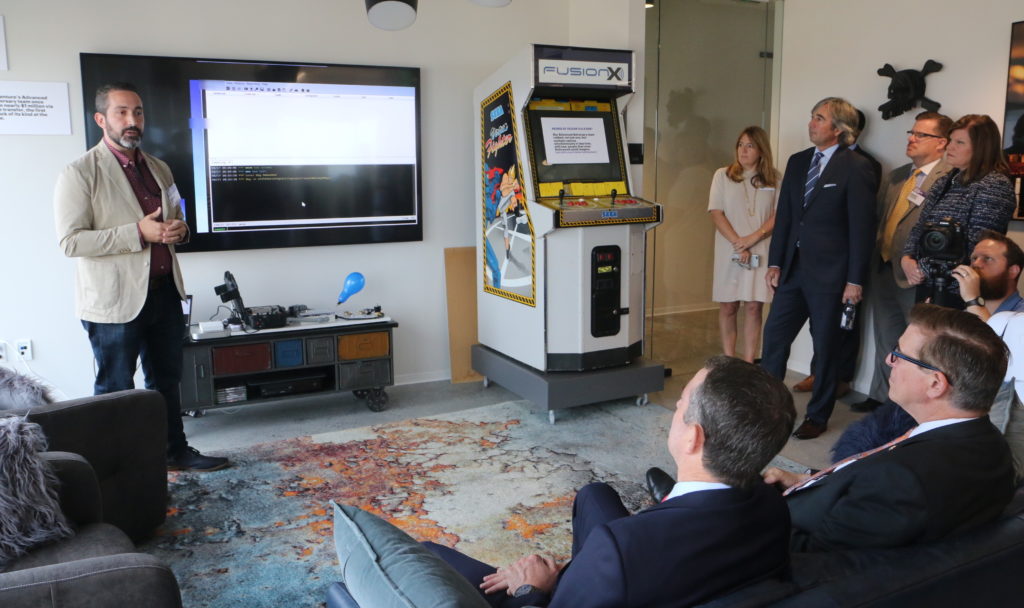
Rodgers noted that those sorts of employees will be particularly important at the company’s new Rosslyn center. It’s designed as not only a cybersecurity research hub, but also as a meeting space for Accenture to help its clients, from governments to massive corporations, investigate cyberattacks in real time.

Accenture executives demonstrated for the gathered elected officials and journalists how the company might educate an oil and gas company about how to prevent a phishing attack on a refinery. After hackers tried, and failed, to blow up a Saudi Arabian refinery by breaking in to a company’s networks via a fraudulent email, company officials warned that such a scenario isn’t terribly far-fetched.

Rodgers believes the center will even be innovative enough to help the D.C. region become the top global destination for cybersecurity companies.

“This region is fundamental to cybersecurity for the country and the world,” Rodgers said. “This is a mantle we hope this cybersecurity fusion center can claim here, as compared to Silicon Valley.”


Arlington officials are pledging to take a fresh look at how they manage local historic districts, after one neighborhood’s design standards is forcing a Maywood family to pay tens of thousands of dollars for a roof repair.

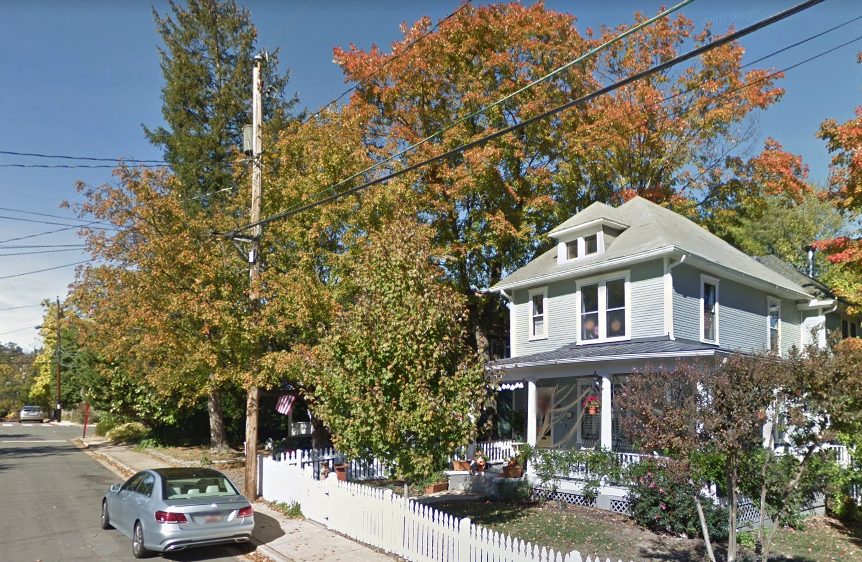
Brendan and Jody Devine have spent more than a year working with county officials to get permission to use asphalt shingles when overhauling the roof of their home along the 3500 block of 21st Avenue N. But the county’s Historical Affairs and Landmark Review Board, known as the HALRB, blocked that request because the home is located in the Maywood Neighborhood Historic District, and the board feared replacing its current stamped tin shingle roof with a more modern style of roof would leave it out of step with the rest of the neighborhood.

The Devines appealed that decision to the County Board, but members voted unanimously yesterday (Tuesday) to uphold the HALRB’s decision.

Board members, however, expressed a great deal of remorse over that vote, lamenting that the county code obligated them to side against the Devines, even if they agreed with their concerns about the tin roof’s cost.

“We’re ending up on the wrong side of justice if we don’t provide a way to promote the architectural compatibility with the neighborhood, while at the same time accounting for real life circumstances,” said Board Vice Chair Christian Dorsey. “I think we can figure out a way to do better.”

Brendan Devine noted at the meeting that the tin shingles would likely cost as much as $30,000, compared to $5,000-6,000 for the asphalt option, and that that is only for a portion of the roof. He argued that the county would be effectively making the neighborhood an “enclave” for the wealthy if the Board forced homeowners to embrace such expensive options.

In general, Board members agreed with that sentiment, though they felt there was little they could do to make a difference in this particular case.

County Attorney Steve MacIsaac cautioned that members had little choice but to side with the HALRB’s ruling unless the Devines could prove that board made some sort of “arbitrary and capricious” decision. The Board took heed of his opinion, but with some communities around the county trying to pursue historic districts in order to protect affordable housing options, several members expressed a willingness to revisit the county’s policies on the matter.

“This is a cautionary tale,” Chair Katie Cristol said. “We’ve had members of our community who have sought to use a historic designation overlay as a tool to protect affordability… but to the extent we’re looking to protect either garden apartments or single family homes, it can sometimes work at cross purposes.”

Board members were particularly interested in finding a way to get the HALRB to consider the cost of a change like this as a central part of their deliberations. Joan Lawrence, the HALRB’s chair, told the Board that her group did indeed take the expense of the tin shingles into account, but ultimately felt making an exception in this case could lead to a slippery slope.

“A defining feature of this historic district is this particular roof,” Lawrence said. “We’re dealing with a situation of death by a thousand cuts… I don’t think being good stewards of a historic neighborhood, a historic house, is making it an enclave.”

(more…)


View More Stories