Just Reduced banner

Each week, “Just Reduced” spotlights properties in Arlington County whose price have been cut over the previous week. The market summary is crafted by licensed broker Aaron Seekford of Arlington Realty, Inc. GET MORE out of your real estate investment with Aaron and his team by visiting www.MrArlington.com or calling 703-836-6116 today! 

Please note: While Aaron Seekford provides this information for the community, he is not the listing agent of these homes.

It’s officially August and we’re on the homestretch of another sweltering summer.

We’ve made it through July and fall is just around the corner (Hallelujah!). Before you know it, winter and all of its icy/snowy madness will be here. And, no one wants to move in to a new home in the heart of a snowpocalypse.

Sure, it’s a sweaty mess out there right now, but if you want to avoid a slushy move-in, perhaps now is the time to get rolling on a home purchase. Closings can take 30, 60, 90-plus days – depending on your contract – so it’s definitely something to think about in addition to the bargains that are out there.

While I’m always here to help you GET MORE out of your investment, there’s only so much we can do to encourage you to GET MORE out of the weather!

As of August 2, there are 229 detached homes, 60 townhouses and 324 apartments for sale throughout Arlington County. In total, 59 homes experienced a price reduction in the past week.

Here is this week’s selection of Just Reduced properties:

Please note that this is solely a selection of Just Reduced properties available in Arlington County. For a complete list of properties within your target budget and specifications, contact Aaron Seekford.


Ask Eli banner

This regularly-scheduled sponsored Q&A column is written by Eli Tucker, Arlington-based Realtor and Rosslyn resident. Please submit your questions to him via email for response in future columns. Enjoy!

Where is it? In May, I covered one of the southern-most neighborhoods in Arlington, Claremont; so this month we’re taking a look at Arlington’s northern-most neighborhood, Arlingwood, located in the northern corner of Arlington bordered by N Glebe Rd to the south/southwest and the GW Parkway to the east and north, although some consider homes north of the parkway along the Potomac on Chain Bridge Rd to be the “Greater” Arlingwood neighborhood as well. It’s a fantastic location for active lifestyles and nature lovers, with quick access via walking/biking trails to the Potomac River (Potomac Heritage Trail on the Virginia side and Towpath/Capital Crescent Trail on the DC side) and Chain Bridge. Interestingly, the area is primarily made up of homes along N Richmond St and N Randolph St, which form a two-way loop around the neighborhood and seamlessly connect/transition into one another at the bottom of a big hill.

Aski Eli Arlingwood photo

About the interviewee: Ronnie Precup raised three children in a 1956 ranch-style Arlingwood home, which she and her husband bought in December 1971 for $60,500(!). She recalls the location and access to North Arlington public schools were the primary reasons they decided on a home in Arlington, even though it was a bit more than they planned to spend at the time. Having recently retired as Editor-in-Chief for the Association of Clinical Research Professionals, she decided that she’ll remain in her home for a long time to come, so she’s made some beautiful updates throughout the home, including the kitchen, bedrooms, and basement!

Can you tell me a bit about your neighborhood? It’s so wonderful, I want to stay here forever! Although it’s car-dependent here, there are constantly joggers and serious bikers coming through the neighborhood to reach various trails nearby. Nearly everybody has pets, so neighbors are constantly out walking their dogs, providing a very friendly atmosphere. We also have a very active neighborhood website where people discuss local issues and exchange or sell household items, and kids offer their services to mow lawns, shovel driveways, etc. There are a lot of families here, but mostly with schooled-aged children; I don’t see a lot of strollers. The families love the annual Halloween party!

What’s changed in the last 40+ years? Increased density for sure as larger, new homes replace older homes like mine, and they’ve even cleared large wooded areas to add more new homes. I don’t blame them and like to see new families moving in, but I hope that the density increase is limited and they don’t remove any more trees to expand the neighborhood, although I could see them expanding to the west towards Chain Bridge Forest.

What’s been your experience with the public schools? Great! Our kids went to Jamestown Elementary and Williamsburg Middle School, although we decided to send them to Bishop O’Connell for high school. My granddaughter just graduated from Williamsburg this year and loved it!

What about public transportation for the neighborhood? It’s definitely a car-dependent area of the county, although there’s an ART bus stop just up the street that takes you to the metro.

Favorite restaurants? I love Peter Chang and Metro 29 Diner off of Lee Highway, of course Lost Dog Café, and I have a soft spot for Bon Chon! If you go to Metro 29 Diner, I highly recommend splitting the meals and saving room for dessert.

Ask Eli Arlingwood photo 2Anything else? I’m not sure how many people have noticed it, but I’ve always found it curious that there’s a plaque on a rock up the road by the Madison Community Center that references the Civil War as the “War of Northern Aggression.” I notice it every time I walk by and wonder how it’s never been changed or removed.

Thank you very much for the great interview Ronnie! And for being an Arlingwood resident and ambassador for 45 years with no plans of moving any time soon.

If you’d like a question answered in my weekly column, please send an email to [email protected]. To read any of my older posts, visit the blog section of my website at http://www.RealtyDCMetro.com.

Eli Tucker is a licensed Realtor in Virginia, Washington DC, and Maryland with Real Living At Home, 2420 Wilson Blvd #101 Arlington, VA 22201, (202) 518-8781.


Local Woof logo

The Local Woof is a column that’s sponsored and written by the staff of Woofs! Dog Training Center. Woofs! has full-service dog training, boarding, and daycare facilities, near Shirlington and Ballston.

I’ve been having a lot of conversations with people about their dogs getting into trouble. Not little trouble like chewing up a shoe or stealing a sandwich. That’s easy stuff.  I’m talking about big trouble. Like biting the neighbor’s dog while on a walk or biting a friend who is over for a visit.

The thing that most of these incidents had in common is a very high level of anxiety and arousal that precipitated the bites. So how does anxiety and arousal affect our dogs and what can we do about it?

We all know what anxiety feels like. It can range from uncomfortable to debilitating. If you have an anxious dog, you probably already know it. Just like in people, there is a spectrum of doggie personalities. Some dog are more anxious than others and some dogs aren’t bothered by anything. Anxious dogs tend to hate thunder storms and fireworks. Perhaps they are wary of strangers or other dogs. But just like in people, anxiety can cause to dogs to react out of proportion to the threat or environmental change they are experiencing.

Arousal is similar. Arousal is simply a state of excitement. The excitement can be good or bad, but in either case it is usually accompanied by a spike in adrenalin. Dogs who are wrestling or running in a dog park are aroused. Dog who are riding in a crowded elevator might be aroused. Dog who are on leash and see each other across the street might become aroused. They might be happy to see each other and want to play or they might want to fight. In either case, the dogs are in a state of arousal.

What owners need to know is that anxiety and arousal both have the effect of shortening a dog’s fuse. A dog who is normally tolerant of being pet is more likely to bite when anxious or aroused.  Your normally easy going dog might be on edge if you have guests at the house for a week.

The first thing to do is to recognize that your dog is anxious or aroused. The second thing to do is to provide your dog with the ability to either get away from the things that are causing anxiety, or time to calm down from a state of arousal. 

One of the best tools is to teach your dog to take a break.  I am a big fan of crate training for this reason. Crate training is most often used to help house train very young pups and to keep them out of trouble.   But crating is often a left behind tool as dogs become adults. Properly maintained crate training can be extraordinarily helpful in these situations. . A marrow bone in a crate in an upstairs bedroom is often much appreciated by the over whelmed dog.  It provides a space to get away from whatever is stressing them out and time to calm down.  Older dogs who were crated as puppies can be introduced to crating again in a positive manner if needed, or perhaps they don’t even need a crate, just a quiet place to settle down.

On leash arousal control exercises are another great tool to add to your toolbox. These take time and commitment but can be well worth the effort in the long run. 

The bottom line is keep an eye on your pup. They can’t easily tell us when they need a break so it is up to us to be their advocate and make sure we are not placing them in situations that they can’t handle. Every dog is different and even man’s best friend needs some dogs some personal time.


2  -825px

This regularly-scheduled sponsored Q&A column is written by the Arlington Initiative to Rethink Energy team (AIRE). This county program helps you make smart energy decisions that save you money and leaves a lighter footprint on the environment. Got a question? Email us at [email protected]!

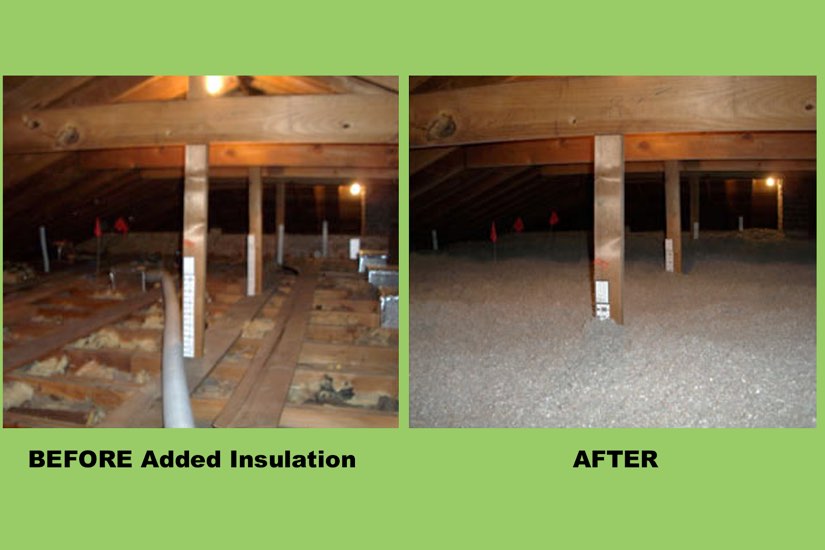
Did you know Arlington now offers Home Energy Rebates? You can apply for up to $575 in rebates by replacing your water heater or heating/cooling system with an efficient model, or if you add insulation or air sealing.

Today we’ll focus on adding insulation and/or air sealing. Up to 50% of your expenses (excluding labor) are eligible for the rebate if you spend a minimum of $200.

Why suffer year after year with uncomfortable spaces in your home? In most cases, the fixes aren’t complex and the cost will likely be less than you expect. In one day you can have your home insulated and be comfortable year after year.

Doesn’t my home already have insulation?

It probably has some, but 9 out of 10 homes don’t have enough. Older homes are even more likely to be deficient. Signs of inadequate insulation or air leaks include drafts, rooms that are uncomfortably warm or cold, or high energy bills.

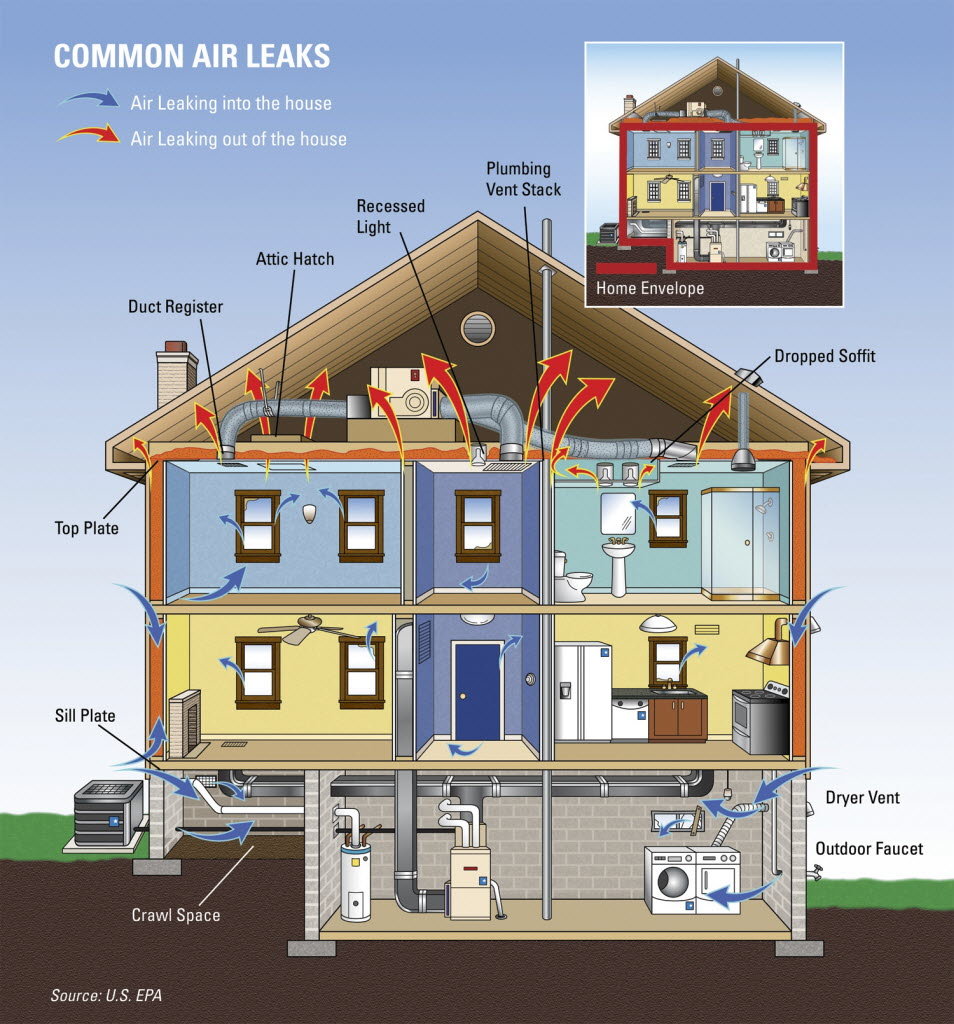
In most houses, the attic is the easiest and most effective place to air seal and insulate.

Why air seal?

Access hatches and doors into your attic are places where your cool air escapes and heat enters you home. Weather-stripping gaskets can reduce that energy loss. Other common places of air leaks are around can lights, electrical boxes, around air ducts, plumbing and electrical holes, and more. Expanding foam and caulk works wonders to seal those areas. Attic access hatch doors can make a huge difference for your home too.

How do I get started?

The easiest step is to find a contractor that specializes in this type of work. Here’s a searchable directory.

If you’re handy and ready to take matters into your own hands, an insulation or air sealing project is as simple as a trip to your local store and an afternoon in your attic. ENERGY STAR has great resources to help you identify inadequate insulation, install insulation and air seal your home.

It’s that easy. Just make a decision to be comfortable and reduce your utility bills. Install insulation and/or air sealing. Apply for a rebate!


Weekend Wine and Beer Guide logo

Editor’s Note: This biweekly column is sponsored by Dominion Wine and Beer (107 Rowell Court, Falls Church). It is written by Garrett Cruce, a Cicerone Program Certified Beer Server.

This week, Dave and I sat down with Taylor from Three Notch’d Brewing from Charlottesville, Va., to discuss our tap feature going on today at 5 p.m. We will be tapping the only keg of Bourbon Biggie Smores in Northern Virginia, an absolutely delicious Imperial Stout aged in Bourbon barrels and our very own Dominion Citra IPA, a delicious low IBU IPA that we collaborated with the brewers of Three Notch’d.

Check out the video below for event details and the history and philosophy of Three Notch’d Brewing.


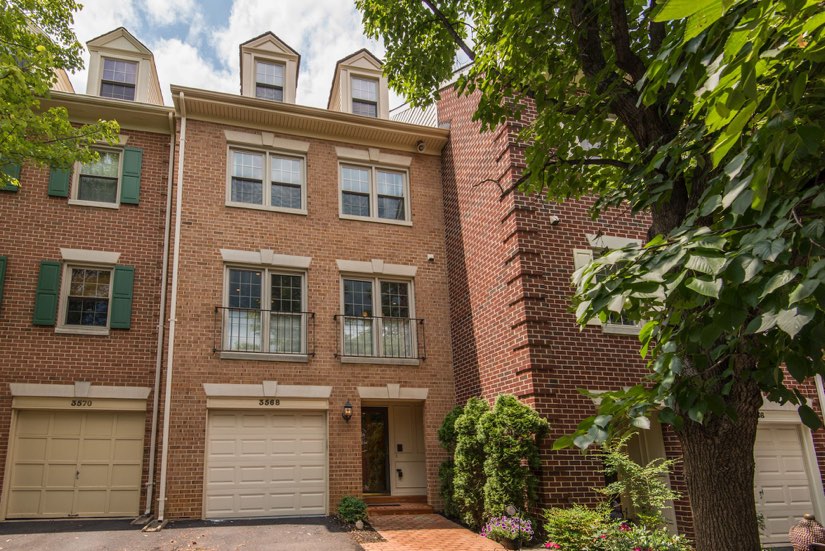
3568 S. George Mason Drive #12
Neighborhood: Alexandria (Skyline/Arlington border)
List Price: $525,000

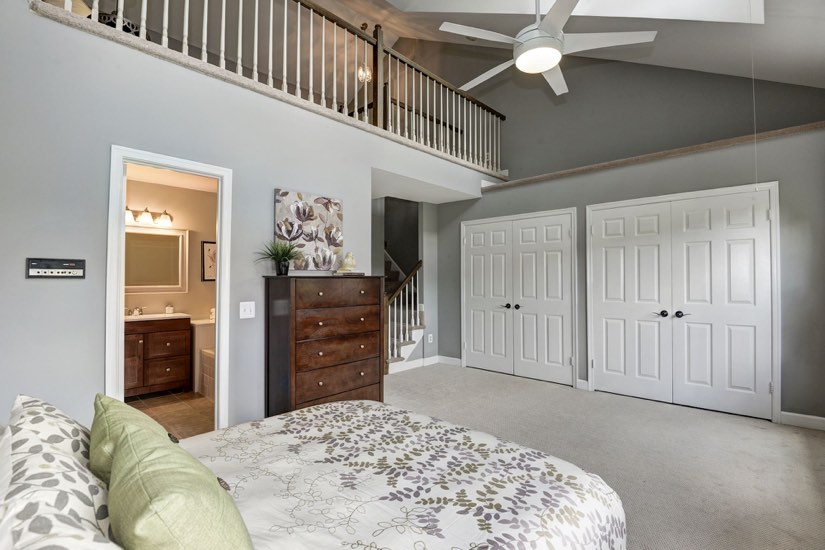
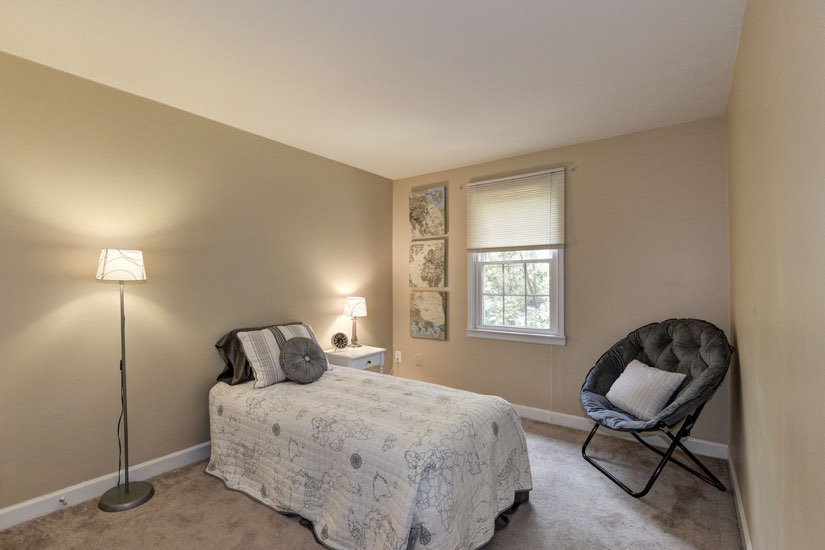
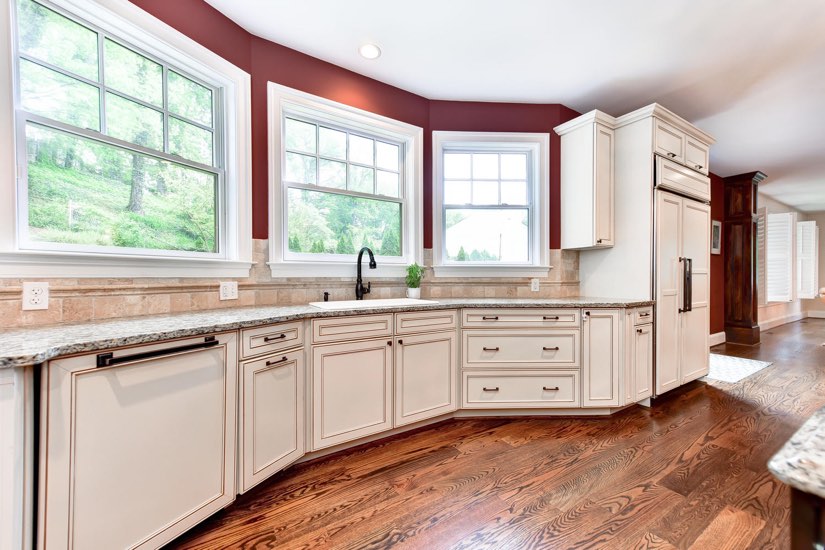
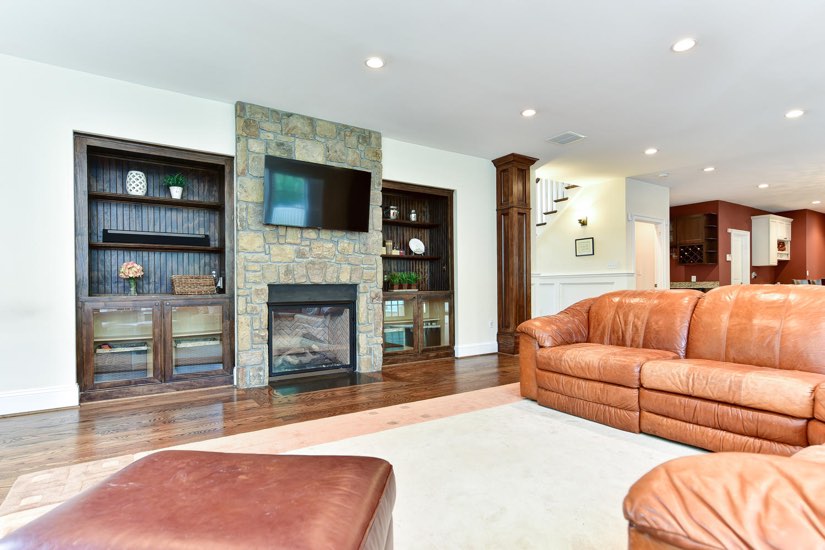
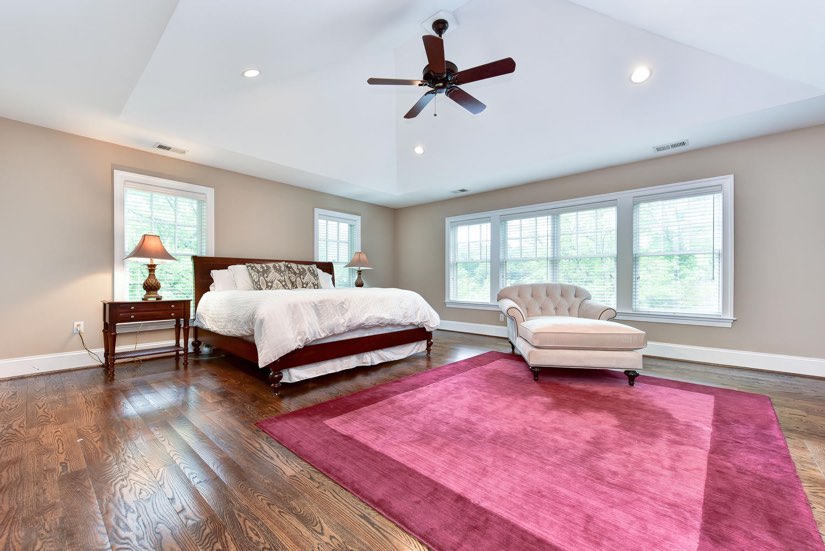
This is a three-bedroom, all-brick townhouse with rear patio, available in sought-after community!

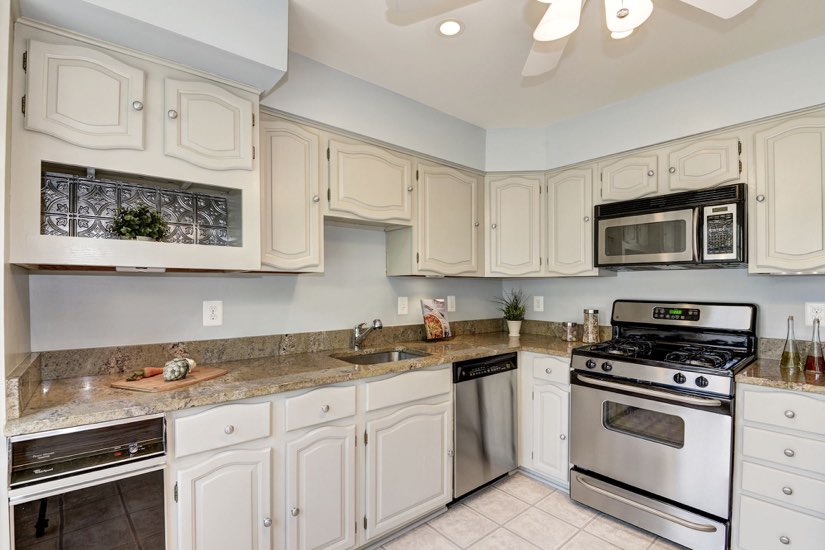
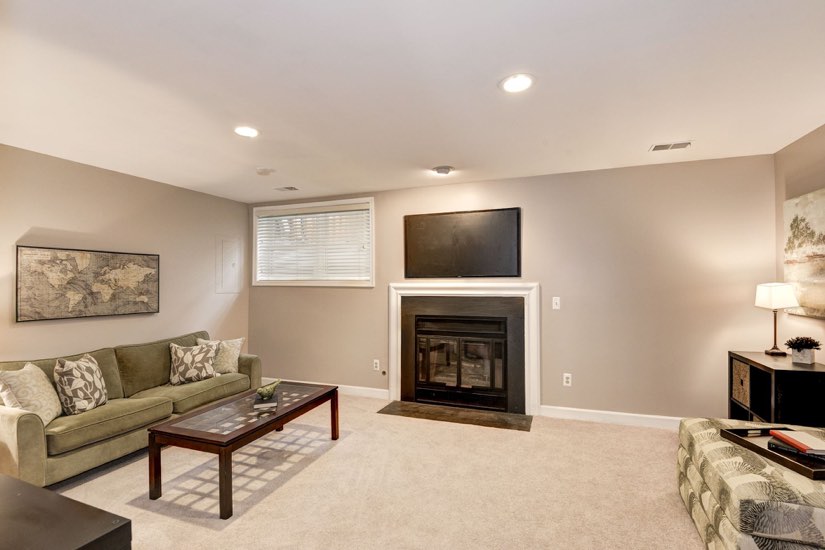
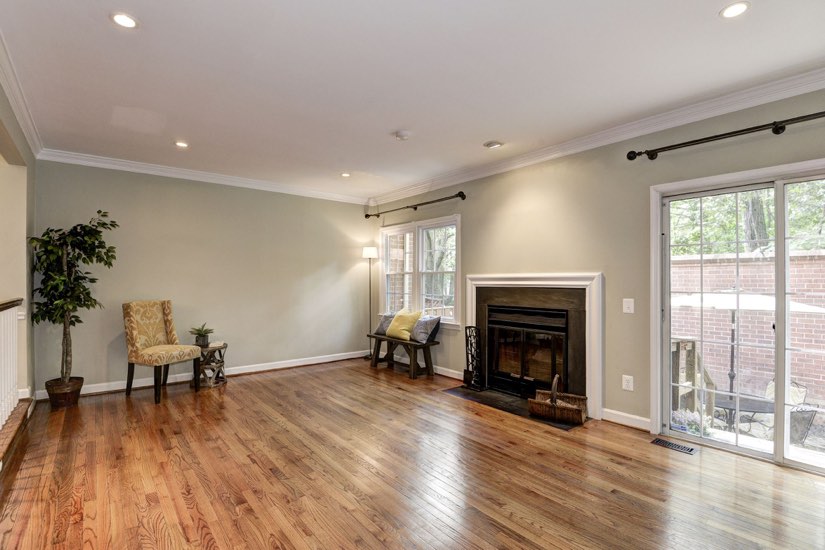
Tons of natural light with spacious layout and upgrades throughout. Main level includes gorgeous hardwood floors, gourmet kitchen with stainless steel and separate dining room — perfect for entertaining! Upper level features three bedrooms including a master bedroom with loft space and luxurious on-suite bath with soaking tub. Tons of storage options with attached garage and walk-in attic.

Call (571) 207-8273 for a private showing!

Optime Realty
1600 Wilson Blvd, Suite 101
Arlington, VA 22209


Just Listed banner

Just Listed highlights Arlington properties that just came on the market within the past week. This feature is written and sponsored by Team Cathell, “Your Orange Line Specialists.”

The heat wave this week hasn’t stopped buyers from purchasing homes in Arlington.

The market appears resilient to anything. Some 62 brave buyers ratified contracts on homes this week ranging in price from $175,000 to $2.2 million. Meanwhile, only 57 home sellers listed their homes for sale this week. Arlington still needs more inventory. It has only 635 residential properties for sale, including condos and townhomes. At the current pace of absorption, that’s only 2.56 months of inventory. A market is considered in equilibrium when it has 5.5 months of inventory.

Near record low mortgage interest rates keep helping the housing industry. The 30-yr fixed rate conforming loan is now about 3.63%, and the jumbo 30-yr rate is about 3.5%. Rates had little or no change this week. It’s a great time to buy if you can find the right home.

Click to see all the fresh new inventory in MRIS and call Team Cathell (703-975-2500) when you find a home you like.


Healthy Paws

Editor’s Note: Healthy Paws is a column sponsored and written by the owners of Clarendon Animal Care, a full-service, general practice veterinary clinic. The clinic is located 3000 10th Street N., Suite B. and can be reached at 703-997-9776.

Flea season in our area tends to be late summer and into the fall months, so this is a good time to brush up on your flea knowledge (sounds exciting, right?) to be sure you’re fully prepared for the onslaught of these prodigiously breeding insects.

What exactly is a flea?

Fleas are small (~2-3mm), reddish-brown insects. They feed on the blood of mammals and birds. While they cannot fly, they have incredible jumping ability. According to the website fleascience.com, the average flea can jump about 5 inches high and 9 inches horizontally, though they can reach 8 inches high and nearly 20 inches horizontally.

What is the lifecycle of the flea? And why does it matter? 

Adult female fleas feeding on an animal can start laying eggs within hours, laying up to 50 eggs per day. Eggs develop in the environment, preferring cool dark places (like under fallen leaves — which is why we tend to see an increase in cases of flea infestations in the fall) and indoors along baseboards, carpets, and crevices of furniture or floors. Larvae then develop into pupae, typically preferring the same places as the larval stages. Finally, adults emerge from the pupal stage . . . and start looking for a host to feed on. This whole process can take as little as a few weeks in optimal conditions. However, the larval and pupal stages can also lie dormant for months, and hatch only once they sense the environmental factors are ideal (vibrations from movement, heat and CO2 can all trigger this).

Because of the prodigious egg-laying of the adult flea, it is possible for a single adult female to quickly lead to an infestation. The environment (which can be outdoors OR indoors) quickly becomes contaminated with eggs, larvae, and pupae.

How do I know if my pet has fleas?

Sometimes you will actually see the flea moving along the skin under the hair coat, or even jumping from the pet as you rub their belly. A more reliable way to detect them is to look for “flea dirt,” which is digested and excreted blood. The tail area and behind the ears are two common places to see this.

However, sometimes it’s not a simple diagnosis, especially early on. Some pets are very sensitive to flea bites, and will demonstrate intense itching with only a single bite — in these cases, it may be difficult to detect the fleas.

The classic signs of a pet with fleas are intense itching or chewing around the tail base (and in general). The itch associated with fleas is often more intense than we might see with other causes of itchiness (namely, allergies).

So, fleas are obviously gross, but how bad are they really?

Many animals will exhibit intermittent discomfort or itchiness, but in sensitive pets, even a single bite may cause the pet to be extremely itchy, and the scratching due to that can then lead to secondary skin problems such as bacterial infections and trauma to the skin from all the scratching.

In young puppies and kittens, or severely infested animals, fleas can cause anemia due to blood loss.

The most common form of tapeworms, Diplydium caninum, is also transmitted by fleas. While not a serious health concern, tapeworms are nevertheless just gross, for lack of a better word!

Fleas also carry the bacteria Bartonella, the causative agent of Cat Scratch Disease. Typical transmission is from the scratch of an infected cat (who got the disease from fleas), but there is some thought that infected fleas can transmit directly to humans via a bite.

Plague, caused by the bacteria Yersinia pestis, can also be transmitted by fleas.

Needless to say, there can be some pretty serious health implications secondary due to fleas.

What is the best way to prevent fleas?

Fortunately, long-gone are the days of flea dips and sprays; there are a plethora of options for excellent flea control available. In addition to products that are applied topically (to the skin), there are also oral options.  We recommend consulting with your pet’s veterinarian about the different options and what would be best for your pet.

A word of caution regarding CATS — cats are especially sensitive to the pyrethrin class of flea preventatives, and most veterinarians have seen at least one case of a cat exposed to flea preventative that is intended only for dogs — with violent tremoring, salivation, seizures, and even temporary blindness.  Be sure that the flea preventative you are using on your cat, whether prescription or OTC, is approved for use in cats!

Are there any more natural alternatives for flea prevention?   

At this time, there are no consistently reliable natural alternatives that work as well as conventional drugs. Unfortunately, many herbal flea products are generally ineffective and sometimes toxic at truly effective doses. Most natural products sold over-the-counter only provide one to three days of protection. The commercial herbal sprays are very weak and certified veterinary herbalists note that they only last about 24 hours. The reason they only work for a few days is because while they are likely safe, this means they have to be incredibly diluted. If used daily, even at the diluted level, they can prove to be toxic in the long run.  If you are looking for natural alternatives, it is recommended to do DAILY flea combing. This should be combined with environmental control, which includes very frequent vacuuming and cleaning of floors and baseboards in the home. Additionally, boric acid or diatomaceous earth can be used on the carpet (following manufacturer recommendations) to kill larval stages — however, neither of these is completely free of potential side effects despite being more “natural.”

Do I really need to give flea prevention year-round?  

In short, yes! Again, because all it takes is a single adult flea to set up an infestation in the home, we and the vast majority of veterinarians in our area recommend flea prevention year-round. It doesn’t matter if it’s below freezing outside, as the fleas will be happy little campers inside your toasty warm home.

If my pet has fleas, do I need to have the house treated (“bombed”)? 

It depends.  In mild cases, often just treating the pet effectively, combined with diligent cleaning of the home, will be effective. However, if it’s been a long-standing problem, or there are multiple pets in the home, it is often best to get an exterminator involved to treat the environment.

A word of caution here — there are no available products that can kill the pupal life stage — so it is still imperative to have pets on regular preventative because those pupae will hatch into adults; without the pet being treated, those adult fleas will again be able to set up shop.

Additional Resources:

If You’ve Been Infested

Top 10 Flea Myths

Companion Animal Parasite Council – Flea recommendations


3101 N. Taylor Street
Neighborhood: Broyhill Forest
List Price : $1,625,000
Seen by Appointment

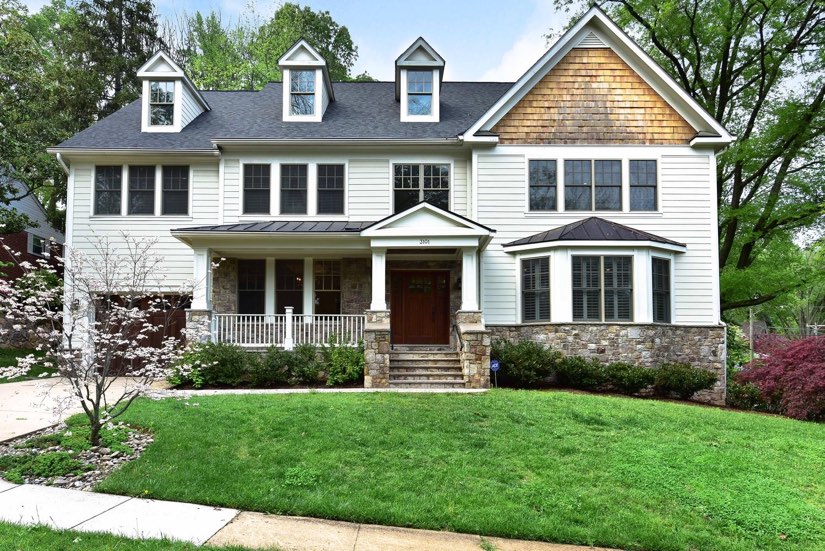
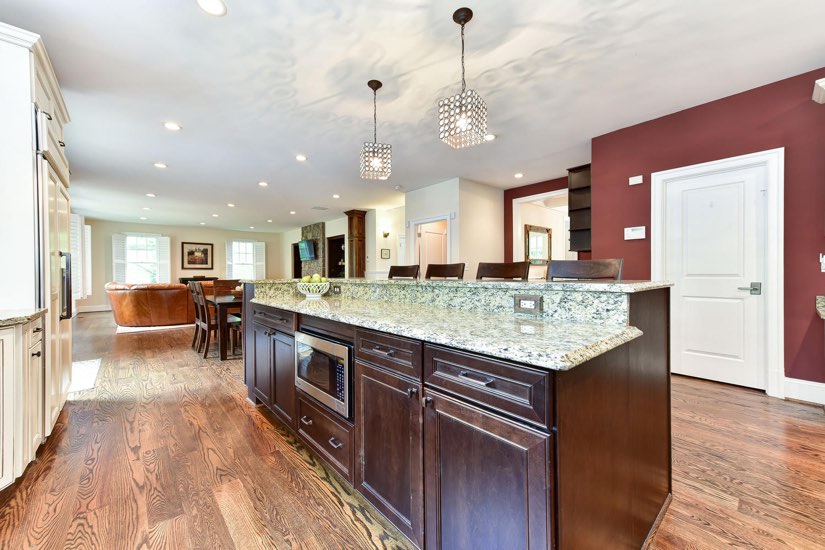
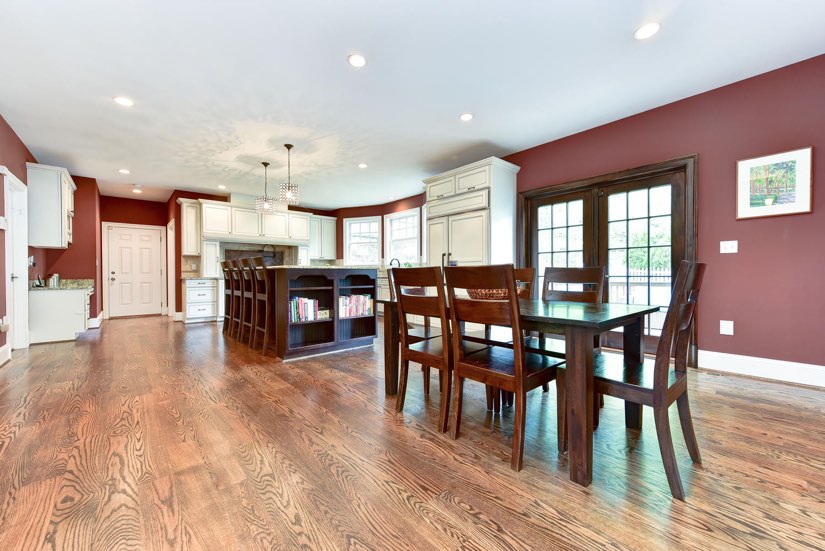
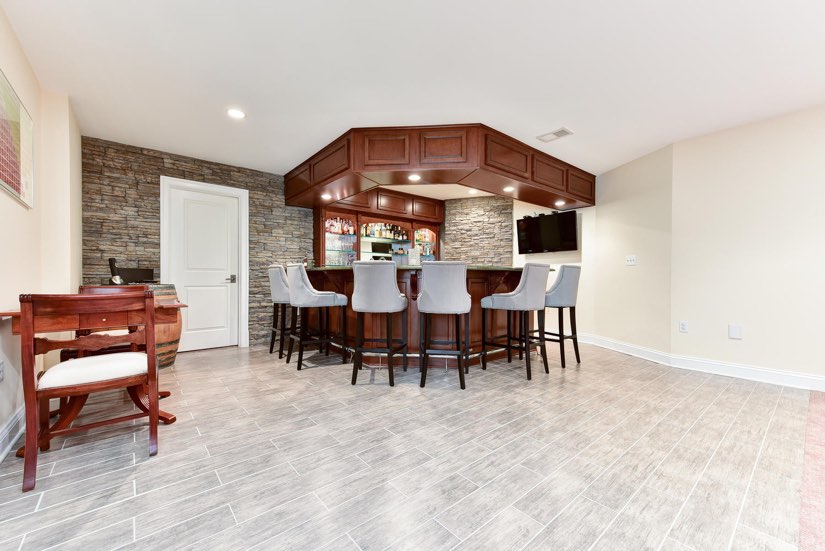
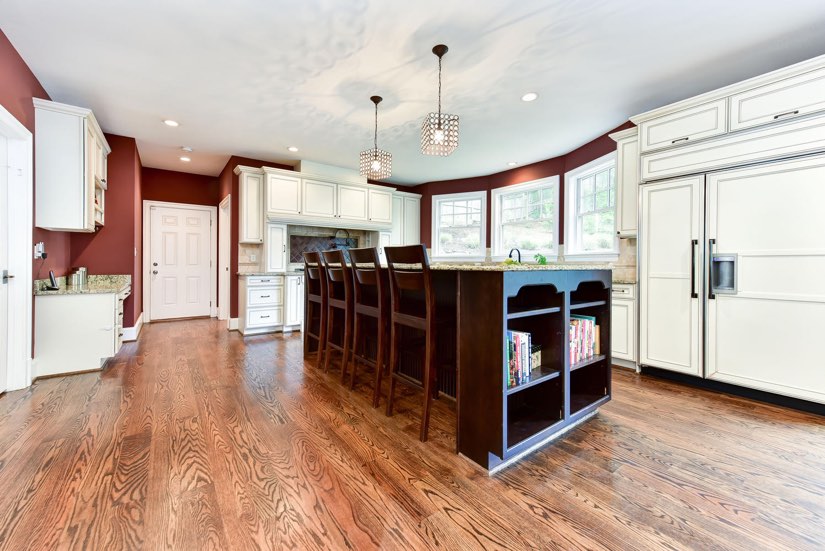
This 6,200 square foot luxury home near Washington Golf Country Club offers multiple fantastic living areas and entertaining spaces inside and out.

Built in 2008, this custom home boasts a gourmet kitchen and open main level floor plan. A master retreat will leave you in awe, fully appointed with morning refreshment center. The home must be toured to appreciate, but one of the best features is a private patio and deck with landscaped fully fenced back yard.

Unbelievable North Arlington location, walking distance to Taylor Elementary, Marymount Farmers Market and Lee Heights Shops!

See the full listing here.

Contact: Bret Brock
Brock Realty
703-538-6030


Rental Trends banner

This biweekly sponsored column is written by the experts at Gordon James Realty, a local property management firm that specializes in residential real estate, commercial real estate and home owner associations. Please submit any questions in the comments section or via email.

Trusting your valuable property to tenants is often a difficult enough step. When you live far away from the property, being a landlord is even more challenging. Many owners worry about whether things are going smoothly and struggle to stay informed without racking up big travel bills to check on the property. If there are problems, it can be difficult to manage repairs or legal issues from hundreds of miles away.

Long distance rental property owners need to make sure properties are managed well. Here are some factors to consider and tips to make sure you’re valuable asset is taken care of even when you can’t physically be there.

Is hiring a property manager necessary?

Some owners delegate the job of dealing with the rental to family or friends. But managing rentals – overseeing contractors for repairs during the workday, answering middle-of-the-night emergency calls or handling tenant complaints – often involves more time, attention and expertise than they can provide.

In addition, proper management of your investment property requires a proactive, not reactive, approach. Professional property managers can provide your property with the attention it deserves. They have the experience to anticipate any potential problems and market knowledge to reduce vacancy times. This will not only help you lower expenses and possibly increase revenue, but it will also give you peace of mind. From rent collection, leasing, and maintenance to accounting and due diligence issues, the right property manager will make a big difference in how your property is maintained and appreciates over time.

How can you obtain a good return on your investment?

To make sure your asset continues to provide you with a good ROI, examine your expenses in the context of your revenue stream. The rent you receive is your income from the property, but your expenses include everything from marketing, to property maintenance and repairs, as well as tenant evictions. As a landlord, you may face unexpected issues in one or more of these areas. A professional property manager would be able to step in and handle any problems. Not only will this result in decreased vacancies and lowered expenses, but it will also increase your return on investment.

How can you stay informed about your rental property?

When you live far away, you’ll need a good way to stay informed about your property. After all, you can’t just drive by. Some owners rely on receiving rent payments to assure them that everything’s going well. But tenants who pay rent can still create problems or unwittingly allow property issues to worsen. Rent payments don’t tell you what’s going on inside the property.

Professional property management companies often use the latest high-tech software to give owners a virtual window into their rental property. The software gives you secure anytime online access to rental agreements and financial statements along with updates on inspections, property maintenance, and marketing efforts. Some managers even post inspection photos to give owners additional peace of mind. Whenever you want to know how things are going, you can just log on. The software also allows gives owners another way to communicate with management, in addition to phone calls and directly e-mail.

Many property owners choose to manage their own rentals. But living far from the rental is the factor that often tips the scales away from self-management. Once you factor in the costs of traveling to the rental and the headaches of dealing with even routine property issues, it will likely balance any fees paid for professional management. And ultimately, professional property management services will result in the continued maintenance of your asset while potentially reducing property expenses and increasing return on your investment.


Just Reduced banner

Each week, “Just Reduced” spotlights properties in Arlington County whose price have been cut over the previous week. The market summary is crafted by licensed broker Aaron Seekford of Arlington Realty, Inc. GET MORE out of your real estate investment with Aaron and his team by visiting www.MrArlington.com or calling 703-836-6116 today! 

Please note: While Aaron Seekford provides this information for the community, he is not the listing agent of these homes.

It’s crunch time. We’re in the heart of selling (and buying) season in Northern Virginia.

Why, you ask?

With the beginning of the school year less than one month away, some folks in our area (and families moving to our area) are VERY eager to move in to a home. And, on the flip side, many families who currently own homes are looking to settle in elsewhere.

For select buyers out there, this can lead to a perfect storm of offering up a fast closing for a competitively priced home. Whether you are eager to get in to a new home in 30 days or have some time, my team and I are ready to help you GET MORE out of your transaction,

As of July 25, there are 216 detached homes, 65 townhouses and 340 apartments for sale throughout Arlington County. In total, 44 homes experienced a price reduction in the past week.

Here is this week’s selection of Just Reduced properties:

Please note that this is solely a selection of Just Reduced properties available in Arlington County. For a complete list of properties within your target budget and specifications, contact Aaron Seekford.


View More Stories