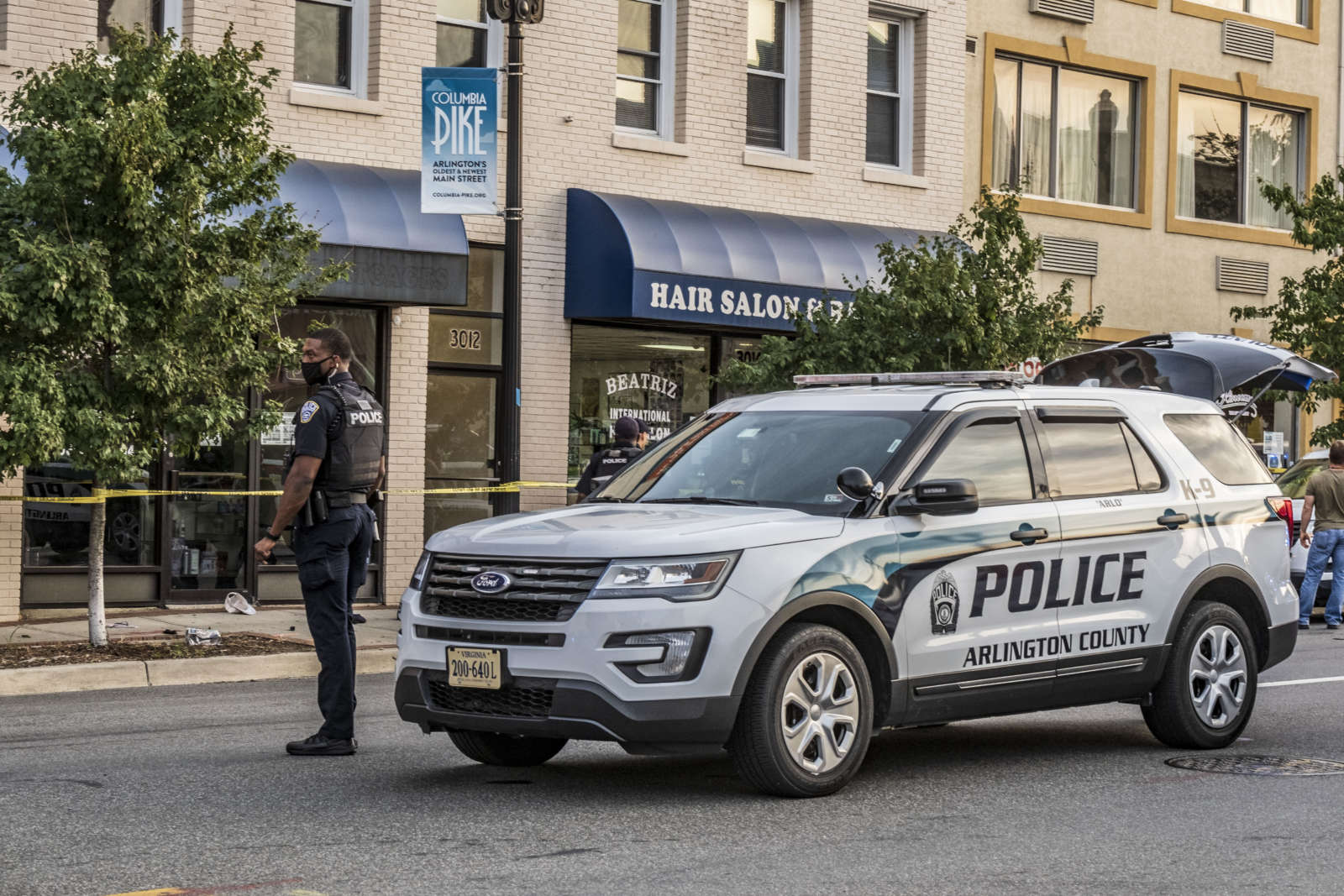
A group formed by Arlington County after last summer’s nationwide racial justice protests is recommending myriad reforms to Arlington County Police Department operations.

Leading up to the formation of the Police Practices Work Group, locals were protesting police violence against unarmed civilians and the county had received a number of complaints about police conduct, as well as calls for police reform.

On Monday, 15 Arlington County residents presented the highlights of their report — which included more than 100 recommendations — to County Manager Mark Schwartz. They suggested a model for a civilian review board, changes to how police enforce traffic violations and provide mental health services, and lastly, alternatives to the police for resolving disputes.

“It’s an excellent piece of work,” Schwartz said.

All the recommendations can be found in the final report.
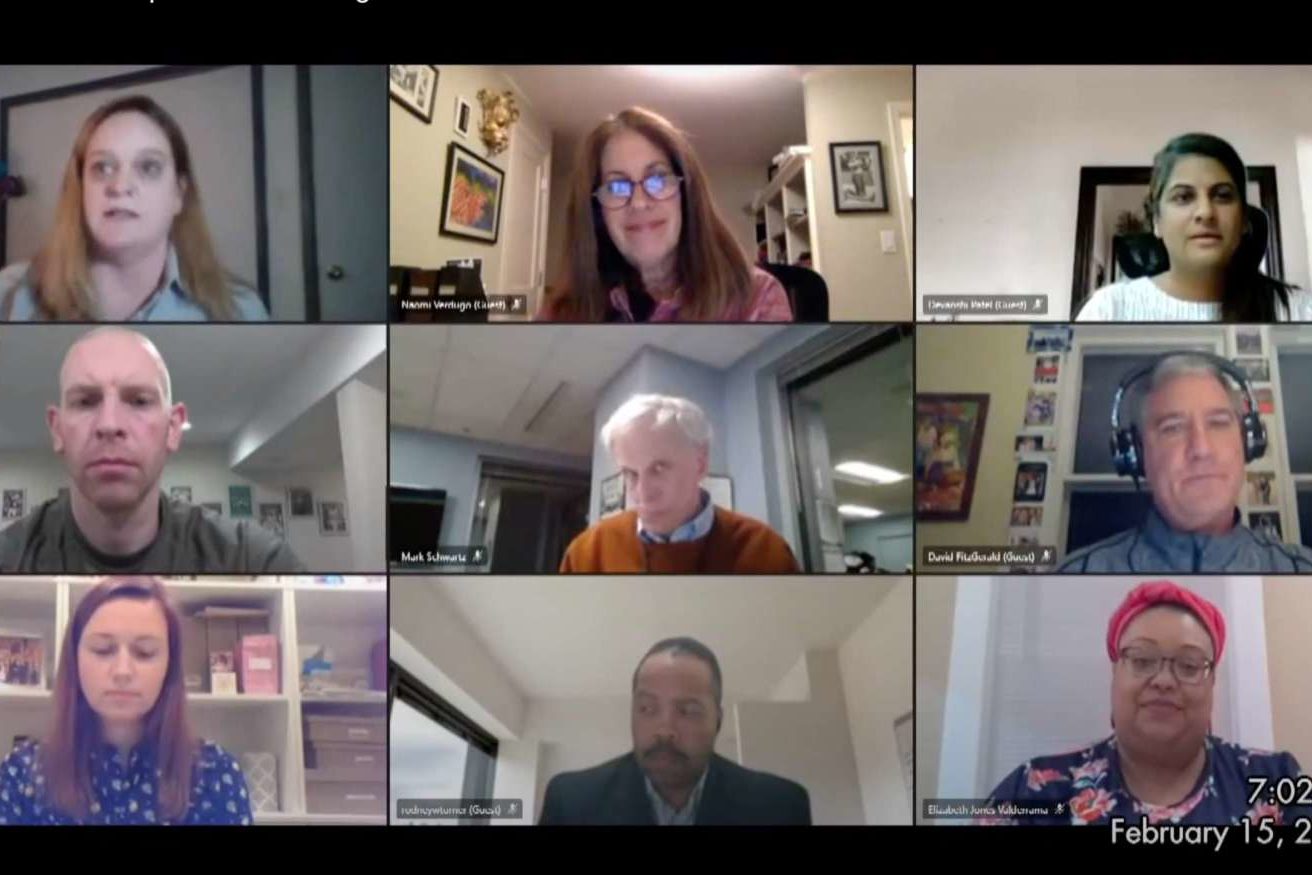
Assuming the county establishes a police review board, members said it should be one made of civilians with an independent auditor presiding. The review board would have up to 15 Arlington County residents and would be closed to current and former ACPD officials. The board would have the authority to conduct independent investigations and compel the release of information.

These authorities would not be used lightly, said Rodney Turner, a committee member.

“We will try to do things without getting a subpoena first and we will look to ACPD reports to see if any investigation by the oversight body is necessary,” he said.

Another group looked for ways to improve road safety without hurting underprivileged communities. It recommended, among other things, more automated traffic enforcement cameras and a sliding payment scale for fines.

But “technology is not the panacea,” member Kathleen McSweeney said. Privacy remains a concern and the county should be sensitive to camera placement so certain communities do not feel targeted, she said.

Implementation of the sliding scale would likely require action by the state legislature, said Allison Carpenter, who chaired the traffic enforcement group.

Additionally, the county should delegate the response to most mental health crises to clinicians and volunteers, said Naomi Verdugo, the chair of the mental health subcommittee. Police would only respond as a last resort or if the risk of violence is high.

Verdugo also said the county’s Crisis Intervention Center should be staffed with more clinicians and advertised as a place where police, emergency services and family members can drop off people experiencing crises. The report recommends upping non-police security staffing at the center.

Finally, a group focused on ways to change Arlington’s “culture of calling 9-1-1,” and finding other ways of resolving disputes between neighbors.

Devanshi Patel, who chaired the alternative dispute resolution subcommittee, noted that many 9-1-1 calls are related to “suspicious activity,” which can take many forms. She recommended a private-public campaign focused on the importance of properly using 9-1-1 and choosing another hotline or resource in other circumstances.

Patel said the legal system needs to be reformed “from entry to exit,” especially to divert people from being detained unnecessarily.

“The focus should be placed on opportunities for ways to avoid criminal records because of collateral consequences not only to the person but also the community,” she said.

In the next few weeks, the county will receive an independent study from law enforcement expert Marcia Thompson, who examined ACPD policies and data on the use of force, training and supervision, body-worn cameras, recruitment and retention and internal affairs.

Image via Arlington County

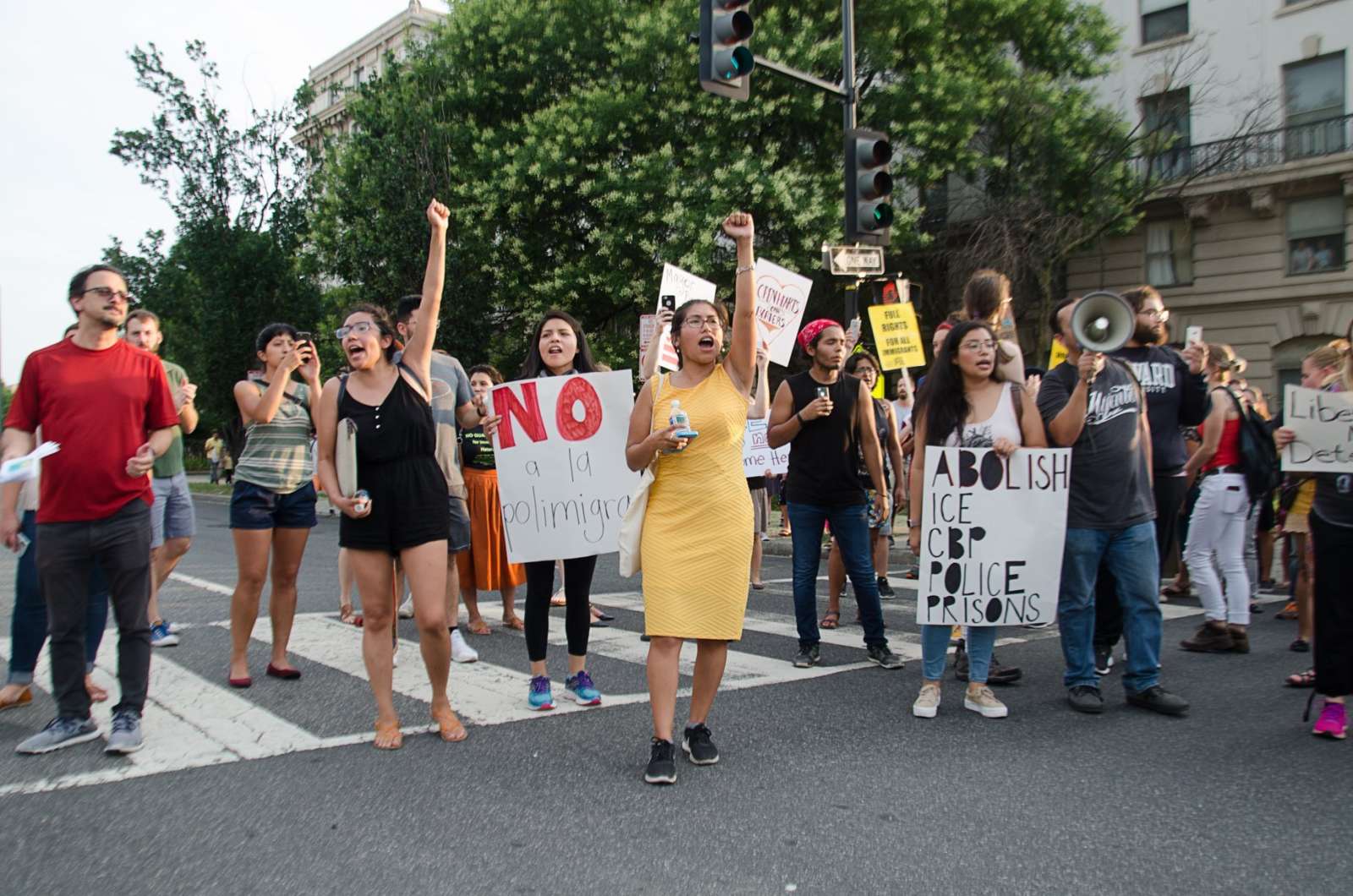
Virginia-based immigrant rights organization La ColectiVA is calling on Arlington County officials to put a stop to information-sharing between local law enforcement and U.S. Immigration and Customs Enforcement.
La ColectiVA said the effort comes after learning of multiple cases in which migrant community members have been arrested in Arlington and then transferred to ICE for deportation proceedings. Through public records requests, La ColectiVA found that the Arlington County Sheriff’s Office handed those in local law enforcement custody over to ICE more than 100 times in 22 months.
“This collaboration between violent state agencies violates the dignity of our loved ones and endangers our neighbors and families who are at risk,” the organization said in a statement.

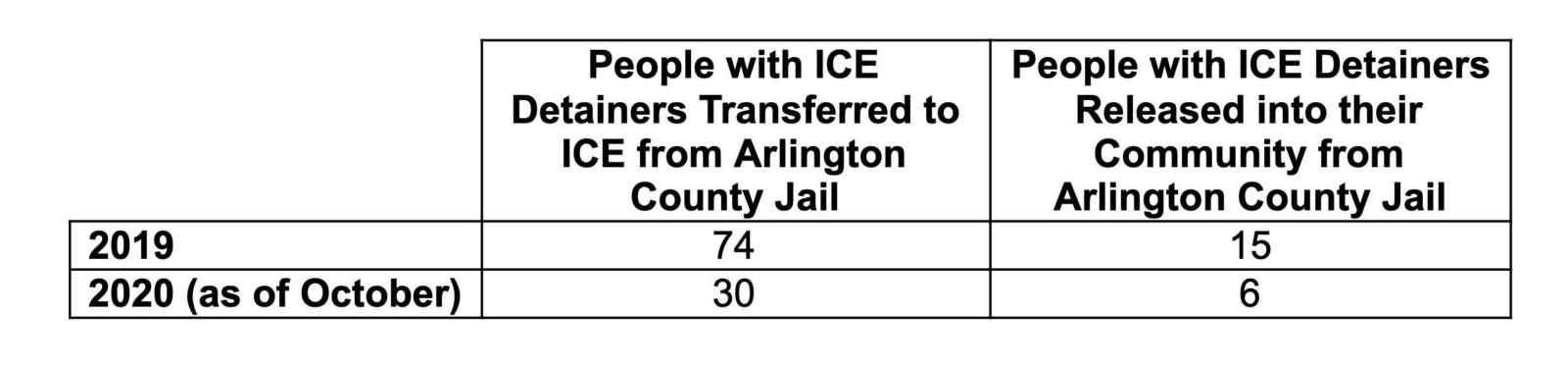
From January 2019 to October 2020, the sheriff’s office — which runs the county jail — turned 104 inmates over to ICE, upon the federal agency’s request, while releasing 21 people despite an ICE detainer. In a fact sheet providing an overview of the data, the organization highlighted local policies governing work with ICE.

The Arlington County Police Department and the sheriff’s office confirmed La ColectiVA’s findings and data with ARLnow.

The sheriff’s office does not honor ICE requests — to detain a person for up to 48 hours — unless the detainer is signed by a judge, ACSO spokeswoman Maj. Tara Johnson said. Sheriff’s office employees are instructed to notify ICE when someone with a signed detainer request is being released from jail.

“If the individual has a release date, we can typically give [ICE] 48 hours notice of the person’s release,” Johnson said in an email. “In a bond situation, we would notify ICE that the person has posted bond and they have two hours to pick them up or they will be released.”

La ColectiVA said in one instance, one person was transferred from the Arlington jail to ICE after their family had already paid bail for their release.

Without knowing the specific case, Johnson said “it’s hard to answer but this [scenario] is possible,” She said the office is reviewing its policies, including its ICE policy, as part of an annual review.

The police department also transfers people to ICE custody, including an instance when an officer called the agency after “a fender bender,” La ColectiVA said.

“These are only two examples of policies and practices that create a chilling effect on many community members, inflicting fear and deterring individuals from participating in many community and government functions,” the organization said.

Police spokeswoman Ashley Savage connected the incident LaColectiVA cited to one that occurred in August 2019. Police responded to a vehicle crash at Columbia Pike and S. Buchanan Street, where they found one of the drivers did not have a license. When he provided identifying documents, officers conducted a routine check because they suspected the documents looked fake, Savage said in an email.

The background check identified the person as a deported felon, so police contacted ICE and he was taken into custody, she said.

Police officers can only notify ICE of a possibly undocumented person under five circumstances, including if the department’s gang unit confirms the person is suspected of participating in criminal street gang activity, Savage said.

“We know that officers will abuse their discretion and put community members at risk,” La ColectiVA asserted.

In response, Savage said law enforcement “has not and will not monitor, detain, interview, or investigate a person solely for the purpose of determining their immigration status.” She said that the police department works with the community to ensure people know that they can utilize police services, including reporting crimes, without worrying about officers checking their immigration status.

In a statement, County Board Chair Matt de Ferranti said that over the last year the Board has discussed individual cases causing “real concern” with La ColectiVA and other organizations and community leaders.

(more…)


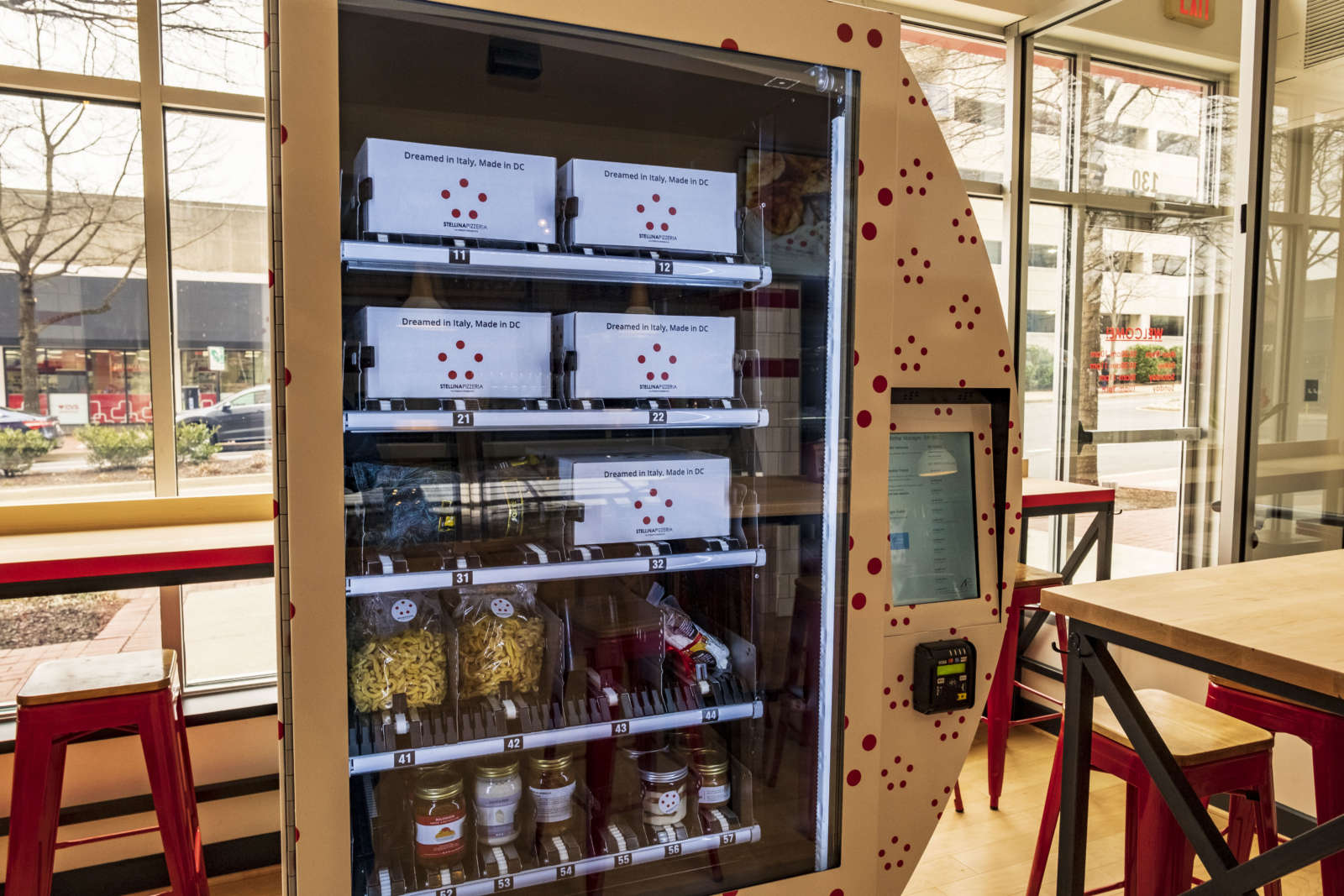
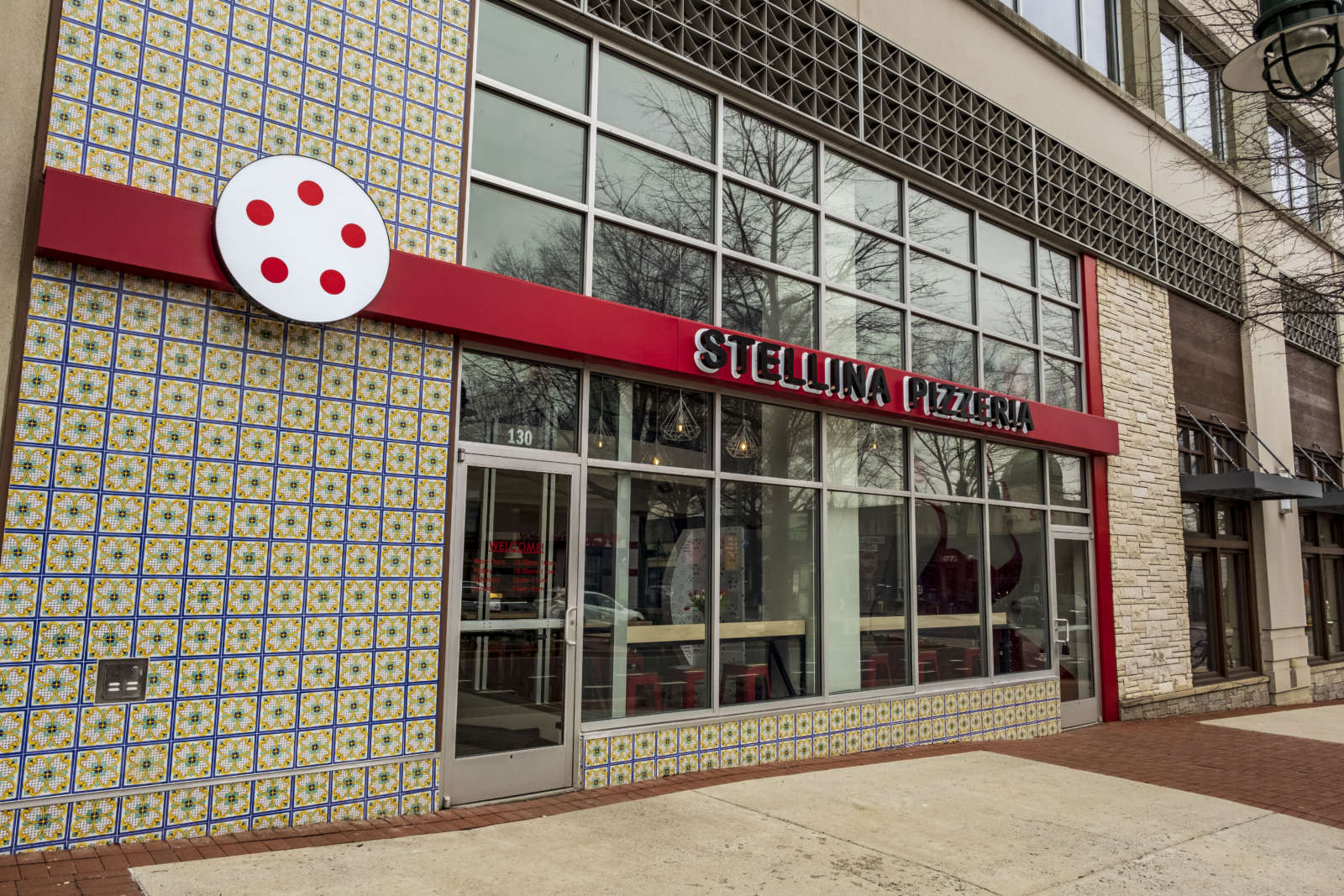
Patrons of the novelty pasta vending machine in Shirlington rejoice: the restaurant behind the dinner dispenser, Stellina Pizzeria and Market, opens this afternoon (Friday).

After some holiday-season delays set the opening back two months, the pizza shop in the Village at Shirlington will start serving customers at 4 p.m.

The Arlington eatery and market is an outpost of the Michelin-recognized pizzeria in D.C. and is located in the former Cafe Pizzaiolo space at 2800 S. Randolph Street. But those who venture to Union Market for Stellina pizzas — heralded by the Washington Post and Washingtonian — will find a few variations on the flagship restaurant.

“We want to bring the Stellina experience to our guests in the region, while also being mindful of their specific needs and preferences,” said restaurateur and co-owner Antonio Matarazzo. “Knowing the South Arlington community as a resident here with my family, I thought that a retail element for prepared foods and ingredients to cook at home would be a nice addition to our curbside pick-up, delivery, and outdoor dining offerings.”

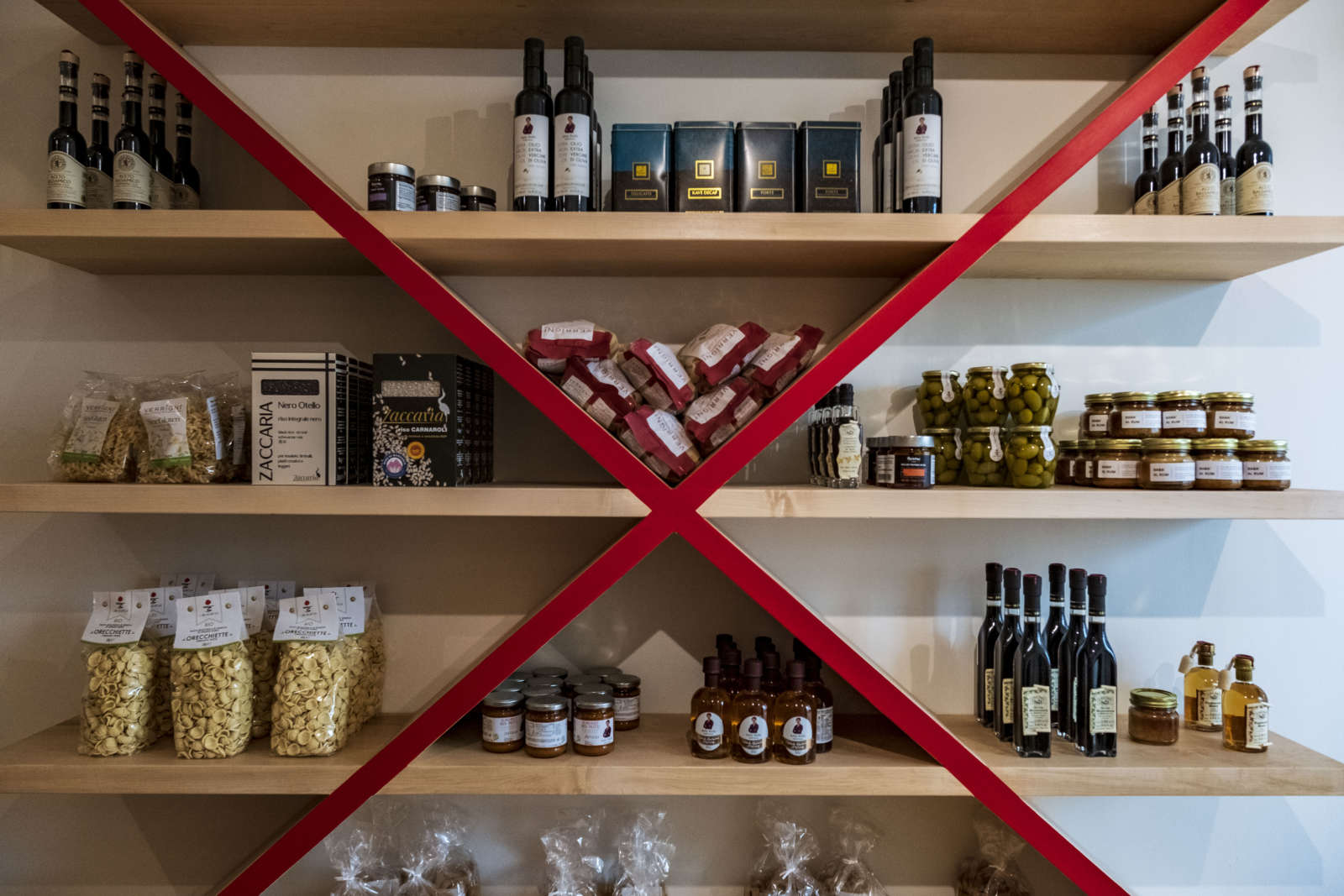
For now, guests can only dine outside in the heated, 20-seat patio; once the indoor dining room opens, the restaurant will seat 75 inside. Starting today, customers can also shop Stellina’s market, stocked with Italian pantry goods, deli counter offerings and frozen lasagne and pizza.

The Shirlington menu focuses on Chef Matteo Venini’s signature “neo-Neapolitan” pizzas. Customers can order the traditional Margherita pizza, the celebrated Cacio e Pepe pizza, or pies with any seasonal toppings. The menu also offers other Southern Italian street food, paninis, homemade pasta, classic desserts and coffee.

Both Matarazzo and Venini are natives of Italy who worked together at a trio of upscale Italian restaurants in D.C. before striking out on their own.

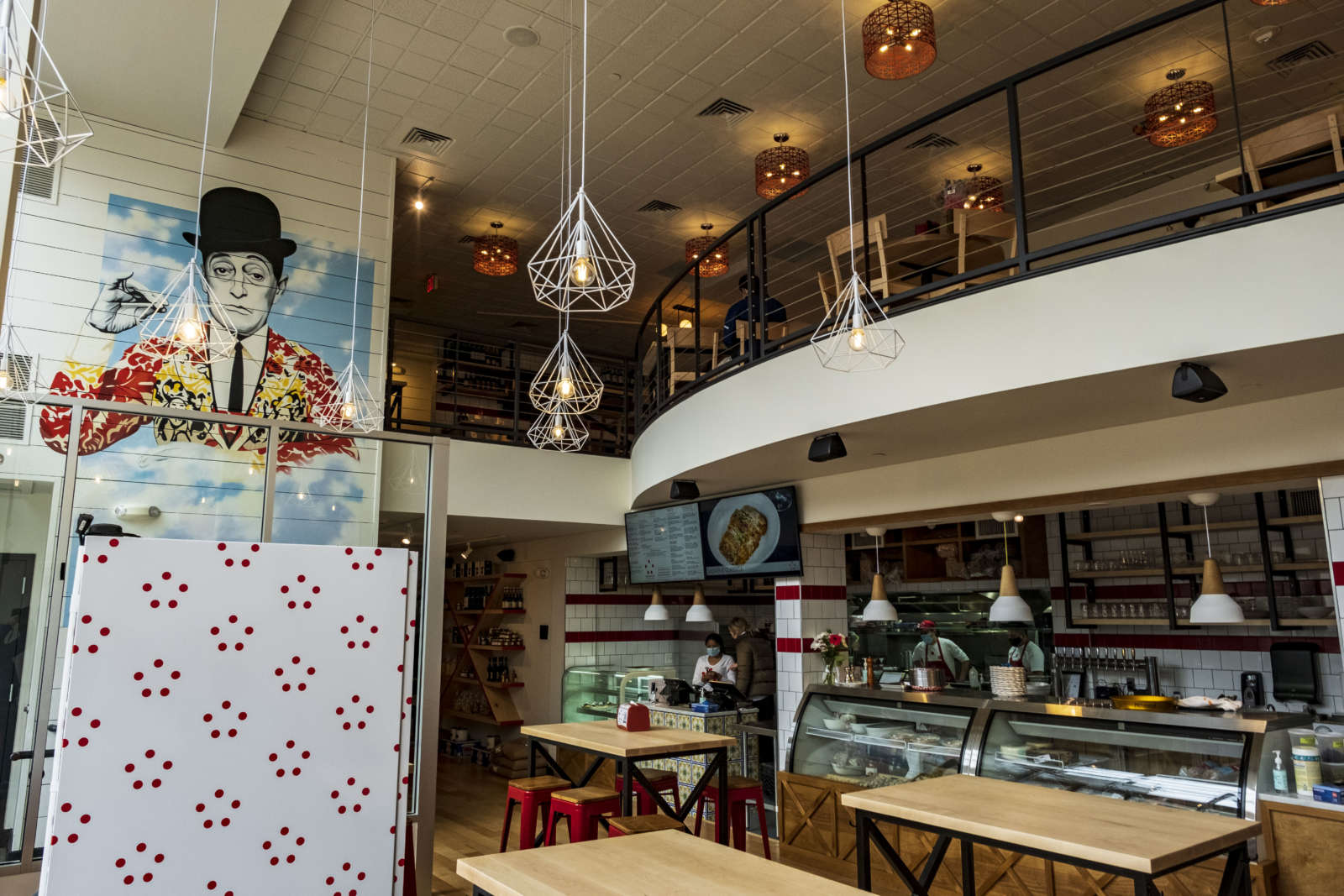
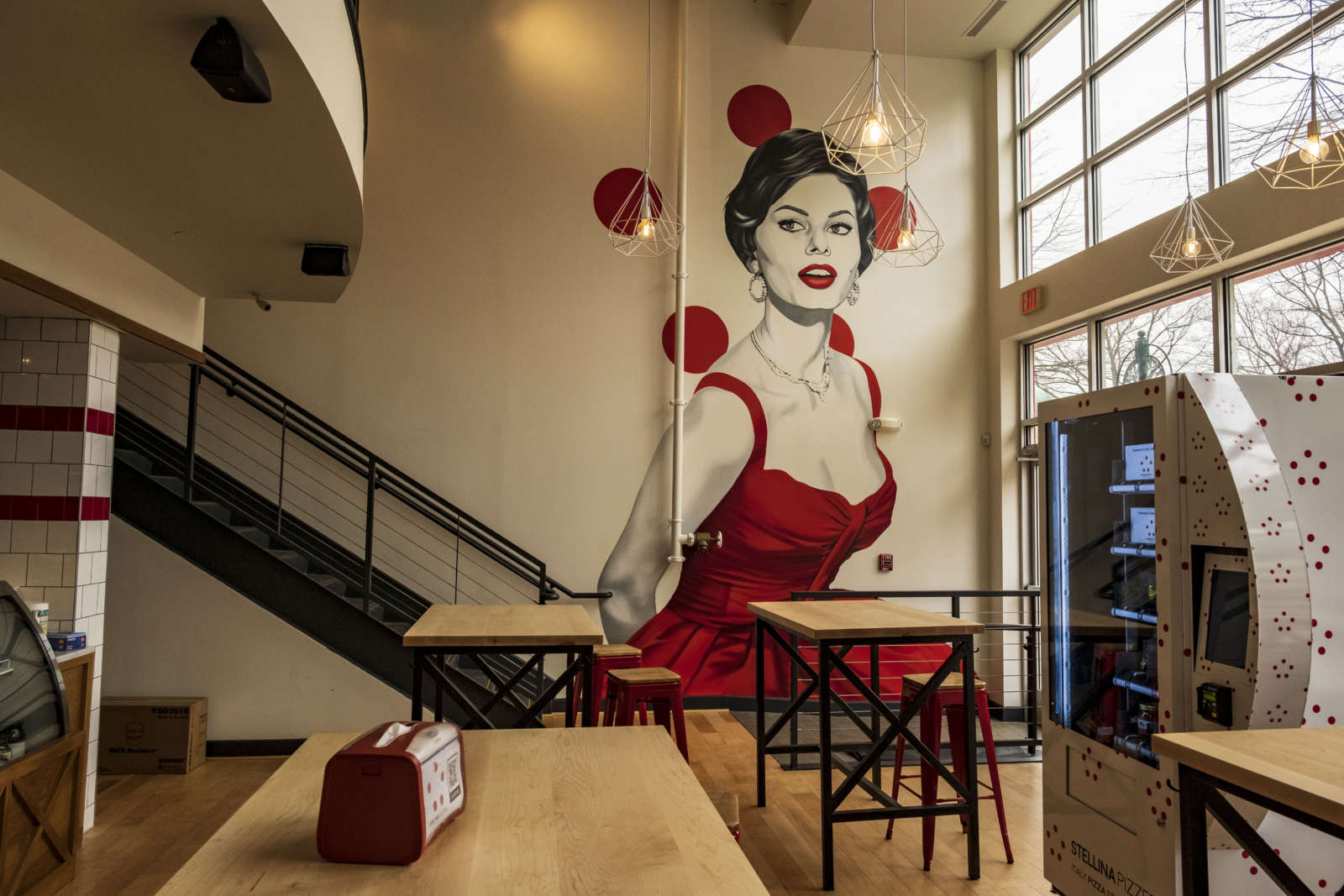
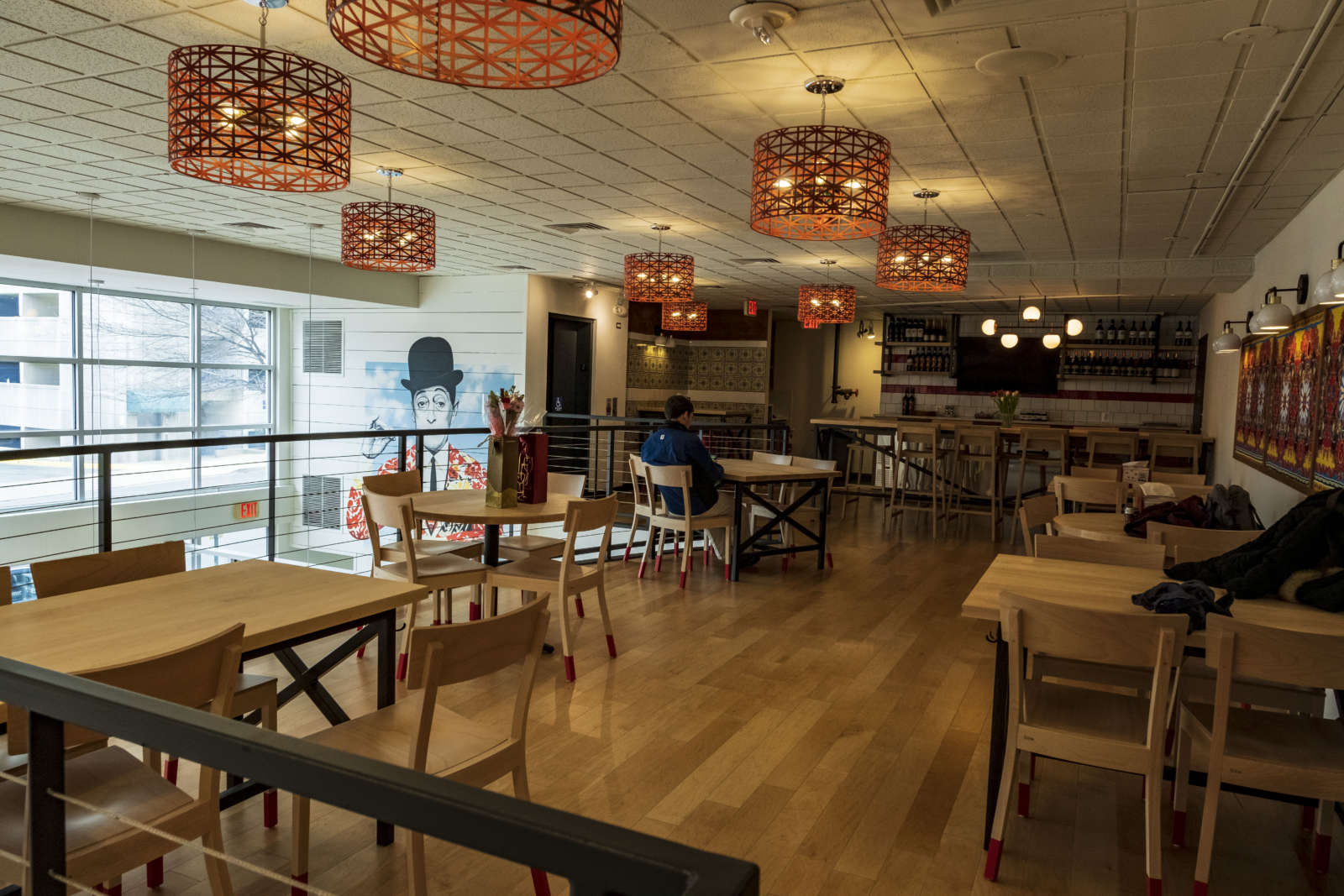
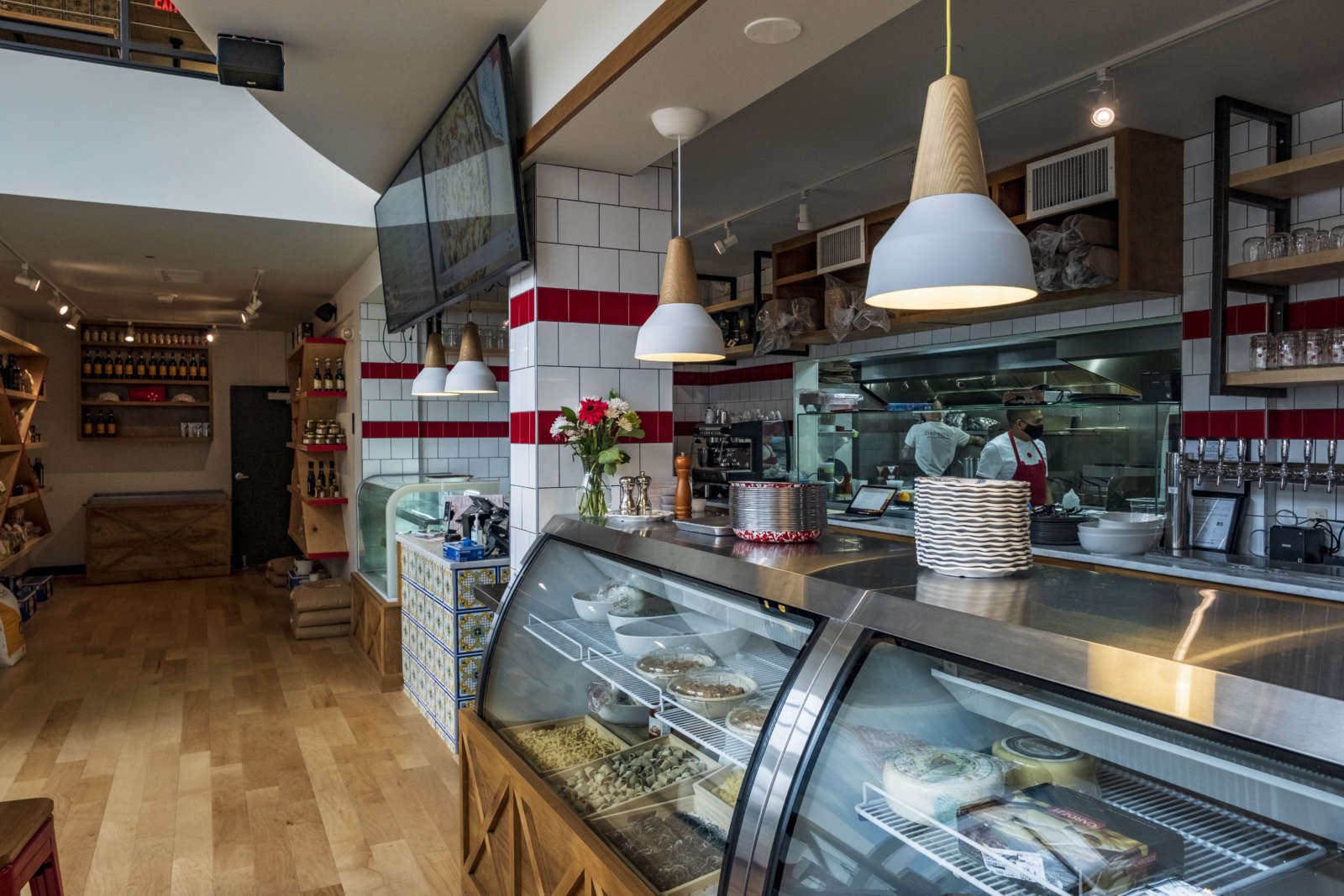
The Shirlington outpost is their first location to have a deli counter that offers fresh pasta by-the-pound, homemade sauces, pizza dough, cured meats, cheeses, olives and desserts such as panna cotta and tiramisu. Decorative details inside Stellina include tiles from the Amalfi Coast and murals of beloved Italian actors by D.C. artists No Kings Collective.

Unlike its D.C. sibling, the Shirlington location will not have a bar, but diners can still imbibe a glass of red wine or a Negroni with dinner. Bottled cocktails will be served tableside and Italian wines and beers will also be available.

Those who prefer a vending machine’s convenience and lack of human interaction can frequent it until the end of spring. Then, it moves to 508 K Street NW to preview Stellina’s third location.


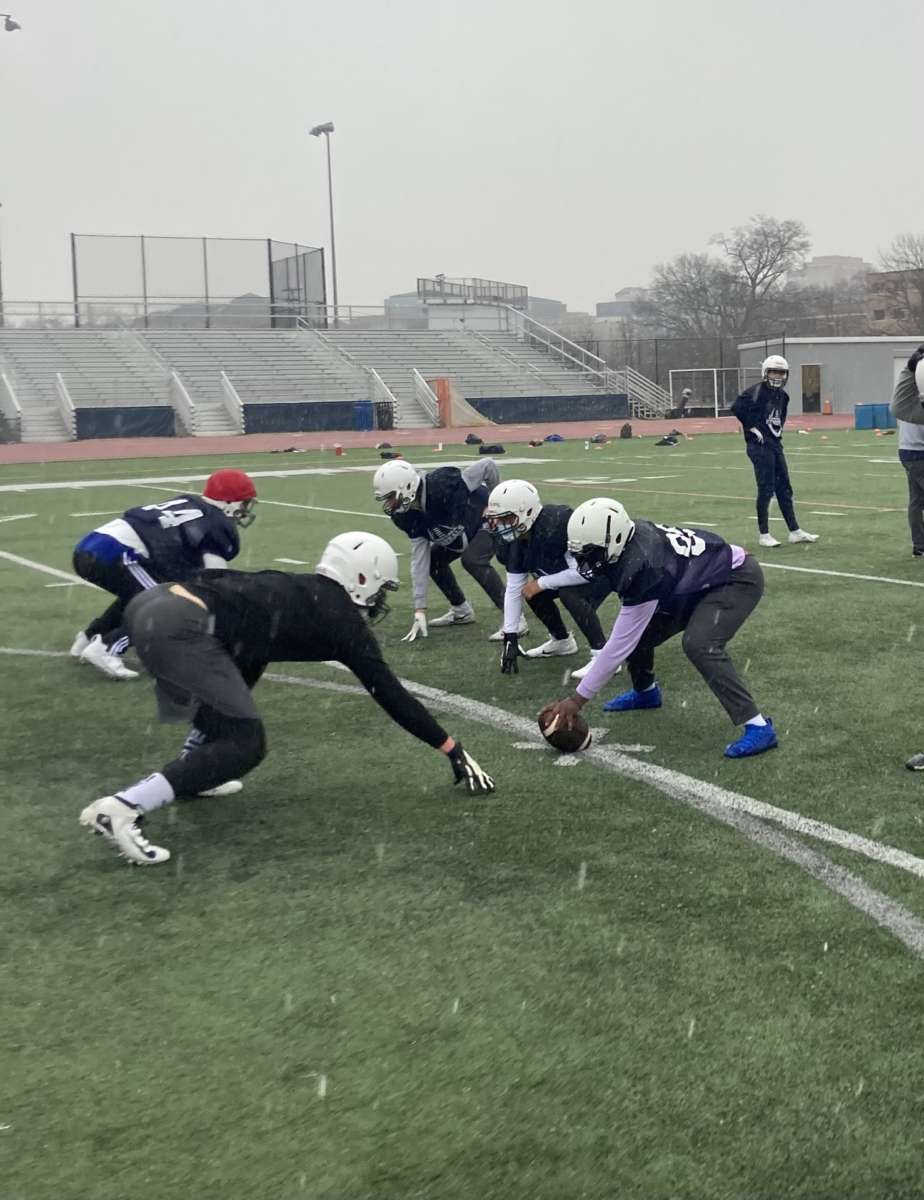
A belated 2020 high school football season is getting underway, but a number of Arlington Public Schools parents are awaiting a plan permitting limited spectators.

Last fall, Virginia Gov. Ralph Northam approved a revised schedule for high school sports that allowed winter sports to start in December and rescheduled fall-season sports for February through early May.

Arlington Public Schools football players had their first official practice on Feb. 4 ahead of their first games on Monday, Feb. 22 — yes, high school football on a Monday night — but so far, there is no word on whether people can attend their games.

“Staff are working on these plans now,” APS spokesman Frank Bellavia told ARLnow in an email.

Yorktown football parent Diane Boyle said in an email that she is hoping a plan for spectators will be announced at the upcoming School Board meeting on Thursday, Feb. 18.

“The stands are rarely at capacity even in non-pandemic times,” Boyle said. “I’m certain we can safely have limited spectators, and hopeful APS announces a workable plan soon.”

Boyle is one of nearly 150 parents who have written to APS, urging the school system to allow two masked, socially distanced spectators per player. Northam allowed this ratio for outdoor sports in a December executive order that also stipulates capacity cannot exceed 30% of a venue.

The Yorktown parents pleaded for action to allow spectators for the sake of students. More from their letter:

“Students’ need for this sort of athletic and emotional outlet is far more pressing during Covid than in ordinary times. Our students have already suffered months of deprivation, isolation, loss, and related mental health challenges. For many seniors on the team, this season will be their last opportunity to play organized football. In addition, many need sports to open the door to college admission and scholarships. In short, the players and coaches need — and have earned — the opportunity to play.”

In a similar letter from 70 Wakefield families, parents said APS has “the good fortune” of having football stadiums with ample capacity. They added that other recreational sports and other school systems are permitting spectators.

“Many of us have seen these rules successfully implemented for months with outdoor baseball, soccer, and travel and other sports,” their letter said.

Last November, APS reversed course on a decision not to allow winter sports after hearing from students and parents. All but two winter sports started their seasons in December.

Image via W-L Football/Twitter


As soon as Jenée Padmore, the new Executive Director of the Clarendon Alliance, established her work email, she “hit the pavement” to meet local business owners.

In these conversations, she learned that “there is still some lack of clarity on what the Alliance is,” Padmore told ARLnow. “What we want to be able to do is let people know that we are here to be a voice for the community.”

About 50 businesses are members of the Alliance, a voluntary organization that promotes the neighborhood and its amenities while connecting individuals and businesses in Clarendon to each other and the rest of the county.

“We’re not just an organization that benefits businesses, but also people who live in Clarendon,” Padmore said.

A veteran special events planner, Padmore will also organize the Clarendon Day street festival — a yearly tradition that went virtual last year — and host events supporting Clarendon’s businesses and residents. She anticipates reincorporating in-person initiatives as the weather warms and people feel comfortable going out.

Padmore also wants to review the ideas that her predecessor, Elizabeth Crocker, could never realize due to COVID-19.

“Our goal is to back up look at all these things we were trying to accomplish and see if there are ways to implement them in this coming year,” she said. “These engagement opportunities will have to be innovative because we can’t have large-scale events and we know people are Zoomed out.”

Other approaches may have to be old-school, as Padmore said the Alliance needs to reach businesses and neighbors offline as well as online.

That is in her wheelhouse, having developed a regional census initiative to educate hard-to-count populations. Padmore also executed coronavirus relief for businesses in Northern Virginia and was an economic development associate for the Town of Vienna and the NoMa Business Improvement District.

“Jenée brings a wealth of experience in community organizing, economic development, nonprofit management, and event production,” said Scott E. Pedowitz, President of the Clarendon Alliance Board of Directors. “We are looking forward to working with a leader of her caliber.”

Ultimately, Padmore envisions partnerships among the Alliance, civic groups and businesses that lift up Clarendon.

“We are an urban village, and in a village, we all assist each other,” she said. “When you develop that sense of community… residents see it, visitors see it, and it attracts more people to the community.”

Photo courtesy Jenée Padmore


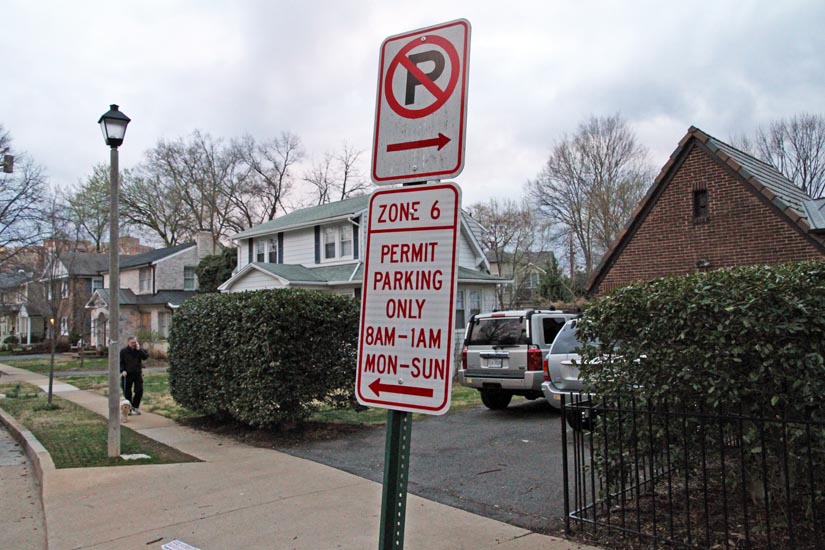
Proposed changes to Arlington’s Residential Permit Parking program, including a pay-to-park option for short-term visitors, will go before the County Board next week — with a caveat.

On Monday members of the Planning Commission hammered out the kinds of changes to the program that they want the County Board to consider. The matter is set to be taken up during the Board’s meeting on Saturday, Feb. 20.

The commission recommended a case-by-case approach to paid, short-term parking in neighborhoods — currently not an option in places where parking is restricted to residents and their guests only during certain hours —  as members were divided on whether to include it at all. Some support it across all neighborhoods with RPP programs and others support the possibility of neighborhoods requesting it. A few oppose it full-stop.

“I can’t do this to my neighbors,” said Commissioner Denyse “Nia” Bagley, who opposes pay-to-park entirely.

Vice-Chair Daniel Weir said the two-hour parking meets “a whole host of needs” and unanticipated circumstances that “all fall under managing parking,” from when people go to nearby restaurants or visit friends. Short-term visitors would be able to legally park without a pass or permit and payments would be processed through the ParkMobile app or through the EasyPark device.

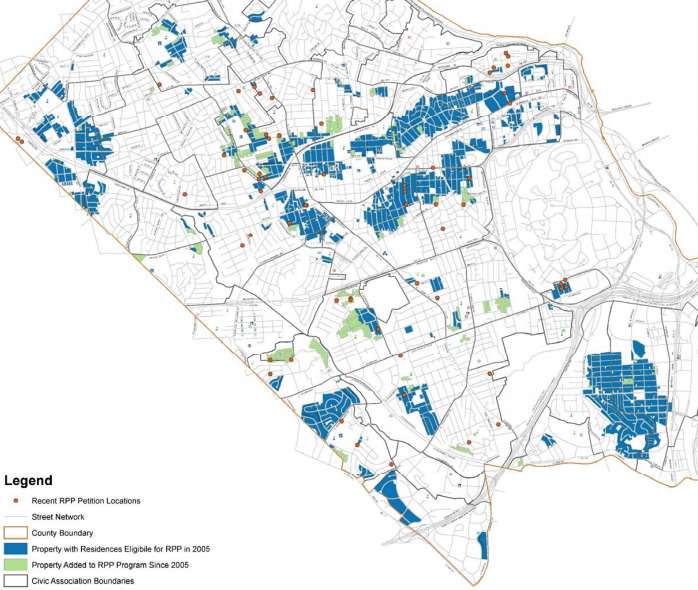
The RPP program was originally created as a response to commuters parking in residential neighborhoods near Arlington’s Metro stations and commercial centers. It survived a legal challenge that reached the U.S. Supreme Court in 1977, and later expanded to numerous neighborhoods around the county. Neighborhoods must petition for RPP zones, but in many cases those who live in apartments and condos are excluded from receiving permits, raising equity concerns.

The commission also recommended allotting on-street parking permits to household units based on whether they have off-street parking, such as driveways or garages. Households with off-street options can get up to two permits, one of which could be swapped for a FlexPass, a dashboard placard that can be used by residents or their visitors.

Residents without off-street parking are eligible for up to four on-street permits, one of which could be swapped for a FlexPass.

According to a county staff report presented to the commission, the cap is higher than what was previously proposed, “in response to concerns that unrelated adults (who may have more vehicles than a family household) sharing a home without off-street parking in an RPP zone could face an unnecessary hardship.” Still, it’s lower for those with off-street parking than the current program.

“The current program allows for up to four (4) permits, one (1) FlexPass and three (3) vehicle specific permit decals,” a previous staff report said. “Many households already in the RPP program would not be able to obtain as many permits as they do today Lowering the cap encourages households with multiple vehicles to use their off-street parking, leaving space on the street for others.”

The commission did not tweak the expansion of parking options and permits to employees of K-12 schools and group homes. In response to concerns about enforcing paid parking, commissioners unanimously voted to include language stipulating that parking enforcement should be on par with metered parking elsewhere in the county.

These potential changes come three years after a moratorium was placed on new parking restrictions so a review of the program could be conducted. The review concluded last fall, kicking off a new period of public engagement as the changes wound through county processes.

The changes went before the County Board for the first time in December, when Board members decided to delay a public hearing to give the community more time to digest the changes.

At the time, the County Board approved an amendment allowing residents to buy a third or fourth parking pass at a higher cost, after hearing from families who suddenly had adult children come home due to the pandemic, in addition to homeowners who said the program would force them to widen their driveways.


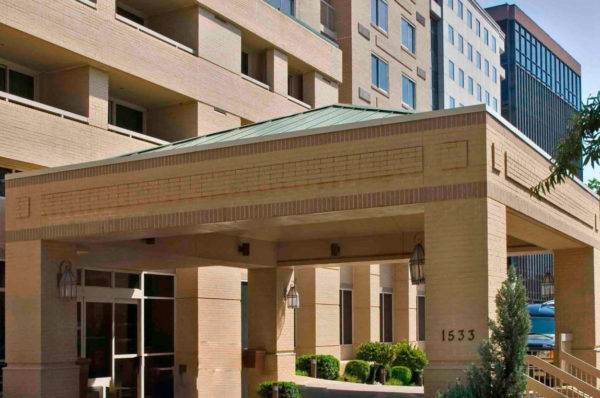
The Courtyard Arlington Rosslyn hotel (1533 Clarendon Blvd) is now under new management as Sonesta Select Arlington Rosslyn.

Although management under Marriott International, Inc. ended on Jan. 31, Boston-based Sonesta International Hotels has been preparing for the transition since last year.

While other hotels shut their doors in 2020, Sonesta started opening them. In fact, Sonesta acquired the Rosslyn hotel and 97 other Marriott-branded hotels in October because the hotelier had fallen behind on payments to property owner Service Properties Trust (SVC), the trust said.

“This is a momentous time for the company, underscoring the continued growth and amplifying the long-term success of Sonesta and its branded hotels,” according to Sonesta’s website.

Last fall, after it said it attempted and failed to collect $11 million in missed payments from the hotel chain, SVC ended its 26-year relationship with Marriott. The international hotel chain lost 122 hotels, which together had only generated $2.6 million in eight months.

Sonesta, which is 34% owned by SVC, took on the management of 98 of the 122 hotels. The remaining 24 hotels were sold for more than $150 million.

“We believe that the rebranding of these hotels with Sonesta will benefit SVC as an owner of Sonesta, create greater flexibility in managing these hotels through these challenging market conditions and have a positive impact on this portfolio’s performance in the future,” said SVC President and CEO John Murray in a statement last fall.

Sonesta has experienced 350% growth in less than six months, and will soon have 300 operating properties across seven brands operating in North and South America, Egypt and St. Maarten, according to a press release.

The growth comes amid early signs of recovery in the hard-hit hotel industry. Still, travel is not projected to bounce back fully until 2024, according to some projections.

Photo courtesy Sonesta


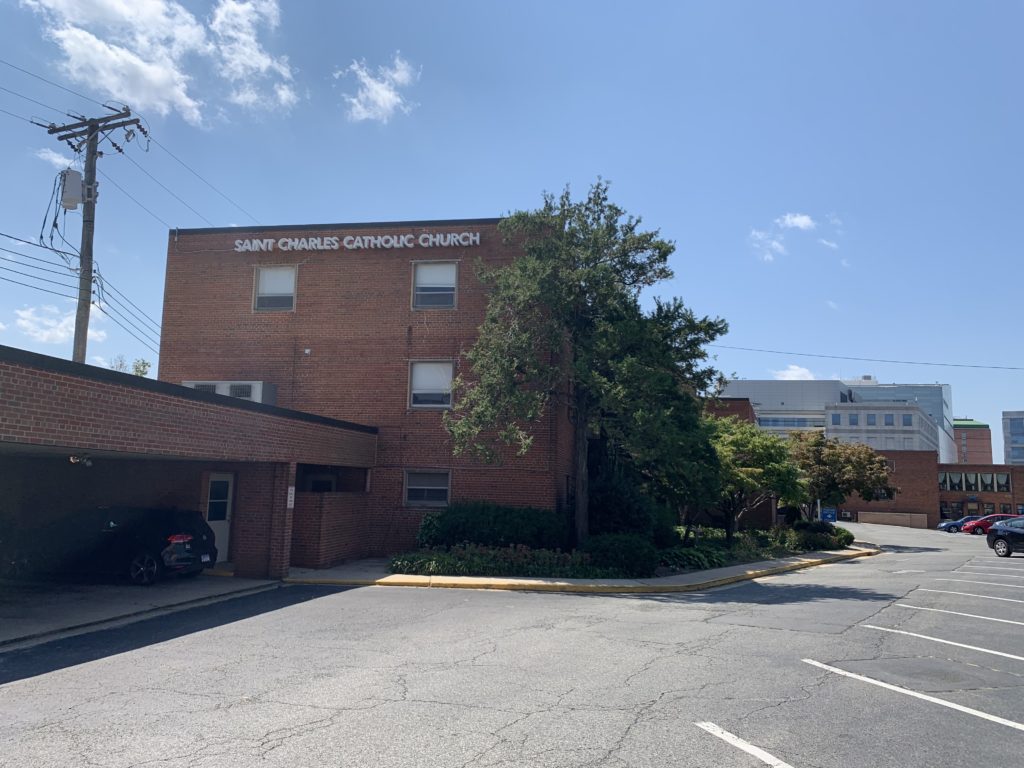
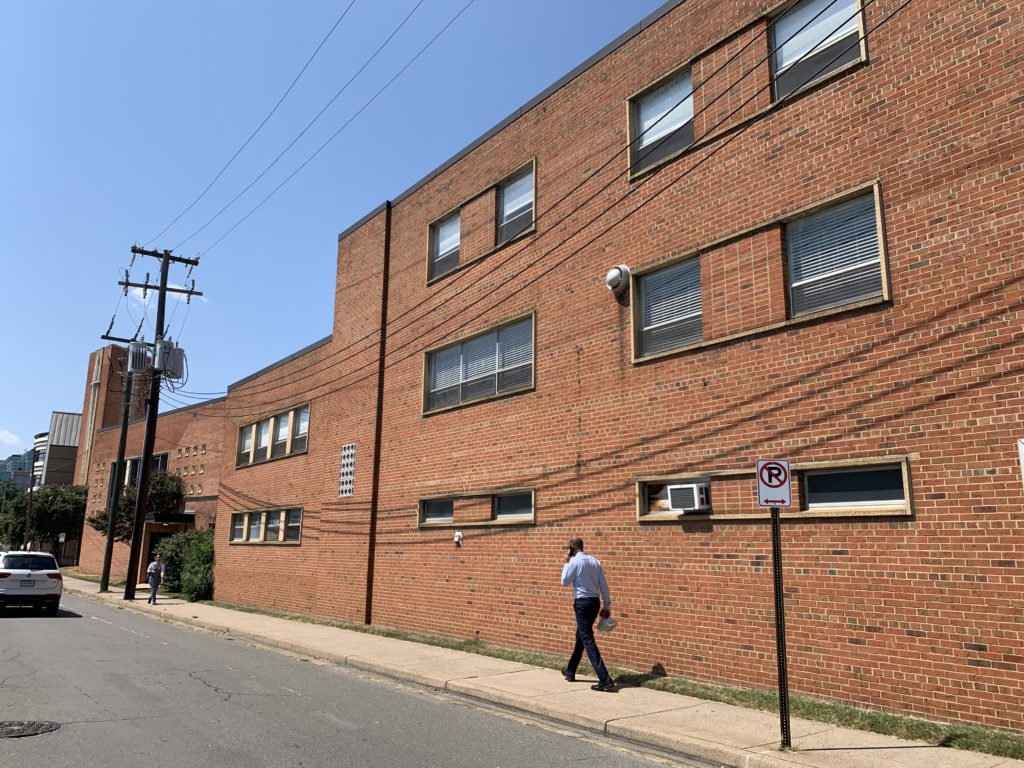
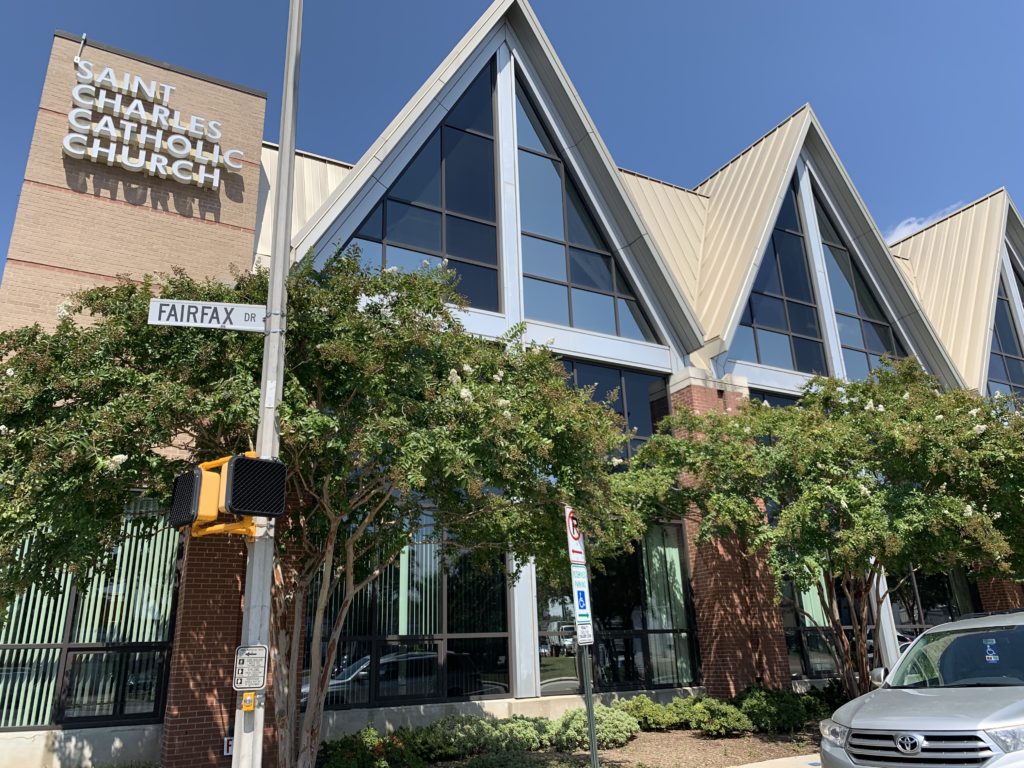
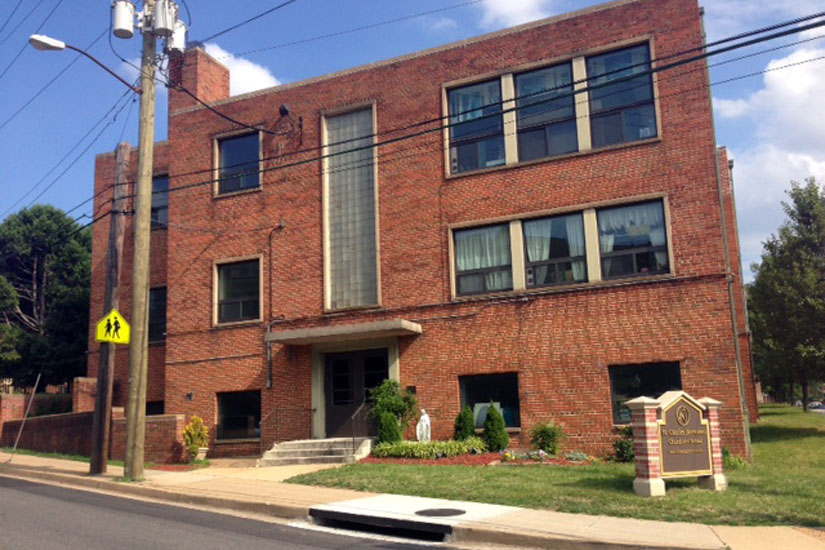
St. Charles Borromeo Catholic Church in Clarendon is proposing to lease part of its campus for private development and to make its grounds greener and more walkable.

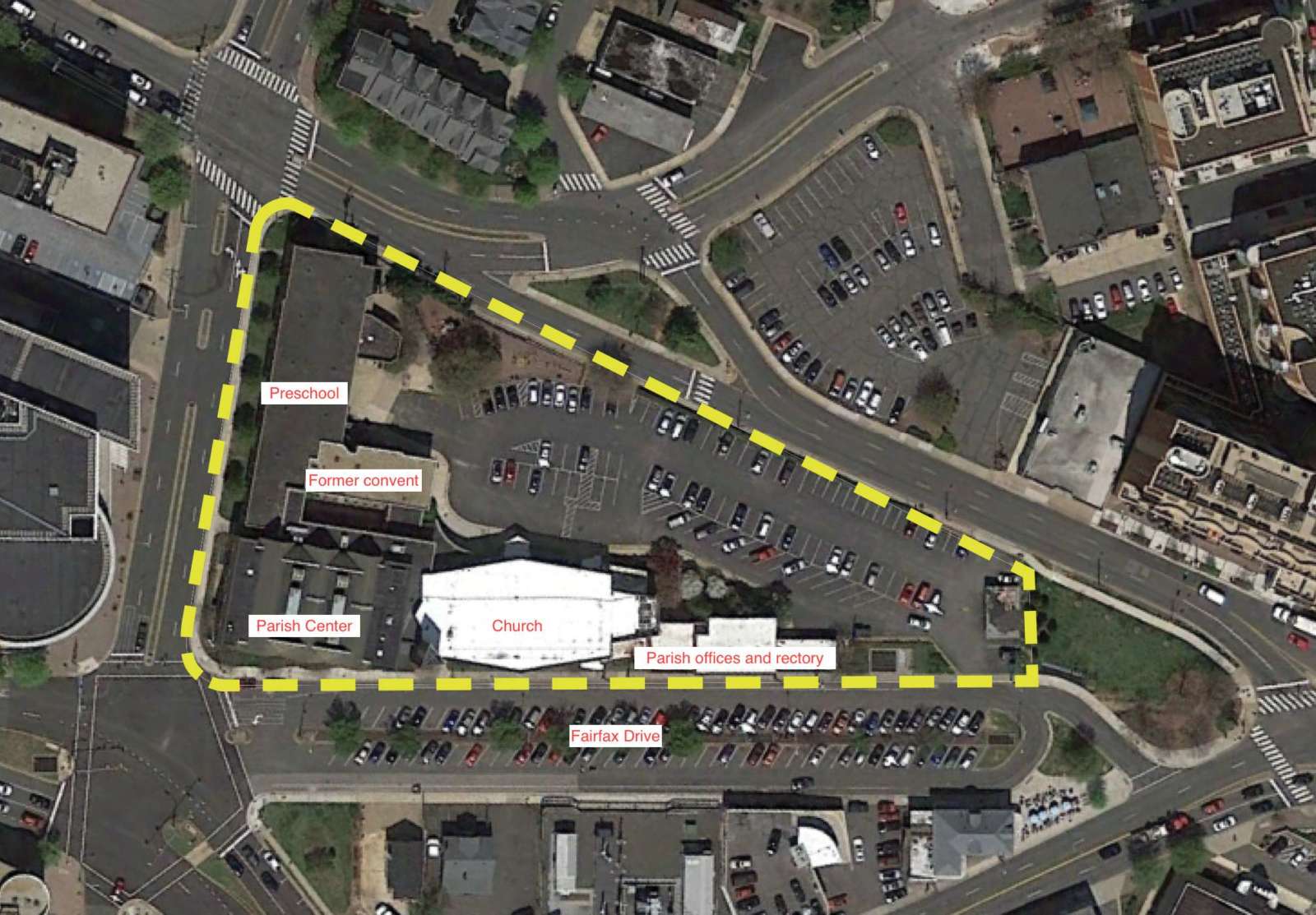
The mid-century church sits on two-and-a-half acres of land wedged among Washington Blvd to the north, N. Kirkwood Road to the west and Fairfax Drive to the south. Parking occupies much of the lot, with the church and its auxiliary spaces lining N. Kirkwood Road and Fairfax Drive.

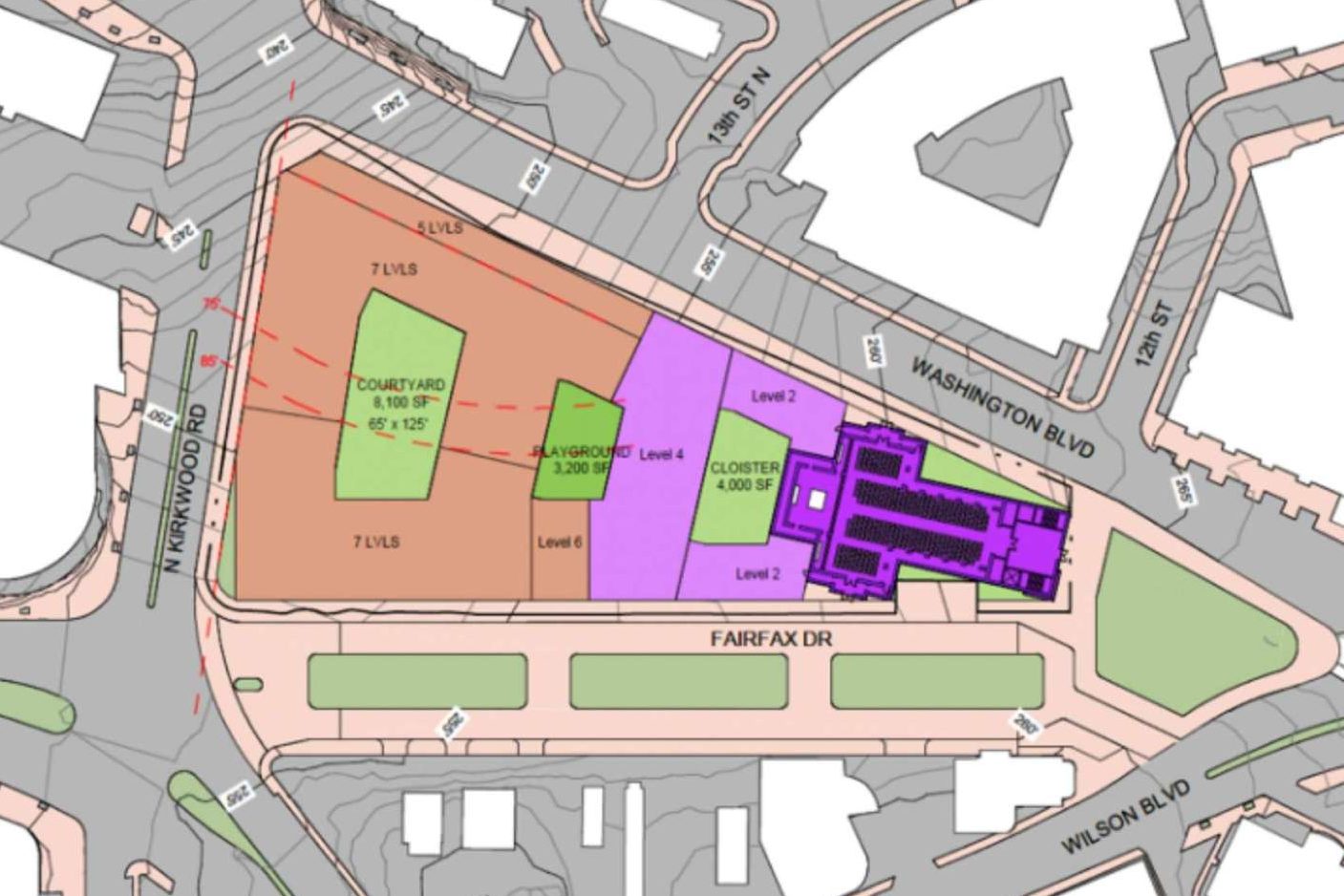
New renderings, however, reposition the church at the corner of Washington and Wilson Blvd, closer to Clarendon, with parish spaces and a private residential building fanning out behind the church. The building is likely to be an apartment building with a 100-child preschool at the base.

Currently a through-road and one-way loop wrapping around parking, Fairfax Drive would be converted into a walkable plaza. This “enables a comprehensive, pedestrian-friendly connection to Virginia Square and addresses north-south pedestrian access,” according to an architect’s report. Church parking would be accessible from Washington Blvd.

Bike lanes would be rerouted along the south side of the plaza to reduce interactions with pedestrians, the report said. The buildings would provide internal access to protected open spaces — a cloister, a playground and a courtyard.

St. Charles pastor Fr. Don Planty said in a January report the parish has spent the last three-and-a-half years studying the land, working with lawyers and architects and projecting potential costs. Recently, the project turned a corner.

Planty said in the report that Bishop Michael Burbridge of the Diocese of Arlington “has approved our recommendation to move forward with our project, seeking a development partner.” (Diocesan laws require the bishop to approve all developments.)

“This marks an exciting transition for us: we have long spoken about the ‘potential’ redevelopment of our site,” he wrote. “We now set about the exciting business of turning our vision into a reality.”

St. Charles plans to lease the western half of its site to a private developer, which would fund the changes proposed for the sacred half of the site.

Drafting a Request for Proposal and selecting a development partner could take six months or more, but would “clear the path for local government approvals and eventual construction,” Planty said.

Although the pastor described the future as promising, he said “we still have a lot of work to do.”

Like other proposed developments, including mixed-use buildings where Joyce Motors used to be and on the Wells Fargo/Verizon Site, aspects of the church’s proposed changes will not meet guidelines in the 2006 Clarendon Sector Plan. In preparation for these developments, Arlington County began mulling over changes to the sector plan in February 2020.
This winter, the county sought feedback on how people feel cycling and walking along Fairfax Drive and Wilson Boulevard between Clarendon Circle and N. Kirkwood Road and what could be done to improve the experience. This area includes St. Charles’s proposed pedestrian plaza and rerouted bike lanes.

Hat tip to Stephen Repetski


Arlington Public Schools Superintendent Francisco Durán announced return-to-school dates Tuesday afternoon, nearly 11 months since schools first closed at the outset of the pandemic.

Students will start trickling into their buildings by grade level on Tuesday, March 2. By Tuesday, March 16, all students who have chosen to be in-person will be able to go to school twice a week, either Tuesdays and Wednesdays or Thursdays and Fridays.

Teachers and staff, who have been re-entering their classrooms in phases since last week, will return one week before students, Durán said. This month, APS will end or scale back the programs currently providing some students with limited in-classroom instructional supports.

“I am encouraged by recent improvements in the health metrics, with case positivity rates and other indicators currently decreasing in Arlington and neighboring communities,” Durán told APS families via email. “Over the past two weeks, staff have returned to our buildings to prepare for the upcoming transition and to further strengthen our mitigation efforts.”

The superintendent was set to announce these dates during next week’s School Board meeting, but his plan changed last week, in response to a press conference in which Virginia Gov. Ralph Northam urged school systems to reopen by March 15.

More than half of APS staff members have received a dose of the COVID-19 vaccine to date, according to Durán, with new appointments being added “all the time.” Staff who received the vaccine in mid-January are now scheduling their second dose appointments, he added.

Durán said families will be receiving further communication from APS regarding in-person days, the instructional model, transportation and any changes to teachers or classroom assignments.

He urged the school community to be “vigilant and work together,” after a year marked by protests and counter-protests over the ongoing closure of Arlington schools. Some APS families and many teachers have opposed the reopening of schools until more vaccinations could be administered.

“Our ability to continue moving ahead depends on all of us wearing masks, staying home when sick, and following all the other mitigation strategies recommended by Public Health to reduce the spread of the virus,” Durán said.

Durán added that he will share more information at the Feb. 18 School Board meeting.

The back-to-school scheduled announced today is below.

March 2-5:

  • PreK-2nd grade students
  • All students enrolled in Countywide Elementary Special Education Programs (PreK-5th grade – mini MIPA, MIPA, Life Skills, Communications and Deaf and Hard of Hearing – in person four days a week, Tues-Fri)
  • Elementary students enrolled in Interlude

March 9-12:

  • 3rd-5th grade students
  • 6th and 9th grade students
  • All students enrolled in Countywide Secondary Special Education Programs (6th-12th grade – MIPA, Life Skills, Deaf and Hard of Hearing, Shriver Program – in person four days a week, Tues-Fri)
  • Secondary students enrolled in Interlude and PEP program

March 16-19:

  • 7th-8th grade students
  • 10th-12th grade students

Special programs will end or be scaled back on the following days:

  • Friday, Feb. 19: five-day instructional learning supports for identified students at four elementary schools will switch to Mondays only.
  • Friday, Feb. 19: the seven meal drop-off locations that are not school-based will cease operating.
  • Friday, Feb. 26: the “work space” program for secondary students will stop running.

Image via APS/Twitter


Sponsored by Monday Properties and written by ARLnow, Startup Monday is a weekly column that profiles Arlington-based startups, founders, and other local technology news. Monday Properties is proudly featuring Shirlington Gateway. The new 2800 Shirlington recently delivered a brand-new lobby and upgraded fitness center, and is adding spec suites with bright open plans and modern finishes. Experience a prime location and enjoy being steps from Shirlington Village.

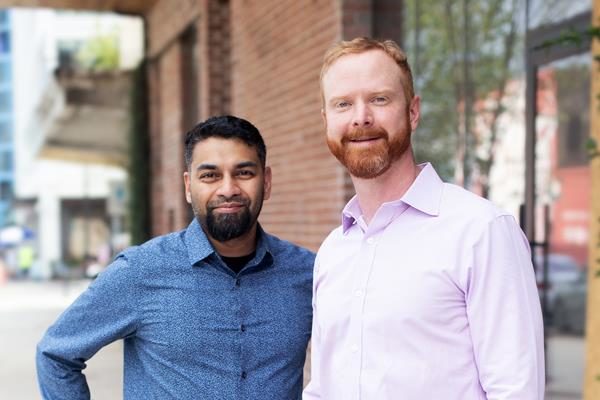
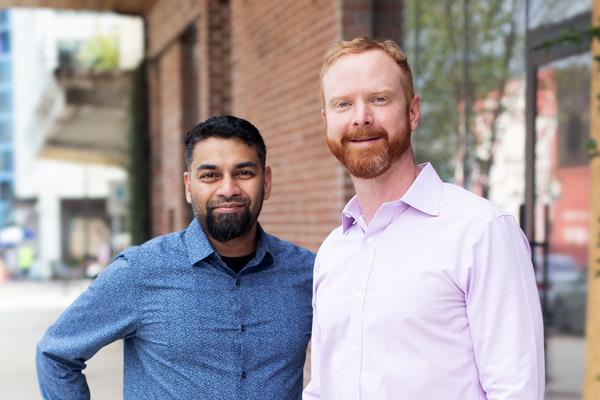
Last spring, Kapil Thangavelu and Travis Stanfield quit their tech jobs to launch Stacklet and help companies secure and manage their cloud networks.

Then the coronavirus was declared a global pandemic.

“Markets were in free fall and companies did not know what to do,” said Thangavelu, an Arlington local who founded Cloud Custodian, a popular open-source solution for securing and managing cloud systems, while working at Capital One.

Six months later, Stacklet — which builds on Cloud Custodian and provides professional services that an open-source project cannot — was starting paying off. The Clarendon-based company had raised $4 million in funding in August.

Last month, investors pitched in $18 million. Stanfield said that money will help realize his goal for 2021: to raise the company’s public profile. With the funding, the co-founders plan to hire more staff in engineering, marketing, sales and customer success and publicize the existence of Stacklet.

The company is backed by prominent investors, including renowned venture capitalist Lee Fixel, who has also backed Spotify and Peloton, and Silicon Valley-based venture capital firm Foundation Capital. In this round of funding, Stacklet also gained a new individual investor: Liam Randall.

Randall is an Arlington local who “believe[s] in Stacklet so much [he] joined the company.” He was most recently the vice president of software innovation at Capital One.

The forced remote work of 2020 has accelerated the need among companies to transition their software and services to the cloud, and many are turning to Cloud Custodian, which means investors are turning their sights on Stacklet, Randall said. That is because Stacklet gives companies the extra support and features Cloud Custodian cannot, Stanfield said.

Open source is amazing, and the best way to develop certain kinds of software, but open source does not solve some of the real, material concerns that enterprises have,” the Stacklet co-founder said. “They want to know that they have a team that they can work with that prioritizes their needs.”

If the cloud is a metaphorical road in terms of what it enables users to do with their computing vehicles, Stacklet provides the guardrails, Randall said.

“We help people to know that they can use the cloud safely without accidentally driving off the cliff,” he said. “The cloud does let you configure things how you want them, and frequently, there are accidental configuring errors that lead to security implications, governance implications and cost implications.”

Often, Thangavelu added, cloud security relies on companies and employees “making the right choices all the time,” as physical security relies on people not forgetting to lock their doors.

But sometimes, people forget and do things online that could compromise a company’s cloud network.

“Whatever accidents happen, Cloud Custodian and Stacklet ensure the overall organization and customers’ data are secure,” as well as cost-efficient and well-managed, Thangavelu said.

One year ago, Stanfield said he and Thangavelu were nervous about the future, taking on a huge risk as the world was shutting down to combat the coronavirus.

Instead, this past year contained the moments that Stanfield said “have given us the confidence that this is good.”


View More Stories