
Sponsored by Monday Properties and written by ARLnow, Startup Monday is a weekly column that profiles Arlington-based startups, founders, and other local technology news. Monday Properties is proudly featuring Shirlington Gateway. The new 2800 Shirlington recently delivered a brand-new lobby and upgraded fitness center, and is adding spec suites with bright open plans and modern finishes. Experience a prime location and enjoy being steps from Shirlington Village.

(Updated 9:30 p.m.) Ballston-based Fluence is ramping up its efforts to tackle climate change with energy storage systems for renewable energy.

The energy storage company was founded three years ago this month as the joint venture of Berlin-based Siemens and Arlington-based Fortune 500 company, AES Corp. It enjoyed torrid growth over the course of 2020: About 100 staff came on, including a new CEO, and it acquired a company in October.

This year is off to a great start, too, with a pledge of $125 million in investment from the Qatar Investment Authority.

“We have been experiencing an enormous growth since the inception of the company,” said Vice President of Strategy Marek Wolek.

Fluence develops batteries that store energy from wind and solar. Since 2018, Fluence had quadrupled the amount of energy storage it has deployed or is working on, from 600 megawatts to 2,400 megawatts. It has deployed or been awarded contracts for storage in 24 countries.

The work is “a little bit more complicated” than just batteries, however, Wolek said. It also makes sure the supply of natural, renewable energy can be converted into enough electricity to meet demands, without leading to surges in electricity or deficits for customers.

“That’s extremely valuable, and makes the whole energy grid stable,” Wolek said.

But to keep up in a rapidly innovating market, the company started seeking out investing partners about six months ago, he  said.

“How we effectively create a grid of future requires investments,” he said. “The mark is moving very fast: We have to make sure the technology is easier and faster, and efficient to use, for our customers.”
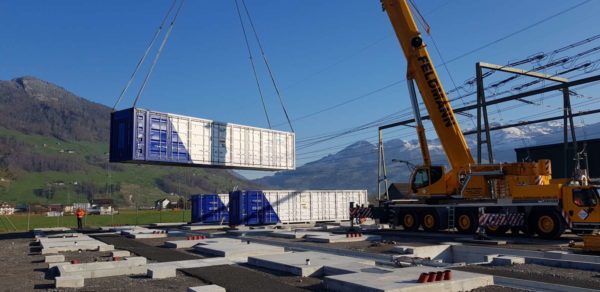
With the $125 million from Qatar Investment Authority, a founding member of the One Planet Sovereign Wealth Fund Initiative, which invests government funds into climate change solutions. Fluence will be investing in hardware and software, as well as staff to further develop the battery technology, he said.

In a statement, CEO Manuel Perez Dubuc said tackling climate change requires both technology and investment worldwide.

“We see energy storage as the linchpin of a decarbonized grid and adding QIA to our international shareholder base will allow Fluence to innovate even faster and address the enormous global market for large-scale battery-based energy storage.”

Dubuc came on as CEO in May 2020, after serving on the company’s board. He switches roles with Stephen Coughlin, who now sits on the board, said Director of Communications Alison Mickey.

He and the newly hired 100 staff members grew the company’s workforce to more than 300 worldwide.

In October, the company bought Advanced Microgrid Solutions, which develops AI bidding software for batteries and other tech for storing and generating renewably sourced electricity. The merger will help to improve energy storage, grid reliability and efficiency, Wolek said.

Fluence is headquartered at 4601 N. Fairfax Drive, and has offices in San Francisco, suburban Atlanta, Germany and Australia.
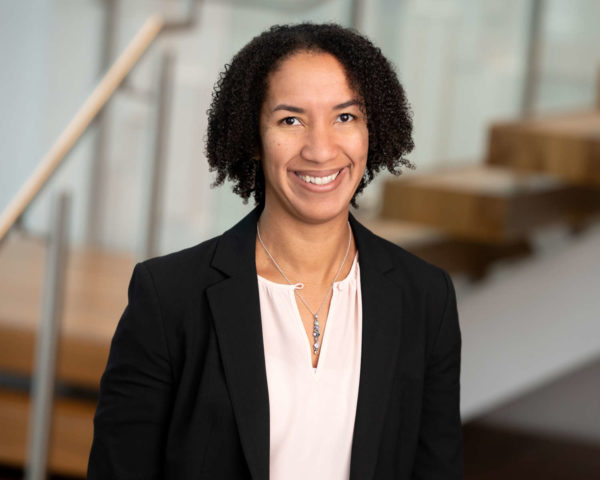
Arlington resident Celia Edwards Karam is at the top of her game.

She is the Chief Audit Officer for Capital One, and was just named the first independent member of the Board of Directors for Zola, a popular online one-stop-shop for wedding planning services.

Zola’s founder, Shan-Lyn Ma, tapped Karam for the position, and after a series of conversations with the company’s leadership, Karam was officially in.

“I guess I must have done okay in those interviews,” she said, laughing.

While she got married before anything like Zola existed, Karam said she is joining the board to help Zola find opportunities for growth and new corners of the $55 billion wedding industry to explore.

The appointment adds to a resume that includes degrees from Harvard and Stanford universities, 14 years at Capital One and volunteer work with the nonprofit Commonwealth, which helps vulnerable people achieve financial security.

Her achievements seem to flow from one source. “It all comes back to [the question], ‘How might we make choices that are actually helping people get to better outcomes?'” she said.

Karam draws inspiration from her experience as a Jamaican immigrant. She came to the U.S. with her family when she was five years old, and watched her parents work hard to give her and her siblings access to education and better opportunities.

“Financially speaking, we didn’t have a lot to work with,” she said. “The sense you get instilled is one of gratitude and one to give back.”

This sense manifests in Karam’s concern for people, and making their lives easier. She says Capital One, Zola and Commonwealth share this customer-centered pursuit.

But these companies also share Karam.

In recent years, the chief audit officer has grown more confident in sharing her perspective as a Black woman — something that she did not always do. As a child, she was taught that the way to achieve equality was by ignoring color.

“The way to succeed, in my mind, was for my bosses not to notice the differences,” she said. That changed five years ago.

“I came to what might sound like a ridiculous conclusion: The fact that I am a Black woman actually makes me different,” she said.

Keeping in mind her bad experiences suppressing her identity, today she encourages business leaders to show employees that their perspectives, informed by their diverse identities, are valued. It is one reason she said she admires and wants to work with Ma — one of the relatively few women running successful new tech companies.

“If you don’t have the numbers, there’s nowhere to go from there,” she said. “But you only get a diversity of perspective if the people who are there feel like they can actually share what’s on their minds.”

Karam jokes that outside her work, she does not have too many hobbies she can pursue because she has three kids — ages seven, 10 and 12 — who she shuttles to “what feels like hundreds of sports activities.”

In the 10th month of remote work since the shutdown this March, she said she and her kids have started taking lots of walks with the family dog through Arlington. She, her husband and kids have called Arlington home since 2007.

“Arlington is actually a pretty amazing place to live,” she said. “It’s exactly right mix of urban and suburban for our family.”

Photo courtesy Celia Edwards Karam


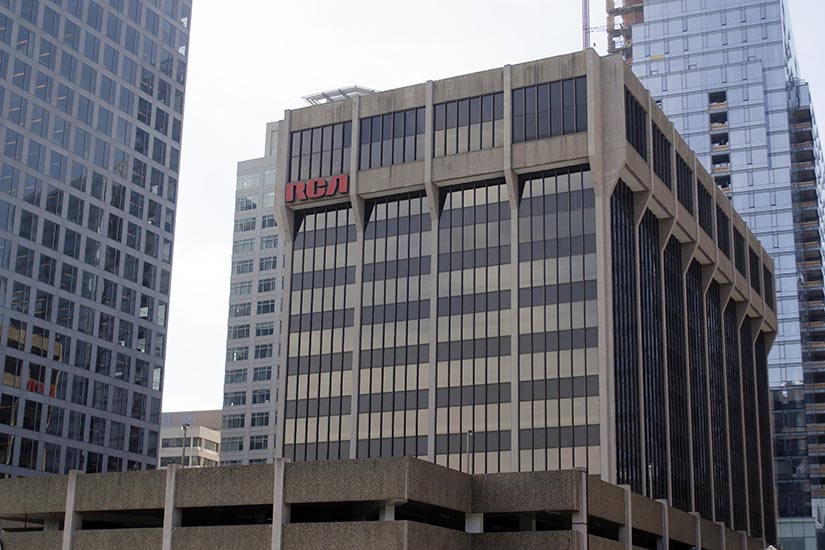
(Updated 3/4/21) McLean-based Jefferson Apartment Group has taken over plans to convert the RCA building in Rosslyn into a 27-story mixed-use residential complex.

The next steps for the proposed retail and residential building at 1901 N. Moore Street include community engagement — an online feedback form available through next Wednesday — and site plan reviews in February and March.

In 2017, Weissberg Investment Corp., which developed the RCA building in the 1960s, filed plans to redevelop the RCA site — but those plans were put on hold indefinitely in 2018. Jefferson started filing application materials in May 2020.

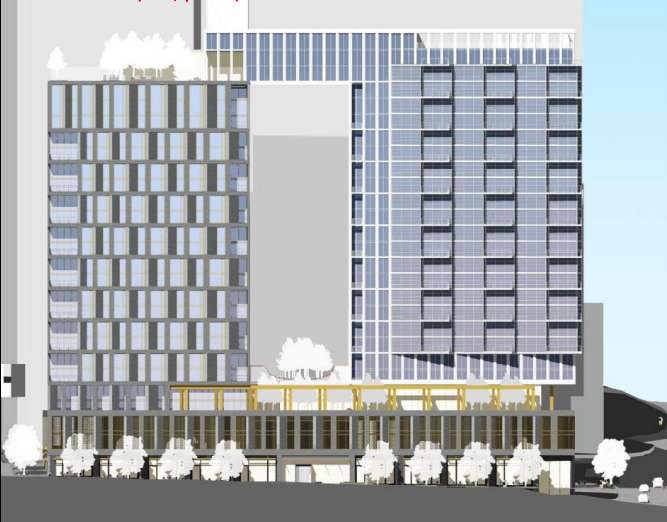
Jefferson proposes a building with two towers, 260 feet and 239.5 feet tall, atop a base, connected at the top by a penthouse level, creating “a sky window” in the middle, according to staff and architect presentations. As currently planned, the building will have 424 residential units and nearly 12,000 square feet of retail space.

Though it has some ground-floor retail, the current building is mostly devoid of street-level activity, while the sidewalk around it is shaded by an overhang.

“In 1969, the current RCA building was constructed, and quite unfortunately drained the site of that rich pedestrian environment that formerly occupied the site,” Shalom Baranes, the architect for the project, said in the developer’s presentation. “One of our goals with the proposed project is to restore the street-level retail vitality that existed years ago.”

Parking access will take up most of N. Moore St while retail — dining, entertainment, services and repairs and sales — will be housed on the other three sides of the block: 19th Street N., N. Lynn Street and Lee Highway.

The site will have 290 parking spaces, including 15 retail and 10 visitor spots. Not all of the 265 residential spots can fit below-grade, due to “particularly dense rock” and some Metro tunnels, Baranes said.

Two levels of parking, or 102 spaces, will be inside the building — above the retail and below the residential units.

“We have been very careful to integrate the parking architecturally so that it appears to be part of the overall building composition,” Baranes said.

There will be 171 long-term and 12 short-term bike spaces.

Arlington County principal planner Kristen Walentisch said that increasing the share of housing will make Rosslyn more vibrant and economically competitive.

“Historically, Rosslyn has been dominated by commercial office spaces and hotels, so the Rosslyn Sector Plan adopted in 2015 includes several land use goals aimed to establish a greater balance between commercial and residential uses and activities,” she said during a staff presentation.

Photos (2-3) via Arlington County


Arlington Public Schools is holding off on announcing future dates for returning students to school.

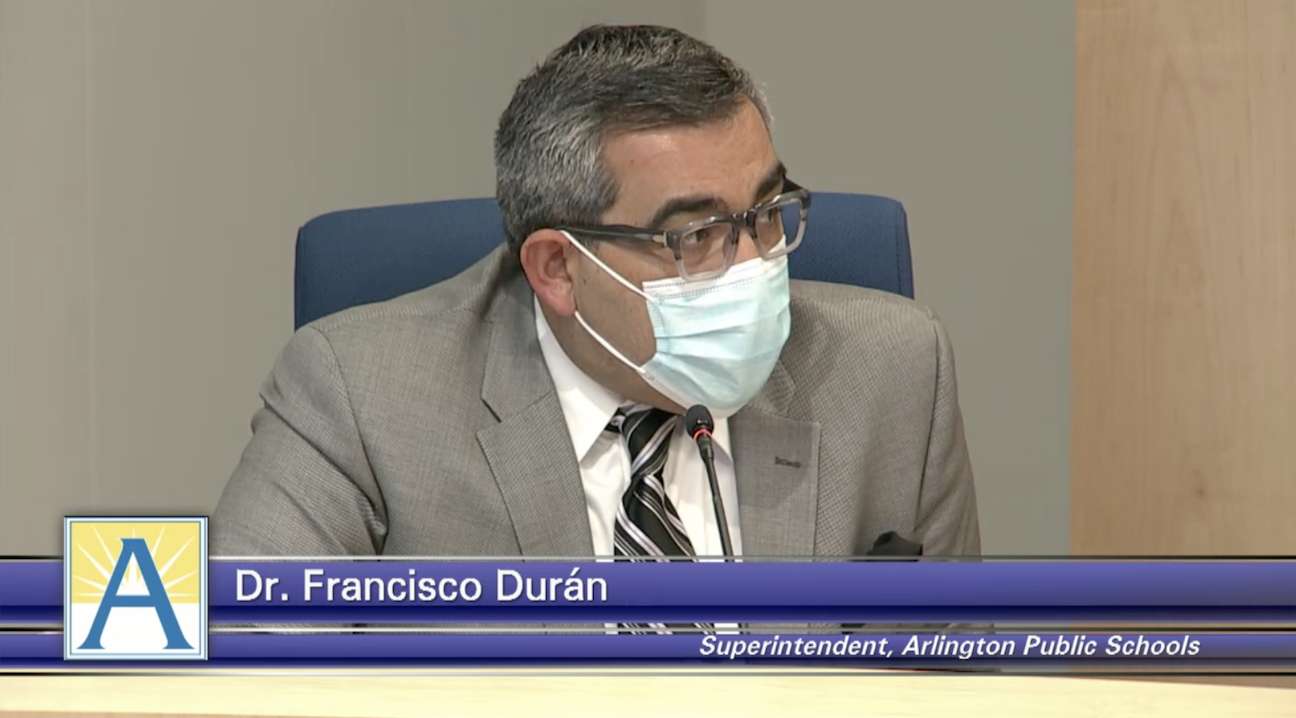
Sending back students and staff together is unsafe, Superintendent Francisco Durán told the School Board during a meeting on Thursday. For now, APS will focus on its timeline for returning staff to their buildings, he said.

Students with disabilities have been learning inside school buildings since Nov. 4. Shortly after, APS began providing learning supports — but not instruction — to additional elementary students at four schools, and “work space” programs at five high schools.

But before more students return, Durán said it is important that staff have “a buffer so they can prepare, feel confident, air any concerns with us… and acclimate to teaching from their classrooms.”

Further, he said he does not want to make promises he cannot keep regarding getting kids in the building.

“I don’t want to have to give dates that we have to take back,” he said, adding that both Fairfax County and City of Falls Church public schools have had to do just that, as the latest pandemic wave still rages.

The return-to-school schedule for staff is as follows:

  • Week of Jan. 25: preschool through second-grade teachers, and all countywide teachers and staff for elementary special education programs (dates for third through fifth-grade teachers will be announced “at a later date”)
  • Weeks of Jan. 25 and Feb. 1: Central Office staff
  • Week of Feb. 1: secondary teachers, staff, and all countywide teachers and staff for secondary level special education programs

The first in-person School Board meeting is set to be held on Feb. 4. More information on the staff return plans will be released during the Jan. 21 meeting.

Meantime, APS will launch a COVID-19 app that allows employees and families to complete health screening questions about symptoms and exposures in multiple languages.

Temperature checks will still be completed at school, he said.

“The platform will enhance the process for reporting exposures and positive tests, to assist with the speed and efficiency of our contact tracing process,” Durán said.

He also acknowledged the “many, many times” staff requested more granular data on the number and location of cases in school buildings. Previously, staff told ARLnow that they would learn only through word-of-mouth if an outbreak occurred in their building.

Depending on the number of reported cases, COVID-19 statistics will now be broken down by building or facility, or division, he said.

The superintendent also welcomed the news from Gov. Ralph Northam, announced on Wednesday, that K-12 teachers are included in the state’s second phase of the vaccine rollout.

“With the arrival of a vaccine in Arlington, I hope we will be turning a corner in how we manage and get through this pandemic,” the superintendent said.

Some teachers, however, have expressed concern about returning to school buildings.

“APS is not a jail system, but for the teachers who will be forced to come to work without any guarantee of safety, it is not an inappropriate comparison,” one H-B Woodlawn teacher said in an email to ARLnow. “The only reasons school statistics are not
comparable to prison statistics are because of cancellations and virtual options that have allowed teachers and students in APS to stay safe. Undoubtedly, coming back to school will result in higher infection rates in Arlington.”

“I understand there are many pressures for action from conflicting positions, but I implore them to make the choice that errs on the side of safety and a value for life,” the teacher wrote.

Meanwhile, a distance learning task force — focused on improving instruction and social-emotional learning — had its first meeting on Wednesday, Durán said. The force has 65 members, representing teachers, administrators, students and parents.

After its final meeting on Feb. 17, it will recommend specific steps to be taken “immediately,” Durán said.


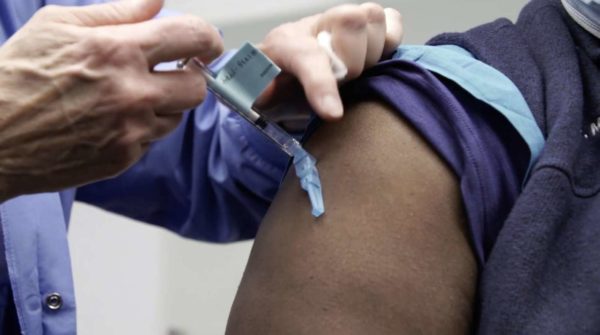
(Updated at 3:45 p.m.) Vaccine distribution in Virginia started three weeks ago, and in Arlington County, the focus remains on healthcare workers and residents of long-term care facilities.

Officials say widespread distribution is still months away.

“We certainly share the enthusiasm about the distribution of a COVID-19 vaccine in Virginia, and we appreciate everyone’s patience during this initial rollout,” Ryan Hudson, the acting public information officer for the Arlington County Public Health Division, told ARLnow in an email.

“As quantities are limited, [the vaccine] may not be widely available to the general public until at least mid-2021,” he said.

As of this morning, 2,216 doses of the COVID-19 vaccine have been administered in Arlington County, according to Virginia Department of Health statistics. At the current vaccination rate — around 150 per day — it would take more than three years to vaccinate Arlington’s adult population. The county, meanwhile, saw 121 new coronavirus cases reported today.

Statewide, 116,247 doses of the vaccine have been administered.

Gov. Ralph Northam acknowledged during a press conference on Wednesday that the state could be going faster. To that end, he announced a state goal of administering 25,000 vaccine doses a day in the coming weeks.

Virginia is planning for a weekly allocation of about 50,000 doses of Pfizer and Moderna vaccines apiece, Hudson said. The actual amount received, however, depends on “when and how quickly vaccination doses are manufactured,” he said.

Arlington County is following the vaccine prioritization list that Northam outlined. The focus through the spring will be on people categorized by the Centers for Disease Control and Prevention and state authorities into Phases 1A, 1B and 1C.

The state is currently in Phase 1A, immunizing doctors, EMT workers, nurses, and those who live in nursing homes and assisted living facilities.

A Virginia Hospital Center spokeswoman said its allotment of doses of the vaccine have been allocated to staff or an affiliated frontline health worker.

“The first wave of over 2,000 VHC physicians and employees are receiving their second dose of the vaccine this week,” she said. “The second wave of staff received their first dose in late December and will return for the boost in late January.”

The hospital downplayed reports that some members of the general public are being given the chance to receive excess vaccine doses that would otherwise go to waste.

Doctors affiliated with VHC were told that the hospital received excess dosage that would made available to the general public, and several people successfully scheduled appointments, a reader who wishes to remain anonymous told ARLnow. The reader was able to successfully make an appointment to get the vaccine, which was confirmed with a screenshot.

Maryanne Boster, director of corporate communications at VHC, affirmed Thursday afternoon that the hospital is following VDH guidelines for vaccine distribution.

“The scheduling system referenced is intended for healthcare providers and their staff,” she said in a statement. “Individuals accessed the site and scheduled appointments. We have since corrected the issue. Virginia Hospital Center continues to offer the vaccine to those who meet the criteria defined as the highest priority in Phase 1A and is committed to using all of our allotted vaccines.”

In Arlington, distribution will expand to 1B as supplies and resources increase, Hudson said.

Phase 1B includes those who are 75 years and older, as well as: firefighters, police officers, teachers, hazmat workers, grocery store workers, food processing plant workers, agriculture workers, mail carriers, and those who work in transit and corrections.

Teachers make this bracket because “they’re critical to getting schools open and getting people back to work,” Northam said.

It will take “well into the spring” to immunize Phases 1A and 1B, roughly 2 million people, he said.

(more…)


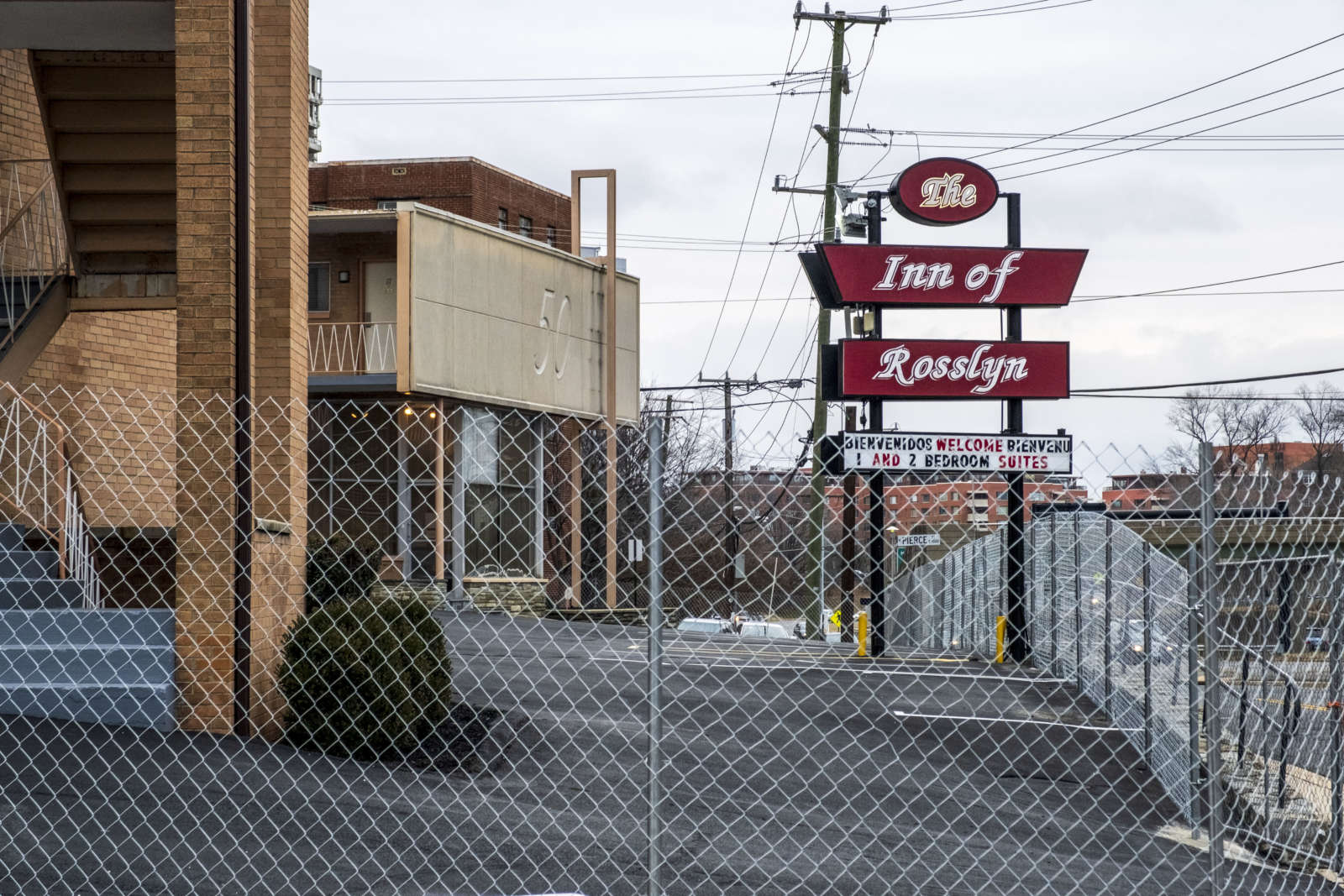
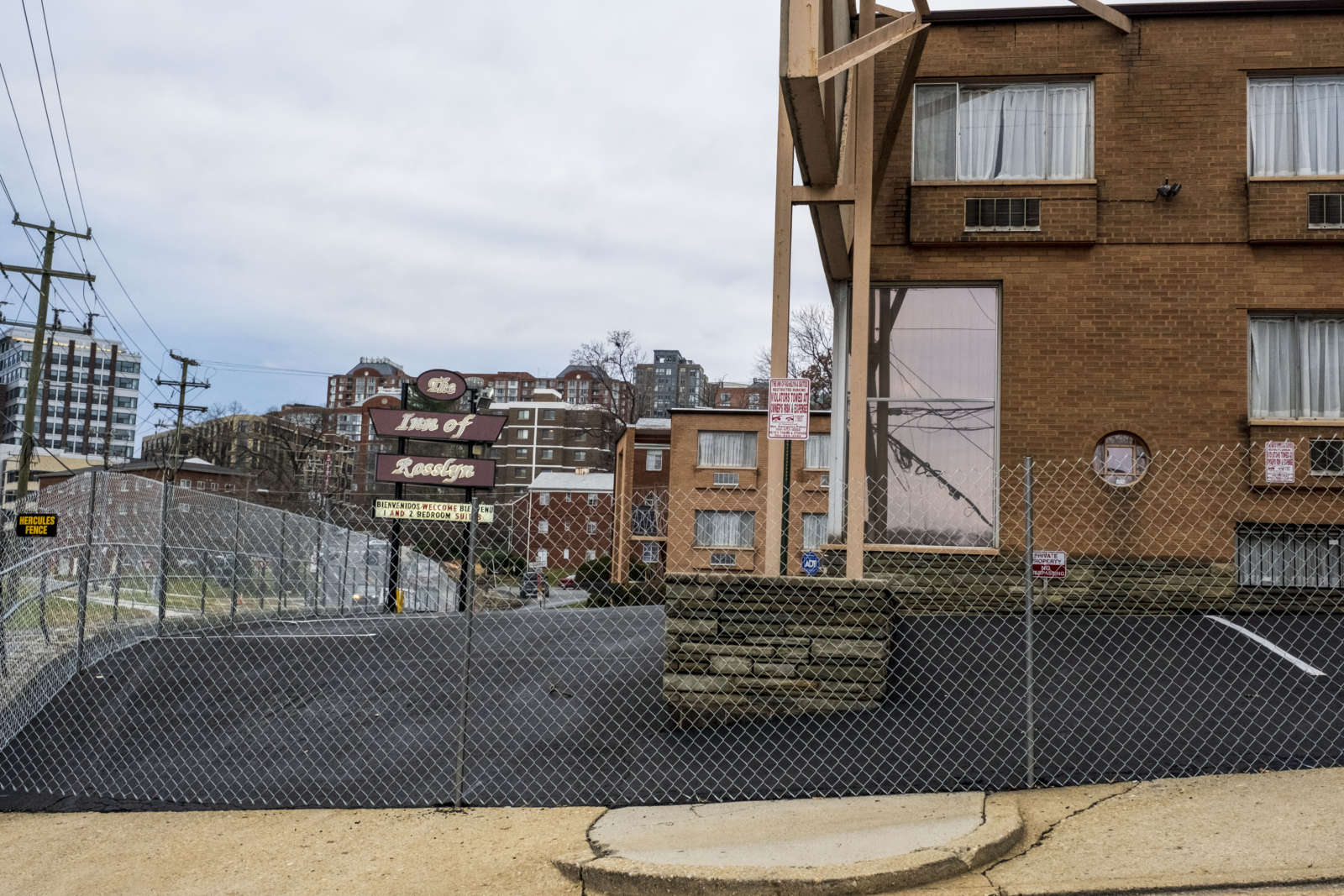
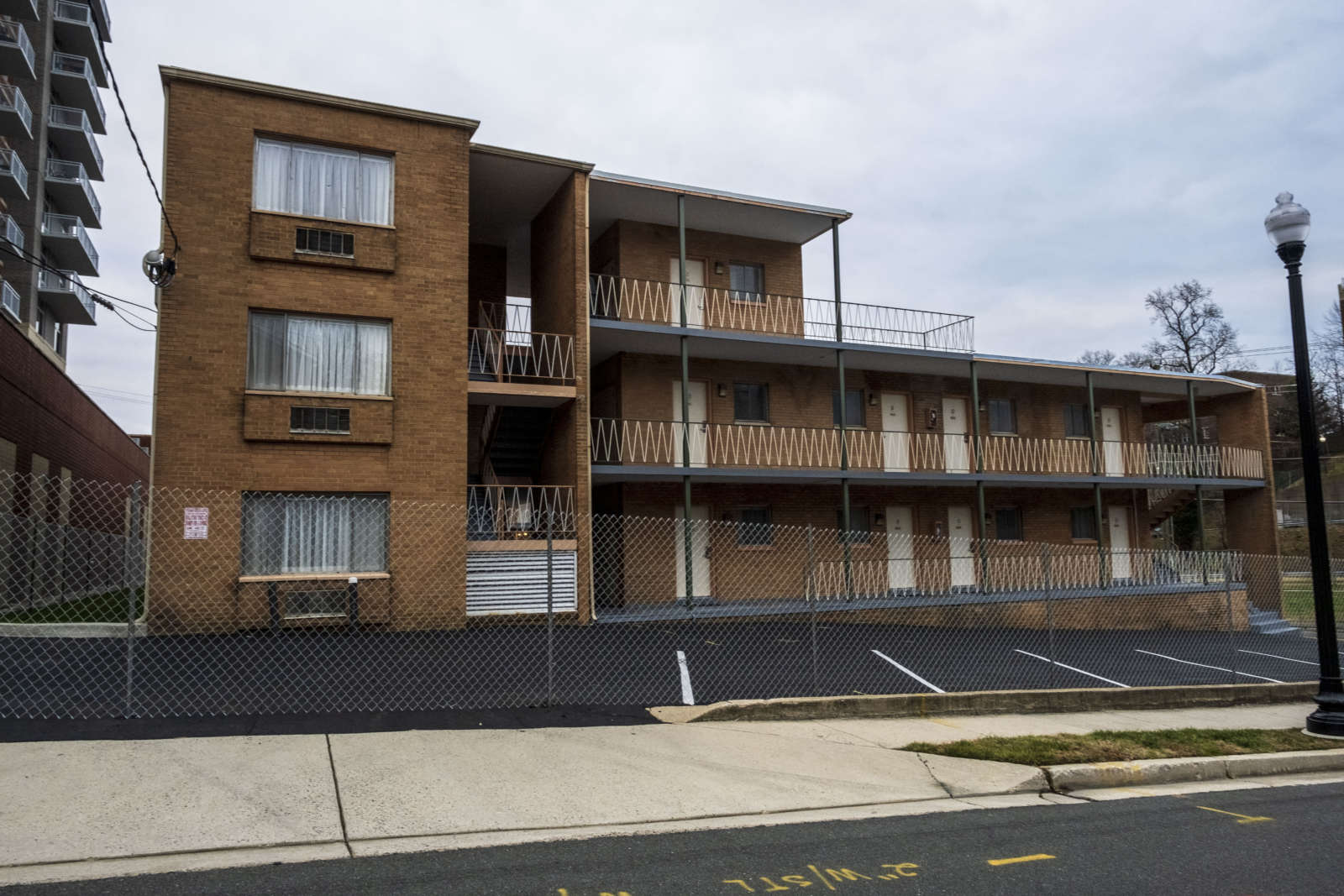
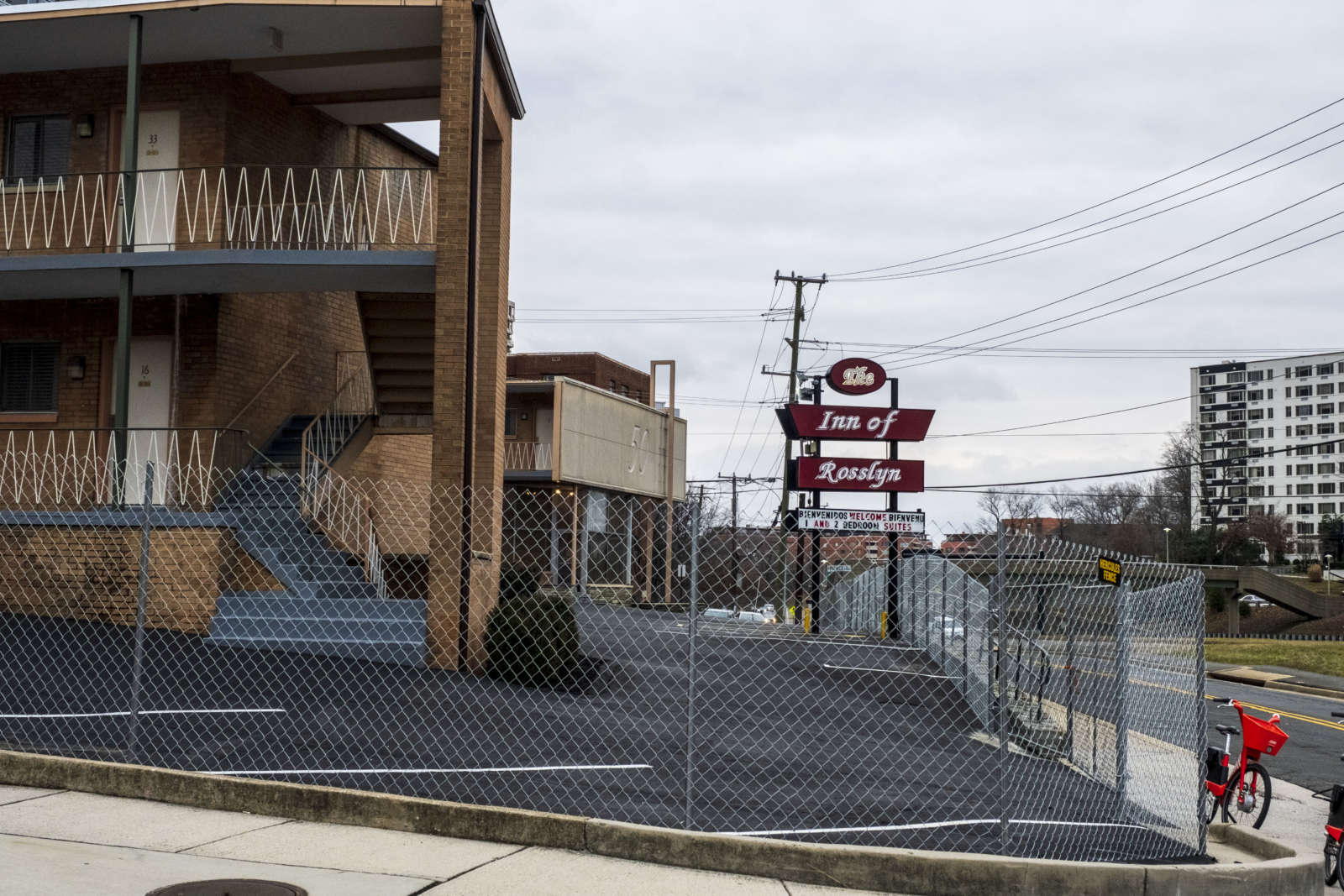
After nearly 60 years, The Inn of Rosslyn is permanently closed.

The Green family, which owned The Inn of Rosslyn and the Americana Hotel in Crystal City — the sale of which was previously reported — has sold both hotels to developer JBG Smith before the new year, according to one family member. The family also sold two apartment buildings: Fern Gardens and Williamsburg Apartments.

“The whole COVID-19 thing has basically bankrupted our businesses,” Katherine Green, whose father built the hotel in 1957, told ARLnow. “There was no other option. There was no end in sight.”

Business looked good, pre-coronavirus. The hotels were generating income, and the general manager of The Americana told Washington Business Journal that 2017 was its best year. But when the economy crashed, Green said she had no income from April 1 until mid-December. (The County records the sales on Dec. 18.) She said a small business loan covered payroll for a few months, but the siblings still emptied their bank accounts to keep the hotels open for a paltry 10% occupancy.

“We were hemorrhaging money,” said Green, who is 60.

A spokesperson for JBG Smith confirmed the purchase of the 38-key Rosslyn hotel and the two apartment buildings, but declined to comment further. The company has been on something of a buying spree in Arlington; an affiliated nonprofit just bought the Crystal House apartment complex with funding from Amazon, as part of a $2 billion commitment by the tech giant to support affordable housing in Arlington, Nashville and the Seattle area.

The Inn of Rosslyn is assessed at $5,070,900, and the two apartment buildings are together worth $8.7 million, according to county records.

Prior to these sales, JBG Smith’s Arlington properties were cumulatively valued this summer at nearly $4.5 billion, according to Arlington County.

“This is an end of an era,” Green said of her family’s business. “It’s hard for the employees. Some have worked for us for 20-odd years. Many were housed in family property and we don’t know if they’ll find jobs.”

The coronavirus was not Green’s only worry. Some of her siblings are too old to be involved, or have died recently, leaving only Green and her sister, Carole Newman, poised to keep the doors open.

The Green’s story is playing out statewide. COVID-19 has crippled the hotel industry statewide, with hotel revenues down 51% from 2019, and the percentage of rooms booked down 33 percentage points, Virginia Business reports.

Still, Green considers herself lucky.

“My father built his businesses in an area that is so valuable that we could sell,” she said.

William Green Sr. quit his electrical engineering job with General Electric to build the hotels.

“He didn’t want to work for a big corporation — he wanted to give his family financial independence, and give them freedom,” she said.

And her father, a child of the Great Depression, chose the D.C. area, she said.

“He knew that if the economy crashed again, D.C. would be more insulated than anywhere else,” she said. “Arlington is really the center of the universe in some ways.”

Today, Green lives on more than one hundred acres in eastern Oregon, and even mulled investing in hotels two years ago — but is glad she did not.

“What is going down is a travesty unlike anything in my lifetime,” she said.


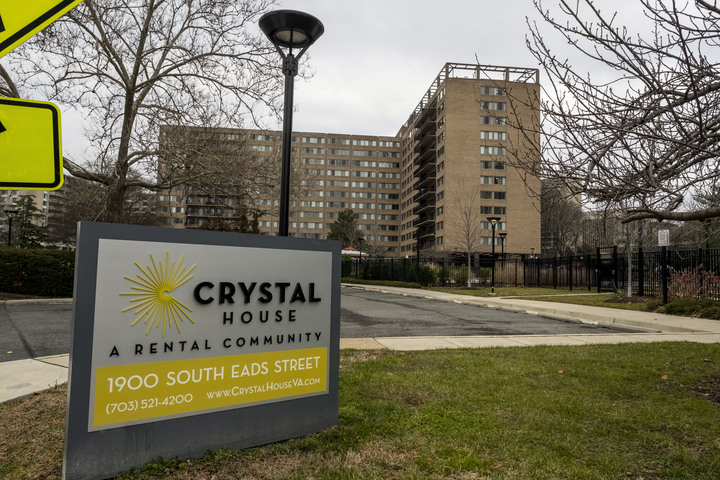
Financed by Amazon, a D.C. area housing nonprofit bought and will stabilize rent at a luxury apartment building in Crystal City.

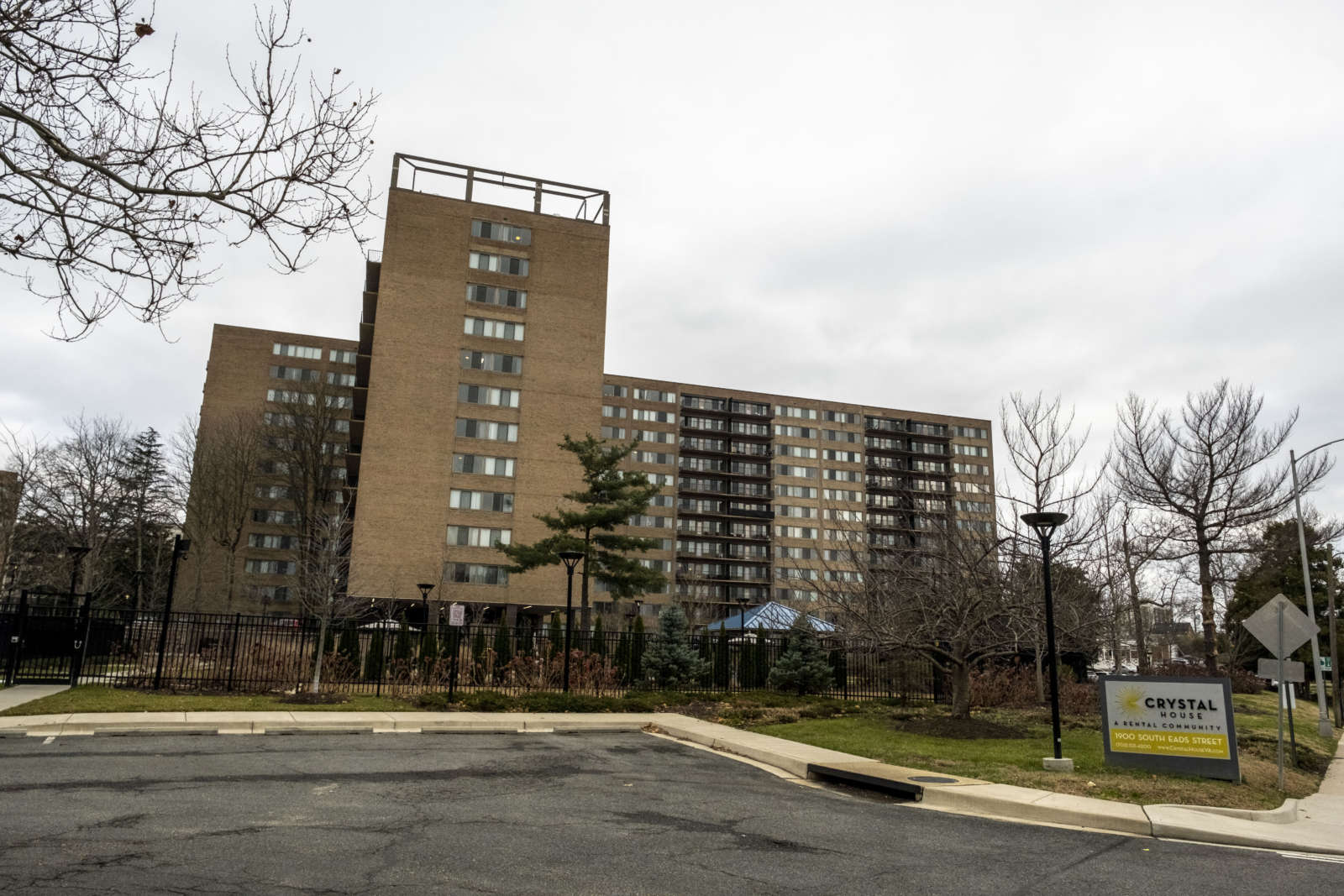
The tech giant announced on Wednesday that it is contributing $381.9 million to Washington Housing Conservancy to create and preserve 1,300 affordable housing units at Crystal House (1900 S. Eads St), as rents rise amid Amazon’s expansion into the area.

“Amazon’s investment in affordable housing in Arlington is transformational — and couldn’t come at a better time,” County Board Chair Matt de Ferranti said in a statement. “We are delighted to further strengthen our partnership with Amazon and to work together to serve our shared commitment to equity and economic opportunity for all of our residents.”

The funding for WHC includes a $339.9 million below-market loan and $42 million in grants. With the money, and a $6.7 million loan from WHC’s financing partner, JBG Smith, the nonprofit purchased Crystal House, a luxury apartment complex one block from Amazon’s future HQ2.

“Washington Housing Conservancy disrupts a market cycle that leads to displacement and offers the kind of stability that lets residents focus on their future, instead of the uncertainty of escalating rents,” WHC Executive Director Kimberly Driggins said in a statement.

The conversion of existing market-rate apartments into dedicated affordable apartments started on Jan. 1 and will continue over the next five years. Rents at the building, to be managed by JBG Smith, will target households earning less than 80% of the area median income. The agreement is for 99 years.

Residents were notified about the changes on Dec. 31 in a letter, obtained by Washington Business Journal.

“With Amazon’s support, we are advancing our vision for inclusive, mixed-income communities of racially diverse middle-income and low-income families and individuals, to live near their employment and access high-performing schools and community amenities,” Driggins said.

Although another purchase was in the works last year, the purchase of Crystal House marks Washington Housing Conservancy’s first finalized purchase since the nonprofit was established in 2019.

The contributions are part of Amazon’s new Housing Equity Fund, a more than $2 billion commitment to create and preserve more than 20,000 units in Amazon’s three footholds: Arlington, the Seattle area, and Nashville.

“Amazon has a long-standing commitment to helping people in need,” said Jeff Bezos, Amazon founder and CEO. “This new $2 billion Housing Equity Fund will create or preserve 20,000 affordable homes in all three of our headquarters regions — Arlington, Puget Sound, and Nashville. It will also help local families achieve long-term stability while building strong, inclusive communities.”

The contribution comes after nearly a decade of climbing housing costs that have outpaced the growth of household incomes.

Arlington County has lost approximately 14,400 privately-owned, affordably priced housing units since 2000, according to Amazon’s press release.

Between 2010 and 2018, the median home value climbed approximately 20% (after adjusting for inflation) and median rents climbed 11%, while median household incomes climbed only 7%, the release said.


Time is ticking down to weigh in on the initial phases of an update to the development plan for the Clarendon neighborhood.

Arlington County is inviting people to provide online feedback on proposed updates to the 2006 Clarendon Sector Plan through Friday, Jan. 8.

“We’d like to have you provide your feedback, comments, questions by visiting the project website or by contacting staff,” said Brett Wallace, principal planner, CPHD in a video presentation from mid-December. “We’d also like to get some input on online survey questions.”

The update to the 14-year-old sector plan was prompted by a series of pending redevelopments. Arlington County began mulling over these changes in February.

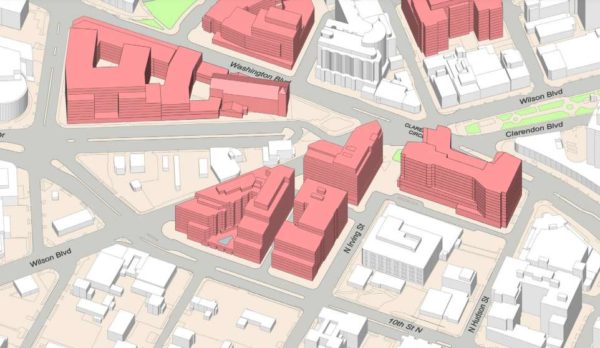
In this round of public comments, the County is focusing on improvements to the pedestrian and bicycle experience along Fairfax Drive and Wilson Boulevard between Clarendon Circle and Kirkwood Drive.

“As a pedestrian, what is your level of comfort when accessing and using pedestrian facilities along Fairfax Drive between Clarendon Circle and Kirkwood? How would you improve the pedestrian experience along this section of Fairfax Drive?” is one such question.

The County is also asking people to rank whether they would like to see wider sidewalks, street trees, on-street parking, café seating or other amenities. The sector plan currently recommends preserving two “historic” buildings on the north side of Wilson Boulevard, which the County says will make it difficult to realize all these improvements.

The process for changing the sector plan started in September, followed by the first of five engagement session. The next online engagement opportunity will be posted in late January or early February.

The County cites multiple projects in the Clarendon Circle area that do not meet the sector plan’s requirements. They include changes to St. Charles Catholic Church, as well as mixed-use buildings where Joyce Motors used to be and on the Wells Fargo/Verizon Site.


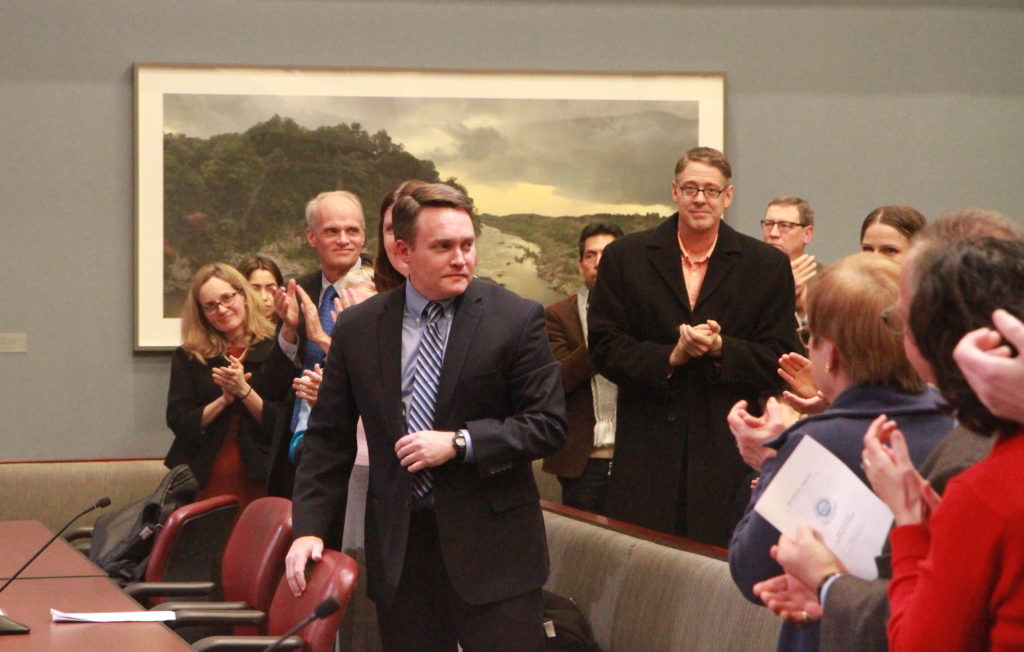
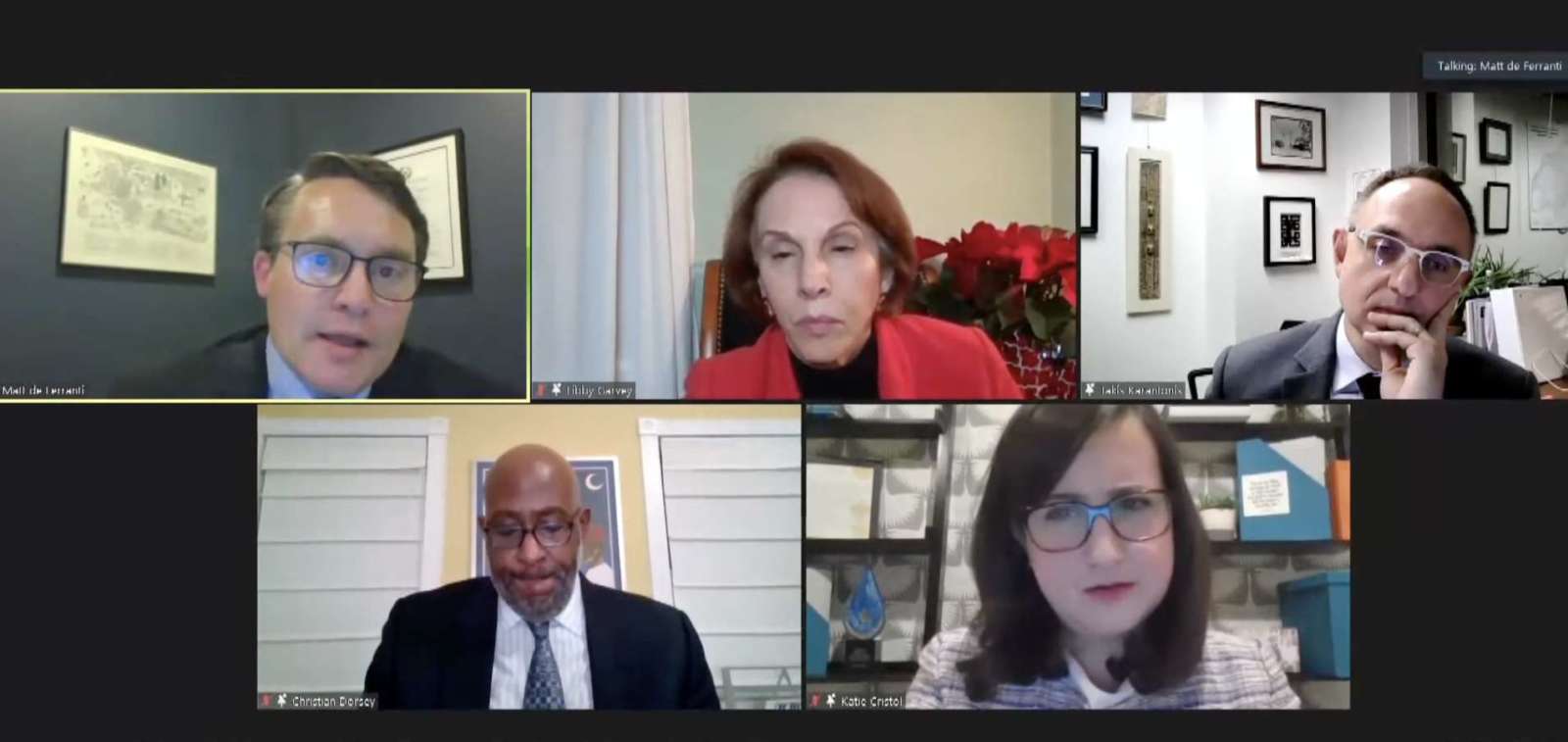
The Arlington County Board unanimously elected Matt de Ferranti as its Chair and Katie Cristol as its Vice-Chair during a virtual meeting on Monday.

Elected in 2018, de Ferranti is serving as Chair for the first time, succeeding Libby Garvey. During the year that he occupies this role, he will set the Board’s meeting agendas and preside over the meetings. The first regular Board meeting of 2021 will be held on Saturday, Jan. 23.

Colleagues heaped praise on the new chair.

“One of the most under-sung attributes in an elected official is earnestness, [and] our colleague, Mr. de Ferranti has earnestness in spades,” Cristol said. “[With] a pandemic, a reckoning over racial injustice, it is a moment that calls for a chair like Mr. de Ferranti.”

Cristol, elected in 2015 and a former Board chair, fills a role that was vacated in April, when then Vice-Chair Erik Gutshall resigned after doctors discovered a brain tumor. He died shortly after, and his successor, Board Member Takis Karantonis, was elected in July.

Board member Christian Dorsey lauded Cristol for her activism for accessible, affordable childcare and her work with regional partners on transportation in Northern Virginia.

Dorsey said he nominated Cristol “with great confidence that she will not only be able to perform the role of Vice-Chair, but that she will join Mr. de Ferranti in a dynamic duo for leading Arlington.”

During the meeting, de Ferranti and Cristol commended Arlington for coming together during the pandemic, and outlined their visions for recovery. The new Chair said in his remarks that recovery efforts must focus on stabilization, recovery and a systematic commitment to racial and economic equity.

“Our response to COVID-19 is the biggest test we face as a community,” he said. “As difficult as this winter is and will be, spring will come: More and more will be vaccinated and a new Biden administration will lead our nation’s recovery.”

De Ferranti’s other stated priorities for 2021 include addressing hunger and food insecurity, preventing evictions, and boosting the production of missing middle housing.

“Without changes in our housing supply the 60% of Arlington residents who currently rent cannot realistically save up to buy a place,” he said. “We risk becoming as unaffordable as San Francisco if we do not plan for replacement of existing moderately priced housing and grow in a thoughtful, managed way.”

In her remarks, Cristol said that like 2020, the new year will be characterized by the coronavirus, as cases continue to surpass the peaks seen in March. With the vaccine, however, comes a chance to reimagine Arlington, the Vice-Chair said.

“Rebuilding after this once-in-a-century pandemic is a unique opportunity to think afresh about what future we want for ourselves and our children in our County,” she said.


Sponsored by Monday Properties and written by ARLnow, Startup Monday is a weekly column that profiles Arlington-based startups, founders, and other local technology news. Monday Properties is proudly featuring Shirlington Gateway. The new 2800 Shirlington recently delivered a brand-new lobby and upgraded fitness center, and is adding spec suites with bright open plans and modern finishes. Experience a prime location and enjoy being steps from Shirlington Village.

Ballston-based cybersecurity startup GroupSense is helping governments fend off targeted attacks on COVID-19 vaccine distribution.

The vaccine action plan, a modified version of GroupSense’s 2020 election plans, is a pivot that CEO and founder Kurtis Minder never envisioned when he established the company in 2014.

“We didn’t go seeking this out — it came to us,” he said.

Today, GroupSense helps a handful of local governments combat vaccine misinformation and negotiate with hackers targeting manufacturers in the vaccine’s supply chain. The company anticipates working with these municipalities for one year, but could extend that work if the protections are still needed later on.

During the 2016 and 2020 elections, GroupSense worked with municipalities, website hosts and social media companies to take down misinformation. After the 2020 elections, Minder said local governments asked GroupSense to secure their vaccine rollouts.

“It occurred to us that you could use this technology on vaccines,” Minder said.

GroupSense reports “disinformation” to local governments, which decide whether to take down or refute the claims, he said.

“If someone on Reddit starts a thread, it gives City Hall the opportunity to get into that conversation and post links to debunk that particular narrative,” Minder said.

While rumors run rampant on Reddit, bad actors working for foreign governments or themselves are taking advantage of the increased cybersecurity risks of remote work, he said.

“The remote-work problem has actually made ransomware easier,” he said. “Eighty percent of the time, the way the bad guy gets in, it’s because the company did not secure the network properly for work-from home.”

Government-led attacks are originating from countries including Russia and Iran, he said. They are often aimed at stealing intellectual property related to vaccines, and are harder to detect and stop because they have more resources.

Meanwhile, hackers looking to make a buck are demanding ransoms of small-scale businesses, such as refrigeration companies, which keep the vaccines cold, Minder said.

These hackers, from Russia, Moldova or Belarus, get access to a network, shut it down and demand a ransom, Minder said. They target “low-hanging fruit,” or businesses that are less likely to be secured against cyber threats and more likely to pay a ransom because the vaccine is in high demand.

“It just reinforced something we already knew: The security of the supply chain is really important to the outcomes of an organization,” he said.

GroupSense keeps tracks of these reports in a dashboard that it developed, Minder said. Federal law enforcement agencies have access to this dashboard, and use it to track attack trends, he said.

The CEO advises companies and governments to secure their remote access, teach employees about phishing, and ensure they only use private emails to sign up for non-work-related accounts.

This year, the company — located at 4040 Fairfax Drive, in the Marymount University building — reported 65% year-over-year growth, despite the pandemic.


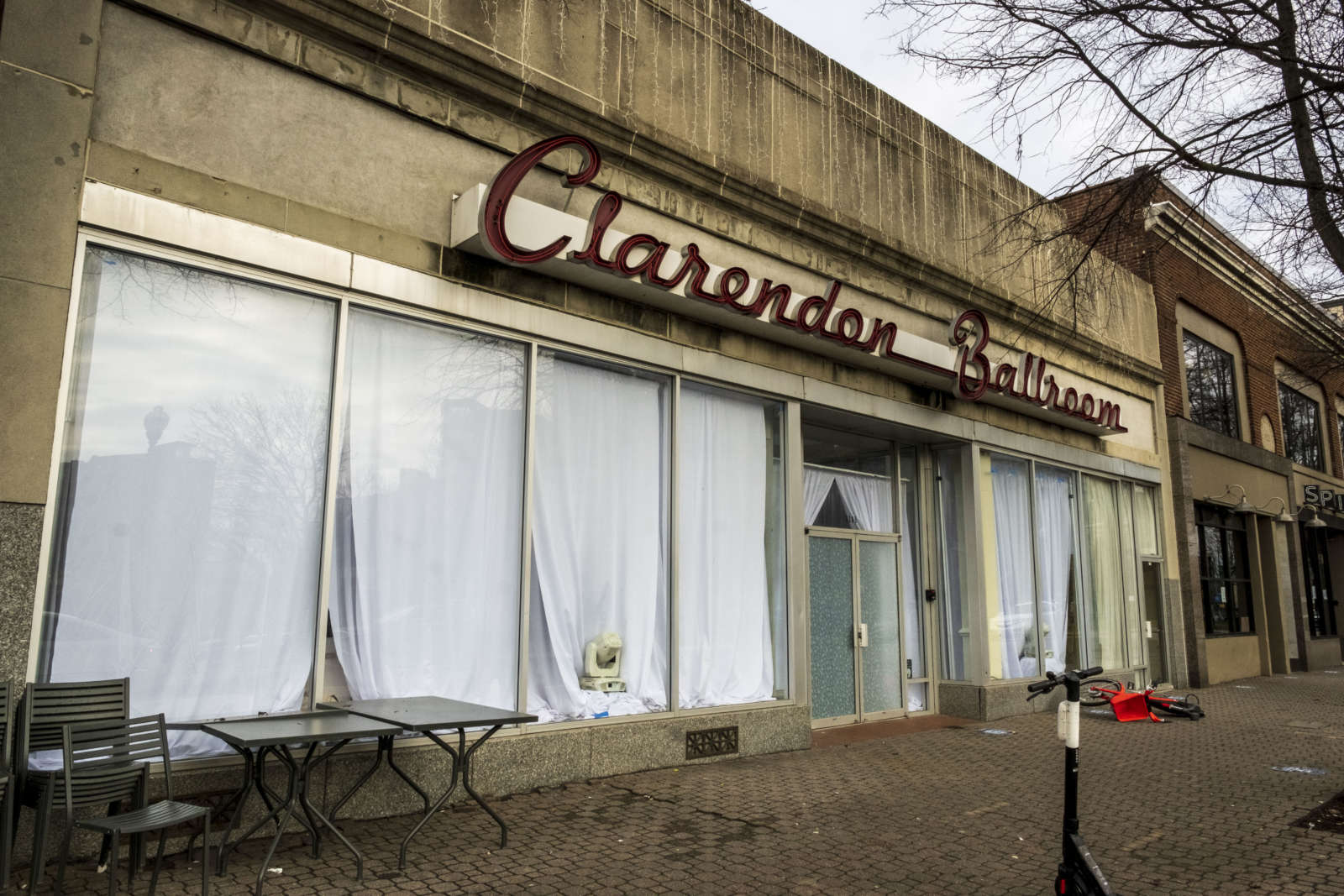
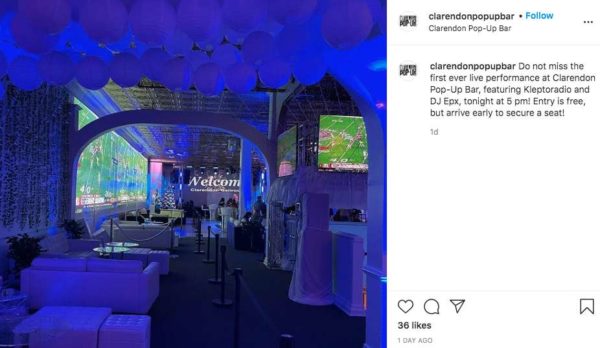
Clarendon Popup Bar, located inside the former Clarendon Ballroom space, opened for New Year’s revelry and live music this past weekend.

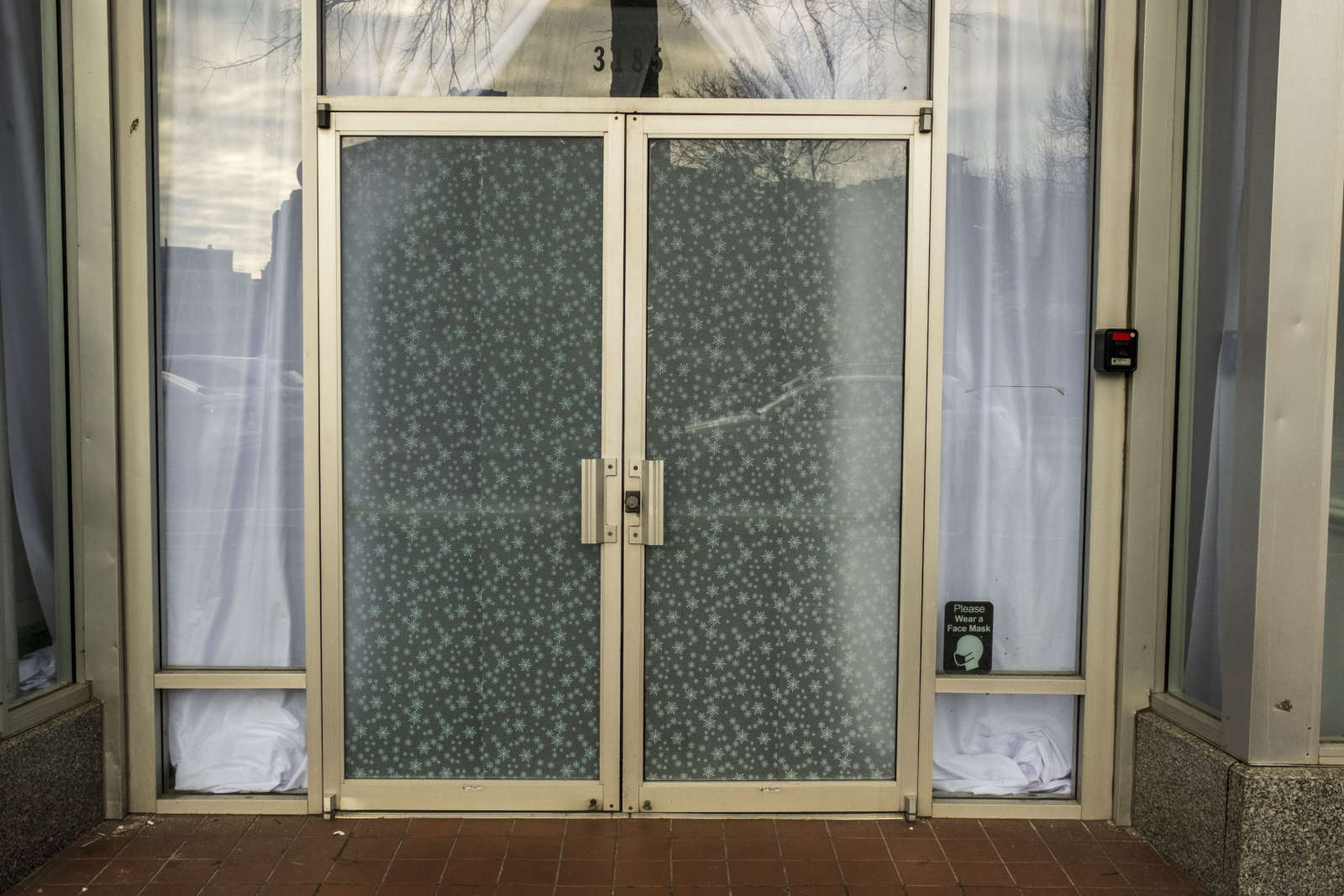
The popup, temporarily themed as a “Winter Wonderland” bar, started serving customers exactly one year after the old event and nightlife spot at 3185 Wilson Blvd closed on New Year’s Eve in 2019. Fire department personnel could be seen conducting final inspections inside the space on Wednesday, before the opening.

“The opening weekend was a huge success,” owner Mike Bramson said in an email. “The turnout was better than we expected as all tables were booked [or] sold out. Our guests really enjoyed the decorations, themed cocktails, projection wall, DJs and bands.”

This coming Thursday, Friday and Saturday, the multi-level popup bar and event venue will celebrate its official opening. A more detailed lineup of events, featuring a mix of DJs and bands, will be on the website by the end of the week, Bramson said.

“We also have a large projection wall where we can show some playoff [football] games,” he said. “We are already working on a Super Bowl event.”

High-top tables are first-come, first-served, while the bar takes reservations via email for couches, Bramson said.

The County Board approved Clarendon Popup’s request for a live entertainment and dancing permit in mid-December on the condition that the owners abide by all local, state and federal COVID-19 regulations.

“The size of the space allows us to properly social distance and keep our patrons and staff safe while enjoying a fun atmosphere,” Bramson said.

“Typical internal delays” forced owners to postpone the popup’s opening from early December until the last weekend of the year, Bramson previously told ARLnow. As a result, the “Winter Wonderland” theme will stay through at least Jan. 30.

Bramson, a co-owner of The Lot — the popular outdoor beer garden a few blocks from the Ballroom — confirmed in October that Clarendon was getting a new, temporary nightlife spot in a familiar hangout.

The popup bar plans to operate 11 a.m. to 12 a.m., Sunday through Thursday and 11 a.m. to 1 a.m., Friday and Saturday, including the eve of all federal holidays.


View More Stories