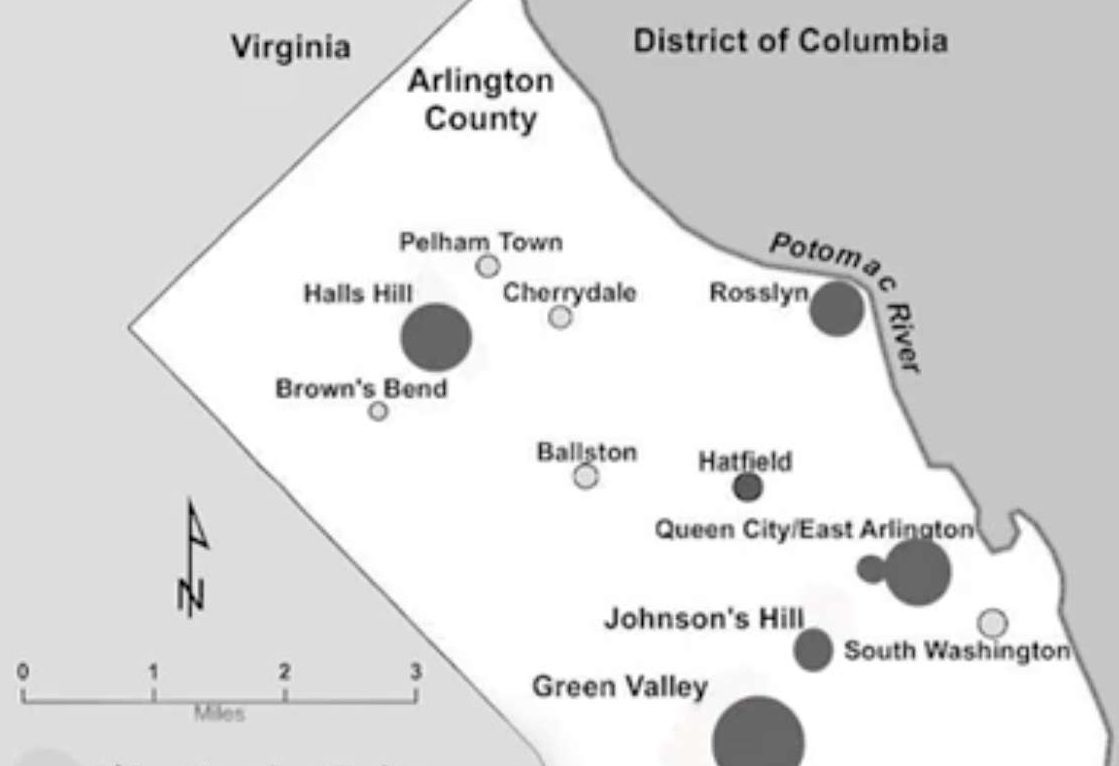
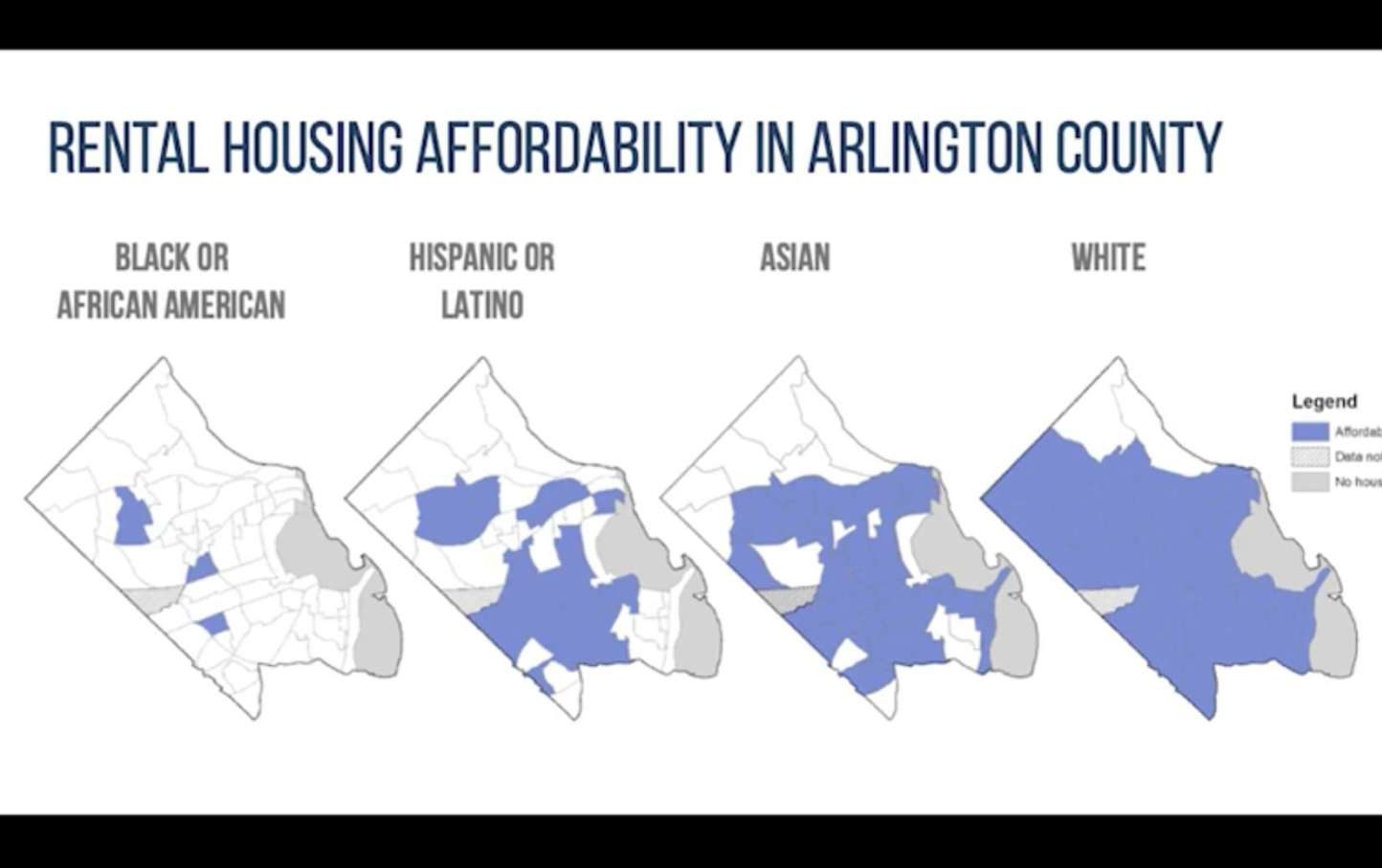
In 1900, Black people comprised more than a third of Arlington’s population and lived in 12 neighborhoods in the county.

Over the last 100 years, however, the population and the variety of places Black people can afford to live has dwindled, according to a new video from the Alliance for Housing Solutions, a local advocacy organization.

People who identify as Black currently account for 8% of the population, according to Arlington County, and the Alliance video said those who make the median income for Black residents can afford rent in only three census tracts.

The video chronicles the decisions at the local and federal level —  combined with gentrification, rising housing prices and a lack of options — that have forced out much of Arlington’s Black residents.

It ends with a message supportive of Arlington’s Missing Middle Housing Study, which is exploring options for allowing more types of small-scale multifamily housing, in more parts of the county, via zoning changes.

“It’s time to ask ourselves if we are ready to dismantle the walls of indifference once and for all and build an Arlington where people of all walks of life are welcome and can afford to live,” the video says.

The video comes a few weeks before the virtual kick-off event for the “Missing Middle” study on Wednesday, Oct. 28.

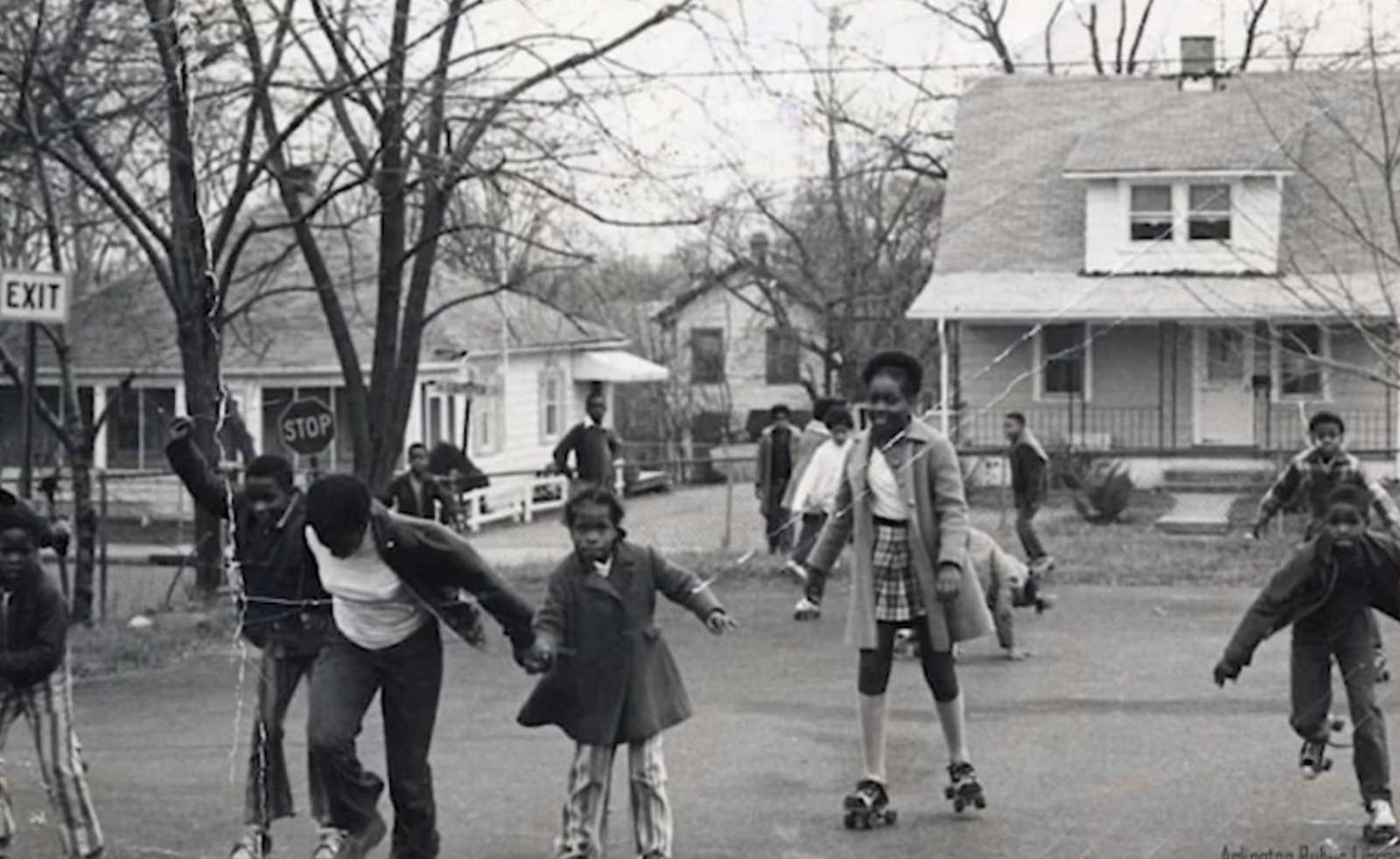
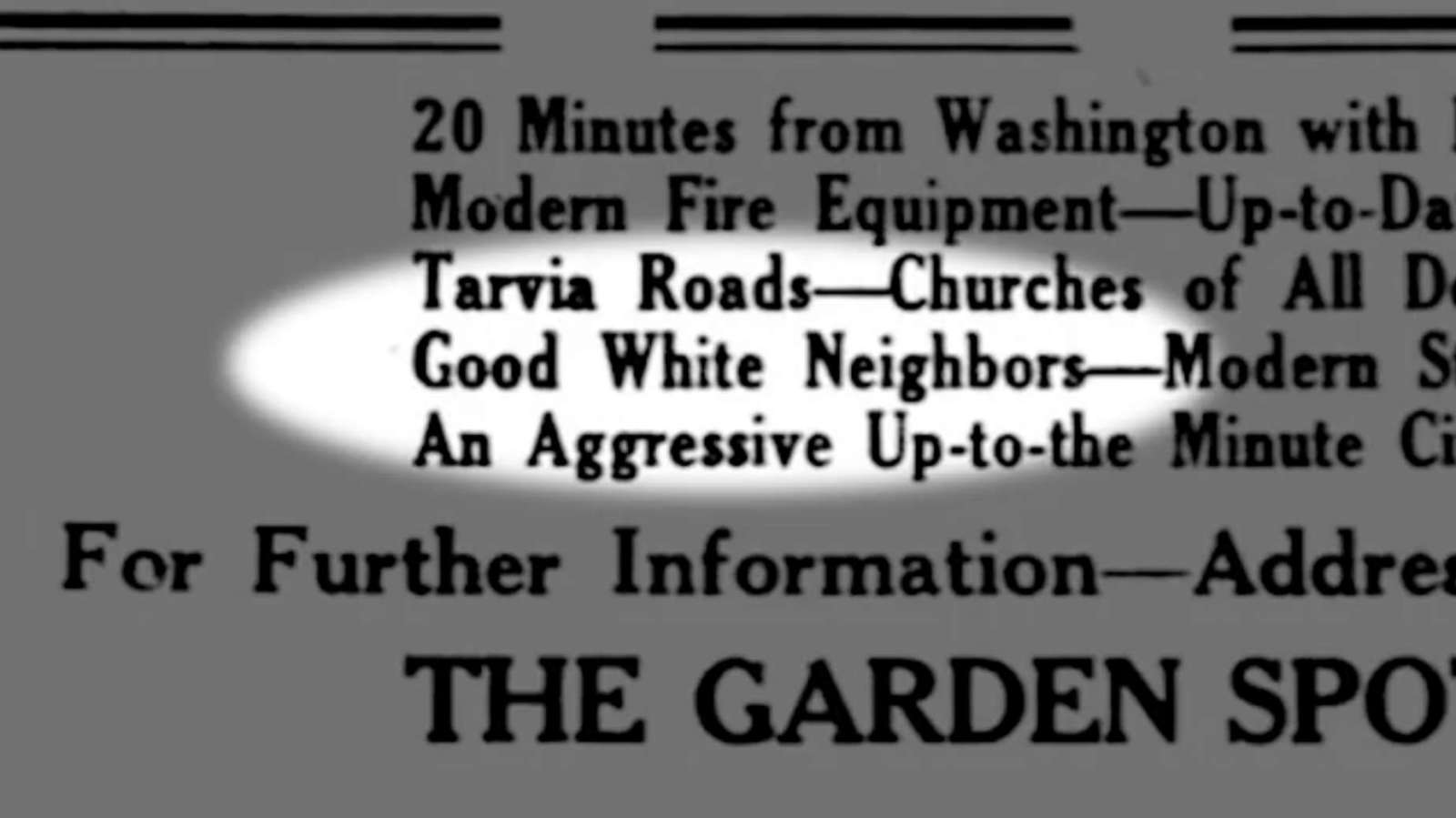
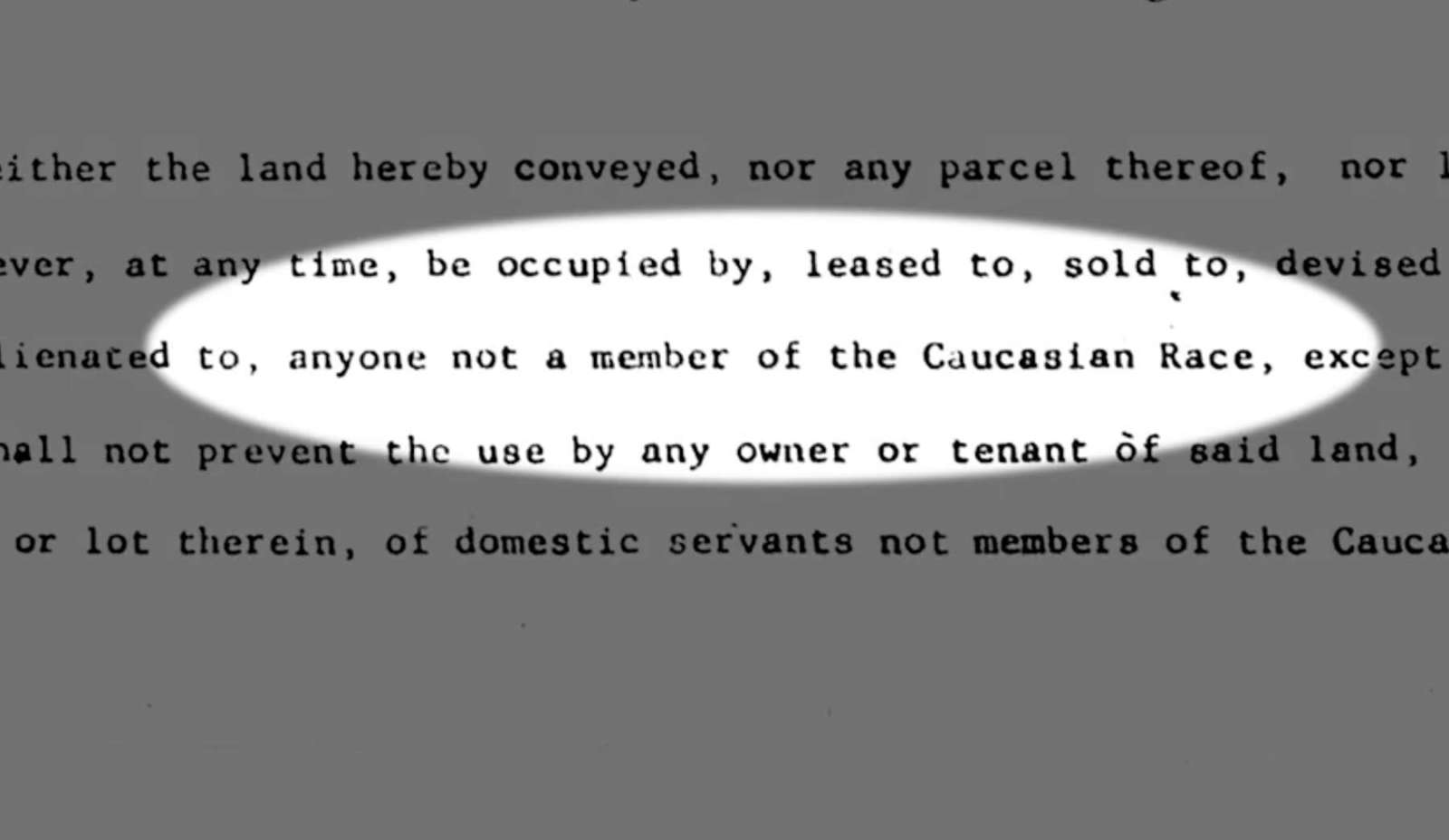
The housing patterns seen in Arlington today were set in the first half of the 20th century, the video says. Construction rates for suburban single-family homes and garden apartments boomed, but many deeds in Arlington restricted ownership to white people. In 1938, Arlington banned row houses — the primary type of housing for Black residents, and a common feature in Alexandria and Washington, D.C. — which were deemed distasteful.

Some barriers were legal, while others were physical.

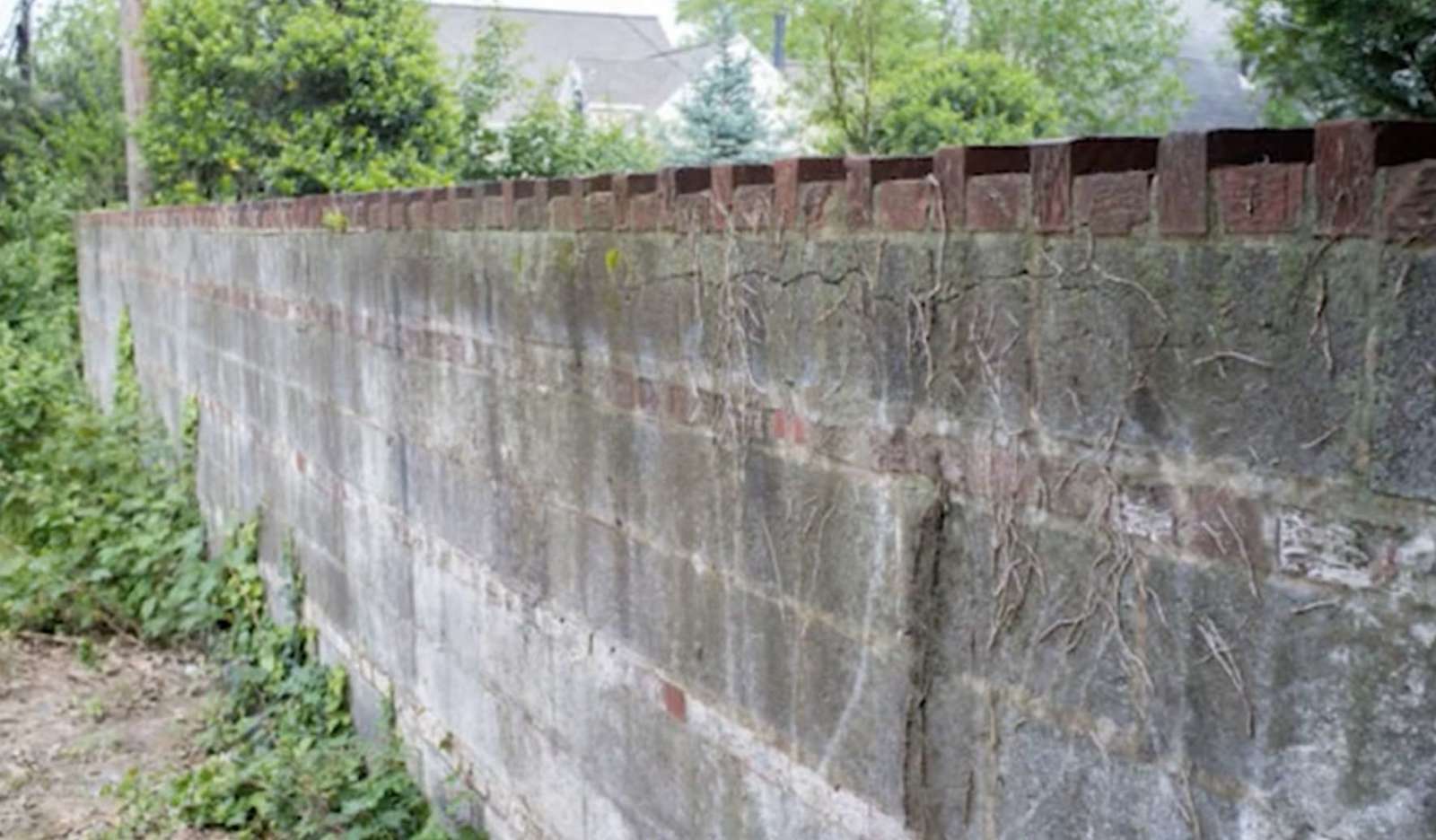
In the 1930s, residents of whites-only communities around the Black neighborhood of Hall’s Hill built a 7-foot cinder block wall to separate their communities. In the 1940s, the federal government evicted Black neighborhoods to build the Pentagon and nearby roadways.

Although the Civil Rights Era ushered in school desegregation as well as open and fair housing laws, both federal and local, the video says many parts of Arlington look no different than when they were building during Jim Crow and legal segregation. Historically Black neighborhoods are characterized by aging homes that do not comply with zoning regulations that were put in place after the homes were built.

“In many ways zoning rules that govern Arlington’s low-density residential areas have become more restrictive over time, while only a small part of the county’s land was made available to meet the growing housing needs of the area,” according to the video.

Today, single-family detached homes account for nearly 75% of zoned property in Arlington, according to the Missing Middle Housing Study. The study partially links the shortage of townhomes, duplex, triplex and quadruplex options — called middle in reference to their size, not their price point — to policies with racist origins.

A reversal of some of Arlington’s restrictive zoning policies is a deliberate choice “the County could make to correct the mistakes of the past and pave a new path for Arlington’s future,” the study’s authors wrote. If Arlington chooses to do nothing, “the structural barriers and institutional racism embedded in the County’s land use policy would remain.”

Screen shots via Alliance for Housing Solutions/YouTube
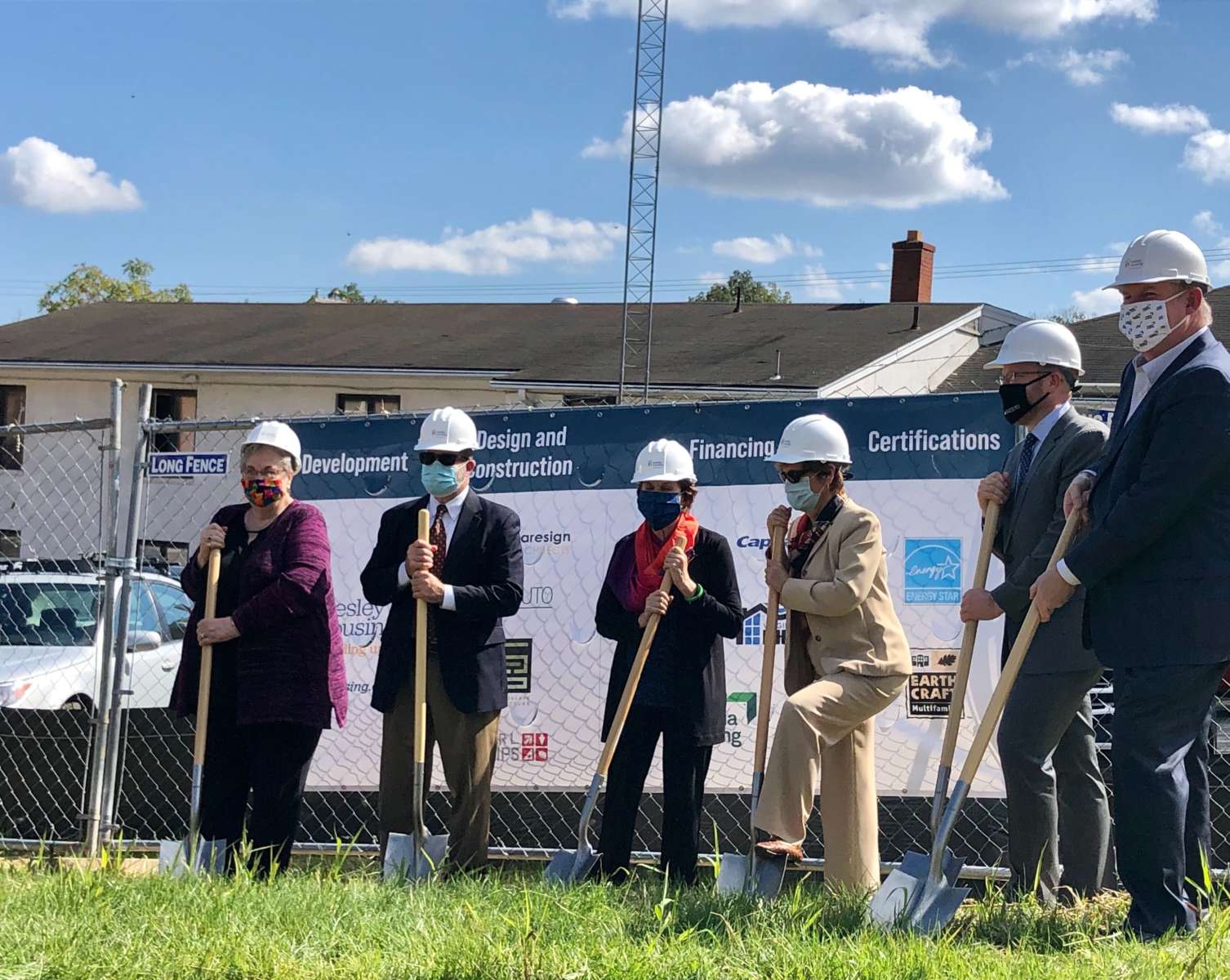

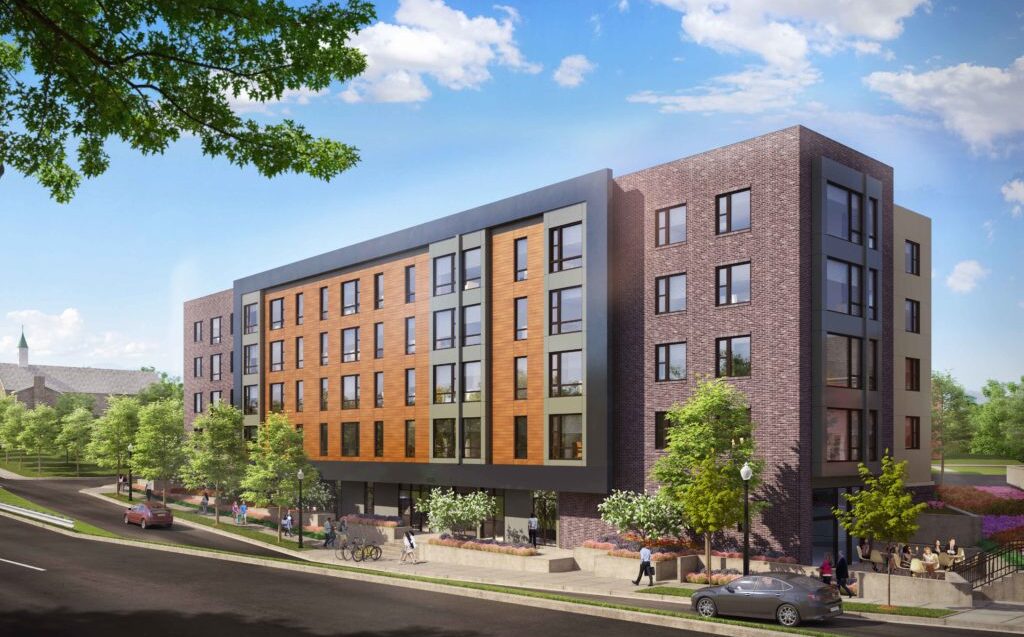
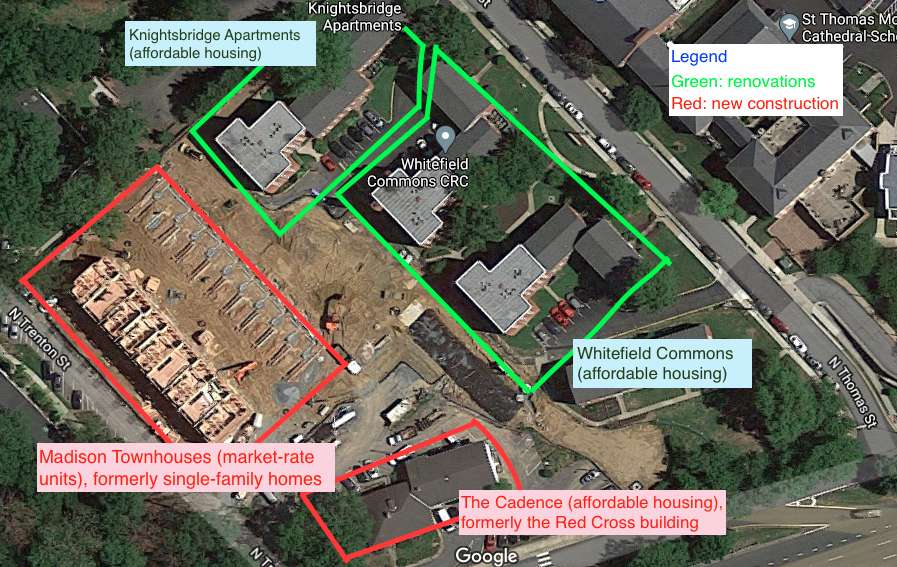
The empty Red Cross building (4333 Arlington Blvd) in Buckingham will come down in a few weeks to make way for a new apartment building called The Cadence.

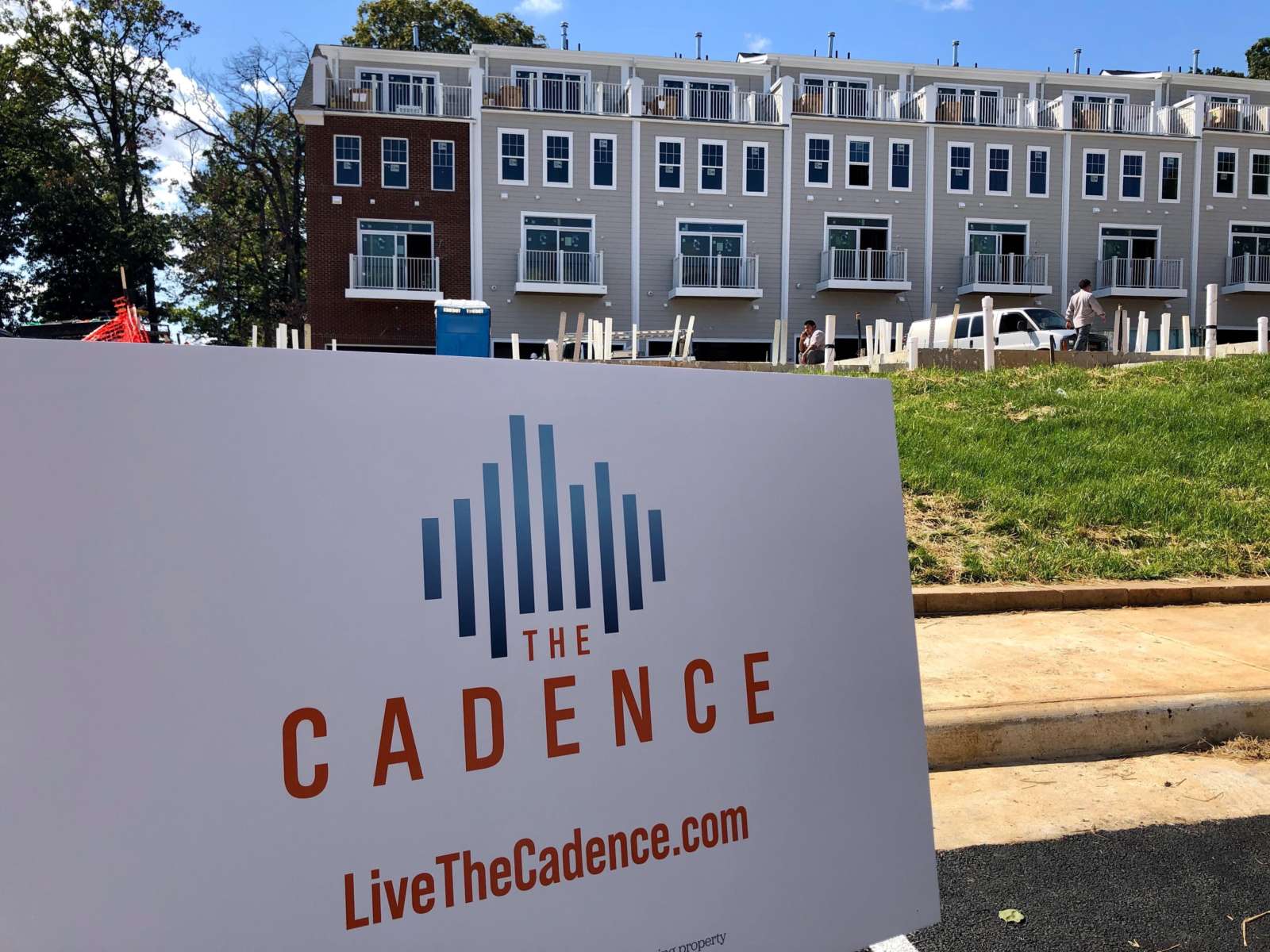
The building, developed by Wesley Housing Development Corporation, will have 97 units, all set aside for low- and moderate-income households. It is part of a complex that includes 19 nearly complete market-rate townhouses a stone’s throw away.

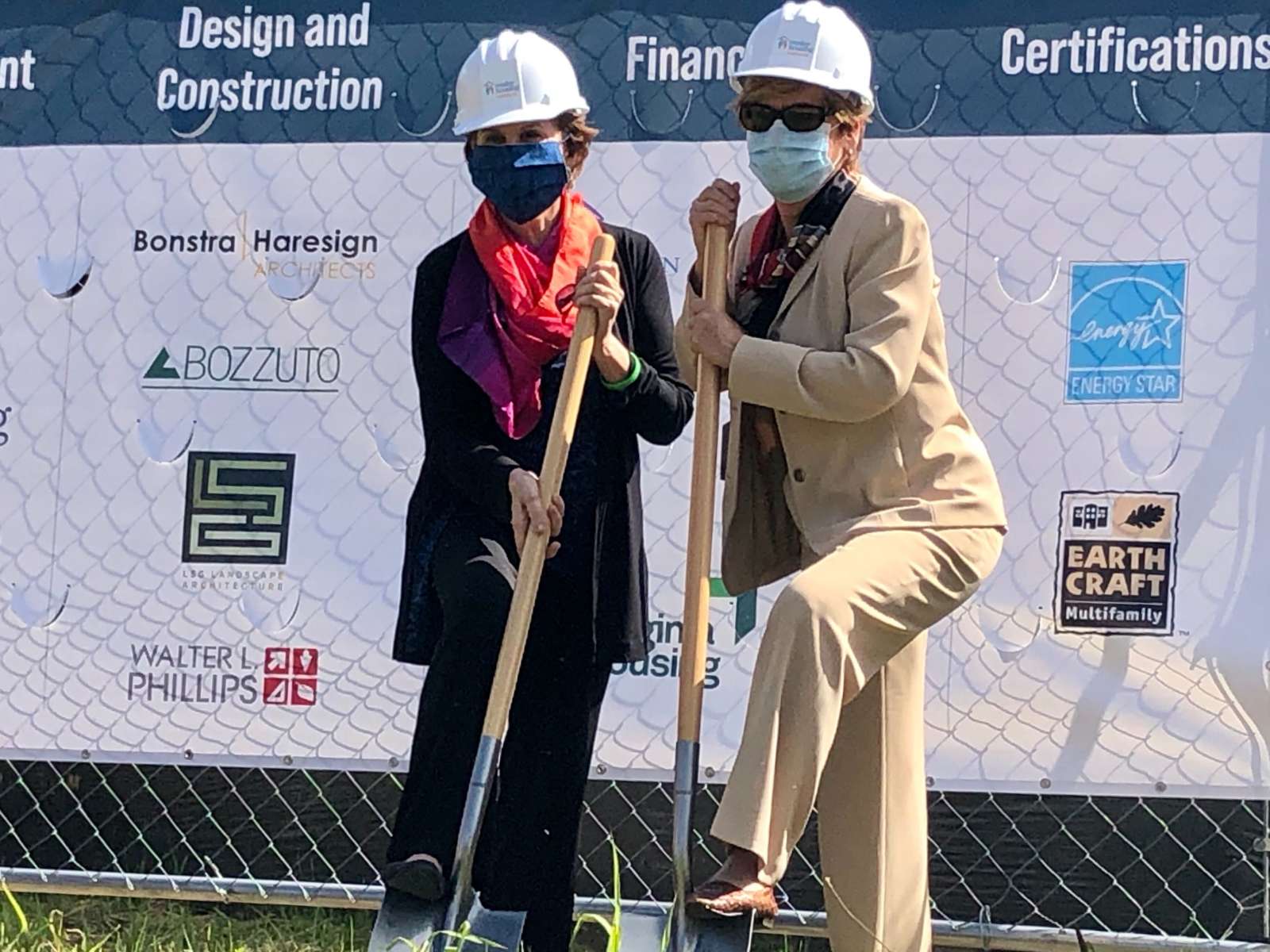
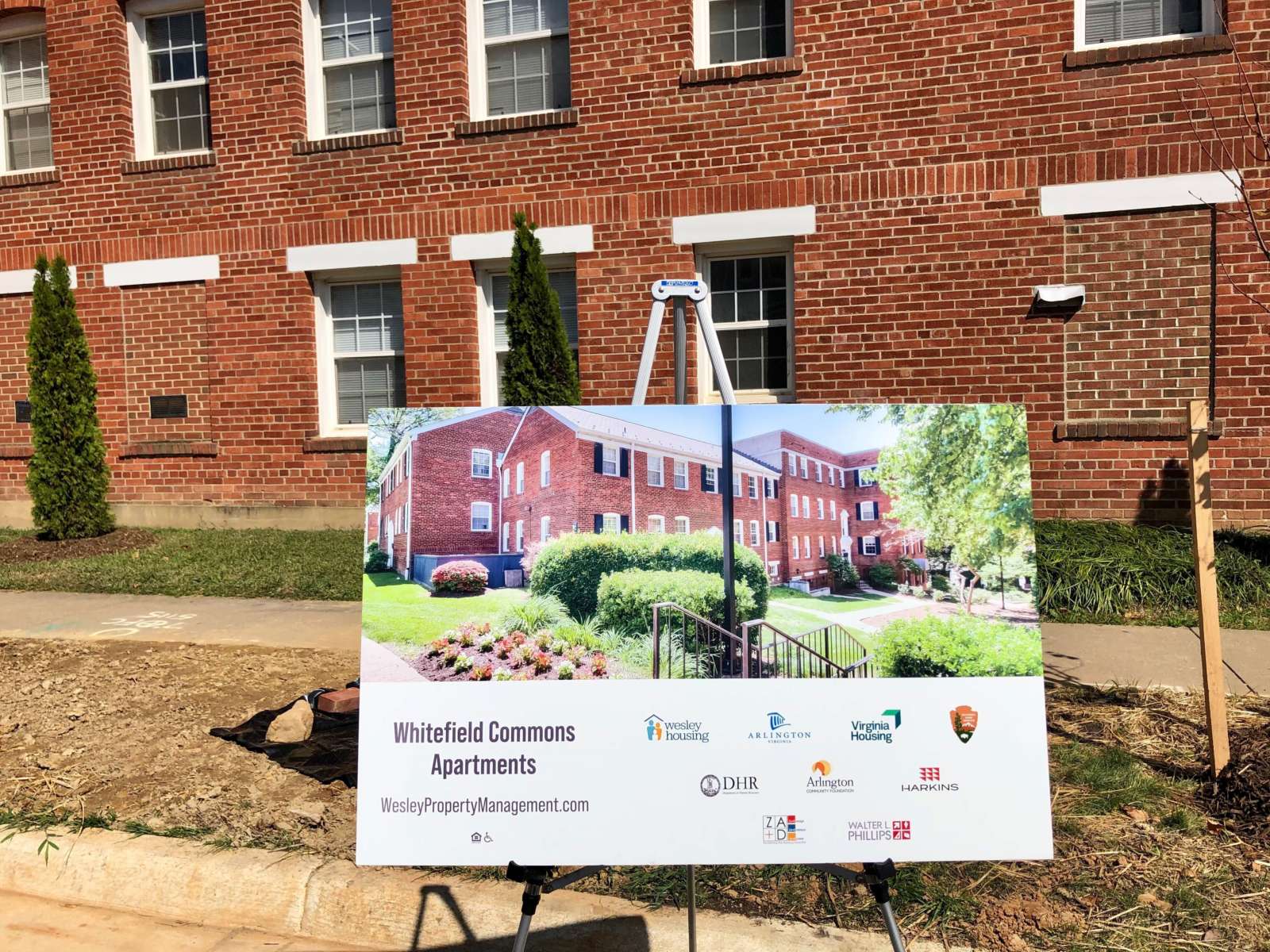
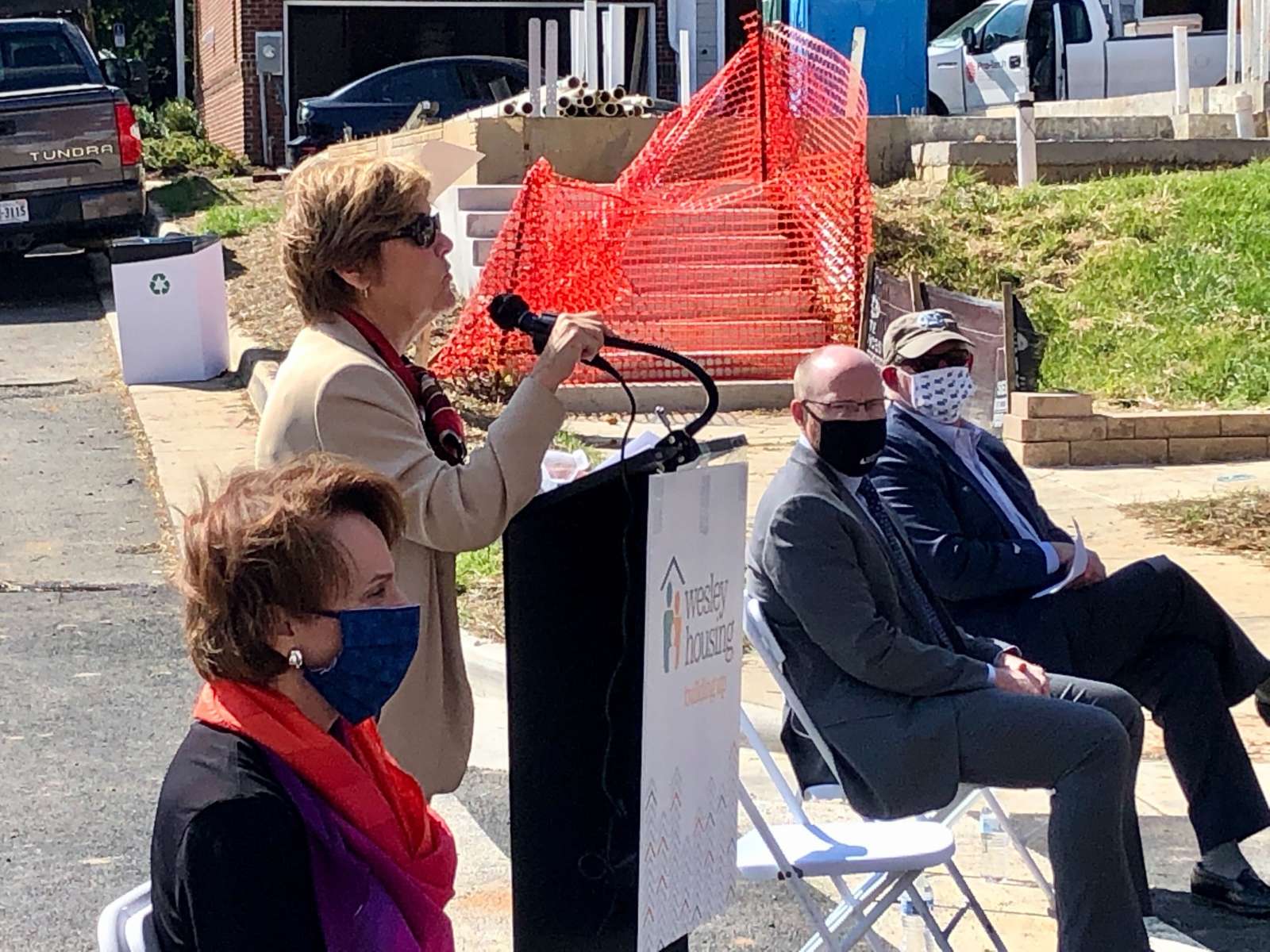
Local officials, project financiers and construction company representatives gathered for a socially distanced groundbreaking on Tuesday afternoon at the site in Buckingham. The event also commemorated renovations that will begin next year on the neighboring complexes, Whitefield Commons and Knightsbridge apartments, which Wesley also operates for low-income residents.

“The cadence that we set has changed tempo a few times, from where we were to where we are going, but we’re still moving ahead and at this point, we see no reason that we won’t stick the rest of the schedule going forward,” quipped Shelley Murphy, President and CEO of Wesley Housing.

Mark Weisner, the president of Bozzuto Construction Company, which is building The Cadence apartment building, said his company has “a lot of work to do in the next 24 months,” when the building is set to open its doors to renters.

Wesley’s presence in Northern Virginia continues to grow, as well as its staff. The nonprofit owns and operates 2,000 affordable housing units across the region, with about 690 units located in Arlington, including a mixed-income apartment building in Rosslyn that opened in 2017. The company also provides services and programs to residents.

Libby Garvey, the chair of the Arlington County Board, said this groundbreaking is an important milestone for the county, which — like every in-demand urban area — struggles to maintain affordable housing when wealthy families also desire to move in.

“Healthy communities provide work and housing opportunities for all levels of the social and economic spectrum,” Garvey said. “The pandemic has shown clearly how important housing is to everyone’s health.”

Murphy said the moderate-income units and market-rate townhouses in The Cadence make good on a promise that Wesley made to the community to bring more income diversity to Buckingham, which has a significant number of affordable housing units already.

“We want to make sure we are helping Arlington County build neighborhoods of opportunity,” she said.

Knightsbridge and Whitefield Commons provide “extremely deep affordability” for families with an average income of less than $20,000 and $30,000 a year, respectively, she said. The Cadence will cater to families of four who earn between $62,000 and $80,000 a year.

Wesley also promised to preserve the Whitefield Commons — which was built in 1943 and formerly known as the Windsor Apartments — and to encourage residents to seek transportation alternatives to cars. The developer faced some opposition from neighbors, who said Buckingham’s percentage of affordable housing units is much higher compared to other neighborhoods.

The project has received state and county funding, loans and tax credits. Additional funding comes from Wesley selling the land for the townhouses to Tysons-based home builder Madison Homes.


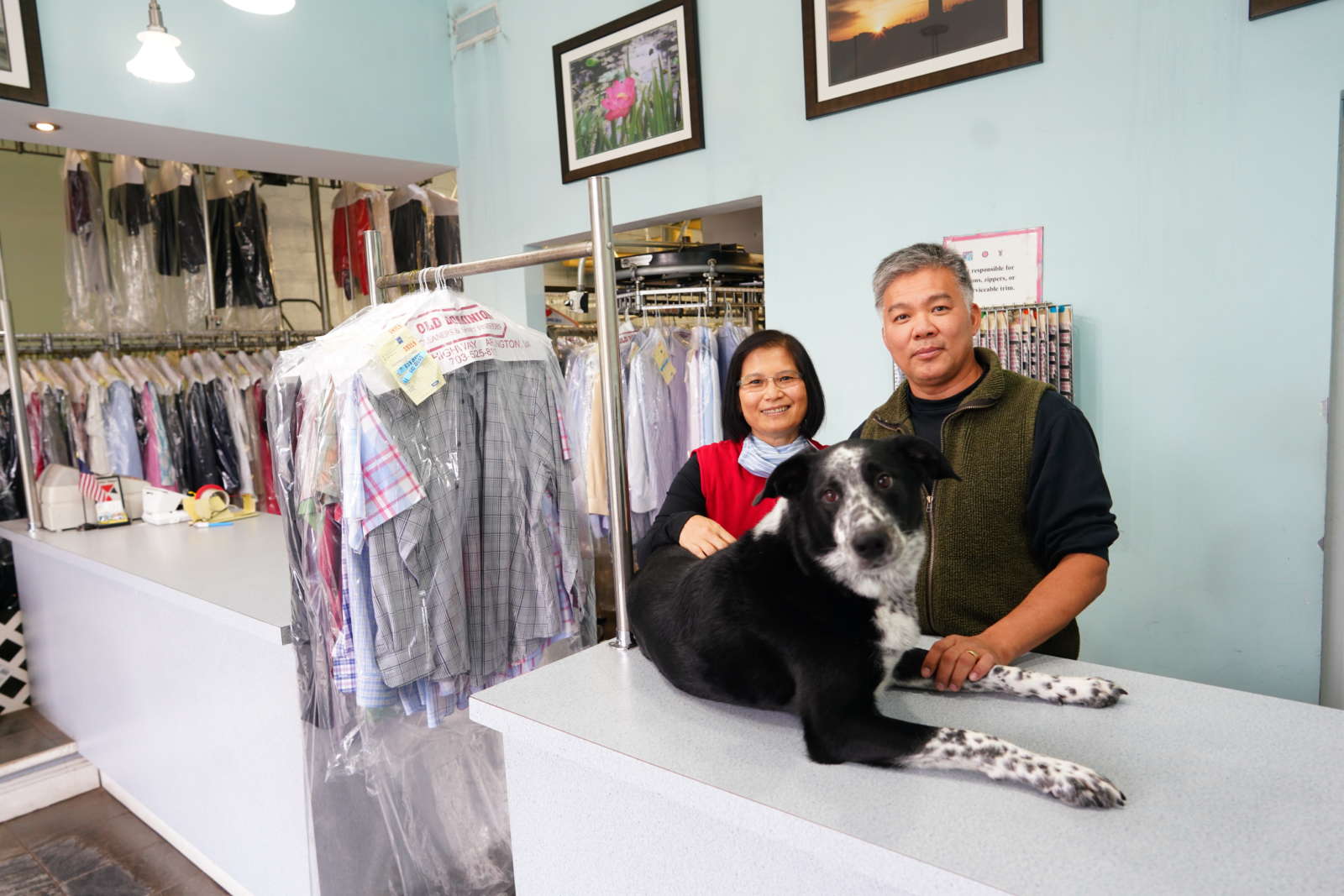
Charlene Nguyen was 18 years old when she fled communist Vietnam for Virginia.

She landed a job at Arlington’s Old Dominion Cleaners (4036 Lee Highway) in 1985, and finally lay to rest the two years she spent living in fear of communists and surviving on meager portions of rice.

In 1996, she and her husband Tien, who she sponsored when he came to the U.S., took over the dry-cleaning business. They have operated Old Dominion for the last 25 years, greeting customers by name and treating them like family.

But the new work-from-home normal has almost completely erased that quarter-century of work. Like other local dry cleaning businesses, Old Dominion Cleaners is hurting.

“It’s heartbreaking to see my business going down so fast since mid-March,” Charlene Nguyen said. “It went down 90% and hasn’t bounced back. We have to open every day, but we don’t have customers because people aren’t going to work.”

The business is on the brink of closure, and has not benefited from any local and state grants. Last week, however, devoted customers teamed up to give the family business a boost.

On Sept. 26, Alex Berger and Kelly James set up a GoFundMe page. Their team also includes Alan Wade, Maria Voultsides and Matt Mendelsohn.

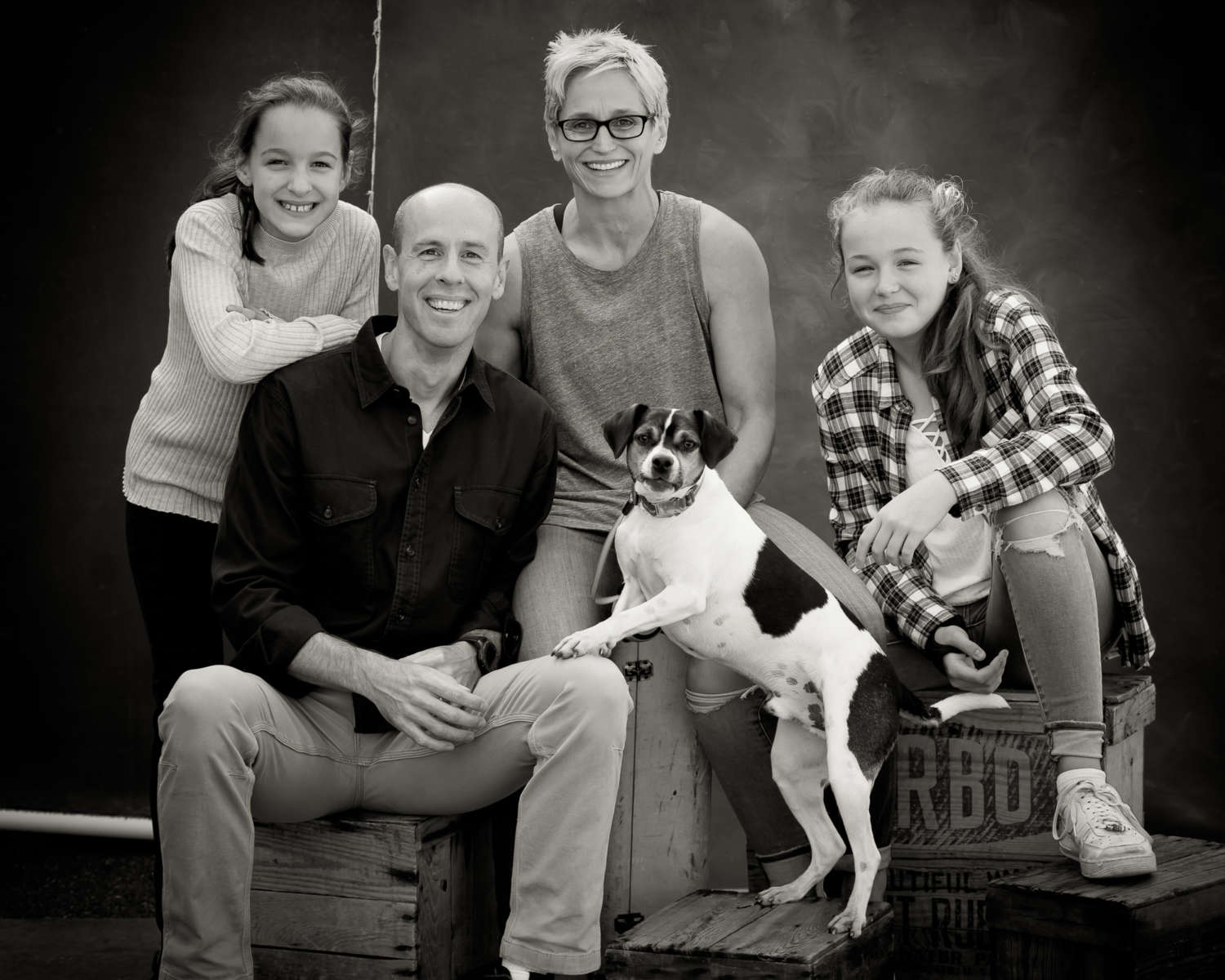
Mendelsohn, a photographer with a studio in Arlington, decided to charge a minimum sitting fee of $50 for pet portrait sessions that would benefit the GoFundMe campaign. As of Monday afternoon, the group effort has raised nearly $15,000.

Few are getting their clothes dry cleaned these days, said Mendelsohn, who used to bring his suits in before photographing weddings. When he dropped off clothing last week, the racks that are normally full of customer clothing were empty, he said.

The studio photographer is known in town for his portraits of pets and their humans, which he has taken for the last 15 years, as well as his headline-grabbing, socially-distanced photos of 2020 Yorktown High School seniors.

Normally, when Mendelsohn hosts his annual Dog Day Photo Marathon, he does not charge a sitting fee, but this year he asked patrons to donate to the GoFundMe and show him the receipts.

The marathon took place on Sunday, and 25 people sat with their pets for portraits.

“It was beautiful and fun. We made gorgeous pictures and had a good time,” he said. “It takes zero effort to help people out.”

Mendelsohn said Charlene is known in the community for her cheer, work ethic and humor. For years, when the photographer brought in his suits, she would give him lollipops for his daughter. Now, his daughter is 17 years old, and they talk about Charlene and her college-aged kids.

“She’s fantastic,” he said. “She’s always cheery and never in a grumpy mood, even though I’m in a grumpy mood.”

The GoFundMe organizers spent one week fundraising, which is not a lot of effort compared to the 25 years that Charlene has spent being kind to customers, Mendelsohn said.

Charlene came through once more for her customers when the country experienced mask shortages earlier this year. She and her staff made about 400 masks a week from fabric that Charlene had from when she used to sew custom shirts.

They gave out the masks for free.

After the Nguyens helped customers protect themselves, fundraiser organizers say it is time to help them in return.

“It’s like ‘It’s A Wonderful Life,'” Mendelsohn said. “George Bailey is in trouble and people rallied. So we rallied, and hopefully that gives them some breathing room.”

The gift has left Charlene at a loss for words.

“I don’t know how to say it, but I want to thank everybody who is helping us out,” she told ARLnow. “Words can’t be enough.”


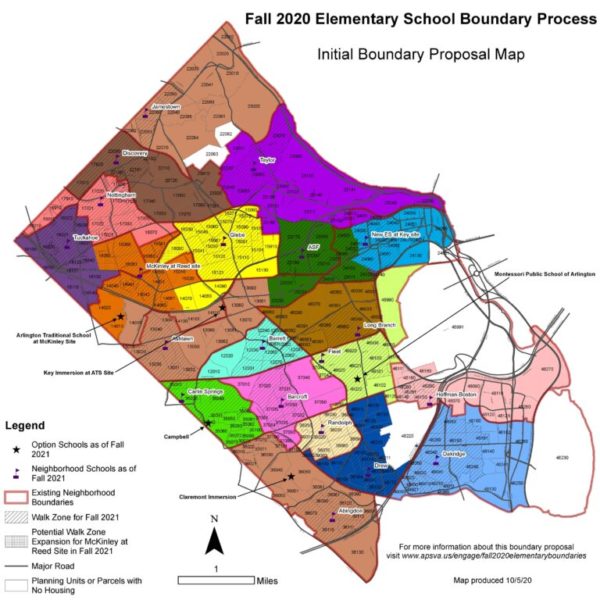
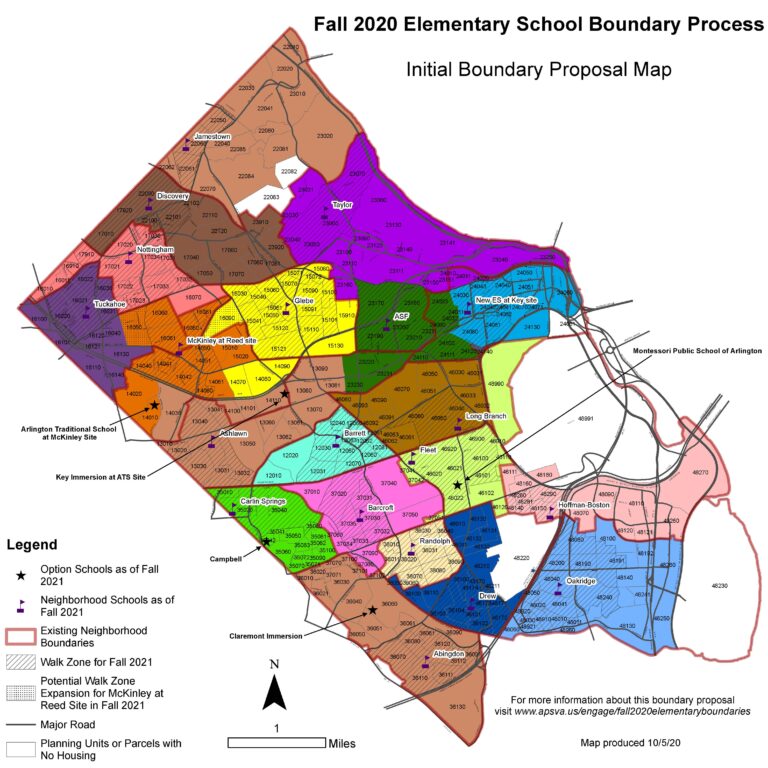
(Updated at 11:50 a.m.) About 1,400 elementary students would be reassigned to new school buildings next fall, according to a proposed change in boundaries that Arlington Public Schools released Monday evening.

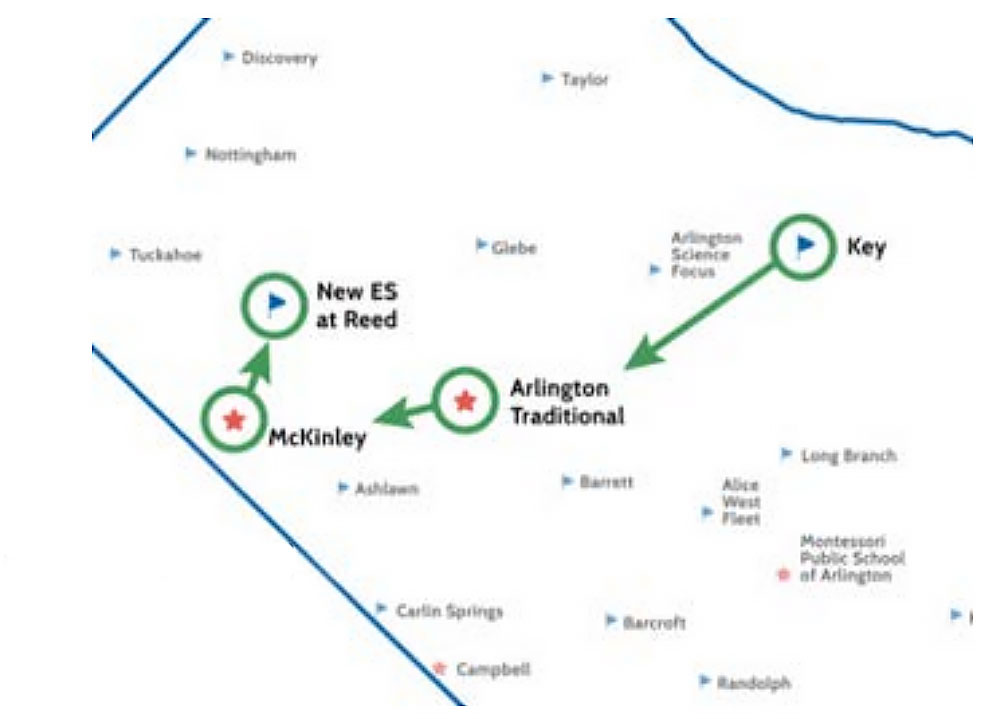
The boundary proposal follows an elementary school building swap approved by the School Board in February, to account for the new Reed School building in Westover coming online and the former home of the Key Spanish immersion program near Courthouse being converted to a neighborhood school.

The proposal includes new neighborhood boundaries around Arlington Science Focus School.

The boundary changes are part of the school system’s effort to prepare for an estimated 30,000 students in 2021, including a surge in new students near the Courthouse neighborhood.

APS is looking to redraw the boundaries of most, if not all, of its 24 elementary schools in the near future to address a growing imbalance between where enrollment is increasing and where there is spare school capacity, while taking equity and walkability into consideration.

APS redrew boundaries for some elementary schools in 2018, and before that in 2015 and 2013 — all were, to some degree, contentious processes.

The School Board is scheduled to vote on the latest boundary proposal on Dec. 3.

The 1,400 students — 13% of K-5 neighborhood school students — would be reassigned from Ashlawn, ASFS, Glebe, Long Branch, McKinley, Taylor and Tuckahoe schools, APS said.

“Our long-term priority is to address capacity needs informed by a plan that puts equity and instruction front and center, and that ensures we consider the overall needs of our students and school division rather than focus on an individual school, department or topic,” Superintendent Francisco Durán said in a statement.

He added that the district must make this change “as we move from being a system of schools to a school system.”

APS had planned to address boundaries for most elementary schools in 2020, but the pandemic disrupted education and strained families to the point that Durán decided to keep students together as much as possible.

The new boundary change approach keeps more students at their current schools and adds 800 students to school walk zones, reducing the need for busing at a time when only 11 students can ride each bus at a time. One downside: there will be an increased need for portable classroom trailers.

APS says it will continue to plan for increased school capacity where enrollment is spiking, particularly at the western end of Columbia Pike, with the upcoming Fiscal Year 2022 Capital Improvement Plan.

Virtual community meetings on the boundary proposal will be held from 7-8:30 p.m. tomorrow (Wednesday) and next Wednesday, Oct. 14. Community members can provide input this fall through a community questionnaire, available through Oct. 20.

APS staff will present the superintendent’s final proposal to the School Board on Nov. 5, and will hold a public hearing on Dec. 1, before adoption on Dec. 3.

More from an APS press release, below.

(more…)


Arlington’s top prosecutor is seeking more community feedback.

Residents of Arlington and Falls Church are being invited to apply to join the Community Advisory Board for the Office of the Commonwealth’s Attorney.

The board, consisting of seven to 10 members, will meet quarterly to provide input on criminal justice reform and public safety and serve as a liaison between the Commonwealth’s Attorney office and the public.

Board members will also provide their perspectives on how new policies could impact people with drug addictions and who experience homelessness or poverty and will be charged with informing the community of the office’s goals and objectives.

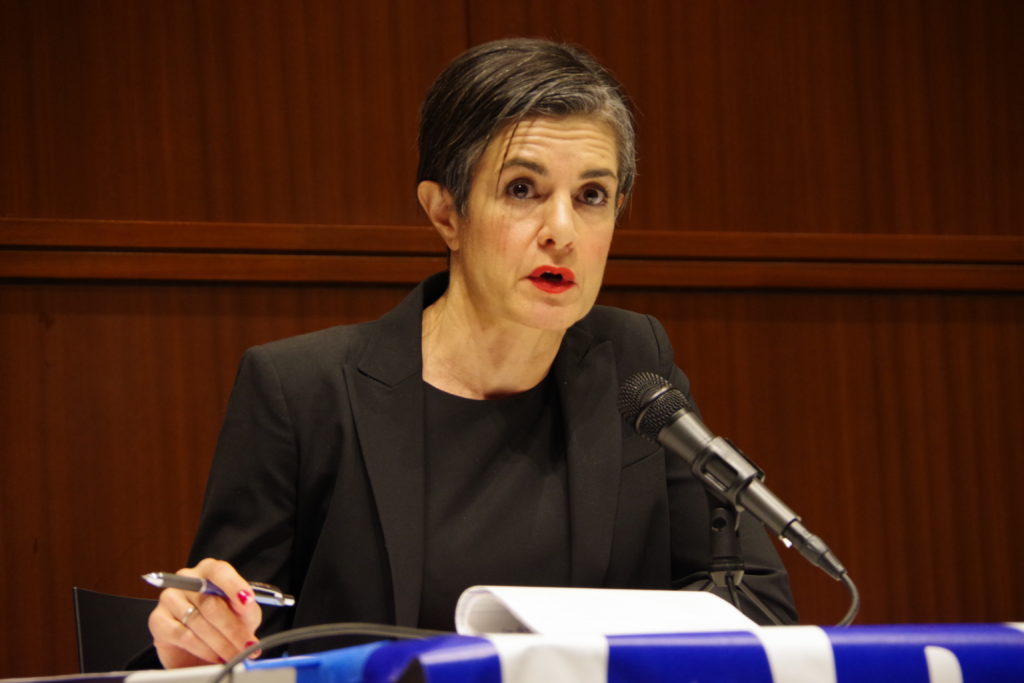
“The idea is to have a diverse representative board so that I can hear what’s going on in specific neighborhoods, what people are concerned about, what are the community’s ideas for what they’d like to see done,” said Parisa Dehghani-Tafti, the Commonwealth’s Attorney for Arlington County and the City of Falls Church.

She said she designed the board to give advice and “drill down into the issues.”

These include making the justice system more restorative rather than punitive, she said. Her office is working with the Restorative Arlington initiative to reduce punitive measures taken in schools, such as suspensions and expulsions, and the legal system, such as seeking cash bail.

Examples of restorative justice for those who commit crimes include diverting young people and people with substance-abuse or mental-health struggles from jails to government services and treatment programs, she said. For victims of crimes, she said the office has changed how it assigns prosecutors to cases so that when cases are delayed, they are no longer passed from prosecutor to prosecutor.

The board-office relationship is a two-way street, Dehghani-Tafti said. The office also has to be able to explain its actions and reasons in an environment that is not “heated and adversarial,” she said.

Dehghani-Tafti began talking about a board in January 2019 when she launched her campaign for the office, but the coronavirus pandemic and subsequent closures delayed the opening of the application from this spring to the fall.

With courts at lower capacity due to COVID-19, the office has also kept busy working with the rest of the criminal justice system to reduce the inmate population and make the county jail safer, she said.

Dehghani-Tafti said she hopes the community board’s first meeting takes place in December, although she may extend the timeline if the first round of applicants is not representative enough of the communities she serves.

“It’s a lot like hiring: You can’t just list a job posting and not push it out to people,” she said. “It takes some work.”

Those who do not join the board may also have another avenue for input. Dehghani-Tafti said she plans to host regular town hall meetings as COVID-19 conditions improve and regulations on gatherings loosen.

The application must be completed and submitted by Wednesday, Oct. 21 at 9 a.m. Further questions about the Community Advisory Board can be sent to [email protected].


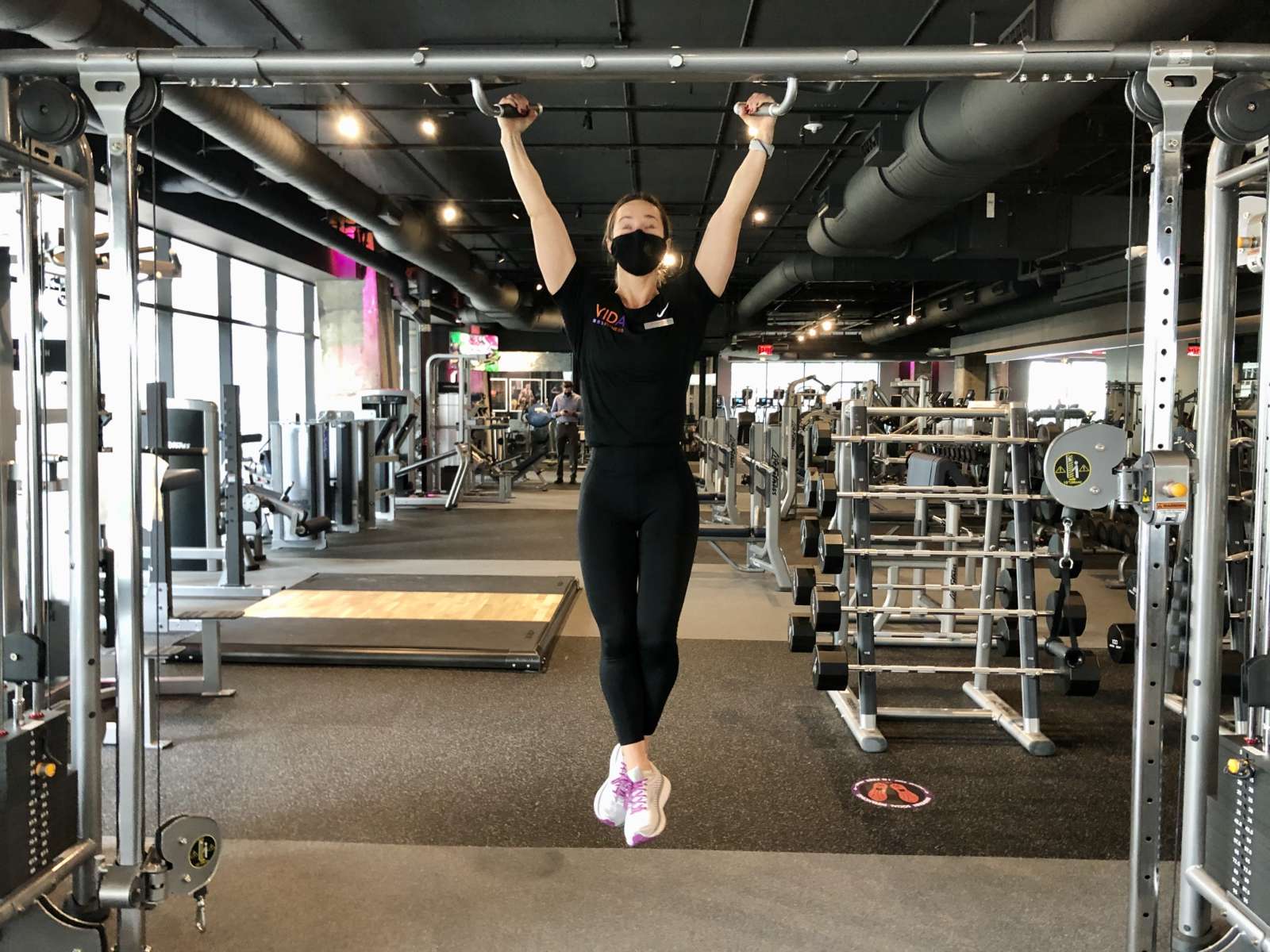
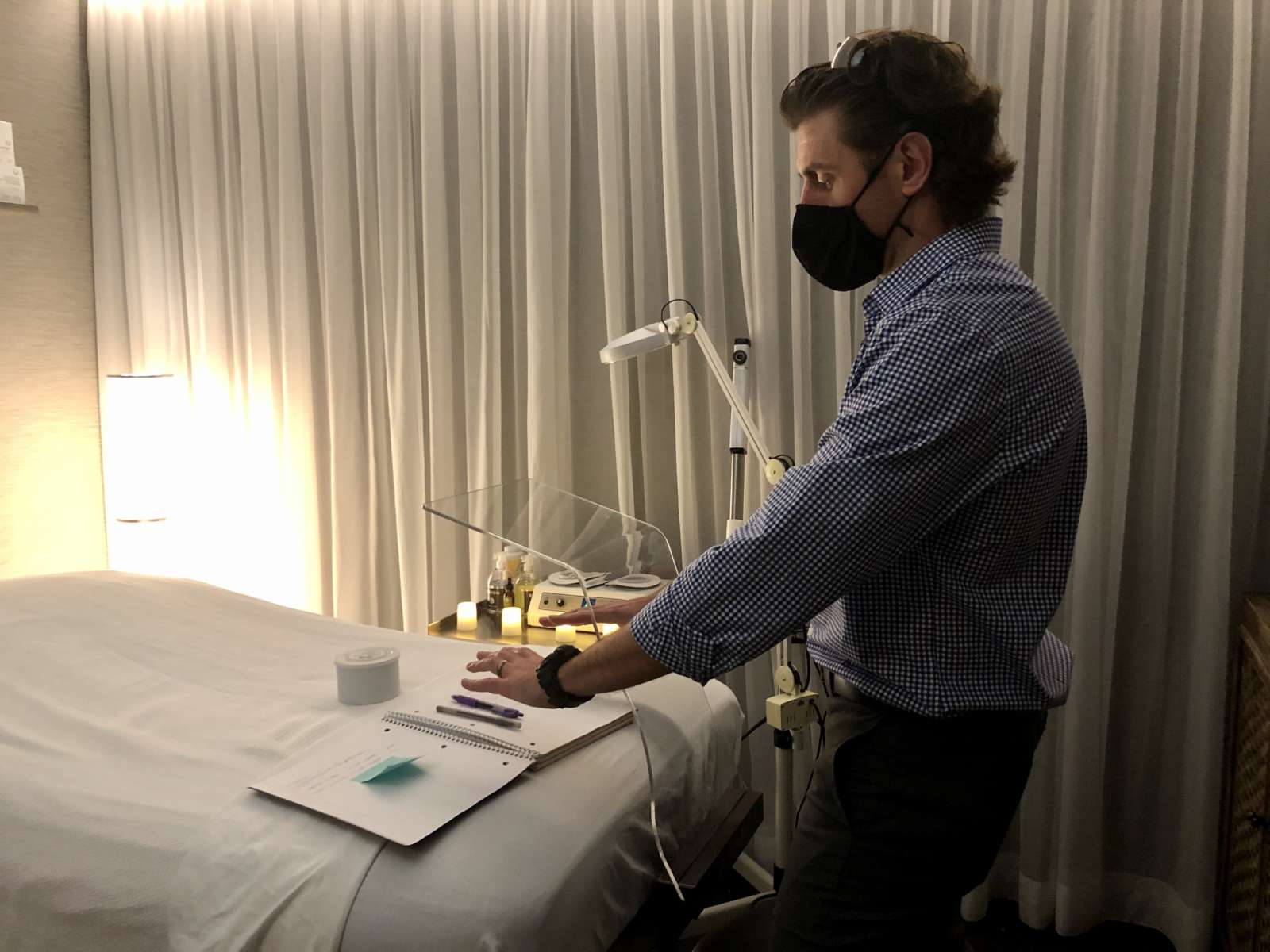
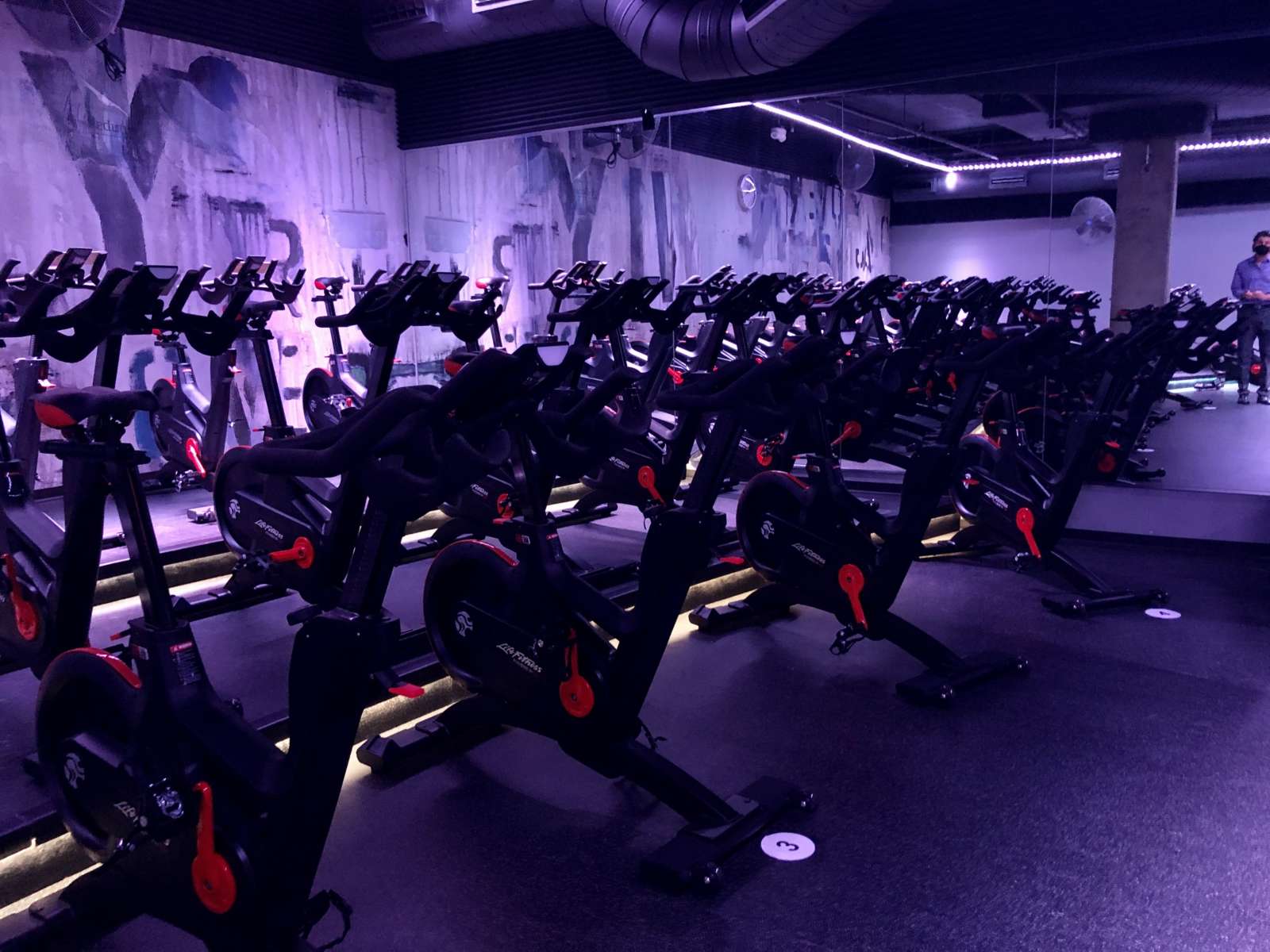
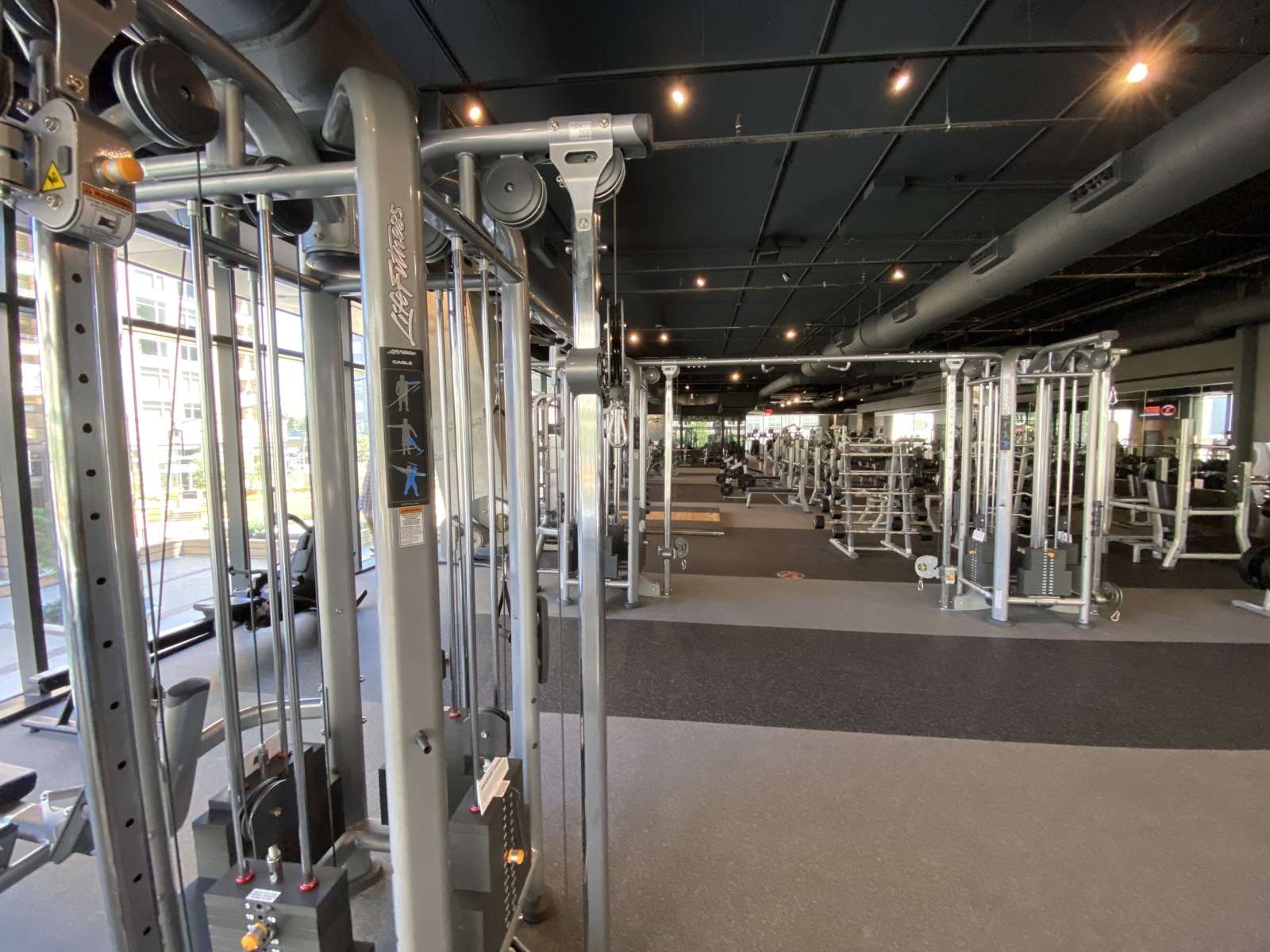
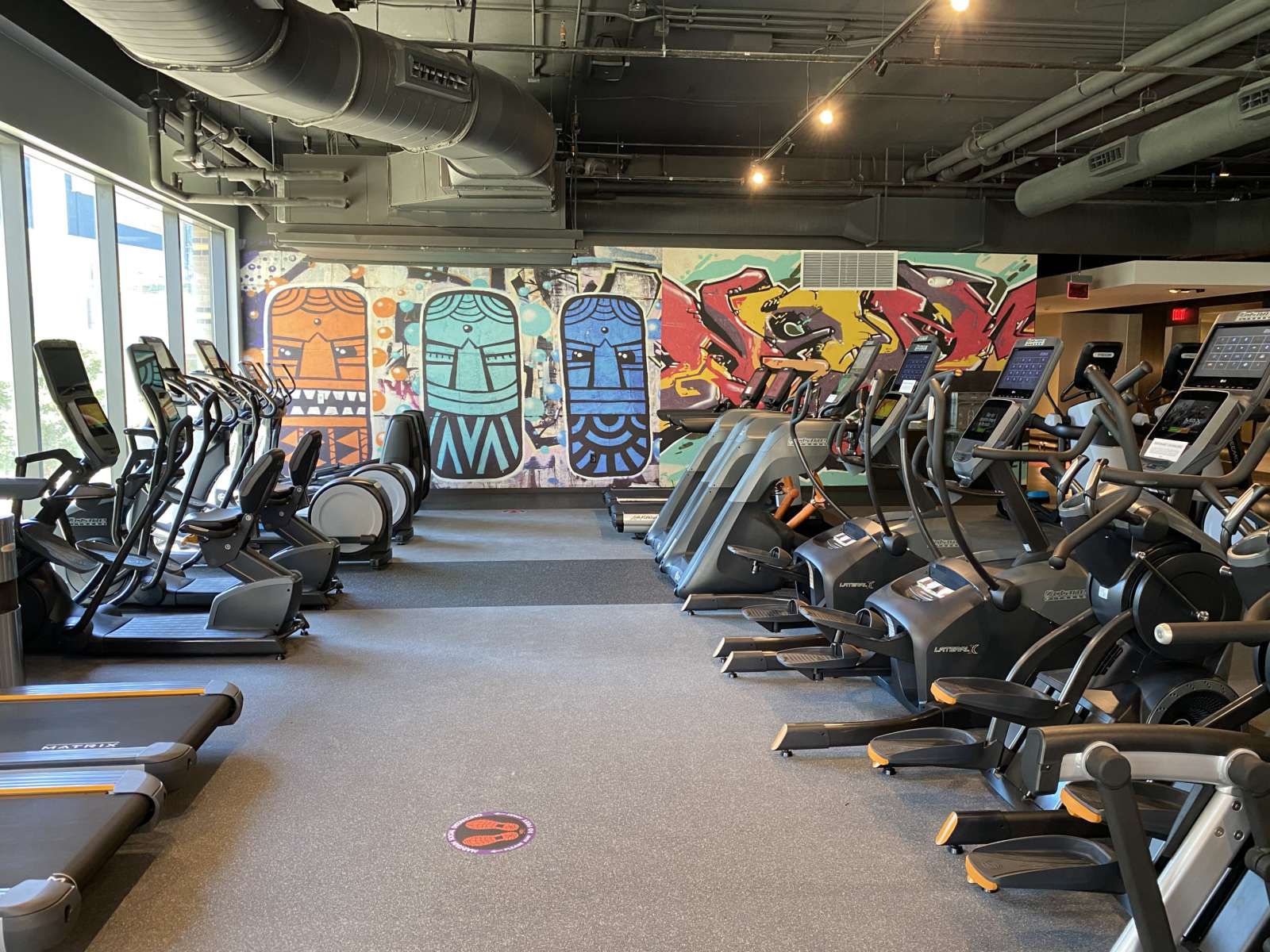
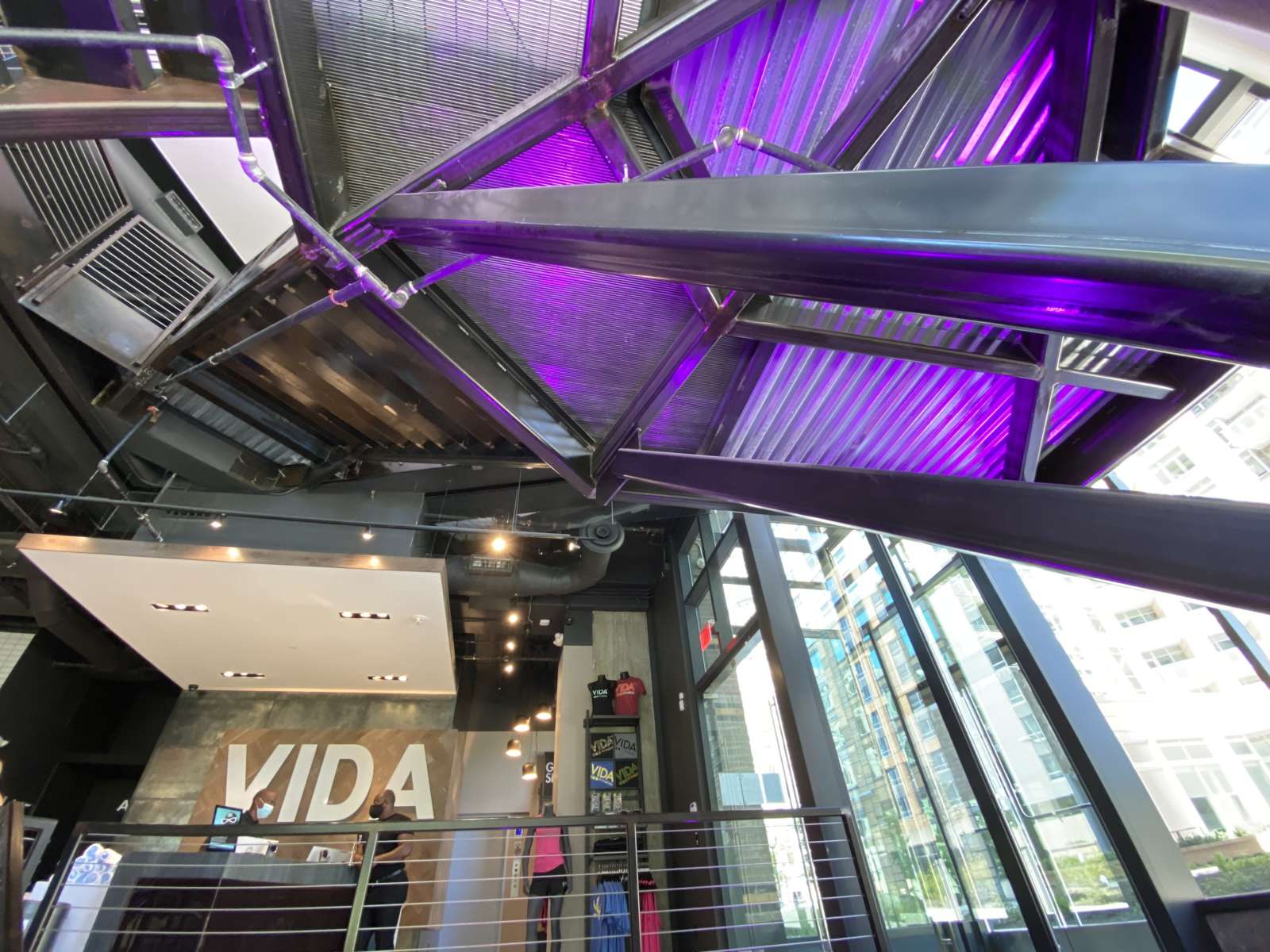
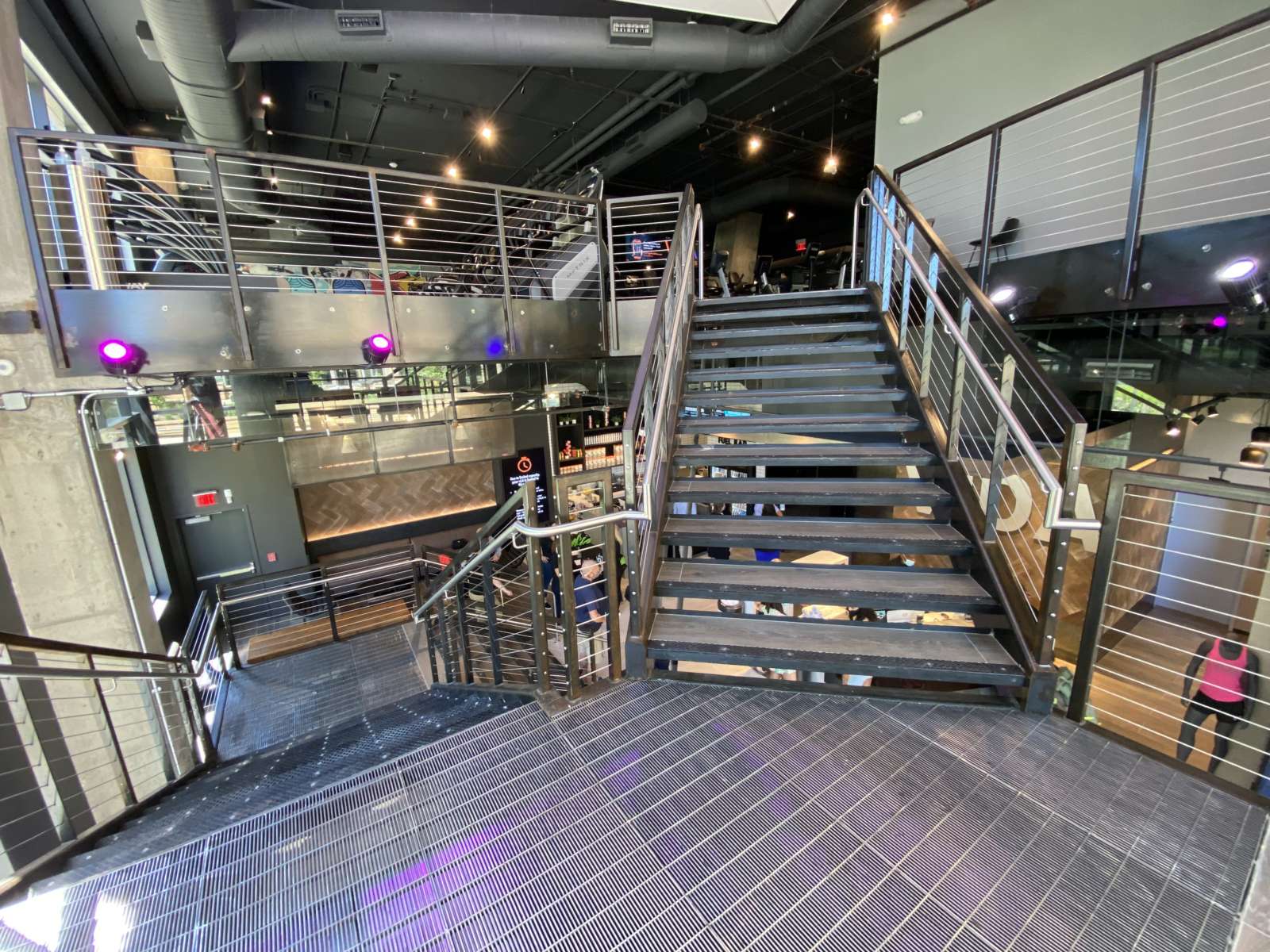
Since VIDA Fitness Ballston opened on June 27, about 500 members have had the 30,000 square feet to themselves.

The regional, high-end fitness chain usually sees up to four times that many people join before opening day and in the first three months. But the coronavirus has hurt the boutique gym’s ability to attract members.

After overcoming construction and pandemic-related delays earlier this year, VIDA Ballston’s biggest challenge is getting people to walk in the door, VIDA Fitness Director of Operations Aaron Moore said.

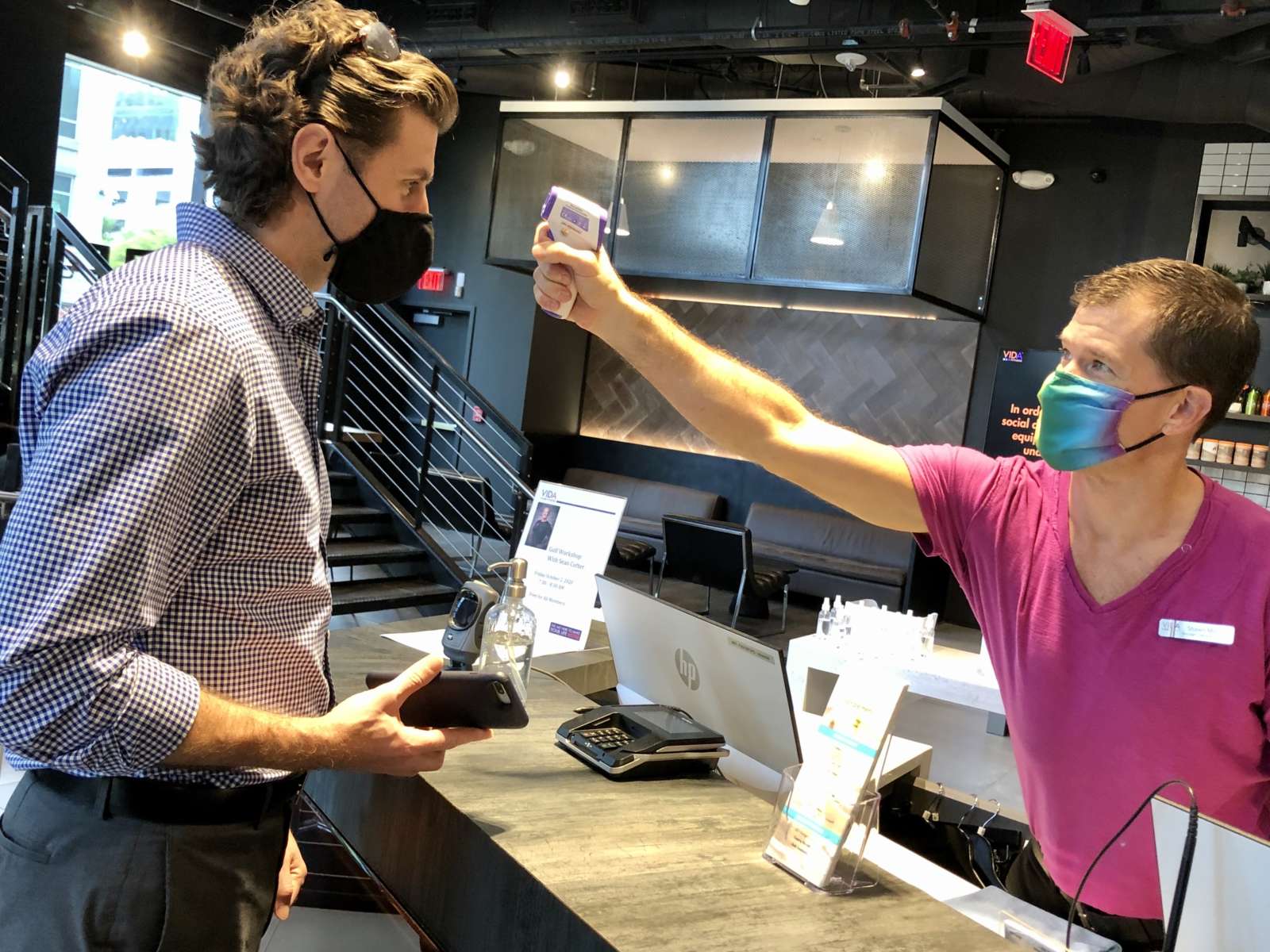
The rate of new memberships is lagging compared to other locations, since many are not comfortable with going to the gym. In response, the company has spent “tens of thousands of dollars” on cleaning equipment and takes state regulations a step further to keep the space sanitary and to follow precautions.

“Our primary motivation is how are we going to keep people safe, because if they feel safe, they’re going to feel confident keeping their memberships and telling their friends about it,” Moore said.

Typically, about 1,400 people will sign up before opening day, and another 600 to 700 will join within the first 90 days, he said.

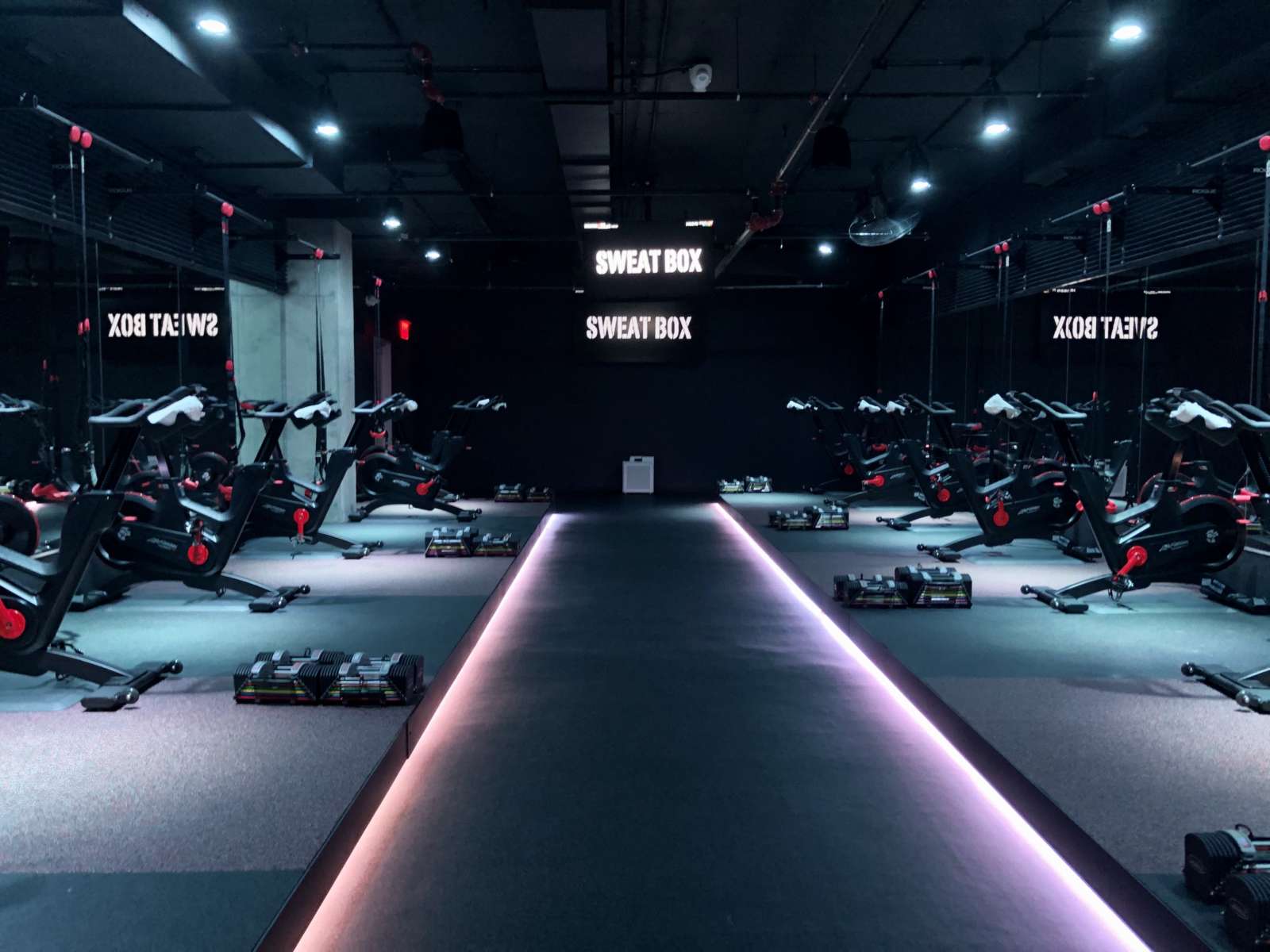
At VIDA Ballston, 420 members signed up before June 27, and by Sept. 29, membership grew to 511, Moore said. Memberships cost $140 a month, and grant access to group workout classes and studios, personal trainers, individual equipment, a proprietary high intensity interval training studio called Sweat Box, a spa and smoothie bar.

Once people experience the check-in process and see what precautions the gym is taking, Moore said patrons feel comfortable.

The state permits gym patrons to take off their masks while exercising, but VIDA requires masks stay on. Double-layered cloth masks and 3-ply disposable masks are allowed, but gators, bandanas and masks with valves are not.

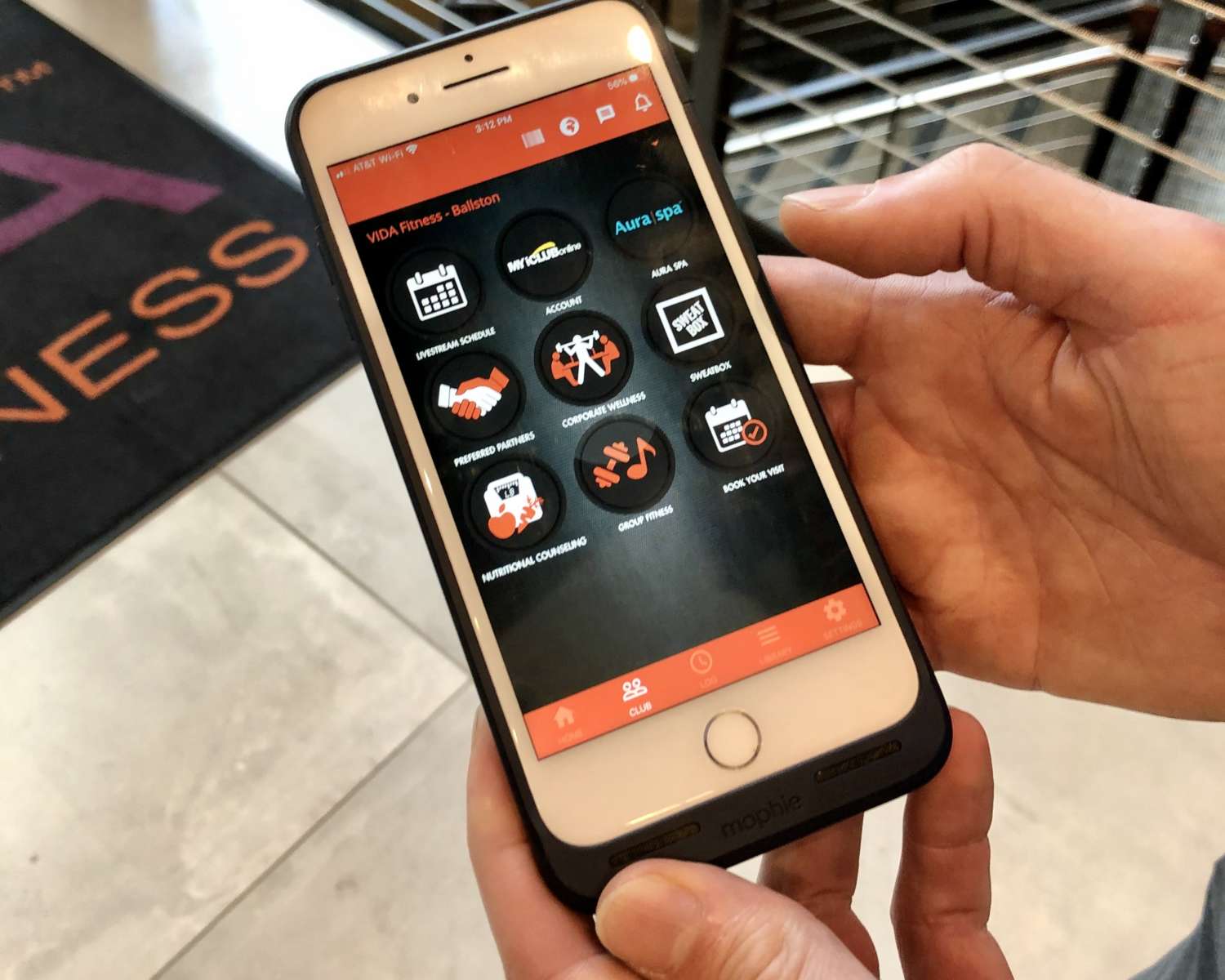
Members reserve a time on the gym’s app before arriving and go through the gym’s check-in and check-out process for record-keeping. If patrons alert staff that they tested positive for COVID-19, staff know who to contact.

“There is some honor system involved,” Moore said. “If someone doesn’t tell us they tested positive, then disappears, we’re not going to know.”

The gym has not yet had a positive case, but has told several people to stay home because they came in contact with someone who later tested positive, he said.

(more…)


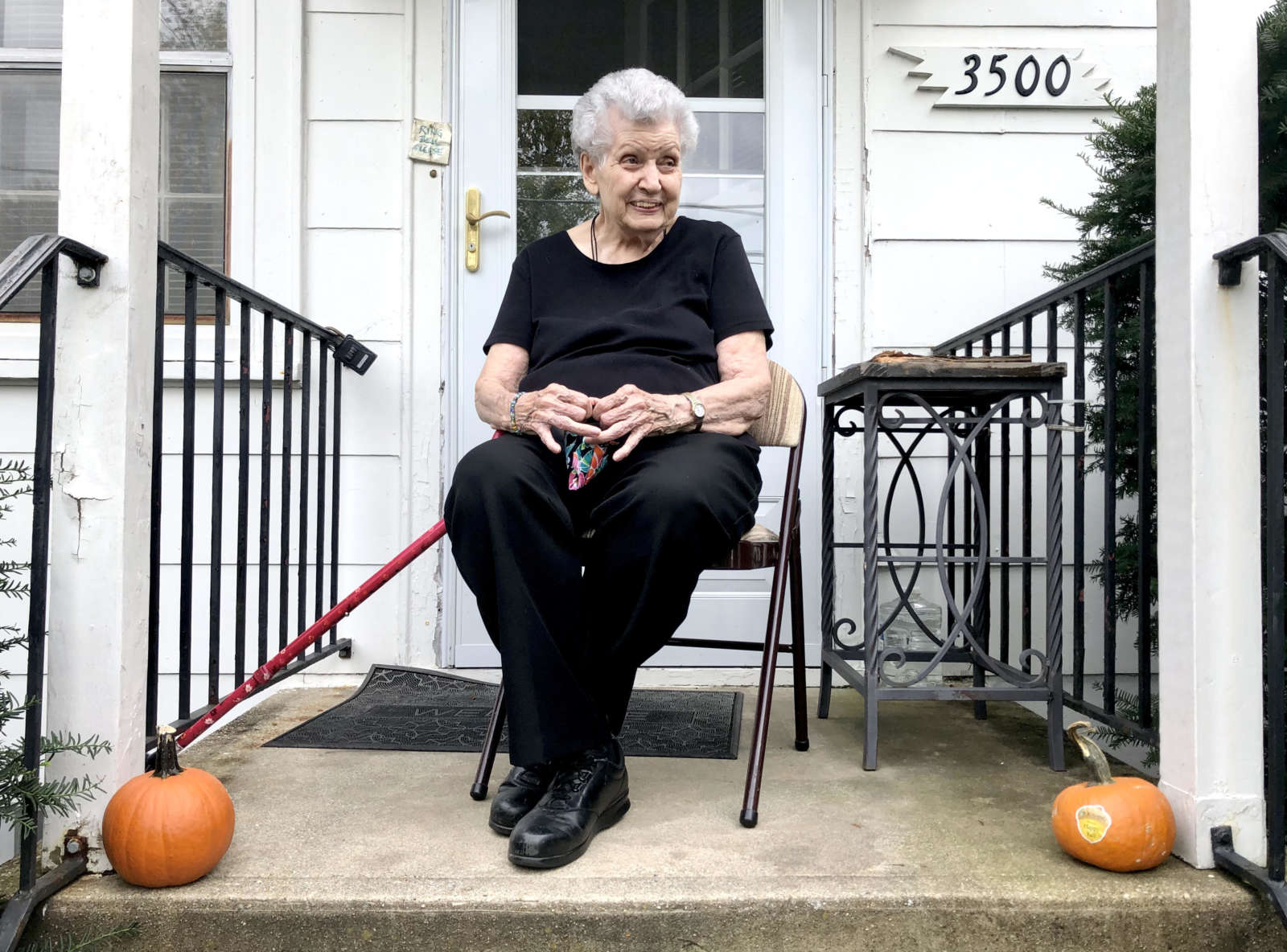
Arlington resident Trudy Ensign turns 100 years old this Sunday, and she is “not ready to give up.”

Ensign, who was born on Oct. 4, 1920 in her family’s farmhouse in southwest Iowa, left her new teaching job there to work in communications for the Army Security Agency during World War II. She has lived in Arlington ever since, most of it in her current home in Ashton Heights.

Just a few days shy of her centennial birthday, some might think she is ready to move into a retirement home or move in with family.

“Somebody may be looking at this real estate,” she said, and stops to laugh. “But I think I’ll keep telling them how the roof leaks and they’ll go someplace else.”

Ensign attributes her longevity to her clean life (she was never a heavy drinker) and her uncomplicated adolescence on an Iowa farm.

Her 100 years could also be attributed to her sense of humor. She says it is “the best thing you can have in life” because she always sees the good in situations and people always treat her well.

She gives a great deal of credit for her position in life to her older siblings, who practically raised her.

“You had a lot more parents than everyone else did,” she said. “You were actually raised by your family.”

One of her older siblings paid for her to go to Simpson College, where she studied to be a teacher. After graduating in May 1941, she moved home and began teaching.

Her career dramatically changed, however, when a Department of Defense recruiter came to town.

“He came into my classroom with a suit on, and so he got my respect, of course,” she said.

He offered for her to work for the Communications Section of the Army Security Agency, processing communications from all over the world.

Ensign knew she did not have a home to go back to after her father remarried, and her older brothers and sisters encouraged her to get out of Iowa and try something new.

“They pushed me out of my nest, and it was good for me,” she said. “At the same time, I knew I had their support.”

She stayed with the agency for the entire World War II effort and for the rest of her career. Her memories of that work are recorded in an oral history at the Arlington Public Library. In 1946, she married William Brown and soon after, they moved to Arlington and bought a house in which to raise their growing family.

“This was a little village at the time,” she said. “There was almost no negative part about it.”

Everyone lived there for the same purpose — government work — and had small weekly salaries.

“You didn’t have to pretend you had money because you know you didn’t and they didn’t either,” she said, laughing.

She and her husband William joined the Clarendon United Methodist Church, where she held numerous leadership positions over the years. After William died of cancer in 1977, she married Allen Ensign, another member of the church and the head usher, in 1984. He died suddenly in October of 2000.

Dealing with the death of a husband is “always tough,” she said, after a long pause.

“[William], he had cancer, you knew his time was limited, but with [Allen], he just came down one morning and was walking through the dining room to the kitchen, and fell and was dead, right like that,” she said. “Those kinds of things are tough when you’re not expecting any problems because no one is ill. The first thing you do is call on your neighbors to help you get through it.”

Those neighbors are her church community. After so many years of volunteering with the church, tracking births, baptisms, weddings and new memberships as secretary and keeping congregants caffeinated during social hours, she considers the parishioners to be her family.

Clarendon Methodist recognized her contributions in 2015 and dubbed her “a faithful servant.”

On the day of her birthday, the church is celebrating with a pandemic parade, cookies for neighbors and friends and a food drive. Her daughter in Florida will come up with her husband and two grown sons, and her daughter living in Alaska will celebrate from afar.

Although she thinks about moving to the Sunshine State, Ensign is not ready to go south just yet. But that does not matter.

“It’ll be sunshine wherever I am,” she said.


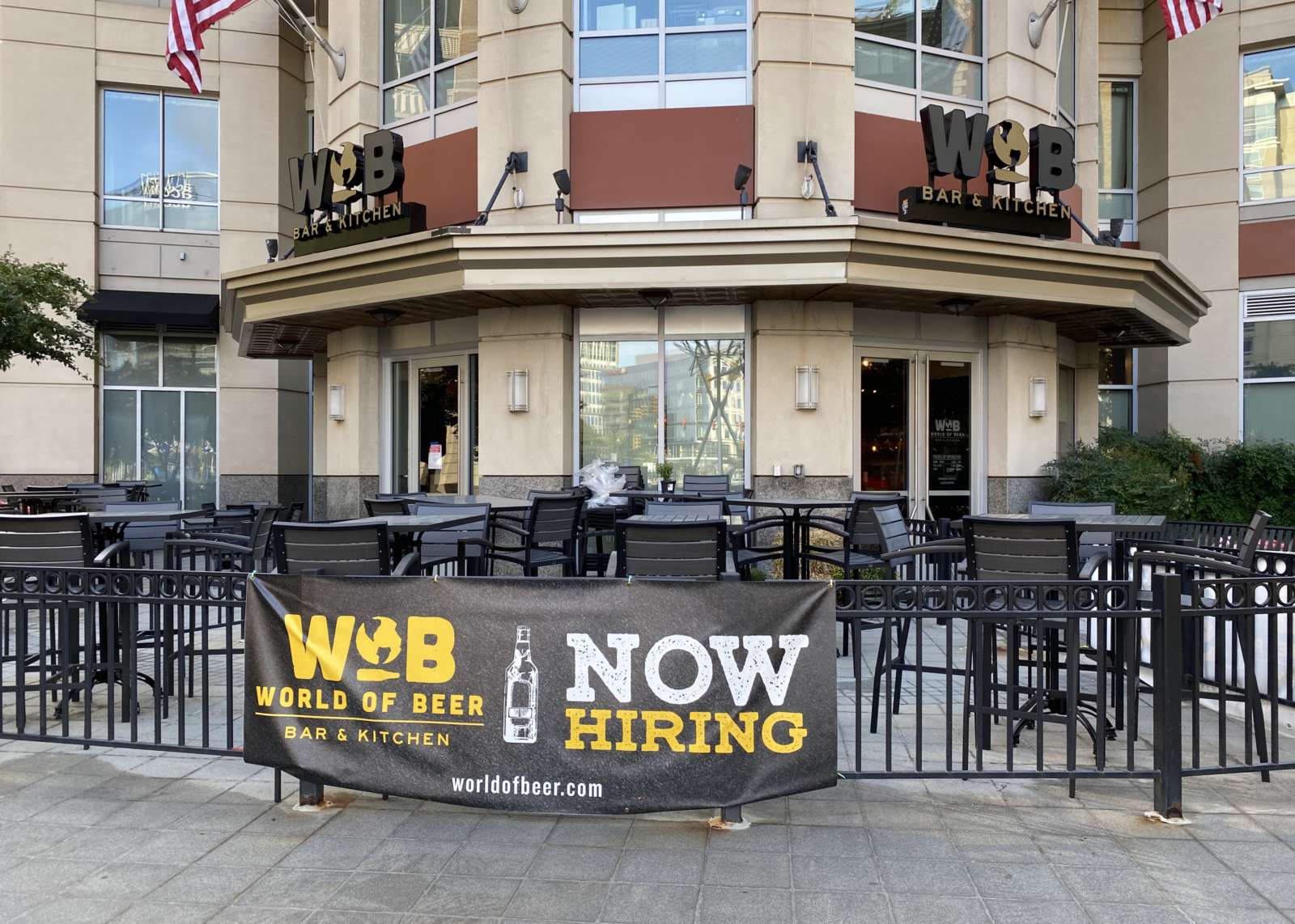
After nine months of construction, the new World of Beer in Ballston is set to open its doors next week.

The Florida-basd chain announced Monday that the new watering hole at 4300 Wilson Blvd, facing N. Glebe Road, will open on Thursday, Oct. 5. The space was formerly home to Ted’s Montana Grill.

The restaurant is not far from Crafthouse (901 N. Glebe Road), which was Virginia’s first World of Beer location from 2012 until 2017, when the owner parted ways and rebranded locations in Ballston, Reston and Fairfax. World of Beer can currently be found in Bethesda and Rockville, Maryland.

“We are pleased to bring back our exceptional craft beer experience and beer-inspired menu to the community of Arlington,” World of Beer CEO Paul Avery said in a statement. “At World of Beer, we truly believe there is a friend on every barstool. We look forward to sharing the craft brews and their stories with our guests, who may be inspired to discover something new.”

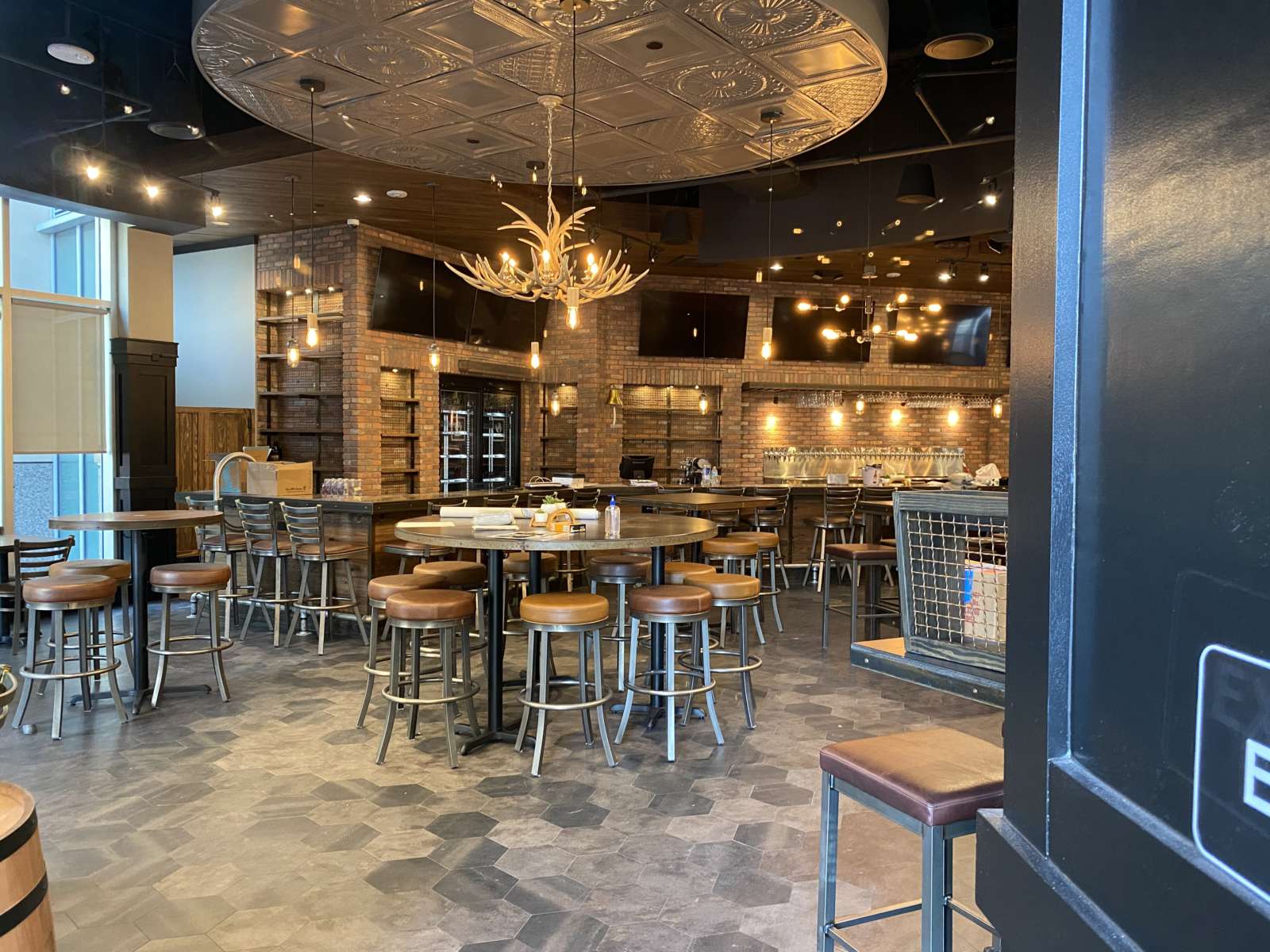
In addition to an indoor seating area with a long, curved bar and an antler chandelier, the restaurant has a sizable outdoor patio, which the company says will feature social games like corn hole and giant Jenga.

World of Beer offers hundreds of local, regional, national and international beers at its 51 locations in the U.S., South Korea and China, in addition to food, wine and cocktails. The food menu includes items that pair well with beer, like pork schnitzel, an Angus beef burger with Chimay Classique cheese, Chipotle BBQ chicken flatbread, and a German pretzel.

WOB applied for building permits in October 2019 and began construction in February.

The split between then-owner Evan Matz and World of Beer took a bitter turn later in 2017, when the chain sued Matz for violating the terms of the franchise agreement. In October 2018, Matz sued back.

Two other World of Beer locations — in Ashburn and Charlottesville — broke from the franchise, with the owners rebranding the locations as Jefferson Ale House. Only the Jefferson Ale House in Ashburn remains in business.

World of Beer in Ballston will be open seven days a week: Sunday from 11 a.m.-12 a.m., Monday through Thursday from 11 a.m.-1 a.m. Monday through Thursday, and Friday and Saturday from 11 a.m.-2 a.m.