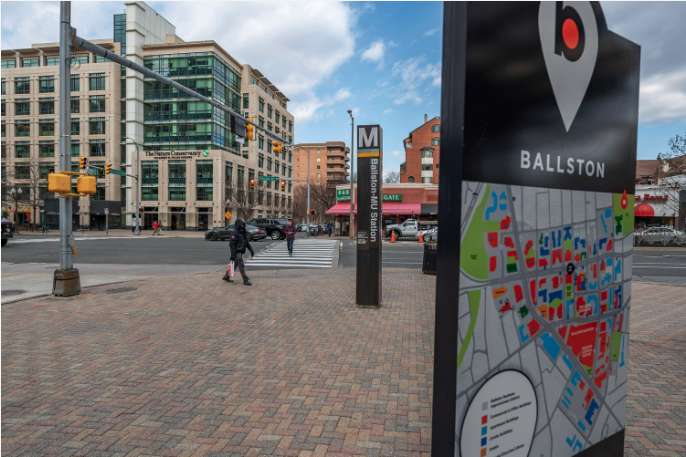
Arlington County is applying for an $80 million grant to help pay for a proposed west entrance to the Ballston Metro station.

On Saturday, the County Board authorized the application to the Northern Virginia Transportation Authority (NVTA), which helped cover the cost to develop designs for the second Metro entrance in 2016.

The entrance would be located at N. Fairfax Drive and N. Vermont Street, almost a quarter of a mile west of the existing entrance. A county report says the second entrance would greatly expand multimodal access to the station and provide greater capacity to, and efficiency for, Metro.

As part of the proposal, the county would build two street-level elevators and stairs connecting to an underground passageway, the report said. A new mezzanine with stairs and elevators would connect riders to the train platform.
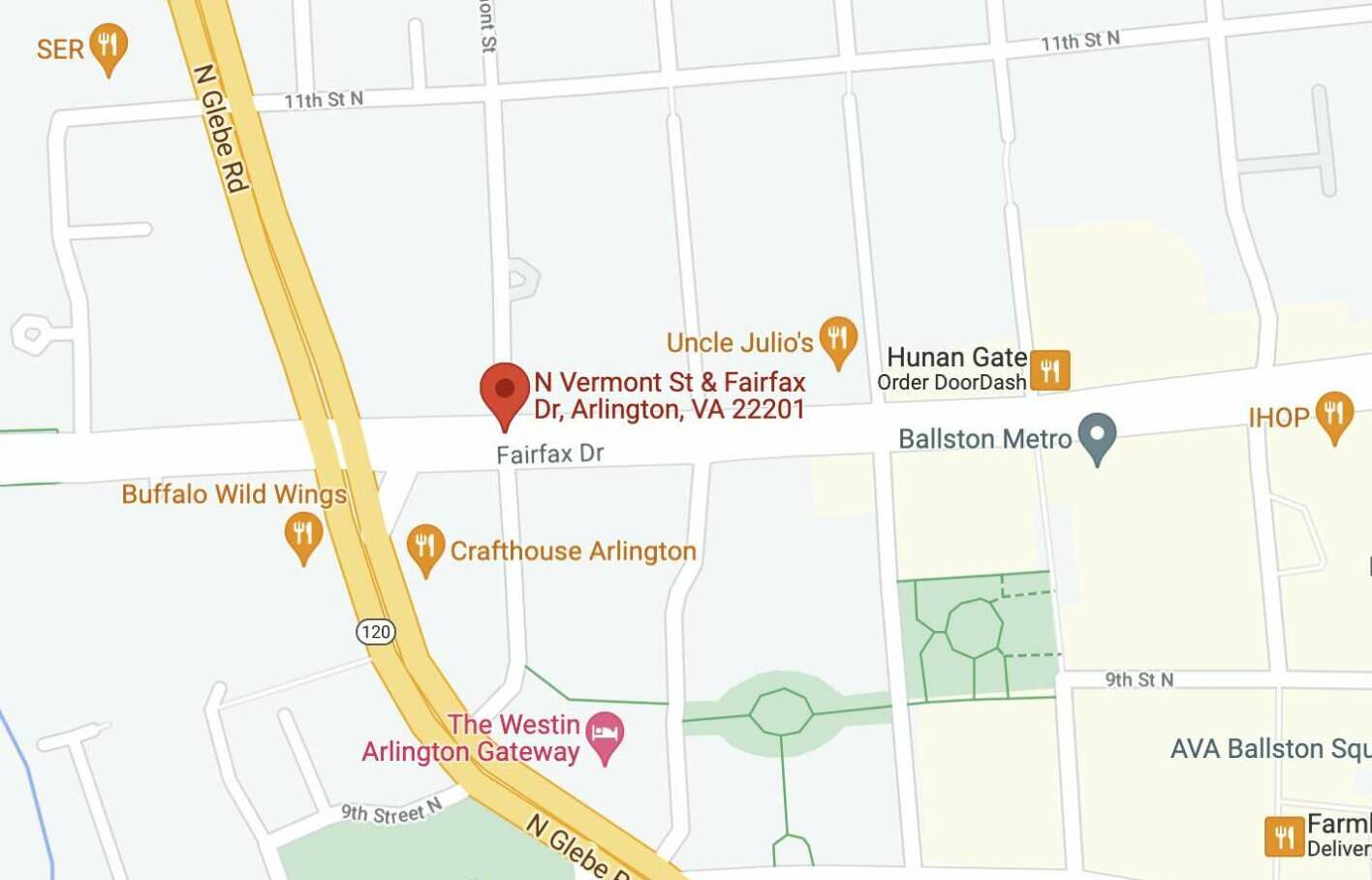
Map showing potential location of new Ballston Metro entrance – via Google Maps

“This is an economic development application in addition to a transportation step,” Board Chair Matt de Ferranti said in the Saturday meeting. “This is a very important step as we continue to plan smart and build well for our community and future.”

The county unsuccessfully asked NVTA for $33.5 million for the project in 2019.

New cost estimates are firmer, and higher, than the 2019 proposal, according the report. The project is expected to cost $140 million, an increase of $10 million from 2019.

Rising costs can be attributed to inflation and having more detailed plans, the report said.

“The County’s funding plan for Ballston West Entrance has shifted since the onset of the COVID-19 pandemic and its associated impacts to local, regional, and state funding,” the county said.

In addition, the county is no longer relying on two additional funding sources that were both hit by the pandemic: Northern Virginia Transportation Commission’s (NVTC) I-66 Commuter Choice Program or the Virginia Department of Rail and Public Transportation.

NVTC grant funds are generated by toll revenues from I-66 inside the Beltway, which is down due to COVID-19, while the state rail department is focusing its resources on helping with transit maintenance and replacement projects.

“Therefore, a proportion of planned project funding for the Ballston West Entrance now unrealized from DRPT and NVTC is now being covered by the County’s application to the NVTA,” the county said.

The rising costs dismayed members of the Transportation Commission, according to a letter from Commission Chair Chris Slatt.

“While supportive of this project, multiple commissioners expressed great concern about the ballooning cost of these Metrorail second entrance projects and the large opportunity cost it presents,” Slatt said. “It is hard not to think about the other transportation projects that could be built for $140 million that would potentially move more people. That would build a lot of sidewalks, protected bike lanes or dedicated bus lanes.”

Arlington County plans to put the project into its next 10-year Capital Improvement Plan, which would begin in the 2022-23 fiscal year.

If approved, the grant and other regional transportation projects will be included in NVTA’s 2022-27 Six Year Program Update. The authority is slated to take action on that update, which will also have a schedule for each project, next July.

Map via Google Maps


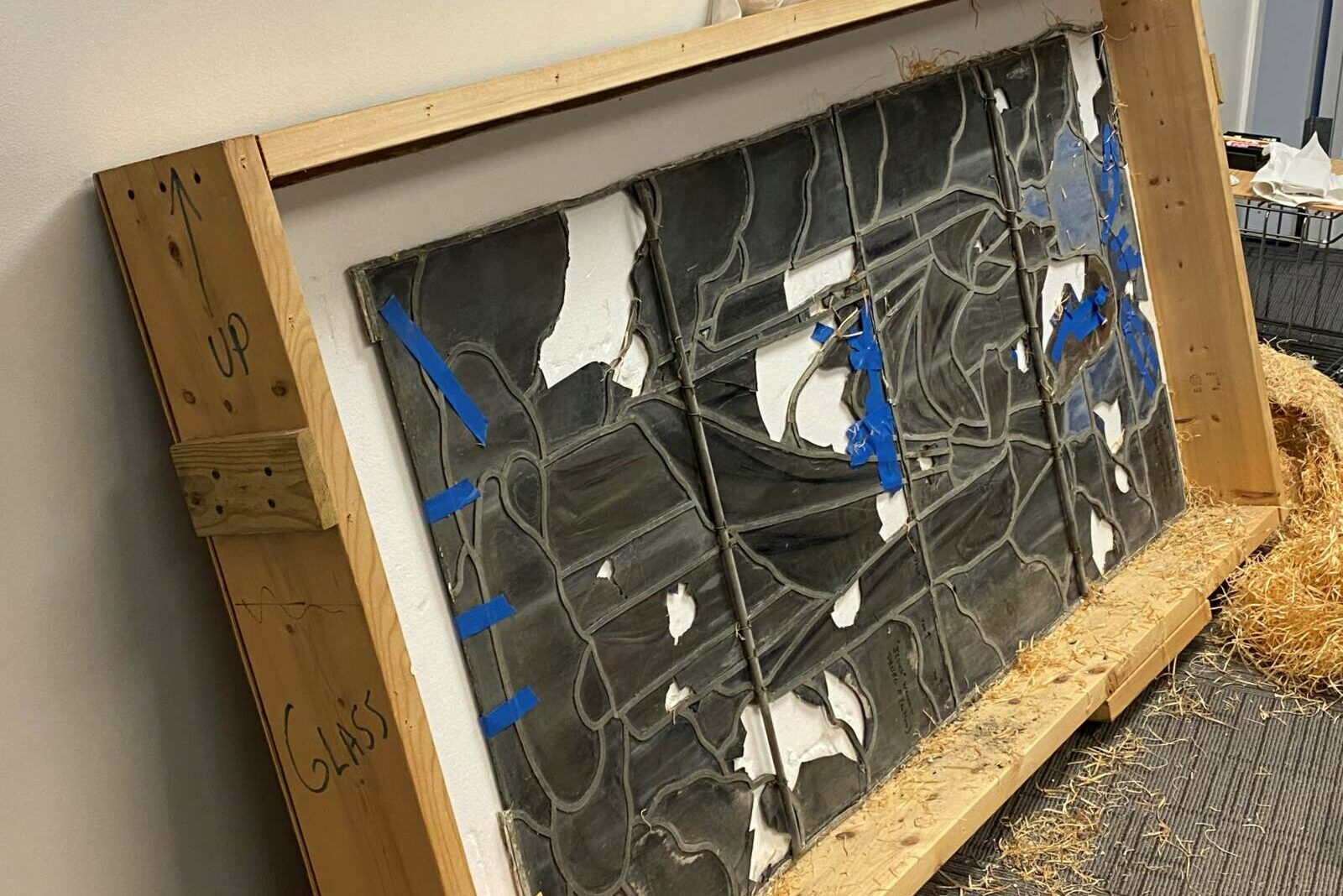
Tucked away in an Arlington County storage facility is a shattered Tiffany Studios stained glass window of Jesus Christ in the act of blessing those who gaze on him.

For decades, it adorned The Abbey Mausoleum that once stood near Arlington National Cemetery. Light would have pierced the 12-paneled, 9-foot by 6-foot window, casting jewel tones on the burial site of the man to whom the window was dedicated — E. St. Clair Thompson, a wealthy Mason interred there in 1933.

Surrounding “Christ in Blessing,” fittingly, were 12 windows with a simple geometric border and a floral design in the middle.

The Abbey Mausoleum was once “a prestigious burial ground,” built by the United States Mausoleum Company in the 1920s, according to a write-up of the mausoleum and windows Arlington Arts provided to ARLnow.

“However, with the bankruptcy of the managing Abbey Mausoleum Corporation in the 1950s, the building fell victim to vandalism and neglect,” the report says.

So too did “Christ in Blessing,” which has lost many panels. When the U.S. Navy acquired the mausoleum site in 2000, it decided to tear down the Romanesque structure due to its poor condition.

“Arlington was permitted to salvage architectural features from the building, including the windows,” the document said. “At the same time, the enormous task of relocating remains and contacting the families of those interred at the mausoleum began.”

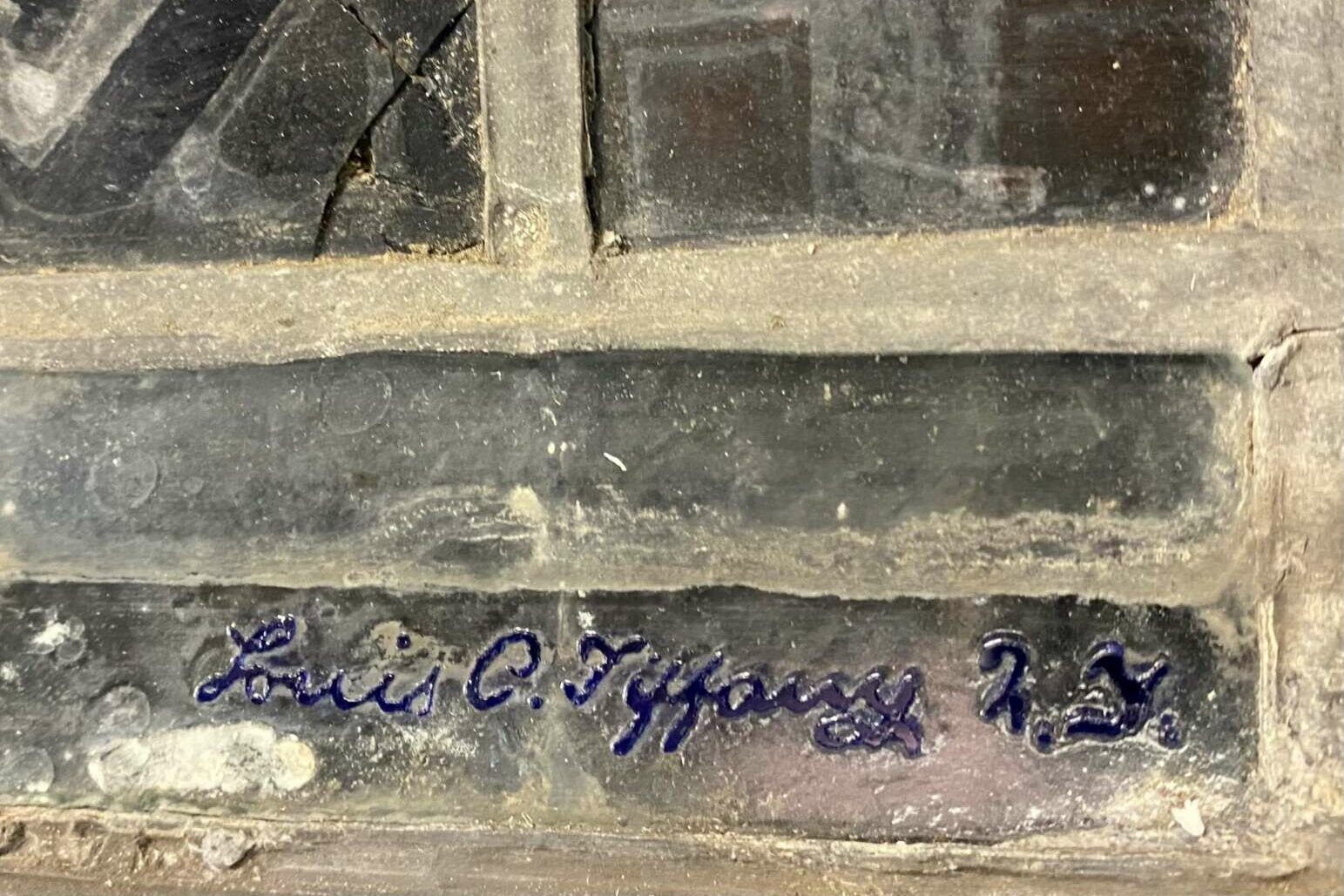
While removing the window, the county discovered a signature in the bottom right-hand corner — “Louis C. Tiffany, N.Y.” — tying the window to the famous Art Nouveau artisan, son of the founder of Tiffany & Co., and his stained glass studio.

“The inscription coincides with those used by Louis C. Tiffany at the time this window was created, confirming its authenticity to the degree possible absent written documentation regarding its commission,” the Arlington Arts document said.

The window was likely commissioned by Thompson’s family, although no records of that exist, Arlington Arts says.

Today, visitors can view some of the geometric windows at Arlington Arts Center and Westover Library. Those that were too damaged were broken into fragments to restore other windows. Visitors to the Fairlington Community Center can see a stained glass skylight that also ornamented the mausoleum.

For two decades, however, the county has held onto “Christ in Blessing,” which it has not displayed because it’s in poor condition and needs the right setting.

“Significant damage to the panel was sustained from vandalism during the four decades that the mausoleum sat abandoned, and it definitely needs restoration before it can be safely and properly displayed,” Arlington Arts spokesman Jim Byers, Jr. said.

Now, the county is on the cusp of finding a restorer and a permanent home. This Saturday, the County Board is slated to approve a loan agreement with Central United Methodist Church in Ballston, which has agreed to pay for restoration work and display the window after the church is rebuilt.

“The restoration is being overseen by Ballston Limited Partnership and the Central United Methodist Church, which can offer the liturgical setting that is ideal for the restored work,” Byers said.

The church is set to be redeveloped by the Arlington Partnership for Affordable Housing. The new, 8-story building on Fairfax Drive, near the Ballston Metro station, will include 144 committed affordable housing units and a childcare facility for up to 100 children. Construction is slated to start this fall and APAH expects work to finish by winter 2023-24.

All that would remain is to adorn the church with the resurrected Tiffany window.


A new tech and innovation lab funded by Amazon is expected to launch at Wakefield High School by the end of the year, according to Arlington Public Schools.

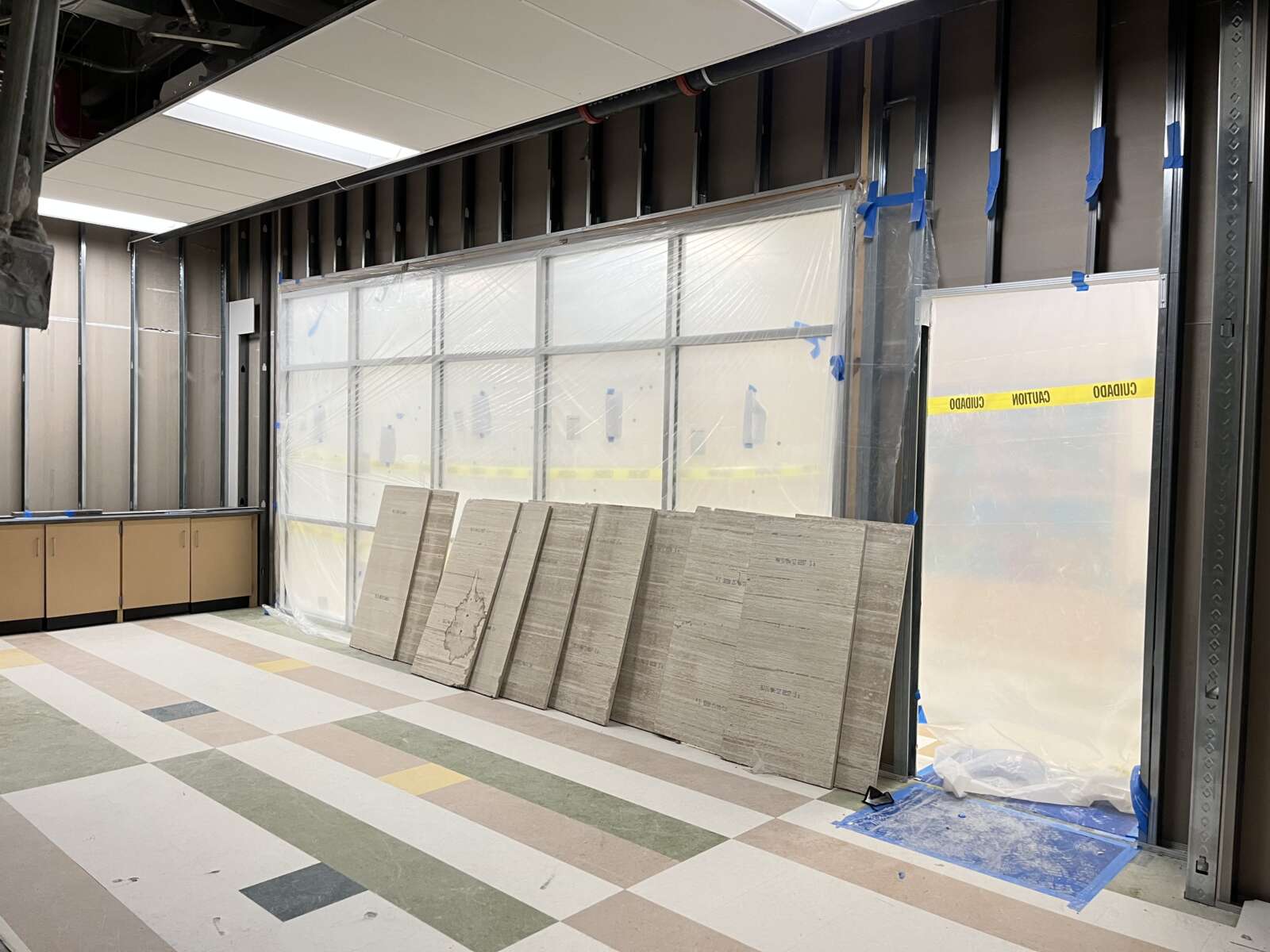
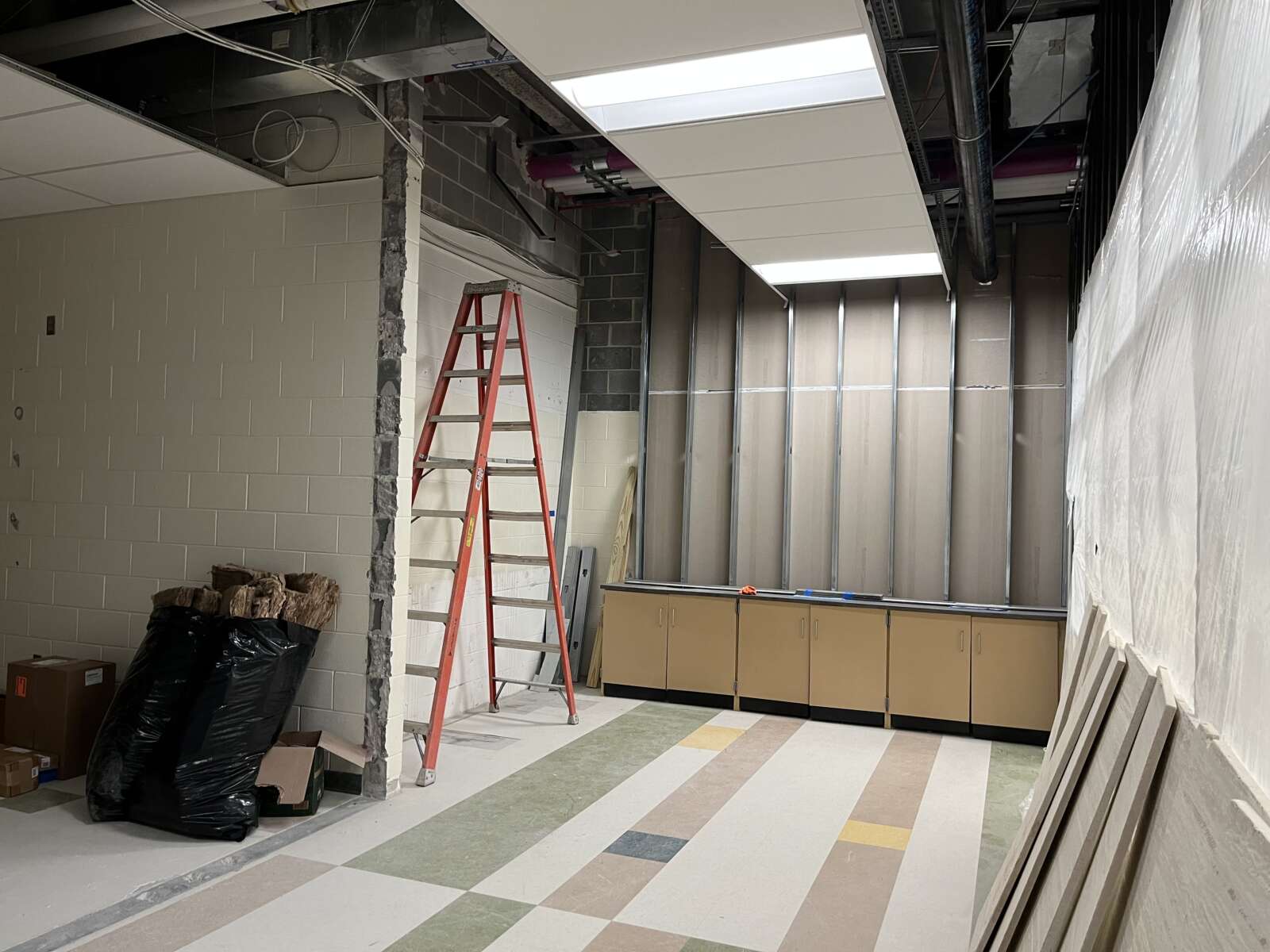
Construction is currently underway on the “AWS Think Big Space,” which will provide a dedicated space for hands-on learning in robotics, the fields of science, technology, engineering, arts and mathematics (known collectively as STEAM), and training in cloud computing-based technologies.

“This lab will provide stimulating learning environments for students to work individually or collaboratively on entrepreneurial, STEAM, and Design Thinking projects,” said Wakefield Principal Chris Willmore. “All students in grades 9-12 will be encouraged to extend their learning of STEAM topics beyond the classroom through engagement in the lab. We are grateful and excited that Wakefield was chosen by Amazon for this public-private partnership. All of our students will benefit from this learning environment.”

The Amazon-funded lab, which will open to students across the school system, also has the support of some private community sponsors.

Wakefield High School is first high school in the Americas to receive a Think Big Space, according to APS. It is the second in Virginia, after Amazon funded and built its first lab in 2019 at an elementary school in Prince William County.

Amazon has built similar spaces around the world.

“At Amazon, we are committed to making a positive impact in the communities where our employees live and work,” said Brian Huseman, Amazon’s vice president of public policy. “We are proud to call Virginia home and to support our neighbors as we grow in Arlington. This AWS Think Big Space at Wakefield High School will provide students across the community with the tools and connections they need to build, imagine, and innovate their best future. We can’t wait to see what they will create.”

Wendy Maitland, who most recently served as the Resource Teacher for the Gifted at Wakefield, will oversee the new space.

“We believe that this AWS Think Big Space will act as a significant point of access for students who may not normally take advantage, of or be aware of, STEAM career paths. At Wakefield, we are committed to eliminating opportunity gaps to ensure access and provide excellence in education for every student, especially first generation and low-income students,” she said. “Our partnership with Amazon will allow us to build a community of learners who collaborate, explore, and seamlessly apply technology throughout all aspects of teaching and learning.”

The AWS Think Big Space is expected to receive final School Board approval at a meeting on Thursday, Oct. 28.


(Updated 4:20 p.m.) Against the backdrop of Alexandria’s City Council voting to reinstate School Resource Officers, Arlington school and police officials say they’re confident kids and staff will be safe without daily police presence.

That’s because, leading up to the decision to remove SROs this summer, the county spent six years investing in other school safety pillars, adding counselors, enhancing building safety and beefing up emergency management operations, according to School Board Chair Barbara Kanninen.

When the School Board ended the program — out of concern for racial disparities in juvenile arrests — they did so knowing that staff could handle regular student disruptions without involving law enforcement, she said.

“I believe that background made us uniquely well-situated to think about the next step regarding SROs,” she said last night (Wednesday) during a discussion hosted by the Arlington Committee of 100 on school safety without SROs.

“It’s difficult talking about different jurisdictions in a harsh way, but the fact is that the Alexandria superintendent didn’t recommend removing SROs from schools for the simple fact that they didn’t believe they had the resources in place,” Kanninen continued. “They felt they needed SROs for safety.”

The discussion, which addressed current police engagement efforts and Arlington’s Restorative Justice program, couldn’t have been more timely. Not only did unsafe conditions in Alexandria schools lead the City Council to reinstate SROs this week, but also, APS recently had two safety-related incidents in which police got involved.

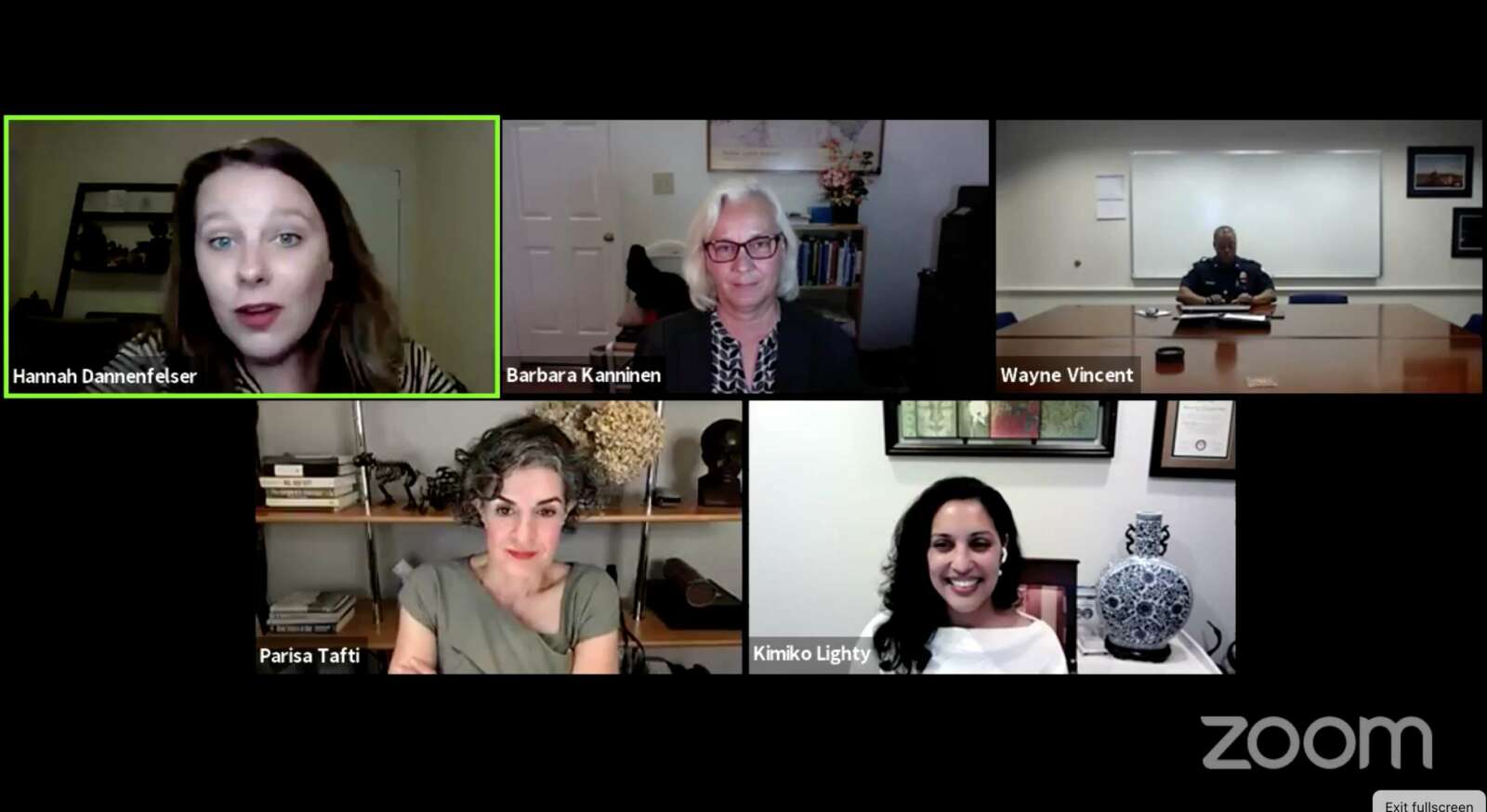
Panelists in the most recent Arlington Committee of 100 discussion Wednesday night (via Arlington Committee of 100/Facebook)

On Friday, allegations of sexual battery during Yorktown High School’s Homecoming football game resulted in a police investigation. Last Wednesday, police responded to false claims of a school shooter at Washington-Liberty High School.

As for Alexandria, Kanninen emphasized the fact that City Council narrowly voted to remove SROs against advice from the School Board, which voted 6-3 to keep them.

“We’re in a different situation,” Kanninen said. “We believe we have the resources and supports in place to keep kids safe as possible.”

In unsafe situations such as fights, she said APS has staff trained in defusing those situations and prefers this approach to introducing kids to the juvenile justice system.

“We don’t want their first interaction to be with a police officer,” she said.

Still, Kanninen said administrators will call 9-1-1 any time there’s a safety threat. For example, police were called to Washington-Liberty High School over the school shooter claim, conducted an investigation, found no threat and gave the “all clear” later that morning.

“Just like any other building, organization, or anyone in Arlington, if something happens, we’re going to call the police,” she said. “There have been situations where events happen in schools, and as a follow-up, parents may call the police. But for schools, we would do it if it’s a safety threat.”

(more…)


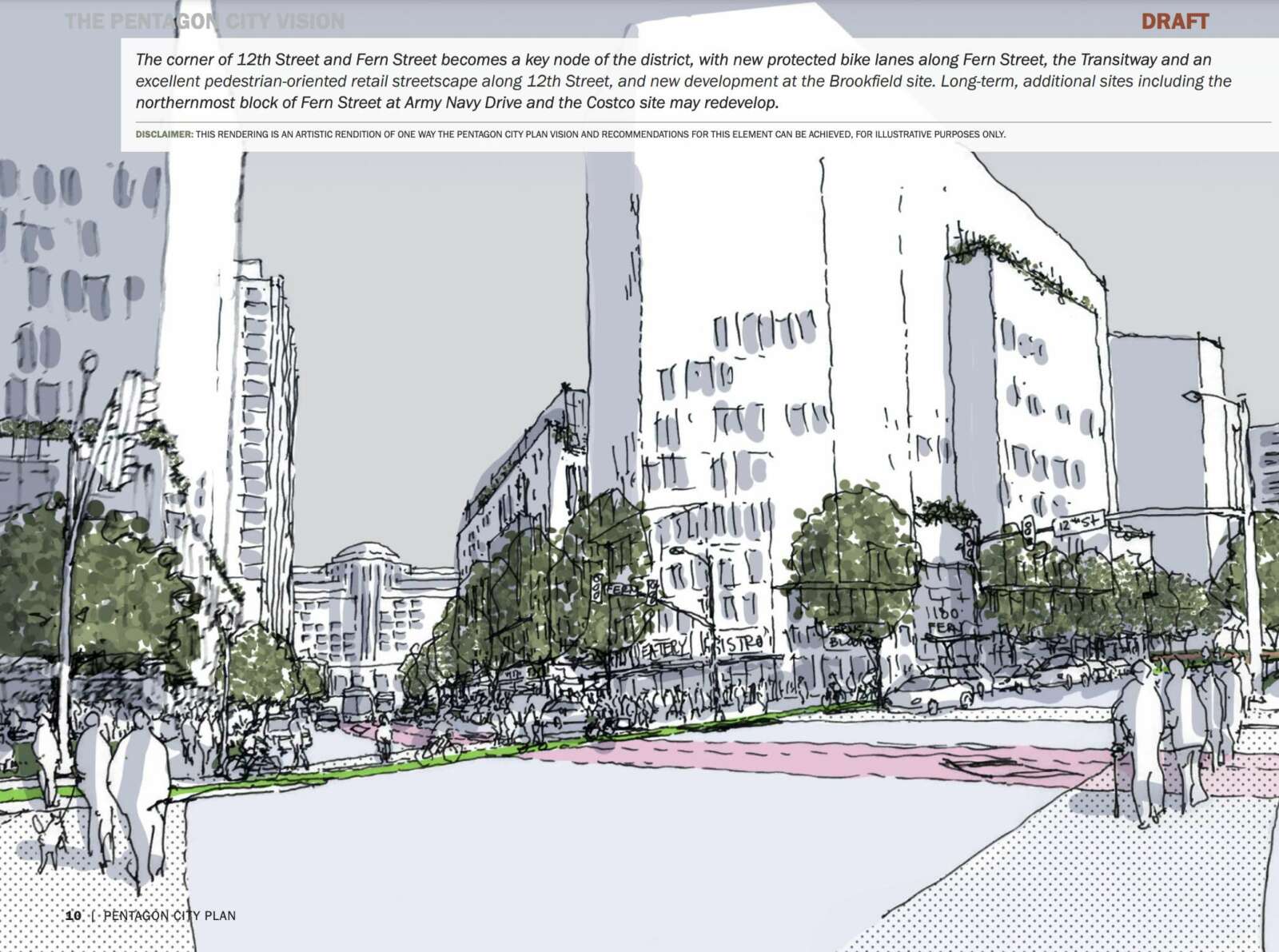
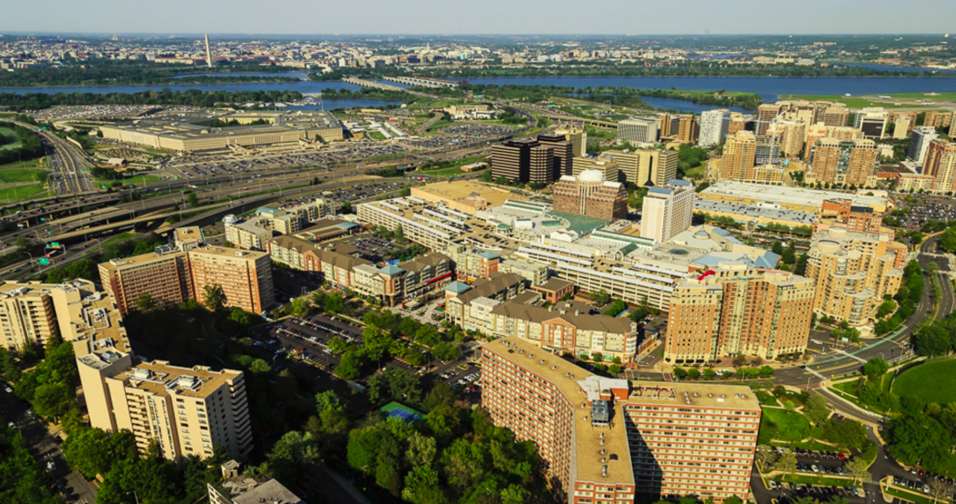
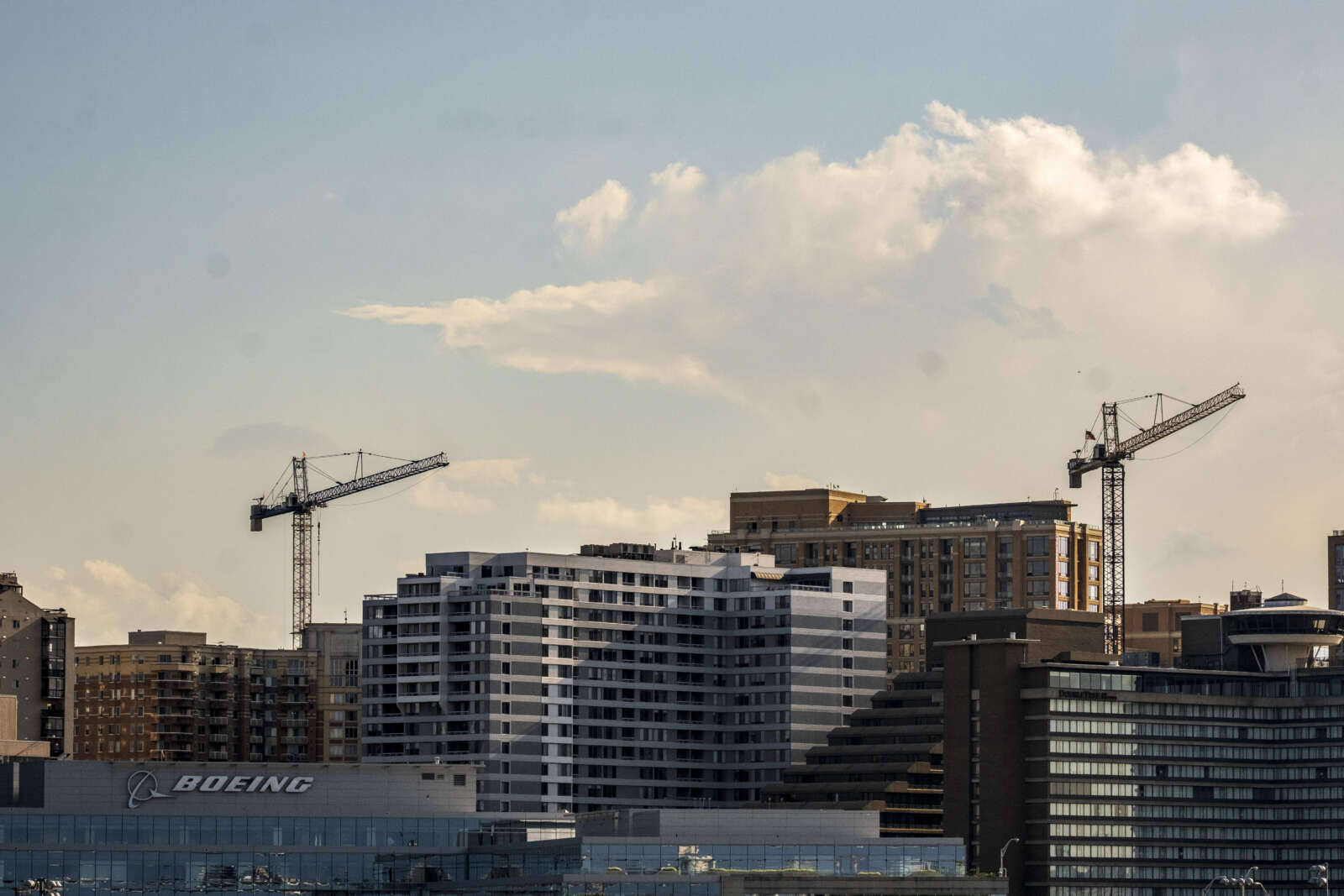
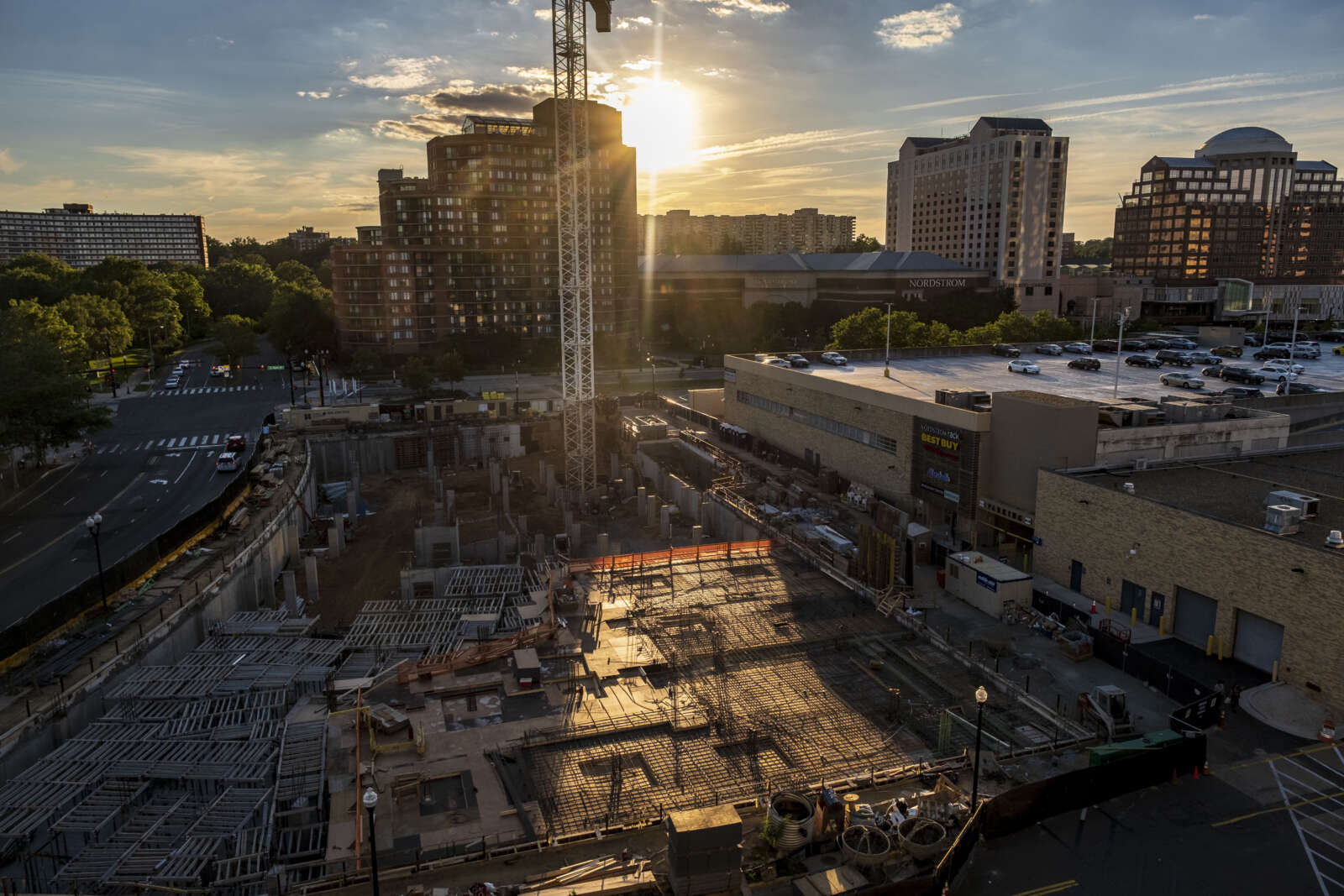
With the construction of Amazon’s HQ2, a 45-year-old planning document guiding development in Pentagon City has reached the end of its useful life.

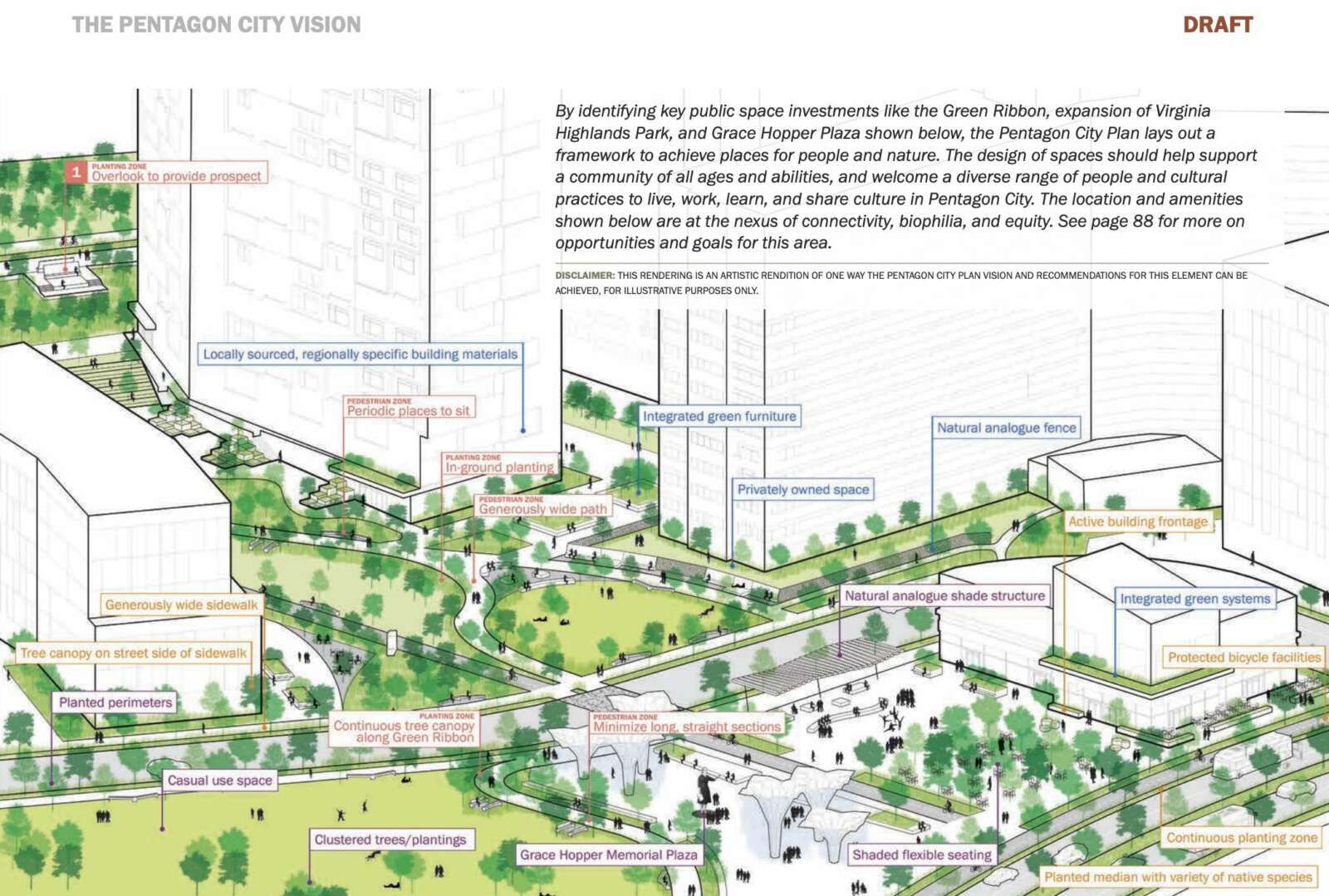
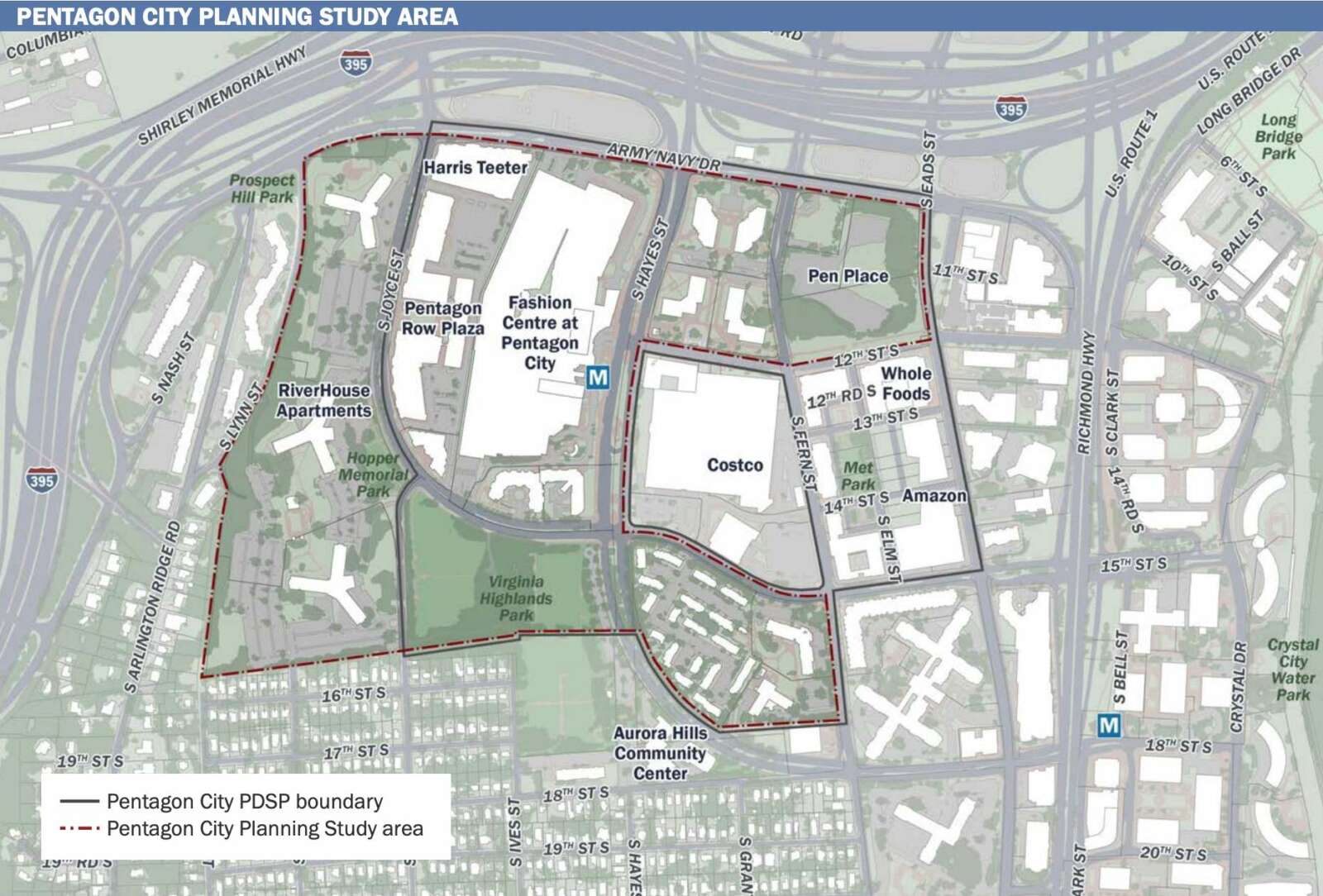
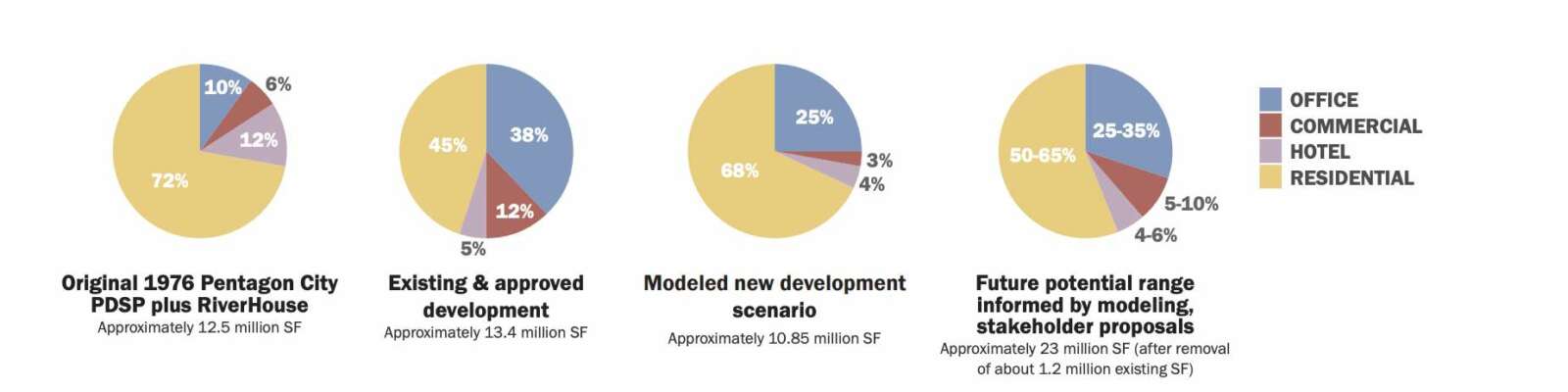
Now, Arlington County has to lay out a vision for the next 20 years of development. According to the most recent draft of the Pentagon City Planning Study, that will include a significant amount of redevelopment and infill development, with an emphasis on residential buildings. Two other priorities are increased green spaces and multimodal transportation upgrades.

The year-plus planning effort is set to wrap up later this fall, and currently, county planners are engaging with the community about their second draft plan.

Per the draft, Pentagon City could — if developers follow through — see about nine significant redevelopment projects over the next two decades.

“We have tried to continue to engage to get an understanding of what they’re thinking,” said Kathleen Onufer, of architecture firm Goody Clancy, which worked with the county on the plan. “The years are based on conversation with the property owners and their sense of interest.”

Pentagon City Planning Study Area (via Arlington County)

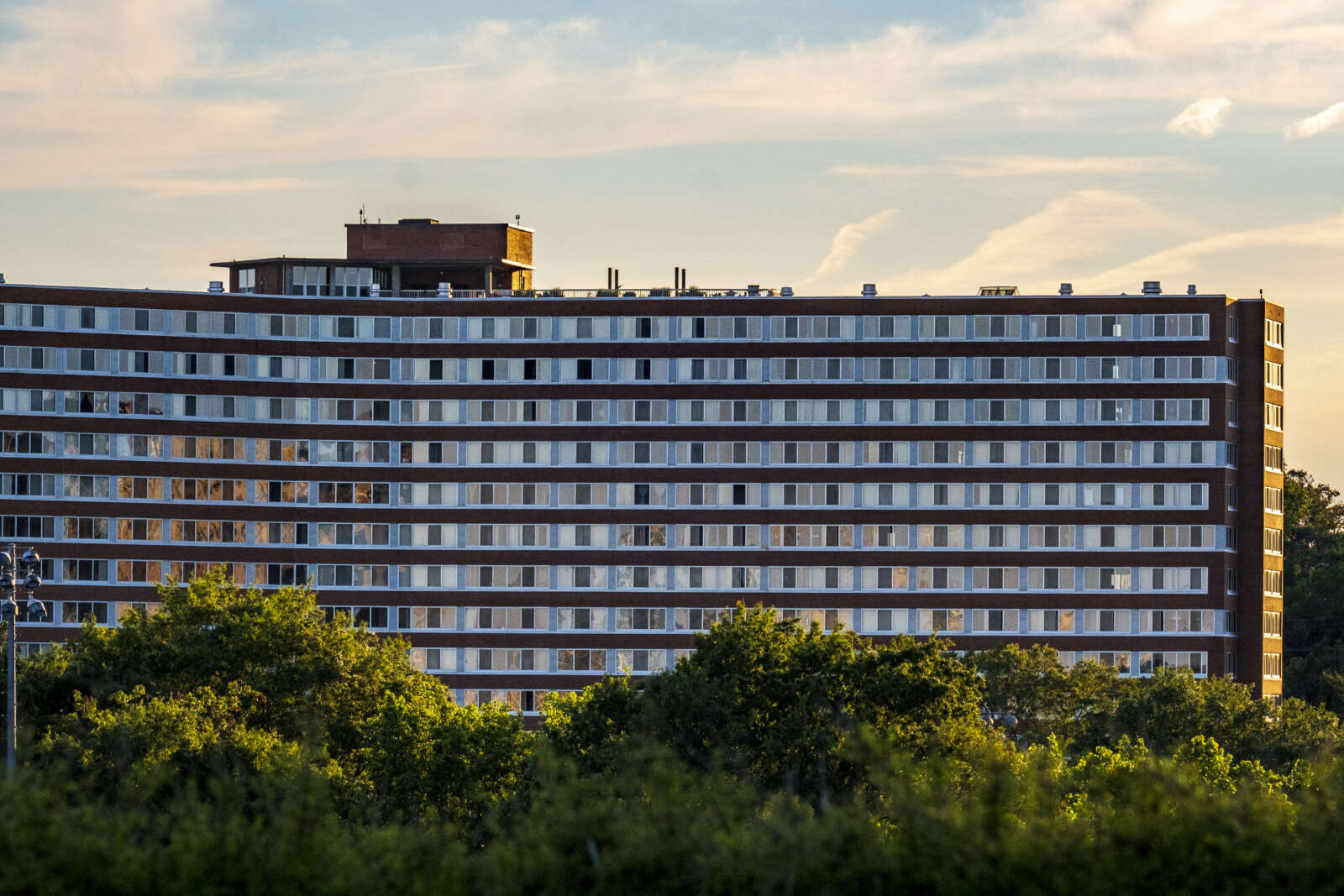
RiverHouse, one of the largest housing complexes in the D.C. area, is listed as having significant development potential. That’s why county planners included the apartments in the study, despite them being outside the document’s core planning area.

Adding more density to RiverHouse and its expanse of surface parking lots and green space — already a hot topic — prompted a strong reaction from attendees of an open house last night (Tuesday). A number of attendees expressed disapproval for the impact they believed it would have on property values, while a few were more supportive.

“There is plenty of room to build out mid- and high-rises west [on] Columbia Pike [and] south on Richmond Highway, Potomac Yard, and Arlandria,” former RiverHouse resident and attendee Tina Ghiladi said. “To think RiverHouse should absorb the majority of all this density is being expedient. We’re not being NIMBYs. We understand the need for additional housing, we just want height limits.”

After the meeting, Aurora Highlands Civic Association member Ben D’Avanzo told ARLnow he supports turning the tracts of parking spaces into additional housing.

“RiverHouse is a sensitive area, being both a transition to lower density neighbors and one of the somewhat affordable rental housing [options] available” in the area, he said. “Yet, as housing values and rents skyrocket, there are wide swaths of surface parking just blocks from the Metro that do not represent a livable version of our neighborhood. I think the Pentagon City final plan should, accounting for more detail needed on streetscape, open space, schools and other community needs, have a balance of new housing types at RiverHouse, with townhouses at the southern end and more density at the northern [end].”

Overall, the draft plan divides potential redevelopment opportunities into five phases, ranging between two and five years.

“Reality is not that convenient and neat, but it gives you a sense [of] what we can expect if these sites actually redevelop,” said the lead county planner on the project, Matt Mattauszek. “That’s not in our control, but at least organizing it this way gives people a sense of what’s more likely to redevelop sooner rather than later, and what that means for the addition of units and the impact on schools.”

The current and proposed mix of land-use in Pentagon City (via Arlington County)

The phases are as follows below.

(more…)


One year after an inmate died in the Arlington County jail, a man has been charged in connection with his death.

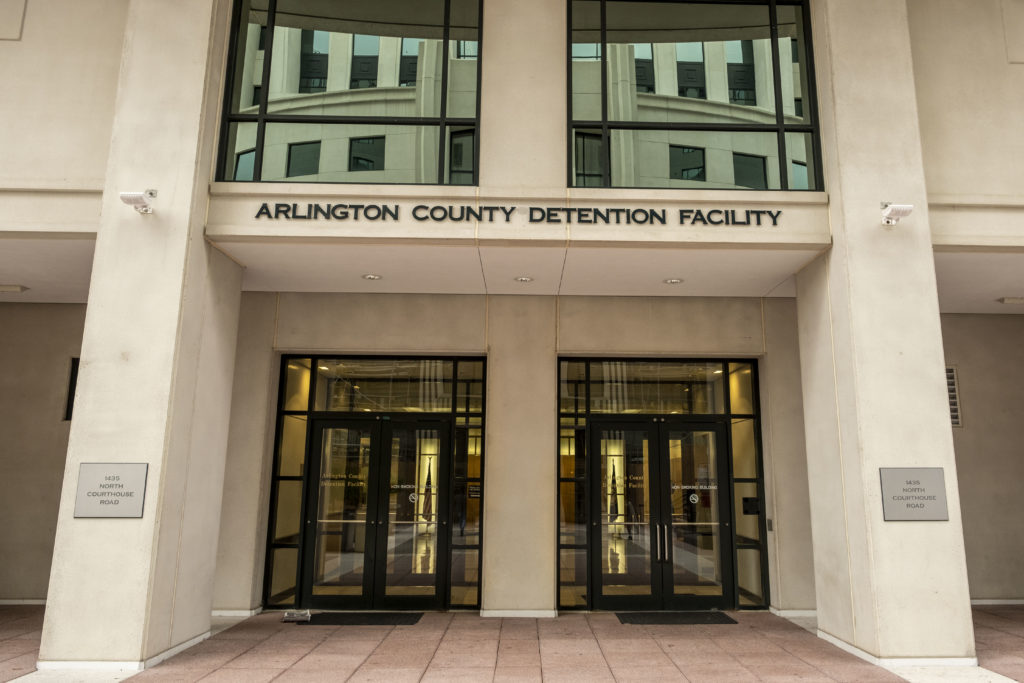
For the last year, the Arlington County Police Department has been investigating the death of Darryl Becton, 46, while in custody of the county jail on Oct. 1, 2020. One year later to the day, a man named Antoine Smith appeared in Arlington County General District Court on charges related to the investigation, according to a press release from the Office of the Commonwealth’s Attorney.

Smith was charged with the misdemeanor of falsifying a patient record, according to the release. Police obtained a warrant for his arrest on Sept. 24.

The Commonwealth’s Attorney did not return requests for more information about who Smith is, who he works for and what records he falsified.

“The Commonwealth may not discuss the details of an ongoing investigation and Professional Rule of Responsibility 3.6 prohibits public commentary regarding the details of a pending case,” the release said. “A defendant is presumed innocent until proven guilty, and a charge is not evidence.”

What we do know is that Arlington County’s jail contracts with correctional healthcare provider Corizon Health to provide medical care to inmates. Last year, the contract was extended to 2025.

A D.C. area man who goes by the name Antoine Smith lists his occupation as a licensed practical nurse and his employer as Corizon Health, according to a LinkedIn profile.

Corizon has been sued multiple times across the nation for inmate deaths allegedly connected to inadequate care.

Assuming Smith is indeed employed by Corizon, this is not the first time a correctional nurse from Corizon has been charged with a crime involving an inmate in Arlington.

In 2014, another nurse from Corizon was charged with misdemeanor sexual battery and found guilty in Arlington General District Court, in an incident that was not previously reported publicly. He appealed to the Circuit Court and a deal was reached between the inmate and the nurse that allowed him avoid a jail time, according to Maj. Susie Doyel, the then-spokeswoman for the Arlington County Sheriff’s Office, which runs the jail.

The news of the latest charges marks a step forward in the case, which police told ARLnow in August could soon be concluded.

Last fall, Becton, who is Black, was being held on an alleged probation violation after being convicted in 2019 of a felony, “unauthorized use of a motor vehicle.” On Oct. 1, 2020, a sheriff’s deputy and an Arlington Department of Human Services caseworker found Becton unresponsive in his cell. Despite resuscitation efforts, Becton was pronounced dead 30 minutes later.

Within a week, the Arlington branch of the NAACP wrote to the sheriff’s office and the police department requesting an independent investigation. The same month, Sheriff Beth Arthur and then-Acting Chief of Police Andy Penn wrote a joint response.

“The death of Mr. Becton is tragic and we can assure you that a thorough and comprehensive criminal investigation into this matter will be conducted by the ACPD, followed by a comprehensive administrative investigation by ASCO to determine if all applicable policies and procedures were followed surrounding Mr. Becton’s incarceration,” Arthur and Penn wrote.

Between then and August, little information had surfaced in Becton’s case. ARLnow learned from the medical examiner’s office that his cause of death was ruled to be hypertensive cardiovascular disease — caused by sustained high blood pressure — complicated by opiate withdrawal, and the manner of his death was ruled to be natural.

This case has been a top priority for the NAACP, as Becton was the fifth person — and the fourth Black man — to die in the facility between 2015 and 2020, per the Sheriff’s and Police Chief’s letter.

(more…)


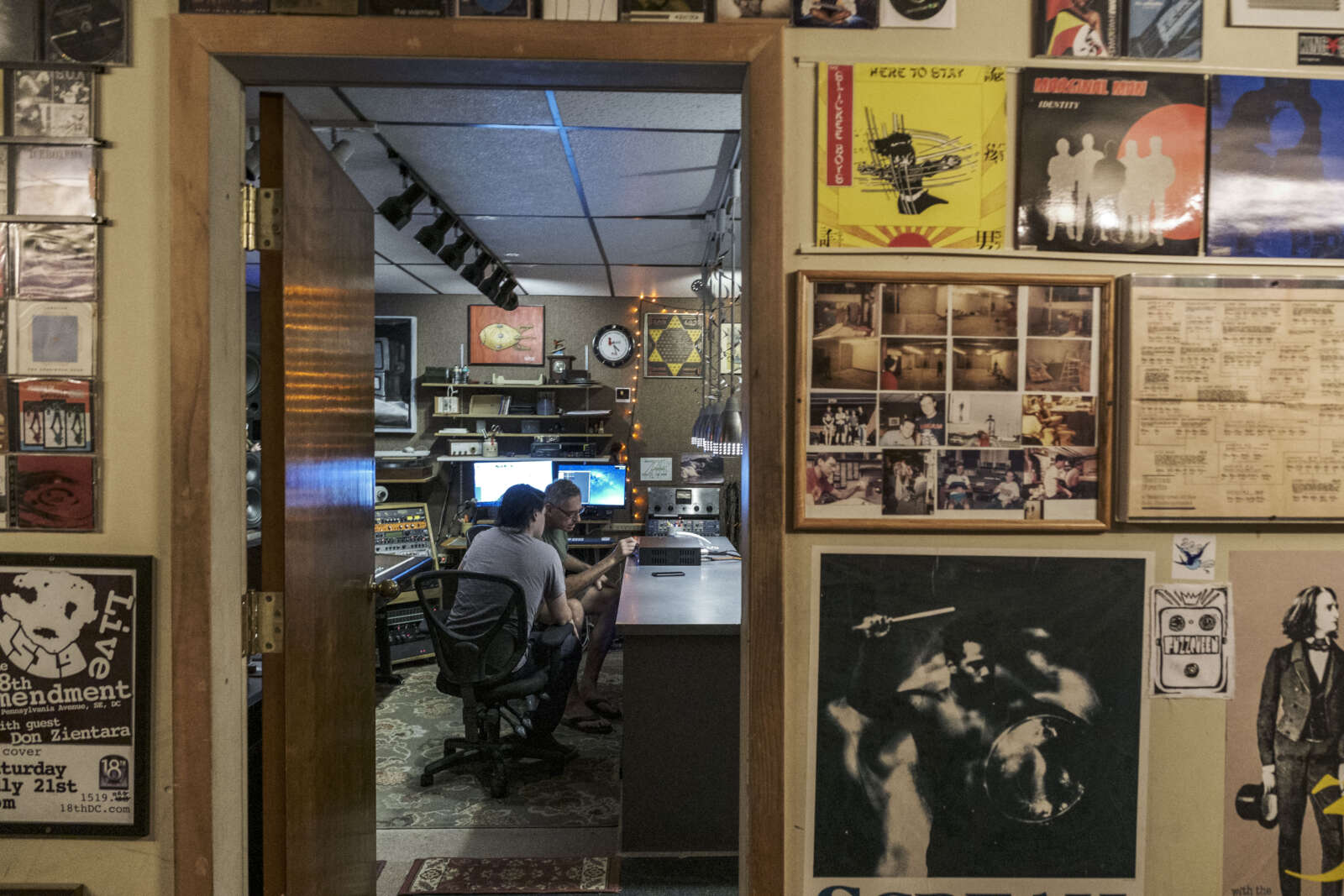
A look inside Inner Ear Studios in Shirlington (staff photo by Jay Westcott)

Once the epicenter of D.C.’s punk scene, Inner Ear Recording Studios it is set to be razed by Arlington County to make way for an outdoor entertainment space.

The new open space, comprised of two parcels of land — 2700 S. Nelson Street and 2701 S. Oakland Street — would be part of the county’s efforts to implement an arts and industry district in Green Valley.

Arlington Cultural Affairs says a community engagement process exploring temporary uses for the site could begin later this fall or, more likely, in early 2022. Dealing with the optics of demolishing a famed recording studio to build an arts and industry district, the arts division argues the space responds to community needs and makes art more accessible.

“The exploration of outdoor activation space as a short-term possibility for the site is a direct result of our conversations with the surrounding community,” Arlington Cultural Affairs Director Michelle Isabelle-Stark said. “Bringing the arts outdoors and into the community is a low-cost, high-impact way to reach a broader and more diverse audience as we continue to explore the needs of the surrounding community.”

The outdoor space would tie into the Theatre on the Run venue, used by a number of Arlington-based dance and theatre ensembles, she said. And it would support existing programming, such as New District Brewing Co.’s outdoor beer festival, Valley Fest, as well as other cultural events.

Isabelle-Stark added that there’s an equity component to the open space.

“As the County continues to explore ways to address long-standing equity issues as it pertains to arts and culture opportunities, the addition of expanded outdoor performance space allows us to continue to present the arts outside of traditional brick and mortar venues and directly engage with the community,” she said.

So, after many years of recording bands including the Foo Fighters, Fugazi and Minor Threat, studio owner Don Zientara has until Dec. 31, 2021 to pack up the gear and the memorabilia before the building is demolished.

Crumbling cinder blocks and communication 

Before the county agreed to acquire the building, Zientara told ARLnow he was at a crossroads: move the studio or retire. At 73, retirement was an option, and on top of that, the building was decrepit and recording sessions were down due to the pandemic. The county acquisition merely expedited that decision.

As soon as the building is demolished, the county says it’ll park its mobile stage there and start hosting outdoor performances, festivals, markets and movie screenings. Isabelle-Stark says South Arlington needed an outdoor arts venue — a community-generated idea. She told the Washington Post that the acquisition saved the property from being sold to a private developer for a non-arts-related development.

As this unfolded, the Green Valley Civic Association, a longtime champion of reinvestment and an arts district, criticized the county for the acquisition.

“It is curious for the county to spend millions to purchase and demolish a building, but state that intended cultural events will be provided in the remaining lot only if funds are available,” GVCA First Vice President Robin Stombler tells ARLnow.

At least the arts district could pay homage to Inner Ear, she said.

“Losing a small, yet significant, arts-related business is antithetical to this vision” of an arts and industry district in Green Valley, she wrote in a June letter to the county. “As the county takes a step in support of the district, it should recognize what is being left behind.”

She suggests naming the county’s mobile stage “Inner Ear Stage.” In addition, she said Zientara had indicated willingness to sell some music equipment to the county, which she recommended be used for a new recording studio in Green Valley for musicians and music educators.

“There has been no response to date,” she told ARLnow.

(more…)


Arlington Public Schools is preparing to redraw boundaries for a half-dozen schools to relieve high enrollment and over-capacity at three of them.

The boundary process, which will go into effect next fall, is “limited in scope” and will target Abingdon Elementary School, Gunston Middle School and Wakefield High School.

“The boundary process will bring enrollment at these three schools to more manageable levels for the 2022-23 school year by re-assigning some planning units to neighboring schools with capacity to accommodate additional students,” APS said in a School Talk update to parents last week.

For each school, staff will focus on planning units where neither school is in walking distance, according to APS’s 2021 boundary process webpage.

APS says it will move some planning units from Abingdon to Drew Elementary School, which is two miles away. As of Sept. 30, Abingdon has 688 students and a projected capacity utilization rate of 119%, compared to the 433 students and use rate of 76% at Drew.

This direct step to balance enrollment comes on the heels of a less successful attempt to alleviate the overcrowding without redrawing boundaries. During the 2020-21 school year, APS set up a program encouraging families zoned for Abingdon to choose to send their children to Drew, with transportation provided.

Only 12 students took the “targeted transfer” option. School Board members said a dozen students would not make a dent in the schools’ enrollment imbalance and predicted the need for a boundary process.

“[The option] did not come out with numbers that were able to solve the problem,” Board Member Monique O’Grady said during an Aug. 26 School Board meeting. “I did want to point out that we have given the community the choice to go to what I think is a phenomenal school. After trying that, I think we’re at a different point in time, where we maybe need to take more intentional action.”

The renewed focus on Abingdon and Drew also comes three years after another boundary process that would have moved students at both Abingdon and Henry elementary schools to Drew proved controversial.

Some Gunston planning units will be moved to to Thomas Jefferson Middle School, but current Gunston students will not be affected. Gunston has 1,109 students and a projected capacity rate of 112%, compared to Jefferson’s 849 students and 101% use rate.

APS intends to move some planning units from Wakefield to Washington-Liberty High School, but the moves will not impact current Wakefield students. Enrollment and capacity rate margins are closer for the schools: 2,241 versus 2,174 students, and 108% versus 102%, respectively.

APS says the move will also make better use of the additional 500 or so seats at the former Arlington Education Center (1426 N. Quincy Street), which is set to open September 2022.

Despite the limited success of targeted transfers at the elementary level, APS plans to offer them so that current Wakefield students can opt to attend W-L next fall.

During the same August meeting, Executive Director of Planning and Evaluation Lisa Stengle said APS is offering the option because she’s “not sure moving ninth graders will be enough” to balance out Wakefield’s rising enrollment.

“With boundaries we want to be cautious, because we may have to come back and make changes in the future, and we don’t want to have to redo things,” Stengle said. “This way, it’s a choice.”

Community engagement sessions on the boundary process will begin with a virtual meeting on Saturday, Oct. 16. Engagement will run through the end of October.

Superintendent Francisco Durán will propose a more detailed plan during a meeting on Tuesday, Nov. 16. Two weeks later, on Tuesday, Nov. 30, there will be a public hearing. The School Board is expected to vote on his proposal on Thursday, Dec. 2.


Abingdon Elementary School students cross the road on the first day of school (file photo)

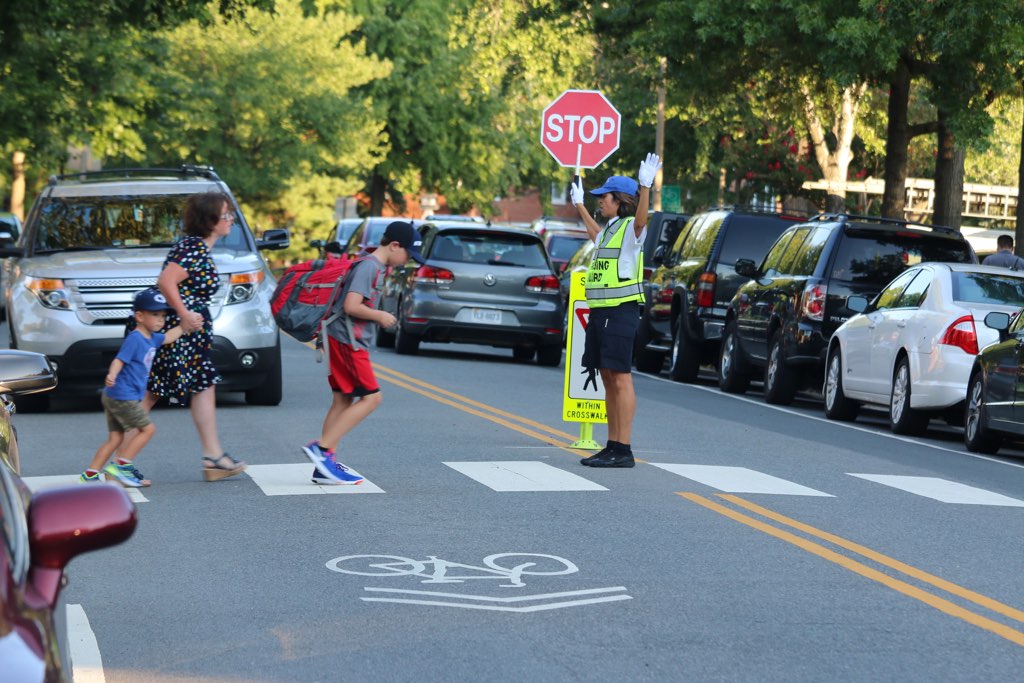
(Updated at 9:35 p.m.) Arlington County is looking to lower speed limits near schools as part of its ambitious Vision Zero initiative to eliminate serious traffic-related injuries and deaths by 2030.

This Saturday, the County Board is set to decide whether to authorize a public hearing next month to discuss and potentially approve creating “slow zones” on residential streets near 13 schools.

The proposed 58 zones, with a speed limit of 20 mph, will be near 11 Arlington public schools and well as Bishop O’Connell High School and St. Thomas More Cathedral School.

“Attempts to reduce or eliminate fatal and critical crashes can be achieved by regulating unsafe speeds on our streets with measures such as signage and pavement markings,” a county report said. “Lowering the speed limit can be a basic and powerful tool for reducing vehicle speeds.”

Traditionally, Arlington has installed flashing beacons to encourage drivers to adhere to reduced speed limits near schools. The report said these signs are inconsistently installed and are costly to maintain, while “static signage” and pavement markings, reminding drivers the speed limit is always 20 mph, are cheaper and easier to install.

The signage and markings will be tested out at these 13 sites before they’re installed across Arlington.

“Slower speeds around schools is a no-brainer, and are beneficial for everyone,” Vision Zero program manager Christine Sherman Baker told the Transportation Commission earlier this month. “We want to prioritize safety in school zones because children are still learning how to travel safely: how to cross the street, how to ride a bike. They’re some of our most vulnerable users.”

And they’re learning these skills in risky areas: according to the report, 10 or more speeding-related crashes annually happen within 600 feet of a school in Arlington.

Some schools were chosen because they’re new or have existing infrastructure in need of upgrades, she said. Hoffman-Boston Elementary, Drew Elementary and Gunston Middle schools were chosen because they’re near high-injury networks — and including them would help meet Vision Zero’s equity component.

This fall, Arlington County Police Department has been collecting speeding data that will be compared with new data collected next spring to see if these zones are effective, she said.

The community can provide feedback in March and April of next year, ahead of the county-wide roll out, she added.

The proposal was met with enthusiasm from Transportation Commission members and some members of the public.

“Bravo,” Transportation Commission Chair Chris Slatt said. “I think it’s fantastic.”

Representing local advocacy group Arlington Families for Safe Streets, Gillian Burgess voiced her support for the program during the meeting.

“Slower speeds around schools are not only great for the safety of vulnerable road users, but it also encourages activity, which addresses both child health and health equity,” she said. “It improves air quality and noise pollution around schools… and it promotes mental health and social inclusion.”

ACPD should also “commit publicly” to enforcing speeding near schools, preferably via speed cameras and not just for speeds 10 mph or more above the limit, while the county should consider closing streets in front of schools to cars, Burgess added.


Sponsored by Monday Properties and written by ARLnow, Startup Monday is a weekly column that profiles Arlington-based startups, founders, and other local technology news. Monday Properties is proudly featuring 1515 Wilson Blvd in Rosslyn. 

Ballston startup GoTab, which facilitates QR code ordering in restaurants, has unveiled its new, all-in-one point-of-sale system for restaurants and bars.

The cloud-based system is designed to help restaurants and bars adapt to a growing preference for online ordering without erasing the personal connection of in-person service.

GoTab launched its contactless ordering technology in 2016, but experienced a huge boon in use during the pandemic when contactless ordering and payment became the norm. Today, it operates in restaurants, hotels, resorts, golf courses, festivals and the Capital One Arena in D.C.

And now, the startup is banking on restaurants seeing these technological changes not as pandemic-era adaptations, but as new fixtures of the dining experience. One way it aims to do that is by incorporating the benefits of QR code ordering — more guest control over ordering and paying — into a soup-to-nuts sales platform that works for eateries.

“With the GoTab all-in-one restaurant POS, operators can now easily tailor a guest-initiated experience or a server-initiated experience, enabling both parties to start and access the ordering tab and giving everyone flexibility to place orders however they wish,” the company says.

The all-in-one point of sale from Arlington-based startup GoTab (courtesy photo)

Having the information accessible both by servers and customers makes it easier for customers to communicate what they want and easier for servers to curate positive dining experiences, the company says.

It also means less work for servers, as the system eliminates the need to take down orders and modifications by hand and input them manually into a legacy point-of-sale system.

With GoTab, servers and managers can start and add to a digital tab, pass the tab to guests and update it later with order changes. Guests can then close out their tab on their phones with a credit card or mobile payment platform.

“Servers can be proactive and anticipate guests’ needs,” the release said.

And after the guests leave, GoTab’s cloud-based system remembers guests’ preferences, meaning restaurants can repurpose that information. The traditional system, meanwhile, only captures the information of the person paying, CEO Tim McLaughlin said.

“In a traditional restaurant — let’s say you have a table of four — a restaurant is lucky if they can capture a single diner’s data for loyalty, spending insights and marketing purposes,” he said. “With GoTab, operators have access to all four diners’ ordering details. So we provide an operator with exponentially more first-party data.”

With that information, he said, restaurants and bars can create loyalty programs and foster repeat customers.


Arlington Agenda is a listing of interesting events for the week ahead in and around Arlington County.

If you’d like your event considered, fill out the event submission form to submit it to our event calendar.

Monday, Oct. 11

Beginning Fencing Classes*
Nova Fencing and Archery Club (3501 Carlin Springs Road, Falls Church)
Time: 6-7 p.m.

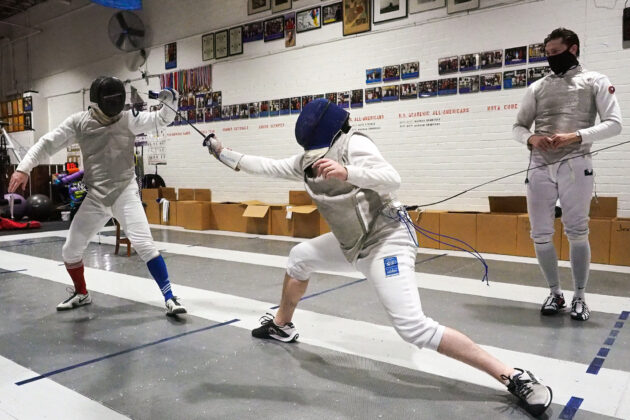
These classes, which begin today (Monday), will teach fencing basics such as footwork and handwork to students ages 7 and up.

Wednesday, Oct. 13

Arlington Community Federal Credit Union Retirement Roundtable*
Virtual
Time: 8-9 a.m. 

ACFCU financial advisor Momodou Bojang will host a free webinar addressing critical topics within retirement planning.

ACFCU Homebuying 101*
Virtual
Time: 5:30-6:30 p.m.

Mortgage Loan Officer Sandra Ortecho goes back to the basics of buying a house for this webinar targeting first-time homebuyers.

Cocktails For Change: Support the Human Trafficking Fight
Clarendon Pop-Up Bar (3185 Wilson Blvd)
Time: 6-9 p.m.

This happy hour event hosted by Clarendon Pop-Up Bar (in the former Clarendon Ballroom space) will benefit Love 146, a global organization working to end human trafficking.

Thursday, Oct. 14

Community Care Fair
Serrano Apartments (5535 Columbia Pike)
Time: 4-6 p.m.

The whole family, including pets, is invited to the fair, which will provide pet supplies and preventative care, COVID-19 vaccines, food stamps resources and children’s activities.

Doorways Open Hearts, Open Doors Virtual Fundraiser
Virtual 
Time: 8-9 p.m.

Arlington homeless shelter Doorways is hosting a virtual fundraising event and auction, followed by a Q&A, aimed at preventing violence and ending homelessness in the county.

Sunday, Oct. 17

Harvest Festival Japanese Tea Ceremony
First Presbyterian Church Arlington (601 N. Vermont Street)
Time: 2-4 p.m

This ceremony and educational event by Study Japanese in Arlington and Omotesenke Domonkai Eastern Region USA is open to all ages.


View More Stories