The National Weather Service has put Arlington and the surrounding areas under a Severe Thunderstorm Watch until 10:00 p.m. on Saturday. Conditions are favorable for strong storms, so anyone with outdoor plans for this evening should monitor weather reports.

A SEVERE THUNDERSTORM WATCH IS IN EFFECT UNTIL 10 PM FOR THE OUTLOOK AREA. THUNDERSTORMS WILL BE CAPABLE OF PRODUCING DAMAGING WIND GUSTS AND LARGE HAIL.


Signature Theatre (4200 Campbell Avenue) is kicking off its 2012-2013 season with an all day open house on Saturday, August 4.

Free performances will be taking place approximately every 15 minutes on four stages, starting at noon. They feature sneak peeks at some of the upcoming season’s shows, such as The Best Little Whorehouse in Texas, Dreamgirls and Hello, Dolly! The event culminates with a finale concert at 8:30 p.m., scheduled to include both local and Broadway actors, as well as the winner of the “Signature Idol” competition. A list of performers and performance times is available online.

“The open house is a great way to get people acquainted with the new season,” said Signature Theatre publicist Peter Eramo, Jr.

Eramo noted that the open house will be the one day all year that tickets are available for the new season’s shows at a 50 percent discount. There’s no minimum purchase necessary, but the discounted tickets do have to be bought that day at the box office.

The celebration will take over parts of the plaza in the Village at Shirlington. Visitors can enjoy a moon bounce and skee ball, or munch on free snacks like popcorn, sno-cones and cotton candy.

Staff will be on hand at the event to answer questions about the Signature Theatre and the upcoming season.


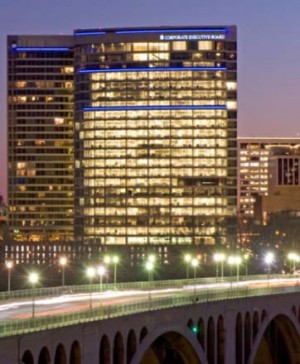
There’s been a large scale revamp of the sign regulations in Arlington’s Zoning Ordinance. The County Board approved changes to the ordinance during a marathon meeting last night (Tuesday) that stretched into the early morning.

The effort is intended to clarify gray areas, modernize the regulations and to make them easier for everyone to understand. Major issues included signs placed in the public right-of-way by private parties, the County Board’s involvement in reviewing sign requests and regulations for roofline signs.

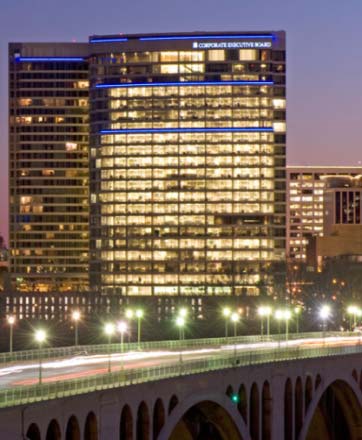
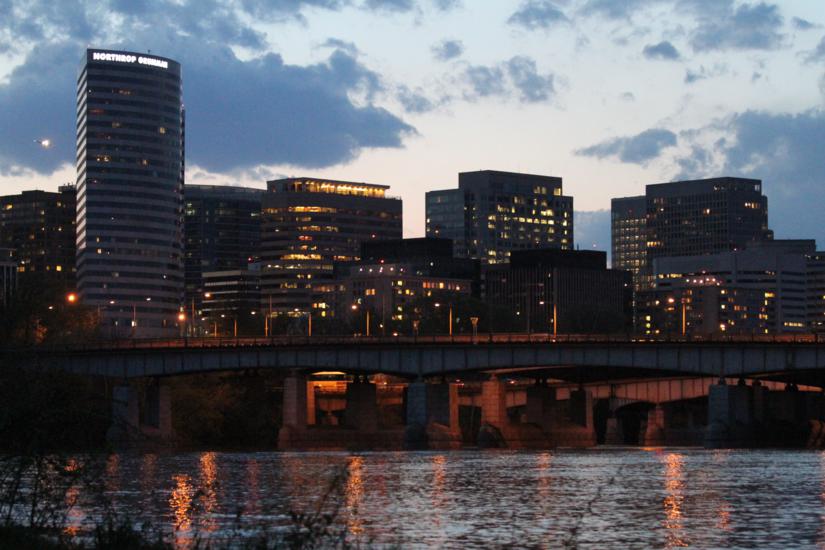
Board members Walter Tejada and Chris Zimmerman pushed for a ban on commercial roofline signs — those installed above a height of 40 feet — but it didn’t pass. The county Planning Commission favored the ban, but county staff recommended keeping the signs. The remaining three Board members ended up siding with county staff.

The Board acknowledged the difficulty of resolving the issue and pleasing all involved parties; speakers representing business interests (and some residents) at the meeting spoke in favor of keeping the signs, while a number of residents said they’d like them removed.

“We are being overwhelmed by this development,” said resident Jim Hurysz, speaking against rooftop signs. “If I wanted to live in downtown Las Vegas, I’d live there.”

“I like signs. I look for signs to know where I am. It’s useful, it’s attractive,” countered Rosslyn resident Valerie Crotty. “You’re not living in a suburb. You’re not living in a rural area.”

“All of these companies are now asking themselves ‘does Arlington not want us here?'” said Arlington Economic Development Commission member Marty Almquist. “‘Are they embarrassed that we’ve decided to locate here? Are they not interested in this live, work, play concept that has been touted for the Metro corridor?'”

“In the past, Arlington could rely on companies to relocate here,” Almquist continued. “That will all change when the Silver Line opens in 2013. Tysons Corner and Reston are going to be Metro accessible… that means Arlington needs to have at its disposal a variety of incentives to our tenants to persuade them to move here or stay here… one of those incentives needs to be signage.”

Board member Libby Garvey supported the signs, saying they distinguish Arlington and highlight its exciting atmosphere as an urban village.

“It’s so hugely personal,” Garvey said. “To me, if they’re done well, the sign, it gives the building a personality.”

Under the new regulations, businesses will have to limit the use of lighted signs to 8:00 a.m to 10:00 p.m. (a midnight cut-off was originally proposed) if they face national monuments or lands, such as Arlington National Cemetery or the National Mall. Those signs also will be limited to only one per facade. The Board approved limiting the brightness of lighted signs that are within 100 feet of residential high rises.

Board member Jay Fisette noted that whether for or against lighted signs, addressing the issue in the ordinance is “evolutionary.” Previously, the county did not have any set standards for these types of signs.

Existing signs that previously had been approved but may not meet the new standards will be grandfathered in, at least for now.

Much of the approval process for new signs will now lie with county staff, instead of requiring Board approval. It was noted that this provision is not designed to allow the approval of a higher percentage of signs or to make the regulations less stringent, it’s simply to reduce how often individual sign issues have to go before the Board, so members are freed up to deal with other issues. Small businesses had frequently expressed disapproval over the length of time involved with the sign permitting process, considering 30-40 percent of them had to be approved by the Board.
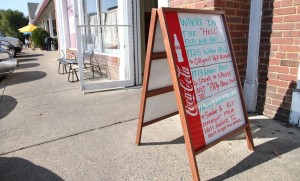
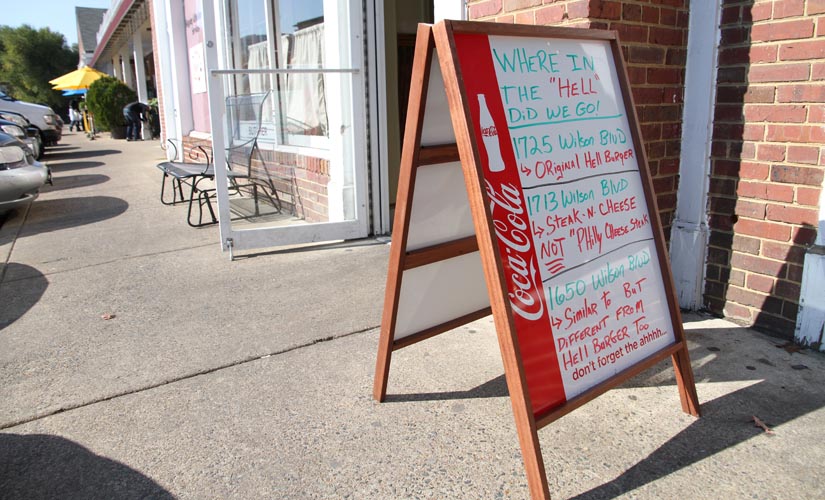
The final point garnering attention dealt with signs in the public right-of-way. Under the new regulations, temporary signs advertising lost pets or community events — such as a meeting or spaghetti dinner — will be allowed, provided they meet size requirements, are secured to the ground, and stay in place for no longer than seven consecutive days. Noncommercial signs that aren’t secured to the ground — like most A-frame signs — would be prohibited in the public right-of-way, but will still be allowed on private property.

The process of updating the signs regulations in the Arlington County Zoning Ordinance has been ongoing since December 2010. County staff members gathered input on the three revised drafts at a number of public hearings and workshops before presenting the Board with the final proposal last night.

Despite nearly six hours of back-and-forth debate on individual aspects of the ordinance, the Board eventually unanimously voted to approve it.

“I think it is not perfect, and I think it is like anything, going to change. But I’ve been unhappy with the sign ordinance in this county since I first got involved with the Board,” said Zimmerman. “I do think the bulk of this is a real step forward for the county.”


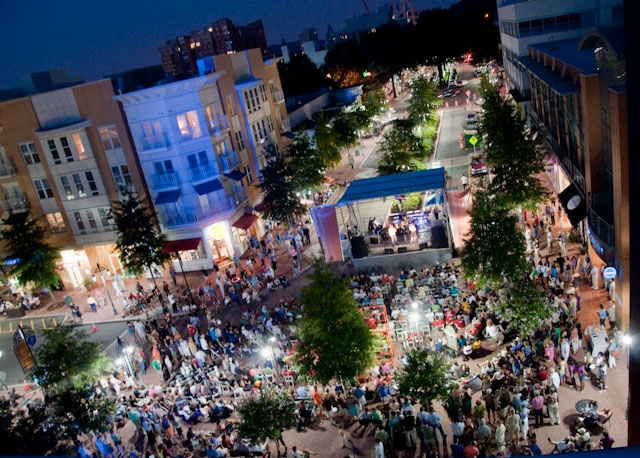
(Updated at 3:05 p.m.) Arlington is near the top of a list highlighted in “The Atlantic” that features America’s top counties for the “creative class.”

The list is an excerpt from a recently released book, written on the belief that the role of creativity is on the rise in American society. It asserts that the creative class consists of around 40 million workers, or more than one-third of the total workforce. Examples of fields with high numbers of creative class professionals include management, education, science, architecture and media.

The list charts the concentration of the creative class by county (although several independent Virginia cities also made the list). Arlington County came in at number two, second only to Los Alamos County, New Mexico. A number of D.C.-area locales also made the list, including:

3. Falls Church, VA
4. District of Columbia
6. Alexandria, VA
8. Fairfax County, VA
9. Howard County, MD
10. Loudoun County, VA
11. Montgomery County, MD
12. Fairfax City, VA
15. Albemarle County, VA

The region also fared well on the list of states with high numbers of the creative class. The District came in first, Maryland is third and Virginia came in fifth.


(Updated at 1:00 p.m.) The County Board has voted unanimously to follow the recommendation of the Arlington Commission for the Arts, approving $249,100 in grants for local artists and art organizations.

Of the 33 direct financial support application the Commission received, it recommended the Board approve 25 of them. All 25 recommended grant recipients are Arlington arts organizations or individual artists.

The Commission recommends three types of support for the arts — general operating grants, project grants and spotlight grants. General operating grants help organizations with the cost of overall administration and program offerings. Project grants assist organizations or individual artists with completing a specific project. Spotlight grants go to individual artists for their development and presentation of innovative new arts projects or programs.

The largest allocations of funds will go to Signature Theatre and Synetic Theatre, both slated to receive $45,000. Arlington Arts Center receives the next largest sum, at more than $20,000.

WSC Avant Bard is set to receive $18,077.71, but county staff noted that funds for the theater company are contingent on a management transition that’s currently underway.

“Avant Bard is in a transition period that has caused them to restructure their board and reconfigure their season,” staff wrote. “While staff and the Arts Commission firmly believe that WSC Avant Bard will be successful in this process, and are providing them with assistance through our non-profit resource center, our intention is to withhold their financial grant until progress is ensured and their first performance has been scheduled.”

The funds were appropriated in the County Board’s FY 2013 adopted operating budget for Arlington Economic Development. See the full list of monetary grants, after the jump.

(more…)


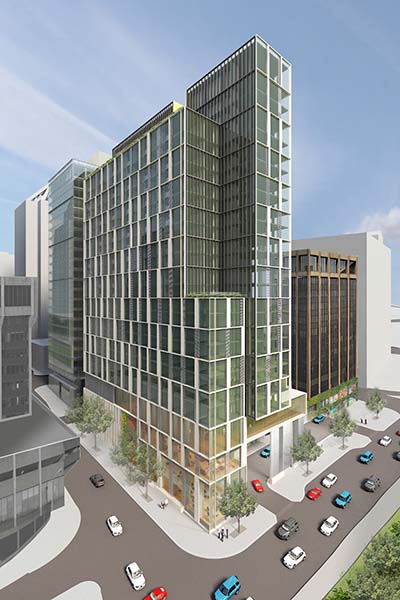
An entire block of Rosslyn is going to be redeveloped, now that the County Board has approved the rezoning and phased development site plan for the 1 million square foot Rosslyn Gateway project.

The mixed-use project covers the 2.2 acres of land bounded by N. 20th Street on the north, N. Moore Street on the east, N. 19th Street on the south, and Fort Myer Drive on the west. The existing two office buildings will be replaced with three buildings — an office building, a residential tower and a hotel/residential building.

The County Board voted 4-1 to approve the project at its meeting last night (Tuesday).

“Rosslyn Gateway is a turning point for the County’s efforts to transform Rosslyn into a more welcoming neighborhood for the people who live, work or visit there,’’ said Arlington County Board Chair Mary Hynes. ‘’This is exactly the sort of high quality, beautifully designed, mixed use development we hoped that the rezoning of Rosslyn would encourage.”

The project will be constructed in three phases:

  • Phase 1 — 25-story, 490,056 square-foot office building with 8,688 square feet of ground-floor retail.
  • Phase 2 — 25-story building with 133 residential units, 148 hotel rooms and 10,001 square feet of retail.
  • Phase 3 — 20-story residential tower with 140 residential units and 7,687 square feet of ground-floor retail.

Under an agreement with developer JBG, the county will vacate certain easements and public rights-of-way it owns, including the service road that loops around part of the block. JBG would pay compensation to the county for the vacated areas, listed at about $7.5 million.

In addition to removing the service road, three sky bridges will also be removed to accommodate the new development. The sky bridges will be replaced with 12 foot wide clear sidewalks, crossings and street trees to improve pedestrian safety and encourage connections between the buildings. Parking will be located beneath the buildings.

Businesses on the block, such as Continental (1911 Fort Myer Drive), will be affected by the redevelopment. However, it’s unclear if they will relocate or if they will negotiate with JBG to take up some of the ground floor space in the new development.

JBG also agreed to provide $30 million worth of public benefits as a condition of site plan approval. The benefits include contributions to the county’s affordable housing fund, Gateway Park planning efforts, off-site transportation improvements and the Corridor of Light public art project.

A county staff member says the timeline for the project is still up in the air, although JBG’s current work on Central Place will likely take precedence over beginning construction on Rosslyn Gateway. However, due to county guidelines approved in the agreement, work would have to begin sometime in the next five years.


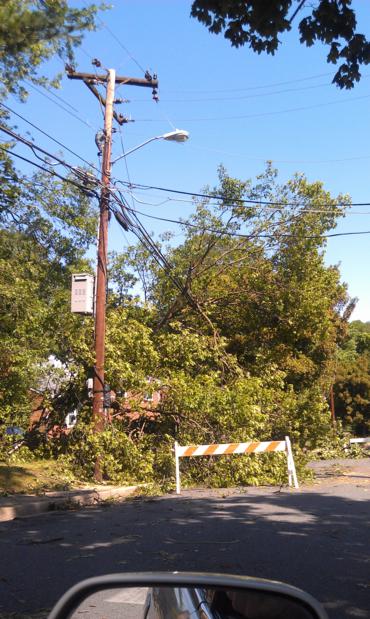
Arlington is hoping to receive some federal funds to cover the hundreds of thousands of dollars it spent during emergency response to the June 29 derecho storm.

County Manager Barbara Donnellan got the ball rolling by declaring a local emergency on June 30. Nearly 50 other Virginia localities did the same. Yesterday, Governor Bob McDonnell formally requested assistance for the state from the the Federal Emergency Management Agency, estimated at $27.5 million. Now it’s up to President Obama to either approve or deny the disaster funding.

Jack Brown, Director of the Arlington County Office of Emergency Management, explains that to be eligible for federal funds, the county must incur more than around $700,000 in expenses. So far, the bill from the June storm adds up to approximately $802,000, which includes costs for personnel, equipment and debris removal. The total could increase as more numbers are finalized.

Brown offers a reminder that there’s a lot of paperwork and a long review process involved, and that reimbursements filter in gradually once approved.

“They don’t just cut one check for the whole amount,” he said. “We went through this after the huge snowstorms of 2009 and 2010. It’s about a year long process.”

Arlington didn’t get all the funding it requested following those snowstorms, but it fared better than many surrounding jurisdictions, according to Brown. He credits all of the individual departments involved for collecting and sorting the receipts and data that had to be submitted. The county received a total of $1.6 million, covering one storm in December 2009 and two in February 2010.

Although receiving reimbursements often involves an arduous process, Brown said the end result makes up for it.

“Once we know there has been a federal declaration, then we would go through the process with FEMA and the state, and go through all those records,” said Brown. “But it’s worth it at the end of the day.”

For now, Brown said the county continues to calculate its expense requests from the derecho, while waiting for word from the President.

“Other areas of the country were hit harder than we were with different storms, so we’re all just waiting,” said Brown.


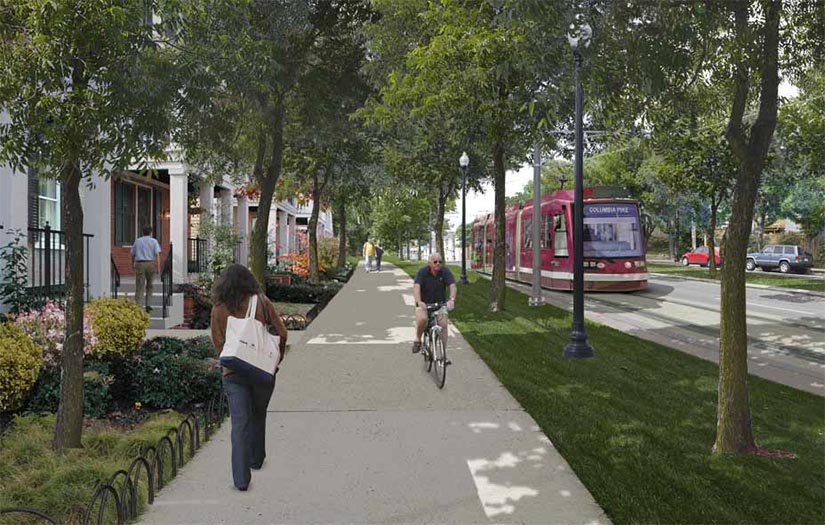
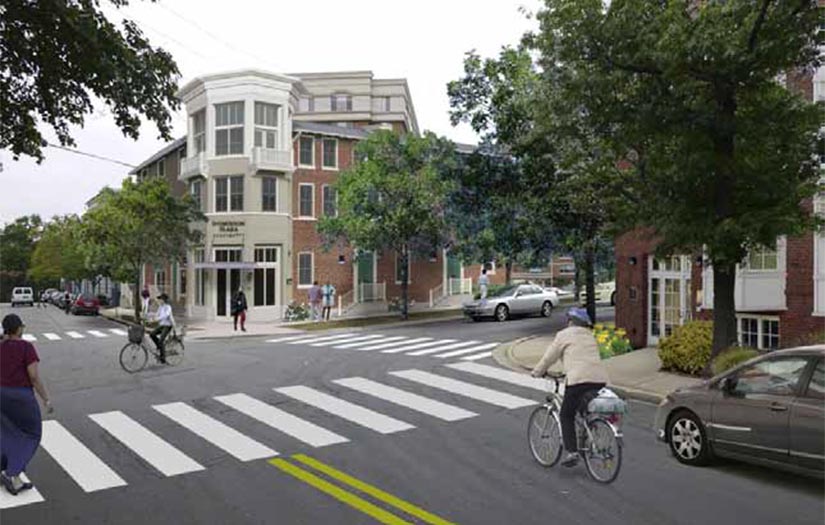
The County Board decided to approve the Columbia Pike Neighborhoods Area Plan during a meeting Monday night that stretched into the early hours this morning. The large scale plan aims to transform Columbia Pike into a more urban and walkable community, while maintaining affordable housing over the next 30 years.

The plan involves increasing density along the Pike — as many as 14,800 new apartments and condo units over the next 30 years — partially through allowing the construction of taller buildings. It also includes retaining approximately 4,500 affordable housing units, with all of them available at 60 percent of the Area Median Income (AMI). Those units are privately owned and operated, with the possibility of the county providing incentives for property owners. It also calls for the county, over the next 30 years, to develop 2,150 new rental units along the Pike that will be contractually committed to remain affordable.

“This is the most ambitious set of actions the county has ever adopted for preserving affordable housing as part of an area plan,” said Arlington County Board Chair Mary Hynes. “Our experience has taught us that if we do not plan for affordable housing from the outset, rising property values make maintaining our diversity in housing choices and rents very difficult.”

For about three hours, 47 residents addressed the Board, both in favor of and against the proposal. The Board spent an additional two hours debating various aspects of the overall plan, such as the amount of affordable housing and how to fund it.

Much debate ensued over the issue of how much affordable housing developers should be required to provide, using Form Based Code to increase density and receive incentives. County staff had recommended 20-25 percent of net new development be reserved for affordable housing. The Board voted in favor of increasing the number up to 35 percent.

Financing the preservation of affordable housing through means such as a tax increment finacing area (TIF) split the Board. Members Chris Zimmerman and Walter Tejada supported the idea of a TIF, which would give 50 percent of revenue from increased commercial property assessments along Columbia Pike back to affordable housing initiatives in the area.

Zimmerman said a TIF would ensure some value goes back to the community to help mitigate any harm the development plan would cause. He also noted that the Affordable Housing Investment Fund (AHIF) would need more funding — an additional $200 million over 30 years, according to county staff — to meet the county’s goals. He believes a TIF would be an appropriate way to boost the fund.

“The fact of the matter is, we don’t have enough money going into AHIF now on an annual basis to meet the goals the county has set. There’s no way that we’re going to get what we need entirely, or probably not even mostly, out of new development,” Zimmerman said. “If we’re going to be serious about achieving the goal here, we have to do a lot more.”

Board member Jay Fisette said the TIF proposal was thrown at him just hours before the meeting. He said it is currently too unexplored and the Board hadn’t been given enough time to examine the concept.

“I cannot support this today. I don’t think it was expected that this was going to be part of the action today,” said Fisette.

Hynes agreed, saying there may be alternate ways to boost the AHIF.

“I do support making regular increases, progressive increases, in the AHIF fund,” said Hynes. “In my view, we’re just not ready to do it this way.”

Tejada clarified that the TIF would not be an additional tax, but would come from the extra money generated by the proposed higher density. He said it’s important if the county wants to ensure the future of small businesses on the Pike.

“Currently we have a lot of businesses in the Columbia Pike area that are very nervous whether they’re going to be able to stay there,” said Tejada. “It’s up to us to act now to protect them.”

In the end, the TIF proposal was struck down by a 3-2 vote. Following that vote, the Board approved a motion to study a TIF in the future.

Later in the night, the Board approved another aspect of the long term plan for the Pike — the construction of a streetcar.


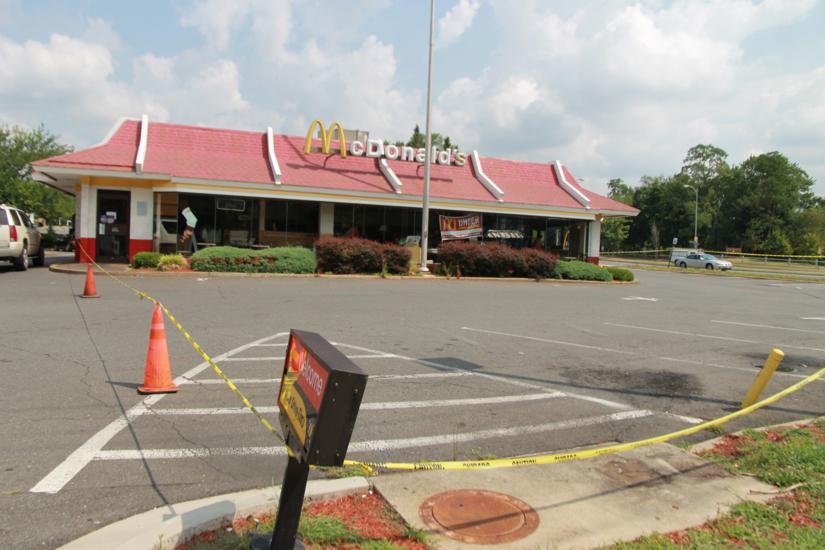
McDonald’s is releasing some information about what its new restaurant in the Bluemont neighborhood will look like.

The existing restaurant closed earlier this month and will be demolished. An entirely new McDonald’s will be built on the site (5009 Wilson Blvd).

The interior will include the traditional booths and chairs, but a new lounge type of area will be added, as will new community tables. The different styles of seating are designed to give customers a variety of dining options to fit their lifestyles — from meeting new people at the communal seating to enjoying a quiet cup of coffee in the lounge. Plasma screen TVs and free Wi-Fi will also be available.

“This construction is a part of McDonald’s focus to modernize and elevate the restaurant experience through upgrading to a more modern exterior design and providing upscale and contemporary interior décor,” said local McDonald’s franchisee Kyu Rhee.

Plans for the exterior are said to be consistent with the McDonald’s brand, while still allowing for flexibility with color and design materials to adapt to the neighborhood. There will be new landscaping and an easily identifiable drive through.

The construction is intended to show McDonald’s customers that the company can change with the times and with customer needs, while retaining the brand’s basic principles. The new restaurant is expected to open late in October.


The Arlington County Board approved a 10-year, $2.4 billion Capital Improvement Program (CIP) at its meeting on Saturday (July 21). The money will go toward a variety of projects ranging from building new schools to a new aquatics center to investing in streetcar plans.

“This CIP is both a financially sustainable plan that strikes a balance between maintaining our existing infrastructure and making strategic investments that will meet the needs of our growing community, and a vision for the future,” said County Board Chair Mary Hynes. “Our sound, forward-looking financial plan will help maintain the County’s triple-Aaa bond ratings.”

One area receiving a funding boost is infrastructure, including nearly $13.2 million for repaving many of the county’s roads. While residents report being pleased overall with the county’s services, according to the 2012 Resident Satisfaction Survey, street maintenance is a category listed as needing much improvement.

“Our streets, parks, facilities, water system and technology all need on-going maintenance and upgrades if we are to continue to provide the high-quality services that our community expects and that attract employers and visitors to Arlington,” Hynes said.

The bulk of the CIP is funded through general obligation bonds, which will be put to voters on the November 6 ballot. There will be four referenda totaling more than $153 million, in the categories of Metro and Transportation, Local Parks and Recreation, Community Infrastructure and Arlington Public Schools.

A significant portion of the allotted money in the parks referendum — $42.5 million — would go toward the construction of an aquatics facility at Long Bridge Park.

The Columbia Pike streetcar would also get funding under the CIP, pending tonight’s County Board vote on approving the streetcar plan. Because the bulk for the $250 million streetcar project would be funded through means other than bonds, it is not included in a referendum. Arlington will be responsible for 80 percent of project costs, while Fairfax County will be on the hook for the other 20 percent. Of Arlington’s $200 million tab, the county hopes to obtain $92.7 million in federal and state funding.

“The Board also believes, after years of conversation with the community, that strategic investments in our transit system and our recreational opportunities – providing a streetcar system and an aquatics and recreation facility at Long Bridge Park — will well serve generations of Arlingtonians to come,” Hynes said.

The board voted to amend the CIP to accelerate phase three of the Long Bridge Park project, which includes building a playground at the park. An amendment would reallocate $1.4 million for the playground, which was originally slated to be part of the 2016 planned bond referendum. Board member Walter Tejada was the lone dissenter, questioning why the money would be put toward a playground instead of a facility he says many people have asked him about — an indoor soccer facility.

“There’s an objection on the part of thousands of Arlingtonians, that our plans still don’t address all the aspirations that people have expressed. In particular in the case of indoor soccer,” Tejada said. “I would say that this language falls short and for those reasons I’m not going to support it.”

Hynes countered that the playground holds a far smaller price tag than an indoor soccer facility would, making it easier to fund.

“There are many aspirations in this community by many people. This is about whether we can accelerate a very small, relatively inexpensive thing to meet a need,” said Hynes. “A brand new building for indoor soccer is an $80 million expenditure. To rearrange this ten year plan to accommodate that would require us to make other priority choices.”

The board voted unanimously to approve the CIP, which covers FY 2013-2022. The move from a six-year to a 10-year plan is intended to allow for better planning and financing of multi-year projects. The CIP will be updated every two years.


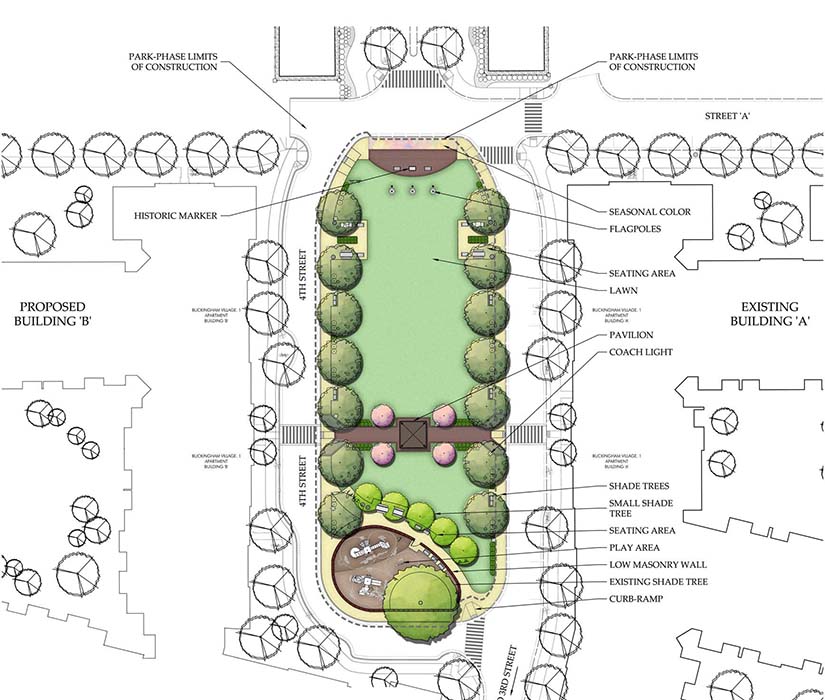
The new Henry Wright Park will soon open in the Buckingham neighborhood, now that the County Board has authorized a resubdivision plan and maintenance agreement.

The county has been working with Paradigm Development Company to develop the 2.3 acre public park. The property is known as Buckingham Commons Village I, and a portion purchased by the county for $14.8 million in 2009 will be dedicated as Henry Wright Park (4350 4th Street North), as well as a new county street.

Paradigm Development Company will be responsible for ongoing maintenance at the park, as part of the public/private partnership. The county will maintain the new portions of North 4th Street and North Upton Street once they are dedicated. The measures were finalized by the County Board’s unanimous vote at its meeting on Saturday (July 21).

“Henry Wright Park brings much needed open space to Buckingham Commons Village I,” said Arlington County Board Chair Mary Hynes. “Through a public/private partnership with Paradigm, the county has found a cost effective way to ensure that this beautiful park is well taken care of so that generations of Arlington children have a safe, attractive place to come together, exercise and play.”

The oval park has a fenced in playground for two to 12-year-olds, picnic and game tables, two grassy areas and a sign commemorating the history of the Buckingham Villages Gardens Apartments.

Construction began last fall and is nearly complete. If all goes according to plan, the park will open next month.


View More Stories