This weekend, the Arlington County Board is poised to vote on a planning document set to shape several decades of post-HQ2 development in Pentagon City.
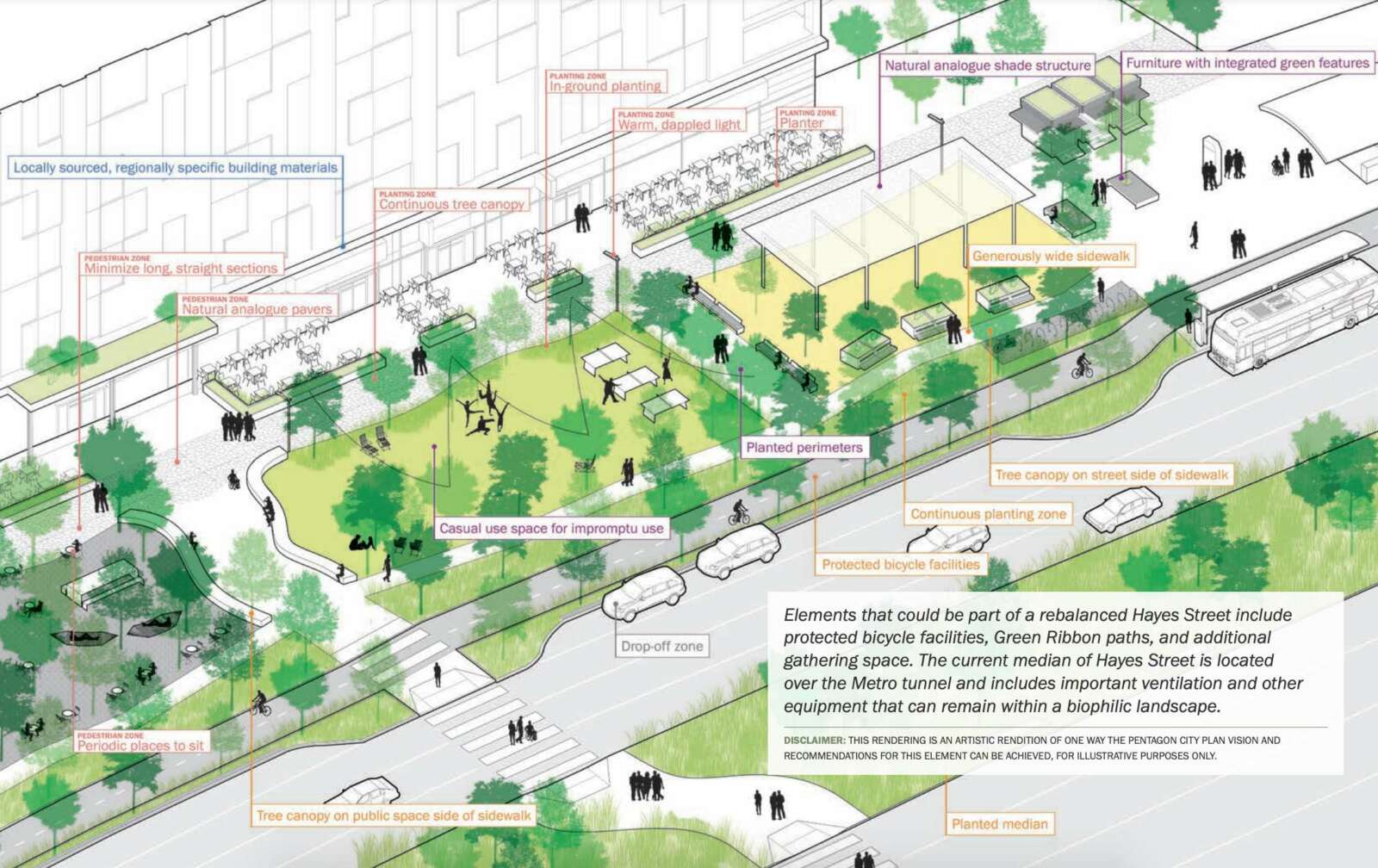
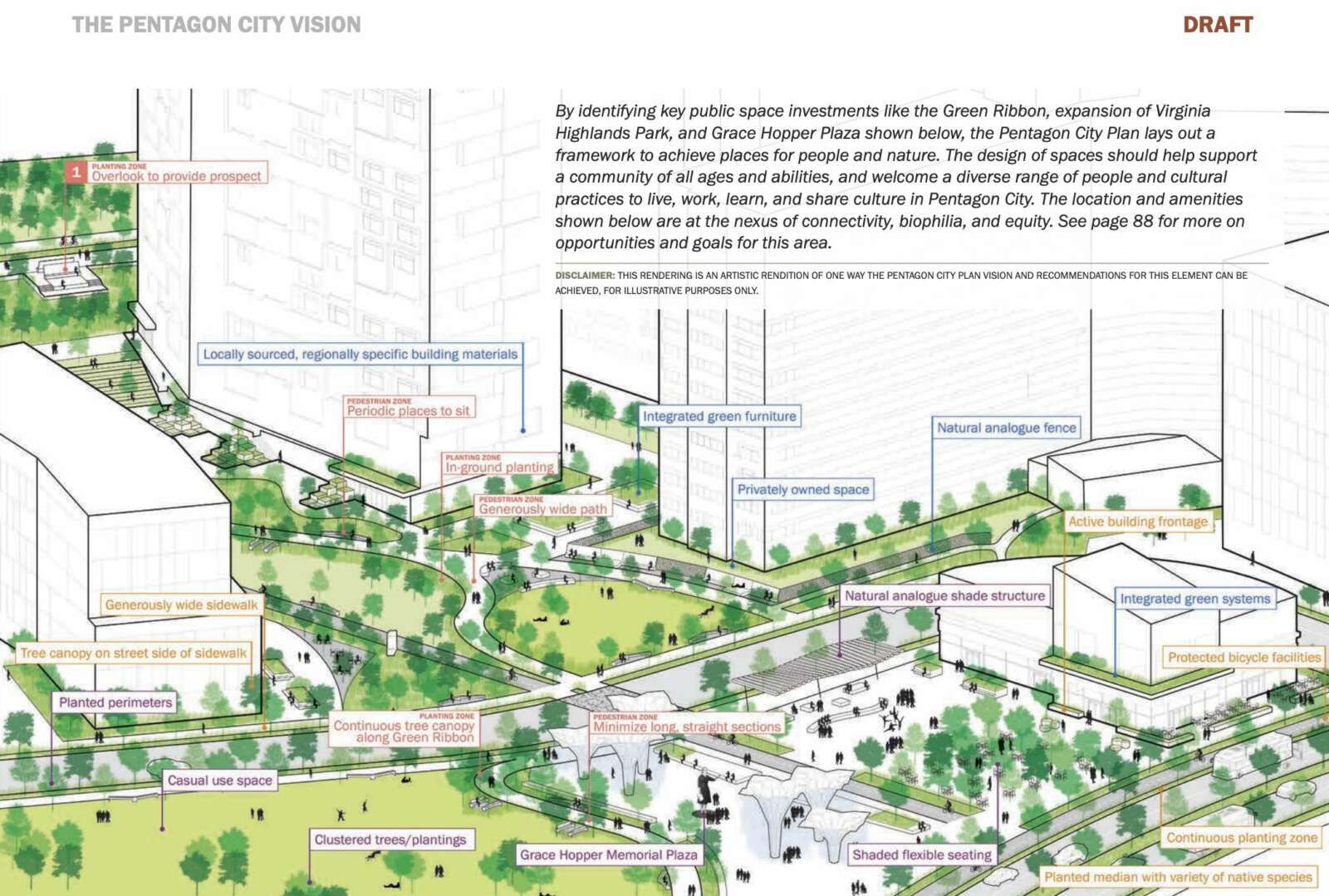
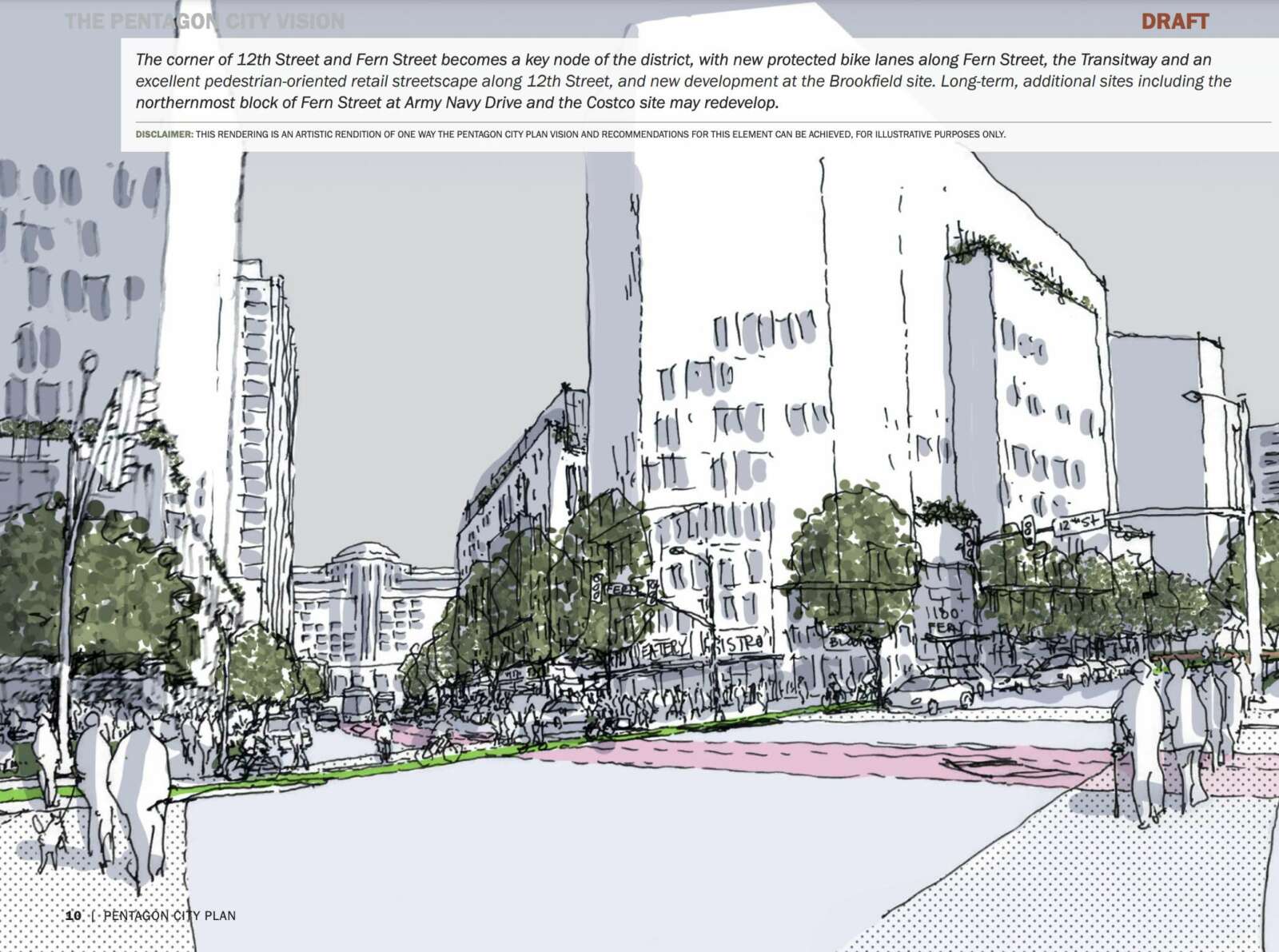
The Board’s meeting this Saturday will be residents’ last chance to weigh in on the Pentagon City Sector Plan, which envisions a denser and less car-centric neighborhood with “ribbons” of tree- and plant-lined walking paths.
The plan culminates a lengthy study of the 116-acre community and the county policies that have governed its growth for 46 years. The last plan for Pentagon City — finalized before the arrival of Metrorail service — described the area as “mostly vacant urban real estate” with some existing residential and industrial uses.
Amazon’s decision to build its second headquarters in Pentagon City precipitated the new study’s launch.
The plan’s critics have grown louder in their opposition as the eve of the vote draws near. They say the plan adds density but not green space and doesn’t guarantee space for new and improved public facilities.
In response, the county says the newest version of the plan reflects a number of additions locals requested that flesh out what open spaces should look like and highlight the need for a school, community center and library. But concerns still remain.
“We believe that in order to realize the vision described in the PCSP, where community members have access to employment, schools, multi-modal transit, open space, and other essential services, the plan needs more clarity and assurances,” writes Kateri Garcia, President of the adjacent Arlington Ridge Civic Association (ARCA), in a letter to the Board.
She adds that ARCA represents “a significant number of citizens who feel that their voices have not been heard within the process and that large increases in density are being pursued without rationale and the appropriate studies to ensure the area can absorb the density.”
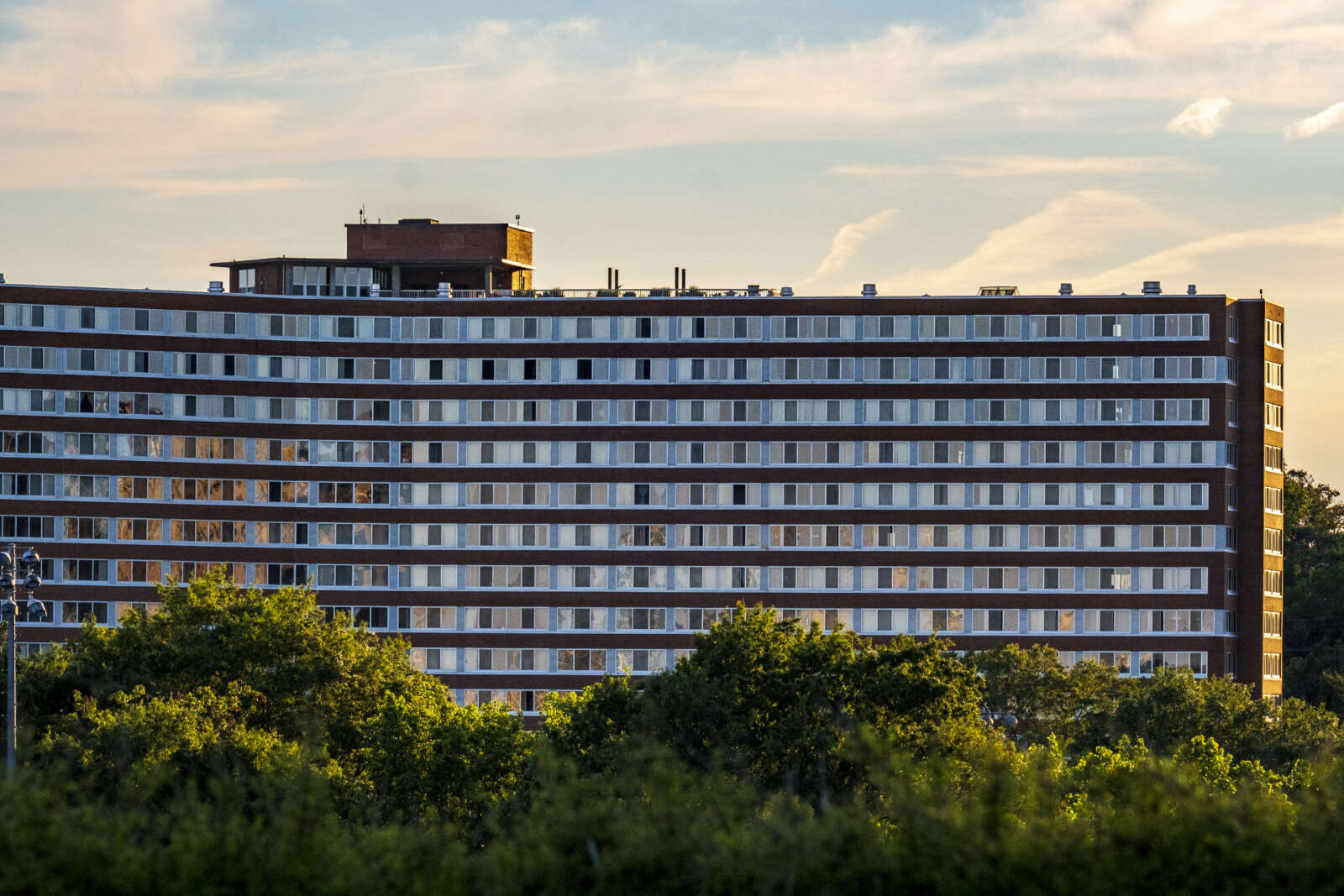
Much of the opposition is focused on the future of the large RiverHouse site on the west end of Pentagon City, currently home to three apartment buildings and an expanse of parking lots and grassy areas. Specifically, the plan has reignited old concerns about redeveloping the surface parking lots and open spaces surrounding the complex on S. Joyce Street, a long-time goal of property owner JBG Smith.
The document recommends up to 150 units per acre on the 36-acre site, which currently has a ratio of 49 units per acre. Residents who coalesced into the groups “RiverHouse Neighbors for Sensible Density” and “Dense That Makes Sense” have called for moderated growth instead.
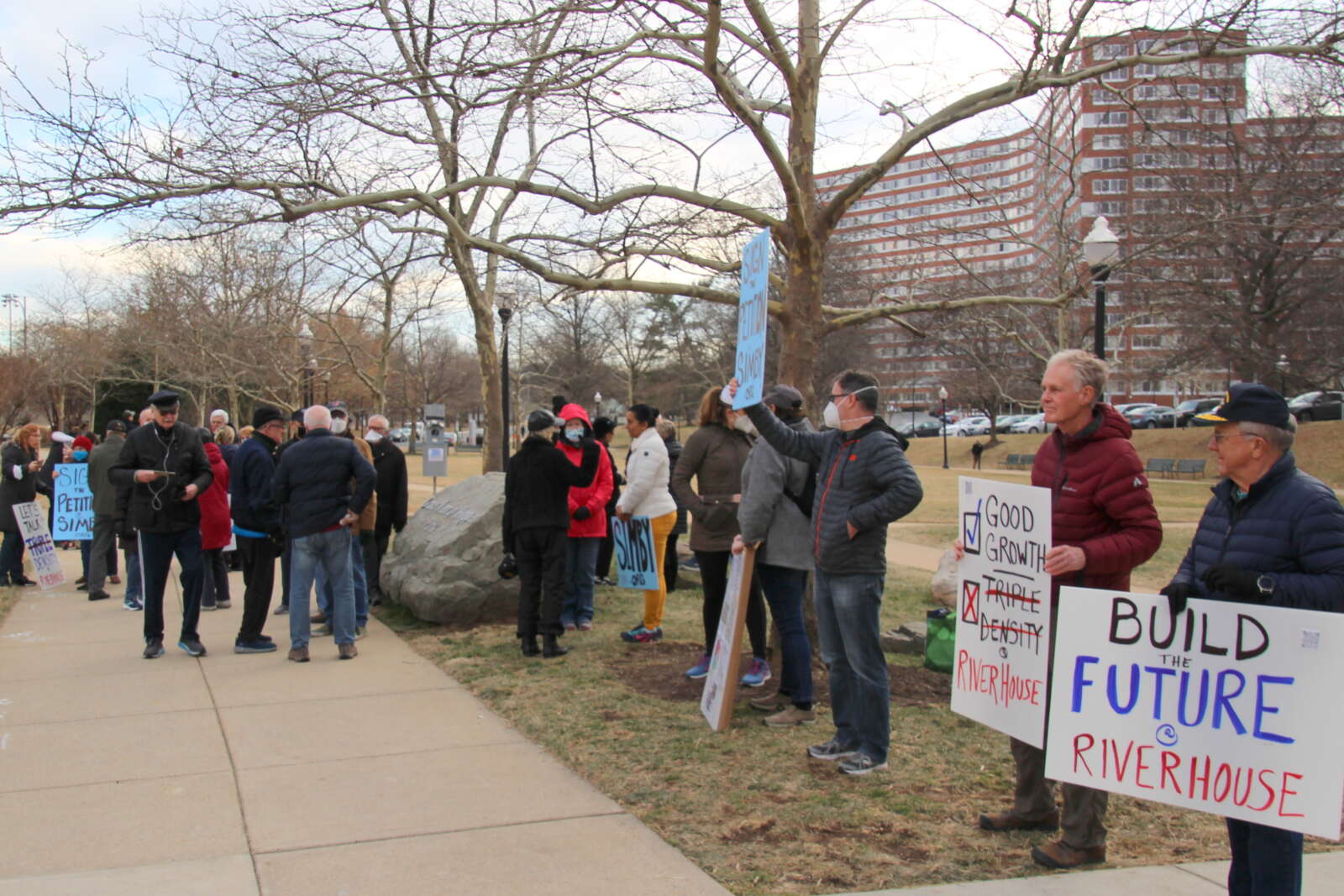
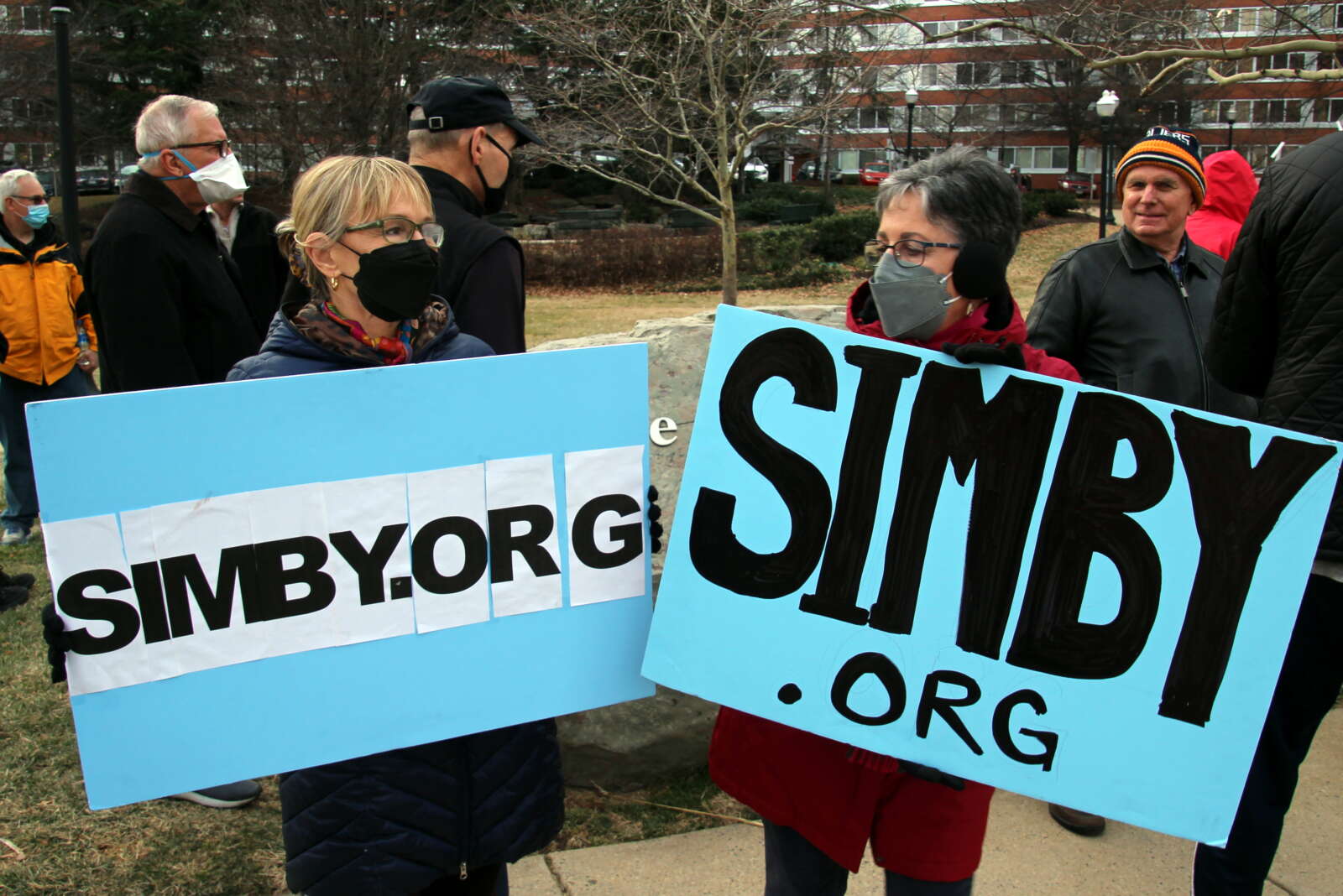
A rally held in front of Grace Murray Hopper Park, a public park on the RiverHouse property that’s set for upgrades under the plan, attracted at least two dozen or so demonstrators from the two groups, many of whom held signs decrying the plan and significantly increased density.
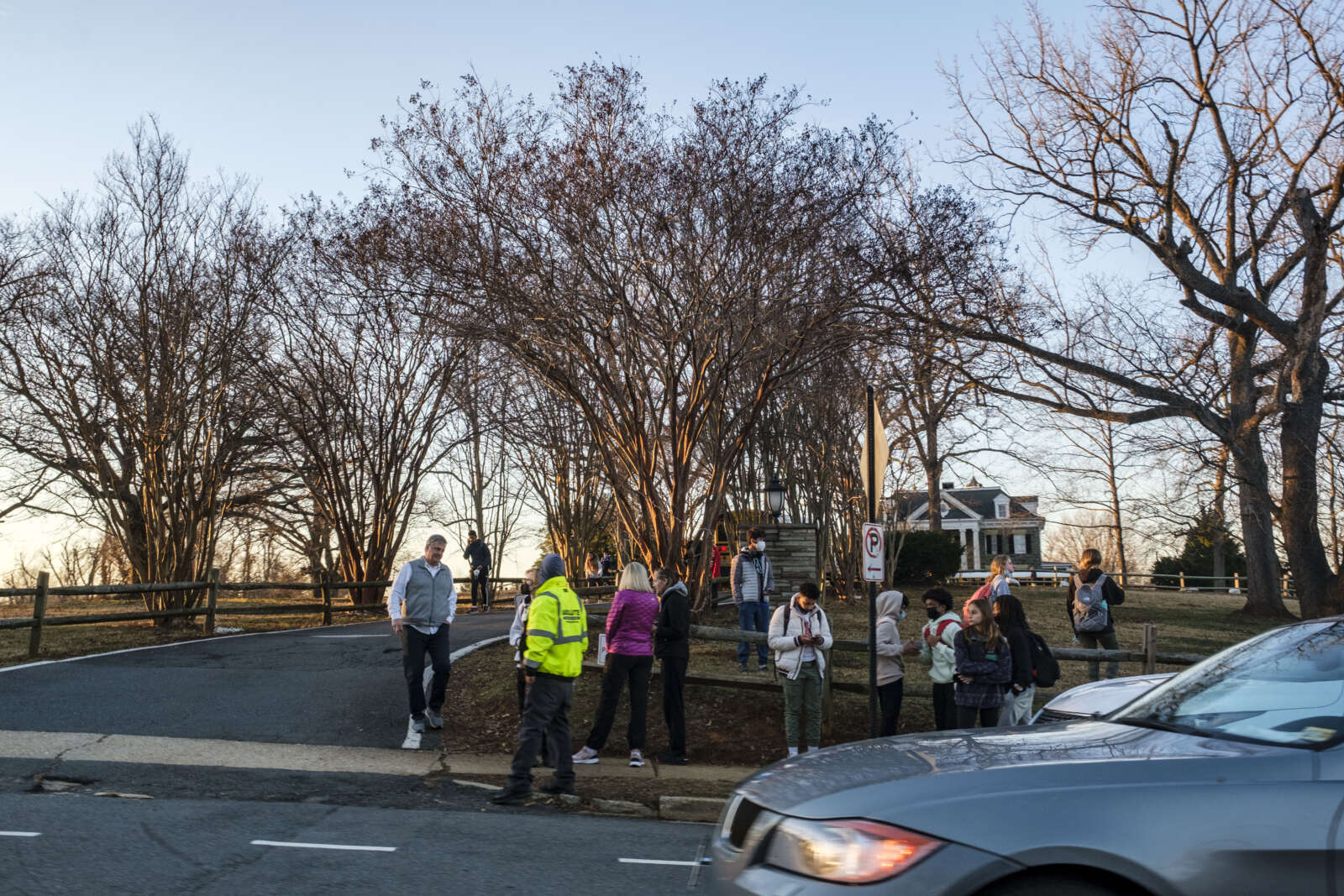
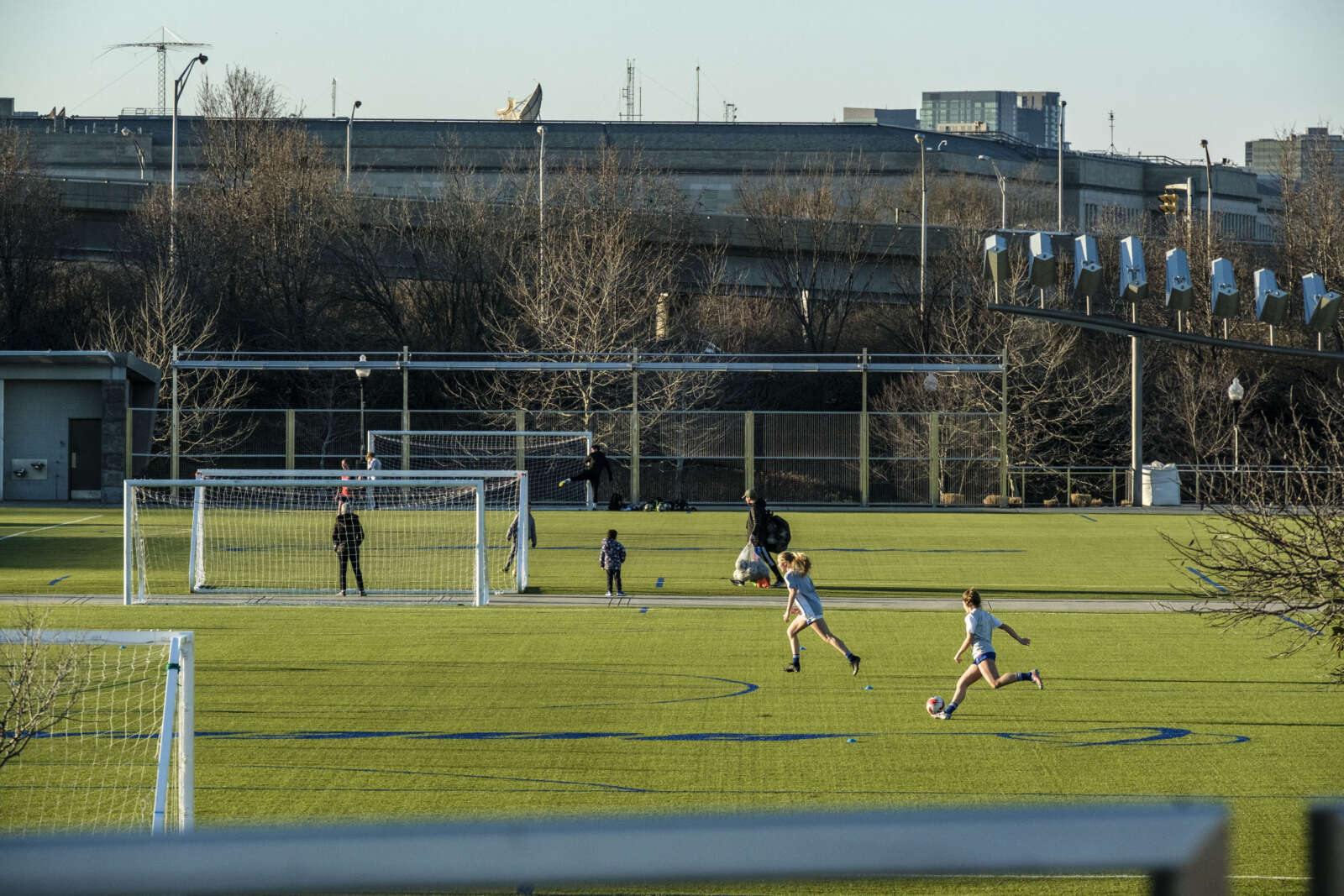
As for a new school or improved community center and library, neighbors want details about how they’d fit at Virginia Highlands Park — or a commitment to put them elsewhere.
“The common theme throughout the Plan is that Virginia Highlands Park is the fallback location for all public facilities. A school. A community center. A library. More recreation. Very little of this is feasible — there’s simply not enough space and we have contention over it already today,” writes former Aurora Highlands Civic Association President Scott Miles in the association’s February newsletter.
Planning Commission member Stephen Hughes sympathized.
“I do find the lack of a site proposed for an elementary school — besides the already provided county facilities — to be lacking,” he said during a meeting last week. “I just believe we could’ve done a better job of achieving a grander legacy for future generations.”
While the plan doesn’t achieve a net increase in green space, it improves “poorly designed, generally privately owned, open space,” sets minimum tree and planting requirements for developments and requires a park within a 10-minute walk for every resident, writes the AHCA representative to the project, Ben D’Avanzo, in the same newsletter.