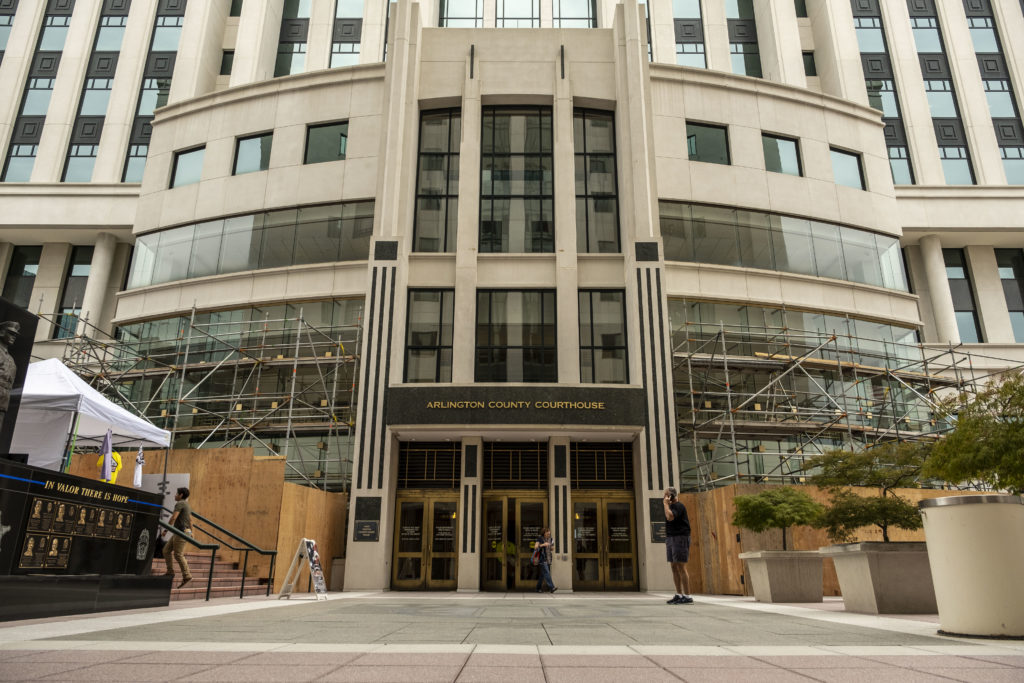
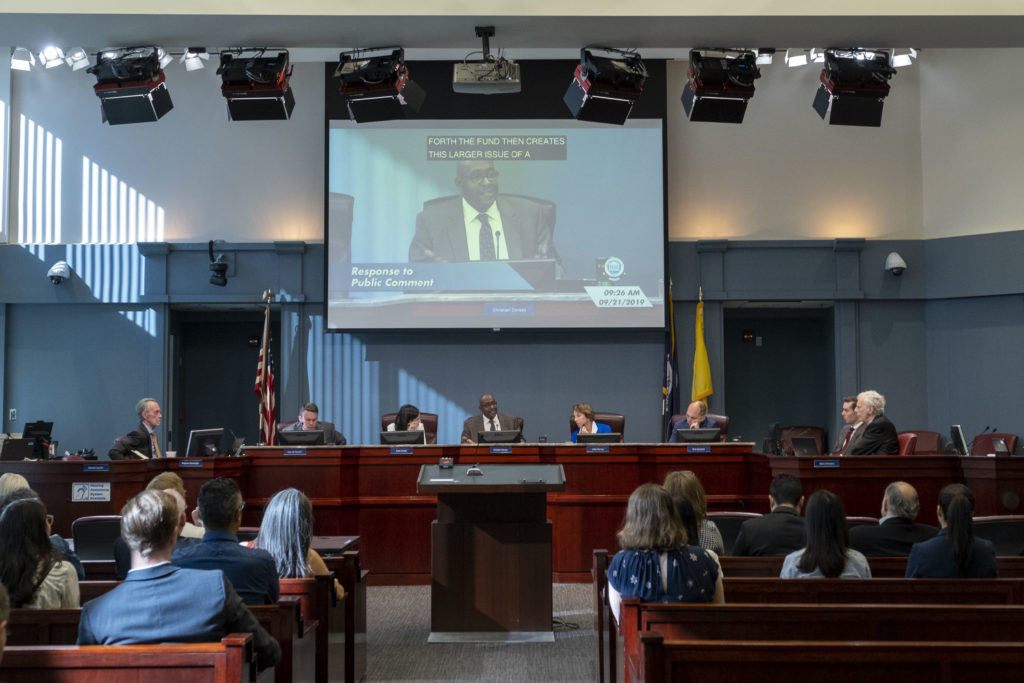
The Arlington County Board has unanimously approved several zoning changes that could incentivize developers to build more affordable housing units.
The changes, approved at the Saturday (November 16) County Board meeting, modify “bonus density maximums” for site plan projects and alter how the county defines low or moderate income to “provide greater flexibility in facilitating affordable housing.”
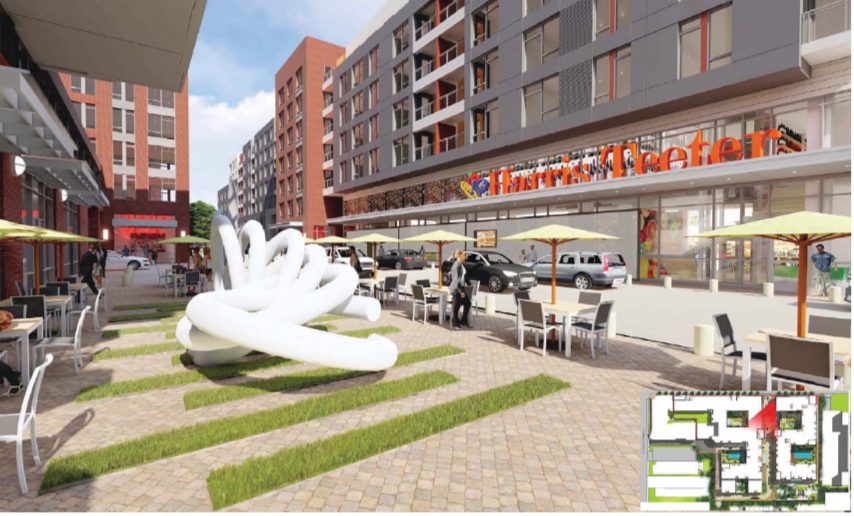
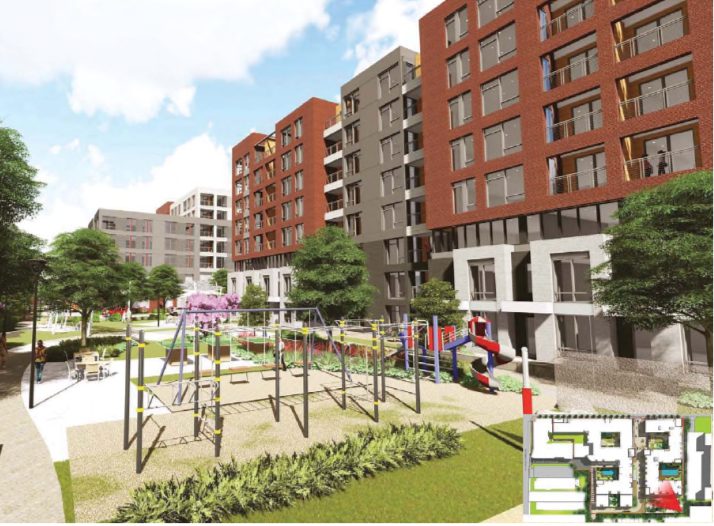
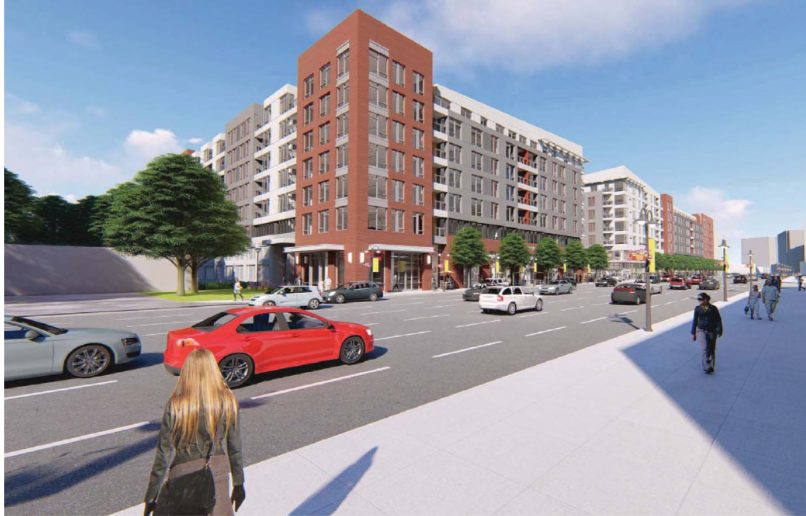
Density bonuses are an incentive land use tool regulated in the Arlington County Zoning Ordinance. Currently, density bonus maximums are capped at 25 percent above what is allowed in the zoning district. This means if a developer promises to build affordable housing units, community facilities, open spaces, or environmental amenities with their project, they’ll get up to 25 percent more space to work with.
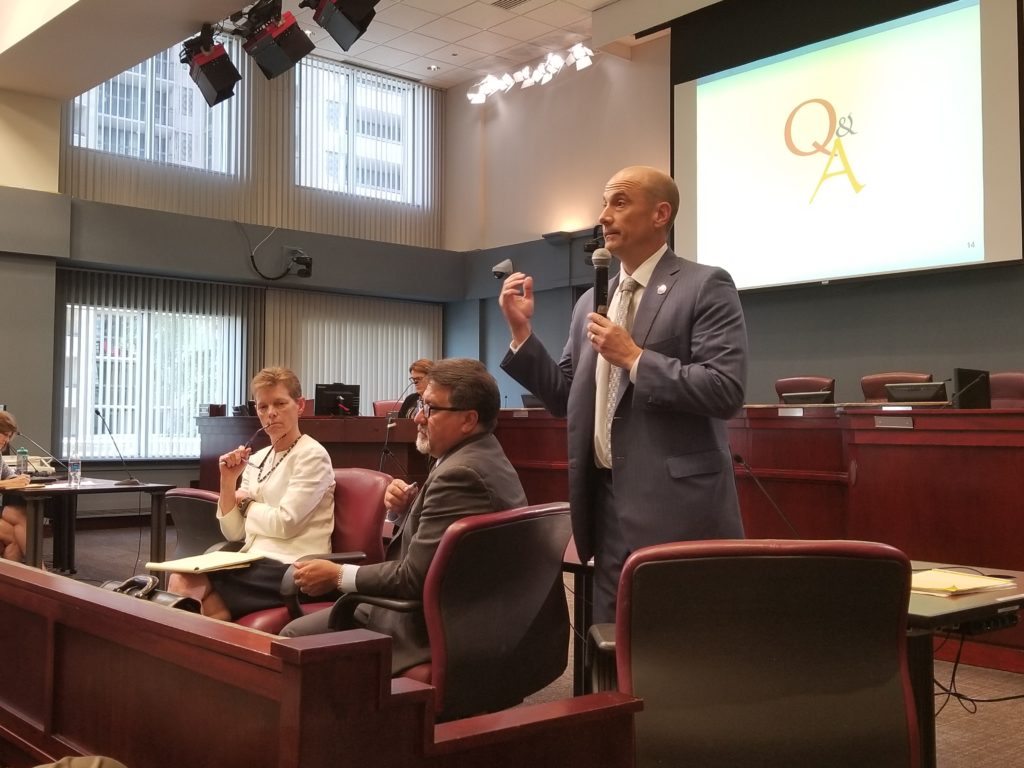
After much debate — “my head hurts,” commented board member Erik Gutshall — the County Board voted to give itself the flexibility, within the heights specified for each zoning district, to consider added density above the 25 percent maximum on a case-by-case basis.
“Bonus density has allowed us to build hundreds of units of affordable housing across Arlington, and particularly in the transit-rich Metro corridors, without relying on County funding,” said County Board chair Christian Dorsey in a press release. “We believe this new flexibility will encourage developers to add more affordable homes in their projects.”
The revisions have received mixed feedback from developers and civic groups. Jack Spilsbury, the co-chair of the Ashton Heights Civic Association, said the elimination of density caps could “create more boxy buildings, and raise concerns about the preservation of neighborhood characteristics.”
In addition, the Board voted to allow higher income levels for affordable housing when considering new site plans. The County Board currently defines low-or-moderate income for renters as at or below 60 percent of the Area Median Income (AMI) — or about $51,000 per year — and at or below 80 percent AMI — or $68,000 per year — for home ownership.
In 2015, the county officials pledged to create 15,800 affordable housing units before 2040, but have since fallen short of the yearly creation benchmarks. By giving itself the option of considering higher income levels for affordable housing, the County Board hopes to allow the creation of more affordable housing, particularly for those at moderate income levels.
“There is no question that affordable housing is something we are going to work diligently to solve,” said Gutshall during Saturday’s meeting. “But I believe in the long run here, we are going to get to those solutions easier and better by demonstrating to the community that we rely on the planning that it takes.”
The last review of affordable housing bonus provisions occurred in 2001. Earlier this year, the County Board introduced “Housing Arlington,” an initiative for the county’s existing affordable housing program.
The full press release about the bonus density changes is below, after the jump.