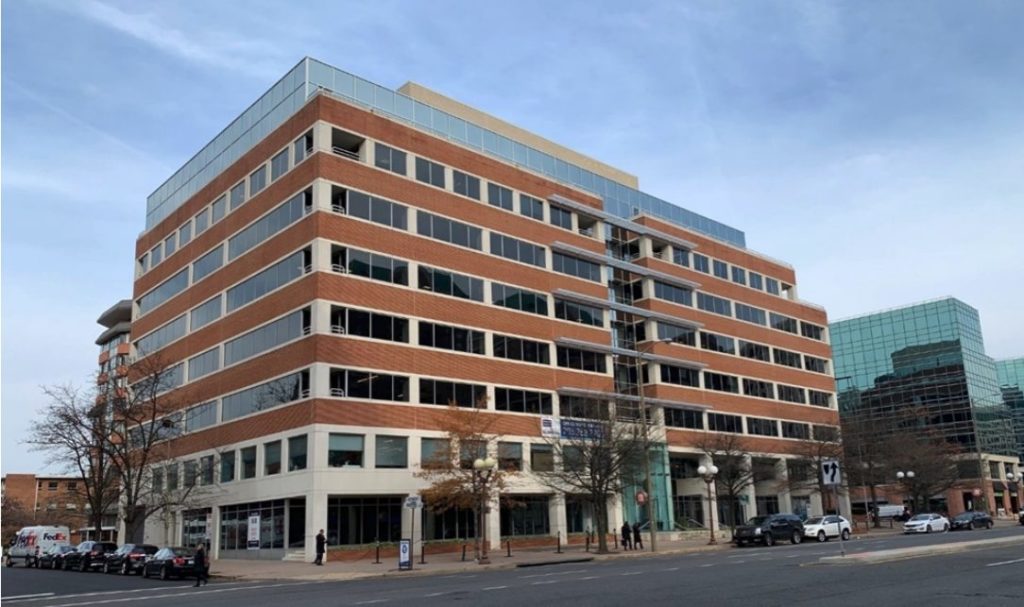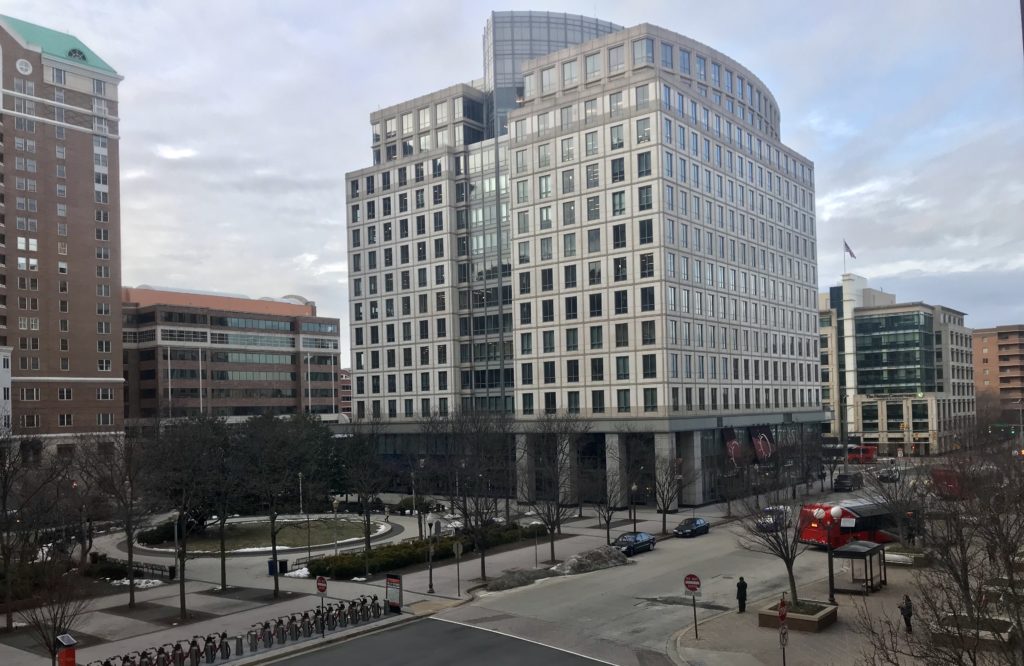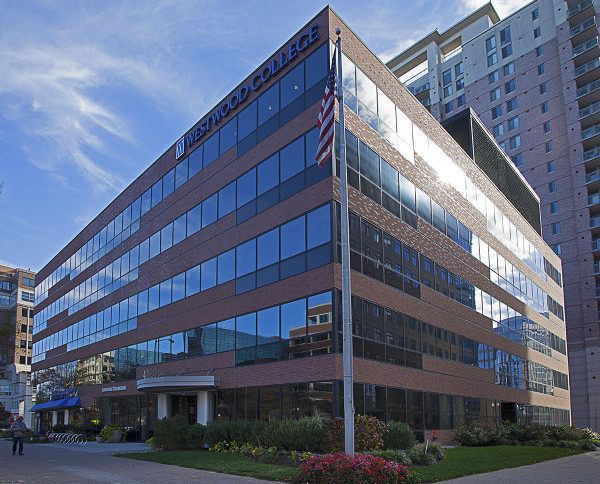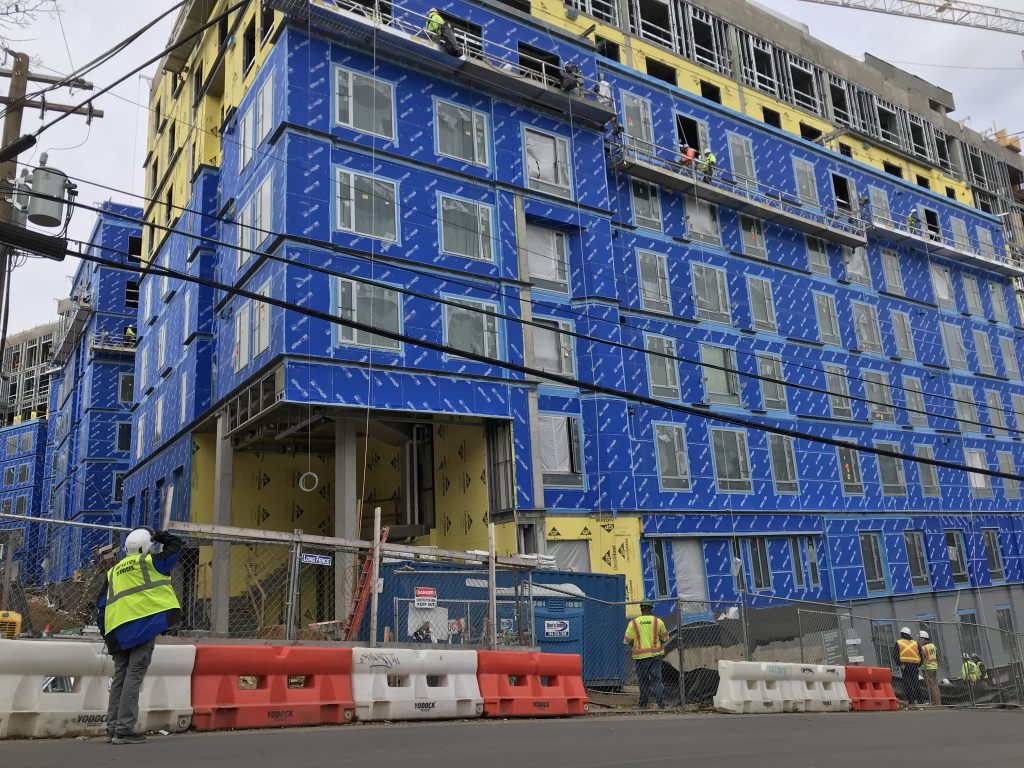
A Ballston office building that’s sat largely empty ever since a federal agency moved out a few years back could soon lure a bevy of new tenants to the space.

The Arlington Square building, located at 4401 Fairfax Drive, looks set to experience a bit of a revitalization. The County Board is set to consider a series of zoning changes for the property tomorrow (Saturday) to lure in two tenants, and other retailers look to be on the way as well.

Built in 1988, the eight-story building was long the headquarters of the U.S. Fish and Wildlife Service. But the agency took off for Falls Church in 2014, as part of a series of federal tenants leaving the area, and the building has been “mostly vacant” since then, county staff wrote in a report to the Board.

The Brookfield Property Group bought Arlington Square for $33.5 million back in 2017, paying substantially less than its previous owner did in acquiring it for $53.9 million in 2010, according to county property records. The developer now “intends to attract a variety of uses and tenants to occupy the building,” staff wrote.

Specifically, the building’s owner is looking for a zoning change in order to lease out about 2,800 square feet of space on its ground floor to a “private college.” The Board report doesn’t name the institution looking to move into the space, but it does say that it will offer classes on nights and weekends, with “degrees in a Master of Business Administration, Bachelors of Science in Business, Bachelors of Science in Information Technology and general studies and electives programs.”

A behavioral therapy provider, known as “Mind Body Health,” is also hoping to move into about 2,400 square feet of space on the building’s second floor. The business is currently based in Courthouse, in a building at 2200 Wilson Blvd, and is looking for a new permit to operate in the space.

Brookfield is also planning on adding two retailers to the ground floor, to further “activate the streetscape,” staff wrote. One, the soup-and-salad restaurant Zoup!, has already posted signs at the location. The other looks to be Poke It Up, according to a report from Eater D.C., a chain with a location in the Pentagon City mall.

County staff are recommending that the Board sign off on the proposal, hailing its potential to bring more business to “a building that has sat largely vacant for five years.”

The Board has certainly put an emphasis on reversing the county’s rising office vacancy rate in recent years — though Amazon’s arrival in Crystal City and Pentagon City will make a huge impact on that effort, officials have warned that neighborhoods like Ballston and Rosslyn still have some catching up to do.

Photo via Arlington County


Residential and commercial property values in Arlington ticked up last year, sending more revenue into the county’s coffers, but officials warn the increase won’t be enough to avoid the painful budget gaps facing county leaders this year.

The good news, the county says, is that the total assessed value of all Arlington property increased by 3.5 percent this year, compared to a 2.2 percent bump last year. Today (Friday), county mailed out property assessments, which determine the size of homeowners’ tax burdens. It plans to make all that information available online by tonight at 6 p.m.

The county said in a news release that three out of every four homes saw an increase in assessed value, for an overall bump in residential property values of about 2.9 percent. The average home’s value is now $658,600, up from $640,900 last year.

Commercial property also saw a 4.1 percent increase in value, and the county says the construction of new apartments was “responsible for about a third of the collective increase.” Office properties specifically saw a 4.3 percent bump, a substantial turnaround from the 6.9 percent decrease they recorded last year.

“Rising property values mean Arlington is a place people want to live and work,” County Manager Mark Schwartz said in a statement. “And the revenue we collect from real estate taxes helps us maintain the high-quality amenities and public services that make Arlington so attractive.”

Of course, the county still has its challenges. The release notes that Arlington’s office vacancy rate still sits at about 17.4 percent, and the resulting tax revenue slowdown has led to all sorts of fiscal challenges over the last few years.

Amazon’s arrival in Crystal City and Pentagon City will go a long way toward reversing that trend, but county leaders expect that it will take years for Arlington to start to feel the positive revenue impacts.

In the meantime, Schwartz is warning that the county’s budget deficit could be as large as $78 million in fiscal year 2020, given the gap facing both the county and its school system.

Schwartz expects that the county will need to close a gap of anywhere from $20 million to $35 million all on its own, which is driven by factors including Metro’s increasing expenses, the new raises for public safety workers the Board approved in the FY 2019 budget and new spending associated with the statewide Medicaid expansion.

The county school system could also tack on another $43 million in unmet needs, as it works feverishly to build new schools and keep pace with the county’s influx of students.

The County Board has already directed Schwartz to prepare options for the new budget ranging from tax increases to staff layoffs. He’ll deliver a proposal for a new spending plan next month, as will schools Superintendent Patrick Murphy.

File photo


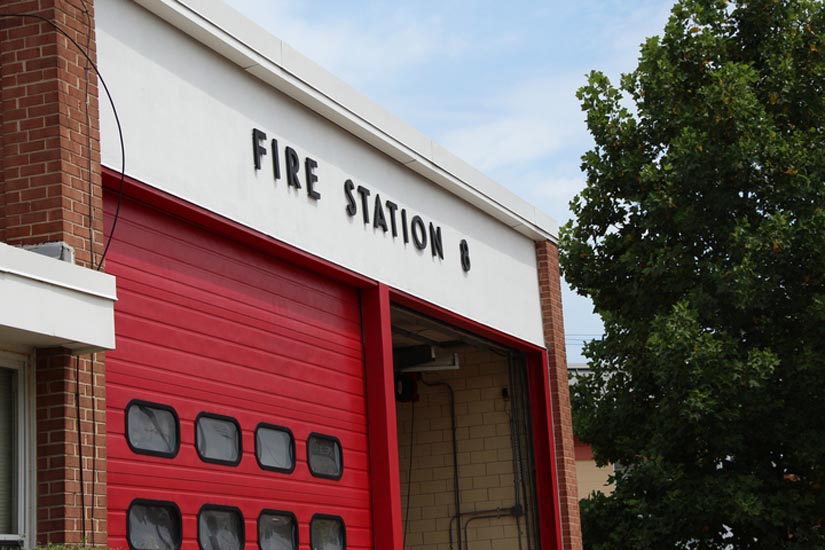
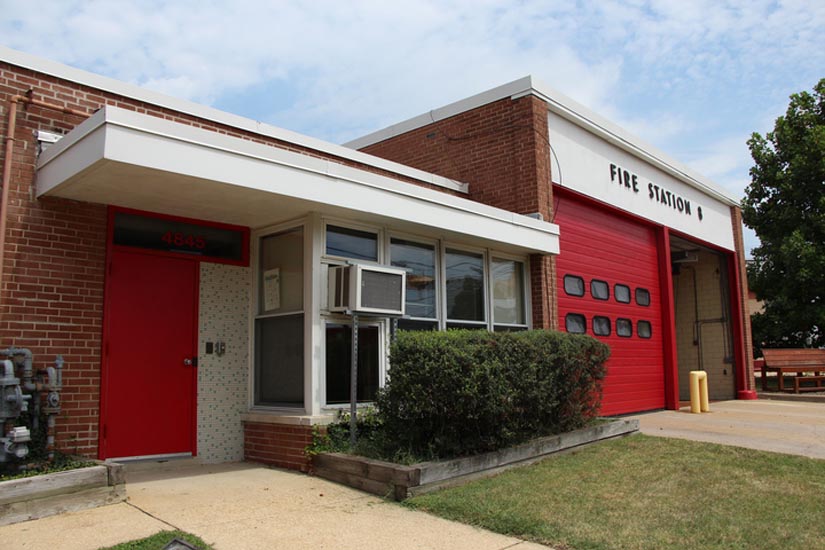
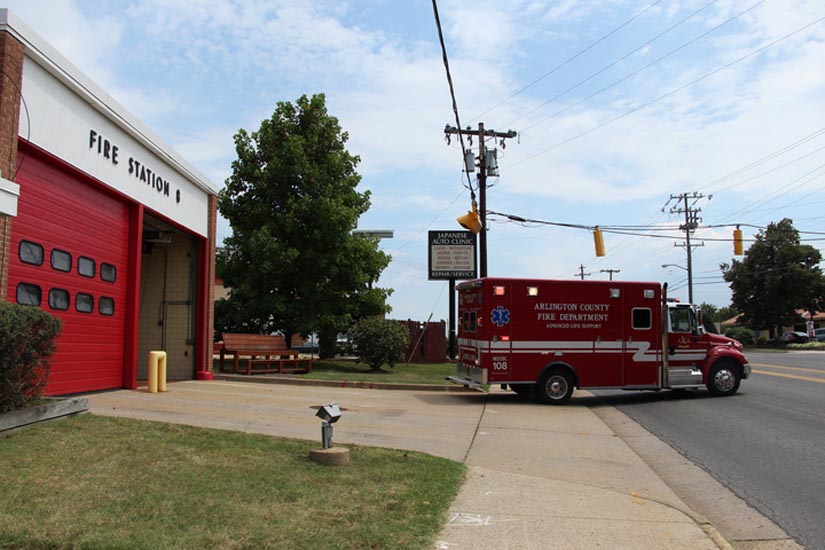
Arlington officials are just about ready to kick off design work for a replacement for Fire Station 8 on Lee Highway.

The County Board is set to hand out a $1.1 million contract this weekend to start the planning process for the full reconstruction of the 100-year-old station.

The Board voted back in 2016 to approve the construction of a new, two-story building on the same site as the current station, located at 4845 Lee Highway. That decision was a particularly contentious one, as some favored relocating it to a site adjacent to Marymount University’s campus, a property that’s home to Arlington’s northern salt storage facility.

But the majority of the Board hoped to keep the station at the same location, reasoning that it would be closer to a rapidly developing section of the county. The station’s history also factored into the debate — it was once the only firehouse in segregated Arlington to employ black firefighters.

The $21 million project will eventually add a 15,000-square-foot building to the site, with room for four fire engine bays and a new fueling station, according to a report prepared for the Board by county staff.

Construction is set to start on the effort later this year, so long as the Board signs off on the design contract at its meeting Saturday (Jan. 26).

Once it does, the fire department will set up a “temporary engine bay structure” on some land along N. Culpepper Street that the county recently acquired for the project. Firefighters will have a temporary living quarters at an existing building along the street.

The current building just passed its 100th birthday just last year, and a celebration of its history is set to take place in Ballston tomorrow. It will be held at the National Rural Electric Cooperative Association building (4301 Wilson Blvd) from 2-6 p.m.


Medical Emergency at Yorktown — A student suffered a serious medical emergency at Yorktown High School this morning. Police and medics rushed to the scene, CPR was performed and the student was reportedly revived. He was taken to a local hospital.

Arlington Tourism Website Wins Award — “The Hospitality Sales & Marketing Association International… on Jan. 22 presented the Arlington Convention and Visitors Service (ACVS) with a 2018 Adrian Award for the StayArlington tourism website.” [Arlington County]

Best Bowls of Soup in Rosslyn — A new list exhaustively details “where to go for a good bowl of soup” in Rosslyn, “because it’s everybody’s favorite cold-weather lunch.” [Rosslyn BID]

Gymnastics Competition at W-L — “The annual Barbara Reinwald Invitational girls high-school gymnastics meet was held Jan. 19 at Washington-Lee High School. The high-school meet, which has been held for decades, included 11 teams and was won by the host Washington-Lee Blue team.” [InsideNova]

Chef Geoff Winning Happy Hour Fight — Chef Geoff Tracy is poised to withdraw his lawsuit against the Commonwealth of Virginia, which seeks to overturn restrictions on advertising happy hour specials and prices, after the state legislature overwhelmingly passed bills that would remove those and other happy hour restrictions. [Tysons Reporter]


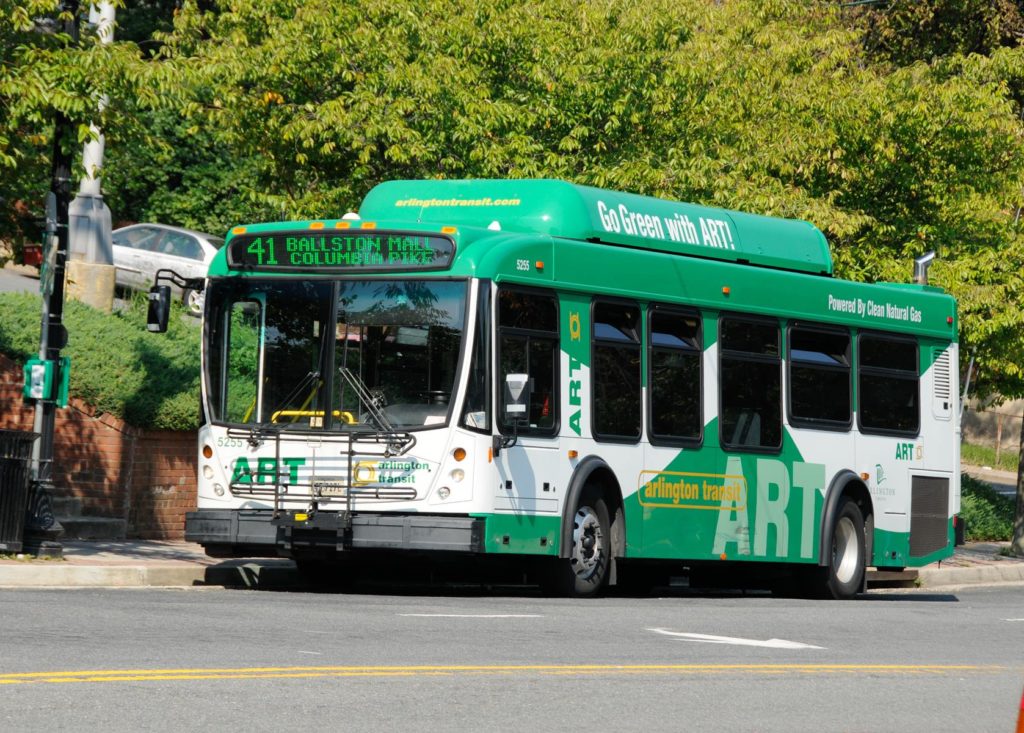
Arlington’s bus service says a shortage of drivers and persistent maintenance problems are to blame for its struggles in providing consistent service these last few months.

Arlington Transit issued a statement to riders this past Friday (Jan. 18), explaining that some problems with the service’s contractor have caused a variety of “missed trips” recently.

The contractor in question, the U.K.-based National Express Transit Corporation, provides both bus drivers and maintenance services to run the county’s local and commuter buses. ART said in its blog post that National Express has recently “lost a number of bus operators to other companies in the region, and the resulting operator shortages are contributing to many missed ART trips each day.”

To make matters worse, ART says the company is also continuing to “deal with maintenance issues with our aging bus fleet, which is causing a number of buses to be out of service daily.”

ART last experienced similar problems this past June, when it commenced an expedited round of safety inspections. At the time, county officials also chalked up many of the problems to the age of its buses, though it was able to bring on 13 new buses this summer.

“The county continues to work with our contractor to improve service and ensure each ART route is operating with the number of buses needed each day,” ART officials wrote. “We apologize for these issues and will continue to do all things possible to hold our contractor accountable for providing reliable ART bus service.”

A spokeswoman for National Express did not immediately respond to a request for comment on these issues. ART has contracted with the company dating back to at least 2012, when National Express acquired a contract to provide ART service as part of the acquisition of the county’s old contractor.

The “ART Alert” Twitter account, which announces all bus delays and cancellations, reveals that bus service has indeed been inconsistent recently. The bus service reported 55 missed trips, mechanical issues or other delays over the course of the last week alone, according to the account, with routes running all across the county affected.

When it comes to the contractor’s problems retaining bus drivers, at least, it seems the company is hardly unique. Karen Finucan Clarkson, a spokeswoman for the Northern Virginia Transportation Commission, noticed the post from ART and pointed out that many other bus agencies are dealing with similar “bus driver shortages.”

“It is a statewide, regional and national issue, especially with unemployment so low,” Clarkson told ARLnow.

These service disruptions are simply the latest woes for ART, following a tough few months. Technical problems have also plagued its real-time bus tracking service in recent weeks, while its phone system to connect disabled and elderly riders to bus service crashed briefly this summer.

Photo via Facebook


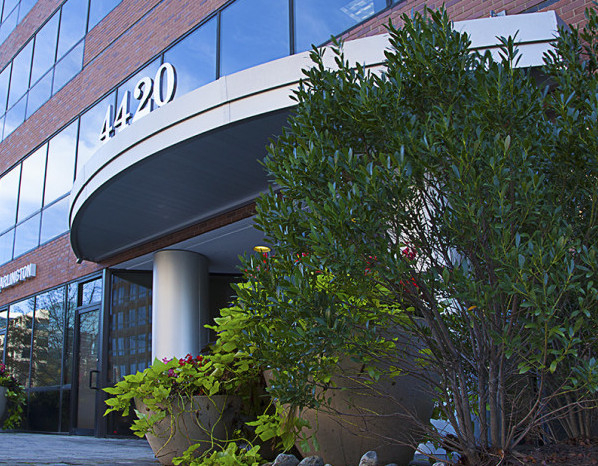
A Ballston redevelopment project that’s been in the works for more than a decade now could soon face yet another delay, complicating Arlington’s push to build a second entrance for the neighborhood’s Metro station in the process.

Since 2005, a rotating cast of developers has sought to tear down the office building at 4420 Fairfax Drive and transform it into a mixed-use building instead. Current plans call for a new, 23-story structure to be built on the property, complete with 237 apartments and 9,200 square feet of retail space.

But the trio of companies backing the redevelopment effort — Washington Capitol Partners, Kettler Development and Bognet Construction — haven’t made much progress since buying the property for $21.8 million back in 2015. Like developer JBG Smith before them, they’ve been unable to so much as tear down the existing, five-story building on the site.

Accordingly, the developers are asking the county for a bit more time to complete the project, generally dubbed “the Spire at Fairmont.” The site plan governing the project is currently set to expire in July 2020 — they’re hoping the County Board will agree to push that deadline back to December 2022 instead.

But the companies are also envisioning a few other changes. Not only do they want to cut back on the number of parking spaces they’ll offer on the property — moving from 289 spaces down to 237 — but they’re asking for a change in their obligations regarding the planned western entrance for the Ballston Metro station.

When JBG first secured the Board’s sign-off on the project roughly 13 years ago, it agreed to partially design and build the new station entrance at the base of the new building. That was a crucial concession for county officials, who hope to ease Metro access for people living and working along N. Glebe Road.

Now, the project’s backers are asking the Board to let them hand over cash to fund the second entrance, instead of building it themselves. The developers are also proposing to let the county start work on the project, which will include the addition of two elevators to reach the underground station, right away by granting officials an easement to access the site. In exchange, they’re asking for an extension on some other zoning deadlines associated with the redevelopment.

The county seems inclined to accept the easement deal — staff are recommending that the Board agree to the arrangement at its meeting Saturday (Jan. 26). But officials seem a bit more uncertain about the proposal to accept cash for the station entrance, and the extension of the site plan deadline.

Some of that trepidation likely stems from the county’s history of challenges finding funding for the Ballston Metro project.

The county had hoped to win regional transportation funding for the new entrance, to the tune of about $72 million. But the complex structure of the deal hashed out by state lawmakers last year to provide dedicated funding for Metro meant that the very group set to send Arlington cash for the project — the Northern Virginia Transportation Authority — would lose tens of millions of dollars each year, diminishing the project’s chances to win the money any time soon.

Legislation proposed in this year’s General Assembly session could restore the group’s funding, but it’s far from a sure thing that it will pass. And the Board pushed back any plans to fund the new entrance for years in its latest update of the county’s 10-year construction spending blueprint, as officials grapple with some tough budget years.

Staff are suggesting that the Board defer any final decision on the matter until March, in order to allow negotiations to play out between the two sides.

Photos via Washington Capitol Partners


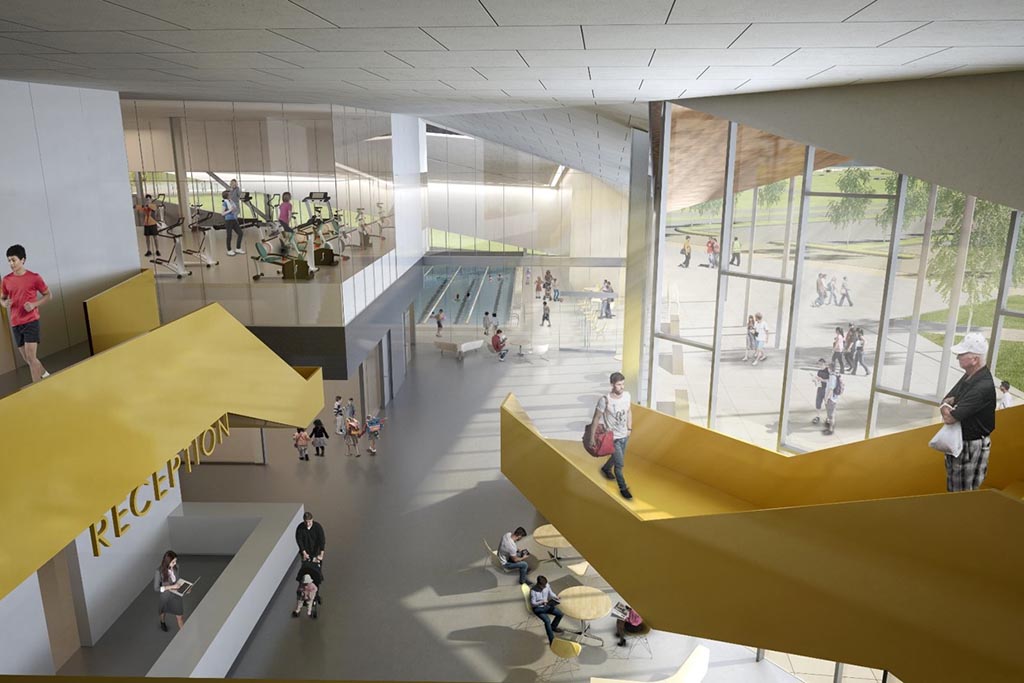
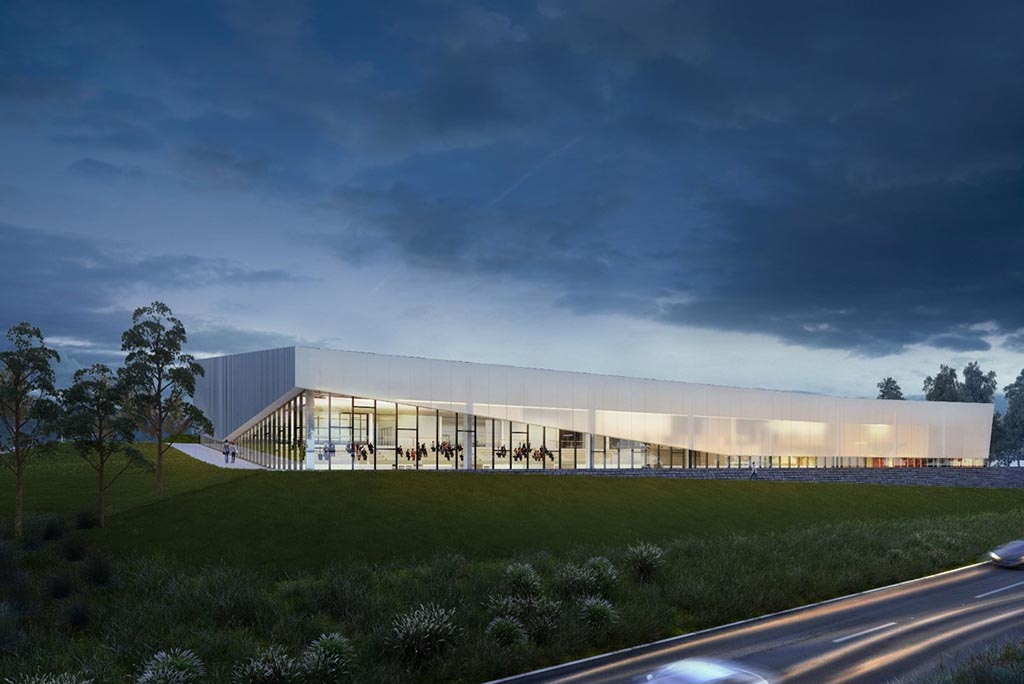
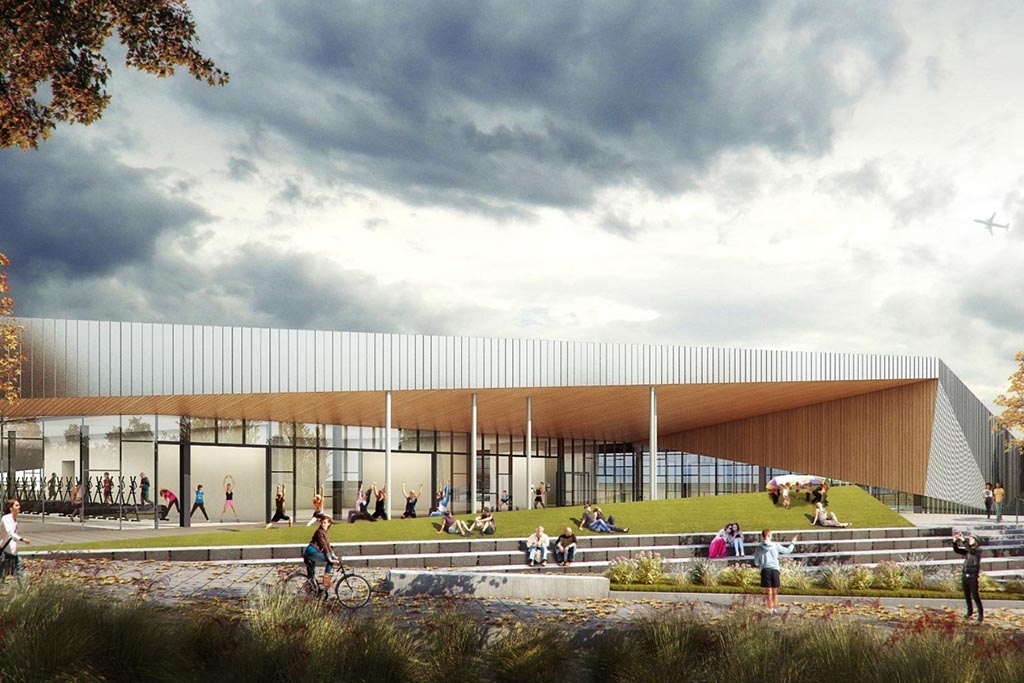
Arlington officials are getting ready to spend nearly $410,000 for the installation of video boards at the Long Bridge Park aquatics and fitness center, a pricy project that has drawn plenty of criticism over the years.

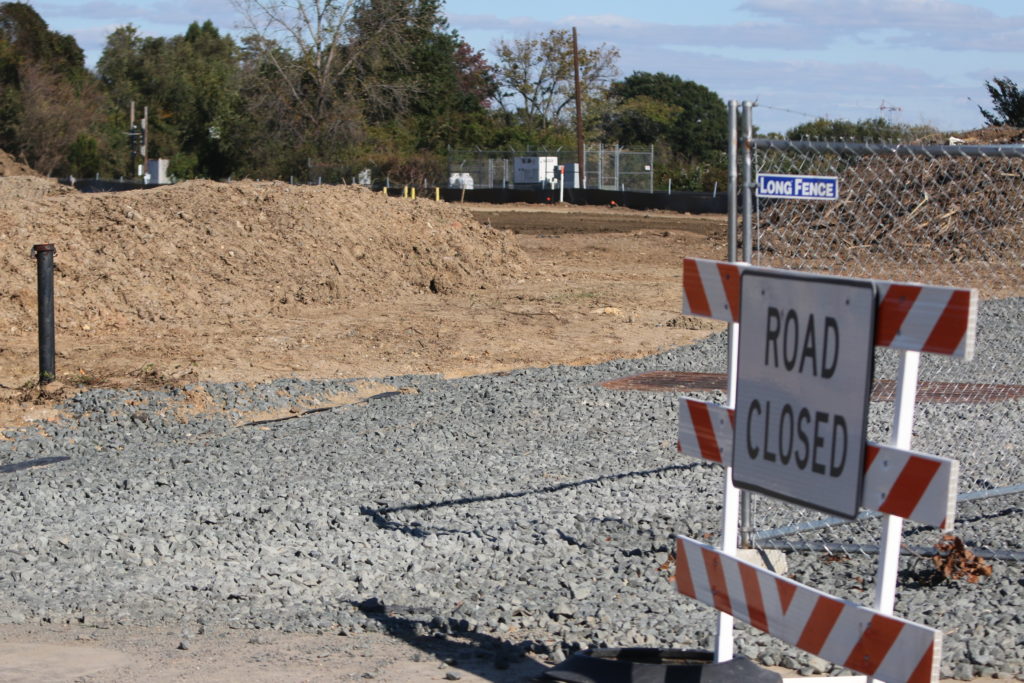
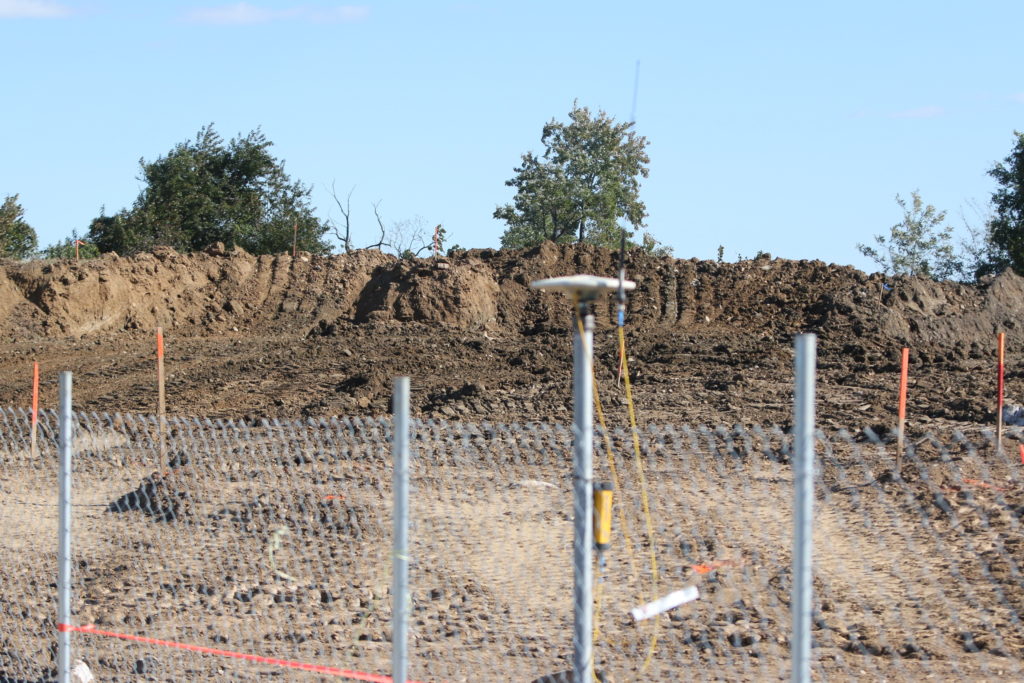
The County Board is set to approve a contract with a construction company this weekend, after staff submitted a report arguing that only a firm with “specialized knowledge” will be able to handle the installation of the center’s audiovisual systems. The county’s main contractor kicked off work on the building this summer, though workers have mainly been occupied with clearing the site at 475 Long Bridge Drive since then.

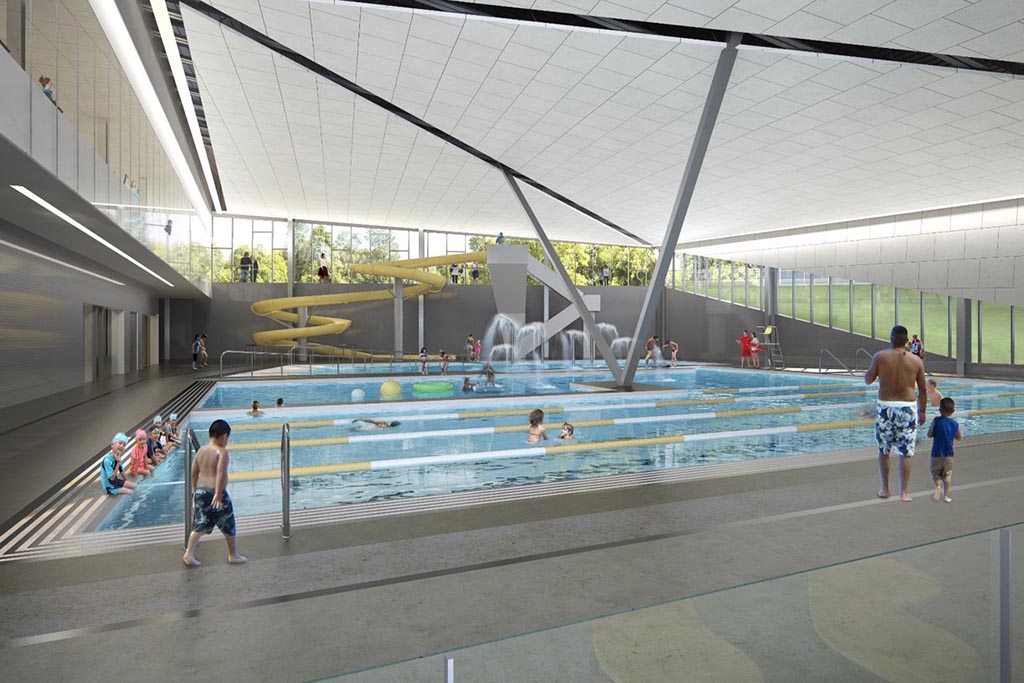
In all, the contract calls for the erection of an “LED video board” in the center’s main “natatorium,” complete with an Olympic-sized swimming pool. Staff wrote in the Board report that the work will also include “fixed video cameras, associated broadcasting equipment, ceiling mounted speakers, and other associated hardware and software” in order to allow for the “live streaming of swimming and diving events.”

“The facility will also include speaker systems in the leisure/family pool, that will interact with wireless microphones, as well as in exercise spaces in the facility,” staff wrote. “The package also includes central paging, to ensure all areas of the building can be reached in an emergency.”

The Long Bridge project has long been the subject of intense scrutiny, after creeping costs convinced county leaders to repeatedly delay its construction. Former County Board member John Vihstadt was no fan of the project either, railing against its expense during his successful bids for office in 2014. Vihstadt and other skeptics around the county argued that Arlington had more pressing budget needs than a new pool, and that the project had become full of excesses.

But the Board signed off on a scaled down, $60 million version of the project over Vihstadt’s objections in 2017. However, there were few mentions of the audiovisual system set to be installed as part of this work during debates over the matter.

The Board is currently set to draw the $410,000 for the A/V installation from a $10.7 million fund the county set aside for the project’s “soft costs,” on top of the original $60 million sum designated for the center’s construction. Board members are set to approve the new contract at its meeting Saturday (Jan. 26).

When the project is finished, likely sometime in 2021, the center is also set to include room for diving at a variety of heights, and a family pool, complete with elements including a lazy river, splash pad for tots, basketball, volleyball, lap lanes and a water slide. The project also includes a new fitness center, billed as the largest one operated by the county, and an expansion of the adjacent park and its walkways.

A working group convened to hash out potential fees for the center’s users is also set to meet next Thursday (Jan. 31), as the county solicits feedback on what services residents want to see at Long Bridge.


A Wall that Divided Arlington Still Stands — “The wall was erected in a section of Arlington County in the 1930s to separate black residents from white residents. And for decades, it did just that. It kept segregation intact by creating a physical barrier between an ‘us’ and a ‘them.'” [Washington Post]

Coming Soon: Happy Hour Advertising? — “A lawsuit filed against the state by a Northern Virginia restaurateur could be the motivation the General Assembly needs to change laws that restrict happy hour advertising.” [Virginia Mercury]

Demand for Free Pet Food Rises — The Animal Welfare League of Arlington says it has seen an increase in demand for its free pet food pantry during the government shutdown. [Twitter]

Resources for Furloughed Feds — Congressman Don Beyer’s (D-Va.) office has compiled a list of resources for those affected by the federal government shutdown. [Rep. Don Beyer]

Anti-NIMBY Legislation Proposed in Va. — “[Del. Jeff] Bourne and Sen. Jennifer McClellan, D-Richmond, are pursuing legislation in the General Assembly this year that would explicitly prohibit local governments from denying permits for housing developments because of the expected race or income levels of the residents.” [Virginia Mercury]

Flickr pool photo by Kevin Wolf


An Arlington woman is facing charges after allegedly spraying someone with bleach during an early morning argument.

Arlington County Police were called to an address in the Nauck neighborhood around 4:30 a.m. Sunday for a dispute. A verbal argument between two people who knew each other “escalated into physical violence,” police said.

A 33-year-old woman was arrested, accused of spraying bleach — a “caustic agent” — and injuring another woman, then subsequently striking her with an object.

“It remains under investigation what object caused the victim’s injuries,” county police spokeswoman Ashley Savage told ARLnow.

More from ACPD:

MALICIOUS WOUNDING, 2019-01200046, 2100 block of S. Kenmore Street. At approximately 4:36 a.m. on January 20, police were dispatched to the report of a dispute. Upon arrival, it was determined that a verbal altercation between known individuals escalated into physical violence. During the altercation, the suspect allegedly sprayed the victim with bleach before striking the victim with an object. The victim was transported to an area hospital and treated for non-life threatening injuries. Darcell Harris, 33, of Arlington, VA was arrested and charged with Malicious Wounding and Malicious Injury by Caustic Agent. She was held on no bond.

Earlier last week, police investigated a series of thefts from vehicles along Columbia Pike and S. Courthouse Road. Police say thieves stole tires and rims from at least five vehicles.

GRAND LARCENY (series), 2019-01170042/01170062/01170099/01170116, 1200 block of S. Courthouse Road/2200 block of Columbia Pike/700 block of S. Courthouse Road. On January 17, police were dispatched to multiple late reports of larcenies from auto. The investigation determined that between approximately 6:00 p.m. on January 16 and 4:00 a.m. on January 17, the tires and rims of approximately 5 vehicles in the area were stolen from vehicles. There is no suspect(s) description. The investigation is ongoing.


Below are the rest of the highlights from this week’s crime report, including some we’ve already reported.

(more…)


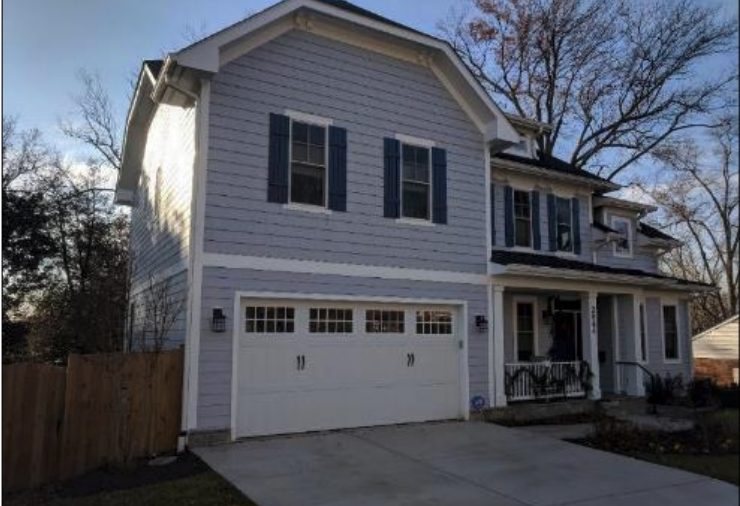
Arlington zoning inspectors recently made an unusual discovery — a group of nuns living in a Williamsburg convent is currently running afoul of some county rules.

And in the process of trying to right that zoning quirk, county officials stumbled upon a similarly unique dispute within the neighborhood over how, exactly, the county should hand out a permit to let the nuns continuing living in their current home.

The dispute is set to come before the County Board this weekend, and involves a group of seven nuns who work as teachers at the nearby Bishop O’Connell Catholic High School.

The “Sisters of the Immaculate Heart of Mary” have lived in a home along the 2800 block of N. Rochester Street since winning a permit from the Board last year, according to a report prepared for the Board.

But as county staff commenced a one-year review of that permit, they discovered that the nuns never obtained a “certificate of occupancy,” a document from the county certifying that the building’s occupants were following the terms of the convent’s permit.

Staff notified the sisters and the Catholic Diocese of Arlington, and they’re now recommending that the Board give them three months to straighten out that deficiency.

Yet they’re also suggesting a new condition for the permit allowing the convent to operate, after hearing from one concerned neighbor. That person expressed concern that “the use permit for group living/dormitory could be transferred to another occupant upon sale/leasing of the property to another user that could operate under the use permit without further review by the County Board.”

“If the current owners of the house were to sell the property to another user that agreed to abide by the current approved conditions, there is a possibility that another of the uses that falls within the group living category could occupy the premises,” staff wrote. “As a result, staff is recommending a new condition that would limit the use permit to the current convent use; any other use of the premises for group living would require a review by the County Board.”

If the Board agrees to follow staff’s recommendations, it will take up the matter again in April, when members could renew the convent’s permit for a full year. The matter is slated for the Board’s consent agenda Saturday, which is generally reserved for noncontroversial items to be passed all at once.

Photo via Arlington County


For people fearful about how Amazon will impact Arlington, a single question tends to rise above all others — will the company’s arrival price me out of my home?

There are certainly plenty of other concerns surrounding the company, and the 25,000 jobs it has promised to bring to its new home in Pentagon City and Crystal City, stemming from its highly criticized business practices to its potential impact on roads and transit in the region.

But concerns about housing affordability have most consistently come to the fore since Amazon’s announcement that it would be setting up shop in Arlington, as renters worry that the company’s army of well-paid workers will set off an explosion in home prices and push them deeper into Northern Virginia’s suburbs.

In selling the proposed deal to bring the Amazon headquarters to the county, officials have argued that these fears are largely overblown. Over the last few months, all manner of local leaders have claimed that the company will arrive slowly enough for Arlington to absorb the new residents, and that the county won’t be forced to house every single one of the workers who will spend their days in the new office space.

And, in general, academics, advocates and real estate watchers around the area agree with that line of thinking. For the most part, the experts surveyed by ARLnow on the issue don’t believe that Amazon will have the sort of apocalyptic impact on housing and gentrification that some skeptics fear.

Yet they also caution that the company will almost certainly still push many people out of the county, particularly those of more modest means living in South Arlington neighborhoods. While the county may not face the same massive disruptive impacts as Seattle, which is still struggling to integrate one of the world’s largest companies into its metro area, observers warn that it would foolish to minimize the size of the challenge Arlington is facing.

“I don’t agree with the view of impending doom that Arlington will become San Francisco due to housing problems, but there are real concerns here to address,” said Eric Brescia, a Fannie Mae economist and a member of Arlington’s Citizens Advisory Commission on Housing.

The case against Amazon panic

Fundamentally, the argument minimizing Amazon’s impacts on the housing market includes the same key points.

First of all, the company plans to bring its 25,000 workers to the new headquarters over the next decade or so, not all at once. And, even then, not all of them are likely to live in Arlington, the thinking goes — many could choose to move to other Northern Virginia suburbs, or even to Maryland and D.C., to take advantage of Arlington’s connection to public transit networks.

Many other employees set to work at the headquarters probably already live in Arlington, considering that Amazon says it chose the D.C. region due to its bevy of “tech talent” already in the area.

That means that county leaders are planning on seeing closer to 15 to 20 percent of Amazon’s workers relocate to Arlington specifically, an influx of (at most) 5,000 people. In fact, a report prepared by George Mason University’s Stephen S. Fuller Institute as part of the state’s courtship of Amazon estimates that more than twice as many of the company’s workers will move to Fairfax instead of Arlington.

“This isn’t based on a wish, but based on our prior experience with other large employers,” said County Board Chair Christian Dorsey. “Can we guarantee it? Of course not… but this is the best we can do in projecting how this investment does and does not look like other investments that we’ve had.”

County Board member Erik Gutshall also points out that the D.C. region as a whole has been in the midst of a massive explosion in growth in recent years, and Amazon could merely feel like a drop in the bucket. Based on regional projections, Gutshall says the company’s is “expected to account for about 5 percent of regional job growth over the next 12 years.”

“That, to me, says this alone is not going to be a major driver of housing affordability problems,” Gutshall said.

Regional observers believe that the broad strokes of that argument are accurate.

Brad Dillman, the chief economist for national real estate developer Cortland, points out that Crystal City and Pentagon City both have slightly higher residential vacancy rates than the D.C. metro area as a whole, leaving some room for Amazon employees moving in.

And Christopher Ptomey, the executive director of the Urban Land Institute’s Terwilliger Center for Housing, notes that it’s hardly uncommon to see large government agencies (or other big companies) move into communities around the Northern Virginia area. Based on Arlington’s own past experiences with such changes, he sees no reason Amazon employees would behave any differently.

“Some people come here and decide Arlington has great schools and is convenient, so they’re willing to pay a little bit more to stay here,” Ptomey said. “Others prefer a bigger house and a wider lot and lighter traffic. I don’t think Amazon employees going to be particularly unique in that way.”

Uncertainties abound

Yet, with so many unknowns about the company’s plans still remaining, experts caution that it’s hard to make too many definitive declarations about the make-up of the company’s workforce just yet. That complicates efforts to make predictions about how they might behave when they arrive.

“We need to know: what’s the age range and family type of these workers?” said Jenny Schuetz, who studies housing policy as part of the Brookings Institution’s Metropolitan Policy Program. “A bunch of 25-year-olds will want to live nearby, but they pay a lot more in taxes than they consume in services. More older families will require more space in high-performing schools, but some will want to live farther out.”

Indeed, Schuetz and other analysts warn that the county shouldn’t offer too much certainty about Amazon’s precise impacts until officials start to see how the company’s arrival changes the region.

Arlington officials have simultaneously downplayed the number of people arriving along with Amazon, while also trumpeting how other high-priced tech companies will likely flock to the area to do business with Jeff Bezos’ firm. Until Arlington can evaluate just how real that downstream impact is, experts say it might be useless to simply study just Amazon’s workforce.

“Will just Amazon come here or is this the beginning of D.C. becoming a major tech hub?” Brescia said. “That’s really unknown.”

But Schuetz notes that research shows, in general, “each new tech job spins off roughly five additional jobs.” That might be good news for the county’s economy, but it also complicates the math of predicting how many people will flow into Arlington.

“We know that big headquarters like this have a multiplier effect,” Schuetz said. “They will need supportive services and restaurants to serve the campus directly.”

However many people associated with the company ultimately arrive in Arlington, analysts point out that they are likely to be quite wealthy. The terms of the state’s proposed deal with Amazon require an average annual salary of $150,000 for the company’s employees, and other tech workers bound for Arlington are likely to pull in similar sums.

Even still, Dorsey believes those salaries “are not out of scale with typical earnings in the area,” minimizing the impact they’ll have on the county’s home prices.

A ‘housing crisis’ for low-income renters?

But critics of the county’s pursuit of Amazon believe that sort of mindset ignores the current conditions in Arlington, which already pose problems for renters. Tim Dempsey, a member of the steering committee for the progressive group Our Revolution Arlington, points out that many Board members (including Dorsey himself) won office based on pledges to combat the county’s pre-Amazon “housing crisis” for low-income people and the middle class alike.

“We already don’t have housing for middle-income earners, whether that’s school teachers, firefighters or policemen,” Dempsey said. “The county never asked the community if it was a good idea to bid for this, and when we raised these issues, we were told it was premature to even talk about this.”

Ideally, Schuetz says that Amazon’s workers and their peers won’t be competing for the same types of housing as the people Dempsey is worried about. In all likelihood, “if they’re displacing people, they’ll be displacing other high-income households” by moving into Arlington’s high-rent Metro corridors.

Dillman also foresees developers adding plenty of new housing around the new headquarters, noting that the pace of development has been especially slow in Crystal City as the area’s office vacancy rate has skyrocketed. That should, in theory, provide plenty of new, high-end homes for Amazon arrivals.

The “danger point” that Schuetz fears is what becomes of the “low-cost, older housing” in neighborhoods elsewhere in South Arlington, particularly along Columbia Pike, or in North Alexandria.

“Those could be the targets for redevelopment, where you could potentially charge higher rents,” Schuetz said. “And that’s the area where we’d see displacement.”

Michelle Krocker, the executive director of the Northern Virginia Affordable Housing Alliance, agrees that the fate of apartments running from the Pike to Bailey’s Crossroads and even Seven Corners is one of her prime concerns. But her research also suggests that observers “shouldn’t assume everyone will jump on the bandwagon and sell.”

“Many of these buildings have been in the same family for generations, going back to 1950s, 1960s,” Krocker said. “That means there can be tax consequences and liabilities if they entertain selling. And, for many, the buildings are cash cows.”

Of course, the county could take additional steps to preserve those sorts of buildings to address the issue. And officials say they’re already mulling all manner of strategies to combat housing affordability challenges.

To Brescia, how the county follows through with those plans could provide the clearest answer for anyone searching for the exact extent of Amazon’s impacts.

“It will all really depend on the policy response to this, across the region,” Brescia said.


View More Stories