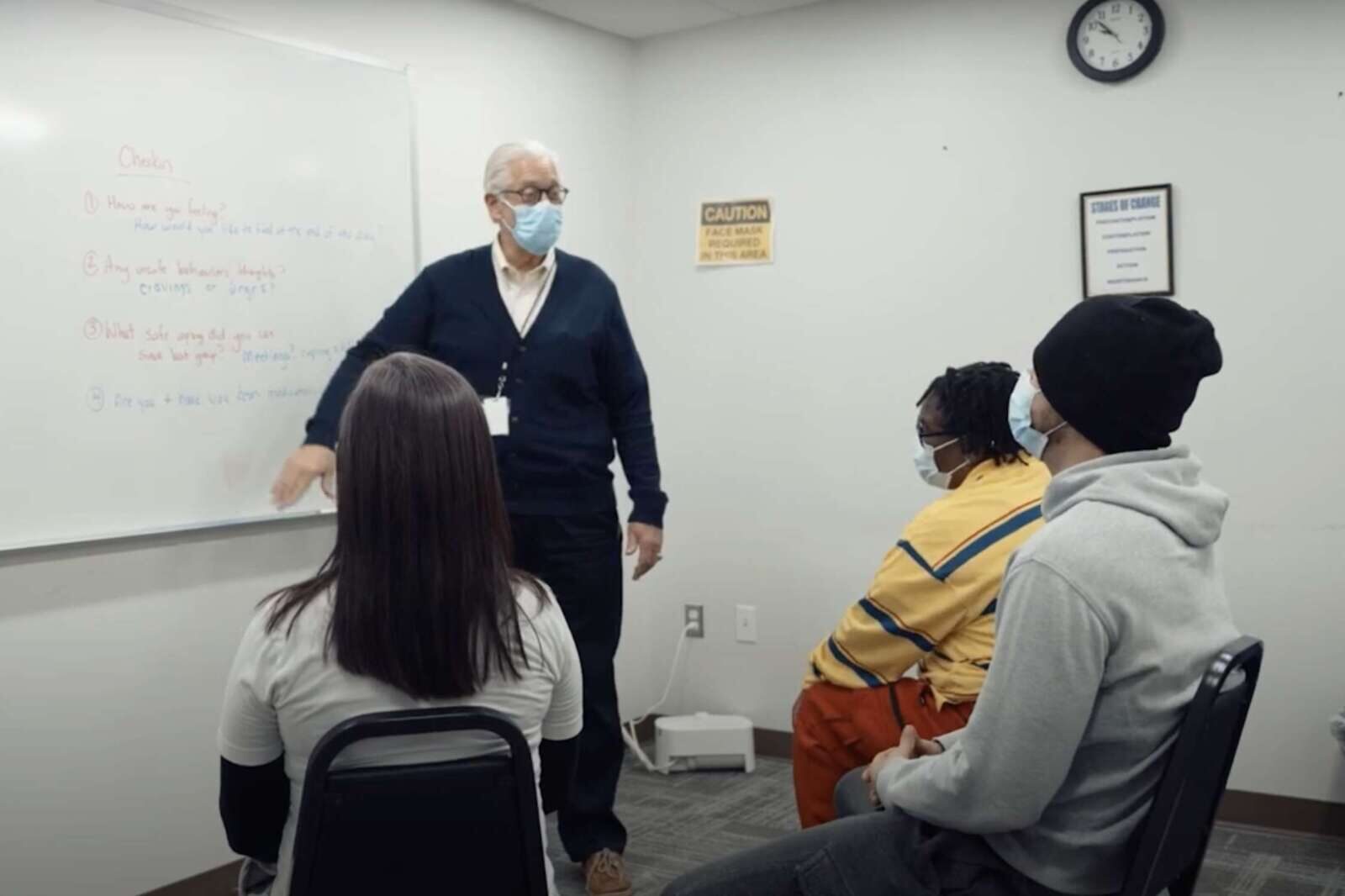
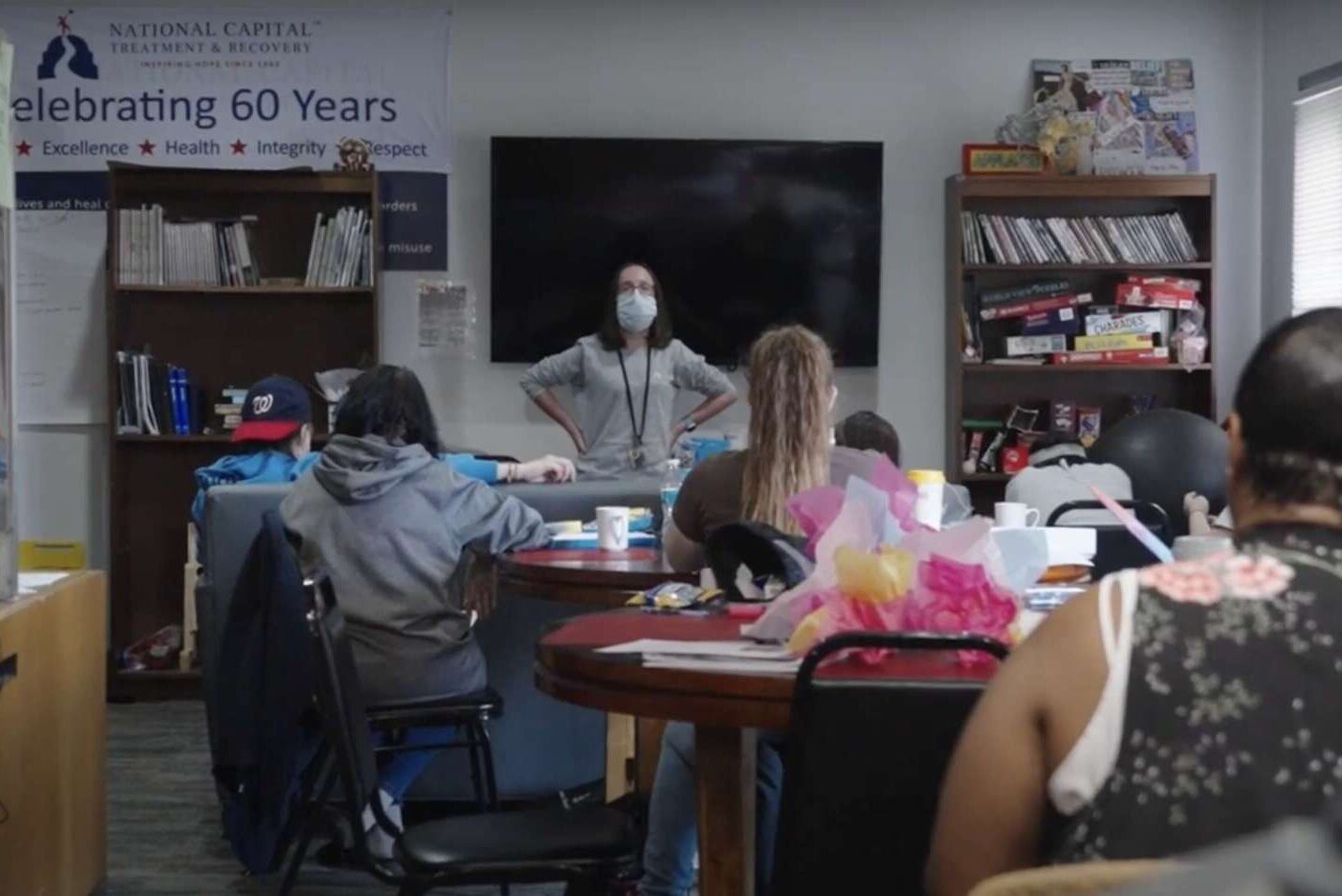
Seven years after ending its substance use treatment options for youth, a local facility is poised to resume providing some outpatient services.
National Capital Treatment & Recovery CEO Debby Taylor tells ARLnow that Arlington County approached the center about providing therapeutic services to youth in the county after 14-year-old Sergio Flores fatally overdosed at Wakefield High School. The center has since obtained licensure to provide intensive outpatient and outpatient services and could be ready to debut its programming this spring.
“We had always hoped to get back in adolescent treatment, but we felt that we needed to do just the outpatient services at this point,” she said.
Since Flores died in late January, the county and Arlington Public Schools have mounted a “full court press” to address this issue, Dept. of Human Services Deputy Director Deborah Warren told the Arlington County Board during a joint work session with Arlington Public Schools this past Friday.
“The tragic loss of the 14-year-old has knitted the county and APS in a way we weren’t before,” Warren said. “I’m really impressed with the rapid response and the alignment on the urgency of the problem. We are developing all kinds of innovative ideas for how to help children and adolescents to address the emotional mental health crisis.”
In addition to the forthcoming contract with National Capital Treatment & Recovery, the county is looking to put DHS clinicians in high schools and work with neighboring jurisdictions to open a medicated withdrawal and treatment facility for adolescents. Arlington Addiction Recovery Initiative has ramped up training in the opioid reversal drug naloxone and the distribution of Narcan and fentanyl test strips.
“All staff members will be trained in the use of naloxone by the end of April,” APS Executive Director of Student Services Darrell Sampson told the County Boar. “Naloxone is available on all floors in secondary schools and we are exploring additional mental health education for school staff and high school students.”
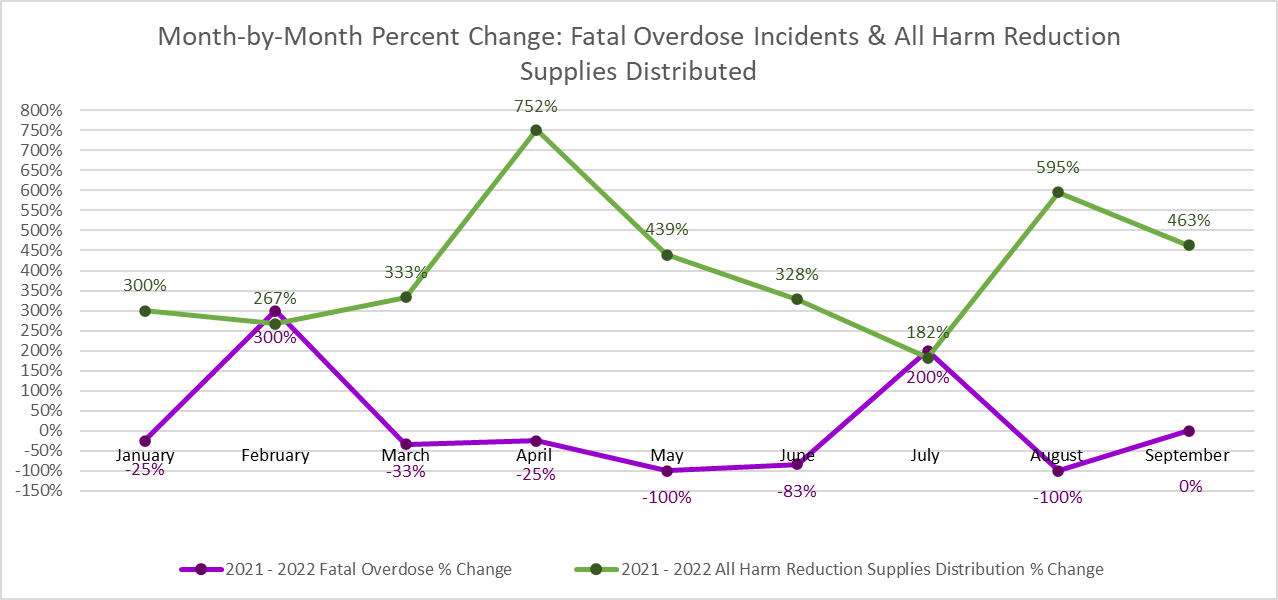
Warren said fatalities from overdoses have reduced 40% through AARI’s training and distribution efforts.
“This is literally saving lives,” she said.
The number of fatal overdoses peaked in 2021 and has since decreased dramatically, Suzanne Somerville, the county’s bureau director of residential and specialized clinical services, tells ARLnow.
“AARI believes that it is related to the distribution and accessibility of harm reduction services,” she said. “The county has made a strong push to get Naloxone and Fentanyl Test Strips to anyone who is interested. We tracked the distribution of harm reduction tools and number of overdoses and extrapolate that there is a correlation between the two.”
That said, AARI has noticed “a significant increase in younger people overdosing” related to pressed pills, she noted. There have been seven juvenile overdoses, of which one was fatal, seven juvenile Narcan uses and 17 total opioid incidents involving minors.
That is why DHS is focused on filling the gaps in substance use treatment for youth, beginning with National Capital Treatment & Recovery, with which Warren said her department is “on the cusp” of a contract.
“We have significant gaps in our system of care for substance use disorders in kids,” Warren said. “We have really developed these services for adults in the last five to six years, in response to the opioid crisis. We are working hard to develop contracts with vendors to fill in these gaps.”
Taylor anticipates opening in about a month, after finalizing the paperwork and hiring clinicians, preferably those who are bilingual. The county has offered to cover operating costs until the program is accredited and can take insurance reimbursements.