
Progressive Voice is a weekly opinion column. The views and opinions expressed in the column are those of the individual authors and do not necessarily reflect the views of their organizations or ARLnow.com.

By Matt de Ferranti

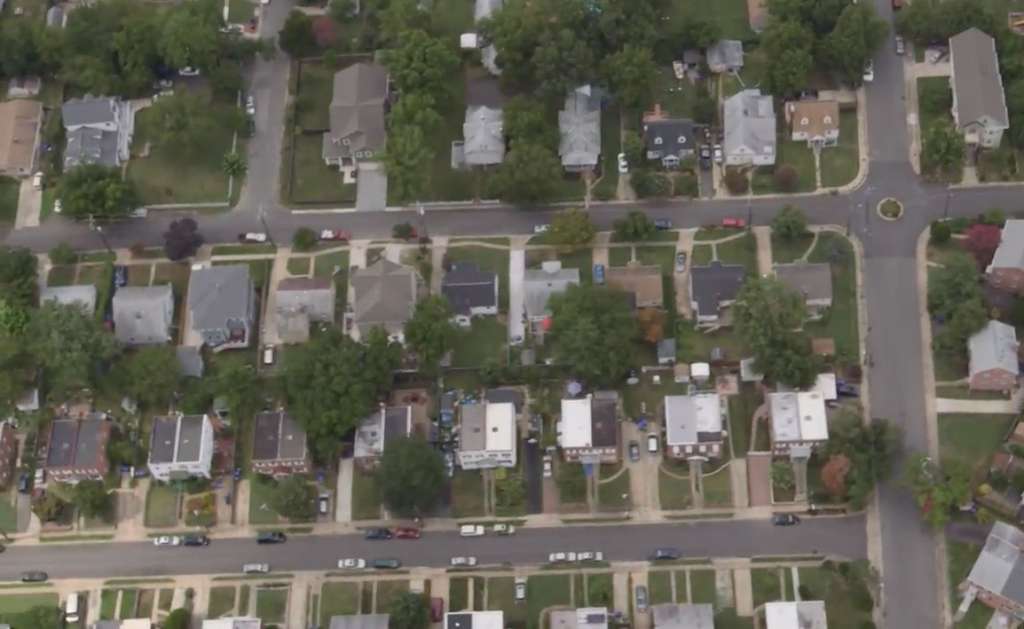
In recent months, this column has highlighted a positive, progressive agenda advanced by the 8th Congressional District Democratic Committee. We now turn to county-level issues.

Schools, Metro and transportation, housing affordability, parks and open space and Arlington’s Energy Plan are all important issues worth discussing in detail.

I believe each is linked to economic opportunity, so that’s where I begin.

Economic Opportunity in Arlington is Strong: At our county’s core, just like our country’s, is the idea that the American Dream is achievable for those who work hard. By that standard — how achievable is the American Dream — Arlington is a great place to live.

Measures of economic opportunity confirm this. Our unemployment rate is 2.2 percent. Our population is amongst the most educated in the country. Our median household income is fifth highest in the country.

Arlington Faces Economic Challenges: Despite being a place where most can realize their versions of the American Dream, we do have challenges. Our commercial vacancy rate over the last five years has been between 18-20 percent, reflecting the reality that many federal tenants left Crystal City and Rosslyn in the aftermath of September 11 and that the economy is shifting from heavy reliance on office buildings to working from home and the technology-driven workplaces of the 21st century.

Arlington’s 8.8 percent poverty rate is another challenge we must face. In 2015, the poverty line for a family of four in the County was $24,250. In such a great county, we should take measures to help our neighbors in need — many of whom already work full time — above the poverty line.

Embrace The 21st Century Economy: As the workplace changes, we will need to be a great place to work and play to retain and attract businesses and talent. We must embrace the technology based economy and the green economy as they lead to new economic growth in the years to come. That means embracing Arlington’s Energy Plan and driving toward even more renewable energy and energy efficiency.

Acquire Land Necessary to Grow: The newly formed Joint Facilities Advisory Committee has recommended that we acquire the land necessary to provide public services important to all Arlingtonians. I believe the County Board should approve the purchase of the land on S. Carlin Springs Road and the Buck Property. We will need both properties to facilitate public safety and transportation services needed to serve our people and keep our economy growing.

Invest in Metro: Metro has enabled many of us to get to work and has brought many businesses to Arlington. While there have been significant problems over the past few years, it’s also true that Metro is an investment in the middle class that has paid off many times over and that Metro’s role in businesses success and accommodating population growth make it indispensable. We must be committed stakeholders, demanding accountability while investing wisely. We cannot let Metro fail.

Commit to Building a Fourth High School: Over the long-term, economic growth will be heavily influenced by the quality of our schools. To keep our schools world class, I believe we must work to reduce construction costs and find efficiencies, while also committing to providing funding necessary to build a fourth, full-service high school.

Protect and Preserve Housing Affordability: Arlington must be a place where the middle class and those who want to work their way into the middle class can afford to live. Teachers, police officers, nurses, restaurant workers and construction workers must be able to afford to buy a home or rent. Seniors seeking to age in place must be able to find a way to stay here. Millennials must be able to afford to rent and realize their dreams of owning. And, yes, we must fully commit to funding the Affordable Housing Investment Fund so that we maintain affordability and diversity as Arlington continues to grow.

Practice Fiscal Restraint: Over the last two years, the County Board has made good, hard decisions on the budget such as choosing to close Artisphere and focus our funding for the arts on Signature Theatre as well as deciding to sell the Reeves Farmhouse while keeping the surrounding land as parkland and for historic uses. We will need to make similar hard decisions in the years to come so that we can have the resources to serve those in need and invest wisely in our future.

Conclusion

Arlington truly is a great place to live. Progressive ideas can make our community even better.

Matt de Ferranti serves on Arlington County’s Housing Commission as Vice Chair, is a member of the Joint Facilities Advisory Commission and is Chair of the Budget Advisory Council to the Arlington School Board.

It’s been another busy week in Arlington, but before we get to our most popular stories, let’s take a look at some you may have missed.

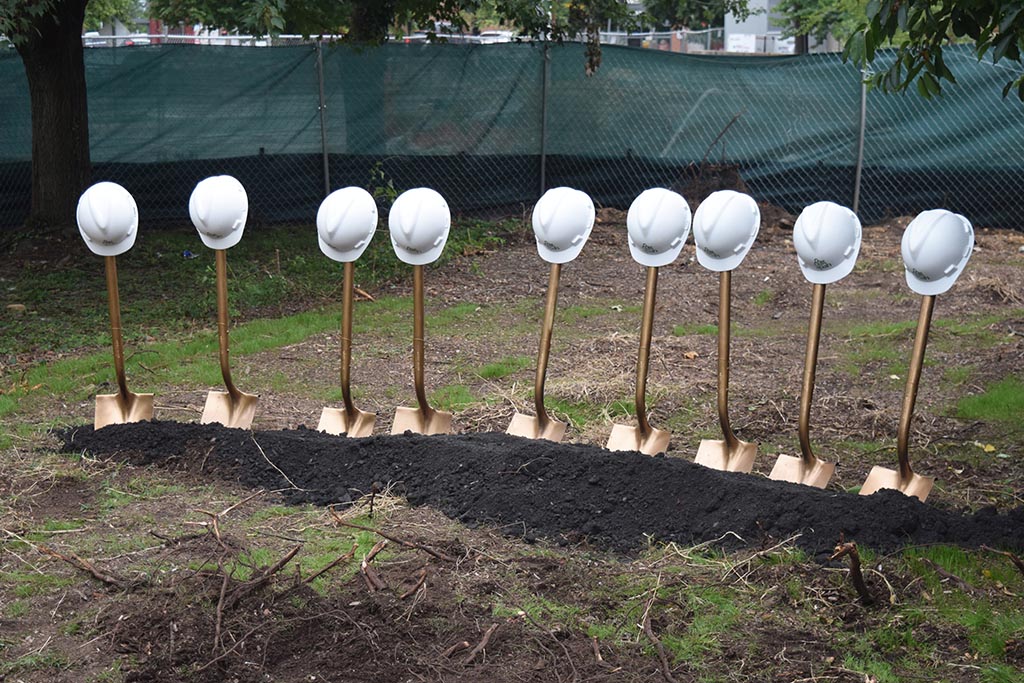
Officials broke ground on a new affordable housing complex on Columbia Pike, a driver busted a Shirlington bus stop and the long-anticipated Stageplate Bistro is set to open in the coming weeks. Meanwhile, Adam Roosevelt is preparing to make a run at the House of Delegates and private investigation firm Trustify is adding 184 new jobs in its Crystal City office.

These were the five most-viewed stories this week:

  1. UPDATED: Two Found Dead in East Falls Church Home in Apparent Murder-Suicide
  2. How Arlington’s Public Schools Rank
  3. Growing Up in Arlington: A Perspective
  4. Tara Temple Thai Restaurant Closed in Ballston
  5. County Exploring Telling Homeowners About Issues That Prevent Tear-Downs

And these received the most comments this week:

  1. Local Lawmakers Condemn Senate’s Move Towards Obamacare Repeal
  2. How Arlington’s Public Schools Rank
  3. Morning Poll: Which New Bar/Restaurant Are You Most Looking Forward To?
  4. County Exploring Telling Homeowners About Issues That Prevent Tear-Downs
  5. Morning Notes (July 26)

Feel free to discuss those, or anything else of local interest, in the comments below. Have a great weekend!


Mark KellyThe Right Note is a weekly opinion column. The views and opinions expressed in the column are those of the author and do not necessarily reflect the views of ARLnow.com.

Every year the Arlington County Board takes one month off from its regular meeting schedule in August.

Having been on a policy maker’s staff, it is safe to assume county staff is even more grateful than the Board for the opportunity to take a breather and catch up.

Here five things a Board member could do in August to learn more about the impact of their decisions:

  1. Find a homeowner who wants to get a building permit and walk with them through every step of the process. Be copied on every email. Make all of the trips to the county offices, including those to pay fees.
  2. Work with a small business owner who is trying to start a venture in the county for the first time. Help them fill out every piece of paperwork. See if as a Board member you can explain the necessity for each and every form and tax. Ask them if they favor big businesses getting tax breaks and incentives while they receive nothing.
  3. Find another business owner who wants to put a sign on the front of their establishment or do some renovations. Fill out that paperwork. Go to the zoning office. Be with them when the inspector comes. Participate in the call with their contractor when the county requires a change.
  4. Spend a day in the life of county employees. Go out to a water main break and ask the people fixing them whether the aging infrastructure is maintained. Do a ride-along on the late-night shift with a police officer. Spend a day in a fire station. Work as a custodian in one of our public schools as they prepare buildings for the new year. Spend an evening cleaning up during the County Fair.
  5. Convene an off the record meeting with 5-10 Arlingtonians who did not vote for you and ask them what they think could be done to make this a better place to live, work and raise a family.

There are many other things the Board could do to step outside their bubble and gain perspective on the decisions they make. It would undoubtedly be beneficial to us all.


Peter RousselotPeter’s Take is a weekly opinion column. The views and opinions expressed in this column are those of the author and do not necessarily reflect the views of ARLnow.com.

In April, the Metropolitan Washington Council of Governments released a report recommending a new 1 percent regional sales tax for Metro as the best way to generate a dedicated source of funding:

A 1 percent sales tax in Metro’s eight city and county jurisdictions would provide the transit system with adequate revenue to cover its most urgent infrastructure and maintenance costs over the next decade, according to a new analysis …

On July 20, the Loudoun County Board of Supervisors unanimously passed a resolution opposing this COG recommendation: “Supervisors argued the proposed regional sales tax was not fair to a county like Loudoun that will only gain about three miles of track.”

Metro needs dedicated funding

Dedicated funding is money that is not subject to an appropriations process.

Most other metropolitan transit systems in America have a dedicated revenue stream to supplement the contributions of local governments. Our Metro system doesn’t have one:

“Instead, Metro relies on a patchwork of annual subsidies from local governments. In effect, Metro competes yearly against myriad other public spending priorities, its operating budget consistently facing some level of appropriations risk.”

Arlington will pay more for Metro without dedicated funding

Metro will continue to deteriorate without dedicated funding, and will eventually go into a death spiral. Arlington and the entire region which depends on Metro cannot allow that to happen. The longer the region drags its feet, the financial burdens on Arlington to keep Metro afloat will put greater and greater pressure on our local budget — leading inexorably to:

  • higher local property tax bills
  • crowding out of other critical local budget priorities
  • a combination of both of the above

Metro dedicated funding should be conditioned on bipartisan reform

As I have written previously, a dedicated funding source for Metro should be tied to a bipartisan, regional Metro reform plan that will maximize the chances that both the new and the existing funding for Metro will be spent wisely.

Dedicated funding source need not be identical in every jurisdiction

As originally proposed, COG’s 1 percent sales tax envisioned a uniform new tax in every participating jurisdiction. But, that kind of uniformity is not the only possible outcome. It’s on this point that Arlington County Board member Christian Dorsey has demonstrated leadership. While Dorsey is Arlington’s representative on the Metro Board of Directors, Arlington’s Metro representative no longer is a voting representative.

When Loudoun’s opposition to the 1 percent sales tax first surfaced, Dorsey took the lead in proposing options, while emphasizing the responsibility of each jurisdiction to participate equitably in a regional solution:

“I’m not an apollite that says we gotta all do the same thing, but don’t use this as an opportunity to shirk your responsibility to participate equitably, and if that means something different out in Loudoun than in Arlington, it wouldn’t be the first time, and that would be OK.”

Dorsey noted that some of his constituents were for a regional sales tax that “wouldn’t disproportionately harm one sector of the taxpaying community,” while others preferred a meals tax that would concentrate on development around the Metro stations. 

Conclusion

It’s challenging to find a way to get to yes on a bipartisan regional proposal for dedicated Metro funding. Thanks to Christian Dorsey for his leadership in carefully exploring various alternative ways to get there.


Progressive Voice is a weekly opinion column. The views and opinions expressed in the column are those of the individual authors and do not necessarily reflect the views of their organizations or ARLnow.com.

By Larry Roberts

This is the final installment in a series of columns about how Arlington progressives and 8th Congressional District (Arlington, Alexandria, Falls Church and parts of Fairfax) Democrats responded from a policy perspective to the 2016 Presidential election.

I am providing – again without editorial comment — the progressive agenda as defined by resolutions adopted by the 8th Congressional District Democratic Convention delegates. This is a window into the views of progressive voters entering a gubernatorial election year with an outcome that will have a dramatic effect on progressives, Arlington County and the Commonwealth’s future.

Support for Local Moderate Income Down Payment Assistance Programs. We support Virginia developing local down payment assistance programs for well qualified first-time homebuyers; income limits for those who can qualify should consider multiple independent income earners in conjunction with or rather than total household size; and adding minimum annual student loan payments to the formula for determining income limits.

Thanking Gov. Terry McAuliffe (D) for His Service to Virginia. McAuliffe has served as Virginia’s Governor with distinction. He restored public trust and confidence in the office in the wake of conflict of interest scandals surrounding his predecessor. On his first day in office, the Governor signed an executive order imposing a $100 gift ban on himself, his family and members of his administration and their families.

Under his leadership, Virginia has announced 926 projects, created 189,200 new jobs and attracted $15.86 billion in new capital investment. McAuliffe has worked to prepare the Commonwealth for the effects of climate changes and to reduce Virginia’s contribution to its causes. To promote Virginia’s State Park System, he will visit every state park.

In addition to positive leadership on important policy issues, the Governor has been an essential bulwark against the mean-spirited attempts of the Republican-controlled General Assembly to take Virginia backwards on many social and economic issues. He has vetoed 91 bills and has amended many additional ones. Absent his actions, Virginia would be far less welcoming to many of its residents.

Therefore, the Convention congratulates McAuliffe on a job well done and urges voters to elect a Democratic successor to continue his efforts to curb the excesses of the Republican-controlled General Assembly.

Title IX. Protections for transgender students should be reinstated and guidance issued, and investigations commenced by the Office of Civil Rights in the Department of Education should be continued per the current standards. Additionally, the OCR should be fully funded to ensure that all students in Virginia are protected so that they can attend public schools and universities safely and free of discrimination. All K-12 and Virginia higher education institutions should advance and enforce the principles and legal standards of equality promulgated under Title IX.

Title X. Title X of the Population Research and Voluntary Family Planning Program provides significant and critical health and economic benefits for individuals, families and society. Millions of low income men and women in the United States rely on publicly funded services through Title X, family planning services, and other health care services including early detection and treatment of STIs and cervical cancer.

Without adequate funding to Title X to pay for these services, many men and women in Virginia will have no access to these lifesaving and family planning services. Sufficient funding should be provided to adequately meet the needs of the residents of Virginia who rely on services funded through Title X. The Federal government should prohibit discrimination against Title X providers that perform abortions with non-federal funds.

Voting Rights. We condemn any measure that seeks to gain political advantage by hindering citizens from exercising their fundamental right to vote; urge Congress to act promptly to fix Section 4(b) of the Voting Rights Act so that states with a recent history of discrimination will once again be subject to pre-clearance review by the Department of Justice; urge the General Assembly to enact a no-excuse in-person early (absentee) voting procedures, repeal the recently-enacted voter ID laws, and streamline voter registration procedures; and commend McAuliffe’s actions to restore voting rights to convicted felons who have served their time without the unnecessary and time consuming application process previously imposed.

The General Assembly must amend Article II, Section I of the State Constitution to remove Jim Crow-era felon disenfranchisement provisions. The Virginia Parole Board and other government organizations should actively educate Virginians on their restored voting rights and assist them in registering to vote.

Larry Roberts is an attorney in private practice who has previously served in the state Cabinet as Counselor to Governor Tim Kaine and as Arlington County Democratic Committee Chair. He has been Chair for three successful statewide political campaigns, including Justin Fairfax’s campaign to be the Democratic nominee for Lt. Governor in 2017.


The following Letter to the Editor was written by Aaron Wajsgras, who serves on Arlington Public Schools’ Budget Advisory Council and its Career, Technical and Adult Education Citizens Advisory Committee.

It’s no secret that workforce needs are changing. From coding to manufacturing, industry is pining for a STEM workforce that can think critically and creatively. No longer are the times of the switch board operator or the repetitive assembly line worker.

So, exposing students to rigorous, hands-on learning where they can apply content knowledge to promote higher-order thinking skills is necessary for the future workforce. And, at the rate technology is changing, “the future” could be just a few years away.

According to the NOVA Workforce labor market dashboard, over 6,800 positions in management, science, technical consulting and computer systems design and related services were posted between April and June of this year. Additionally, across the country, skills gaps (what’s available versus what’s needed) exist in manufacturing, healthcare and other major industries to the tune of 5 million unfilled jobs by 2020, according to Georgetown University.

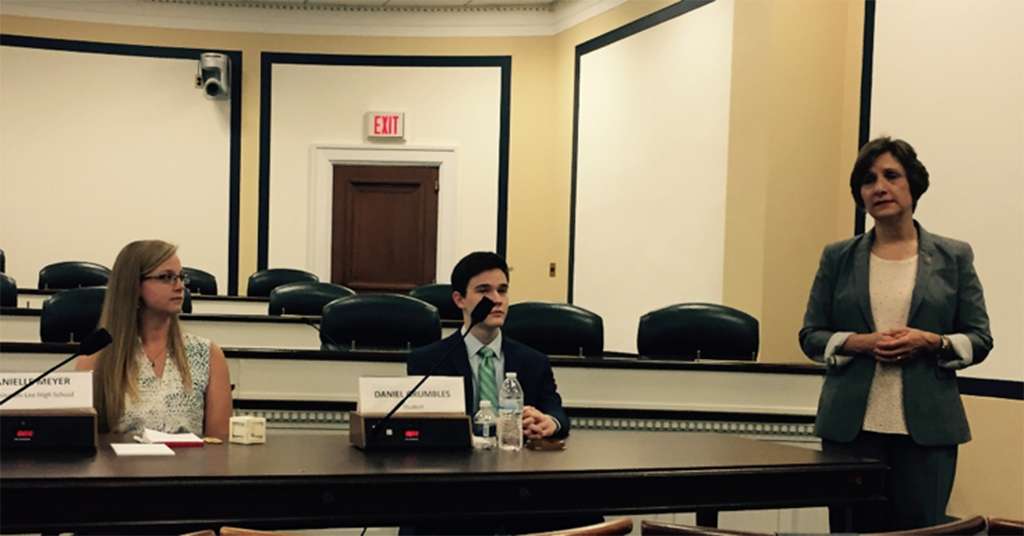
The skilled and creative future workforce has been a hot-topic for the last handful of years. Consequently, the Congressional STEAM (Science, Technology, Engineering, Arts, and Math) Caucus and the CTE (Career and Technical Education) Caucus held a joint briefing to discuss opportunities to incorporate arts and design into in-demand CTE and STEM curriculum; and Arlington Public Schools represented half the panel last week.

In addition to perspectives from General Electric and the Rhode Island School of Design, Danielle Meyer, the technology and engineering teacher at Washington & Lee, along with Daniel Grumbles, a recent graduate of W&L and a student of Meyer’s, were invited to discuss W&L’s engineering and technology program.

Danielle teaches several courses focused on engineering and technological design (the “A” in STEAM) and shared testimony about the importance of the aesthetics in her field. “We talk about the design process with our projects. The students create sketches and drawings and then use software to add dimensions, and we redesign and test when necessary.”

“Creativity is difficult,” she exclaimed, and uses the question “Would you buy that?” to keep students focused on the importance of the “consumers” of the projects. Giving the student perspective, Daniel highlighted his gratefulness for the collaborative nature of Danielle’s courses, the improvement of his technological literacy, and expansion of his creativity that he “did not always get to use in his mainstream courses.” All necessary skill-building for Daniel’s future career.

Of note, Daniel discussed the generous resources that APS has provided towards engineering courses to purchase items like 3D printers. Hoping students in other schools across the country can get the opportunity that he had, he stated, “It was not simply to provide the technology, but to facilitate the integration of it into the classroom.”

The value of skills in STEM and CTE fields are currently, and will continue to be, critical for the future workforce. However, the importance of creativity and higher-order thinking combined with in-demand skills helps to create our leaders of tomorrow.

ARLnow.com occasionally publishes thoughtful letters to the editor about issues of local interest. To submit a letter to the editor for consideration, please email it to [email protected]. Letters may be edited for content and brevity.

Pictured: Danielle Meyer, Technology and Engineering Teacher, Washington-Lee High School; Daniel Grumbles, Class of 2017, Washington-Lee High School; Rep. Suzanne Bonamici (D-Ore.), STEAM Caucus co-chair. Photo by Aaron Wajsgras.


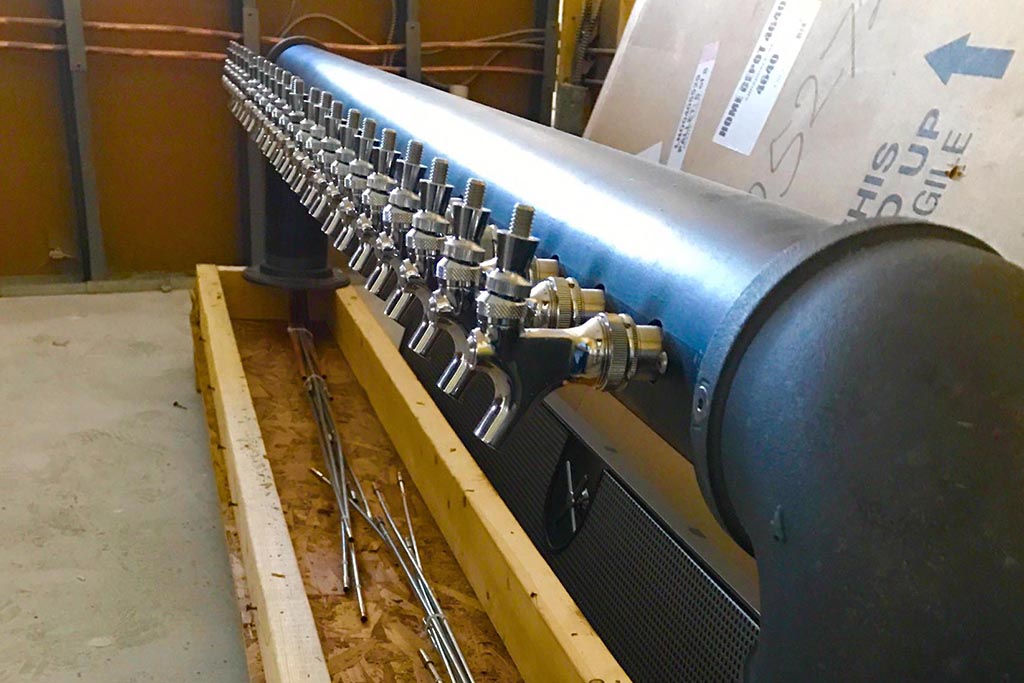
The pace of restaurant openings has noticeably slowed down in Arlington.

That doesn’t mean, however, there are no new restaurants to get excited about in Arlington. In fact there are a number of restaurants — bar-oriented restaurants, in particular — that are coming soon and have the potential to be new go-to spots.

Which of the following are you most looking forward to?

  • Brickhaus on Columbia Pike, which announced Monday via Facebook that it was just awaiting county inspections before opening: “One step closer to opening day (no, friends – there’s no firm date yet 😊).”
  • Dudley’s in Shirlington, which on June 1, after 15 months of back-and-forth with the county, finally received a building permit to start constructing a rooftop deck.
  • The G.O.A.T. Sports Bar in Clarendon, from the owners behind A-Town and Don Tito, which is currently expected to open later this summer.
  • Wilson Hardware, a new bar and lounge in Clarendon, which has announced a “late summer” opening.
  • Verre Wine Bar in Courthouse, which is now hiring and says it will “deliver a superior wine bar experience by offering the best value wine list in the DC area paired alongside classic, wholesome and heartwarming meals as well as a variety of shareable small plates.”

Some honorable mentions not included in our poll, as they seem to be more food-oriented, are Gyu-Kaku, a forthcoming Japanese BBQ restaurant in Clarendon that has not yet applied for construction permits; Bistro 1521, coming to the former Applebee’s space in Ballston; and Stageplate Bistro in Ballston, which is still not open despite being “close to opening” in May.


From my first breath at Virginia Hospital Center to walking across DAR Constitution Hall for high school graduation, Arlington has been my home since birth. Despite the county’s growing hype around millennials, 18.5% of Arlington’s total population is 18 years or younger. That’s over 40,000 children, 27,000 of which are enrolled across Arlington’s nearly three dozen public K-12 schools.

There’s no complicated way to go around it: it has been a fantastic privilege to grow up in Arlington and I am not alone in this thought. Along with many of my friends and classmates, I was born here. I attended a private daycare, spent many of my childhood days swinging at the Harrison Street playground and went to preschool at The Children’s School in Westover.

When I was ready to attend kindergarten, my parents faced no qualms about a waitlist for a private education. Arlington’s public schools are as great as they come. Even a quick glance at national school rankings makes it clear why so many parents choose to live in Arlington and commute elsewhere for work.

I lived the first ten years of my life in Westover in a quaint two-bedroom home. I shared my bedroom with my little sister and attended McKinley Elementary School, where I received a great education. When my youngest sister was born, we decided it was time to move. We moved when I was in the fifth grade to a four-bedroom house in the Williamsburg neighborhood, which meant that I would have to attend a different middle school than all of my peers.

At eleven years old, that’s about as devastating as it comes. Yet looking back, I simply moved from a great neighborhood to another great neighborhood. In both middle school and high school there was never a day where there wasn’t something to do, whether in the county or across the river in the nation’s capital.

Now I’m 20 years old and attend college at Boston University. My high school friends are all over the map, some up north like me and many others still here in Virginia. However we’ve all looked back fondly at our time growing up in Arlington and come to the realization that we’ve all had it very, very good.

“I’ve had a chance now to see a little bit more of the country and I realize how lucky and privileged I’ve been with just about every aspect of my upbringing here,” said Maddie Donley, a rising junior at the University of Virginia. “People always say that they want to escape [Arlington], but I’ve come to see it as a great networking resource and an incredible place to call home.”

(more…)


It’s been a week dominated by discussions of local wildlife, places to eat and a couple of traffic-related incidents of varying kinds.

These were our top five most-read stories this week:

  1. Fairlington Debates Trash Policy After Another Raccoon Attack
  2. JUST IN: Another Raccoon Attack Reported in Fairlington
  3. Fast-Casual Pizza Chain &pizza Coming to Ballston
  4. Man Gets Stuck At Arlington Stoplight For 20 Minutes, Films the Experience
  5. Man Flees on Foot From Traffic Stop, Leaves Two Kids in Car

Also on Arlington’s mind this week: the deferred approval of the design of the new Lubber Run Community Center, the three-month extension of the live entertainment permit at Chester’s in Nauck, the closure of Zaika in Clarendon and the launch of a study of a pedestrian link between Crystal City and Reagan National Airport.

Feel free to discuss those, and anything else of local interest in the comments. Have a great weekend!


Mark KellyThe Right Note is a weekly opinion column. The views and opinions expressed in the column are those of the author and do not necessarily reflect the views of ARLnow.com.

A report out of Toronto is that a local man built a set of stairs at a public park after the city quoted a minimum of $65,000 to do the job — the high end for the estimate was a whopping $150,000.

By contrast, the cost for materials and labor for the completed project was $550, which was paid for by asking some neighbors to chip in.

Toronto is now threatening to tear them down until they can build the more expensive version. The city attempted to block off the eight stairs with caution tape in the interim, but from the looks of the photos, people who like using the stairs are continuing to do so anyway.

Almost certainly, the stairs were not built to city code. Just as certainly, there is no acceptable reason the project should cost at least 120 times more than your average man on the street can build it. But as we have learned in Arlington, when the government is involved in a project or “solving a problem,” it almost always costs the taxpayers more than it should.

Arlington gained national notoriety for our $1 million, open air, not quite big enough to keep you dry if it rained, bus stop. That price tag was explained away as a prototype absorbing costs for design and engineering. Then it was announced the county had lowered the cost per stop to a still mind-boggling $575,000. Better, but still equivalent to the construction costs of a rather large custom home.

Arlington this week announced it would pay nearly $3.9 million for a building assessed at $2.4 million. According to County Board chair Jay Fisette, paying 44 percent over the assessed value was the best deal they could get from the building’s owner. The total cost of moving the county’s Head Start program to the location will come in at $10.5 million once renovations are complete.

In 2014, Arlingtonians looked at the county’s record under one party rule and voted in an independent. Following up on his campaign platform, John Vihstadt lead the effort to bring a County Auditor on board.

In June, the County Board approved the County Auditor’s FY 2018 work plan. And there is nothing wrong with the plan as a first step. However, if the Board is able to dole out an extra $1.5 million for a piece of property, they should be prepared to find an additional $150,000 for the Auditor’s office budget and hire two more people to speed up the pace of reviewing how the county spends our money.


Peter RousselotPeter’s Take is a weekly opinion column. The views and opinions expressed in this column are those of the author and do not necessarily reflect the views of ARLnow.com.

Last Thursday, U.S. Senate Majority Leader Mitch McConnell (R-Ky.) unveiled the latest Trumpcare bill. There aren’t enough Republican Senators who support this latest version. McConnell has now scheduled a vote on outright repeal of Obamacare for “early next week.”

Drastic Virginia Medicaid cuts

The most remarkably bad thing about Trumpcare is its persistent focus on drastically cutting Medicaid benefits. The per-capita caps would cost Virginia’s Medicaid program at least $1.4 billion over seven years.

U.S. Sen. Mark Warner (D-Va.) previously blasted these cuts:

Virginia historically has run one of the leanest Medicaid programs in the country…. But as a result of the steep cuts to Medicaid in Trumpcare, Virginia would be forced to pick up an additional $900 million in costs for Medicaid over the next ten years in order to maintain the same level of care.

Virginia Republican legislative leaders already are on record condemning these cuts: “Proposals to impose per-capita caps on federal Medicaid spending would put Virginia at a severe disadvantage.”

U.S. Sen. Susan Collins (R-Maine) aptly summarized what’s wrong with her Senate leadership’s approach:

We should not be making fundamental changes in a vital safety net program that’s been on the books for 50 years, the Medicaid program, without having a single hearing to evaluate what the consequences are going to be.

Virginia children disproportionately harmed

The proposed Medicaid cuts would particularly harm Virginia’s children:

The bill would have a disproportionate effect on children, who make up about 60 percent of Medicaid enrollment in Virginia. During the 2014-15 school year, the most recent year for which data is available, Virginia school districts received $33 million in Medicaid reimbursements.

Virginians with pre-existing conditions lose coverage

The latest Trumpcare bill contains a new provision (the so-called Cruz amendment) that major health insurance companies say is “simply unworkable.” It would deny coverage for pre-existing conditions and de-stabilize insurance marketplaces in Virginia and across the nation:

The protections for preexisting conditions are gone. The GOP vision is of health markets where the very sick can buy unaffordable Obamacare-compliant plans that are, maybe, made affordable by subsidies, but most people are back in an insurance market where past allergies or future pregnancy or a history of knee problems will leave you basically uninsurable.

Conclusion

Republicans and Democrats remain divided over their contrasting degrees of respect for the principle of mutual obligation:

If [Trumpcare] passed, the Republican reform would eventually return the country to a system a lot like the one in place before the A.C.A., when older people, sick people, and the working poor struggled to find coverage–or went without.

Supporters of Trumpcare claim it would enable everyone to have access to affordable healthcare. But, the truth is that only those wealthy enough to pay would have access to meaningful healthcare.

Repeal of Obamacare without a replacement would be even worse. The Congressional Budget Office estimated that repeal would cause the number of uninsured people to rise by 18 million next year and by 32 million by 2026.

Both approaches are bad.

U.S. Sen. John McCain (R-Ariz.) has issued a call for a fresh, bipartisan start for healthcare reform. He’s right.

Responsible Republicans and Democrats now should join together to hold open and thoughtful public hearings to fix those parts of Obamacare that need fixing.


View More Stories