

Peter’s Take is a biweekly opinion column. The views expressed are solely the author’s.

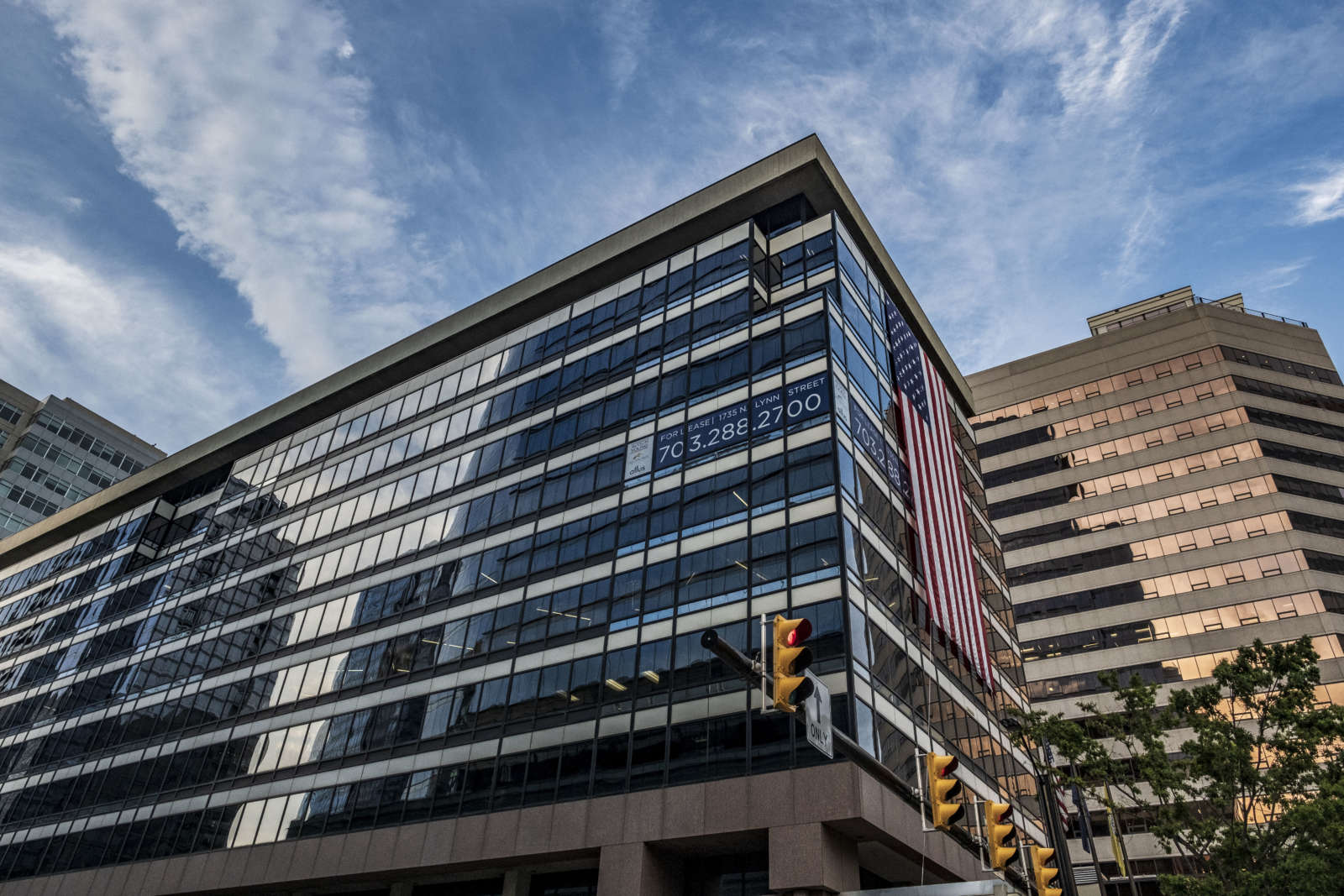
On September 15, The Arlington County Board approved a $3.8 million contract to design an ART operations and maintenance facility. Initially part of the Board’s non-public-comment consent agenda, this contract and its accompanying staff report had a lot to hide.

Background

The County purchased 2631 and 2635 Shirlington Road in 2018 for $24M with plans to use the space for a public facility. The 2018 Four Mile Run Valley (4MRV) Area Plan recommended the space optimize density (up to 120′) due to its strategic location adjacent to I-395.

Also, in 2018, the Board adopted a new community engagement strategy to integrate better public insights into community projects thus achieving better outcomes and controlling costs associated with late-in-plan changes.

The Green Valley Civic Association (GVCA) has repeatedly taken the County to task for its lack of community engagement, communication and resource allocation. During the 4MRV planning process, residents of this area offered comments like these to ARLnow.com: “[T]he county’s “engagement process was lousy from the beginning.” “[T]he county has indeed held plenty of meetings, it’s the quality of those meetings that [are a] concern.” In a June 2020 letter to the editor of the Sun-Gazette, GVCA leaders concluded: “It is no longer acceptable for the County to say “we’ll try to do better” or we’re “for equity.” [I]t’s past time to prove it.”

Community engagement

This new ART facility proposal designates public engagement at the county’s “involve” level, yet the county’s transportation department actions to date have fallen short on public engagement for this project. At the September 15 Board meeting, Chair Libby Garvey disparaged resident engagement thereby underscoring the county’s disdain for what the community brings to the planning process. Garvey apparently forgot that only two years ago she had proclaimed: “We need always to work to build trust that we are listening to our residents.”

Arlington County has been lauded in many surveys as having one of the most highly educated group of residents. Yet, this ART facility project demotes public input to just the “aesthetic elements.” Sadly, the county isn’t taking into consideration that community members may have better, and perhaps more strategic and innovative, ideas than the county about the use of scarce space.

The Board’s vote to hire an architect for $3.8M to prepare a concept plan with insufficient public consultation is likely to increase the costs of an already expensive project. The county now can reject any suggestions for improvements to the design due to the timing and cost to make changes.

(more…)


The Right Note is a biweekly opinion column. The views expressed are solely the author’s.

At this month’s September 12 meeting, County Board members initially expressed general support for changing the county logo.

At the September 15 recessed meeting, the Board announced it would start a process to not only change the logo, but look at any name throughout the county that may need to be renamed or symbol that needs to be changed.

After three days of reflection, the Board seems set to move forward with the logo change. Instead of moving expeditiously to do so, the Board decided to make it part of what is almost certainly going to be a drawn out decision making process.

There are two practical questions that have to be answered considering the extensive use of the logo throughout Arlington: how much would changing it cost and how long would it take?

Once the Board knows the answer to these questions they should be able to announce the process, timeline and cost to select a new logo and put it in place. Instead, we are weighing into a nebulous timeline of the “Arlington Way” which will not start until 2021. It will drag this process out and almost certainly ensnarl it in controversy with any number of other things people will want to see replaced or renamed — see the renaming of Washington-Liberty High School.

As part of this process, one can only imagine that the name of our county will also be up for debate. We are named after the Arlington plantation that contains the house the County Board is now objecting to as a logo. The County Board will almost certainly face that question as part of this process. And if they think the same logic does not apply, then they should state why.

Hopefully the County Board members will rally around the idea that our foundational principles give us the opportunity to redeem past failures and move forward to create a more perfect union. Arlington County can stand as a place that does not need to change its name in order for it to be known as a place that unequivocally rejects racism. We can focus our time and efforts on lifting people up in our community by providing access to educational opportunities and reducing governmental barriers to economic opportunity.

A final note on the logo. At the Board meeting, Takis Karantonis held up his business card to the camera and said the logo “doesn’t represent me.” If Mr. Karantonis or any of the Board Members object that strenuously to the logo, they should stop using the taxpayer-funded cards immediately and purchase their own without the logo until the change is made. That would be a real protest.

The Board also received an update on the budget impacts from the pandemic. The projected slow down in revenue is within a range where the Board can make smart financial decisions utilizing close-out and contingency funds without piling a tax increase on our community as we continue to recover next year.

Mark Kelly is a long-time Arlington resident, former Arlington GOP Chairman and two-time Republican candidate for Arlington County Board.


In two days, Montgomery County will start allowing alcohol consumption in select parks as part of a pilot program.

More from Washingtonian:

Beginning Thursday, September 24, alcohol consumption will be allowed in nine designated parks as part of a pilot program approved by the Montgomery County Planning Board on Thursday. It will run at least through May.

The change is one facet of the county’s “Picnic in the Park” initiative, which aims to bolster takeout business for nearby restaurants while providing venues for safe social distancing. The MoCo Eats website shows picnic-goers which restaurants will deliver to them, and each park has drop-off spots for drivers.

In Arlington, alcohol consumption is banned in parks, with the exception of serving beer and wine during permitted events in two parks: Rosslyn Gateway Park and Clarendon Central Park. On top of the restrictions, Arlington has a program called Park Safe in which repeat offenders of rules like the alcohol ban — often homeless individuals with substance abuse problems — can be temporarily banned from all county parks.

Montgomery County’s program is specifically aimed at boosting outdoor dining during the pandemic and does not legalize public intoxication. But it’s the latest example of how long-standing laws concerning where you can buy and consume alcohol have become malleable as a result of COVID-19, allowing restaurants to deliver cocktails and parking lots to turn into watering holes.

https://twitter.com/abeaujon/status/1307029660119830536

Arlington has thus far declined to close streets to give restaurants more room to seat diners outside, as D.C. is doing, but perhaps adopting Montgomery County’s new temporary park rules could be the thing to give local eateries a boost.

What do you think?

Courtesy photo


Progressive Voice is a bi-weekly opinion column. The views expressed are solely the authors’. 

By Josh Kaplowitz

At this perilous crossroads for our democracy and our planet, Arlington County’s $50.8 million stormwater bond on November’s ballot is probably the last thing on your mind. But how we tackle Arlington’s growing stormwater problem has an awful lot to do with our current reckoning over equity and climate change.

The County is asking us to approve this stormwater bond to fund upgrades to the mostly-unseen system of concrete pipes and culverts that siphon rainwater from our roofs, streets and parking lots into its streams — and eventually the Potomac River. And it is indisputable that such upgrades are badly needed. Our infrastructure, which was largely built in the 1940s and 1950s as single-family suburban subdivisions consumed Arlington’s farmland, cannot handle more extreme weather fueled by climate change.

I have a personal stake in the issue as the owner of a house near Westover, one of the neighborhoods that was devastated by catastrophic rain in July 2019. Our house was spared flooding by mere inches, but our neighbors were not so lucky.

I am concerned, however, that this bond simply addresses the immediate problem without considering it in the context of our larger challenge: shaping a 21st century Arlington that is more equitable and more climate-resilient. Specifically, the County must do better on two fronts: who pays for these stormwater upgrades and who benefits.

At present, the stormwater bond would likely be repaid through stormwater fees, which are currently a flat percentage of a property’s value. That means the owner of a $1.5M surface parking lot, $1.5M McMansion, $1.5M townhome, and $1.5M condo all pay the same, despite contributing to the problem to wildly differing degrees.

The County is conducting a study that may result in stormwater being funded through fees on the amount of impervious surface (meaning buildings, streets and parking) attributable to your property — and thus the amount your property contributes to storm runoff. (The interim study is here.) But the bond was rushed onto the ballot before the study could be finalized. The County should, at minimum, ensure that the public pays the $50.8M under such a more equitable funding system.

But the County should go further. Single-family residential areas are expensive to maintain for an obvious reason: fewer taxpayers per square mile of infrastructure that needs to be maintained. This means that majority of Arlingtonians who live in high-density housing – including renters – pay more than their fair share for streets and sewers, subsidizing the lowest density (and wealthiest) areas. One way we could promote equity is by creating special tax districts so single-family residents with the biggest stormwater problems — such as within the Westover and Spout Run areas that will benefit most from the $50.8M spend — can more directly shoulder the burden of much needed infrastructure upgrades.

(more…)


Ed Talk is a biweekly opinion column. The views expressed are solely the author’s.

Since APS announced its decision to begin this school year 100% remotely, many parents and perhaps students – maybe even a few teachers – have been anticipating a disastrous start, if not a disastrous year.

We’re closing out week two of the distance learning year. Despite some significant technological issues and individual challenges adjusting to the new format, it has not been the initial overarching catastrophe many predicted.

For our family, our first day’s glitches were all rather quickly resolved. Admittedly, our middle schooler is using a personal laptop rather than the school-issued iPad. (Yes, I read your message, Dr. Duran; and I understand that you are encouraging all students to use the APS-issued device. But this time, we’re going rogue. Even if our middle schooler had never experienced the consistent connectivity issues with the iPad over the past two years, we prefer an actual keyboard and a larger screen for working a full year online. But the fact that it’s time APS swapped out middle school iPads for laptops is another discussion.)

While APS’ technology staff continues to manage the logistics of distance learning, the rest of us need to monitor distance learning itself. To that end, APS should immediately establish (yet another) working group or committee to monitor and collect feedback, data, and other information about academic, social, psychological, and technological matters through the duration of this school year.

Teachers, administrators, parents/guardians, students, school psychologists and counselors, and activities directors should all be represented.  A simple and easy way for people to comment and share personal experiences as they occur during the year is essential. The information gathered would guide decisions and improvements as the year progresses, as well as fuel planning and applying  lessons learned for future instruction when teachers and students ultimately return to the classroom full time.

We should strive to learn about such things as:

  • Effectiveness of APS and PTA communications and ways to improve it;
  • Impacts of distance learning on social dynamics and sense of community within and among schools;
  • How to manage the technical aspects of distance learning and teaching;
  • New skills and additional tools for teachers to reach and inspire every single student;
  • Which students are most successful with which methods of learning (online v. in person v. combination), why, and how to provide top quality programs to best serve each beyond the pandemic; and
  • Developing consistency in policies, curriculum, and instruction across schools.

Two particularly valuable lessons may be in the areas of how to excite students about learning, whether in-person or virtual, and the role of technology in education.

To prepare for remote teaching, teachers have had to redesign their curriculum for a whole new format and will hopefully continually improve their skills and techniques over the course of the year.  As my husband attests, teaching a college-level course in a classroom is very different from teaching it online. That phenomenon applies even more so to preschool – 12 education.

It requires different ways of presenting material and new skills for “reading” students, to elicit their participation, to motivate and draw out the best from each one. Mental health professionals face challenges as they meet with patients online where engagement is often lower or in-person with masks which obscure the facial expressions vital to contextualizing and interpreting comments and reactions – things trained professionals rely on in order to help their patients. Teachers use facial cues, student participation, and class behavior in the same way.

This year will offer ongoing opportunities to consider how students learn, what makes a teacher effective, and new ideas for the context of the traditional classroom experience. A major factor in teaching this year – and another key matter for APS and a committee to consider – is the role of educational technology.

(more…)


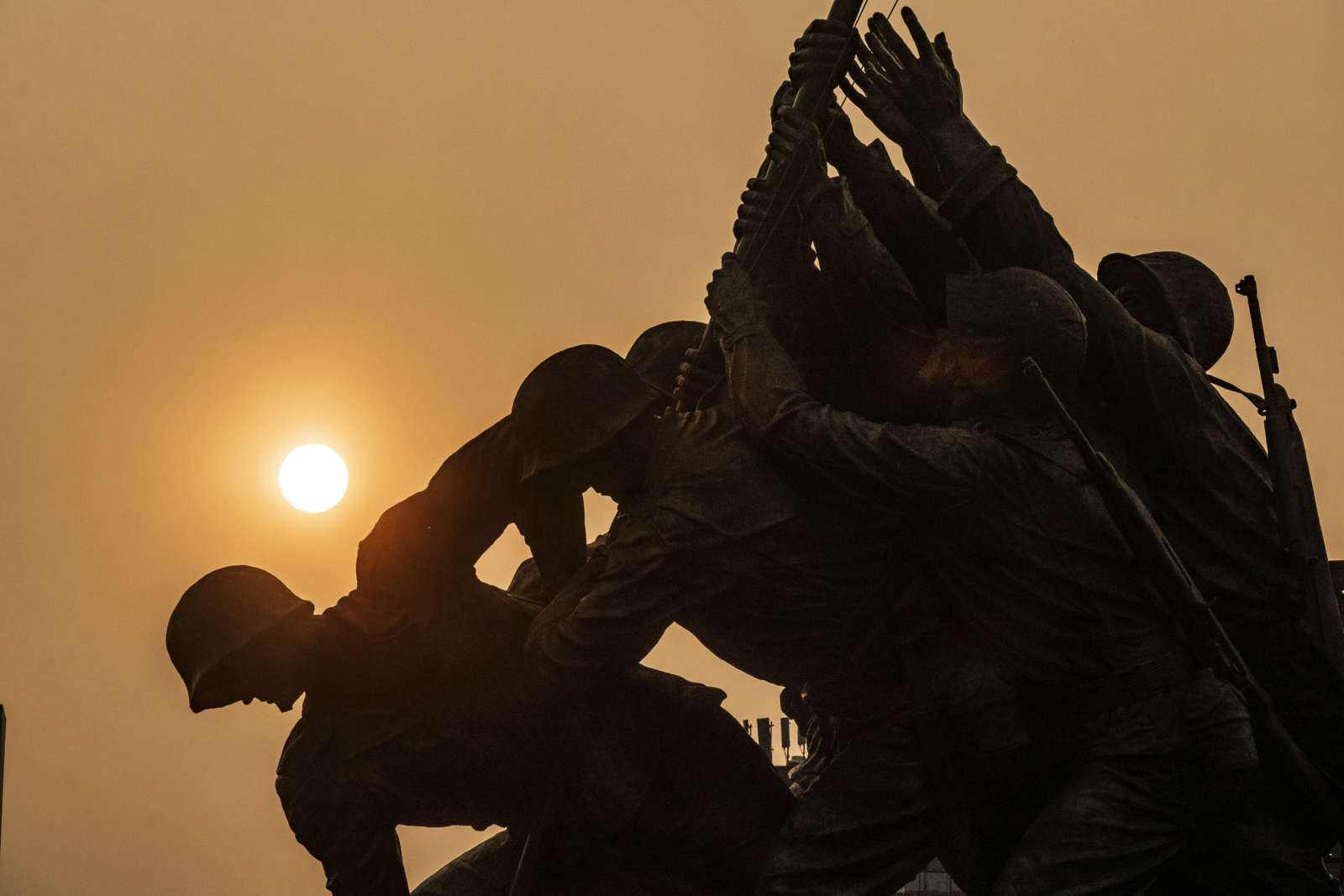
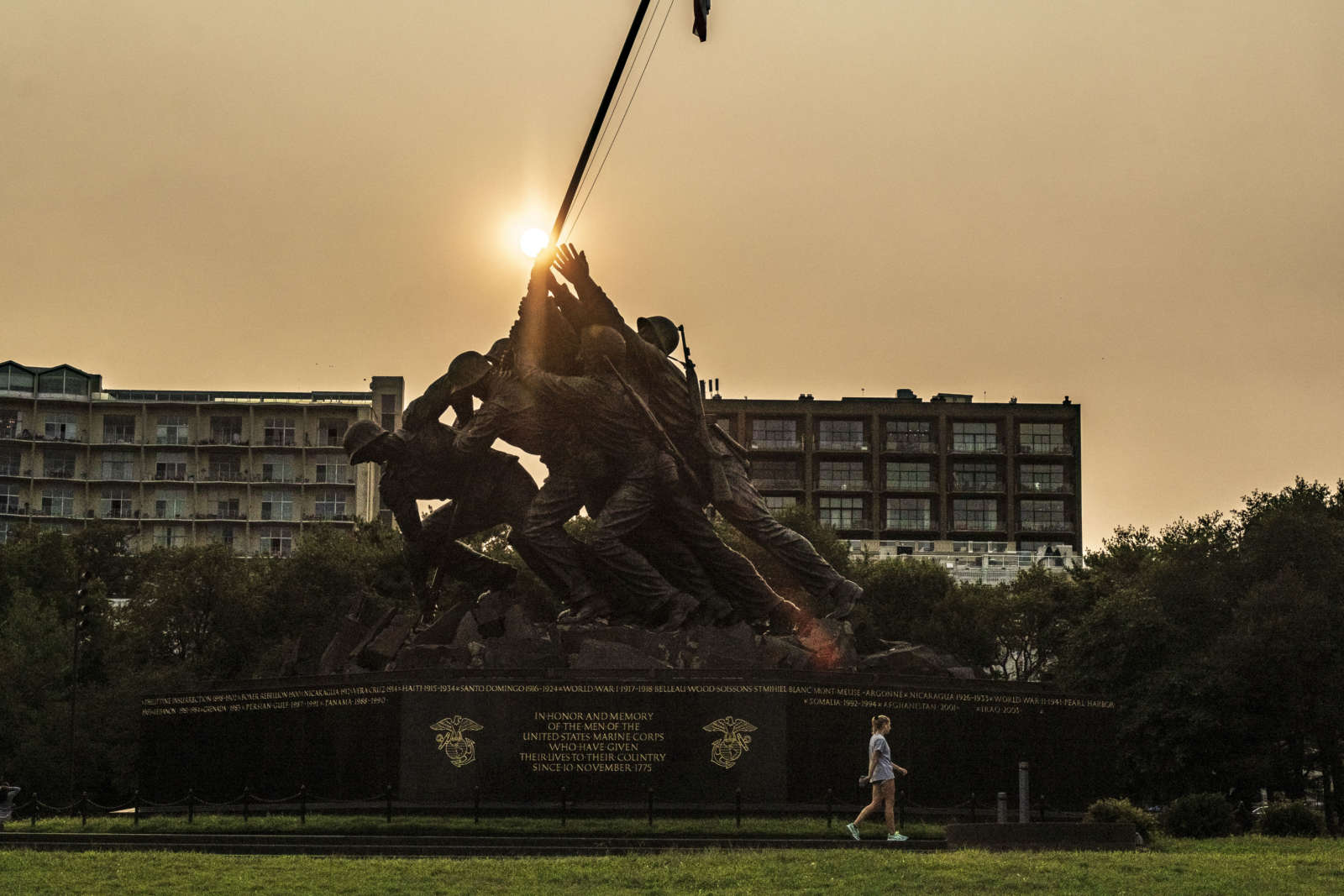
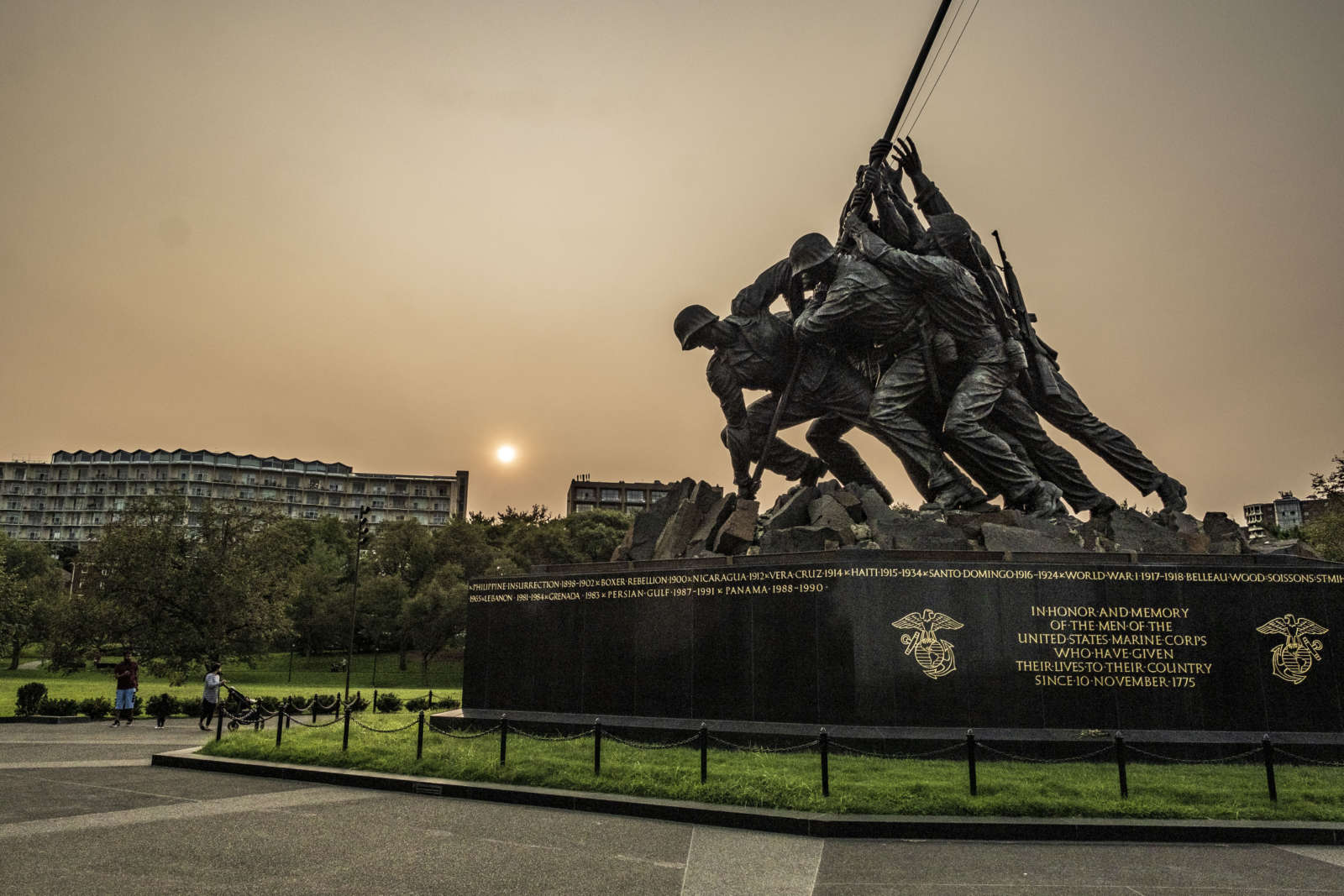
For much the this week, the sun was obscured behind a haze of smoke wafting in from the West Coast wildfires.

As the week has gone on, the haze has dissipated. Despite the calamities the world has faced this year, it is good to know that, with due time, the sun will always come back out eventually.

Here are the most-read articles this week on ARLnow:

  1. County Board Votes to Discontinue Sidewalk Crowding Ordinance
  2. French Pastry Shop Now Open in Rosslyn
  3. Purple Lounge Back in Business After Liquor License Restored
  4. New Rosslyn Development Marks Construction Milestone
  5. County Board Expresses Support for Changing County Logo
  6. Board Approves Gun Ban in County Buildings and Parks
  7. Neighborhood Spotlight: The Best Tacos in Arlington
  8. First Day of Early Voting Attracts Long Line in Arlington
  9. County Board OKs New $14 Million, Amazon-Funded Park in Pentagon City

For those celebrating tonight, Shanah tovah.

Also: RIP summer of 2020. Hello, fall.

Feel free to discuss any of the above, or anything else of local interest, in the comments. Have a nice weekend!


Health Matters is a biweekly opinion column. The views expressed are solely the author’s.

“A vaccine that nobody wants to take is not very useful.”

If there were a safe and effective vaccine against COVID, why wouldn’t people take it? After all, the virus has claimed 200,000 American lives, shut down schools and businesses and affected almost every aspect of our lives. The fact that scientists have been able to develop vaccine candidates in mere months after sequencing SARS-CoV-2’s genetic code is nothing short of a medical marvel. However, our country’s hyper-polarizing climate has thrust the rapid vaccine progress into the political ring, resulting in rising public distrust.

There’s a reason progress on the vaccine has been so fast. The Trump administration implemented “Operation Warp Speed” (OWS) five months ago, which aims to produce 300 million doses of vaccines by January 2021 with an approved budget of $10 billion.

So far, OWS results seem promising. There are nine vaccines in phase 3 trials, the final phase before submitting for FDA approval. For details on how clinical trial phases work click here. Frontrunners include Moderna and Pfizer, which use inactivated coronavirus fragments to induce an immune response, and AstraZeneca, which uses an adenovirus to carry coronavirus genes into cells, provoking an immune response.

Even with promising results, the public remains nervous. A new Kaiser Family Foundation (KFF) poll showed 62% expressing concern that political pressure from Trump would force the FDA to approve a vaccine without ensuring safety and efficacy. Less than half (46%) would get vaccinated if a vaccine were approved by the FDA before the election. Another poll from STAT echoed the KFF poll, with 78% worried that vaccine approval is driven by politics more than science.

The integrity of the FDA has been put in question, catching the ire of administration, scientists and the American public. On one hand, Trump has claimed an FDA ‘deep state’ that is committed to thwart his reelection by delaying a vaccine until after the election. On the other hand, scientists and the public are increasingly skeptical of the FDA, as the agency pushed out Emergency Use Authorization (EUA) for hydroxychloroquine after Trump touted it. The EUA was later rescinded.

More recently, the day after Trump called convalescent plasma a “medical breakthrough” the FDA gave plasma an EUA. It was promptly pointed out that misleading statistics overdramatized plasma’s benefit and the statement was later rescinded… via Twitter.

The mounting criticism of the FDA being controlled by the White House reached such a fever pitch that last week, in an opinion column in USA Today, eight career scientist at the FDA made a pledge that their work would continue unimpeded and independent of political influence. They stated “if the agency’s credibility is lost because of real or perceived interference, people will not rely on the agency’s safety warnings” and later adding “We and our career staff do the best by public health when we are the decision makers, arriving at those decisions based on our unbiased evaluation of the scientific evidence.”

Big Pharma is far from exempt. Many scientists say these vaccine makers need to be more transparent about how vaccine trials are run and reporting adverse events. In normal circumstances, drug companies hold clinical trial results precious in order to guard intellectual property and maintain competitive advantage. However, critics say that American taxpayers are entitled to know the details since the federal government has spent nearly $10 billion as part of OWS.

The most recent example of transparency (or perhaps lack thereof) is the incidence of a rare but lethal spinal inflammatory disorder called transverse myelitis in AstraZeneca’s Phase 3 trial, which immediately halted the trial. Trial shutdowns are common, and perhaps this instance demonstrates that drug companies are willing to slow down warp speed for the sake of patient safety. However, many are upset is that the shutdown was announced in a closed private meeting with investors and was actually leaked by STAT News.

(more…)


Modern Mobility is a biweekly opinion column. The views expressed are solely the author’s.

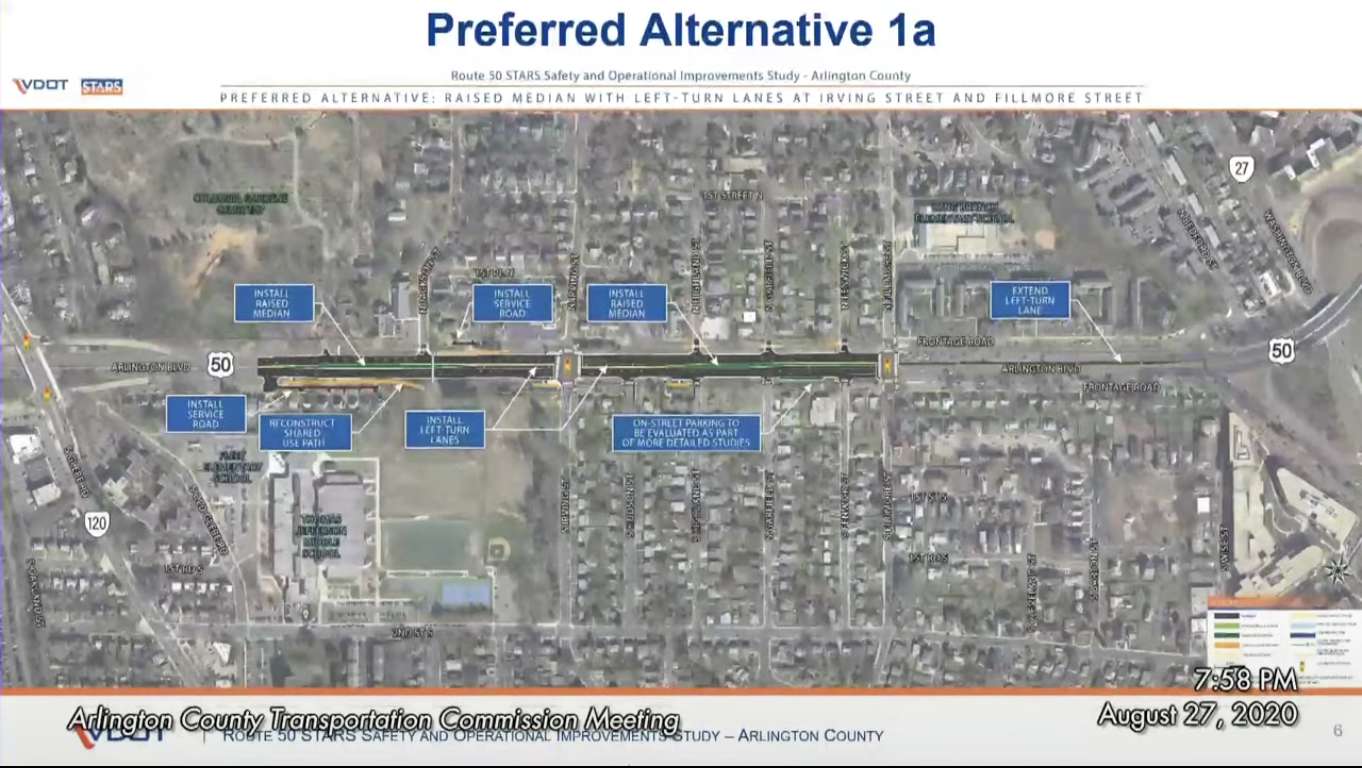
(Updated on 11/11/20) On Saturday, the Arlington County Board voted 4-1 to endorse the County’s application for $25 million in grant money for VDOT’s Arlington Blvd Safety Improvements Project, covering the area from Glebe Road to Fillmore Street.

That grant money, if awarded, would not be disbursed until 2026, meaning construction is at least six years, if not seven or eight years away. VDOT’s decision to select a costly, construction-intensive capital project to solve the safety issues in this stretch means our community will be stuck with six to eight years of additional crashes, injuries and even fatalities when VDOT’s own study makes it clear that a the majority of the safety benefit of their preferred alternative could be implemented in the short-term, with temporary materials and a much lower cost.

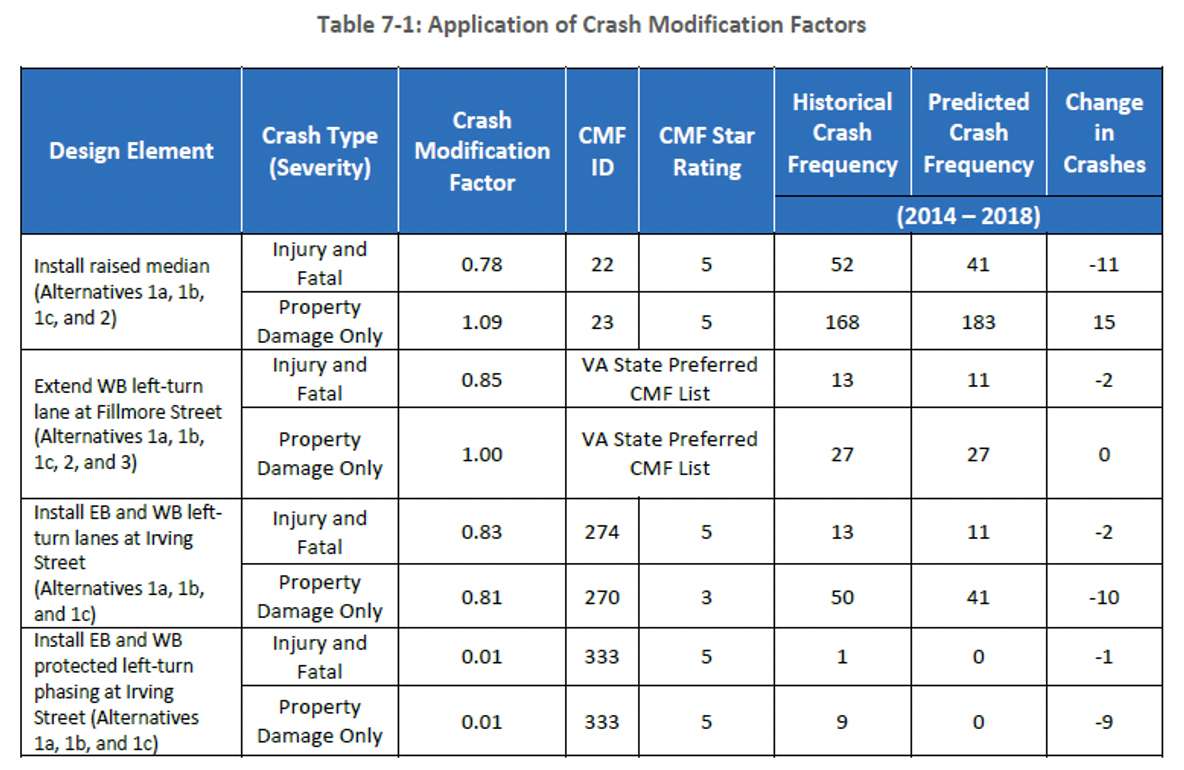
VDOT’s preferred alternative consists of a wide median from Glebe Road to Fillmore Street, the creation of dedicated left turn lanes at Irving Street, the extension of the westbound left-turn lane at Fillmore Street and the addition of dedicated left-turn phasing (green arrows) at Irving Street to service those new dedicated turn lanes.

VDOT’s report shows that, had these improvements existed from 2014 to 2018, there would have been 16 fewer crashes with injuries or fatalities. So, the fact that we’re waiting for these improvements until 2026 or 2028 means we can expect between 24 and 32 additional, preventable crashes with injury or fatality in the meantime.

However, all of the listed design elements from their preferred alternative, except for the extension of the westbound left-turn lane at Fillmore Street can be implemented within the existing roadway simple by narrowing some lanes to 10′ (within the Arlington County standard) and by repurposing some of the existing shoulder. A narrow median could be added with jersey barriers or a similar material, the dedicated left turn lanes striped in by repurposing excess lane width and some of the existing shoulder, the dedicated signal phases could be added at Irving Street. This would gain us 87% of the safety gains of the full project, while avoiding the slow and costly widening that VDOT is calling for which will cut down trees, add 2 acres of impervious surface, and reshape this stretch of Arlington Blvd into a defacto limited access highway.

The grant application was opposed by a number of nearby neighbors concerned that it would lead to additional cut-through traffic on Irving Street and I submitted and presented a letter for Arlington’s Transportation Commission for the reasons outlined above. Unfortunately, only one member of the County Board (Takis Karantonis) found the slow pace of implementation and large cost of VDOT’s preferred alternative unacceptable and so the grant application has been endorsed, leaving little incentive for VDOT to make interim safety improvements. The result: a project that costs more money and results in more crashes, injuries and potentially even fatalities.

Bizarrely, this safety study is a result of a program called “Strategically Targeted Affordable Roadway Solutions” (STARS), a program that would appear geared toward finding quick, cheap solutions to safety problems. Instead, it appears to be yet another vehicle for VDOT to push forward large, slow, expensive roadway widenings wrapped in the veneer of a safety study.

Chris Slatt is the current Chair of the Arlington County Transportation Commission, founder of Sustainable Mobility for Arlington County and a former civic association president. He is a software developer, co-owner of Perfect Pointe Dance Studio, and a father of two.


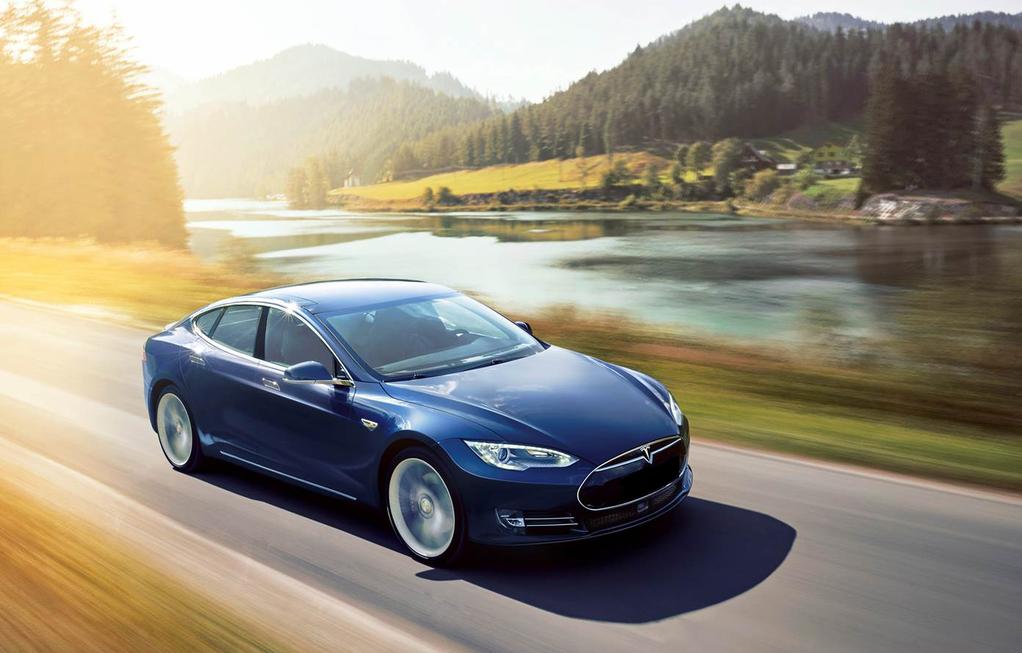
Once can hardly go a block in some parts of Arlington without spotting a Tesla, but the vast majority of vehicles on local streets are still powered by fossil fuels.

The proportion of electric vehicles on the road is expected to increase, albeit gradually. The Edison Electric Institute expects 3.5 million electric vehicles to be sold annually in the U.S. in 2030; that compares to the total of 17 million vehicles sold last year.

The switch to electric will have a number of advantages: less noise along busy roads, lower operating and maintenance costs, and a cleaner environment.

From a WTOP article yesterday:

Switching to electric vehicles would save lives, time and money, and the D.C. area would be one of the prime beneficiaries, a new study finds.

The American Lung Association’s Road to Clean Air report placed D.C. among the top 10 metropolitan areas that would benefit from a switchover to electric cars, buses and trucks by the middle of the century.

Compared with a “business as usual” scenario, the D.C. area would see about 175 fewer premature deaths a year by 2050; nearly 3,000 fewer asthma attacks; about 12,000 fewer lost workdays per year and more than $2 million in public health benefits, the association said in a statement.

Today we’re wondering: how many Arlingtonians are planning to buy an electric vehicle over the next 10 years?

Photo via Twitter


Community Matters is a biweekly opinion column. The views expressed are solely the author’s.

Soon after the nation began to quarantine after COVID-19 hit in March, it didn’t take long for advocates and pundits to prognosticate on the effects on the elections and campaigning.

Combined with the US Post Office crisis, it looked as if the elections would be just one more oddity to add to the list of disastrous outcomes of 2020. With only 49 days until Election Day, and three days before early in-person voting starts in Arlington, voting advocates are working overtime to build energy and turnout to achieve our desired results.

Historically, Virginia has been at the forefront of voter suppression, yet in the last few years — and as recently as earlier this year — legislation, executive actions and court decisions have rolled back decades of discrimination and unfair wielding of power to secure desired political outcomes. This year, innovative advocacy groups and campaigns have effectively adapted to our current social distancing norms, and proven the power of a determined citizenry.

Lifting Barriers — In 2020, the General Assembly voted to revise the voter ID restrictions. A recent prospect.org article noted, “Studies have shown that strict voter ID laws, like the one Virginia had implemented, disproportionately affected minorities, people with low incomes, and the elderly. It’s also unclear how voter ID laws would prevent the voter fraud that GOP lawmakers insist they want to avoid.” The legislature also voted to make Election Day a state holiday, which may encourage the private sector to follow. Earlier this month, a federal judge ruled in favor of the American Civil Liberties Union and the League of Women Voters of Virginia to temporarily suspend the witness requirement for absentee ballots. Absentee ballot drop-off boxes will also continue to be used across the commonwealth, and Arlington will have five early voting satellite locations.

Energy — One would guess that a natural casualty of a socially distanced election season would be energy. Politicians often draw their energy from crowds of people who in turn feed off of each other. I have worked with Network Nova and the Virginia Grassroots Coalition starting with the June 2020 Women’s Summit (Experience), to test ways of building virtual energy. These groups are also leading “Vote Early Win” and #voterchallengeva, which will encourage voters to challenge someone else to vote early and share who they are voting in honor of. We are also organizing “Drive the Vote” (caravans of cars through low turnout neighborhoods) and more social media groups based on affinities. Several groups are also leading webinars and virtual rallies to motivate and educate voters.

National efforts — When We All Vote is an initiative led by former First Lady Michelle Obama to encourage voter participation. It relies on relational organizing and provides tools for users to tap into their own networks via their app, and recruit teams to promote voting. This is one of several large scale efforts in conjunction with celebrities to increase participation.

The Virginia Public Access Project has found that voter registration has returned to a normal level this year, noting an increase in apps over paper. In particular, the League of Women Voters of Arlington has been focusing on voter registration and voter turnout by targeting low turnout and unregistered households, as well as registering voters in full PPE using a QR code.

Arlington has a strong track record of  high voter turnout and engagement, and in the 2016 general election Arlington had an 82.6% turnout of active registered voters. I plan to vote on September 18 in honor of my great grandmother who was never able to vote. This year, let’s do more than vote on Election Day. I challenge you to vote early and also vote in honor of someone else. When we challenge, we win. #voterchallengeva

Krysta Jones has lived in Arlington since 2004 and is active in local politics and civic life. This column is in no way associated with or represents any person, government, organization or body — except Krysta herself.


Across the region, office buildings have remained largely sparsely populated since the start of the pandemic, with most employees working from home.

It might stay that way for awhile.

“It could be next summer before the bulk of the Washington region’s workers return to their offices after months spent teleworking because of the novel coronavirus, according to a new survey,” the Washington Post reported yesterday. That has big implications for traffic, for commercial real estate, and for the business that serves workers in central business districts.

While some have returned to the office in the six months since the start of the pandemic, a study led by the Greater Washington Partnership found that many employers are still not sure when they’ll bring workers back. The study, according to the Post, says that a third of employees are expected to resume commuting to the office this fall, 40% this spring, and 72% by next summer.

Those figures, of course, are largely a function of the desire of employers to bring workers back into offices. In this morning’s poll, we wanted to ask those that work in offices: when do you want to come back?


View More Stories