Today we’re continuing a series of articles to highlight the local businesses that advertise with ARLnow.com.

The coronavirus outbreak will bring significant hardship to many local businesses in Arlington, so we wanted to take an opportunity to recognize the advertisers who support us, in hopes that our readers support them.

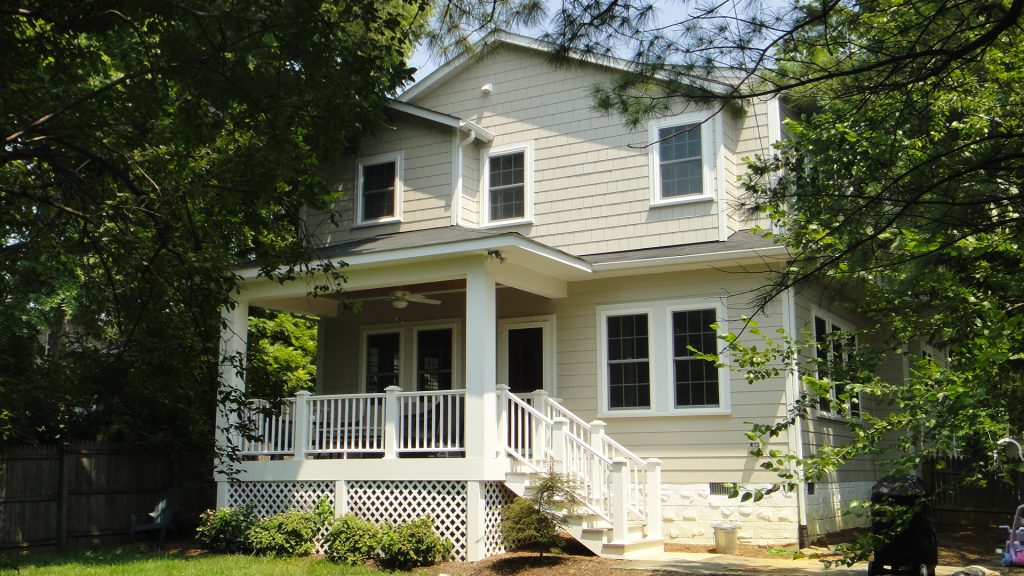
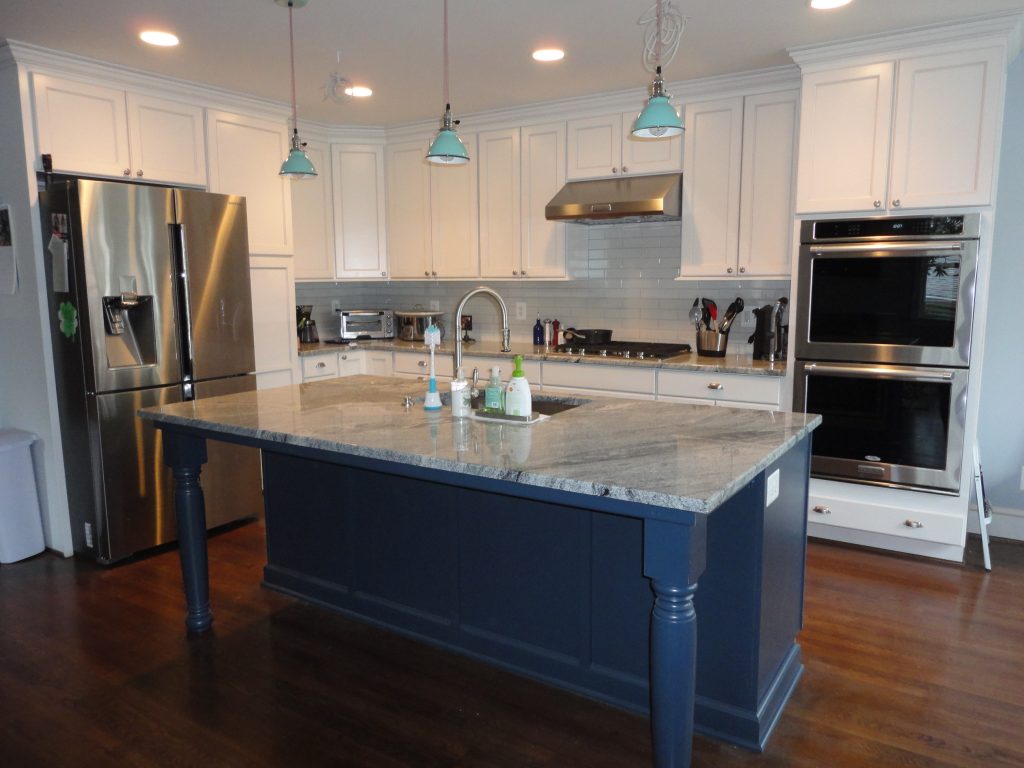
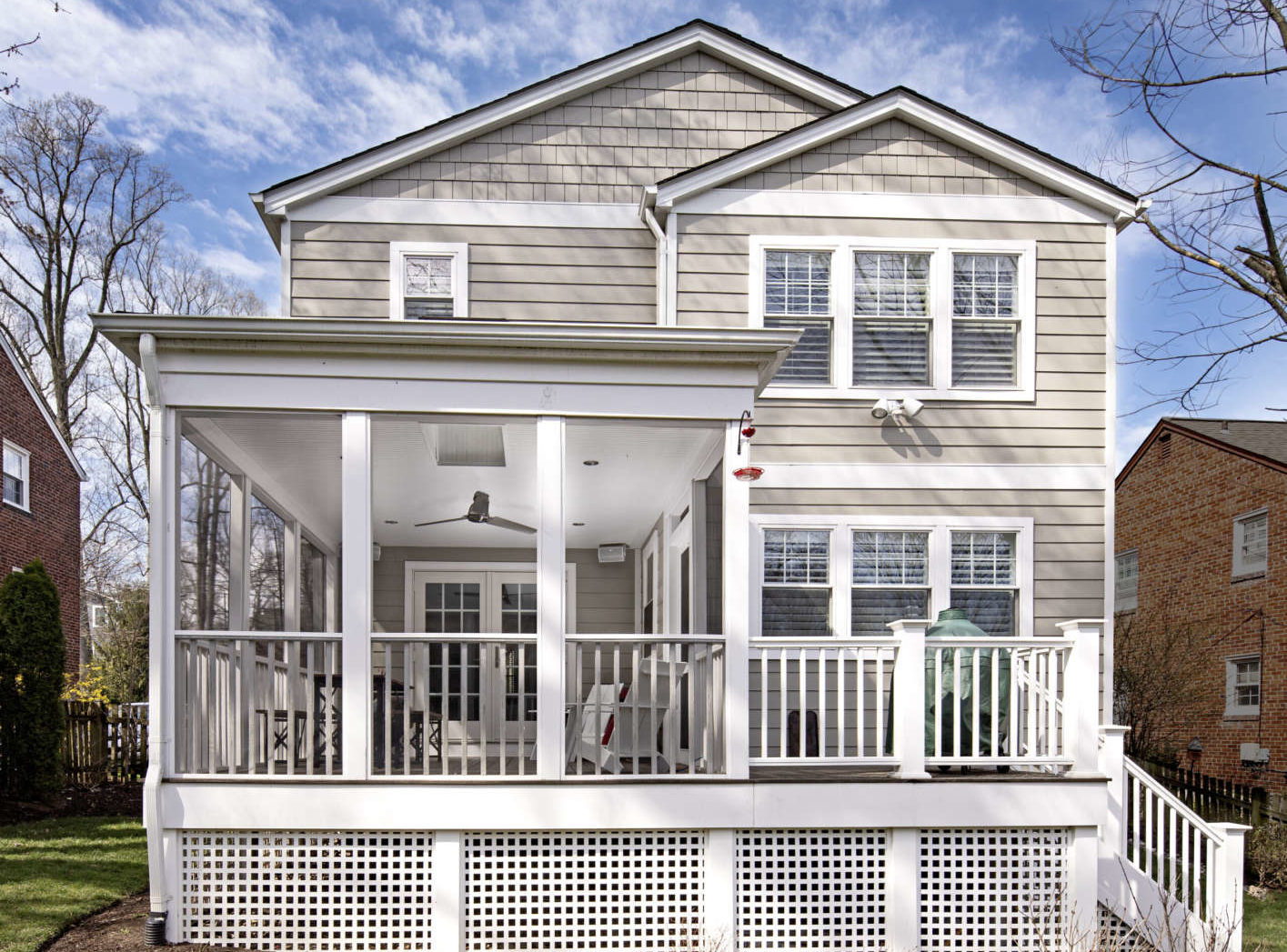
Today we’re highlighting Cook Bros., Arlington’s No. 1 home remodeling firm and a long-time ARLnow advertiser.

Based in Arlington, on Lee Highway, and specializing in Arlington projects, Cook Bros. brings a wealth of local experience to those seeking to upgrade their homes. And renovating existing homes, when possible, can be a greener alternative to tearing down homes.

If you were thinking of a future remodeling project, now would be a great time to give Cook Bros. a call at 703-536-0900 or email at [email protected] and discuss the options.


Community Matters is a biweekly opinion column. The views expressed are solely the author’s.

Last month I led a conversation in Loudoun County to determine how a group of committed women activists could best serve our community.

One of the attendees shared her experiences of a teacher mishandling a racial situation involving her son. The next day I received an email from the Arlington NAACP asking for more details from Arlington Public Schools (APS) on the “current policy and procedures for staff, students, and families to report acts of discrimination and bigotry.”

While I know Arlington is not immune to racism, Loudoun County tends to get more local media attention around racist incidents including KKK flyers and confederate war monuments.

Sometimes it’s easy to believe that living in “progressive” Arlington means that we have less racism, but the moniker can be misleading. The lasting disparities and discrimination that can be found in almost every sector of our society is proof of the prevalence of racism. Racism still exists, yet I believe we have the power to eliminate it.

A September 22, 2019 Washington Post article, “Arlington schools were named best in Virginia, but a growing chorus of black parents is disrupting that narrative” highlighted the Black Parents of Arlington’s concerns about the APS disparities noted that 2015 federal data show that Black students accounted for 29 percent of Arlington’s in-school suspensions while making up 11 percent of the school population. Hispanic students made up 41 percent of suspensions but were just 28 percent of the population.

At a recent meeting of the African American Leadership Council of Arlington we discussed an incident at Wakefield High School in which swastikas were found on the building. ARLnow has also reported incidents in the last few years of racial graffiti and stickers.

(more…)


Making Room is a biweekly opinion column. The views expressed are solely the author’s.

Earlier this year, I had the privilege of joining the board of the Alliance for Housing Solutions (AHS).

The Alliance advocates for affordable housing in Arlington that meet the needs of all income levels and stages of life. This includes both committed affordable housing developments that are income restricted for low-income residents and market-oriented solutions such as ADUs (Accessory Dwelling Units) that will provide unsubsidized lower-cost housing.

This year, Arlington is at a cross-roads that will determine our commitment to affordable housing. I hope you’ll join me and other AHS supporters to call on the County Board to grow our stock of committed affordable housing with a strategic investment of $25 million in the Affordable Housing Investment Fund.

The Affordable Housing Investment Fund (AHIF or “A-Hif”) is a low-interest loan program that helps developers build and preserve committed affordable housing in Arlington County. It is a revolving fund that receives money from private developers (like $20 million from Amazon for the first phase of HQ2), federal grants, and County contributions.

The County Board distributes AHIF loans to worthy projects, which affordable housing developers use to build or renovate multi-family properties. These developers then repay their AHIF loans, putting the money back in the fund to be used for future projects. This revolving fund is a catalyst for affordable housing developers to get the financing they need to increase our supply of income-restricted units.

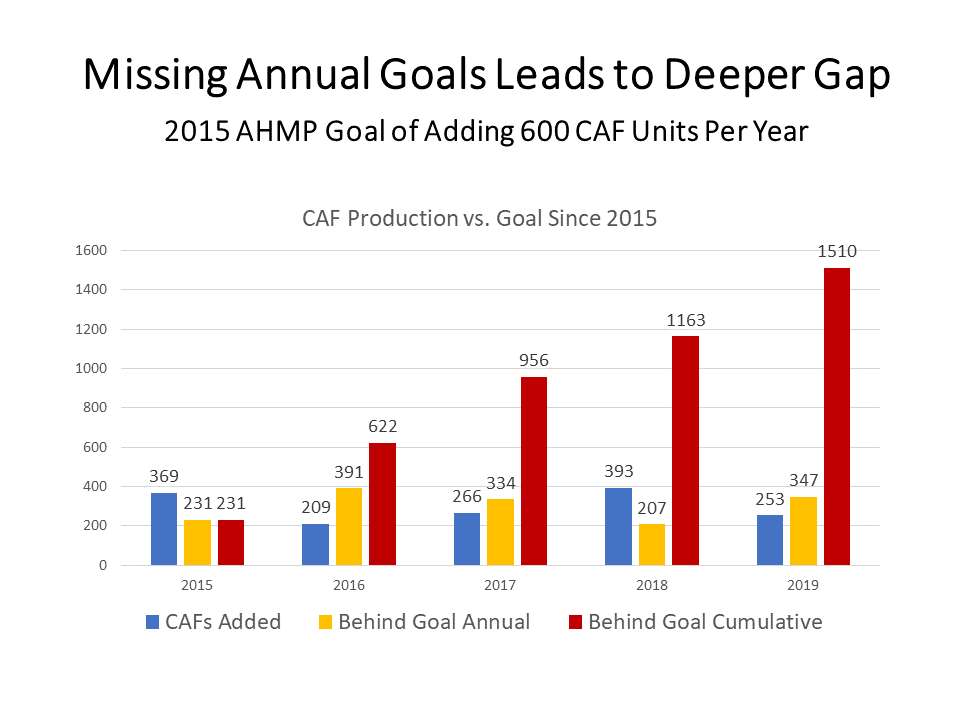
In the last twenty years, low-income Arlingtonians have faced increased rent pressure. Because of increased demand and redevelopment, we’ve lost over 16,000 unsubsidized apartments in the open low-rent market that had been affordable to lower-income households. The County is attempting to make up the deficit by investing in committed affordable units. But they’ve only been able to reach half their goal each of the last five years. That means we’re falling further behind, as 28,000 Arlingtonians try to find decent affordable housing on an income of $36,000 per year.

Since adopting the Affordable Housing Master Plan in 2015, the County Board has allocated an average of $14.3 million to AHIF and added only 298 units each year, when their annual goal is 600 units. We now have a 1,500 unit deficit and only 9% of our housing stock is affordable to families making 60% of the Area Median Income or less, which is about half of what we need to accommodate our low-income neighbors. We can’t keep taking the same action and expect better results. This year, the Board needs to take bold action by allocating $25 million to AHIF, an increase of $9 million.

The County Manager released the FY 2021 budget, which includes only $2.7 million more for AHIF. Another $2.3 million could come from Columbia Pike Tax Increment Financing and potentially another $2 million from a future increase in the County’s cigarette tax. If adopted, this could increase AHIF by a maximum of $7 million. The County Board would have to vote for all of these options, and the amount would still be below our goal of $9 million in new funds.

(more…)


Over the weekend, in the midst of a pandemic, some local restaurants and bars were surprisingly crowded.

With sports leagues, recreational programs, major events, schools and many other facets of everyday life suspended or cancelled, in an effort to flatten the curve of COVID-19 cases, the sight of revelers crowding D.C. area bars and restaurants prompted some outrage on social media.

While Gov. Ralph Northam banned public gatherings of 100 or more people on Sunday, that’s below new guidance from the CDC to nix any gathering of 50 or more people.

Dr. Anthony Fauci, the director of the National Institute of Allergy and Infectious Diseases, made the rounds on the Sunday morning talk shows and urged young people to stop flocking to bars.

“Remember that you can also be a vector or a carrier,” he said, according to Axios. “And even though you don’t get seriously ill, you could bring it to a person, who could bring it to a person, that would bring it to your grandfather, your grandmother or your elderly relative. That’s why everybody has to take this seriously, even the young.”

Some states and cities are taking the spread of disease through bars and restaurants seriously.

New York, Los Angeles and the District, along with states like Michigan, Ohio, Illinois, Massachusetts, California and Washington, have imposed varying degrees of restaurant and/or nightclub closures. In most cases, takeout and delivery are still allowed.

Elsewhere, Arlington’s pseudo sister city of Hoboken, New Jersey has imposed a curfew from 10 p.m. to 5 a.m., for all but those required to be at work.

Some Arlington restaurants, including Ireland’s Four Courts and Jaleo, have already closed.

Unfortunately, restaurant closures will have a devastating effect on all but the strongest restaurant businesses — read: mostly chains — at a time when restaurants in the D.C. area, along with their employees, are already hurting. On Saturday, restaurant reservation website OpenTable reported that across Virginia, reservations on its platform were down 39% and continuing to fall.

While Arlington may be limited in what it can do by the Dillon Rule, ideally what do you think the county should do?


What’s Next with Nicole is a biweekly opinion column. The views expressed are solely the author’s.

(Updated at 2:15 p.m.) Tax and budget season is upon us. County Manager Mark Schwartz has released a recommended budget of $1.396 billion, including increased tax revenues from increased assessments and increased county expenditures.

While I will not go into specifics of this year’s budget, I would like to begin a dialogue about systemic changes that the County Board should consider in the long-run about how we levy taxes.

Have Commissioner of Revenue Assess and Collect All Taxes

Currently, the county assesses and collects taxes on real estate and the Commissioner of Revenue assesses and collects every other tax including vehicular, personal property, and business license taxes. Two-thirds of our revenues come from real estate and one-third from everything else. This means a vast majority of the tax revenue is based on assessments that their own employees determine, rather than the elected independent Commissioner of Revenue, Ingrid Morroy.

In almost every election, Commissioner Morroy has advocated for this power. The argument is that having the same people setting the budget responsible for assessments is an inherent conflict of interest, and the move would provide better transparency and customer service for those who believe they’ve been overassessed.

The Virginia Code also says that the County government should only administer assessors if the Commissioner of Revenue will not consent to doing assessments, which is obviously not the case (note: I am obviously not a lawyer, but this seems to be the intention). This is used in almost every Virginia jurisdiction as a best practice when a Commissioner of Revenue exists.

Incentivize Lower Vacancy Rates

I would encourage consideration of a vacancy tax on office and storefront retail properties. For the last several years we have made it a goal to reduce commercial real estate and office vacancy. This is prioritized because when space remains vacant, the property is assessed at a lower value and we receive less tax revenue, making it harder to provide the services that our community expects. Each percentage of vacancy represents $3.4 million in lost revenue.

Intuition might tell you that if you cannot fill a space, owners would lower their rent to attract more tenants. Oftentimes this is not the case. Property owners will intentionally leave office and retail space vacant for a number of reasons. One is to wait for a large tenant to anchor the building, and avoid the build-out costs associated with leasing to smaller businesses along with the higher overhead needed to piecemeal tenants together. Another is that vacant space means lower taxes because of their low assessment.

Together this leaves very little pressure for owners of office and retail space to lower rents to the benefit of small businesses or fill vacant space to the benefit of the county’s tax revenue.

Other jurisdictions such as Washington, D.C. and San Francisco have developed a version of their own vacancy taxes. The intention of each is different, for example, San Francisco’s vacancy tax is only on storefront retail to maintain street-level vibrancy, and Washington D.C.’s vacancy tax is on office, retail, and residential, but based on the class of real estate to prevent general blight. Our real estate vacancy problems are unique to us and should be considered by our own stakeholders to frame a solution that prevents unintended consequences.

There has been some debate on whether Arlington has the authority to levy this type of tax. I would argue that there is precedent based on the tax exemption programs that we currently provide. If this is still deemed an unavailable tool in our toolbox based on state law, it might be worth restructuring the incentive in the form of a fine that we do have authority to enforce or for our government affairs team to push for this authority in the next General Assembly session.

Having the Commissioner of Revenue begin assessing taxes would likely save homeowners and commercial building owners in taxes, but would likely decrease overall county revenues. Levying a vacancy tax would benefit small businesses looking for office space, create a better restaurant and retail vibrancy, and increase county revenues, but would likely adversely impact commercial property owners. My hope is that further dialogue on these topics will benefit homeowners, small businesses, and on balance, our entire community.

Nicole Merlene is an Arlington native and former candidate for Virginia State Senate. She has served as a leader in the community on the boards of the Arlington County Civic Federation and North Rosslyn Civic Association, as an Arlington Economic Development commissioner, in neighborhood transportation planning groups, and as a civic liaison to the Rosslyn Business Improvement District.


Peter’s Take is a biweekly opinion column. The views expressed are solely the author’s.

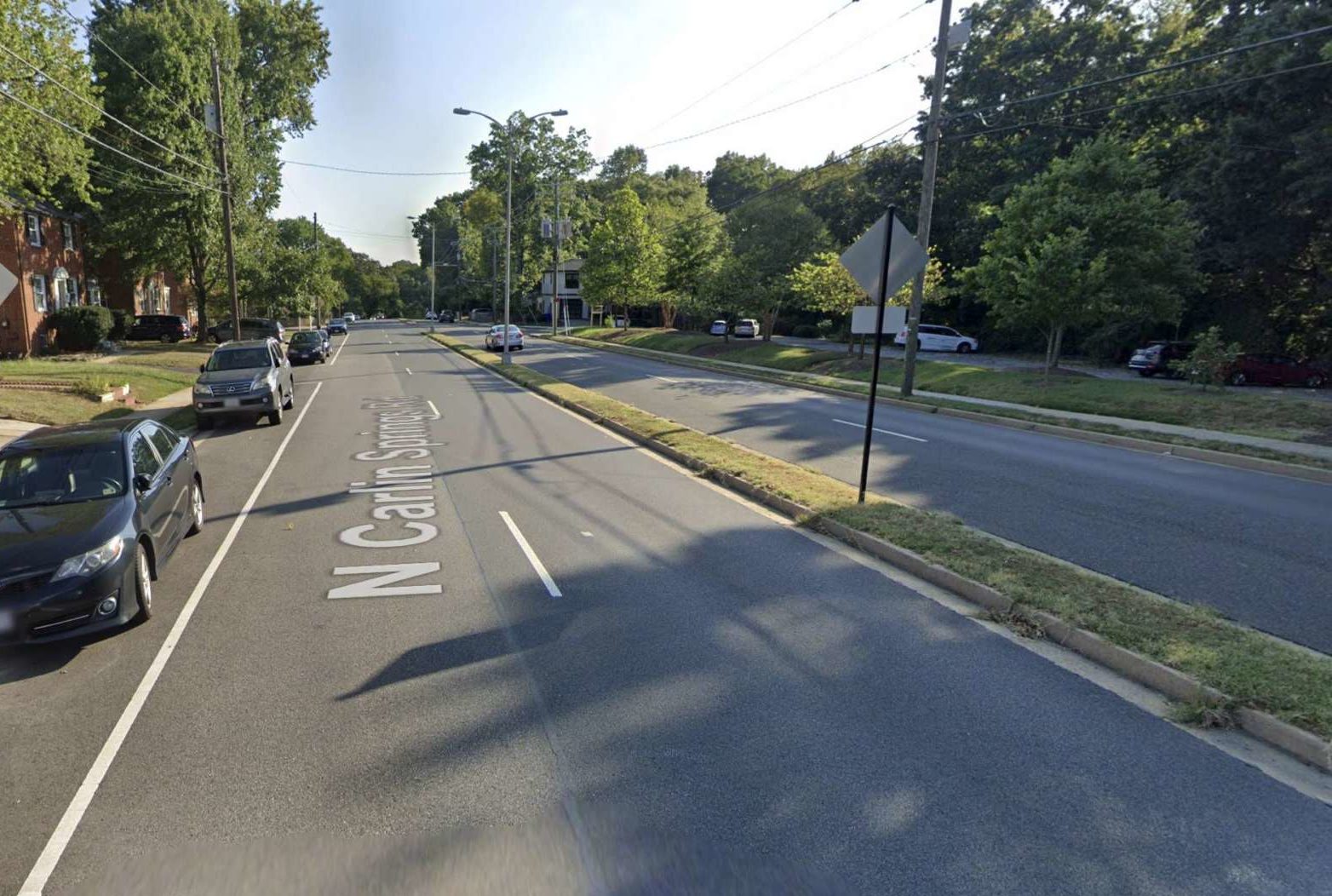
Despite over five years of multiple contacts with County government, residents in the Arlington Forest and Bluemont neighborhoods are justifiably frustrated by the County’s lack of progress in protecting pedestrians crossing Carlin Springs Road.

The County has failed these neighborhoods in two respects. First, it has failed to take the decisive actions needed to protect pedestrians at several dangerous intersections. Second, it has failed to give sufficient weight to the views and knowledge of neighborhood associations and residents who offered highly relevant on-the-ground observations, surveys, and data.

For years, residents have been collecting their own survey data and examples of children and families being struck or nearly struck by vehicles.

Neighbors see a number of ingredients that contribute to dangerous risks for pedestrians including:

  • Increasing traffic from commercial and residential development in Ballston.
  • Lack of traffic signals that alert and stop traffic to allow safe crossing, paired with poor sightlines.
  • A history of lack of enforcement of the rules of the road

Carlin Springs Road background

In 2016, the Arlington Forest Citizens Association (AFCA) President spoke to the County Board about pedestrian safety concerns from Ballston to Route 50. At that time, former Board member John Vihstadt was assigned as the Board liaison to AFCA.

In 2016 and 2017, AFCA sent letters detailing accounts of children and families nearly getting struck by oncoming traffic. For example, Lara Doyle witnessed a pedestrian near-miss incident she described as a Kenmore Middle School student dodging cars — like the video game Frogger — while attempting to cross the road as yellow pedestrian lights were flashing. The Arlington Forest and Bluemont Civic Associations have formed pedestrian safety committees and have 40+ pages of emails, meeting notes, and formal letters documenting their direct engagement activity with the County.

In the summer of 2018, ARLnow reported on an accident in which a neighbor was struck by a vehicle while commuting to Metro. Neighbors at the time voiced public concerns:

“Yet [Lora] Strine says the area lacks clearly marked crosswalks or traffic calming measures to slow drivers, particularly on such a wide road, and she can’t understand why it’s taken the county so long to address the issue. ‘This accident is not really an accident,” Strine told ARLnow. “It’s really been years in the making.”

Eric Larsen, the accident victim, advocated before the County Board in a statement urging the County to protect pedestrians.

(more…)


The Right Note is a weekly opinion column. The views and opinions expressed in the column are those of the author and do not necessarily reflect the views of ARLnow.com.

Last fall, Virginia voters gave Democrats total control of all levers of power in Richmond.

Delegate Alfonso Lopez had bragged that they could complete the work of a lifetime in “two afternoons.” It turns out that it took the new majority a little longer than that to tackle their agenda. In fact they had to take the unusual step of extending their session by a day to get their work done.

So the questions is, did they fulfill their work of a lifetime?

Redistricting was a top platform issue for the party. While some of us still hold the opinion that the redistricting reform measure will not take politics out of the every 10-year line-drawing process, it finally passed the Virginia General Assembly at the last minute and heads to voters in the fall. It should be noted that it passed despite overwhelming opposition from Democrats in the House of Delegates. Only nine of the 55 Democrats in the body voted for it despite running on the issue over the past several election cycles.

Two questions remain. First, will the Democrats who tried to stop redistricting reform, presumably in order to draw districts they like more, actively oppose it when it reaches the ballot in November? The likely answer here is no.

The other question is whether this is one of those issues voters say they care about when responding to public pollsters but does not actually move their votes when choosing a candidate? I suspect that while the voters are likely to approve the change this November, that this issue moves very few votes when it comes to candidates. But, we will find out in 2021 when the Democrats flip-floppers in the House face re-election.

House Democrats did unite around other items on their agenda. They removed the requirement to provide identification in order to vote while also voting to provide driving cards to undocumented immigrants. They approved casino and sports betting in order to raise revenue for new spending priorities. They increased the gas tax and the minimum wage. They removed restrictions on abortion procedures including requirements that doctors provide the procedures. They passed new restrictions on buying firearms.

They also passed a bill that is the first step toward unraveling Virginia’s status as a right to work state. The new collective bargaining law will allow local governments to engage in the practice with their employees. According to the blog, Blue Virginia, Katie Cristol and Matt de Ferranti support the effort. So, it will be interesting to see if, or when, the County Board votes to do so here.

Ultimately, the voters decide these questions. And, Virginia Democrats now have a record to defend.

Mark Kelly is a 19-year Arlington resident, former Arlington GOP Chairman and two-time Republican candidate for Arlington County Board.


(Updated at 9:55 a.m.) Coronavirus has arrived in Arlington, with a local resident and a worker in Crystal City testing positive for the disease. And the fourth and fifth case in Virginia were subsequently confirmed in Fairfax and Spotsylvania County.

While this is obviously big news, given the impacts the disease is having on both the economy and the health of those who contract it, let’s for a minute allow for some optimism: the stock market is back up this morning, perhaps the authorities will be able to contain the outbreak before it gets much worse, and just maybe COVID-19 will not prove to be as deadly as originally feared.

That all said — coronavirus is one of the worst new outbreaks of its kind, in terms of global spread, since the 1918 flu pandemic. And it should be taken seriously, particularly among older residents who are more at risk for serious health implications.

For those who haven’t taken a good look at it yet, review this fact sheet from Arlington County.

Among other preventative measures and preparations, which of the following are you yourself taking?


 Progressive Voice is a biweekly opinion column. The views expressed are solely the authors’.

By Wesley Joe and Carly Lenhoff 

Public conversations about juvenile justice can quickly escalate into pitched battles. They involve some of the highest stakes: fateful decisions about the future of children. Unfortunately, these conversations often devolve into unproductive conflict. While some disagreements are inevitable and healthy, many become needlessly mired in unproductive disputes over basic facts. Arlington Public Schools (APS) can reduce some of this deliberative drag by collecting and sharing more data, and by making its existing data more accessible.

Collect more, and more relevant, data to effectively assess school discipline policies.

Reaching a community consensus about how to address a problem begins with agreement about key facts. Unfortunately, public stakeholders currently lack the information necessary to resolve controversies of fact regarding many serious student discipline issues.

For example, there is much discussion of the role of school resource officers (SROs) on school campuses. In May 2018, APS and the Arlington County Police Department signed an updated Memorandum of Understanding (MOU) that more clearly defines the respective roles and responsibilities of SROs and APS personnel. Yet public stakeholders currently have no way to assess the impact of these measures on student life and achievement. The MOU does not specify criteria for “success.” Nor does it require the collection and disclosure of data needed to monitor compliance with and the effects of its provisions.

One potential solution is the adoption of a policy for routine, publicly reported assessment of the impacts of the MOU and other major discipline-related policies. The assessment process would generate and report useful data. For example, one MOU goal is to minimize the incidence of informal requests for law enforcement assistance with discipline that does not involve violations of law. APS’s presentation to the School Board in January reported no data about this issue. A thorough assessment would include, for example, demographic information about students whose conduct is informally referred to SROs, student perceptions of SROs, and the like. Within the limits required to respect student privacy, stakeholders need this kind of information to contribute more productively to policy conversations.

(more…)


Daylight Saving Time is this weekend, so we’ve moved the clocks forward and published the weekend discussion post a bit later than usual.

The official time change happens early Sunday morning, when clocks will “spring forward” an hour and everyone will lose an hour of sleep. While you’re setting the clocks forward, don’t forget to check and replace your smoke alarm batteries.

Now, here are the most-read articles of the week:

  1. Dominion Hills Mansion With a Curious History Could be Headed to Market
  2. Northside Social: The Epicenter of the Arlington Dating Scene?
  3. Stores Picked Clean of Hand Sanitizer, Face Masks Throughout Arlington
  4. Bus Stop Demolished, Cars Smashed on N. Barton Street
  5. Sugar Shack Donuts on Columbia Pike to Rebrand as Plant-Based Cafe
  6. County Board Member Gutshall Hospitalized
  7. Arlington County Officials Hold Coronavirus Q&A
  8. Democratic Primary Turnout in Arlington Exceeds 2016
  9. APS Preparing for ‘Possibility of School Closures in the Future’

Feel free to discuss those stories, the time change, or anything else of local interest in the comments.


ARLnow is moving to remove old crime reports from internet searches.

After a review of past articles, we made the decision to keep the crime report articles on our site, but to mark each as pages that should not be indexed by Google, Bing and others.

In years past, Arlington County Police published a weekly crime report summary that ARLnow, in turn, reproduced, highlighting the more significant items. More recently, ARLnow compiled daily crime reports into a weekly post, the last of which was published on Aug. 1, 2019.

The problem is that along with the more significant items, crime reports would sometimes report on arrests for minor, nonviolent crimes — including the names of criminal suspects — without a mechanism in place to eventually remove such names from the record.

The decision to remove these posts from search engine visibility will not affect articles on individual crimes, which typically highlighted more serious incidents like robberies, stabbings and murders. It will, however, give dozens of nonviolent offenders a better chance at moving on with their lives after paying their debt to society — and that’s not to mention incidents in which someone was arrested but never convicted.

(ARLnow and its sister sites — ALXnow, Tysons Reporter, Reston Now — previously made the decision to stop using mug shots in most reporting of minor crime.)

The ethics of nonviolent crime reporting at local outlets across the country have been under scrutiny in recent months. Crime reporters are reevaluating basic norms such as publishing the names and faces of offenders who pose little physical threat to the community.

Many who have spoken on the topic argue that these crime reports live on long after the offender they describe has paid the price for their crime — making it difficult to for the offender to move on with their lives. In an op-ed for the Guardian, former crime reporter Hunter Pauli writes about his decision to quit his job because of questions he had about the informative value of some crime reports and the impact on people’s lives.

“If you do a Google search for [the offender’s] name, the first results are stories about his alleged crimes,” Pauli wrote. “How is he supposed to get a legitimate job when a potential employer takes a cursory glance at his name? How is he expected to make an honest living and stay out of trouble?”

ARLnow has an existing crime report policy in place that provides for a review process if someone named in a crime article would like to request removal of their name:

If you have been arrested for a crime and have been found innocent or had the charges dropped, we will, upon request and at our sole discretion, consider removing your name from any articles we have published and requesting that Google update the page in their cache. We will also consider name removal for minor crimes that occurred more than 4 years ago.

If you would like to request name removal, please email us at [email protected] with your name, a link to the article in question, and proof of the court verdict or case status. Processing this request may take several weeks.

Our decision-making in these cases attempts to find a balance between the public interest of knowing about past criminal incidents and the private interest of individuals seeking to clear their name or move on from past mistakes. Note that all such emails will be reviewed, but we may not be able to reply to every message received, regardless of the ultimate outcome.

Shreeya Aranake contributed to this report. Flickr pool photo by Kevin Wolf.


View More Stories