
Feature

Sponsored by Monday Properties and written by ARLnow, Startup Monday is a weekly column that profiles Arlington-based startups, founders, and other local technology news. Monday Properties is proudly featuring Three Ballston Plaza

Arlington County will pay early-stage tech startups money to keep their operations in Arlington.

The intent is to support new tech startups, particularly those owned by women, veterans and minorities, while pushing down office vacancy rates.

The Arlington County Board gave the Arlington Economic Development (AED) the go-ahead to enact this program, dubbed the Catalyst Grant Program, last Tuesday.

AED will be using $650,000 of the $1 million it received in the 2024 Fiscal Year budget for its Arlington Innovation Fund, an initiative by AED to entice companies to fill vacant offices in the county.

“What we are trying to achieve with this is to provide capital to early stage tech startups that are based in Arlington currently,” Ryan Touhill, director of Arlington Economic Development, told ARLnow. “[The goal is] to really help them in the early stage of their company formation when when they’ve raised the money, and try to give them a boost to really accelerate their growth and to entice them to stay here in Arlington.”

Companies will receive anywhere from $25,000 to $50,000 in funding from the program, contingent on them remaining in Arlington for at least two years. By attracting smaller businesses, AED hopes to drive down vacancy rates, which reached 23% in the first quarter of 2023.

“We know that tech companies are one of the drivers of job growth,” Touhill said. “We have a good number of tech companies here in Arlington, and we want to grow the number of home based companies that form here and grow here.”

He noted that AED is targeting these smaller, newer companies because larger, legacy ones are not looking to relocate at this time.

Office buildings in Rosslyn (staff photo)

AED is focused on what it calls inclusive economic development. To that end, it says it is focused on generating interest in this program among entrepreneurs from underrepresented communities and would like to see half of the Catalyst Grant Program applications come woman-, veteran- and minority-owned businesses.

“If you look at the trends, you’ll see that underserved communities receive way less in terms of the number of deals and the amount of venture capital they get compared to their white counterparts,” Adam Henry, a senior business development manager at AED, told ARLnow.

“We really want to make an intentional, concerted effort to reach out to our underserved communities to make sure that we can become a model for other communities to have the inclusive economic development approach,” he continued.

The county economic development division says it will partner with various community universities, organizations and groups to reach out to entrepreneurs and small businesses, according to a report. The application period could open as early as August.

Winners could be announced this fall. If any funds remain, there will be a second application cycle this winter or next spring.

The grants can be used to pay for costs such as salaries, benefits, training and recruitment, research and development, commercial real estate and equipment, the report said.


Around Town
Ground floor retail construction at 1900 Crystal Drive (staff photo by Jay Westcott)

(Update at 2:10 p.m.) A new ice cream shop is coming to Crystal City, and it might be trendy New York-based chain Van Leeuwen.

A ice cream shop is going into 1900 Crystal Drive, according to a permit applied for earlier this month. It’s expected to be on the ground floor in one of the two residential buildings going up at the site.

The address is 269 19th Court S., per the permit, so it may be located in some sort of alleyway.

After this article initially published, a tipster reached out to note that in a June presentation to the Crystal City Civic Association about the forthcoming construction, a logo for Van Leeuwen was on one of the slides. The company recently opened several D.C. locations, including in Georgetown.

It is not immediately clear which ice cream shop will be going in there, if not Van Leeuwen. ARLnow reached out to developer JBG Smith, which owns the buildings, but the developer declined to comment, per a spokesperson.

Arlington has a number of ice cream shops, several of which are in the midst of or recently have opened new locations. That includes Jeni’s in Shirlington, Mimi’s in Pentagon City, and Toby’s in Westover.

Mimi’s Handmade Ice Cream is opening its second location in the Mosaic District in August or September, and has leases signed for locations in Annandale, Falls Church, Chevy Chase, and Rockville. Owner Rollin Amore tells ARLnow that the forthcoming Crystal City shop is not his.

Toby’s, meanwhile, is set to open a shop in nearby Pentagon City, likely taking them out of the running.

Construction on the residential towers where the new ice cream shop will likely be located began in March 2021. Work could be completed as soon as next year.

Hat tip to Chris Slatt


News

Here is some post content including an image with updated padding:

Washington monument
Washington monument

Test paragraph


News
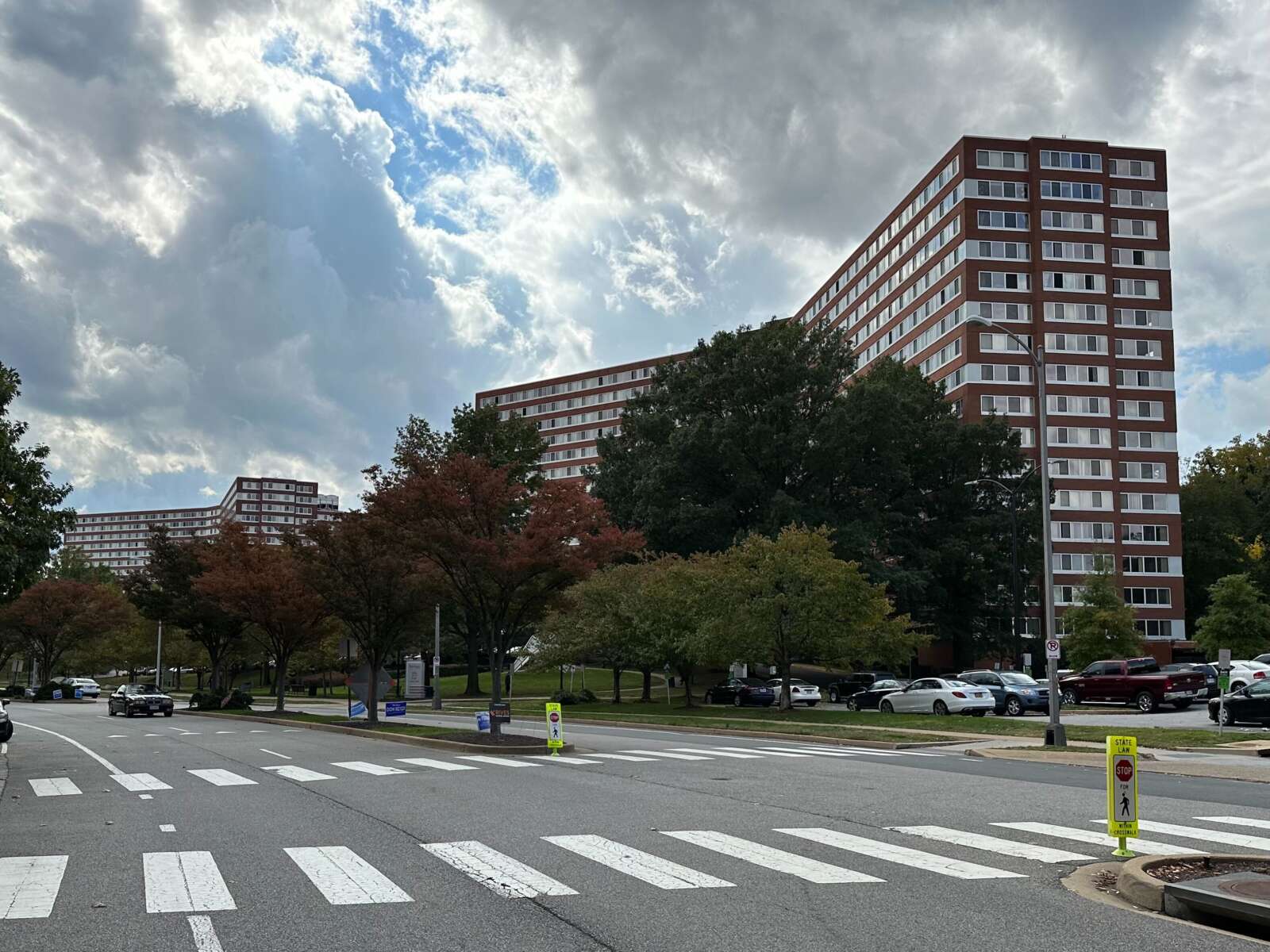
The RiverHouse apartments at 1111 Army Navy Drive (staff photo)

Arlington County is considering changes to its zoning ordinance to encourage the construction of more senior care facilities.

The proposed changes include increasing the maximum building heights for elder care facilities in Pentagon City and allowing the construction of elder care facilities along the Columbia Pike corridor, per a county report.

The report says these changes are needed to ensure the existing zoning code supports the vision of the Pentagon City Sector Plan, adopted last year. During an initial review of proposed redevelopment projects, staff said they identified inconsistencies between the two related to building height codes for elder care facilities.

To address these issues, staff have proposed an amendment clarifying where elder care facilities can be built in areas of Pentagon City that are zoned for multifamily uses — and how tall these buildings can be.

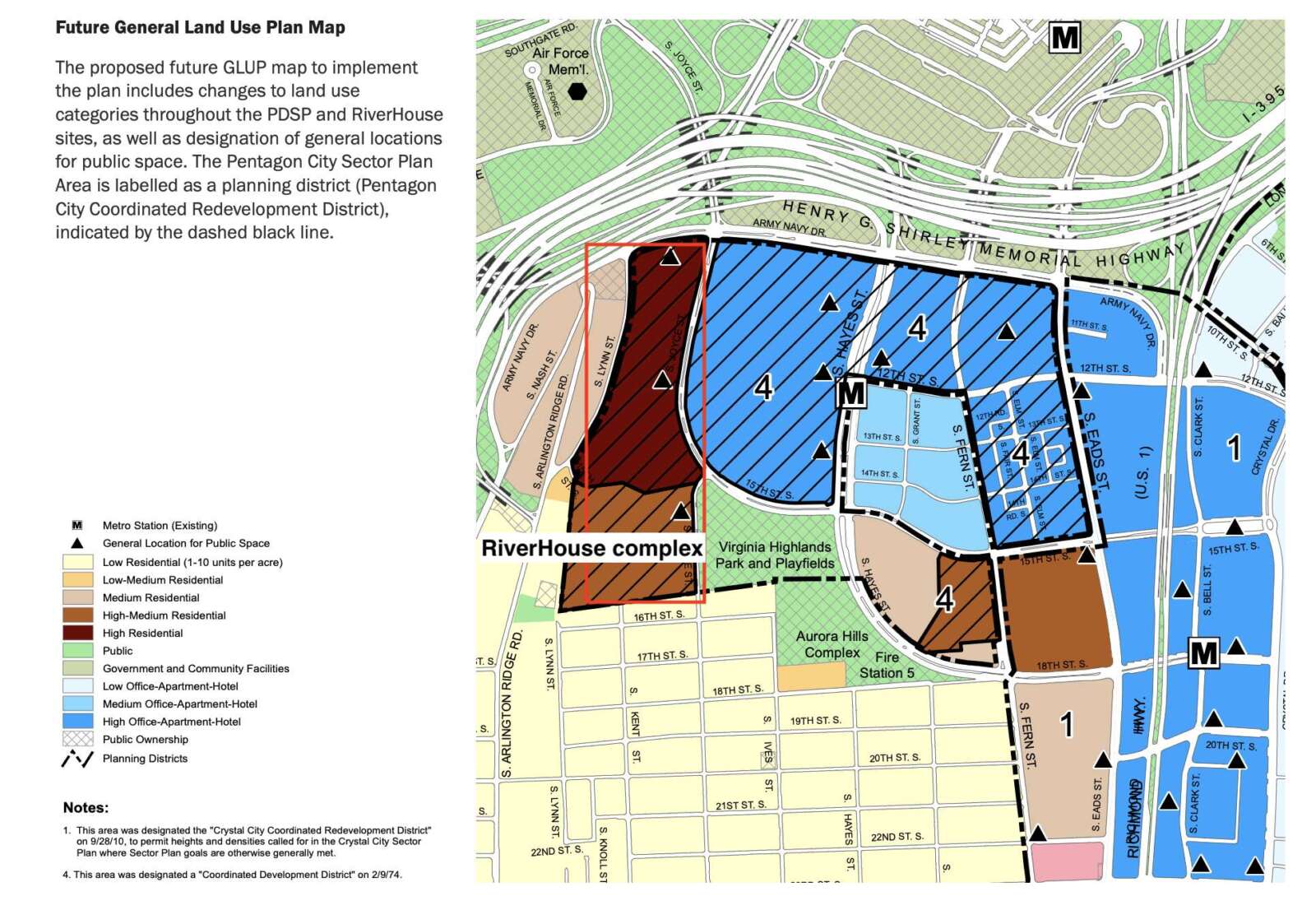
The amendment targets the part of the neighborhood within a “coordinated redevelopment district” within the boundaries of 16th Street S. to the south, S. Lynn Street to the west, Army Navy Drive to the north and S. Eads Street to the east.

This appears to map onto the site of the RiverHouse complex, which is set to be redeveloped with new apartments, including senior housing. The report does not mention this planned redevelopment specifically but it does note that recent redevelopment plans revealed the inconsistencies staff are trying to resolve.

The Pentagon City Coordinated Redevelopment District and where RiverHouse is located within it (via Arlington County, edited by ARLnow)

Doing this analysis, staff discovered that existing ordinances excluded the construction of additional elder care facilities along Columbia Pike, per the report.

To resolve this issue, the report says the amendment also “introduces assisted living facilities, independent living facilities, nursing homes, and continuing care retirement communities as allowable forms of residential use” on Columbia Pike.

The amendment comes several years after the county initially proposed the possibility of opening up some areas zoned for multi-family and commercial buildings to senior centers in 2019.

Some members of the Zoning Committee of the Planning Commission and Crystal and Pentagon Cities Council expressed concerns about whether increasing the height of elder care facilities would complicate evacuation in the event of an emergency, according to the county report.

Other members argued there are a wide range of examples of high-rise elder care facilities, as close as Tysons Corner.

Staff said any new construction would still need to comply with “appropriate” building and fire code standards. Staff did note in the report that they plan to conduct a comprehensive analysis of permitted heights for elder care facilities in other zoning districts and special planning areas.

“Clarifying zoning language… will ensure buildings with elder care uses can be properly considered throughout the County and redevelopment in [multifamily]-zoned properties and property owners/developers can propose uses consistent with recommendations adopted in earlier planning efforts,” the report said.

These changes are set to be discussed during a public hearing by the Planning Commission on Sept. 11 and the County Board on Sept. 23.


News

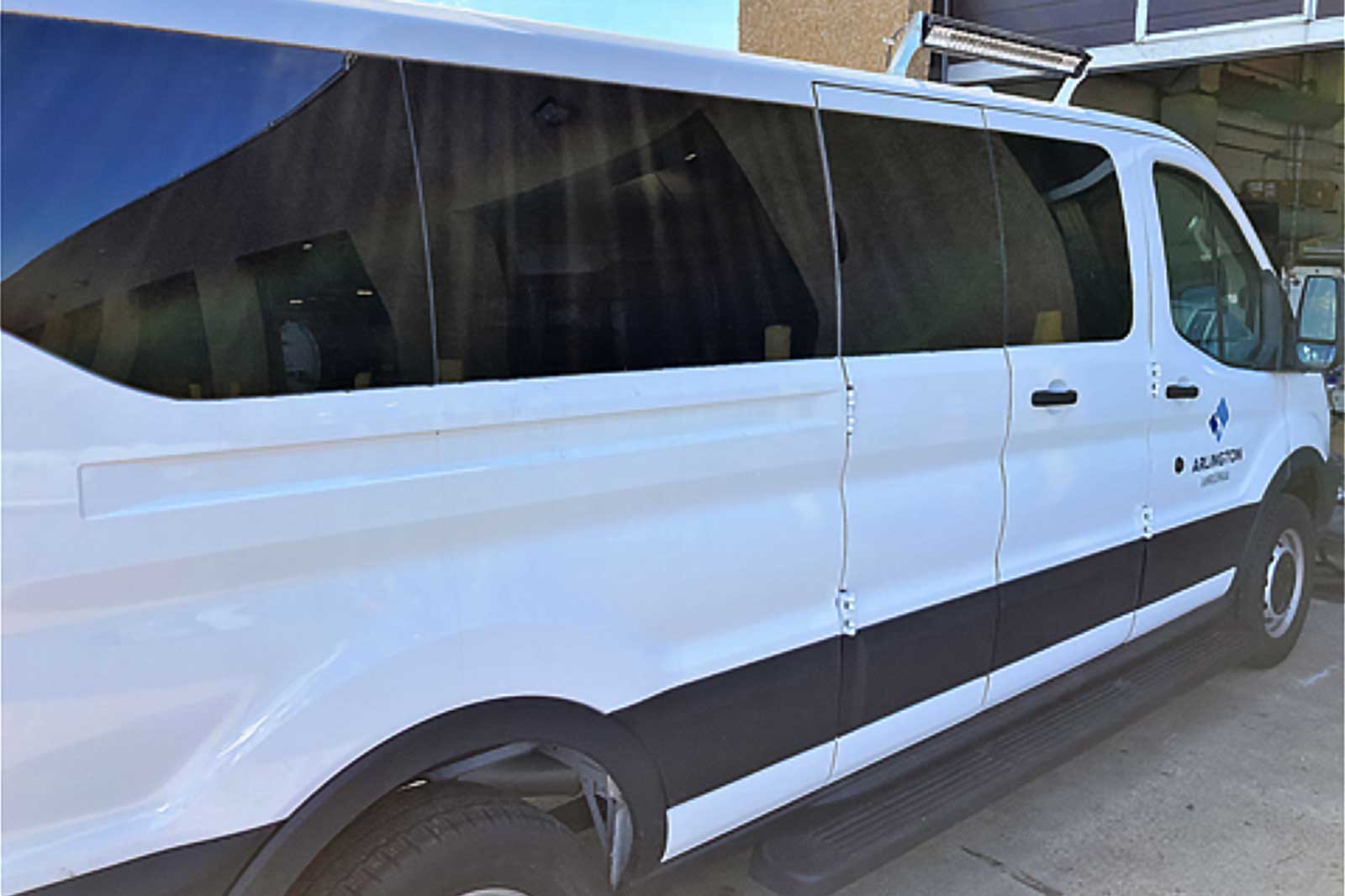
Next week a new county government van will hit the streets, providing on-the-scene behavioral health services.

The van will be operated by a new “Mobile Outreach Support Team,” consisting of “a licensed behavioral health clinician, a certified peer recovery specialist, and an outreach worker” from Arlington’s Dept. of Human Services.

The team will work alongside emergency responders, providing “alternatives to incarceration for those engaged in ‘nuisance crimes/behaviors,'” while decreasing hospital emergency room and psychiatric hospital admissions.

In the wake of the killing of George Floyd in 2020, a key demand of the “defund the police” movement was reducing the police budget in order to fund additional social services. While Arlington has, in fact, increased its police budget, the new outreach team is at least a partial realization of the vision for diverting some police responses to behavioral health clinicians, as suggested by the county’s Police Practices Work Group.

More, below, from a county press release.

The Mobile Outreach Support Team (MOST) is the latest addition to the County’s expanding network of care for people experiencing mental health and substance use issues.

The MOST program is coordinated by the Department of Human Services (DHS), in partnership with the Arlington County Police Department, Arlington County Fire Department, and the Emergency Communications Center, which operates the County’s 9-1-1 call center.

MOST launches July 31, 2023, and will operate Monday through Friday, between 1 p.m. and 9 p.m.

The goals of MOST include increasing access to mental health and substance use treatment and decreasing the role of non-clinical first responders in addressing mental health needs. The program also aims to provide alternatives to incarceration for those engaged in “nuisance crimes/behaviors,” and decrease emergency department and psychiatric hospital admissions.

“MOST is an important expansion of our efforts to ensure that people in crisis can get the right help when and where they need it,” said DHS Director Anita Friedman. “MOST team members are specialists who will be out in the community. That includes responding to 9-1-1 calls that have a behavioral health need, conducting outreach to people who are homeless, and working closely with our partners in Police and Fire to support them in the field when needed.”

About MOST

The National Guidelines for Crisis Care from the Substance Abuse and Mental Health Services Administration (SAMHSA) emphasize the importance of offering mobile, community-based intervention to individuals in need wherever they are, including at home, work, or anywhere else in the community where the person is experiencing a crisis.

The MOST team – which includes a licensed behavioral health clinician, a certified peer recovery specialist, and an outreach worker – will provide a range of essential functions that include:

  • Triage/screening, including explicit screening for suicidality
  • Assessment
  • De-escalation/resolution
  • Peer support
  • Coordination with medical and behavioral health services
  • Crisis planning and follow-up

Arlington’s MOST will also be able to distribute harm reduction tools such as Narcan and fentanyl test strips, connect people who are homeless to shelters and other services, and transport people from the scene to providers where they can receive assistance.

Mobile Unit

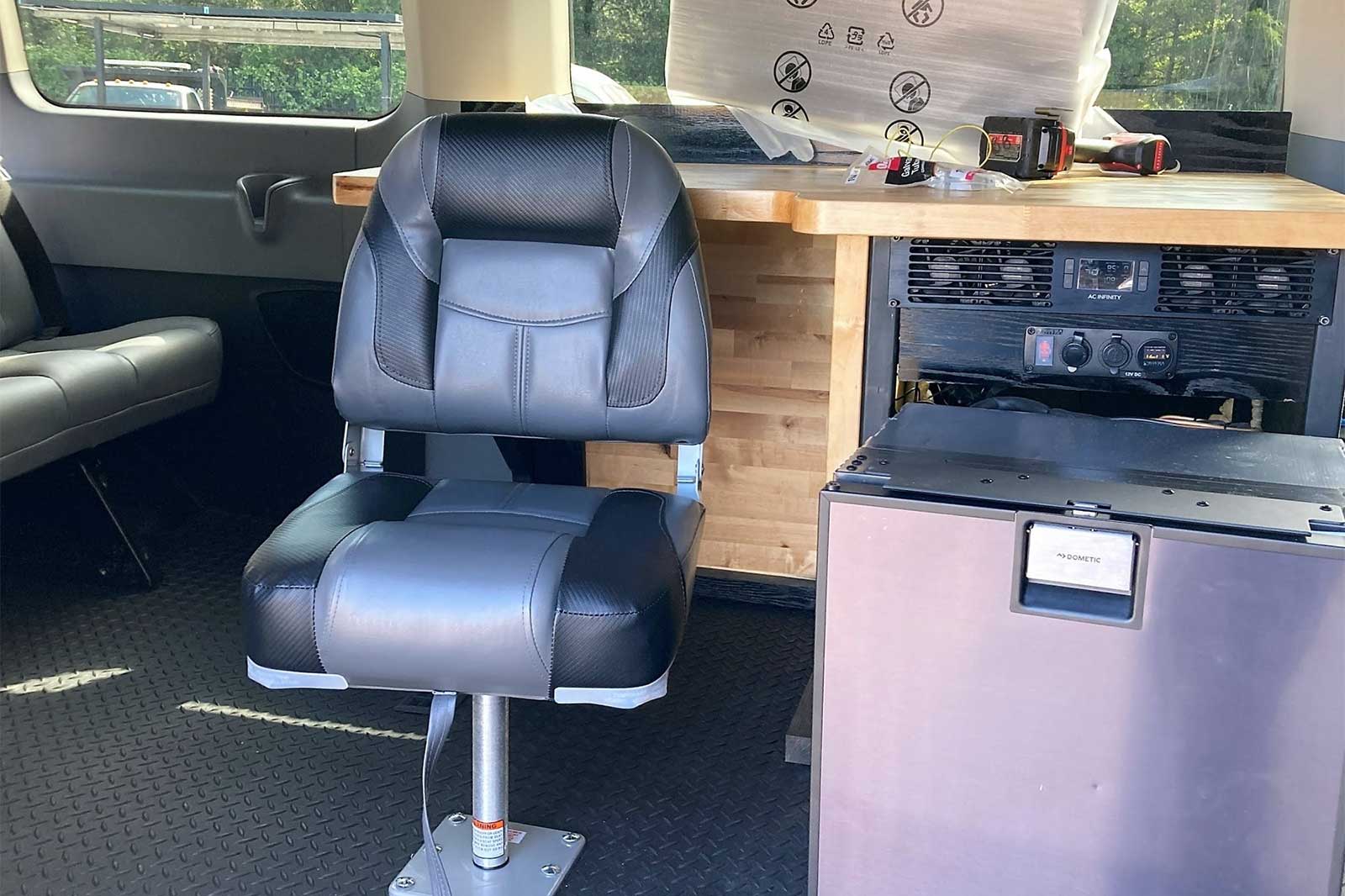
The MOST has a specially equipped van (a County fleet vehicle modified using federal grant funds) to provide services in the community. The van is connected to the County’s computer-aided dispatch system and an on-board computer allows MOST clinicians to use DHS’s electronic health record system. The vehicle includes supplies for harm reduction, non-perishable food, water, a defibrillator, clothing, and hygiene items.