
News
Hunter Paige solving a Rubik’s Cube (photo courtesy Liz Paige)

Many adults can struggle for several minutes with a 3×3 Rubik’s Cube.

Fifth-grade student Hunter Paige at Arlington’s Cardinal Elementary School can do it in less than ten seconds.

Hunter is heading to CubingUSA this August for a national championship where “speedcubers” — people who race to solve Rubik’s Cubes — will face off against each other.

Hunter’s mother, Liz Paige, said her son become interested in cubing in February 2022.

“A few of his friends had started cubing and showed him,” Liz said. “He got curious to learn more, found some video tutorials online, and picked it up pretty quickly after that! Watched the Netflix documentary, The Speed Cubers, and was further hooked.”

Liz said early on, Hunter practiced and timed himself, then he joined an online cubing club and kept training. When local competitions started up around summer 2022, Liz said her son was eager to start competing. There, Liz said Hunter found his crowd.

“At the competitions, he meets people of all ages and skill levels,” Liz said. “One of the great things about the competitions is everyone is encouraged to not only compete but be a judge, a runner (bringing unsolved cubes to the competitors) and a scrambler (scrambling the cubes a specific way before handing off to runner). It really encourages a sense of community — it’s not just about the competition and who wins.”

The classic 3×3 cube is just the tip of the iceberg. There are quicker 2×2 cubes and more complicated 8×8 cubes, along with a variety of shapes like a pyramid or a skewb. There are competitions to solve the traditional 3×3 blindfolded or one-handed. Hunter’s done the latter with what his mom called “decent results”.

Hunter said that he likes cubing as a hobby because it’s unique and helps him stand out in a crowd. And it has paid off — in addition to the trip to nationals, Hunter is on the front page of an upcoming issue of the school’s student newspaper, The Cardinal Times.

He isn’t alone in the cubing craze: Liz said there’s a clique of students at the school that also enjoy cubing. At family gatherings, though, it’s an impressive party trick.

“I do think people are surprised to learn he’s a ‘speed cuber,'” Liz said. “There’s been many a family gathering when he’s brought his cubes and everyone’s seriously impressed by how quickly he can solve one!”

Liz said she isn’t sure how long Hunter will stick with cubing, but at the very least he’s excited for the national championship later this year.

“Beyond that… we’ll see,” Liz said.

News
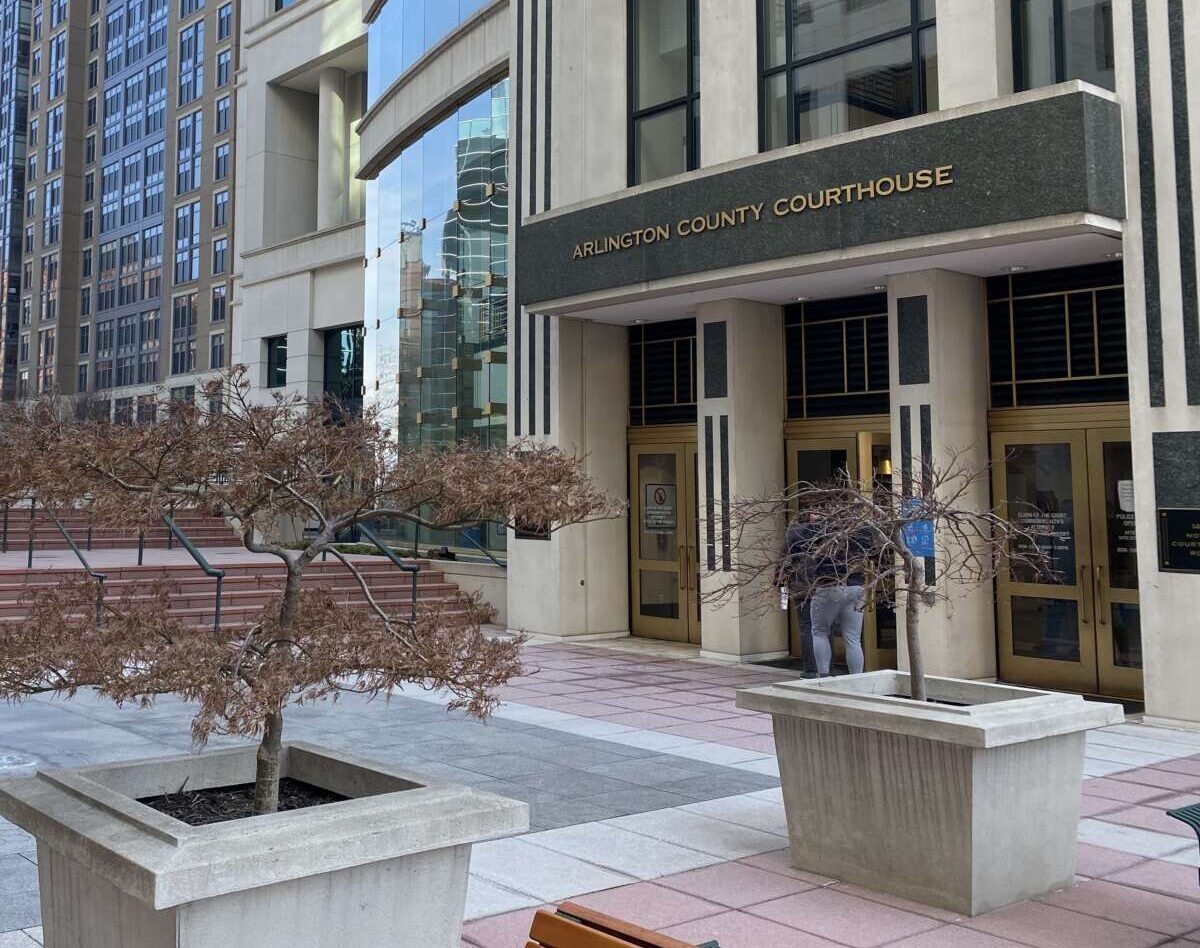
Arlington County Courthouse (staff photo by Matt Blitz)

(Updated at 12:30 p.m.) A year ago, Arlington County launched a diversion program for youth and young adults who commit certain misdemeanor and felony crimes.

Heart of Safety is a voluntary program facilitated by Restorative Arlington, a nonprofit that facilitates meetings between victims who choose this approach and the people who committed crimes against them.

The Commonwealth’s Attorney or the local court services unit — which provides services to juvenile court-involved youth and their families — refers victims of crimes who want to stay out of court proceedings to the program.

There, victims and the people who harmed them meet with facilitators and each other to discuss what happened and why, the results of that crime and how the perpetrator can make amends — typically by adhering to a restoration plan to which both parties agree. This approach borrows from longstanding indigenous traditions that have been implemented and studied in some U.S. communities.

The Office of the Commonwealth’s Attorney has referred eight cases to the program as of November. That figure comes from a Freedom of Information Act request filed last fall by the campaign to elect Josh Katcher, challenger to Commonwealth’s Attorney Parisa Dehghani-Tafti in the Democratic primary on June 20. His campaign released its findings on Friday.

Program Executive Director Kimiko Lighty says that the number of cases that have gone through the program is higher. It does not include cases referred from court services unit, those completed in 2022, ongoing cases, or those on who are on a six-month waitlist that she would take if the program had more capacity.

“Heart of Safety is working at capacity right now and has a waitlist,” Lighty says. “There are people who are saying, ‘We would rather wait to have a restorative option than go to court.'”

Participants include people from middle school through 26 years old who committed a fairly broad range of crimes, though Lighty did not elaborate on what kind, citing privacy.

“What they have in common, every single one, is that the person harmed asked for a restorative process,” Lighty said.

Dehghani-Tafti, elected in 2019 on a platform of prosecutorial reform, has said on the campaign trail that Heart of Safety is an avenue for victims to heal and for people who committed crimes to reckon with their actions, demonstrate remorse and commit to making amends.

She tells ARLnow the cases that went through the program “have gone really well” and been consistent with a memorandum of understanding and referral policies governing the program, both of which were provided to ARLnow.

Katcher and his team take issue with how the program has been promoted and how much credit Dehghani-Tafti can take for it, maintaining that people should be skeptical about why Dehghani-Tafti is not more forthright about program outcomes.

His team requested the number and types of cases that have gone through Heart of Safety, the number referred back to the courts, the memorandum of understanding and referral criteria governing the program, and a definition of recidivism.

In response, his campaign says it received the number of cases, eight, and the same documents Dehghani-Tafti’s campaign provided to ARLnow.

“Parisa Dehghani-Tafti wants the community to think of her as a reformer. However, when pressed for information to prove that she’s living up to our community’s expectations for what that means, her office refuses to answer basic questions around the efficacy of her highly-touted commitment to restorative justice,” the campaign manager for Katcher, Ben Jones, said in a statement.

“Her refusal to answer simple questions about a program that she has touted as being one of her signature promises is another sign that she’s not the right person to be trusted with ensuring our community’s safety and security,” he continued.

(more…)


Sponsored

As a 23-year-old voter in still-segregated 1960s Virginia, Portia Haskins was convinced she had followed all the rules in order to cast a ballot in Arlington.

Election officials disagreed, saying she had failed to pay the appropriate poll tax still required in the Old Dominion, maintained in part to disenfranchise Black voters.

Haskins took the county, and state, to court. She won, with her case ultimately being folded into the landmark 1966 Harper v. Virginia Board of Elections decision of the U.S. Supreme Court.

Haskins was an unusual legal combatant, committed to seeking unity.

“I’m the type of person who wants to bring everyone together,” the Halls Hill native said at a weekend presentation sponsored by the county library system and hosted by the Black Heritage Museum of Arlington.

After her efforts to vote were rejected at the local level, Haskins enlisted support from the Congress of Racial Equality (CORE) to challenge the ruling. She traveled several times to the U.S. District Court in Richmond, then watched as the case and others like it moved to the Supreme Court.

Her reaction at the final outcome? “I was so happy,” she said.

The 6-3 ruling in Harper v. Virginia Board of Elections effectively outlawed requiring poll taxes for state elections in those few states, like Virginia, that retained them. The poll-tax requirement for federal elections had been eliminated with ratification of the 24th Amendment to the U.S. Constitution in 1964.

Lessons from the struggle are still valuable today, said Haskins, now 83.

“Everybody has to come together and fight” when they see injustice, she said. “You have to get together.”

Historical photo of Portia Haskins (via Black Heritage Museum of Arlington)

Haskins is among the Arlingtonians profiled in the “From Barriers to Ballots,” an exhibition marking the 60th anniversary of the Voting Rights Act of 1965. Several versions of the exhibition are on display across Northern Virginia, with one at Central Library running through Nov. 4.

The Arlington Historical Society partnered on the exhibition, and was excited about the Haskins presentation, former president David Pearson said.

“She is someone we really wanted to learn about,” he said, pointing to a renewed effort to “really get out the stories of the complete history of Arlington.”

Haskins has been a member of Mount Salvation Baptist Church near the Glebewood neighborhood since 1951, and in the community she has promoted “the spirit of community and empowerment,” said Scott Taylor, president of the Black Heritage Museum.

Haskins lamented that much of the history of the civil-rights movement is being lost in the public consciousness.

“We went through a lot, but people today don’t know,” she said. Young people in particular, she said, “don’t care because they don’t know.”

Her request to today’s youth? “Let everybody know how you feel” and use the ballot box to create change.

“Voting is important. That’s what everybody really needs to do,” Haskins said.


News
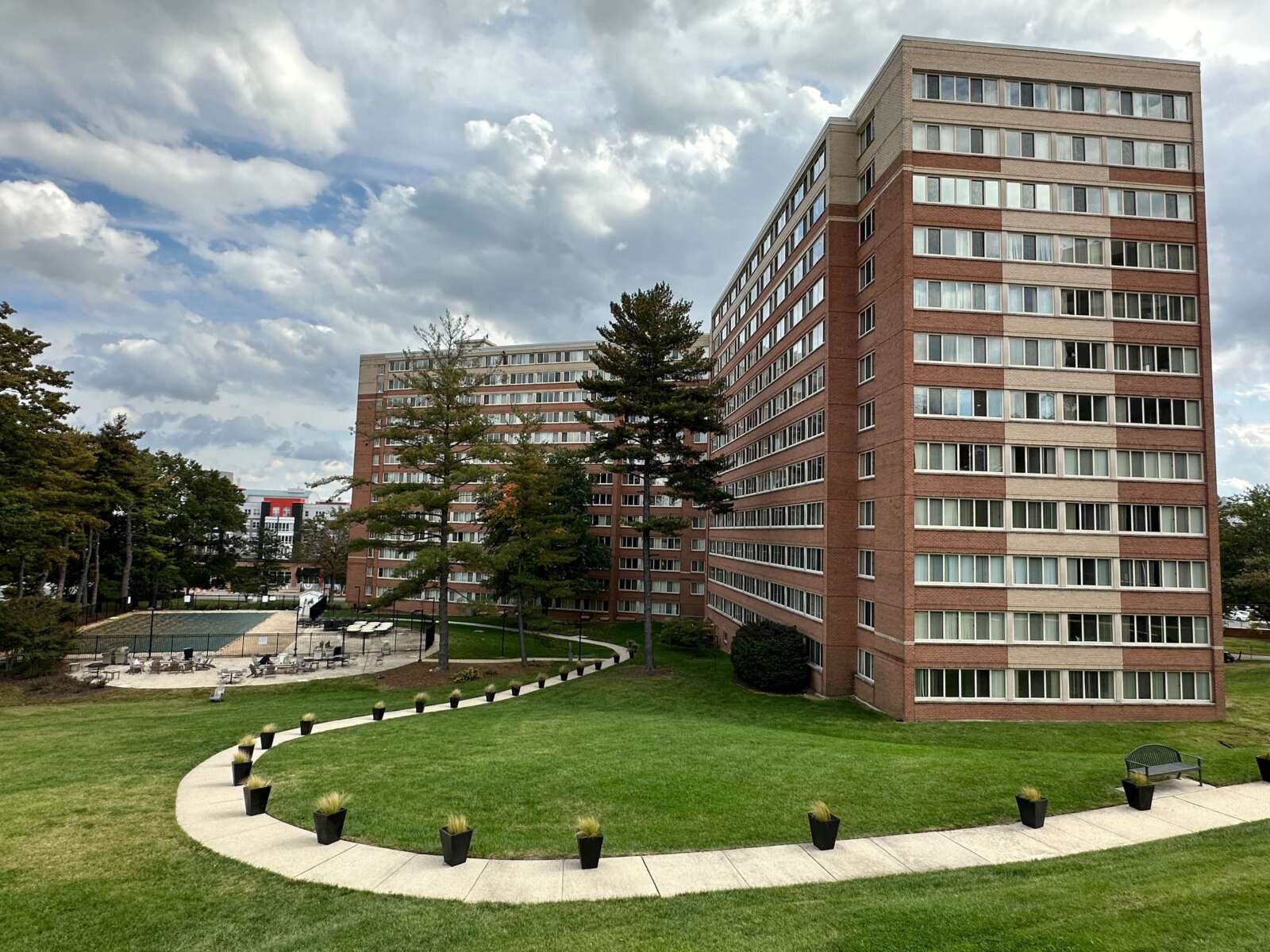
The RiverHouse apartments at 1111 Army Navy Drive in Pentagon City (staff photo)

Arlington is the tenth priciest market for rental housing in the United States, according to an updated set of rankings.

Rental website Zumper released its latest national rent report, which lists Arlington at No. 10 and neighboring D.C. at No. 9. New York City tops the list.

Zumber notes that Arlington rent grew at a faster pace over the past month than the national median, though its place in the rankings held steady.

“Zumper’s National Index showed one-bedrooms increasing 0.6% to $1,504, while two-bedrooms rose 0.8% to $1,856 in May. Both bedroom types are up about 6% year-over-year,” a spokesperson told ARLnow. “The price of one bedroom units in Arlington increased 1.3% to $2,300 last month, while two bedroom units grew 2.6% to $3,100.”

On a year-over-year basis, median one- and two-bedroom rents in Arlington are up 4.5% and 5.8%, respectively, this month.

Continued rent growth in Arlington contrasts with the falling rents earlier in the pandemic.

The report, meanwhile, notes that some less-expensive interior U.S. cities — like Columbus, Ohio and Colorado Springs — are seeing a surge in rental interest from those moving from more expensive coastal areas of the country.

Top 10 markets for median rental prices in May 2023 (via Zumper)

Around Town

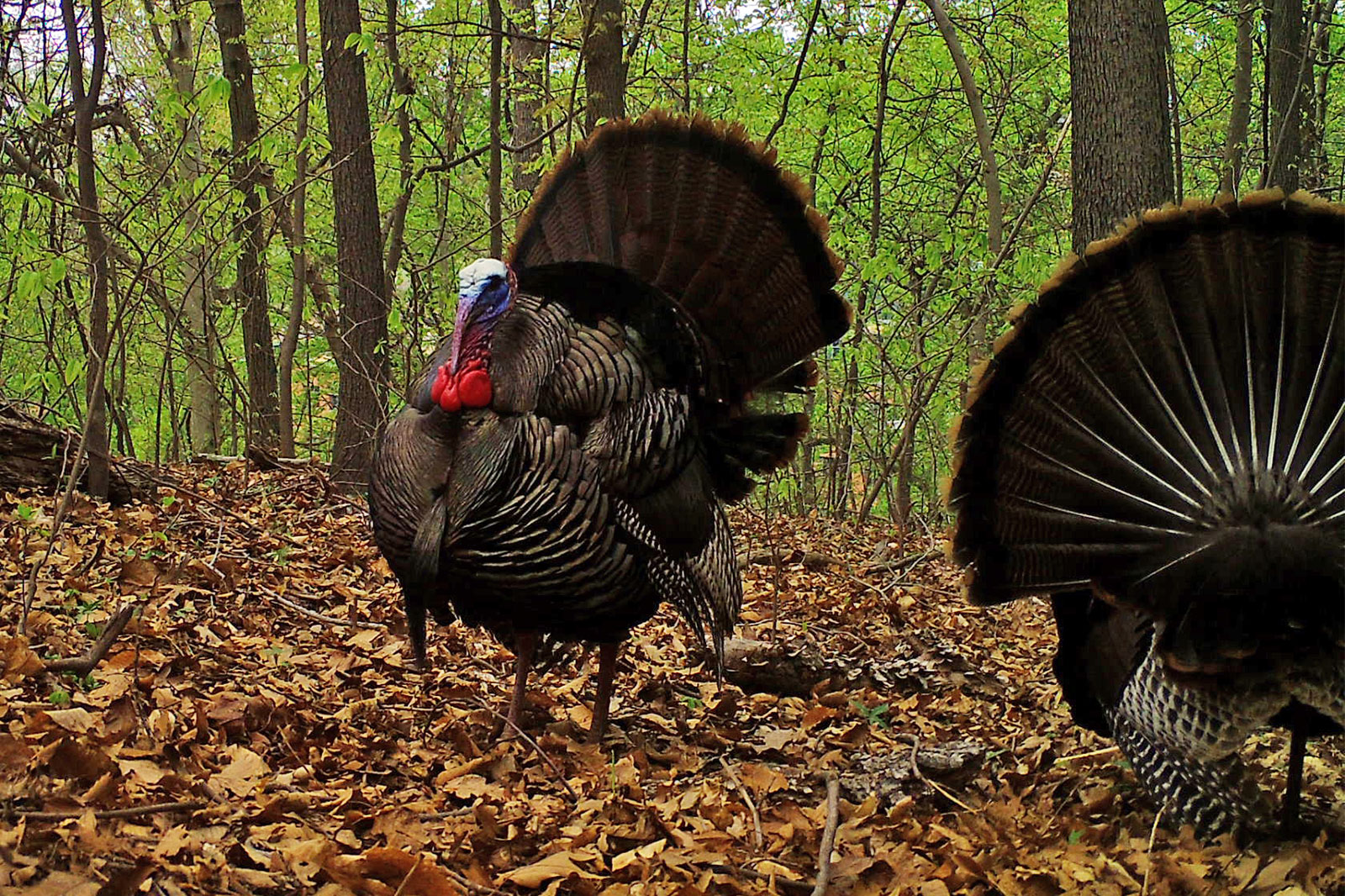
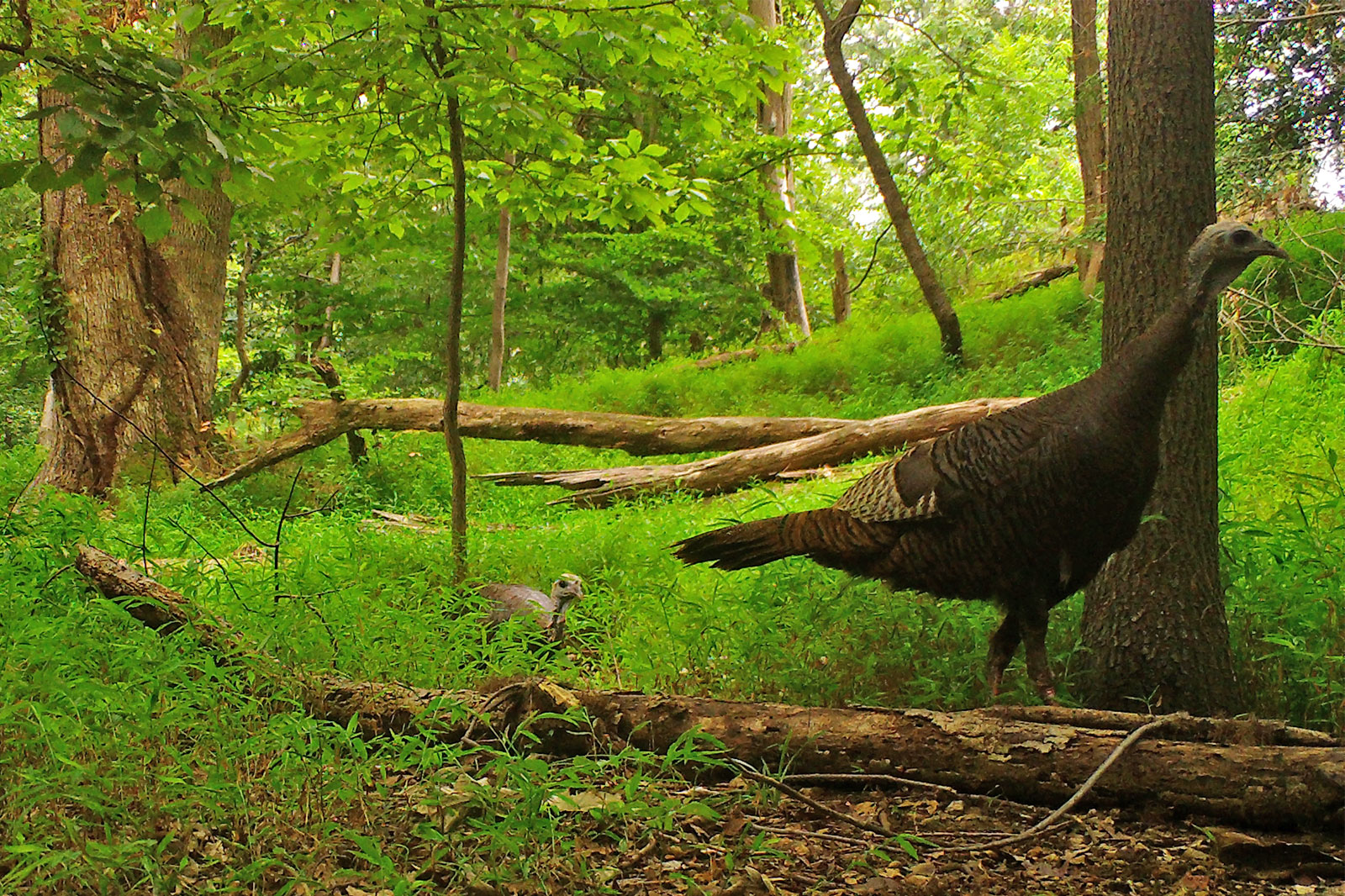
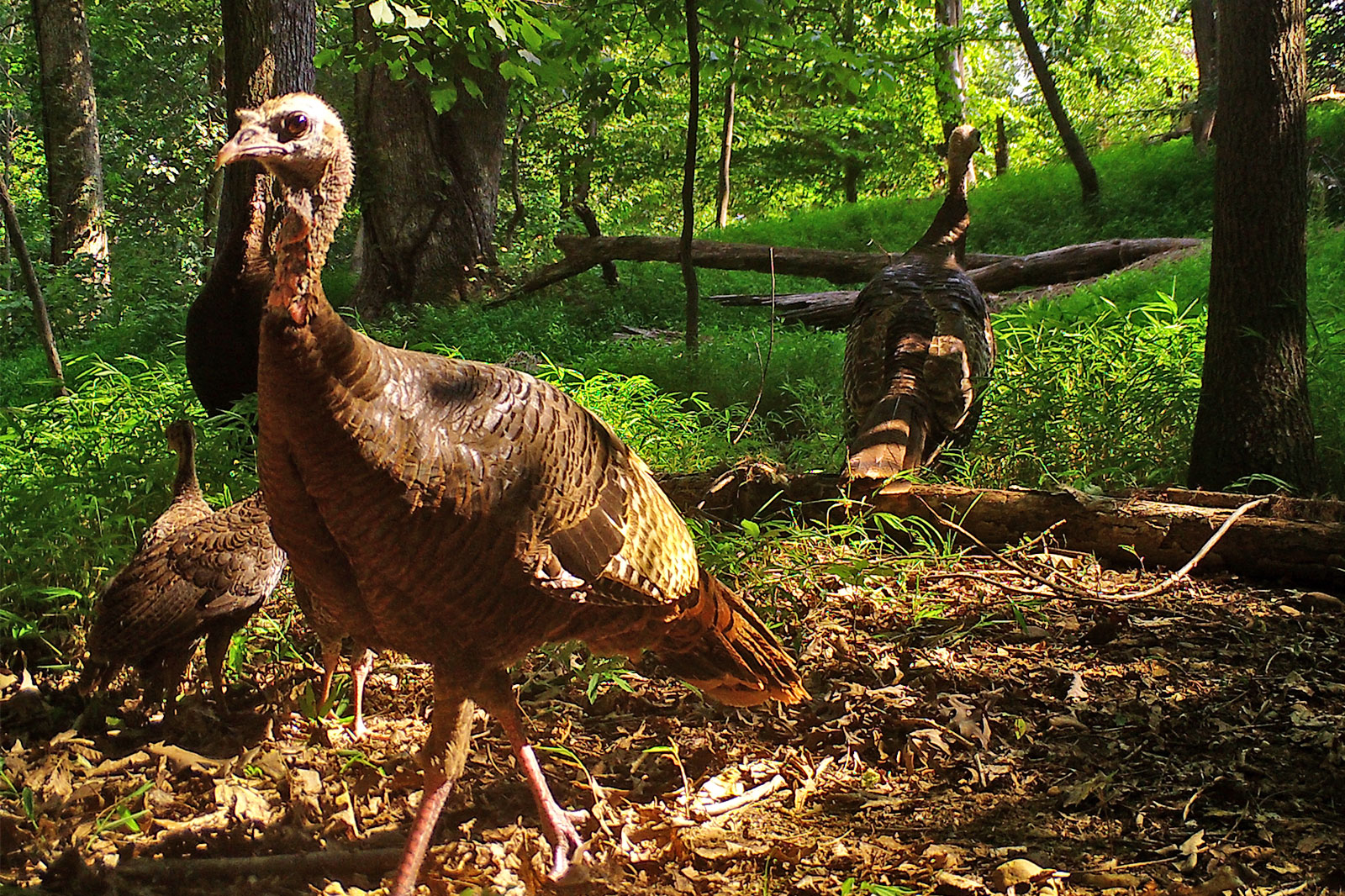
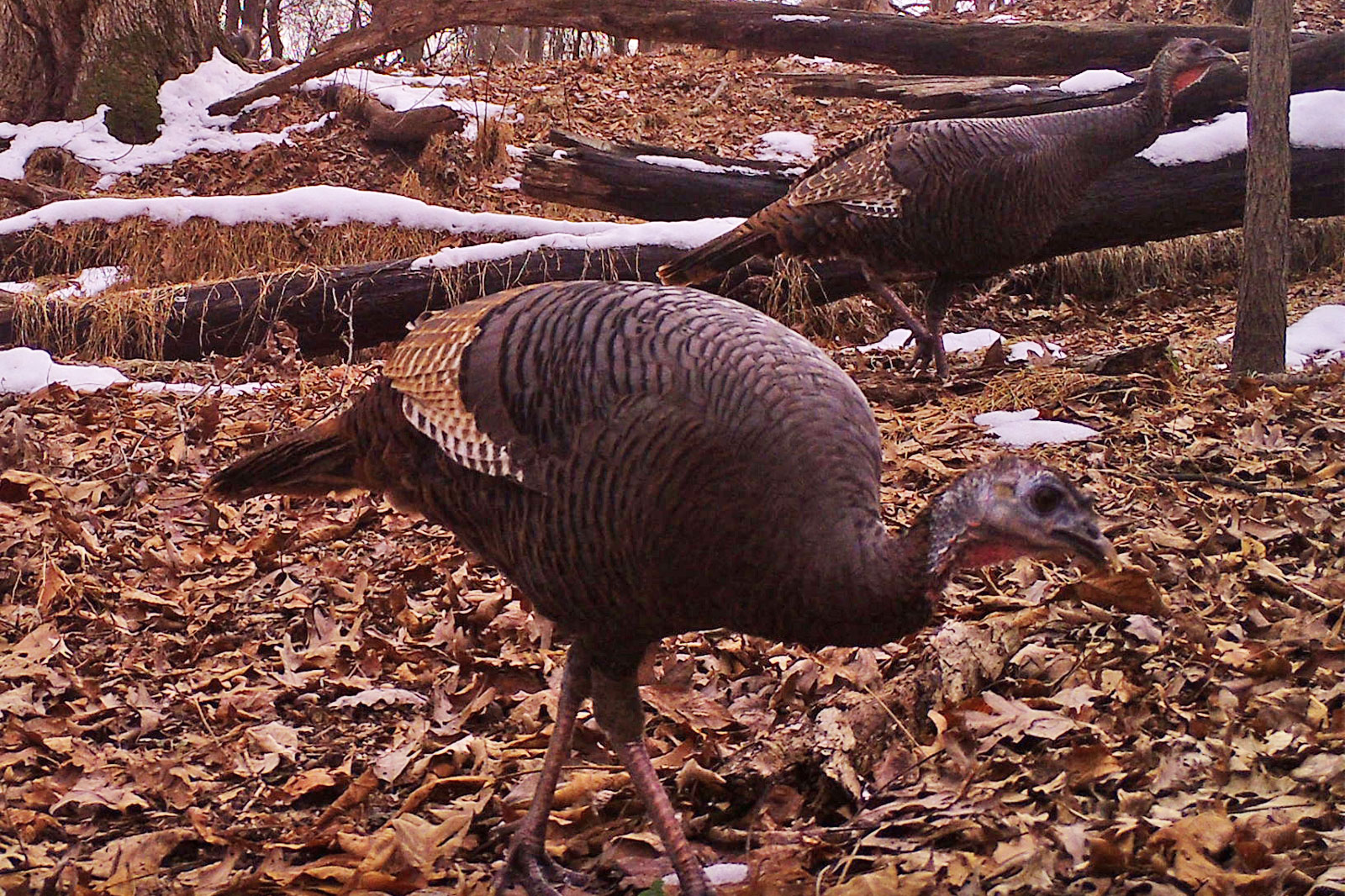
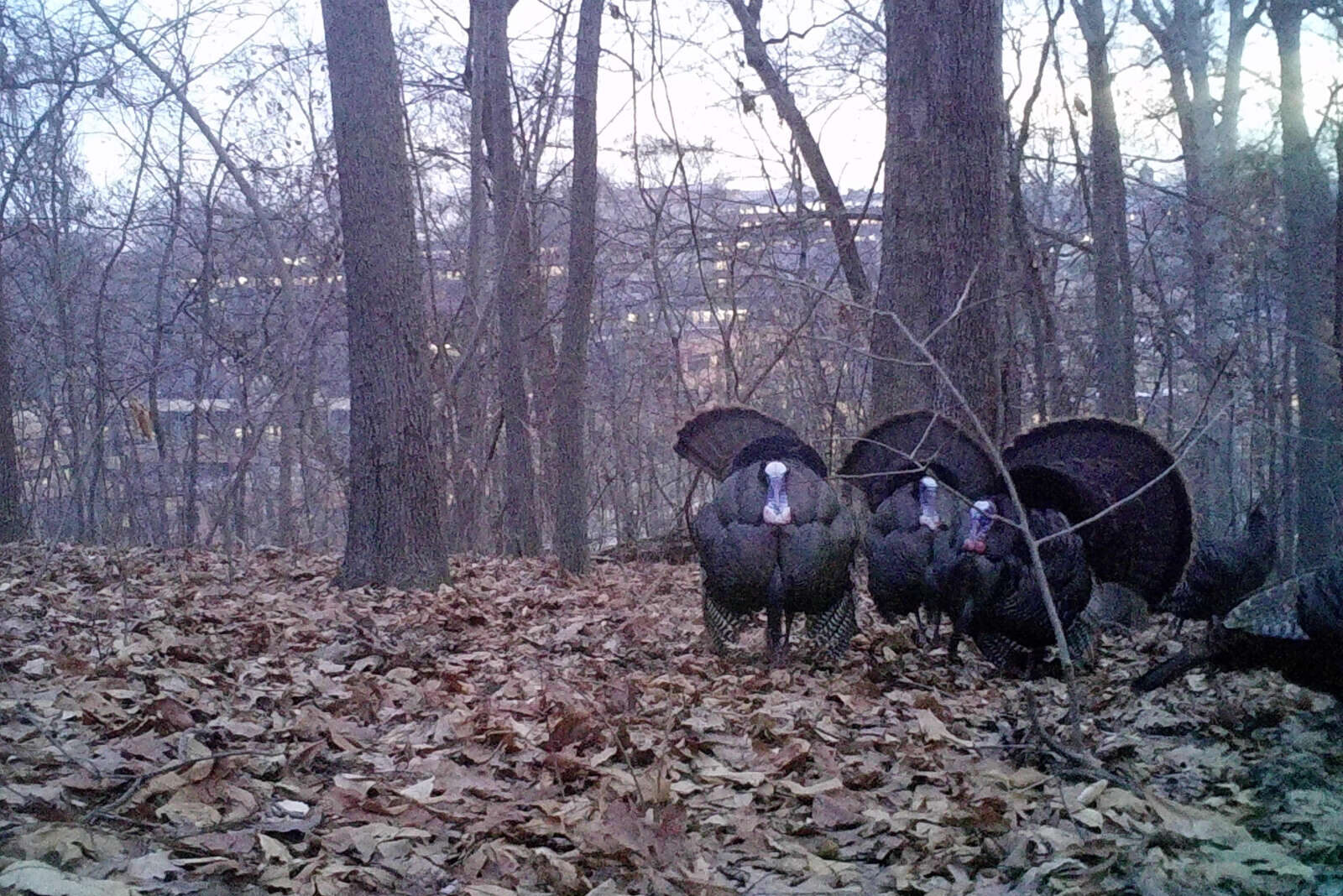
After essentially going extinct regionally in the early 1990s, wild turkeys are gobbling up the local limelight again.

Due to habitat loss and excessive hunting, turkeys were extirpated, or made regionally extinct, in Virginia by the early 1900s, explains local biologist Merri Collins.

In the mid-1990s, scientists began importing one species, Eastern Wild Turkeys, from other parts of the U.S. to restart the population in the D.C. area. After three decades, the population has returned, not just in Virginia, but across several eastern states and regions — notably in Boston and Staten Island — leading some wildlife experts to call this “one of the largest conservation success stories in American history.”

“Now there are enough turkeys that they are starting to move into urban and suburban areas with suitable woodland and meadow habitats,” says Collins, a Penrose resident earning her doctorate degree at the University of Maryland Urban Nature Lab.

Based on social media posts, Arlingtonians seem to be seeing more turkey around. One was spotted in Penrose within the last week, while others were seen north of Ballston — near the renovated wetland area — to the East Falls Church area in the last two months. A few years back, a turkey was rescued from a Rosslyn construction site.

“Seeing animals around again that were once absent from the landscape means we are doing something right,” she said. “Our green spaces, like parks, are plentiful enough and have healthy enough habitat to support more wildlife diversity.”

Collins uses trail cameras to study turkeys and says anyone who uses these cameras can see large flocks as well as baby turkeys, called poults, and observe their “pretty cool” behaviors.

Not everyone is pleased, however.

“Wild turkeys are a scourge,” wrote one Arlingtonian on Nextdoor. “Do not feed or encourage them. Call the county and see if we can stop them proliferating.”

Other commenters jokingly saw these thoroughly urbanized birds as a potential dinner.

Novelty or nuisance, today, the turkey population in Virginia today numbers 180,000, according to a fact sheet from the Virginia Dept. of Wildlife Resources, which regulates bi-annual hunting seasons for the bird.

“Turkeys in cities sometimes get a bad rep, but also can provide people with some serious laughs,” Collins said, suggesting people to Google “turkeys in cities for some light-hearted reading.”

One turkey, for instance, got a reputation by allegedly attacking a few trail users in Prince George’s County, Maryland. There are other stories of the birds attacking people in Michigan, creating havoc in New Hampshire and, no joke, knocking on doors for food in New York.

To avoid confrontations like that, Collins says, give turkeys the space to “be turkeys.”

“Like with all wildlife, do not chase, approach, or try to touch turkeys,” she said. “If you want to take photos, great! Do it from a distance.”

They do provide some benefits to people, too, because they eat pesky insects and spread the seeds of native plants.

While she has a soft spot for turkeys, Collins notes that D.C. and its surrounding suburbs are home to other interesting animals, including red foxes, coyotes, mink, river otters, owls, hawks, several species of turtles and lizards.

“You may not see them, as many species tend to move around at night, but they are here,” she said.

“You can make your own property friendly to wildlife by planting native plants,” Collins added. “There are a ton of online resources to help people do this and have wildlife friendly yards in cities.”

Vernon Miles contributed a pun to this report