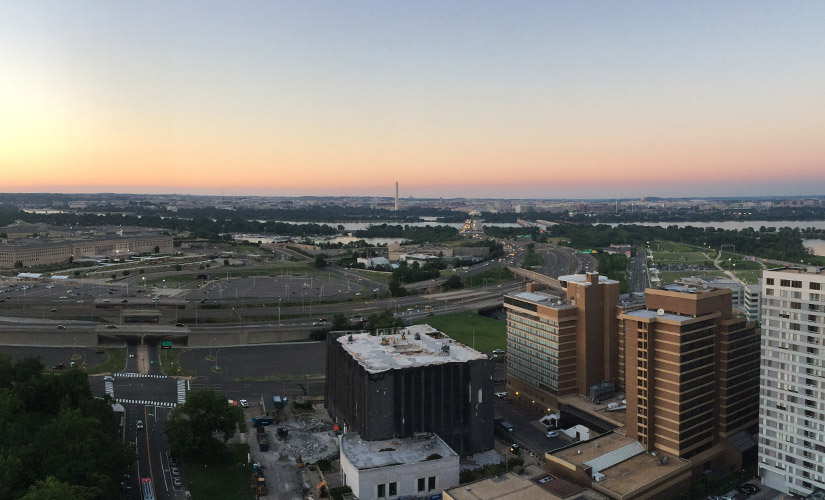
D.C. skyline view from the rooftop of the Bartlett in Pentagon City (staff photo)
The prospect of a nuclear bomb going off in the D.C. area is something that will hopefully remain in the realm of fiction.
Should the proverbial sum of all fears play out, however, equipment in Arlington will help the federal government manage the response.
A broad overview of the system — installed on county-owned property since 2016 — is included in an item on the Arlington County Board’s meeting agenda for this coming Saturday.
Details are not provided, and are said to be exempt from release under the Freedom of Information Act, but a letter from an Air Force official included in a Board report says the system will aid in the investigation and the emergency response after any such explosion.
This system is designed to characterize nuclear explosions in urban environments. In the event of an intentional detonation such as a terrorist attack, information generated by the system is critical for the Federal Government’s efforts to determine who was responsible for and how to respond to the event. The information will be used to support law enforcement prosecution efforts and will be shared with the consequence management community as applicable (e.g. to contribute to damage assessments). However, the full disclosure of the location of our equipment, and information regarding its components and operations, would jeopardize the ability for the system to provide valuable information in a timely fashion to the law enforcement and consequence management communities, by giving insight into the system’s design and coverage, and possibly how to defeat the system.
Therefore, we request that our work with Arlington County on this project, including the Agreement and supporting documentation, be exempted from public disclosure under Virginia’s Freedom of Information Act per Va. Code Section 2-2.3705.2, subsection 14 (plans and information to prevent or respond to terrorist activity or cyber-attacks, the disclosure of which would jeopardize the safety of any person). Supporting documentation includes, but is not limited to: program descriptions, what equipment is sited on Arlington County property and where, and details about the equipment (e.g. function, operations, engineering drawings).
This recurring Real Estate feature is sponsored by The Eli Residential Team. Their mission is to guide, educate, and advocate for their clients through real advice, hands-on support, and personalized service. This week’s post is written by Carolanne Korolowicz.
In Arlington, the contention between urban development and environmental preservation is ever present. Citizens went to bat to save Arlington’s tree canopy during the Missing Middle debacle, there are environment-focus ballot measures almost every election, and plenty of local associations with a mission to preserve the county’s green landscape. But, did you know that debating over trees is actually an Arlington tradition? Before boundaries were even drawn, trees have been at the center of almost every development project.
On October 21, 1767, the stage was set by John Carlyle and Charles Alexander. The two prominent figures went to trial to dispute whose land (modern day Arlington and Alexandria City) was whose. Twenty-four witnesses gave their testimonies about the land boundaries defined by tree markers. Many of these witnesses were quoted mentioning the trees’ ages, whether they had been marked as line or corner trees, and the type of instrument used. With tree-defined boundary lines, the testimonies became a source of confusion rather than clarity.
In other historical accounts, it is clear that the DC-area forefathers viewed trees as part of the area’s heritage. A friend of Thomas Jefferson wrote, “Nothing affected Mr. Jefferson like this wanton destruction of the fine trees scattered over the (Federal) City grounds.” The friend also stated that Jefferson himself once said, “The unnecessary felling of a tree, perhaps the growth of centuries, seems to me a crime little short of murder.” As obvious by these statements, the conservation cause has always been one of great passion.
(A part of George Washington’s Oak Tree Displayed at The Glencarlyn Library, Photo: ArlingtonHistorical.com)
The acknowledgement of prominent trees has been documented over the centuries. George Washington’s survey oak in Glencarlyn being one of the first. Later in 1860, a large, anciently marked poplar tree was noted to be a landmark for the Cherrydale Neighborhood, but was cut down for the Washington and Old Dominion Railway in 1912. George Nicholas Saegmuller, an original owner of “Reserve Hill”– today’s Knights of Columbus Arlington Headquarters– planted a strip of evergreen forest from LIttle Falls Road to Old Dominion Drive as a homage to his homeland of Germany. Most importantly, the first tree to be given protection was one of the oldest oak trees of the Nation at the Grunwell Estate, located in Country Club Hills, in the late 19th century.
(A Champion Ash tree in Barcroft Park being measured, Photo: Arlington County)
Citizens acting as stewards of wildlife are deeply rooted in the makeup of Arlington. This symbiotic relationship remains today through the Forest and Natural Resources Commission’s Notable Tree Nominations. Since 1987, the volunteer-led program has awarded over 400 significant trees and their caregivers. In 2024, eleven trees were selected, including four on Fort CF Smith, six in North Arlington and one located on the corner of Columbia Pike and George Mason Drive. Though not legally protected, the status has proved helpful when communicating the importance of conservation during development projects.
What makes for a notable tree? The committee looks for these three items: size, neighborhood value, and uniqueness. Nominations are due every year on October 31st – so it’s not too late to submit! For legal protection, an application must be submitted for a ‘Specimen Tree’ through the Trees and Shrubs Ordinance. This designation requires tree conservation and protection if development of a site occurs. Violations result in a civil penalty of up to $2,500. Applications are due September 30th every year.
(A 2024 Notable Tree Winner: Deodar Cedar on Fort CF Smith, Photo: Arlington County)
As headbutting between developers and “tree-huggers” continues on, Arlington County has made efforts in favor of the area’s ecosystem over the decades. The citizens hold the power to improve these protections. Nominating trees for significance, or legal protection, is the easiest way to make a difference.
To quote the late local historian Eleanor Lee Templeman, “Although Arlington County has already lost a great deal of its forests through careless development of subdivisions, an awakened public concern over this priceless heritage will save a great deal of remaining beauty. Our stream valleys and palisades still possess true wilderness areas which must be preserved for posterity.” (Arlington Heritage: Vignettes of a Virginia County, 1959)
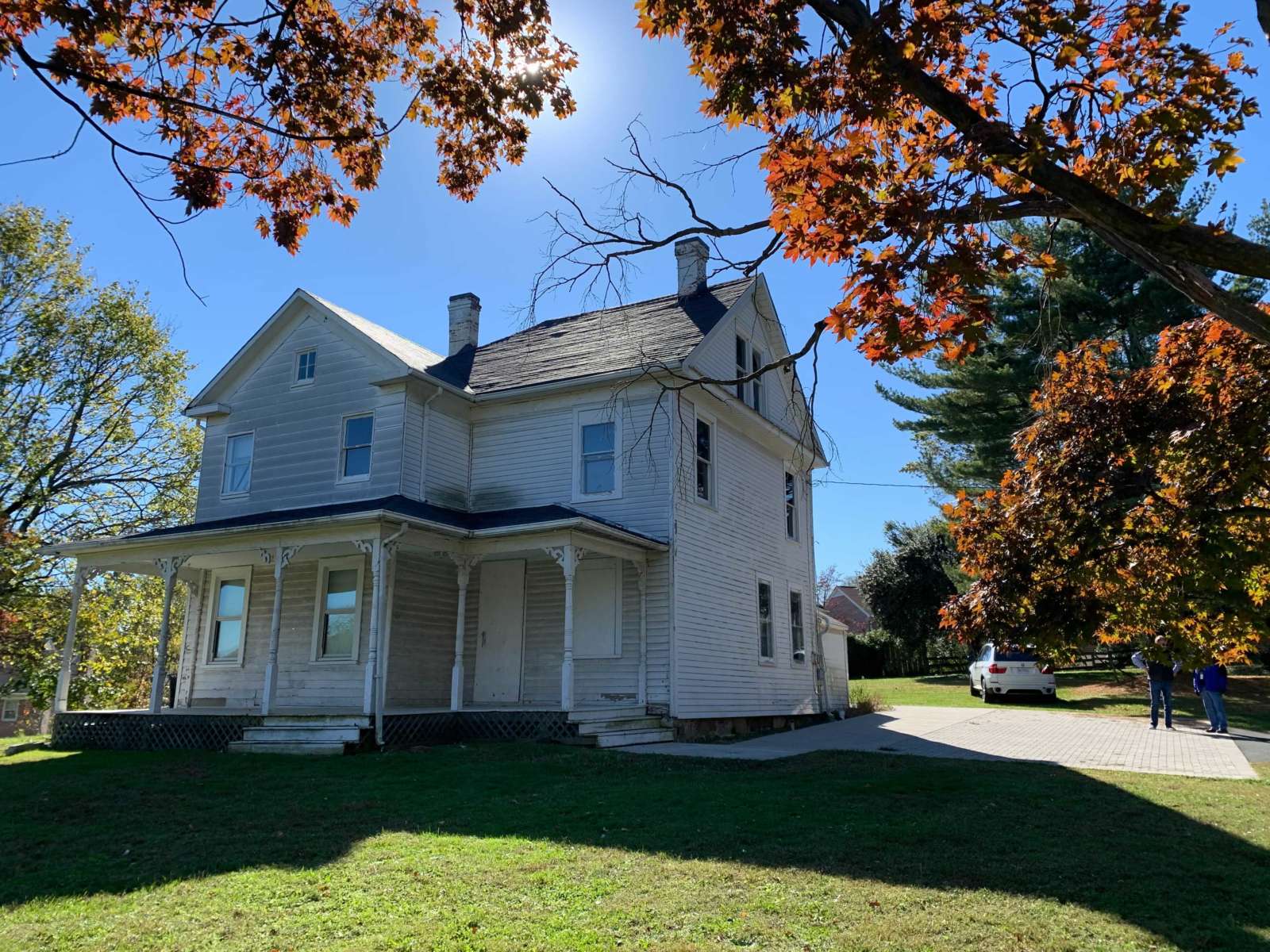
The Reeves Farmhouse (staff photo by Jay Westcott)
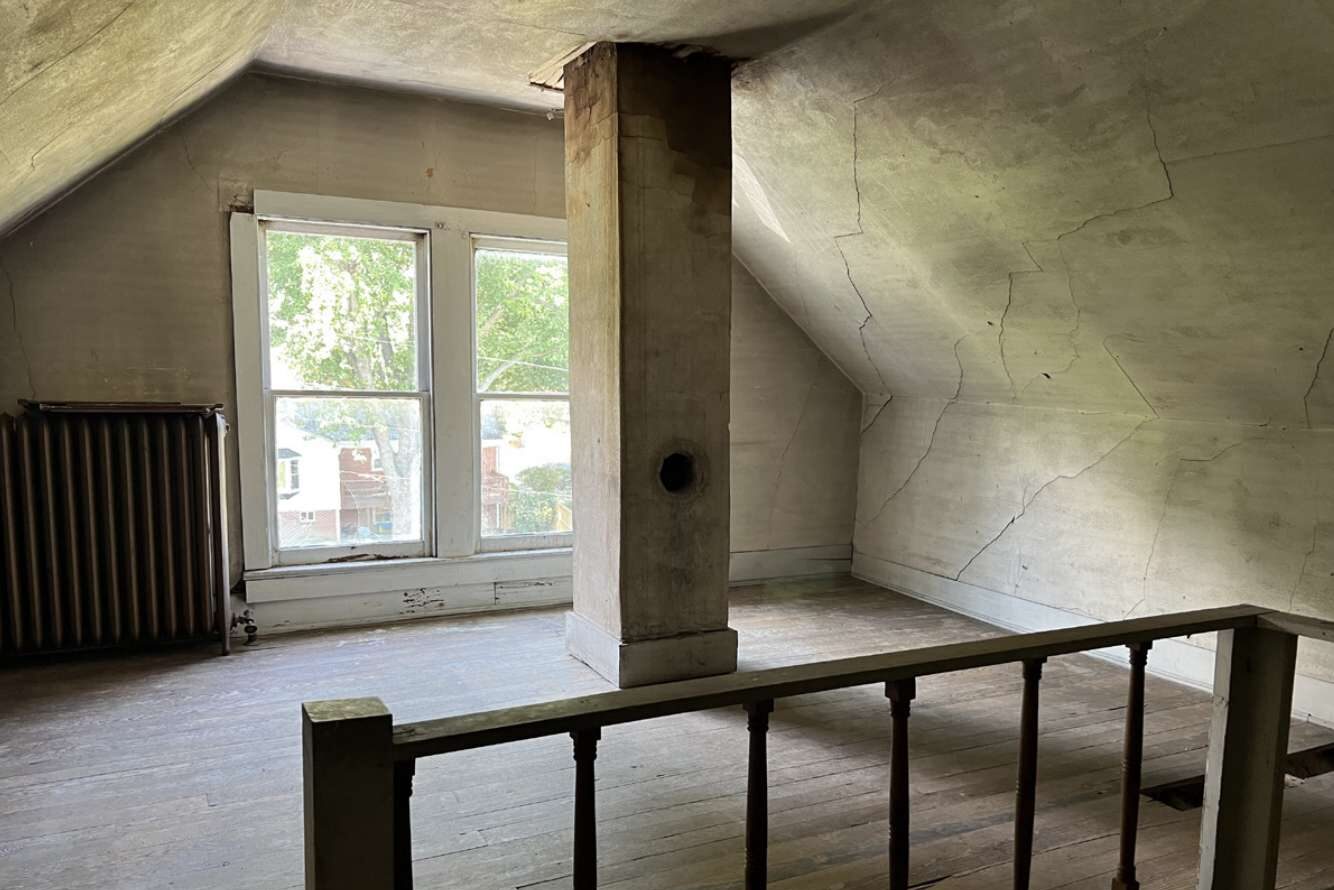
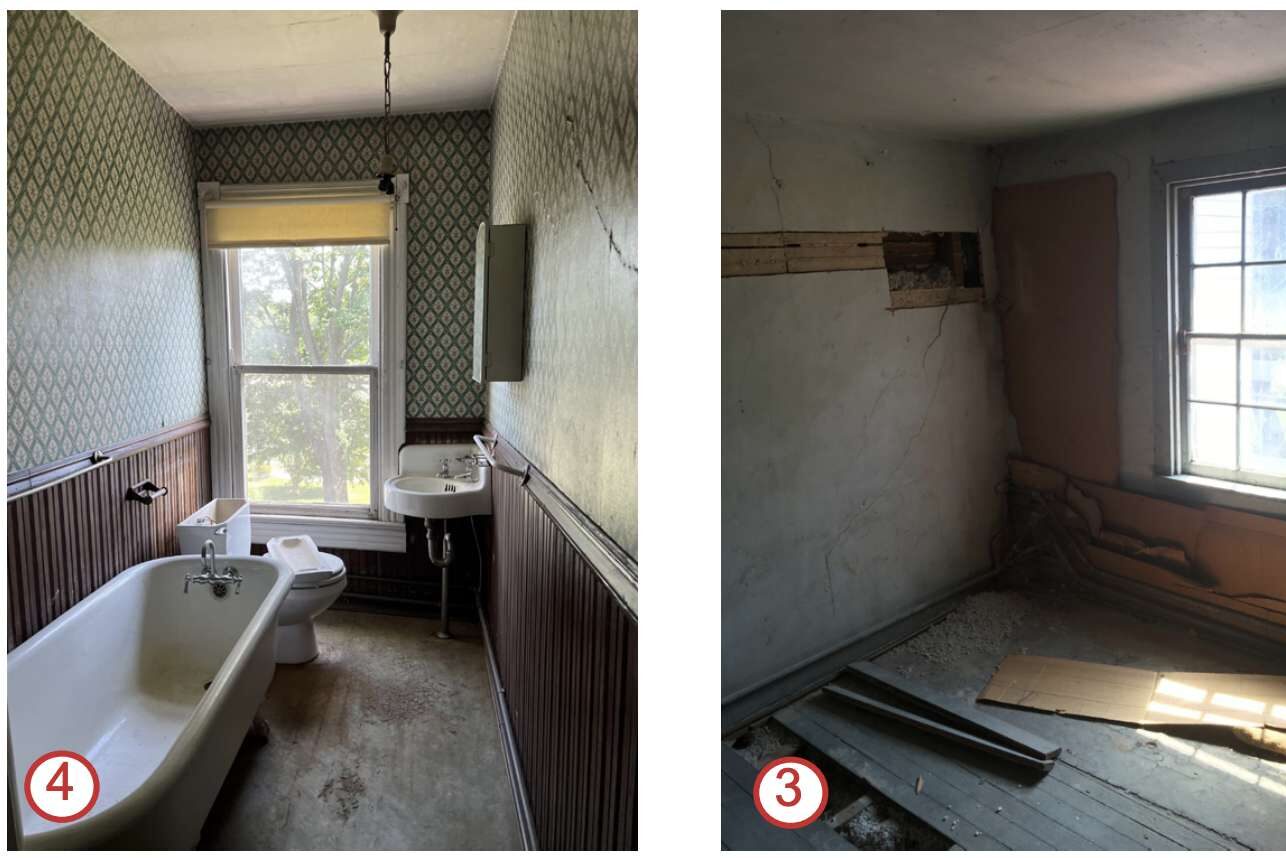
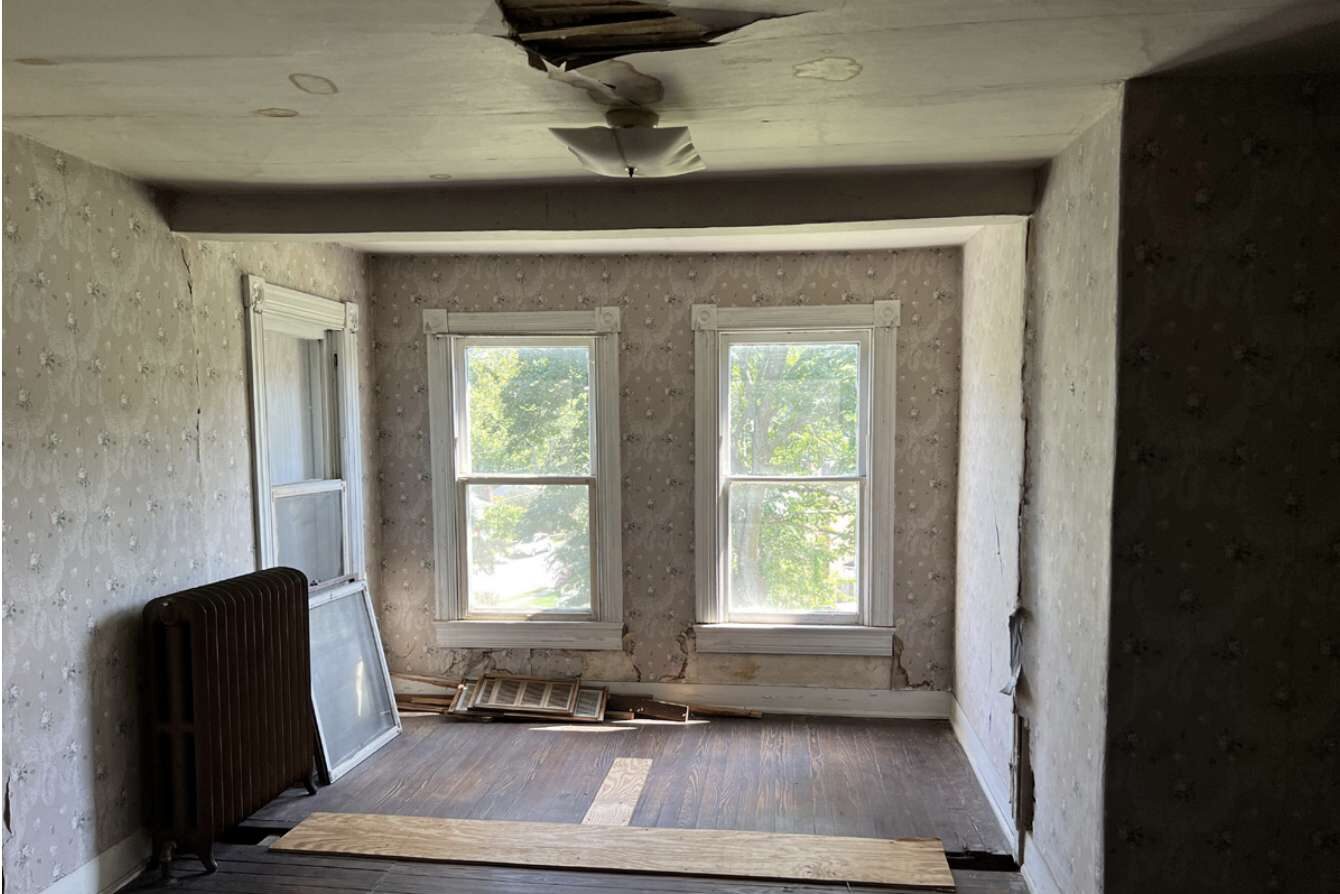
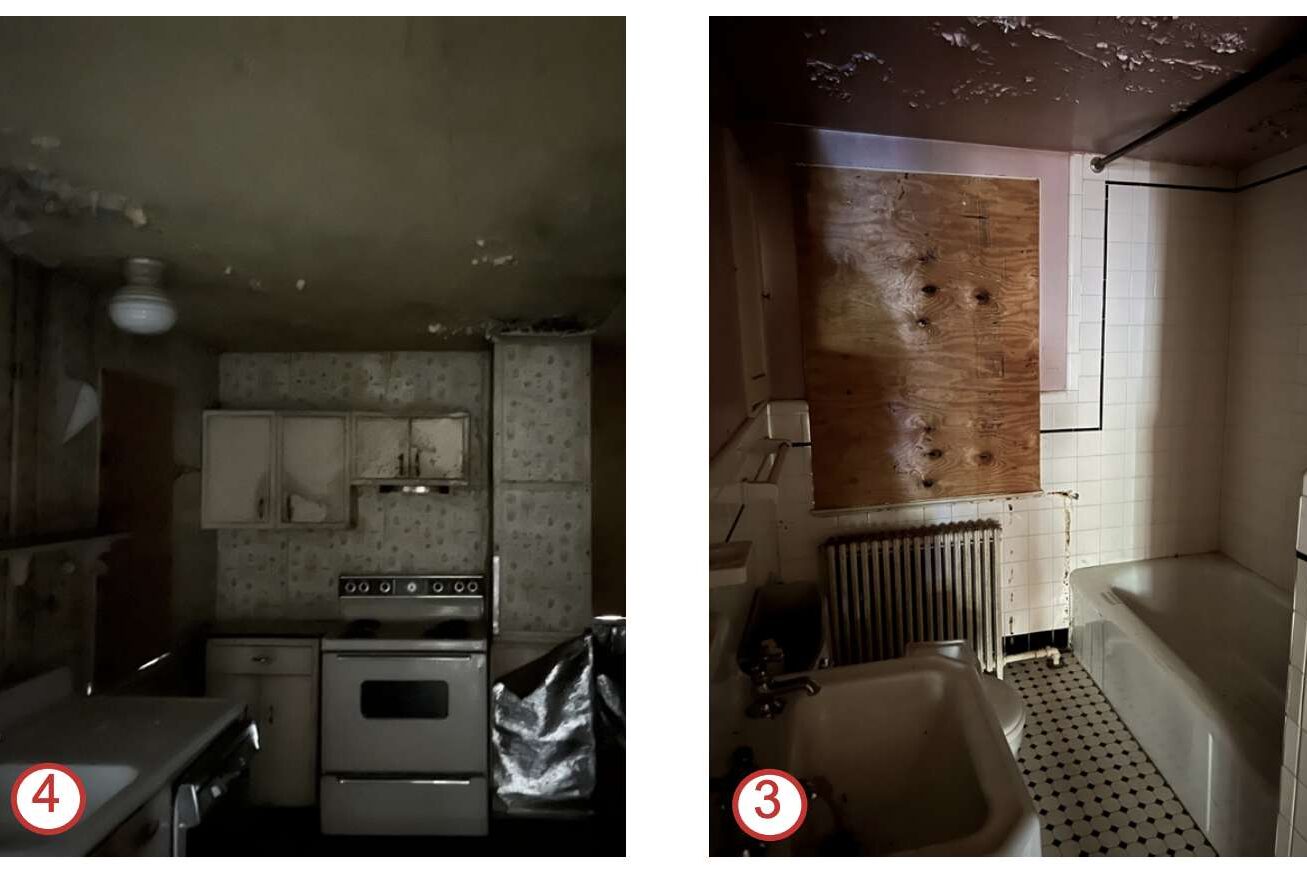
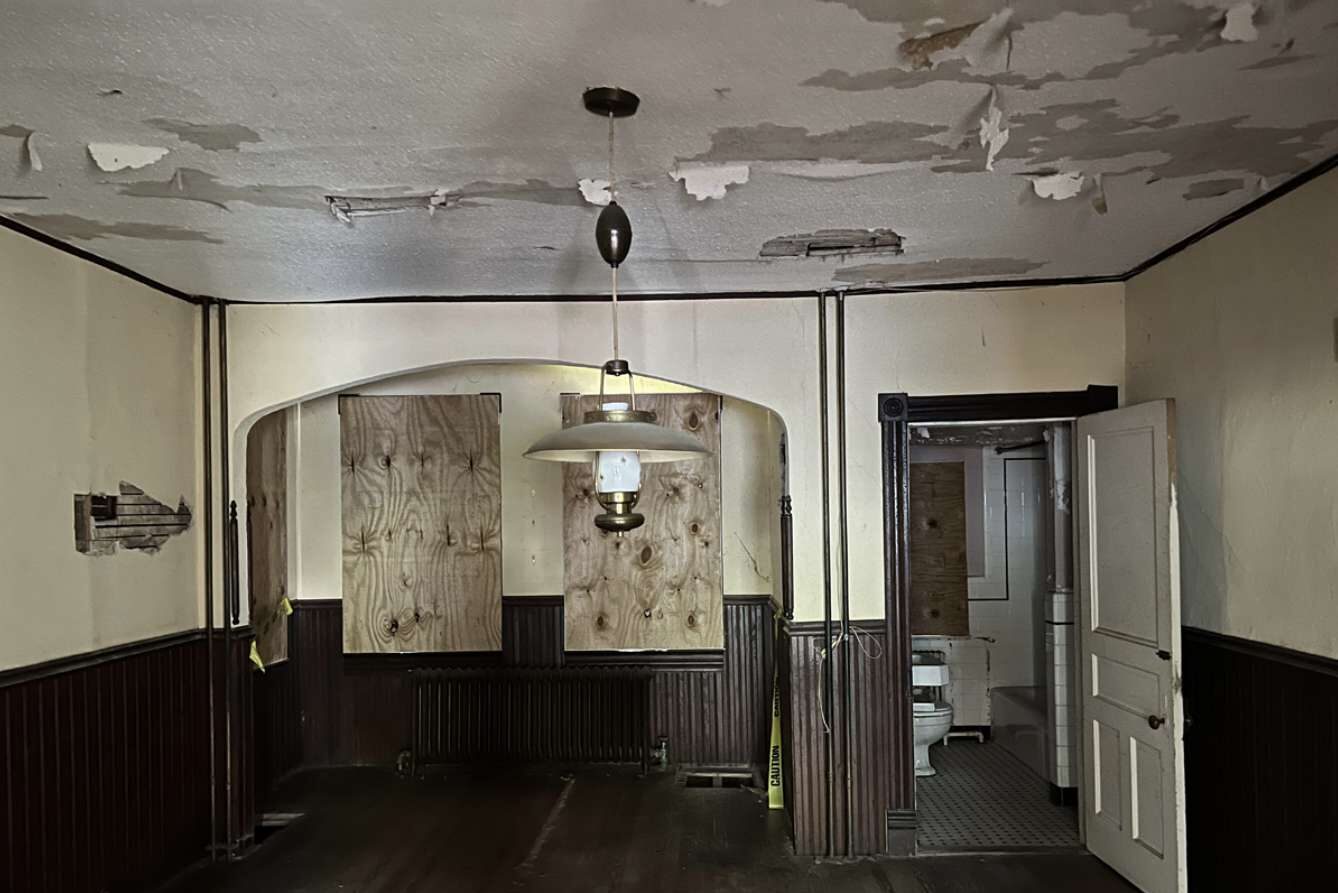
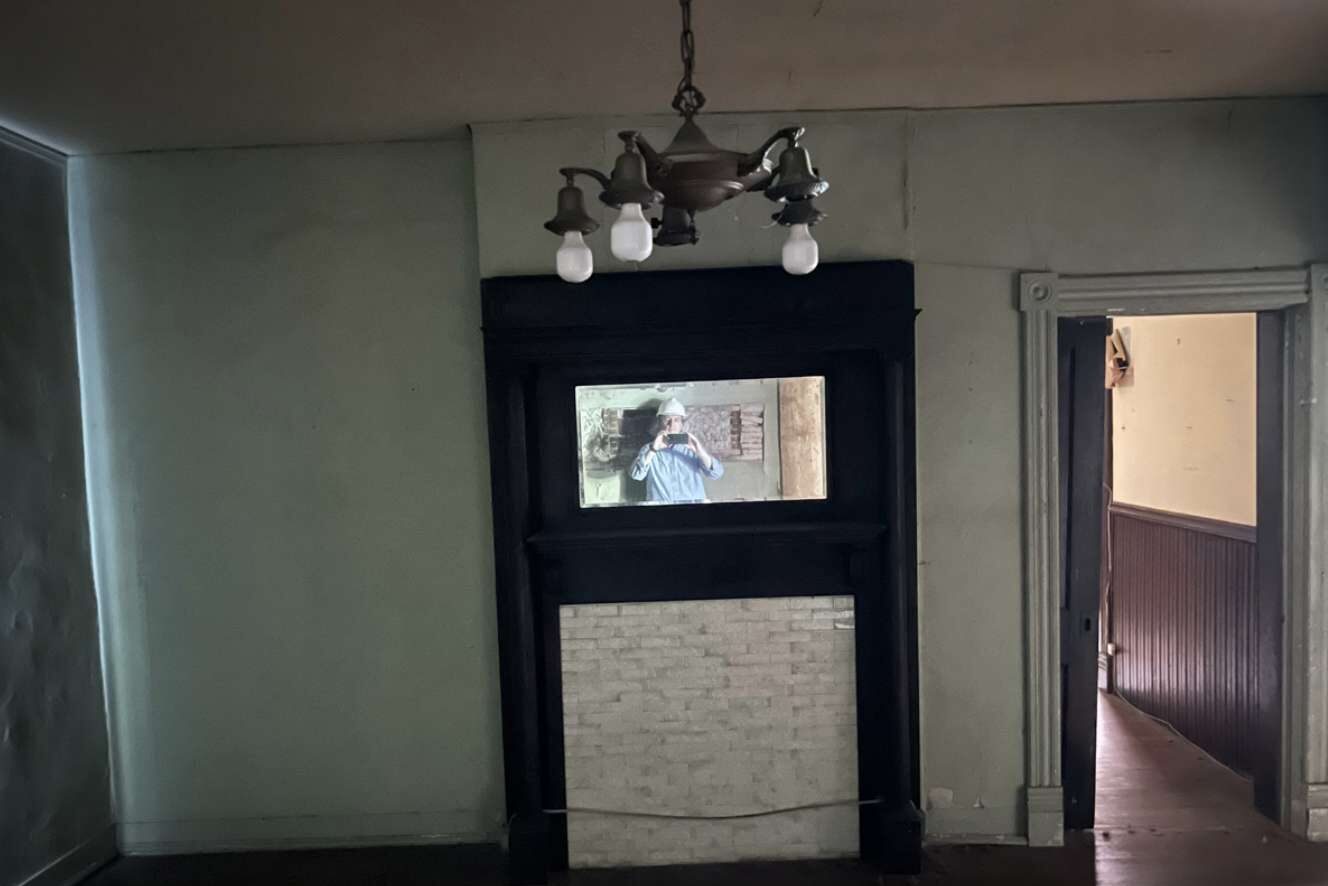
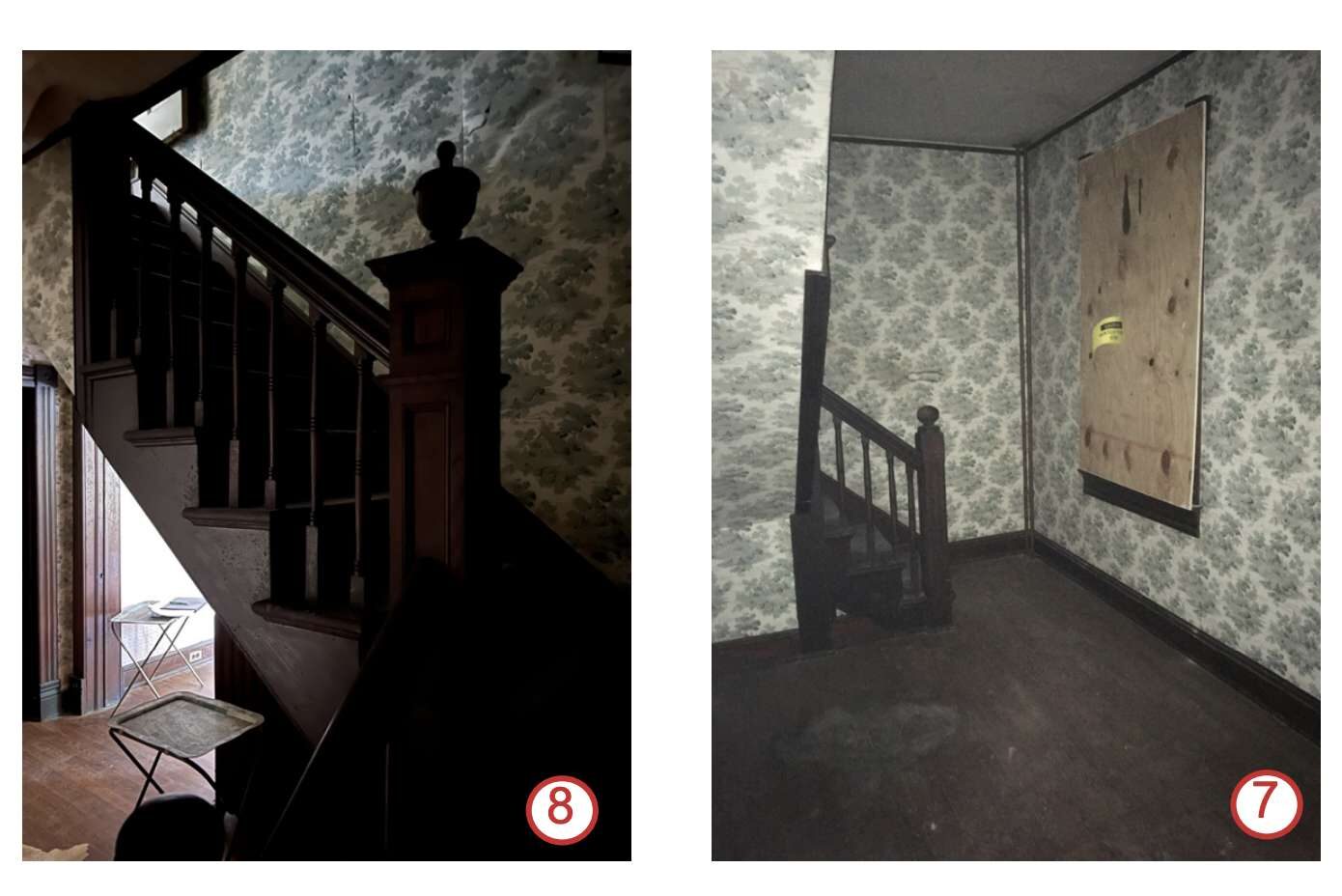
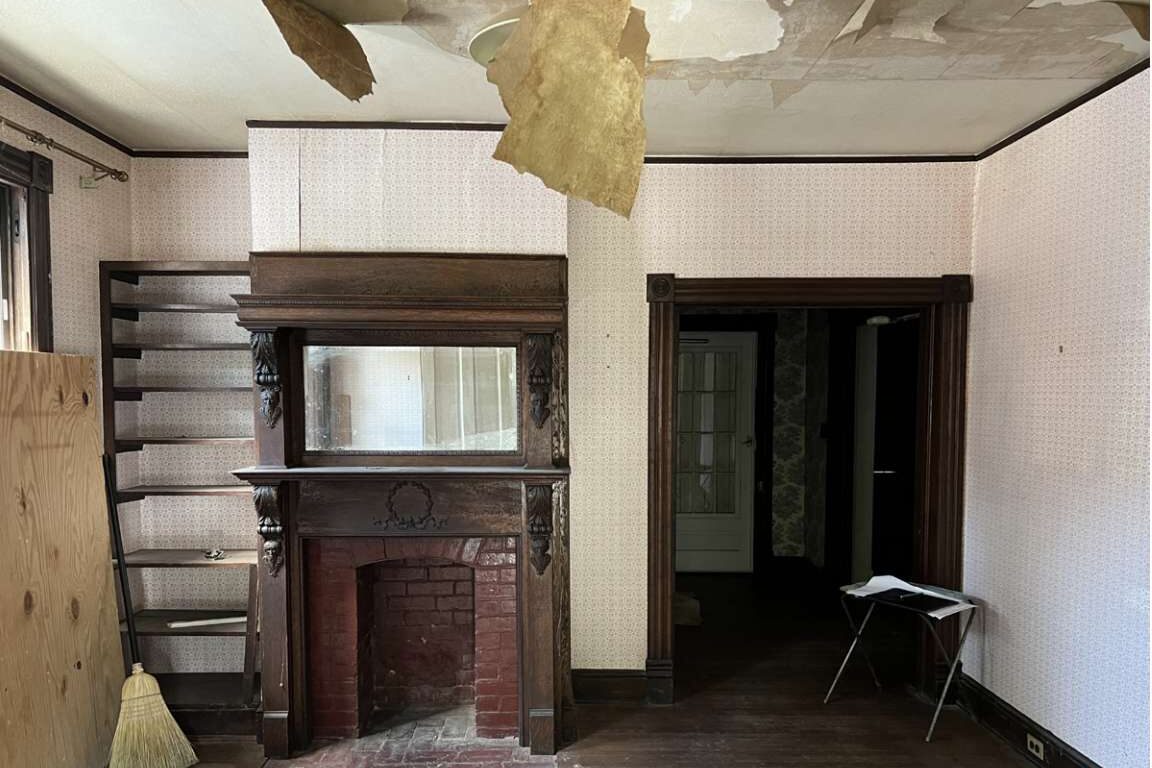
The interior of the Reeves Farmhouse owned by Arlington County (via Arlington County)
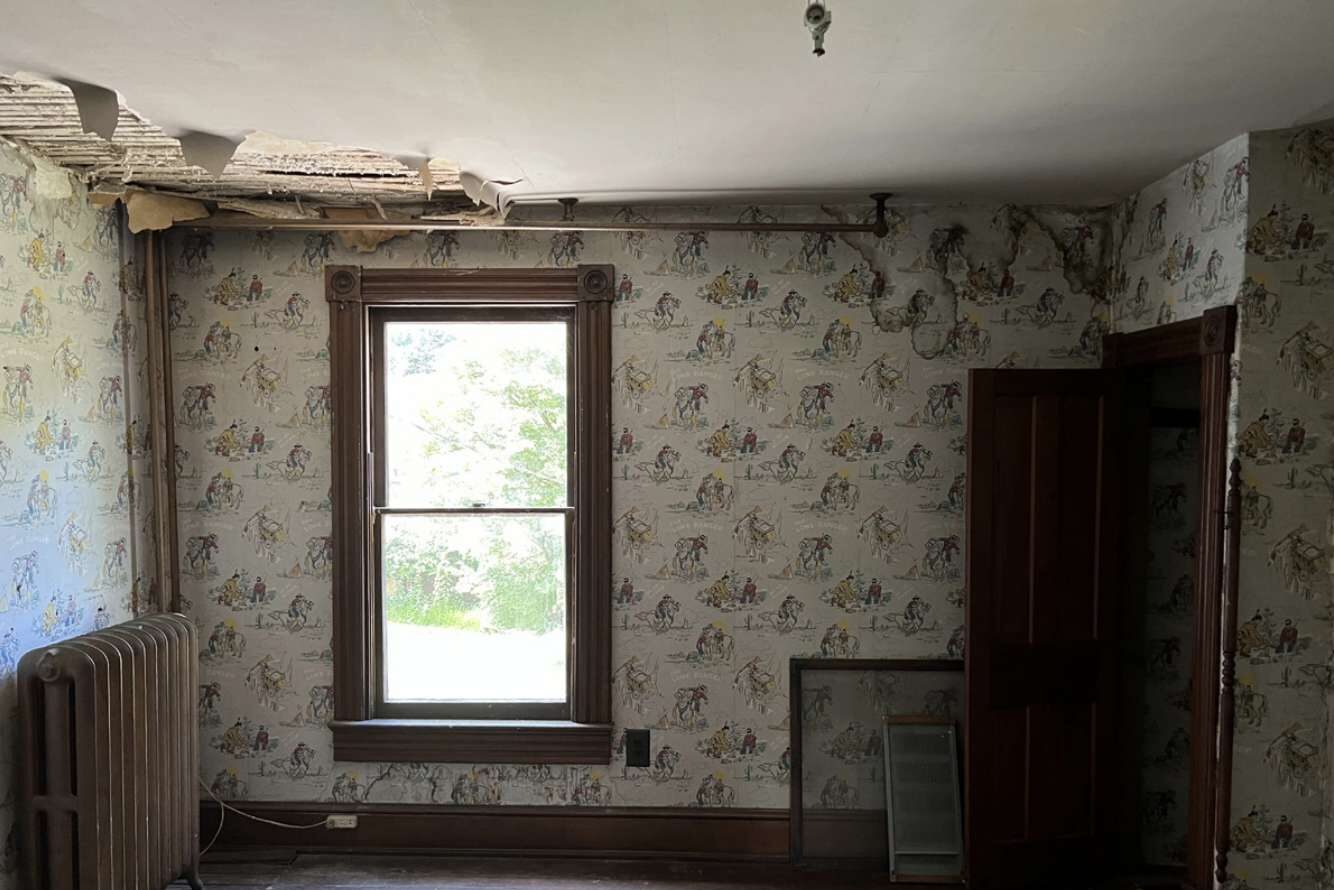
The interior of the Reeves Farmhouse owned by Arlington County (via Arlington County)
The interior of the Reeves Farmhouse owned by Arlington County (via Arlington County)
The interior of the Reeves Farmhouse owned by Arlington County (via Arlington County)
The interior of the Reeves Farmhouse owned by Arlington County (via Arlington County)
The interior of the Reeves Farmhouse owned by Arlington County (via Arlington County)
The interior of the Reeves Farmhouse owned by Arlington County (via Arlington County)
The interior of the Reeves Farmhouse owned by Arlington County (via Arlington County)
The interior of the Reeves Farmhouse owned by Arlington County (via Arlington County)
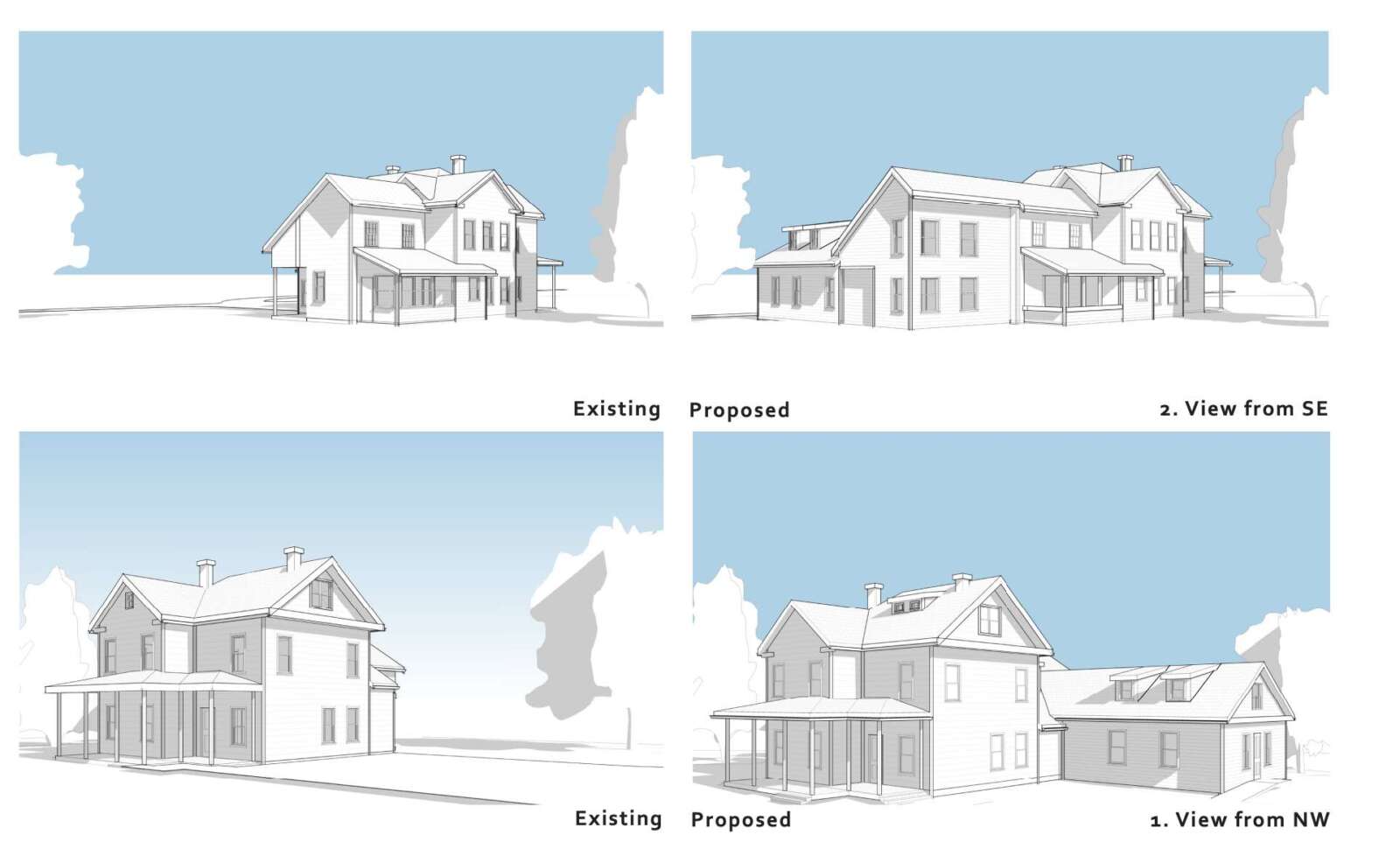
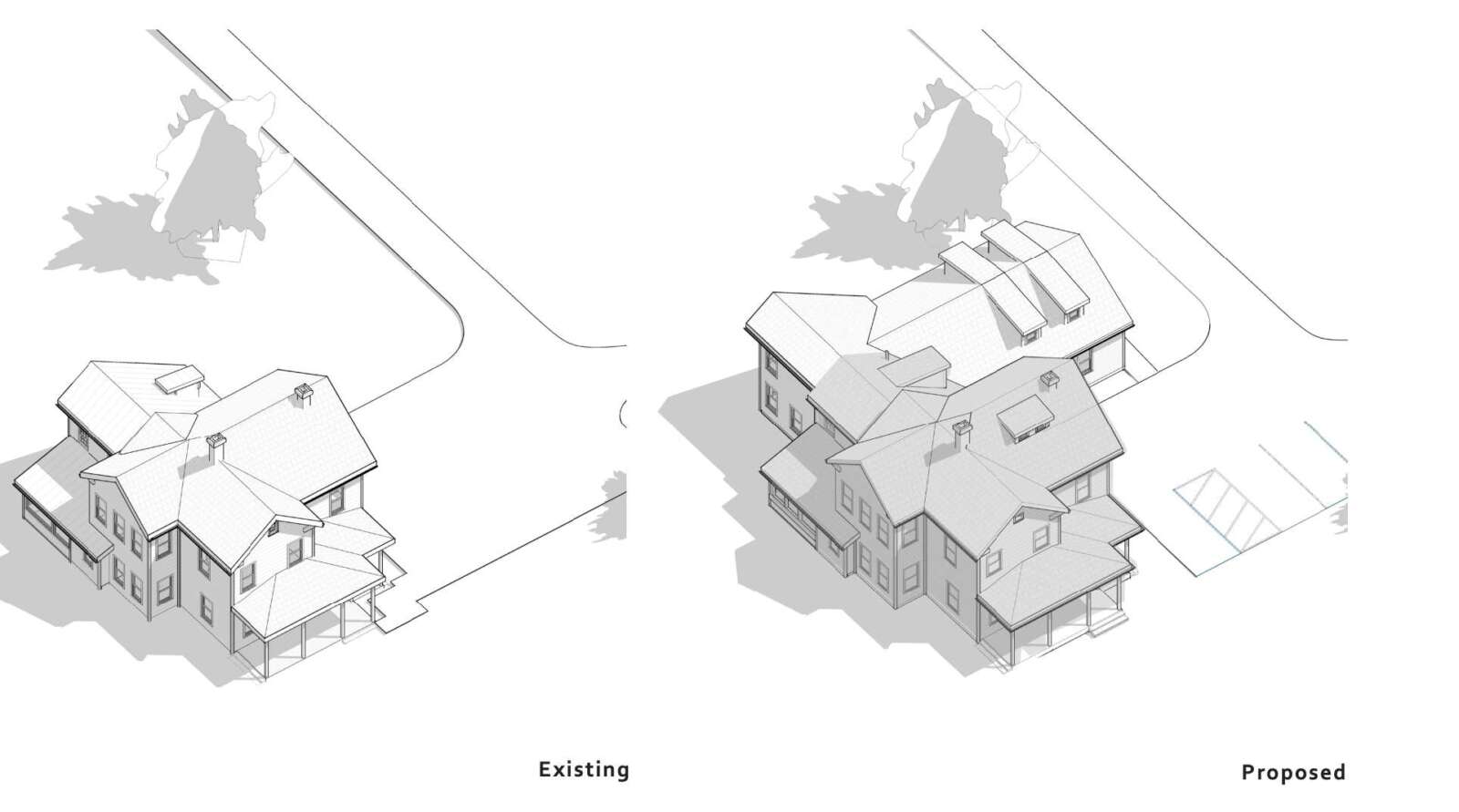
Plans for the Reeves Farmhouse additions (via Arlington County)
Plans for the Reeves Farmhouse additions (via Arlington County)
(Updated at 4:50 p.m.) After a pandemic-era hiatus, Habitat for Humanity has revived plans to turn a county-owned historic farmhouse into a group home.
Habitat DC-NOVA and HomeAid National Capital Region are propose to restore the exterior of the Reeves Farmhouse in the Bluemont neighborhood, modernize and renovate the interior, construct two new, historically compatible additions and update the landscaping.
The public would still be able to use two acres of parkland around it, including a milk shed, sledding hill and the Reevesland Learning Center gardens.
The nonprofits will be meeting with the Historic Affairs and Landmark Review Board tonight (Wednesday) to discuss plans for the home, which is more than 100 years old. Given the home’s local historic district designation, this board has the authority to review and approve major alterations, per a county report.
The farmhouse sits on the Reevesland property, notable for being the last operating dairy farm in Arlington County before closing in 1955. The local historic designation of the farmhouse and milk shed , from 2004, recognizes the property’s “architectural history and association with the rural and agricultural history of Arlington,” the report said.
“The Reevesland farmhouse is a two-story building with a stone foundation,” the report says. “The wood framing remains as underlying physical evidence of a number of additions and remodeling undertaken over more than 100 years, with the major changes occurring from 1878 to 1911.”
Arlington County purchased Reevesland in 2001 and began searching for appropriate uses for the “endangered” historic place in 2010, putting forth requests for proposals that never led anywhere. During these doldrums, some community groups suggested the county turn the property into a museum or learning center.
High renovation costs convinced the Board to move toward selling it in March 2017, despite some community opposition. Two months later, Habitat came to Arlington County with an unsolicited proposal to reuse the farmhouse for a group home for people with developmental disabilities.
It took three years, but the county and Habitat reached a non-binding letter of intent. One month after that was signed, the nation shut down due to the coronavirus pandemic and the project stalled.
Talks among the nonprofits and L’Arche Greater Washington — which will use the facilities for their core member program — and county staff about the project resumed in September 2022. DPR met with the Boulevard Manor Civic Association in January to provide an update on the project, a neighbor and a spokeswoman for Habitat told ARLnow after publication.
Plans include a two-story addition at the back of the house and a one-story addition at on the southwest side. These will increase the number of bedrooms to seven and provide access and gathering spaces suitable for people with mobility impairments.
A paved area west of the farmhouse will be expanded to provide parking and clearance for Metro Access vans that will provide transportation for future residents. It will also build a stormwater management bio-facility, which could be something like a rain garden.
A tree near the proposed two-story addition will be removed as the addition will conflict with some roots that are critical to its health. Habitat will discuss ways to mitigate this loss with the county’s Urban Forester.
In the county report, Historic Preservation Program staff say they support the project because the addition will be distinct from the historic structure and the landscaping changes will not harm the property’s setting.
“The proposed one- and two-story additions will not detract from the scale or massing of the historic farmhouse, as their designs are compatible with the existing vernacular architecture and can be distinguished from what is historic and new construction,” per a county report.
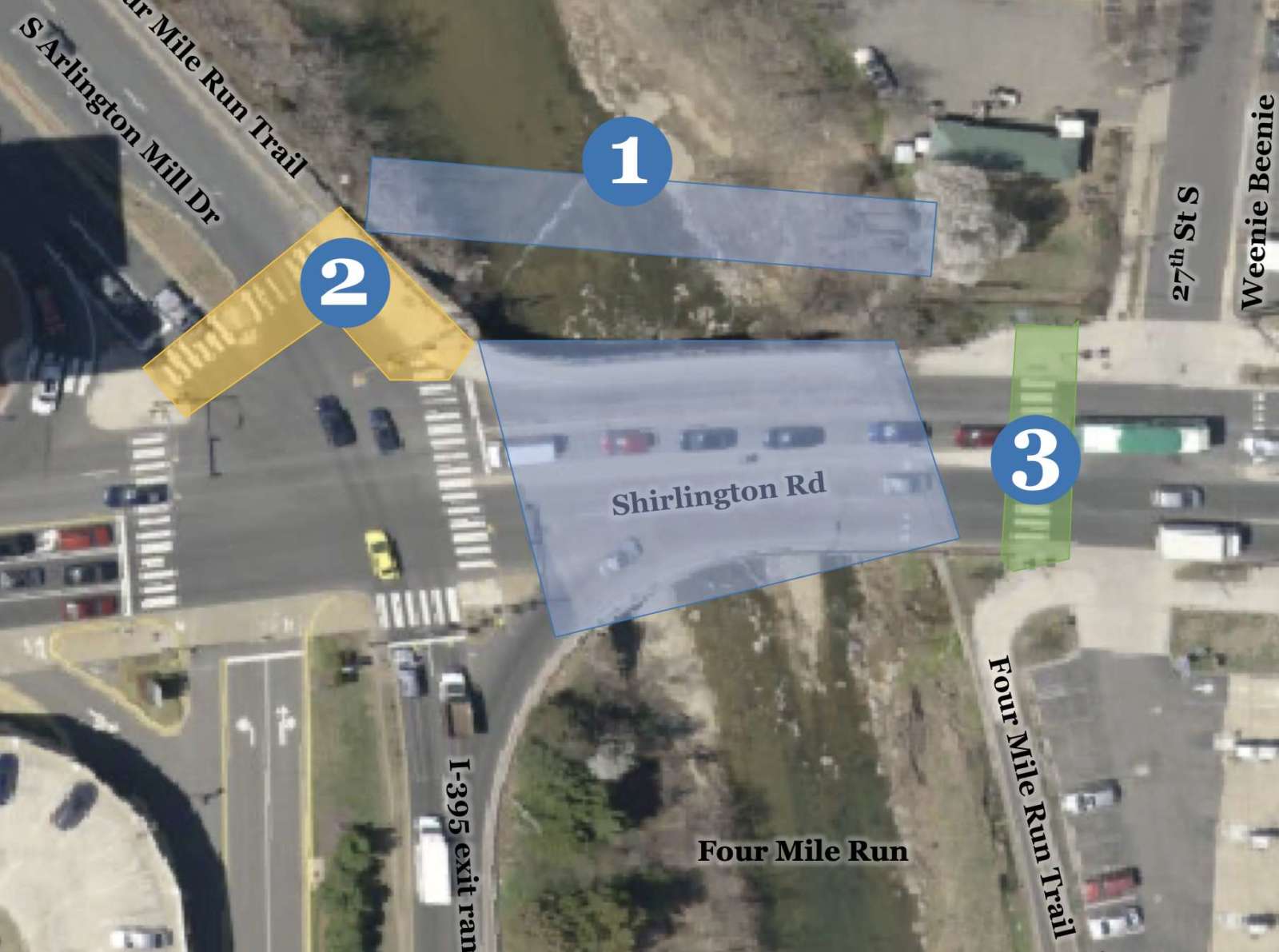
Concept design of a new pedestrian bridge across Four Mile Run, parallel to the Shirlington Road bridge (via Arlington County)
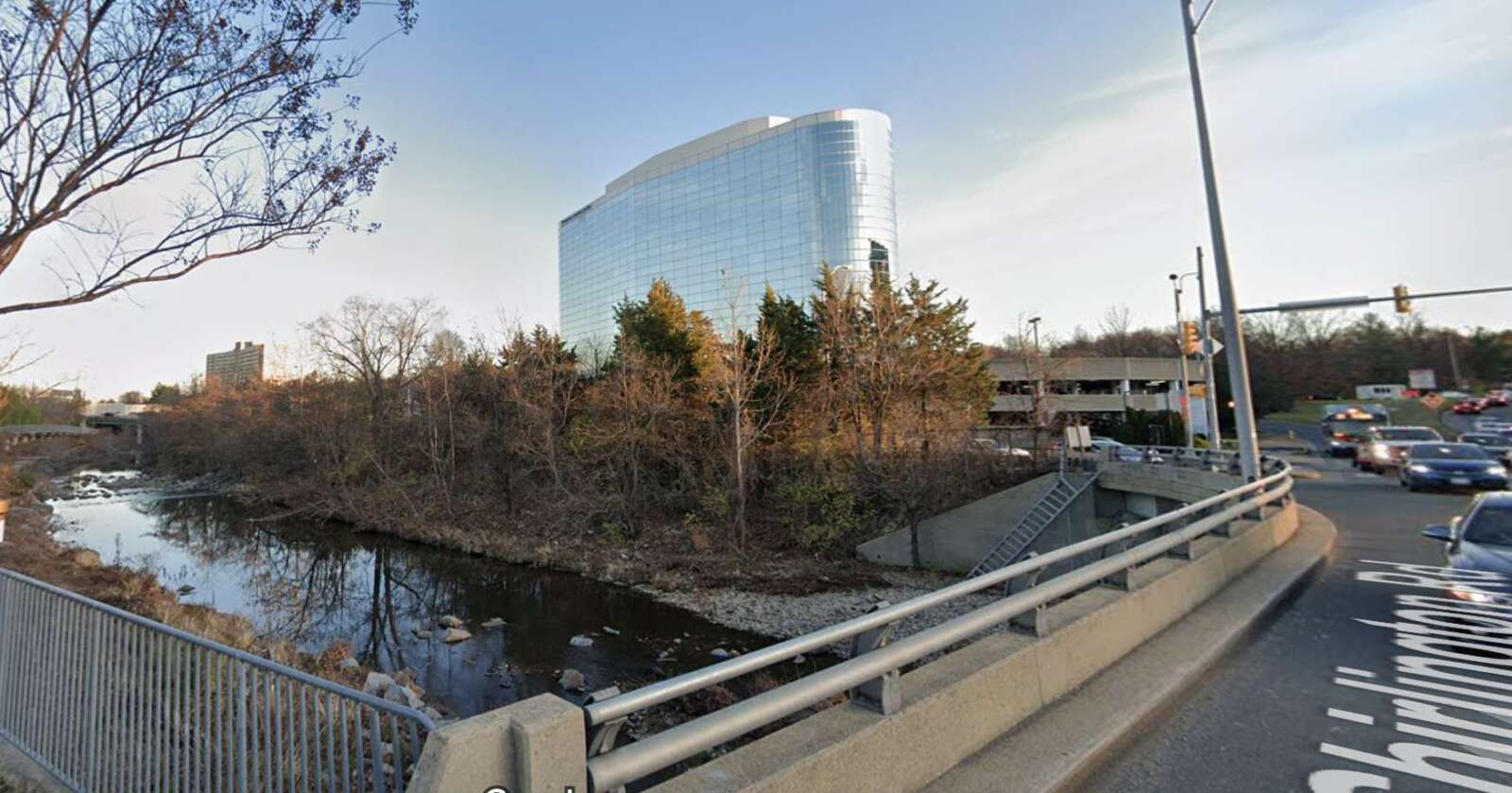
The location of where the Shirlington Road Pedestrian Bridge will go, parallel to the vehicle bridge (image via Google Maps)
The County Board is set to vote this weekend on a contract to build a long-awaited pedestrian bridge.
On Saturday, it is expected that the Arlington County Board will approve a $1.6 million contract to construct the Shirlington Road Pedestrian Bridge. The 15-foot-wide prefabricated steel bridge will run the length of Four Mile Run and parallel to the road with the purpose of providing safer bicycle and pedestrian access.
It will connect Shirlington and S. Arlington Mill Drive to Jennie Dean Park and the Green Valley neighborhood. It will also serve local users of the heavily-used Four Mile Run and W&OD trails nearby.
Work on the bridge could begin in the second half of this year if the contract is approved over the weekend, Arlington Dept. of Environmental Services spokesperson Claudia Pors told ARLnow. That would mean a completion date in mid to late 2024.
“The existing Shirlington Road vehicular bridge primarily funnels vehicles to/from I-395 and lacks safe, comprehensive accommodations for pedestrians and bicyclists traveling through this area,” the report to the Board says.
“This project will provide a key missing link in the County’s bicycle network by providing a north-south protected bicycle facility that will link up with the existing Four Mile Run Trail along South Arlington Mill Drive to the west and along Four Mile Run in the City of Alexandria to the east of the bridge,” the report adds.
The bridge has been under discussion for two decades and has been the topic of conversation among county staff and the public for years.
It will be constructed in two parts, per Pors. First, the span will be built offsite, a process that will take about nine months, while abutments will be added at S. Arlington Mill Drive and Jennie Dean Park where each end of the bridge will go. Around this time, the bridge’s walls will be built and the sidewalk and crosswalk at S. Arlington Mill Drive will be shuttered. Bike and pedestrian traffic will be detoured.
The bridge, then, will be lifted by a crane and installed.
“It’s possible that lanes on the existing bridge will close to accommodate this installation, and the public would be given notice of any detours,” Pors noted.
New street lighting on each end of the bridge will be installed as well, plus median, sidewalk and crosswalk retrofits. A new Rectangular Rapid Flashing Beacon will be installed in the median as well.
The work is set to be done by D.C.-based Milani Construction, whose $1.38 million bid (plus $277,000 in contingency costs) actually came in under the county engineer’s estimated construction cost.
Last year, work was completed on the parallel vehicle bridge on Shirlington Road. That included resurfacing, routine maintenance, widening the sidewalk by several feet on the west side of the bridge, widening curb ramps, and adding a median at the mid-block crosswalk near 27th Street S.
A number of these improvements came as a result of public feedback.
Additionally, the county is set to study the feasibility of adding another crossing at the intersection of S. Arlington Mill Drive and Shirlington Road.
“County staff have begun study efforts and anticipate reaching out to the public for input this fall,” Pors said.