
This regularly scheduled sponsored Q&A column is written by Eli Tucker, Arlington-based Realtor and Arlington resident. Please submit your questions to him via email for response in future columns. Video summaries of some articles can be found on YouTube on the Ask Eli, Live With Jean playlist. Enjoy!
Question: I’ve read a lot of bad news about the real estate market, how is that playing out in Arlington?
Answer: Bad news sells… keep that in mind as you get your daily/weekly dose of headlines that the housing market is collapsing under the weight of high interest rates and overinflated prices. With that said, I’m not about to deliver a rosy picture of the Arlington real estate market, but it’s important to keep in mind that most of what you’ll see in the news will be cherry-picked statistics and stories around the country/region that are likely more extreme than what our market will experience overall.
Arlington remains one of the most stable, reliable real estate markets in the country. We are absolutely feeling the effects of a dramatic tide shift in demand, but just as our market didn’t see meteoric price increases like other markets from Loudoun County to Tampa to Boise during summer 2020 to spring 2022, we most likely won’t experience as extreme of a pullback while interest rates remain high.
Usually, you’d scroll down and see a lot of charts and data from me in an article like this, but I don’t think we have enough of the right data yet to tell an accurate story of property values in Arlington. So this week is more of a stream of conscious of my thoughts on property values, with a few data points sprinkled in. I welcome any and all theories, agreements, and disagreements in the comments section!
Have Prices Gone Down?
The short answer is “yes,” prices have come down from their 2022 peak. By how much? That is a very difficult question to answer and there’s no reliable way for us to know at this point. So let’s talk about how I think we should we talking about prices based on what we do and do not know at this stage:
What we do know:
- The prices we saw in the first half of this year are out of reach, in most cases.
- In the last seven days, 52 properties in Arlington (12.5% of homes for sale) have cut their asking price, which is a pace consistent with previous seven-day windows. Odds are this pace increases as we get closer to, and into, the holidays.
- Price reductions and sale prices are not being discounted anywhere close to enough to offset the difference in monthly payments between earlier this year and now
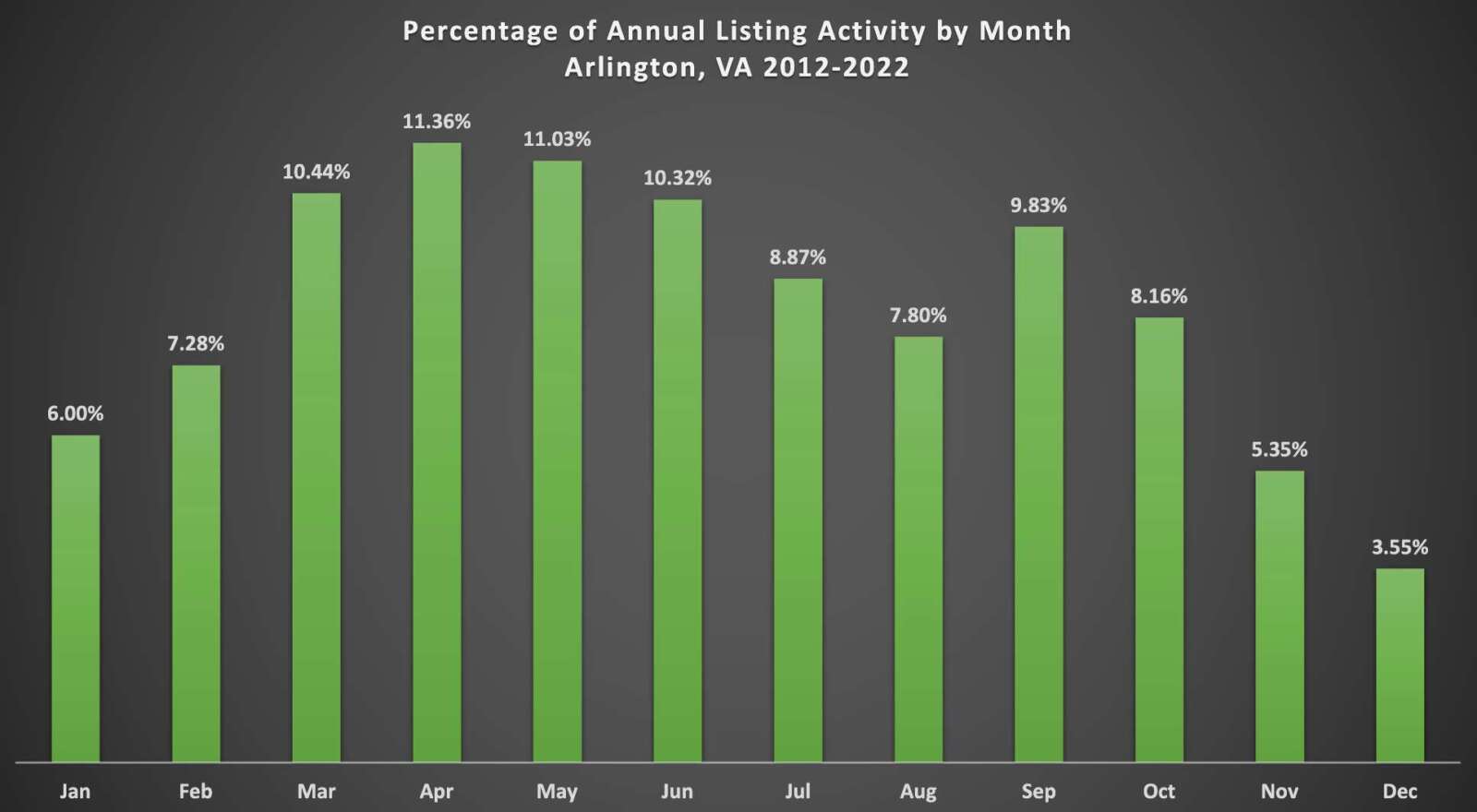
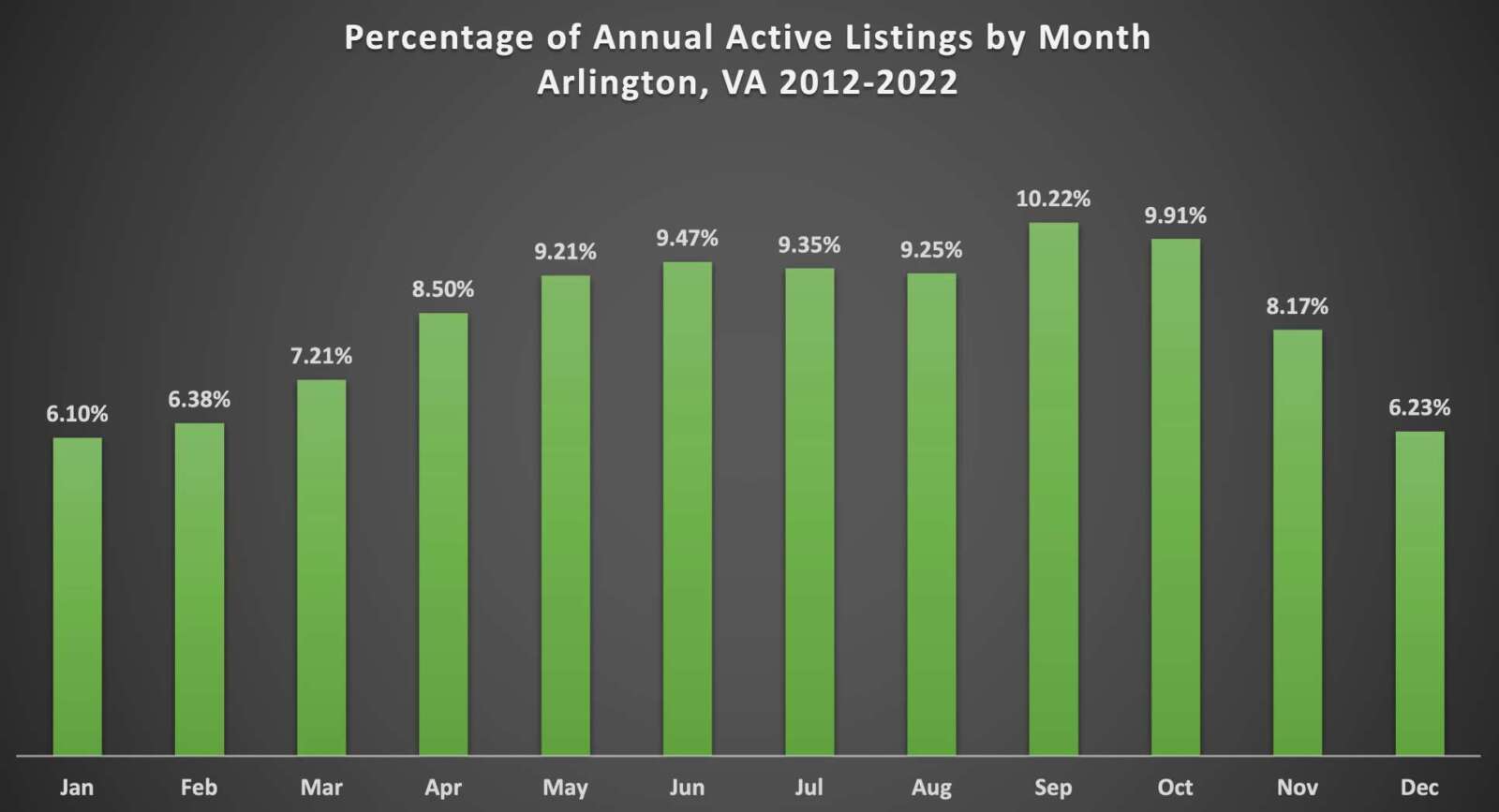
- The market always slows in the summer and continues to taper off through the end of the year (with the exception of September/early October), we’re just experiencing a more dramatic version of seasonality because of the sharp interest rate increases that have paralleled the traditional seasonal slowdown and because of where we’re coming from — insane demand for nearly two years.
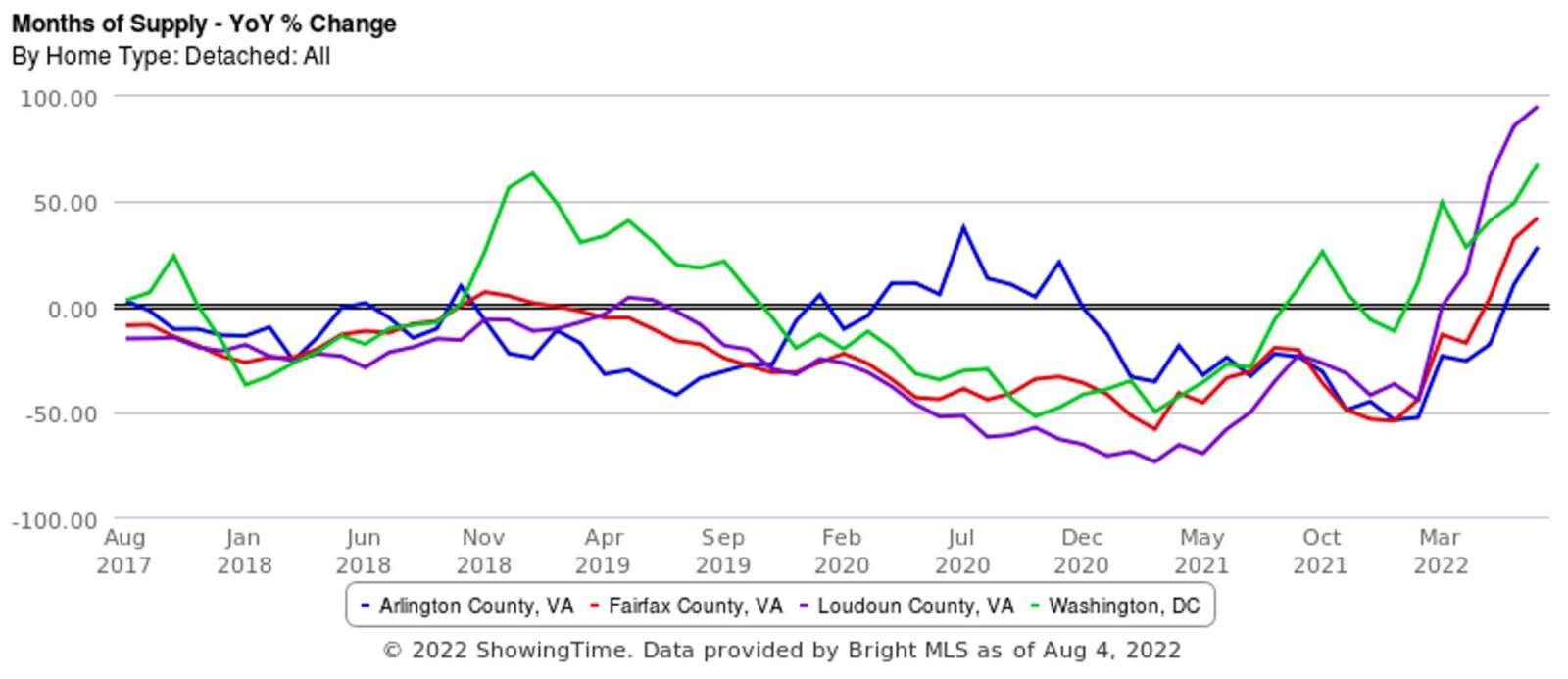
- Supply coming to market is down, contract activity is down, and showing activity is down all about 20-30% year-over-year.
What we don’t know:
- What is the appropriate baseline to judge price change from? Is it the relatively short window of peak pricing from roughly February-May 2022? If you want headline news, sure, but if you want a more accurate/helpful perspective on market conditions, you probably want to use a wider data set that goes back to Q2/3 2021.
- We don’t have anywhere near enough data points after the market inflection this summer to assess market price changes in Arlington (or even Northern Virginia or the D.C. Metro, in my opinion) and because sold price data lags so much behind shifts in market condition, we won’t truly know what the pricing effects were on Q3/Q4 markets until at least February 2023 because many homes struggling to sell now won’t show up in sold data until then.
- There’s no precedent for how buyers as a whole will respond to such extreme interest rate increases (see chart below that I saw last week on mortgagenewsdaily.com that highlights the historical significance of recent rate increases), so it makes pricing challenging for sellers (and buyers, for that matter). Days on market has increased 2-3x or more for most sub-markets and the number of showings are down by about 30-35% year-over-year so it can also be very difficult for sellers to infer whether their time on market is price induced or not. A lot of current pricing is based on seller motivation and their hope/fears of market conditions 3-6 months from now.