Fight Over Aquatics Center Operation Costs — Local budget hawks are worried that operating costs of the new Long Bridge Aquatics Center may take a chunk out of the county budget. The current staff estimate is about $1 million per year of net taxpayer support for operating costs, with a caveat that there may be a ramp-up period with less revenue and thus net higher costs. [InsideNova]

Arlington Honors ‘Fast Four’ Companies — Arlington County on Wednesday honored the fastest-growing local companies in four revenue categories. The companies honored were: Courthouse-based Mind Body Health, digital marketing company Knucklepuck, Ballston-based Deep Learning Analytics and another Ballston tech-oriented company, Apogee Research. [Arlington County]

Eastern Foundry Expanding Again — Arlington-based startup incubator Eastern Foundry is working with investors to launch Global Foundry, which will “provide international companies entrée to U.S. commercial and government markets, while exposing potential American customers to the innovation taking place overseas.” [Washington Business Journal]

Flickr pool photo by Eric


The Arlington County Board voted to allocate the just-over $11 million in surplus funds to five “near-term” needs, but clashed over its use for affordable housing.

Board members voted 4-1 to follow County Manager Mark Schwartz’s recommendations and allocate the funds in the following ways:

  • Affordable Housing Investment Fund: $5.2 million in one-time funding to be set aside for the FY 2019 budget.
  • Critical Life Safety Needs: $2 million for unanticipated security system upgrades to the county’s Justice Center in Courthouse.
  • Employee Compensation: $1.75 million to reflect changes in federal law on several position classes in public safety.
  • County Manager Operating Contingent: $1.25 million to address “unforeseen needs that arise during the fiscal year without reprioritizing or cutting other programs.”
  • Facility Studies: $900,000 to primarily fund additional site analysis at the Buck and Carlin Springs sites, as directed by the Board.

Board member John Vihstadt voted against the proposal, and instead tried to free up the funds for three items — the Affordable Housing Investment Fund (AHIF), the manager’s operating contingent and facility studies — for next year’s budget cycle. Vihstadt said those three recommendations were not emergency needs.

“These may well be necessary and appropriate, but this is not reason enough for me to short-circuit the extensive and robust budget process the manager has already begun just because the money is here now,” Vihstadt said. “It doesn’t mean that every penny should be spent. Let’s hold this up to the air and the light and the sun and consider everything holistically as part of the budget cycle that comes in the next few months.”

But Vihstadt’s plan failed on a 4-1 vote, while a similar plan by Board member Libby Garvey to not allocate the $5.2 million in AHIF funding and instead give Schwartz room to make a decision on where it could go went down 3-2.

Fellow Board members were critical of the proposals. Vice Chair Katie Cristol said it is imperative for the facility studies to advance, while Board chair Jay Fisette said denying money for affordable housing was “undermining a key priority to the community.”

“In my view, Mr. Vihstadt’s alternative proposal undermines the current Board priority on affordable housing,” Fisette said.

At the same meeting, the Board provided its budget guidance to Schwartz for FY 2019, and asked him to propose a “balanced budget within the existing tax rate.” The guidance also calls on Schwartz to “include expenditure or service enhancements that are fully offset by reallocations or fee revenue increases.”

The Board approved a 1.5-cent property tax hike for FY 2018 earlier this year, and expects to see moderate revenue growth for FY 2019.

“However, there is uncertainty regarding the impact of the state and federal budgets, as well as potential legislative changes to federal income tax policy, on the County, and real estate assessments are not yet known,” the Board wrote. “Further, the projected moderate increase in revenues is not keeping pace with budget pressures in expenditures, creating an expected budget gap of $10-13 million for FY 2019.”

Board members called on Schwartz to maintain affordable housing funding, and allocate 46.6 percent of county revenue to Arlington Public Schools, consistent with previous years.

They also said Schwartz should include funding for Metro that does not exceed the proposed 3 percent cap on annual increases in funding, and assumes that a new state or regional funding source will cover higher capital costs.

The budget process, which is already underway for FY 2019, will kick into high gear in the new year.


Arlington County could face a funding shortfall of up to $13 million in its Fiscal Year 2019 budget, according to budget projections by County Manager Mark Schwartz.

At the Arlington County Board’s meeting yesterday (Tuesday), Schwartz projected revenue will grow by 2.9 percent in FY 2019, but the county’s expenditures will grow by 4 percent. That would result in a funding gap of between $10 million and $13 million.

The funding gap assumes the current real estate tax rate of $1.006 per $100 of assessed value will remain the same. County staff is also projecting “modest growth” in assessed property values.

The projections are only for county government, and do not include revenues and expenditures for Arlington Public Schools. The forecast largely keeps the county’s operations and services budget the same, with the exception of expansions in transit service as laid out in the Board-adopted Transit Development Plan.

“This is a preliminary projection — it’s still early in the budget-building process,” Schwartz said in a statement. “We have additional information that will come in the next few months — including actuarial reports for our pension and retiree healthcare, state budget proposals as well as Metro’s updated financial forecast.”

Through November 22, residents can share feedback online about the FY 2019 budget, in addition to the series of public roundtables that end this week.

The county is also seeking feedback on Schwartz’s plan to spend the $11.1 million surplus from this past year’s budget between five “near-term needs,” including affordable housing, facilities studies, public safety employee compensation, a fund for “unforeseen needs” and a security system upgrade at the county’s Justice Center.

Residents can email [email protected] with comments on the plan. Those comments will then be compiled and shared with the County Board before its November meeting, where members will vote on close-out spending.


Arlington County Manager Mark Schwartz is recommending the county’s just-over $11 million surplus be spent on several “near-term needs & County Board policy priorities,” including affordable housing.

County staff said $11.1 million is left over, 1.4 percent of the county’s FY 2017 General Fund budget, excluding money appropriated to Arlington Public Schools.

The county collected just over $1.022 billion in revenue from property, business, sales taxes and other sources, having projected in April it would collect just over $1.004 billion. That is 1.8 percent more than projected.

“It is the lowest as a percent of total budget in recent years; in FY 2016, available funds totaled $17.8 million, or 2.4 percent, and in FY 2015 available funds totaled $21.8 million,” staff wrote. “This reflects diligent focus on executing the adopted FY 2017 budget.”

Schwartz is recommending the Arlington County Board use the leftover funds in the following ways:

  • Affordable Housing Investment Fund: $5.2 million in one-time funding to be set aside for the FY 2019 budget.
  • Critical Life Safety Needs: $2 million for unanticipated security system upgrades to the county’s Justice Center in Courthouse.
  • Employee Compensation: $1.75 million to reflect changes in federal law on several position classes in public safety.
  • County Manager Operating Contingent: $1.25 million to address “unforeseen needs that arise during the fiscal year without reprioritizing or cutting other programs.”
  • Facility Studies: $900,000 to primarily fund additional site analysis at the Buck and Carlin Springs sites, as directed by the Board.

“As was started with housing grants as part of the FY 2018 budget, it is important to move to a higher level of ongoing funding for AHIF in the future,” staff wrote. “This transition to a higher amount could take several years, and the transition can be eased with reliance on available one-time funding.”

Certain community members and some County Board candidates have criticized the closeout practice in Arlington, and instead suggested the extra money should be given back to residents and businesses as tax relief, or at least applied to the next year’s budget.

The County Board will consider its options at its recessed meeting tomorrow (October 24), although numbers are preliminary until the county’s independent auditors complete their work at the end of the month.


Funding for schools, Metro and public safety officials weigh heavily as Arlington County’s initial budget conversations continue.

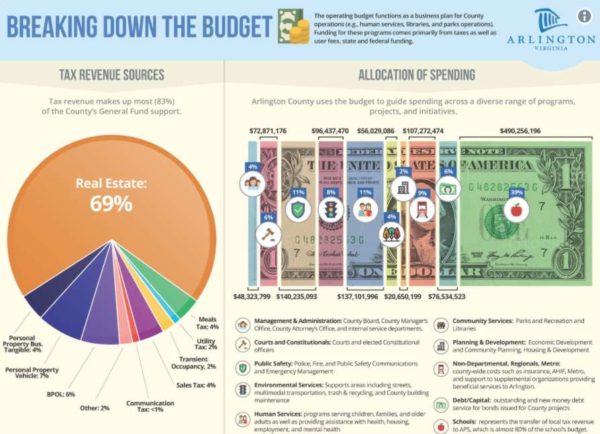
In an infographic released yesterday (Tuesday) ahead of more public roundtables to discuss the FY 2019 budget, county staff highlighted how the county spends its money and the challenges ahead.

According to the data, the biggest expense in the county’s operating budget is Arlington Public Schools, which is allocated $490.2 million by the county, or 39 percent of its budget. Human services and public safety are second and third, around $140 million each, or 11 percent.

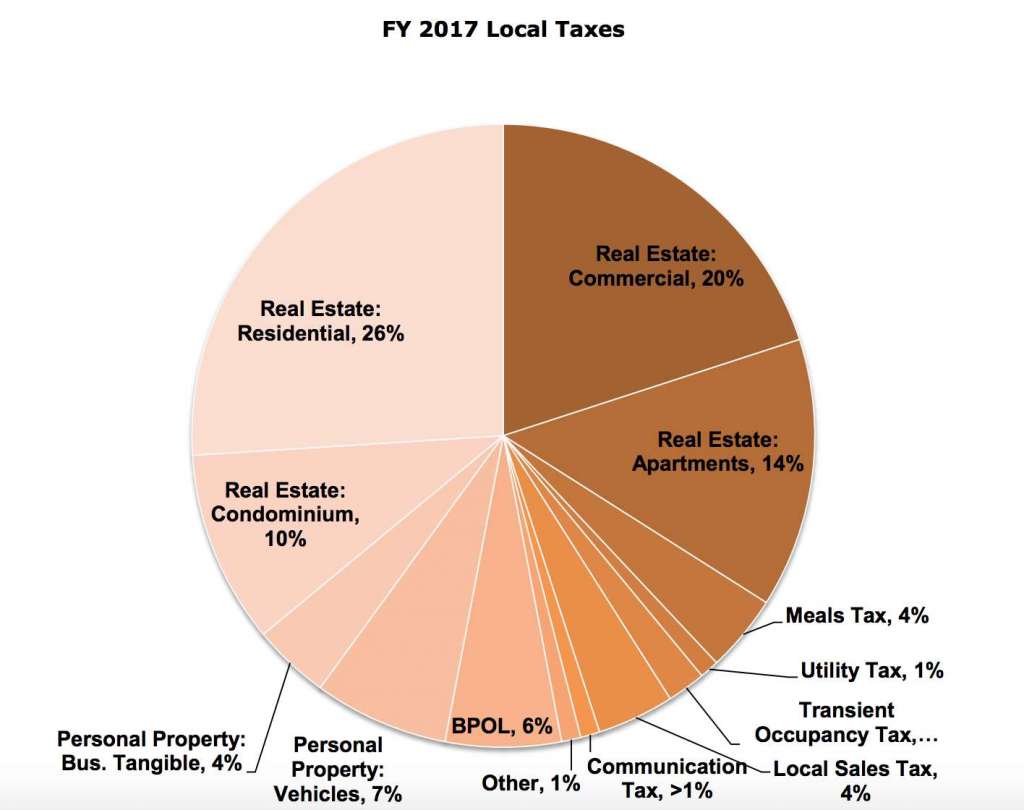
Among the challenges ahead, staff said APS enrollment has grown by 850 students a year for the last five years, and it takes up almost all of the $510 million raised from real estate taxes on homes, condos and apartments.

And with Metro needing more money and an office vacancy rate of 17.8 percent, which keeps commercial real estate revenue down, county leaders are expecting some tight fiscal times and hard budgetary decisions.

A number of groups will be looking to influence county leaders’ thinking during the budget discussion. Among them is IAFF Local 2800, the Arlington Professional Firefighters and Paramedics Association.

In a tweet Tuesday, the group said firefighters, paramedics and police officers need a market adjustment to their salaries — a pay rise to keep up with inflation and the rising cost of living — to “remain competitive.” The last adjustment was in 2013.

According to figures provided to ARLnow.com by IAFF Local 2800, starting pay for county firefighters is 20 percent below the regional average and only $2 more per hour than the county’s minimum wage.

Since the last “market adjustment,” the group said, inflation in the region is up almost 5 percent, the cost of family HMO health insurance for county employees has increased over 45 percent, and the cost for HMO coverage for retirees and their spouses has increased over 55 percent.

Local 2800 added that new firefighters will earn 12 percent less per hour over a 20-year career compared to their peers in Fairfax, Prince William, Prince George’s and Montgomery Counties, the City of Alexandria and D.C.

“Arlington invests a tremendous amount of money in hiring, training and developing its firefighters,” said Brian Lynch, President of Local 2800. “Every time a firefighter leaves the department for another opportunity or does not complete their probationary period, we consider this a loss of an investment in human capital. If the department’s physical capital, vehicles, tools etc. were being lost the way we are losing our people, it would be considered common sense to try to stop the losses. There is not only a moral imperative to fairly compensate those who risk their lives to protect the community, there is also a fiscal imperative.”


Arlington Kicking Off Budget Process Early — Normally it is a conversation that starts later in the year, but for the upcoming Fiscal Year 2019 budget process Arlington County is holding “an earlier-than-ever-before series of roundtable discussions on budget priorities and challenges.” The first is scheduled to take place at Westover Library on Friday, Sept. 29. [Arlington County]

More Renovations for Crystal House — The second phase of an extensive renovation process at the massive, historic Crystal House apartment complex in Crystal City is complete: “Some of the amenities include two rooftop ‘sky decks’ with billiard tables, rooftop grilling and dining areas, and a fitness center with a yoga studio. There is also an Olympic-sized swimming pool, new lobbies with Wi-Fi, a clubroom, and a conference room.” [Curbed]

Arlington’s Little League Coach of the Year — Arlington Little League coach Larry Patent beat out 276 other coaches in the league to win the honor of Coach of the Year. “What makes Larry Patent special,” writes a reporter for TV station WUSA 9, “is that he coaches a team made up of players with mental and physical disabilities.” [WUSA 9]

County to Issue New Bonds — Arlington County is expected to sell tens of millions of dollars worth of revenue bonds next month. The bonds will fund the acquisition of the Buck property across from Washington-Lee High School, the “acquisition, design and construction of an office building at 2920 S. Glebe Road,” and “upgrades to the County’s Assessment and Collection system and Enterprise Payments System.” The bonds will also refinance older bonds and save up to $3.8 million. [Arlington County]

Jimmy Carter Can’t Help Local Office Market — Despite the protestations of a local civic activist, Arlington County officials say they cannot successfully sue the federal government over a 1970s-era executive order from President Jimmy Carter that gave D.C. and Arlington “priority in the location of federal agencies in the Washington area.” Federal offices have been moving out of Arlington for cheaper office space farther away from the District. [InsideNova]

Photo courtesy Joe Cashwell


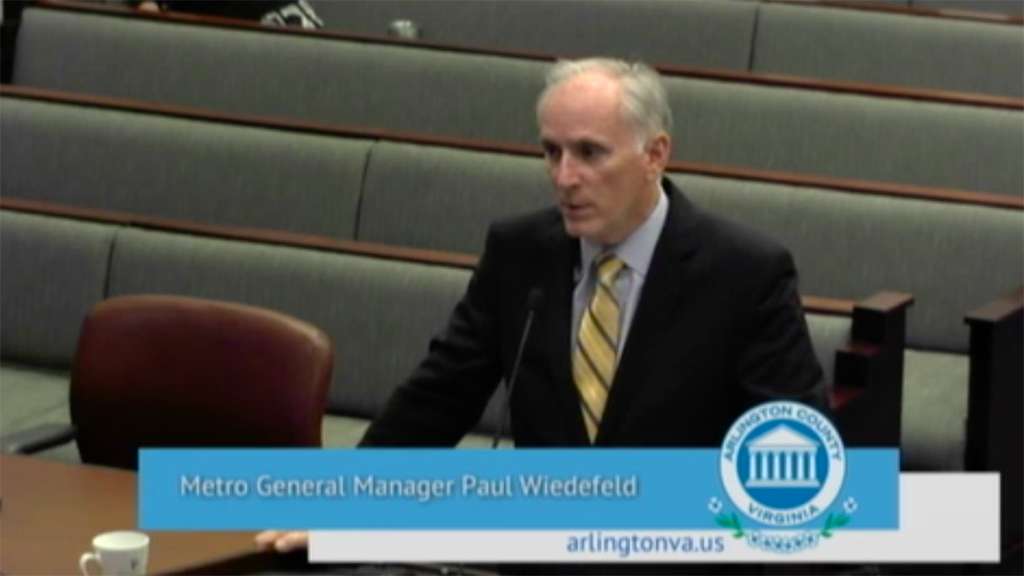
Arlington County will not be asked to pay for more from its local coffers to cover dramatic funding hikes for Metro, the agency’s general manager promised Tuesday night.

Metro General Manager Paul Wiedefeld said he hoped to cap any requests for increased contributions from the various jurisdictions that make up the transit authority at 3 percent per year.

More money for Metro was a factor in the Arlington County Board’s decision to hike property taxes by 1.5 cents, meaning residents can expect to pay an extra $277 on average. Arlington will contribute $70.7 million for FY 2018, compared to $56.6 million in FY 2017.

And while Wiedefeld’s pledge does not rule out Arlington’s contribution rising, it would be a lower increase than the 23.85 percent hike taxpayers funded for Metro’s fiscal 2018 budget.

Wiedefeld, during his presentation to the County Board, said smart fiscal management would avoid asking jurisdictions for more money, as would a new dedicated revenue source. The Metropolitan Washington Council of Governments adopted a resolution earlier this month calling for a dedicated funding source, but it would need buy-in from Maryland and Virginia’s state assemblies as well as D.C.’s government.

County Board Chair Jay Fisette said the FY 2018 contribution was a “big number for a locality like Arlington,” and said he welcomed a cap on funding.

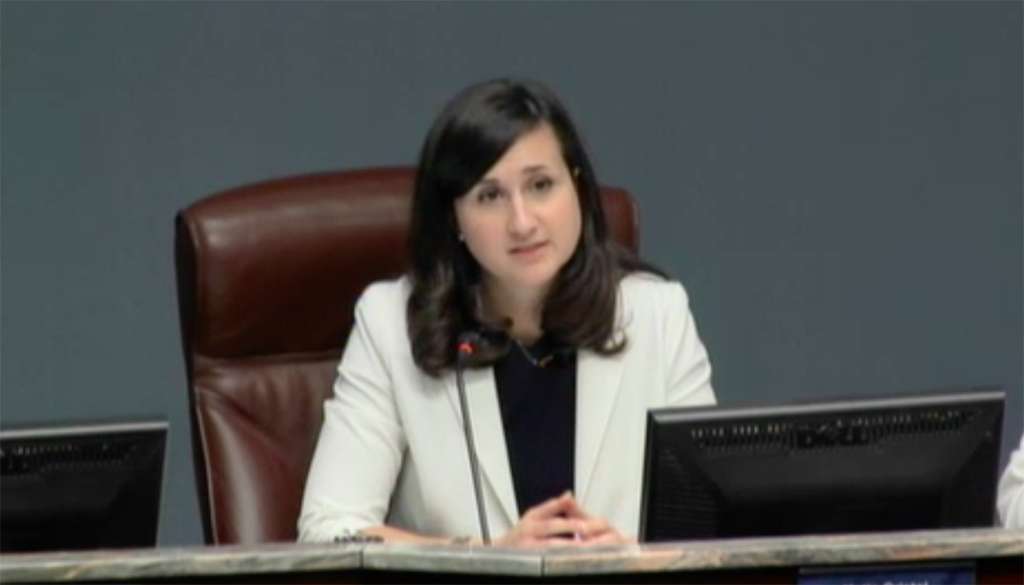
Board Vice Chair Katie Cristol said she was “delighted to see [the promised funding cap] having just gone through a pretty difficult budget process and like many other jurisdictions are struggling with the idea of trying to do that again.”

Wiedefeld also promised that local riders of the Blue and Yellow lines would see more frequent trains as Metro looks to adjust its rail service, starting June 25. He said that the plan is for the Blue Line to arrive on platforms every eight minutes during rush hour, instead of every 12 minutes, as is current practice to accommodate the Silver Line.

Board member John Vihstadt pointed out that riders of the Blue and Yellow Lines in Arlington might have “a little different perspective” on Metro’s reliability from those who use the Orange and Silver Lines in the county.

Wiedefeld said that Metro would look to further increase frequency and emphasize reliability as it ends its SafeTrack program and moves into its new Back2Good initiative.

“I think we have to roll this out in June, let’s start to rebuild the base around that, deliver that and be much more consistent in that service, and then as we start to get better and better we can look at ways we can expand that,” Wiedefeld said. “But we have to start with looking at the realities of where we are.”

On ARLnow’s 26 Square Miles podcast last week, County Board and Metro board member Christian Dorsey said that while Metro still has work to do to increase reliability, delays have decreased as SafeTrack has wrapped up.


County residents will see their electricity and gas bills rise slightly as of July, while next month fares will increase on both Arlington Transit and Specialized Transportation for Arlington Residents.

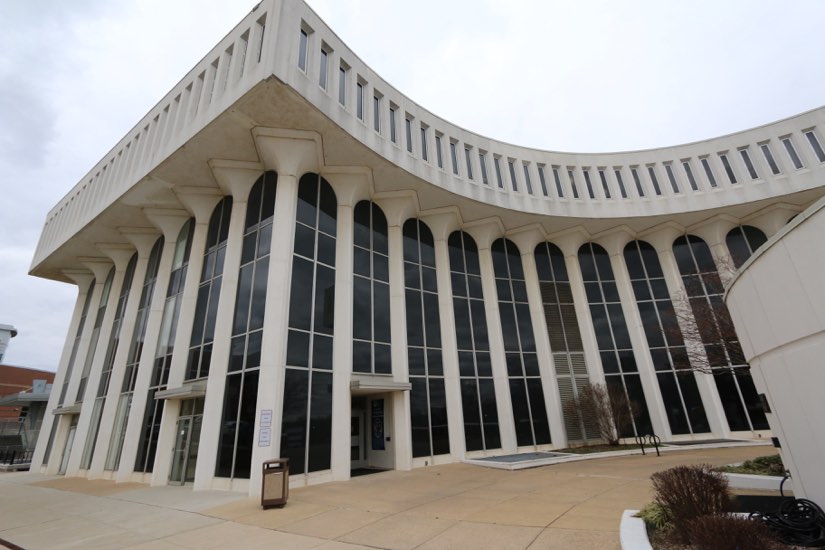
And the County Board denied a request that the Education Center and adjacent planetarium be designated as a historic district, so that Arlington Public Schools can continue to keep the site as a contender for a fourth high school.

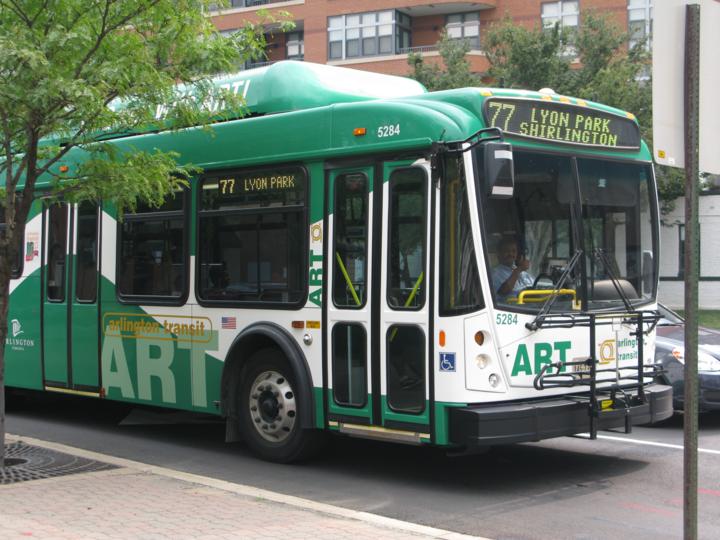
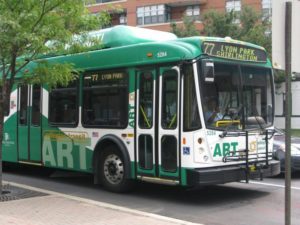
ART and STAR Fares To Go Up

Fares on ART and STAR will go up on June 25 to keep up with similar hikes for Metrobus and MetroAccess.

The ART adult bus fare will rise from $1.75 to $2 and the ART discount fare for seniors, students and people with disabilities goes from 85 cents to $1.

Local STAR trips will increase in cost from $3.50 to $4, while trips inside the Capital Beltway and trips beyond increase 50 cents each, from $5 to $5.50 and from $9 to $9.50, respectively.

ART’s iRide program offering discounts for teens would be extended to elementary school students, while the program allowing free use of ART by personal care attendants accompanying MetroAccess-certified riders would also be extended.

Board members said they have heard several complaints about the cleanliness and reliability of buses in the county, and urged transportation staff to keep on top of any problems. Board member Christian Dorsey, who also represents Arlington on Metro’s Board of Directors, drew a comparison between STAR and MetroAccess.

“I do think it’s essential with STAR that Arlington not accept the mediocrity that Metro has dealt with with MetroAccess,” he said. “It was once considered a shining star in the paratransit world, it needs to continue to do so.”

Education Center Historic District Denied
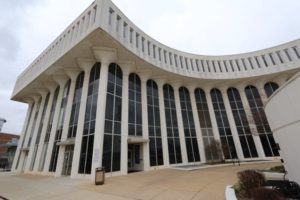
The Board voted to deny designating the Education Center and the adjacent David M. Brown Planetarium at 1426 N. Quincy Street as a historic district, in agreement with staff’s recommendation.

The center is one of three remaining options for the county’s next public high school not counting a new option involving the center, floated by superintendent Patrick Murphy.

County Board member John Vihstadt said that while he appreciates the 1960s-era architecture, Arlington Public Schools should not have its options cut down when it faces capacity issues.

The board asked staff to work with their APS counterparts to look at possible adaptive reuses of buildings built in the “New Formalist” style, which the center is an example of.

“The school system, I believe, needs certainty and clarity now,” Vihstadt said. “If we defer, it leaves a cloud over the building, it leaves doubt, it leaves conjecture. If we recommend designation, it potentially hamstrings APS as to cost, as to timeframe, as to process.”

Gas and Electricity Bills Set For Slight Hike

Residents will see a slight uptick in their gas and electricity bills, a plan county staff said will generate more than $650,000.

The electricity tax rate will increase to $0.005115 per kilowatt-hour (kWh) from $0.00341 per kWh, with the first 400 kWh per month excluded from taxation. The natural gas tax rate will increase to $0.045 per 100 cubic feet (CCF) from $0.030 per CCF, with the first 20 CCF per month excluded from taxation. The hike will be most keenly felt by those residents who use a lot gas and electricity.

A staff report on the plan notes that Arlington’s would still be among the lowest utility tax rates in Northern Virginia.

From the extra revenue, factored into the FY 2018 budget approved in April by the County Board, the cost of a full-time staff member will shift from the county’s General Fund to the Arlington Initiative to Rethink Energy, consultant costs are covered and more than $400,000 will go towards energy efficiency in county and APS buildings.

County Board chair Jay Fisette said the extra tax money is “all to do good things to move the community energy plan forward and meet the goals of that master plan.”



Arlington residents can expect to pay an extra $277 on average in property taxes after the County Board approved a 1.5-cent tax increase for fiscal year 2018.

The tax hike, less than the Board’s advertised maximum raise of 2 cents, will help fund Arlington Public Schools and Metro. APS will receive an extra $23.3 million, while Metro will get more than $14 million more, meaning Arlington’s contribution to its operating budget will be $71 million a year.

“This budget is a compromise and a consensus of the Board, and reflects the values of this community,” said Board Chair Jay Fisette. “The Board agreed to a modest increase in the property tax rate — less than the [County] Manager recommended — because of the extraordinary funding needs of Metro and our public schools.”

Residents will see several fees increase too. The household solid waste rate will increase by $6.88 a year to $314.16 annually, while the water/sewer rate will increase to $13.62 per thousand gallons. The Residential Utility Tax will see a hike too, while a new $60 accessory homestay permit fee has been added for those who wish to use services like Airbnb to let others stay in their homes.

The Board also hold a public hearing in May on proposed fare increases for Arlington Transit (ART) and Specialized Transportation for Arlington Residents (STAR), the county’s transit service for the disabled. Board members said increases are consistent with Metrobus fare increases, and would help with rising operating costs.

Also included in the $1.5 billion is an extra $1.3 million for the county’s Affordable Housing Investment Fund, taking its total in the budget to just over $15 million. The County Board also approved hiring seven new sheriff’s deputies, three more emergency call takers and three police patrol officers. The sheriff hirings will be phased over several years.

Among other programs to receive extra funding were the Columbia Pike Revitalization Organization and the Lee Highway Alliance. The latter had been slated for a budget cut alongside other programs, but last month supporters spoke against that plan.

The Board also provided $100,000 to fund groups that help assist undocumented County residents, families with mixed immigration status and refugees.

At its meeting Saturday, Board members also gave the green light to a 3.5 percent pay increase for all county employees, including themselves. Under the plan, Board members’ pay would rise to $53,282, with the chair’s pay at $59,610.

Board member John Vihstadt (I) tried to separate discussion of other county employees’ raises from talk of Board members’ increases, as he said it would make the talks more transparent.

“I just find it a little anomalous that at the very time we are going to be imposing a fairly sizable property tax increase, which I am voting for, that we’re able to find the money ourselves to help us cope with that increase, but the community doesn’t have such a luxury or advantage,” he said. “I oppose us giving ourselves our own pay raise like this.”

But other Board members objected, and questioned why that issue was raised so late in the game.

“There were so many other important things that we dealt with, and this is 100 percent political posturing that is disappointing to me,” Fisette said. The pay raises passed together with Vihstadt’s abstaining, and he promised to donate the extra money he will receive to charity.


Budget Plan Has Slightly Lower Tax Rate Hike — The 2017-2018 county budget that Arlington County Board members are set to vote on this weekend includes a 1.5 cent tax rate hike, a half cent lower than first proposed. The budget includes increased funding for schools, Metro, county employee raises, land acquisition and services for immigrants faced with deportation. It raises the tax burden on the average homeowner by about $300. [InsideNova, Washington Post]

No Easter Egg Roll Tix for APS — Arlington Public Schools received hundreds of tickets to the annual White House Easter Egg Roll under the Obama administration, but did not receive any for President Trump’s first egg roll this year. D.C. Public Schools also were not invited. Critics say minority children were under-represented at the event. [Patch]

Big County Events This Weekend — Among the events in Arlington this weekend are a trio of major annual happenings: the Arlington Homeshow and Garden Expo at the Thomas Jefferson Community Center, the Arlington Teen Summer Expo at Wakefield High School and the Arlington Festival of the Arts in Clarendon.

Blue Virginia’s County Board Endorsement — Influential local Democratic blog Blue Virginia has endorsed Erik Gutshall in the race for Arlington County Board. A party caucus will be held next month for the four-way Democratic contest. [Blue Virginia]


Arlington Public Schools’ preliminary FY 2018 budget has an $11 million gap in funding after the School Board approved its proposal last night.

The budget now stands at just over $614 million, down from Superintendent Patrick Murphy’s initial plan of $617 million.

County Manager Mark Schwartz’s proposed additional real estate tax hike, in part to help fund schools, would likely make up the shortfall in county funding. The state has also kicked in an additional $78,000 to help with construction projects.

“What we’ve done with our budget is taken it to the point where it fits with what the county manager has proposed to the County Board,” said School Board vice chair Barbara Kanninen. “We’re looking at the county manager’s proposal as his sincerest effort to do what’s needed at the county level. We hope the County Board sees it that way.”

During Thursday’s meeting, members found savings by again tweaking the budget plan. Savings include $1.8 million on technology, adding a transportation planner and removing a School Board staff member. Various other job cuts would only take effect if the County Board does not provide the extra money.

Board members emphasized that the savings on technology do not relate to the controversial one-to-one policy of giving each elementary student an iPad. Leslie Peterson, assistant superintendent for finance and management services, said that instead the savings have come through looking at the school system’s procurement of contracts.

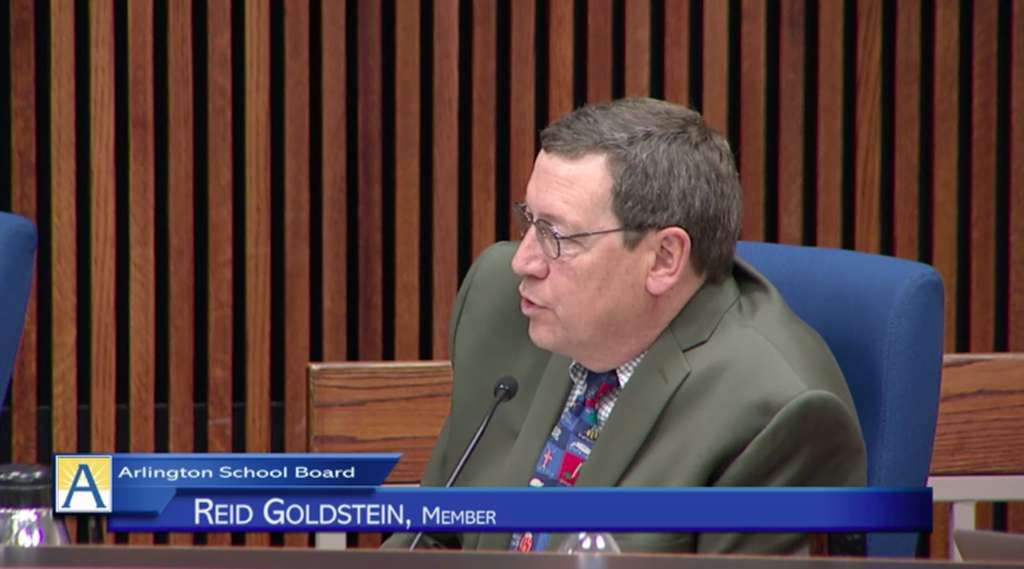
School Board member Reid Goldstein said staff and elected officials have worked tirelessly to bring the funding deficit down from more than $20 million. He said that even with the efficiencies found, the budget plan balances educating students with fiscal responsibility.

“I think we’re in a spot where we’ve got something really viable and [it] does contribute to our needs, and the overwhelming cost of course is growth for next year,” Goldstein said.

School Board members presented the budget plan to the County Board earlier today. The County Board is set to adopt its budget and tax rates on April 22.


View More Stories