(Updated at 9:55 a.m.) Arlington’s representatives will push hard in the Virginia General Assembly on Metro funding, the authority to rename Jefferson Davis Highway and absentee voting, among other issues.

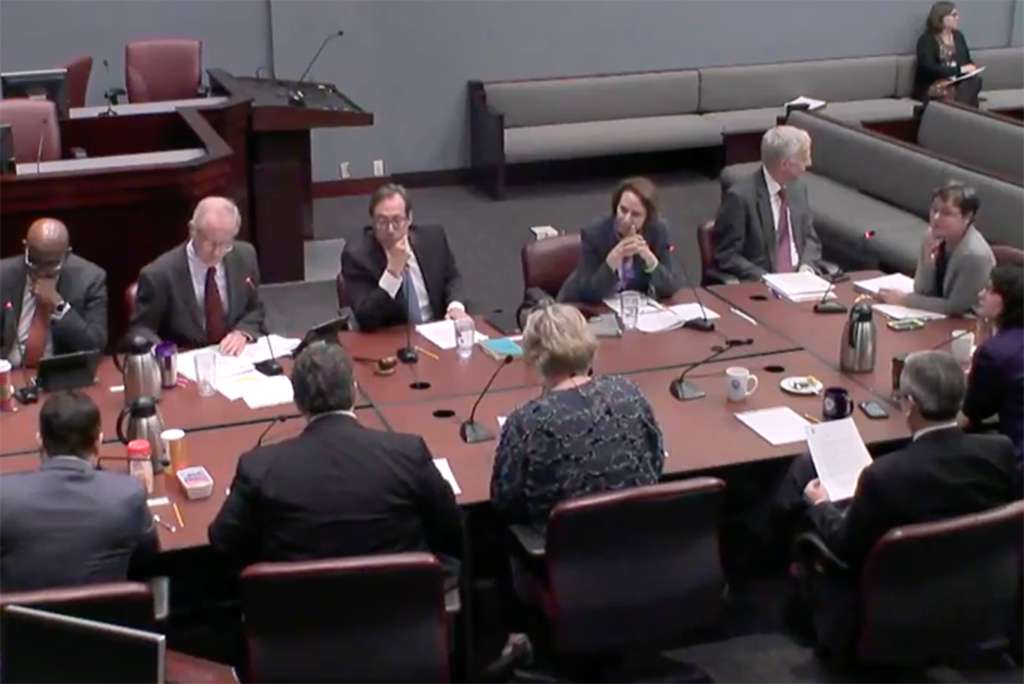
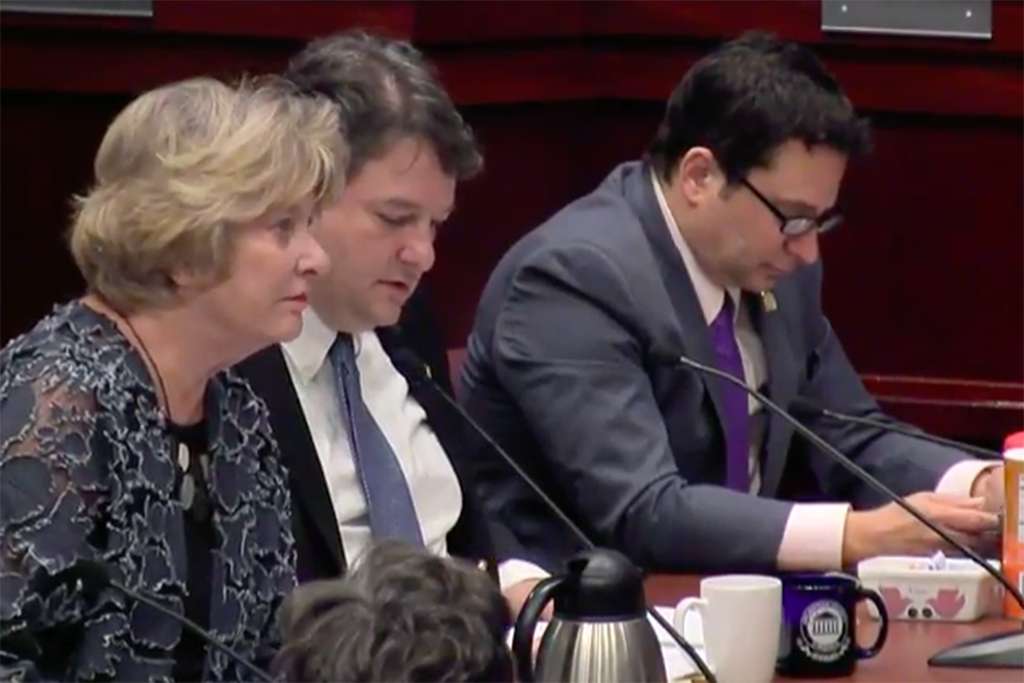
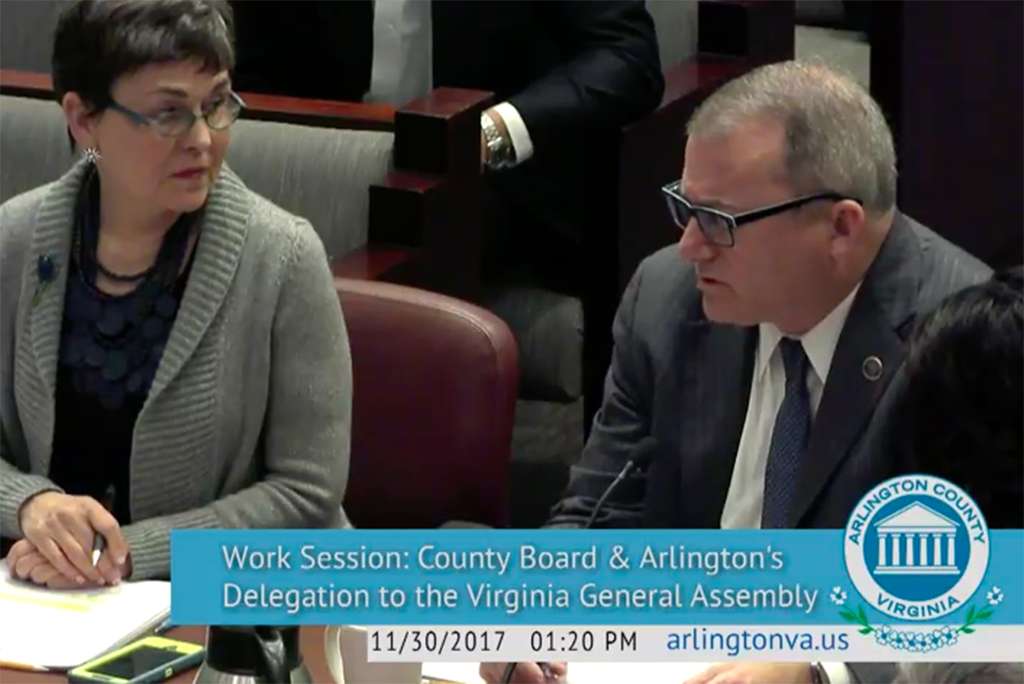
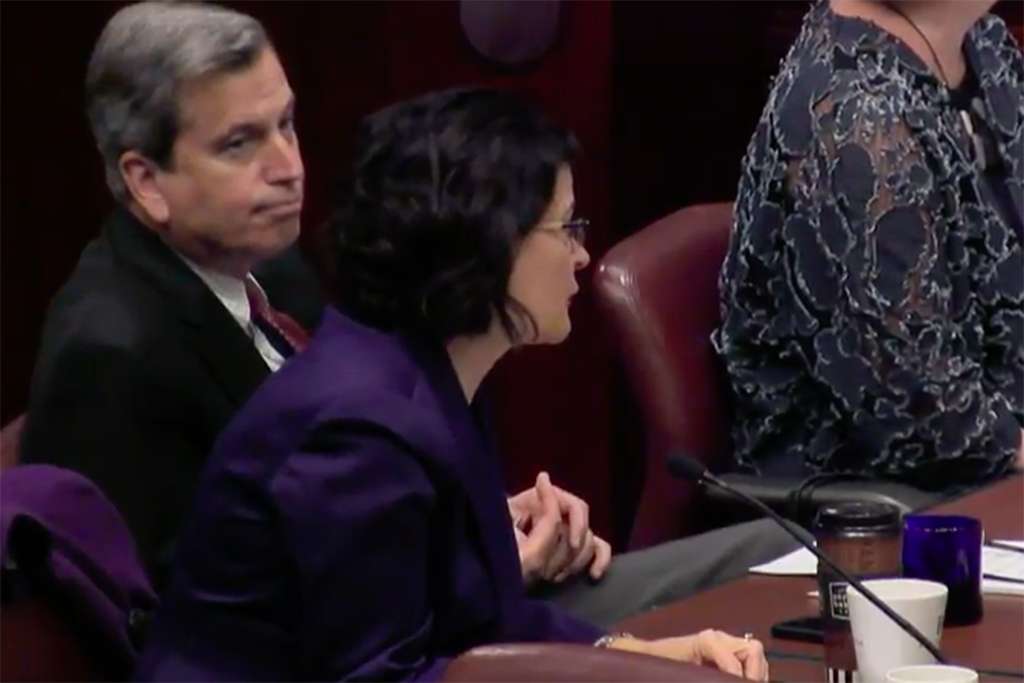
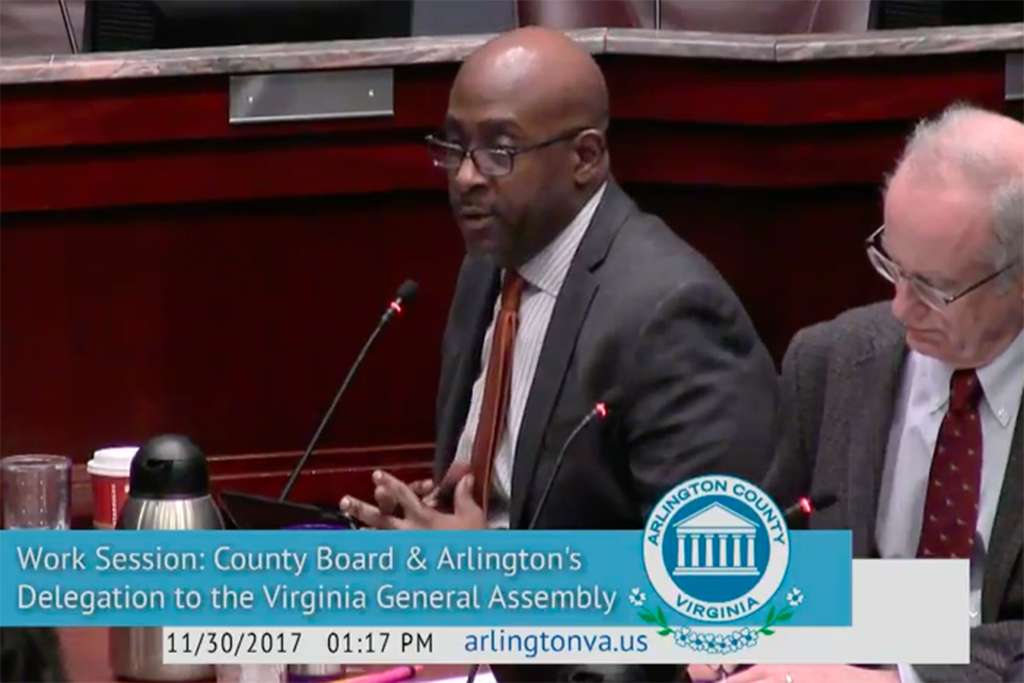
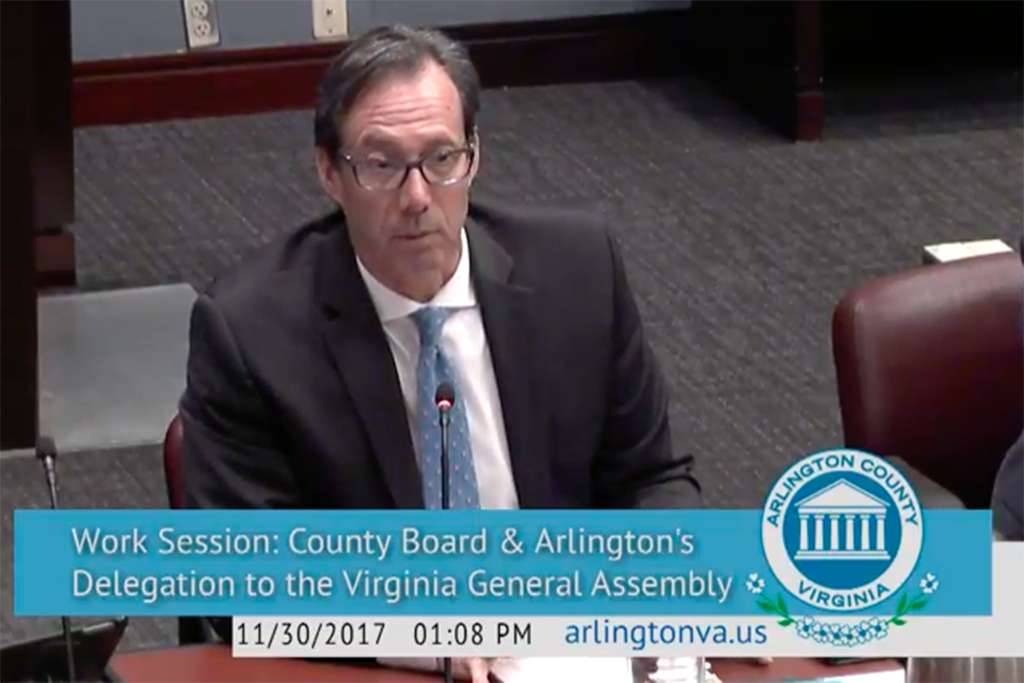
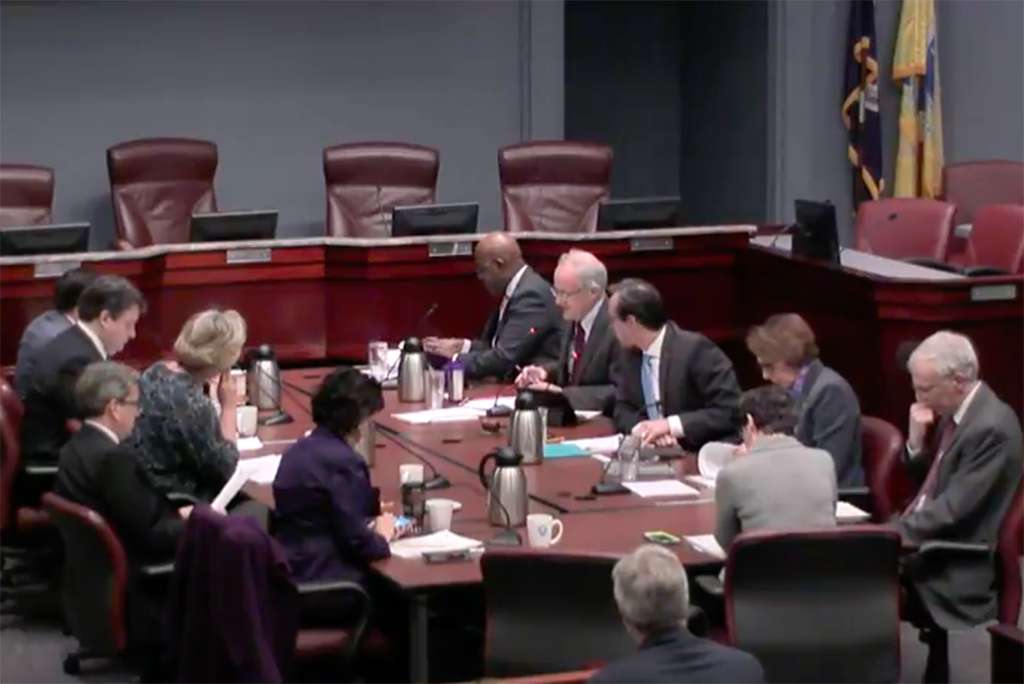
At a work session Thursday, Arlington County Board members discussed their legislative agenda — bills they would like to see passed and issues they would like to see emphasized — for the 2018 session with local Delegates and state Senators.

The General Assembly will convene in Richmond on January 10 and sit through March 10, with Gov.-Elect Ralph Northam (D) to be inaugurated on January 13.

High on Board members’ list of priorities is securing a dedicated funding source for Metro, and ensuring that state funding allows it to keep up with its rebuilding needs.

Outgoing Gov. Terry McAuliffe (D) has committed to adding a dedicated funding source in his budget proposal later this month, and local representatives said they must do more to show their colleagues from outside Northern Virginia how valuable Metro is to the whole Commonwealth’s economy.

“A lot of work has been done to show this is not just a Northern Virginia giveaway, that this gives a lot of money and benefits to the rest of the commonwealth,” said County Board member Christian Dorsey.

Later, Dorsey noted that a study by the Northern Virginia Transportation Commission made a “conservative estimate” that Metro brings in $600 million to state coffers every year through income and sales taxes.

All agreed on a plan to bring legislators into Northern Virginia and have them take a tour of the region’s various transit options, as well as experience rush-hour traffic congestion, something that state Sen. Adam Ebbin (D-30) said has been effective in the past.

State Sen. Barbara Favola (D-31) urged cooperation between business and governmental groups in lobbying Richmond.

“We really need a united voice on this,” Favola said. “We can’t afford to have the Northern Virginia Chamber in opposition to a strategy you may like.”

Favola said she will file a bill to give localities the power to rename their primary highways, of which Jefferson Davis Highway is one in Arlington.

The question of whether to change the name of Jefferson Davis Highway has swirled for several years, and Board chair Jay Fisette said the county is “exploring all options” on renaming.

Del. Mark Levine (D-45) disagreed with Favola, and said that in his opinion localities already have the right to rename primary highways. Fisette emphasized that no stone shall be left unturned.

“At this point, we believe we have multiple options, we’re just going to work them sequentially to do that,” he said.

The question of renaming Jefferson Davis Highway remains controversial. At the Board’s public hearing on its legislative agenda on Tuesday, local resident Bernard Berne derided a name-change as a “bad idea” that will stoke racial tensions and create division.

“It divides the community, and these historical things are part of our heritage. You don’t mess with it,” he said.
(more…)


Hot Item for the Holidays: E-ZPass — With tolling set to begin on what are now the I-66 HOT lanes, stores in Arlington and elsewhere in Northern Virginia are having trouble keeping E-ZPass transponders in stock, particularly the E-ZPass Flex devices that will allow carpoolers to continue to use I-66 for free. [WJLA]

W&OD Trail Changes Discussed — Officials are considering options for separating cyclists from those on foot on the W&OD Trail. “I love the potential separation,” Arlington County Board member John Vihstadt is quoted as saying. “I think that will be well-received by both sets of users.” [InsideNova]

Dad Speaks Out After W-L Grad Son ODs — “As an admiral I helped run the most powerful military on Earth, but I couldn’t save my son from the scourge of opioid addiction,” writes retired Adm. James Winnefeld, in an Atlantic article entitled “No Family Is Safe From This Epidemic.” Jonathan Winnefeld, a Washington-Lee High School grad, died in Denver this past September “after a long and honorable battle with addiction.” [The Atlantic, Legacy, Denver Post]

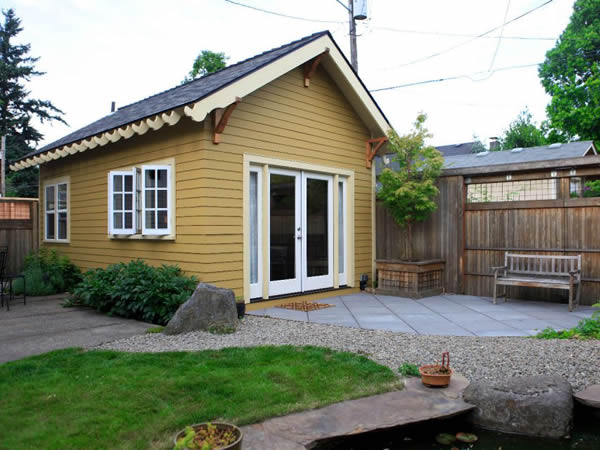
More on Accessory Dwelling Vote — A GGW writer argues that while the Arlington County Board is to be commended for allowing the creation of basement apartments that can be rented out, it punted on the issue of backyard cottages at its Tuesday meeting. The Board’s action on so-called Accessory Dwelling Units included instructing the County Manager to study setbacks from the property line for detached accessory structures before any are approved under new rules.  [Greater Greater Washington]

New Incentive for Sustainable Buildings — “Arlington County will pioneer Virginia’s first Commercial-Property Assessed Clean Energy (C-PACE) program–a public-private partnership to provide affordable, long-term financing for projects to improve the energy or water efficiency of commercial buildings in the county.” [Arlington County]

DCA Tweets at Teigen — Model and social media personality Chrissy Teigen told followers yesterday that she left “a very large mom bra” under her seat on a flight that arrived at a D.C. area airport. Reagan National Airport’s official Twitter account responded by recommending that Teigen stop by the Spanx store in the airport for a replacement. [Twitter]

‘Age in Place’ Tax Deferral Questioned — Mortgage and title companies are reportedly not big fans of Arlington’s Real Estate Tax Relief Program, which allows older residents who meet certain income requirements to defer property tax payments until the home is sold. The system has sometimes sprung large tax bills on unsuspecting heirs, real estate agents and mortgage settlement officers. [Falls Church News-Press]

Flickr pool photo by Michael Coffman


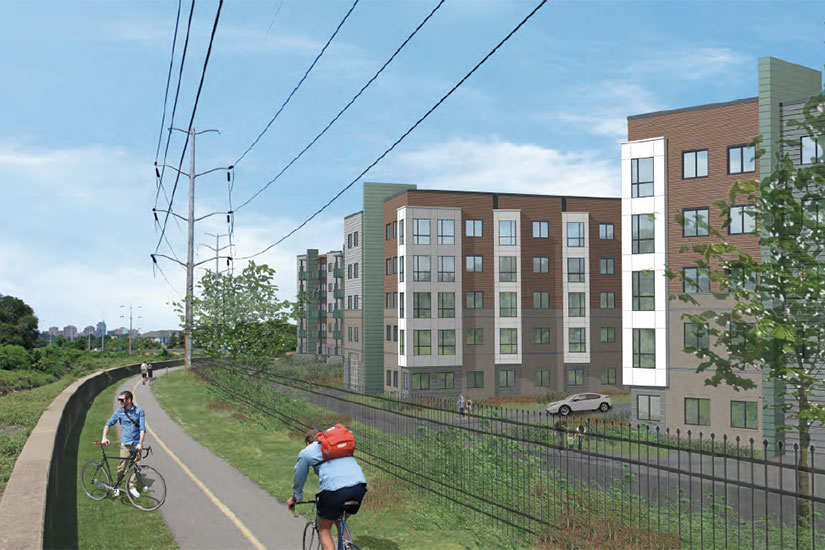
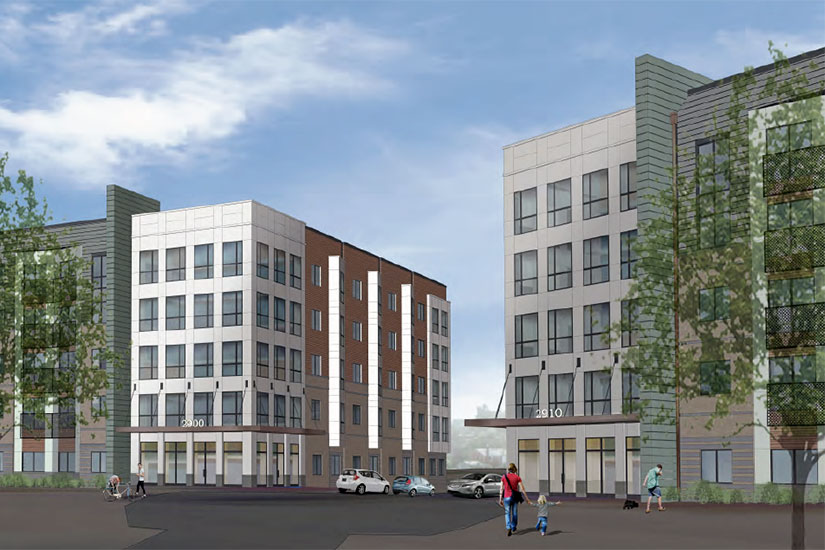
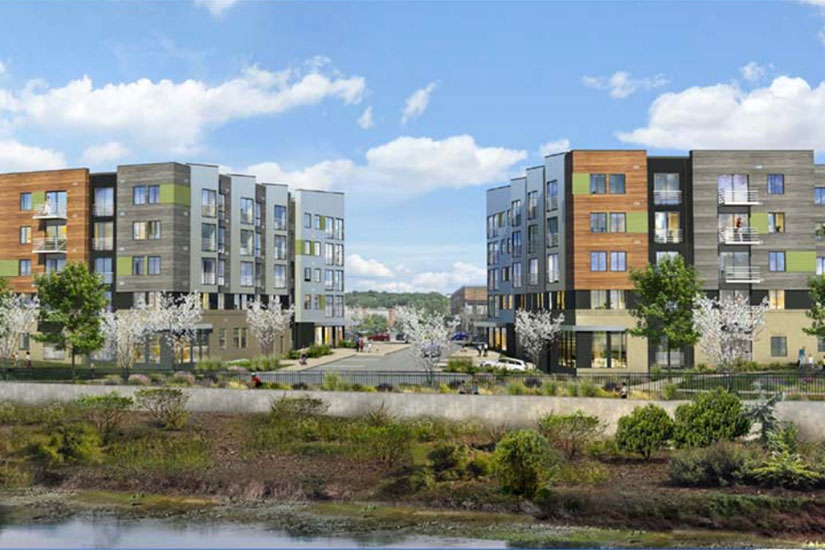
The Arlington County Board approved an additional loan Tuesday night to help redevelop an affordable housing complex near Four Mile Run.

The Board loaned $13.5 million from the county’s Affordable Housing Investment Fund to the Berkeley II project at 2900 S. Glebe Road to help with the cost of construction.

Approved in 2016, the project will redevelop the Berkeley Apartments into two new buildings, known as Berkeley I and Berkeley II.

The Board approved a $7.4 million loan for the Berkeley I building to nonprofit developer AHC, which owns the property, earlier this year from AHIF’s FY 2018 budget. This latest loan is from the FY 2019 budget.

When built, the buildings will have more than 250 committed affordable apartments. Currently, the Berkeley has 138 units, and Board member John Vihstadt said the redevelopment will be a “huge boost and a lift up to that community.”

Current tenants will be relocated during construction, with AHC required to adhere to a relocation plan approved last year. Tenants on the Berkeley I site received 120-day notices to vacate in July and August, and those on the Berkeley II site should receive their notices this fall.

“AHC’s goal is to find housing for all eligible Berkeley residents at either AHC sister communities in close proximity to The Berkeley or at other nearby rental properties,” county staff wrote in a report on the loan. “Any existing Berkeley resident who is in good standing and who meets the income qualifications will be given first priority to apply for an apartment in the new buildings.”

At the County Board meeting, AHC officials said they expect ground-breaking to begin in April on the new buildings.


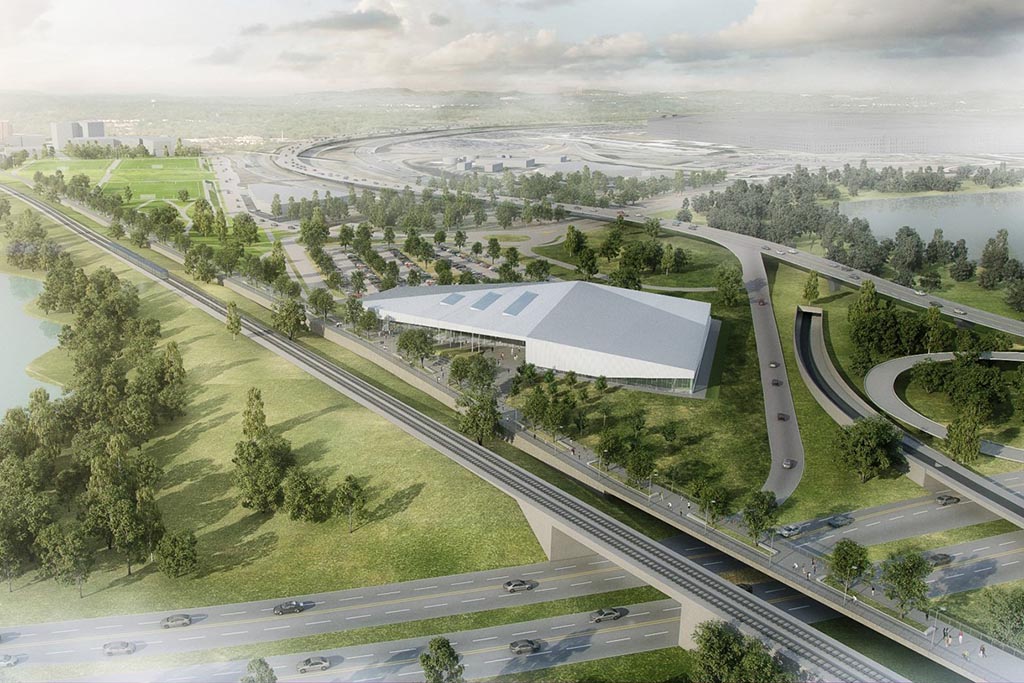
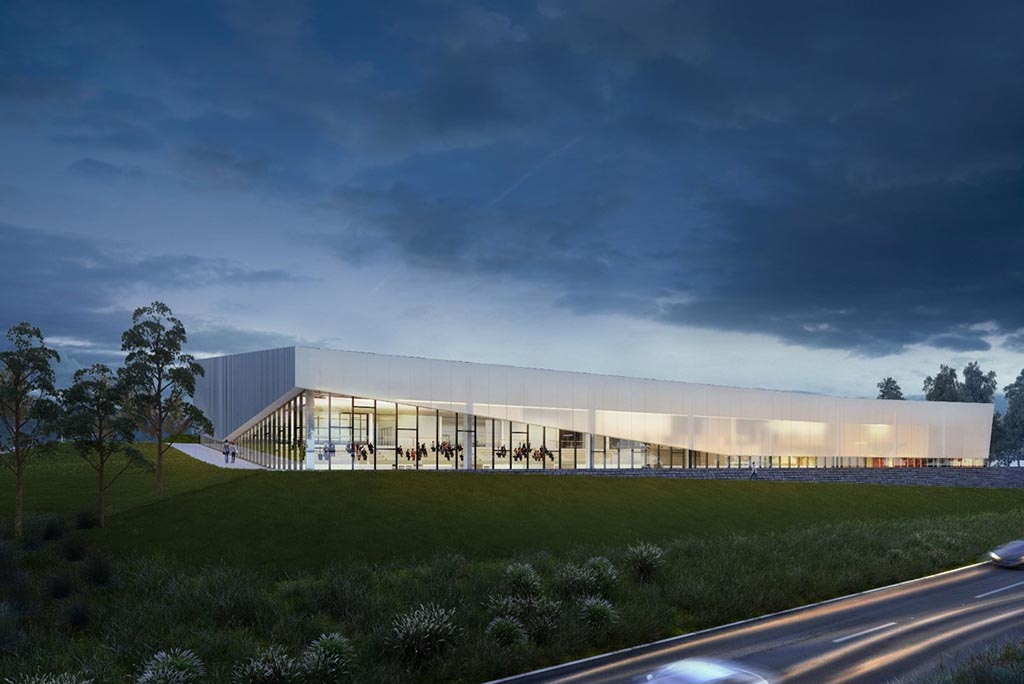
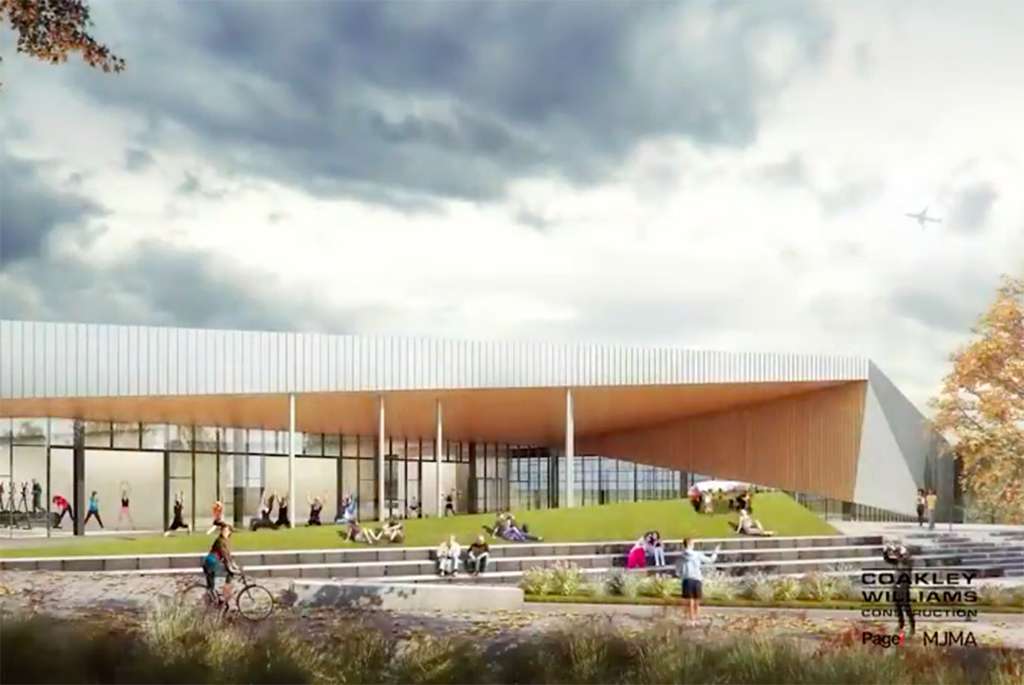
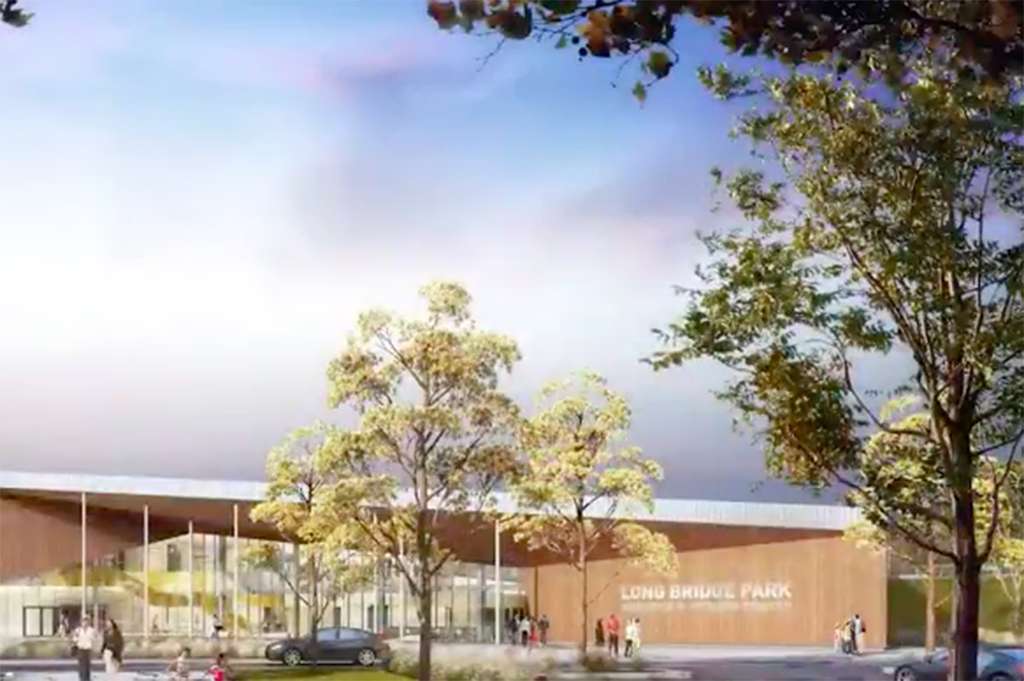
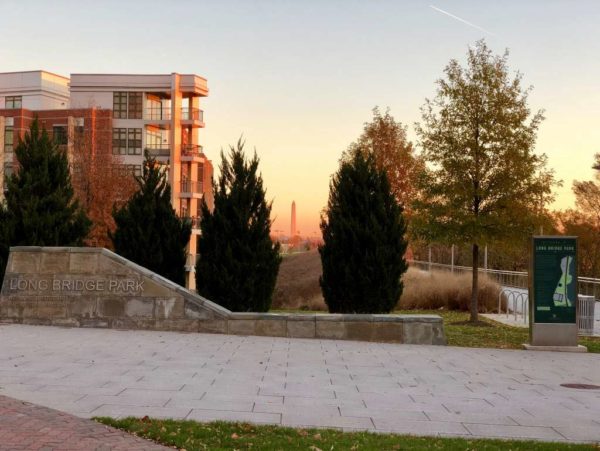
The Arlington County Board voted 4-1 at its Tuesday meeting to build the Long Bridge Aquatics & Fitness Center, the first of its kind in the county.

The Board approved a construction contract worth $60 million with Coakley & Williams Construction, Inc., which was one of four finalists to propose a design for the center.

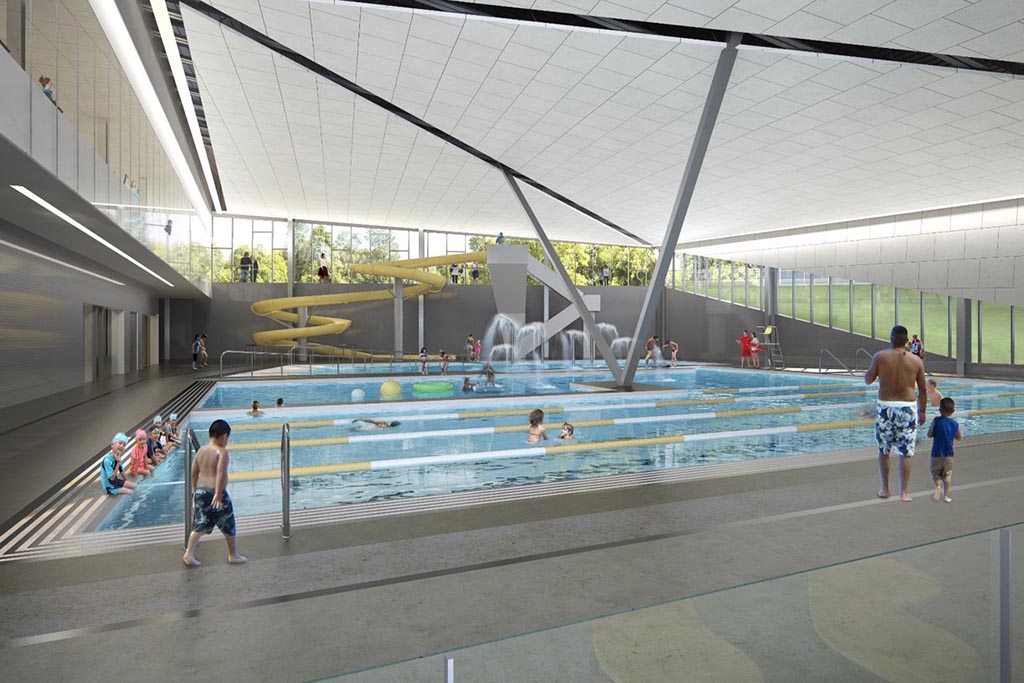
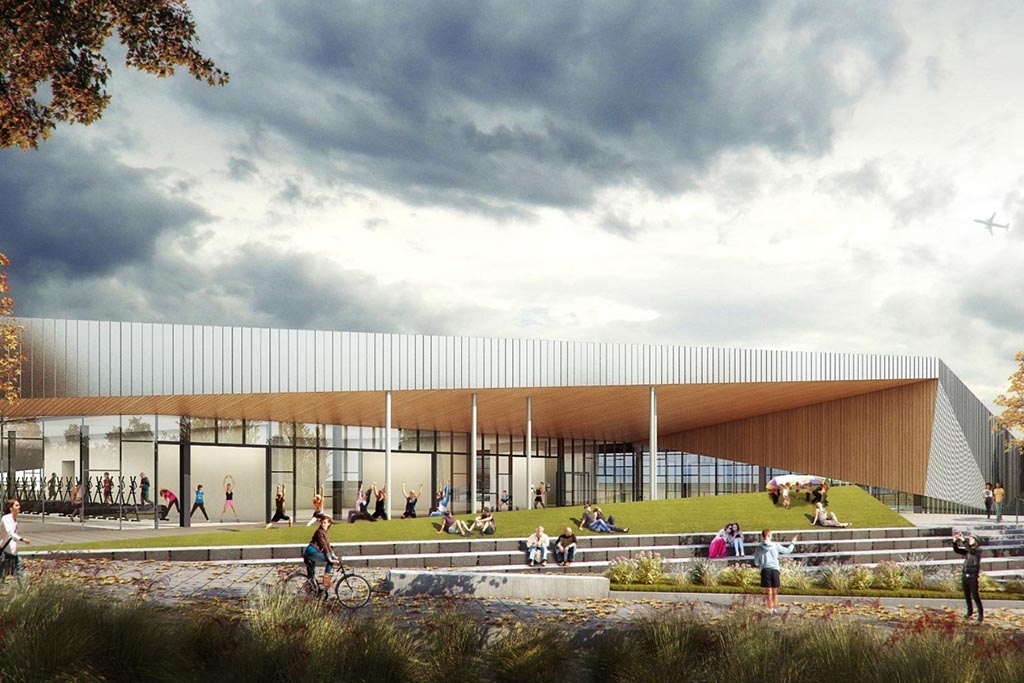
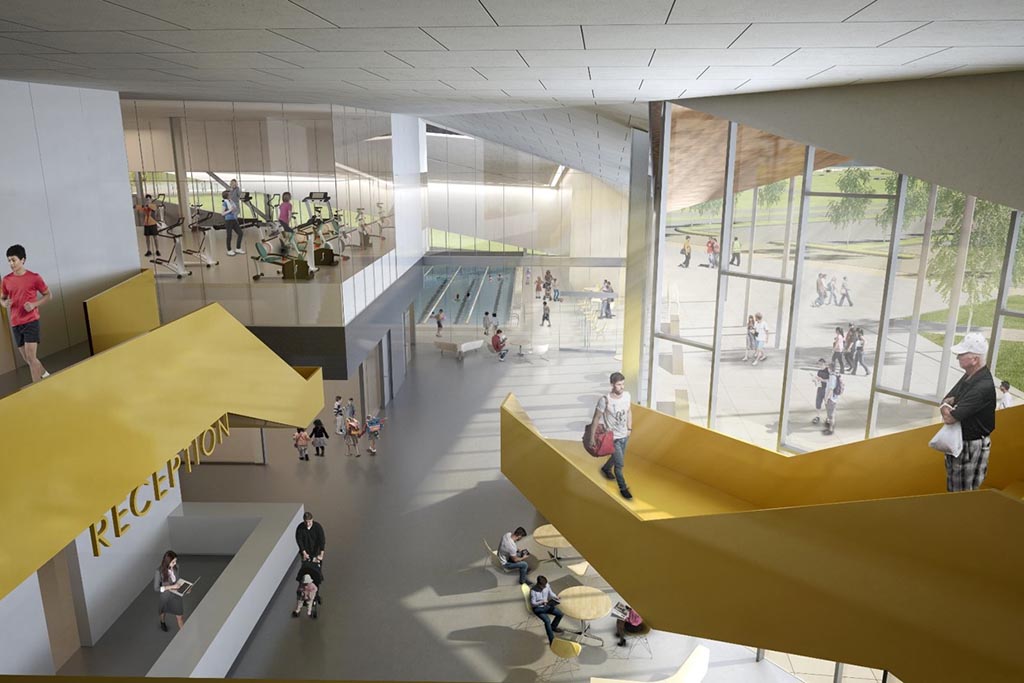
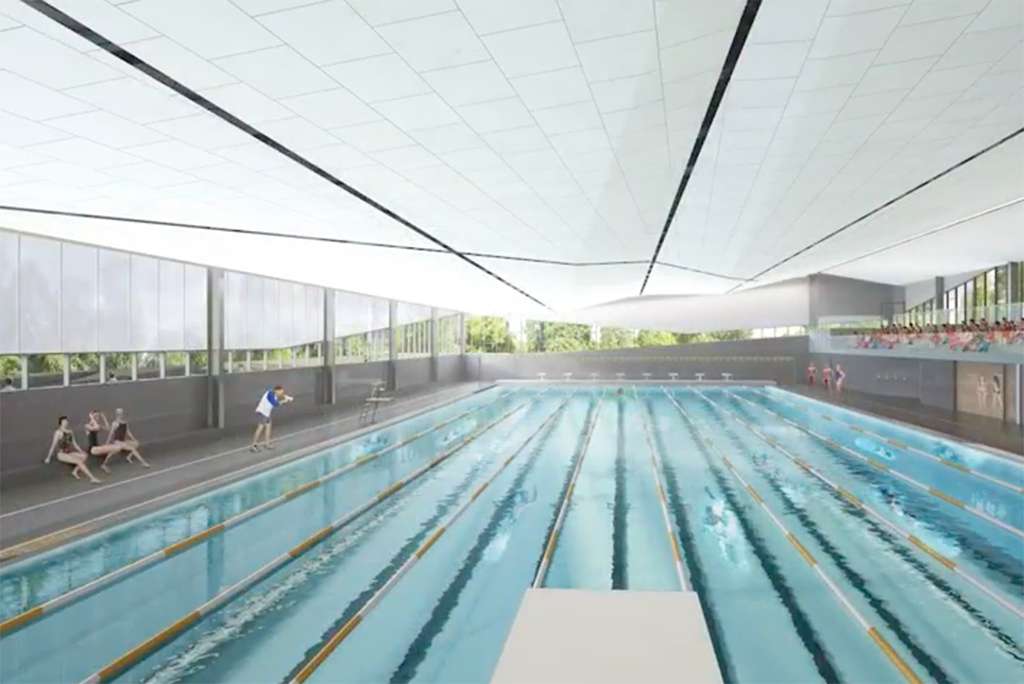
The new facility will have a 50-meter pool, diving towers and a family pool, as well as spaces for health and fitness and public events among others. The contractor can then add extra features from a “menu” of potential options, so long as it stays within budget.

“This is the culmination of 10-plus years of planning,” County Board Chair Jay Fisette said in a statement. “As our transformation of a brownfield into a vibrant park is fulfilled, we should all be very proud that a long and sometimes challenging community process has yielded such a great outcome. The centerpiece of this project will be an attractive, energy-efficient aquatics and fitness facility that will serve our community for generations.”

Board member John Vihstadt voted against the project on the grounds that the county cannot afford the $60 million price tag and projected operating costs of more than $1.1 million a year.

He added that when voters approved funding in two bond referenda — 2004 and 2012 — the funding landscape was different, and the phrase “aquatics and fitness center” was not mentioned in one referendum.

“With an uncertain economic outlook and in the face of so many competing priorities, from schools to Metro, and more, I cannot in good conscience support moving forward with this $60 million project as proposed,” Vihstadt said. “[It] is simply not fiscally prudent to ask Arlington’s taxpayers to take on this new and costly capital project (at $60 million, over $10 million more than the budget for the new Reed Elementary School, by comparison).  In short, the County has more important needs and priorities.”

Construction on the new aquatics center could begin as early as July 2018 and is expected to wrap up by early 2021.

The project, as approved, will also include “development of 10.5 acres of the park, including environmental remediation, continuation of the Esplanade, public gathering areas and casual use space, one or more rain gardens, parking and other associated infrastructure.”

Vihstadt’s full statement about his “no” vote, after the jump.

(more…)


The Arlington County Board voted to allocate the just-over $11 million in surplus funds to five “near-term” needs, but clashed over its use for affordable housing.

Board members voted 4-1 to follow County Manager Mark Schwartz’s recommendations and allocate the funds in the following ways:

  • Affordable Housing Investment Fund: $5.2 million in one-time funding to be set aside for the FY 2019 budget.
  • Critical Life Safety Needs: $2 million for unanticipated security system upgrades to the county’s Justice Center in Courthouse.
  • Employee Compensation: $1.75 million to reflect changes in federal law on several position classes in public safety.
  • County Manager Operating Contingent: $1.25 million to address “unforeseen needs that arise during the fiscal year without reprioritizing or cutting other programs.”
  • Facility Studies: $900,000 to primarily fund additional site analysis at the Buck and Carlin Springs sites, as directed by the Board.

Board member John Vihstadt voted against the proposal, and instead tried to free up the funds for three items — the Affordable Housing Investment Fund (AHIF), the manager’s operating contingent and facility studies — for next year’s budget cycle. Vihstadt said those three recommendations were not emergency needs.

“These may well be necessary and appropriate, but this is not reason enough for me to short-circuit the extensive and robust budget process the manager has already begun just because the money is here now,” Vihstadt said. “It doesn’t mean that every penny should be spent. Let’s hold this up to the air and the light and the sun and consider everything holistically as part of the budget cycle that comes in the next few months.”

But Vihstadt’s plan failed on a 4-1 vote, while a similar plan by Board member Libby Garvey to not allocate the $5.2 million in AHIF funding and instead give Schwartz room to make a decision on where it could go went down 3-2.

Fellow Board members were critical of the proposals. Vice Chair Katie Cristol said it is imperative for the facility studies to advance, while Board chair Jay Fisette said denying money for affordable housing was “undermining a key priority to the community.”

“In my view, Mr. Vihstadt’s alternative proposal undermines the current Board priority on affordable housing,” Fisette said.

At the same meeting, the Board provided its budget guidance to Schwartz for FY 2019, and asked him to propose a “balanced budget within the existing tax rate.” The guidance also calls on Schwartz to “include expenditure or service enhancements that are fully offset by reallocations or fee revenue increases.”

The Board approved a 1.5-cent property tax hike for FY 2018 earlier this year, and expects to see moderate revenue growth for FY 2019.

“However, there is uncertainty regarding the impact of the state and federal budgets, as well as potential legislative changes to federal income tax policy, on the County, and real estate assessments are not yet known,” the Board wrote. “Further, the projected moderate increase in revenues is not keeping pace with budget pressures in expenditures, creating an expected budget gap of $10-13 million for FY 2019.”

Board members called on Schwartz to maintain affordable housing funding, and allocate 46.6 percent of county revenue to Arlington Public Schools, consistent with previous years.

They also said Schwartz should include funding for Metro that does not exceed the proposed 3 percent cap on annual increases in funding, and assumes that a new state or regional funding source will cover higher capital costs.

The budget process, which is already underway for FY 2019, will kick into high gear in the new year.


The Arlington County Board voted 4-1 at its Tuesday meeting to loosen the rules around homeowners adding “accessory dwelling units” to their properties.

The revisions adopted by the Board would, among other things:

  • Put no limit on the size of an ADU located wholly within a basement
  • Require that an ADU take up no more than either 35 percent of the combined floor area of the property, or up to a maximum of 750 square feet
  • Allow detached ADUs in existing accessory buildings (like a garage) and assess more options for setback requirements for new detached accessory dwellings
  • Remove the annual limit on the number of ADUs that can be created in the county
  • Require any requirement for the owner to occupy the property, but if the owner does not occupy one of the dwellings, the entire property may be occupied by no more than one family

Only about 20 ADUs — defined as a second place to live on a property, with a kitchen, a bathroom and a separate entrance — have been approved in Arlington since 2009.

A proposal to relax rules in the county’s Zoning Ordinance had been under discussion since earlier this year as the county looks to encourage more ADUs, also known as “granny flats” or “mother-in-law suites.”

“The ordinance we passed in 2008 failed to generate accessory dwellings,” County Board Chair Jay Fisette said in a statement. “We are committed to creating more affordable housing in our County, and to making it easier for Arlingtonians to age in place. An accessory dwelling could create an additional income stream for those on fixed incomes. These revisions will give homeowners more opportunities to create accessory dwellings, while maintaining the character of our single-family neighborhoods.”

Board member John Vihstadt voted against the plan, citing “anxiety” from residents worried about neighborhoods being taken over by ADUs, as well as the worries of some about the impact on trees, stormwater management and other environmental aspects.

During their deliberations, Board members wrestled with how to direct County Manager Mark Schwartz to study requirements for new detached buildings that could be built to house an ADU. Existing structures are allowed to house ADUs right away.

Vihstadt tried to widen the study beyond setback requirements — how far back the ADU should be from the edges of the property — to look at building height and other aspects, but that brought opposition from Fisette.

“It seems to me you’ve opened up a lot more conversation here that will become far more complicated in the days ahead,” Fisette said, urging his colleagues to keep things simple and just study setback requirements.

“Just because a policy is simple to understand doesn’t make it any more sound than if it’s more complicated,” Vihstadt responded. “These are important characteristics that are taken into account in Arlington and elsewhere.”

Board members voted to direct Schwartz to only study setback requirements, and he is expected to provide his findings to the Board in the coming months. Members agreed that needs more work before a final decision can be made.

“Certainly, I think the desire to make sure we are working with homeowners to allow existing buildings to be used for this purpose makes a lot of sense,” Board member Christian Dorsey said. “But moving forward with new buildings, I’m not sure we’ve considered all options available to us to account for the different uses that we are entitling compared to when the Zoning Ordinance was created and as it’s been refined over the years.”


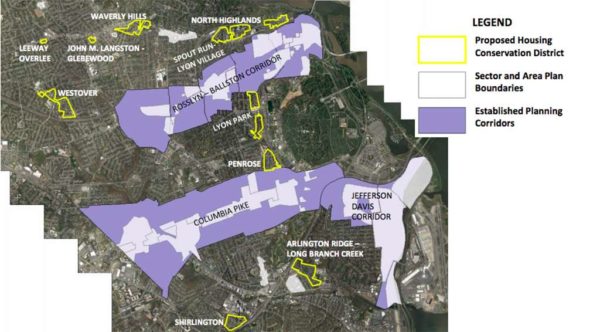
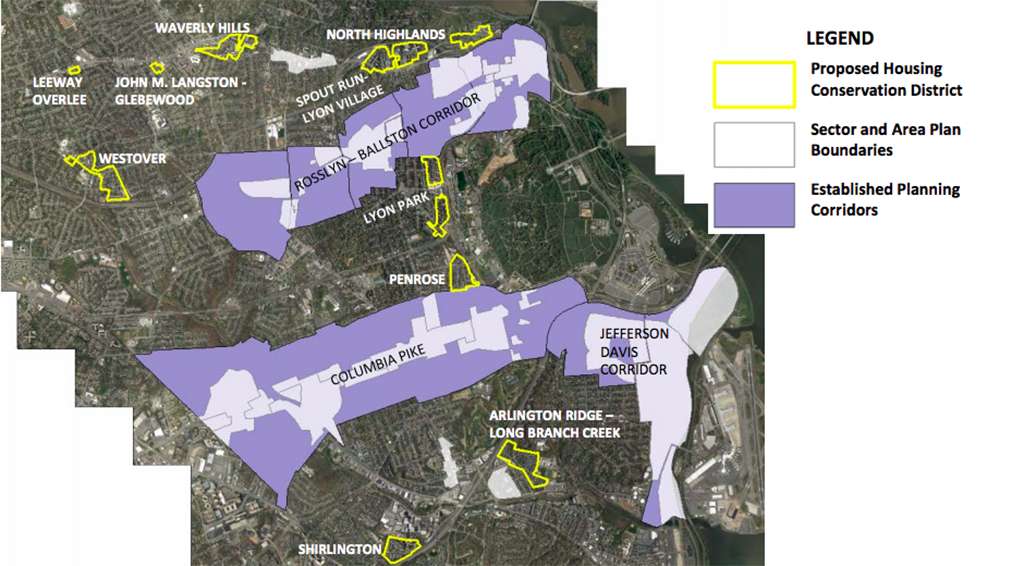
The Arlington County Board will vote in December on allowing the creation of “Housing Conservation Districts” to protect affordable housing and make it harder to demolish and build townhomes in some areas.

A proposal by staff would help create the districts within the county’s General Land Use Plan, the primary policy guide for new development that also establishes the character and extent of land uses. It would also add the districts to the county’s Affordable Housing Master Plan and the Zoning Ordinance.

Earlier this year, county staff found in a report that affordable apartment buildings and complexes tend to be located in the following nine general areas:

  • Along the edges of the Rosslyn Metro station area
  • Along the edges of the Ballston Metro station area
  • Central Lee Highway
  • East Lee Highway
  • Westover
  • Lyon Park
  • Shirlington
  • Penrose
  • Nauck/Long Branch Creek/Aurora Highlands

If approved, HCDs would be allowed in areas of the county planned for low-medium and medium residential use, and zoned for multi-family homes like apartments. Any proposed district must also contain two or more apartment buildings or complexes, or one large one.

The HCDs would allow for what staff described in a presentation to the Board as “context-appropriate renovation, addition, infill and redevelopment projects in exchange for affordable housing.”

Development of townhouses would be reclassified as a special exception use within HCDs, meaning it would require site plan approval by the County Board on a case-by-case basis. That change comes after a spate of by-right townhouse development to replace affordable apartment buildings, including in Westover.

“The Board is considering this action to encourage the preservation of affordable housing,” County Board chair Jay Fisette said in a statement.

This plan is the first phase of adding HCDs. Subsequent phases could include giving tax- and zoning-based incentives to developers.

The Board will hold a public hearing on the plan at its December 16 meeting, with the Planning Commission also holding a hearing on December 4. In a letter, Joan Lawrence, chair of the Historical Affairs and Landmark Review Board, said the group supports the planned HCDs.

Image via county presentation


County Board Approves Affordable Housing Loan — At its meeting last night, the Arlington County Board approved a loan that will help preserve the 294-unit Park Shirlington Apartments as affordable housing. The $6 million loan from the county’s Affordable Housing Investment Fund will allow a pair of developers to buy the complex, rehabilitate it and preserve as much affordable housing as possible. [Arlington County]

Ten Die in Va. Thanksgiving Weekend Crashes — “With overall traffic fatalities already on the increase, the 2017 Thanksgiving holiday weekend proved to be a deadly one… on Virginia’s highways. During the holiday… traffic crashes claimed the lives of eight drivers, one passenger and a pedestrian.” [Virginia State Police]

Video Shows Helicopter Search of Crane — A video, posted by a Pentagon City resident, shows the Fairfax County Police helicopter using its spotlight to search a construction crane Sunday night, as part of a death investigation that was still ongoing as of Monday evening. [YouTube]

FCC Chair Reports Harassing Signs —  FCC chairman and Arlington resident Ajit Pai is again being targeted at his home by activists who oppose changes to net neutrality and media ownership rules. This time, signs outside Pai’s home have reportedly referenced his children. The Arlington County Republican Committee called the alleged harassment “disgusting.” [Washington Post, Twitter]

Education Tech Company Sets Up Clarendon Studios — “Higher education is getting the star treatment… in Clarendon. Headquartered in Lanham, Maryland, [education technology firm] 2U recently revamped the former Henninger Media space off Wilson Boulevard to create a satellite office with eight TV studios, where visiting professors can spend a whirlwind three to four days taping lectures and other multimedia course materials designed to supplement live classroom chats and streaming video.” [Arlington Magazine]

Flickr pool photo by Chris Guyton


Arlington County Manager Mark Schwartz is recommending a “simple and efficient” design for the Long Bridge Park Aquatics Center.

Schwartz recommended late last week that the county hire Coakley & Williams Construction, Inc. for the project, one of four contenders for the design and construction of the revamped center at 475 Long Bridge Drive.

The new facility will have a 50-meter pool, diving towers and a family pool as well as spaces for health and fitness and public events among others. The construction contract is worth $54.7 million, with $5.3 million in contingency funding in case of overruns.

“I think the community will be very pleased, possibly amazed, with the recommended design for the facility and park expansion,” Schwartz said in a statement. “We had four very good options from extremely talented firms, but the Coakley proposal excelled in meeting the county’s design criteria that impacted operations, long-term maintenance and durability.”

County staff said Coakley’s design “is simple and efficient with quality architecture and a strong connection to the Esplanade. It provides all of the elements required by the county without sacrificing core mechanical equipment, material choices and energy efficiency. It also includes an additional community room (at no additional expense).”

The design received the backing of the Friends of Long Bridge Park, a local group that looks to support and improve the park.

In an email, group president Eric Cassel said the County Board should approve the plan for the following reasons:

  1. It is needed. The Long Bridge Advisory Design Committee and County staff completed several studies that showed the needs of Arlington County are not being met. For example, currently all elementary and middle school students must learn swimming at one of the high school pools. The amount of teaching time is limited.
  2. If you have limited means and wish to swim, you have limited options, as all outdoor bodies of water like the Potomac River are unsafe to swim.
  3. The Esplanade needs to be extended to provide a longer place for walking/running and general passive activities. Over 20,000 people live within walking distance to the park and with the office and hotel populations, the demand for simple recreation is high.
  4. The cost of the project is capped. The design/build method specifically provides a budget and any overages are the responsibility of the contractor.
  5. While the design of Phase 2 has focused on meeting the needs of Arlington County residents, there is a benefit to office buildings, hotels and tourists. All of these produce taxes that pay for schools and other amenities. For example, one hotel has already created ads to come to Arlington because of the Fitness and Aquatics center. In addition, more than one office tenant has signed a lease because of Long Bridge Park.  A facility like this is required to attract top talent. Arlington cannot afford to ignore the infrastructure that is necessary to attract office tenants.

The Board will vote on the project at its recessed meeting tomorrow (Tuesday).


The Arlington County Board will hold a public hearing next month on a plan to tighten regulations governing the study of whether new historic districts should be created.

Currently, the process to request a study on whether an area should be designated as a historic district is relatively informal. Anyone can file a designation request for any number of properties, without any background materials or forms required.

Staff said the goal of these changes would be to improve the process while still allowing the public to request a study of whether a site should be designated as a historic district.

The proposed amendments would change the timeframe required to inform a property owner of a study request, and tie such notification to the acceptance of a completed application. The amendment would create a uniform and predictable process for such requests.

Per a report by county staff, the proposed amendments would mean the following:

  • A request for local historic district designation must be made on a County application form.
  • The application form will require specific documentation, including narratives pertaining to physical descriptions and historical significance, plus photographs and bibliographical references. The application also will establish a multi-step internal review process prior to scheduling a public hearing with the HALRB.
  • For multi-property designation requests, the new amendment will limit who may apply for or request a historic preservation overlay district to: o Civic Associations, Home Owners Associations, or Condo Boards for properties within their own boundaries; or Petitioners with documented support of 25% of properties in a defined area. One property would count as one vote (so if four trustees owned a property, only one vote counts).
  • For individual properties, historic preservation overlay requests will be limited to Arlington residents or property owners.
  • The HALRB, Arlington Public Schools (APS), and the County Board retain authority to initiate studies and recommend designations as they can do now.
  • After adoption of the amendment, staff will finalize the application form. This form will be available on the County website and via paper copy in the HPP office.

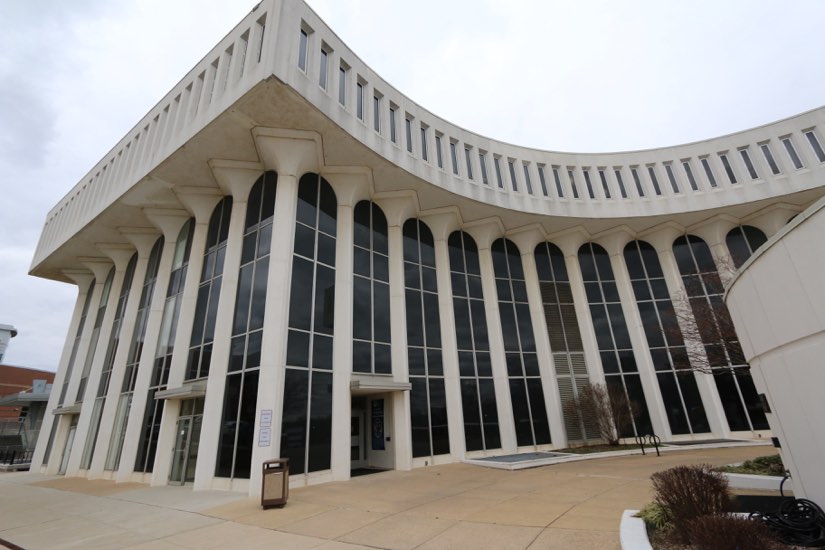
The proposed changes come months after an application was filed to designate the Arlington Education Center and planetarium, next to Washington-Lee High School, as a historic district.

The designation, requested by Planning Commission member Nancy Iacomini, could have caused problems as the Ed Center was being considered as a site for new high school seats. Any renovations to help add the extra seats would have been scuttled if it were designated as a historic district, and it brought swift condemnation from those who thought it would hinder APS’ ability to keep up with the rising student population.

Staff recommended that proposal be denied, a request the County Board followed in May. The School Board then chose the Ed Center for 500-600 new high school seats and a renovation as a so-called “hybrid option” to add 1,300 countywide.

The County Board will discuss the proposed changes at its December 16 meeting and put it to a vote. The Planning Commission will also debate the changes at its December 4 meeting.


The Arlington County Board unanimously approved a plan to allow new apartment and condo buildings near Metro stations to potentially provide less off-street parking.

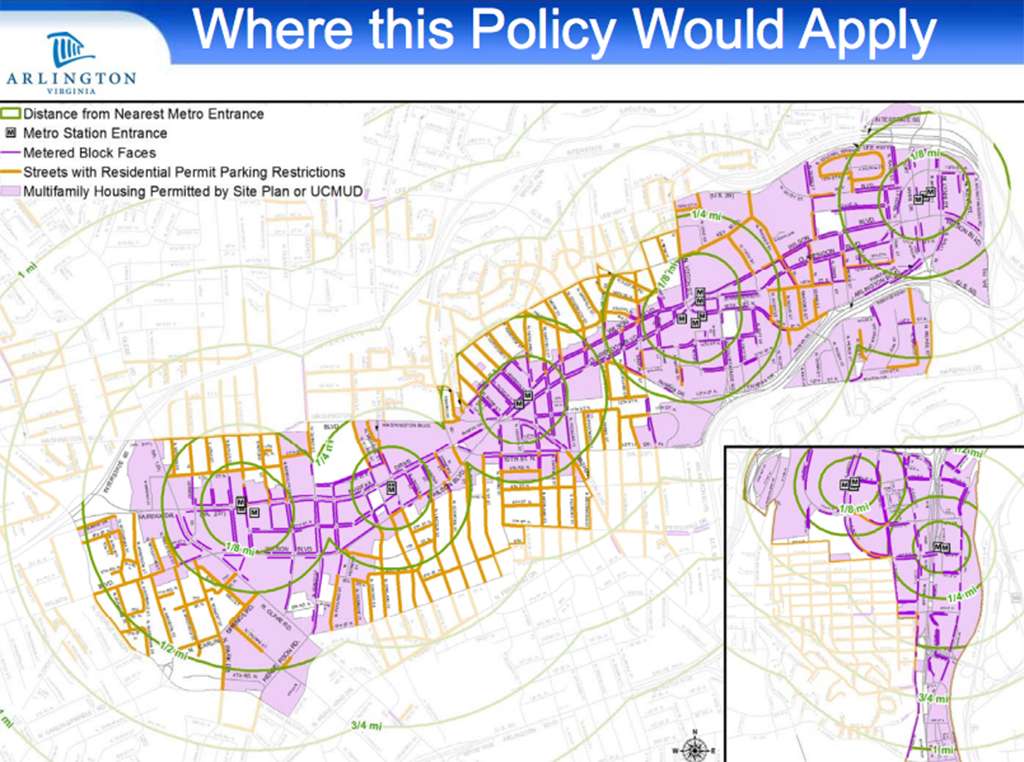
Developers can now substitute car parking spaces at certain new apartment and condo buildings built in the Rosslyn-Ballston and Crystal City-Pentagon City Metro corridors for bike and car-sharing. Any tweaks will still be subject to Board approval on a case-by-case basis, and do not affect parking at existing buildings.

It also standardizes a practice that county staff said has evolved in recent years, of approving projects with less parking. Any reduction will only be supported if staff believe local transportation infrastructure can handle the extra demand on transit and parking, or if a project invests in new transportation options.

“These guidelines reflect the fact that the increase in transportation options in our Metro corridors means that some new developments will require less parking,” Board chair Jay Fisette said in a statement. “The guidelines will only apply in the Metro corridors, and only to new projects approved by special exception. They will have no impact at all on existing buildings. And it remains up to the Board, to approve the final parking ratio for each proposed project, based on the site-specific circumstances and the project’s characteristics.”

The new policy includes the following, per a county press release:

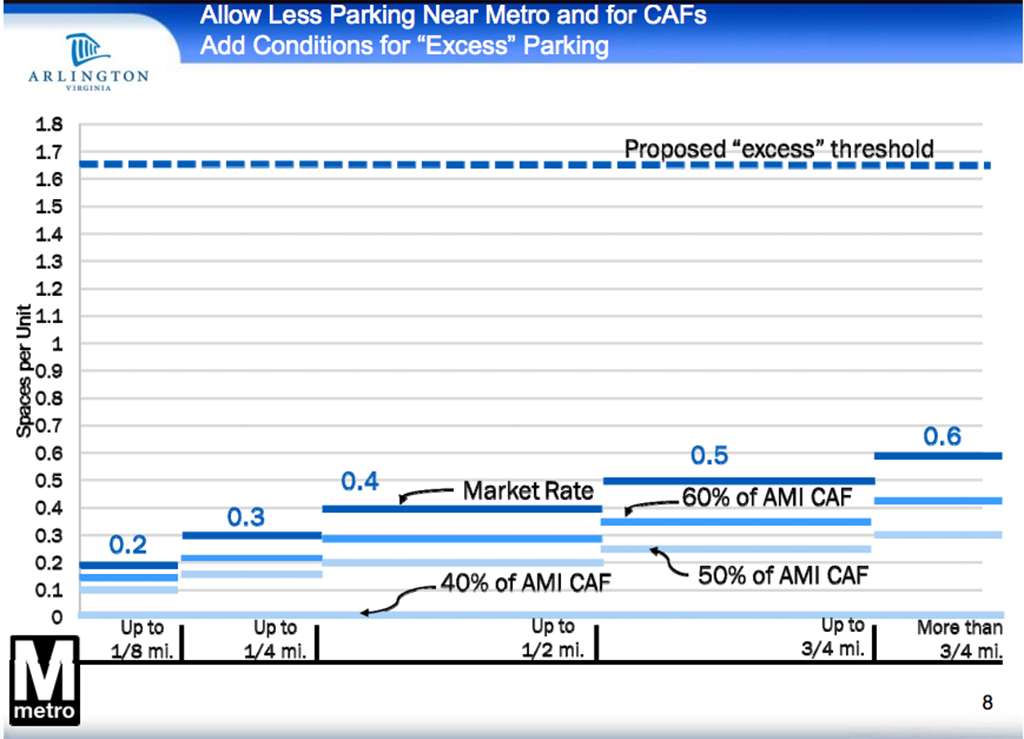
  • Minimum parking requirements for market-rate units ranging from 0.2 to 0.6 spaces per unit depending on distance from the nearest Metro station entrance (ranging from 1/8 to 3/4 of a mile).
  • Minimum parking requirements for 60-percent-of-Area-Median-Income and 50-percent-of-AMI committed affordable units, and no minimum parking requirements for 40-percent-of-AMI units.
  • Reductions of up to 50 percent of the minimum parking requirements in exchange for providing bike parking, bike share, or car-share amenities on site, in addition to those already required by the county.
  • A separate visitor parking requirement of 0.05 spaces per unit for the first 200 units.
  • Allowances for shared parking between different land uses in mixed-use projects, like offices, retail and residential.
  • Allowances for meeting parking requirements through the dedication of spaces at existing garages located within 800 feet of the new building and in the Metro corridors.
  • Mitigation requirements for parking in excess of 1.65 spaces per unit.
  • Relief from minimum parking requirements for sites with physical constraints like size, historic structures that must be retained and more.

The change, to encourage more use of transit, bicycles and other transportation, stemmed in part from a report released earlier this year by the county’s residential parking work group.


View More Stories