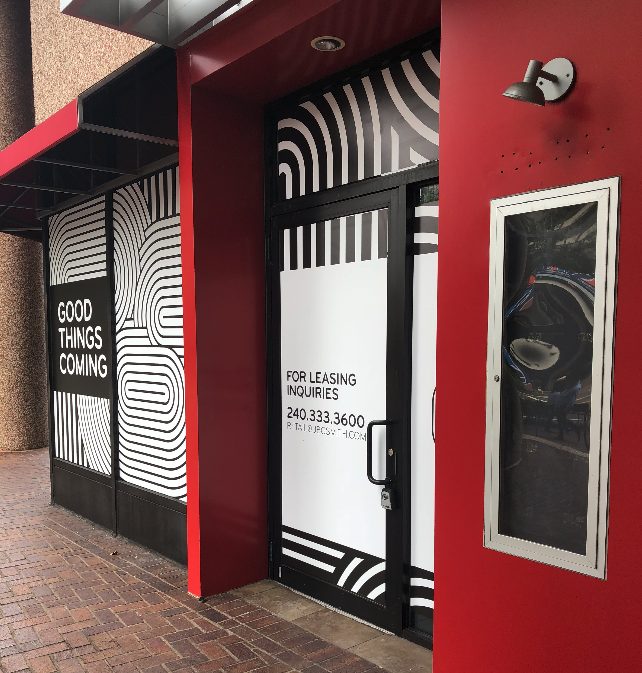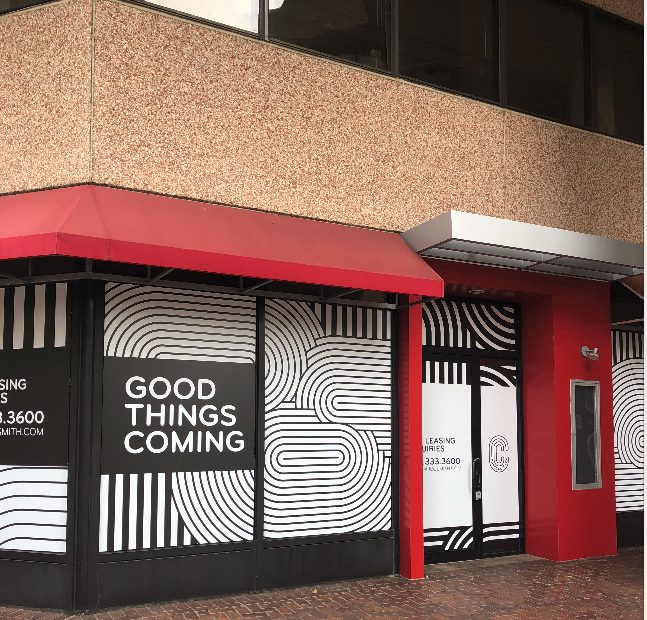
The co-owner of popular Clarendon nightlife spot Spider Kelly’s is planning a new restaurant for the base of a Crystal City office building.

Restaurateur Nick Freshman is launching “The Freshman” at 2011 Crystal Drive, he announced today (Tuesday). He hopes to have it open by sometime in 2020.

Freshman hopes to offer “high-quality coffee, teas, and craft cocktails” at the restaurant, in addition to “breakfast, lunch and dinner options made in-house with fresh local ingredients.”

The Freshman will set up shop in a 3,400-square-foot space that was once home to a Noodles & Company location, which shut down last fall. The restaurant will have room for 120 diners and a 50-seat outdoor patio.

“I’ve seen firsthand how much the neighborhood has changed over the years and I knew I wanted to be a part of the growth,” Freshman, who lives in the area, said in a release. “When Amazon announced that they were coming to town, I knew that the opportunity to be part of this story was just too good to pass up, especially considering this is my backyard.”

Like most of the other office buildings across Crystal City, developer JBG Smith owns the property, and is trumpeting The Freshman as the first retailer to sign a lease in the area since Amazon tabbed the neighborhood for its massive new headquarters.

The company is planning an expansive new redevelopment of other retail offerings nearby, and it’s envisioning The Freshman’s arrival as one in a series of big changes on the way for the newly dubbed “National Landing” neighborhood in the coming years.

“The Freshman is a perfect fit for National Landing given Nick’s longstanding ties to the neighborhood and his concept’s natural appeal to the neighborhood’s residents, office workers and daily visitors,” Amy Rice, senior vice president at JBG Smith, said in a statement.

Freshman is launching the eatery in tandem with Mothersauce Partners, a restaurant advisory and investment firm he launched in 2016. The company has helped found The Eleanor and Takoma Beverage Company in D.C., with similar offerings as Freshman’s plans for the new Crystal City establishment.


State lawmakers have overwhelmingly approved an incentive package designed to lure Amazon to Arlington, sending legislation to Gov. Ralph Northam’s desk that will direct hundreds of millions of dollars in grant funds to the tech giant over the next 15 years.

Virginia’s House of Delegates passed a bill on the matter by an 83-16 margin today (Monday), after the state Senate signed off on the legislation with a 35-5 vote last week. Northam will ultimately have the final say on the issue, but considering that his administration helped broker the deal with Jeff Bezos’ firm in the first place, it now seems a sure bet that the company has the state’s support for a massive expansion in Pentagon City and Crystal City.

The legislation sets up a “Major Headquarters Workforce Grant Fund” to hand out the payments, designed to offset state taxes Amazon would incur should it set up a massive new headquarters in the county. In all, the bill would send $550 million to the tech giant between now and 2030, so long as the company delivers on its promise to bring 25,000 high-paying jobs to the area.

If the company can come through with another 12,850 jobs after that, Amazon stands to earn another $200 million in incentives, for a total haul of $750 million attached to the project.

Northam and his negotiators promised a variety of transportation improvements around the proposed headquarters in order to make Arlington seem especially attractive to the company, in addition to investments in tech education programs at state universities. But those measures will likely be included as part of the state budget, or funded through other state programs, leaving the incentive bills as the clearest chance for the General Assembly to have its say on Amazon’s arrival.

“When it comes to Arlington and Alexandria, I believe this is exactly what they want,” said Del. S. Chris Jones (R-76th District), a member of a powerful panel of lawmakers who worked with Northam to hammer out Virginia’s offer to the company, during a brief floor debate today.

While the incentive legislation never faced much in the way of serious opposition, it did attract dissenting votes from Republicans and Democrats alike. Six Democrats and 10 Republicans in the House opposed the bill, while all five state senators to vote against the measure were Republicans.

Notably, Del. Alfonso Lopez (D-49th District) was the lone member of Arlington’s legislative delegation to vote against the bill.

Part of the company’s headquarters will be based in his South Arlington district, and he’s already raised concerns about how Amazon will disrupt the area’s housing market. He also chose to send back campaign contributions from the tech giant, after Amazon shelled out cash to all of Arlington’s lawmakers and many other prominent state leaders.

“The thing I keep hearing about over and over again are the prospects of displacement,” Lopez said. “This has been a problem for a really long time. HQ2 has just shown a bright light on it.”

Lopez commended some of the planned investments in housing affordability measures that Northam is promising as part of his offer to the company, but he says that “neighbors are worried about being displaced now, long before money creates any new housing.”

Experts across the region say that it’s no sure bet that Amazon will suddenly drive up all home prices and force renters out of the county, but they do believe it’s a distinct possibility that low- and middle-income people could feel a squeeze from the company’s arrival. And with Arlington and Alexandria committing to just limited affordable housing measures on top of the state’s efforts, some lawmakers do indeed see reason for skepticism.

“Those provisions are too little and too late,” said Del. Lee Carter (D-50th District), an intense Amazon opponent and the legislature’s lone Democratic socialist. “Even if construction were to be completed right now, it’d be too late for some neighbors in my district.”

Others still, Republicans and Democrats alike, questioned the wisdom of handing over such large incentives to a company owned by the world’s richest man. But the potential of the deal to bring so many jobs to the region, with a corresponding flow of tax revenue to local governments, was too promising for many lawmakers to pass up.

“We put together one of the best business deals I’ve ever seen in my 20 years of economic development experience,” said Del. Matthew James (D-80th District) during a committee hearing on the legislation last week. Like Jones, he helped negotiate the deal with Northam’s team.

The House also acted today to combine two identical Amazon incentive bills into one before sending the legislation to Northam, which should remove the need for the Senate to consider a version of the bill to originate in the House. Once this year’s legislative session ends on Feb. 23, the governor will have a month to decide whether to sign or veto the bill.

In the meantime, Arlington officials have yet to consider their own package of incentives attached to the deal, totaling about $23 million in grant funds over 15 years. The County Board plans to take that matter up no sooner than its Feb. 23 meeting, but some members have recently begun suggesting that they could push the issue into March instead.

Photo via @Osubi_C


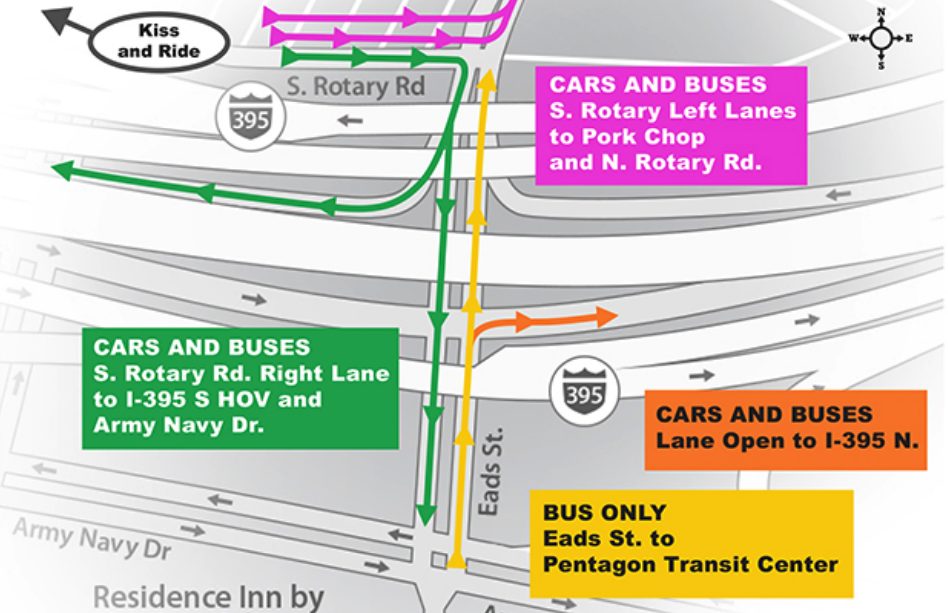
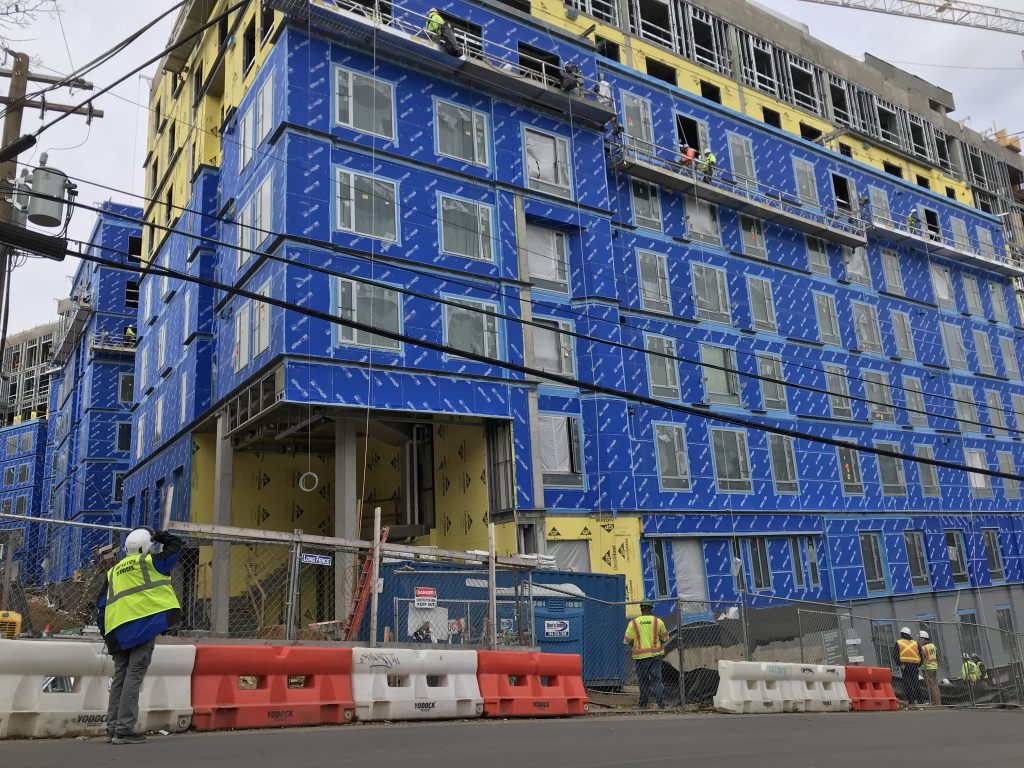
Construction work around some of the Pentagon’s parking lots is prompting a new round of traffic changes and detours in the area.

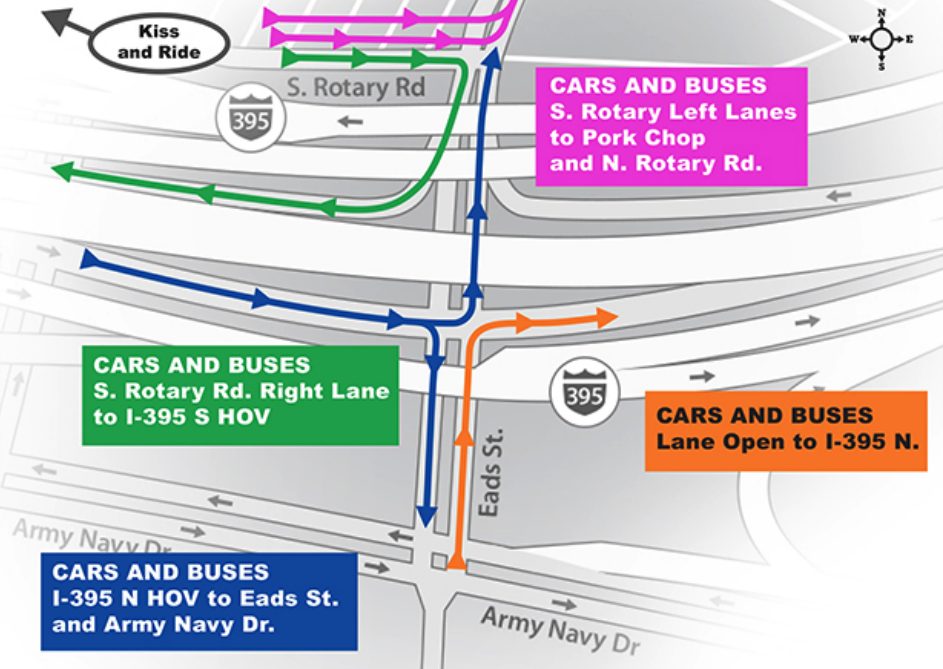
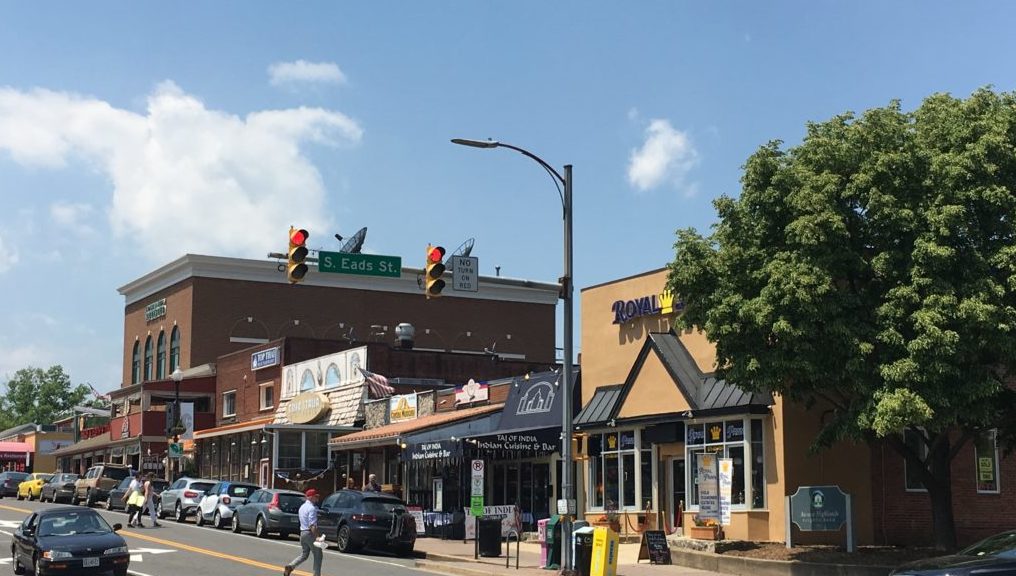
Work focused on the new I-395 express lanes previously prompted the closure of the west side of S. Eads Street from Army Navy Drive to where it nears the Pentagon’s south parking lot at S. Rotary Road. Starting yesterday (Tuesday), workers are now moving to the east side of S. Eads instead, allowing traffic to use both sides of the street once more in the area.

Drivers will now be able to access the 395 HOV lanes as normal once more, but there are still some detours planned for the area, according to a press release.

During the morning rush hour, from 6-9 a.m., drivers will be able to use S. Rotary Road to access I-395’s southbound HOV lanes, but won’t be able to access a section of the western side of S. Eads Street. Anyone on 395 will be able to turn left to reach the Pentagon’s south parking lot, or turn right onto S. Eads.

During the afternoon rush hour, from 3-8 p.m., both sides of S. Eads Street will be fully accessible.

Signs will be posted to guide drivers about all these changes, and construction is expected to continue through the spring.

A full 395 HOV shutdown is also scheduled for this weekend, starting at Friday (Jan. 25) at 11 p.m and concluding Monday (Jan. 28) at 4 a.m.


For people fearful about how Amazon will impact Arlington, a single question tends to rise above all others — will the company’s arrival price me out of my home?

There are certainly plenty of other concerns surrounding the company, and the 25,000 jobs it has promised to bring to its new home in Pentagon City and Crystal City, stemming from its highly criticized business practices to its potential impact on roads and transit in the region.

But concerns about housing affordability have most consistently come to the fore since Amazon’s announcement that it would be setting up shop in Arlington, as renters worry that the company’s army of well-paid workers will set off an explosion in home prices and push them deeper into Northern Virginia’s suburbs.

In selling the proposed deal to bring the Amazon headquarters to the county, officials have argued that these fears are largely overblown. Over the last few months, all manner of local leaders have claimed that the company will arrive slowly enough for Arlington to absorb the new residents, and that the county won’t be forced to house every single one of the workers who will spend their days in the new office space.

And, in general, academics, advocates and real estate watchers around the area agree with that line of thinking. For the most part, the experts surveyed by ARLnow on the issue don’t believe that Amazon will have the sort of apocalyptic impact on housing and gentrification that some skeptics fear.

Yet they also caution that the company will almost certainly still push many people out of the county, particularly those of more modest means living in South Arlington neighborhoods. While the county may not face the same massive disruptive impacts as Seattle, which is still struggling to integrate one of the world’s largest companies into its metro area, observers warn that it would foolish to minimize the size of the challenge Arlington is facing.

“I don’t agree with the view of impending doom that Arlington will become San Francisco due to housing problems, but there are real concerns here to address,” said Eric Brescia, a Fannie Mae economist and a member of Arlington’s Citizens Advisory Commission on Housing.

The case against Amazon panic

Fundamentally, the argument minimizing Amazon’s impacts on the housing market includes the same key points.

First of all, the company plans to bring its 25,000 workers to the new headquarters over the next decade or so, not all at once. And, even then, not all of them are likely to live in Arlington, the thinking goes — many could choose to move to other Northern Virginia suburbs, or even to Maryland and D.C., to take advantage of Arlington’s connection to public transit networks.

Many other employees set to work at the headquarters probably already live in Arlington, considering that Amazon says it chose the D.C. region due to its bevy of “tech talent” already in the area.

That means that county leaders are planning on seeing closer to 15 to 20 percent of Amazon’s workers relocate to Arlington specifically, an influx of (at most) 5,000 people. In fact, a report prepared by George Mason University’s Stephen S. Fuller Institute as part of the state’s courtship of Amazon estimates that more than twice as many of the company’s workers will move to Fairfax instead of Arlington.

“This isn’t based on a wish, but based on our prior experience with other large employers,” said County Board Chair Christian Dorsey. “Can we guarantee it? Of course not… but this is the best we can do in projecting how this investment does and does not look like other investments that we’ve had.”

County Board member Erik Gutshall also points out that the D.C. region as a whole has been in the midst of a massive explosion in growth in recent years, and Amazon could merely feel like a drop in the bucket. Based on regional projections, Gutshall says the company’s is “expected to account for about 5 percent of regional job growth over the next 12 years.”

“That, to me, says this alone is not going to be a major driver of housing affordability problems,” Gutshall said.

Regional observers believe that the broad strokes of that argument are accurate.

Brad Dillman, the chief economist for national real estate developer Cortland, points out that Crystal City and Pentagon City both have slightly higher residential vacancy rates than the D.C. metro area as a whole, leaving some room for Amazon employees moving in.

And Christopher Ptomey, the executive director of the Urban Land Institute’s Terwilliger Center for Housing, notes that it’s hardly uncommon to see large government agencies (or other big companies) move into communities around the Northern Virginia area. Based on Arlington’s own past experiences with such changes, he sees no reason Amazon employees would behave any differently.

“Some people come here and decide Arlington has great schools and is convenient, so they’re willing to pay a little bit more to stay here,” Ptomey said. “Others prefer a bigger house and a wider lot and lighter traffic. I don’t think Amazon employees going to be particularly unique in that way.”

Uncertainties abound

Yet, with so many unknowns about the company’s plans still remaining, experts caution that it’s hard to make too many definitive declarations about the make-up of the company’s workforce just yet. That complicates efforts to make predictions about how they might behave when they arrive.

“We need to know: what’s the age range and family type of these workers?” said Jenny Schuetz, who studies housing policy as part of the Brookings Institution’s Metropolitan Policy Program. “A bunch of 25-year-olds will want to live nearby, but they pay a lot more in taxes than they consume in services. More older families will require more space in high-performing schools, but some will want to live farther out.”

Indeed, Schuetz and other analysts warn that the county shouldn’t offer too much certainty about Amazon’s precise impacts until officials start to see how the company’s arrival changes the region.

Arlington officials have simultaneously downplayed the number of people arriving along with Amazon, while also trumpeting how other high-priced tech companies will likely flock to the area to do business with Jeff Bezos’ firm. Until Arlington can evaluate just how real that downstream impact is, experts say it might be useless to simply study just Amazon’s workforce.

“Will just Amazon come here or is this the beginning of D.C. becoming a major tech hub?” Brescia said. “That’s really unknown.”

But Schuetz notes that research shows, in general, “each new tech job spins off roughly five additional jobs.” That might be good news for the county’s economy, but it also complicates the math of predicting how many people will flow into Arlington.

“We know that big headquarters like this have a multiplier effect,” Schuetz said. “They will need supportive services and restaurants to serve the campus directly.”

However many people associated with the company ultimately arrive in Arlington, analysts point out that they are likely to be quite wealthy. The terms of the state’s proposed deal with Amazon require an average annual salary of $150,000 for the company’s employees, and other tech workers bound for Arlington are likely to pull in similar sums.

Even still, Dorsey believes those salaries “are not out of scale with typical earnings in the area,” minimizing the impact they’ll have on the county’s home prices.

A ‘housing crisis’ for low-income renters?

But critics of the county’s pursuit of Amazon believe that sort of mindset ignores the current conditions in Arlington, which already pose problems for renters. Tim Dempsey, a member of the steering committee for the progressive group Our Revolution Arlington, points out that many Board members (including Dorsey himself) won office based on pledges to combat the county’s pre-Amazon “housing crisis” for low-income people and the middle class alike.

“We already don’t have housing for middle-income earners, whether that’s school teachers, firefighters or policemen,” Dempsey said. “The county never asked the community if it was a good idea to bid for this, and when we raised these issues, we were told it was premature to even talk about this.”

Ideally, Schuetz says that Amazon’s workers and their peers won’t be competing for the same types of housing as the people Dempsey is worried about. In all likelihood, “if they’re displacing people, they’ll be displacing other high-income households” by moving into Arlington’s high-rent Metro corridors.

Dillman also foresees developers adding plenty of new housing around the new headquarters, noting that the pace of development has been especially slow in Crystal City as the area’s office vacancy rate has skyrocketed. That should, in theory, provide plenty of new, high-end homes for Amazon arrivals.

The “danger point” that Schuetz fears is what becomes of the “low-cost, older housing” in neighborhoods elsewhere in South Arlington, particularly along Columbia Pike, or in North Alexandria.

“Those could be the targets for redevelopment, where you could potentially charge higher rents,” Schuetz said. “And that’s the area where we’d see displacement.”

Michelle Krocker, the executive director of the Northern Virginia Affordable Housing Alliance, agrees that the fate of apartments running from the Pike to Bailey’s Crossroads and even Seven Corners is one of her prime concerns. But her research also suggests that observers “shouldn’t assume everyone will jump on the bandwagon and sell.”

“Many of these buildings have been in the same family for generations, going back to 1950s, 1960s,” Krocker said. “That means there can be tax consequences and liabilities if they entertain selling. And, for many, the buildings are cash cows.”

Of course, the county could take additional steps to preserve those sorts of buildings to address the issue. And officials say they’re already mulling all manner of strategies to combat housing affordability challenges.

To Brescia, how the county follows through with those plans could provide the clearest answer for anyone searching for the exact extent of Amazon’s impacts.

“It will all really depend on the policy response to this, across the region,” Brescia said.


Memorial Bridge Potholes — Large potholes made for dangerous driving on the under-construction Memorial Bridge over the weekend, but crews started repairing the bridge’s pockmarked surface Tuesday. [Twitter, Twitter]

Poke Restaurant Coming to Ballston — Local restaurant Poke It Up is expanding with a second location. The restaurant, which first opened in the Pentagon City mall food court, is now planning to open this summer at 4401 N. Fairfax Drive in Ballston, next to a new soup shop, Zoup. [Eater]

Shutdown Costing Local Economy Big Bucks — “About $119.2 million per day is removed from the gross regional product each day the shutdown drags on, according to local economist Stephen Fuller, thanks to lost pay of federal workers, contractors and suppliers and the multiplied economic effects of their lost spending. That daily hit… drops to $46.4 million per day once federal workers are ultimately repaid their lost wages.” [Washington Business Journal]

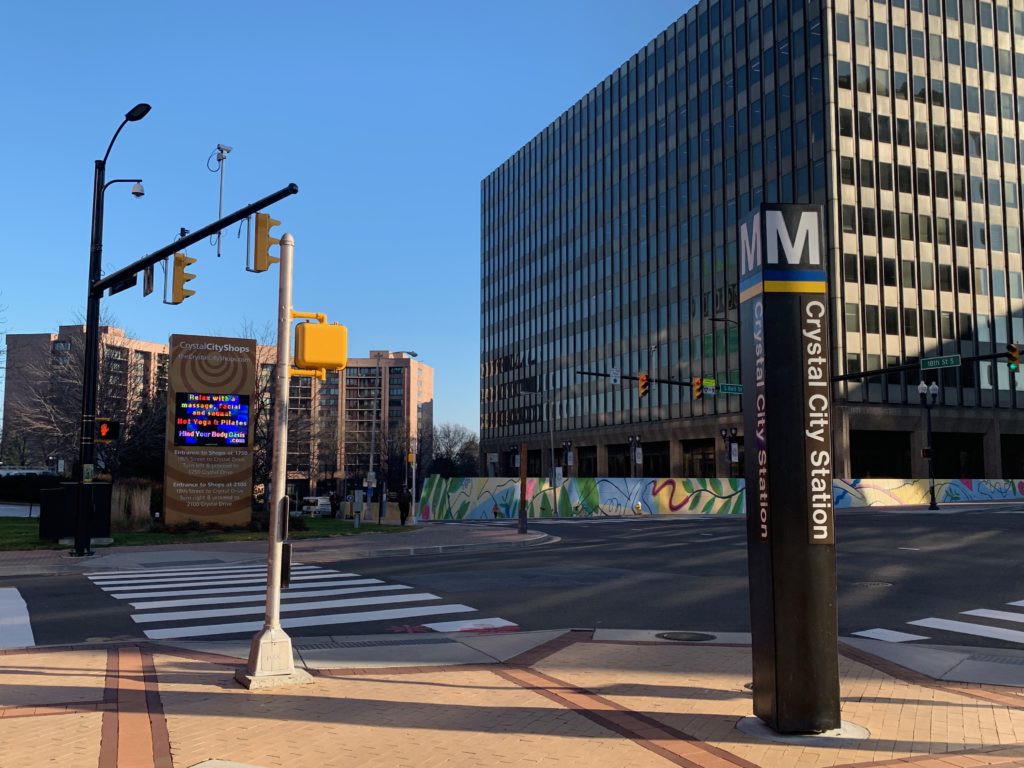
Overturned Vehicle in Crystal City — A driver managed to flip his or her vehicle in a crash last night on 18th Street S., near the Crystal City Metro station. [Twitter]

Board Set to Endorse VRE Funding — “Arlington County Board members on Jan. 26 are expected to endorse a request by Virginia Railway Express (VRE) for state funding to support construction of a new Crystal City station. The transit agency will seek grant funding from the Virginia Department of Rail and Public Transportation, which if approved could cover up to 70 percent of the cost of construction. VRE will fund the rest.” [InsideNova]

Changes to State Inspection Stickers — “The stickers are smaller, in response to complaints that the new sticker placement on the bottom left of the windshield, which started in 2018, resulted in reduced visibility for drivers.” [Tysons Reporter]

Nearby: Alexandria Warns About Opioids — “The City of Alexandria has responded to four suspected opioid overdoses in the last 72 hours, including two fatalities. While recreational use of opioids is always dangerous and illegal, City officials are urging residents to be aware of the medical safety of the drugs, including heroin, that could be extremely concentrated or mixed with something unusual that is resulting in life-threatening situations.” [City of Alexandria]

Flickr pool photo by Eschweik


A pair of major Crystal City transportation projects that were key parts of Arlington’s pitch to Amazon are now set to receive millions in state funds.

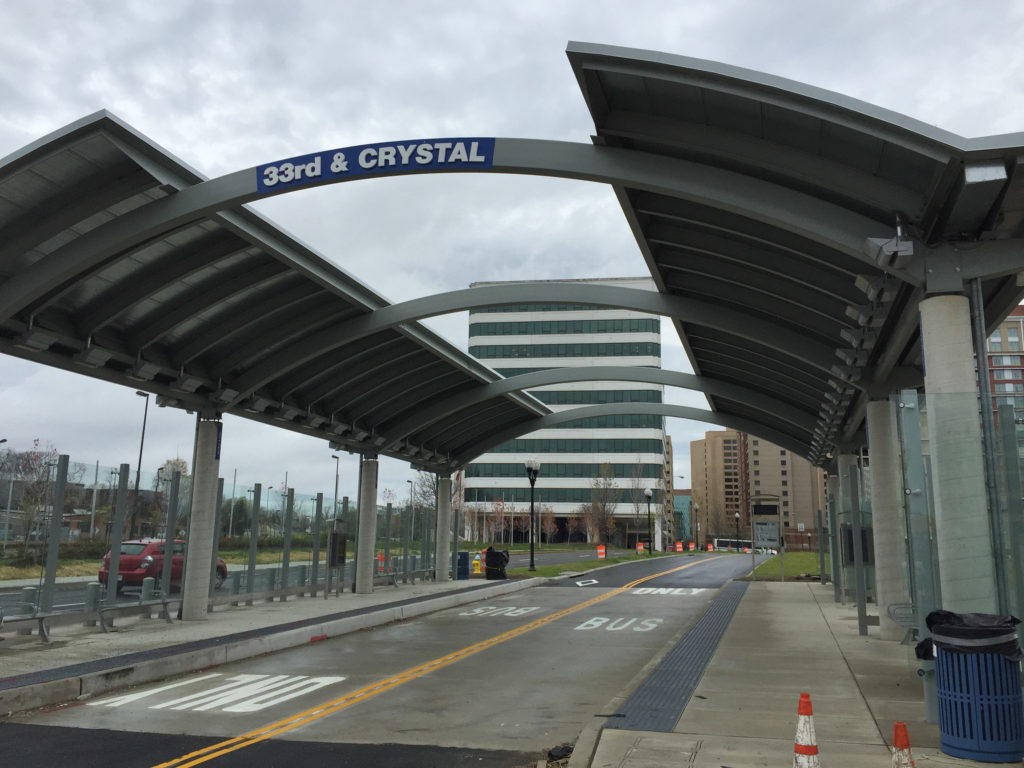
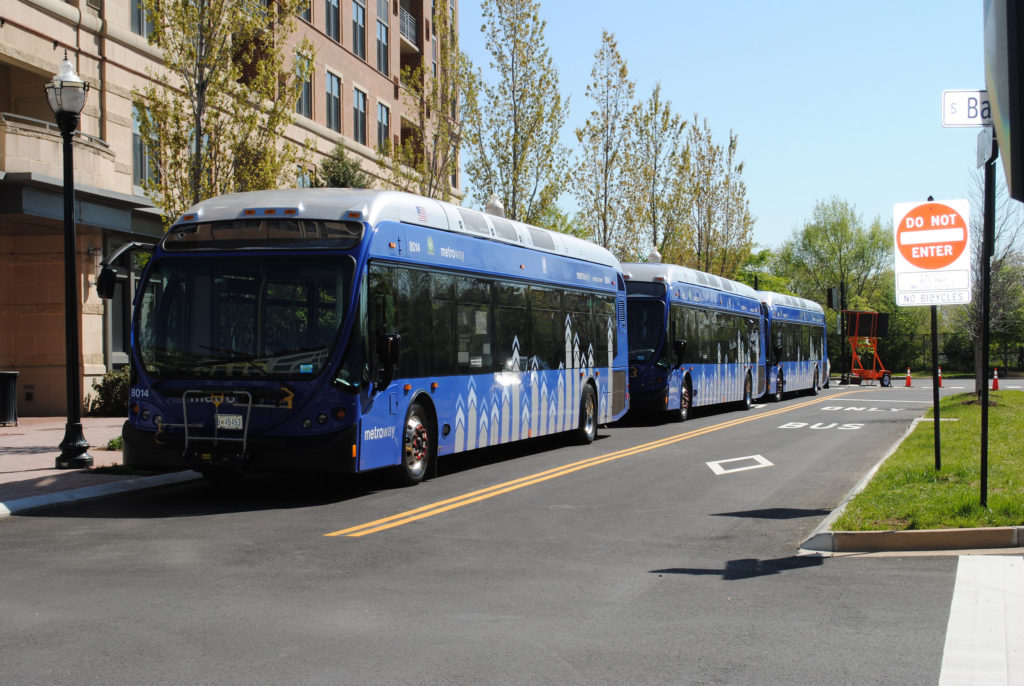
State transportation planners are recommending that officials send the county $52.9 million to help build a second entrance for the Crystal City Metro station, and another $6.6 million for an expansion of the Crystal City-Potomac Yard bus rapid transit system to Pentagon City.

The money is set to flow through Virginia’s “Smart Scale” program, a pot of money managed by Gov. Ralph Northam’s Commonwealth Transportation Board for big-ticket projects around the state. Each year, state planners recommend a series of improvements for funding by weighing various factors like how each one will reduce congestion or spur economic development efforts.

While the funding arrangement isn’t final just yet, the cash could help spur the construction of two of the five transportation improvements Northam’s negotiators promised to the tech giant in striking a deal to bring Amazon’s new headquarters to Crystal City and Pentagon City. A second, southwestern entrance to the proposed Potomac Yard Metro station, a new pedestrian bridge connecting Crystal City to Reagan National Airport and as-yet-undetermined improvements to Route 1 were also part of the incentive package.

However, the company didn’t put forward any cash on its own to afford the changes, leaving the county and the state to sort out the funding details. And the latest recommendations from state officials suggests that they’ll be drawing the bulk of the funding from “Smart Scale” cash, necessarily shrinking the size of the pot of transportation dollars available for the rest of the state.

Notably, the nearly $53 million set aside for the second Metro entrance is substantially less than the $78 million in “Smart Scale” money county officials requested for the project this past summer, back when it was still no sure bet that Amazon would pick Arlington. The project’s total price tag is estimated at $90.7 million.

County leaders have hoped for years now to build an eastern entrance to the station, to be located at the northwest corner of the intersection of Crystal Drive and 18th Street S., in order to make it more accessible to commuters and improve connectivity with the nearby Virginia Railway Express station.

Yet Arlington had trouble winning regional transportation funding for the project, in part due to some of the vagaries of the deal struck by state lawmakers to provide dedicated annual funding for the Metro system, but Amazon’s impending arrival seems to have bumped the effort to the front of the line. The project didn’t score especially well on the “Smart Scale” metrics designed to evaluate projects for funding, placing 83rd out of the 433 projects submitted for consideration this year, but it was still included among the 11 projects in the Northern Virginia area set to see more cash this year.

Documents prepared for the CTB don’t lay out where the county will find the remaining $37 million or so for the project. The regional Northern Virginia Transportation Authority previously sent $5 million to account for engineering and design costs, but Arlington officials declined to allocate much cash for the project in an update to its 10-year construction spending plan passed last year. Northam could opt to include more funding for the project in his state budget this year; the county’s proposed deal with Amazon also mentions that officials plan to draw up to $28 million over a 10-year period from tax revenues generated by the new headquarters to afford improvements in the area.

By contrast, the expansion of the dedicated bus lane system, commonly known as the “Transitway,” was already in the works when the Amazon deal came into focus. The “Smart Scale” cash will fund all but about $1.8 million of the project’s estimated cost.

The Transitway currently operates between the Crystal City Metro station and the Braddock Road station in Alexandria, with dedicated bus lanes and stations covering about 4.5 miles in all. The expansion would add another .75 miles to the route, linking the Pentagon City Metro to the Crystal City stop.

With Virginia Tech planning a new campus in Potomac Yard to coincide with Amazon’s arrival, and development in the neighborhood ramping up, the bus service would provide a link between all three areas before a new Metro station opens in the Alexandria neighborhood. The project ranked 10th overall on the “Smart Scale” metrics.

The CTB will spend the next few months finalizing these funding plans, and is set to approve them formally in June.


Arlington officials could soon clear the way for a new bowling alley and arcade to set up shop in Crystal City.

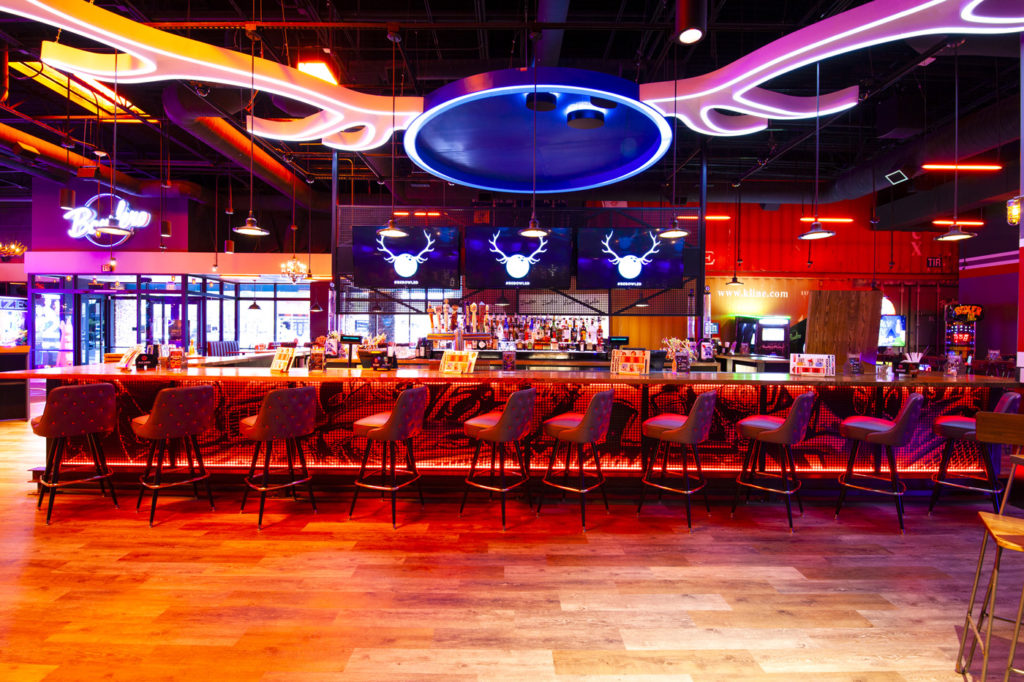
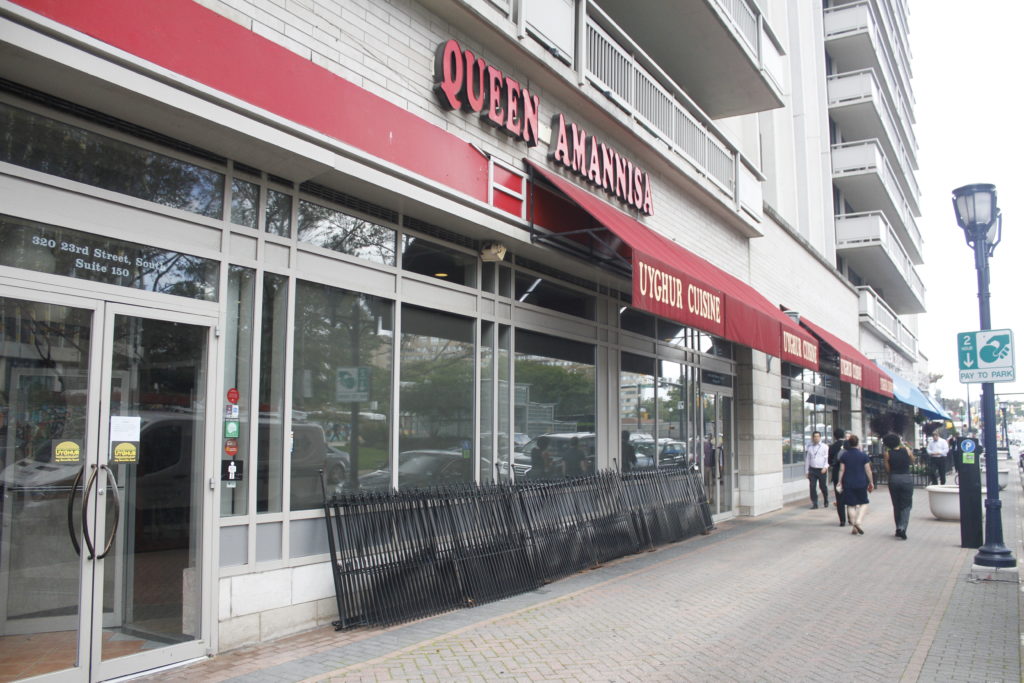
The County Board is set to sign off this weekend on plans to open a new “Bowlero” location in the base of The Buchanan apartment building at 320 23rd Street S.

The bowling alley announced plans to expand to the neighborhood last fall, and is now lining up the permits it needs to convert nearly 52,000 square feet of space into a combination entertainment center and full-service bar and restaurant.

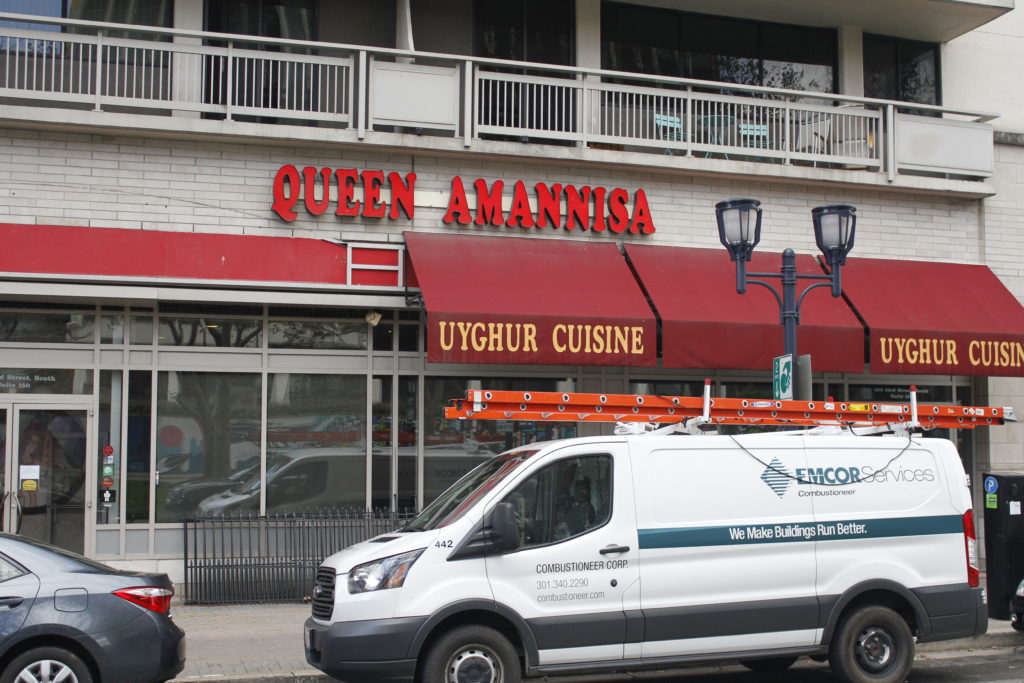
Bowlero is now set to move in next to the existing Bar Louie restaurant and Legal Seafood, taking the place of the tech company GDIT and the Queen Amannisa Uyghur restaurant.

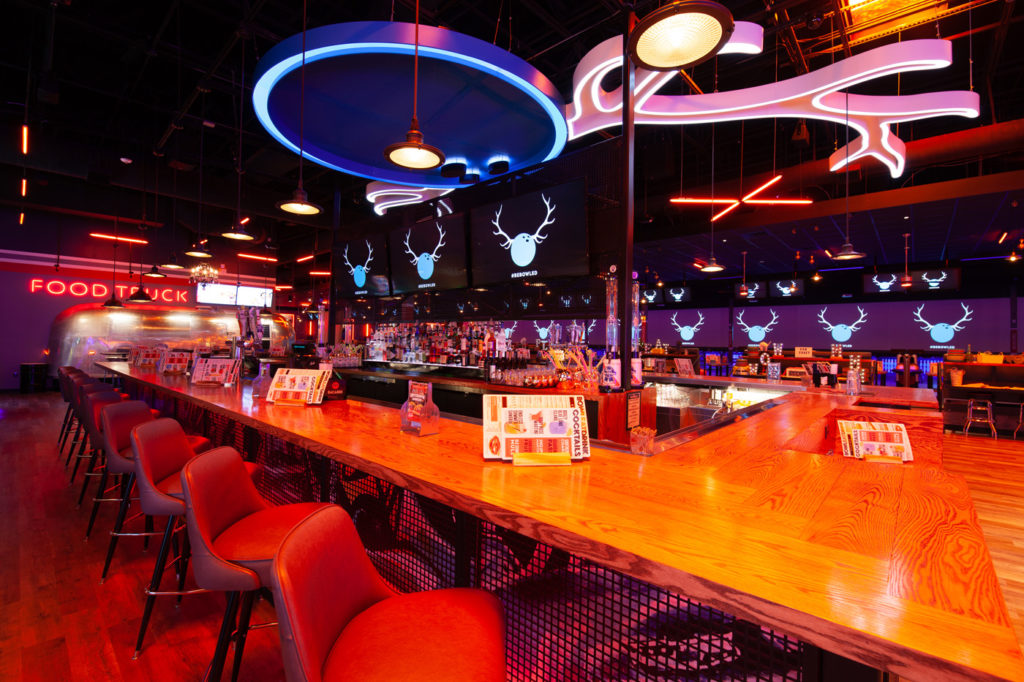
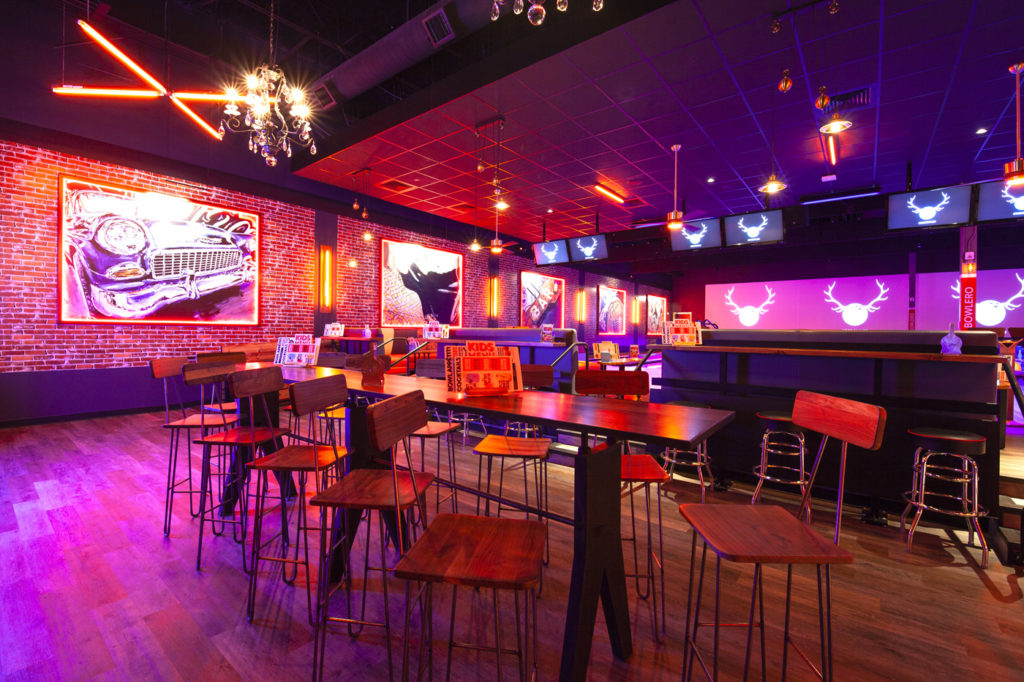
According to plans included in a county staff report, visitors will enter the establishment from 23rd Street S., passing through a large video game arcade space. A full bar will sit at the center of the space with as many as 32 bowling lanes surrounding it, according to the report.

County staff are generally supportive of the company’s plans, writing to the Board that the bowling alley will “increase the livelihood of the area, provide diverse cultural and civic facilities to a vast array of demographics and will be an overall quality addition to Crystal City.”

The Board is set to vote on permits attached to the project at its meeting Saturday (Jan. 26). The matter is slated for the Board’s consent agenda, generally reserved for non-controversial items that pass without debate.

Bowlero previously said it was hoping to open the new location sometime in “mid-2019.” The company also operates locations in Centreville and Leesburg.

Should it win the permission it needs, Bowlero’s addition to the neighborhood will be one in a series of big changes for this section of Crystal City.

Not only have several new restaurants, including Federico’s, Los Tios and Fiona’s Irish Pub, decided to set up shop along 23rd Street S., but JBG Smith is also planning on adding an Alamo Drafthouse and other retail offerings nearby as part of its “Central District” project.


Federal workers can swing by Crystal City this week to score a free lunch as the government shutdown drags on, thanks to a new partnership among businesses based in the neighborhood.

The new “Lunch on Us” program will offer free food for feds at one restaurant each day, according to a press release from the Crystal City Business Improvement District.

Anyone with a valid government ID can grab one free meal and non-alcoholic beverage from 11:30 a.m. to 1:30 p.m. each day at the following restaurants:

  • Today (Tuesday): Timber Pizza at The Stand (1601 Crystal Drive)
  • Tomorrow (Wednesday): Federico Ristorante Italiano (519 23rd Street S.)
  • Thursday: Kora (2250 Crystal Drive)
  • Friday: Crystal City Sports Pub (529 23rd Street S.)

“Federal workers are the backbone of our government and important members of our community,” BID President and Executive Director Tracy Gabriel wrote in a statement. “We hope that ‘Lunch On Us’ communicates our shared appreciation while helping to ease the financial burden during the shutdown for workers and our small businesses.”

The BID also said that it will likely add locations as the shutdown continues, with updates available on its website.

JBG Smith, the Consumer Technology Association, Gates Hudson, the We Company and Eastern Foundry are also helping the BID offer the free lunch program.

This effort is the latest in a series of initiatives around the D.C. region designed to help federal workers who are hurting while missing out on paychecks, and county officials have also stepped in to lend a hand while the shutdown continues.


Roads ‘Looking Good’ After Light Snow — Per Arlington’s Dept. of Environmental Services: snow removal crews are “reviewing school routes, especially bridges and County sidewalks, with @APSVirginia on a 2-hour delayed opening. Roadways looking good, treated as needed, but go slow and remove snow from vehicles before pulling out.” [Twitter]

Gov’t Closures Today and Monday — “Arlington County Government offices, courts, libraries & facilities will be closed on Jan. 21, 2019 for Martin Luther King, Jr.,’s birthday. NOTE: Commonwealth of Virginia offices (including Courts & DMVs)  will be closed Friday Jan. 18, 2019 for Lee-Jackson Day.” [Arlington County]

Amazon Incentives Clear First Richmond Hurdle — “A powerful General Assembly committee has passed and forwarded to the full state Senate legislation that would grant Amazon up to $750 million in financial incentives for locating a secondary headquarters in Arlington and Alexandria.” [InsideNova]

Who Said This? — A “big D.C. developer” reportedly called Crystal City “Ballston with lipstick,” which is more flattering than what an executive for Crystal City’s biggest property owner said about the community earlier this week. For its part, Crystal City is continuing to bask in the afterglow of its big Amazon win and this week’s announcement that PBS will be keeping its headquarters in the neighborhood. [Twitter]

Famers Market Offers Shutdown Discounts — The Westover Farmers Market, held on Sundays at the corner of Washington Blvd and N. McKinley Road, is offering discounts of 10-25 percent for furloughed federal employees and contractors until the government shutdown ends.

Arlington Family’s Furlough Story — An Arlington couple who both work for the federal government and are missing paychecks during the shutdown is more fortunate than many, given that they have savings with which to keep paying the bills. But it has meant cutting back on discretionary spending and things like child care and retirement contributions. [MarketWatch]

Arlington Man Arrested for ‘Ruckus’ in Ohio — “A man from Arlington, Virginia is facing charges in Youngstown after police say he created a ruckus at the downtown DoubleTree and threatened police… officers say he kept threatening them saying, ‘You guys are going to be sorry, and you’re going to regret this. I will find you when I get out.'” [WKBN]


Spike Mendelsohn Planning New Restaurants in Crystal City — “Already in National Landing with Good Stuff Eatery and We, The Pizza, Mendelsohn has a letter of interest out for two new spaces. One will bring his Mexican taco shop already on Capitol Hill, Santa Rosa, to Virginia. Another is a new concept: fried chicken.” [Northern Virginia Magazine]

Shutdown May Fry Local Economy — “Come February — perhaps by the beginning of the month, probably the middle and definitely by the end — the financial, occupational and psychological impact of this now-record government shutdown will go from the theoretical to the very, very real.” [Washington Business Journal]

Trump Signs Shutdown Backpay Bill — President Trump has signed a bill championed by Rep. Don Beyer (D-Va.) that will provide backpay to federal employees affected by the government shutdown. Now Virginia Sens. Tim Kaine and Mark Warner are working to provide a similar guarantee for low-wage federal contractors. [Federal News Network]

JBG’s ‘Brutally Honest’ Amazon Pitch — A quote attributed to JBG Smith Chief Development Officer Kai Reynolds, talking about his pitch to Amazon’s HQ2 team: “So we literally sat down at 8 in the morning, and I started the presentation by saying ‘I’ve lived [in this region] a number of years, I had never been [to Crystal City]. While it’s better than I thought, it’s kind of a shithole.'” [Bisnow]

Snow May Disrupt Evening Commute — “The main band of snow is likely to come through during the evening and overnight hours. As the onset of snow may coincide with the evening commute, especially in our western areas, build in extra time to get home or consider leaving a little early to beat the rush. Some slick spots could develop, especially on untreated roads.” [Capital Weather Gang, Twitter]

Nearby: Attempted Kidnapping in Georgetown — “As she neared her front door about 5 p.m. Tuesday, a woman grabbed the child from behind and tried to abduct her, D.C. police said. The girl fought back and broke free. The nanny in the car screamed, and the woman ran.” [Washington Post]


(Updated at 3 p.m.) With Amazon gearing up to move into his neck of the woods, Del. Alfonso Lopez (D-49th District) is angling to substantially beef up state spending on affordable housing development.

Lopez, who represents a variety of South Arlington neighborhoods surrounding the tech company’s planned headquarters in Crystal City and Pentagon City, is eyeing a two-pronged approach to the issue in this year’s General Assembly session.

Both of his legislative efforts involve the Virginia Housing Trust Fund, a pot of money Lopez helped create back in 2016 to offer low-interest loans for developers hoping to build reasonably priced housing. Though state lawmakers have only allocated a few million dollars to the fund for the last few years, Lopez hopes to simultaneously ramp up appropriations for the program and find a more stable source of funding for it going forward.

Leaders in Arlington and Alexandria have both committed to send more resources to local programs targeting housing affordability in the wake of Amazon’s big announcement, but those efforts will only be designed to target the communities surrounding the tech giant’s new office space. And with most prognosticators predicting that the 25,000 Amazon employees set to descend on the area will choose to live all over the Northern Virginia region, Lopez sees a clear need for a state-level solution.

“This is a statewide problem,” Lopez told ARLnow. “And I believe affordable housing is a quality of life issue in Virginia, and it’s something we should be funding in the same breath as transit, transportation, environmental protection and education.”

Gov. Ralph Northam, a Democrat, has already proposed sending $19 million to the housing fund over the next two years as part of his latest budget proposal. That change would make $20 million available for the current fiscal year, and another $10 million available the year after that.

But Lopez is envisioning an even larger amount heading to the fund, and he’s planning on proposing a one-time, $50-million influx to make a difference right away.

The amount might seem small compared to the state’s mammoth budget, but Lopez expects it could make a big difference — he points out that the fund has already helped kick start two projects along Columbia Pike in just the last few years alone.

Michelle Winters, the executive director of the Arlington-based Alliance for Housing Solutions, notes that the trust is “currently a small source of funding that is spread fairly thin across the state.” That means even Northam’s proposal, to say nothing of Lopez’s more ambitious ask, would be a “quantum leap” forward for the state, according to Michelle Krocker, the executive director of the Northern Virginia Affordable Housing Alliance.

Federal housing dollars are really diminishing, so it’s increasingly up to state and local governments to fund this stuff,” Krocker said. “Arlington has been a leader on this…but the state of Virginia is being fairly negligent, to put it mildly, in providing resources through the trust fund.”

Accordingly, Winters expects even a modest increase would prove to be meaningful, in Arlington and elsewhere.

“Even though it is small, any source of funding to help fill the gap in an affordable housing project’s budget is very valuable and can help make some more projects feasible,” Winters wrote in an email.

Yet Lopez also sees a clear need to make affordable housing funding a bit more predictable going forward.

Currently, Lopez laments that he has to go “hat in hand” to appropriators on General Assembly committees, urging them each year to set aside money for the trust fund. He’d much rather see lawmakers set up a dedicated funding stream to ensure regular, stable contributions to the loan program each year.

Accordingly, Lopez is backing a bill to establish such a funding mechanism — in essence, the legislation would pull away an annual percentage of surplus revenue from state “recordation” taxes, or levies on home transactions.

He’s proposed such legislation in the past, and acknowledge that it could face an uphill battle this time around — lawmakers with power over the state’s purse strings may be loathe to give up any budgetary discretion, after all.

Even the one-time cash infusion could prove difficult for Lopez to achieve, considering that Republicans have already declared Northam’s budget proposals “dead on arrival,” as a fight over tax revenues brews in the General Assembly.

“We’re all very concerned that with Republicans being so opposed to the governor’s amendments… that we’ll really have to wait and see whether the governor’s housing trust fund plans survives these deliberations,” Krocker said.

It doesn’t help matters either that some key lawmakers (and even some Northam administration officials) shied away from including more affordable housing money in the state’s proposal to Amazon, arguing localities and developers are better suited to fund this kind of development.

But Lopez is “hopeful” that the grave concerns raised about the housing market in the wake of Amazon’s announcement could help change minds on the issue, and he’ll certainly have allies among Arlington’s legislative delegation.

“Housing will be an issue here for at least a decade or more,” said Del. Patrick Hope (D-47th District). “Amazon coming in won’t change all that dramatically, but it does increase the urgency for affordable housing and putting funding behind this.”

File photo


View More Stories