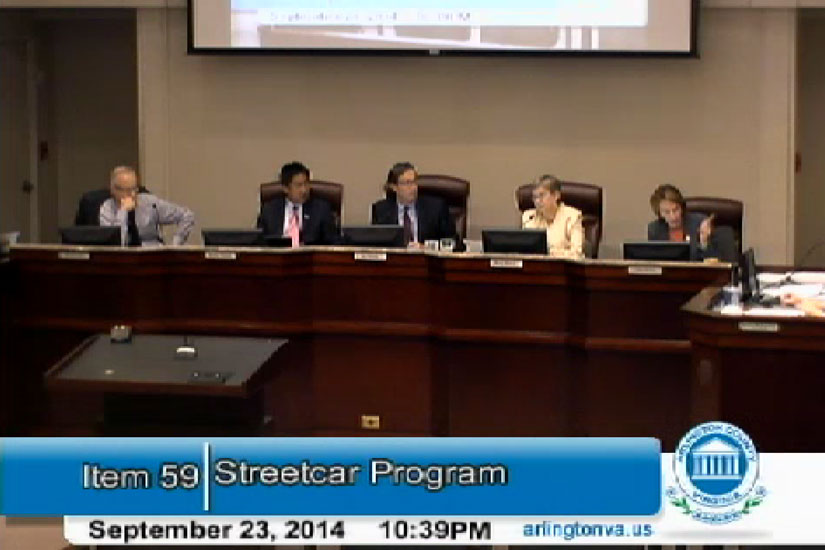
Update at 3:55 p.m. — The County Board voted 4-1 in favor of Fisette’s motion to stop the streetcar project. The dissenting vote was Walter Tejada, who said the streetcar would have reduced congestion and helped the Columbia Pike’s revitalization. “Turning away from a modern streetcar system is a dramatic step backwards,” Tejada said. “Arlington’s credibility in the region will now be adversely affected.”
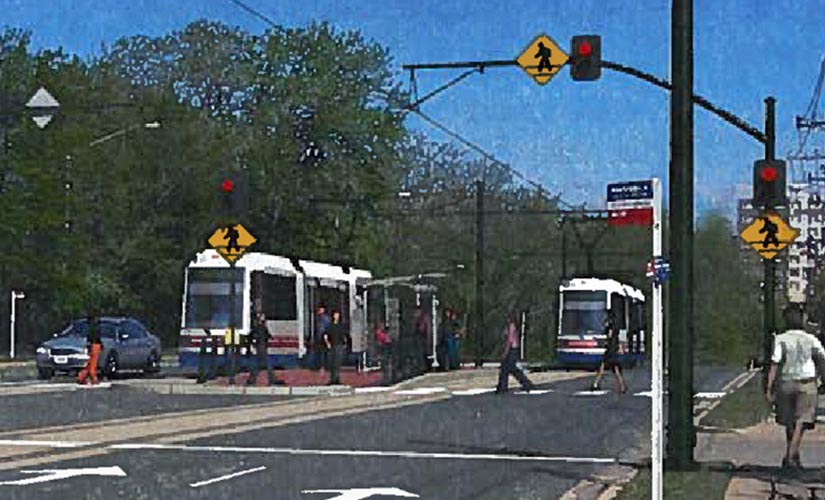
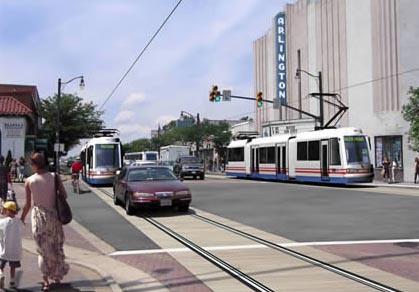
(Updated at 2:40 p.m.) Arlington County’s half-billion-dollar streetcar project for Columbia Pike and Crystal City is being canceled, County Board Chair Jay Fisette announced today.
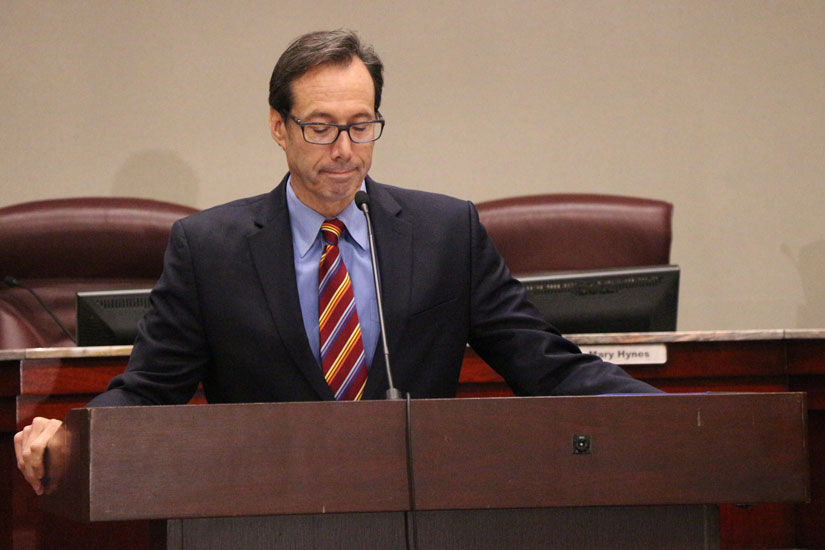
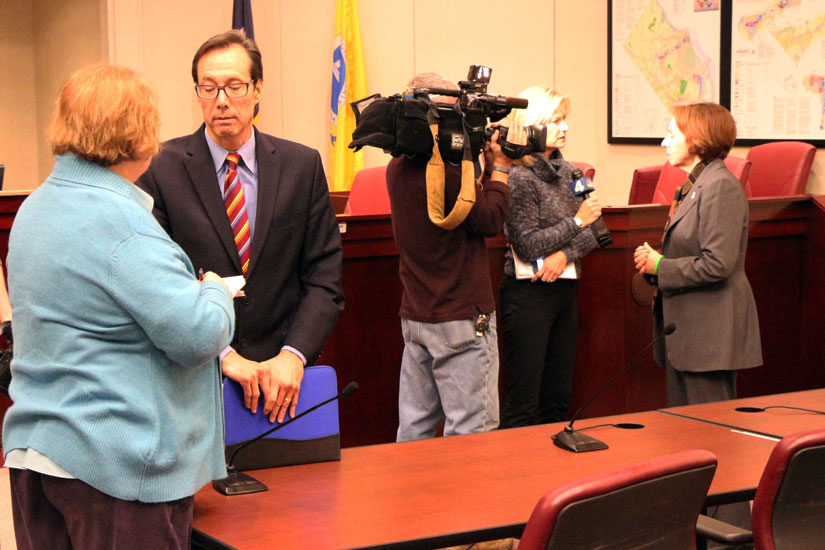
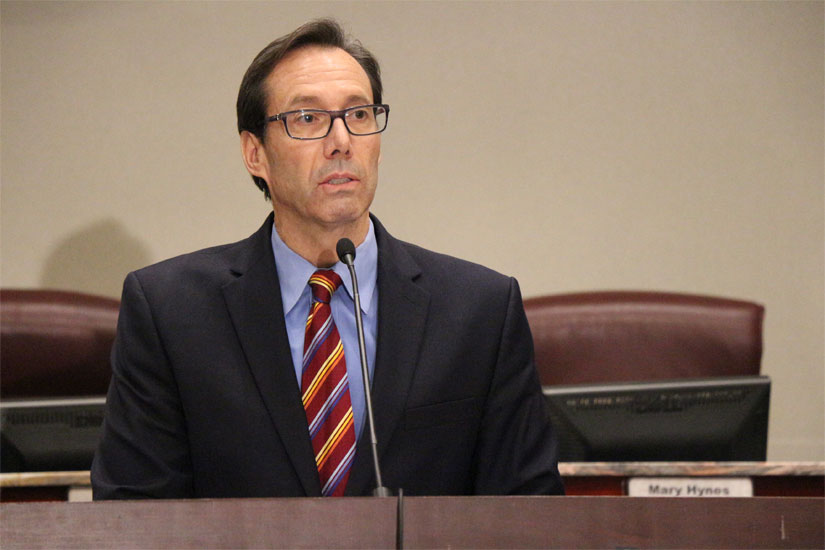
“I have come to the conclusion that the only way to move forward together … is to discontinue the streetcar project,” Fisette said solemnly, before a large crowd of reporters. “After close consultation with [County Board members Mary] Hynes and [Walter] Tejada, with our partners in Fairfax and Richmond and with members of the community, Ms. Hynes and I have agreed that all spending on streetcar must end.”
Fisette will make it official with a motion at this afternoon’s County Board meeting. Tejada is said to oppose canceling the project and may vote against Fisette’s motion.
The streetcar project was to be funded by commercial transportation revenue, along with funding from the state and Fairfax County, which was to benefit from the Pike streetcar running to the Skyline area.
Fisette said the county will instead explore options for improving bus service on Columbia Pike. The transitway between Crystal City and Alexandria will continue to operate and be developed, but will be served only by buses. Existing streetcar contracts — like the $26 million engineering contract awarded in September — will be “wound down” as quickly as possible.
Fisette acknowledged that many business owners and residents along Columbia Pike will be disappointed by the streetcar project’s cancellation.
“There are those who moved there or developed in anticipation of the streetcar,” Fisette said. “I will say that we are committed and remain committed to the Columbia Pike corridor. We will continue to work towards the realization of that vision [of high quality, mixed use development] in a modified form, and that is the commitment of this Board. We will enhance the bus system to the extent possible.”
Fisette said that he believes a streetcar still makes sense on Columbia Pike, as it would increase transit capacity and spur economic development, adding that he’s “proud” of his vote for it. The decision to kill the project was made after the election of streetcar opponent John Vihstadt on Nov. 4, which “sent a powerful message to the Board.”
“We cannot ignore the political realities… this was not a formal referendum, but I believe it serves as a proxy,” Fisette said. “Right now the level of discord is such that I haven’t seen for awhile. It keeps us from addressing other pressing needs in the community.”
Fisette said county staff and the county manager were “caught flat-footed” by organized opposition to the streetcar, which materialized in “the past year or so.” Efforts to communicate the streetcar’s benefits were ineffective, he said.
The cancellation is an improbable victory for Vihstadt and his anti-streetcar ally on the Board, Libby Garvey. Together, they have been pushing the county to cancel the streetcar project and instead work to implement enhanced bus service on Columbia Pike.
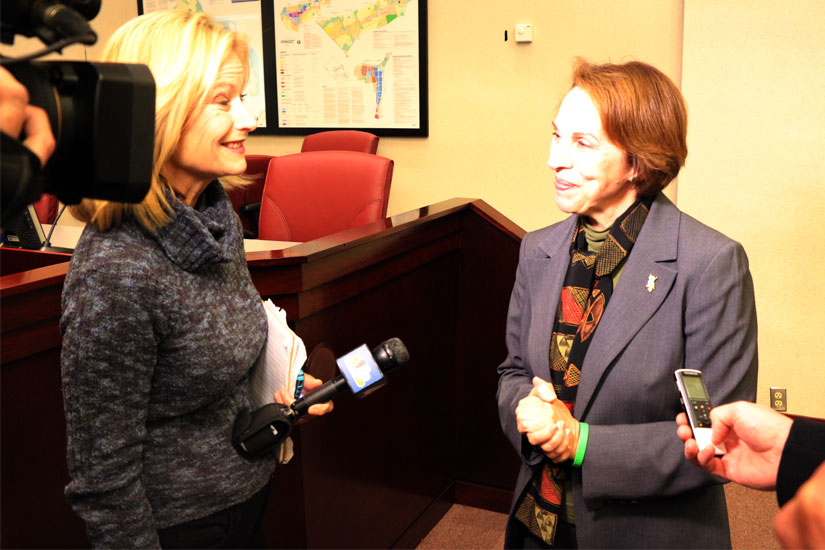
Garvey was in attendance at Fisette’s press conference (which can be viewed online) and said afterwards that Fisette’s announcement “was a complete surprise.” Hynes was at an event this morning and “gave a ringing endorsement” of the streetcar, Garvey said.
“I’m delighted,” Garvey said. When asked about the impact the decision will have on businesses and residents who moved to the area in anticipation of the streetcar, she said “people need to understand that we will get a bus rapid transit system going. It will do everything the streetcar could and more. They’re going to be just fine.”
The streetcar plan for Columbia Pike was developed over nearly a decade of community meetings and deliberations and approved in 2006. Its backers have consistently said that consensus was behind the streetcar and it’s what the community wanted, but Fisette conceded that the feeling around the county has changed.
The struggles of the streetcar along H Street NE in Washington, D.C. has only added to the growing sentiment that the streetcar was more trouble than it was worth.
“The D.C. streetcar was a gift for those of us who oppose the streetcar,” Garvey said.