The following in-depth local reporting was supported by the ARLnow Press Club. Join to support local journalism and to get an early look at what we’re planning to cover each day.
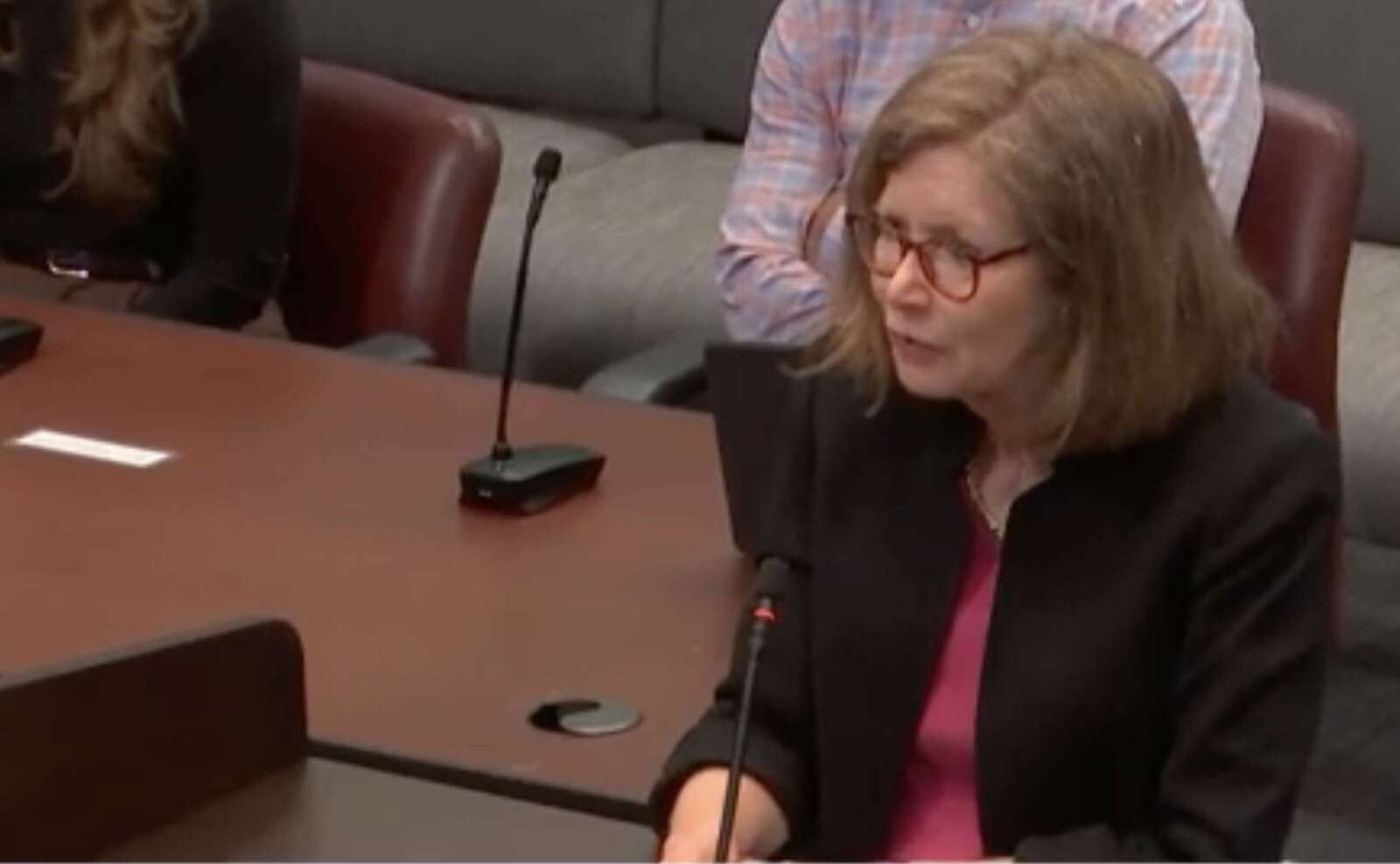
When a member of Arlington County’s climate change committee took the dais earlier this month, she told the Planning Commission that she had good and bad news.
After evaluating the environmental commitments from JBG Smith for its Americana Hotel redevelopment project, the Climate Change, Energy and Environment Commission (C2E2) gave the project a score of 64.
“Sixty-four is a terrible score but it’s one of the best scores we’ve given,” member Cindy Lewin said.
She commended JBG Smith for participating in national and local programs incentivizing sustainable projects, and, at her request, meeting with a coalition focused on decarbonizing buildings. But, she emphasized, the building will still use significant fossil fuels.
“Arlington County is not going to be able to meet its commitments to climate change, to carbon neutrality and to its [Community Energy Plan] and sustainability goals if we continue to approve so much development,” she said.
Arlington County, which has long been recognized nationally for its commitments to environmental sustainability, is trying to move away from fossil fuels. The burning of such fuels releases carbon into the atmosphere and contributes to a warming planet and other climate changes.
Since resolving in 2019 to neutralize its carbon emissions by 2050, Arlington County has already reached an important milestone toward that goal and knocked out other goals along the way.
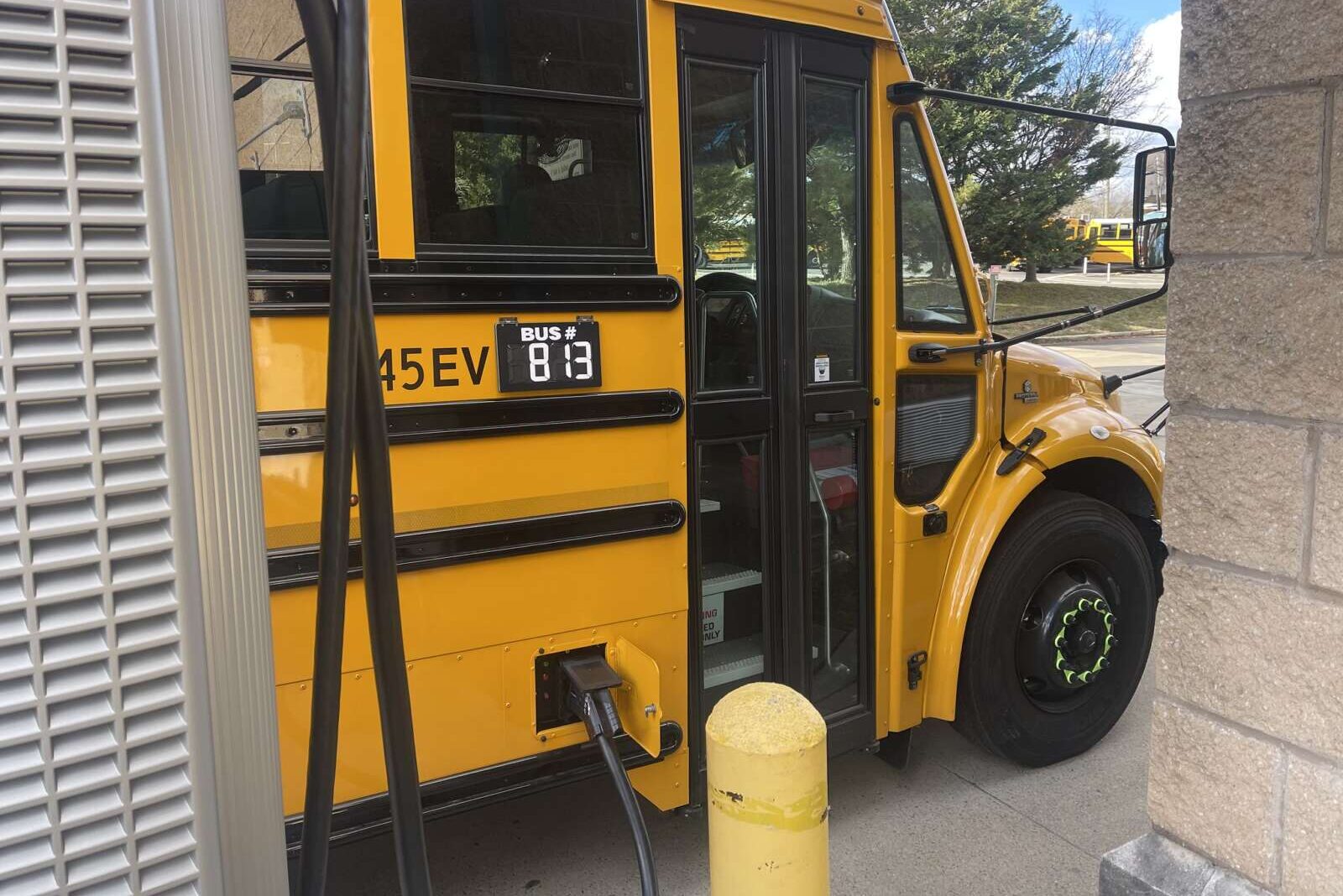
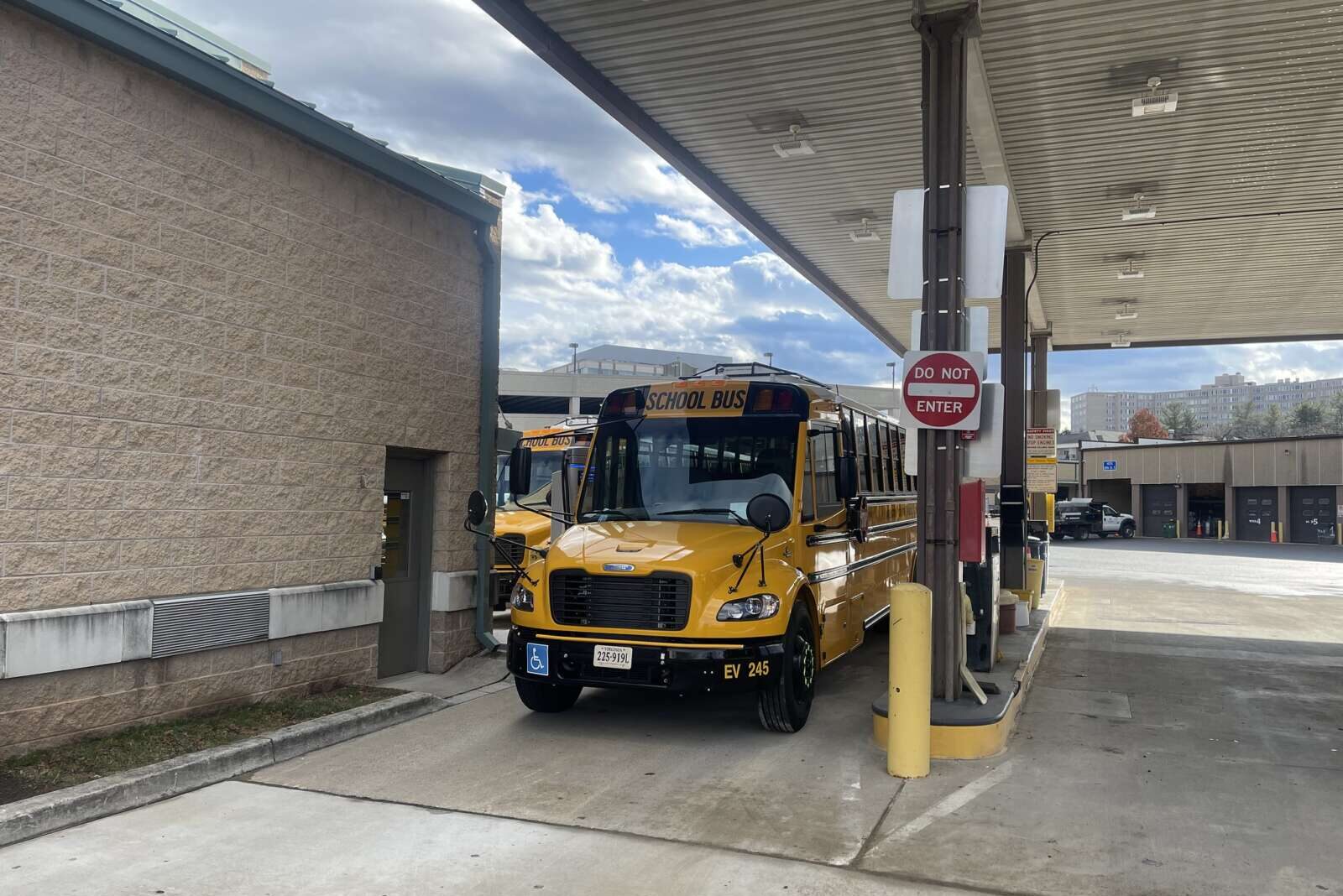
In January — two years ahead of schedule — all county operations moved to renewable electricity, mostly because it is buying electricity from a new Dominion solar farm in rural Virginia. Arlington hired a first-ever Climate Policy Officer, purchased electric school buses and published the first edition of a quarterly publication showcasing its climate progress.
“Arlington, in general, is performing very well,” says Arlington County Board Takis Karantonis. “With what we set out to accomplish, we are at a nice level of completion.”
He says going forward, gains will be harder to achieve.
“We will have to electrify transportation and convince people not to drive so much,” he said. “We will have to make sure that new buildings are built at far higher standards than they were before.”
ARLnow spoke with leaders of a half-dozen environmental advocacy groups and every one of them commended the county — but said it is moving slowly and disjointedly toward electrifying everything from county buses to private development projects to single-family homes.
If it moved faster, they say, the county would live up to its reputation and show organizations and individuals these lifestyle and business changes are not only possible but necessary.
“What the scientific community is saying is that we have to cut carbon emissions by 50% by 2030 if we are to avoid going past what we need to to keep temperature rises at a manageable level,” C2E2 Chair Joan McIntyre said. “This is a critical thing we have to move quickly on and there’s a sense that that urgency is not seen in how the county is moving forward.”
These leaders hope the long-awaited climate czar, Climate Policy Officer Carl “Bill” Eger, will have the authority to steer a “whole of county” approach to reaching carbon neutrality. Julie Rosenberg, who leads the Arlington branch of Faith Alliance for Climate Solutions, says she has “ridiculously high expectations” for Eger.
“My hope is that he has staff and brings enthusiasm to decision-making and expectations so that it doesn’t feel like they look up and their bosses are so focused on getting the job done today,” she says. “I was a bureaucrat. It’s hard to run the train and envision a new path ahead but we have to do it. We don’t have a choice.”
In a conversation with ARLnow, Eger said some siloing is inevitable in local government but many divisions of Arlington’s government are working to solve problems collaboratively. His vision for a “whole of county” approach goes beyond the headquarters at 2100 Clarendon Blvd.
“As we look to the future, we are looking at a ‘whole of community’ thinking,” he said. “The county is the trusted institution standing behind the foundation of the work, bringing up community foundations, neighborhood groups, institutions, nonprofits and universities, to bring together resources and creativity, ways of problem solving and embedded intelligence to work toward contributing to solving climate change.”
He says his first aim is to integrate climate into policy conversations the way the county evaluates equity in its major policy discussions so it remains top-of-mind for the government.