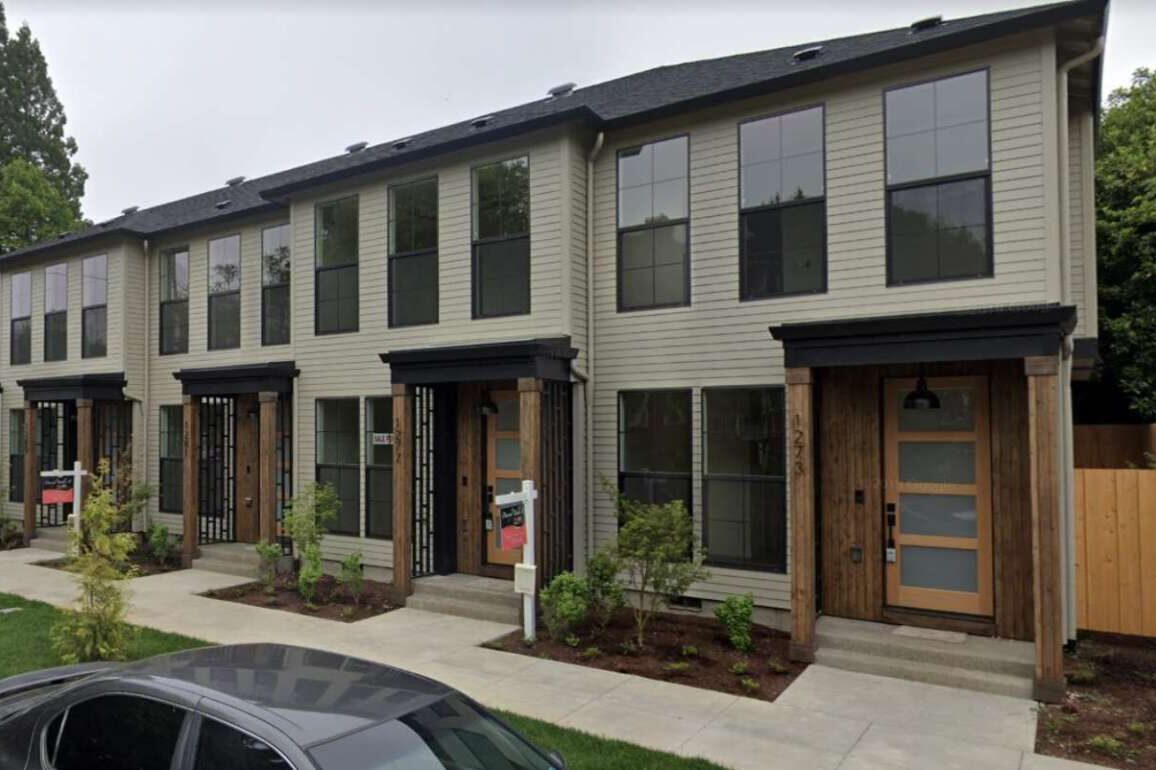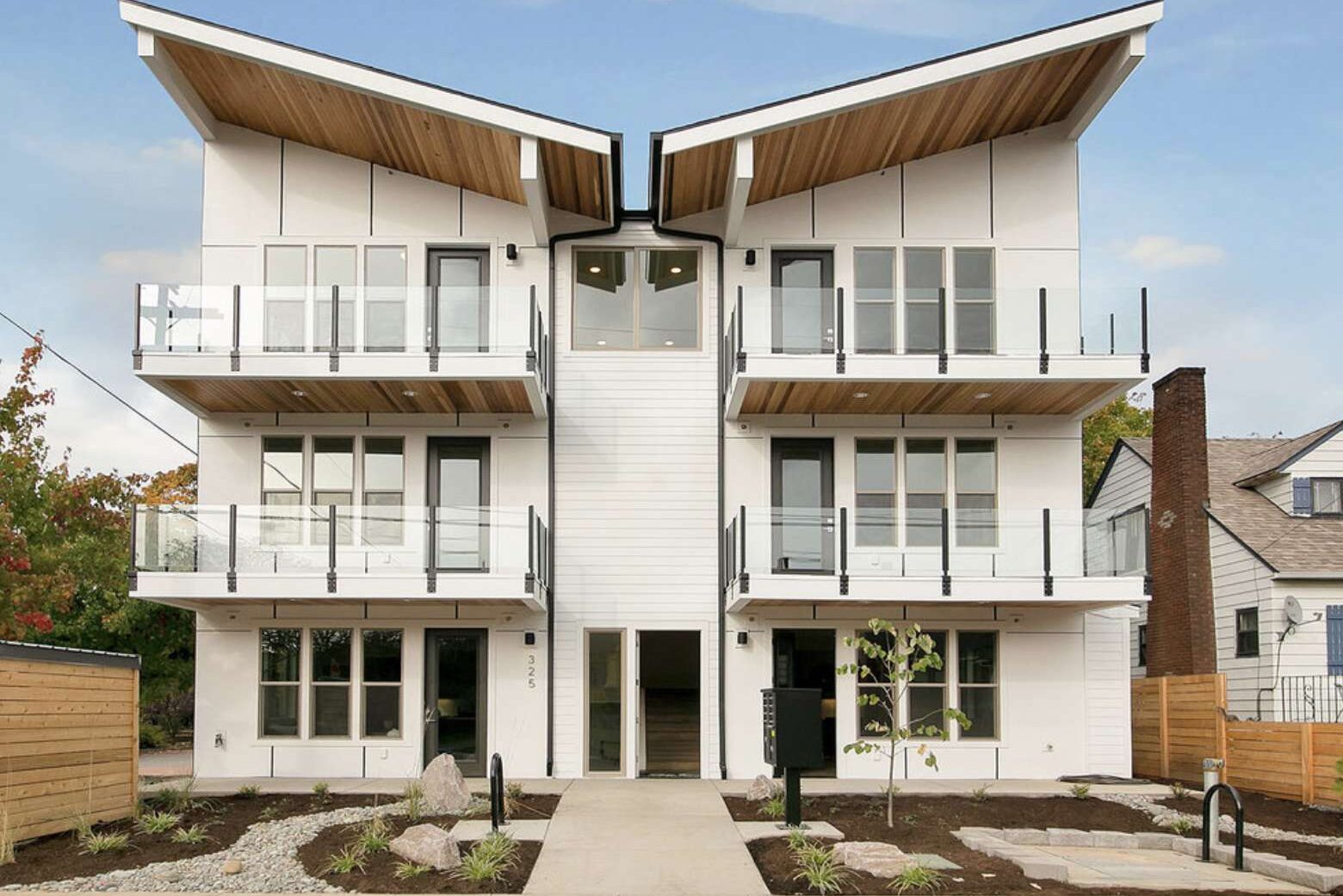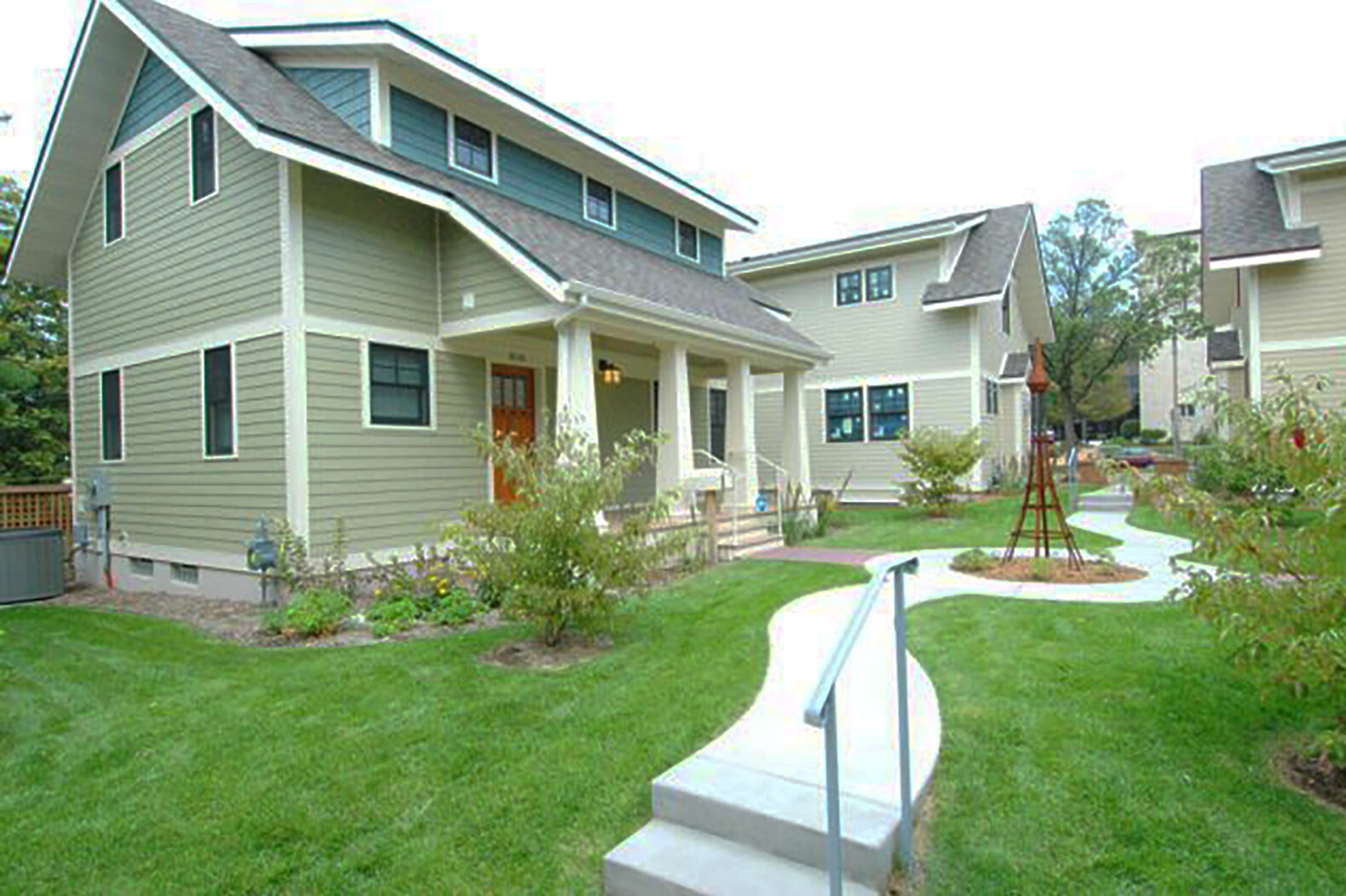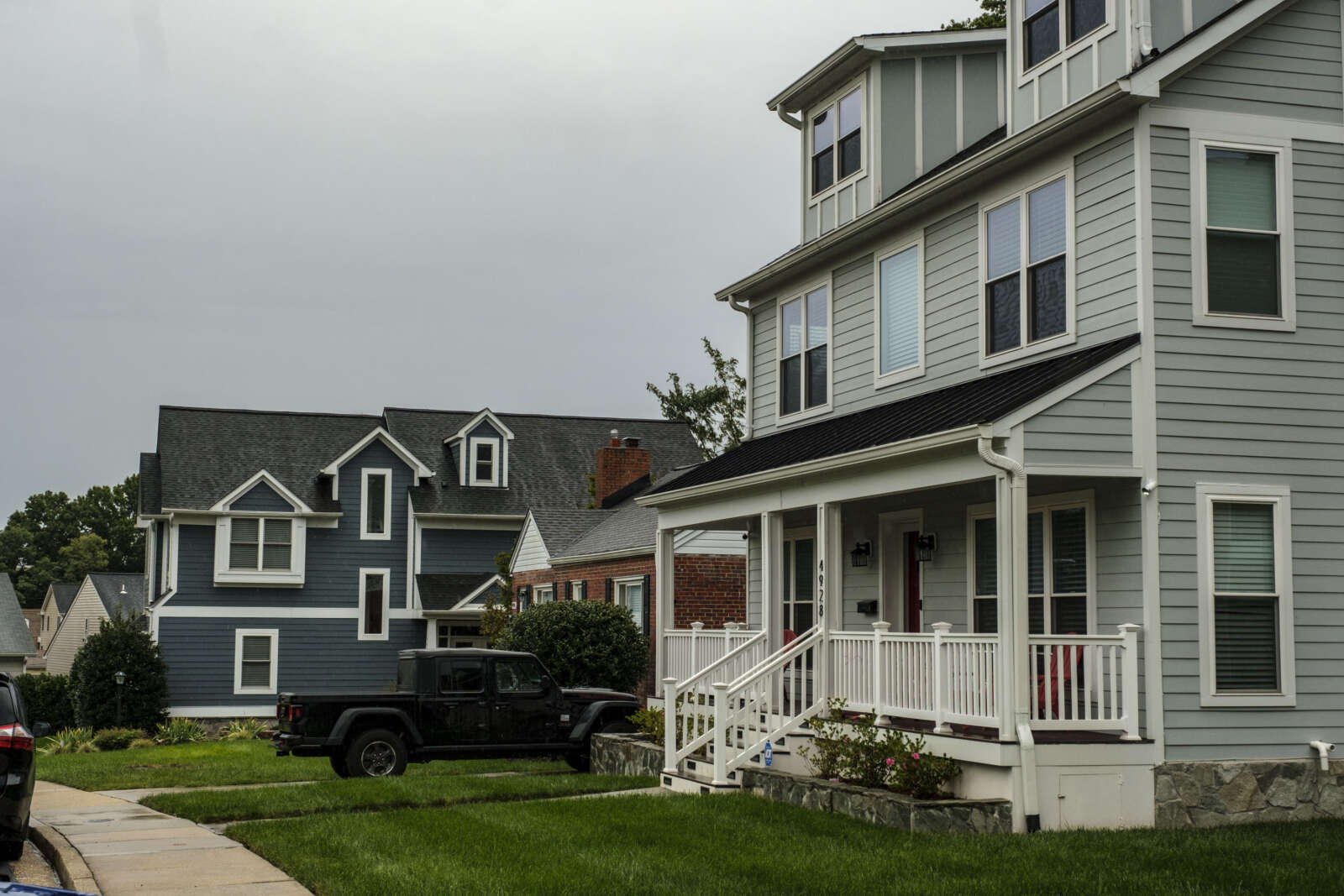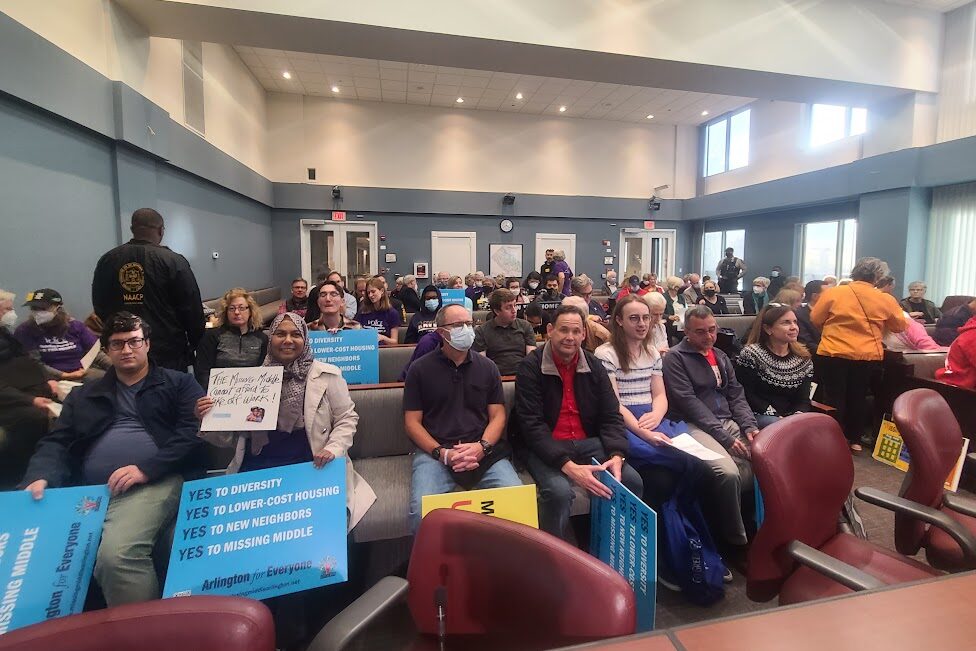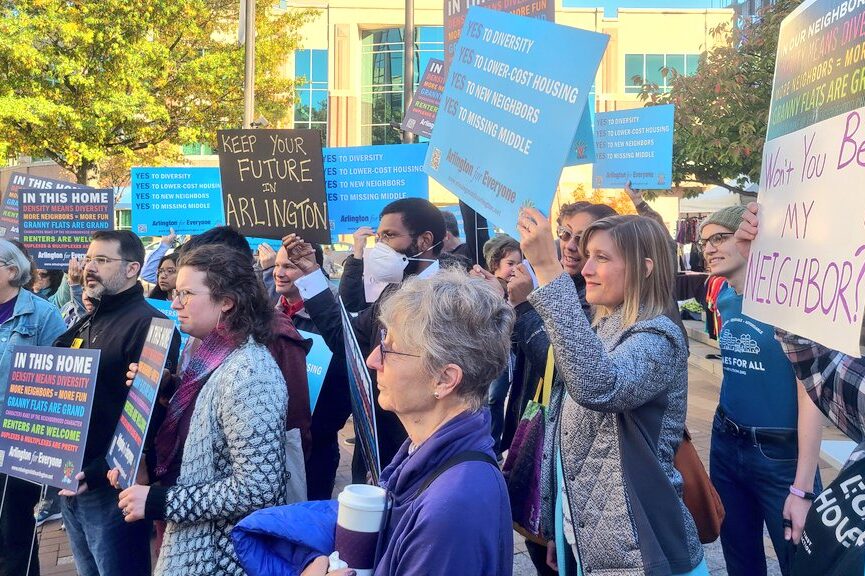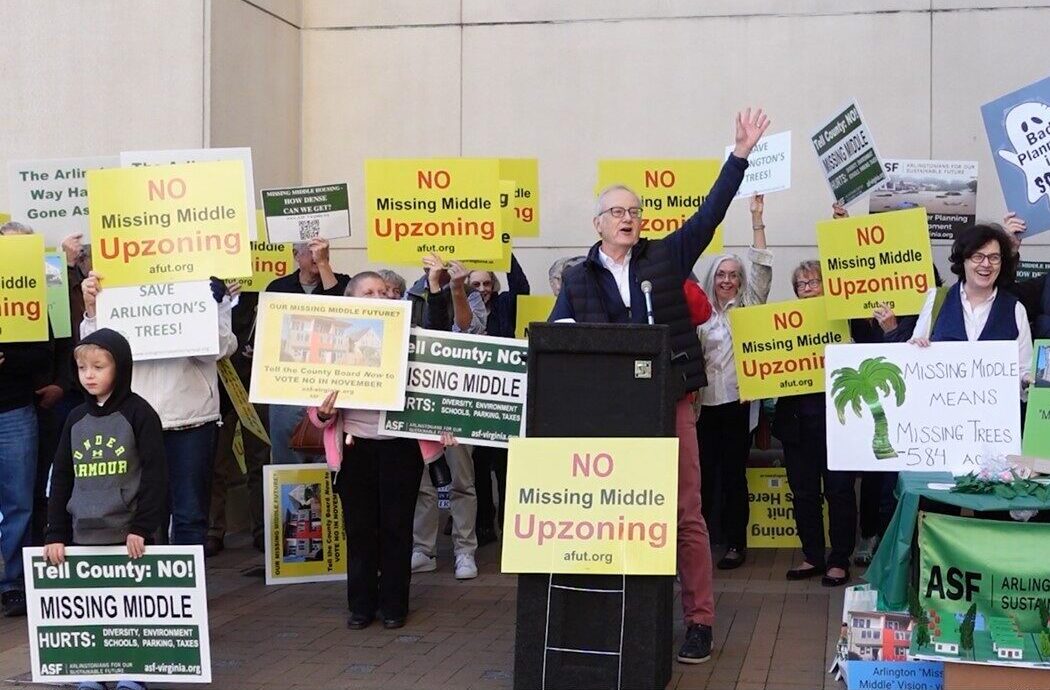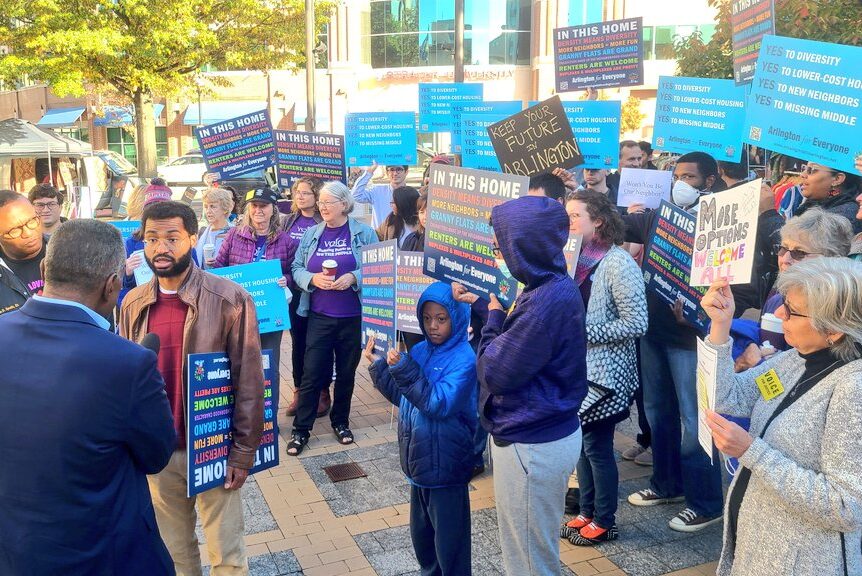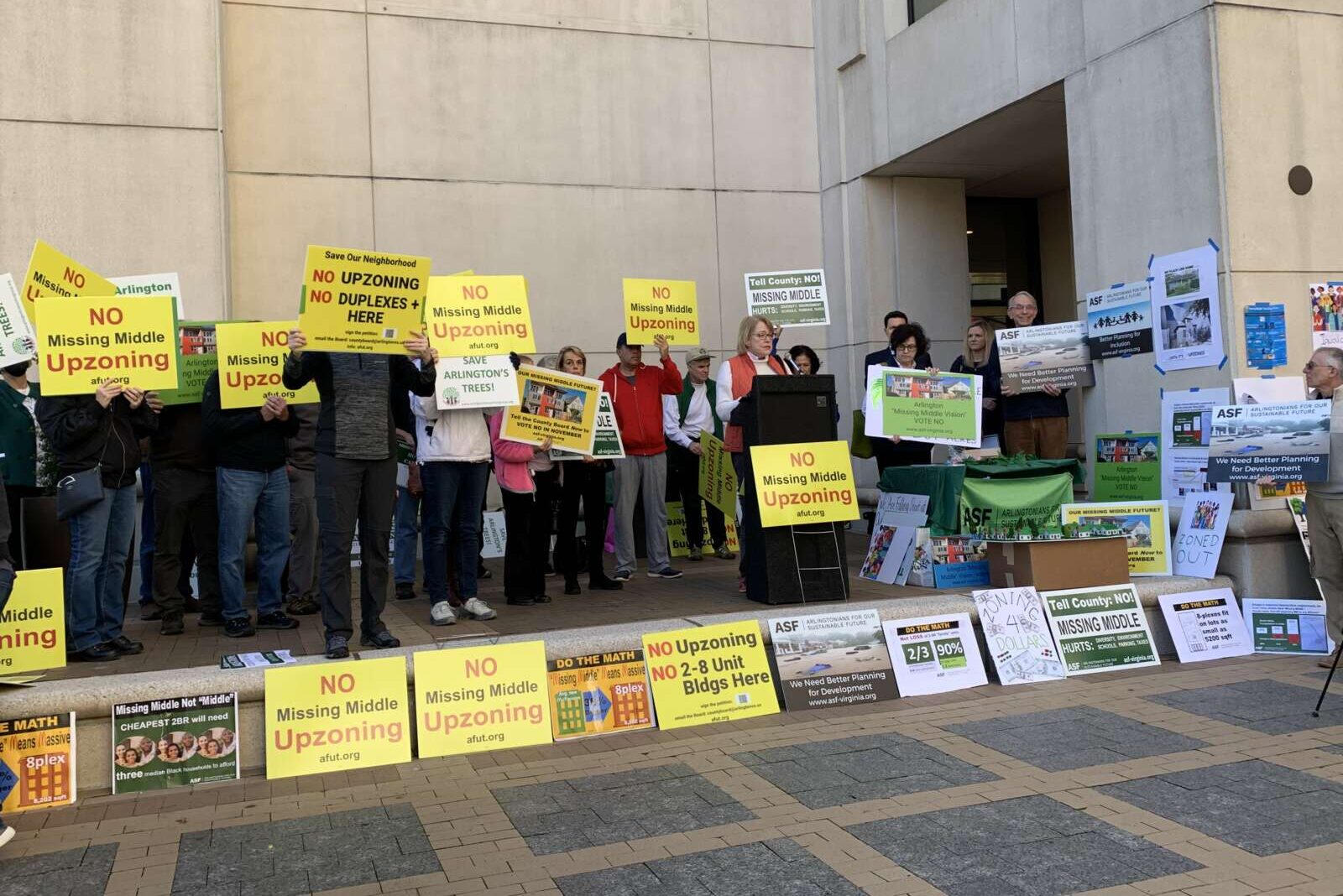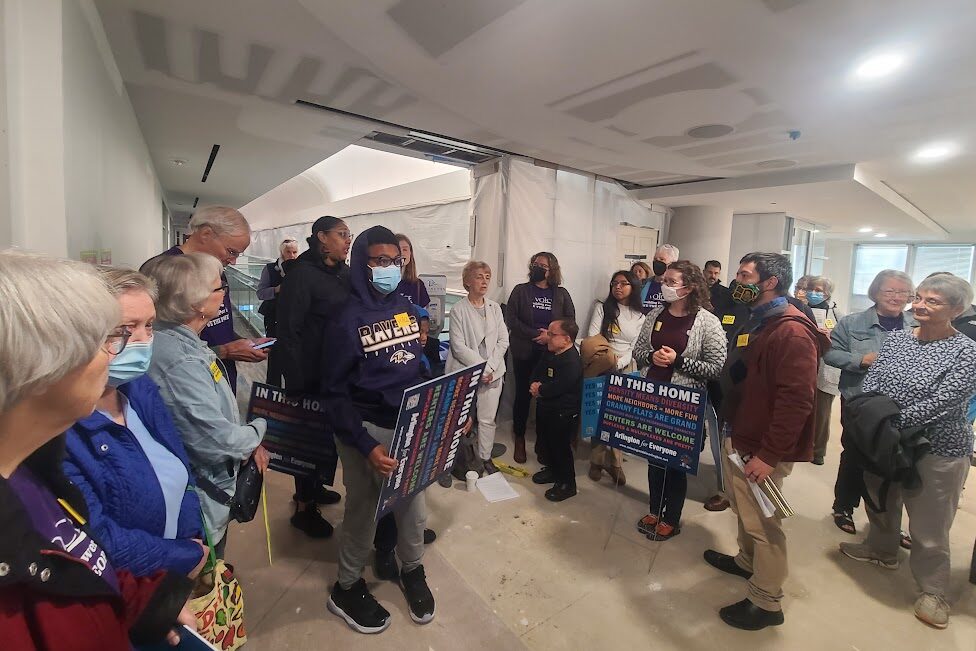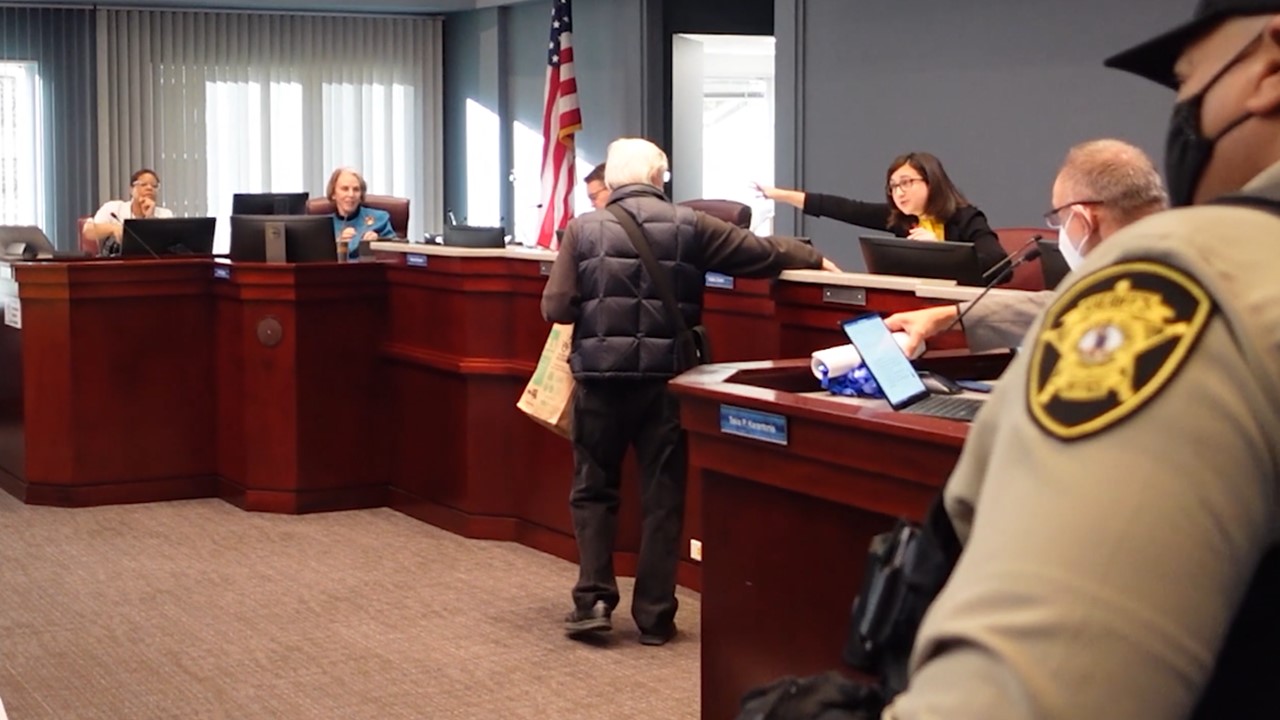
Arlington’s “Missing Middle” housing proposal has led to impassioned debates, with locals both for and against the potential zoning changes.
As the County Board gets closer to a vote on the proposal, perhaps as early as December, we’ve compiled a dozen opinion pieces on the topic that have been published elsewhere. Many are letters to the editor or op-eds that have appeared in the Sun Gazette and Washington Post, while others have been features published in policy-focused publications like The Hill and Washington Monthly.
The following are numbered (in no particular order) and broken down by “for” or “against” Missing Middle.
1. For: The ‘missing middle’ is a crucial piece of Arlington’s housing puzzle (Washington Post)
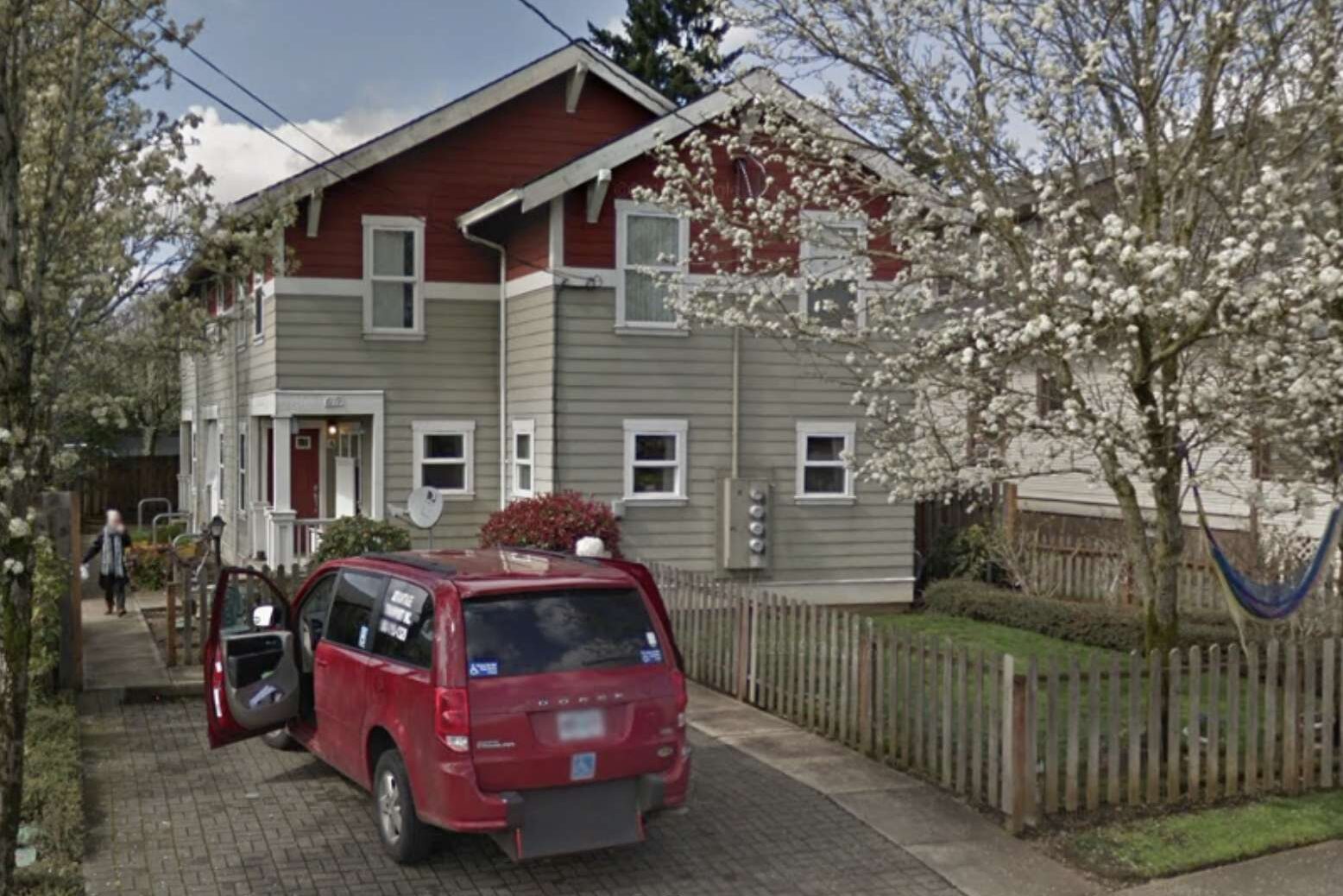
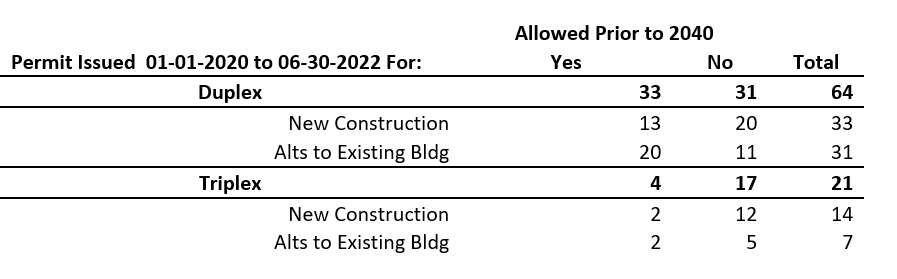
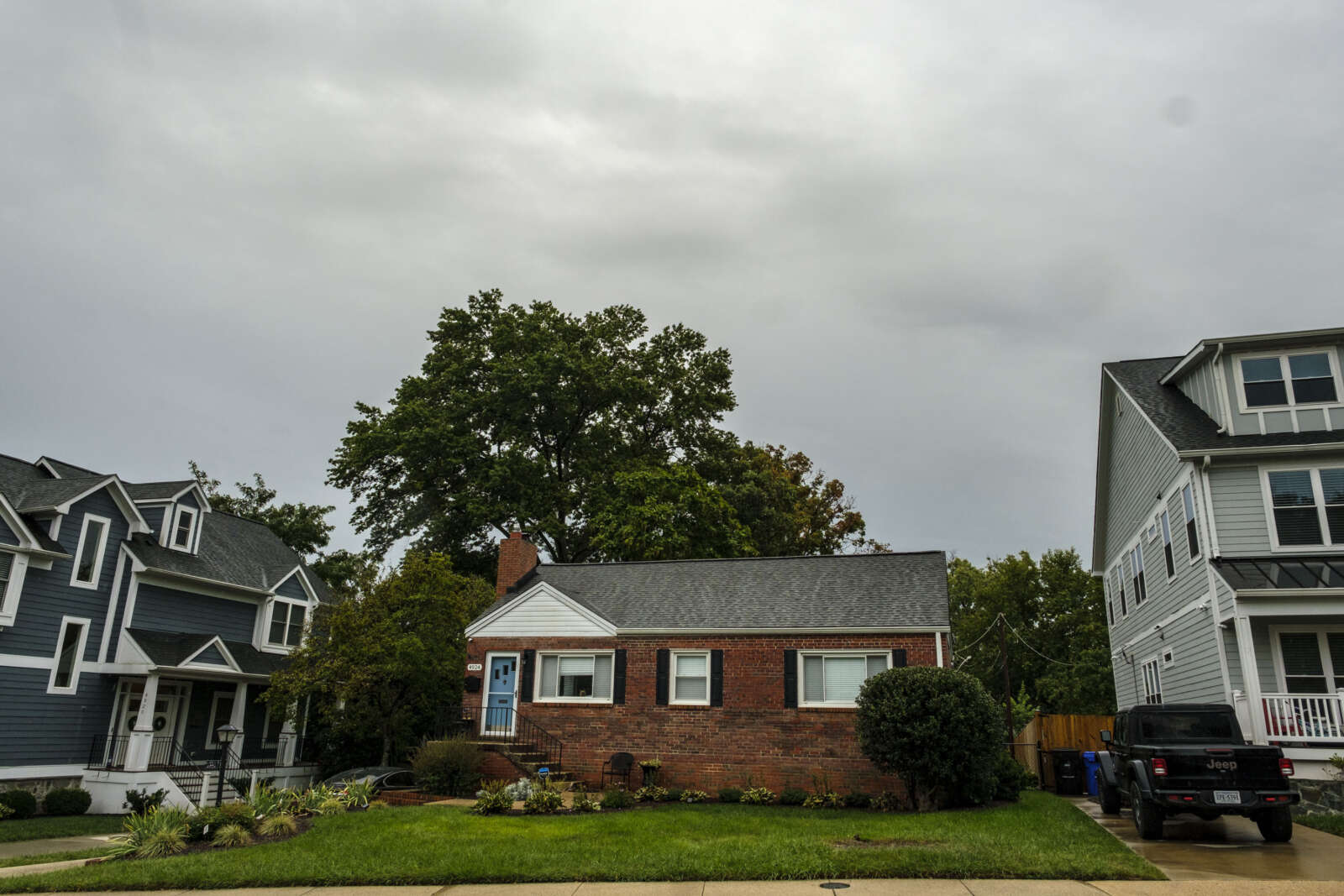
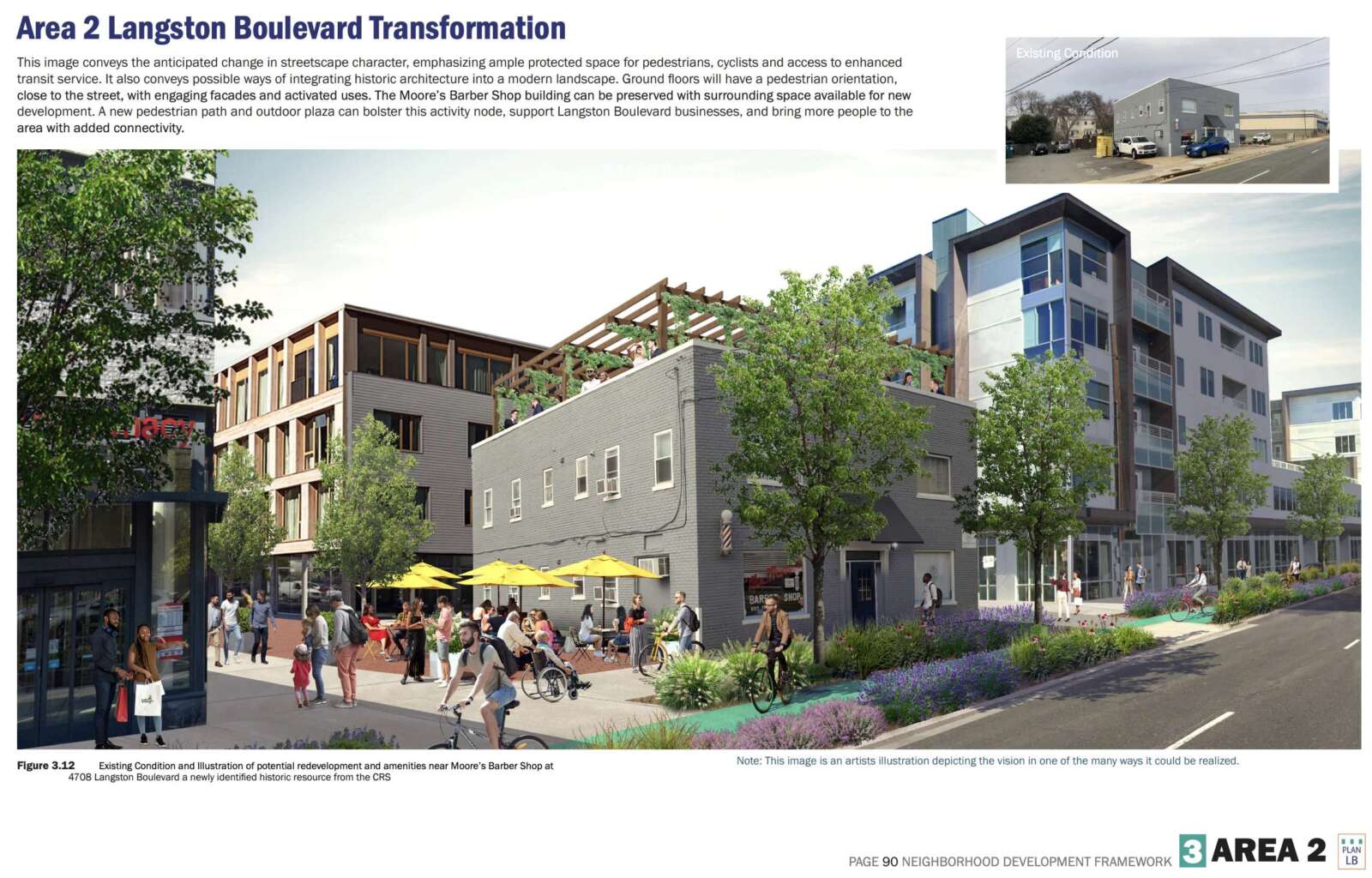
We live in the 22202 area of South Arlington, spanning from original Sears houses to the new Amazon headquarters. Our neighborhood has been recognized for its mix of “single dwellings, twin dwellings, duplexes, apartment buildings, religious buildings, educational buildings, and commercial buildings.” Despite being dwarfed by newly built single-family homes, the dozens of aging duplexes and triplexes would be illegal to build today.
2. Against: What’s at stake with Arlington’s missing-middle housing debate (Washington Post)
It was hard for me to pick a side. Some of the NIMBYs think it’s possible to go back to an era in the 1990s when Arlington felt like an undiscovered oasis next to a booming metropolis. But there is no going back. A do-nothing option will slowly destroy Arlington’s beautiful multiclass, multiethnic mosaic. To be fair, most NIMBYs don’t argue this. However, these logical flaws pale in comparison with the misapplication of economics, blatant conflicts of interest, limited demonstrated understanding of history and selective data presentation from the YIMBYs.
3. For: Arlington’s ‘missing middle’ fight and the struggle for affordable housing (The Hill)
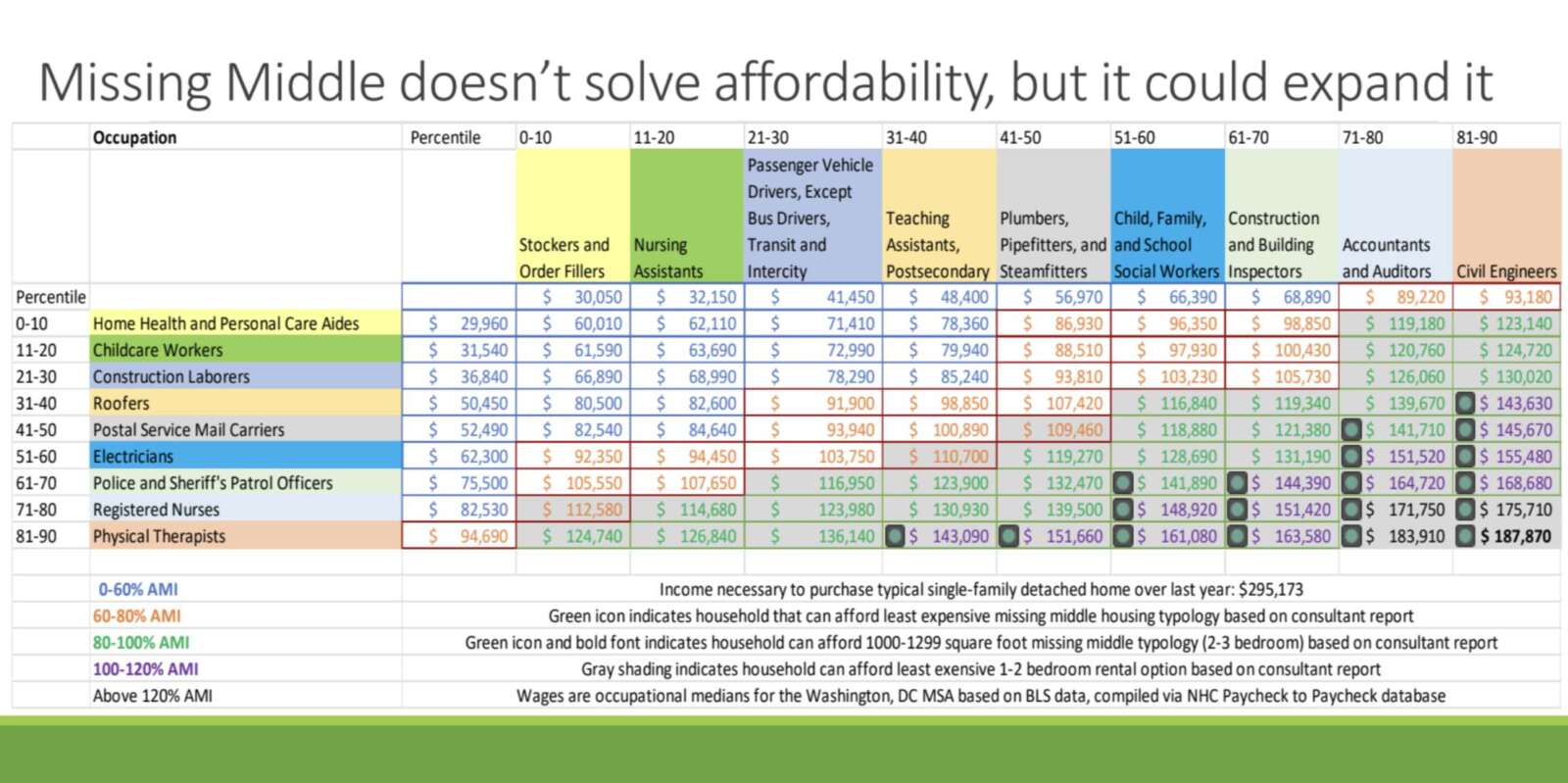
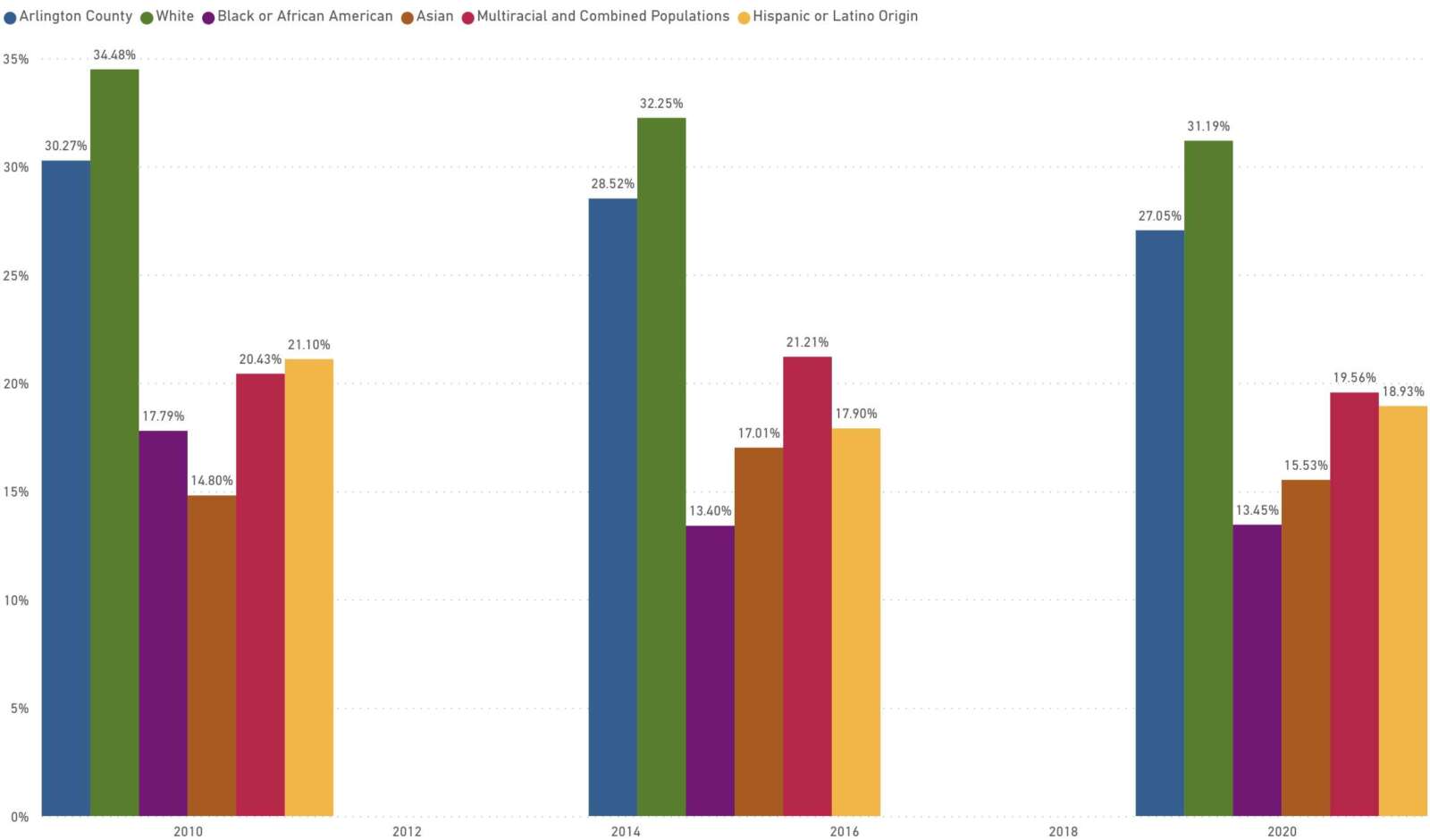
Exclusionary zoning disproportionately impacts the minorities and the poor, who are less likely to be able to afford expensive housing than affluent whites. Historically, restrictions like those currently in force in Arlington were often enacted for the specific purpose of keeping out Blacks and other non-whites. That’s one reason why the Arlington NAACP supports Missing Middle. Liberalizing the construction of new housing is an under-appreciated common interest of racial minorities and the white working class.
4. Against: Missing Middle will devastate Arlington communities (Sun Gazette)
Let us fervently hope that the current Arlington County Board will not be remembered as the group that foisted on unsuspecting residents the destruction of our community’s old, leafy, peaceful, beautiful neighborhoods. I don’t happen to live in one myself, but they are precious and must be preserved. Their tranquility and forests benefit all of us. “Missing Middle” is wrong on so many fronts.
5. For: Why I Can’t Afford to Live Where I Grew Up (Washington Monthly)
Everyone deserves to grow up in a place like Arlington–walkable, transit oriented, full of interesting restaurants and stores, diverse, and with great schools and nice parks. A wonderful place to learn to ride a bike, to develop an interest, and to make lifelong friends. But I know that given my current career trajectory, becoming a homeowner in Arlington is unlikely. If the city had been as expensive when my parents were a young couple looking in the late 1990s, I would have been raised in a farther-out suburb like Woodbridge or Lorton instead.
6. Against: Arlington should not be guinea pig for Missing Middle (Sun Gazette)
I introduced myself to County Board Chair Katie Cristol at the end of the session, and was shocked when she told me that she wants to pass Missing Middle zoning changes because she wants Arlington to be the first county on the entire East Coast to introduce this ordinance. I couldn’t believe what she said. I don’t want Arlington to be guinea pig for an unproven idea. This is not a contest to see who is first. I am assuming the County Board Members are looking for this to be part of their résumés. Changing the zoning planning needs to be done in a methodical and responsible way.