
Sponsored by Monday Properties and written by ARLnow, Startup Monday is a weekly column that profiles Arlington-based startups, founders, and other local technology news. Monday Properties is proudly featuring Shirlington Gateway. The new 2800 Shirlington recently delivered a brand-new lobby and upgraded fitness center, and is adding spec suites with bright open plans and modern finishes. Experience a prime location and enjoy being steps from Shirlington Village.

2020 has been a big year for Arlington-based startups, both in spite of and because of the pandemic.

Arlington was predicted to fare better than other tech hubs because many of its startups focus on emerging technology in science and engineering, collectively known as “tough tech,” as well as the recession-resistant fields of cybersecurity and government contracting.

That prediction came true for local venture builder FedTech, which built and accelerated more than 50 “tough tech” startups, and partnered with government agencies such as the Department of Defense and NASA, a FedTech spokeswoman said.

It also developed a virtual summit on defense technology for the U.S. Army, attracting more than 1,500 viewers, and hosted a startup accelerator for the National Security Innovation Network, she said.

Meanwhile, Ballston-based GroupSense marketed its cybersecurity software to local and state governments trying to protect their elections from security threats this year.

“While these things are difficult to quantitatively measure, our constituents were excited about the results of our solution through the election,” GroupSense co-founder and CEO Kurtis Minder said. “Some of our customers have now contracted us to assist in the same fashion for the vaccine rollout.”

The software detected fake accounts and bots and classified actors that showed intentions to disrupt the democratic process. It also worked with social media, hosting and domain registration companies to take down posts with misinformation, he said.

“[Misinformation] can be as complicated as the state-sponsored actions that we saw in 2016, or as simple as someone tweeting that a polling station is closed when it is not,” Minder said.

The pandemic also created opportunities for non-“tough tech” startups to launch, snag millions in funding, bring on clients and acquire or be acquired by other companies.

CareerGig, which provides freelancers with benefits and vets them for companies, launched this summer, catching the wave of new workers interested in fully remote freelance opportunities.

Ballston-based GoTab nabbed $6 million because more restaurants needed its software to provide customers with a contactless dining experience.

Without opportunities to film in person, companies have turned to stock footage from Courthouse-based Storyblocks. Responding to a renewed interest in racial justice this year, it launched footage of diverse people doing everyday things.

Rosslyn-based Phone2Action gained new clients this year as record numbers of cell-phone users advocated for pandemic relief and social justice reform and campaigned for their preferred candidates. It also acquired two companies — GovPredict in November and KnowWho in December.

As individual startups grew, Arlington as a whole continued to perform well in national rankings.

The County was deemed the third-best place to work for women in tech, according to a study from the website SmartAsset, which measured the gender pay gap and number of jobs filled by women.

This year, 31 Arlington-based companies made Inc. Magazine’s annual list of America’s 5,000 fastest-growing private companies, including Courthouse startup DivvyCloud.

The company, ranked number 471 with 970% growth, was acquired earlier this year by cybersecurity company Rapid7.

Looking towards 2021, there’s optimism around continued momentum for the Arlington and D.C. area tech scene and the local economy, as the pandemic abates and the population gets vaccinated.

During a recent DCA Live event, one commercial real estate professional predicted continued tech growth as Amazon continues to hire and expand its footprint in Crystal City and Pentagon City.

Amazon HQ2 and Virginia Tech’s campus in National Landing [are] going to further our position as a national tech hub in 2021,” they said.

Sponsored by Monday Properties and written by ARLnow, Startup Monday is a weekly column that profiles Arlington-based startups, founders, and other local technology news. Monday Properties is proudly featuring Shirlington Gateway. The new 2800 Shirlington recently delivered a brand-new lobby and upgraded fitness center, and is adding spec suites with bright open plans and modern finishes. Experience a prime location and enjoy being steps from Shirlington Village.

Rosslyn-based Phone2Action, which helps organizations mobilize citizens via their smartphones, is on a bit of an acquisition spree.

Its newest acquisition is KnowWho, a 15-year-old company based in Newington, Virginia with an expansive congressional directory. Phone2Action CEO Jeb Ory said KnowWho runs the world’s largest, most current directory of public officials and policymakers in the U.S. and Europe.

With the addition, clients will find it easier to identify key decision-makers, make sense of new and changing policies and improve their government affairs, Phone2Action cofounder Ximena Hartsock said in a statement.

Phone2Action is still flying high from a record year of people using the platform to advocate for issues they care about, from federal aid to restaurants to police reform in the wake of the killings of George Floyd and Breonna Taylor to the election this November.

Last month, it purchased GovPredict, a technology company that helps organizations access federal data, see campaign donations, track bills and regulations and follow news.

Now, Phone2Action — which was founded in 2013 — owns the process of civic engagement from one end to the other. GovPredict identifies politicians and what issues they advocate for, KnowWho provides the best way to contact them, and Phone2Action gives regular people the chance to lobby politicians.

“Government relations and public affairs leaders have never faced such a tumultuous time as they do right now,” Ory said in a statement.

Government relations and public affairs teams will see government intelligence, find contact information and mobilize everyday citizens all in one platform, he said.

“Data powers the government relations field, plain and simple,” said KnowWho CEO and founder Bruce Brownson in a statement. “Phone2Action now directly maintains all the data that matters to government relations professionals today.”

Brownson will join the Phone2Action management team.

Phone2Action’s growth has exploded this year, according to Ory. It has 400 new clients, including eBay, Ericsson, Liberty Mutual, the National Multiple Sclerosis Society and the Leadership Conference on Human Rights.

Phone2Action is keeping its Rosslyn headquarters at 1500 Wilson Blvd, and with both companies, will have nearly 200 employees, Ory said. Some are local to the area, while others are fully remote and located outside metro D.C.

Photo courtesy Phone2Action


Sponsored by Monday Properties and written by ARLnow, Startup Monday is a weekly column that profiles Arlington-based startups, founders, and other local technology news. Monday Properties is proudly featuring Shirlington Gateway. The new 2800 Shirlington recently delivered a brand-new lobby and upgraded fitness center, and is adding spec suites with bright open plans and modern finishes. Experience a prime location and enjoy being steps from Shirlington Village.

Michael Weigand was one of those “boots on the ground” Army platoon leaders, the kind often depicted in the movies.

But when the Army founded the Cyber Branch — the first new branch since the Vietnam War — Weigand decided to join. He and fellow West Point graduates James Correnti and Josh Lospinoso became part of the first 70 officers to trade a physical way of securing the nation for a virtual one.

The Cyber Branch taught the three officers how vital cybersecurity is for the transportation industry. When the three left the Army, they saw gaping holes in secure transportation in both commercial and government spheres.

“During that time, we started to appreciate that it is more than IT systems that need to be defended from criminals and foreign adversaries,” he said. “There’s been a lot of attention about securing power systems, dams and critical infrastructure, but transportation has the same needs.”

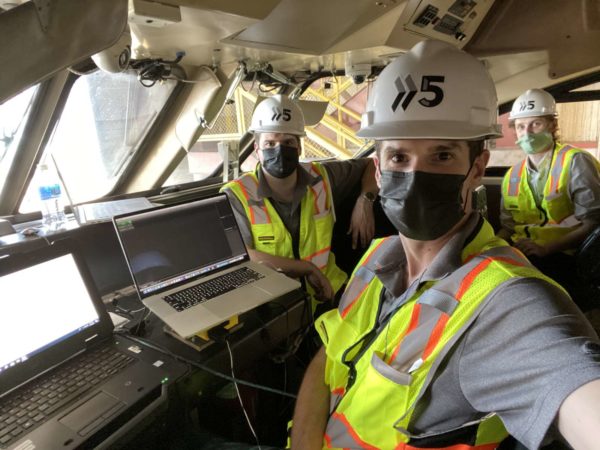
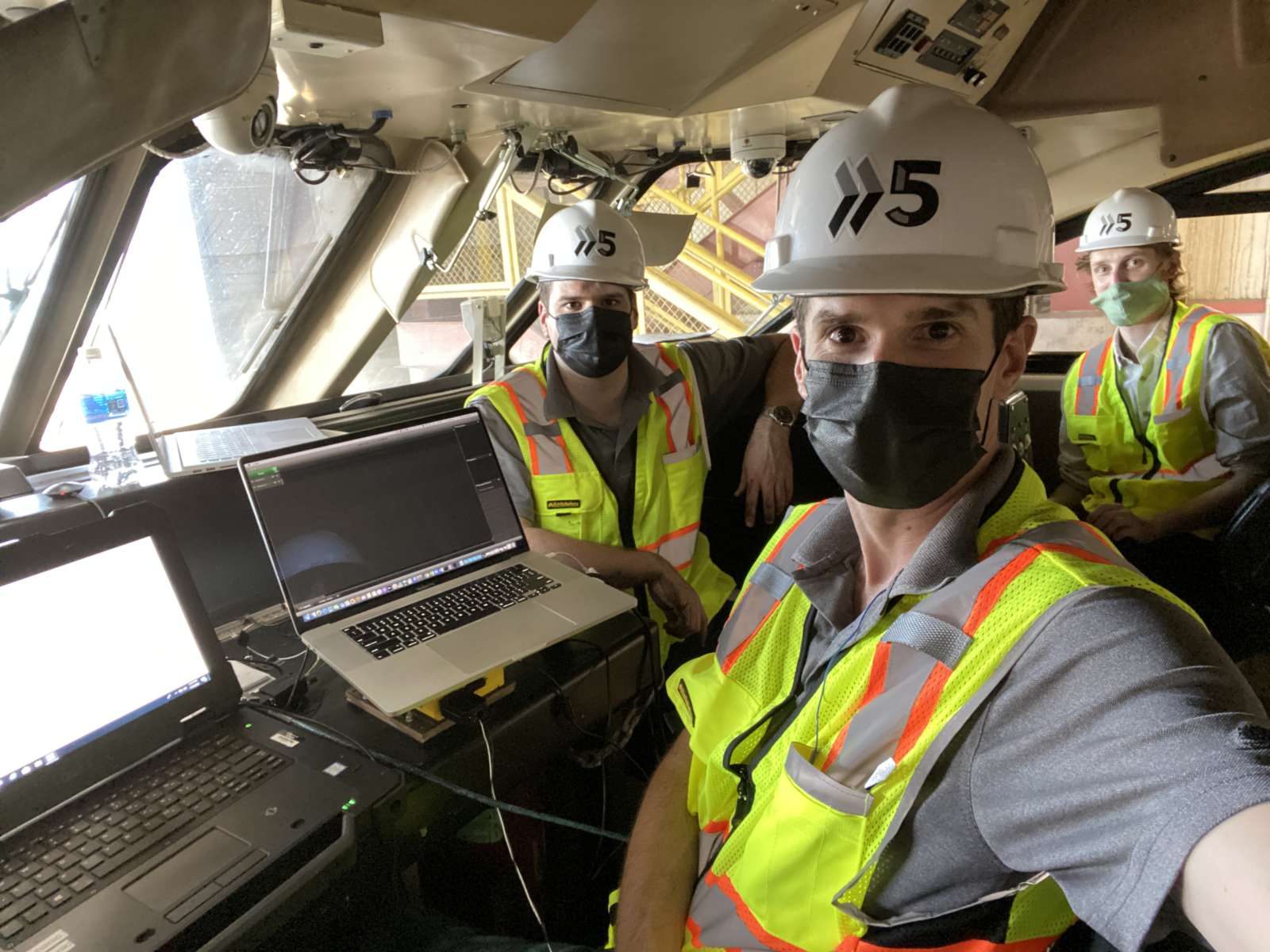
So they founded Shift5, a Rosslyn-based startup transportation data company that Weigand said helps businesses and governments run “smarter, safer and more efficiently by unlocking data.” Its office is located at 1100 Wilson Blvd.

During their stint in the Cyber Branch, the three discovered transportation ran heavily on computers but few were monitoring the data these computers collected. To protect a system, Weigand said, data has to be monitored. But the data can do so much more.

Shift5 puts that data to work. The information can automate menial tasks and make systems more reliable, he said. It can also help executives make smarter business decisions, from choosing what to invest in to analyzing how a fleet is aging and predicting when maintenance needs to be done.

“We call all of that data that is flowing inside these big transportation systems, but is not being actively recorded, dark data. We like to shine a light on that, and collect, record, monitor it from cyber-security perspective, so that everything is operating efficiently,” Weigand said. “That is where Shift5 lives.”

The company sells data solutions to both the commercial industry and to the federal government, which helps Shift5 mix the flexibility and speed of the commercial industry with the innovation of the Department of Defense.

“By supporting both customer groups, we get to help bring the best of both worlds to our customers,” he said.   

Less than a year after the startup was founded in June 2019, the coronavirus hit, and Shift5 noticed customers needed their data monitored for security and efficiency more than ever. One hard-hit area was public transit.

This year, Shift5 started working with heavy commuter rail, which experienced steep declines in ridership due to the pandemic. It is more important now to be efficient with resources, Weigand said.

“They save a lot more money than they pay for the service,” he said. “It’s an awesome service with an additional security benefit.”

Next year, the group plans to expand into even more commuter and freight rail.

“There’s an enormous enterprise value we can provide to save money, make operations more streamlined and provide security benefit,” he said.


Sponsored by Monday Properties and written by ARLnow, Startup Monday is a weekly column that profiles Arlington-based startups, founders, and other local technology news. Monday Properties is proudly featuring Shirlington Gateway. The new 2800 Shirlington recently delivered a brand-new lobby and upgraded fitness center, and is adding spec suites with bright open plans and modern finishes. Experience a prime location and enjoy being steps from Shirlington Village. 

(Updated at 3:20 p.m.) Stand Together Ventures Lab, part of the Arlington-based philanthropic organization Stand Together, is helping launch and fund startups that could help people in transformational ways.

The nonprofit venture capital team invests money from Stand Together Foundation, which gives resources to community-based organizations nationwide to help break cycles of poverty. The umbrella organization for the Lab and the foundation, Stand Together, is located at 1320 N. Courthouse Road in Courthouse and was founded by politically-active businessman Charles Koch.

Koch’s Charles Koch Institute is located in the same building.

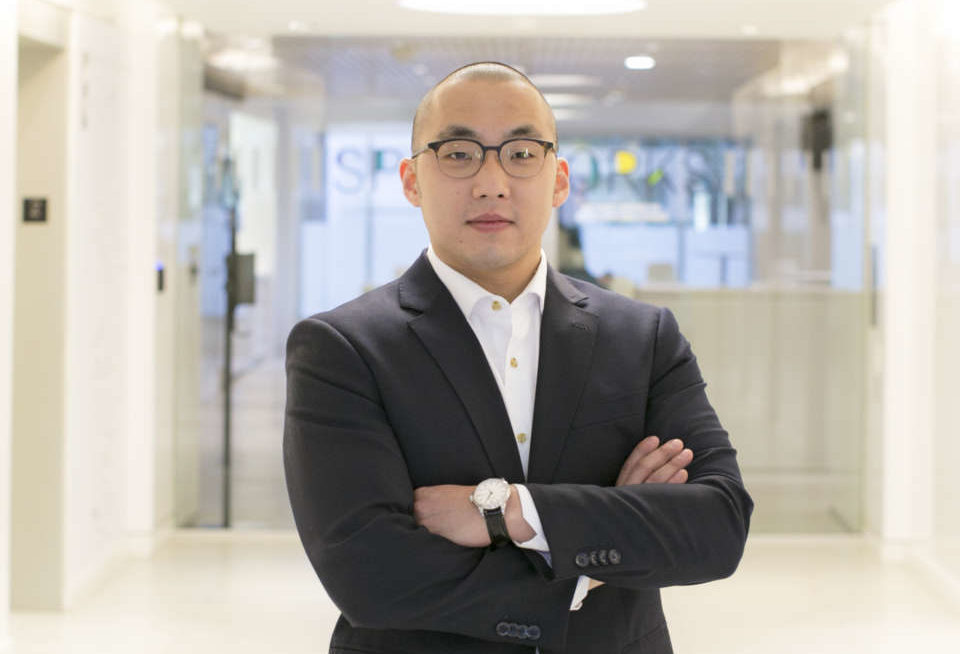
But Ventures Lab Managing Director Sihyun Choi will not invest in just any startup that purports to have a social impact. It has to take a revolutionary approach to a problem, not an evolutionary one, he said.

“Evolutionary ideas tend to be less risky,” he said. “We see a lot of solutions that help things the way they exist…That’s an easier thing to solve for than changing the system as a whole.”

Choi joined Ventures Lab this March, and in these last 10 months, he said he has learned how hard it is to find organizations that attack the roots of problems in the spheres of racial justice, criminal justice reform, poverty and immigration. He also joined as Ventures Lab was getting started and as the U.S. was bracing for COVID-19.

The pandemic heightened the urgency around the issues that need solutions, he said.

“My personal view is that expectations before March, and post-March — especially with the social unrest around racial justice and criminal justice reform needs across the country — have become exacerbated,” Choi said. “That certainly accelerated both the clarity of the work and the importance of it, and frankly, how quickly we needed to mobilize our work around that.”

The first group of startups receiving money from Choi and his team of ex-venture capitalists and corporate operations professionals reflect the topics people latched onto in 2020, which the pandemic in part revealed and exacerbated. These issues include criminal justice reform and racial inequality in unemployment.

From 140 startups it looked into this year, the Lab picked four: JusticeText, RisekitShift, and a fledgling company Choi cannot yet name. Typical checks range from $100,000 to $1 million, depending on the age of the company and the needs of a founder, he said.

JusticeText uses AI to transcribe audio and visual evidence for public defenders, who often do not have the time to review extensive footage and recordings themselves or the resources to hire a transcription service. Some estimate about 80% of crimes involve video evidence.

RiseKit helps people facing significant employment barriers — such as a criminal record, housing and food insecurity or a non-traditional education — find jobs. Shift helps veterans translate their skills from the military into jobs.

Choi could not name the fourth organization yet because it will launch next year, but he said it shows people in underserved communities — who may have no idea that their interests can align with careers — how to convert a passion into a viable life path.

Soon, Ventures Lab aims to invest in more startups, addressing other realms such as health care and education. The team is not aiming to invest in a certain number of companies, and it will take chances on those that may not generate lots of revenue, Choi said.

“We are exclusively biased toward if it is driving social impact — and if it makes money, great,” he said. “We’ll invest in the things we think are really important. By nature, it’s hard to put a quota on that.”

Asked if the lab will invest in Arlington-based startups, Choi said, “We’d love to continue to see opportunities here in the D.C. area, since the start-up ecosystem here is certainly growing.”


Sponsored by Monday Properties and written by ARLnow, Startup Monday is a weekly column that profiles Arlington-based startups, founders, and other local technology news. Monday Properties is proudly featuring Shirlington Gateway. The new 2800 Shirlington recently delivered a brand-new lobby and upgraded fitness center, and is adding spec suites with bright open plans and modern finishes. Experience a prime location and enjoy being steps from Shirlington Village. 

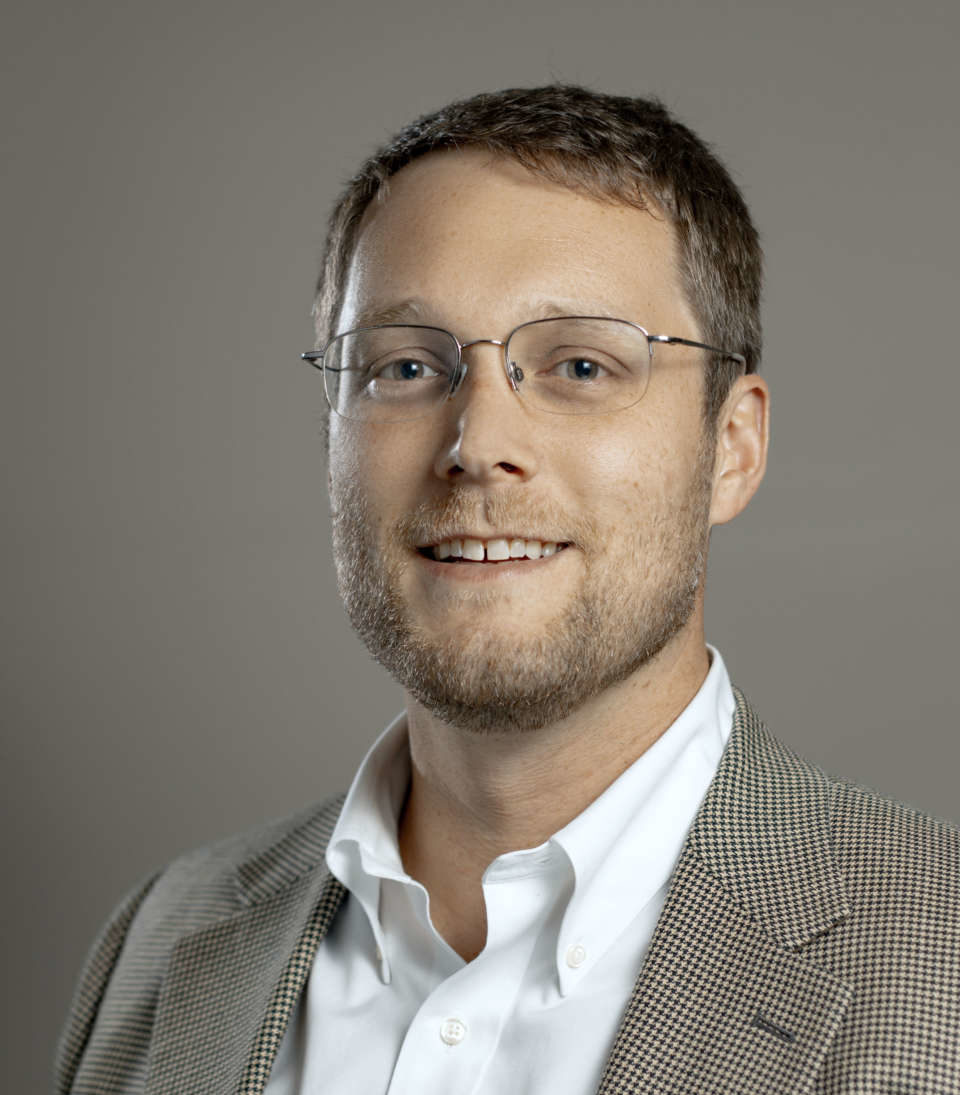
(Updated on 12/18/20 at 5:15 p.m.) Three years ago, David Fairbrothers was running out of ideas, and money, to boost his fledgling company. But he took a chance and booked the cheapest booth at a women’s health conference.

He and his business partner, both alumni of the University of Virginia, were developing a platform that would make it easier for doctors to use electronic health records systems. Without a singular field of medicine as its focus, however, the idea was languishing.

After settling into their booth at the conference for the American College of Obstetrics and Gynecology, they met an executive who explained a pain point for ACOG: Whenever the organization releases new clinical guidance, it can take up to a decade for it to be consistently implemented.

That was when the idea for Dorsata was born.

“It was an accident and a stroke of good fortune,” Fairbrothers said.

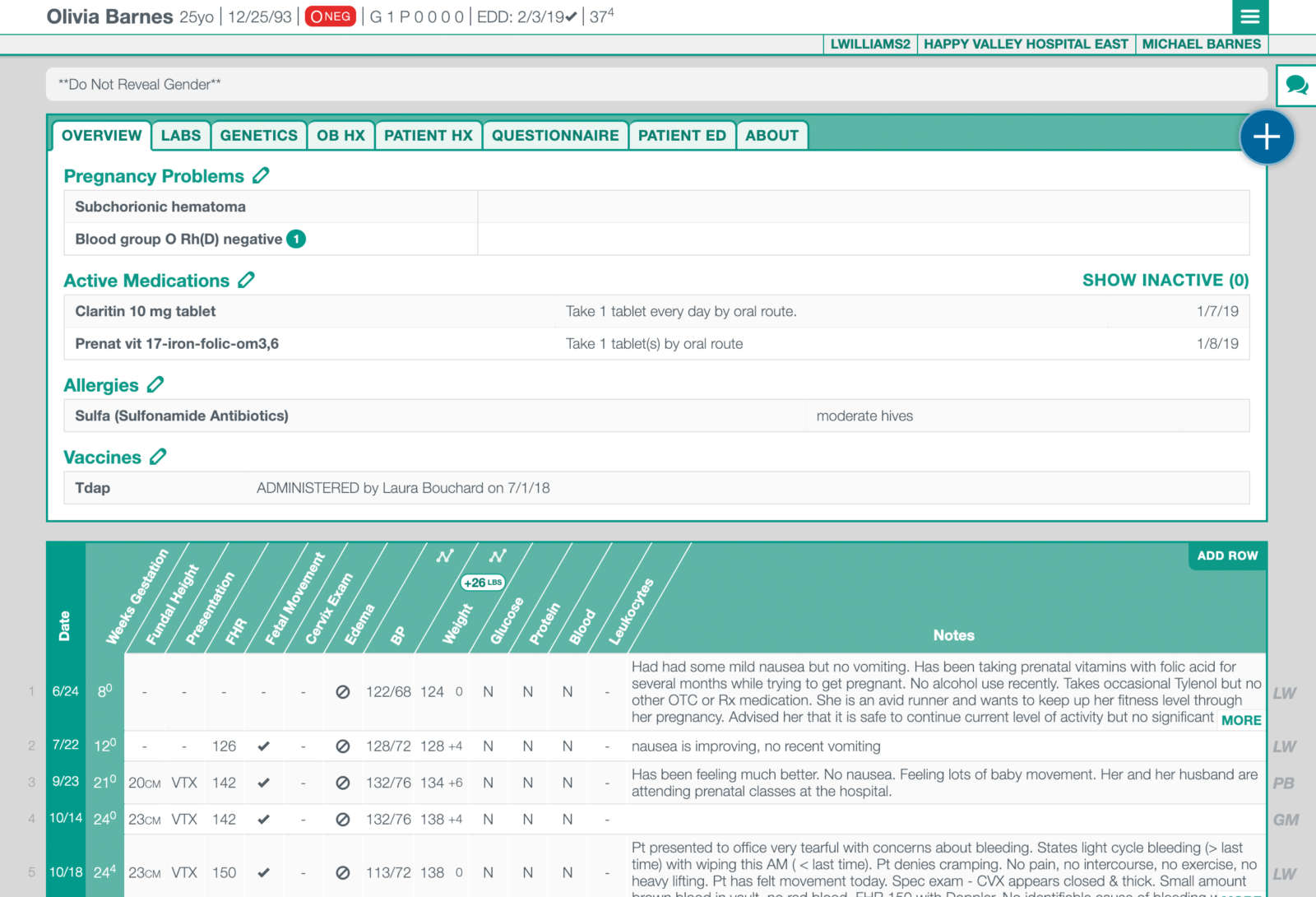
In addition to helping ACOG get clinical guidance implemented, Dorsata — which is based in Clarendon, at 3100 Clarendon Blvd — improves the process of documenting patient visits. Before the next visit, Dorsata helps remind the doctor of the patient’s particular situation and creates a to-do list adapted to her needs.

“Part of the core problem is that electronic health record systems do not serve doctors especially well, and for Ob-Gyn doctors, it is really bad for documenting care,” Fairbrothers said.

Some electronic medical information systems are unwieldy, and doctors prefer taking freehand notes, but inputting the notes later is time-consuming and may not get done. Other times, without accessible documentation, changes mid-pregnancy might fall through the cracks if a patient is seen by multiple doctors.

The platform has gained a foothold in American obstetrics. Today, Dorsata has more than 1,600 clinical users in 19 states, and has served more than 113,000 patients and managed nearly 794,000 appointments. And this month, Dorsata signed expansion contracts with Privia Health and Women’s Health USA, which will increase the number of Ob-Gyns the company serves by 200 over the next two years.

Dorsata is not just growing its clientele during the pandemic: It is also finding new revenue sources and benefits for its users.

While the coronavirus cannot stop babies, it can grind elective surgeries to a halt. Providers saw gynecology appointments drop by 80% “overnight,” Fairbrothers said.

“Pregnancy has been their saving grace,” he said. But it does not make up for the lost revenue.

In partnership with providers, Dorsata shares data with researchers. Typically, medical researchers gather data at one academic hospital, limiting the scope of data geographically, he said. Dorsata is generating revenue by furnishing researchers with data gathered from every corner of the U.S.

“This allows providers to generate value, financial and scientific, from documenting their patients’ progress,” Fairbrothers said. “This is real world data that we stumbled into and we have a strong opportunity to corner the market.”

With the growth in clients and revenue, Dorsata itself is expanding. The company is planning to double the size of its workforce over the next year, Fairbrothers said.


Sponsored by Monday Properties and written by ARLnow, Startup Monday is a weekly column that profiles Arlington-based startups, founders, and other local technology news. Monday Properties is proudly featuring Shirlington Gateway. The new 2800 Shirlington recently delivered a brand-new lobby and upgraded fitness center, and is adding spec suites with bright open plans and modern finishes. Experience a prime location and enjoy being steps from Shirlington Village. 

A new startup in Clarendon is riding the wave of workers who took the freelancing plunge this year due to the pandemic.

CareerGig (3100 Clarendon Blvd), which officially started operating in July, provides to freelancers the health and retirement benefits that a full-time employee might enjoy, and triple-verifies the qualifications of freelancers for companies that lack the time and resources to do deep dives themselves.

And CareerGig founder Greg Kihlström recently received confirmation that his idea could be profitable.

Last week, CareerGig participated in the Newchip Accelerator’s Online Demo Week, a three-day global online event that allows invited startups to present their companies to potential investors. Being recognized by Newchip will make it easier for CareerGig to raise money, he said.

Like platforms such as UpWork, CareerGig helps freelancers find work, but primarily the company provides independent contractors with health, life and disability insurance, vision and dental coverage, retirement plans and paid time off.

“I’ve been freelancing since the late ’90s,” Kihlström said. “What we saw lacking was how do independents take care of the rest of their lives.”

Additionally, from a company’s perspective, the way freelancers are verified is broken in many ways, he said.

“LinkedIn is great, but there are a lot of inaccuracies, because you only include the things that make you attractive,” he said.

CareerGig verifies potential workers by confirming a potential hire’s claims through a third party, such as a reference, as well as through independent, objective means, including skills assessments. That is where CareerGig excels, Kihlström said.

The founder predicts more people will be making the decision to work remotely, and possibly freelance, after getting a taste of work-from-home life during the coronavirus shutdowns.

Before the pandemic, research from Upwork predicted that 50% of workers in the United States would be freelancing by 2027, up from 36% in 2017. This past year, more than 2 million people started freelancing, according to a new Upwork study.

“We’ve been doing remote work long enough to form habits,” Kihlström said. “If this had gone on for 3 weeks, world would have returned to normal, but we’ve been doing this for nine months, and we’ve established habits.”

Although his team is spread throughout the country, Kihlström lives in Arlington and the company is headquartered here. He said he has a longstanding relationship with Arlington Economic Development.

“I’ve found Arlington to be very supportive of startups,” he said. “It’s a good place to be located.”

The team of 12 (plus contractors) will be growing over the next couple of months, Kihlström said.


Sponsored by Monday Properties and written by ARLnow, Startup Monday is a weekly column that profiles Arlington-based startups, founders, and other local technology news. Monday Properties is proudly featuring Shirlington Gateway. The new 2800 Shirlington recently delivered a brand-new lobby and upgraded fitness center, and is adding spec suites with bright open plans and modern finishes. Experience a prime location and enjoy being steps from Shirlington Village. 

Courthouse-based Storyblocks, an online platform for stock video footage, has released new video content meant to close the diversity gap in media and advertising.

The company, at 1515 N. Courthouse Road, trained eight creators to make video collections specifically depicting people of color and members of the LGBT communities doing everyday activities. These reels are part of a campaign, Re: Stock, which was launched to address the need for videos of people with different racial identities, sizes, abilities and sexual orientations.

“Sourcing from authentic places will lead to authentic footage and authentic representation,” said Sydney Carlton, Director of Brand Marketing at Storyblocks.

The first batch of videos were released starting in mid-October. Although the pandemic delayed the launch from this spring Storyblocks aims to double its diverse content by the end of 2021 and quadruple it by the end of 2022.

The push comes after years of feedback from clients asking for more diverse footage, since existing footage tends to skew towards white subjects and straight couples.

“We were receiving hundreds and hundreds of comments for more people of color and more same-sex couples,” Carlton said. “It really ran the gamut, but it was loud and a lot.”

A recent company survey found that 72% of users — who include independent filmmakers, advertisers and journalists — said diverse content is important for their projects, but people of color are represented in just 5% of Storyblocks’ current digital library.

“You can only find happy white women eating salads,” Carlton said.

The problem is primarily due to location and access, since most stock video contributors hail from Eastern Europe, where creators do not have the same access to a diverse array of subjects, she said.

The first collections were produced by Monica Singleton and Samson Binutu. They focused on Black families educating their children, Black teens and adults in romantic relationships, family dinners at home and Black women enjoying the outdoors.

“These are things people do every single day,” Carlton said. “That’s the power of the campaign.”

In a statement, Singleton said her personal experience searching footage libraries made her excited to join the project.

“In the past when I’ve looked for certain stock footage or music, it’s been really hard to find representation for people that look like me,” Singleton said.

Future Storyblocks projects will focus on people with from other racial identities, and with a range of body shapes and sizes as well as abilities. Going deeper, Carlton said the goal of Re: Stock is invert stereotypes of who plays board games, does homework with their kids, and lives together.

“That’s where you instill a sense of humanity in people,” she said.

The company has thrived during the pandemic and was acquired by a private-equity firm in Boston this summer.


Sponsored by Monday Properties and written by ARLnow, Startup Monday is a weekly column that profiles Arlington-based startups, founders, and other local technology news. Monday Properties is proudly featuring Shirlington Gateway. The new 2800 Shirlington recently delivered a brand-new lobby and upgraded fitness center, and is adding spec suites with bright open plans and modern finishes. Experience a prime location and enjoy being steps from Shirlington Village. 

A global pandemic, nationwide social-justice campaigns and a contentious presidential election: 2020 threw three curveballs at Rosslyn-based startup Phone2Action.

“What a year, right?”

That is Jeb Ory, the founder of Phone2Action, which offers software that promotes civic engagement through mobile phones. Last week he announced that his company is acquiring fellow startup GovPredict, following 10 months of user engagement levels that his staff have never seen before.

“We have had far and away record usage of our software this year,” he said.

Ory called the acquisition of GovPredict a “natural fit” and a “game changer.”

Founded in 2015, GovPredict builds software for nonprofits, lobbying firms, campaigns and corporations. Acquiring the startup will help both companies stay ahead of trends in digital advocacy, he said.

“It became so clear that if we were to combine forces, we would be able to solve challenging problems for our clients, to help them do their jobs better, to have better policy campaigns and make better decisions,” he said.

Unlike Phone2Action, which Ory said had a very active office culture until the shutdown orders, GovPredict has a 100% remote workforce, with many staff in the D.C. area. The 1500 Wilson Blvd office will remain Phone2Action’s headquarters as it continues offering its hybrid home-office work plan to its 160 employees. The company grew by 60 with the acquisition.

Phone2Action’s software proved to be what associations, nonprofits and organizations needed to inform and “activate” people from a distance during the COVID-19 relief efforts this spring, the social-justice initiatives this summer and the election campaigns this fall.

During the week leading up to the passage of the CARES Act, Phone2Action saw 1.5 million people advocate for policies, most of them new to their clients.

When restaurants closed, the National Restaurant Association rallied industry members to share their stories with lawmakers, he said. Another client, the American Nurses Association, changed the conversation around what personal protective equipment is and how to make sure hospitals have them.

“We saw massive engagement because regular people understood how serious this is,” Ory said. “Whatever the role, they wanted to pitch in.”

Phone2Action saw another wave of engagement after the police killing of George Floyd. During the summer of social-justice campaigns and protests, nonprofits saw spikes in online and offline engagement.

This fall, more than 10 million people visited Phone2Action’s customizable “Get Out the Vote” centers. One client, Headcount, ran celebrity-promoted voter registration drives that saw hundreds of thousands of new voters register.

“It’s been exciting and humbling to be a part of,” Ory said. “These issues are life-and-death for so many people.”

The pandemic has also changed Phone2Action’s work culture for the better, he said. With some employees fully remote before the pandemic, and others in the office full-time, the company has had a chance to evaluate what each worker needs to succeed, without priority being given to those who happened to be in the office.

“I think it’s important to acknowledge how fortunate we are to” be able to work remotely, he said.

Photo courtesy Phone2Action


Sponsored by Monday Properties and written by ARLnow, Startup Monday is a weekly column that profiles Arlington-based startups, founders, and other local technology news. Monday Properties is proudly featuring Shirlington Gateway. The new 2800 Shirlington recently delivered a brand-new lobby and upgraded fitness center, and is adding spec suites with bright open plans and modern finishes. Experience a prime location and enjoy being steps from Shirlington Village. 

There is a new way for teachers and students to sharpen their Spanish and English skills online.

More than 20 years after SpanishDict.com came online, the Rosslyn-based company behind the site, Curiosity Media, announced a free online program called SpanishDict Classrooms to help with remote teaching.

The program caters to high school and college instructors who are teaching Spanish to English speakers as well as English to Spanish speakers. Over the span of just a month, more than 3,000 teachers across the United States and the world signed up for SpanishDict Classrooms.

The program’s planning came about as lockdowns began in March and remote learning became nearly ubiquitous for teachers and students.

Chris Cummings, CEO of Curiosity Media, said that SpanishDict has historically been used for reference materials, but lately the company has seen more individuals utilize the site “as supplementary learning and a primary learning application for learning Spanish and learning English.”

“We doubled our focus on helping teachers help their students, and that was the inspiration for building SpanishDict Classrooms,” Cummings said. “We launched at the start of the school year and we’ve seen a pretty incredible response so far.”

Before launching SpanishDict Classrooms, the company polled more than 220 teachers about some of their primary concerns and needs with remote learning. Using that feedback and information gleaned from its 20 million monthly student users, the company was able to launch the classrooms site.

Through the classrooms program, teachers have a range of options to integrate into their lesson plans. Among those options are creating vocabulary and grammar assignments, and teaching grammar concepts using videos and stories that feature native speakers. Beyond assigning lessons through the program, teachers can also track students’ progress with it.

To be more user friendly to teachers and students alike, the program automatically syncs with Google Classrooms. It’s also compatible with laptops, desktops, tablets and smartphones without the need of any specific program downloads.

Curiosity Media has experience with teaching programs, having launched Fluencia in 2013. However, while Fluencia is a subscription-based learning program focused on the individual, SpanishDict Classrooms is free and based on the “experience for teachers and students,” Cummings said.

“This launch takes a lot of the things we’ve done on SpanishDict and makes it really easy for teachers to use them with their classrooms,” Cummings added.

“It gives them this huge library of very high quality content that they can pick from for the lessons. Then it also lets them customize content that’s relevant to their curriculum.”

As the program grows and the company continues to receive feedback, Cummings says SpanishDict Classrooms hopes to add more value to the experience. He also said that the company is excited about the value that native speaker video can add to the learning experience.

“We want more people to succeed in learning Spanish and in learning English, and our goal is to provide the best possible products to do that,” Cummings said. “So we hope to continue to improve how we can serve teachers and students, and we hope that translates into more teachers and students using it on a daily basis to help them learn the language.”


Sponsored by Monday Properties and written by ARLnow.com, Startup Monday is a weekly column that profiles Arlington-based startups and their founders, plus other local technology happenings. The Ground Floor, Monday’s office space for young companies in Rosslyn, is now open. The Metro-accessible space features a 5,000-square-foot common area that includes a kitchen, lounge area, collaborative meeting spaces, and a stage for formal presentations. 

Arlington-based BlackBoiler, a startup that generates automated markup suggestions for corporate contracts, has secured $3.2 million in funding.

The $3.2 million comes angel investors, family offices and a strategic corporate investor: DocuSign. Some of the individual investors include the general counsels for Fortune 100 companies.

The money will expand how BlackBoiler applies its proprietary Artificial Intelligence technology, help the company acquire more clients and hire more staff to handle development and help new clients get started.

“AI is not going to replace lawyers but lawyers should use AI,” said Dan Broderick, co-founder and CEO of BlackBoiler. “BlackBoiler can’t fully automate contract negotiation, but we can make you 60% to 70% more efficient.”

The company and its technology “addresses a global, $35 billion market in which companies spend $26 billion reviewing and negotiating semantically similar contracts, $7 billion of which is verbatim work,” according to a press release. “The company’s automated editing technology suggests company-specific revisions to corporate documents to automate the process of contract negotiation — right in Track Changes, like an attorney would.”

The additional funding will fund research and development to make the proprietary technology more efficient. Right now, clients gather 100 to 200 documents of how they edited contracts and documents, and an editing model is created from that, Broderick said.

“In the future, clients can build models on the fly,” using an old model to make a new model more quickly, he said.

BlackBoiler will also be expanding to other areas besides contracts with repetitive editing: the legal discovery process, corporate questionnaires and regulatory filings, Broderick said.

“It’s not just inefficient — it’s bad business,” Broderick said, of the problem he’s trying to solve. “People need to be thinking of tech as a partnership instead of thinking of it as ‘doing everything for me.'”

BlackBoiler’s client roster includes some of the largest U.S. law firms and several organizations within the Fortune 1000, including TE Connectivity, a $14 billion technology manufacturer.

“BlackBoiler’s AI platform provides our law department with a dynamic productivity tool driving efficiency and increased speed in contract review and execution,” said Jim Michalowicz, Head of Legal Operations Business Performance at TE Connectivity. “The BlackBoiler tool also provides a significantly greater level of accuracy by the re-use of knowledge, standard clause banks and contract templates.”

The startup, which lists an office address along Lee Highway near the Lee-Harrison Shopping Center, previously received funding in 2017 through a $225,000 small business grant from the National Science Foundation.

The company holds six patents in the U.S. and is currently pursuing additional intellectual property protection in the U.S., Canada and Europe.


Sponsored by Monday Properties and written by ARLnow, Startup Monday is a weekly column that profiles Arlington-based startups, founders, and other local technology news. Monday Properties is proudly featuring Shirlington Gateway. The new 2800 Shirlington recently delivered a brand-new lobby and upgraded fitness center. Experience a prime location and enjoy being steps from Shirlington Village. Spec suites with bright open plans and modern finishes are under construction and will deliver soon!

Finding a relationship during the pandemic has gotten a little easier.

George Mason University students Cameron Smith and Dennis Nayandin developed and released a new dating app, SpecUdate, which is currently focused on the D.C. area. Devised as “Online Dating’s Real Game,” the app seeks to offer a new experience for users in “a fun way for people to break the ice online in a way that hasn’t been done before,” according to Smith, the CEO for the project.

Smith and Nayandin began work a year and a half ago on the project. The computer science majors — who have completely self-funded the project — went released the app on Friday, Oct. 8, with 1,500 subscribers and 100 active users. SpecUdate is open to anyone interested, but initially has targeted GMU and other area universities.

“Once we’ve made a foothold in the DMV area and the Northern Virginia area, we would like to expand to other areas,” said Smith, an Arlington native who attended Yorktown High School. “We want to be as big as we can, but we also want people to share the idea, share the concept, buy into the app itself.”

The development and direction of the app came as a result of Smith’s personal experiences with online dating apps and after interviews with college students, gauging their experiences with other services. After gathering the insight of students, chief technology officer Nayandin fit Smith’s vision for the app.

“SpecUdate is designed to help find relationships and friendships, but the way it does it is unique,” Smith said. “Unlike other services, we decided to go a route with our app where it’s actually like a real game.”

As a result of the feedback Smith and Nayandin received from their interviews, the primary focal point of SpecUdate is how users interact and develop connections. Before a connection can progress to a conversation, the app requires users to participate in two social games: “two truths and a lie” and a simple true or false question.

The games are meant to be icebreakers that can be used and referenced after a connection has been made and a conversation has opened between users.

The app — which is compatible on iOS and Android devices — has also taken on the challenge of being as inclusive as possible by taking advice from contacts made through George Mason’s LGBTQ office.

“One thing we had to conquer was ‘okay, how can we make this inclusive for everybody,'” Smith said. “I wanted everybody to be able to use the app, no matter gender or orientation.”

While COVID-19 has impacted the app and the marketing for it, Smith and Nayandin have taken the challenge head on. The duo had 1,000 email signups before the pandemic hit and George Mason went to virtual learning, and they’ve added 500 emails as a result of social media marketing. The app has also been adjusted to allow users to increase their search radius from a maximum 100 miles to 300.

“SpecUdate was designed to be a fun icebreaker dating game where people can actually enjoy playing the game more, as well as enjoy the process of dating, which should be a relaxing, enjoyable process,” Smith said.

“There’s a big stigma these days surrounding online dating apps that prevents a lot of people from even trying them just based off of what they’ve heard from other people, that they’re ‘hook-up apps,’ ‘they’re boring.’ We want to be different than that. We want to be the app that people enjoy to play and have fun connecting on, and is less stressful.”

Photo via SpecUdate


View More Stories