
Editor’s Note: Sponsored by Monday Properties and written by ARLnow.com, Startup Monday is a weekly column that profiles Arlington-based startups and their founders, plus other local technology happenings. The Ground Floor, Monday’s office space for young companies in Rosslyn, is now open. The Metro-accessible space features a 5,000-square-foot common area that includes a kitchen, lounge area, collaborative meeting spaces, and a stage for formal presentations.
(Updated at 6:55 p.m.) A Clarendon startup is aiming to bring healthy, chef-cooked meals to the masses.
Hungry, which has up until now been quiet about its plans, is preparing to formally launch this fall. The company — which has a sunny, open office in MakeOffices Clarendon, above Pacers — can be described as a sort of Uber-for-food.
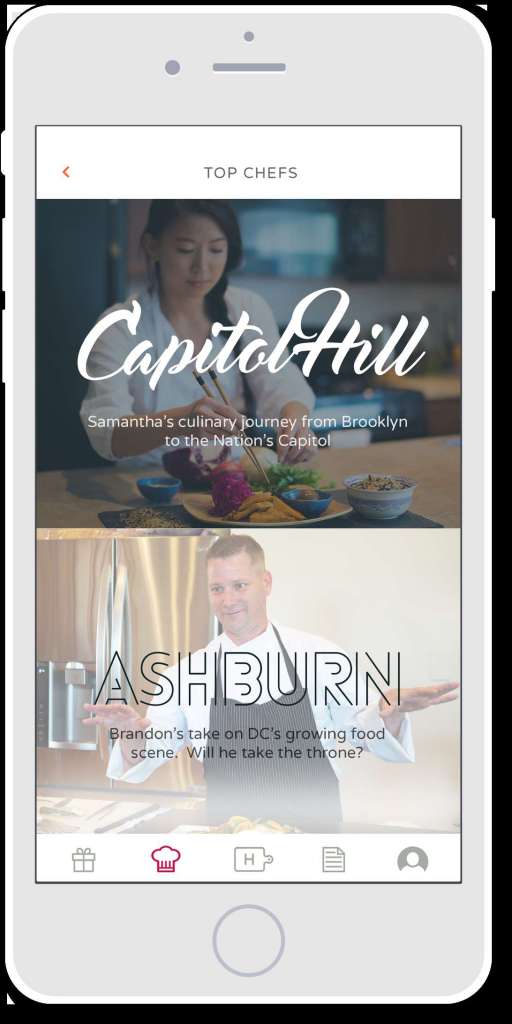 Currently, that’s a crowded category with lots of well-funded companies. Except whereas companies like Grubhub deliver food from restaurants, companies like Munchery deliver refrigerated food they produce in large commercial kitchens, and companies like Blue Apron deliver ingredients and meal recipes, Hungry is delivering meals prepared by individual professional chefs in their own commercial kitchens.
Hungry was founded by brothers Shayan and Eman Pahlevani, who previously co-founded Rosslyn-based LiveSafe. With LiveSafe on a solid path to success — a trio of billionaire backers, some $15 million raised, a growing list of clients — Shy and Eman decided to focus their entrepreneurial energies on a new challenge: what to do about lunch and dinner.
The idea came while Shy and Eman were still at LiveSafe. They were tired of the same old lunch options in Rosslyn, and then after a long day at the office they wanted better and healthier meal options for dinner. With a young daughter at home, Shy was particularly inspired. Cooking at home was time-consuming and ordering out often meant high-calorie meals from restaurants. Their idea: leverage the so-called sharing economy to let chefs make extra money on the side while consumers get better meals.
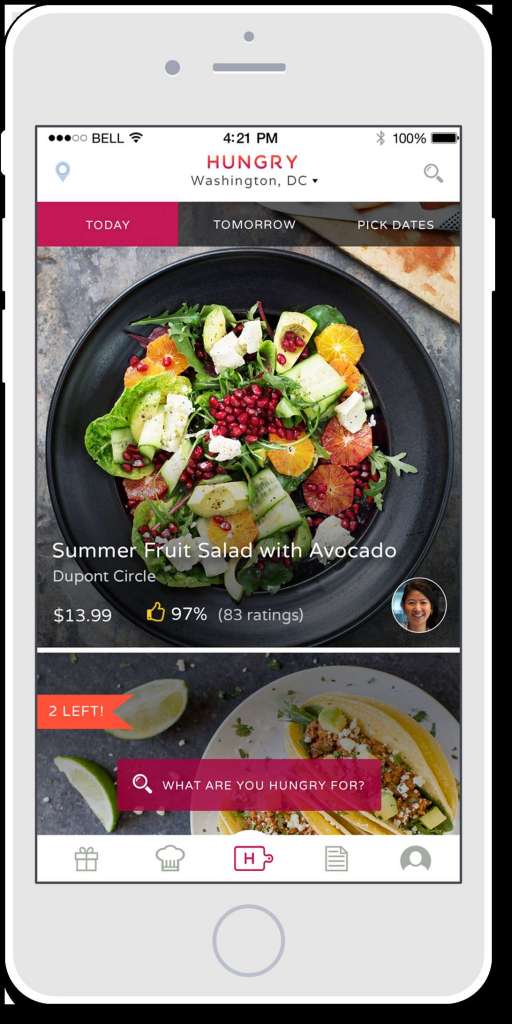 But Hungry’s appetite for innovation and growth doesn’t stop at individual dishes. The company hopes to be a full-blown food marketplace: its platform can be used by restaurants and chefs to order ingredients from artisan producers, by consumers to hire private chefs for special occasions at affordable prices, and by people or companies seeking food for events — from catered meals to wedding cakes.
(Last week, while ARLnow.com visited its offices, Hungry was preparing to provide food for a private event held by a buzzed-about, Clarendon-based startup media company.)
The company currently has 23 full-time employees, some 80 active chefs, $250,000 in startup capital and Chef Patrice Olivon serving as an advisor, Shy said. Its staff includes drivers — rather than outsource that task, Hungry plans to deliver its own meals, hiring one driver for every five active chefs on the platform.
Shy describes Hungry as a hyperlocal platform that’s focused on a “premium experience” — users can only order from Hungry-approved professional chefs that are within a 10-15 minute drive of the delivery destination, to keep the company’s promise of “authentic, one-of-a-kind fresh-cooked meals, delivered hot.” Users can specify which types of food they’re looking for along with dietary restrictions and preferences.
“Know your chef, know your food,” is another of the company’s credos.
Hungry plans to use content marketing to help attract customers. It’s been producing share-worthy videos, including the kind of short-form cooking videos made famous by BuzzFeed’s Tasty brand, with the hope of reaching consumers through their social media feeds. Targeted ads and email newsletters are also part of the plan, but that’s only half of the marketing battle — chef recruitment is equally important.



 “We saw these two pretty familiar and consistent concerns about social media,” Leonard said. “There were a lot of startups that wanted to do social media, but they didn’t have the time or resources to do it themselves. You think of a startup founder, he’s busy building his business. He’s working 80-100 hours a week and the last thing on his mind usually is what he’s posting on Facebook.”