Startup Monday header

Editor’s Note: Sponsored by Monday Properties and written by ARLnow.com, Startup Monday is a weekly column that profiles Arlington-based startups and their founders, plus other local technology happenings. The Ground Floor, Monday’s office space for young companies in Rosslyn, is now open. The Metro-accessible space features a 5,000-square-foot common area that includes a kitchen, lounge area, collaborative meeting spaces, and a stage for formal presentations.
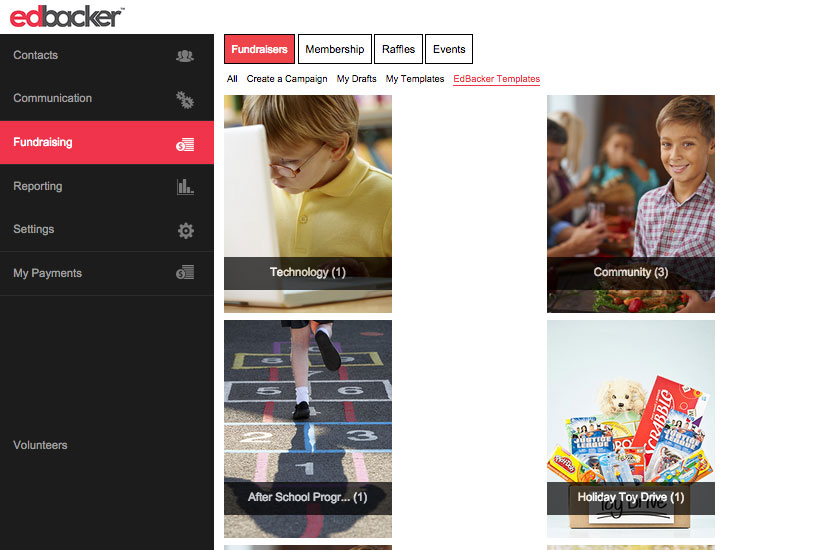
Edbacker fundraising campaign page (Courtesy of Gary Hensley)A company dedicated to helping schools fundraise has moved to Crystal City.

Edbacker, founded by former California teacher Gary Hensley, provides a online platform for schools to host their fundraisers. By running the campaigns online, parents are easily able to donate by using their phones or going to the Edbacker website.

“There are some really neat stories that come out of these organic campaigns,” Hensley said.

The goal is to help address the gap in funding for schools.

“This is a real need,” he said. “A real problem we could solve.”

The company is now used by schools in 24 states, Hensley said, including Arlington County, which the company considers its home base.

“Arlington has been incredibly supportive out of the gate,” he said.
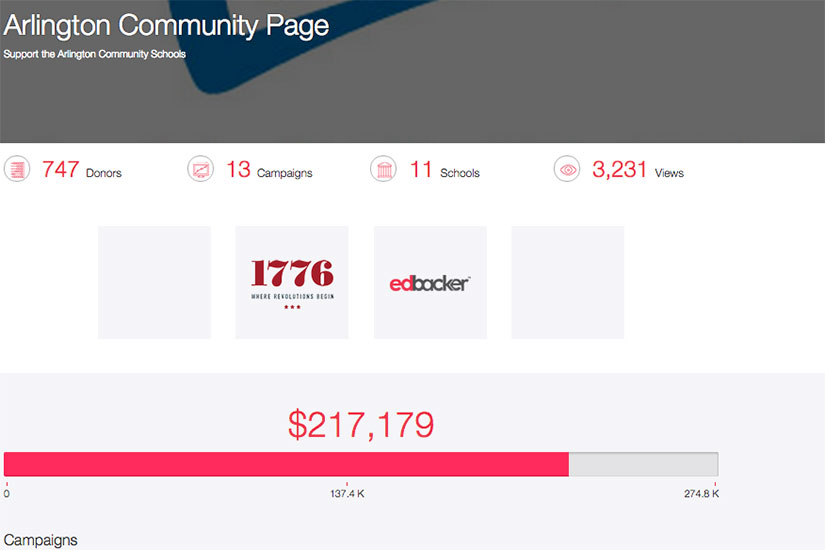
Arlington fundraising page (Courtesy of Gary Hensley)

Hensley decided to build a platform to help schools fundraise easier after being frustrated with his own attempts to raise money for his daughter’s school, he said. The first school to use Edbacker was Arlington Science Focus Elementary School, which needed help raising money for a new classroom.

“They just needed 200 people who were interested in that thing related to STEM,” he said.

Edbacker typically has about 160 campaigns running at a time, Hensley said.

To donate to a school’s campaign, people go online to the Edbacker and explore campaigns. The company also helps work with local and national businesses, helping them to donate either to a specific campaign or to a general fund that can be spread out among an area’s schools.

Fundraising campaigns tend to have a cyclical fashion based on the school year. In the beginning of the school year, campaigns usually do membership campaigns and “no frills” campaigns. The “no frills” campaigns ask people to donate money to the school instead of buying the wrapping paper that students sell or buying baked goods at a school bake sale.
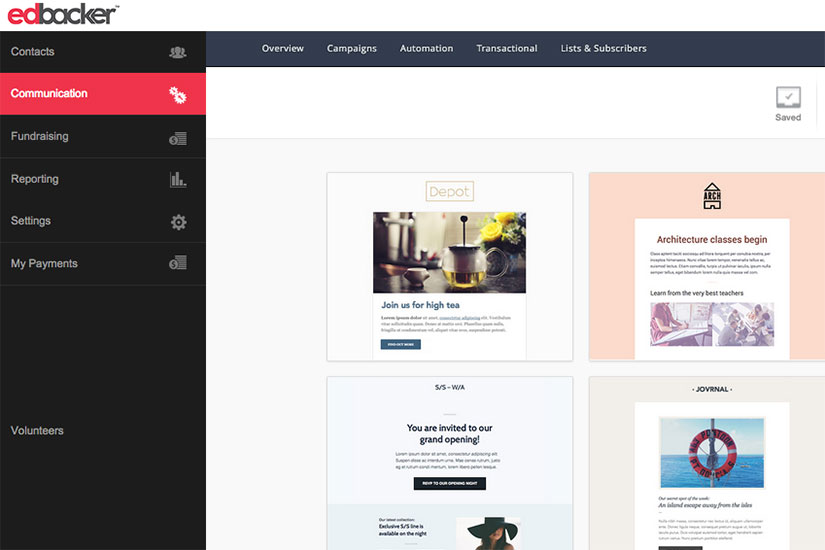
Edbacker communication campaigns (Courtesy of Gary Hensley)

In December, schools typically run coat collection campaigns and specific community projects. At the end of the year, people raise money for class gifts.

“[Arlington schools] are all pretty active,” Hensley said.

Swanson Middle School is currently running a “no frills” campaign using Edbacker. The school is asking for $20,000 and has already received donations from 200 people. The school’s campaign has 25 more days to raise around $5,000.

While Edbacker helps other companies with fundraising, the company’s primary focus is schools.

“The thing about education is it’s the heartbeat of the community,” Hensley said.

Edbacker works out of the new 1776 Crystal City, after moving from the D.C. 1776 location, and is one of the companies funded by 1776’s new seed fund.

Startup Monday header

Editor’s Note: Sponsored by Monday Properties and written by ARLnow.com, Startup Monday is a weekly column that profiles Arlington-based startups and their founders, plus other local technology happenings. The Ground Floor, Monday’s office space for young companies in Rosslyn, is now open. The Metro-accessible space features a 5,000-square-foot common area that includes a kitchen, lounge area, collaborative meeting spaces, and a stage for formal presentations.

Startup Arlington logo (Courtesy of Arlington Economic Development)Arlington Economic Development is giving startup companies a chance to win free work and living space in Arlington for three months, as part of a push to attract startups from other parts of the county.

To enter to win, companies have to submit an application to AED by Oct. 17. Questions include how may sales and employees a company has, if the company has any patents, how the company is currently funded and how living and working in Arlington would benefit the company.

“We have a panel of AED representatives, venture capitalists, and notable people in the startup community here who will be evaluating the submissions based on the startup’s viability, scalability and business model. The panel will also be looking at how being in Arlington can benefit that business,” said AED spokeswoman Cara O’Donnell.

In addition to free workspace in Rosslyn, offered by Carr Workplaces, and three months at the Residence Inn Rosslyn, the winning startup will get free legal advice and business counseling from Arlington Law Group and complimentary Metro passes.

All contestants must be 21 years of age or older and the founder or CEO of the startup. Applicants cannot be residents of D.C., Prince William, Fairfax, Loudon or Arlington counties in Virginia or Prince George’s and Montgomery counties in Maryland, according to Startup Arlington’s rules.

Startup Arlington is the county’s newest initiative to bring new businesses to the county, O’Donnell said.

“Startup Arlington is a new way to increase awareness of the resources and opportunities available to startups in Arlington. It is part of a larger initiative we are building in the county, which is aimed at attracting and marketing Arlington as a tech friendly place to move or launch your startup,” she said. “We also want to demonstrate that Arlington is actively seeking companies that are building technologies that have application with the local government.”

Arlington is beginning to establish itself as a destination for startups, O’Donnell said. The county is home to both startup companies and incubators, such as 1776 and Eastern Foundry, which both have locations in Crystal City.

“Every year, hundreds, if not thousands, of entrepreneurs set out on their own in Arlington. There’s a reason for that. Not only are some of the most brilliant entrepreneurial minds here, they also have access to unprecedented university research and opportunities to connect with Federal defense and research agencies — the very agencies that seek high-tech businesses to build technologies,” O’Donnell said.

The county is able to offer startups a competitive pool of potential employees, the ability to draw from D.C. resources and access to public transportation, all which help a company succeed, she added.

“There are very few places in the country where you can draw your entire talent pool in one place to build a successful company, certainly, Arlington is one of them. From a location standpoint, if you look at locations like Clarendon, Ballston, Rosslyn, or Crystal City, they offer all of the amenities that a startup would want,” she said.


Startup Monday header

Editor’s Note: Sponsored by Monday Properties and written by ARLnow.com, Startup Monday is a weekly column that profiles Arlington-based startups and their founders, plus other local technology happenings. The Ground Floor, Monday’s office space for young companies in Rosslyn, is now open. The Metro-accessible space features a 5,000-square-foot common area that includes a kitchen, lounge area, collaborative meeting spaces, and a stage for formal presentations.

Sarah Lee Parker Mansare, leader of the Guinea trip, dances in the heart of inland Guinea (Courtesy of Megan Morrison)(Updated at 12:45 p.m.) A local company is connecting people vacationing in a different country with the area’s locals through dance.

“I really wanted to provide a way to have fun, exercise a little on vacation and bond with the locals,” said Megan Morrison, the CEO of Dance Adventures.

Dance Adventures is similar to an organized tour group visiting another country, except that it adds dance to the vacation.

Each trip has about eight to 15 people and includes classes in the local dance style, dance shows and other cultural aspects, like a traditional tour of the area. For dances that are more social, like salsa dancing, the company takes the participants to dance clubs where they can interact with locals. Each trip is lead by a certified guide, according to Dance Adventure’s website.

Morrison started Dance Adventures based off of her own experience dancing in different countries. Through dance she was able to interact with the area’s locals, despite the fact that they often didn’t speak the same language.

“Anywhere I went, I was immediately able to connect with people through dance,” she said.

She wanted to bring the experience of connecting with others without spoken language, Morrison said. She reached out to tour guides she had worked with previously, and with their help, she was able to start organizing dance trips.

The company currently leads trips to Bolivia, Brazil, Dominican Republic, Guinea and India. Tour guides are experts in the area and have often lived in the country where they lead groups, Morrison said. The local connection makes it easy for the company to find dance lessons and shows for the people to attend, she said.

Morrison said the Guinea and Dominican Republic are her favorite trips that she has gone on.

A Guinean man performs the traditional "strong man" dance: Dununba (Courtesy of Megan Morrison)

“Guinea is just so far outside of what we know as western culture,” she said. “It’s also like living in a musical. You show up at a market and start singing a song you learned and the lady selling cloth will start singing with you.”

Trips typically cost between $1,500 to $4,000 depending on the location. The total cost of the trip includes hotels, some meals, the shows, in country transportation and club entree fees. Airfare and travel insurance are not included, she said.

“The best part [about a trip] is being able to connect with local people so quickly,” Morrison said.

People do not need to be dancers to go on a Dance Adventures trip, Morrison said, adding that a trip can include more or less dance classes depending on the people in the tour group.

“For anyone who just values the arts, I think it’s a great experience,” she said.


Startup Monday header

Editor’s Note: Sponsored by Monday Properties and written by ARLnow.com, Startup Monday is a weekly column that profiles Arlington-based startups and their founders, plus other local technology happenings. The Ground Floor, Monday’s office space for young companies in Rosslyn, is now open. The Metro-accessible space features a 5,000-square-foot common area that includes a kitchen, lounge area, collaborative meeting spaces, and a stage for formal presentations.

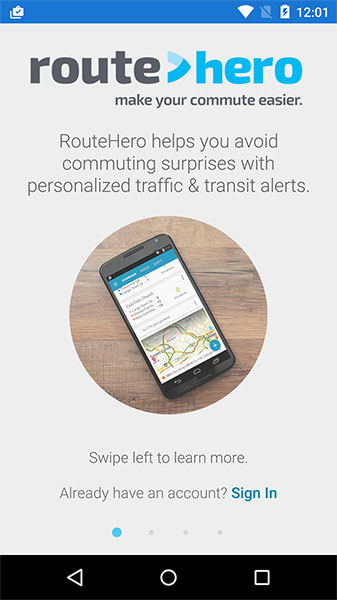
RouteHero (Courtesy of Thomas Woo)An app designed to make commuting easier recently won a tech startup competition hosted at 1776 in Crystal City.

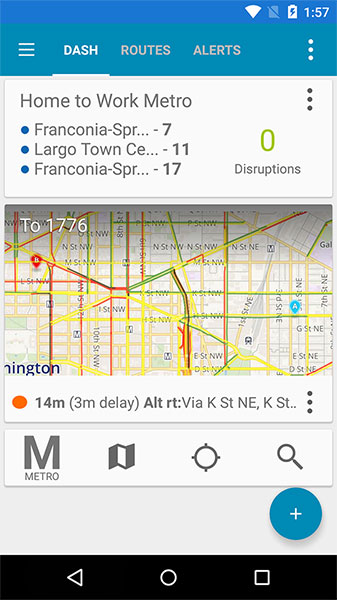
RouteHero, built by Arlington native Thomas Woo, provides traffic and Metro updates based on an user’s route and time of travel.

“It’s a really good opportunity to limit some of the hassle of the commute,” Woo said. “You don’t have to check traffic in the morning. You don’t have to worry if the Metro will be single tracking when you get there. We’ll do the worrying for you.”

People can customize the app to include multiple commuting routes. Each alert comes through a text message, Woo said.

“What my app does is you put in your regular commute, whether it is driving or Metro, and the time you commute and we’ll send you an alert if there is traffic or an accident,” Woo said.

RouteHero app dashboard

Woo developed the app based on his own personal experience with commuting from his home in Falls Church to his previous job, he said. He signed up for Google Now and Metro alerts, but he said the alerts weren’t specific enough. He wanted something that would make his commute easier.

“My app sends you one alert just what you want and just when you need it,” he said.

In addition to the alerts, the app also shows the Metro schedule for the lines the user travels. It could work as a compliment to navigational apps Google Maps or Waze because RouteHero tells users when they should find different routes, and then users can use the other apps to find a new travel path, he said.

RouteHero won the D.C. Tech.co Startup of the Year Competition held at 1776 Crystal City last Wednesday, Sept. 9, which gave Woo validation that his app was useful for commuters, he said.

“It was a good confirmation that yes, people want a traffic and transit app for their commute,” Woo said.

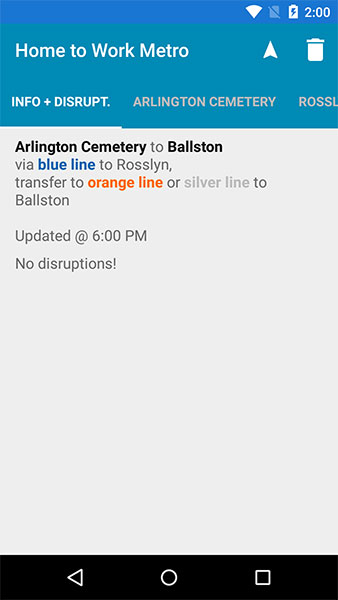
A Metro alert on RouteHeroRouteHero is currently available for Android phones only, but Woo said he is working on an iOS version of the app, which he tentatively expects to have in the next three to five months.

Woo also plans to expand the app to include other modes of transit, such as Metrobus and Capital Bikeshare, and to be able to run alerts for transit systems outside of the D.C. area, such as the “T” in Boston or the subway in New York City.

The app is currently free and is supported with advertisements, but he may add in-app purchases, Woo said.

“The idea is that if you have more than one route, you’ll have to pay a monthly fee of $1,” he said.

Public transportation alerts would remain free, regardless of how many alerts an user requests, Woo said.


Startup Monday header

Editor’s Note: Sponsored by Monday Properties and written by ARLnow.com, Startup Monday is a weekly column that profiles Arlington-based startups and their founders, plus other local technology happenings. The Ground Floor, Monday’s office space for young companies in Rosslyn, is now open. The Metro-accessible space features a 5,000-square-foot common area that includes a kitchen, lounge area, collaborative meeting spaces, and a stage for formal presentations.

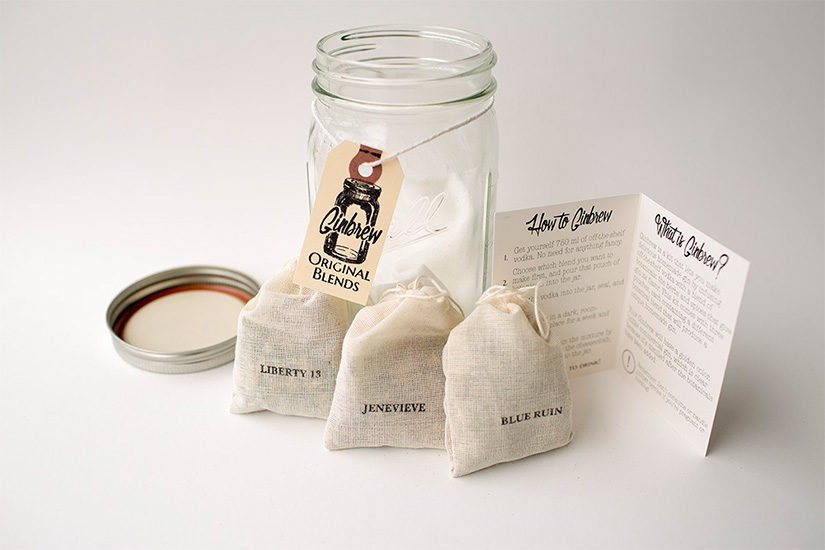
Ginbrew kit (Courtesy of Ginbrew)

Do-it-yourself booze is popular right now and Arlington resident John Quinn is hoping to capitalize on it.

Quinn and his friend Chris Rories are the co-founders of Ginbrew, a company that helps people make their own gin through a DIY gin kit.

“It makes pretty cool gin, and we thought people would be interested in making it themselves,” Quinn said.

Each Ginbrew kit comes with a mason jar, a cheese cloth and three different types of botanical mixtures. To make gin, the customer pours a bottle of vodka in the mason jar, adds one bag of botanicals and gives the mason jar a shake every day for a week.

After a week, the mixture is poured through the cheese cloth in order to remove any of the botanicals. Rories recommends using middle-of-the-shelf vodka like Smirnoff.

“Gin is like flavored vodka. The original flavored vodka,” said Quinn, who also serves as the chief marketing officer for the company.

Rories is currently the mastermind behind each of the mixtures, while Quinn works on marketing and tasting each flavor.

Ginbrew currently sells two kits, both of which cost $29.99. The original Ginbrew kit has a “Liberty 13” botanical blend, a “Blue Ruin” botanical blend and “Jenevieve” botanical blend. The Liberty 13 is the flagship blend and is a mixture of 13 botanicals, according to the website. The Blue Ruin has a more traditional gin blend and is heavier on the juniper berry and the Jenevieve is more floral, Rories said.

Ginbrew blends (Courtesy of Ginbrew)

The company also has a summer brew kit, which includes a “Gravier Street” blend, which is heavy on the citrus and meant for gin and tonics, and a “Hops Populi,” which makes a hoppy gin with citrus and floral hints, Rories said. The summer kit also comes with a Liberty 13 blend.

Ginbrew is eight months old, but it is already reaching a large customer base, Rories said.

“We’ve seen sales climb pretty steadily since we launched,” he said.

The company has shipped kits to 49 states, as well as to places in Europe, including the United Kingdom and Germany, he said. It has also received positive reviews from Brightest Young Things and a United Kingdom gin review website.

(more…)


Startup Monday header

Editor’s Note: Sponsored by Monday Properties and written by ARLnow.com, Startup Monday is a weekly column that profiles Arlington-based startups and their founders, plus other local technology happenings. The Ground Floor, Monday’s office space for young companies in Rosslyn, is now open. The Metro-accessible space features a 5,000-square-foot common area that includes a kitchen, lounge area, collaborative meeting spaces, and a stage for formal presentations.

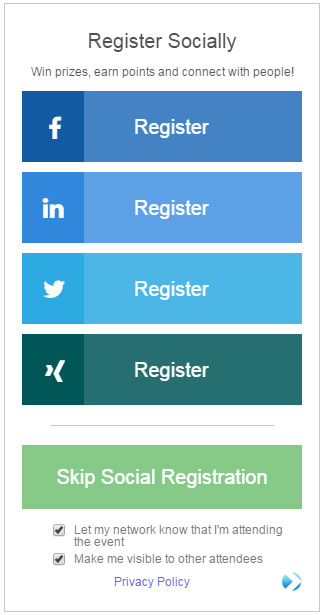
InGo Login Widget (Courtesy of InGo) An Arlington company is using social media, such as Facebook, Twitter and LinkedIn, to help increase the amount of attendees at events.

InGo, a company based at 2500 Wilson Blvd in Courthouse, helps bring people to events by analyzing social media activity and finding friends that would also be interested in attending an event. It then gives people the option to invite these friends to the event.

InGo runs a widget on registration pages for events. When someone registers for a large conference or festival, the InGo widget gives people the option to sign up using their Facebook, Twitter or LinkedIn profiles.

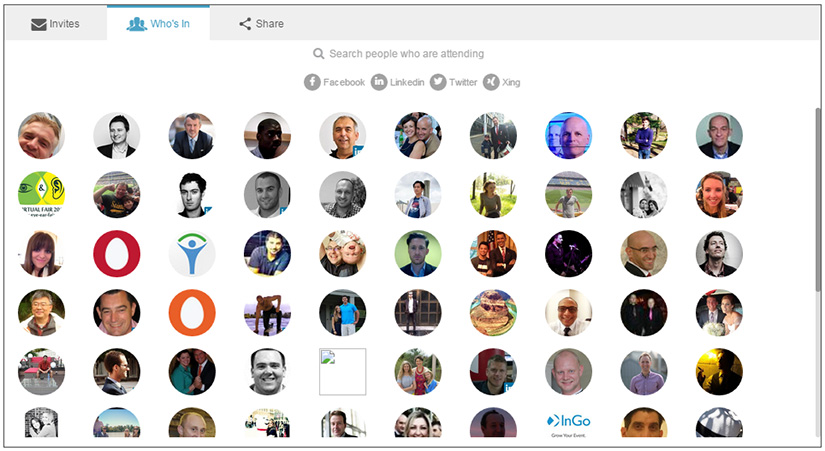
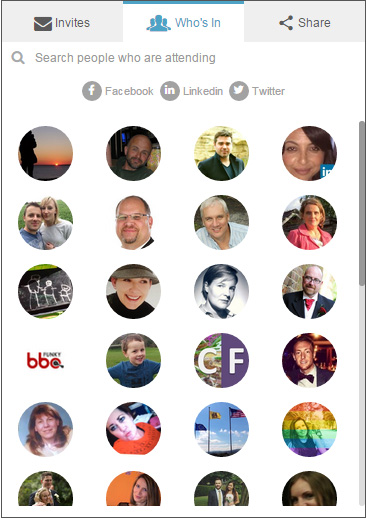
Once the registration is completed, InGo shows users who else is attending the event, and allows people to filter through the guest list by their social media networks. Then InGo gives a list of friends that would be interested in going and allows users to invite them.

“It is the future of events,” said CEO Michael Barnett. “It is the future of marketing.”

By inviting friends to an event, social media marketing for the event is more personalized instead of “ads and spam,” Barnett said.

“It seemed so natural to say if we’d get people to invite each other, we’ll grow the event,” he said.

InGo has helped grow attendance numbers for multiple events, Barnett said. The company now serves more than 500 events across the globe and works with 18 out of the top 20 event companies in the world. In addition to its Courthouse office, the company also has offices in Milan and London.

InGo Social Widget (Courtesy of InGo)

“One of the things I didn’t think we expected is that we’d have events on every continent as young as we are,” Barnett said.

The idea to start InGo came from companies telling Barnett that they were have trouble getting attendees to come to their events, he said.

“The challenge [for events] is how do I find you? How do I discover you? That’s what we solve,” Barnett said.

Social media was the natural answer for Barnett, and a personal invitation from a friend to attend an event grabs people’s attention more than an email ad or even an ad on Facebook, he said.

“You can imagine if you get an invitation from a friend that says I’d really like to see you. You’re going to pay attention,” Barnett said.

InGo Social Widget (Courtesy of InGo)

Invitations are personalized for each different social media type. A Facbeook invitation would be a post on the attendee’s wall that tagged the friends the person invited. Invitation’s can also be sent through LinkedIn and Twitter, and the social media sites are used based on the event. Twitter is popular with photography events, Facebook is used best with social events and LinkedIn is great for industry conferences, Barnett said.

“The entire system works because it is very genuine,” he said.

The company works with large events with millions of attendees, Barnett said. He has his eye on helping increase attendance at music and film festival South by Southwest.

The event needs more paying attendees, Barnett said, and InGo has a solution for them.

“it’s such an exciting show and a great fit,” Barnett said.


Startup Monday header

Editor’s Note: Sponsored by Monday Properties and written by ARLnow.com, Startup Monday is a weekly column that profiles Arlington-based startups and their founders, plus other local technology happenings. The Ground Floor, Monday’s office space for young companies in Rosslyn, is now open. The Metro-accessible space features a 5,000-square-foot common area that includes a kitchen, lounge area, collaborative meeting spaces, and a stage for formal presentations.

Divvycloud(Updated at 4 p.m.) A new Rosslyn company is making cloud servers safer by finding security problems and fixing them.

The introduction of cloud server systems, like Amazon Web Services, Google Cloud and iCloud, presented a problem for companies and information technology consultants.

The cloud allowed easy access to a company data server without having to go through IT personnel. Not going through IT meant there were more security holes and fewer ways to check if the company was using the server in the most cost effective manner, said Brian Johnson, the CEO and co-founder of Divvycloud, a company now based in Rosslyn.

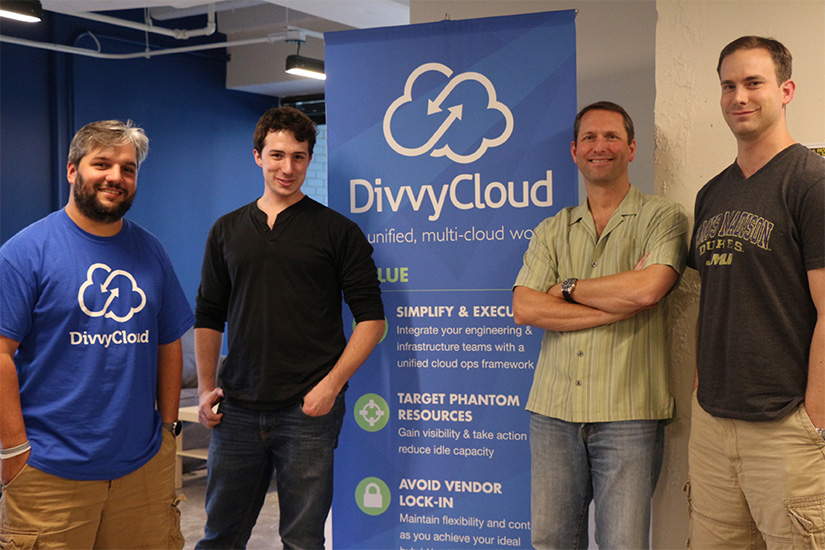
In order to fix these gaps, Johnson and Divvcloud’s two other co-founders, Chris DeRamus and Andrew Mann, created a cloud server monitor in order to find security holes and close them.

Before the cloud, IT personnel would have to give people access to a company server if they wanted to use it outside of the office, such as from home or at a coffee shop. Once a person was done with the server, IT personnel would close the hole left from giving access, Johnson said.

Divvycloud Co-founder Chris DeRamus

A hybrid cloud server is a two part system where some company data is hosted on a public cloud, like Amazon Web Services, and other company data is hosted on a private cloud that can only be accessed within that company. Once hybrid cloud servers were introduced, employees could access the server without going through IT, which meant access holes were left open. Divvycloud’s system can find these holes and automatically close them.

The system is “event-driven automation for self-healing cloud infrastructure,” said Peter Scott, the chief strategy officer for Divvycloud.

Divvycloud’s system allows companies to have all the perks of a cloud system while making sure the organization’s interests are protected, Scott said. The system also looks at cost effectiveness and server capacity in order to allow a company’s cloud system to run faster, be safer and cost less.

“We help organizations manage multi-hybrid cloud in a way that delivers of the promise of cloud in terms of agility, cost effectiveness and speed, but still allows IT to keep the system secure,” Scott said.

Peter Scott (left) and Brian Johnson (right)The two-year old company recently moved to a new office at 1400 Key Boulevard in Rosslyn from its original location in Tysons Corner. The move was sparked by the need to recruit, Scott said.

The company wanted to tap into the pool of developers in the D.C. area and those coming out of the area’s colleges.

“We needed to be close to be close to a Metro stop to do that,” Johnson said.

The company is currently hiring, and it is looking for people who will be a fresh perspective and can challenge the founders’ vision for the company, he said. People should be excited about the company and not just about having a job.

“We need to build a company that people want to work for,” Johnson said.

The company’s job openings are currently on its website, and Scott and Johnson said that people can always shoot an informational email to the company to ask about the positions.

“You never know where you are going to find the perfect fit,” Johnson said. “And they are really hard to come by.”


Startup Monday header

Editor’s Note: Sponsored by Monday Properties and written by ARLnow.com, Startup Monday is a weekly column that profiles Arlington-based startups and their founders, plus other local technology happenings. The Ground Floor, Monday’s office space for young companies in Rosslyn, is now open. The Metro-accessible space features a 5,000-square-foot common area that includes a kitchen, lounge area, collaborative meeting spaces, and a stage for formal presentations.

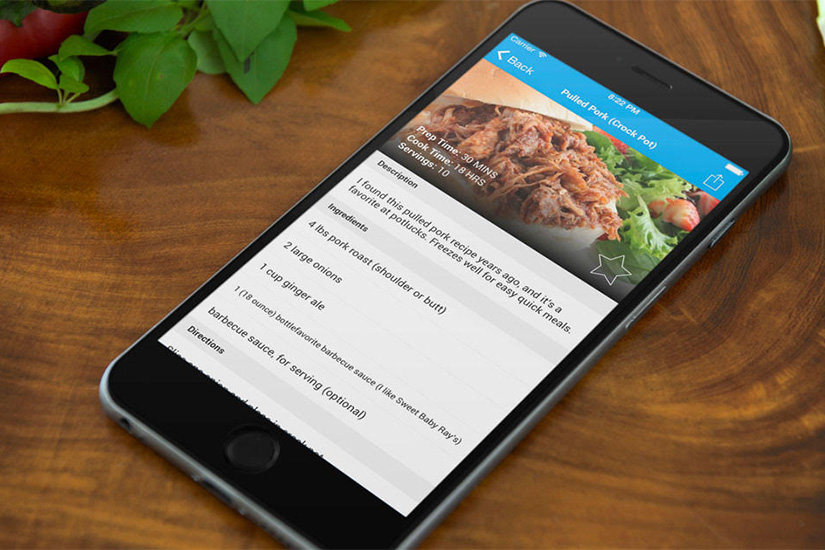
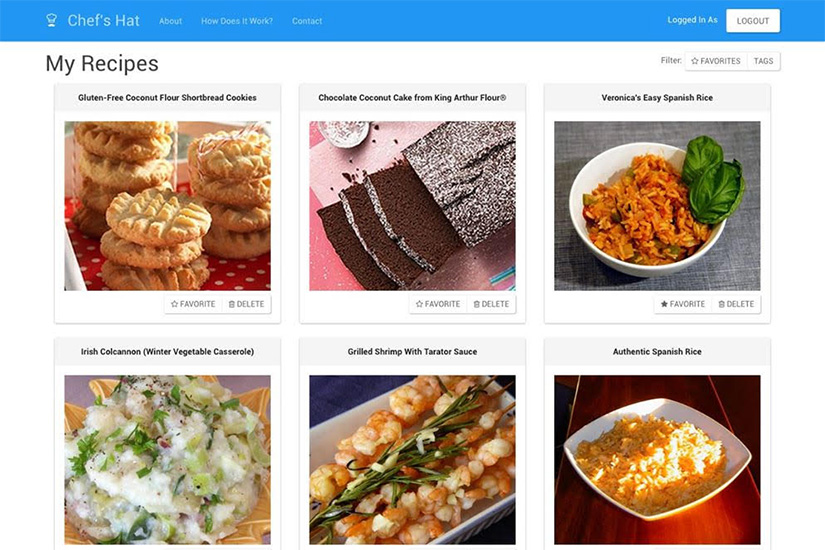
Mobile version of Chef's Hat (Courtesy of Jeff Jones)

A Courthouse resident has created an app to help people save recipes they find online.

John Jones developed Chef’s Hat, a mobile and web app that works like an online recipe box. Users sign in through Facebook or Twitter and then start electronically clipping recipes.

All clipped recipes are saved to the app and can be accessed on phones, tablets or the computer. The app is available for free on both iTunes and Android markets.

“It’s your mom’s recipe book that always has the right recipe,” Jones said.

The idea came from personal experience, he said. Jones enjoys cooking with his wife, but he found recipe saving websites, like Pinterest, inadequate. So he decided to build an app that would make it easier to clip recipes. The app was released late in July and it has been downloaded a couple hundred times, Jones said.

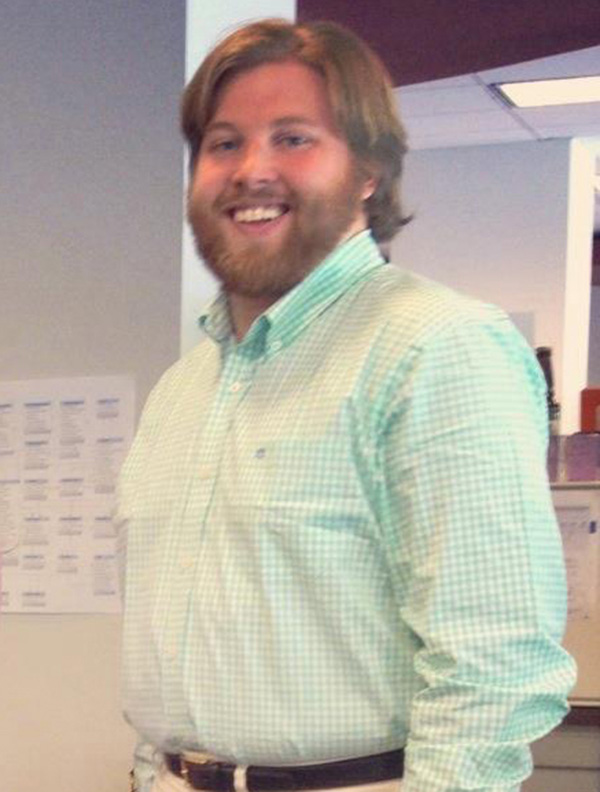
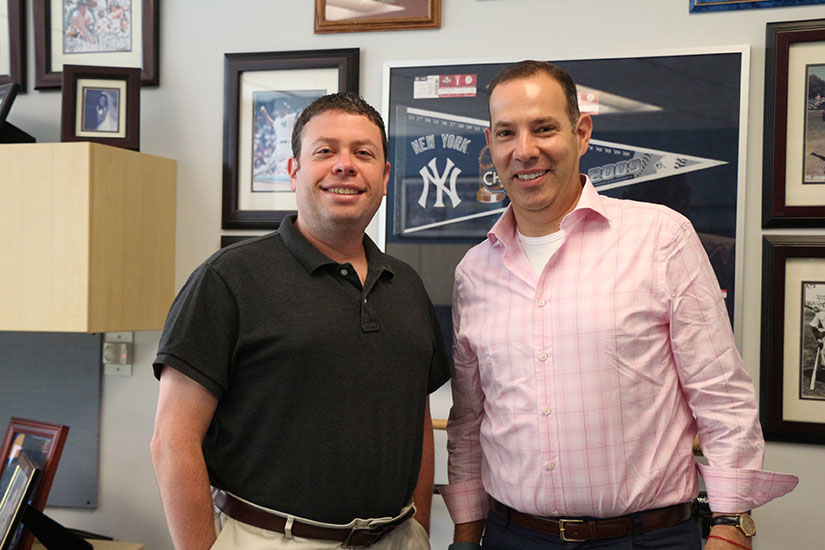
Jeff Jones (Courtesy of Jeff Jones)

The app reformats each clipped recipe with a clean font face and easy-to-read layout instead of linking to or taking a screenshot of the original recipe webpage. The app was designed with the user in mind, Jones said.

“There are so many apps in the marketplace so it drives developers to be creative and think about what their users want,” he said.

With a focus on user experience — or UX — developers are constantly focused on improving the app to fit what people want, Jones said.

“It’s always about what’s best for the users,” he said.

Thinking about user preferences is why he created a mobile and web version of the app, he said. When developing the app, he was thinking about where people browse for recipes.

Jones is already thinking about updates he will make. One idea is the ability to create an account and log in with an email address instead of using Facebook or Twitter. Another is making the sharing of recipes easier. He is also playing with the idea of creating a recommended recipe addition, where the app would recommend recipes for users to try based on the recipes they have saved.

Web version of Chef's Hat (Courtesy of John Jones)“I think there are a lot of possibilities with this app,” he said.

Another potential addition is advertising. He prefers to use “purpose driven advertising,” instead of the “annoying” banner ads, he said.

While Jones says he will not use banner ads, he did say that he consider options for publishing promoted posts, such as partnering with a food blog or company that could promote recipes on the app. He is also considering premium features for the app, he said.

“I see this potentially as an app for cooks and amateur cooks,” Jones said.


Startup Monday header

Editor’s Note: Sponsored by Monday Properties and written by ARLnow.com, Startup Monday is a weekly column that profiles Arlington-based startups and their founders, plus other local technology happenings. The Ground Floor, Monday’s office space for young companies in Rosslyn, is now open. The Metro-accessible space features a 5,000-square-foot common area that includes a kitchen, lounge area, collaborative meeting spaces, and a stage for formal presentations.

Mark Tobias and Oron Strauss

For healthcare insurance companies, compiling and submitting data to state and federal governments is a long process, but an Arlington company may have an answer.

Babel Health, which is based in Courthouse, provides a information system for health insurance companies that validates and reformats data to make it ready to submit to state and federal governments, said co-founder Mark Tobias.

Insurance companies upload data for patients, including birth dates, the medical code, names, admittance dates, etc., into the system. It then goes through the data checking for irregularities as well as checks it against editing rules that look at format and accuracy, such as making sure a person with a death date can’t have an admittance date.

‘We are basically the last guardian to find and protect the data,” Tobias said.

The system will then send the data back to the healthcare company to let them fix the errors. Once the data passes validation checks, the system reformats it to fit the various forms healthcare companies have to submit.

“It helps insurance plans get their data together with more integrity and more accuracy,” co-founder Oron Strauss said.

The company works with smaller and medium sized healthcare companies and recently signed their first client. The company provides the service for a reasonable cost, which makes them ideal for medium-sized companies that would not usually be able to afford a sophisticated data system.

The company helps insurance plans cut down costs, which in turn help them keep plans more reasonably price, Tobias said.

“At the end of the day, so much is driven by cost,” he said.

Although the company is young, Strauss and Tobias already have long term goals for it. They both want to bring the system to healthcare providers to increase efficiency and compliance, Strauss said.

The company is not the first run by Strauss and Tobias. The two have been business partners for 18 years and have founded several business ventures, including Pantheon, a software company that works with nonprofits. Many of the employees working for Pantheon also work for Babel Health and helped build the software program that edits and cleans the data.

Building the software from the ground up has its benefits, the most important being the security features that are incorporated into the program. That’s especially notable in the wake of security breaches at the federal Office of Personnel Management and at large retail chains like Target.

(more…)


Startup Monday header

Editor’s Note: Sponsored by Monday Properties and written by ARLnow.com, Startup Monday is a weekly column that profiles Arlington-based startups and their founders, plus other local technology happenings. The Ground Floor, Monday’s office space for young companies in Rosslyn, is now open. The Metro-accessible space features a 5,000-square-foot common area that includes a kitchen, lounge area, collaborative meeting spaces, and a stage for formal presentations.

A million people around the world have been able to play pen and paper games on a virtual tabletop thanks in part to an Arlington man.

Richard Zayas co-founded Roll20.net, a site that provides a virtual platform to play pen and paper games, like Dungeons and Dragons, with his college roommates Nolan Jones and Riley Dutton.

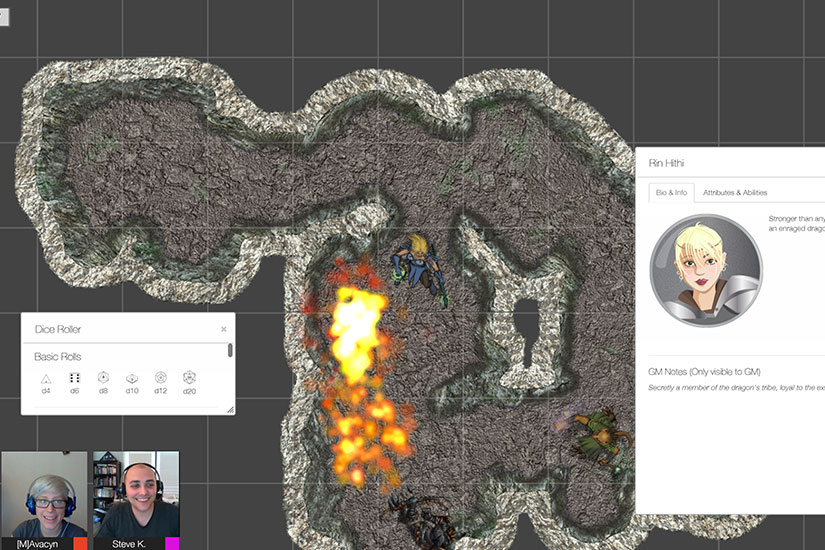
Roll20 Screenshot (Courtesy of Roll20)The three friends used to play Dungeons and Dragons together in college, but stopped once they graduated and moved to different parts of the country. After talking about how they wish they could all play together, Dutton created a prototype of a virtual tabletop.

What started out as a way for the three founders to play Dungeons and Dragons together after college turned into a successful business. Roll20 reached 1 million users in July, according to Jones.

“We didn’t start thinking we’d run a small software company,” Zayas said.

After creating the prototype, the three launched a Kickstarter with the goal of getting $5,000 to create Roll20. The Kickstarter raised $39,000.

“So to raise that kind of money in that short of time was a shock,” Zayas said.

Roll20 is not a video game, instead it provides the virtual tabletop for players to build their own games on. It is functionally similar to a video chatroom. Players are required to provide their own content — including tokens for characters — and create their own game boards. Alternatively, some game board and pieces can be purchased from a marketplace.

“At the basic level, the interface is just a virtual table,” Zayas said.

Richard Zayas (Courtesy of Roll20)The site can be used for any type of pen and paper game, not just Dungeons and Dragons, Zayas said. Roll20 users can create or enter a game. The “game master” creates the game using his or her own content, such as character tokens. Users can also buy tokens and other assets from the Roll20 marketplace.

“If you like video games or ‘Game of Thrones,’ Dungeons and Dragons was the original game of the fantasy genre,” Zayas said. “And if you want to play it online, you can play it on Roll20 for free.”

The site is free to use, but it also offers a subscription service that comes with advanced like dynamic lighting, which gives the game a more realistic feel, Zayas said.

The subscription service is the site’s current revenue stream, though Jones, Zayas and Dutton may consider advertising on the site, Zayas said. So far, enough people are subscribing to the premium content to keep the site profitable.

“The model is definitely sustainable,” Zayas said.

Users from around the world are using Roll20 to host games. About 15 percent of users come from outside the U.S., Zayas said.

“People just find us,” he said. “It’s like wildfire.”

The idea of being able to play a game with people all over the world is reflected in the company’s set up. The three founders each live in different areas of the U.S.: Dutton in Kansas City, Kansas, Jones in Las Vegas and Zayas in Arlington. The founders only see each other once a year, Zayas said, and each has his own role in the company. Zayas is responsible for accounts and finances, while Jones does public relations and Dutton is the main developer.

“He [Dutton] would be the brains. I guess Nolan would be the mouth,” Zayas said. “I deal with all the finance, accounts, that sort of stuff.”

While the company is successful and growing, it has only gotten to where it is today through hard work, long hours and tough lessons learned.

“It is definitely the hardest thing I’ve ever done,” Zayas said. “Easily.”


Startup Monday header

Editor’s Note: Sponsored by Monday Properties and written by ARLnow.com, Startup Monday is a weekly column that profiles Arlington-based startups and their founders, plus other local technology happenings. The Ground Floor, Monday’s office space for young companies in Rosslyn, is now open. The Metro-accessible space features a 5,000-square-foot common area that includes a kitchen, lounge area, collaborative meeting spaces, and a stage for formal presentations.

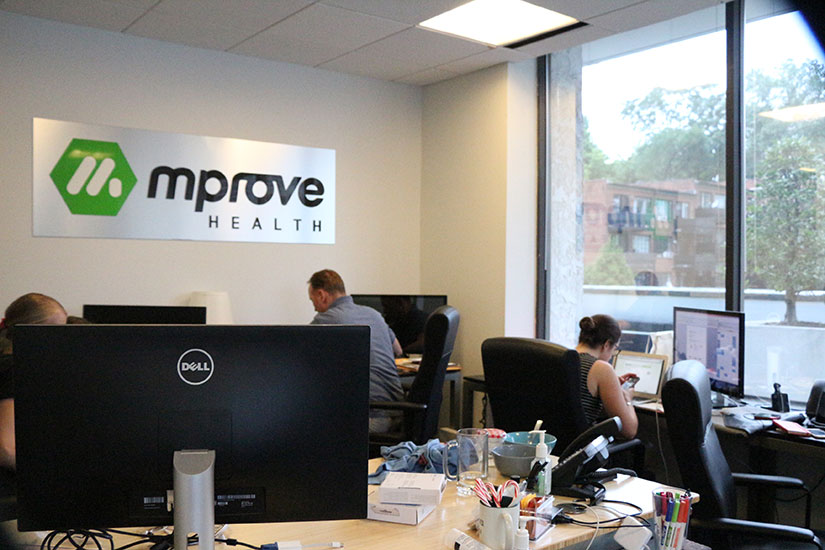
mProve office

A Rosslyn company may have the answer for keeping research participants active in a pharmaceutical study, and it’s all through mobile technology.

mProve Health, a mobile technology-based company, has created mobile platforms that allow drug researchers to better communicate with subjects. Researchers are responding well to the new technology, mProve founder Jeff Lee said.

“We’re like the shiny new toy of the research market,” he said.

The company designed a platform that uses texts, automated phone calls and a mobile app to send reminders, instructions and messages of encouragement to participants in hopes that it will keep study retention and compliance rates high.

Study participants can also use the mobile app to log diary entries if that is part of the clinical trial.

Other platforms help research companies recruit people for drug trials, increase patient engagement by allowing participants to customize the app to best meet their lifestyles and allow participants to take research surveys that are part of the trial.

By using the mProve technology, drug research companies prevent about 50 people in a 1,000-people study from dropping out, Lee said. Drug companies spend a lot of money on each person in the study, especially those that drop out or fail to follow the instructions, so any preventive measures can save the company time and money.

The pharmaceutical industry is under pressure develop new drugs right now, Lee said, and having this technology can help companies research new drugs more efficiently.

“This is a scenario where the work we do is helping get access to better therapies,” Lee said.

mProve office

mProve technology is currently being used by many of the biggest drug companies, including Pfizer, in the U.S. and more than 50 countries around the world, according to Lee.

Lee first came up with the idea behind mProve five years ago while talking with a friend about improvements research studies could use, he said. From there the company has grown fast.

“It’s a growth-oriented business,” Lee said. “Mobile is a hot topic.”

A typical day of work for mProve employees includes helping a client’s study to communicate with participants, developing new programs for the mProve software and helping to train researchers with the software, he said.

mProve looks for its employees from local universities in the D.C. area, but it’s also hiring people with three to seven years of experience now. All jobs can be found on the company’s website. With so many employees coming from D.C. schools, location was important for the company, he said.

Lee originally started the company in Alexandria but later moved to Arlington. The company now has office space in the UberOffices at 1400 Key Boulevard in Rosslyn.

Arlington’s skilled workforce, transit infrastructure and proximity to an airport helps the company, Lee said. The location also helps the company sell its product.

“Arlington is a nice place [for our business] because one, you find people who are interested in global health, and two, because you have to travel a lot,” he said. “Arlington is kind of a perfect home where everyone is happy.”


View More Stories