
Startup Monday header

Editor’s Note: Sponsored by Monday Properties and written by ARLnow.com, Startup Monday is a weekly column that profiles Arlington-based startups and their founders. The Ground Floor, Monday’s office space for young companies in Rosslyn, is now open. The Metro-accessible space features a 5,000-square-foot common area that includes a kitchen, lounge area, collaborative meeting spaces, and a stage for formal presentations.

The BTCS team in their Rosslyn officeBitcoin is hard to explain. It’s a “crypto-currency,” and it’s worth real money — just like Euros and pesos are worth real dollars — but it’s completely digital.

Blockchain Technology Consumer Solutions — or BTCS for short — was launched in 2013 as Bitcoin Shop, an ecommerce platform that allows users to buy goods with bitcoins and other digital currencies, like Dogecoin or Litecoin. Bitcoin Shop founders Michal Handerhan and Tim Sidie, now COO and lead developer respectively, had bought bitcoins but didn’t know how to spend them. So they created a way.

“They got some immediate traction from consumers and offers to help fund the company,” Chief Marketing Officer Charlie Kiser told ARLnow.com from BTCS’ Rosslyn office this month.

Kiser, who has worked in startups for years in the D.C. area, joined the team along with now-CEO and Chairman Charles Allen. In February 2014, Bitcoin Shop went public, raising $1.875 million in its initial public offering.

“Going public is not the most traditional route for startups,” Kiser admitted, “but it’s great in terms of speed and confidence in getting something closed. The idea was we could be one of the first publicly traded companies and we could accomplish some things in an industry with a lot of unknowns.”

In fact, most of the crypto-currency industry is unknown. While the currency exists, it’s not run by a bank or a government. It’s decentralized and far more unstable than currencies of developed countries. One bitcoin was worth more than $1,000 U.S. dollars near the end of 2013. Earlier this month, it was down below $200, and currently it’s hovering around $240.

BTCS logoThere is no mint for bitcoins, either. Instead of a government printing them, they are “mined.” BTCS has a partnership with a bitcoin mining company in Israel. How are they mined? Anyone who wants a bitcoin must provide technological maintenance to the bitcoin system. The more bitcoins are circulating in the world, the more work a “miner” must do to get a bitcoin.

Bitcoins are exchanged and circulated on the “blockchain,” a “de-centralized peer-to-peer network” that works “effectively as a ledger system, reporting transaction,” Kiser says. Bitcoin was simply the first use of the block chain — many more are anticipated down the road.

That’s what intrigued Allen, a former engineer who was working at an investment bank before joining the company.

“I said ‘this company’s going to be much bigger than e-commerce,'” Allen said. “Bitcoin is basically the Internet in 1995. Back then, no one thought it had any use, but the technology made sense. At the heart of bitcoin, the technology makes sense.”

A bitcoin ATM at the BTCS officeBTCS has invested in a company that produces bitcoin ATMs and is currently developing a bitcoin wallet, similar to Google Wallet, that will help its users keep their currency secure. BTCS hopes to be an access point for anyone to enter the crypto-currency space, in any form they choose.

“We’re hoping we can be a market leader into giving access to the digital ecosystem,” Kiser said. “We’re hoping BTCS is where you come for all that.”

Unlike other startups in emerging industries, BTCS has public investors to answer to. Investors can look to the four investments and one partnership BTCS has made as signs of progress toward market leader status. However, it’s simply too early to tell if these early gambles will pay off.

“We are long on bitcoin and blockchain,” Kiser said, “and we are getting ready to enter the valley of innovation. Whether it’s the currency or the blockchain, there’s been enough invested to know in five years whether there will be a consumer case for it.”

Through its investments and products, BTCS hopes to be the ones to usher the new technology into that era, but it’s waiting on the industry to help.

“There are all these problems that the technology solves,” Allen said. “They just haven’t been built yet.”

Startup Monday header

Editor’s Note: Sponsored by Monday Properties and written by ARLnow.com, Startup Monday is a weekly column that profiles Arlington-based startups and their founders. The Ground Floor, Monday’s office space for young companies in Rosslyn, is now open. The Metro-accessible space features a 5,000-square-foot common area that includes a kitchen, lounge area, collaborative meeting spaces, and a stage for formal presentations.

The logo in ThreatConnect's office(Updated at 1:55 p.m.) One of the most promising companies in the cybersecurity space is based in a small office in Shirlington, where it helps Fortune 100 companies protect themselves from hackers.

ThreatConnect, which changed its name from Cyber Squared in November after it received $4 million in funding, formed four years ago, and launched its data security software platform in August 2013. In the year and change since, it has grown to serve 650 companies, 3,300 users and “40 of the Fortune 100 companies,” CEO Adam Vincent told ARLnow.com last week.

ThreatConnect is poised in the coming year to add more than 50 jobs and move to bigger office space. Vincent says he wants to stay in Arlington because, he says, “I live here. I like it here.”

The company started in 2011 when Vincent and three co-founders — Chief Intelligence Officer Richard Barger, CFO Leigh Reichel and Product Director Andrew Pendergrast — left their jobs in the cybersecurity industry to start their own company because, as Vincent said, they were “frustrated private companies couldn’t protect themselves against hackers.”

“These hacker groups are like if Navy SEALs showed up at your office building,” Vincent, a lover of metaphors to explain his complicated industry, explained. “There’s not too many buildings that can protect themselves.”

Cyber Squared launched consulting for private businesses on cyber security to pay the bills while they were bootstrapping themselves and building out their ThreatConnect platform. The platform allows companies to sign up for free and connect to other companies’ data, to give them more information when combatting cyber threats. The more companies that sign up, the more powerful the tool becomes.

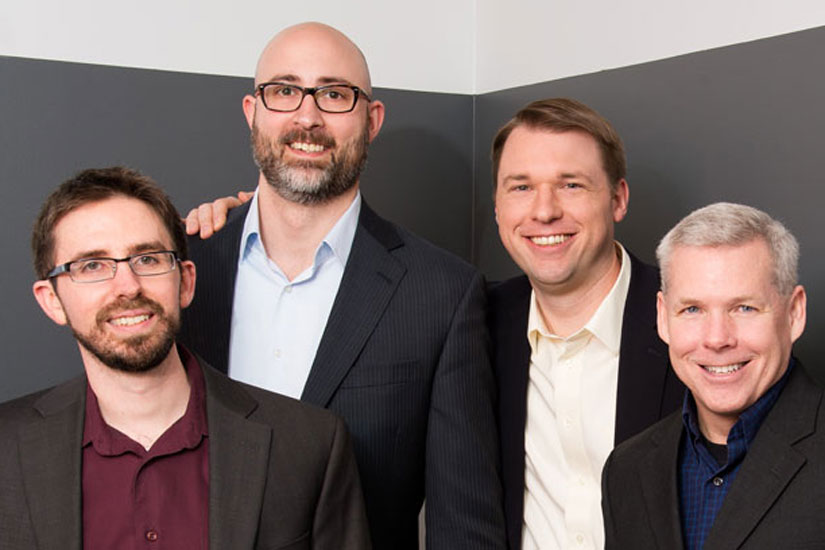
From left, ThreatConnect cofounders Adam Pendergast, Richard Barger, Adam Vincent and Leigh ReichelSecurity is very “silo-ed,” Vincent said, and when the data each company acquires on threats can’t reach each other, each company’s defenses are weaker because of their lack of knowledge

“We built a brain in the network,” Vincent said. “They already had the arms and legs. We connect them.”

Vincent also compared each company to a section in the orchestra, and compared ThreatConnect’s software to the conductor. “I don’t know if you’ve ever heard an orchestra without a conductor, but it doesn’t sound very good.”

And while the sound of cellos not playing from the same music as tubas doesn’t sound appealing, it doesn’t come close to describing the attack companies — and their customers — have come under since ThreatConnect launched.

More than 40 million Target customers had their data hacked on Black Friday in 2013. JPMorgan Chase was hacked in summer 2014, affecting 73 million families, according to the New York Times. And, most recently, Sony Pictures was hacked in a suspected cyber attack from North Korea, prompting it to not release its movie, The Interview, as planned.

Every time one of those major hacks has occurred, ThreatConnect’s phone lines have started ringing, Vincent said.

“All of our brands are constantly under attack,” he said. “We’re in a world today where people are going to take what they want via cyber and it’s happening around the world. This is a sophisticated operation. It’s important we figure out a way as a market to solve it.”

ThreatConnect's Shirlington officeIn addition to the free platform, where the large majority of ThreatConnect’s users come from, the company also offers two paid versions of ThreatConnect. One, recommended for companies Vincent described as “in between the Fortune 5,000 and the Fortune 500,” is called the private cloud, where ThreatConnect doesn’t share the companies data externally, it protects the company internally.

It’s third option “On-prem” targets the “biggest of the big” companies, offers them “analyst on-demand service” — which Vincent described as “tele-medicine” for cybersecurity.

There are less than 50 paying ThreatConnect clients at this point, but that’s where Vincent expects the boom to happen this year. To help grow that side of the business, ThreatConnect announced today the hiring of its first vice president of sales, Matt Brenner, formerly of SourceFire, acquired by Cisco Systems for $2.7 billion.

“The market is just now starting,” he said. “We believe we have a massive opportunity to sell to the masses.”


Startup Monday header

Editor’s Note: Sponsored by Monday Properties and written by ARLnow.com, Startup Monday is a weekly column that profiles Arlington-based startups and their founders. The Ground Floor, Monday’s office space for young companies in Rosslyn, is now open. The Metro-accessible space features a 5,000-square-foot common area that includes a kitchen, lounge area, collaborative meeting spaces, and a stage for formal presentations.

The growth in the Arlington startup community is too broad to limit to just one article.

We covered Snaapiqtalklocal (née SevaCall), Paul Singh and Disruption Corporation and DescribeIt, all of whom made strides in 2014, but none quite as big as Privia Health.

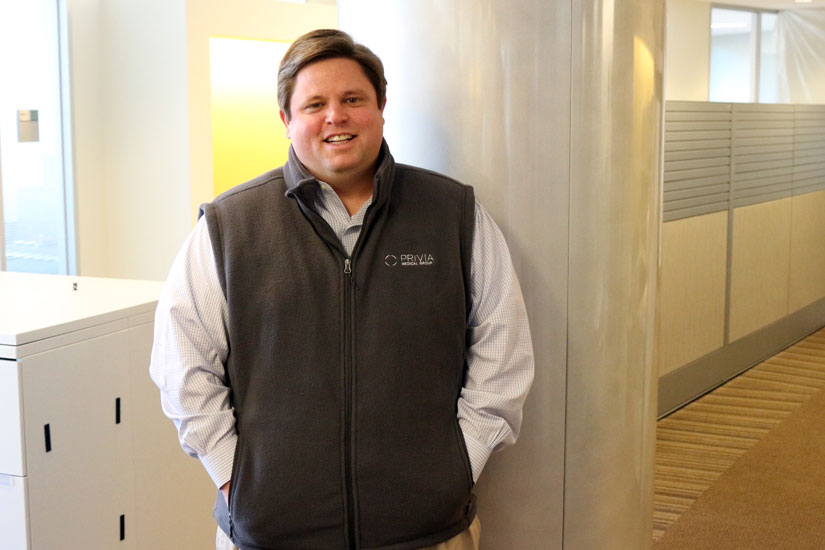
Privia Health CEO Jeff ButlerThe 6-year-old healthcare company combines a data-sharing platform — Privia Quality Network — and a network of doctors using said platform — Privia Medical Group. The medical group grew from 140 doctors in February when ARLnow.com interviewed founder Jeff Butler to more than 300 today.

Privia Health also built a training center for its staff and doctors in its network, according to spokeswoman Kate Slonaker. But the biggest development — and likely how Privia was able to build the training center — was a $400 million round of investment, led by Goldman Sachs. The investment will largely go into expanding Privia Health nationwide.

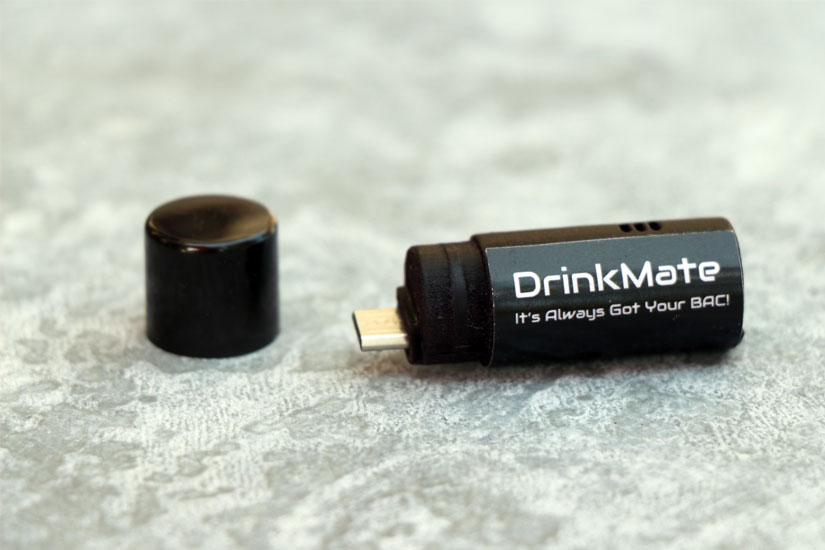
One of Startup Monday’s more controversial stories in 2014 was our profile of DrinkMate, the smartphone breathalyzer created by EdgeTechLabs founder Shaun Masavage. Masavage had been working for the Office of Naval Research near his home in Ballston, but he resigned on New Year’s Eve.

DrinkMate As of Jan. 1, Masavage is now EdgeTechLabs’ first full-time worker, and he has begun shipping the mini-breathalyzers to the thousands of Kickstarter funders who helped the campaign reach $99,161, more than double Masavage’s goal of $40,000.

DrinkMate still only works for Android phones, but Masavage — who invented the device and built the initial prototypes himself — is now focused on creating an iPhone version. As he prepared to ship out his first orders, he says he traveled to China to “personally oversee” their assembly.

“We also secured an exclusive partnership with Drunk Mode App to implement some incredible new features into the DrinkMate app to make it interactive and add quite a bit of value to the already-inexpensive product,” Masavage said. Drunk Mode allows users to lock certain numbers to prevent drunk-dialing and leave “breadcrumbs” to retrace one’s steps the previous night.

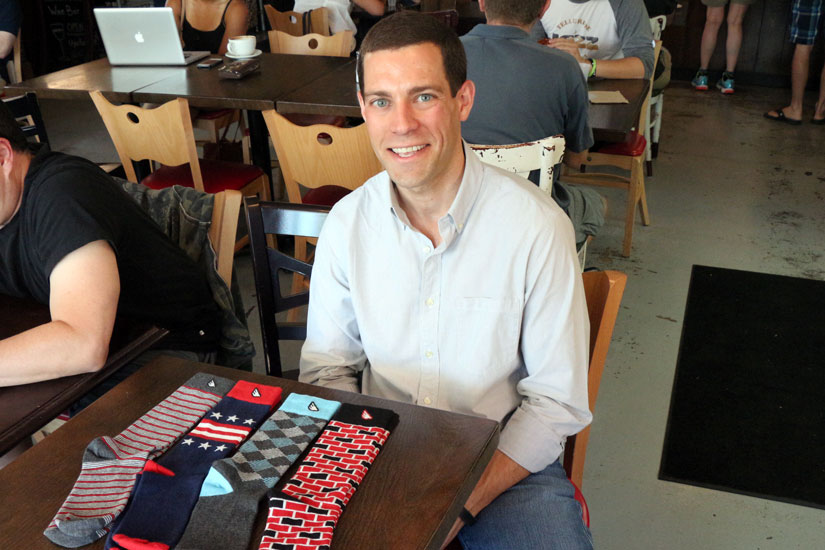
Another Kickstarter company, Boldfoot, has seen substantial growth since its successful funding round. Founder Brad Christmann said after raising $23,273 from a $10,000 fundraising goal, the company is set to take the next step.

Boldfoot Founder Brad Christmann“The Kickstarter orders have all been fulfilled and we are officially open for business online at Boldfoot.com,” he told ARLnow.com in an email. “Numerous new designs have since been launched and we anticipate being in 10-plus retail outlets in the first quarter of this year.”

Other noteworthy developments in the startup world: Encore Alert, a Twitter advising and technology firm, now counts the NFL’s Atlanta Falcons among its clients; and nClass, an education technology company, launched a New Delhi, India, office and “launched the product globally,” according to founder Gaurav Malik.


Startup Monday header

Editor’s Note: Sponsored by Monday Properties and written by ARLnow.com, Startup Monday is a weekly column that profiles Arlington-based startups and their founders. The Ground Floor, Monday’s office space for young companies in Rosslyn, is now open. The Metro-accessible space features a 5,000-square-foot common area that includes a kitchen, lounge area, collaborative meeting spaces, and a stage for formal presentations.

In the startup world, change is rarely slow and steady. For many of the businesses ARLnow.com has profiled this year, change has already come, and it came fast.

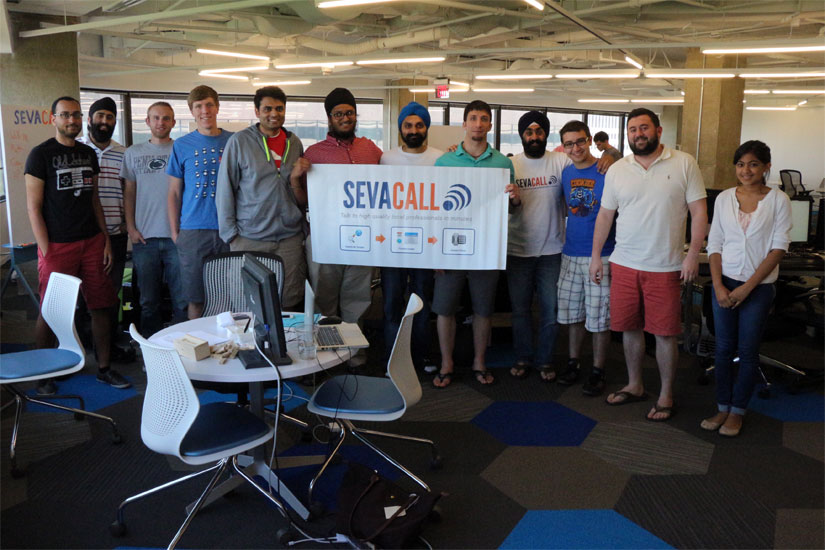
The SevaCall teamIn July, we looked at SevaCall, a Crystal Tech Fund company that allows users to call and immediately be connected with a pre-vetted service provider, like a plumber or HVAC repair service. When we spoke to co-founder Manpreet Singh in July, the company had already raised $1.3 million in funding and was in the midst of angling for more capital.

In September, Manpreet and his brother, Gurpreet, announced that they had raised $2.6 million more and rebranded. SevaCall is now talklocal, and the company has moved out of Crystal City. According to Disruption Corporation Founder Paul Singh — previously Seva Call’s landlord — they have relocated back to College Park, Md. Crystal Tech Fund was one of the lead investors in the new funding round.

Singh, himself a subject of a Startup Monday profile, has continued to show that Disruption Corporation will not be categorized. After launching as an investment fund, then adding investment advising to its portfolio of services, Disruption doubled the size of its headquarters and filled it almost immediately. Now, neighboring the dozen or so startups already on the 10th floor of 2231 Crystal Drive, is a coding “boot camp.”

DescribeIt CEO Ryan Yanchuleff works in his Courthouse officeDescribeIt is still in its Courthouse headquarters, but co-founder and CEO Ryan Yanchuleff tells ARLnow.com that the company recently closed a $255,000 round of investment — he had been searching for investment to help market his landscaping proposal software — and hired its first non-founder full-time employee.

Most importantly for the company, the full product is launching on Thursday with the new year. When landscaping projects start to boom in the spring, Yanchuleff and his co-founder, Ed Barrientos, wnated to make sure all the kinks were worked out.

“We’ve been busy for sure,” Yanchuleff said. “We’ll be making our big splash at the Mid-Atlantic Nursery Trade Show up in Baltimore on Jan. 14-16.”

This August, Airside Mobile launched its major product at Hartsfield-Jackson International Airport in Atlanta. The Mobile Passport app allows users to fill out their customs forms on their smartphone and download the receipt. Essentially, it lets those with the app bypass the sometimes hours-long lines for customs, and breeze by.

The app was developed in partnership with U.S. Customs and Border Protection, and Airside Mobile is planning to launch in other airports around the country soon.

Startup Monday has covered companies that specialize in complex, big data analytics, healthcare technology and everything in between. One of the simplest ideas — an app that lets users submit pictures to win prizes — has taken hold.

Snaapiq, with Rosslyn-based Jacob Perler at the helm, took that simple idea and used it to raise $180,000 in seed funding last month. When ARLnow.com profile Snaapiq in August, 90 percent of the photo contests were sponsored by Perler and his co-founder, Ryo Hang. Today, Snaapiq partners with university athletic programs, Alex and Ani and SoccerPro.com to sponsor contests for its users.


Startup Monday header

Editor’s Note: Sponsored by Monday Properties and written by ARLnow.com, Startup Monday is a weekly column that profiles Arlington-based startups and their founders. The Ground Floor, Monday’s office space for young companies in Rosslyn, is now open. The Metro-accessible space features a 5,000-square-foot common area that includes a kitchen, lounge area, collaborative meeting spaces, and a stage for formal presentations.

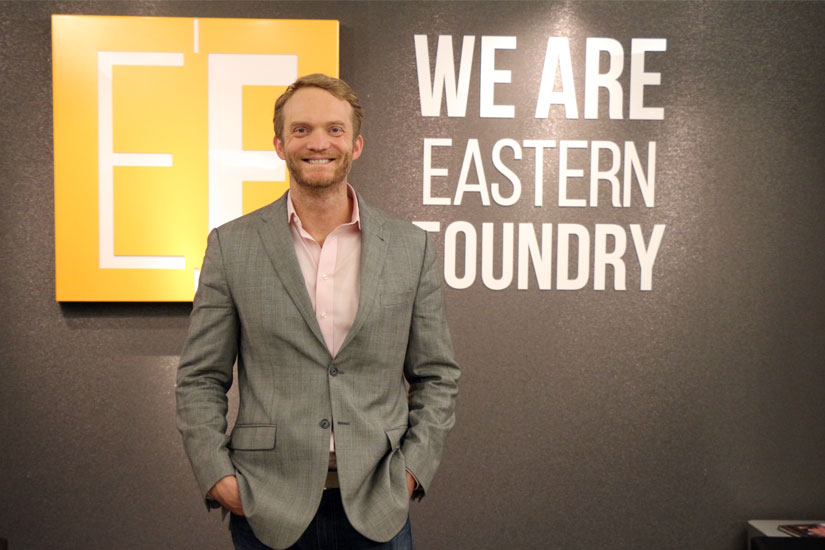
Eastern Foundry CEO and Founder Geoff OrazemEastern Foundry, a new startup incubator focusing on government contractors as tenants, launched on Dec. 16. With 70 offices covering 21,000 square feet, it’s already 85 percent full.

Eastern Foundry CEO and Founder Geoff Orazem said he expects to be full in his space on the fourth floor of 2011 Crystal Drive by “mid-February at the latest.” Its occupancy rate is just one example of the sweet spot his company has found in its sector.

Taking a walk through the halls of Eastern Foundry belies the future the company envisions. Outside a few of the office doors are framed fact sheets about the companies inside, with photos and bios, plus the company’s mission, relationships within the federal government and former jobs where the workers may still have contacts. These sheets will soon be outside every office, and are a resource for companies looking for partners or advice.

Every Thursday, Eastern Foundry hosts a seminar on issues government contractors face, led by a working expert in the field. These topics have already included GSA scheduling, and the ins-and-outs of Small Business Administration set-aside mandates. Eastern Foundry is also using the 10th floor of the Vornado-owned building — currently a vacant 40,000-square foot space — and turned it into an event space and flexible area for some of its tenants.

A standard Eastern Foundry office“No one has integrated residential, community and business development the way we have,” Orazem told ARLnow.com. He said Eastern Foundry is the first government-contractor-only incubator in the country.

Orazem is a former U.S. Marine Corps infantry platoon commander and graduate of Harvard Law School, but realized he wanted to help facilitate business success while working to set up a “tribally run trucking cooperative with government contracts” in Iraq and Afghanistan around 2009.

“We were having an amazing impact on development and security in the area,” he said. “I had far more influence by creating jobs than I ever did as a Marine.”

He spent three years working for McKinsey & Company in D.C. before he decided to try to start his own contracting firm in January. The process, he said, was far more onerous than he had imagined, and his background as a veteran and his “fancy named” college degree didn’t help.

“It wasn’t hard for reasons I thought were good reasons,” he said. “It was difficulty with the process. It was bewildering, bureaucratic, obfuscating and infuriating.”

Eastern Foundry's kitchen and break roomOrazem realized the opportunity was there to help people like him get through the process. During a meeting with a friend at 1776 in D.C., he saw how collaboration was working for tech startups, and had a “mini-breakthrough.” He realized a cooperative space could have the same impact for contractors as it does for young tech companies.

Orazem hired Andy O’Brien at Jones Lang LaSalle to broker a real estate deal, and Vornado started aggressively pursuing Orazem to consider Crystal City.

“Vornado basically made us an offer we couldn’t refuse,” he said. “We’re really excited about the area and the vision of Vornado to recreate it as a technology and innovation center. They were really putting their money where their mouth was.”

(more…)


Startup Monday header

Editor’s Note: Sponsored by Monday Properties and written by ARLnow.com, Startup Monday is a weekly column that profiles Arlington-based startups and their founders. The Ground Floor, Monday’s office space for young companies in Rosslyn, is now open. The Metro-accessible space features a 5,000-square-foot common area that includes a kitchen, lounge area, collaborative meeting spaces, and a stage for formal presentations.

Two North Arlington teenagers want to help Arlington residents with the hardest part of the holidays: setting up the Christmas tree.

Duncan MacBride and Sam Gonson are sophomores at Gonzaga College High School in D.C. and they are first-time entrepreneurs. Duncan got the idea to start their fledgling business the day after Thanksgiving, setting up his family’s tree with his father.

“My dad and I were setting it up and saying ‘this is not fun. This is difficult,'” Duncan said. “I texted Sam to say I have this idea about setting up people’s trees for them. I figured, I don’t enjoy doing it. It’s hard to set up a tree, I figure most people probably go through the same thing.”

Sam and Duncan have been friends for a year and a half, and Sam said he was immediately on board with the idea. The spent the following week coming up with a business plan, price points and making marketing materials. A week later, they installed their first tree.

Duncan MacBride and Sam Gonson set up a Christmas treeThe duo charges $20 to take a tree from someone’s car into their home, set it up in the stand and hang lights over it. They also hang lights around the house for $15, and charge $10 per hour if their work takes more than one hour.

“We tried to figure out something that was reasonable but not over the top,” Duncan said. “We’re trying to help people, not rob them.”

So far, the pair has set up a handful of trees in North Arlington, but they acknowledge they got a late start this year. With at least two winters left in Arlington before they go to college, this is, for them, more of a testing season.

“This year we’re trying to lay a base,” Duncan said. “Hopefully next year it will turn into a real thing.”

Next year, Sam says they plan to donate 20 percent of their proceeds to the Father McKenna Center, a food shelter affiliated with Gonzaga.

Most people with trees only set up their seasonal decorations once a year, but Sam and Duncan have already learned tips to make their jobs easier.

“Always check the lights before they’re up,” Sam said. “Put them closer to the inside of the tree so you can’t see the cord. Make sure the tree is properly balanced in the stand, and leave enough room at the top for the star.”

The two are also learning how to deal with clients and handle transactions. While they’re expecting business to pick up next year, they’re also prepared for a potential boom in the week leading up to Christmas, when many families buy and decorate their trees at the last minute.

Those interested in Sam and Duncan’s services can email them at duncan.macbride@gmail.com and samwgo@gmail.com.


Startup Monday header

Editor’s Note: Sponsored by Monday Properties and written by ARLnow.com, Startup Monday is a weekly column that profiles Arlington-based startups and their founders. The Ground Floor, Monday’s office space for young companies in Rosslyn, is now open. The Metro-accessible space features a 5,000-square-foot common area that includes a kitchen, lounge area, collaborative meeting spaces, and a stage for formal presentations.

Culdesac founder Spencer JohnsonFor as long as he can remember, Spencer Johnson and his friends haven’t played the same games as a lot of folks their age.

Instead of football, Johnson and five of his friends played “end zone,” a game in which there’s one quarterback, one pass rusher, two receivers and two pass defenders. There are points for touchdowns, sacks, completed passes and everything. The game is fun, easy and totally made up, Johnson says.

“We played made up games more than actual sports,” Johnson told ARLnow.com. “I had a Microsoft Excel spreadsheet of all the games we’ve invented.”

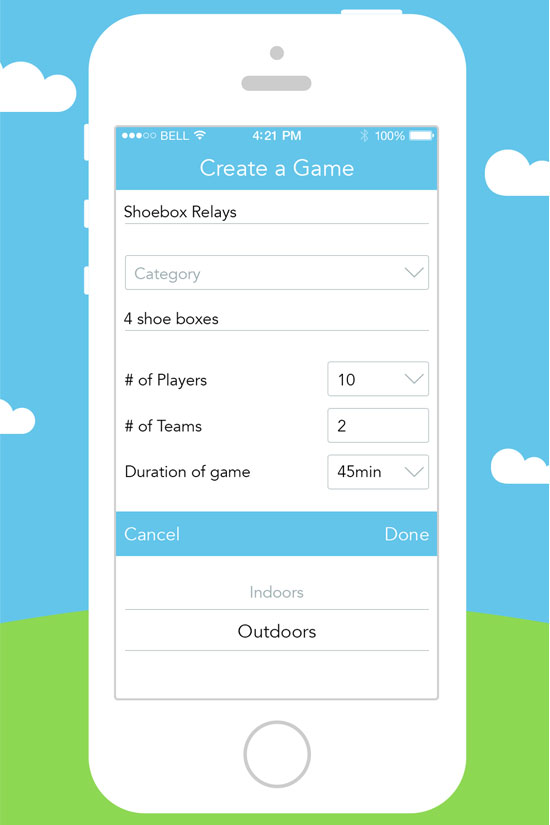
Those games are the foundation for the Culdesac app, which Johnson founded and is just weeks away from launching for the iPhone. The app allows users to search for games — both indoor and outdoor — that other users have invented. It also allows them to create their own games, with simple inputs for number of players, teams, scoring and positions.

Culdesac game creation pageThe app links directly to Facebook, so the feed — once the user base grows — will filter itself to games being played and submitted by one’s peers. For preteens, that means other preteens and fun outdoor games. For college students, it could be drinking games.

“There are so many games out there that are spread only through word-of-mouth,” Johnson said. “There’s really no place you can go to reliably find original games like this.”

Johnson is 24 and works for a family friend at Trusted.com. Johnson said that friend has served as a mentor, and encouraged him to try to start something on his own. The Courthouse resident had already had a pitch deck for an app with the games he and his childhood friends played together.

“I had put money aside to do something weird with it,” Johnson said. Six months ago, that began to take shape, as he did market research to validate his idea and hired developers from MessApps to help refine his prototype into a user-friendly, social app, with tabs, a feed and photo and video sharing tools.

Culdesac profile pageThe app is soon undergoing iTunes App Store review, after which it will become available to download. That’s when Johnson plans to make his big marketing push to grow the users on the site. It will start with friends and family, and he plans on targeting parents.

“Twelve million kids are quitting rec sports because they’re not fun,” Johnson said. While he views everyone as a target audience, he feels the strongest chance he has to find a foothold is in the youth demographic.

Johnson isn’t shy about admitting what he doesn’t know. Although he knows how he and his network would use Culdesac — he’s hounded his game-inventor friends considerably in the last six months for feedback — he doesn’t pretend to know how the larger population will use his product.

“We’re going to have to change as it grows,” he said. “Right now we’re just going to see how people use it and build up content. It’s going to take work. I’ve just got to figure out where and why they’re using it.”

Johnson said he and his friends will play the games others submit, shoot video of themselves and upload it, to help increase exposure for each game. YouTube will be a “big platform” for the app’s marketing.

Johnson is funding the app and company himself, and isn’t seeking investment. The Virginia Tech alumnus hasn’t always wanted to be an entrepreneur — he was a biology major in college — and isn’t of the idea that his technology will change the world, but there is a deeper mission near the core of his business.

“There’s a need to use technology to get people away from technology,” he said. “But, for now, we’re just trying to give people ideas to do something fun together.”


Startup Monday header

Editor’s Note: Sponsored by Monday Properties and written by ARLnow.com, Startup Monday is a weekly column that profiles Arlington-based startups and their founders. The Ground Floor, Monday’s office space for young companies in Rosslyn, is now open. The Metro-accessible space features a 5,000-square-foot common area that includes a kitchen, lounge area, collaborative meeting spaces, and a stage for formal presentations.

The GoGloveA new invention — by a company with a cofounder living and working in Arlington — allows people to control music and other apps on their smart phone by simply tapping their fingers together.

GoGlove is the product, and it works with a bluetooth remote controlled by sensors in the fingertips of a glove. The sensors are attached via an electrical harness to the remote, which can be used separately from the glove.

The user links the remote to the phone, and can play and pause his or her music, adjust the volume, and even take photos without ever having to take their phone out of their pocket.

The GoGlove is the brainchild of Ben Harris and Eric Ely, two Boston-based entrepreneurs, in the works for two years. Michael Conti, a friend of Ely since the two attended George Mason University together more than a decade together, was brought on about six months ago for his area of expertise: mechanical engineering.

“Ben was on the mountain skiing and wanted to adjust his music, but he had to take off his gloves and unzip his jacket to get to his phone,” Conti said. “By the time he had finished, his buddies were halfway down the mountain. That’s when he thought ‘there had to be a better way.'”

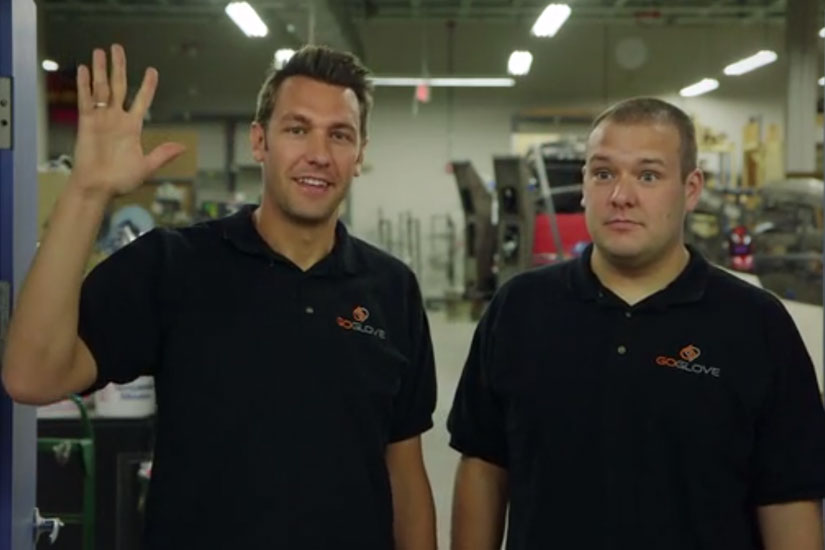
GoGlove cofounders Eric Ely and Ben HarrisConti heard about the idea after Ely and Harris started sending emails to friends and family asking for input. Conti told ARLnow.com near his home in Ballston last week that he sent back a long reply with several ideas for ways to improve the product.

“I told them it has a lot more applications than just skiing,” Conti said. “They asked me about cases and harnesses. They really needed my expertise. I got really interested and they brought me in as a cofounder.”

Conti helped design the magnet in the thumb of the glove, which, when tapped on the sensors on each finger, sends a message to the smart phone to perform different functions. GoGlove has patents pending on the magnet-sensor technology, but it took “multiple iterations” to get the gloves and remote to work the way they envisioned, Conti said.

The original remote prototypes have been built using Ely’s 3-D printer. With the design nearly perfected — Conti said they’re always looking for ways to improve the product — the GoGlove team launched a Kickstarter page last month, and it reached its $40,000 over the holiday weekend. The page is still open for contributions until Dec. 4, and those who pledge $79 or more will receive a pair of GoGloves, at a discount of the $129 the gloves are expected to retail for.

“We’re figuring out ways to bring the price down,” Conti said, although the company is marketing it as a luxury item for dedicated skiers and outdoor types. “You can also buy the remote module for $49, if you don’t want the gloves.”

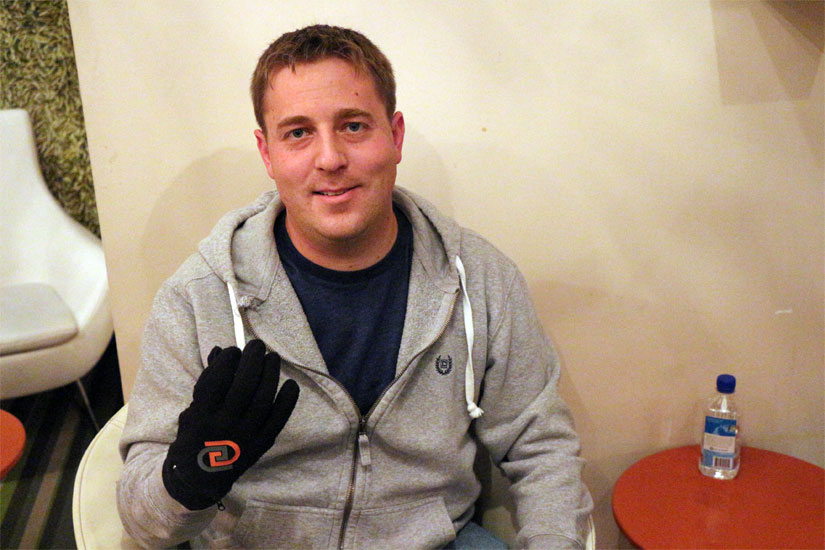
GoGlove cofounder Michael ContiConti is an aerospace engineer, Ely is an electrical engineer and Harris works in marketing — they did not want to disclose their full-time employers — but the three teamed up for many late nights on Google Hangouts to work out the kinks of the project before going to market.

In addition to controlling music and taking photos, the gloves will have the ability to read texts aloud to Android users. Once the company is fully launched, Conti said they will work on ways to build the technology into leather gloves for more formal settings, and to add functionality.

Those who purchase the gloves through the Kickstarter can expect to receive them in April. If buying the gloves as a Christmas gift, Conti said they can provide a letter telling the recipients that “this is the cool technology you’re going to be receiving in the future.”


Startup Monday header

Editor’s Note: Sponsored by Monday Properties and written by ARLnow.com, Startup Monday is a weekly column that profiles Arlington-based startups and their founders. The Ground Floor, Monday’s office space for young companies in Rosslyn, is now open. The Metro-accessible space features a 5,000-square-foot common area that includes a kitchen, lounge area, collaborative meeting spaces, and a stage for formal presentations.

The Credit Junction team in its ÜberOffices spaceA startup that’s focused on connecting “small and medium industrial supply-chain businesses with private investors” is not going to win a sexy pitch competition, but it’s already growing fast in its new Rosslyn office.

The Credit Junction is based in Rosslyn’s ÜberOffices and has raised $2 million in seed funding to fund its online marketplace. Founded by CEO Michael Finkelstein with Chief Strategy Officer Sergio Rodrigueira, the company is “60 to 90 days” from launching its platform.

The concept is relatively simple: The Credit Junction is an online marketplace. Small manufacturing and industrial companies — the types that supply equipment and materials to large multinationals — who need capital investments sign up. TCJ’s technology platform, as well as its six-person staff, vets the company, assesses its value and potential and can get approval for a loan from its network of lenders also on the platform.

“We thought there was a way to use technology and data to create a better credit model,” Finkelstein, who is based in New York, told ARLnow.com. “The use of data creates a better understanding of a company. We use tech as an enabler, but there are lots of human elements too. This allows you to look at different sources for a company’s opportunities.”

Finkelstein and Rodrigueira met a year ago at a conference in Chicago. Finkelstein isa 15-year veteran of startups, beginning in Silicon Valley just a couple of years before the dot-com bubble burst. Rodrigueira spent four years in Navy active duty before joining the re-election campaign of President George W. Bush in 2004. He worked for Bush before deploying to Afghanistan as a Naval reservist. When he returned, he worked for Rep. Eric Cantor and in cybersecurity and finance policy in the House of Representatives.

The Credit Junction logoRodrigueira also worked on the Dodd-Frank financial reform act, and after leaving the public sector, he thought “there’s got to be a better way to do this” when it came to banks and financing. When he met Finkelstein almost exactly a year ago, and heard his idea, Rodrigueira said “I want to come work for you.”

Although the concept isn’t complicated, the problem The Credit Junction purports to solve is. The companies Finkelstein and Rodrigueira are targeting have relied on local banks for financing “since the beginning of time,” Finkelstein said.

“In 2008, the world changed,” Finkelstein said, referring to the global recession. “Lenders are cutting back and there are fewer options for these companies.”

Not only does Finkelstein say TCJ can give a response to a loan application in two weeks — whereas traditional banks or government agencies can take two months or longer — but he also says the system provides more transparency during the waiting period.

The Credit Junction Founder Michael Finkelstein“We’re able to create transparency and efficiency in the process,” Finkelstein said. “A borrower knows where he or she fits. They know whether they qualify extremely quickly. That’s a big deal.”

GLI Finance led The Credit Junction’s seed funding round, and, for the company’s launch, is also the primary capital investor in the marketplace. Over the next few months, the company will target borrowers in industries, and grow both sides of the marketplace slowly.

Part of The Credit Junction’s challenge is to find companies that want to borrow. Considering the industry’s inherent need for capital, Finkelstein and Rodrigueira are confident the demand is there.

“Holistically, our biggest challenge is education,” Finkelstein said. “But there are plenty of opportunities to help their business.”

“What’s exciting about the space is how broad and diverse the options are,” Rodrigueira said. “There are companies not just building ships or plans, but now they’re building things like drones … To get the word out to businesses, that’s the exciting part. Once companies hear what we can provide, their eyes light up.”


Startup Monday header

Editor’s Note: Sponsored by Monday Properties and written by ARLnow.com, Startup Monday is a weekly column that profiles Arlington-based startups and their founders. The Ground Floor, Monday’s office space for young companies in Rosslyn, is now open. The Metro-accessible space features a 5,000-square-foot common area that includes a kitchen, lounge area, collaborative meeting spaces, and a stage for formal presentations.

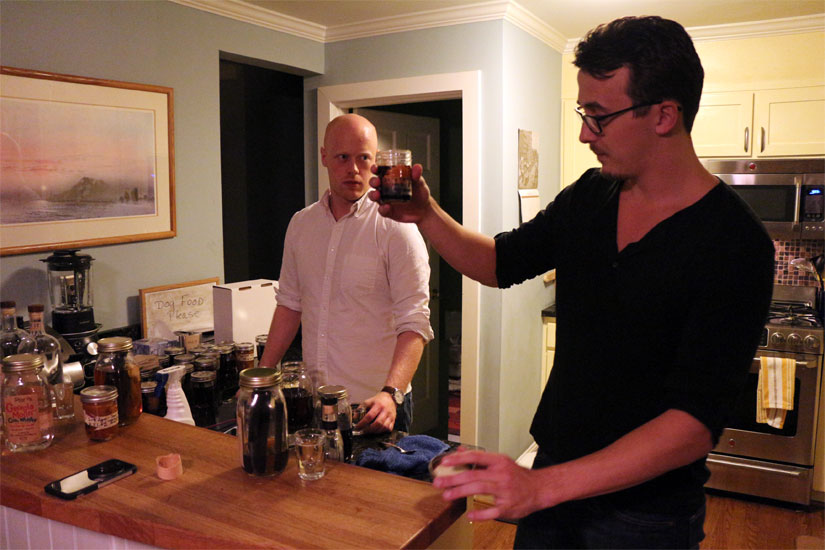
Ageit Yourself co-founders Michael Volz, left, and Bryan OlsonMichael Volz and Bryan Olson look like kids in a candy store in Volz’s kitchen, filled with jars of differently colored and aged liquors, with wood charring in the oven and a German shepherd peeking his snout in for smells of the activity.

This is ground zero for Age it Yourself, the company Volz and Olson started this year that allows anyone with their kit to barrel-age whiskey — or any liquor, for that matter — without waiting years and using giant, or even small barrels.

The method is simple. Each kit comes with a mason jar and freshly charred American oak, from fallen trees in the backyard of Olson’s family’ home in Great Falls. The oak is cut in a specific way to maximize the long grain wood — the only part of a real barrel liquor touches — and charred in a custom oven Volz built with his carpenter father.

The wood, jar, a special glass bottle, a flask, a funnel and instructions are then shipped, ready to use. Whoever buys the kit simply has to add the liquor, which can be anything from moonshine, to create a standard aged whiskey, bourbon, to age it further, or even cocktails like Manhattans. The kits sell for $50, and each batch of oak can be used about three times.

Age it Yourself's sample batchesTo help launch the company, Volz and Olson created a Kickstarter with a goal of $10,000 to buy more glass, fulfill orders faster and generate buzz. Volz admitted that he and Olson have slaved over the method and recipes so much that they haven’t focused much on the digital marketing side of the business — the Kickstarter has 12 backers and $731 donated with 17 days to go — but the Kickstarter is just one component of the business.

“We’re sort of going at it with three tiers,” Volz said. “There’s the retailers and customers and, there’s the wholesalers to push it to more people, and one thing we’re seeing that we didn’t expect is the producers, the distilleries, have interest.”

One distillery, Iowa Legendary Rye, is already in contact with Volz and Olson. The market is there, as Olson said, because “If you want to start a new liquor company, and you want to sell aged liquor, you can’t sell it until it’s aged. You need to age it quicker.”

The Age it Yourself kitVolz and Olson met at law school at George Mason University in Arlington, and both graduated this spring right as they were developing the idea. Volz is a veteran of the D.C. bar and restaurant scene, and he’s used his connections to place Age it Yourself in a few locations, including The Liberty Tavern in Clarendon, that want to barrel-age their cocktails on the bar.

The interest from businesses along the supply chain of the liquor market gives the pair confidence that regardless of the Kickstarter, they have a viable path to move forward as a successful endeavor.

Of course, the big question with a company like Age it Yourself: how does it taste? How does it work?

Volz and Olson indulged ARLnow.com with a brief tasting session, starting off with a sip of moonshine “to see what we’re starting with.” After that, it was on to the whiskey, aged in the jar for just over a week. The first difference was the color: the spirit starts to brown within hours after contacting the oak. After a week it’s a deep, translucent color, and it tastes sweeter, and, like Volz described, a little like a campfire. (more…)


Startup Monday header

Editor’s Note: Sponsored by Monday Properties and written by ARLnow.com, Startup Monday is a weekly column that profiles Arlington-based startups and their founders. The Ground Floor, Monday’s office space for young companies in Rosslyn, is now open. The Metro-accessible space features a 5,000-square-foot common area that includes a kitchen, lounge area, collaborative meeting spaces, and a stage for formal presentations.

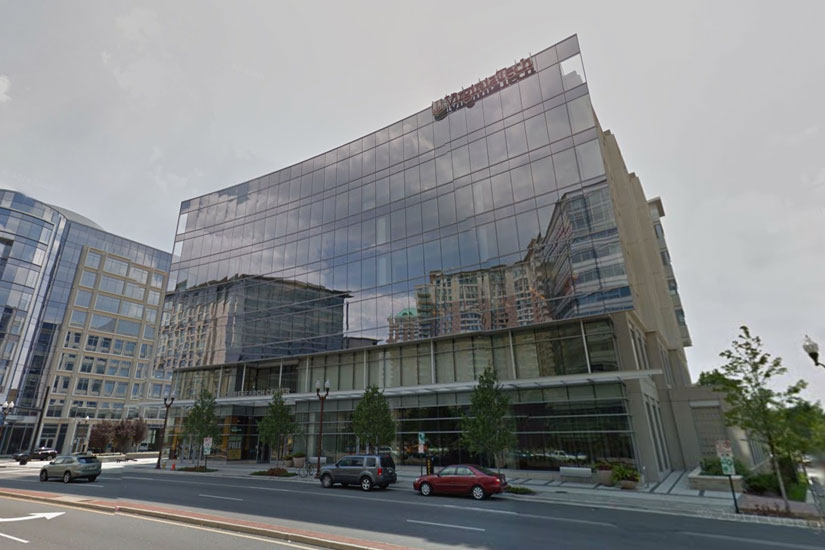
Virginia Tech Research Center in BallstonIf you talk to enough people involved with the brand new VT Investor Network, based jointly out of Virginia Tech’s Ballston campus and Virginia Tech’s main campus in Blacksburg, the slogan “Hokies helping Hokies” doesn’t just sound like a phrase, it sounds like a mantra.

The network is the brainchild of Hokie alumni Jen O’Daniel, an early-stage investor with the state of Virginia’s Center for Innovative Technology, and Jonathon Perrelli, a serial entrepreneur. The network launched with a reception last week, including a keynote address from venture capitalist John May, the chair emeritus of Angel Capital Association and co-chair of World Business Angels Association.

O’Daniel told ARLnow.com at the reception that she and Perrelli had been talking about it for about three years before deciding to launch it this summer.

“We’d been looking and thinking Virginia Tech should really be doing this,” O’Daniel said, citing the University of Maryland’s Dingman Center for Entrepreneurship as a model. “I find myself saying all the time that we have this powerful network of alumni trying to seek out which Hokies are in their industry.”

The network is not a fund like the CIT Gap Funding program O’Daniel works for as her full-time job. Instead, it’s a method of connecting Tech alumni who want to invest in startups led by other Tech alumni. Some of the startups founded by Tech alumni include Facebook fundraising company Heyo — which recently raised $2.5 million, according to VT Center for Innovation and Entrepreneurship Director Derick Maggard — Lawnstarter and VirtualYou.

Virginia Tech alumni attend the launch of the VT Investor Network in BallstonThe VT Investor Network will take pitches from Virginia Tech students, graduates and faculty, Maggard said, and refer them to either specific investors in the network, or an advisory board with take them under consideration and, if the business idea passes muster, the board will pass it on to the rest of the network.

“We’re all going to screen deals together,” O’Daniel said. “It will be modeled a little bit after NextGen Angels… that’s the right size group. Sixty to 80 active angel investors can really make a difference.”

Maggard launched the Center for Innovation on the Blacksburg campus just four months ago, and the VT Investor Network is one of his first major initiatives. Once the idea started to make the rounds around alumni circles, he said “my phone has not stopped ringing.”

“It’s crazy how amazing the alumni network is,” he said. “I have over 177 messages from Hokie alums saying ‘how do I get involved, how do I help with this?’ The cool thing is the Hokie network knows we have startups that are producing and are very successful, and they know there are more to come and they want to be there to help support them.”

Maggard anticipates the network to largely invest in high-tech companies, simply because those are the kinds of companies that Tech students have produced. That plays perfectly for Arlington, which has both the base of the Virginia Tech Research Center and a massive base of Tech graduates that moved here after graduating.

“The pipeline in the National Capital Region is massive,” Maggard said. “You think about what it will do for Blacksburg and Arlington as the communities for Virginia Tech, it’s amazing. It’s going to do some incredible things when it comes to this economy.”

Photo (top) via Google Maps


View More Stories