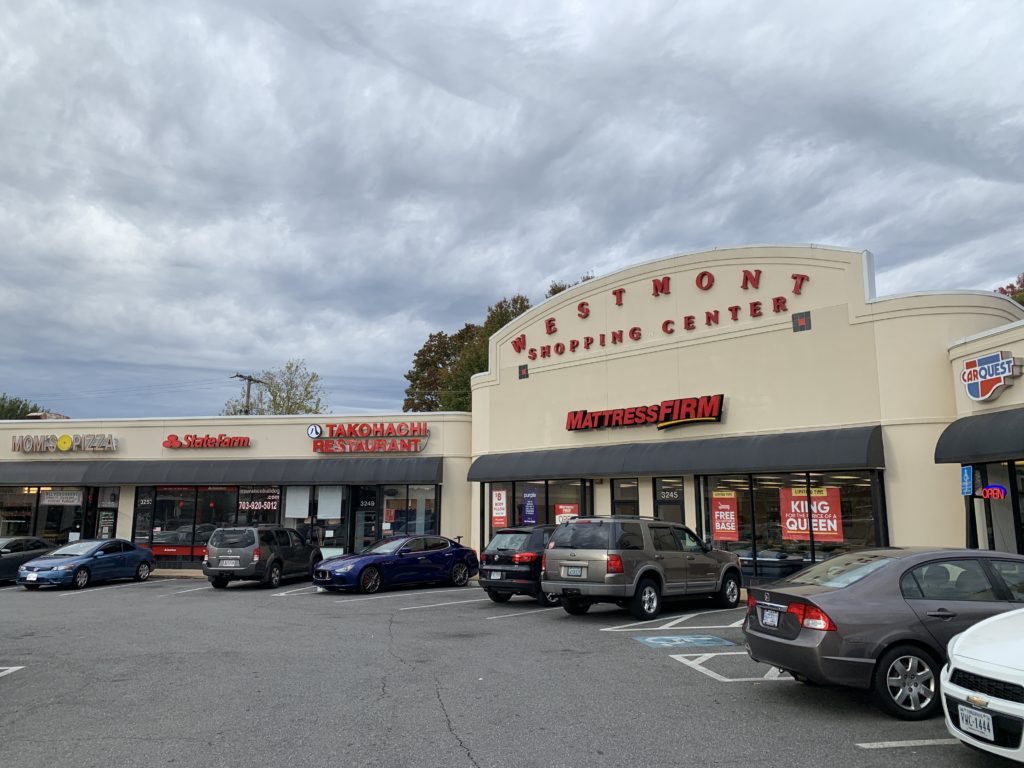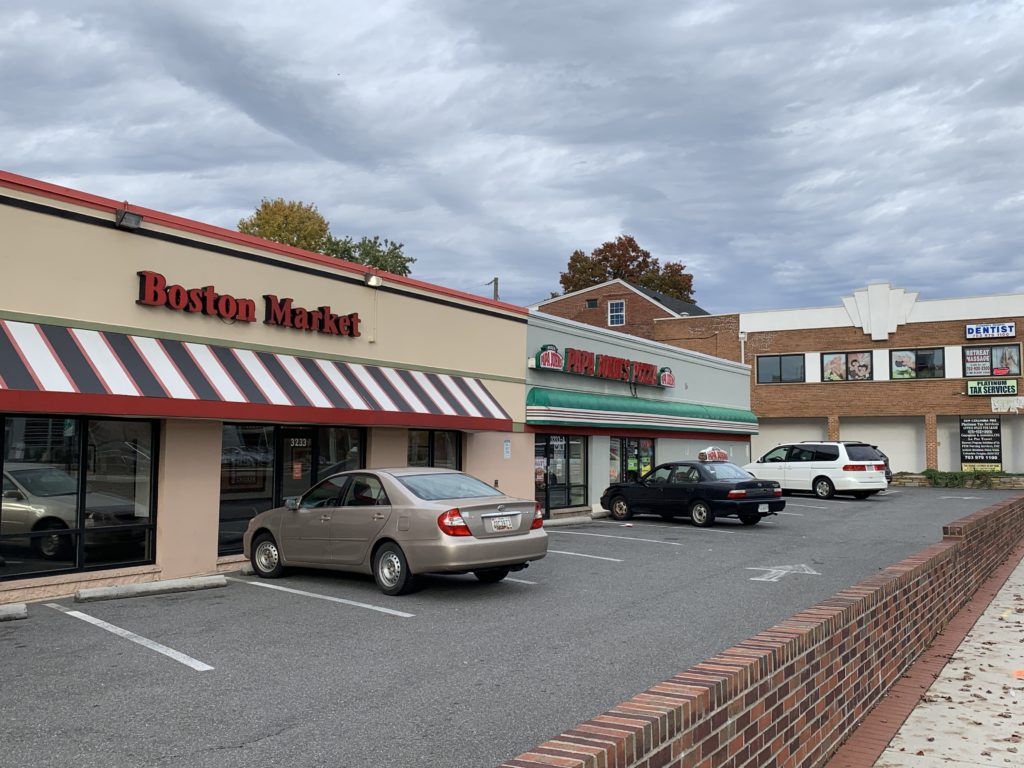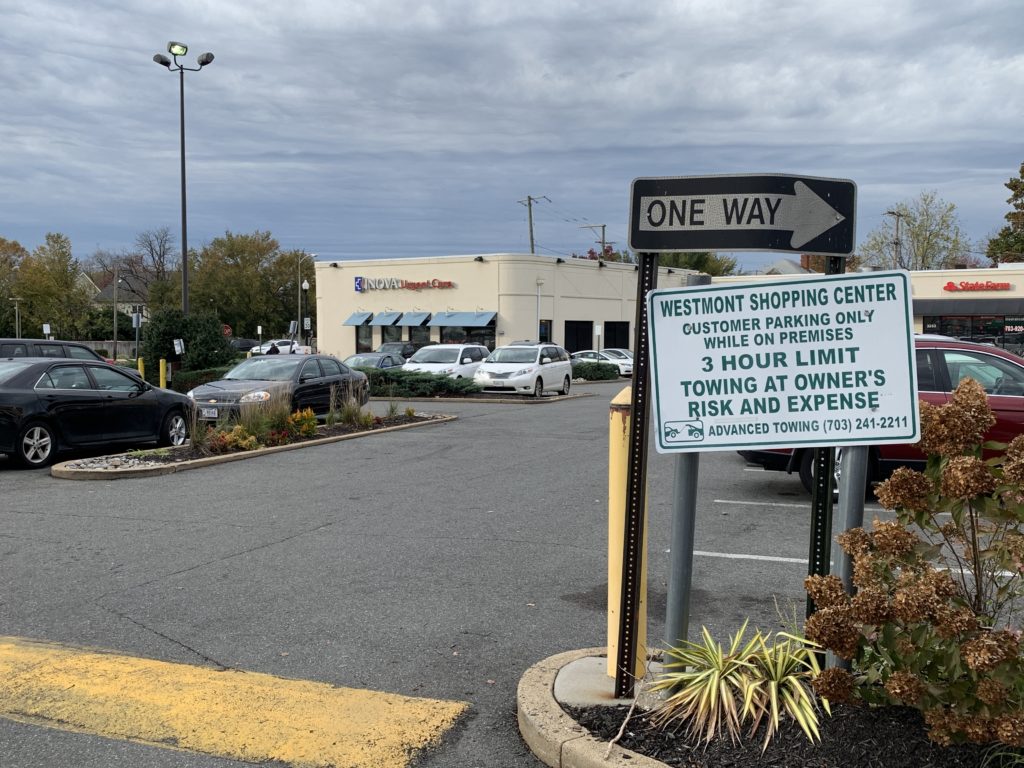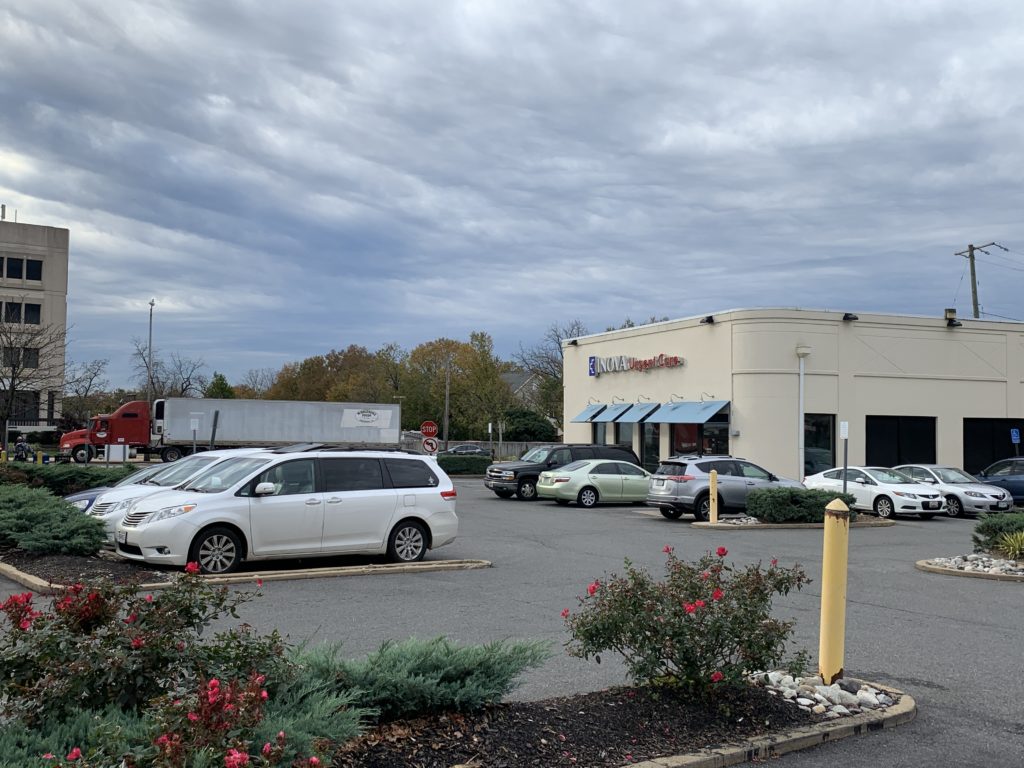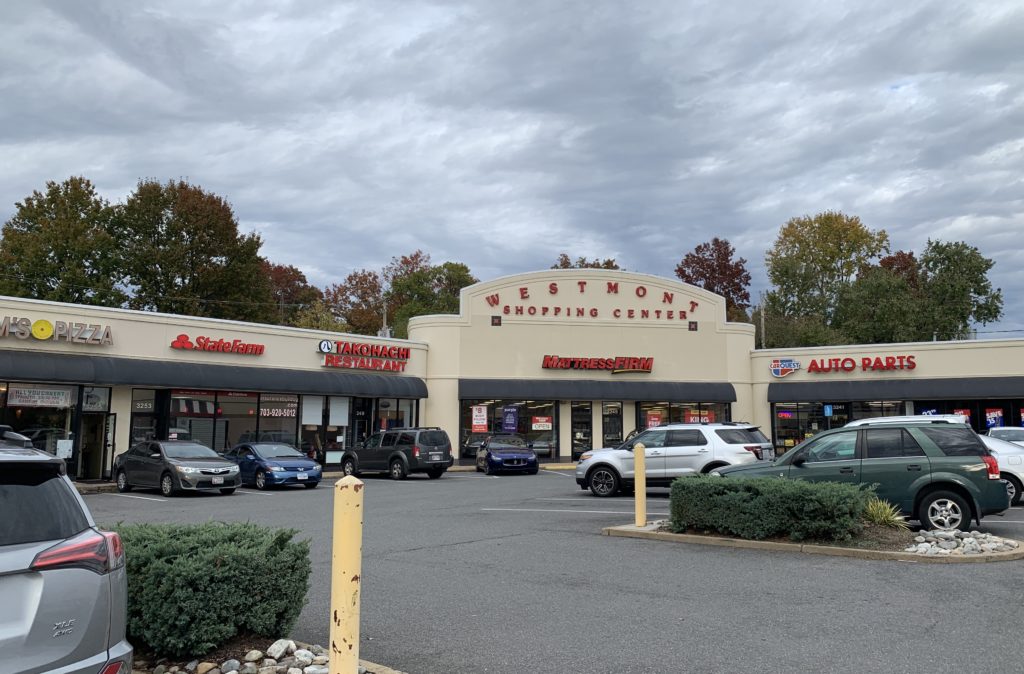
The Westmont Shopping Center, located at the intersection of S. Glebe Road and Columbia Pike, could soon be torn down and redeveloped into a new mixed-use building.

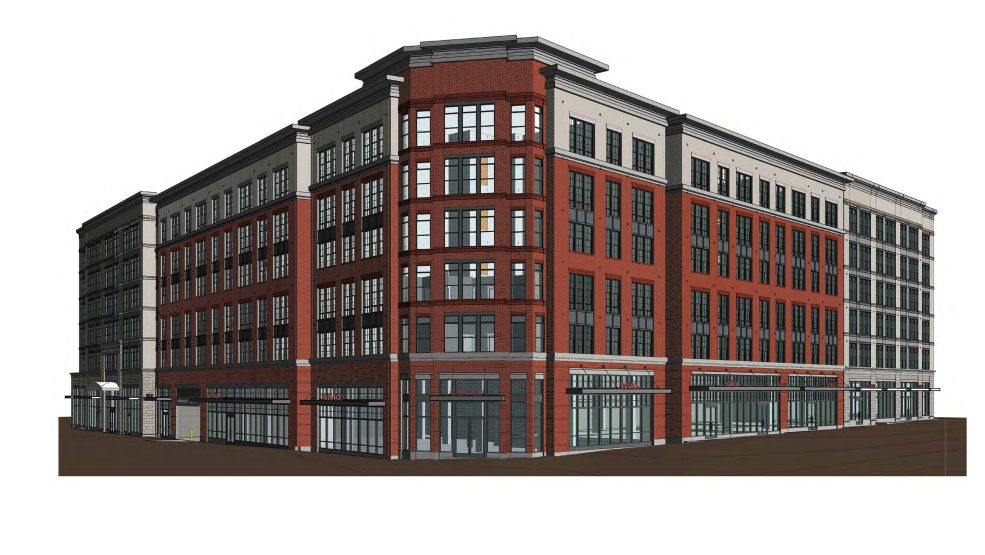
A developer has submitted plans to the county looking for permission to build a six-story building on the lot, long home to shops and restaurants including a Boston Market and an INOVA Urgent Care. The proposal calls for about 250 new apartments on the site, sitting above 23,225 square feet of retail space.

The new development would also include an underground parking garage for residents with about 285 spaces, and another 60 surface parking spots for visitors. The project is backed by Republic Properties Corporation, the developer of a variety of projects around the D.C. area. Perhaps its most notable effort is the sizable Potomac Mills mall in Woodbridge.

The proposal calls for the current shopping center to be razed in its entirety, but it would generally preserve the existing traffic pattern in the area — for instance, visitors would still be able to reach the parking lot via a left-hand turn lane on S. Glebe Road. It also includes some streetscape improvements along Columbia Pike and S. Glebe Road, including the addition of new trees, benches and trash bins.

Though the development would bring plenty of new residents to the Pike, an area notorious for its transportation challenges, the county’s traffic consultants wrote in an August report it would still be a good fit for Arlington’s vision of “creating a mixed-use environment focused on multimodal transportation.”

They added that the redevelopment would result in only “minor increases in delay” at major intersections in the area, with differences of just a few seconds at each traffic signal.

County planners are still in the preliminary phase of reviewing the development, though the traffic analysis notes that the developer hopes to have it “complete and fully occupied by 2020.”

H/t Chris Slatt


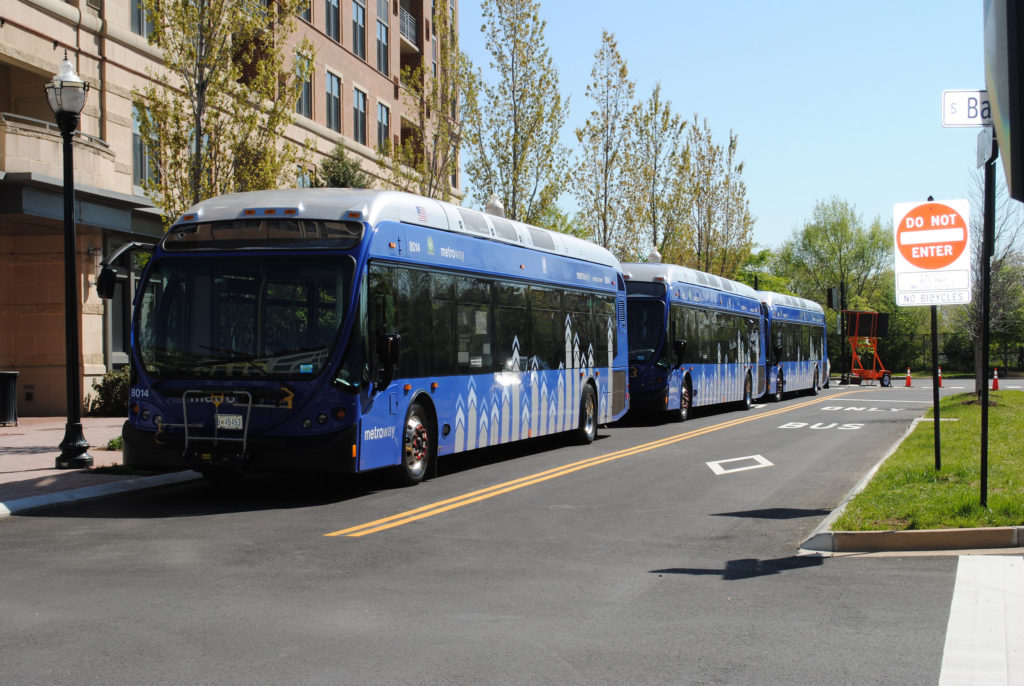
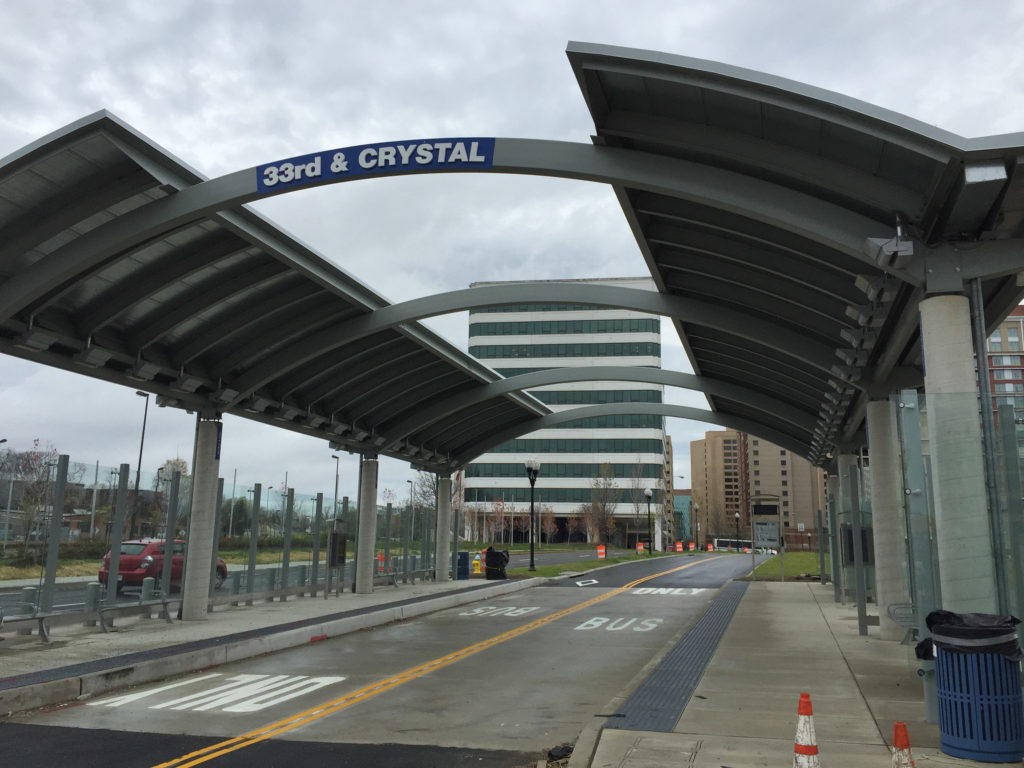
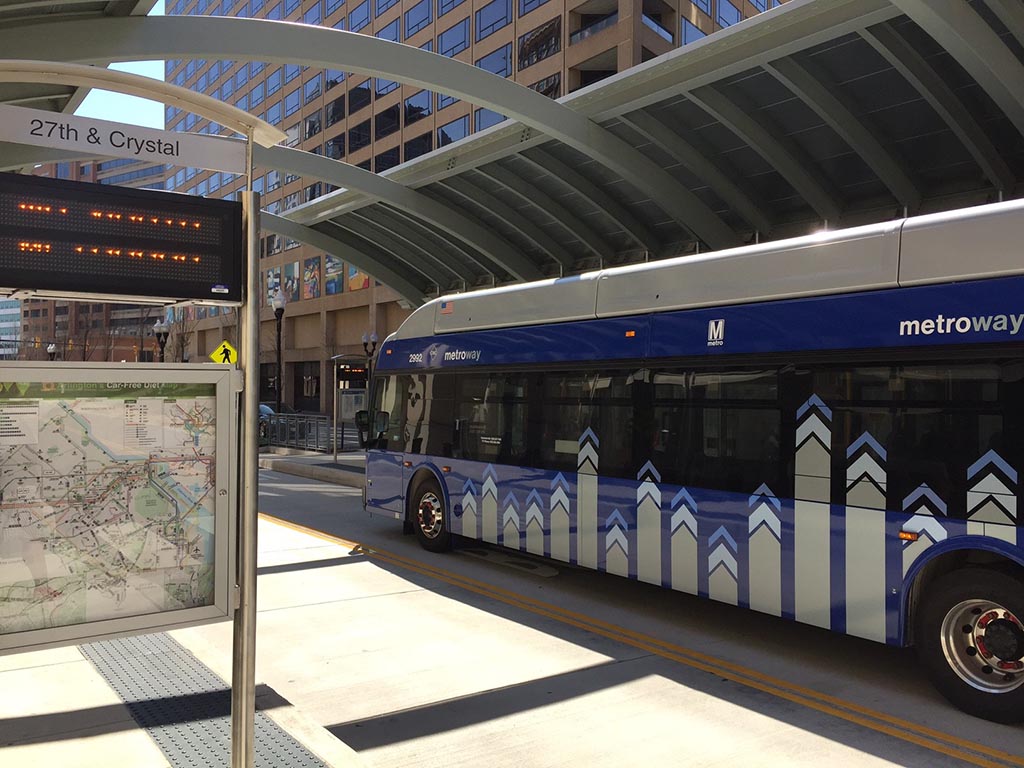
Arlington is gearing up to extend its bus rapid transit system to better connect Crystal City to Pentagon City, and county officials are inviting people to learn more about the project at a meeting tonight (Thursday).

The county is holding an open house to show off details of the planned Crystal City-Potomac Yard Transitway extension, running from 6:30-8 p.m. in the Crystal City Shops (2100 Crystal Drive).

The Transitway currently operates between the Crystal City Metro station and the Braddock Road station in Alexandria, with dedicated bus lanes and stations covering about 4.5 miles in all. The expansion would add another .75 miles to the route, linking the Pentagon City Metro to the Crystal City stop.

The $27.7 million project is part of ongoing efforts to better connect the two neighborhoods, and the county recently earned millions in regional transportation funding to make it possible. The effort will involve the construction of seven new bus stations by the time it’s wrapped up.

It also includes new dedicated bus lanes set for the following streets, per the county’s website:

  • Crystal Drive from 15th Street S. to 12th Street S. and Long Bridge Drive (Includes curbside rush hour bus lanes and two stations, one on northbound Crystal Drive at 15th Street S., and one on westbound 12th Street S. at Long Bridge Drive).
  • 12th Street S. from Long Bridge Drive to S. Hayes Street (Includes exclusive bus lanes in the median, mixed traffic lanes, traffic signal upgrades, signage and pavement markings and three stations: east and westbound 12th Street S. at Elm Street, and eastbound 12th Street S. at S. Hayes Street)
  • S. Hayes Street from 12th Street S. to Army Navy Drive (This segment will connect to WMATA’s planned Pentagon City Center bus bays project on Army Navy Drive)

The Crystal Drive segment is currently the farthest along, with transportation planners currently in design discussions for the effort. The county is still in more conceptual discussions about the other two segments.


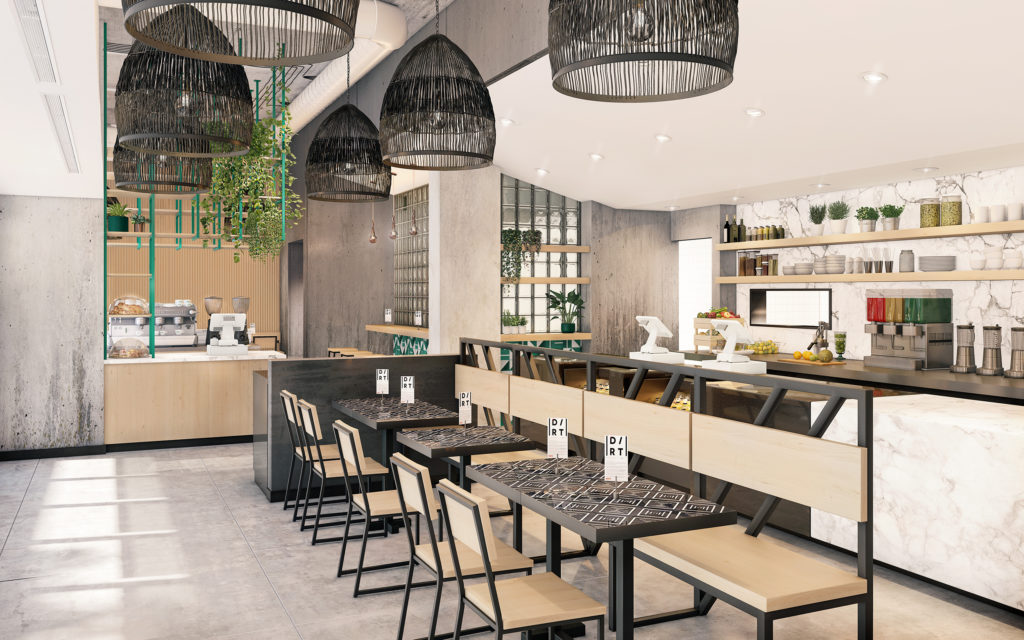
A new eatery coming to Ballston is inviting diners to eat “Dirt” — not quite literally, though.

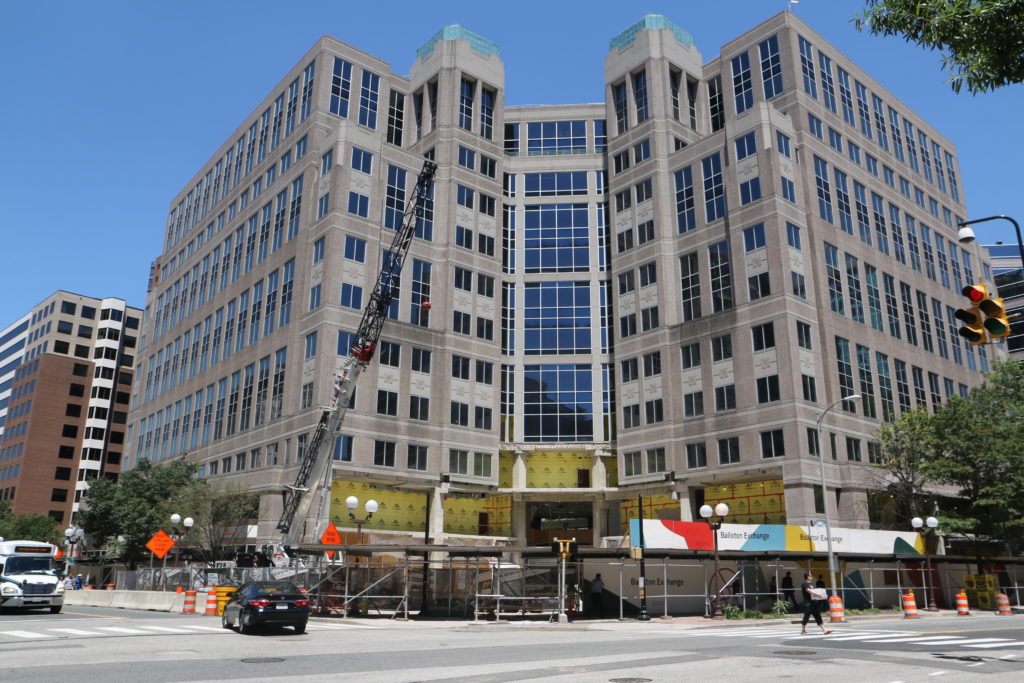
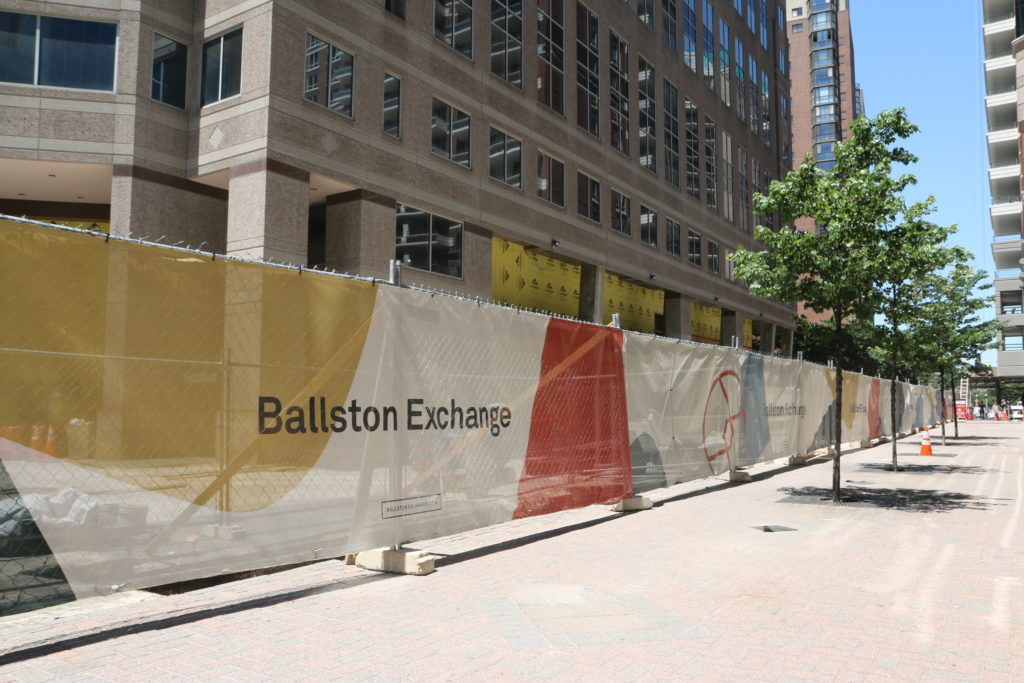
The Miami-based restaurant plans to open its first location outside Florida in the Ballston Exchange development, located at 4121 Wilson Blvd, according to a press release.

Dirt will move into an 1,800-square-foot space in the office building, and expects to be ready for customers by spring 2019. The newly redeveloped building, once home to the National Science Foundation, will welcome a spate of new retailers in the coming months, including a Shake Shack, Philz Coffee and We the Pizza.

The chain’s backers were inspired to move to Ballston by “the energy of the neighborhood,” and the sudden proliferation of new businesses at both the Ballston Exchange and Ballston Quarter developments, the release said.

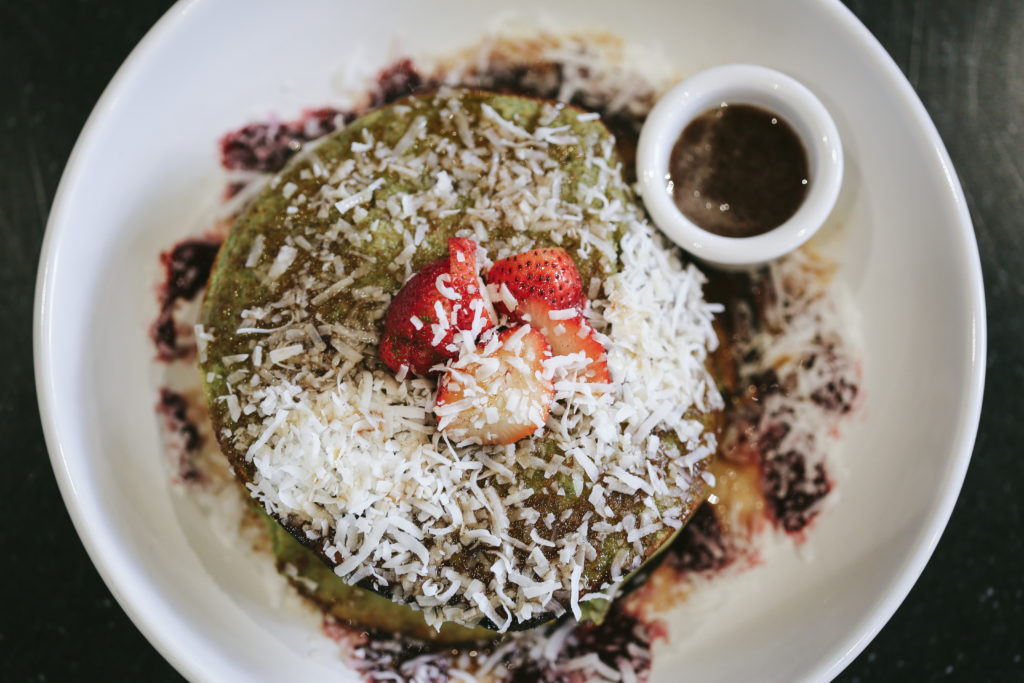
The restaurant is health-food focused, with offerings including breakfast dishes and toasts (both served all day), salads, bowls, smoothies, juices and even vegan “mylkshakes,” made with almond milk ice cream. Dirt will also offer a “full espresso bar and tea program,” the release said.

The eatery’s founders dub Dirt a “counter casual” restaurant, presenting it as a blend of a sit-down restaurant and up-scale fast food restaurants like Chipotle.

“We have a different service model than the omnipresent Chipotle-style assembly line that people have become inundated with,” JJ McDaniel, the chain’s director of operations, wrote in a statement. “You order at the counter, and although we don’t have formal servers, from there it’s very much a full-service experience. We bring your order to you, with real plates and silverware and linen napkins, check on you during your meal and clean your table after you leave. Trays and bus tubs are purposely absent from the Dirt dining experience.”

The Ballston location will be the chain’s third overall, after opening two restaurants in the Miami area starting in 2015.


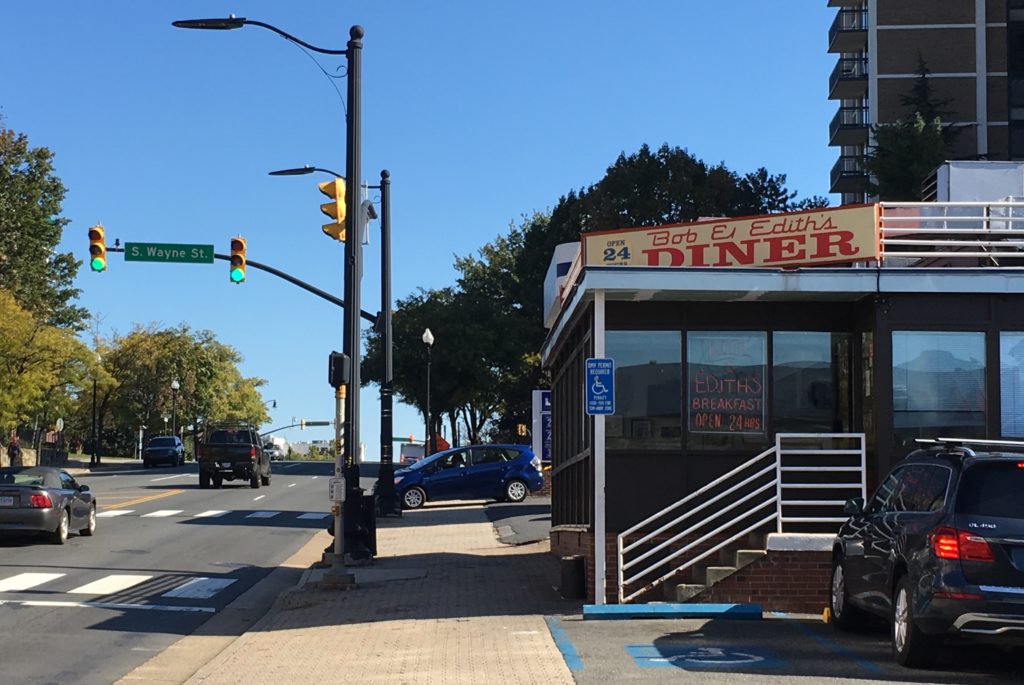
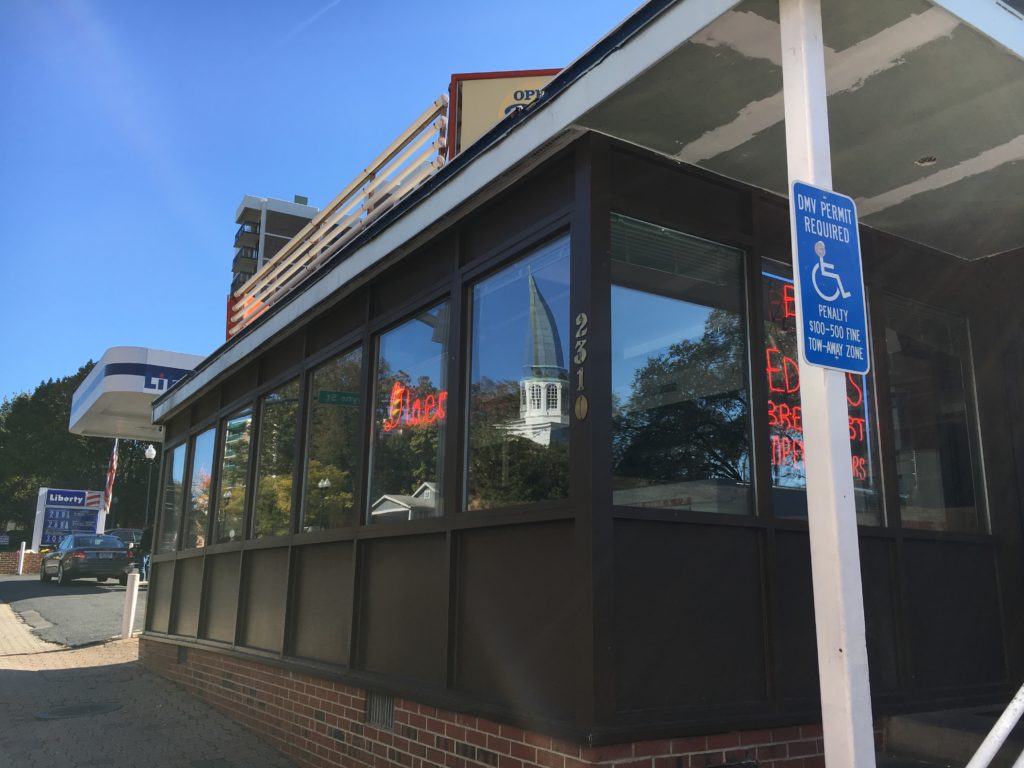
The original Bob and Edith’s Diner on Columbia Pike is back open after a brief closure for maintenance, and its owner is looking to reassure nervous fans that the restaurant isn’t going anywhere any time soon.

The diner closed for maintenance last Tuesday (Oct. 30), leaving would-be patrons a bit mystified. But Ryan Brown, a lawyer for Bob and Edith’s owner Greg Bolton, told ARLnow that the closure only lasted two days, to allow for the installation of a new grease trap.

He also stressed that the diner, located at 2310 Columbia Pike, “is subject to a long-term commercial lease,” in a bid to quell speculation that the restaurant could soon be on the move. Those rumors first started churning when the diner and its property was listed for lease in late September, but Brown made it clear that the nearly 50-year-old eatery isn’t in any danger.

“Bob and Edith’s has no plans to relocate or close that location, or any of its other locations,” Brown wrote in an email.

The restaurant chain previously made headlines when Bolton opted to buy a property along Lee Highway that was once home to Linda’s Cafe, in a bid to expand there in the near future.

Brown added that Bolton will have an update on that new eatery in the “near future.” He initially predicted that the new location could open either before the year is out, or in early 2019.

Beyond the Columbia Pike location and the planned expansion on Lee Highway, Bob and Edith’s operates restaurants in Crystal City, Alexandria and Springfield.


As all signs continue to suggest that Crystal City will soon become home to at least half of Amazon’s new headquarters, affordable housing advocates are increasingly concerned that Arlington won’t force the tech giant to take action to mitigate the new office’s impact on housing prices in the county.

The company’s abrupt decision to split its “HQ2” between Crystal City and New York City, as detailed in a flurry of national news reports, means that Arlington could see only half of the 50,000 new jobs Amazon promised along with the new headquarters. Nevertheless, fears linger that the arrival of even a portion of those workers would further squeeze the county’s already tight housing market.

County and state officials have steadfastly refused to release any details about their pitch to Amazon, including details on potential economic incentives for the company, or any community benefits designed to account for how a sudden influx of thousands of workers might drive up housing prices and demand.

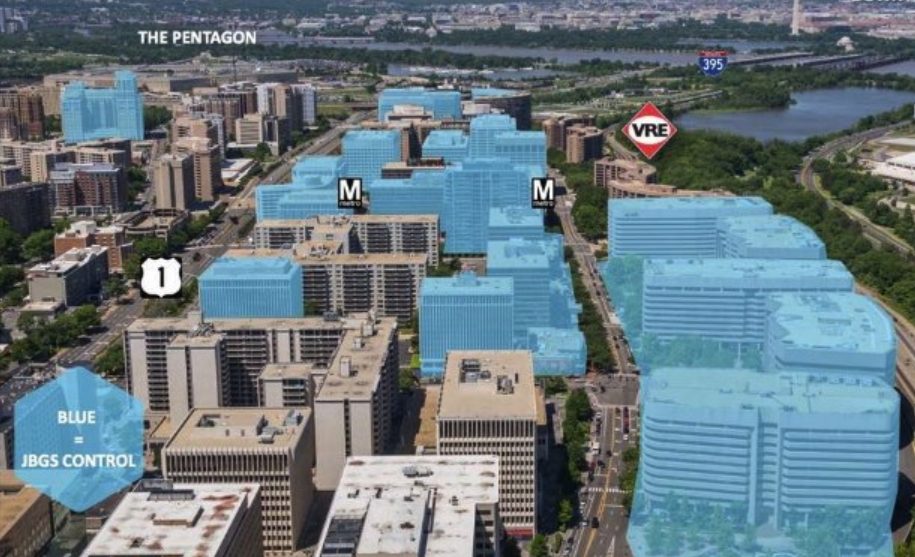
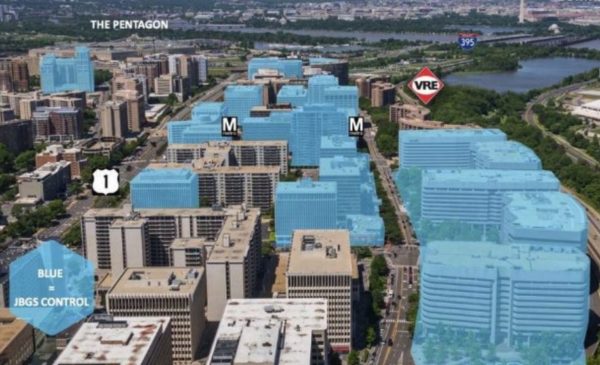
Amazon has also been mum on how it might set up shop in Crystal City, but speculation abounds that the company would move into the thousands of square feet of vacant office space controlled by JBG Smith, the area’s largest property owner. The real estate firm was intimately involved in assembling Crystal City’s HQ2 bid, and Arlington officials have salivated over the prospect that the company could reverse the county’s high office vacancy rate in one fell swoop.

But should Jeff Bezos and company move right in to that vacant space, experts worry that the county won’t have the ability to extract any cash for Arlington’s main tool for spurring the development of reasonably priced homes: the Affordable Housing Investment Fund, commonly known as the AHIF.

The program offers low-interest loans for new construction or redevelopment efforts to add more affordable housing in the county, and the county regularly requires developers behind high-density projects to contribute to the fund, in order to offset the impacts of that development on the rest of the county.

Yet Michelle Winters, the executive director of the Alliance for Housing Solutions, points out that Amazon could well avoid any such contribution, despite bringing thousands of highly paid workers to the area. After all, the company may simply prove to be a very, very large office tenant, and not plan any new construction in the county for years yet.

“These fees are a major component of how we pay for affordable housing in Arlington,” Winters told ARLnow. “But we just don’t know what kind of deal they’re potentially making with Amazon.”

Through a spokeswoman, Arlington Housing Director David Cristeal confirmed that the “county does not require AHIF contributions if a tenant moves into existing space without building anything new.”

“A developer or building lessee would not need to contribute to AHIF if they move into an existing building without requesting additional density and/or a site plan amendment,” Cristeal wrote. Site plan amendments, in general, are reserved for major construction projects.

County Board Chair Katie Cristol agrees with Cristeal’s assessment, noting that the “mechanisms for achieving contributions to the AHIF are tools available to us during the land-use process” only.

“The time at which we’d achieve something like that is as the building is built, not as a tenant moves in, which makes sense,” Cristol said.

What that means for the county’s potential deal with Amazon, Cristol can’t say. She says the county still has yet to work out the details of just how the tech giant would move in to Arlington, making it a bit too early to speculate on technical questions like potential AHIF contributions.

However, she did point out that the whole point of Arlington luring Amazon in the first place is to generate new tax revenue, which the county could then direct into the AHIF or other measures to preserve and create affordable housing.

“The reason to bring in new tenants to Arlington generally is they fund all those things,” Cristol said. “Whether it’s the AHIF, housing grants, public schools, transportation costs… It can be easy to lose sight of that.”

Of course, there are plenty of experts skeptical of just how much Amazon’s arrival will actually juice county revenues, especially if Arlington signs off on hefty tax breaks to lure the company here in the first place. For instance, the government accountability group Good Jobs First, an intense Amazon critic, estimates that localities can end up paying hundreds of thousands of dollars in subsidies for each job that a major new investor generates.

Kasia Tarczynska, a research analyst with Good Jobs First, notes that the county could always limit the tax breaks it offers the company and “use that money for affordable housing, public transit and workforce development.”

“In Boston, for example, as part of the incentive package, the city said it would invest $75 million in affordable housing, instead [of] giving that money to Amazon,” Tarczynska wrote in an email.

But that’s where the county’s secrecy around its offer to the company, which has been criticized by liberal and conservative activists alike, stymies further analysis.

Even still, Winters and Tarczynska both expect that the county could still work out a deal with Amazon that involves a contribution to the AHIF, or other affordable housing measures, even if it wouldn’t be strictly required by county ordinances.

“If I were Amazon, I would pay in more than what would ordinarily be required, because their own workers would benefit from more affordable housing in the community,” Winters said. “This is one of the biggest companies in the world… I’d imagine it could be considered the cost of doing business for them.”

Ben Beach, the legal director for the Partnership for Working Families, notes that plenty of other local officials have negotiated for such concessions as large companies have sought to move in to their communities. The question on his mind is whether Arlington officials will do the same.

“Local governments have a wide range of tools at their disposal; the question is simply political will,” Beach wrote in an email. “And in this case, we know there is substantial public money involved, so there’s really no excuse for anything less than a gold standard community benefits package.”

Photo via JBG Smith


John Vihstadt’s pair of decisive County Board victories four years ago were some of the lowest moments for Arlington Democrats since the county turned decisively blue decades ago — for many, that makes Matt de Ferranti‘s win all the sweeter.

De Ferranti’s seven-point win over the independent incumbent stands in stark contrast to Vihstadt’s double-digit dominations of Alan Howze in both a special election and a general election back in 2014. Those wins were widely seen as a rebuke to the Board’s Democratic majority, particularly with projects like the Columbia Pike streetcar and the Long Bridge Park aquatics center the targets of frequent community complaints.
Accordingly, county Democrats now see such a stark turnaround just a few years later as proof that they learned the lessons of 2014, and have responded to that dissatisfaction from voters.

“This is one of the biggest wins for Democrats in Arlington that I can remember,” Paul Ferguson, Arlington’s clerk of circuit court and a Democratic officeholder in the county dating back to 1996, told ARLnow.

Democrats surely benefitted from an energized electorate as well, owing to a midterm election that sent plenty of voters to the polls looking to send a message to President Donald Trump — nearly 101,000 people cast ballots in the race, about 37,300 more than in Vihstadt’s general election win back in 2014. De Ferranti himself acknowledged that “the broader national mood didn’t hurt” in powering his win.

But county Democrats also argued that de Ferranti’s victory, by a commanding margin, proved that the local party and its officeholders spent the last few years making meaningful changes to their way of doing business.

“That was an astounding recovery from 2014,” said School Board member Barbara Kanninen, who also won a convincing re-election over independent Audrey Clement Tuesday. “John is a very well-liked, very well-respected person. For Matt to put together a campaign to overcome all of those obstacles, the 2014 deficit he was starting with, that is absolutely a demonstration of the blue wave.”

Vihstadt did indeed have plenty of strengths, enough that many political observers around the county believed he could survive such a Democratic wave. He had the backing of a variety of current and former Democratic elected officials, a hefty campaign war chest and plenty of name recognition after years of civic activism in the county.

But all those factors were not enough for him to hold on to his seat, ensuring that Democrats will have unified control of the Board once more — Vihstadt himself declined an interview Tuesday night, and did not respond to subsequent requests for comment.

“People genuinely saw that we heard the message of 2014,” de Ferranti said. “Time doesn’t stand still. We’re evolving as a community and responsiveness is important. Fiscal responsibility is important, but also we have to make investments in our future.”

County Board member Erik Gutshall (D) agreed with that line of thinking, arguing that voters themselves have evolved over the last four years as well.
Vihstadt triumphed in 2014 by winning over many disaffected Democrats, to say nothing of independents and Republicans, largely by insisting on a more fiscally conservative approach to governing and emphasizing the close scrutiny of county projects. De Ferranti criticized that style as one that didn’t lay out a positive vision for the county, and Gutshall expects that voters were sympathetic to that message.
“Arlington has had the chance to reflect about where we are and make a choice about what direction we want to go,” Gutshall said. “Do we want to go toward a bold vision or do we want to stay focused on trying to maintain the status quo? With the benefit of four years, they had a chance to reflect on that and move forward.”

However, Gutshall would stress that such a comment is not “an indictment of John’s service.” While county Democrats have long yearned to unseat Vihstadt, the first non-Democrat to sit on the Board since 1999, none were willing to spike the football too vigorously over his defeat.

“Today, a decent person lost, and a decent person also won — the fact that both statements can still be true in Arlington should give us all hope for the future of our democracy,” county Democratic Committee Chair Jill Caiazzo wrote in a statement.

Board Chair Katie Cristol (D) was even willing to credit Vihstadt for helping the Board learn from his “clear-eyed approach on fiscal issues, in particular.”

“We’ve definitely seen a shift on the Board in how to be more inclusive in our decision-making… and that’s a real legacy for him,” Cristol said.

But Cristol also noted that de Ferranti’s win also completes the near-total transformation of the Board from just five years ago. Only Libby Garvey, a Vihstadt backer and former School Board member, remains from the Board that Vihstadt joined when he won in 2014.

Cristol and Vice Chair Christian Dorsey both joined the Board in 2015, and both were newcomers to the political scene at the time of their victories. When combined with the 45-year-old de Ferranti — a first-time candidate himself, who Ferguson dubbed “the best young candidate I’ve seen in my career” — Gutshall fully expects that the newly reconstituted Board will think, and act, a bit differently.

“It’s a completely different Board, and a Board that’s going to be focused on: ‘How do we meet our challenges and how do we take bold action?'” Gutshall said. “People want to be bold. They want to see progressive values put into action.”


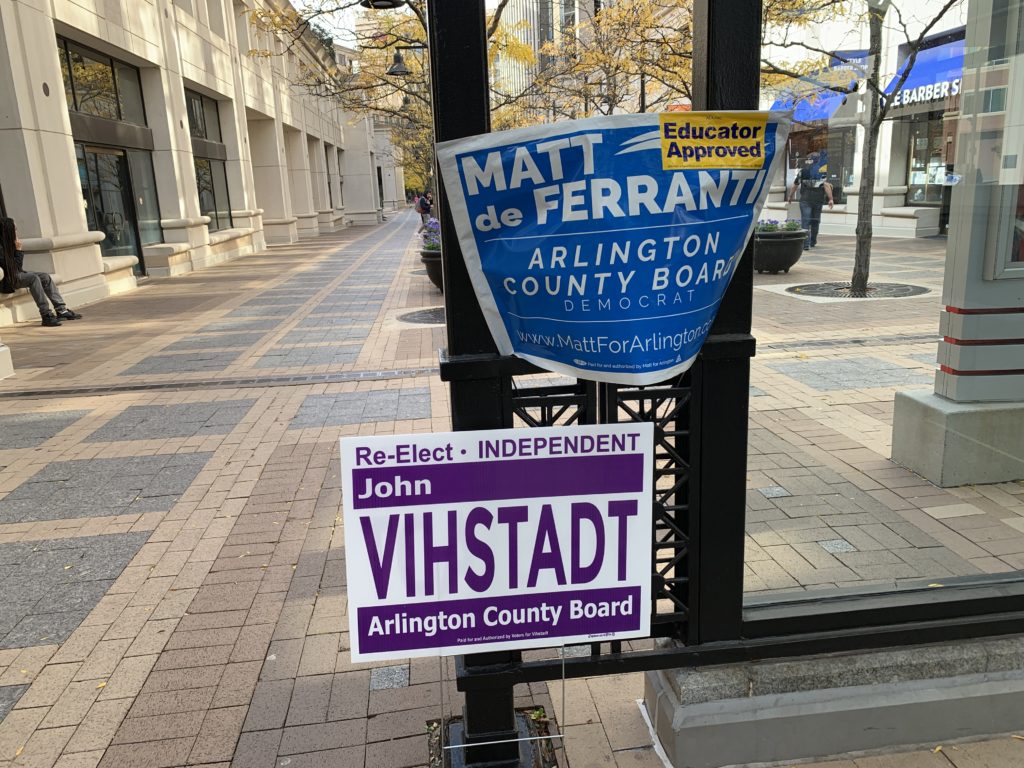
(Updated at 11:15 p.m.) Democrat Matt de Ferranti has knocked off independent incumbent John Vihstadt in the race for County Board, restoring the Board to unified Democratic control for the first time since 2014.

With 100 percent of precincts reporting, de Ferranti captured a 53 percent to 46 percent victory over Vihstadt, a difference of about 7,000 votes.

The difficulty of the electoral math for Vihstadt, amid heavy Democratic turnout, was apparent since the first precincts reported. De Ferranti was leading in three of the first four. In 2014, Vihstadt won each of the four districts in his general election race against Alan Howze.

Arlington Democrats had eyed Vihstadt’s seat on the Board ever since his surprise victories four years ago, when he bested Alan Howze in both a special election and general election, becoming the first non-Democrat to sit on the Board since 1999.

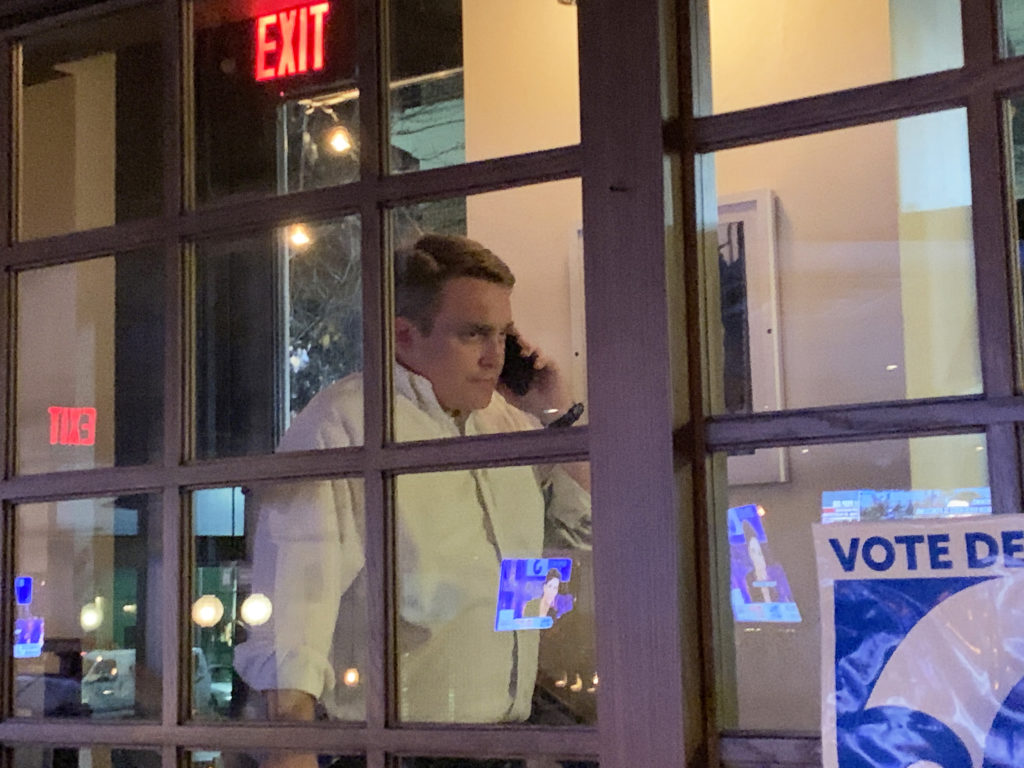
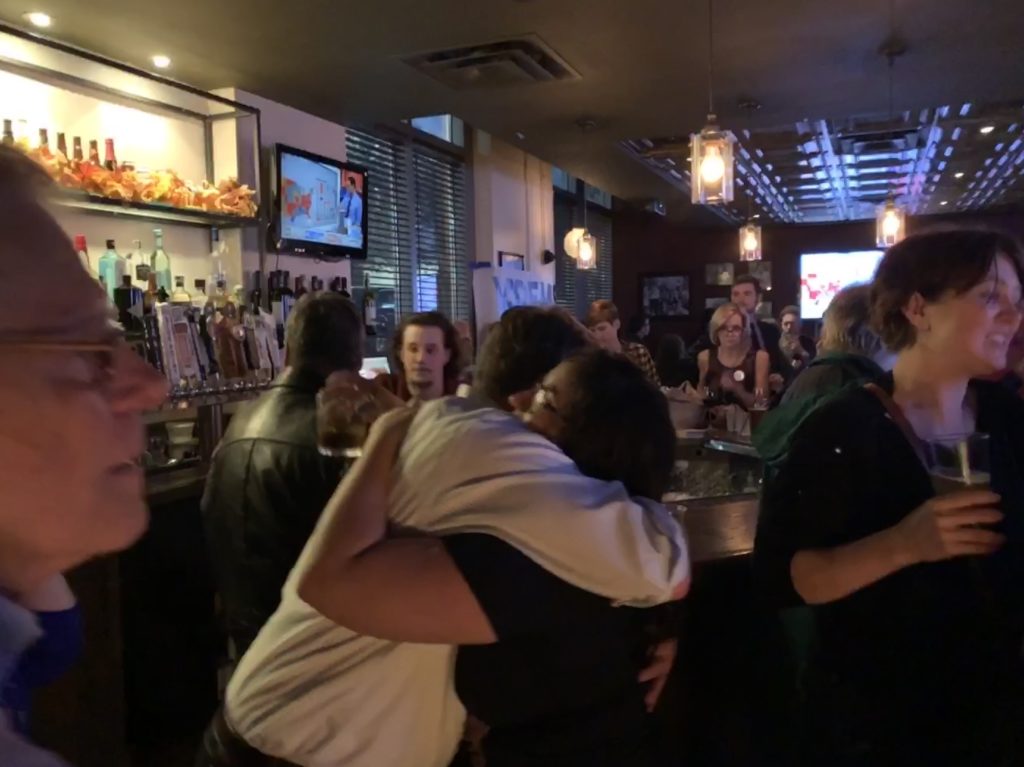
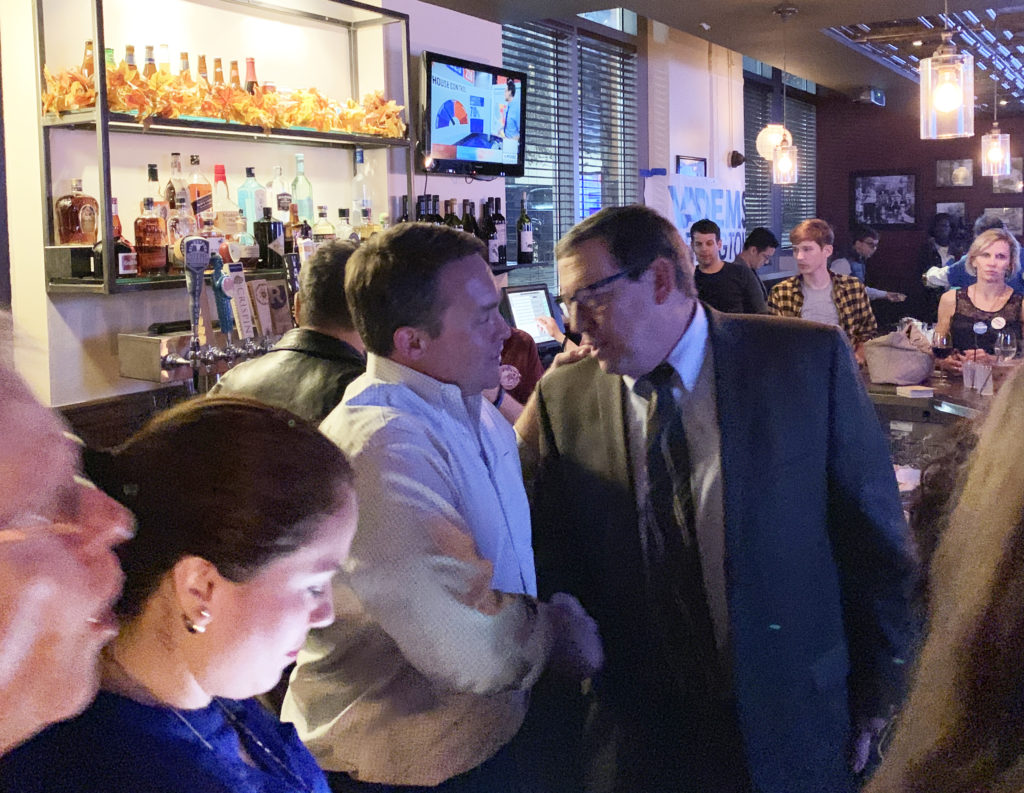
“This a reflection of where we’ve come as a party… we heard the message of 2014,” de Ferranti told ARLnow amidst a jubilant crowd of Democrats at William Jeffrey’s Tavern on Columbia Pike Tuesday night. “And I think we have to be humble enough to acknowledge that the national mood didn’t hurt.”

De Ferranti, a lawyer and advocate for Native American education, argued that he had an optimistic and forward-looking vision for the county’s future that stood in stark contrast to Vihstadt’s record. He contended that the incumbent hadn’t done enough to address the county’s persistently high office vacancy rate, and that Vihstadt was overly focused on saying ‘no’ to ambitious projects rather than pursuing an agenda with vision.

Vihstadt, meanwhile, pledged to continue to provide some balance to the Board’s Democratic majority and to work to manage the county’s growth responsibly. Vihstadt did not, however, have a singular project to rail against this year, as he did the Columbia Pike Street Car four years ago. The independent’s victory was widely seen as a rebuke to that project specifically and the Board’s Democratic majority more generally.

Still, the two contenders largely agreed on most pressing issues facing the county. However, de Ferranti separated himself a bit by adopting a friendlier stance toward Amazon’s potential arrival in Arlington, and by setting goals for the county like ending child hunger by 2022 and shifting to 100 percent renewable energy sources by 2035.

De Ferranti won despite being out-raised by Vihstadt in the race for campaign cash, but he benefitted from support from three of his fellow Democrats on the Board — Libby Garvey endorsed Vihstadt once again — and a variety of statewide politicians.

This was de Ferranti’s first run for elected office. He won a two-way primary against fellow newcomer Chanda Choun back in June.

School Board member Barbara Kanninen also won a second term, ensuring that Democratically endorsed candidates will maintain unified control of the Board once more.

Kanninen, an economist, bested independent Audrey Clement by a margin of 68 percent to about 30 percent. Clement and Kanninen last squared off in 2014, when Kanninen first joined the Board.

The race is nominally nonpartisan, but county Democrats have now twice backed Kanninen for office, and she spent the past year serving as Board chair, which rotates among the five members.

“I’m really looking forward to getting back to work,” Kanninen told ARLnow. “I think it shows that people know we’re working hard as a Board and we care about our kids.”

Kanninen ran on traditional issues impacting the school system, like her support for mental health resources for students and improving teacher retention through consistent pay increases, but Clement worked to focus the race on the Board’s decision to change the name of Washington-Lee High School. Opponents of the name change charged that Kanninen spearheaded the effort, and threw their support behind Clement.

Yet the independent fell short once more, in what was her eighth unsuccessful bid for local office in Arlington.

Kanninen was unopposed in the race for the Democratic nomination this year.

Rep. Don Beyer (D-8th District) also cruised to re-election over Republican Thomas Oh, earning his third term in Congress.

Beyer, Virginia’s former lieutenant governor and the owner of several local car dealerships, dominated with nearly 79 percent of the vote to Oh’s 20 percent. The 8th District, which includes Arlington and parts of Alexandria, is one of the most Democratic in the country, last electing a Republican in 1988.

Oh charged that Beyer has been unresponsive to his constituents since taking over for longtime Rep. Jim Moran, and ran on a moderate platform that was decidedly different from other Republicans around the state. But Beyer countered that he’d been an effective representative for the district, noting his focus on environmental issues in particular during his time in Congress.

All four bond referenda easily earned approval from Arlington voters, with none earning less than 73 percent of the vote. U.S. Sen. Tim Kaine (D-Va.) also cruised to a 15-point victory over Republican Corey Stewart, with his race called as soon as polls closed.


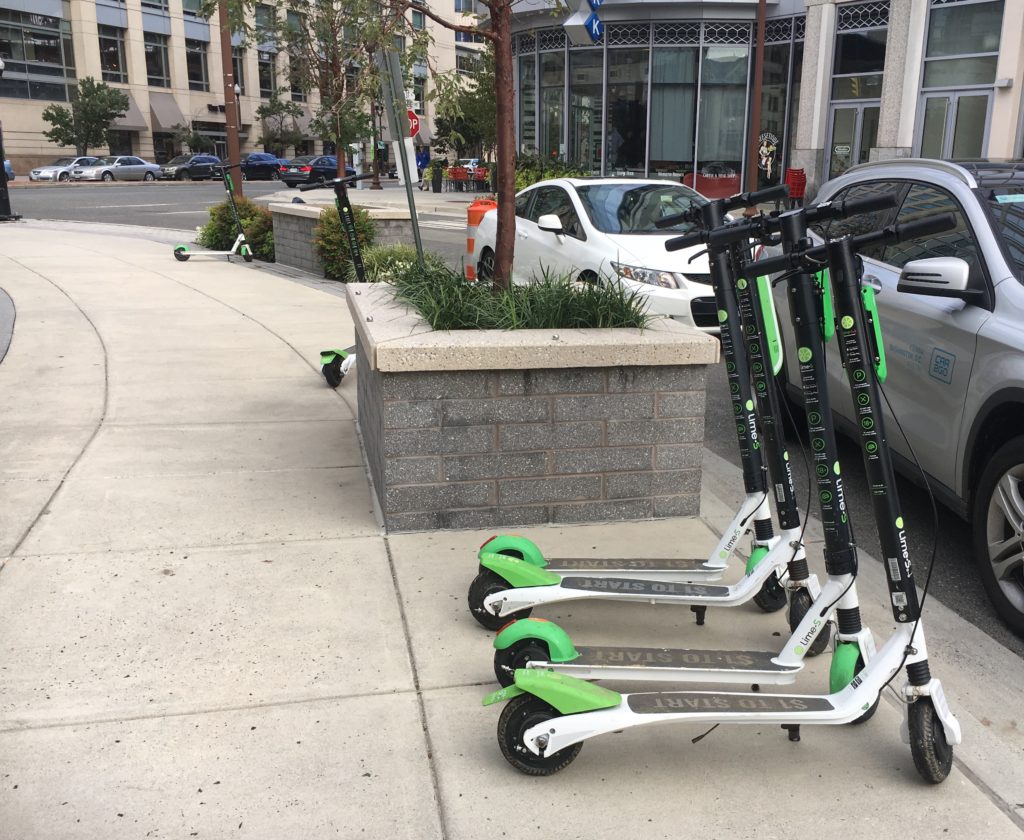
Arlington officials say the first month of the county’s dockless vehicle pilot program has largely gone smoothly, though enforcing rules about where to ride the pervasive electric scooters remains a challenge.

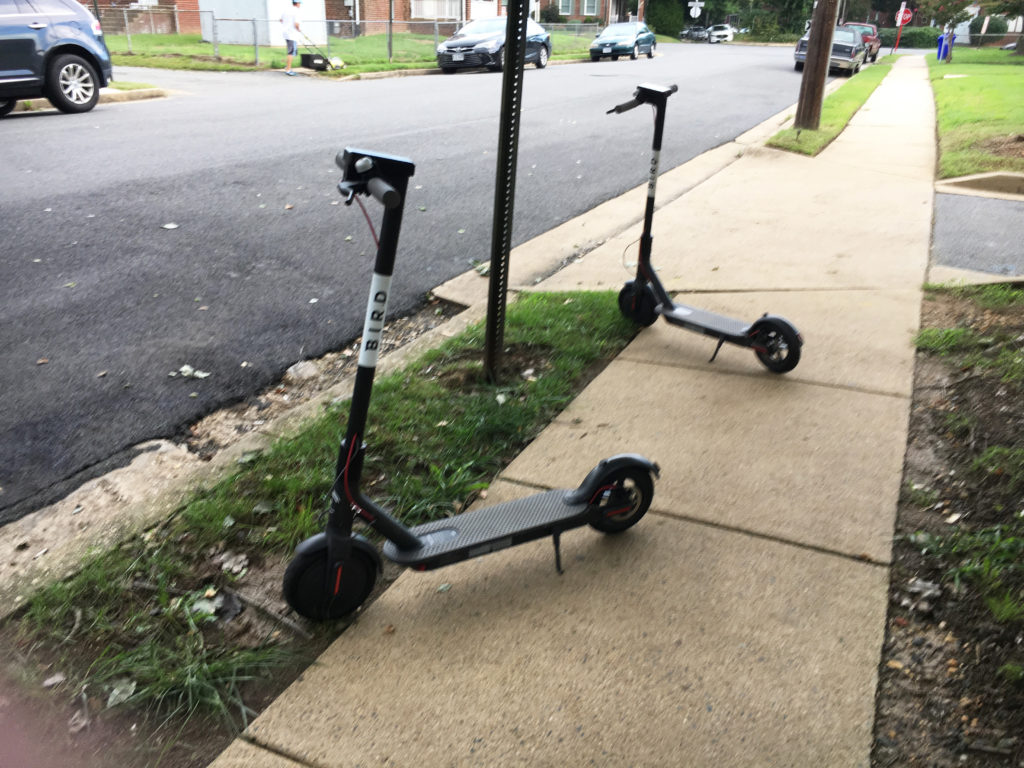
Two companies — Lime and Bird — have been offering their dockless scooters around Arlington ever since the County Board signed off on a “demonstration project” for the vehicles in late September. Though Bird previously operated in the county without any explicit government involvement, the Board’s pilot program was designed to set some standards for dockless vehicles and allow companies to operate hundreds in the county at a time.

County commuter services bureau chief Jim Larsen told the Transportation Commission last Thursday (Nov. 1) that two more scooter companies could soon enter Arlington as well: Skip and Lyft, which only recently began offering scooters in addition to its ridesharing service.

Then, by January, Larsen expects that Jump could also make the move from D.C. into Arlington and offer both electric bikes and scooters in the county.

“The dynamics of this change weekly, if not daily,” Larsen told the commission.

Larsen added that, since Oct. 1, county police have responded to a total of nine crashes involving scooter riders, though he noted that there’s been “nothing major” among the accidents so far.

Still, one of those incidents did involve a student riding a scooter who was struck while in a crosswalk, Larsen said. The scooter companies generally ban anyone under the age of 18 from riding the vehicles, and Larsen said the county is working closely with the school system to make that clear to students.

Larsen also noted that the top public complaints the county has received about the program relate to “illegal sidewalk and train riding, improper parking, unsafe riding, underage riders and speed.”

Those were concerns echoed by Transportation Commissioner Audrey Clement, who noted that she’s seen teenagers riding scooters without helmets on the Custis Trail in the past, which would make for three violations of the county’s policies.

“There’s no way you could even ask Arlington Police to monitor the length of the Custis Trail or any of the trails in this county,” said Clement, who is also mounting an independent bid for School Board this year. “Absent a realistic enforcement policy, this pilot program is both reckless and irresponsible.”

Larsen conceded Clement’s point, but did stress that county staff are working closely with both the dockless companies and police to ensure the safety of riders and drivers alike.

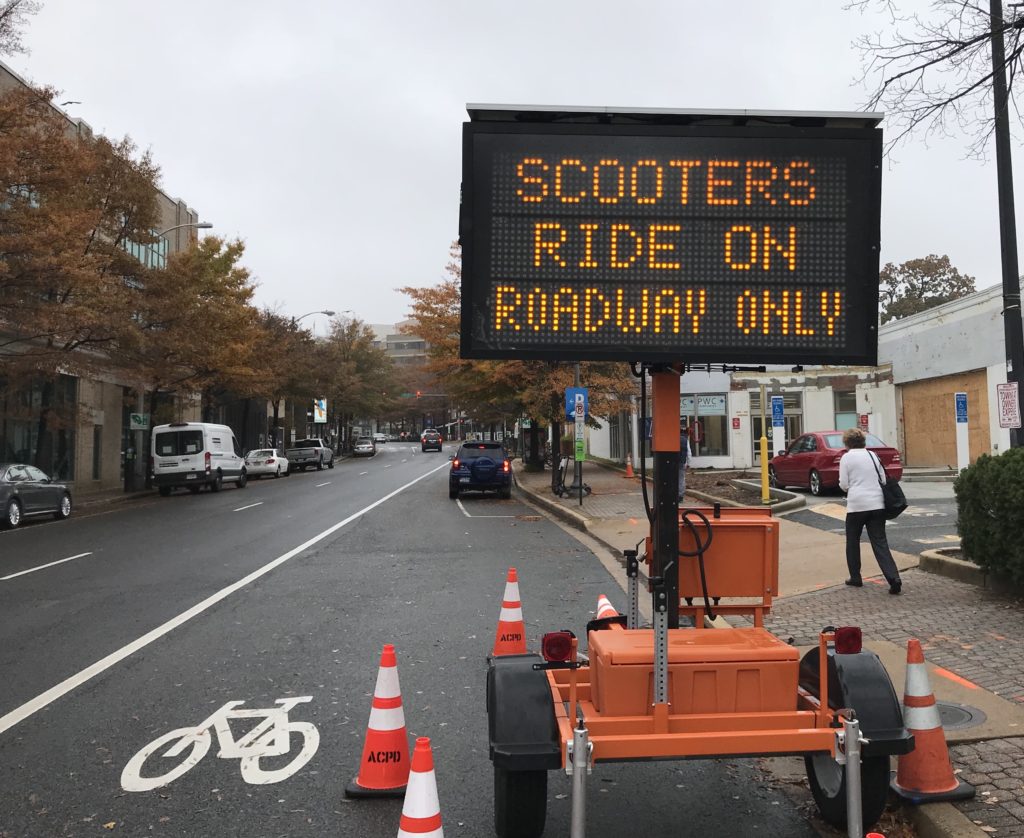
County police, meanwhile, also trying to spread the word about scooter safety as part of a broader traffic safety campaign this fall, and have even started using electronic signs reminding scooter riders to stay off sidewalks.

Others on the commission were less willing than Clement to attack the program’s legitimacy. Commissioner Jim Lantelme was interested in comparing the number of scooter-involved crashes to those involving bikes, noting that they “might actually be safer than bicycles or other methods” of getting around. Larsen, however, didn’t have such data available.

By and large, commissioners said they were satisfied with the program’s early results, and Larsen agreed. He noted that Bird and Lime have both done a “pretty good job” of balancing the number of scooters available in D.C., which has its own dockless pilot program, and Arlington.

Larsen praised Lime, in particular, for employing 21 people to monitor the scooters around the county and operating its own warehouse in Arlington.

“They’re really trying to go around and self-police,” Larsen said. “We’re really trying to push the operators to emphasize safety themselves.”


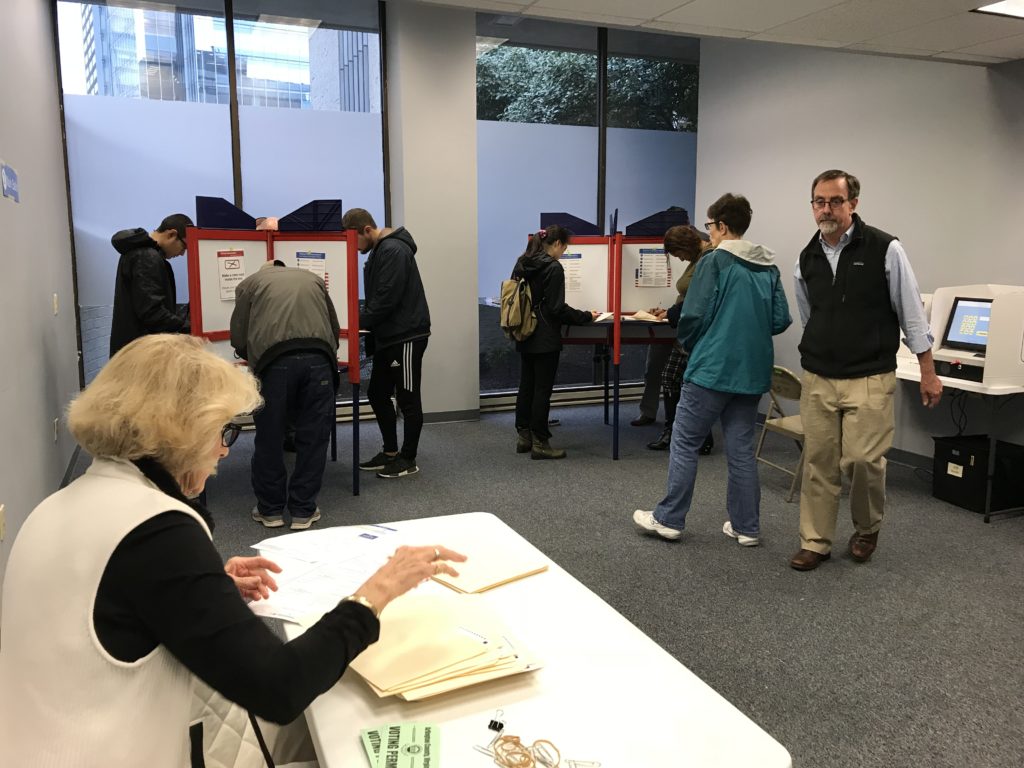
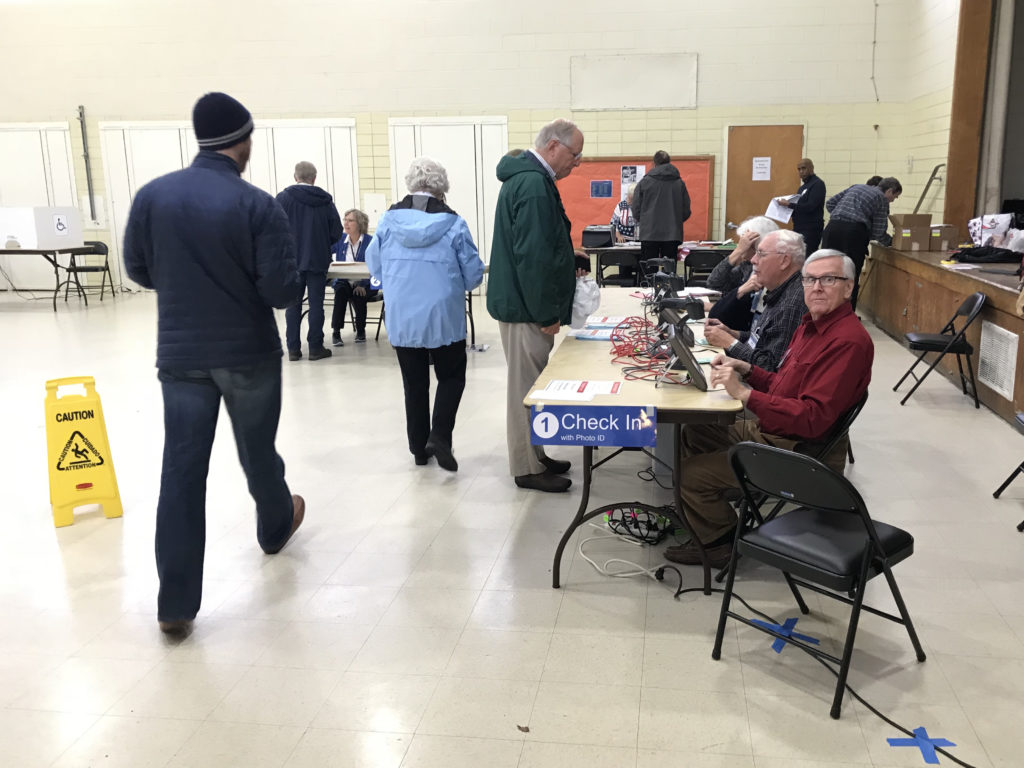
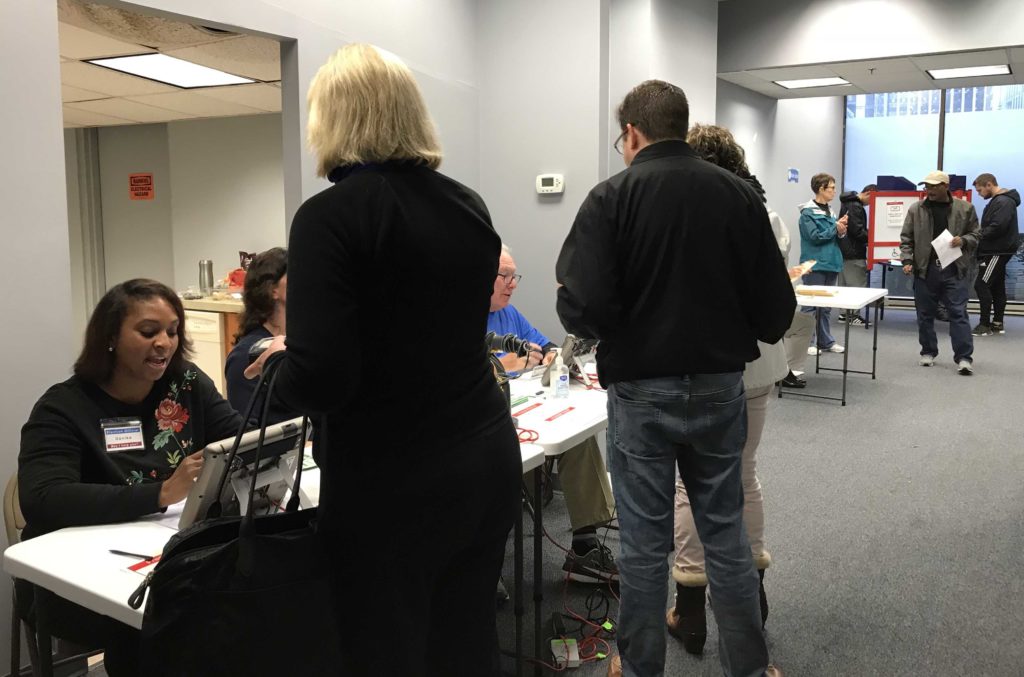
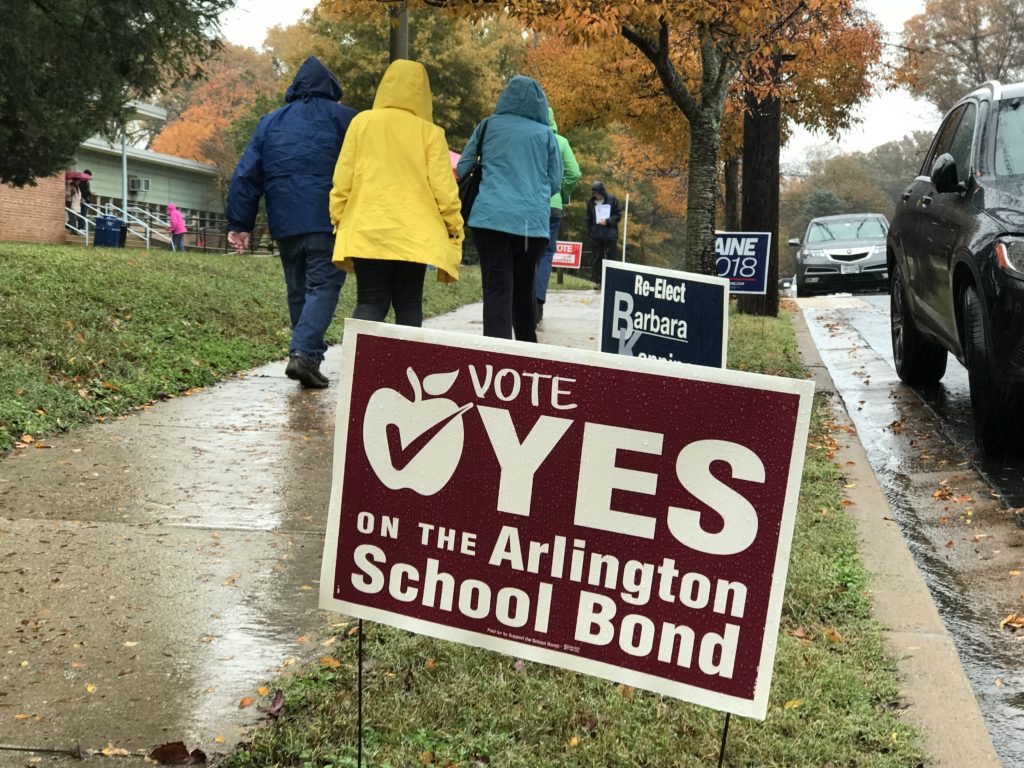
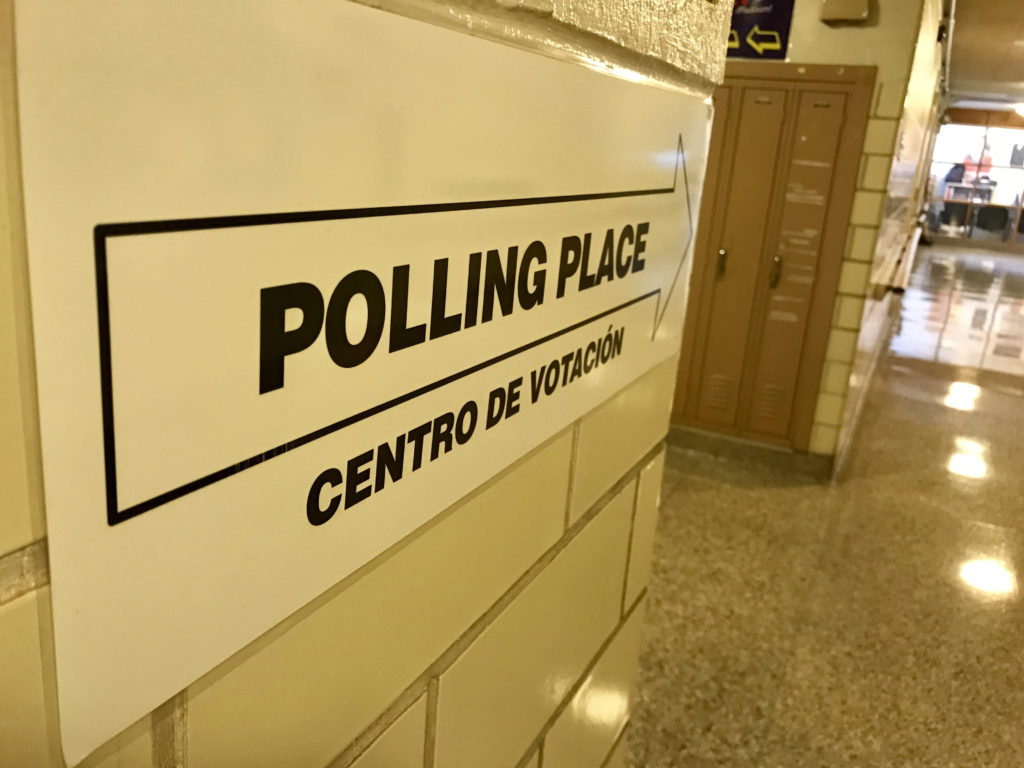
(Updated at 3:20 p.m.) Voting is in full swing around Arlington for the midterm elections, and election officials are reporting plenty of lines and enthusiasm at polling places around the county.

As of noon, the county’s election office reported seeing 40 percent of its just over 149,000 registered voters cast ballots. That figure includes only in-person voting today, according to general registrar Linda Lindberg.

In general, Lindberg says that number is a bit higher than the county would expect for a non-presidential year. For comparison, Arlington recorded about 31 percent turnout by the middle of the day a year ago, according to the nonpartisan Virginia Public Access Project.

“We usually have a burst in the morning, and the difference has been that burst was a bit longer this year,” Lindberg told ARLnow. “We definitely have a sense we’re getting people at the polls who don’t vote regularly. We always have that issue for presidential elections, but not usually for the midterms.”

Lindberg added that turnout may well be even stronger, but there are plenty of absentee ballots for her staffers to count as well.

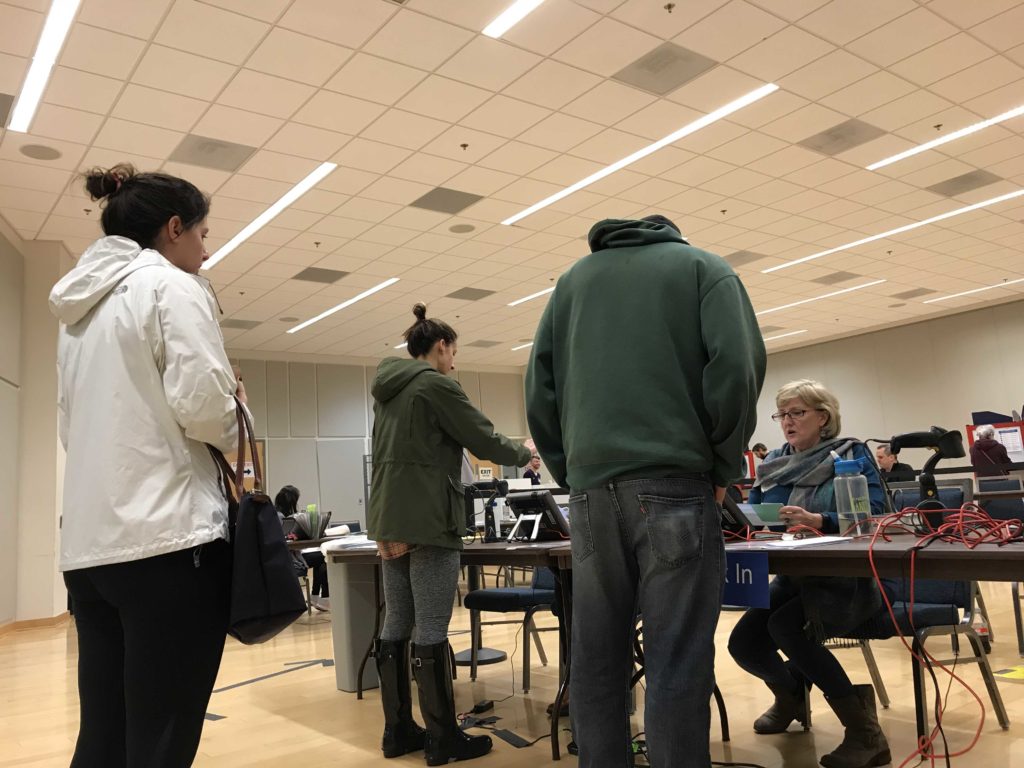
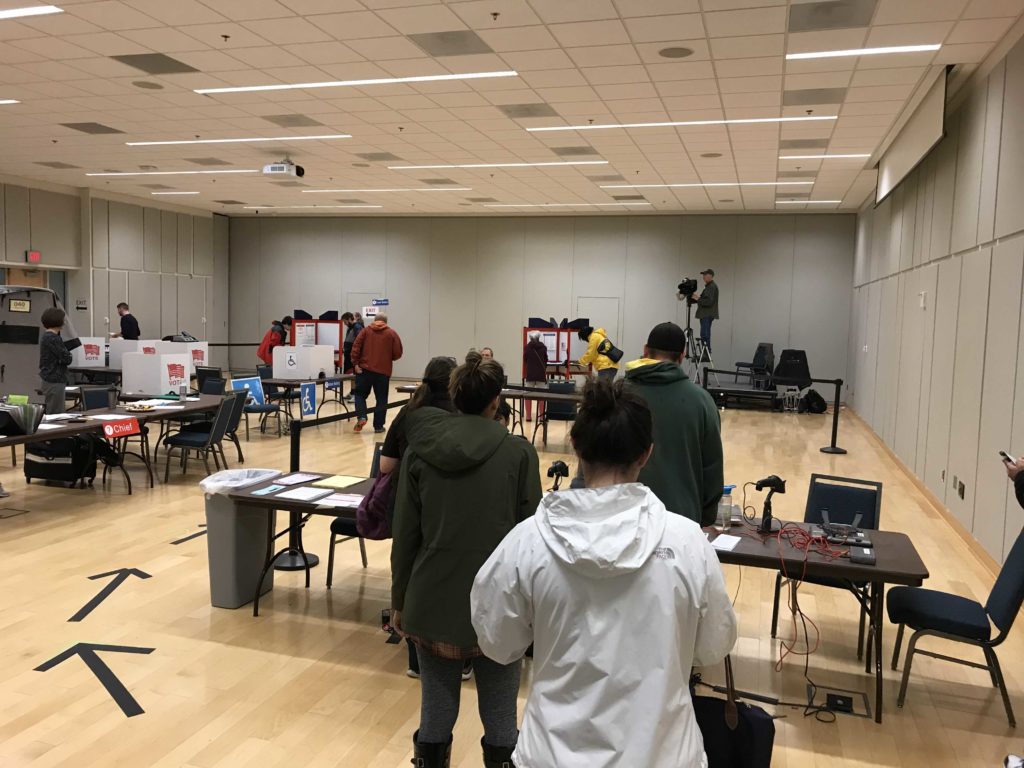
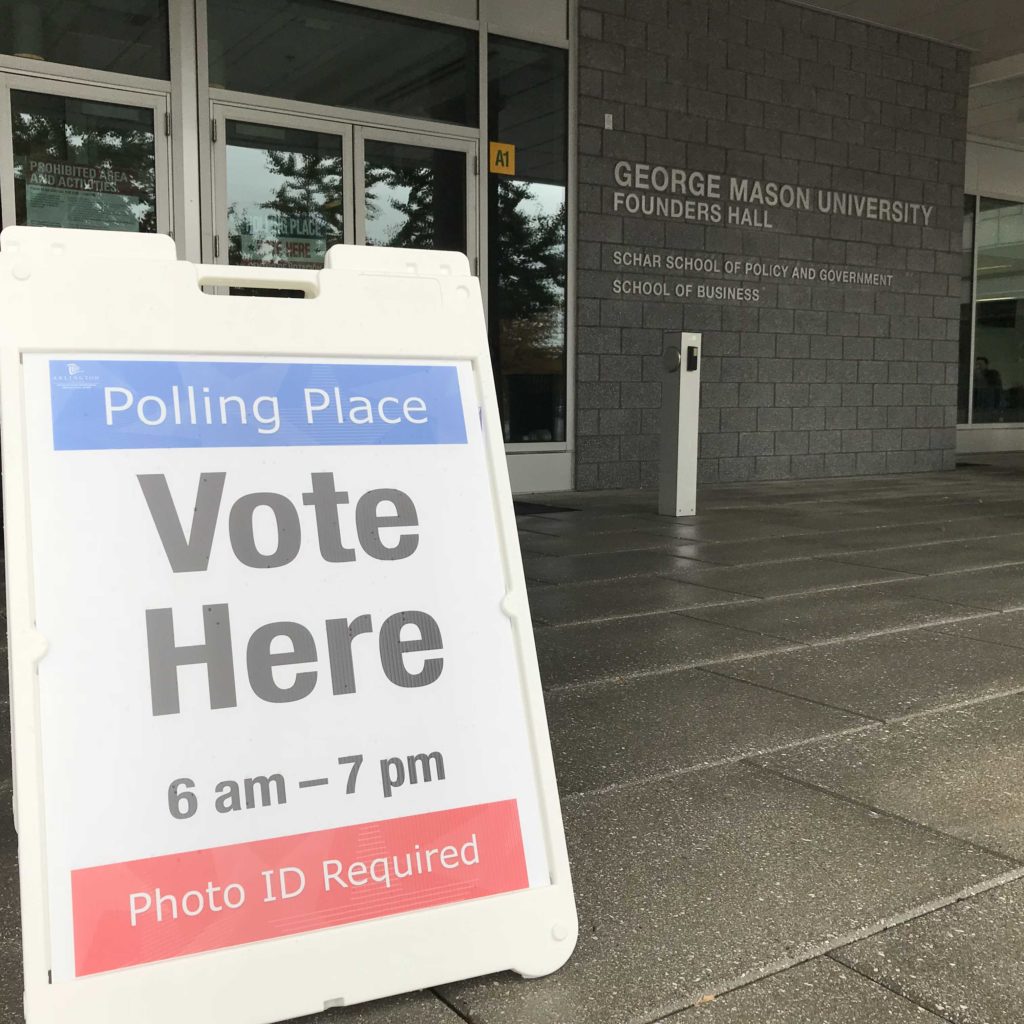
The Virginia Square polling place, located on George Mason University’s campus, certainly saw robust turnout this morning. Aimee Bosse, the precinct’s elections chief, told ARLnow that the polling place saw a rush of about 50 to 100 people as soon as polls opened this morning, with a line wrapping around the lobby and running out the door.

“This has been really busy,” Bosse said. She’s expecting another afternoon rush around 3:30 p.m. or so.

One voter at the polling place, Alexei Monsarrat, said that the whole operation was “perfectly well organized,” despite the high interest.

He added that he voted for Democrats up and down the ballot and is hoping that the party regains control of both the House and Senate to rebuke President Donald Trump. Monsarrat even brought along his 8-year-old son, Asher, to let him see the process.

“Obviously I’m very excited to vote today,” Monsarrat said. “I’m looking for a change… I’m a straight democratic voter.”

Aaron Webb, elections chief at the Rosslyn Gateway polling place (1911 Fort Myer Drive), added that his location has seen lines up to 30 minutes long so far today.

Others also reported unusually long lines at precincts elsewhere around the county on Twitter.

https://twitter.com/Politidope/status/1059783001184317441

Lindberg says there haven’t been any major issues at polling places, outside of some puddles making it a bit hard to reach the polls. But as the rain subsides, and maintenance workers get a chance to mop up, she’s not predicting any major issues.

In fact, Lindberg says she’s heard the more concerning reports today about the behavior of voters themselves. She notes that her office has received some complaints about voters being “less than friendly” to some members of the foreign press covering Arlington’s elections, particularly those from Middle Eastern countries.

“They’re just trying to do their jobs and report, so it’s unfortunate to hear,” Lindberg said.

Races on the ballot for Arlington voters this year include the U.S. Senate contest between Sen. Tim Kaine (D-Va.) and Republican Corey Stewart and the 8th District Congressional seat pitting Democratic Rep. Don Beyer against Republican Thomas Oh. In local races, voters will choose between incumbent independent John Vihstadt and Democrat Matt de Ferranti for County Board and independent Audrey Clement and incumbent Barbara Kanninen, who was endorsed by county Democrats, for School Board.

A variety of bond measures and two constitutional questions will also be on the ballot. The county website features full sample ballots, and details on where to vote.

Catherine Douglas Moran contributed reporting


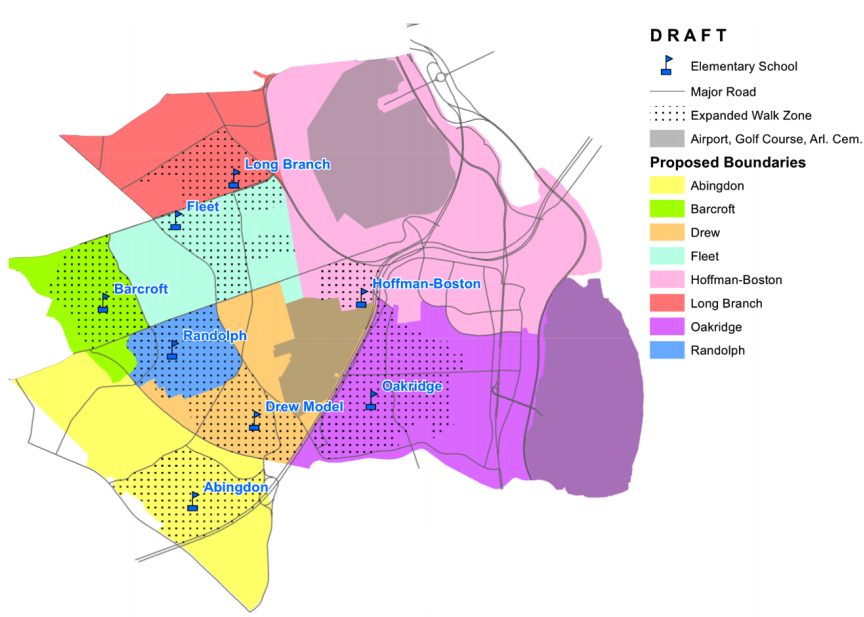
Superintendent Patrick Murphy has revealed his final proposal for new elementary school boundaries to forward along to the School Board, with a new map designed to simultaneously the answer the concerns of some Fairlington parents and reduce overcrowding at Barcroft Elementary.

Arlington Public Schools officials have spent months drawing up map after map to guide attendance boundaries at eight South Arlington elementary schools set to go into effect next fall. Each one has prompted fresh rounds of concern among parents nervous about seeing their kids moved to different schools, as the school system prepares to open up the new Alice West Fleet Elementary next year.

Murphy’s new proposal, released yesterday (Monday), incorporates changes made to several prior maps worked up by APS staffers.

Perhaps most notably, the proposal keeps the entirety of the Fairlington community within Abingdon’s attendance boundaries, rather than sending some students in South Fairlington neighborhoods to Drew Model School. Parents from across Fairlington vigorously protested previous proposals to do so, arguing that it would unnecessarily split up the community and require plenty of busing to help students reach Drew.

School officials worked up a map last week to leave Abingdon’s boundaries unchanged, but that proposal would’ve left both Drew and Fleet with far fewer students than the buildings are designed to hold. Meanwhile, Barcroft, in particular, would’ve remained substantially over its capacity.

Murphy’s new map would move 100 students out of the school, reducing it from being at 149 percent of its capacity next year to 120 percent. Randolph would also see a slight decrease of about 40 students, and Drew and Fleet would absorb most of the students from those schools.

Neighborhoods just off Columbia Pike would be primarily impacted by the change, with a cluster of streets behind the Walter Reed Community Center and others around Alcova Heights Park all moving to Fleet.

The superintendent’s proposal would mean that Fleet will open at about 88 percent of its planned capacity, while Drew will move to about 92 percent of its capacity. Abingdon remains relatively unchanged, and is scheduled to be at about 120 percent of its capacity, but school officials hope to address that in a new round of boundary adjustments in 2020.

Next year, Drew will see hundreds of students leave the building, as the Montessori program moves to Patrick Henry Elementary. Yet parents there worried the school system’s initial plans would involve unfairly packing the school with students from low-income families, as measured by the percent of the student body eligible for free and reduced price lunch.

Murphy’s proposal would mean that about 56 percent of the school’s population would be FRL-eligible, down slightly from the 60 percent figure that officials initially proposed. Of the eight schools included in the process, only three will have more than 50 percent of the student bodies eligible for free and reduced price lunch, the school system’s target benchmark throughout the boundary process.

The School Board will get its first look at the superintendent’s boundary proposal at its meeting Thursday (Nov. 8), with a public hearing set for Nov. 27. The Board plans to pass a final map by Dec. 6, and could make plenty of changes to Murphy’s proposal between now and then.

Photo via Arlington Public Schools


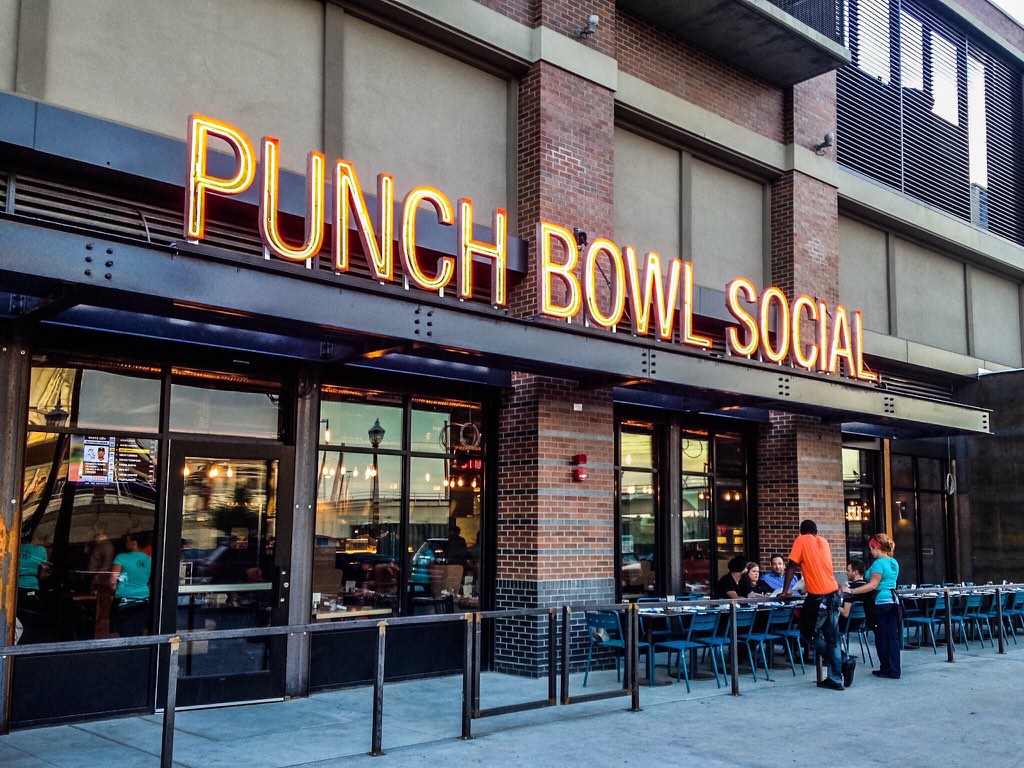
Punch Bowl Social, a combination bar and entertainment venue that’s a key part of the new Ballston Quarter development, now seems set to open its doors next month.

Details remain scarce on when the newly revamped Ballston Common mall will open its doors, with the development blowing past proposed opening dates in both September and October. But new ads for Punch Bowl Social posted inside the Ballston Metro station indicate the establishment is planning a “grand opening” on Dec. 8.

A spokeswoman for Punch Bowl did not immediately respond to a request for comment on whether that date is accurate. The company’s website still lists the location as “coming soon.” The Ballston Quarter website also describes Punch Bowl as “coming soon,” without additional details.

What that means for the other retailers opening up in the development remains unclear, however. A spokeswoman for Forest City, the developer backing Ballston Quarter, said that the firm will have an update on when the whole development will open soon, but still doesn’t have a concrete date ready.

The restaurant first announced plans to expand to the new development two years ago, promising a 25,000 square foot space complete with “eight bowling lanes, one bocce court, three private karaoke rooms, a custom-built 360-degree bar” and more.

Punch Bowl operates 14 other locations across the country, in cities ranging from Atlanta to San Diego. It also is planning a D.C. location, set to open sometime next year.

Forest City has previously billed Punch Bowl as one of four companies set to transform the mall into an “entertainment hub.” The developer has previously announced a variety of other restaurants and retailers moving into the space, and had leased roughly 75 percent of the development as of September.


View More Stories