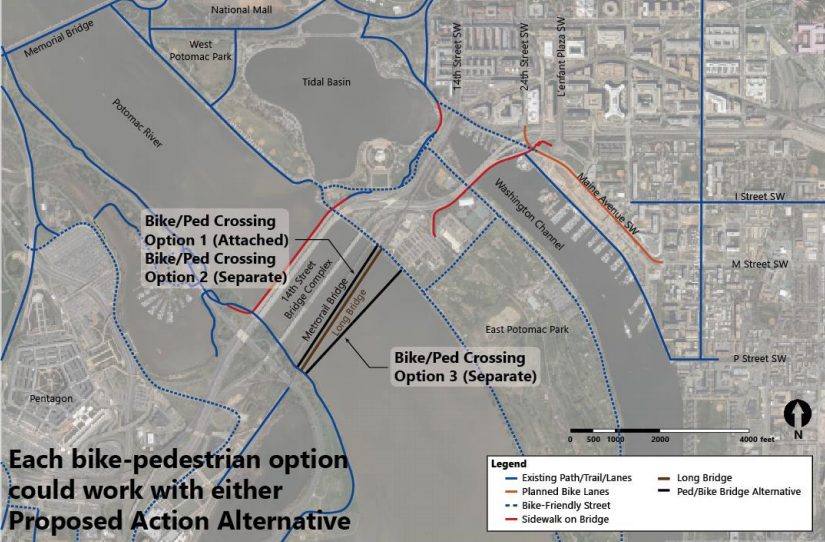
A coalition of businesses, neighborhood groups and transportation advocates are urging planners to include a bike and pedestrian trail along the long-planned replacement for the Long Bridge, a key railroad connection from Virginia into D.C.

A total of 15 organizations from Arlington, the District and the rest of the metropolitan Washington region penned a new letter last Thursday (Nov. 1) to both local and federal transportation officials working on the project, calling the inclusion of a trail alongside the bridge part of “a once in a generation opportunity to transform our regional transportation network.”

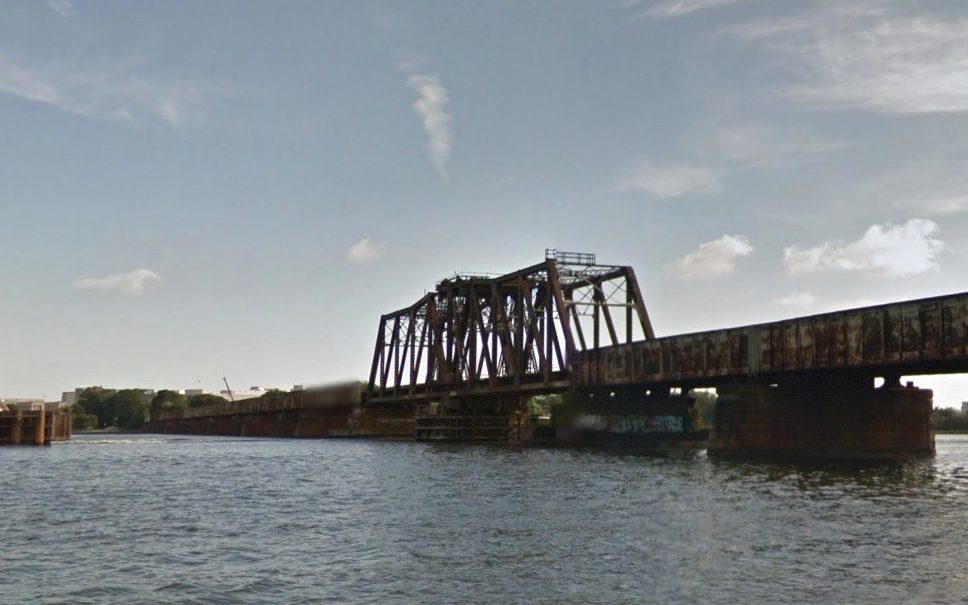
Planners are still sorting out exactly what the new bridge might look like. The original structure, which runs from near the Pentagon in Arlington to Southwest D.C., was built back in 1904, and officials from around the region have viewed replacing it as a necessary step for improving freight and passenger rail service between D.C. and Northern Virginia.

However, the prospect of including a trail alongside the new Long Bridge was not formally included in the various assessments of potential designs of the project. Accordingly, the group penning the letter sought to emphasize the benefits such a trail could have for the region’s commuters, and its economy.

The organizations — which include the Crystal City Civic Association, Friends of Long Bridge Park, the Washington Area Bicyclist Association, and Greater Greater Washington — stressed that any new trail crossing the Potomac River would provide “crucial links to several important regional trails.” The current crossing along the 14th Street Bridge does not offer a connection to the regional trail network on the D.C. side. of the bridge, and the friends group supporting the Mt. Vernon Trail co-signed the letter.

The groups also stressed that such a trail would spur economic development “by linking two key activity nodes in Southwest D.C. and Crystal City.” That goes doubly so if officials also follow the groups’ recommendation that the trail “connect to the esplanade in Long Bridge Park” and “extend as far towards L’Enfant Plaza as physically possible” on the D.C. side.

Perhaps most importantly, the letter urges that the trail “be funded and constructed concurrently with the rail component of the Long Bridge project,” and that it “should be incorporated into the design of the broader project in a way that optimizes the achievability of the project with regard to cost and complexity.”

In a draft of an environmental impact statement prepared in late June, federal and local planners stress that any trail is “not part of the purpose and need” of the project. Even still, they agreed to include the study of four potential trail crossings in more detailed studies of the project to be completed over the coming months.

Planners have so far narrowed potential designs of the bridge replacement down to two options; both involve building a new, two-track bridge alongside the existing structure, but one alternative calls for the current bridge to stay in place and the other would involve fully replacing it.

Two of the trail designs call for building the crossing alongside the new bridge. Two others call for building the trail along its own, independent bridge: one proposal envisions it being upstream of the new two-track bridge, another would be downstream.

The transit advocates at Greater Greater Washington have expressed doubts about these proposals in the past, arguing that the designs “do the bare minimum” and represent a missed opportunity for planners. However, officials did agree to examine trail crossings over the Long Bridge Park side of the G.W. Parkway, “with an evaluation of connections to the Mount Vernon Trail and Ohio Drive S.W.,” two features that were previously championed by Greater Greater Washington.

Even still, there remains no guarantee that the trail will indeed be included in the project — the June report notes that Virginia rail officials noted “noted that the primary focus of the project is increasing rail capacity, and expressed significant concerns regarding safety and constructability of any combined-mode structure.”

Planners are still a long ways off from finalizing designs, however. The first step is settling on a single “preferred alternative” to examine in more detail, which planners hope to do within the next two months.

Officials then hope to have engineering and environmental analyses drawn up by summer 2019, and the project still needs additional funding. Virginia officials and the rail company CSX, which owns the bridge, have committed to chip in a total of $30 million for the effort, though there’s no telling just how much the bridge replacement might ultimately cost.
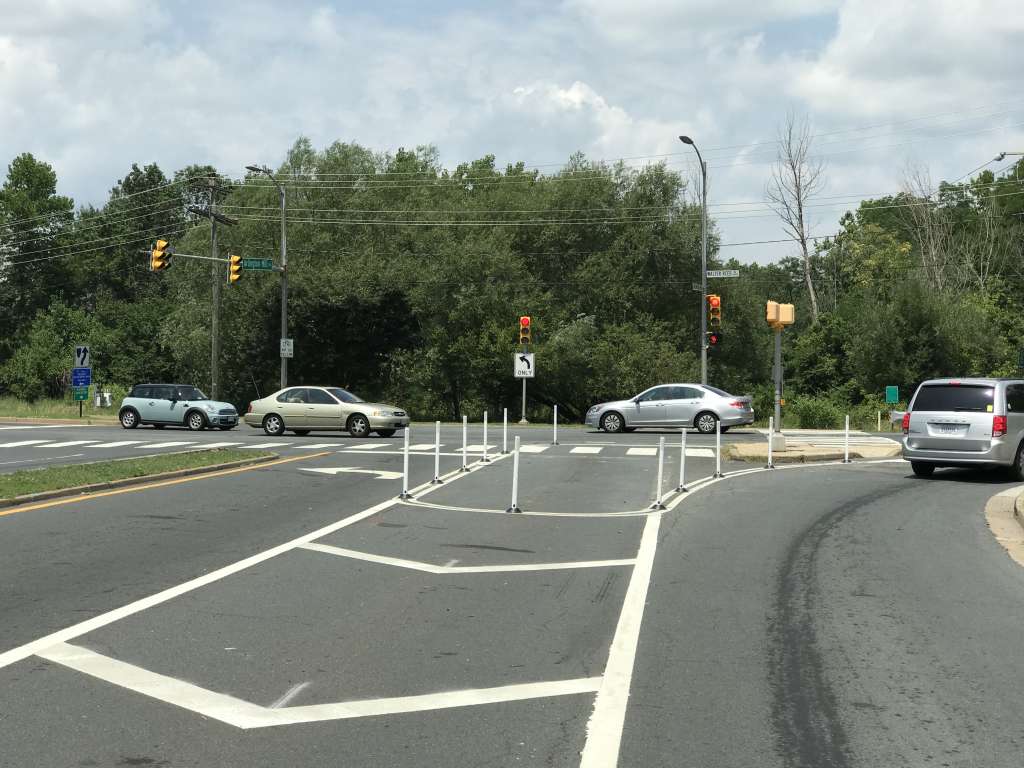

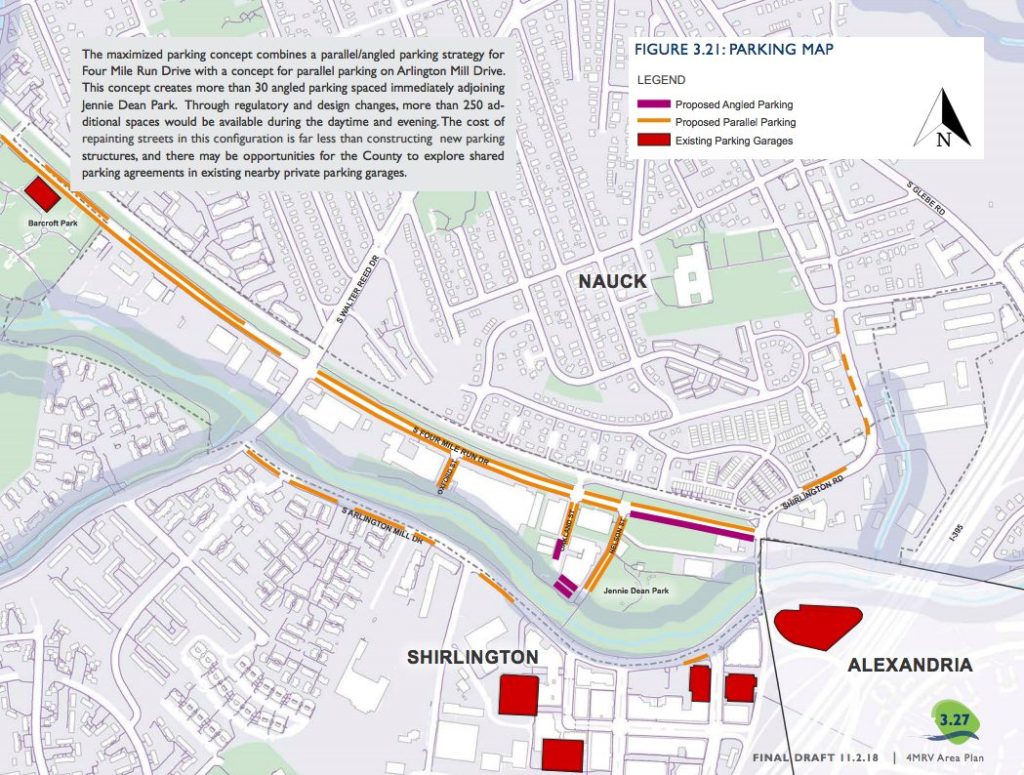
Though the biggest changes to the Four Mile Run Valley and its parks are still a few years out, Arlington officials are gearing up to make a few road changes in the area before major construction starts.

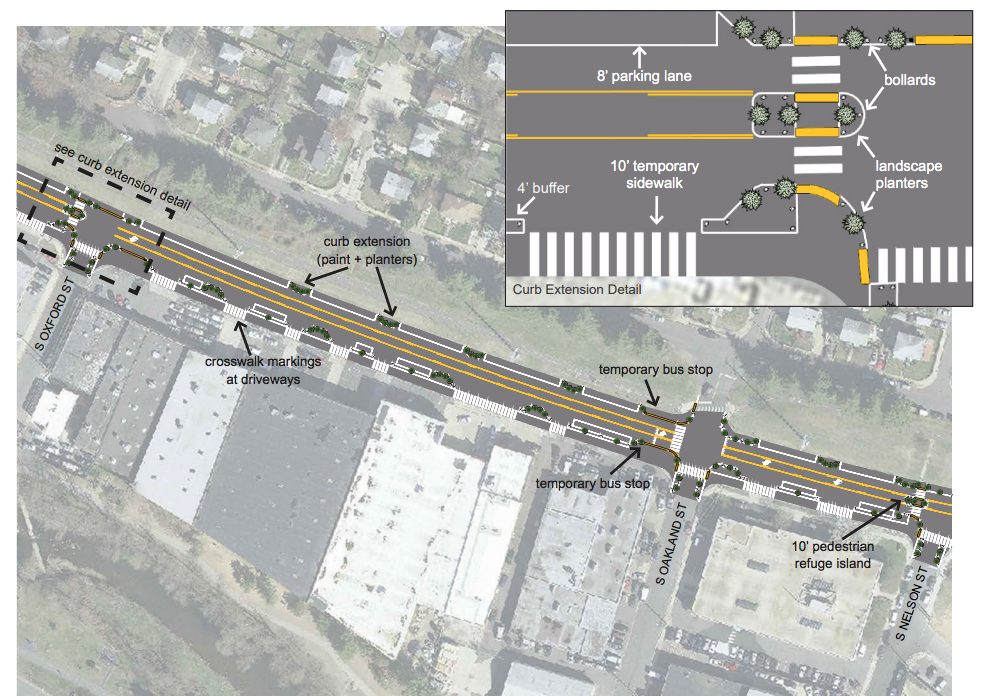
The county is planning some interim parking tweaks to free up space primarily along S. Four Mile Run Drive as it approaches Jennie Dean Park, in a bid to prepare for more substantial pedestrian and parking changes as the area evolves in the future. Officials are convening a community meeting to discuss the temporary changes tonight (Monday) at the Charles Drew Community Center (3500 23rd Street S.), starting at 7:30 p.m.

The affected roads up for discussion include:

  • S. Four Mile Run Drive major between Walter Reed Drive and Shirlington Road
  • S. Four Mile Run Drive minor west of Shirlington Road
  • S. Oxford Street south of S. Four Mile Run Drive
  • S. Oakland Street south of S. Four Mile Run Drive
  • S. Nelson Street south of S. Four Mile Run Drive
  • 27th Street S. between Shirlington Road to S. Nelson Street

According to the county’s website, “the changes are designed to provide better access for residents, park users and businesses in the area,” and are included as part of the long-range planning documents the County Board is currently finalizing for the Four Mile Run Valley.

The 4MRV Area Plan, set to be considered by the Planning Commission on Wednesday (Nov. 7), calls for a full “reconfiguration” of S. Four Mile Run Drive, in order for the county to test out some changes to make the area a bit more pedestrian-friendly and free up parking around Jennie Dean Park. Additions will primarily include “paint, bollards and landscaped planters,” according to the draft document.

“This would create a temporary 10-foot sidewalk on the south side of the street, a pedestrian crossing island at the intersections of Nelson and Oxford streets, and curb extensions (with planters) along the corridor,” the plan says. “Parking lanes would still be provided on both sides of the street. This interim solution would allow the county to pilot the new street design and collect input/data on vehicle speeds and delay, pedestrian comfort, safety and access to businesses.”

As an example, the planning document points to the intersection of S. Arlington Mill Drive and S. Walter Reed Drive, where the county is currently working on curb extensions and crosswalks to make the area more hospitable to cyclists and walkers alike.

The county anticipates that the interim changes will get set up this winter. County planner Richard Tucker even told the Transportation Commission last Thursday (Nov. 1) that some could be in place, “in the next several weeks,” so long as Monday’s meeting goes smoothly.

In the longer term, the area plan calls for “a parallel/angled parking strategy for Four Mile Run Drive with a concept for parallel parking on Arlington Mill Drive,” freeing up a bit more parking in an area that’s frequently in high demand.

“This concept creates more than 30 angled parking spaced immediately adjoining Jennie Dean Park,” the plan says. “Through regulatory and design changes, more than 250 additional spaces would be available during the daytime and evening. The cost of repainting streets in this configuration is far less than constructing new parking structures, and there may be opportunities for the county to explore shared parking agreements in existing nearby private parking garages.”


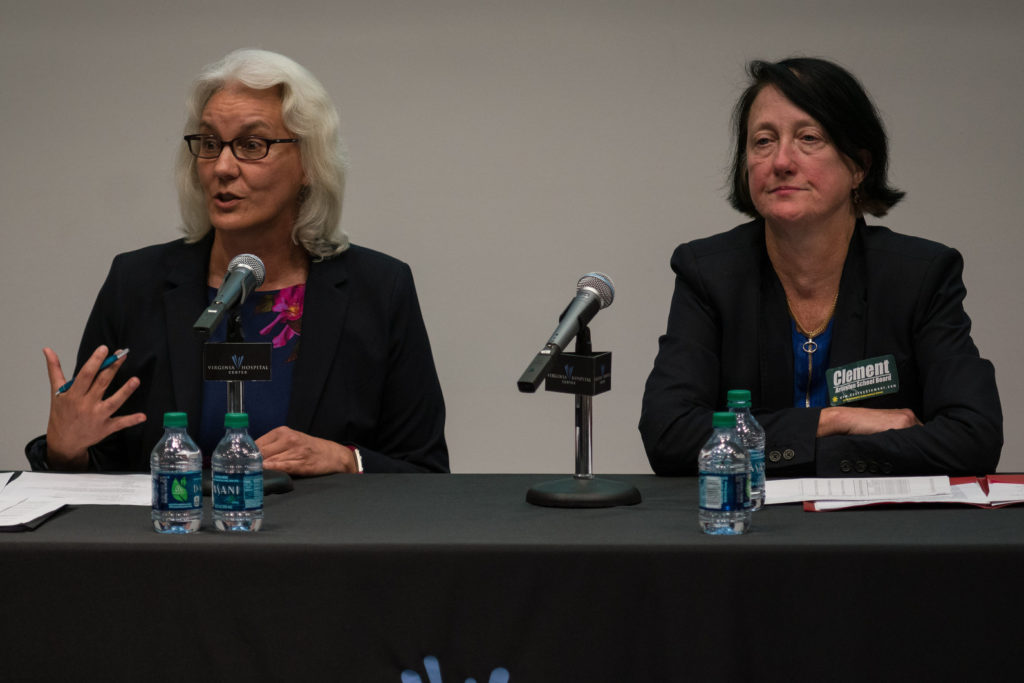
Opponents of the Arlington School Board’s decision to change the name of Washington-Lee High School have now poured thousands of dollars into Audrey Clement’s independent bid to unseat incumbent Board member Barbara Kanninen, providing the perennial candidate with her largest fundraising haul across any of her eight bids for local office.

Clement managed to raise just over $13,300 over the month of October alone, according to campaign finance documents, far outpacing Kanninen’s $4,200 raised over the same time period. Of that amount, nearly $10,200 came from two outspoken opponents of the Board’s vote in June to strip Confederate general Robert E. Lee’s name from the school.

Most of the rest of her fundraising haul for the month — just over $1,700 — came courtesy of Clement herself. She’s provided the bulk of the cash to support her second bid for the School Board, chipping in about $11,300 of the $28,200 she’s raised since January.

But the late monetary support has provided Clement, a member of the county’s Transportation Commission and a programmer for a Reston-based software company, with the most cash to power any of her long-shot campaigns since she first started running for various county offices in 2011. She’s never garnered more than 33 percent of the vote in any of her various races, often losing to county Democrats — Kanninen has the local party’s backing in the nominally nonpartisan School Board race, just as she did when first won office in 2014.

The contributions appear to be headed Clement’s way because she’s made preserving W-L’s name a prime focus of her campaign. She’s accused the Board of pushing through the name change while ignoring more substantive issues within the school system, targeting Kanninen for criticism specifically. Kanninen served as chair of the Board last year, a post that rotates among the five members, when the Board ultimately voted to change the school system’s policies for school names, then kicked off a renaming process for W-L, specifically.

While the Board has consistently acted unanimously when it comes to the renaming decisions, opponents of the change have zeroed in on Kanninen in recent weeks, calling her the prime architect of the initiative. Ed and John Hummer, a pair of W-L basketball stars in the mid-1960s, even purchased a full-page ad in the Sun-Gazette this week to promote Clement’s candidacy and blast Kanninen as “the person responsible for the whole ill-conceived name change project.”

John Hummer, who attended Princeton and became a first-round draft pick in the National Basketball Association after graduating W-L, provided Clement with nearly $5,200 in cash over the course of the last month. Donald Morey, another name-change opponent and frequent author of critical letters to the editor on the subject, added another $5,000.

Clement seems to have spent that cash just as quickly as she pulled it in — finance reports show that she spent nearly $13,000 last month, with the bulk of that paying for ads in the Washington Post and the Sun-Gazette.

She only reported having about $1,600 in the bank for the campaign’s closing days, compared to Kanninen’s war chest of nearly $19,200.

Flickr pool photo via wolfkann


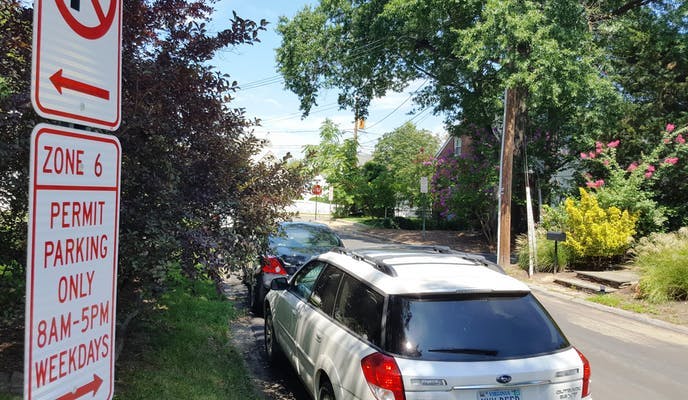
(Updated at 12:50 p.m.) As the county hurdles past the halfway mark of a two-year review of its residential parking practices, Arlington planners want to hear from you about the issue.

County officials are convening a pair of public forums on its residential parking permit program review in November. One is set for Nov. 14 at Key Elementary School (2300 Key Blvd) from 7-8:30 p.m., the other for Nov. 29 at (735 18th Street S.) from 6-7:30 p.m. Another is scheduled for Dec. 8 at the Drew Community Center (3500 23rd Street S.) from 10:30 a.m.-12 p.m.

The goal of the events is for the county to collect feedback on “what works and does not work” with Arlington’s current methods for setting up residential parking zones and handing out the necessary permits, according to the county’s website.

The county created the program back in 1973 in a bid to keep commuters out of residential areas, particularly in neighborhoods business districts, employment centers and Metro stations. Residents were once able to petition the county to have their street zoned off, pending an analysis by county staff.

But the County Board voted last summer to put a moratorium on any changes to the county’s 24 parking zones, in order to commission this study of the program’s effectiveness. The review has been greeted with apprehension from some civic leaders, however, who worry the county is itching to cut back on residential parking restrictions.

So far, county planners say they’ve collected more than 1,600 online survey responses to take the community’s temperature on the program, and they envision the forums this month as a chance to gather feedback in person.

The county is hoping to wrap up the program review by sometime in “mid-2019.”

Photo via Arlington County


After a few days of summer-like conditions, it seems a weekend that feels much more like fall is on tap for the D.C. area.

Outside some showers tonight, the forecast is calling for a pair of crisp, windy fall days on Saturday and Sunday. That means weekend events like the Samuel Beckett’s Celtic Festival and the shrimp boil at the Rhodeside Grill should go off without a hitch.

Check out our event calendar for a full look at the goings on this weekend, and catch up on our most popular stories of the past week while you’re at it:

  1. Maryland Man Wanted for Assaulting Woman on Orange Line Train in Arlington
  2. Parent Takes APS to Court Over Handling of Special Education Classes at Carlin Springs Elementary
  3. Nazi Propaganda Mailed to ARLnow.com
  4. Pizza Autentica in Ballston Shuts Down
  5. Letter to the Editor: Sending South Fairlington Students to Drew Would be a Mistake for APS

Head down to the comments to discuss these stories, your weekend plans or anything else local. Have a great one!

Flickr pool photo via Michael Coffman


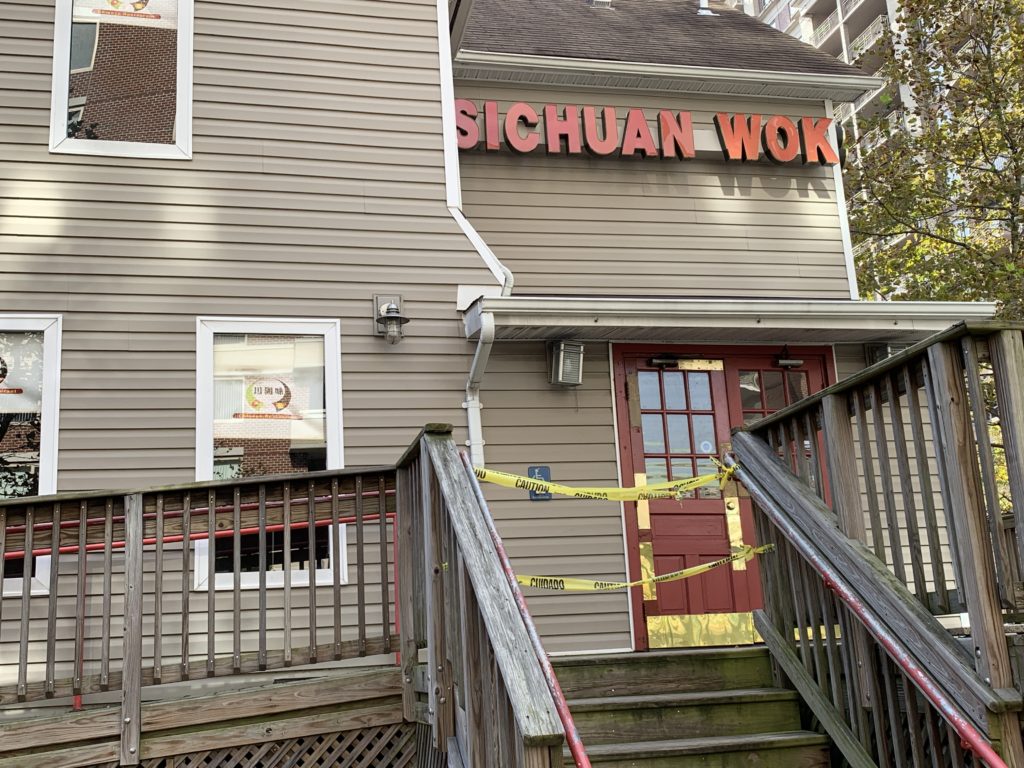
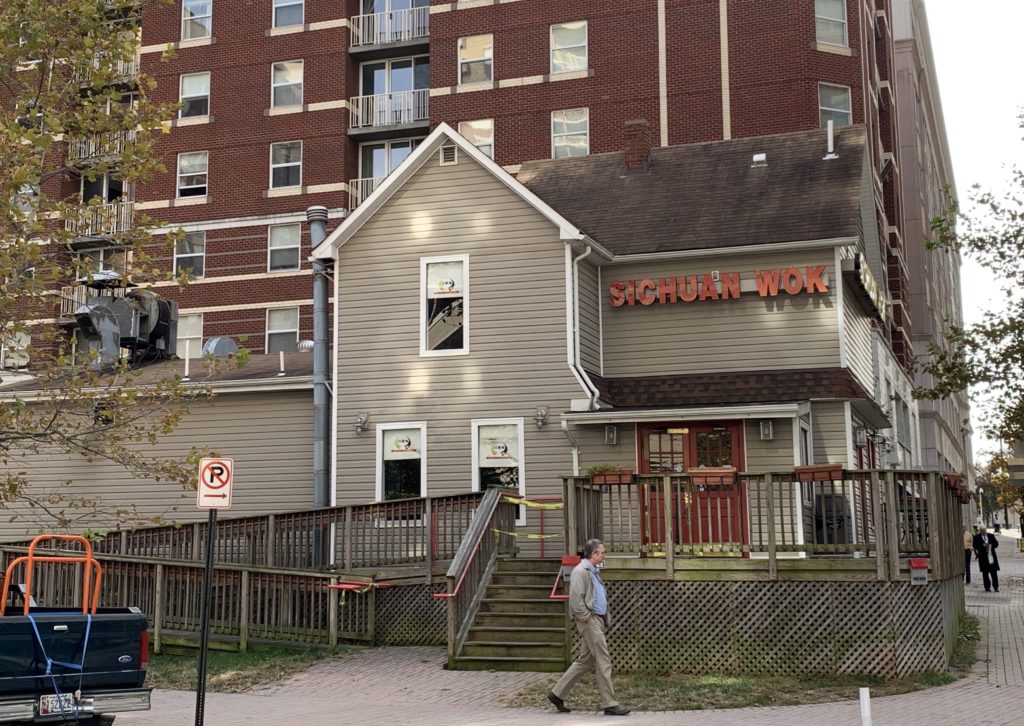
The Sichuan Wok Chinese restaurant in Ballston seems to have closed.

The restaurant, located at 901 N. Quincy Street, has been closed during normal business hours for the last two days and caution tape now blocks off its entrance. No one answered the phone at Sichuan Wok this morning (Friday).

Readers first alerted ARLnow to the closure yesterday (Thursday), and one tipster said movers were busy clearing out the restaurant.

The property has long been home to the restaurant, with county records suggesting it’s had the same owners since at least 1987.

County permit records don’t offer any indication of what might take its place.


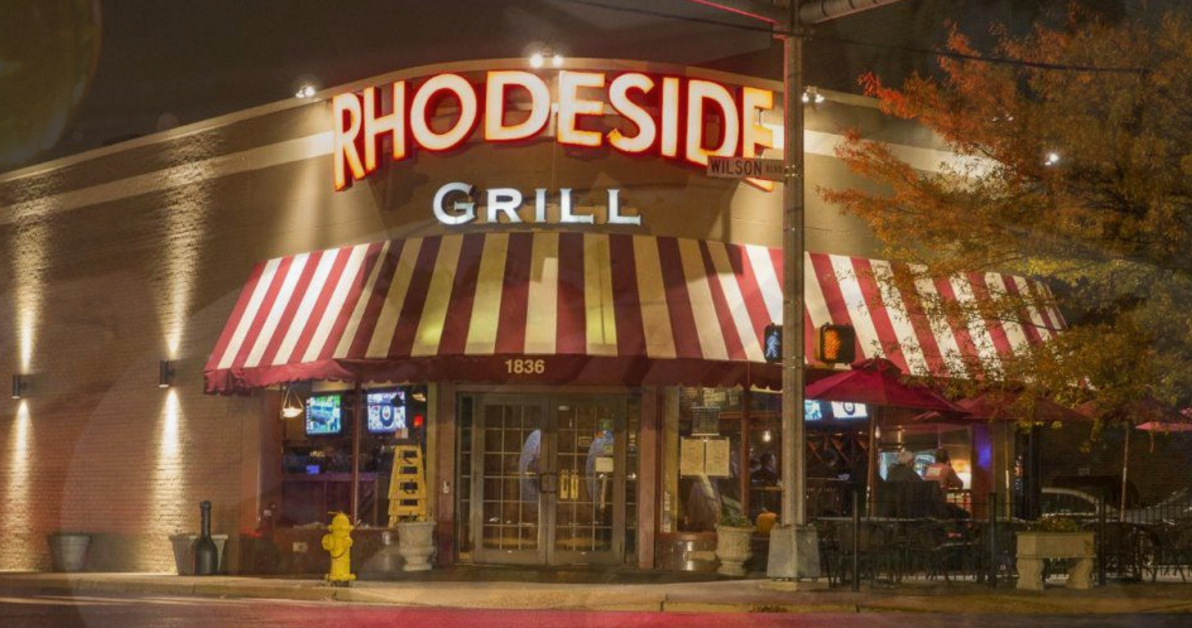
The Rhodeside Grill near Courthouse is gearing up to celebrate the biggest college football game of the year, so far, with a watch party and shrimp boil.

The restaurant, located at 1836 Wilson Blvd, is planning to celebrate LSU’s clash with Alabama Saturday night (Nov. 3) in traditional southern fashion, according to a news release.

The spread will include plenty of shrimp, corn on the cob, Andouille sausage and red potatoes. The grill plans to prepare the boil outdoors and spread it “across a large, newspaper-covered community table before being served,” according to the release.

The bar will also offer up specialty cocktails to commemorate each team with “Tiger Claws” and “Alabama Slammers” up for grabs, in addition to beer specials.

The party will start around 6 p.m. ahead of the game’s 8 p.m. kickoff, which the bar will show with sound on both floors.

Guests can pay $14 for a small portion or $20 for a large. Anyone looking to reserve a table can do so by calling the Rhodeside Grill at 703-243-015.

Courtesy photo


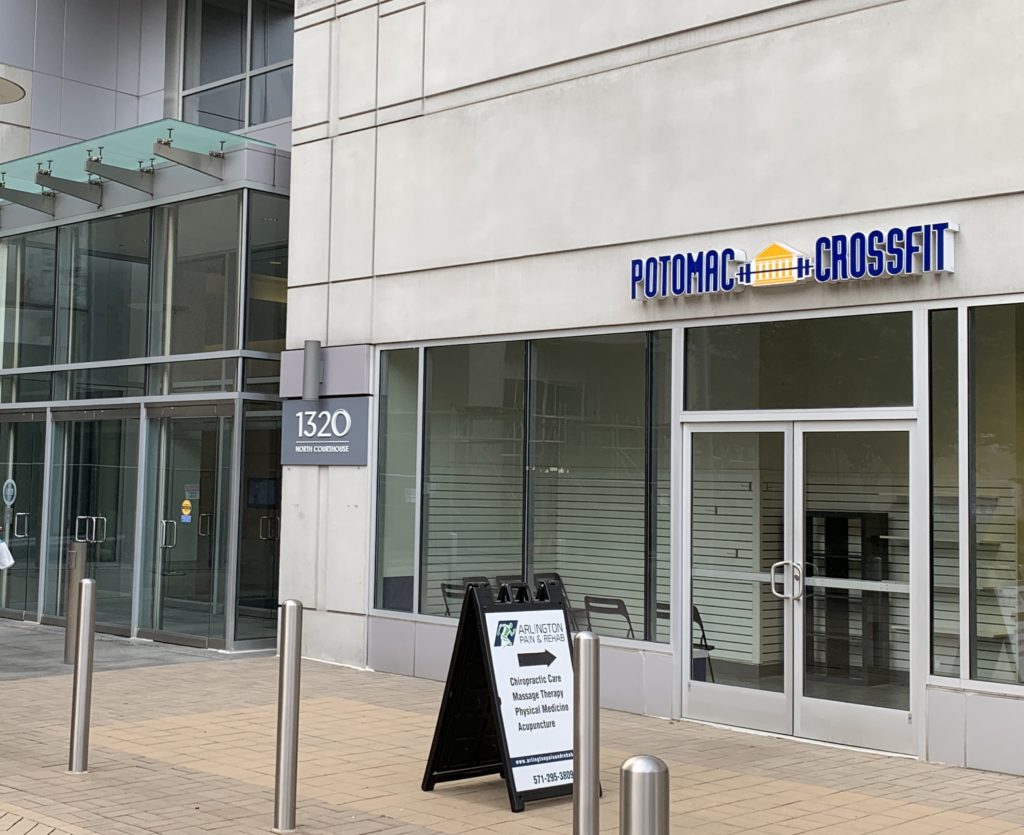
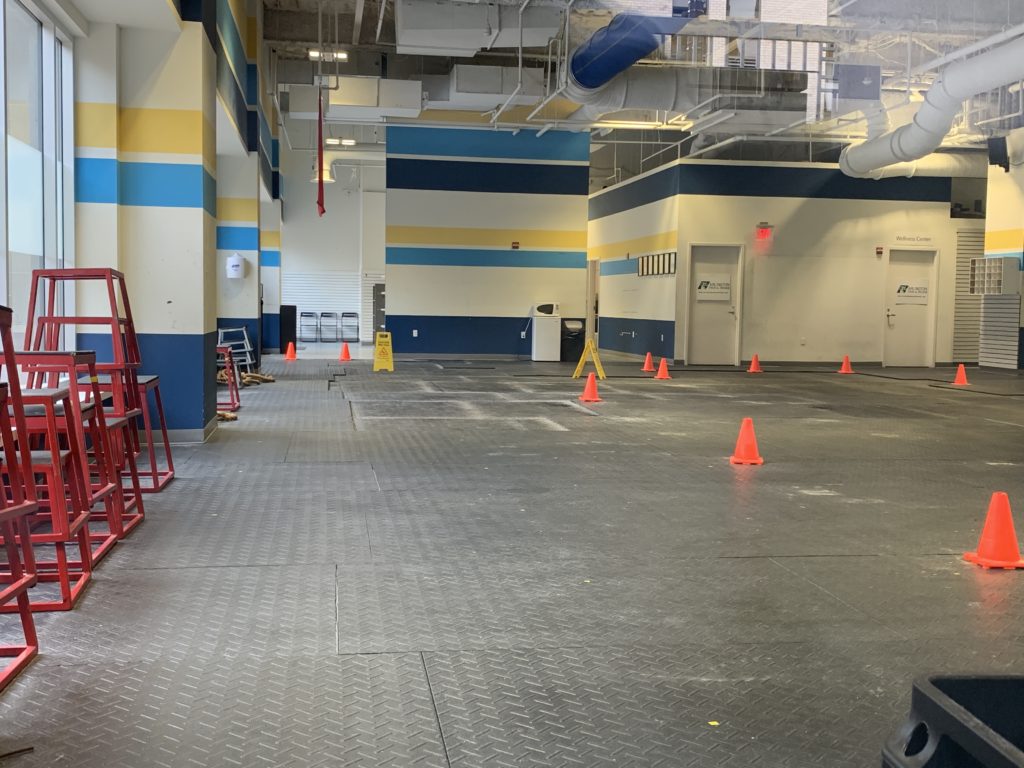
Potomac CrossFit in Courthouse has shut down, just a few weeks after celebrating its 10th anniversary in Arlington.

The gym’s last day offering classes was last Friday (Oct. 26), according to employees at a chiropractor operating adjacent to the gym. Potomac was located in the base of an office building at 1320 N. Courthouse Road.

Two of Potomac CrossFit’s co-owners and coaches did not immediately respond to a request for comment on what prompted the closure. The space, along with several other suites in the office building, is currently listed for lease.

The gym moved into the Courthouse space in 2013, relocating from Clarendon after its old home was redeveloped. Potomac then merged with Patriot CrossFit, located just near the intersection of N. Glebe Road and Lee Highway, and that gym appears to still be operating.

Potomac celebrated its 10th year in business on Sept. 22, according to its social media posts.

Colin Farrell, the gym’s director of operations and training, penned a farewell to Potomac on the gym’s blog, describing its closure as “one of the harder things I’ve had to grapple with in my adult life.”

“There is nothing I could ever do to thank and repay you all for letting me be a part of your life over these past few years,” Farrell wrote to the gym’s members. “I cannot express how much I have enjoyed the process and how much I will miss each of you… This not just a gym closing, we all know that.”


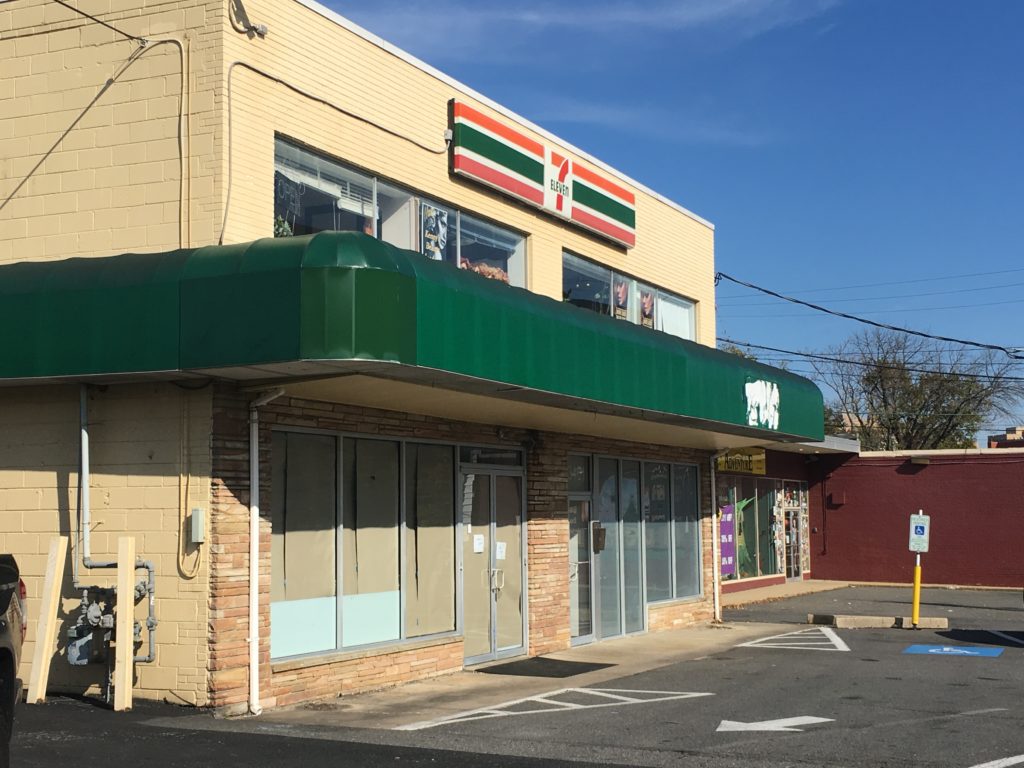
The 7-Eleven convenience store along Washington Blvd in Virginia Square has closed.

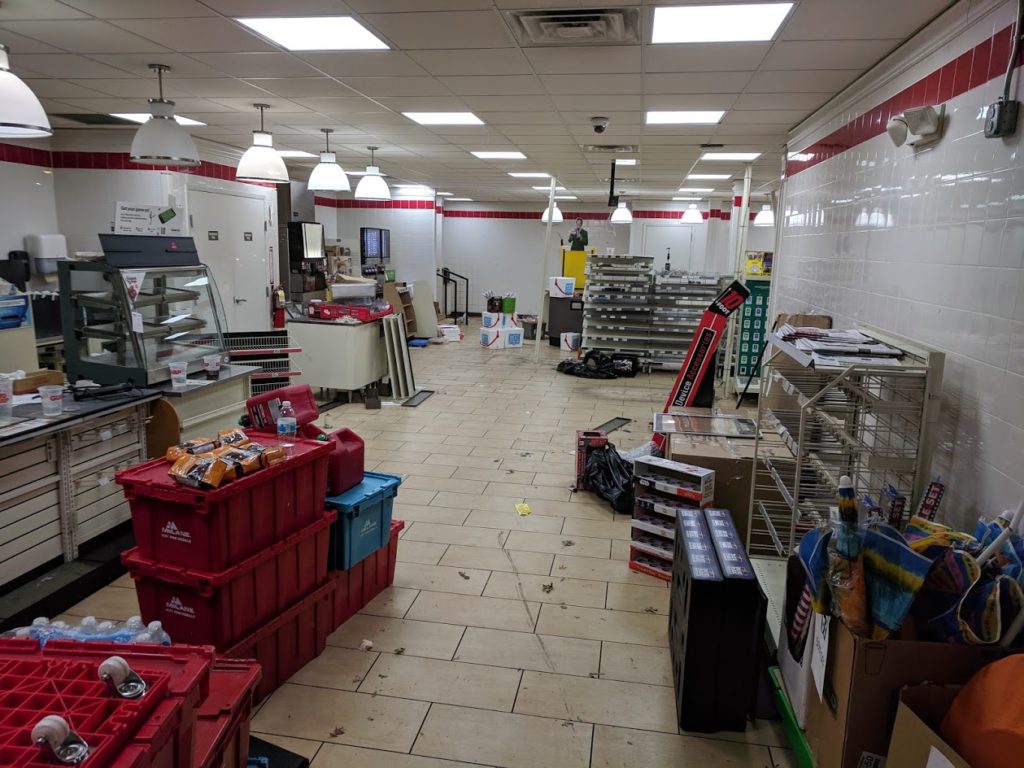
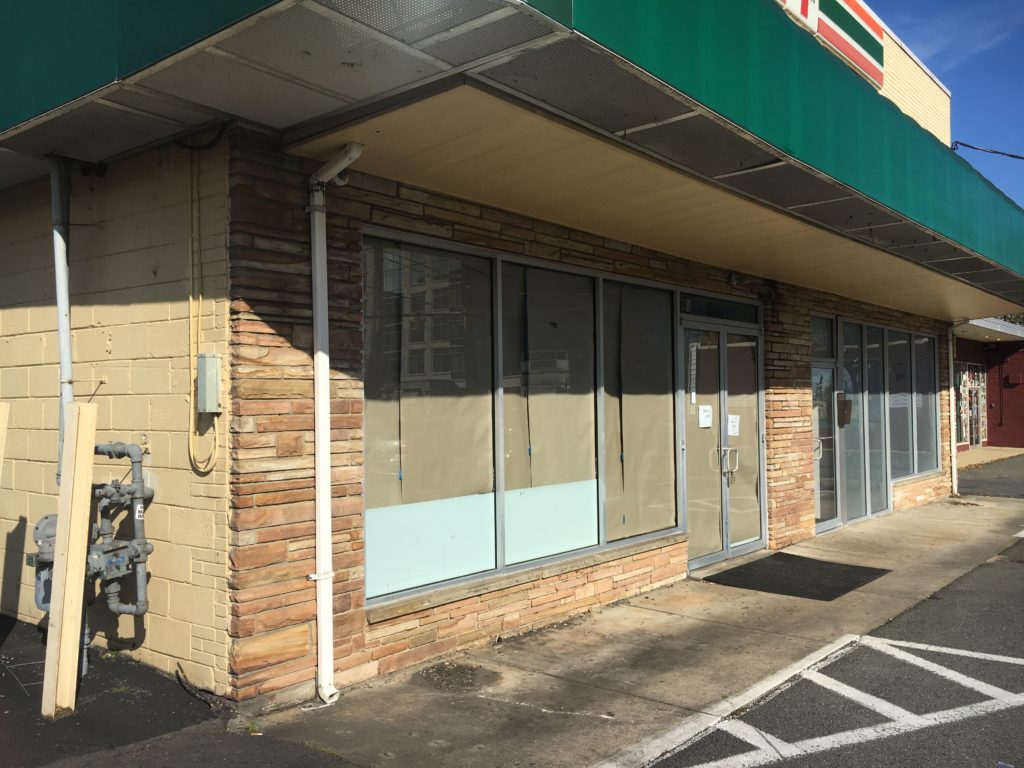
Signs informing would be patrons of the closure now adorn the storefront at 3461 Washington Blvd, next to Rocklands Barbeque and across the street from a Giant grocery store. Its windows are now covered up, and workers appear to be in the process of emptying out the shop’s contents.

Readers first alerted ARLnow to the closure on Tuesday (Oct. 30).

Luckily, anyone looking to grab a taquito or a slurpee has plenty of other options in the area — 7-Eleven’s website shows nine other stores along the Rosslyn-Ballston corridor alone.

It’s not immediately clear what might take the store’s place. County permit records don’t show that any other business has applied to take over the space, as of yet.

H/t Peter Golkin


A parent of an autistic student at Carlin Springs Elementary worries that school officials are pushing her son into general education classes too quickly, and she’s taking the school system to court in response.

Jemie Sanchez says that school officials assured her last year that her son, Christopher, would continue to primarily learn in small classes when he moved up to kindergarten this fall, with attention from a special education teacher. But she says she subsequently discovered her son has been spending his time in larger, general education classrooms instead, and can’t understand why educators would make such a change.

Sanchez is pursuing legal action against Arlington Public Schools to try and force Carlin Springs leaders to adhere to what she felt they’d originally promised for her son, particularly because she’s concerned that the school has repeated this pattern with other students in special education classes.

“When I used to send him to pre-school, I felt comfortable, and now I don’t,” Sanchez told ARLnow. “The worst part is he cant tell me either, because he’s largely nonverbal. He used to be happy to go to school. He’d wake up early on weekends and say he wants to go to school, and he’s not doing that anymore.”

APS spokesman Frank Bellavia says the school system can’t comment “on an individual student’s record,” so it’s impossible for the school system to respond directly to Sanchez’s claims. But he did seek to stress that APS staffers work diligently to develop Individualized Education Programs (commonly known as IEPs) for special needs students in conjunction with parents, in order to allay any potential concerns.

“In general, school staff and families are able to have informal discussions and/or formal IEP meetings to consider a child’s strengths and weaknesses, services, accommodations and placement,” Bellavia said. “Additional specialists from the Central Office are available for consultation and participation. Families and school staff may also access support from our Parent Resource Center.”

Sanchez felt she had worked out an acceptable IEP with the Carlin Springs administration and special education teachers back in March.

She stressed to educators that she felt her son would be best suited for a small classroom with only seven to eight students in total, and two teachers working with them. And she says Carlin Springs staff agreed with her on that point.

Yet when Sanchez arrived for a back-to-school event earlier this fall, she learned that Christopher was spending time in a larger, general education class, working with a special education assistant at the time.

“He has troubles with transitions already, so I just couldn’t imagine him being in a bigger classroom with different teachers,” Sanchez said.

She quickly raised the issue with educators, who then offered to arrange another meeting with her to revise Christopher’s IEP. But she can’t understand why they changed the arrangement they struck back in March without consulting her first.

“They’re not implementing the first one, so how can we decide on something else after such a short period of time?” Sanchez said.

Sanchez decided to hire a lawyer instead, and challenge the school’s actions in court. Nicholas Ostrem signed on as her attorney, and he says he helped her file an administrative complaint, in order to force the school to comply with the original IEP educators sketched out for Christopher.

He says the school system has so far insisted that it is indeed complying with that document, but he worries that Sanchez’s son shouldn’t be working solely with an assistant teacher when he’s in the larger group setting.

“Many [assistants] don’t have specific special education training, and we don’t think that complies with the IEP,” said Ostrem, whose firm focuses on special education cases. “Even giving them the benefit of the doubt, we don’t think they’re doing this in good faith. It can’t just be a warm body, you have to try to educate these kids.”

Ostrem said the case was set to go before a hearing officer today (Thursday), though it could take a while yet before everything the courts can sort all this out. He even wonders why APS has fought back on this in the first place, arguing that it will “cost taxpayers a ton of money” to litigate the case.

For her part, Sanchez says the whole ordeal has been “very emotional,” particularly after she just had another child a few weeks ago. Now, she wonders what the future might hold for her family.

“I’ve lived in Arlington my whole life, I grew up going to APS,” Sanchez said. “I wanted that for him too, but then it’s coming to this. It’s made me think maybe I made a mistake in wanting to keep him in Arlington.”

Photo via Google Maps


Arlington’s top prosecutor now says she’ll no longer seek cash bail for people accused of most low-level misdemeanors, in a bid to avoid jailing people simply because they can’t afford to pay their bond after they’re charged with a crime.

Commonwealth’s Attorney Theo Stamos, a Democrat, announced Thursday (Nov. 1) that her prosecutors will now only seek cash bonds in cases involving drug dealing or drunk driving. She added that her office will simply describe the facts of a defendant’s case and any prior criminal history, and leave it up to a judge to decide the circumstances of any pretrial release.

Stamos previously attracted some criticism on the issue of bail reform, after nine state lawmakers from around the area wrote to her in June to urge a wholesale overhaul of the county’s system. She dismissed that letter at the time as “misguided” and “silly,” arguing that the General Assembly needed to act to change state law before she could make substantial changes.

Stamos told ARLnow that she remains convinced that she “can’t reform bail statutes on my own,” and said this latest change was the result of her own research over the last two years or so, not any outside pressure.

“This is a much more complicated issue than simply saying, ‘Let’s do away with cash bail,'” Stamos said. “This has been a deliberative process, and I wanted to have a lot plans in place before doing anything.”

Stamos expects that the change will mainly apply to people accused of misdemeanors like disorderly conduct, trespassing or obstruction of justice. She says those charges often land on the county’s poorer residents, and that “results in people sitting in jail because they can’t afford $150 for a bond payment.” Instead, Stamos says it will now be solely up to judges to evaluate whether people charged with those sorts of offenses represent a flight risk or a danger to the community before setting a cash bond.

“The court has to make the decision anyway, and we’ll give the court the opportunity to understand what the facts are,” she said.

But the change still doesn’t sit well with Del. Jennifer Carroll Foy (D-2nd District). Though she represents Prince William County in the legislature, she’s spent years as a public defender in Arlington, and has introduced a host of legislation to reform the state’s criminal justice system during her brief time in Richmond.

Foy notes that leaving bond decisions up to judges can leave the question of pretrial release subject to the same “implicit bias” that often lands low-income defendants of color in jail under the status quo. She’d much rather see Stamos move to the same system adopted by other states, which relies entirely on pretrial risk assessments to determine the conditions of a person’s release.

“For most misdemeanors, absent a glaring issue, those reports recommend releasing them,” Foy said. “I appreciate that she’s willing to have the conversation, and it’s a good start in the right direction. But I don’t see a hard and fast commitment being made here.”

Stamos says she’s reluctant to embrace more wholesale cash bail reforms, as she fears doing so would cripple a key funding source for the very staffers who monitor people once they’ve been released from jail. She points to New Jersey, in particular, as a state that’s made major cash bail reforms and run into such problems.

“If you don’t properly fund a robust pretrial service, you’ll have more people held without bond and who won’t get out at all,” Stamos said. “I can’t do away with cash bail by myself, because I can’t fund pretrial services. I have no ability to direct funds, and neither does the sheriff [who manages the county jail].”

Yet Foy believes Stamos is “conflating” the issues of pretrial services and cash bail reform. She argues that communities should indeed invest more money into such services, but she hasn’t seen nearly the same one-to-one relationship between ending cash bail and localities suddenly needing to hold people in jail without bond — after all, incarcerating people requires money as well.

Overall, however, Stamos is urging lawmakers like Foy to find a legislative fix and pass some sort of cash bail reform when the General Assembly reconvenes in a few months. Local Del. Patrick Hope (D-47th District) said he’d certainly be willing to do so, in a statement released alongside Stamos’ announcement.

“Theo continues to be a leader in the criminal justice reform movement,” Hope wrote. “I fully support her efforts today and look forward to working with her and others on the issue of bail reform when we convene in Richmond.”

Foy says she fully plans to introduce more legislation on the topic this year, and hopes to work with people across the criminal justice system to build a bit more support than it garnered in her first session in Richmond this year. But she also urged prosecutors like Stamos not to be content with waiting on the slow advance of legislative progress when they can act now.

“Virginia is in a position to lead change on this,” Foy said. “But they don’t have to wait for us to change things legislatively. Commonwealth’s attorneys have best practices they can implement in their own offices, and they can reduce the impact on minorities and the indigent right now.”

Photo via Facebook


View More Stories