(Updated 03/11/22) Rep. Don Beyer announced yesterday that he has requested federal funds to go toward a health initiative and two parks projects in Arlington County.

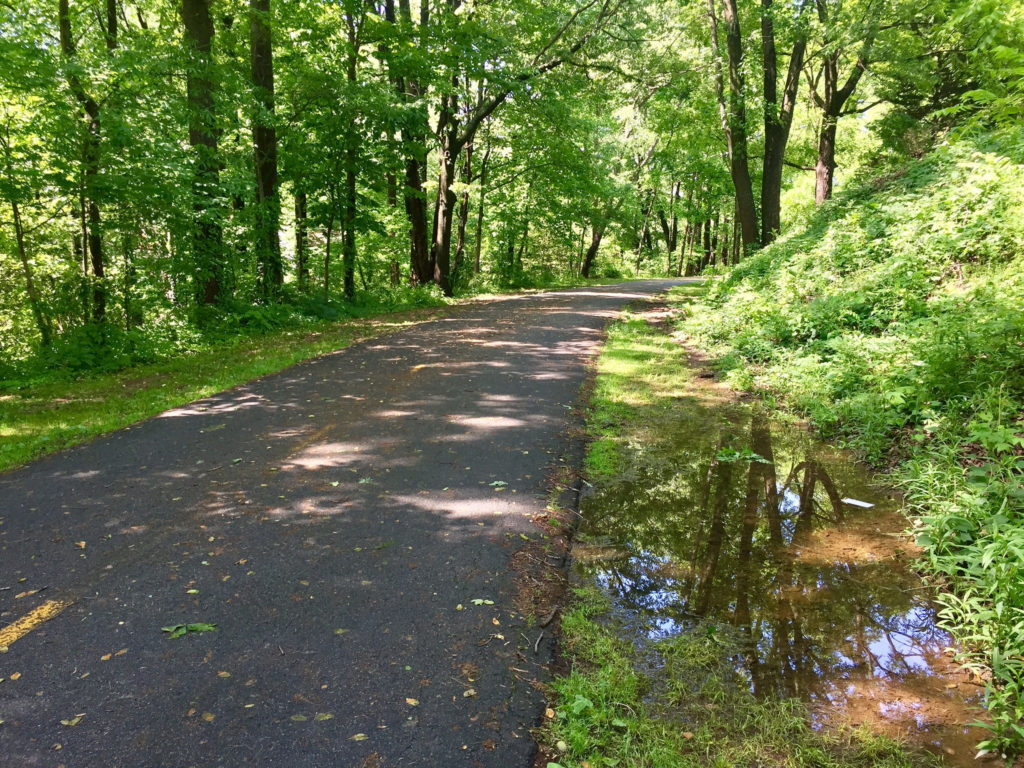
If approved, the funding would fund repaving a section of the Bluemont Junction Trail and repairing replacing a key pedestrian bridge in Glencarlyn Park. It would also purchase vehicles needed by a mobile response team that would respond to behavioral health crises rather than police.

The money would come from the Fiscal Year 2022 Community Project Funding Program, which provides targeted funding for local projects nationwide. Representatives were able to submit requests for up to 10 projects but there is no guarantee of approval. Beyer also requested money for projects benefiting the cities of Alexandria and Falls Church as well as Fairfax County.

“The infrastructure requests would enhance pedestrian routes in the region, support [electric vehicles] and other environmentally friendly initiatives, fund mental health resources, and support a pilot program for the deployment of body-worn cameras for the Alexandria Police Department,” Beyer said. “These are worthy projects deserving of federal funding.”

For the Bluemont Junction Trail, Beyer requested $325,000 to repave a segment of the trail and adjacent connector paths, improvements that the county identified during a 2018 trails assessment.

“The current trail pavement and connectors are in deteriorating condition with limited or poor access from adjacent and intersecting streets,” the announcement said.

Separately, the county is using capital funding to improve where the trail intersects with N. Kensington Street, N. Emerson Street and N. Buchanan Street.

Beyer requested $800,000 to replace the Glencarlyn Park pedestrian bridge lost during the July 2019 flash flooding. The Glencarlyn bridge was also included in Arlington’s adopted 2021 Capital Improvements Plan(This article incorrectly said the Lubber Run bridge had been replaced. At the time, funding had been secured for its replacement. The project to replace one of the park’s two destroyed bridges is now in its design phase.) 

“Of the six pedestrian bridges lost in the flooding event, the most important one for connectivity is the bridge in Glencarlyn Park,” Beyer’s announcement said. “This bridge connects the main park area, dog exercise area and neighboring communities to the west of Four Mile Run to the Washington & Old Dominion Trail. The bridge connection is important as both a commuter connection and for recreation and leisure walks on the W&OD Trail.”

On behalf of Arlington County, Beyer requested $390,000 to purchase two medically-equipped vehicles to be used by a team tasked with responding to mental health crises. Arlington’s Police Practices Group recently recommended that the county transition from dispatching police to such incidents to sending out a specialized mobile crisis response unit.

“The requested funds will support a ‘Help not Handcuffs’ approach to ensure that persons in behavioral health crises receive the most appropriate assistance needed when and where they need it,” Beyer’s announcement said. “A behavioral health response vs. a law enforcement response will increase community-based mental health care, decrease emergency department use, reduce inpatient admissions, divert from the criminal justice system and supports racial justice.”

In its lengthy report, the Police Practices Group also recommended procuring specialized vehicles or retrofitting existing ones for the mobile crisis unit.

The vehicles would supplement $574,000 in the county’s Fiscal Year 2022 budget to support an enhanced mental health crisis response program in the Department of Human Services. That allocation would fund a physician’s assistant, nurse, clinician, transport van and operating supplies.

Photo via Flickr pool user Tom Mockler


Sponsored by Monday Properties and written by ARLnow, Startup Monday is a weekly column that profiles Arlington-based startups, founders, and other local technology news. Monday Properties is proudly featuring 1812 N. Moore Street in Rosslyn.

All eyes — and phones — are trained on the rollout of 5G.

The next generation of mobile internet service promises higher data rates, meaning more people will be able to access the internet simultaneously and enjoy, among other things, higher quality videos and faster download speeds.

Telecommunications companies can either buy new, custom 5G hardware or install 5G servers on existing cell phone infrastructure. Many companies are opting to use servers because they are cheaper and more flexible than buying hardware, according to Jim Shea, the co-founder and CEO of the Rosslyn-based startup DeepSig (1201 Wilson Blvd).

How these servers run, however, could be improved, Shea said.

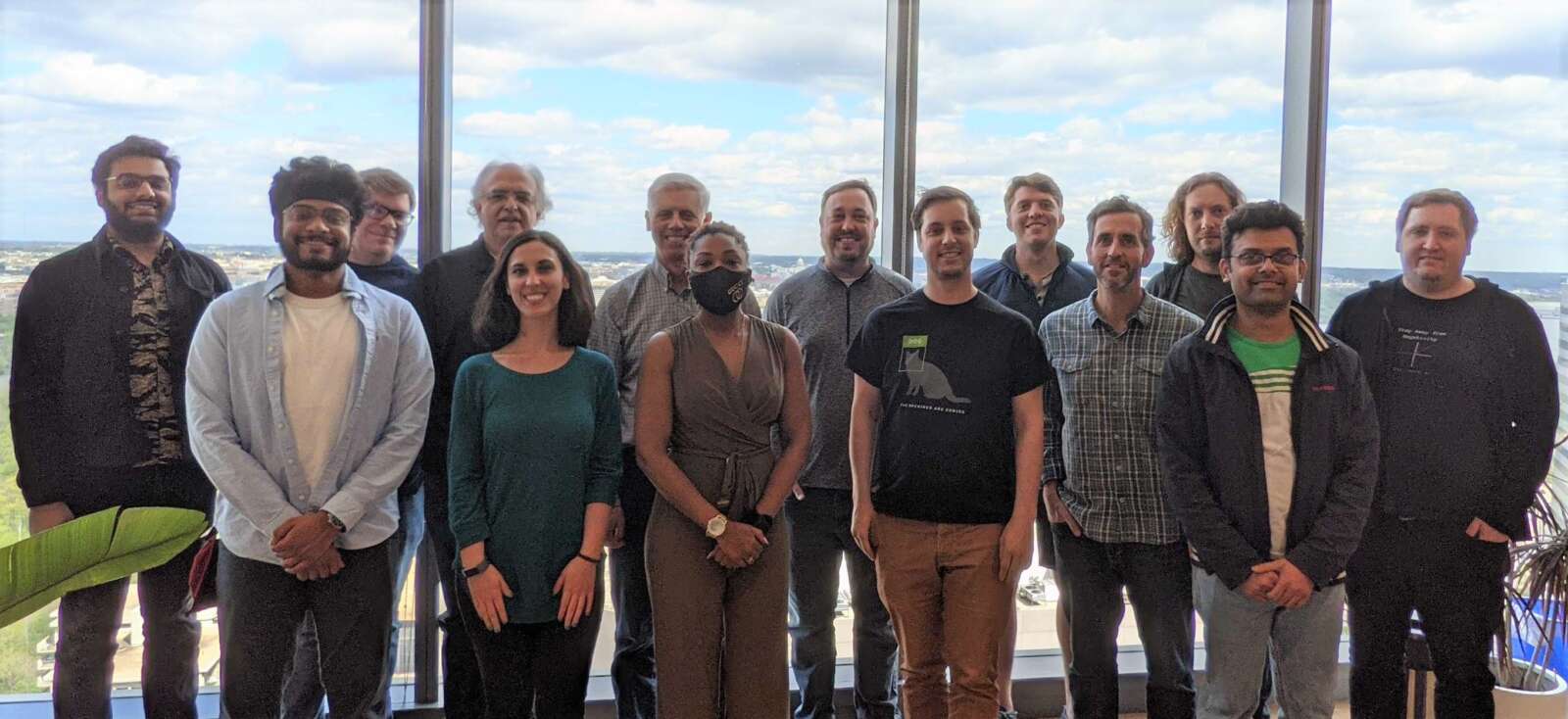
His startup is looking to make these servers run smarter, not harder, using machine learning, or artificial intelligence (AI). DeepSig is currently testing a solution, which would be a simple software upgrade for these servers, in its Rosslyn lab.

The software could have political and environmental consequences for the rollout of 5G, Shea said. It is a goal DeepSig has been working toward since it was founded four years ago.

“I call this the inflection point,” he said.

DeepSig has been working with a number of government organizations and private companies, trying to raise enough money to launch the lab and hire the staff needed to develop this smart software. It finally launched the lab in March.

“We’ve been building toward this,” Shea said. “It takes a long time, but once you can prove your product is valuable, you can scale rapidly. This lab is key to us getting our tech out there.”

Currently, phones are constantly seeking a good cell connection and telling local wireless network hubs, called “base stations,” when the connection is bad. In that case, the base stations may increase power to improve the signal quality.

Using DeepSig’s software, the 5G servers will repurpose the information coming from cell phones to understand the station’s surroundings and what may impact signal quality.

For example, Shea said near his WeWork office, the cell signal bounces off Rosslyn’s tall buildings. Using AI, the 5G server could learn how the signal interacts with buildings and harness these patterns to improve signal quality without having to resort to ramping up the power.

“That’s what we’re proving out with the AI lab,” Shea said. “We know of large industrial partners who are excited about our tech. By June or July, we’ll be making calls through our labs and inviting people to come and see the tech at work.”

The software improves the 5G server’s performance without ramping up the power, which Shea said is better for the environment.

“Everyone’s worried about global warming,” he said. “Our software reduces energy consumption.”

Ultimately, Shea said the goal is to also get DeepSig’s technology embedded into American-made 5G hardware.

Currently, American mobile providers can choose from three of the four major hardware providers, all outside of the U.S.: Finland’s Nokia, Sweden’s Ericsson or South Korea’s Samsung. (Telecom companies cannot work with the Chinese company Huawei over data privacy concerns.)

Shea said DeepSig’s tech will help make American-produced hardware competitive in the marketplace.

“The problem in the U.S. is that we don’t have a domestic [5G] industry,” he said. “We hope to be part of the group that gets the U.S. to rehome this technology back here. There’s a lot of interest in the government to get that to happen.”

Photo courtesy DeepSig


More than one year after all Arlington Public Library branches were shuttered due to the coronavirus, five branches remain closed. 

This summer and fall, the library is looking to reopen four of these branches, which currently only allow people to drop books off.

“Based on the recently approved Arlington County FY22 Budget, the Library plans to expand open locations after July 1, as hiring and training of new staff allows,” said a recent announcement from the library system.

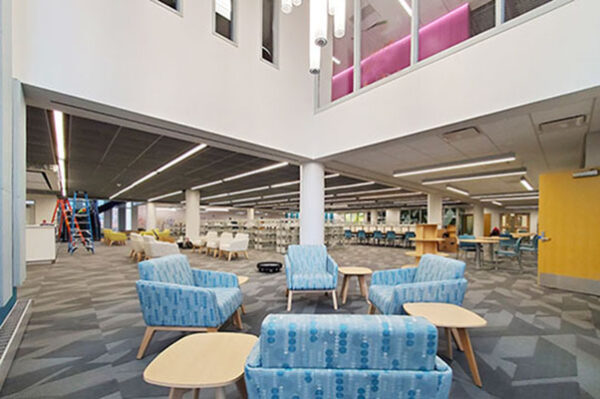
The Aurora Hills branch and the newly renovated Columbia Pike branch could open in July. Next up would be the Cherrydale and Glencarlyn branches, which the library announcement said could open “by fall 2021 and sooner if possible.”   

Three locations are currently open. Central Library allows people to pick up the books they have on hold, while the Shirlington and Westover branches are open for 30 minutes of in-person browsing with self-service checkout.

The library is also looking to expand services at these three locations. It aims to increase access to library collections, public computers and public space at all locations while keeping social distancing in mind. 

Remaining closed, for now, is the branch in the lobby of county government headquarters in Courthouse.

“The Plaza branch will remain closed in preparation for a long-planned expansion and renovation,” the announcement said. 

Arlington Public Library is planning for socially distanced outdoor programs this summer. Among these include outdoor storytimes, which will kick off Tuesday, May 18 at Central Library.

Its summer reading challenge will begin June 1, and Arlington Public Library’s mobile truck will “continue to hit the road and be visible at community events.”

One change of note for returning library patrons: during the pandemic, Arlington Public Library permanently eliminated late fees, a change intended to “make the library more accessible to all.”

Photo via Arlington Public Library


Arlington has long had a childcare shortage problem. During the pandemic, strangely, that helped its programs survive.

Although childcare programs across the nation have shuttered due to the coronavirus, in Arlington, only three licensed programs have closed, said County Board member and childcare advocate Katie Cristol. One is reopening in a new location better equipped for social-distancing, while two others closed permanently (one of those closures was virus-related).

“The good news is, what has been one of the biggest challenges of the landscape of Arlington has been an asset,” she said, adding that demand remained strong locally, buoying Arlington’s centers, “most of which have faired fairly well.”

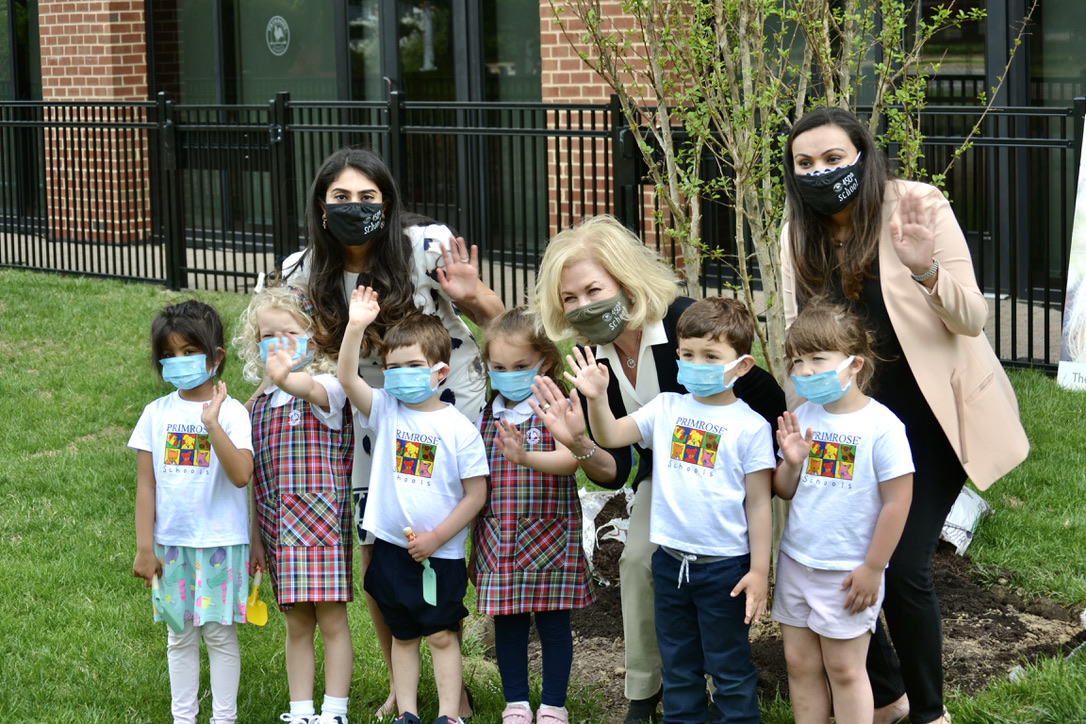
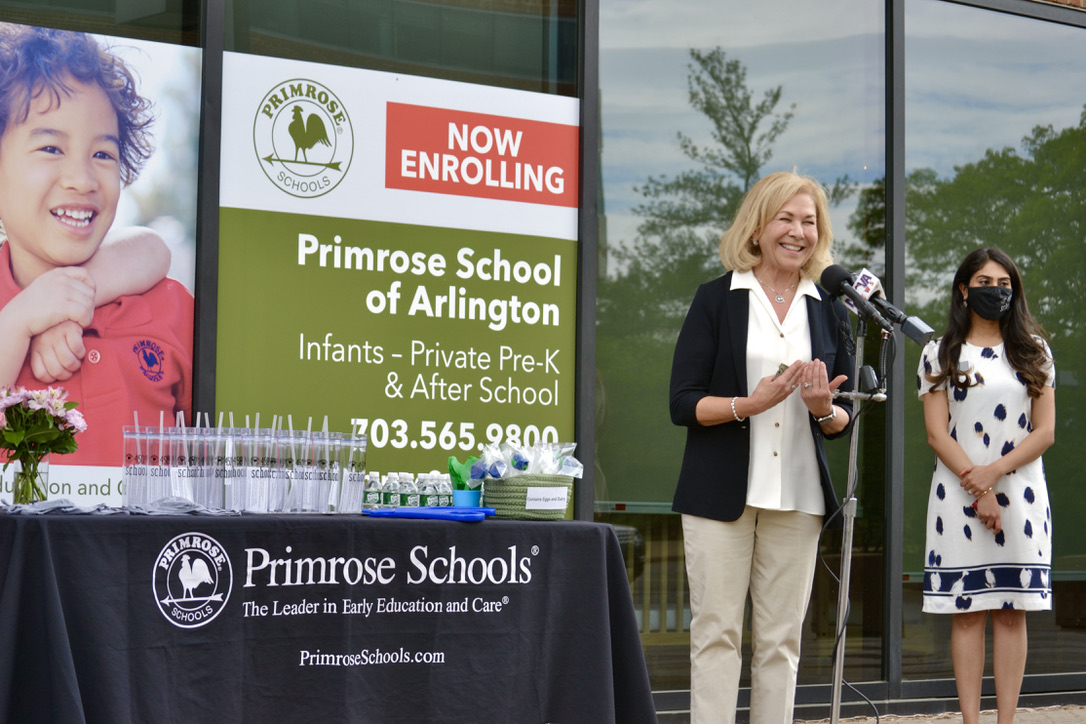
Amid the three closures, Cristol — who helped launch the county’s Child Care Initiative in 2017 — helped welcome a new addition to Arlington’s stock of early education and childcare options this week. Looking to help address Arlington’s demand for early education options, two sisters, Saniya Dhala and Zahra Isani, opened Primrose School of Arlington in the Courthouse area yesterday (Thursday).

“There continues to be a great need for high-quality early education and child care options in our community and Primrose Schools delivers that in a convenient setting, close to neighborhoods and businesses,” Cristol said.

It is independently owned and operated by Dhala and Isani, who quit their jobs in the finance and food industries to open this Primrose School location, the 450th nationwide. The school at 2107 Wilson Blvd can accommodate up to 185 children.

“The pandemic has been devastating to so many businesses and industries, and the childcare industry is no exception to that,” the sisters tell ARLnow. “Some schools have had to shut their doors, and some have had to reduce hours and capacity. As we start to return to normalcy things are opening back up, many schools are ready to welcome families again and we are excited to be opening a high-quality option in an area where it’s needed.”

This location is one of five Primrose locations scheduled to open in the D.C. area — joining 11 existing outposts — in the middle of a pandemic that has shined a light on deep problems in the industry, such as a shortage of spots, high staff turnover and thin operating margins.

There are some signs of relief, however. President Joe Biden announced that $39 billion of the American Rescue Plan will help sustain these programs, Gov. Ralph Northam announced $203 million to expand eligibility for the Commonwealth’s Child Care Subsidy Program.

While Dhala and Isani said they started the process of opening their franchise location before the pandemic hit, the coronavirus did reinforce their decision to open a school.

“Being in the process of opening during the pandemic allowed us to be agile and adjust our space on the front-end to ensure we met and innovated around all the new safety guidelines,” they said. “Childcare is essential to our workforce and to our nation’s economic recovery, not to mention to prepare our next generation of leaders for the future.”

The pandemic made more people realize the dearth of options available, as waves of women have exited the workforce to take care of their children full-time, Cristol said. The county initiative she helped launch is still working to address the high demand and low supply of options.

(more…)


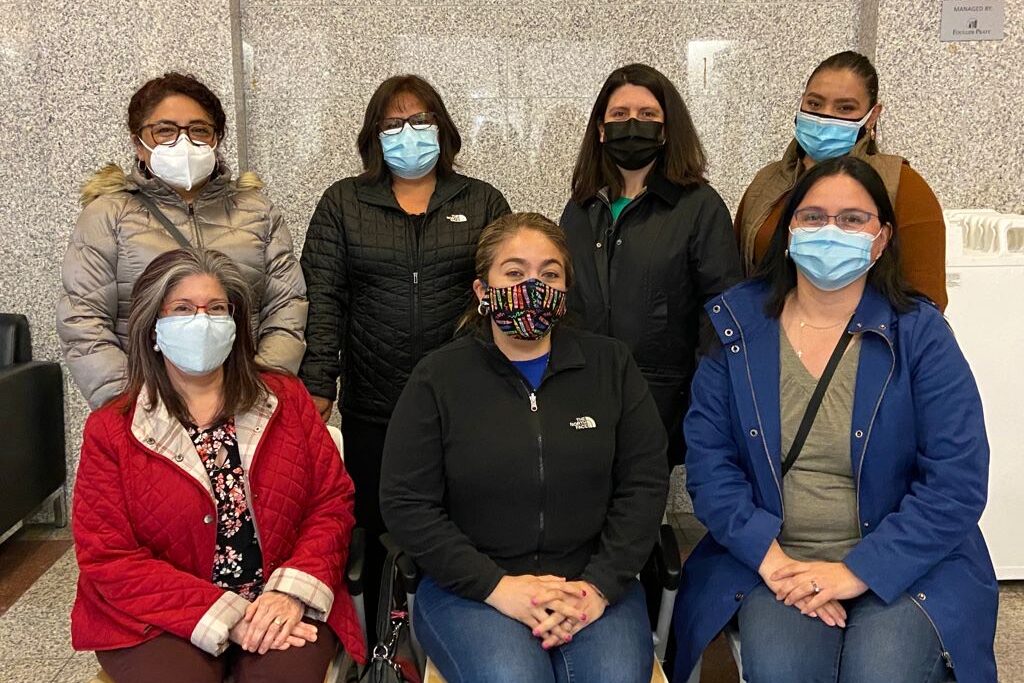
A group of Arlingtonians has worked nights and weekends to sign up nearly 2,000 members of local immigrant communities for the COVID-19 vaccine.

And the team, called the Arlington Schools Hispanic Parents Association, only advertised its services twice: once in March, when the group decided to get involved, and once when eligibility expanded to all Virginians 16 and older.

Word spread by mouth, text and through small social networks among mostly Spanish-speaking communities in Arlington.

“For the first couple of weeks, we were overwhelmed,” said ASHPA member (and former Arlington School Board member) Tannia Talento. “In the last two weeks, it has settled down. But now that it’s open to the public, we expect a second rush.”

Talento and Janeth Valenzuela started ASHPA in 2016 with two other women to address the communication gap among the county, the school system, and Spanish-speaking and other immigrant households. During the pandemic, the group pivoted to focusing on weekly food distributions, rent support, mental health education and now, registering people for vaccine appointments through the community health center, Neighborhood Health.  

“I’m very proud of my team,” Valenzuela said. “We want to help our community get vaccinated.”

It has been almost two weeks since anyone 16 and older officially became eligible to get a shot and the number of vaccinated people continues to rise in Arlington County —  more than 68,000 people in Arlington are fully vaccinated as of today, according to the Virginia Dept. of Health.

Now that the vaccine is widely available, focus has shifted to getting those hesitant to get the vaccine — or unable to get it for other reasons — into vaccination clinics.

Talento and Valenzuela said they did encounter vaccine hesitancy in February and March but the bigger hurdles they face involve access. They worry that hesitancy is used to gloss over these other, surmountable barriers. 

“In the beginning, it was difficult. Most of the population did not want the vaccine,” Valenzuela said. “It’s part of the culture in third-world countries to talk bad about vaccines. We had to work with that and let them know the vaccine is something to open the economy in this country and get back the life they had.”

But when hesitant folks saw their community leaders get vaccinated, they changed their minds, she said. A few skeptical community members do remain, however, she noted.  

Talento said she spends more time helping people access the vaccine than convincing them it is safe to take. Some did not think they were eligible back in February, even though they were.

(more…)


A federal grand jury has indicted an Arlington lawyer on charges related to paying underage girls for sex.

Matthew Erausquin, 46, was arrested in November after a 1.5-year-long investigation. He was charged in Alexandria federal court with sex trafficking minors, producing child pornography, and charges related to transporting or forcing victims to cross state lines for sex.

If convicted, he faces between 15 years to a lifetime in prison, although sentences for federal crimes are typically shorter than the maximum penalties, the U.S. Attorney’s Office for the Eastern District of Virginia said in a press release.

“The defendant allegedly used his money and power to sexually exploit minors,” said Raj Parekh, Acting U.S. Attorney for the Eastern District of Virginia. “We remain steadfast in our commitment to holding accountable those who prey on and victimize children, and to seeking justice for society’s most vulnerable members.”

Court documents allege that Erausquin paid for sex with six underage girls and three young adults over three years. During that time, the documents say he secretly recorded some of his encounters.

He allegedly met some of the girls on Seeking Arrangement, a website where men seek younger partners looking for financial help. In other instances, prosecutors say he posed as an 18 or 19-year-old on the dating app Tinder.

“Erausquin lured the girls into commercial sex arrangements, paying the girls between $500 to $800 each per sexual encounter and offering to pay at least $1,000 for threesome sexual activity,” said the Eastern District of Virginia U.S. Attorney’s Office. “In addition to these payments, Erausquin gave the girls marijuana and expensive gifts, such as [Tiffany & Co.] purses.”

According to a Fairfax County police affidavit, the investigation began in 2019, after a high school student reported to police that a man in his 40s had paid two victims $1,000 for a threesome, Virginia Lawyers Weekly previously reported.

One girl alleges that she “passed out after taking a hit of marijuana at Erausquin’s Arlington apartment, then woke up with no clothes on,” according to the Washington Post. Some were lured to the area from out of town with first-class plane tickets purchased by Erausquin, the Post also reported.

According to an affidavit, some underage victims told police that he likely knew they not yet 18.

Erausquin was a founding partner of the Alexandria office of the firm Consumer Litigation Associates. CLA has since removed his office from its list of locations.

Flickr photo by Joe Gratz


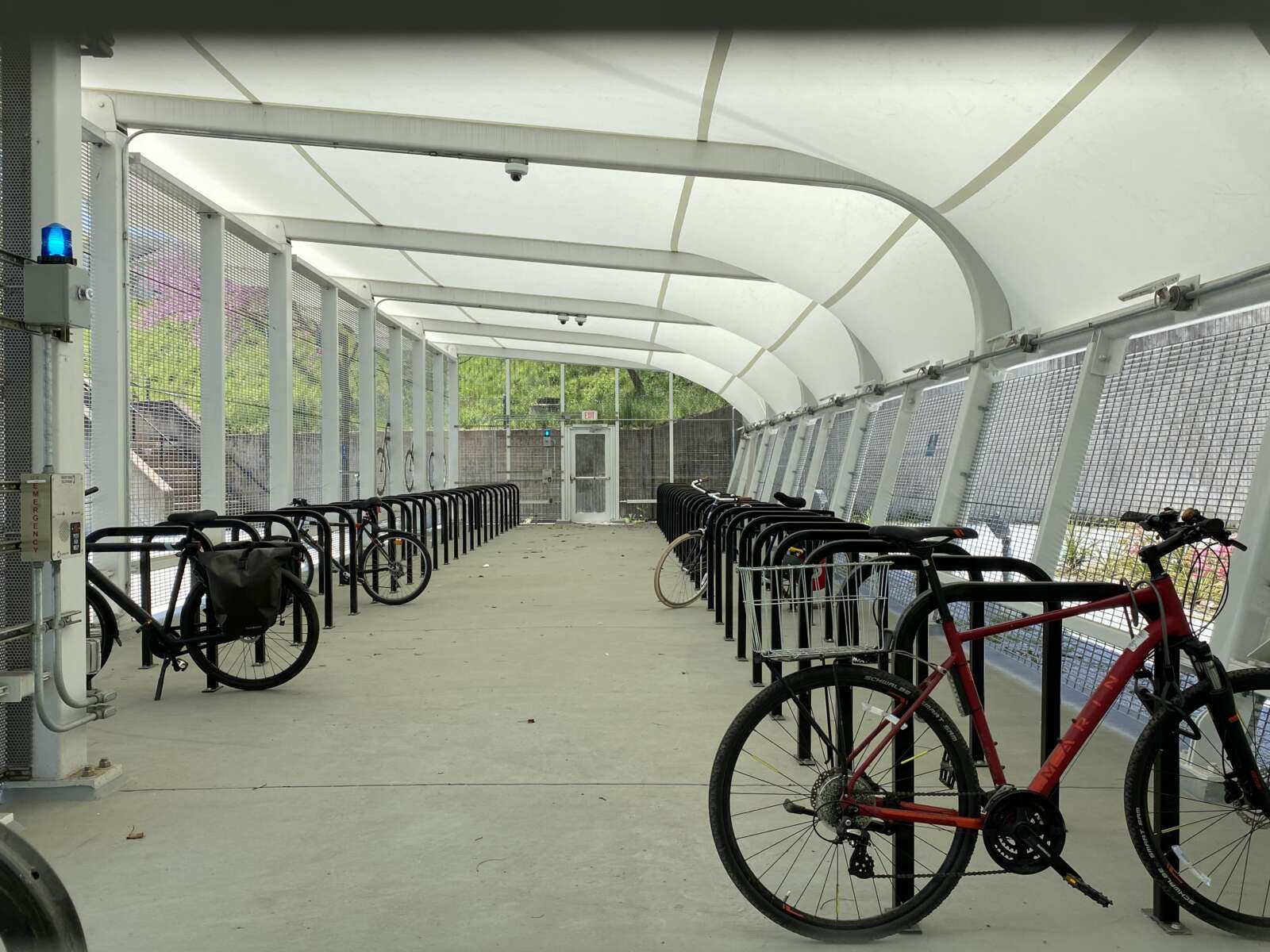
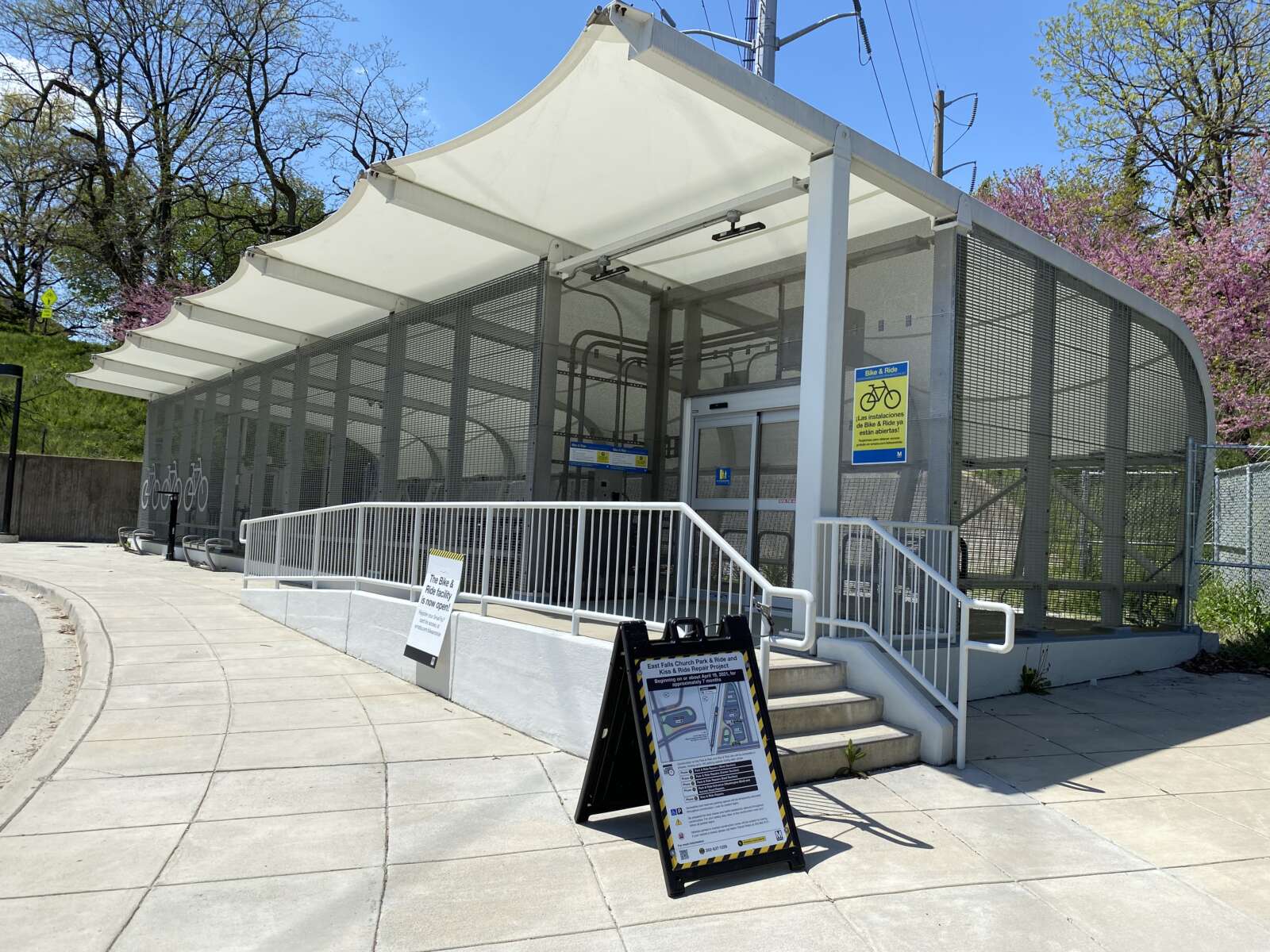
One sunny weekday afternoon last week, as the temperature clocked in at a perfect 72 degrees, there were just four bikes parked at Metro’s new $2 million bike parking facility in East Falls Church.

The scene contrasts with how cycling advocates remember the station pre-pandemic, when dozens of bicycles were parked out front on any given day.

“East Falls Church has been one of the most heavily used stations for cyclists in the past,” said David Cranor, who writes for the cycling blog TheWashCycle.

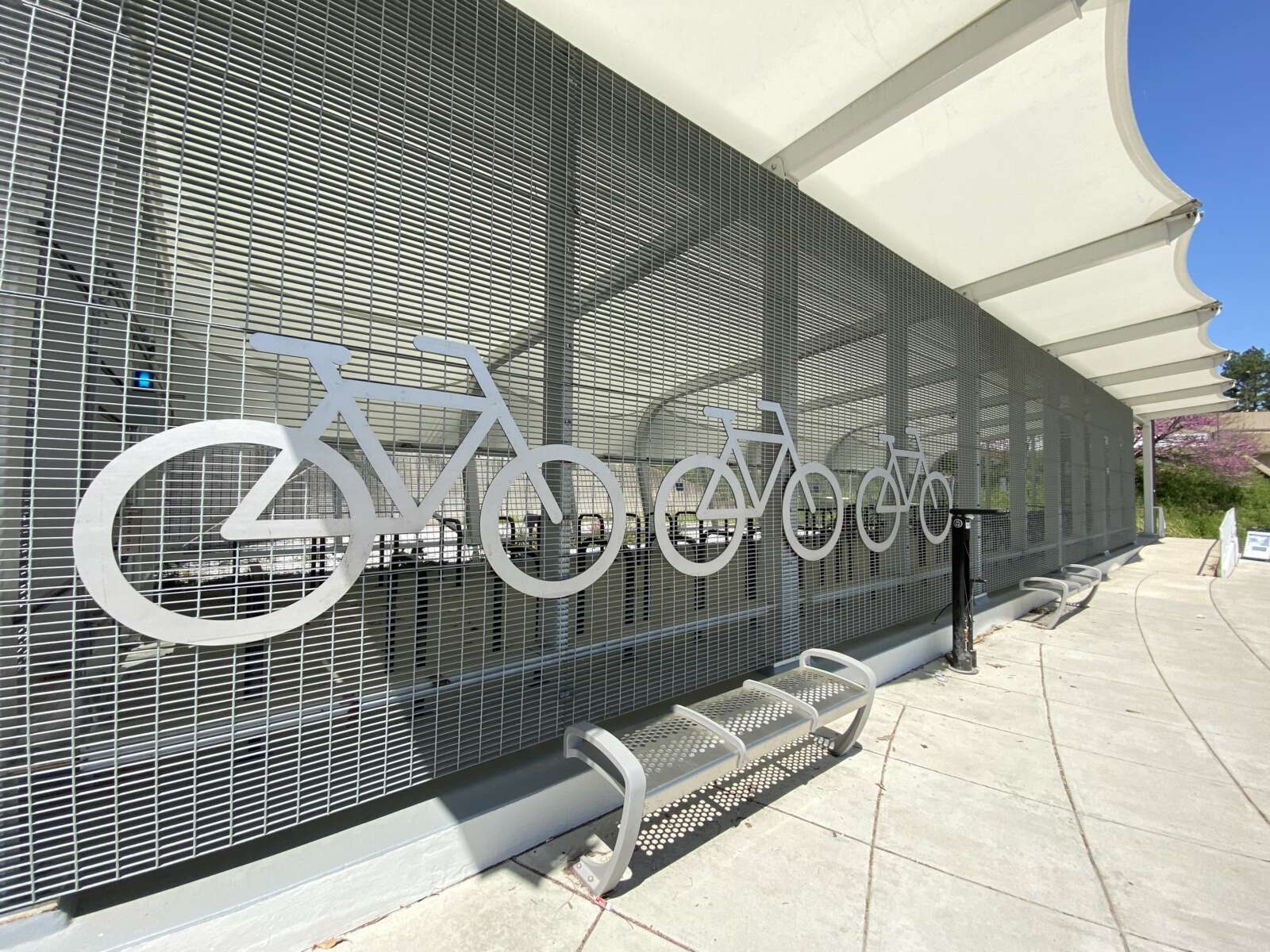
The 92-spot facility made its debut last August — in the middle of the pandemic — when the East Falls Church station reopened. Set to open in 2015, the structure was delivered five years late and $1.1 million over budget, costing the Washington Metropolitan Area Transit Authority about $21,000 per spot to build.

The delay and budget overruns prompted an investigation that found miscommunication and a lack of oversight, among other problems, plagued the project.

Eight months after the opening and six months after WMATA’s Office of the Inspector General released its report, the East Falls Church Metro Station has yet to enjoy its pre-COVID-19 popularity among cyclists. Still, bicycling advocates maintain that facilities like this one are needed, as bike theft is a common problem. They predict longtime commuters and a new batch of cycling enthusiasts will one day fill the spots.

“I’m not surprised there were few bikes parked when you visited,” said Bruce Wright, the president of Fairfax Alliance for Better Bicycling. “Much of the use of bike parking is by commuters, and almost no one is commuting. We’ll have to wait until after people return to work before getting an idea of how heavily the bike facility will be used.”

Based on how packed the station was with bicycles before the pandemic, Wright added, “I assume it will be very popular.”

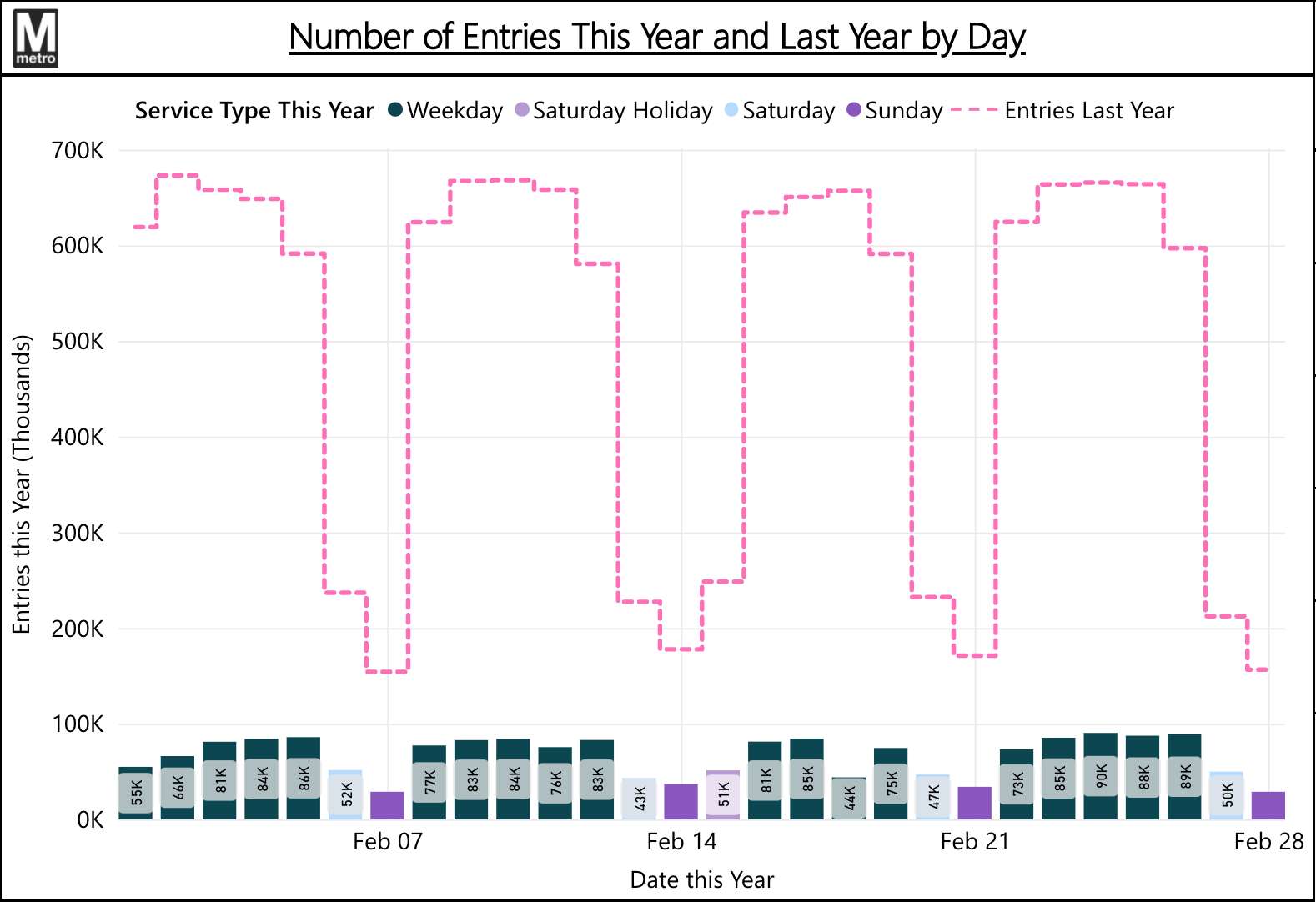
As vaccination rates rise and restrictions lift in the D.C. area, more people appear willing to ride the Metro. According to WMATA’s COVID-19 data, this month’s ridership is up an average of nearly 240% over this time last year, when stay-at-home orders were still fresh. Still, Metro reports that overall, ridership remains down around 85% compared to pre-pandemic levels.

And it’s not just bike parking that is down. Vehicle parking at Metro lots in February was down 94% compared to 2020, just before the pandemic.

One way WMATA can measure cyclists’ interest in parking is through registration numbers. Metro requires users to register for the Bike & Ride facilities, which are accessed with a SmarTrip card. To date, more than 1,200 SmarTrip users have registered to use the Bike & Rides, which are also located at the College Park and Vienna Metro stations, said WMATA spokesman Ian Jannetta.

“Users don’t register to use a specific facility so I don’t have station-specific numbers, but I would expect the number to be relatively low since the two new facilities opened during this period of extremely low ridership,” he said. “We encourage anyone who wants to make biking part of their commute to utilize these secure facilities as the region continues its recovery and more people travel.”

(more…)


Arlington County Manager Mark Schwartz aims to have a new police chief in place within the next month or two.

And this police chief, he said during a meeting last week, must appreciate Arlington’s diversity and understand how different communities react to police presence.

“Our police officers meet with residents, visitors and those who work here during the most stressful moments of their lives,” he said. “I’m looking for a chief who understands our community gains strength from its diversity.”

The police department has been without a permanent leader since September, when the former police chief M. Jay Farr retired, citing souring relations with the County Board as one of his reasons for leaving. Acting chief Andy Penn is leading in his place.

Meantime, Schwartz has been conducting a nationwide search while a consultant, Leroy Thompson, gathered input from police officers and community members.

The consultant found that police officers want a chief who will boost morale, support officers, regain their trust and help improve race relations, Thompson said. They are wary of the county overreacting to a national narrative that “wasn’t severe in Arlington,” he said.

The community, meanwhile, wants a chief who will build relationships in the community and with other county departments to address peoples’ needs, Thompson said. They envision an approach to law enforcement that focuses on connecting people with needed services, instead of the current strategy centered on punishment, which they say is a holdover from the war on drugs, he said.

One area of agreement? Thompson said the community and police officers stressed the new hire should not seem like a political appointment.

Amid a national dialogue on race and policing, Arlington has taken several steps to respond to calls for police reform, including recently budgeting for full time police auditor/monitor position and a civilian mental health crisis response team.

Schwartz said a consultant is also reviewing ACPD’s policies guiding use of force, body-worn cameras, and the collection of data, as well as how successful the department is at recruiting and retaining officers. The report was set to come last fall but has yet to arrive, he said.

This past winter, the county implemented a body-worn camera program, and in January, Penn signed onto the Northern Virginia Regional Critical Incident Response Team, which allows for an independent investigation into serious uses of police force.

In February, a “Police Practices Group” convened last summer presented myriad ways to change how the police respond to behavioral health crises and enforce traffic violations. Schwartz said he expects the new chief to carry out these recommendations.

“It’s my firm expectation — I have made it clear to anyone who has interviewed for the position — that they will follow all the recommendations I support from the PPG and he/she is free to challenge me on those I didn’t recommend,” Schwartz said. “I expect whoever the next police chief is will be walking around with a tired, tattered copy of this document in his or her front pocket.”

A press release from Farr’s retirement timed the hiring to come after the PPG wrapped up its work. One of its recommendations is the creation of a civilian review board.

(more…)


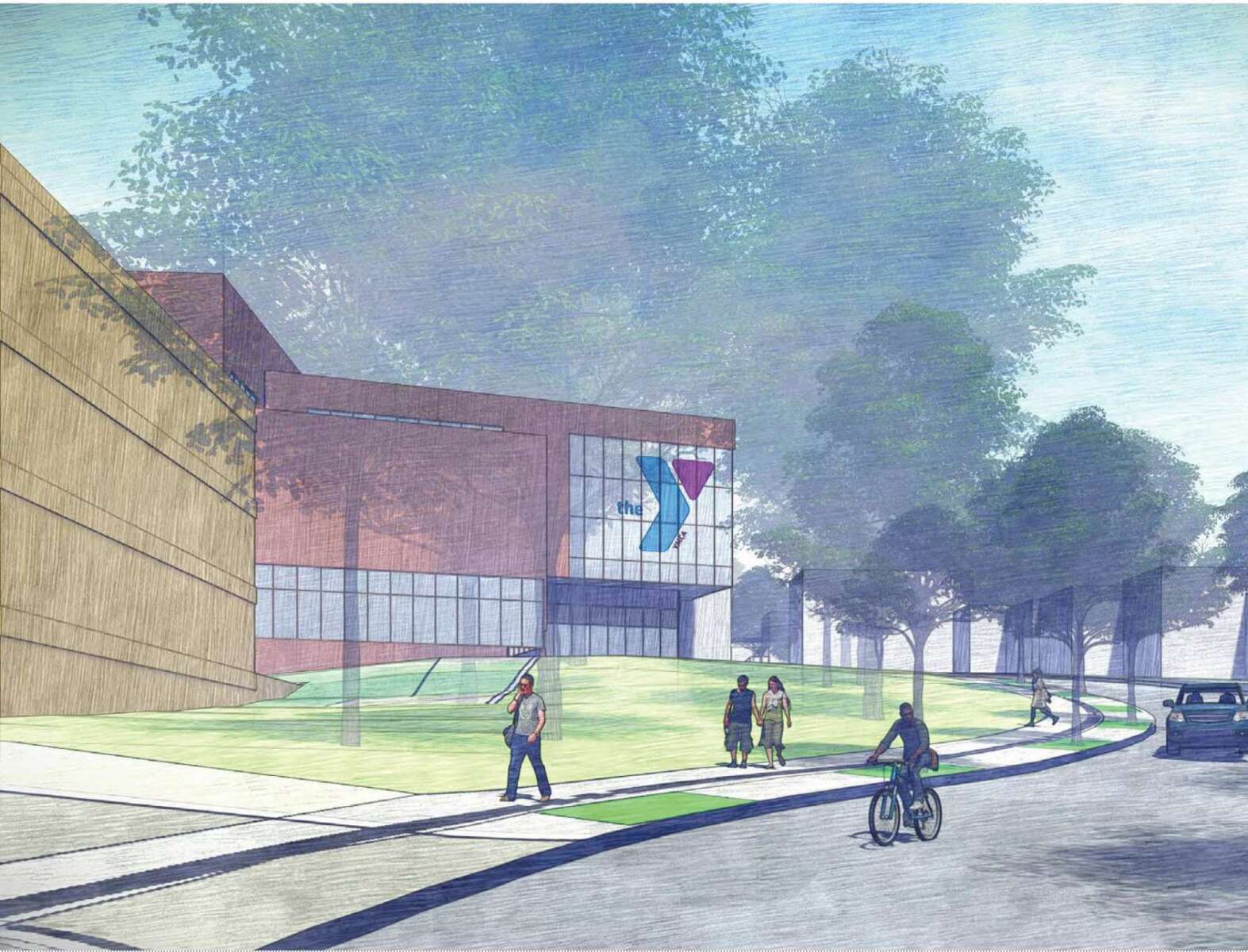
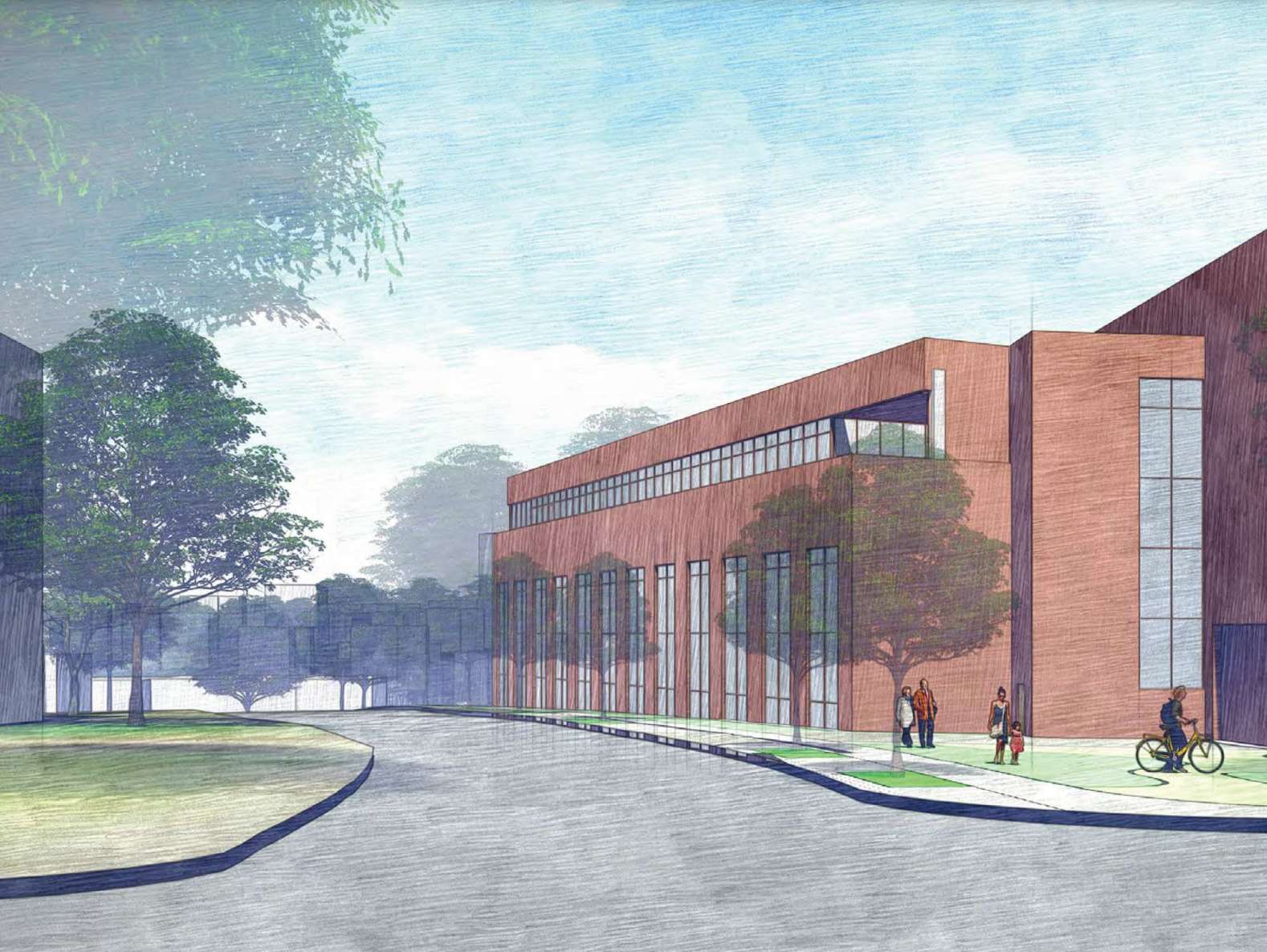
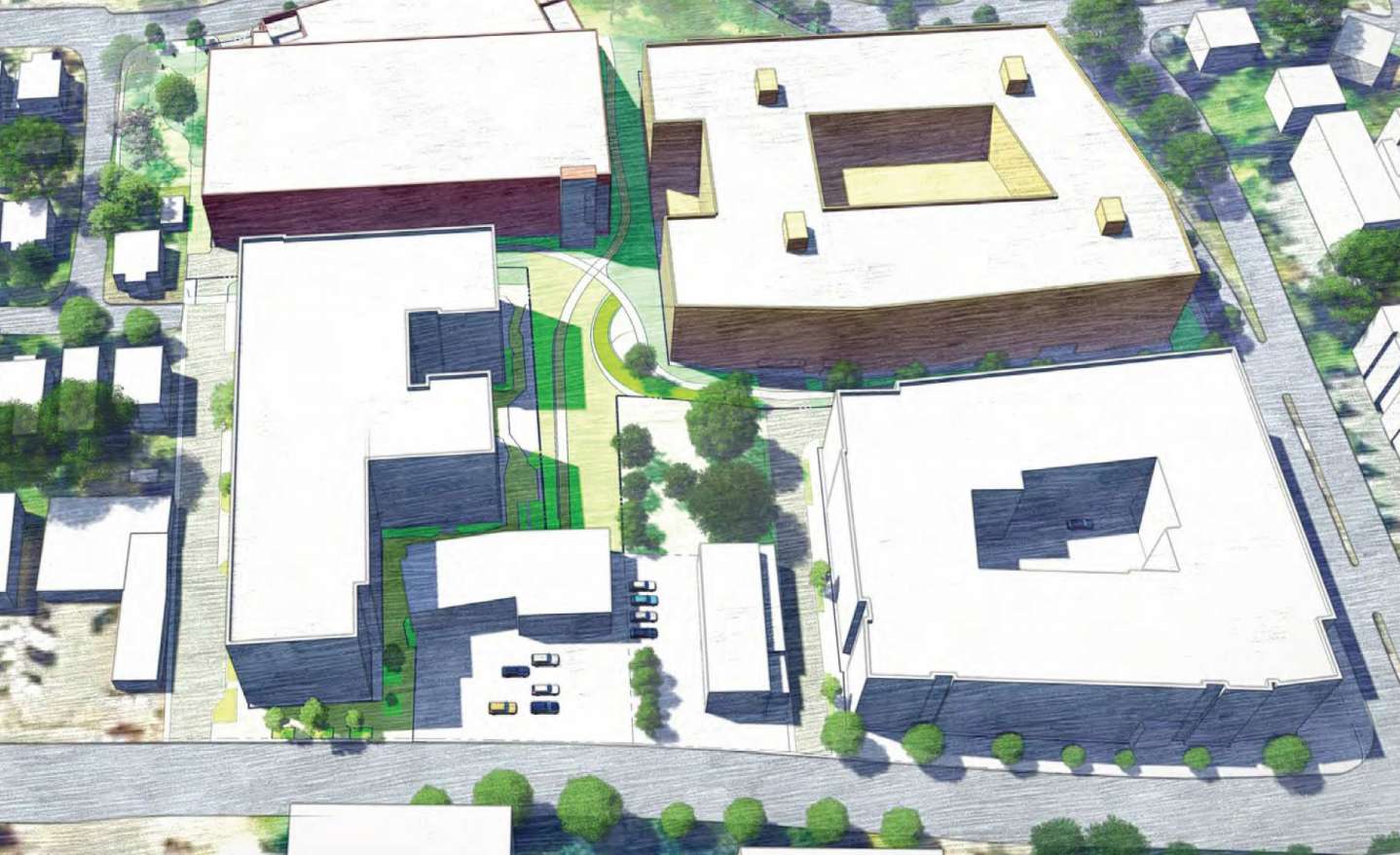
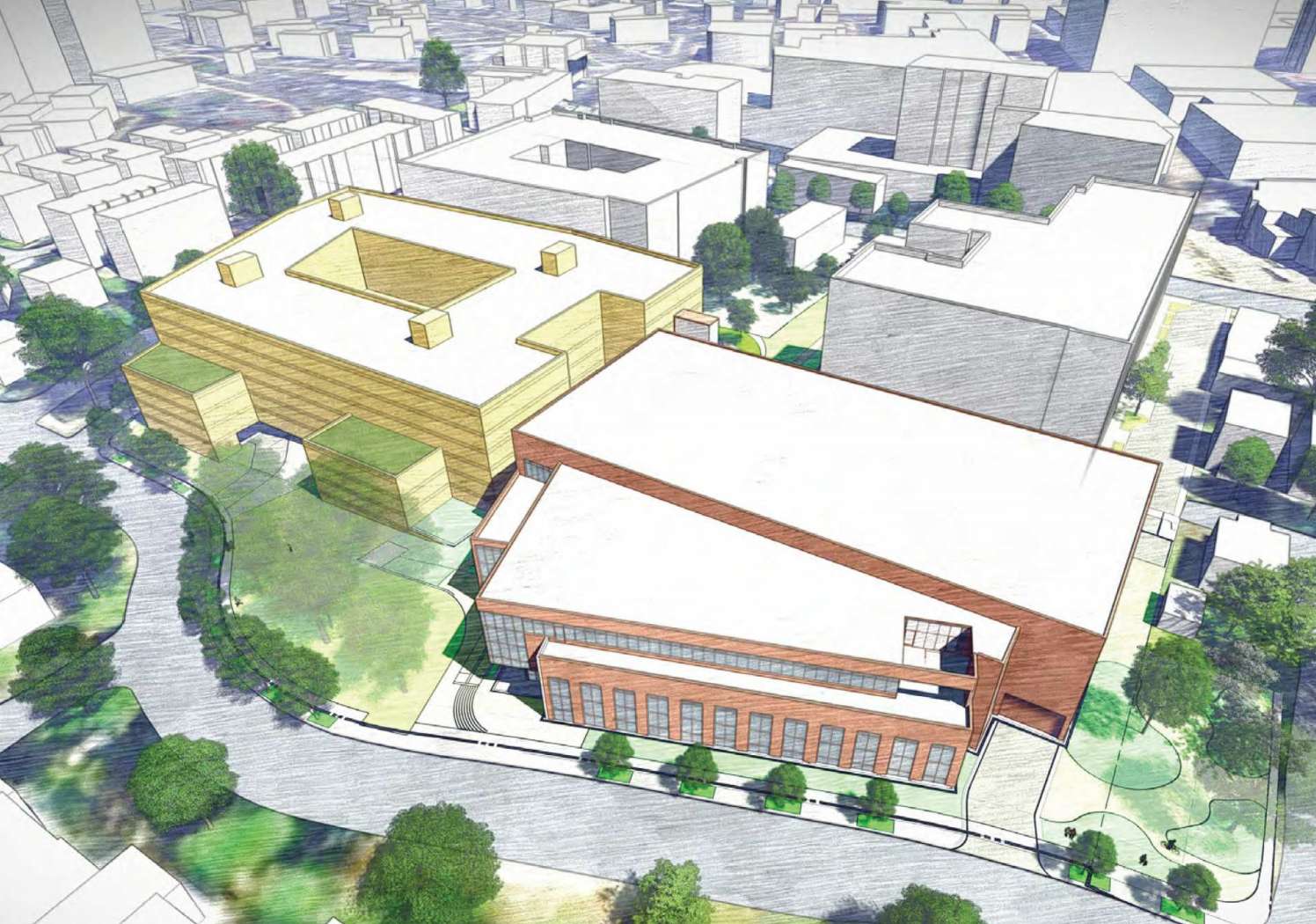
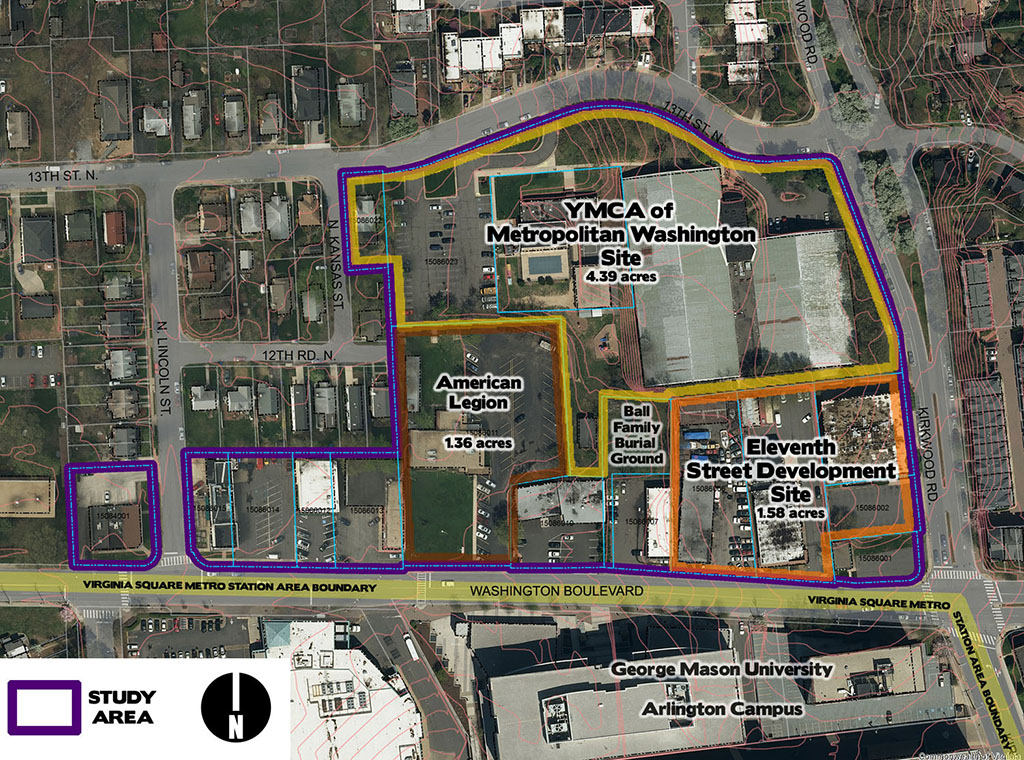
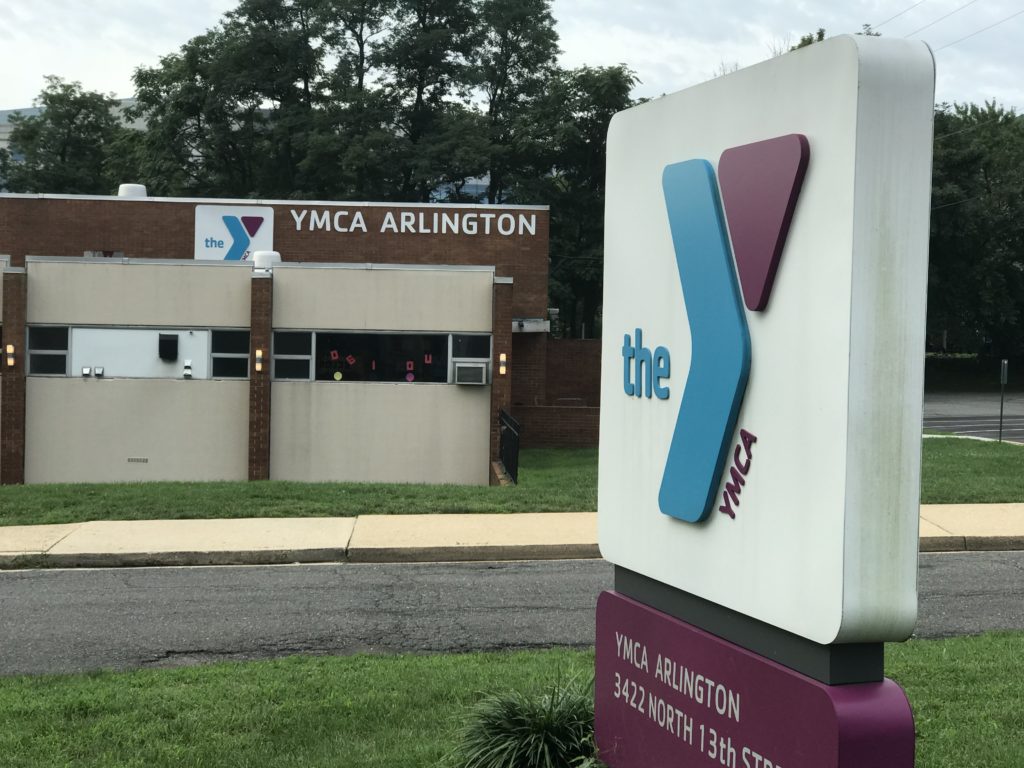
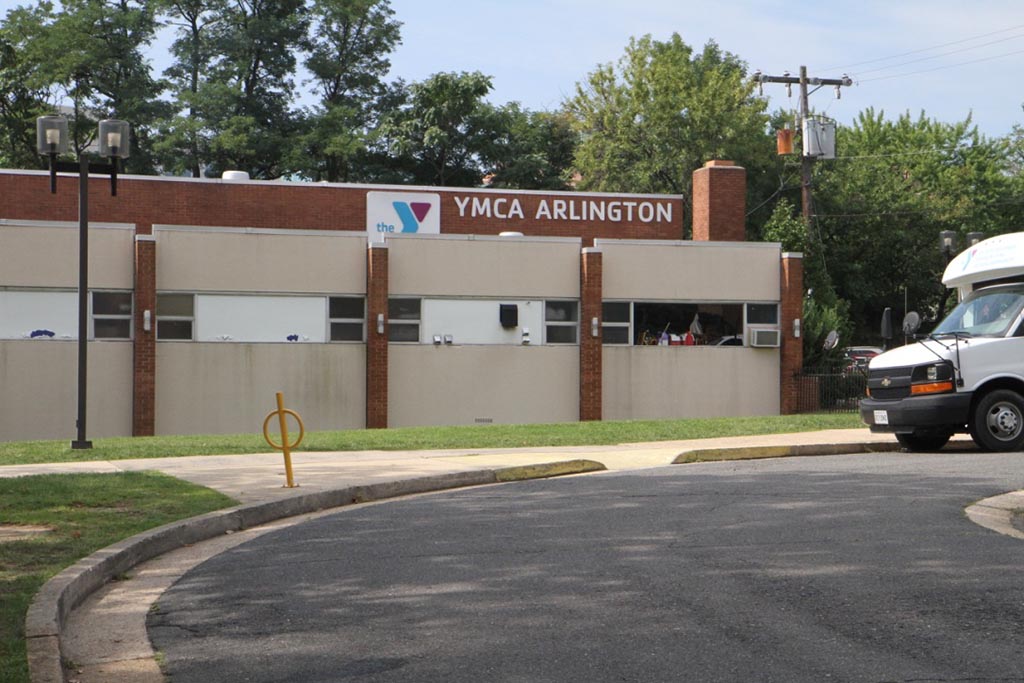
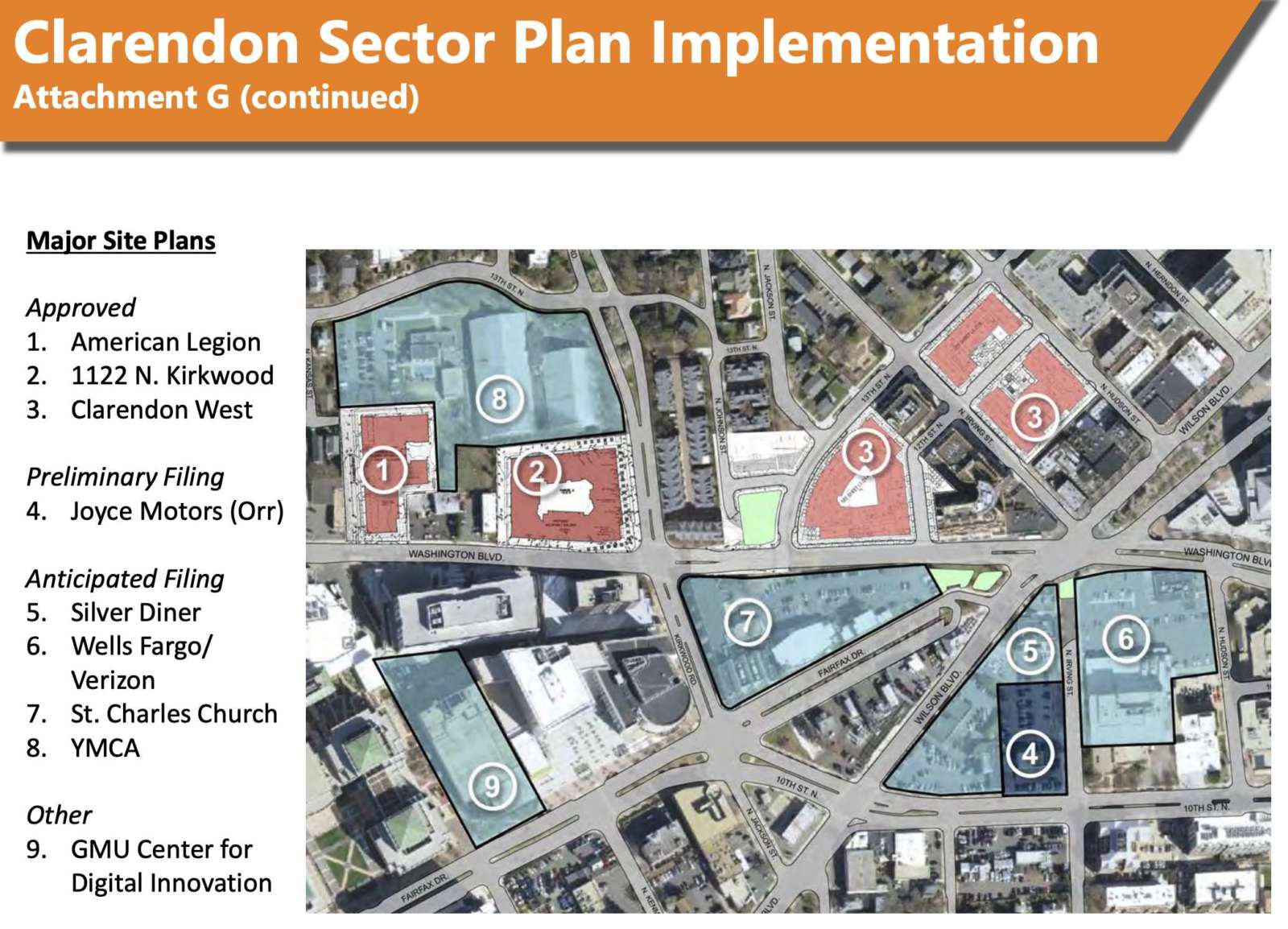
The YMCA has filed some early concept plans with Arlington County sketching its vision for replacing its Virginia Square facility with two structures — a new gym and an apartment building.

This project at 3400 and 3422 13th Street N. represents the last of three developments concentrated within a seven-acre site along Washington Blvd, from N. Lincoln Street to Kirkwood Road.

The first two have been approved: a 270-unit apartment building, “The Kirkwood,” for the southeast corner, where Kirkwood Road and Washington Blvd intersect, and an affordable housing project on the site of American Legion Post 139.

The Y’s proposal is not only the last — at 4.39 acres, it is also the biggest.

According to the planning documents, the YMCA proposes a three-story tall facility with a swimming pool and tennis and pickleball courts, nearly 52,000 square feet of recreation space, and 325 parking spaces across a two-level garage. The apartment building would be seven stories tall and have 374 units, with 330 spots across two levels of parking.

The proposed project is about five blocks from the Virginia Square Metro station — a nine minute walk, according to Google Maps.

Members of the Ballston-Virginia Square Civic Association have a number of concerns with the project, according to a letter from President Maurya Meiers to the county.

The YMCA development is “the largest project in the mix, will have the most impact on the surrounding community, [and] it most directly and conspicuously abuts the largest number of community residences,” she said.

In the letter, Meiers said the project is too massive, one story too tall and provides too little public green space. She asserted that the project will significantly increase traffic, which they predict will hurt the character of the community, and exacerbate an existing street parking shortage.

“The plan presents two massive, boring structures that encroach and overshadow the neighborhoods around them,” Meiers said. “This was not at all what was presented in the [General Land Use Plan], not at all what we expected, and not at all what we want.”

(A General Land Use Plan, or GLUP, is Arlington’s primary policy document guiding development in specific parts of the county.)

Meiers added that the planners should have explored the option of placing residences above the YMCA facility. Most importantly, she added, they should have considered placing townhouses next to single-family homes, an option that was “totally ignored, even though it would provide the most respectful and effective transition.”

Neither the Y’s legal representation nor the architect were immediately available for comment.

Meiers also said questions remain about the Ball Family Burial Grounds, the gravesite of the family that is the namesake for Ballston. The gravesite has murky ownership and is in need of research and repair, according to a staff report.

“We will be looking forward to see how this project can be leveraged to improve conditions on the grounds,” Meiers said.

The county’s planning division has asked for community input on changes to the 2006 Clarendon Sector Plan in light of these three projects, on the outskirts of the neighborhood, as well as several others in the Clarendon area.

Photos via Arlington County


An attempt by Arlington Public Schools to balance enrollment without resorting to a boundary change did not go as planned.

This year, the school system encouraged families to apply to transfer from Abingdon Elementary School in Fairlington, which is projected to be at 119% capacity this fall, to Drew Elementary School in Green Valley, which is projected to be at 76% capacity. The schools are about two miles apart.

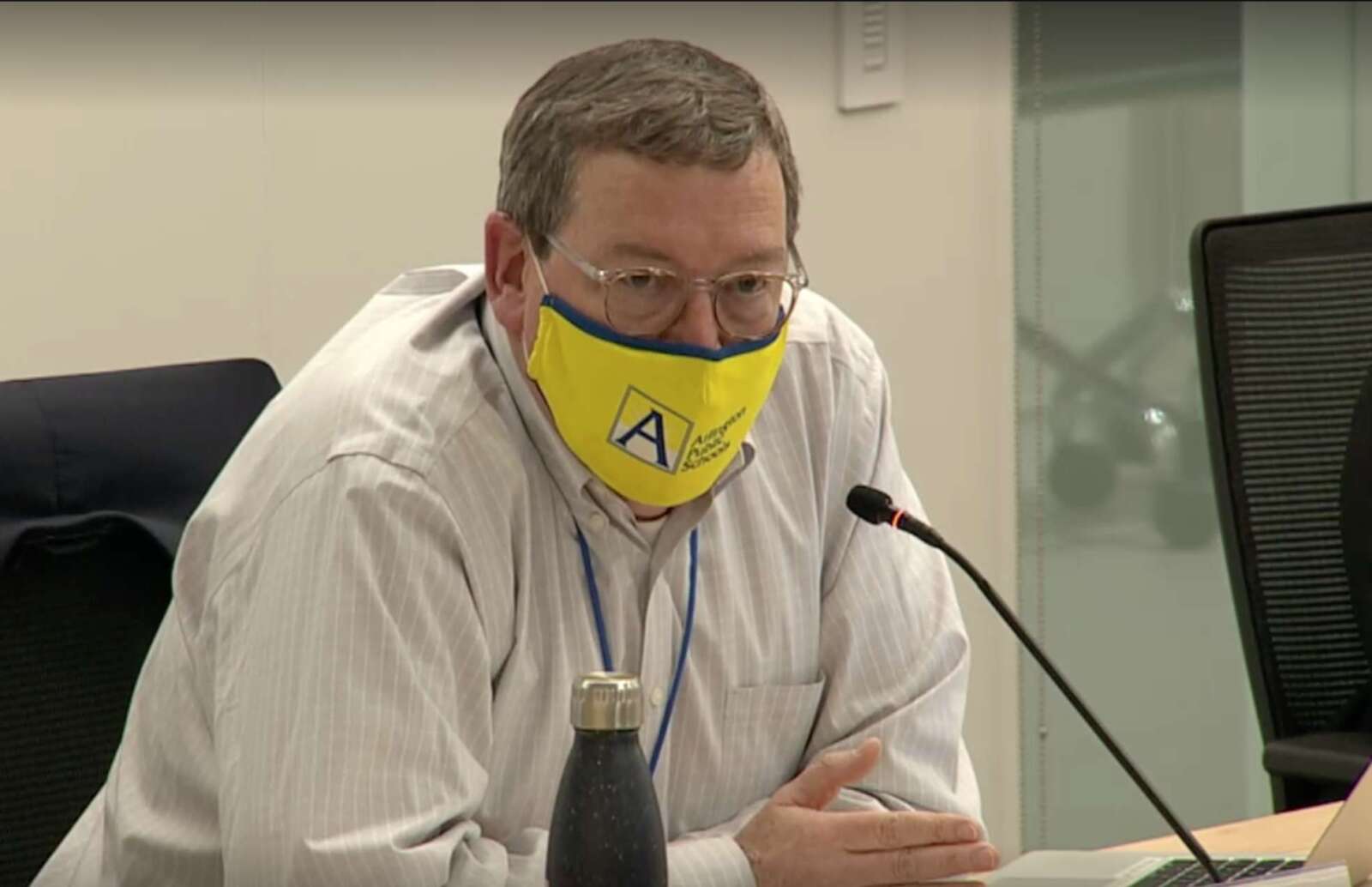
The application window closed two weeks ago, and so far, only 12 students are taking the “targeted transfer” option, which includes transportation to the new school, APS project planner Sarah Johnson said during last week’s School Board meeting.

Families can still apply and the school will admit families on a case-by-case basis, administrators said. If the option does not yield more transfers, APS will likely begin discussions this fall to modify the two schools’ boundaries, said Gladis Bourdouane, another project planner with APS.

These changes would come on the heels of the smaller-scale boundary process the board approved in December and ahead of a projected, larger-scale boundary process planned for as early as 2022.

In 2018, another boundary process proved controversial after parents at Abingdon and Henry elementary schools objected to proposed boundaries that would have sent some students at both schools to Drew.

Responding to the lack of interest in transferring this time around, School Board members urged administrators to review the voluntary transfer effort. They were divided, however, over whether this option could work in the future.

“I find this targeted transfer thing wholly inadequate,” Board Member Reid Goldstein said, adding that as far as he is concerned, it has “fallen on its face.”

Goldstein said he was “extremely distressed” when the boundary process last fall did not include Abingdon, despite being overcrowded for years. Instead, he said, the boundary changes last fall mostly adjusted neighborhood schools in the northern half of the county and did not take into account overcrowded schools in South Arlington.

“Twelve students are not going to go a long way toward balancing the huge overcapacity at Abingdon and the under-capacity at Drew,” he said. “I’m going to ask you, [Superintendent Francisco] Durán, to try and put some more aggressive measures in place to try and beef up only 12 students who are going from our most overcrowded school to our least crowded school, and not wait another two years before they get relief.”

As of now, administrators have no plans to keep advertising the transfer option, said Lisa Stengle, the executive director of planning and evaluation for APS.

The school system’s marketing efforts included setting up a website and releasing School Talk messages, while the two schools published information on their websites and mentioned the option during back-to-school events, Johnson said.

“We did make significant outreaches to the Abingdon families,” she said.

Despite the closed application window, APS is still encouraging families to apply. Whether students are accepted will depend on school capacity, staffing and finances, and not every family who applied thus far was eligible, she said.

(more…)


Sponsored by Monday Properties and written by ARLnow, Startup Monday is a weekly column that profiles Arlington-based startups, founders, and other local technology news. Monday Properties is proudly featuring 1812 N. Moore Street in Rosslyn.

Territory Foods, a meal delivery service that lets consumers personalize to their diet, recently announced it raised $22 million in a recent funding round.

Territory delivers its healthy meals directly to consumers through “a decentralized back-end marketplace” that partners with local chefs in the communities served by the company.

The Rosslyn-based startup caught the interest of investors that have put their money behind companies such GoPro, the online consignment service thredUP, the vegan “meat” alternative Beyond Meat and the fast-casual salad chain Sweetgreen. Two retired sports celebrities, soccer player Abby Wambach and NFL tight end Vernon Davis, also invested.

Territory Foods has enjoyed 250% year-over-year growth and is poised to increase its footprint nationwide, according to Rick Lewis, a general partner of U.S. Venture Partners, the investment group that led the funding round.

“We’re thrilled to partner with Territory Foods, a mission-driven brand who has built an incredibly distinctive business model by tapping local chefs who make healthy-eating attractive, tasty and attainable to consumers around the country,” Lewis said in a statement. “More than ever, we need true innovation in the food space.”

The new round of funding will allow Territory to expand the number of chefs it works with and provide customers more meal options, said CEO Ellis McCue.

“We go to great lengths to create optimized, personalized meals for each consumer and empower our chefs with data about our customer’s taste and nutritional preferences so they can tailor each meal, ultimately providing more variety than other delivery options out there,” McCue said in a statement.

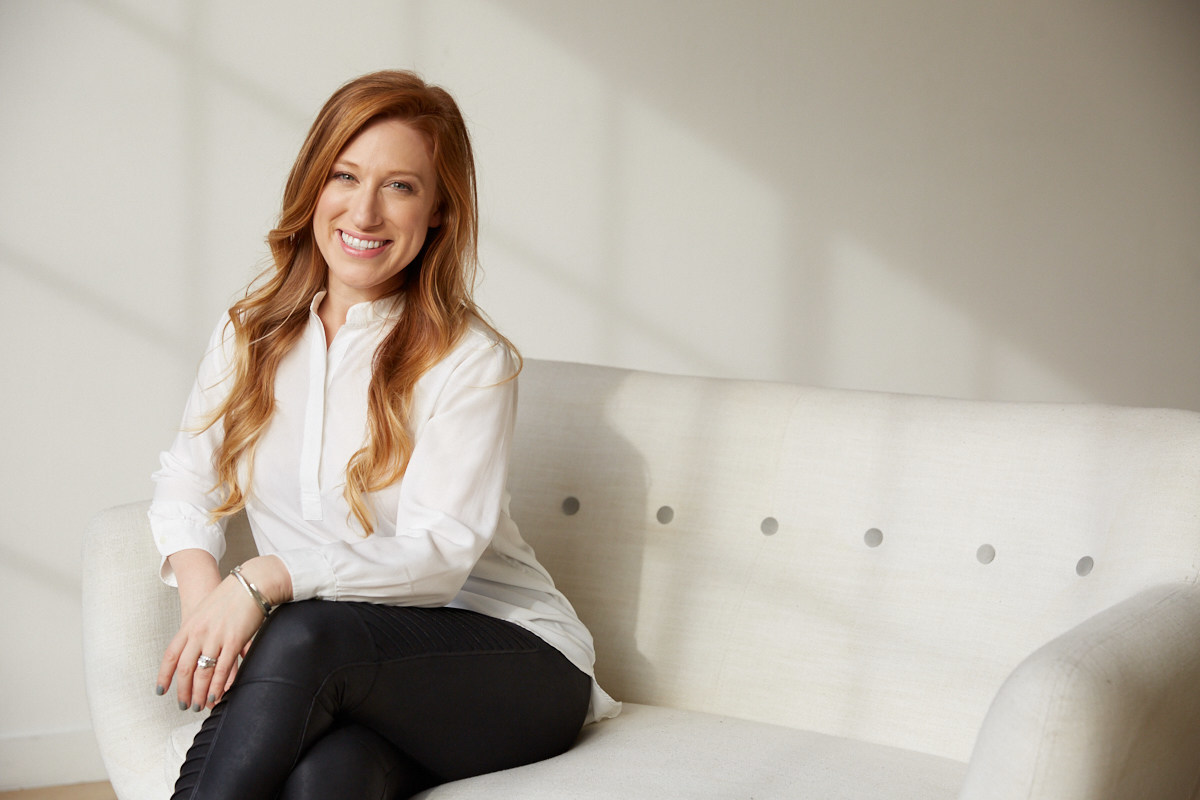
The startup has raised $44 million to date, which Territory Foods said is the most venture funding raised by a female-led company in the ready-to-eat food category.

According to the company, Territory’s meals are made from scratch using responsibly-sourced ingredients.

“Territory’s ever-rotating, regionally curated menus always feature fresh non-inflammatory ingredients that optimize whole-body health, support a wide variety of dietary preferences, and have minimal to zero environmental impact,” the company said.

The startup launched in the Del Ray neighborhood of Alexandria in 2012 but the company now lists its headquarters as being based at the WeWork in Rosslyn (1201 Wilson Blvd). Territory Foods has grown to serve over 20 major U.S. markets from coast to coast.

Partner chefs and restaurants hail from all over the U.S., and D.C.-area customers will recognize one partner restaurant — local restaurant chain Founding Farmers. Of Territory’s partner food-service companies, McCue said that 42% are women-owned and 38% are led by people of color.

Territory Foods also partners with Feeding America, donating proceeds, meals and volunteer hours to fight food waste and hunger in the U.S., according to the website.

Territory announced last winter that it was recognized as a Best Company for Women and McCue a Best CEO in a 2020 awards competition from the startup Comparably. The awards recognize workplaces that are good for women, have a diverse workforce and promote work-life balance, among other categories.

Photos via Territory Foods


View More Stories