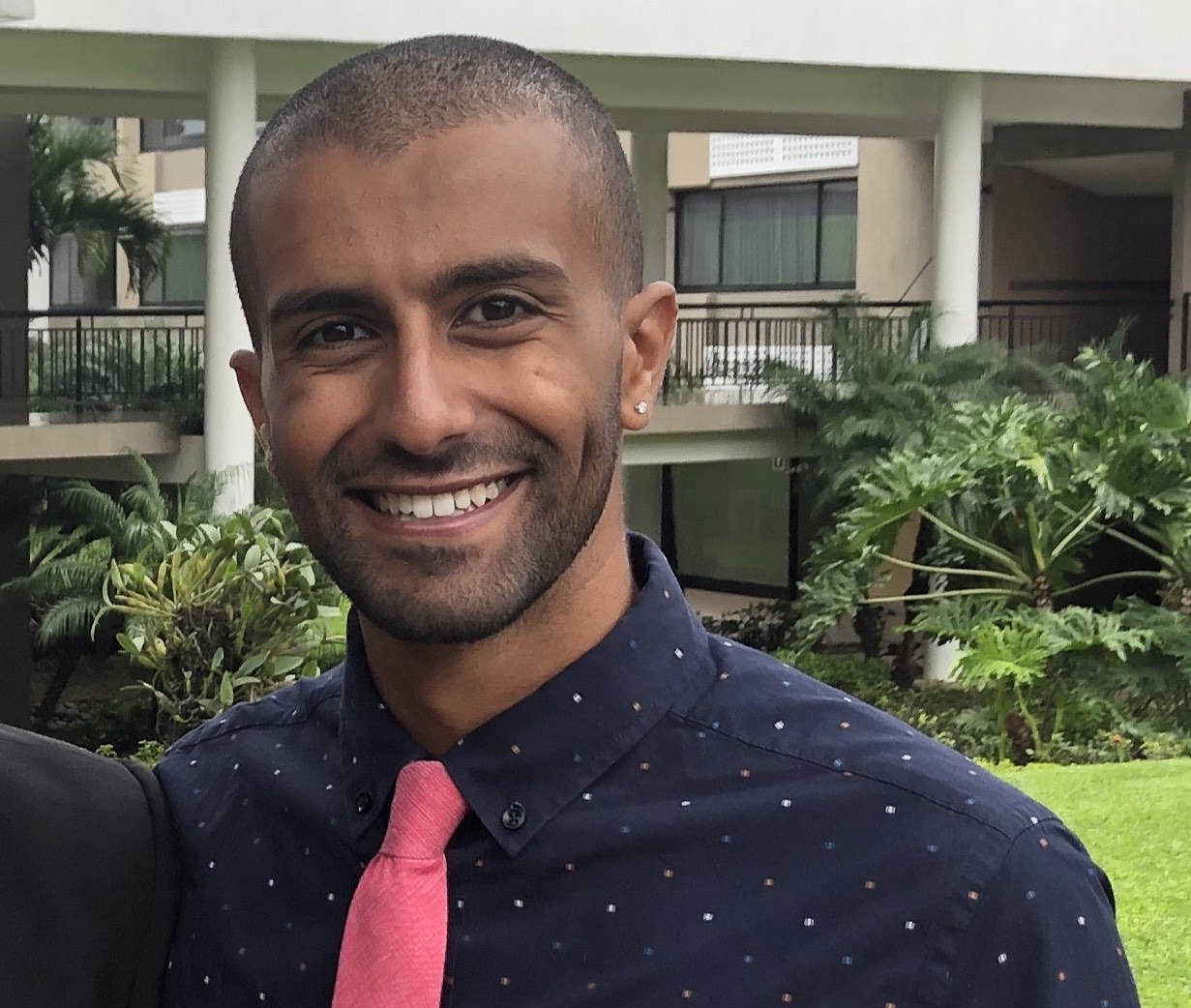
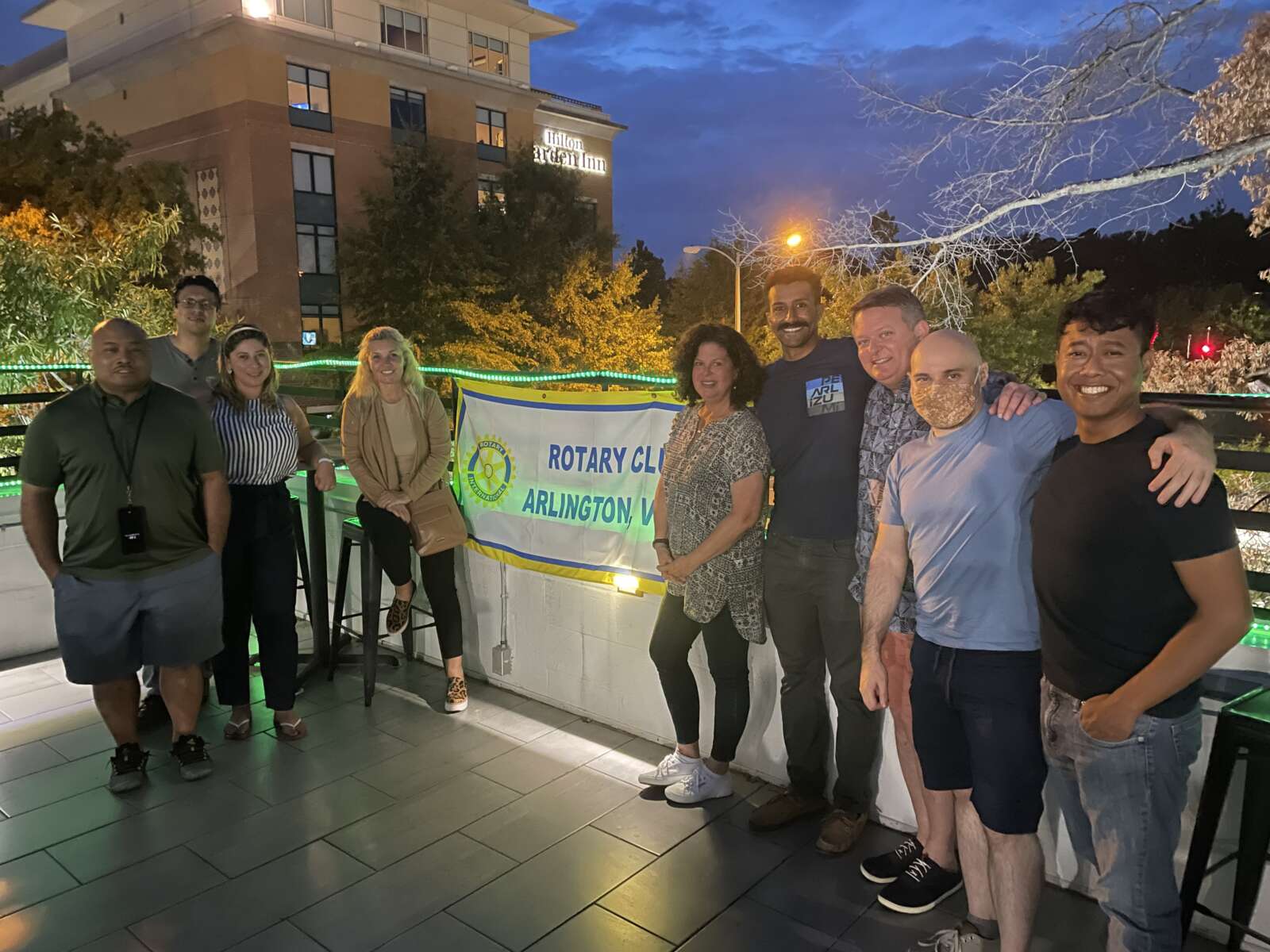
David Baas may be the youngest and first Black president in Arlington Rotary Club‘s 94-year history, but that’s not going to change how he’s going to do the job.

The 28-year-old will take over as president for a local chapter of the Rotary Club early next month, becoming possibly the youngest person to lead the chapter as well as likely the first person of color. His agenda includes modernizing operations, forming new partnerships, and finding ways to make the club more accessible to a younger generation.

While he’s proud to be the first on a couple of levels, Baas tells ARLnow that it doesn’t change the task at hand.

“I don’t want to make it too much about me being young and being Black,” he tells ARLnow. “I’m going to be doing the same job as the past 94 presidents.”

The Arlington Rotary Club was founded on July 4, 1929, according to the organization’s website. It was the first Rotary Club based in Arlington, though there are now two other chapters: Rosslyn-Fort Myer and Pentagon-Crystal City.

In total, there are about 30,000 local Rotary clubs in 200 different countries. The Club’s overall mission is to “make a difference in the world” through service projects and charitable contributions with a focus on education and health. Among other goals, the organization has made a major effort over the last several decades to eradicate polio.

“Each local club and each local district has their own initiative,” says Baas. “For our club, a lot of what we do has to do with scholarships and financial assistance to low income populations in the community.”

Baas was born in Ethiopia, where his father was the U.S. ambassador from 1992 to 1994. When he was four years old, his family returned to the United States and settled in Arlington. He attended the Spanish immersion program at Key Elementary School, then Gunston Middle School and Wakefield High School.

While at Wakefield, he helped host 40 exchange students from Pakistan which was a project that was sponsored by the Pentagon-Crystal City Rotary Club. It was an amazing experience, he said, and one that led him to attend his first Rotary Club meeting, three blocks from his parents’ house, right after graduating from college.

But he noticed something instantly.

“When I first walked into the Rotary Club meeting room, I was easily the youngest and definitely the only member of color,” he says.

That’s changed somewhat in recent years, but Baas’ aim is to broaden the club’s reach even more. One of the first things he wants to is to make meetings more convenient for younger professionals by having them in the evenings and accessible via public transportation. Prior to the pandemic, meetings were often held in the middle of a weekday at the Washington Golf and Country Club in North Arlington.

He’s also looking to update the club’s website and social media channels. Plus, the organization is discussing creating new partnerships, including with the NAACP, Baas says.

Baas isn’t the only younger person to take on a leadership position in recent years at an organization that has traditionally skewed older, white, and male. Last year, Arlington County Civic Federation’s efforts to have more diverse leadership also bore some fruit.

“I hear that question a lot… ‘Is the Rotary Club just for old, white guys?’,” he says. “There’s definitely that perception, but we’ve come a long way.”
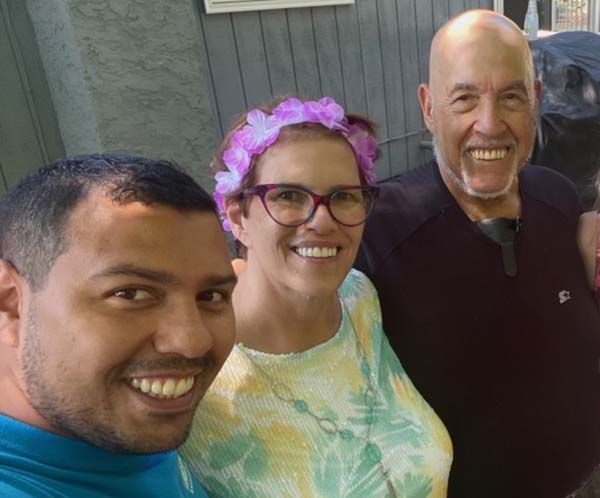
(more…)


Connie Freeman with her dad Richard Ziadie (courtesy of Ancestry.com/Connie Freeman)

Editor’s Note: The following article first appeared in the ARLnow Press Club weekend newsletter. Thank you to Press Club members for helping to fund our in-depth local features.

When Claremont resident Connie Freeman met her father last summer for the first time, it all started to make sense.

“This may sound kind of crazy and you may only know if it’s happened to you, but I felt like a puzzle piece fit,” she tells ARLnow. “I felt like I had the wrong piece in there my whole life.”

Connie Freeman is a 62-year-old county employee, working as a community outreach specialist for nearly three decades, and has lived in Arlington most of her life. And, up until last year, she had never known her father.

Her mom had gotten pregnant as a teenager in the late 1950s and her father had just never been part of their lives. But with her mom getting older, it became clear that now was the time for Connie, along with her own son Noe, to rediscover their family’s history.

Using AncestryDNA testing, together they discovered some surprising clues. For one, she was a quarter Lebanese. Considering that her mom was not Lebanese — “my grandmother has green eyes and blond hair,” says Noe — that was an interesting development. Their DNA results also turned up a name that was unfamiliar.

“At 11 o’clock at night, [my son] is emailing me, texting me, and calling me,” Connie says. ‘”Mom, I think I found your brother.'”

Using social media, Connie tracked down that person and a number of others the DNA results had cited as connected to them. Then, she made an unusual decision, at least, by today’s standards.

She reached out by handwritten letter, believing that the extra personal touch was more likely to get a response.

“The letter was very specific and it said I’m trying to find my father and, if he’s alive, I’d like to meet him,” she says.

Also included in the letter were some possible genetic and identifying details. Like, for example, her love of black olives and Noe being a fantastic soccer player. She additionally included where she was born, where she lived now, and that her mom always told her that her dad was in the military.

The letter worked. Within days, she got a call from an 84-year-old man named Richard Ziadie.

She admits getting that call was a bit surreal and hard to comprehend, but she made plans to meet Richard at his home in New Jersey on August 16, 2021 — on his 85th birthday.

Connie Freeman, her son Noe, and her dad Richard (courtesy of Connie Freeman)

When they met, it was immediately evident to Connie that this man was her father. He loved to spend time outside, in his garden, and had quite a green thumb.

“My son loved to garden as a kid and now owns his own landscaping company. Now, I know he got that from his grandfather,” she says.

He was also a people person and a fantastic host, just like his daughter.

“That’s something my mom does consistently, she always has people over,” Noe says. “They are both very charismatic.”

In photos of the three, the resemblance is also striking. Further DNA results confirmed that they were truly family, Richard was Connie’s dad.

“It all made sense,” Connie says.

(more…)


Sponsored by Monday Properties and written by ARLnow, Startup Monday is a weekly column that profiles Arlington-based startups, founders, and other local technology news. Monday Properties is proudly featuring 1515 Wilson Blvd in Rosslyn. 

Longtime Arlington resident Jay Hedley flew A-10 fighter jets for 12 years in the Maryland Air National Guard.

When flying missions, his plane would track and record what he could see in front of him, as well as the targeting of missiles using a heads-up display. He and other pilots would review the video footage together after flying a mission to debrief.

“So then the idea came,” he said, “why don’t we train athletes the same way we use technology like this from the jet?”

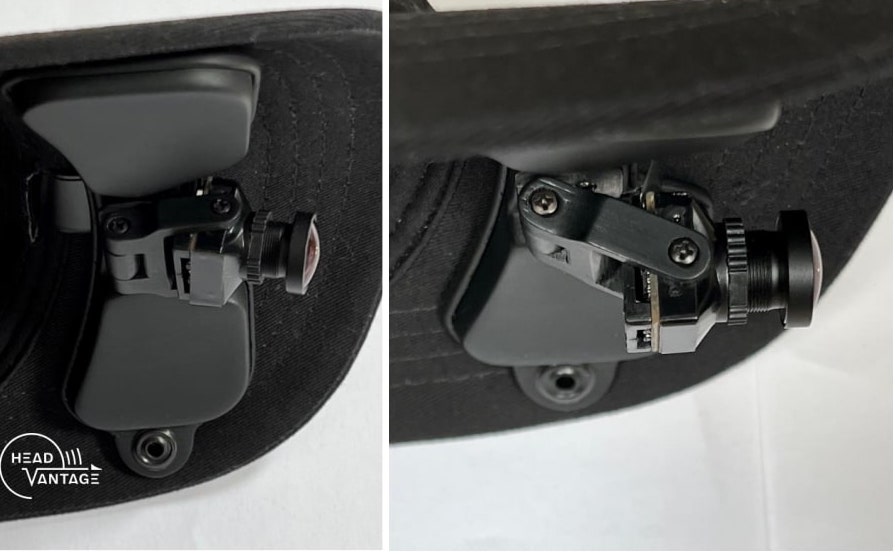
So he founded HeadVantage, which equips athletes with mini cameras and eye-tracking technology. The HeadVantage camera can be fitted under the bill of a baseball cap and track the eye movements of the wearer. It can also measure the diameter of the wearer’s pupils a hundred times per second, Hedley said.

Apart from tracking eye movements, the camera also records high-definition, stabilized video footage that can be streamed live and shown on TV.

“One way you can think of it is, where GoPro can’t go,” said Hedley, distinguishing HeadVantage from the popular action camera brand.

The HeadVantage camera is fitted into a pair of golf glasses (via SportsTech)

Because of the camera’s eye-tracking and streaming abilities, HeadVantage can provide unique content to sports fans, said Jenna Kurath, the head of Comcast NBCU SportsTech.

“To be able to see it from the perspective of the athlete, to get into the mind of the athlete through the eye-tracking of those split-second decisions that they’re making,” she said, “this is going to bring new fan-engagement content to the forefront.”

With this camera, sports commentators will be able to analyze an athlete’s performance from their viewpoint.

“Oftentimes our commentators will do the replay and say, ‘How did they do this?'” Kurath said. “Now this is the ability to kind of see it through the eyes of the athlete to really get a little bit more into their mind.”

Arlington-based HeadVantage was selected as part of Comcast NBCUniversal’s SportsTech Accelerator in 2022, a program that connected 10 startups with different program partners, such as NBC Sports, World Wrestling Entertainment and NASCAR. HeadVantage was chosen from among over 800 applicants around the world, according to a news release from NBCUniversal.

Since joining the program, HeadVantage has been prototyping the camera to be used in golf, fitting it in golfers’ glasses.

Instructors in NBC Sports’ golf shows, such as School of Golf‘s Martin Hall and others in the company’s subscribers-only GolfPass content, have used HeadVantage cameras, said Kurath, who also ran the startup program. The camera will be used in a few celebrity golf tournaments in the summer, she noted.

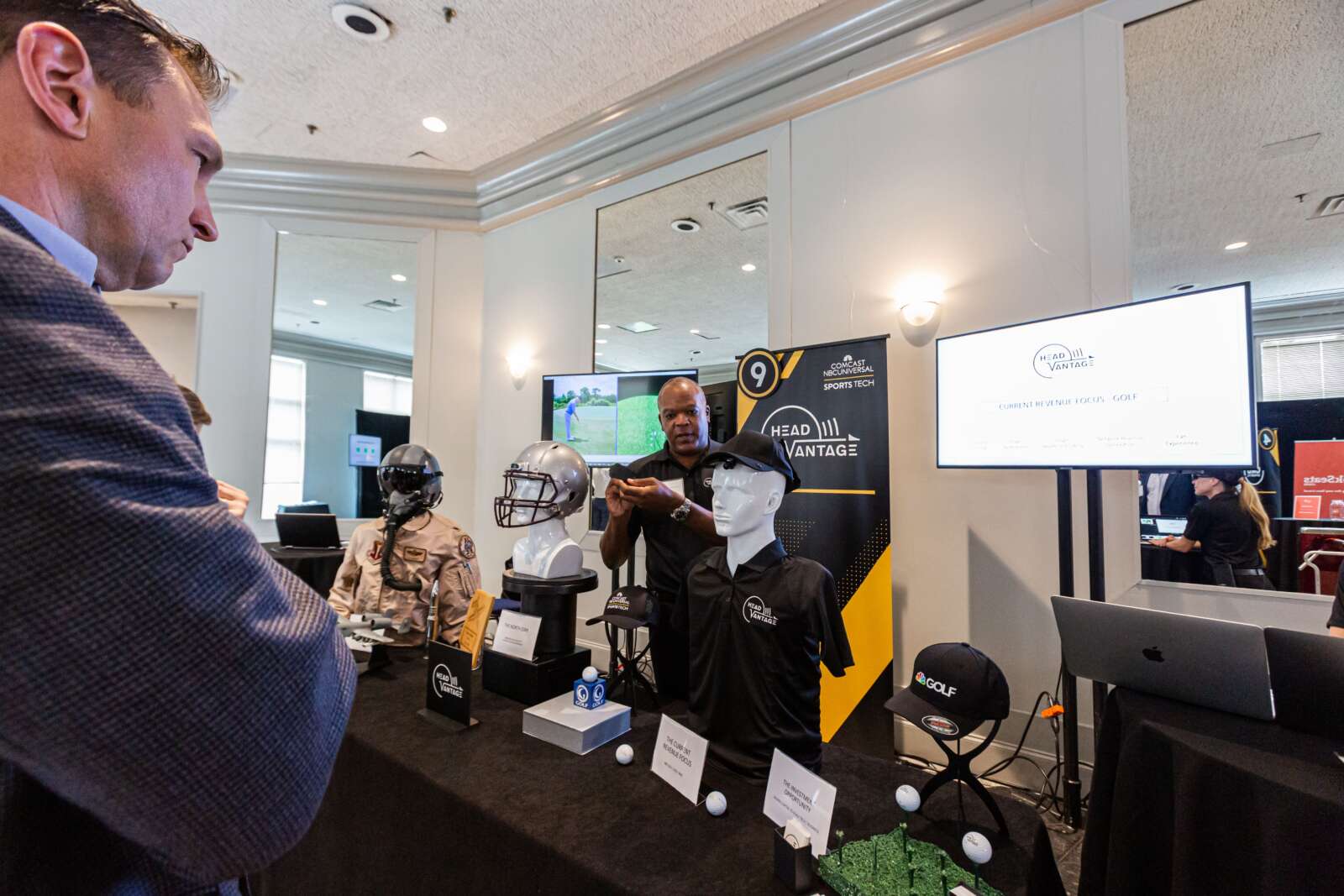
Founder Jay Hedley stands at the HeadVantage station at a Comcast NBCUniversal SportsTech Accelerator event (courtesy photo)

Hedley founded the startup in 2020, according to his LinkedIn page. Currently, his main customer is NBC Sports and his main goal for HeadVantage this year is to get the camera used in NBC golf coverage.

“I’d love to get embedded in NBC golf this year, maybe with baseball this year,” Hedley said, “So baseball and golf will be the two sports we’d focus on this year.”

(more…)


Editor’s Note: The following article first appeared in the ARLnow Press Club weekend newsletter. Thank you to Press Club members for helping to fund our in-depth local features.

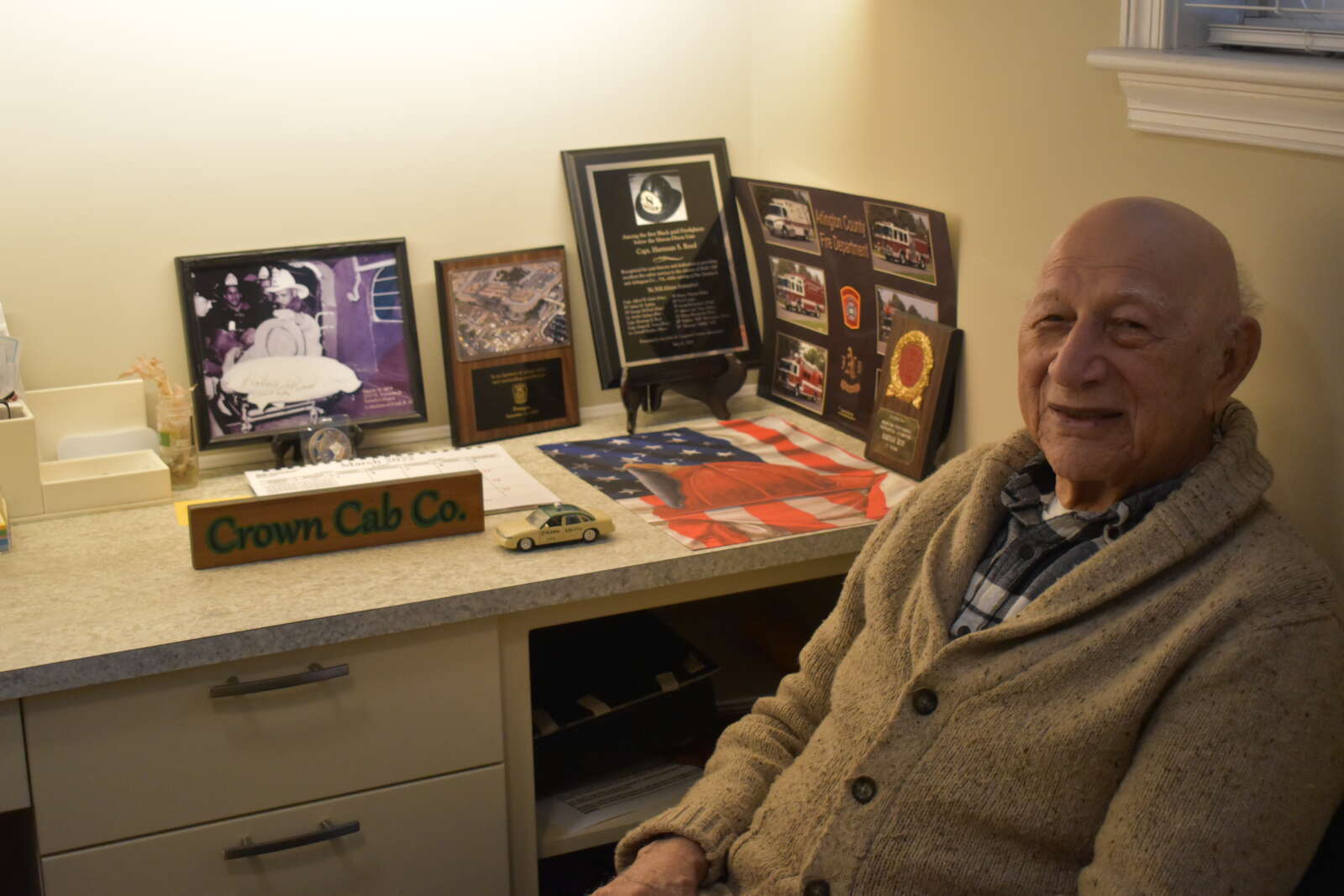
The phone rings on a stormy afternoon in Halls Hill and 92-year-old Hartman Reed swivels in his chair to answer it.

“Hello, Crown Cab,” he says.

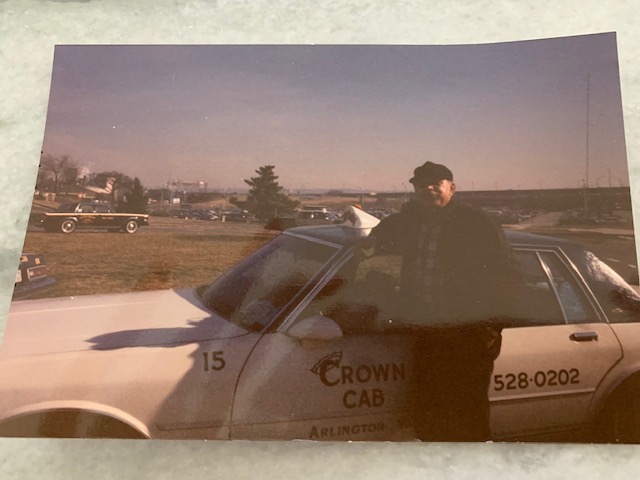
Reed first started working for the long-running cab company back in 1958 as one of the first Black cab drivers in Arlington. He picked up customers in a Chevy. Today, more than six decades later, he owns the company, making it one of two Black-owned cab companies in Arlington.

Reed had a second notable job as well. He was also a firefighter at famed Fire Station No. 8 in Halls Hill. It’s believed he was one of the first paid Black firefighters south of the Mason-Dixon line.

“As I grow older, I now know how important it was to be first at things,” Reed tells ARLnow. “I now know what we did made it possible for others behind us to advance.”

For decades, Halls Hill had only a volunteer firefighter department. Even when the county started allocating money to other neighborhoods to pay their first responders in 1940, Arlington declined to do the same for Halls Hill. What’s more, fire companies in surrounding neighborhoods would not come into Halls Hill to provide help.

Finally, in the early 1950s, the county provided money to Halls Hill to hire professional firefighters. Reed, straight out of the Navy, was one of the first hired, starting on the job in 1952 at Fire Station No. 8.

He remains extremely proud of not just the work he and his fellow Halls Hill firefighters did, but the reputation they earned in the community.

“Just because we were Black, we were looked at as people who didn’t have the courage to go in and fight fires,” he says. “We had to prove ourselves. In most cases, I’d say we were outstanding as a company because we wanted to prove that we were as good or better than any other company.”

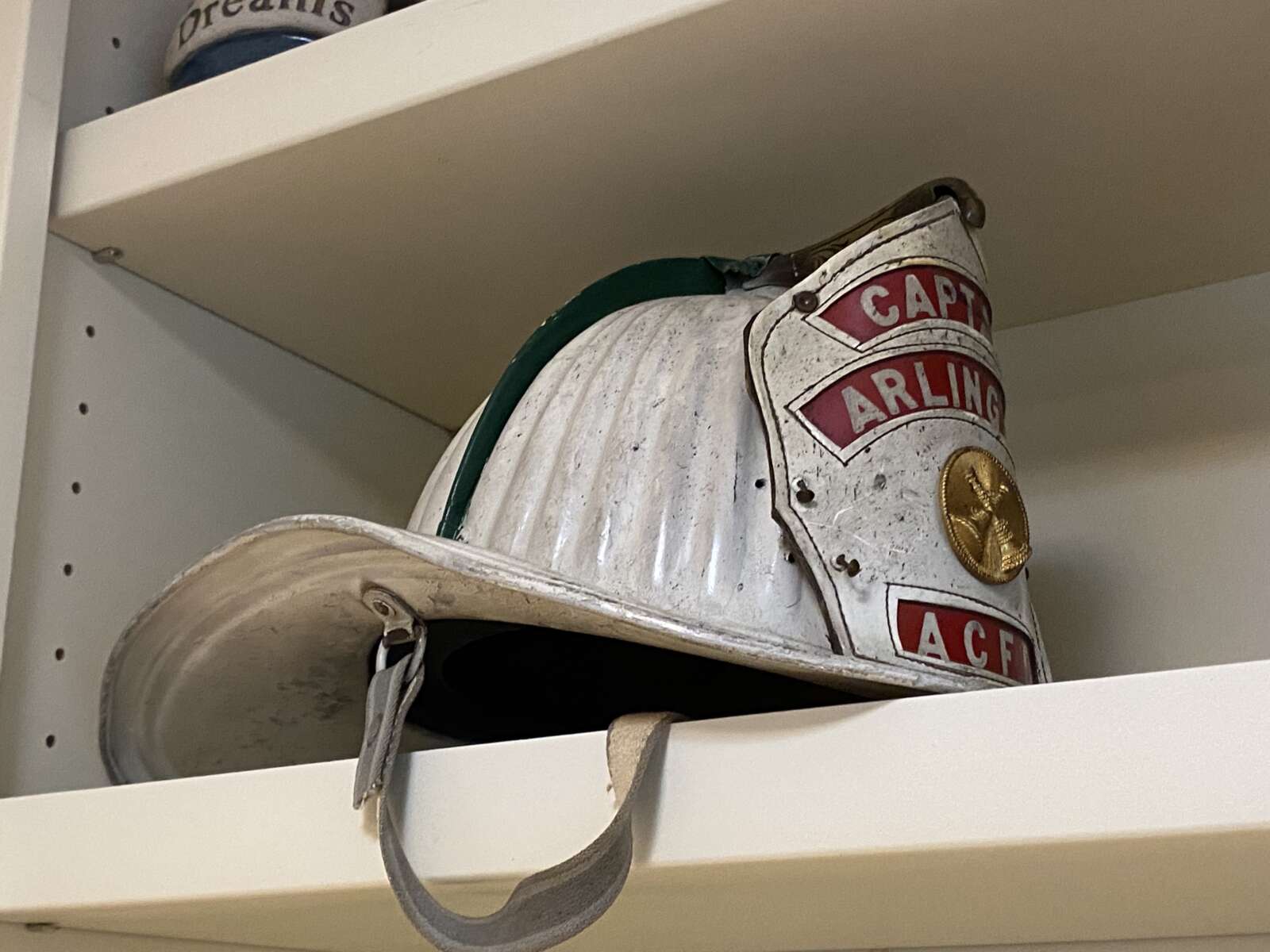
Hartman Reed’s firefighting helmet (staff photo by Matt Blitz)

Fire fighting wasn’t the only community need where Jim Crow reared its ugly head in Arlington in the mid-20th century. In an era there were fewer people had cars, cabs were neighborhood necessities. However, many white-owned Arlington companies would not pick up customers in Arlington’s Black communities like Johnson’s Hill, Halls Hill, and Green Valley.

So, two companies — Friendly Cab Company and Crown Cab — were founded specifically to service those neighborhoods. A number of the cabbies were firemen, including Reed.

In 1958, fellow Fire Station No. 8 firefighter Buster Moten started Crown Cab and hired Reed as his first driver. It’s believed he was one of the first Black cab drivers in Arlington.

For about 16 years, Reed was both a firefighter and a cab driver but he says the two jobs went hand-in-hand. For one, being a cab driver helped him “learn the territory.”

“You have to know where places are when a [fire] call comes in. You can’t be hunting around,” he says. “As a cab driver, you got to know the county a lot better.”

Cabs were also there for emergencies, like hospital visits, particularly since Arlington’s Black residents were often not allowed to go to the hospital closest by.

(more…)


Sponsored by Monday Properties and written by ARLnow, Startup Monday is a weekly column that profiles Arlington-based startups, founders, and other local technology news. Monday Properties is proudly featuring 1515 Wilson Blvd in Rosslyn.

A Ballston-based tech firm is on the “cutting and bleeding” edge of supply chain issues facing the country, Sen. Mark Warner (D-Va.) said during a visit to the company late last month.

Supply chains have become an international focus, with the shortage of personal protective equipment at the beginning of the pandemic, competition in manufacturing computer chips, and global impacts of Russian goods bans fresh in people’s minds.

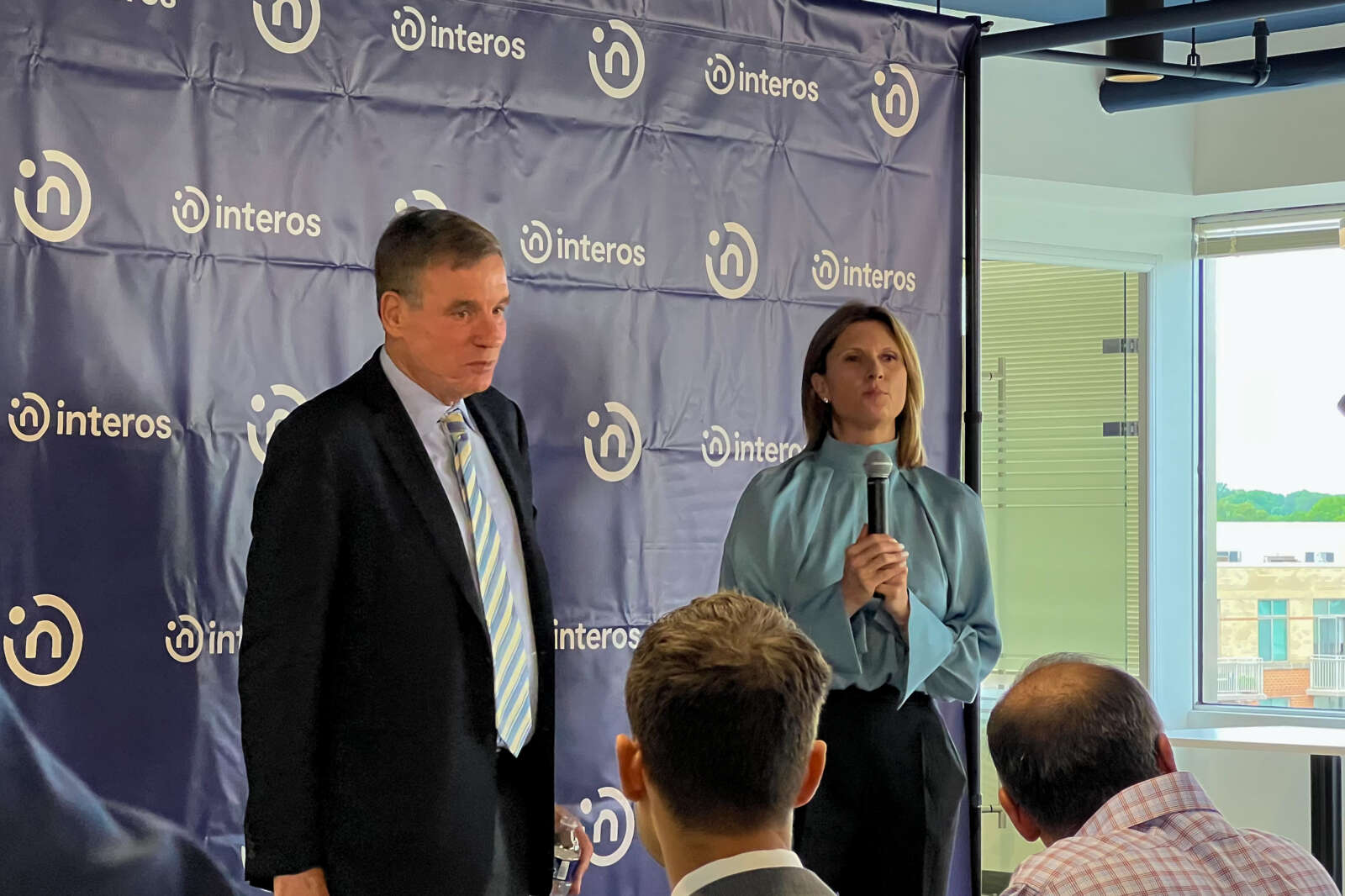
“Knowing how supply chains work, this has become the buzzword of the time,” Warner said in an employee town hall at Interos — the first private Arlington startup to reach a billion-dollar valuation. Warner’s visit to the company was “to highlight Northern Virginia’s growing role as a hub of tech innovation for national security,” his staff said.

Sen. Mark Warner and Interos CEO Jennifer Bisceglie at an Interos employee town hall (staff photo by Pia Kramer)

Work that companies like Interos do, identifying companies’ suppliers, is particularly important as the war in Ukraine continues, Warner said. He’s working on legislation that would mandate public sector companies of a certain size to map out their supply chains, he said. The timeliest measures would focus on identifying Russian companies, as countries ban imports on its goods and raw materials.

“If you can’t go upstream and find where that product originates and who’s in the supply chain, you’re not going to be able to bring the full power of sanctions on a country,” he said.

Interos uses artificial intelligence to map out the suppliers of their clients and assess the risk scores of each. Its platform is used by federal agencies and Fortune 500 companies.

Interos Founder and CEO Jennifer Bisceglie said there is “a very good environment” for Warner’s proposed legislation.

“A lot of companies are truly trying to understand where they are connected to Russia and not being able to comply with sanctions,” she said, adding that companies “want to be able to answer these questions.”

Interos Logo (staff photo by Pia Kramer)

Bisceglie added that Interos could provide supply chain knowledge to those companies.

“It’s all about understanding what’s happening in the sub-tiers of your supply chain and that’s where we help,” she said.

Bisceglie said Interos raised $100 million last year to work on getting more data faster that would provide “more interesting and pro-active insights” to their customers. These new data include a supplier’s cybersecurity and financial information.

“So this is all about speed, about unique datasets, and really to solve global transparency challenges on a global scale,” she said.

Warner also called China “the threat of our time” at the town hall.

“The challenge going forward is going to be who wins the technology struggle for the 21st century,” he said.


Registration is underway for the annual DC Bike Ride on Sept. 10, but three lucky ARLnow readers will be getting their registrations comped.

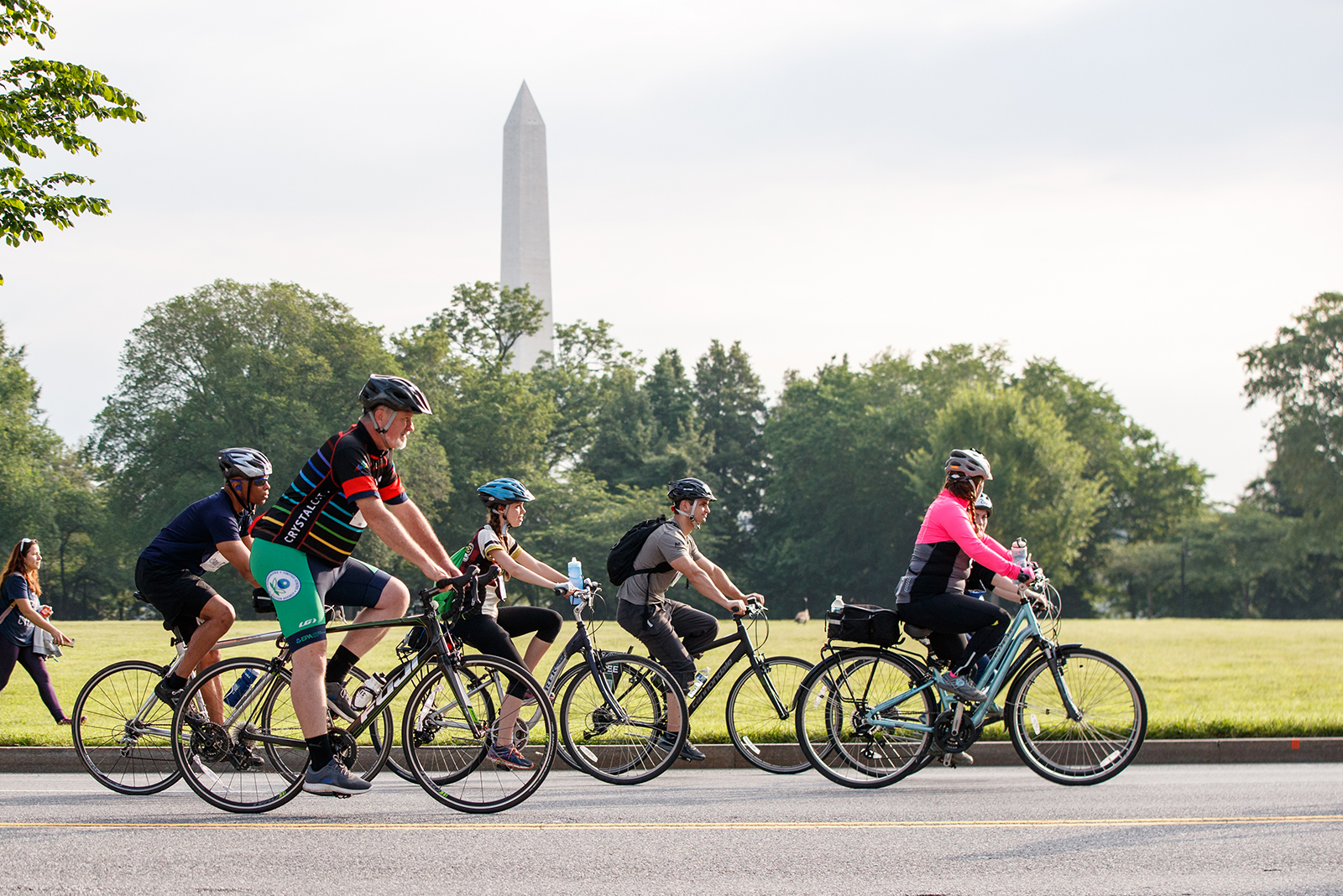
DC Bike Ride invites riders of all ages and abilities to bike through 20 miles of completely car-free streets filled with epic views, local performers, and fun photo stops. Additionally, the ride helps to support safer streets and local food relief programs.

Two weeks ago, we offered readers the chance to win a pair of VIP registrations ($470 value) or standard registrations ($276 value). Today we’re announcing the winners.

  • Grand prize winner (VIP registrations): Thomas D.
  • Runners up (standard registrations): Sophia G. and Danielle T.

The winners have been contacted via email and we’ll also soon be sending a special offer for those who entered but did not win.

For everyone else, you can book your registration online and we’ll see you along the course — which runs through D.C. and Arlington — in September. Thank you to DC Bike Ride for sponsoring this giveaway and supporting ARLnow!


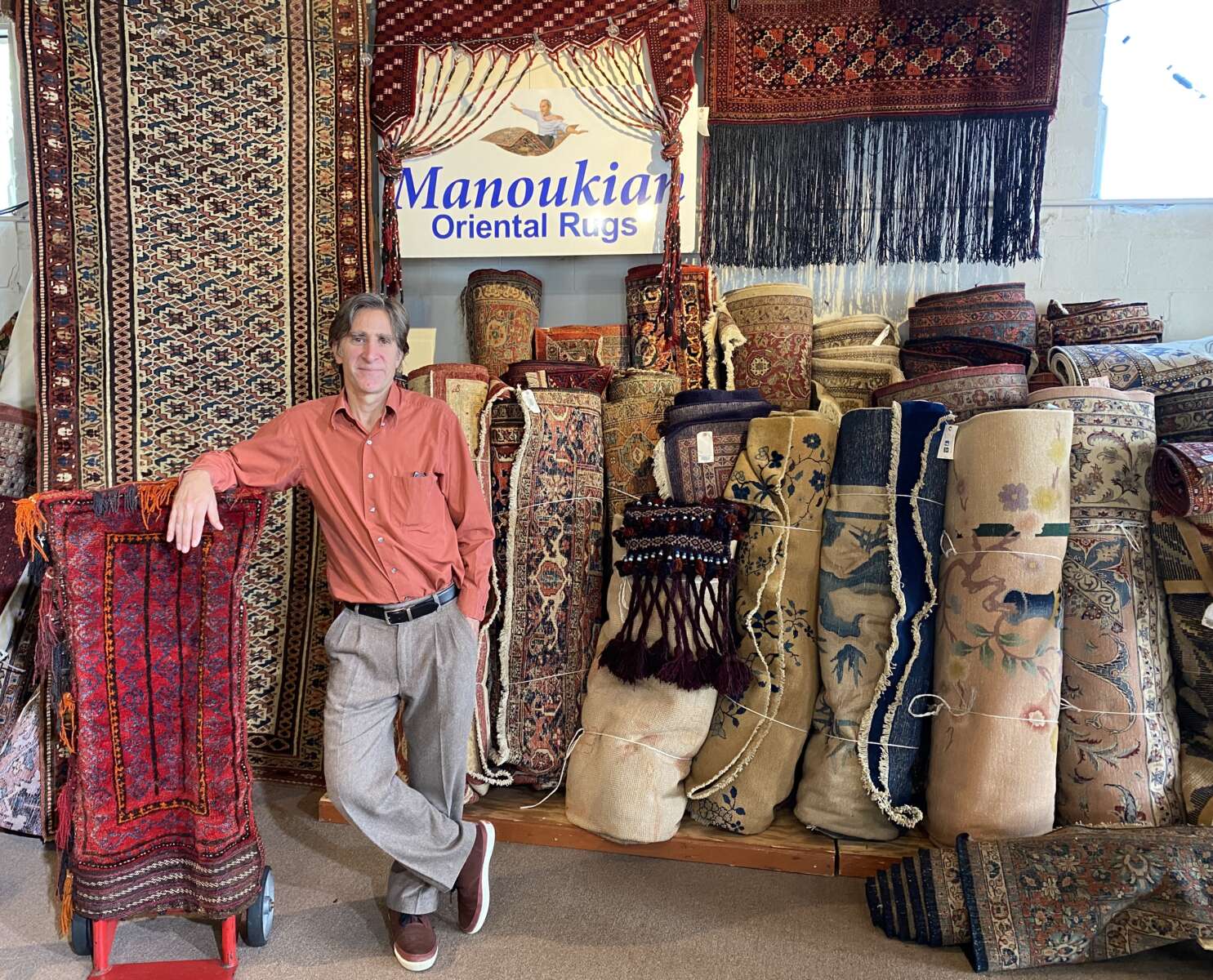
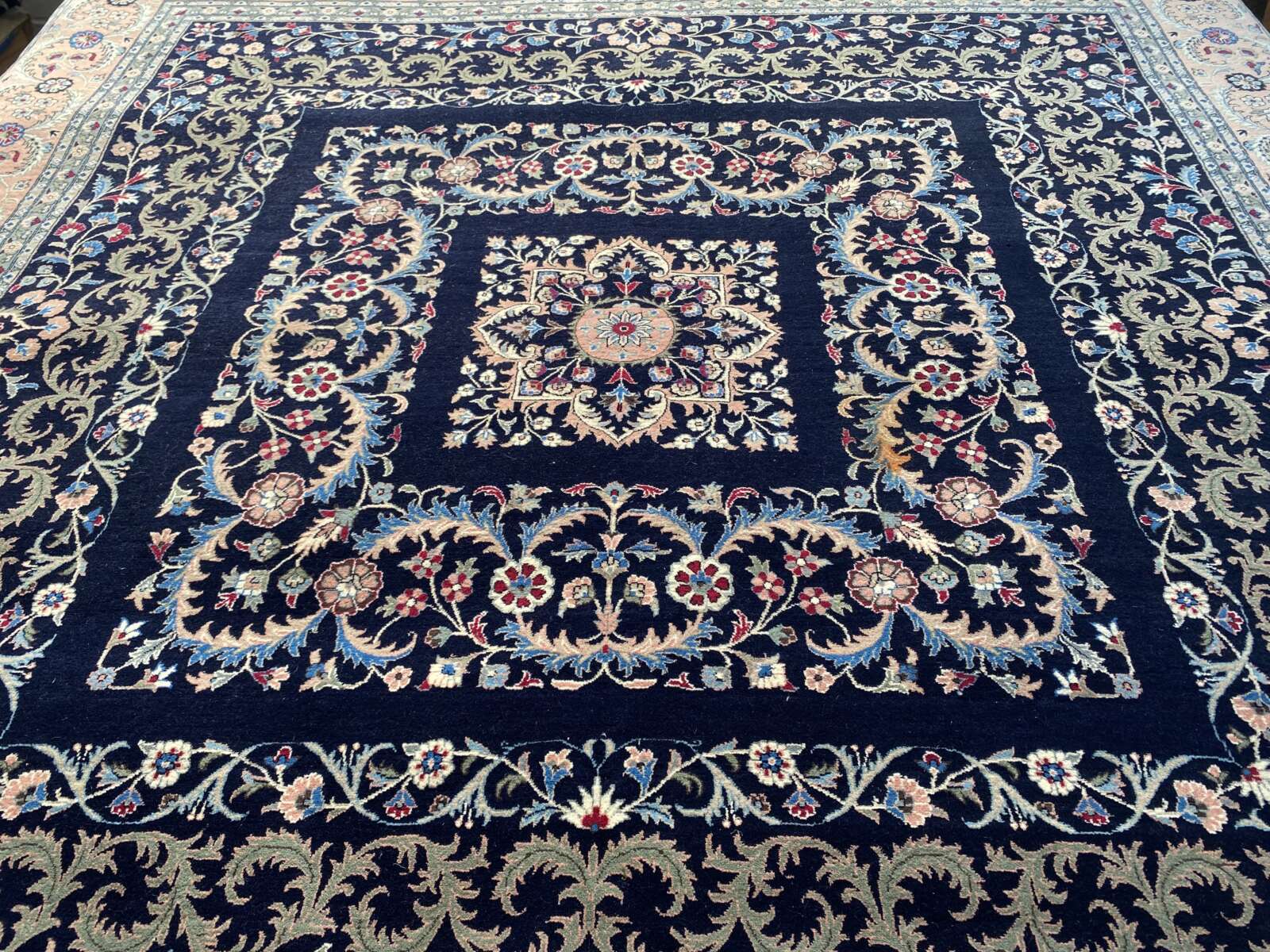
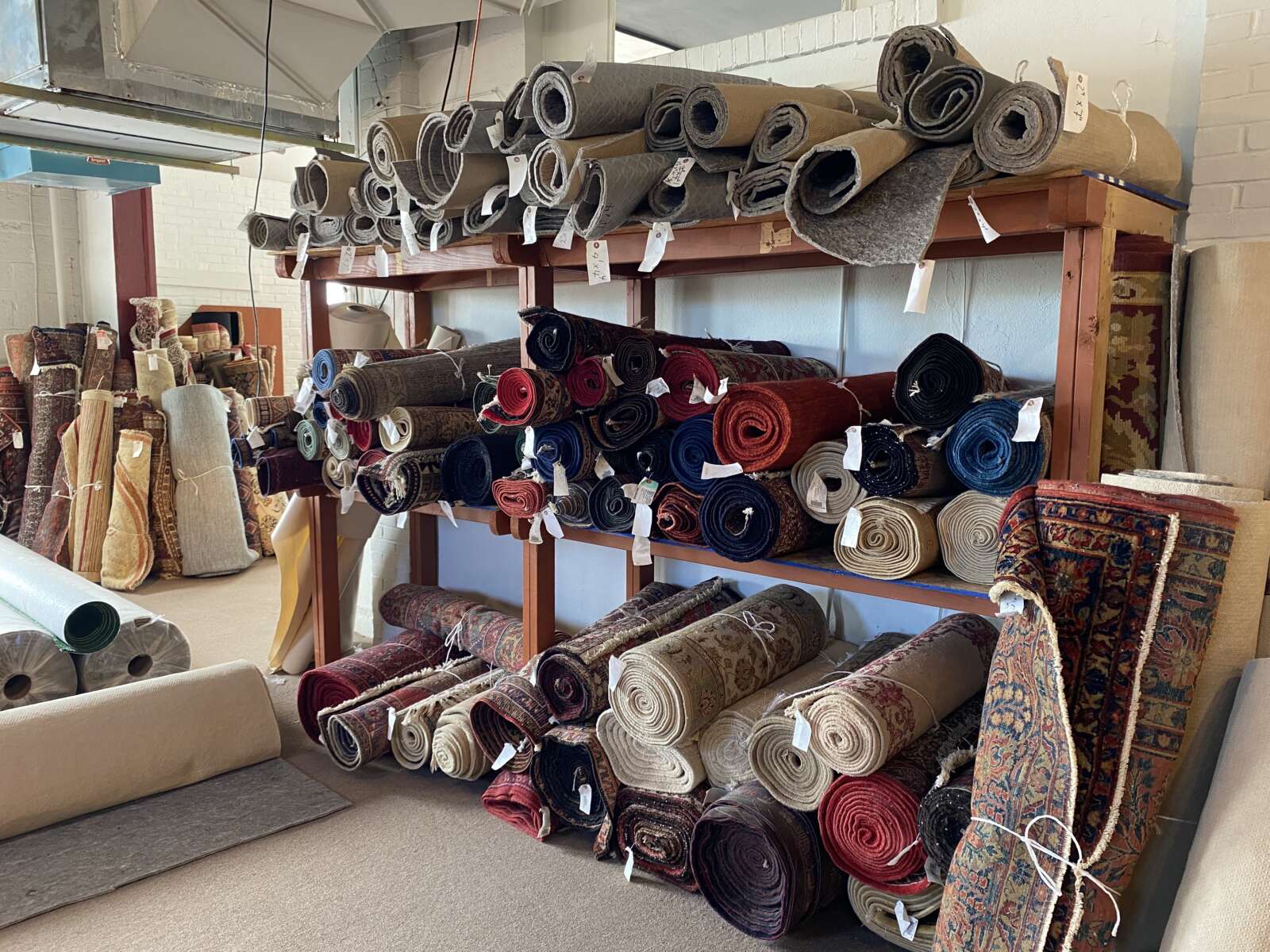
It’s been a century since his family first started selling rugs, but Mikael Manoukian is still learning.

To be fair, he actually only got into the family rug business a few years ago and now runs the Manoukian Brothers Oriental Rugs on Columbia Pike with his mom, Dona. But in that short time, Mikael has learned at “Mach speed” about what it takes to sell hand knotted, decades-old rugs.

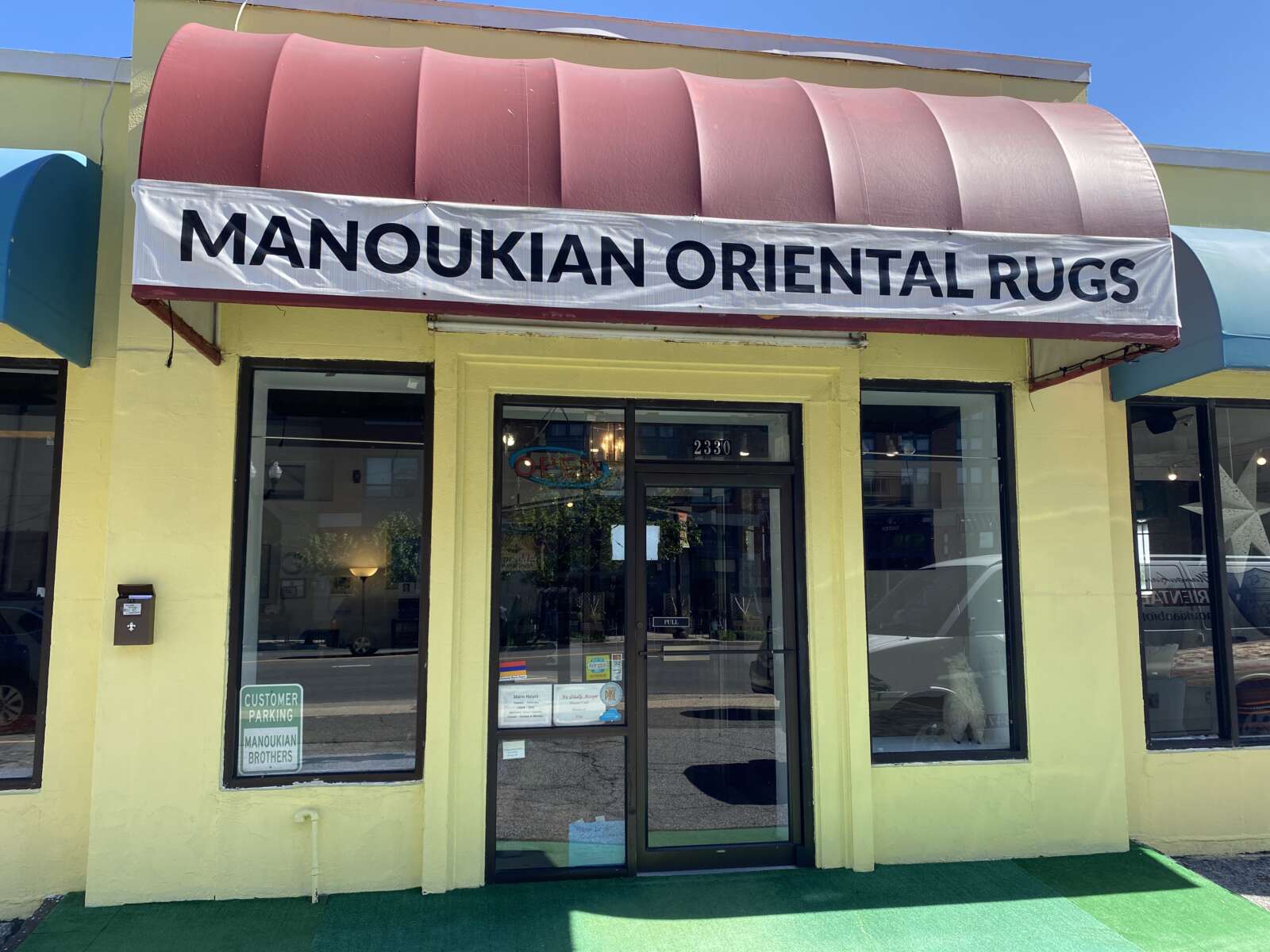
“I’m getting to be an expert, let’s put it that way,” he chuckles to ARLnow, inside of the storefront at 2330 Columbia Pike the shop has occupied since the fall of 2018. “Something that has a lot of nuance like rugs, it’s not like selling something at the grocery store… you can’t just treat it like a candy bar.”

Earlier this month, on May 15, Mikael and the Manoukian family marked 100 years of being in business with a celebration. There was  music, food, and personal reflections in front of their store on the Pike. There was also an announcement of a Virginia House resolution by Del. Alfonso Lopez commending the business for its longevity.

But the Manoukian family story is more than rugs. It’s a tale that is representative of what America can be about.

“It’s always been about our desire to stick with it, keep going, and do justice to our family,” Mikael says, about why he thinks his family’s rug business has lasted so long. “[They] came here, worked hard, and have been relatively lucky.”

Then, he takes a breath. As if he’s comprehending the enormity of it all.

“One hundred years years. It’s pretty impressive to last that long.”

It was around World War I when the Manoukian family fled from modern day Turkey and Syria due to the Armenian genocide. Like many at the time coming to America, the family arrived via boat at Ellis Island. Among those were three Manoukian brothers, including Mikael’s grandfather Moses.

In 1922, one of those brothers, Manouk — Mikael’s great-uncle — opened a Persian rug shop at Washington Circle in D.C. In 1957, his brothers finally joined him in the business and created Manoukian Brothers Oriental Rugs.

It was around this time when a young Paul Manoukian, Mikael’s father, started getting involved in the family business.

“He was a second-generation American and there was more expectation to carry on tradition,” Mikael explains.

For years, Paul worked alongside his father at the rug shop as well as pursuing a second career: A civil engineer for the Washington Metropolitan Area Transportation Authority.

In the late 1980s, with his uncles getting older and his grandfather passing away, Paul took over the shop completely. Two jobs, including owning a business, while taking care of his family is a lot for any one person and Paul Manoukian did it for nearly three decades.

Mikael, who grew up in the Yorktown neighborhood with his parents, could see the toll it was taking on his dad.

About five years ago, as his father approached his late 80s, it became clear that it was time for the business to move to the next generation.

“We got together as a family and had many, many long discussions about what to do and how to handle the [then] 96-year-old business,” Mikael said.

It was decided that Mikael and his mother, Dona, would take it over and the business would move to Arlington, where a majority of the family lives. Today, Mikael lives in Alcova Heights, only a few miles down the road from the shop’s Columbia Pike location.

(more…)


Sponsored by Monday Properties and written by ARLnow, Startup Monday is a weekly column that profiles Arlington-based startups, founders, and other local technology news. Monday Properties is proudly featuring 1515 Wilson Blvd in Rosslyn.

Two companies that help grocers and shoppers get the best deal have reached a deal of their own.

Canadian artificial intelligence company Fobi is set to acquire Basket, an Arlington-based startup’s grocery pricing app that lets users compare in-store and online prices for items, according to a press release.

Basket, which was developed by Grocery Shopping Labs, provides its data to product manufacturers and retailers so they can understand shopping trends, such as how often shoppers search for products at different stores and what drives purchasing decisions. Fobi, based in Vancouver, provides insights from retail, sports, entertainment and tourism data to its clients, which include large companies across the globe.

“Basket has always been about taking the blindfold off shoppers to help them save money and time, and simultaneously providing shopper insights to some of the top [consumer packaged goods] CPG brands and retailers,” Grocery Shopping Labs CEO Neil Kataria said in the release. “Now, together with Fobi we can significantly grow our audience, delivering more value for shoppers and more value for the CPG brands we work with.”

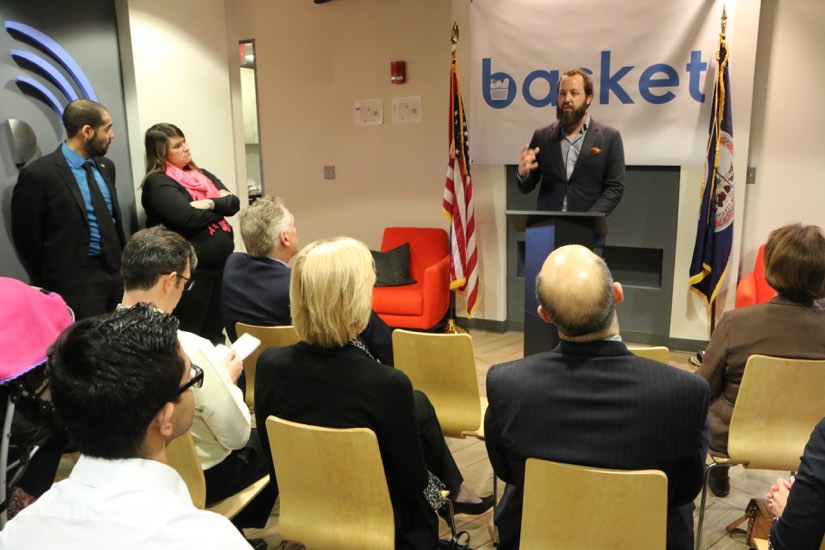
Tech startup Basket co-founder Andy Ellwood talks at an event marking its move to Arlington in 2016 (file photo)

Basket was started in 2014 in D.C. and moved to Clarendon in 2016. The company raised $12 million in capital and has had hundreds of thousands of users.

Basket allows people to scan barcodes for their favorite products to create smart shopping lists that compares prices for products across various local stores, online shops and delivery companies, as well as the cost of the entire list across all of the stores. Basket’s data combined with Qples by Fobi Grocery Coupon Network app will give users a better experience and optimize cost savings for the brands, the release says.

“Shoppers can simply scan the product barcode and see if there are any coupons available for that product from Qples by Fobi, and if there are, they can be applied automatically at checkout,” according to the release.

The idea for Basket came to Kataria when he was a child, clipping coupons with his family and comparing his grocery list across five stores near him, he previously told ARLnow. As an adult, he realized the amount of money he was wasting by not comparing prices and began to aggregate data generated by shoppers.

The app built a community of shoppers who shared prices from grocery stores across the U.S.

“I’m excited by the opportunity we have together with Fobi to transform the grocery business with pricing visibility and shopper data, but I’m also excited about taking this transformation to other industries next,” Kataria said in the release.

The acquisition of Basket is well-timed, as inflation rises and manufacturers and consumers are even more interested in saving money, Fobi CEO Rob Anson said in the release.

“This deal immediately grows our revenue streams and immediately grows our addressable audience and the amount of shopper data that we have access to,” he said. “Our combined AI & Big Data capabilities will now enable a new era of personalized marketing at scale with unprecedented data analytics, and valuable insights as to campaign performance and measurement for the retail ecosystem.”


Sponsored by Monday Properties and written by ARLnow, Startup Monday is a weekly column that profiles Arlington-based startups, founders, and other local technology news. Monday Properties is proudly featuring 1515 Wilson Blvd in Rosslyn.

Cybercriminals are not the stereotypical teen in their mom’s basement wearing a hoodie.

Cyber crime has become a highly organized business, with people specialized in different parts of the process, nonprofit Cyber Threat Alliance President and CEO Michael Daniel said. And cyber threats, such as ransomware, have exploded as people are more connected to the internet and can move money more easily.

“We’ve entered a stage where cyber crime poses a very significant threat to the global economy and the global system, equivalent to what normally would only be associated with nation-states,” Daniel said. “And so that’s a big challenge and a big change.”

Based in Clarendon, Cyber Threat Alliance enables cybersecurity companies to share threat information with each other quickly to prevent and respond to these attacks.

“No individual company has a complete view of what’s going on in cyberspace, so in order to be able to protect your customers, or work with the government, law enforcement agencies or others to help disrupt the bad guys, you need more information,” Daniel said.

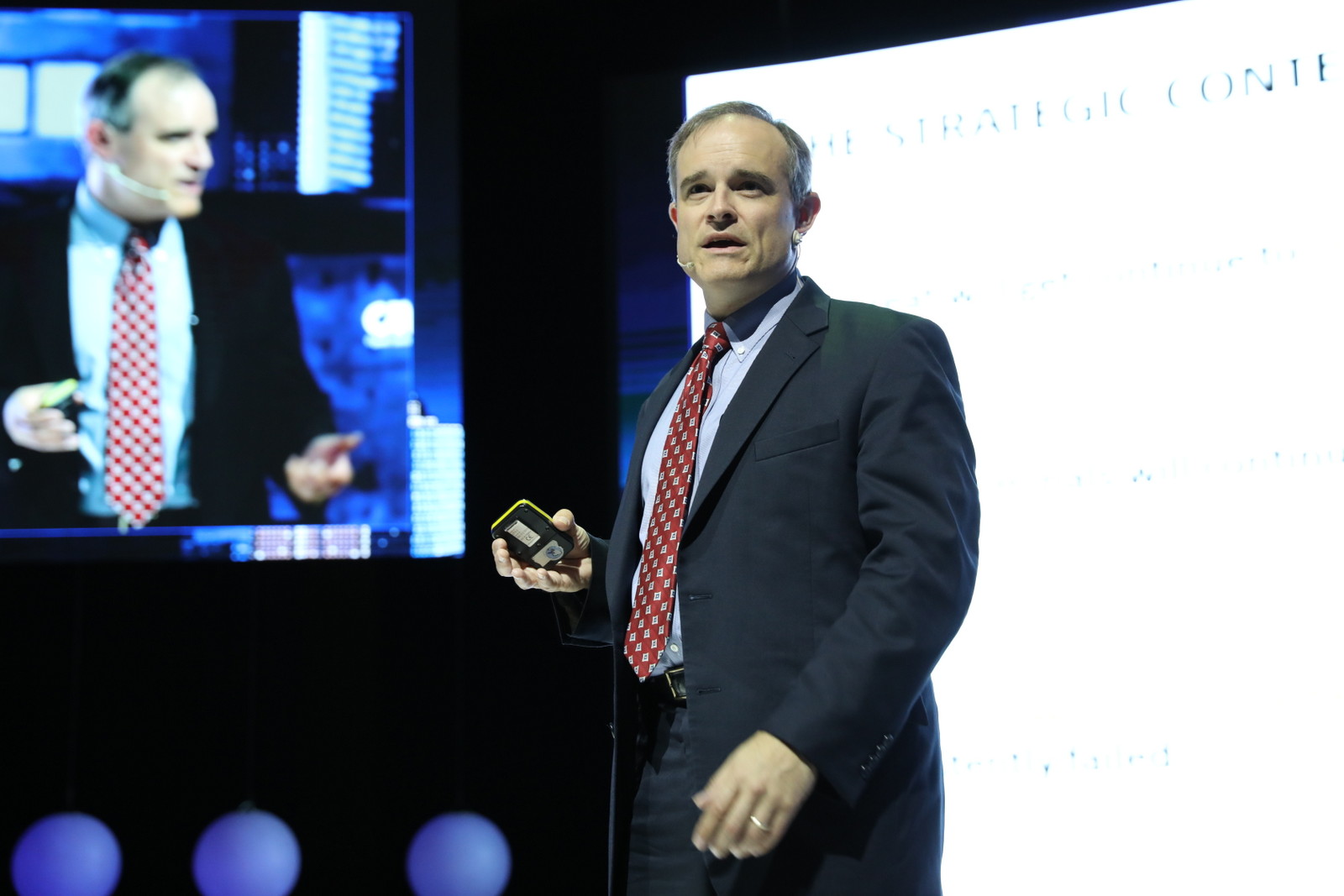
Cyber Threat Alliance CEO Michael Daniel speaks during a presentation (courtesy of Cyber Threat Alliance)

People who work in cybersecurity policy talk about information sharing a lot, but there wasn’t anyone dedicated to it for the industry until the nonprofit was formed five years ago with its six founding members — Palo Alto, Fortinet, Check Point, Cisco, McAfee and Symantec.

“The leaders of those companies really understood that talking about information sharing in cybersecurity, well, everybody talks about it, but it’s hard to do,” said Daniel, who worked in federal government for 20 years, including as former President Barack Obama’s cybersecurity adviser.

As for locating in Arlington, where Daniel and his wife had settled, the decision was simple.

“This is a great place for getting started and working in the cybersecurity industry because the Washington, D.C. area is the hub for policy and other kinds of development,” he said. “And this is really home for us. It’s not really more complex than that.”

Now, CTA has 34 member companies, which are required to share a minimum amount of threat intelligence each week, and employs seven people. Its members are headquartered in 11 countries around the world and run the gamut of household company names, like Cisco, to relatively smaller cybersecurity companies.

There’s a list of companies in the pipeline to become members, which opens up possibilities for hiring additional staff and offering more services, Daniel said.

In the upcoming year, CTA hopes to add technological capability to its sharing platform and is involved in projects, including one with the World Economic Forum’s Centre for Cybersecurity to understand the criminal ecosystem so it can support government action against cybercriminals.

“Ransomware is a huge problem, cyber crime is a big problem, and it’s something we need to really tackle if we want people to be able to use the digital world in the way that we want,” he said. “Cyber threats are not a problem that we’re going to solve but it’s a problem that we’re going to have to manage. We are building for the long term.”


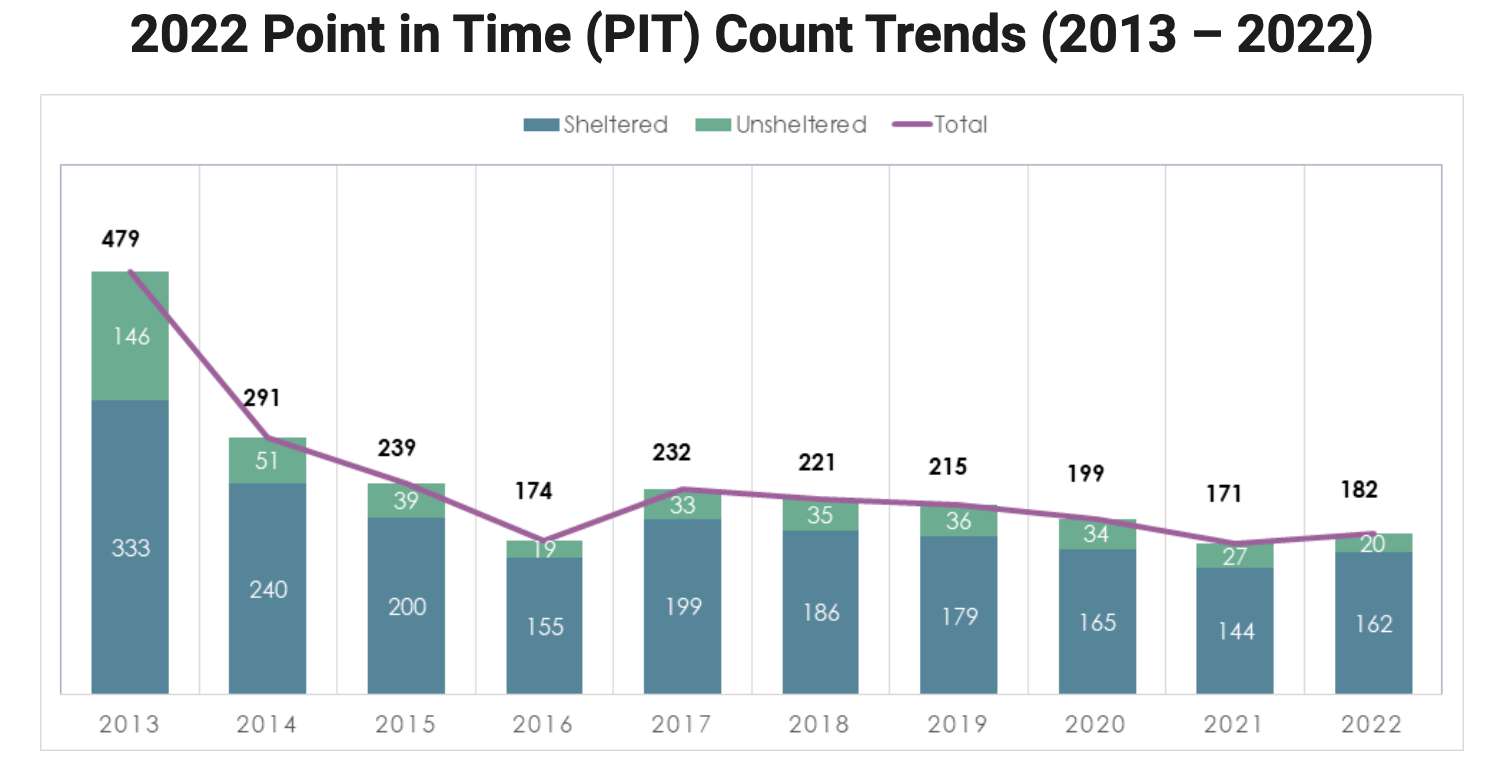
A chart of the number of people experiencing homelessness in Arlington (via Arlington County)

What can we do to help those in our community who are experiencing homelessness is a question Triina Van gets a lot.

Van has been Homeless Services Coordinator at Arlington County’s Department of Human Services for about a year and a half. But she has more than two decades of experience working in the field and thinking about this very question.

It’s a difficult one to answer, she says, because the issue of homelessness is “an incredibly complex one.”

ARLnow spoke with Van about how people can help, common misconceptions about those experiencing homelessness, and where people can turn if they need help.

This interview has been edited and condensed for clarity. 

What are some of the most common reasons that people in our community experience homelessness? 

I’d attribute that to a lot of different reasons. It’s compounded by issues of lack of affordable housing, rents increasing during lease renewals, and challenges associated with not having incomes that can really sustain the cost of living in our community. It can also certainly be compounded by mental health challenges and family violence. There’s also the much deeper systemic roots… woven into our systems with the historical context of our housing policies and how this country has been stood up.

They all contribute to housing loss, housing instability and homelessness.

You noted two different terms there — housing instability and homelessness — what’s the difference?

Yeah, generally when we speak about housing instability, we’re talking about folks who are at risk of experiencing homelessness. That could mean they are contributing over 30%, 40% of their monthly income to rent. Maybe they’re doubled up, living with other families and households to try to make ends meet.

When I’m speaking about homelessness, I’m really talking about people who are sleeping outside, sleeping in emergency shelters.

I think housing instability is a less visible challenge. Arlington is not alone, it’s a nationwide crisis. When they are challenged with this, people often turn to their networks of support like family, friends, congregations, and other communities of faith for assistance.

Man sleeping on a bench outside Arlington Central Library (file photo)

When people are facing house instability or are experiencing homelessness and need help beyond these networks, where can they turn? 

If someone is experiencing homelessness or if you know someone who’s experiencing homelessness, you can call what we call the “1010 line” — that’s 703-228-1010. That’s our main shelter line and can reach someone 24/7, 365 days a year. It’s operated by the Community Assistance Bureau during normal business hours, but we also know homelessness can happen any time of the day. So, it’s also staffed by one of three shelter providers in Arlington who rotate that coverage throughout the non-business hours, overnight, and weekends.

That’s an immediate first step folks can take.

So, what happens after that first phone call?

Staff will complete an assessment to understand the different circumstances people are facing. They’ll look for creative solutions that can help people stay in their housing or find another option that prevents them from entering the homelessness system.

Sometimes, that could be providing temporary financial assistance or maybe negotiation with a landlord to try to prevent an eviction from happening. It could also be more long-term assistance depending on the personal family’s needs. It could also be helping find a new apartment. And, sometimes, people just need a security deposit or first month’s rent.

If the staff can’t assist directly, they have a deep knowledge of other community resources and can help people connect to other options.

(more…)


Sponsored by Monday Properties and written by ARLnow, Startup Monday is a weekly column that profiles Arlington-based startups, founders, and other local technology news. Monday Properties is proudly featuring 1515 Wilson Blvd in Rosslyn.

HUNGRY still has an appetite for growth.

The Ballston-based food tech startup acquired its third company in as many years.

HUNGRY offers an online catering marketplace connecting companies with local chefs. Last week, it announced the acquisition of California-based healthy snacks company NatureBox, which delivers its products to homes and offices, and has its own private-label bulk snacks.

“NatureBox’s healthy snacks will be an outstanding complement to HUNGRY’s business-catering solutions, creating a game-changing combination of exceptional quality and service,” HUNGRY co-founder and CEO Jeff Grass said in a statement. “Companies right now are looking for one partner to handle all of their in-office food, snacking, and beverage needs, and now more than ever, HUNGRY is that complete partner for them.”

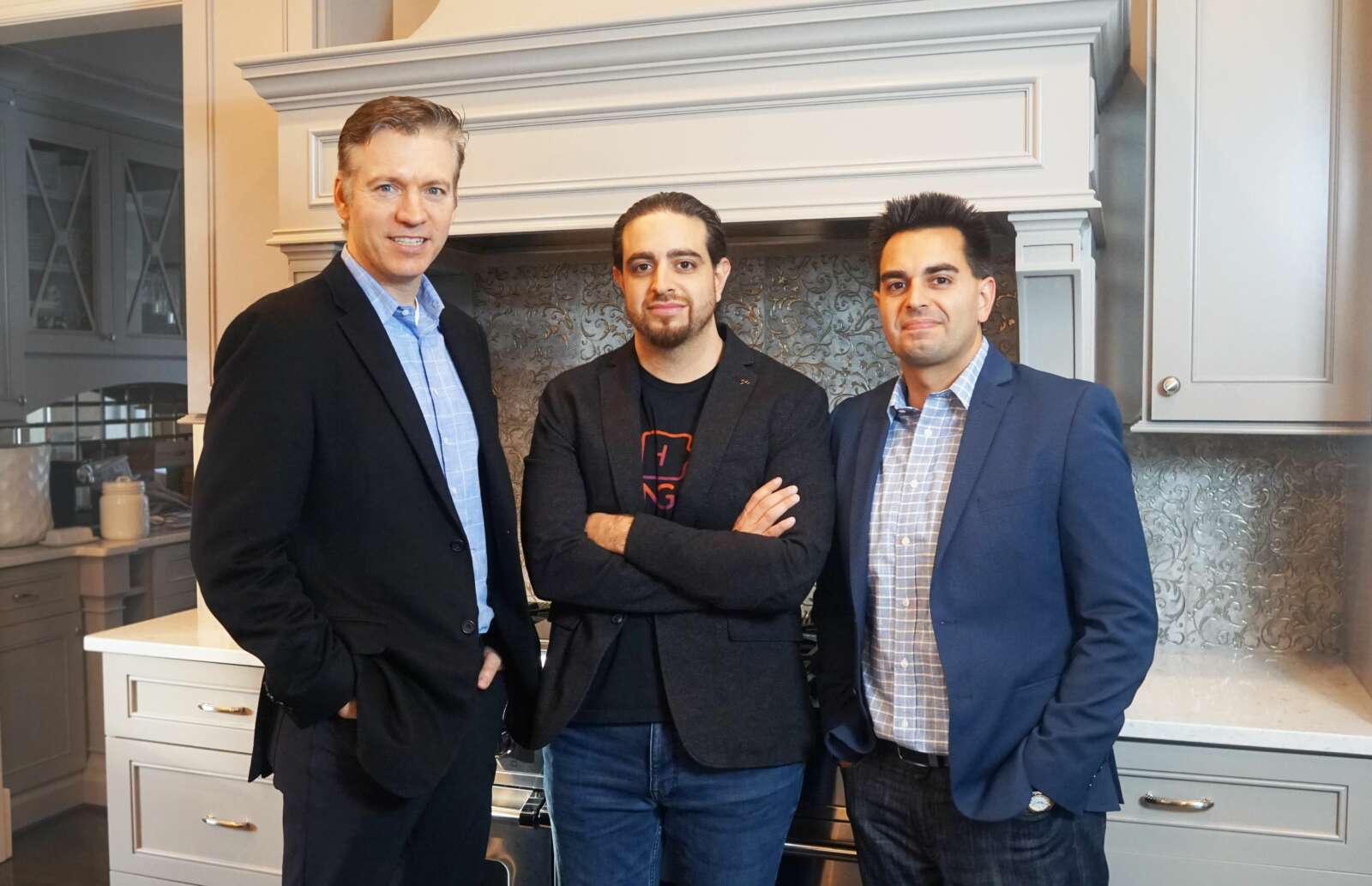
Hungry founders Eman Pahlavani, Shy Pahlevani and Jeff Grass (courtesy photo)

NatureBox, which has served over 3.5 million consumers and thousands of corporate clients, previously raised nearly $60 million in funding, a press release said.

“We’re proud to join forces with HUNGRY, and we’re excited that now even more people will be able to enjoy our amazing, healthy snacks all over the country,” NatureBox CEO John Occhipinti said in a statement. “We’re grateful to Jeff and the whole HUNGRY team for believing in what we’ve built and taking it to the next level.”

The acquisition furthers HUNGRY’s national reach and increases its healthy options.

The startup launched in late 2016,  and has since expanded to more than 10 markets across the U.S., and acquired companies LocalStove in Philadelphia and Ripe Catering in New York City.

Outside of the D.C. area, HUNGRY is available in Philadelphia, Atlanta, Boston, New York City, Austin, Dallas, Los Angeles, Nashville and San Francisco.

It has added food truck options and Virtual Xperiences, where groups can purchase online cooking classes with name-brand chefs and supplies sent directly to participants’ homes.

During the pandemic, it brought Nationals Park fan favorites to customers’ doors when the stadium was closed. It has since ended that partnership as fans are able to return to cheer the baseball team on in person.

HUNGRY has grown quickly over the last two years, earning a spot on the Deloitte Technology Fast 500 and debuting at No. 434 on the Inc. 5000 list of fastest-growing companies in 2021. It also was named one of Fast Company’s Most Innovative Companies and Best Workplaces for Innovators.

Last year, it raised $21 million in a star-studded funding round, bringing on board actress Issa Rae, “America’s Got Talent” host Terry Crews, NFL player DeAndre Hopkins, NBA player Lonzo Ball and boxer Deontay Wilder.

Previous HUNGRY investors include Jay-Z’s Marcy Venture Partners, Kevin Hart, Usher, Todd Gurley, Bobby Wagner, Ndamukong Suh, and celebrity chefs Tom Colicchio and Ming Tsai.


View More Stories