Sponsored by Monday Properties and written by ARLnow, Startup Monday is a weekly column that profiles Arlington-based startups, founders, and other local technology news. Monday Properties is proudly featuring 1515 Wilson Blvd in Rosslyn. 

(Updated at 9:15 a.m. on 03/29/22) International startup accelerator ZEBOX is gearing up to open its U.S. headquarters in Crystal City in April.

Construction has been underway at 1550 Crystal Drive since Gov. Ralph Northam heralded the arrival of France-based accelerator in February 2021.

The company is slated to inaugurate the space — with sweeping views of Crystal City, Reagan National Airport and the Potomac River — on April 26.

ZEBOX will be bringing together promising startups with concepts that could solve the world’s supply-chain issues and giving them the physical space and mentorship they need to succeed.

The accelerator will also be connecting these startups with large shipping and transportation companies, such as BNSF Railway and the Port of Virginia, that need these smaller companies’ ideas and products to keep their goods moving quickly and secure their data.

“These big companies pay a service fee for us to come in and teach them how to innovate,” says ZEBOX America Vice President Charley Dehoney. “Then, we find startups that can help their business grow and we play matchmaker.”

ZEBOX is choosing companies that have already demonstrated some success and are in various early fundraising stages, from a pre-seed round to Series B. Nine startups will be relocating to Crystal City next month as part of ZEBOX’s first cohort.

The accelerator’s leaders aim to have D.C.-area-based startups comprise up to 40% of the startups located in its offices. The Crystal City location will be ZEBOX’s flagship hub, Dehoney said, because “we have the most robust startup ecosystem in the world.”

The local startup scene’s strength has been mostly in government-related ventures and cybersecurity, but that reputation has evolved as Amazon cements its foothold in the region, he says.

Dehoney points to JBG Smith, which is bringing ubiquitous 5G connectivity to Crystal City, Pentagon City and Potomac Yard — collectively known as National Landing — to give startups the technological infrastructure they need to innovate.

“Amazon needed this infrastructure because they want robotics, drone delivery and autonomous vehicles,” Dehoney said. “It’s the perfect place for us to have a supply chain-mobility focused accelerator.”
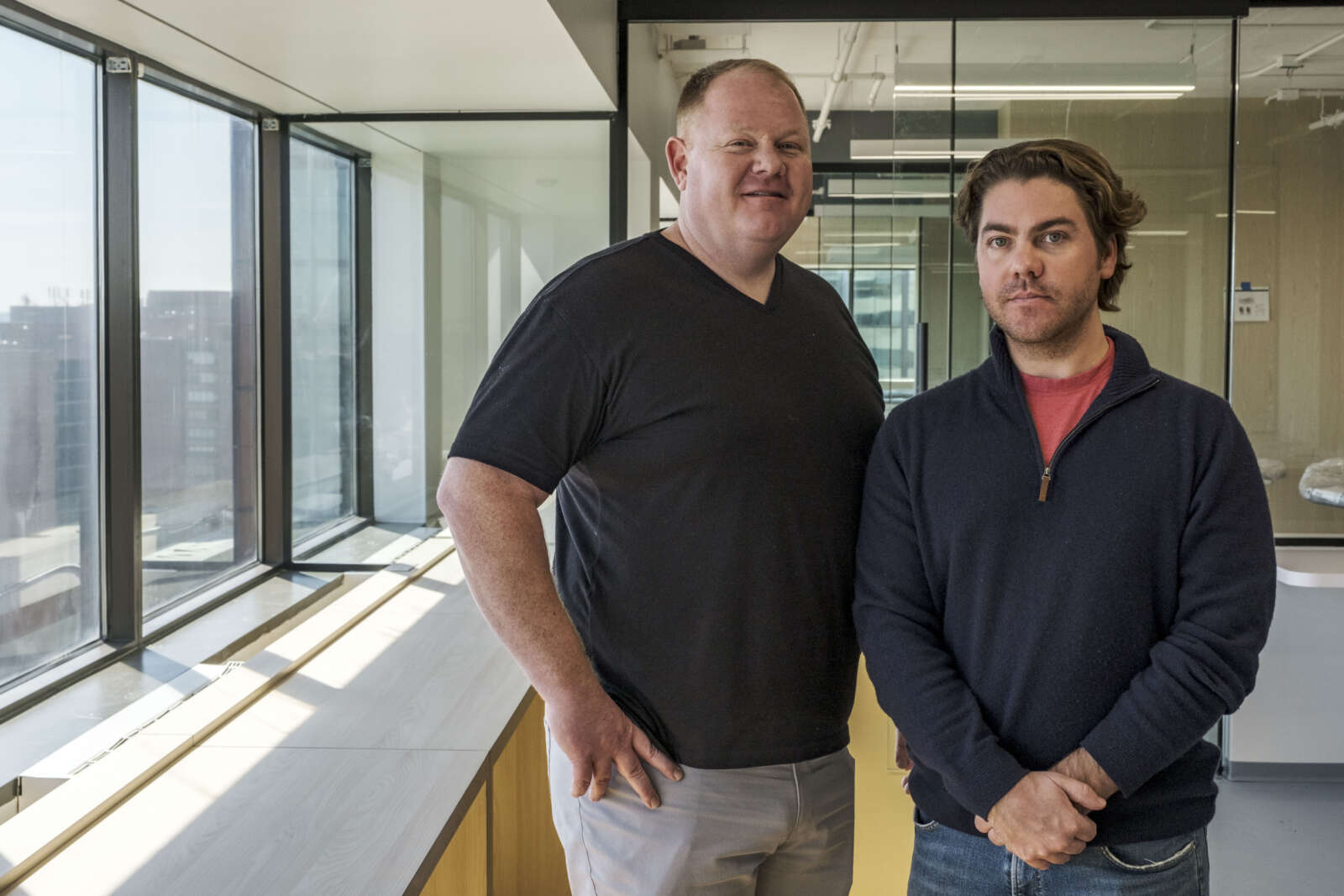
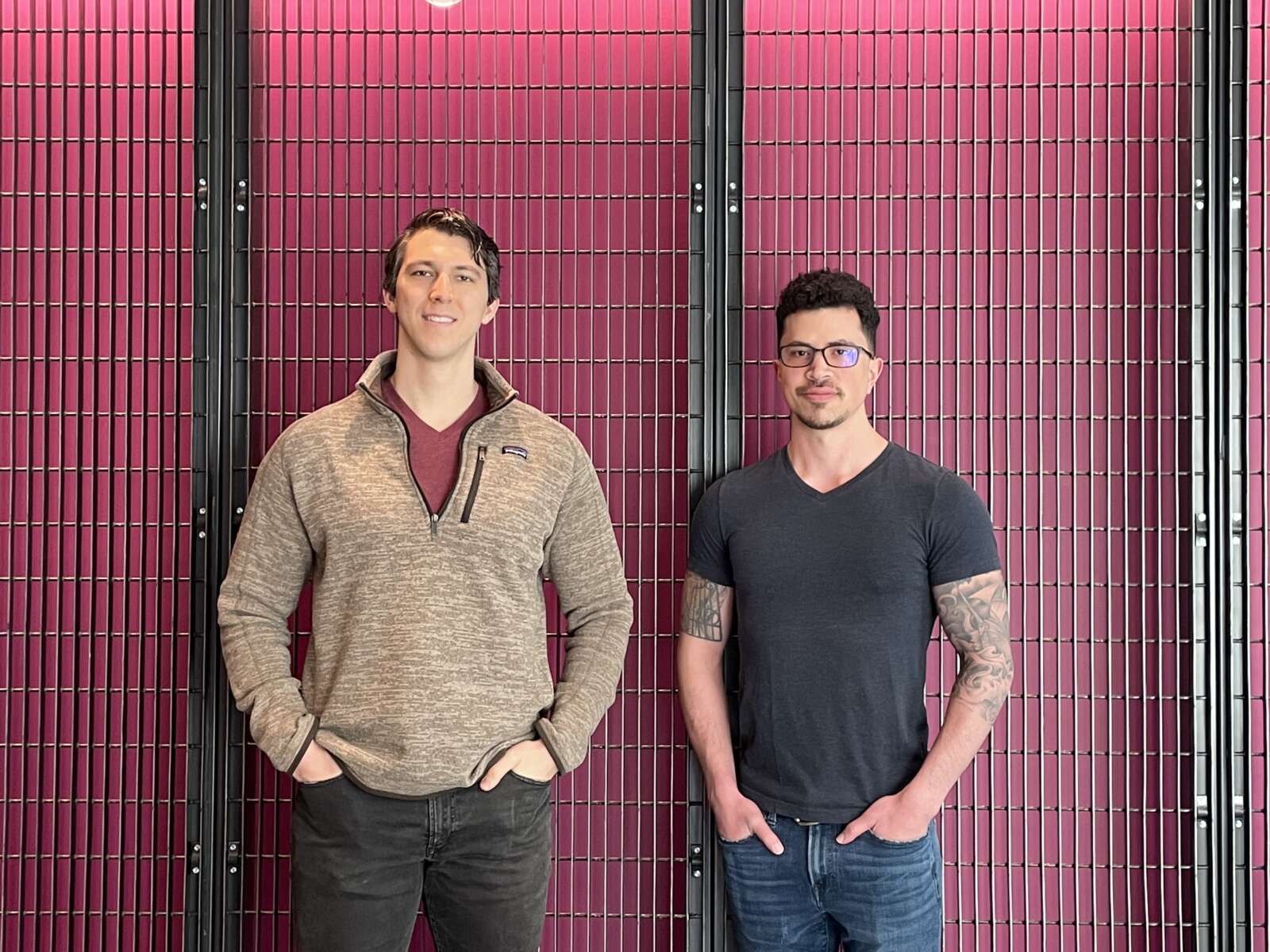
ZEBOX America Vice President Charles Dehoney, left, and Chief Operating Officer Patrick Duffy, right (staff photo by Jay Westcott)

A year ago, the supply chain was not a topic of dinner-table conversation, nor was it a concept that Americans budgeted into how they planned their holiday shopping, for example. But all that changed with the pandemic, says Dehoney.

“These supply chain issues have always existed. They were exacerbated by Covid, then the world shined a light on it,” he said.
(more…)


This story was made possible by the ARLnow Press Club. Join today to get the exclusive Early Morning Notes email and to help support more local reporting.

You’ve probably seen, spoken to, been directed by, or maybe even gotten a ticket from Arlington County police officer Adam Stone.

Ubiquitous on Arlington’s streets riding his gleaming blue and white motorcycle, Stone is a well-known presence in the community for his work patrolling, manning road closures, following motorcades, or letting kids try out his ride. He’s spoken up for police officers’ mental health while talking about his own challenges. Stone has escorted presidents, protected citizens’ right to protest, and worked dozens of Marine Corps Marathons and July 4ths.

And, after more than 30 years on the force, Stone is retiring.

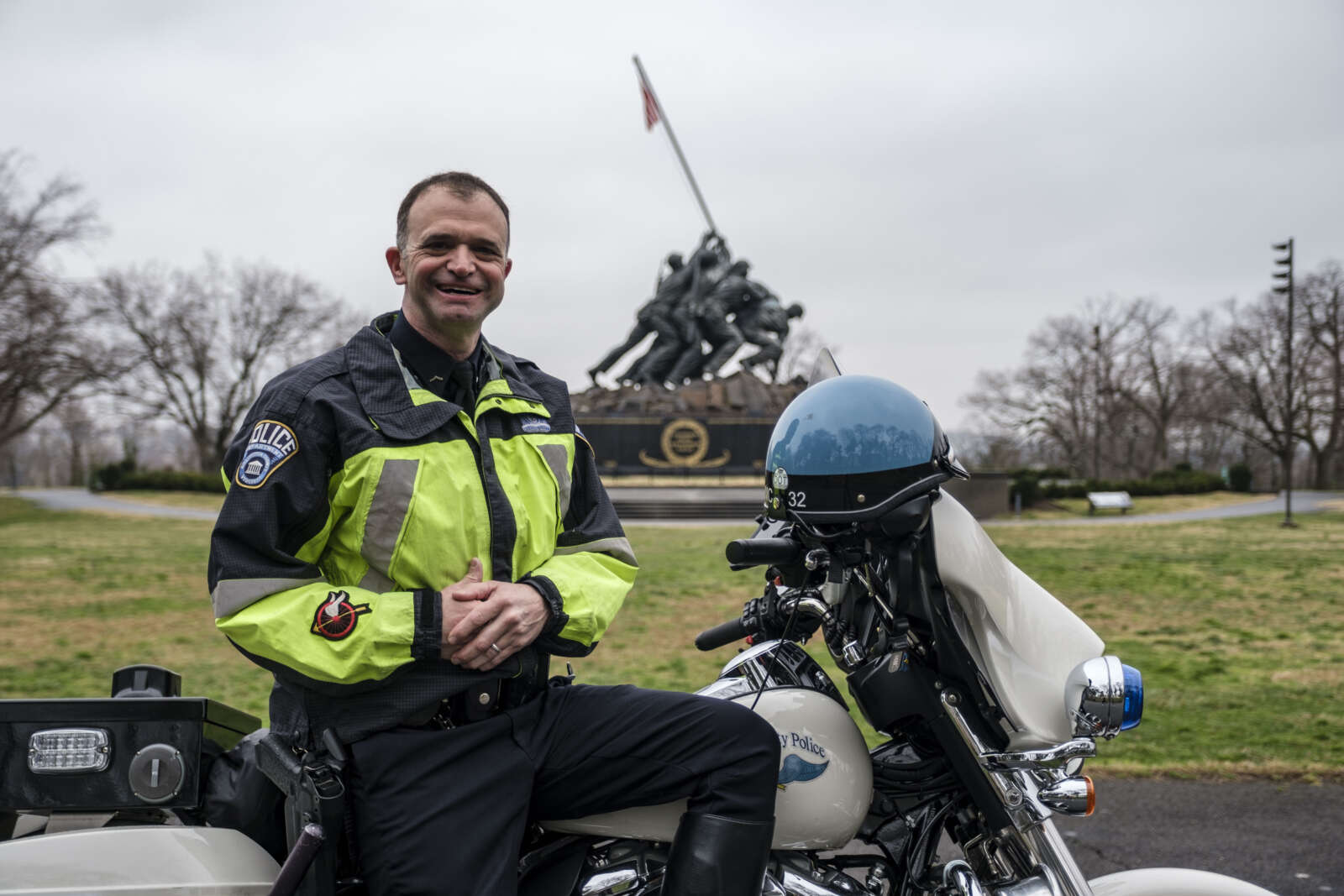
“Through all the years that I’ve been here, whether it’s good police times, bad police times, everyone in Arlington has always been super, super supportive,” he tells ARLnow, standing in front of his beloved motorcycle, yards away from the Iwo Jima memorial. “Not so much when I’m giving people tickets.”

Stone grew up in Long Island and joined the Arlington County Police Department in 1990, becoming part of the motorcycle unit four years later. And he’s been in the unit ever since, living in the Pentagon City area for the majority of his career.

“I always wanted to do two things in life: be a fighter pilot or be a cop,” he says. “Once I realized how much math was involved in flying, it was definitely police work for me.”

He holds countless memories of years of service. Some are still hard to think about, like the smell of concrete and kerosene after an airplane struck the Pentagon on 9/11. Others make Stone smile, even to this day. He’s met and taken pictures with six U.S. presidents, “still mind-blowing,” he says, and because his job often takes him to heavily guarded areas, he’s had the privilege of visiting places few others have.

“I’ve gotten to use the most secure bathrooms in all of the D.C. area,” he says.

And how are they different from other bathrooms?

“You have to walk through two doors to get there, ” Stone laughs. “And they are clean.”

Being a motorcycle cop also has added risks. He’s been hit three times, but says he’s gotten away with no serious injuries. He admits that he’s actually never told his mom that he rides a motorcycle every day at work. And when he retires in April, Stone says he will be “hanging up the helmet” and will never ride a motorcycle again.

(more…)


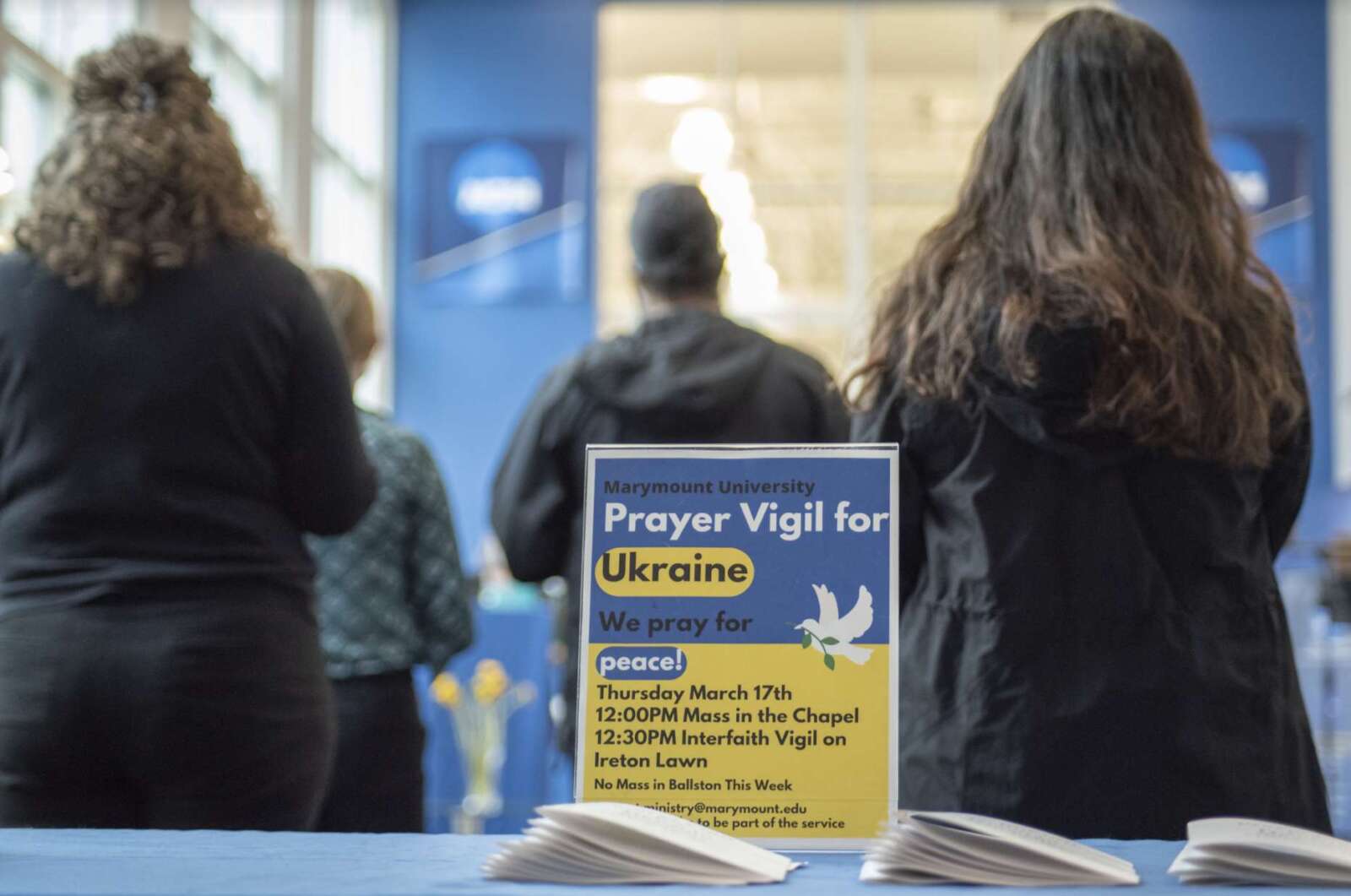
The interfaith prayer vigil for Ukraine at Marymount University (courtesy photo)

(Updated at 9:35 a.m. 03/23/21) Most college seniors spend spring break tossing back cocktails somewhere warm and inviting — a last hoorah before graduation.

But one Marymount University student did pretty much the exact opposite. He traveled to his birth country of Ukraine, which Russia invaded nearly four weeks ago, to help some of his family members flee their homes and resettle in Poland.

A.C. — who asked the college to abbreviate his name fearing his safety and that of his family — has family members living in the capital, Kyiv, and Kharkiv, the country’s second-largest city. The war has caused a massive refugee crisis, and 10 million people have fled their homes in Ukraine, either for more remote parts of the country or for neighboring countries, chiefly Poland.

“It’s a lot worse of a situation than even what’s being shown on TV. When I was in Lviv, every five to 10 minutes the sirens would go off, warning anyone and everyone to find shelter or evacuate,” A.C. said in an interview with his school. “Near the edge of Lviv, I saw several bodies just laying outside buildings because there aren’t really any spots right now to bury victims. It was all very nerve-wracking.”

Some of his family resettled in Warsaw, Poland’s capital, but others told him they plan to stay in Kyiv — along with an estimated two million others sticking it out, either because they do not have a place to go or the means to get there, or in defiance of Russia.

“I pleaded with them, begged them to leave… told them, ‘you will die if you stay here.’ While I admire their patriotism for Ukraine, it’s inevitable what will happen and I would rather them be alive than sacrifice their lives,” A.C. said. “They’re attacking churches, hospitals, apartment complexes. They’re just openly targeting civilians because of their nationality — it is genocide, and there’s no other way to describe it.”

The Marymount senior predicts that if he is not thwarted, Russian president Vladimir Putin will target neighboring countries, a concern shared in particular by many Estonians, Latvians and Lithuanians — all of which were formerly under the control of the Soviet Union.

A.C. left Ukraine at six years old and has since become an American citizen, but he stays in touch with his roots through the Ukrainian embassy in D.C. and nearby Ukrainian churches, which offer volunteer opportunities, language classes and festivals.

Now, he’s tapping into his patriotism in a different way. He has attended protests outside the Russian embassy as well as at Lafayette Square, joining other demonstrators calling on the U.S. government to hold Russia accountable. He is also raising awareness for Ukraine on his campus.

During a recent interfaith prayer vigil for peace, he delivered a poem he wrote entitled “My Ukraine.” In it, he contrasts the country’s war-torn history and present-day circumstances with depictions of it as “a land of innocence and prosperity… filled with fields of sunflowers glistening… with magnificent churches and cathedrals.”

“I stand by my nation of Ukraine,” A.C. told Marymount.

Addressing his birth country and its people, he said, “I love you. Fight for our land. This is our land. This is our home. Slava Ukraini.”


Sponsored by Monday Properties and written by ARLnow, Startup Monday is a weekly column that profiles Arlington-based startups, founders, and other local technology news. Monday Properties is proudly featuring 1515 Wilson Blvd in Rosslyn. 

Cryptocurrency — and the technology underpinning the latest developments within this world, like non-fungible tokens (NFTs) — are complex enough to make the average person’s head spin.

Enter OVRT, a new Arlington-based crypto-community that exists to offer locals and D.C.-area artists free education on cryptocurrency, like bitcoin, and how they can dive into this wholly digital financial world and make money in it.

OVRT is co-founded by Scott Parker, who is behind a bevy of businesses throughout Arlington like Don Tito’s restaurant and Bearded Goat Barber, and Northern Virginia local Ryan McNey, who Parker considers a “borderline certified expert” in cryptocurrency.

“We both have a lot of energy, we both love to work on stuff, and we’re both were excited about this space,” Parker tells ARLnow. “It makes sense for me to be able to connect him to local business people, entrepreneurs, artists — anyone I can help with OVRT. I’ve been successful with helping a lot of people come join the OVRT movement, and I’m excited to be a part of it.”

Their aim is threefold: first, educate locals about cryptocurrency; second, help artists earn a more sustainable living from their art using NFTs; and finally, open up conversations about this wholly digital financial world with lawmakers and regulators.

OVRT logo (courtesy photo)

So what are all these concepts?

Cryptocurrency is a form of encrypted digital currency. It is stored on the blockchain, which is basically a “digital ledger.” People use blockchain technology to make non-fungible tokens, or unique versions of things like digital artwork or sports memorabilia that can be digitized.

And how does all this benefit artists?

NFTs are fundamentally a way of verifying someone owns something digitally. There is a contract attached to that image, McNey notes, and every time an NFT gets bought or traded, the person who issued it can take a cut. That contrasts with physical art that is sold by the artist once, only to appreciate in value without returning any of that value to the original creator.

For artists, NFTs can mean significant income in royalties without cuts to managers and middle men. They can use NFTs to make money on their artwork, which might otherwise circulate the internet via screenshots and illegal downloads, without them seeing a penny, he says.

The co-founders of OVRT say successful artists will make great reference points when they discuss the benefits of cryptocurrency with lawmakers and regulators, who will eventually be drafting policies and regulations governing these transactions.

“As someone who’s been in crypto for eight years, I know that for us to succeed, it’s vital that policymakers and regulators are making informed and educated decisions versus reactive ones,” McNey said.

But the conversation cannot begin with heady jargon like “yields, staking and decentralized banking,” he says. It has to begin somewhere tangible.

“I’m going to talk to them about art,” he said. “We have to meet them where they are.”

OVRT is fully remote right now, but eventually, Parker and McNey would like to open up a space — likely in Arlington, given Parker’s local connections — where they can showcase artists and host events. Next Wednesday (March 30), they are launching OVRT’s first NFT called “HYPEES,” made by Matt Corrado, a prolific D.C. artist who has worked with Nike, Heineken and Converse.

(more…)


Sponsored by Monday Properties and written by ARLnow, Startup Monday is a weekly column that profiles Arlington-based startups, founders, and other local technology news. Monday Properties is proudly featuring 1515 Wilson Blvd in Rosslyn. 

Two millenials coding websites from a co-working space in Ballston have spent the last two years building their digital agency Exobyte from the ground up.

And along the way, Taylor Bagwell and Dominic Giacona — who are both brimming with ideas, inventions and solutions — say they’ve learned a lot about the balance required to grow a company while indulging their creative side.

“We have certainly had our fair share of growing pains,” says co-founder Bagwell.

Website development was a bit of a side-gig for both co-founders. Bagwell was bored at his government contracting job and began designing people’s websites for free until his name got around and he decided to monetize his skills. Giacona was in the U.S. Navy for five years and after leaving, got into user interface/user experience design (which is known by the abbreviation UI/UX) because he needed more work.

As he dove deeper, he became increasingly fascinated by the idea of telling hypervisual stories through website design.

“It all starts with user experience,” he said. “Making something visually appealing is one thing, but the goal is making it easy to use so that they don’t have to think at all.”

Some examples of their work include websites for a candy brand, fitness devices and a health coach-turned-podcaster.

Growing Exobyte, which offers web design, app development, e-commerce and marketing services, has taught both entrepreneurs business lessons. Bagwell says he now cannot understate the importance of vetting potential hires with real-time skills tests. As for finances, he realized a good accountant is key to an unsurprising tax season.

Exobyte co-founders Dominic Giacona, left, and Taylor Bagwell, right (via Exobyte)

Most of all, building Exobyte taught them not get distracted by “shiny things.”

“We’ve made mistakes with getting excited about things we wanted to work on and pulling our attention away from things that mattered,” Bagwell said.

At one point, they tried to design an app that helps people find temporary contract labor — a market they learned is already saturated with options.

They’re taking a more measured approach with a new idea, which Giacona says came from a family member. It is aimed at making people feel safer on the road, and particularly during traffic stops.

“I always had ideas and solutions for problems,” Giacona said. (Bagwell and Giacona met because Giacona had the idea for a biodegradable liner for a protein shake, and he needed a website for the product concept.)

The fitness industry, from workout apparel to nutrition, also became one where Exobyte made a name for itself. But now, Bagwell and Giacona say they’re hoping to take on more clients outside that niche.

“You get burnt out working with the same industry: at the end of the day, they all want the same thing and they’re competing with each other. It makes it harder to work with clients and differentiate them,” Bagwell said.

The key to staying happy as a digital creator, he says, is to be flexible and not to get too deep into one niche.

In the coming year, the two are looking to take on new clients and hire a developer so they can focus on building up Exobyte — and devote some more time to their side projects.


Sponsored by Monday Properties and written by ARLnow, Startup Monday is a weekly column that profiles Arlington-based startups, founders, and other local technology news. Monday Properties is proudly featuring 1515 Wilson Blvd in Rosslyn. 

As a commercial real estate broker, Greg Carpentier always felt he was missing or struggling to find two important pieces of information when negotiating office deals.

Floor plans and square footage.

“It was a treasure hunt,” he said.

If that information did exist, Carpentier says it was disorganized and did not reflect the upgrades landlords would make to suites and amenity spaces. But those numbers had to be accurate since the constantly fluctuating amount of usable space determines the price to buy or lease office space.

So he set out to do something about it. Carpentier talked to colleagues and clients — who shared similar frustrations — and researched the competition. Finding few competitors, he hired an overseas software developer to build a prototype solution: a platform for real estate brokers, architects and landlords to store, access and share floorplans and other office layout information.

That’s how floorwire, based out of Carpentier’s apartment near Rosslyn, was born. He incorporated the company in 2019, had domestic software developers build a new version of the software, and began taking on clients in 2020. He assembled a small team of employees in August.

Brokers, architects and landlords are not the only people who benefit from a 21st-century alternative to scrolls and scrolls of paper floorplans. The product saves tenants time and money and gives them peace of mind, says Abby Caldwell, a former client of Carpentier’s who is now the Director of Operations for floorwire, the first letter of which is deliberately displayed as lower case.

“I was in a few situations when I was a tenant where I was under pressure to move quickly and acquire additional space on a tight timeline,” she said. “The current leasing timeline is longer than you might think, and we save you time by creating a more efficient process. Also, the tenants sleep easier at night knowing the data is accurate.”

A promotional graphic from floorwire (courtesy photo)

Carpentier’s company began taking on clients during the pandemic, which he says was the catalyst the commercial real estate market needed to abandon its outdated, low-tech approach to calculating and keeping tabs on square footage.

“What Covid did, as a whole, is make everyone realize how far behind commercial real estate is with regard to technology,” he said. “It exposed the problems and sped up the need for technology.”

For example, he said, Covid pushed people in commercial real estate to invest in sensors that are more accurate than architects at measuring office layouts, which are being reconfigured on a massive scale to entice workers back into the office.

“It’s a great opportunity to change the model,” he said.

This emerging industry sector is dubbed “proptech,” or property tech. Carpentier says venture capital funding is flowing into the sector, which he predicts will grow rapidly in the next five years.

“There’s so much opportunity for such a fundamental industry,” he said. “There’s a lot of money in commercial real estate. It’s a huge market: second to the stock market.”

As proptech grows, so too does floorwire. In August 2021, the company was able to hire full-time employees. In 2022, its leaders aim to take on new clients and keep working with existing ones.

“I’m really excited to take groundwork we laid in 2021 and run with it this year,” Caldwell said.


Sponsored by Monday Properties and written by ARLnow, Startup Monday is a weekly column that profiles Arlington-based startups, founders, and other local technology news. Monday Properties is proudly featuring 1515 Wilson Blvd in Rosslyn.

Very good boys (and girls) can now eat food that’s good for the planet, from a Clarendon-based company called Chippin.

It all started when founder Haley Russell gave her goldendoodle a cricket to eat, and her dog enjoyed it.

“That initiated the journey of looking at how might we be able to give all-natural alternative protein sources to nourish four-legged family members and meet this totally unaddressed need, which is for pet parents to be able to give them great nutrition while aligning purchases the way they buy other things” — that is, with a focus on environmental impact, she tells ARLnow.

The company sells dog treats and dog food made from crickets, an invasive species of fish and a CO2-sucking algae called spirulina. Russell says Chippin enjoyed a successful 2021: it launched new products and hit the shelves of big-box pet supply store Petco, which aims to have sustainable food companies comprise half of the food brands it offers by 2025.

And this year, she’s focused on increasing distribution and finding new retail and wholesale partnerships. While Russell couldn’t divulge any more details, she said Chippin is looking to respond to the tremendous demand for cat food products later in 2022.

U.S. pets are the fifth-largest global meat consumers, according to Russell, so how pet owners choose to feed their companion animals has a significant impact on the environment. Production of traditional protein sources such as chicken, beef and pork releases methane and CO2 emissions, leads to water overconsumption and degrades water and air quality, among other consequences, she noted.

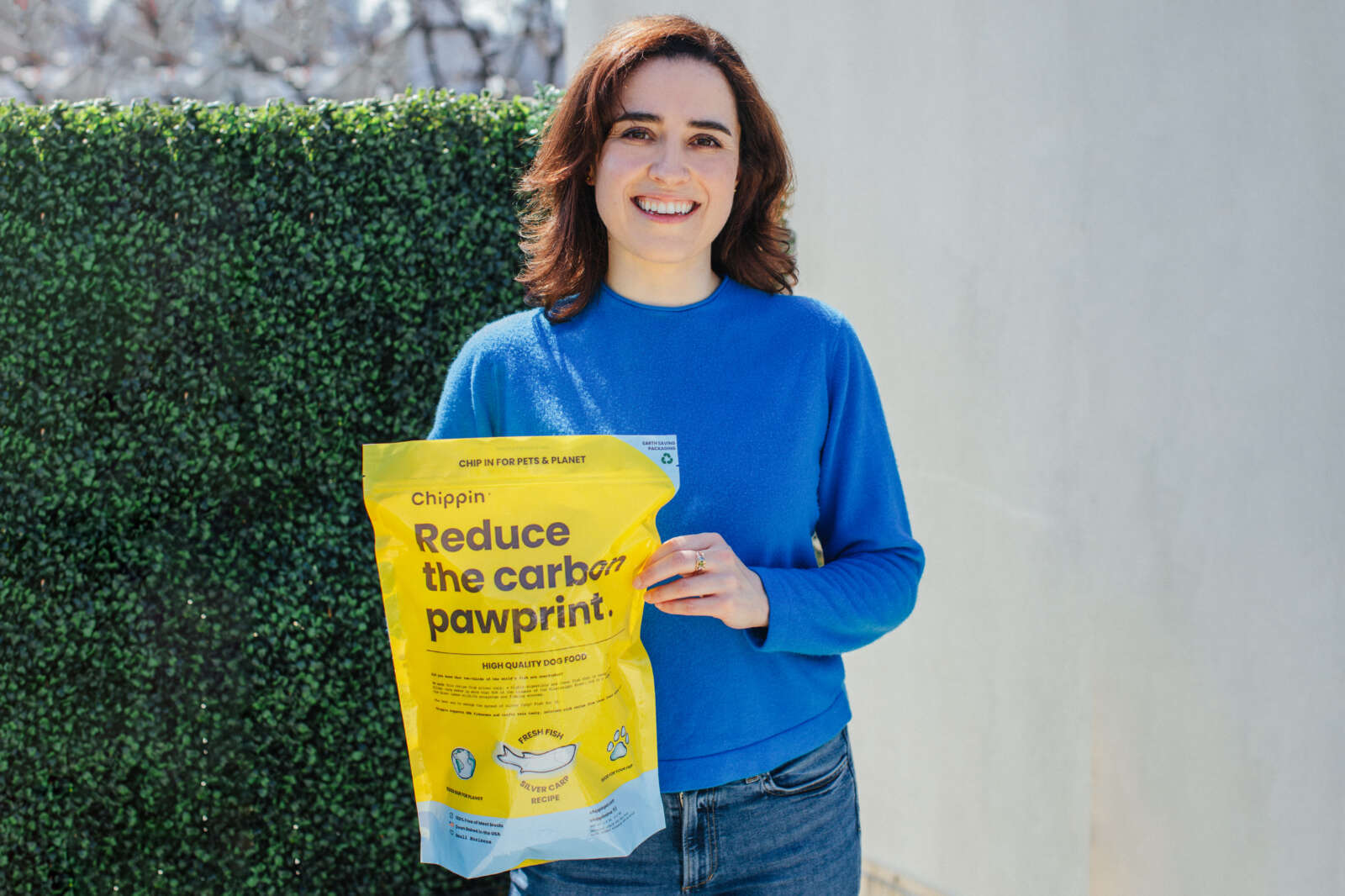
Haley Russell, founder of Chippin (courtesy photo)

But when Russell began looking for alternatives, she says she found “nothing on the market that was delivering on what I wanted: a high-quality, eco-friendly, tasty product.”

Her dog’s eager consumption of a cricket was not the only source of inspiration for Chippin. Russell, a graduate of Northwestern University, says she studied economics and global health and has always been interested in how food could be “an agent for change for health and the environment.”

Her years in the Great Lakes region prompted her to see if silver carp — an invasive species threatening the $7 billion Great Lakes fishing economy — could become another source of food for dogs. Her hunch was right.

“We created the first-of-its-kind dog food that solves for providing high-quality nutrition with a protein for dogs with allergies to beef and chicken and helps restore biodiversity in the Great Lakes while fishing for a fish we need to fish for,” she said.

Every product is vetted by veterinarians and researchers at the University of Illinois, who ensure these “planet-friendly proteins” are healthy and biologically appropriate for dogs, she said. They’re also more digestible than chicken.

The Maryland native says Clarendon, where she also lives, is the paw-fect fit for Chippin, which is “seeking to be agents for change in taking climate action in an industry that has totally been under-addressed.”

“It’s dog-friendly neighborhood and my team really enjoys engaging with the vibrant community of pet parents here,” she said.


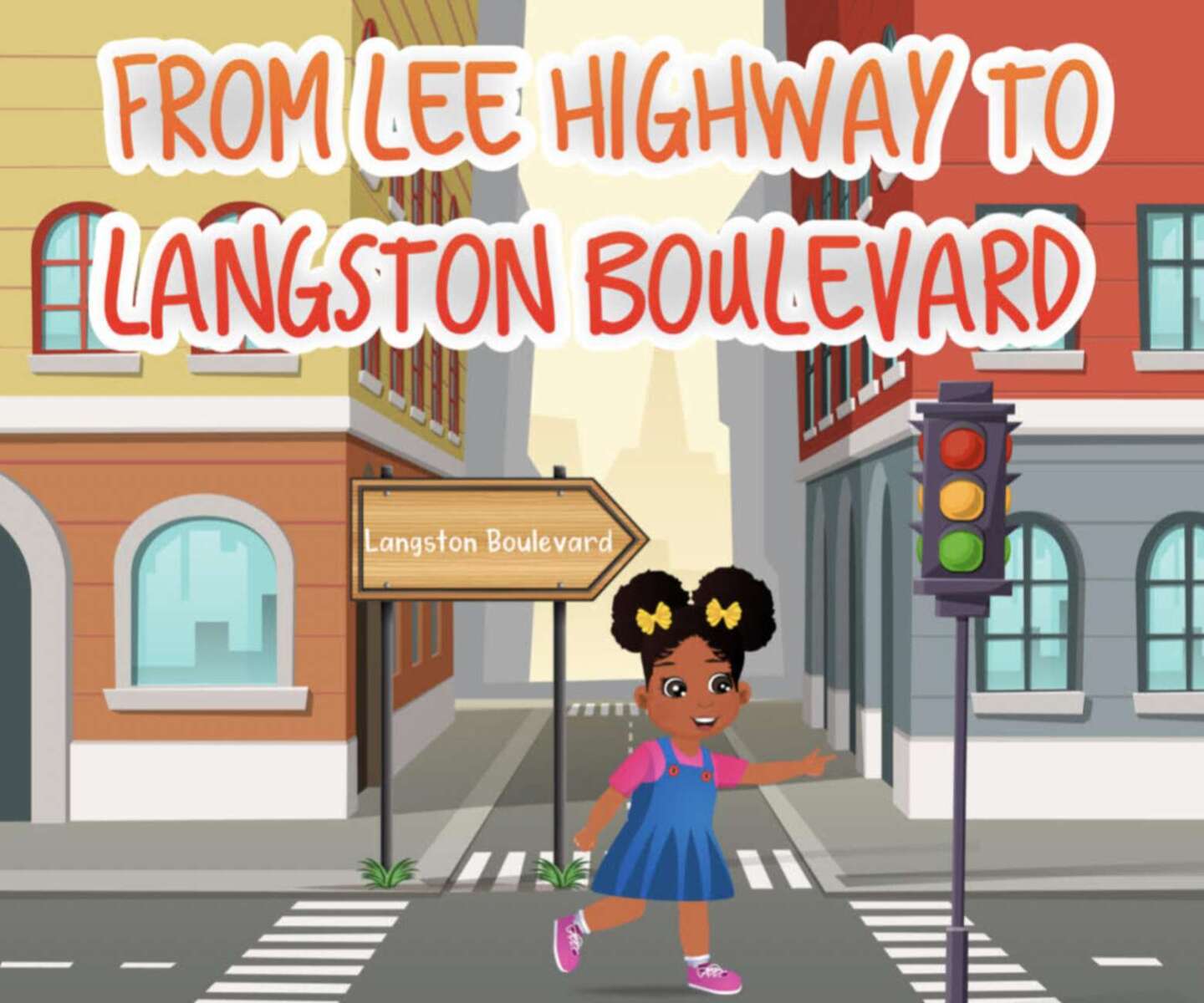
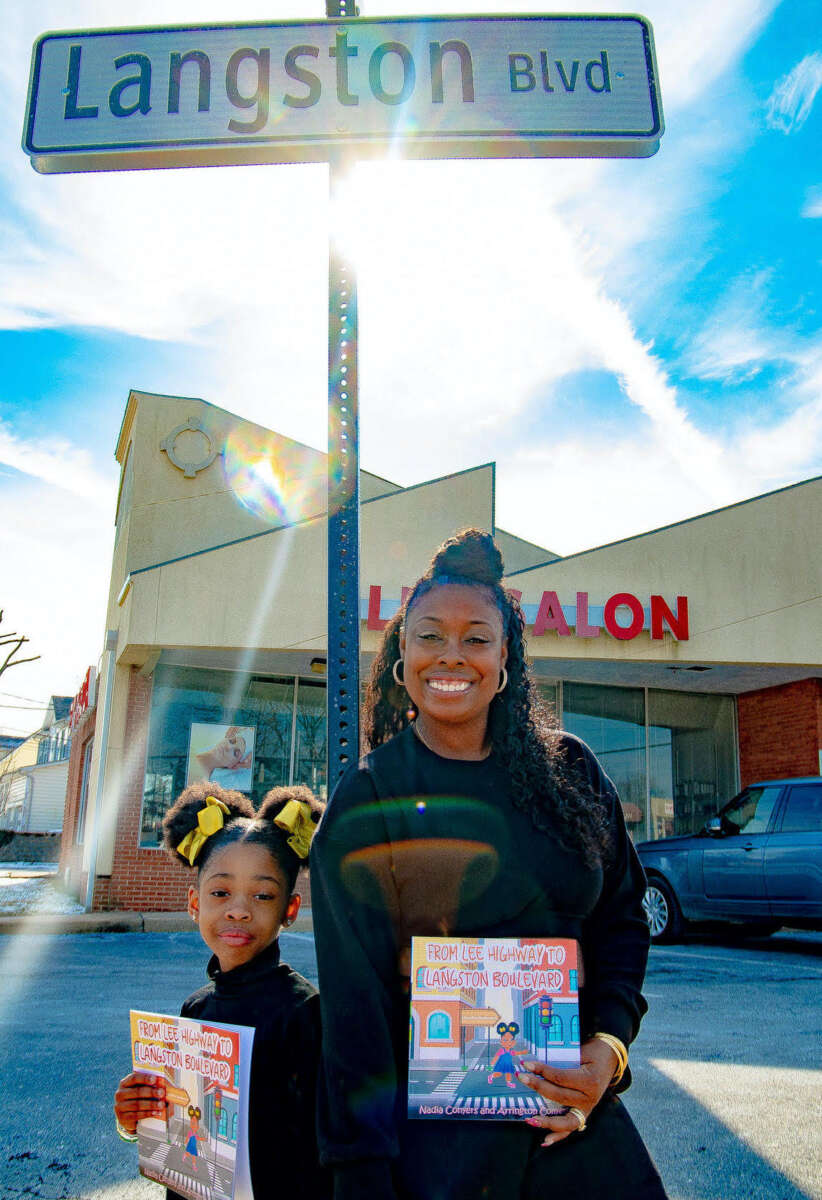
Cover of “From Lee Highway to Langston Boulevard” (photo courtesy of Nadia A. Conyers)

As a fifth generation Arlingtonian and longtime Halls Hill resident, Nadia A. Conyers was thrilled when Lee Highway was renamed Langston Blvd last summer.

Sharing that joy with her daughter Arrington, the 6-year-old was understandably curious. Together, they went looking on Amazon for a kid-friendly book that could help explain why this was a big deal and the accomplishments of the road’s namesake, John M. Langston.

But there was no such book.

“There was a void,” Nadia tells ARLnow. “So, we decided to fill it.”

Arrington’s voice pipes in, explaining what needs to be done when something you need isn’t available.

“You just gotta make it,” she cheerily says.

That’s the genesis of “From Lee Highway to Langston Boulevard,” the new book authored by the mother-daughter team.

The 26-page picture book aimed at young elementary school kids tells the story of John M. Langston, why the road is now named after him, and why that matters.

“It’s a very local book. For kids who live in Arlington, [the dialogue] will resonate with them because they’ll understand the places that are talked about in the book,” Nadia says. “It gives them a good context of how they are part of Black history and how Black history is right here in your neighborhood.”

Arrington and Nadia Conyers (photo courtesy of Nadia A. Conyers)

Halls Hill, where Nadia (and, now, Arrington) grew up, is a historically Black neighborhood in the northern section of the county. For a long time, it was one of the only places in Arlington where African Americans could buy homes, along with Green Valley in South Arlington. In the 1930s, a “segregation wall” was built to separate the Black neighborhood from the surrounding white neighborhoods. A portion of that wall still stands today.

And, for years, a road named after Confederate Gen. Robert E. Lee cut through it.

“As you were walking or driving down Lee Highway, you would start thinking about who Robert E. Lee was and became perplexed about why the road here is named after him,” Nadia says, pausing for a moment. “Angry, even. There are a lot of emotions.”

With the murder of George Floyd and the Black Lives Matter protests that were held across the country in the summer of 2020, it became clear to many that it was time for the road’s name to change.

The renaming effort was led by many Halls Hill residents, including by Nadia’s mother and Arrington’s grandmother Saundra Green. In December 2020, a working group proposed “Loving Avenue” as the new name with the state Senate passing a bill two months later to allow for the change. But the Lovings’ descendants nixed the idea and the group went with one of its alternatives: Langston Blvd.

John M. Langston was an attorney, abolitionist, and one of the most prominent African Americans during the Civil War period. Described once as “Obama before Obama,” Langston was the first Black man to represent Virginia in the U.S. House of Representatives.

“He was an activist. He was a teacher. He was a good person. He was Black,” Arrington says about Langston.

(more…)


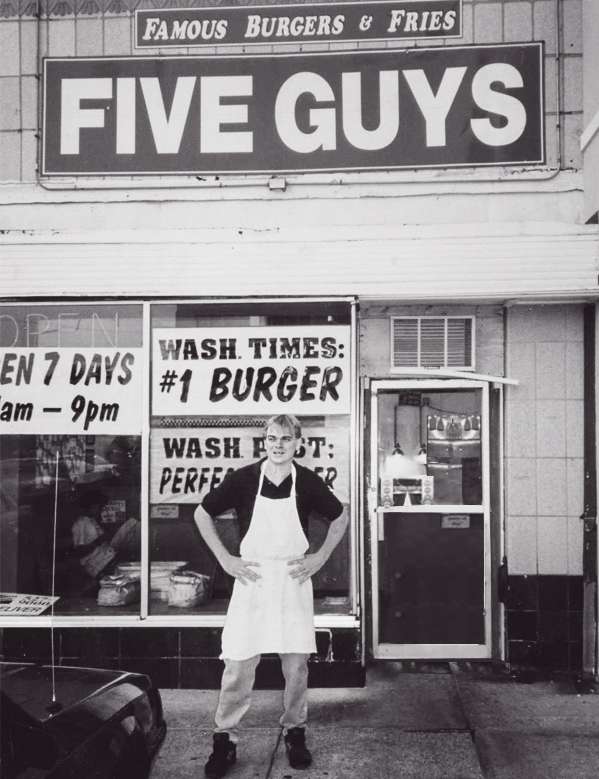
Jim Murrell, son of Jerry and one of the “five guys,” in front of the original Five Guys on Columbia Pike (photo courtesy of Five Guys Burgers & Fries)

Before Five Guys was a big burger chain, it was a small fry tucked away in a shopping center on Columbia Pike.

Today, Five Guys Burgers & Fries has more than 1,500 locations worldwide and grosses nearly a billion dollars in revenue. But 35 years ago, it was nothing more than a tiny beloved burger joint at the corner of S. Glebe Road and Columbia Pike in Westmont Shopping Center, a strip mall that’s now rubble and in the midst of redevelopment.

“It was the only place that would lease us space. Seriously, we were brand new, without any restaurant experience, selling burgers and fries,” Five Guys founder Jerry Murrell tells ARLnow via email. “They were willing to rent us space and it was also pretty inexpensive. We liked that it was tucked back and hard to get to. We knew that if we could survive and grow there, then we might really have something.”

It was 1986 and Murrell was struggling. Living in Alexandria at the time, he had tried — and failed — at several different business ventures. But, as he recollected to Guy Raz in a 2017 episode of “How I Built This,” there was one thing he knew how to do: Grill a hamburger.

So, he made the bold decision of using his children’s college funds (with their permission, of course) to open a burger and fry stand.

“Something was telling us it was the right thing to do,” he told Raz in 2017.

The banks wouldn’t lend Murrell the money, so he took the $35,000 cash meant for his kids’ education and rented the spot. He called the shop “Five Guys,” after his four sons and himself, with every intention of changing the name later. But Murrell never did.

Next door to Five Guys was what Murrell describes as “one of the best bakeries in Northern Virginia.”

“Janie [Murrell’s wife] and I had been going to Brenner’s Bakery for a long time,” Murrell says. “They baked what we considered to be the best bread, which was high quality and expensive.”

Brenner’s had been there since 1946 and was a beloved landmark itself. Despite paying about seven times more for a hamburger bun than McDonald’s, Murrell bought all of his buns from the Arlington baker. While Brenner’s Bakery went out of business in 2001, Murrell says that Five Guys still employs two of the shop’s bakers.

The fries were also what made Five Guys special. The trick, as Murrell described to Raz, was that they used the same small Idaho potato dealer that was used for the famous beach fries at Thrasher’s in Ocean City, Maryland.

When the doors opened that first morning in 1986, Five Guys had no customers.

“We opened at 11 a.m. and no one came in until 11:30 — that was a stressful half hour,” Murrell says. “However, once the first person came in, then everyone seemed to follow.”

By the end of that first day, there was a line out the door — though, that may have had more to do with how small the restaurant was.

Westmont Shopping Center was a perfect spot for Five Guys to grow: out of the way, next to a baker, and very well supported in Arlington. Murrell says that local press coverage was always positive and generous, to the point that he felt like everyone was “really rooting for us.” One local publication even called the burger joint “downright primitive.”

“We thought that was the best,” writes Murrell. “It made us feel like people understood us.”

Murrell and his other four guys — which, now, includes a fifth son and his wife, Janie — continued to grill up burgers on the Pike until 1998, when the original shop closed. But, by then, Five Guys had expanded to several other locations in the D.C. area.

(more…)


Sponsored by Monday Properties and written by ARLnow, Startup Monday is a weekly column that profiles Arlington-based startups, founders, and other local technology news. Monday Properties is proudly featuring 1515 Wilson Blvd in Rosslyn.

Cybersecurity company Shift5 has raised $50 million in a Series B funding round to protect planes, trains and military weapon systems from mounting threats.

The round was led by private equity and venture capital firm Insight Partners, and follows up on a $20 million Series A funding round last fall.

“Shift5’s experienced founding team with deep national and cybersecurity experience, plus early success, makes the company a standout in the industry,” Nick Sinai, a senior advisor at Insight Partners who will join Shift5’s board, said in a statement. “We’re excited to work with Shift5 as it fills a crucial space in defending national infrastructure.”

Shift5 intends to use the funding to new products and hire new employees to keep pace with demand for its services across transportation and national defense industries. It works with some notable clients, including the U.S. military’s Special Operations Command.

The Rosslyn-based startup, headquartered at 1100 Wilson Blvd, currently offers a platform that identifies the weak points in the systems making planes, trains and militaries run, and wards off cyber threats. It began selling this product last year, and reported netting tens of millions of dollars in revenue.

The commitment to hiring staff comes after the company doubled the size of its team in 2021.

Airlines, train operators and militaries often rely on outdated operational technology to power their fleets, according to Shift5. As more of these operational systems get connected to the Internet, they become more vulnerable to cyber attacks — which can cost them millions of dollars in losses, remediation and ransom payments.

And soon, they may have a human cost, as these attacks could result in injuries and deaths by 2025, according to research firm Gartner.

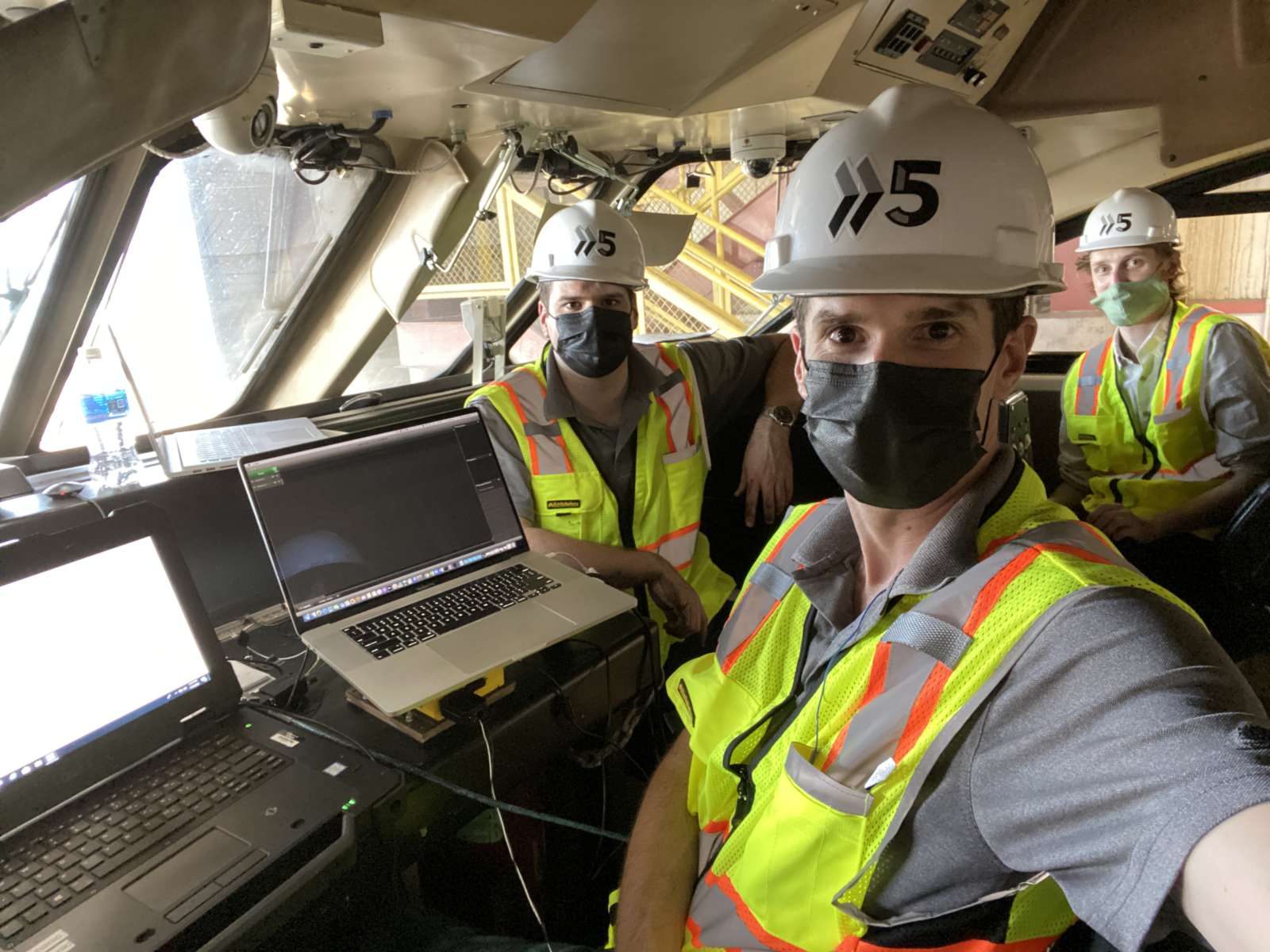
Shift5 founders deploy their product on a train during COVID-19 (courtesy of Shift5)

Cyber threats are becoming more commonplace, and demand for Shift5’s services is rising, the company says. Recent attacks have targeted pipelines and surface transportation, including New York’s public transit authority and a major port in Houston. Hacks into maritime operational technology have increased by 900% since 2017 and, overall, the transportation industry witnessed a 186% increase in weekly attacks from 2020 to 2021.

“If the past year has proven anything, it’s that the leading defenders in rail, aviation, and national defense see the prescient risks and are mobilizing to get ahead of costly damages,” said Shift5’s President Joe Lea in a statement. “We look forward to partnering with Insight Partners as we continue to grow and defend.”


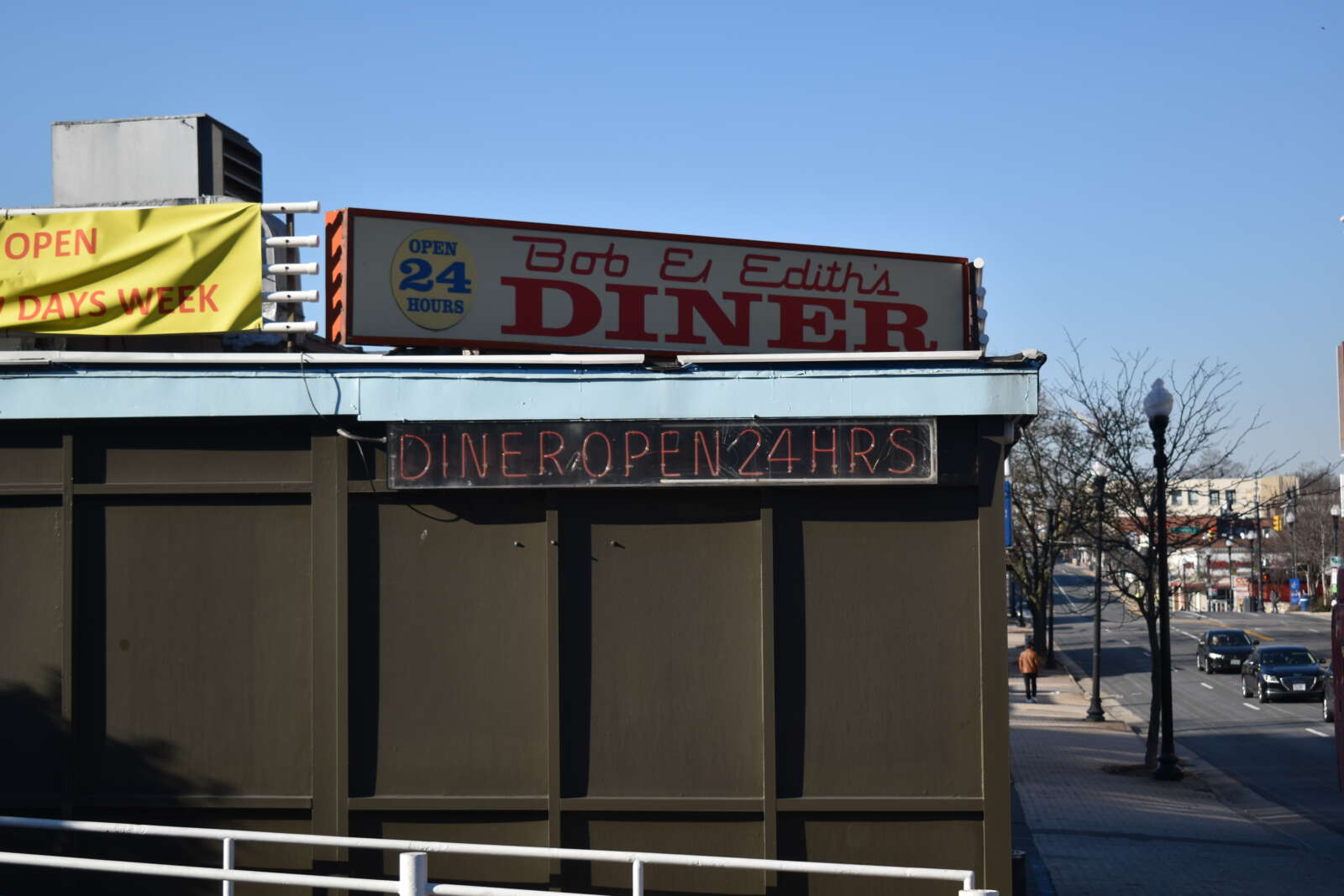
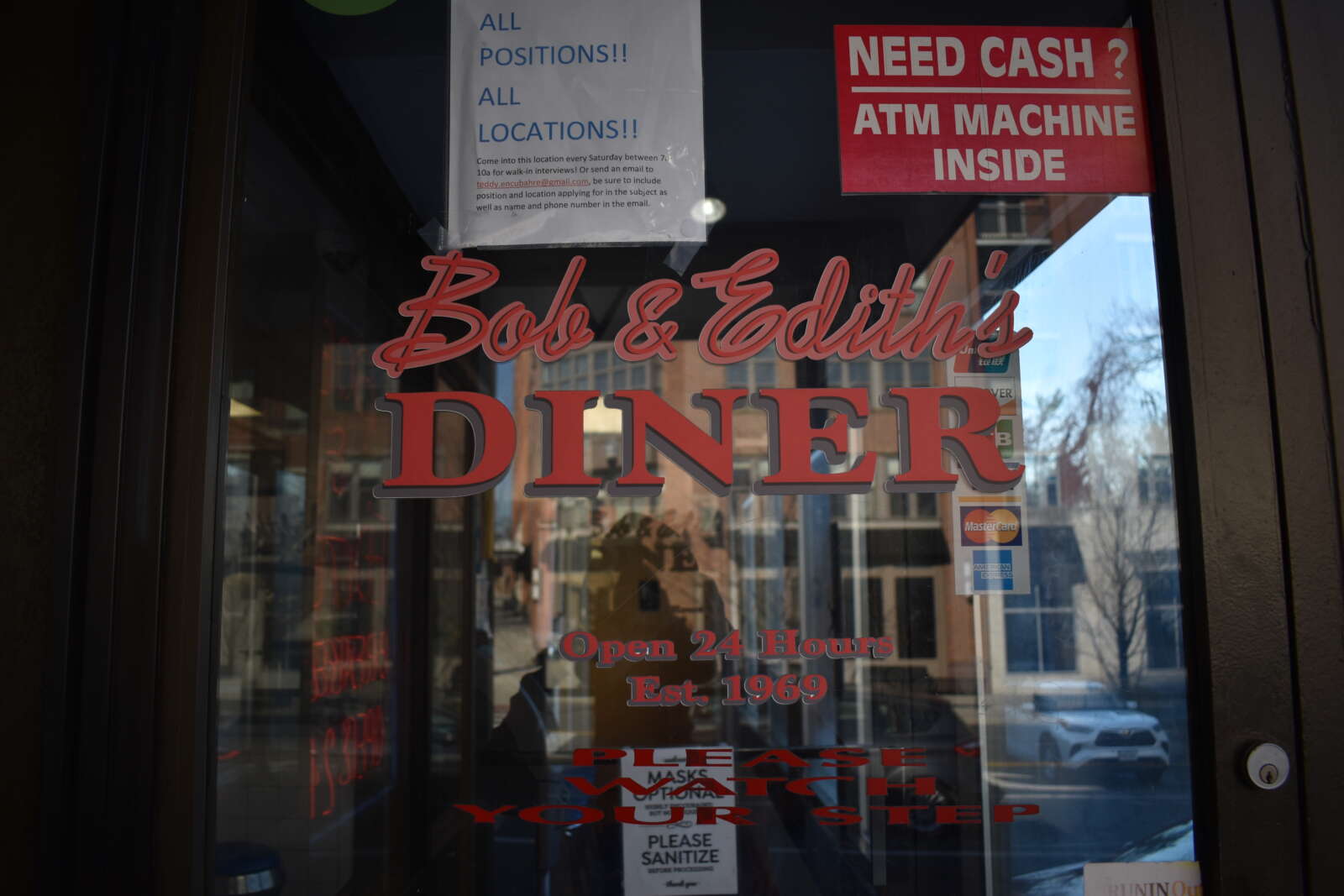
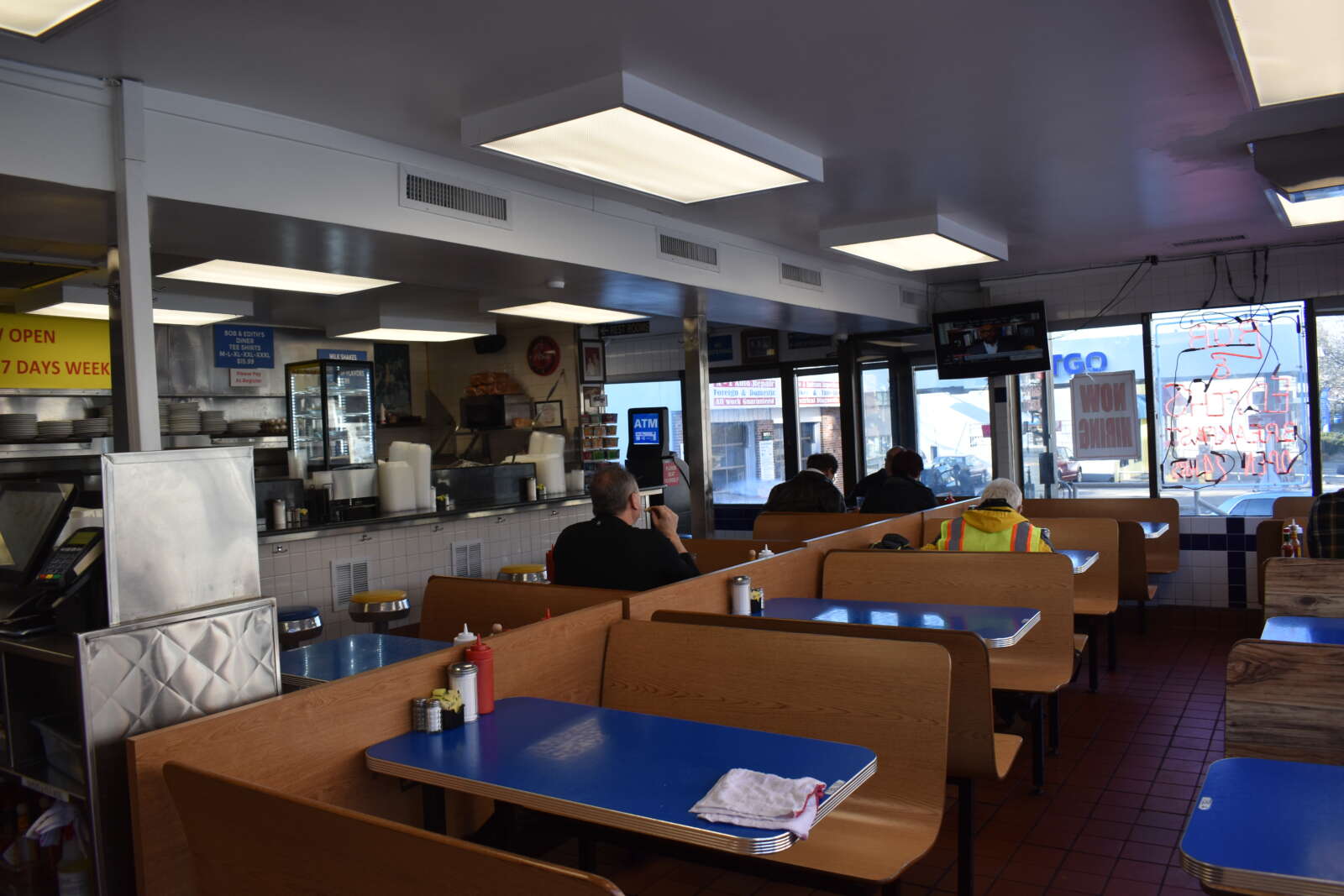
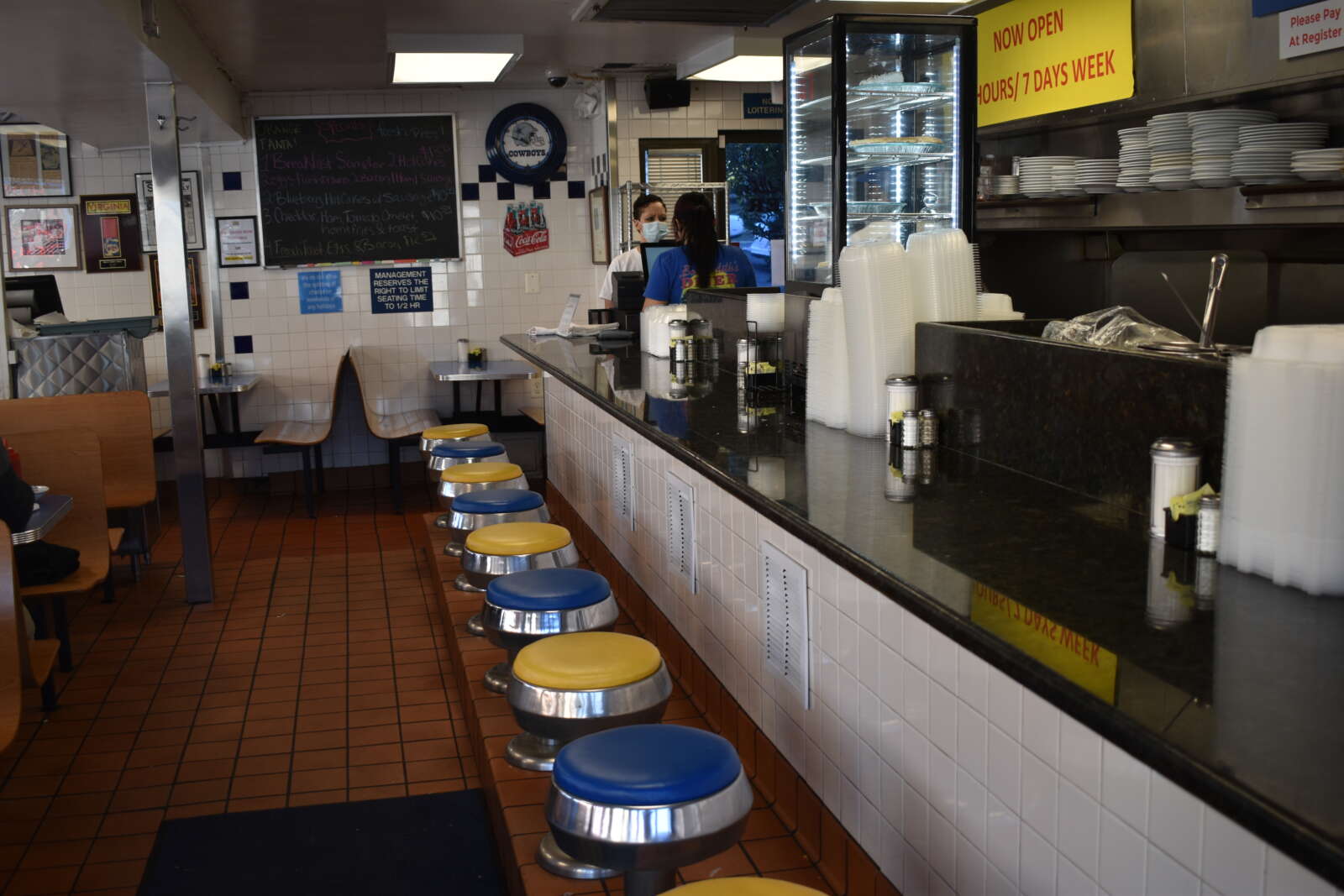
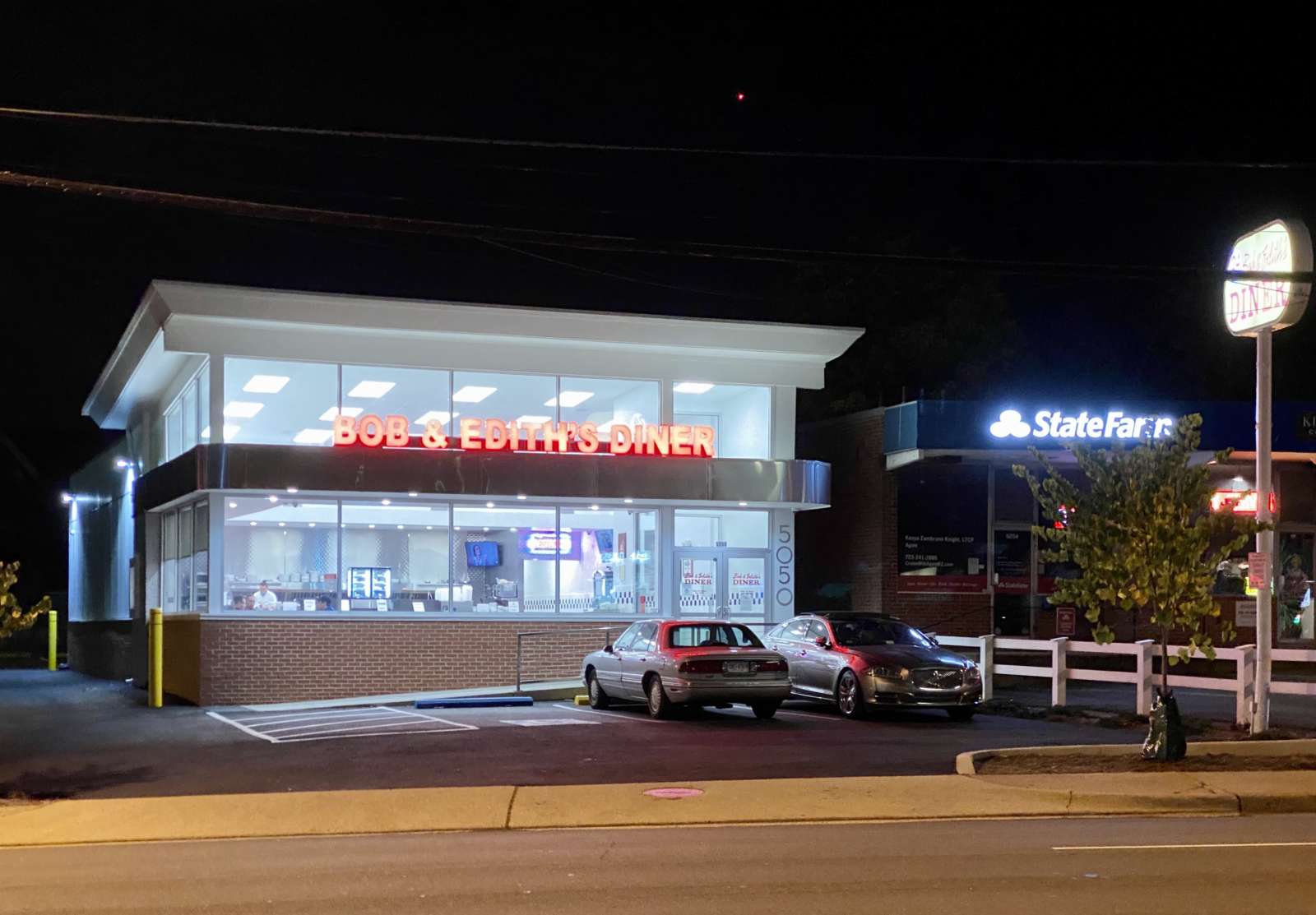
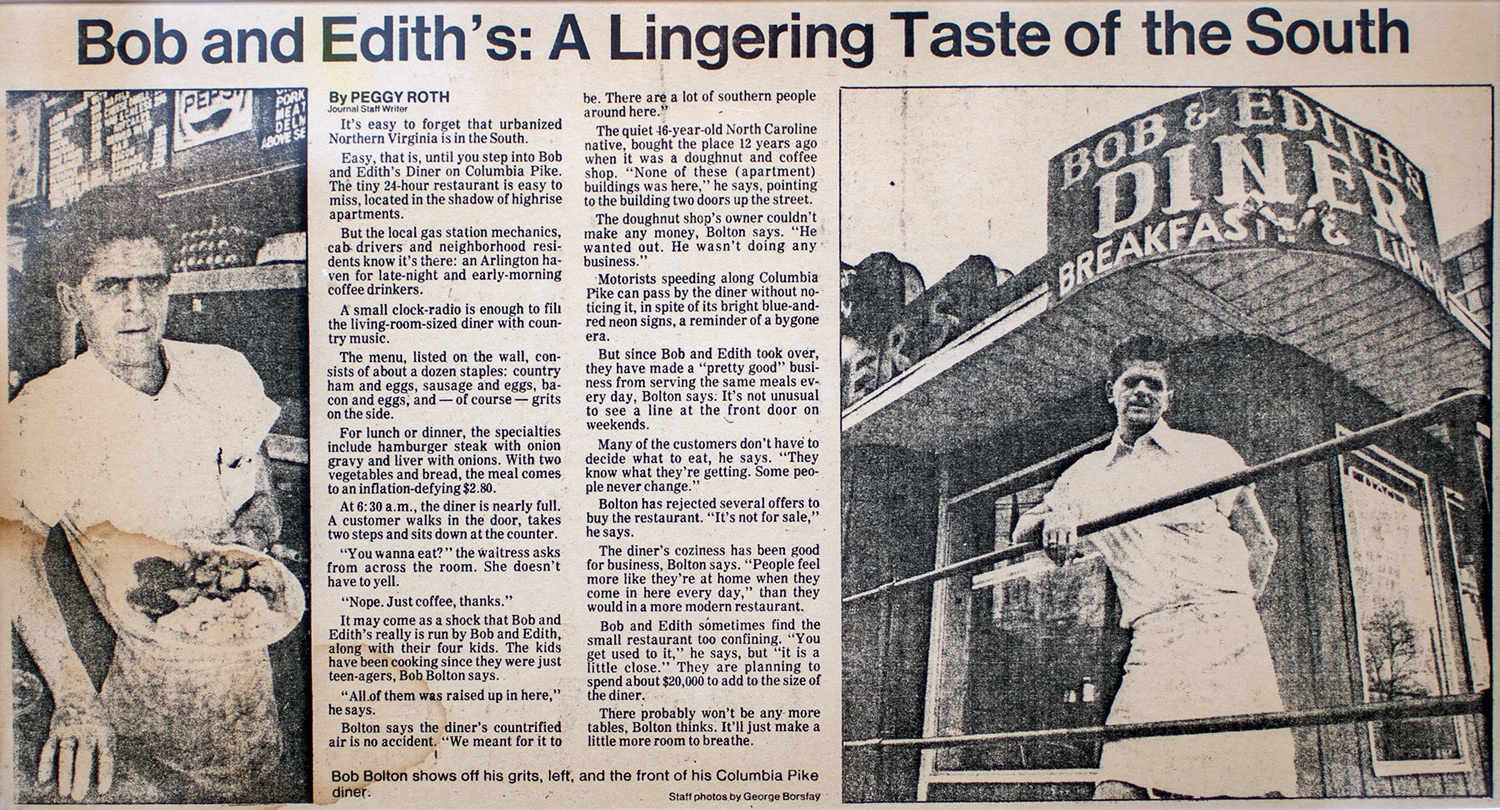
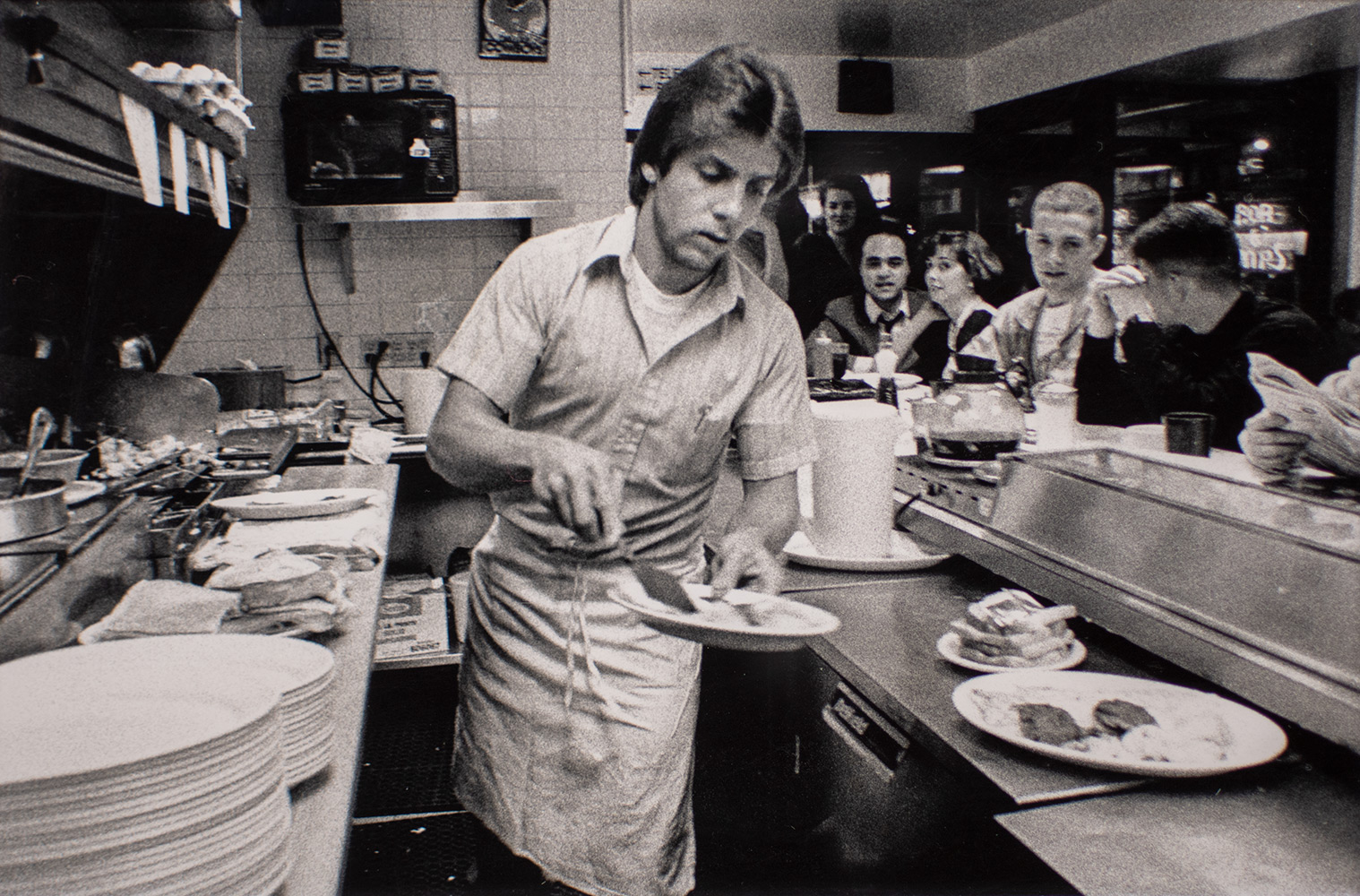
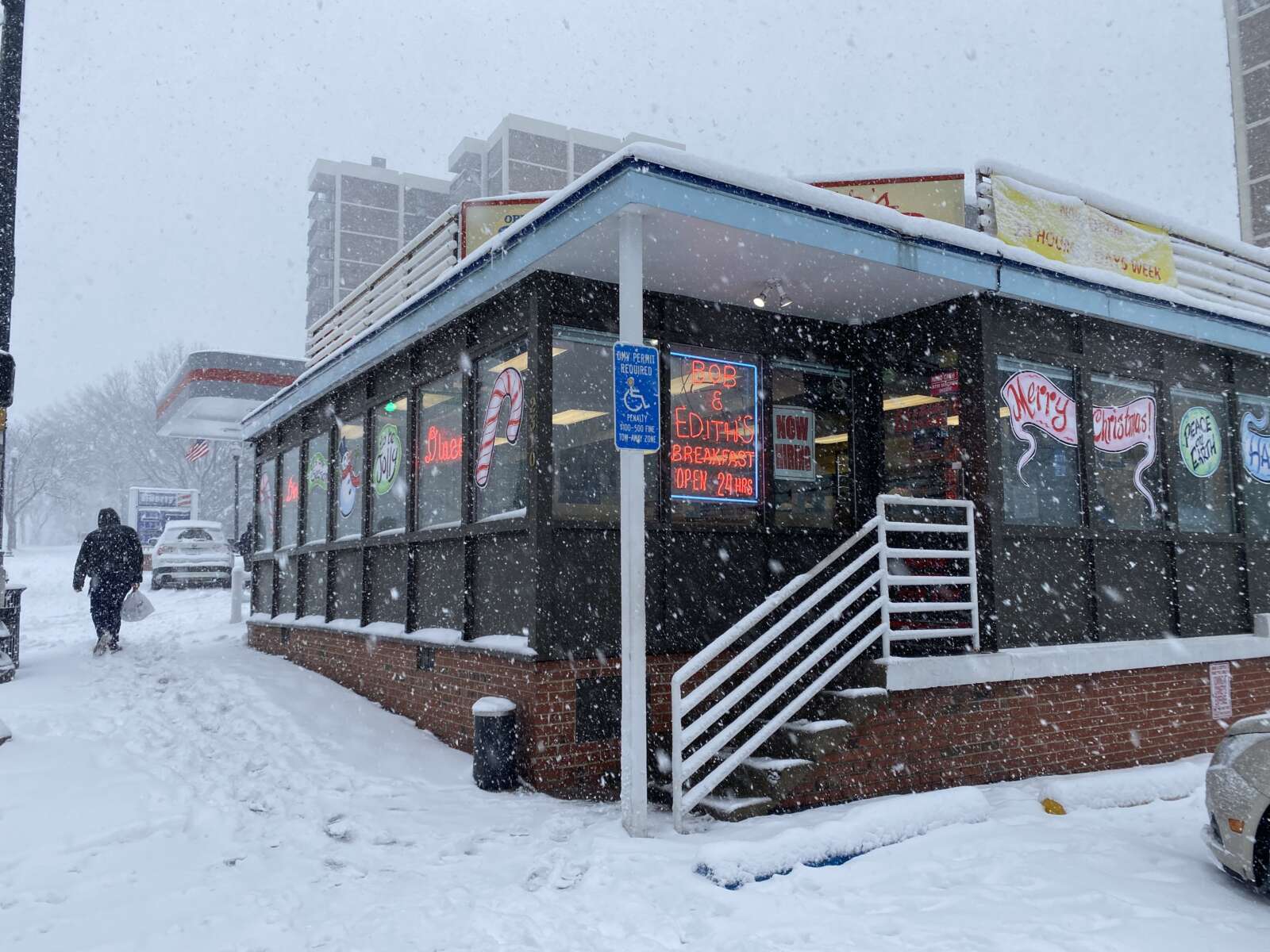
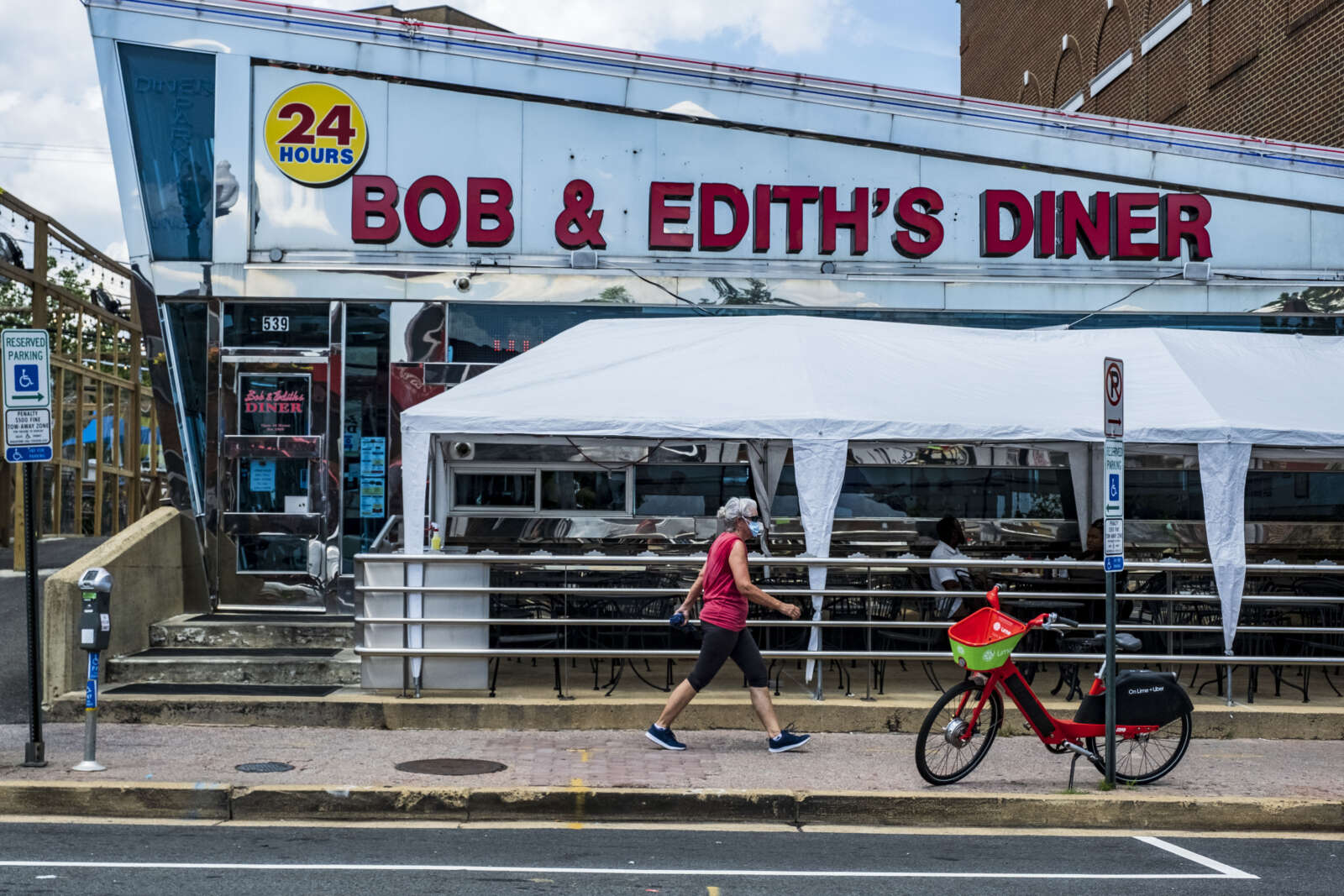
A whiff of freshly brewed coffee and the sound of bacon sizzling greets customers walking through the door at Bob & Edith’s Diner on Columbia Pike.

Old framed photos line the white, tiled walls. Alternating blue and yellow stools line the counter as the grill behind it smokes. Blue-tabled booths, adorned with ketchup bottles, are ready for diners.

It’s a little after the breakfast rush at 9:30 a.m. on Thursday, staff says. But there are still customers here. A group of three says that this is their first time at Bob & Edith’s, coming at the recommendation of their dentist. There’s a sense of comfort here, they note, like they have walked into a friend’s place. One remarks happily that the coffee mug is ceramic, as opposed to paper.

At that moment, three heaping plates of bacon, pancakes, toast and eggs arrive at the table.

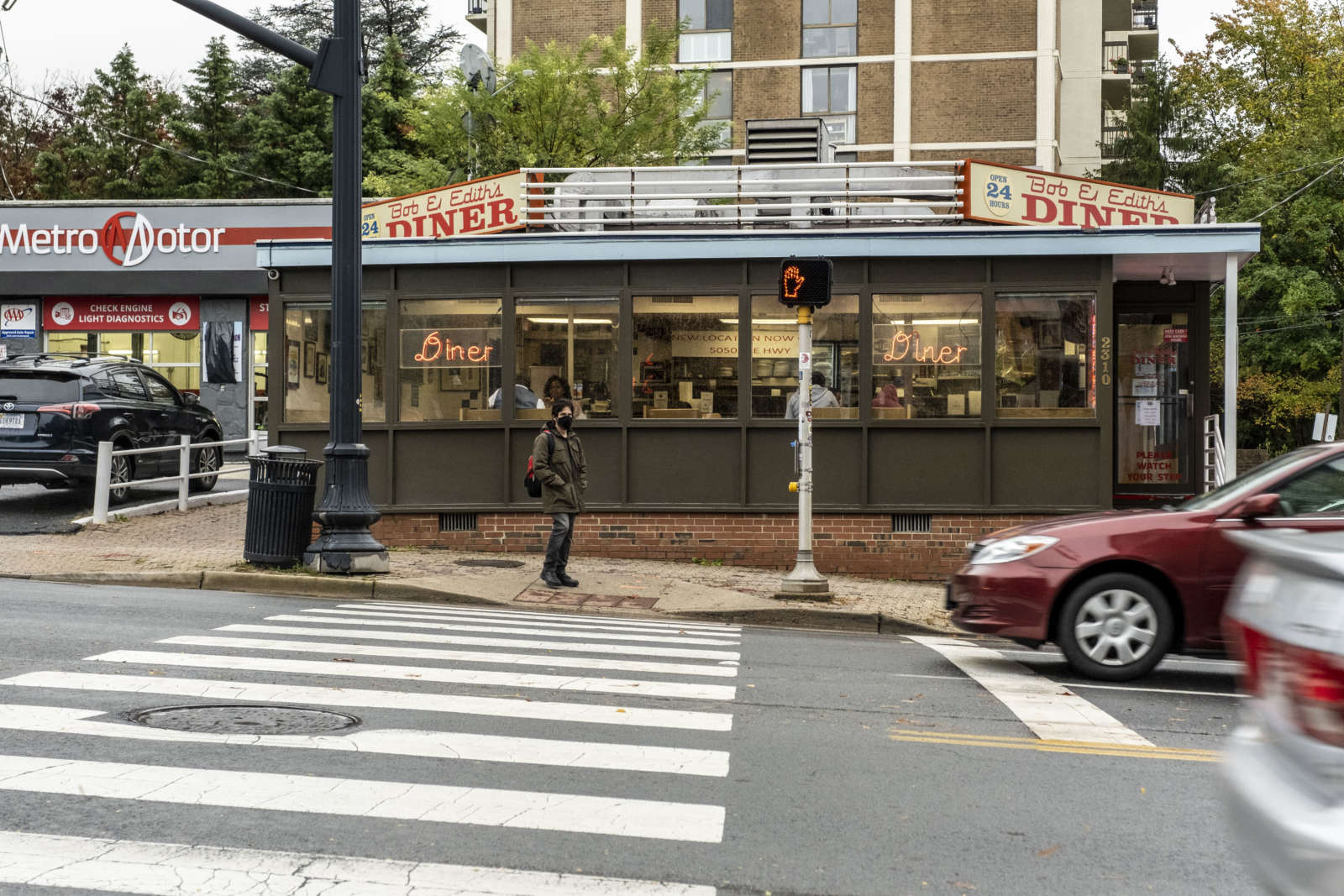
For the last five decades, Bob & Edith’s Diner has become a Columbia Pike landmark. A remnant of days’ past, among constant modern development. The diner has embraced its old-school charm and has expanded to four other locations in Northern Virginia. And there are plans for many more.

When asked why he thinks his parents’ diner has continued to thrive after all of these years, owner Greg Bolton says it’s pretty simple.

“It’s good all-American food, cooked right in front of you,” says Bolton. “We haven’t changed a whole heck of a lot in 50 years.”

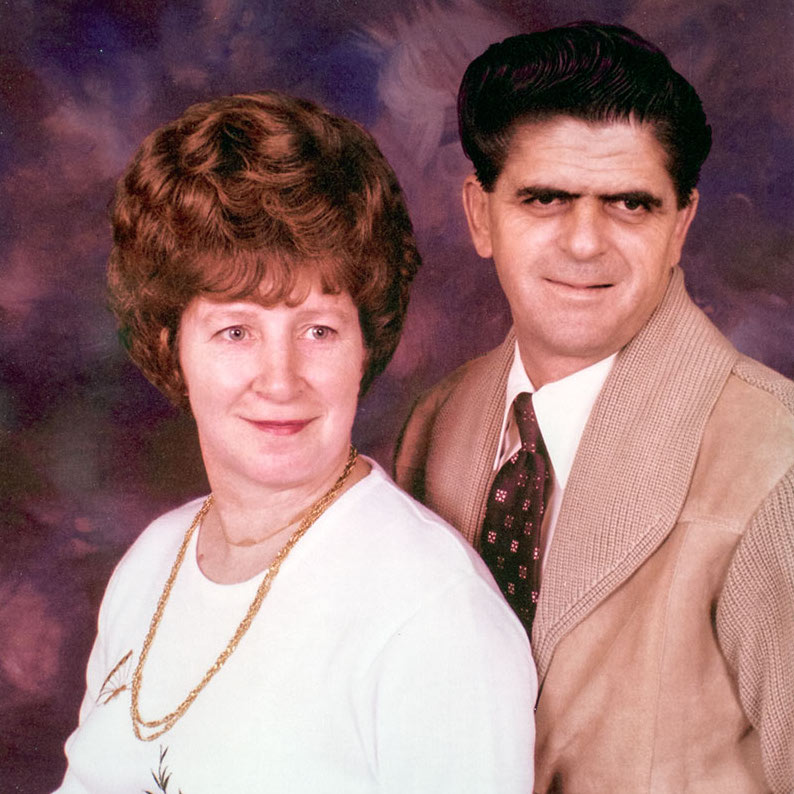
On November 1, 1969, North Carolina-native Bob Bolton officially opened his diner in a building formerly occupied by “Gray’s Donut Dinette.” He named it after himself and his wife, Edith.

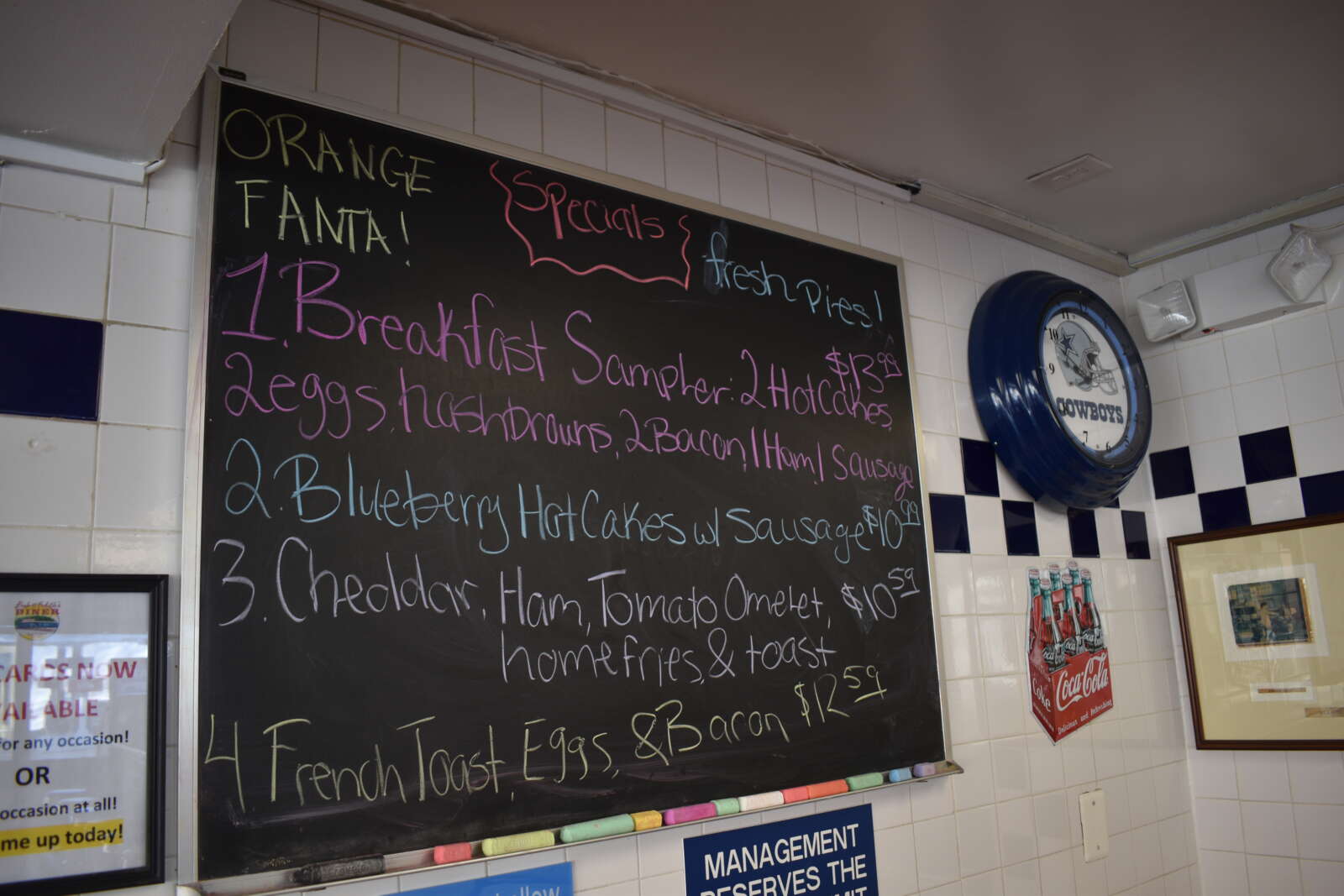
It was a very small restaurant at the time, Bolton says, only 10 stools and a counter. It also had only eight or nine items on the menu, which was pasted on the wall.

Back then, a huge portion of the diner’s customers were from the Navy Annex on S. Courthouse Road and the Pentagon. The diner even had a special specifically for those workers: The SOS, the Serviceman’s Special, which was a chipped beef breakfast.

Bob Bolton worked the grill and loved talking to customers about football, his son says. It must have made for pretty good conversation since Bolton was a die-hard Dallas Cowboys fan, a fierce rival of the hometown Washington Football Team.

When asked why his dad (and Greg as well) was a Cowboys fan, the younger Bolton laughs.

“Because they are the best team in America,” he says.

To this day, every Bob & Edith’s location is adorned with Cowboy paraphernalia, no doubt boiling the blood of local football fans and the former Washington football players that have come into the diner.

“Oh, they hated it,” Bolton says.

In the early 1980s, Bob expanded the menu and added tables, matching pretty much what one sees today… save for a few old photos that customers have stolen off the wall over the years, Greg says. When his dad and mom died, Greg Bolton took over the diner.

(more…)


View More Stories