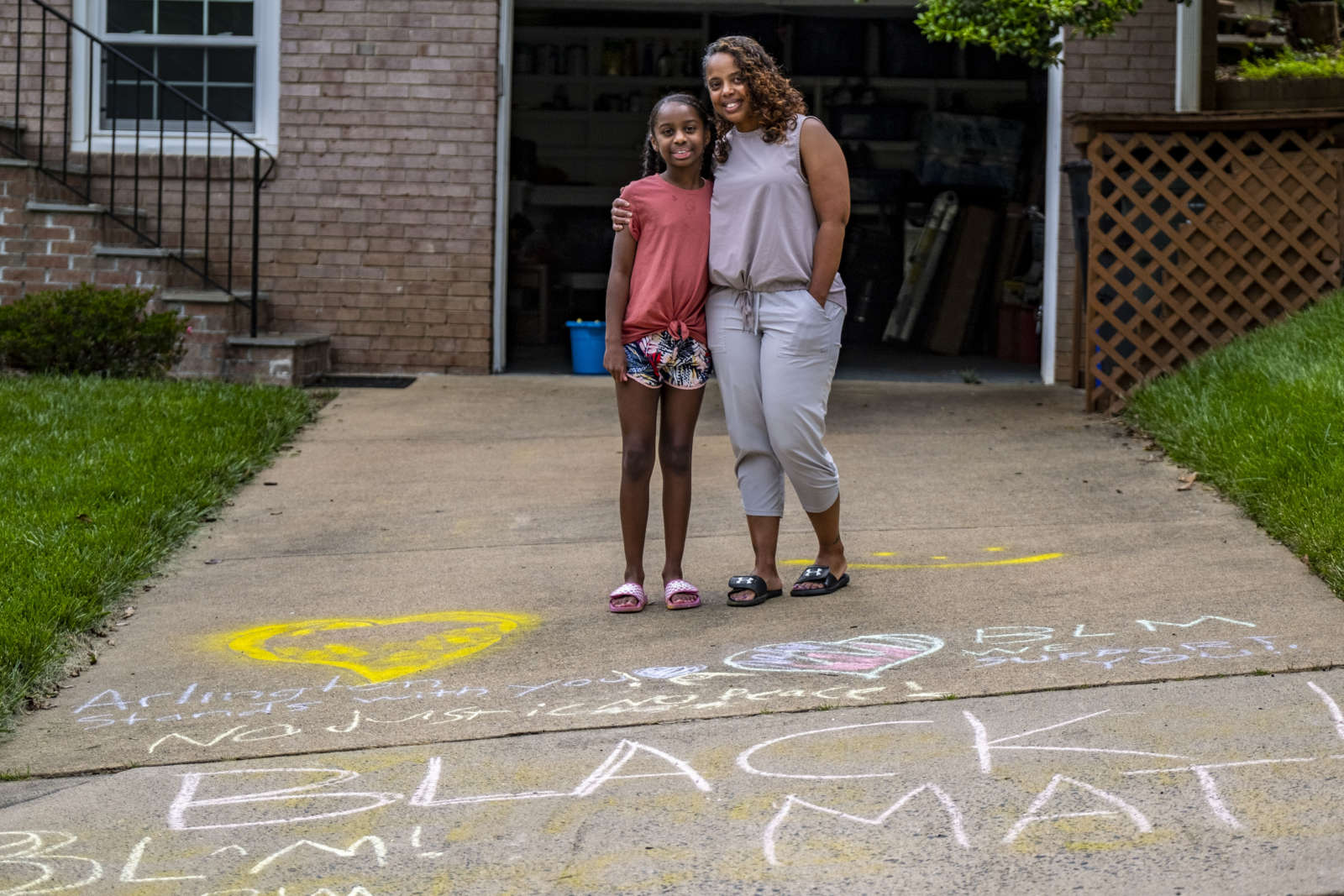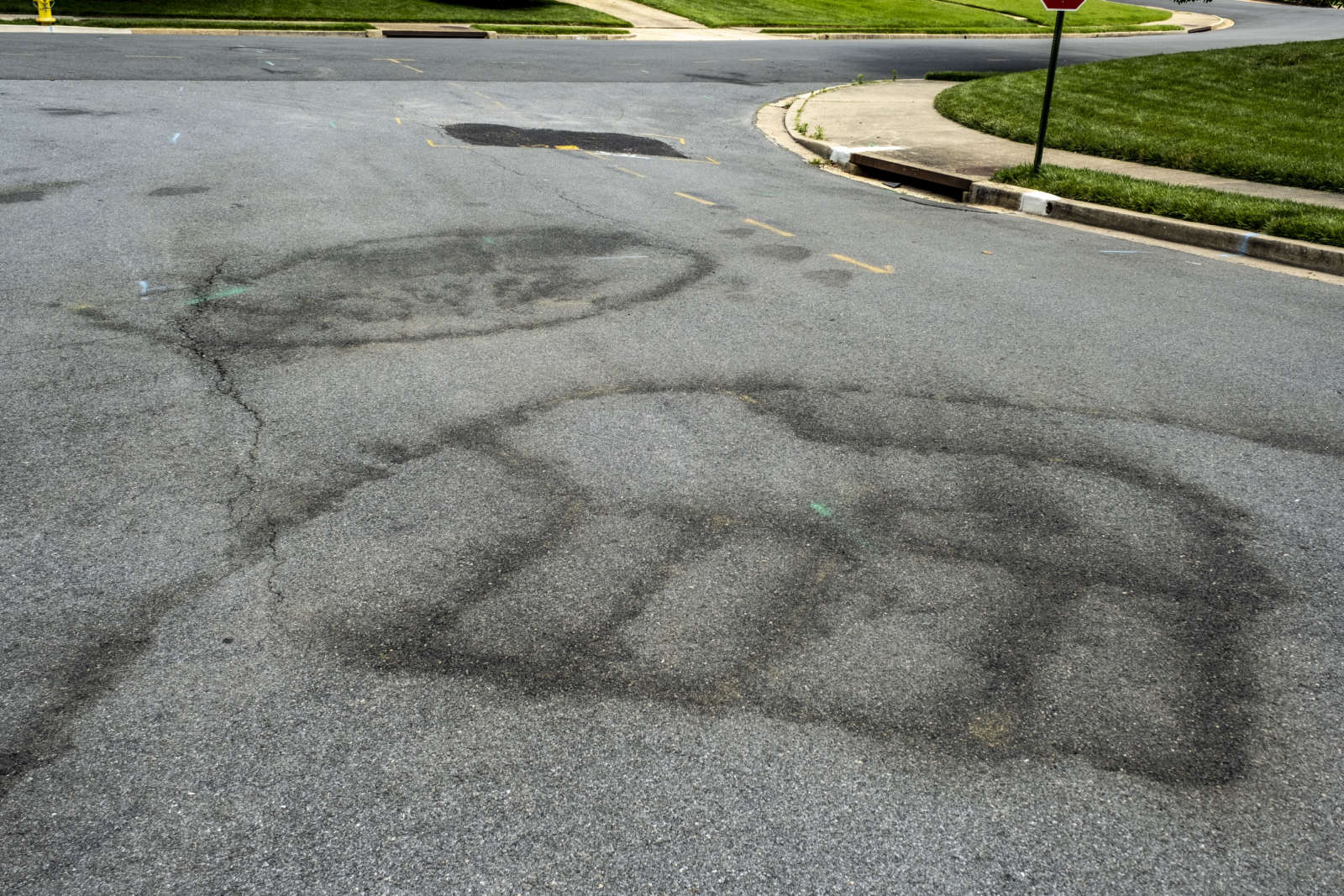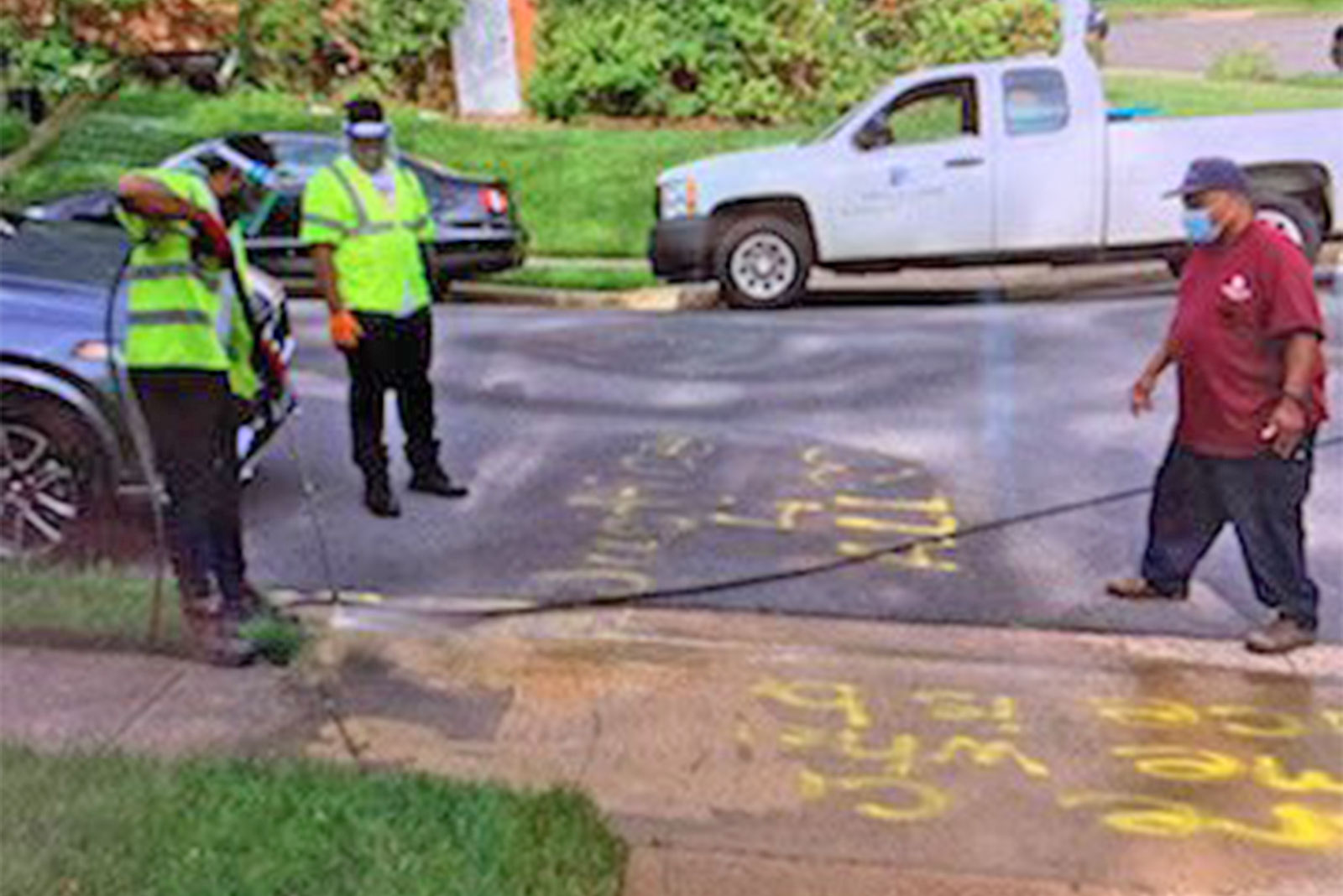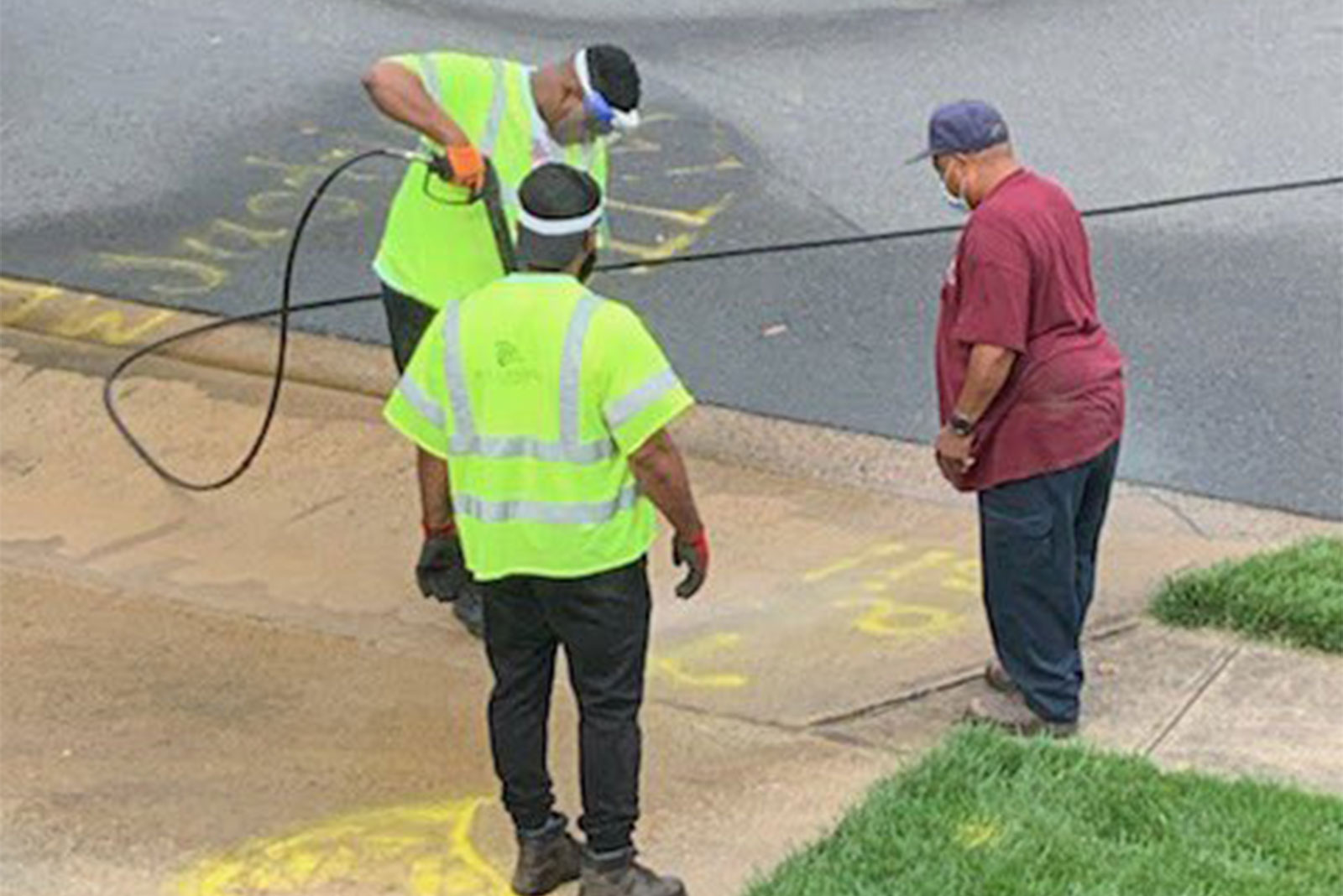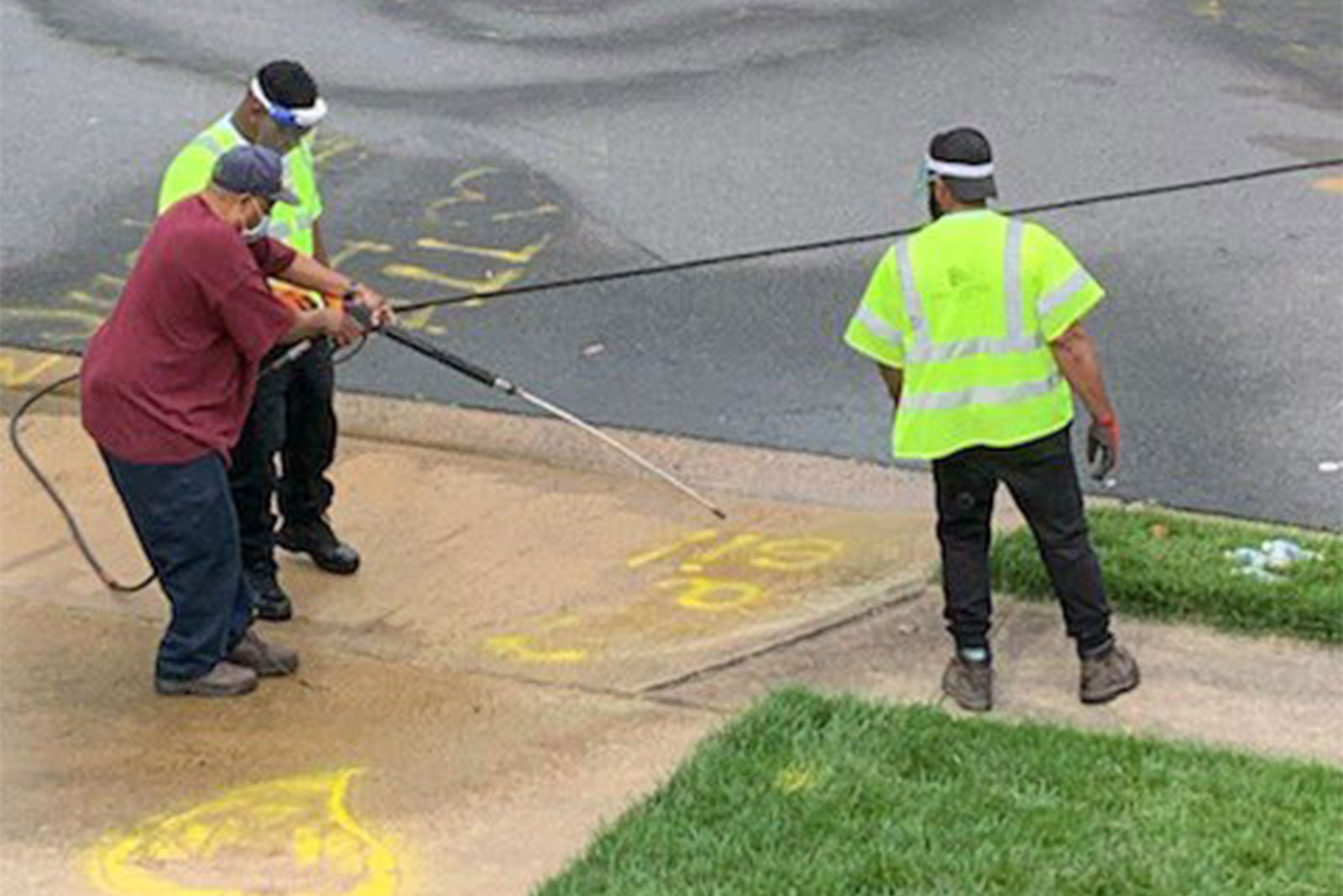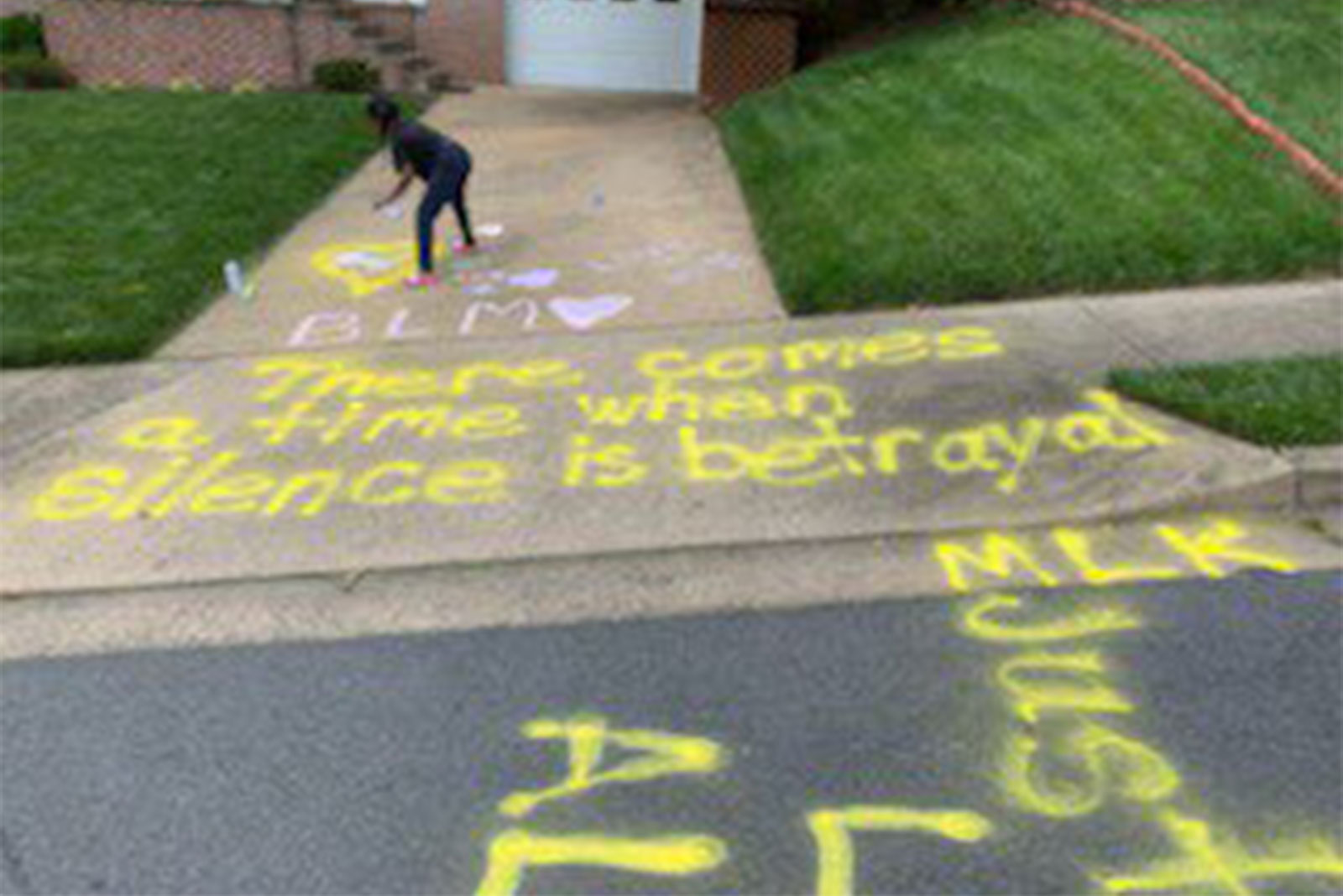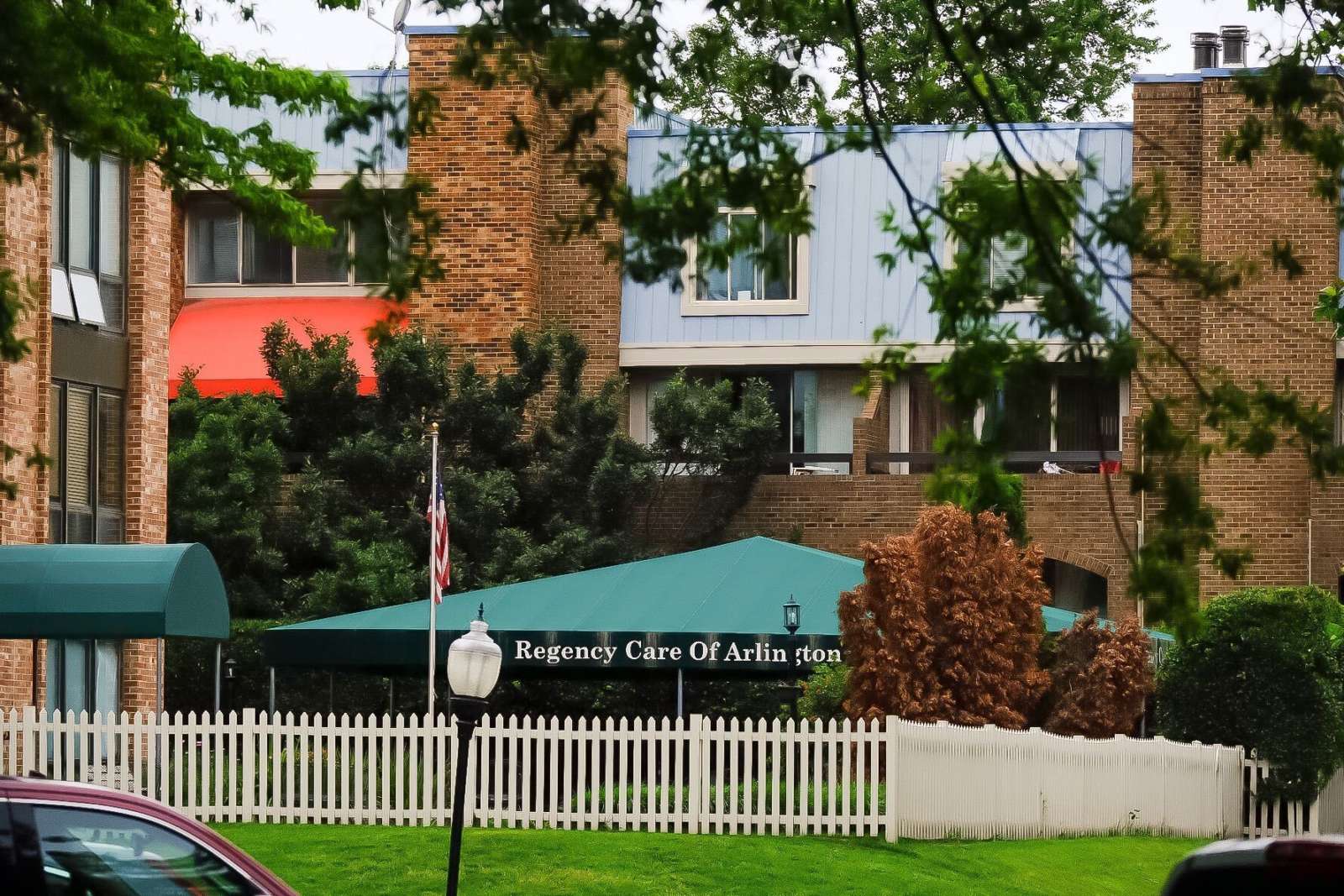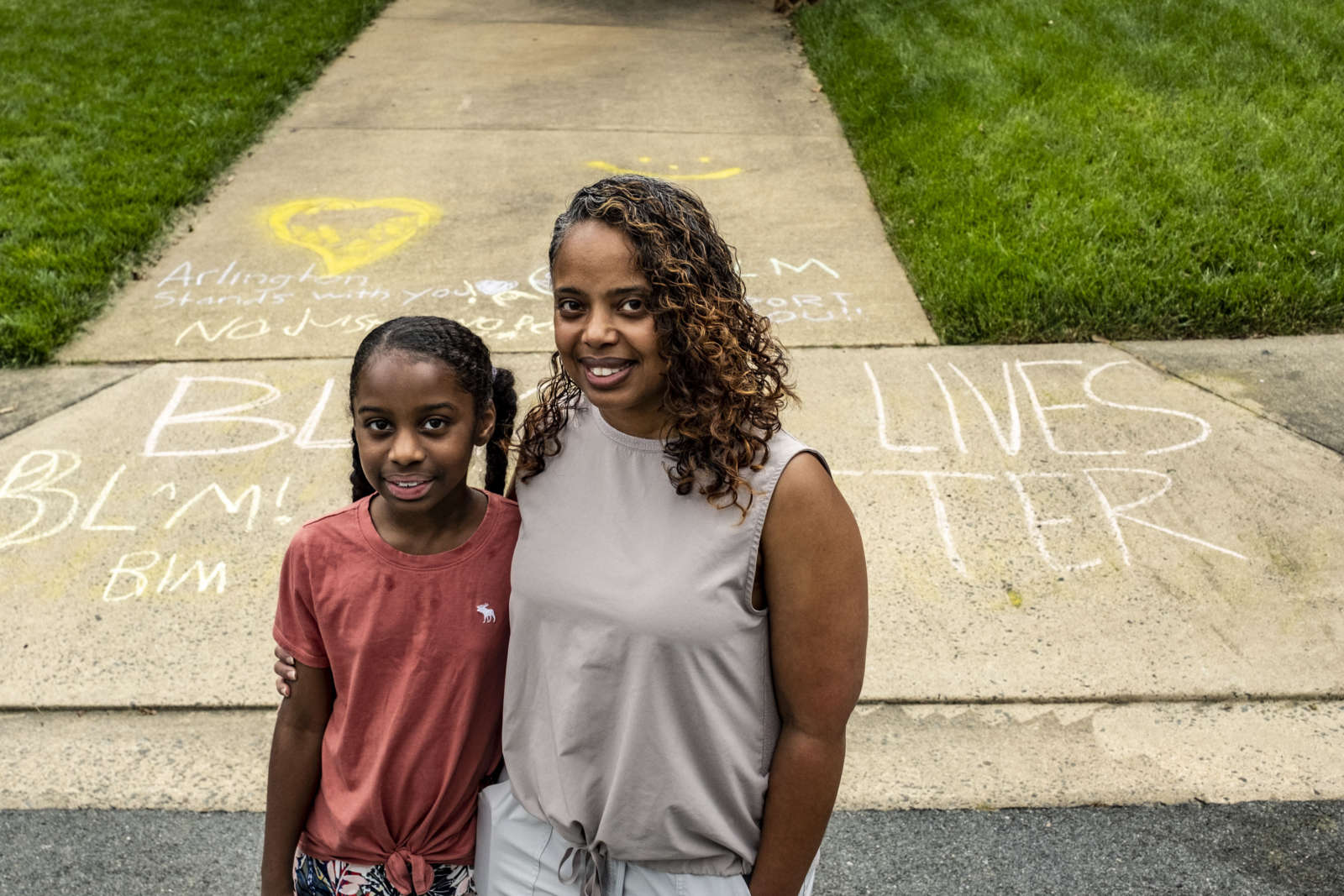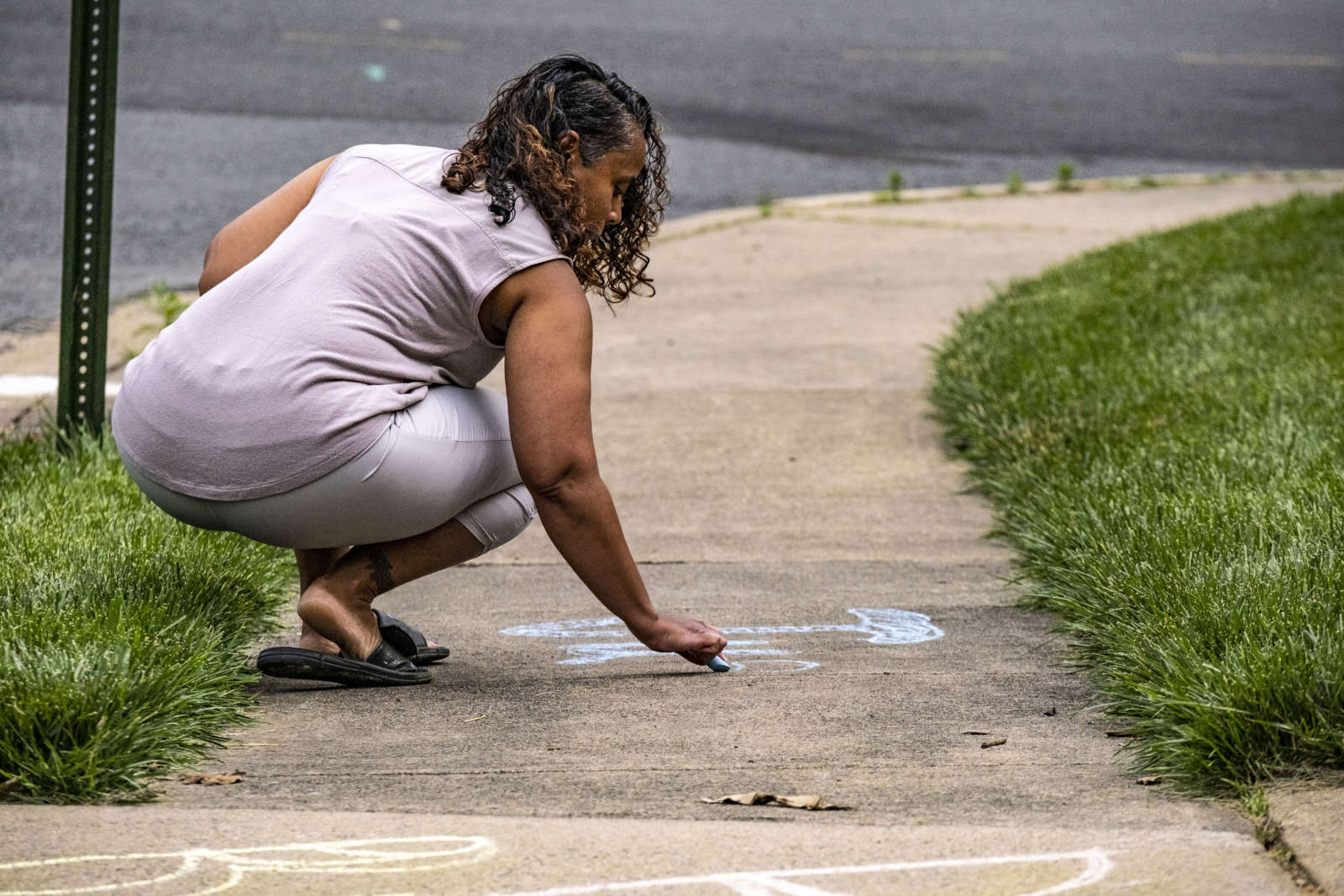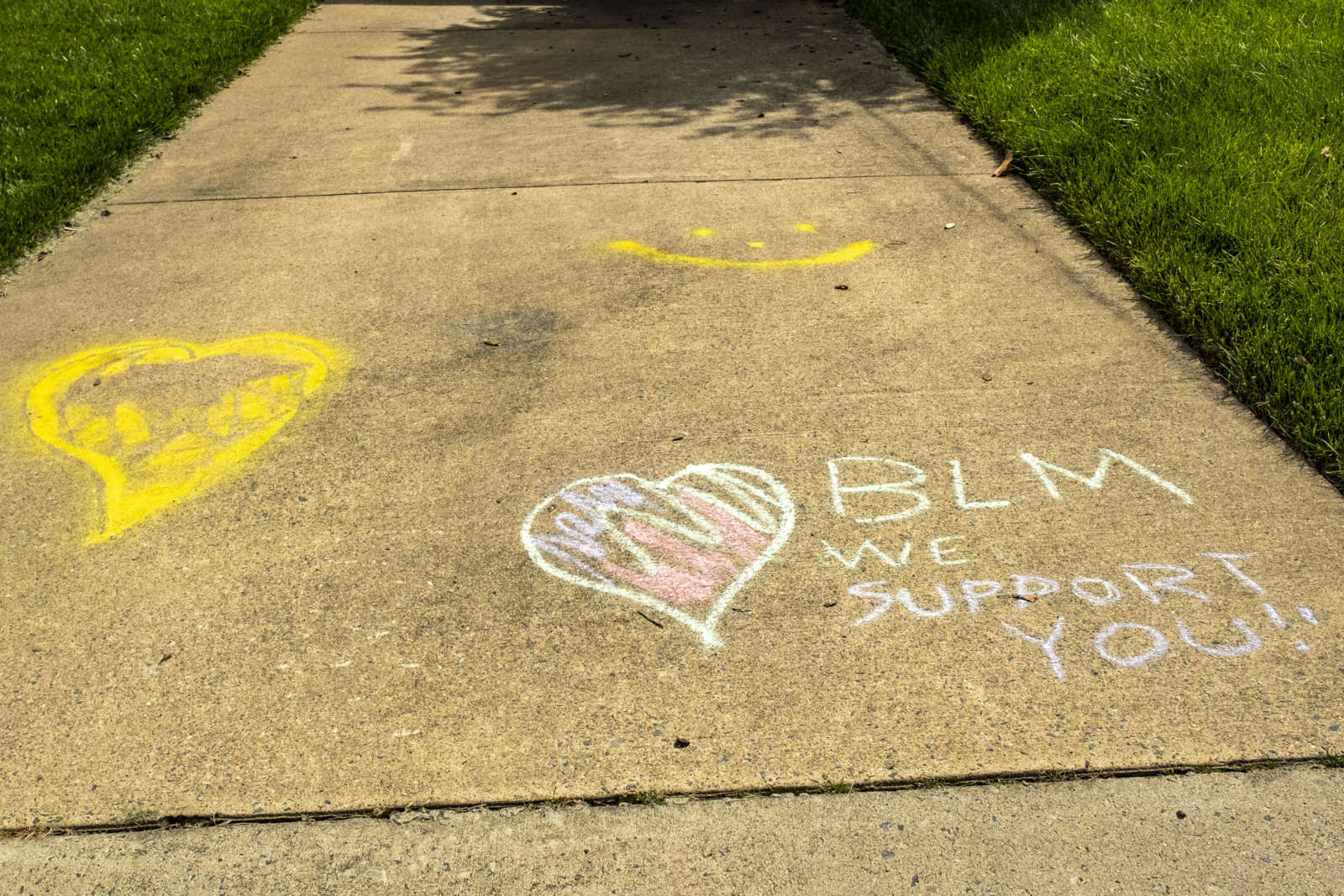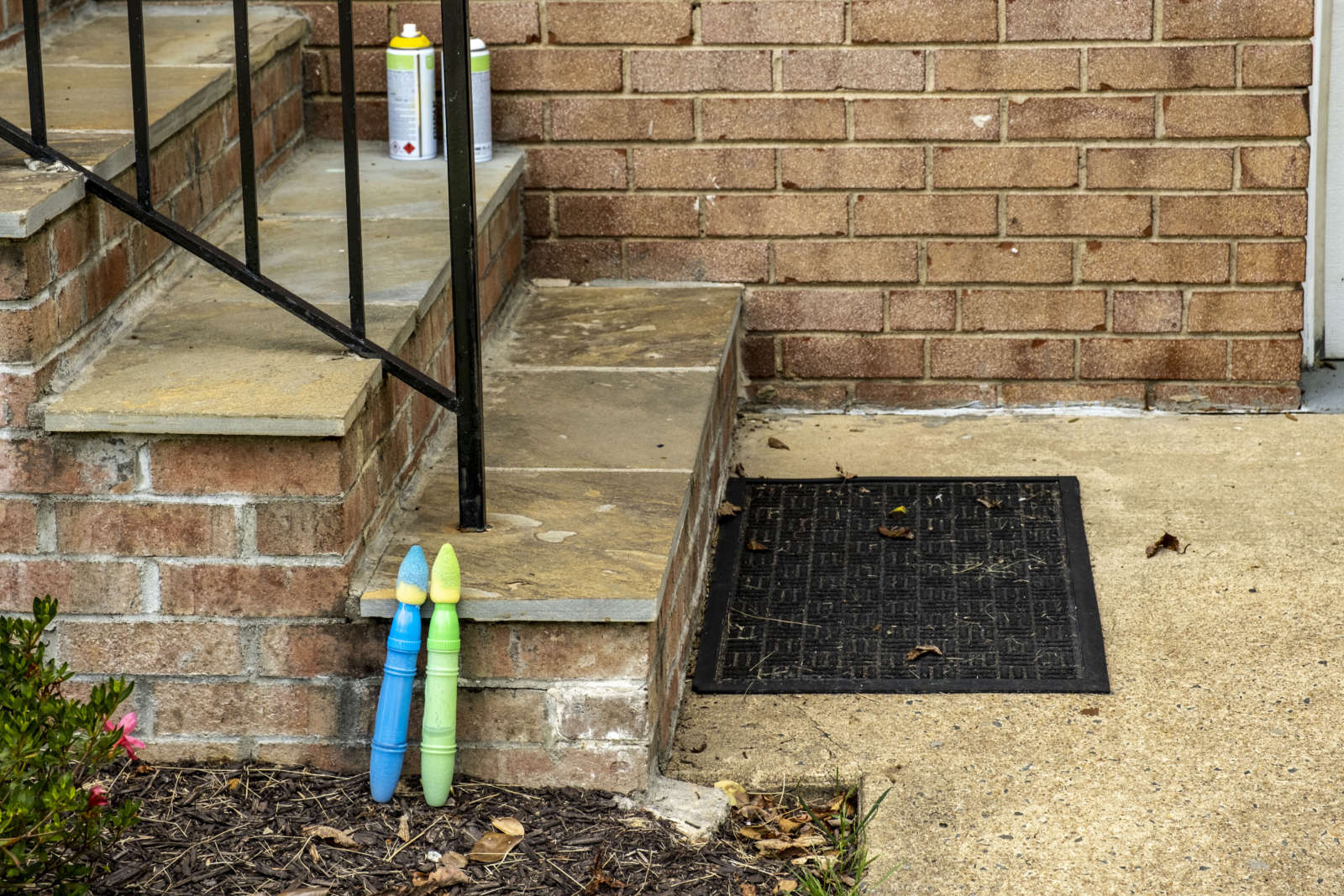
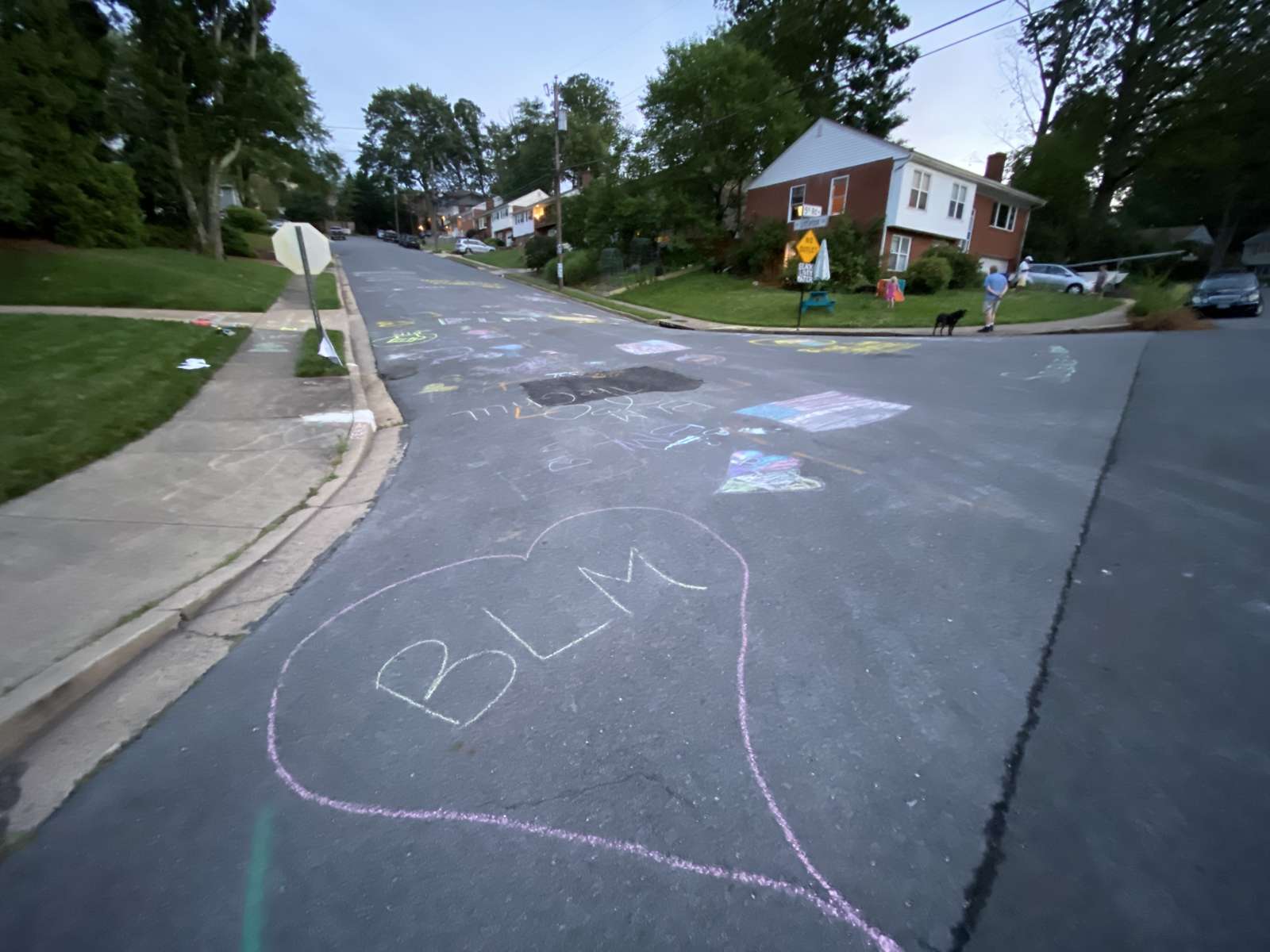
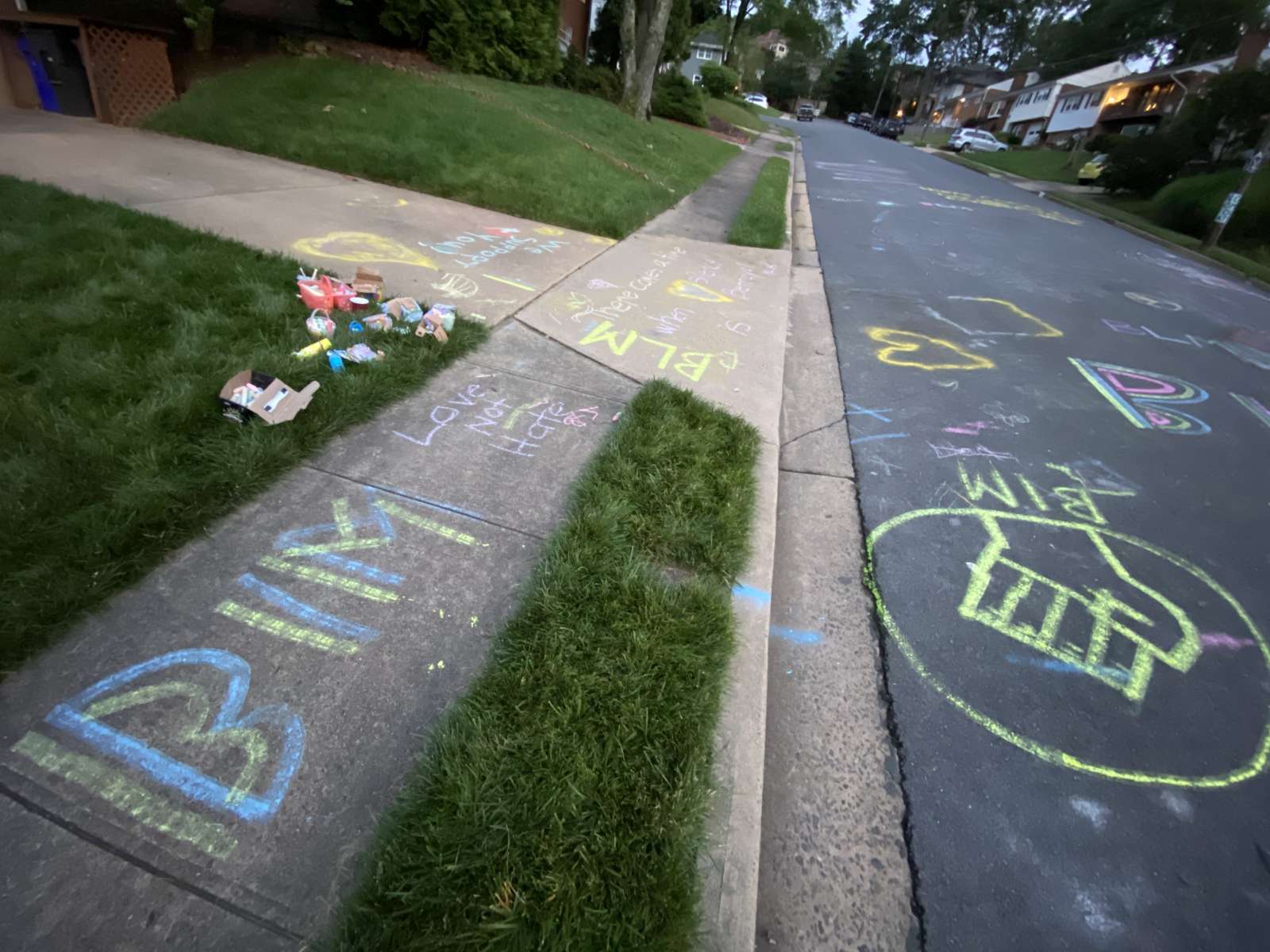
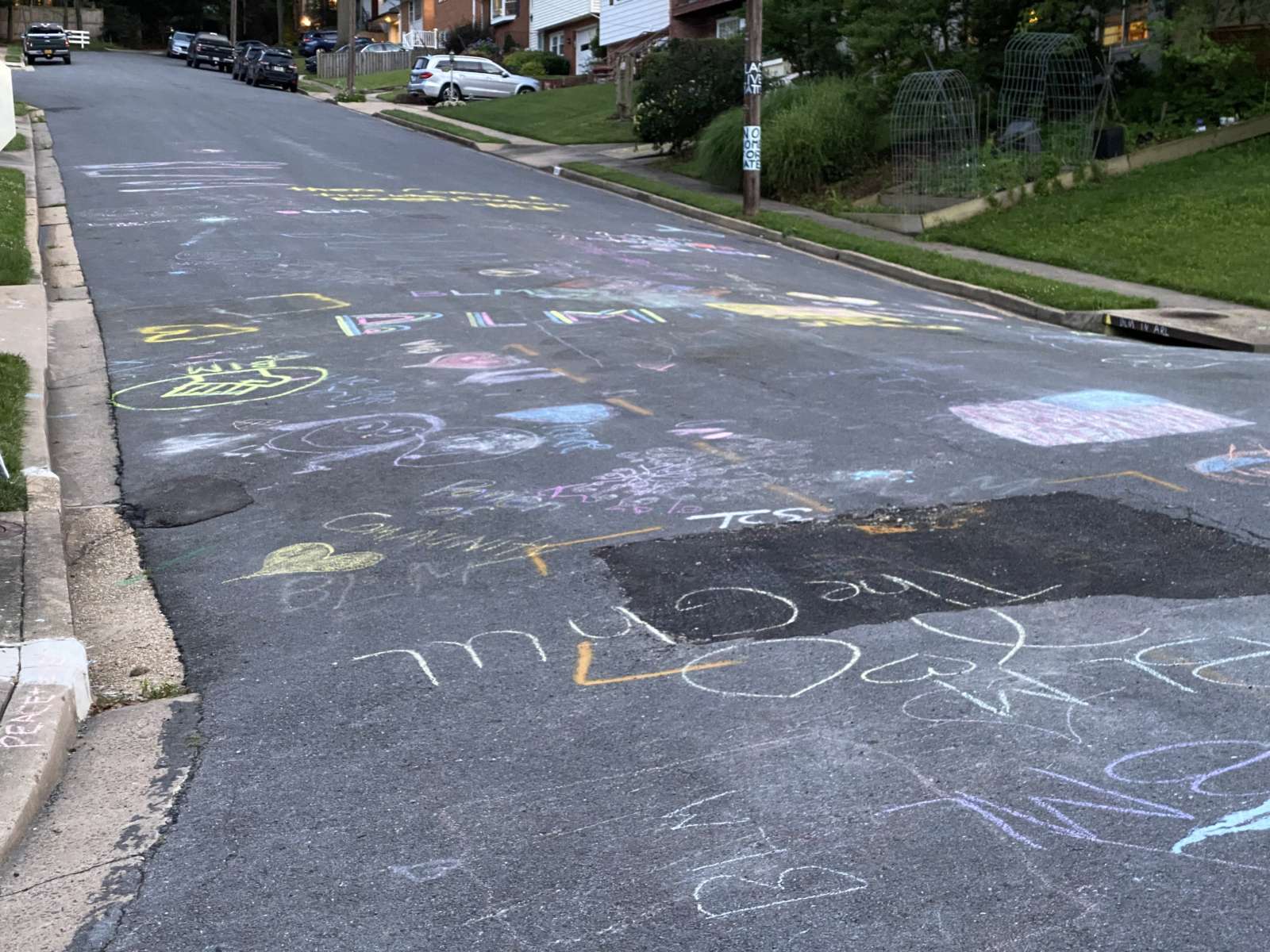
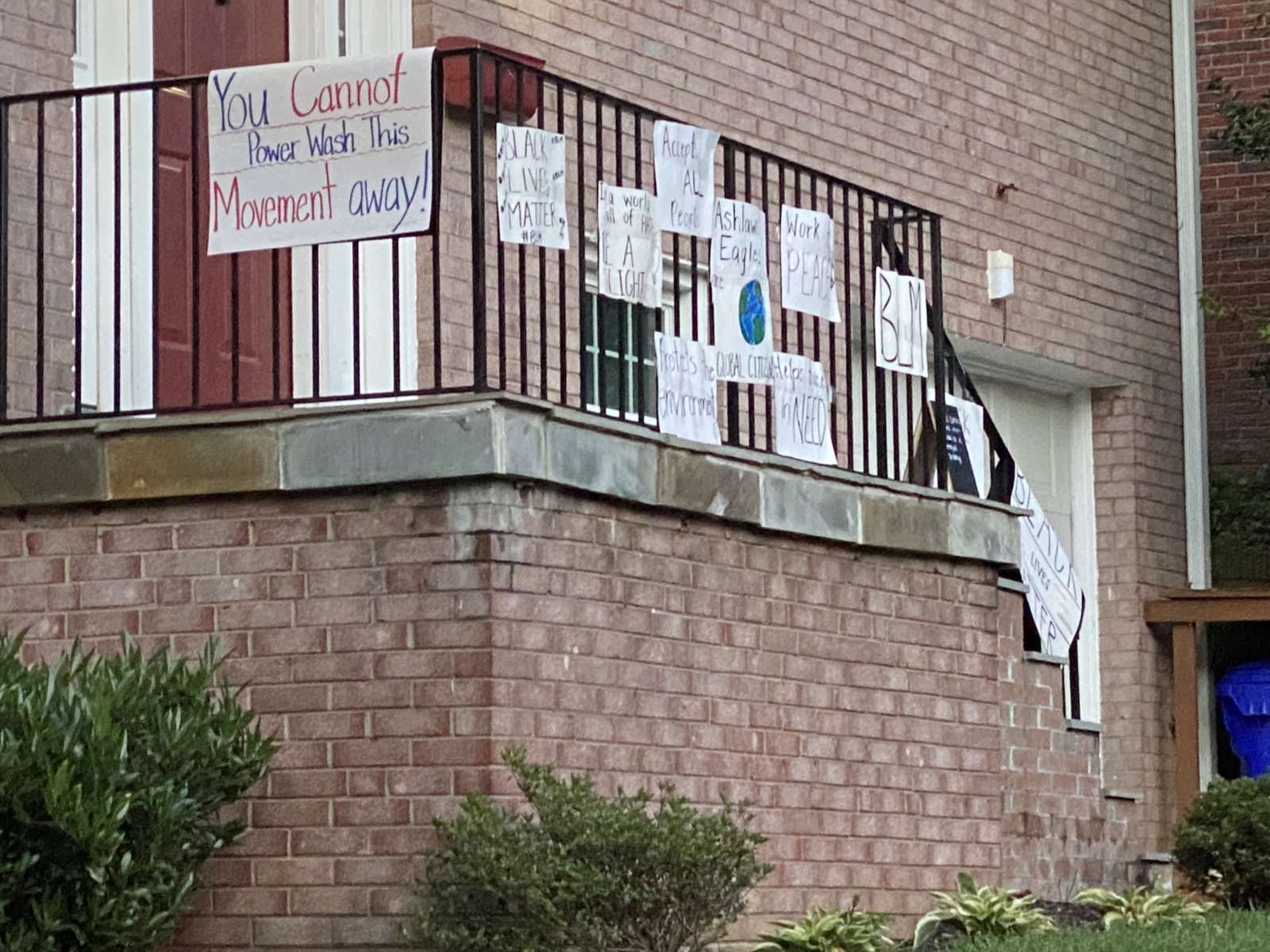
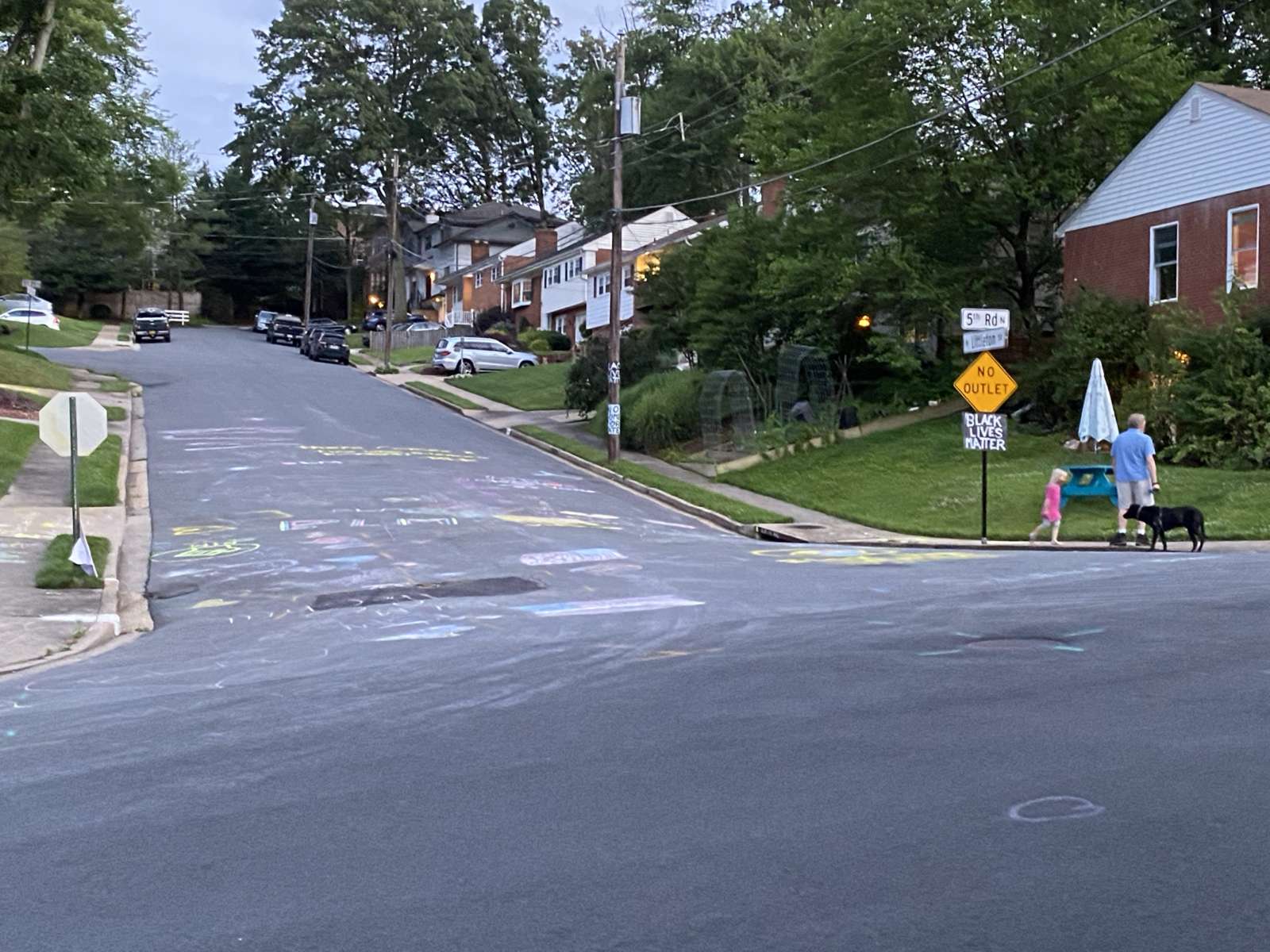
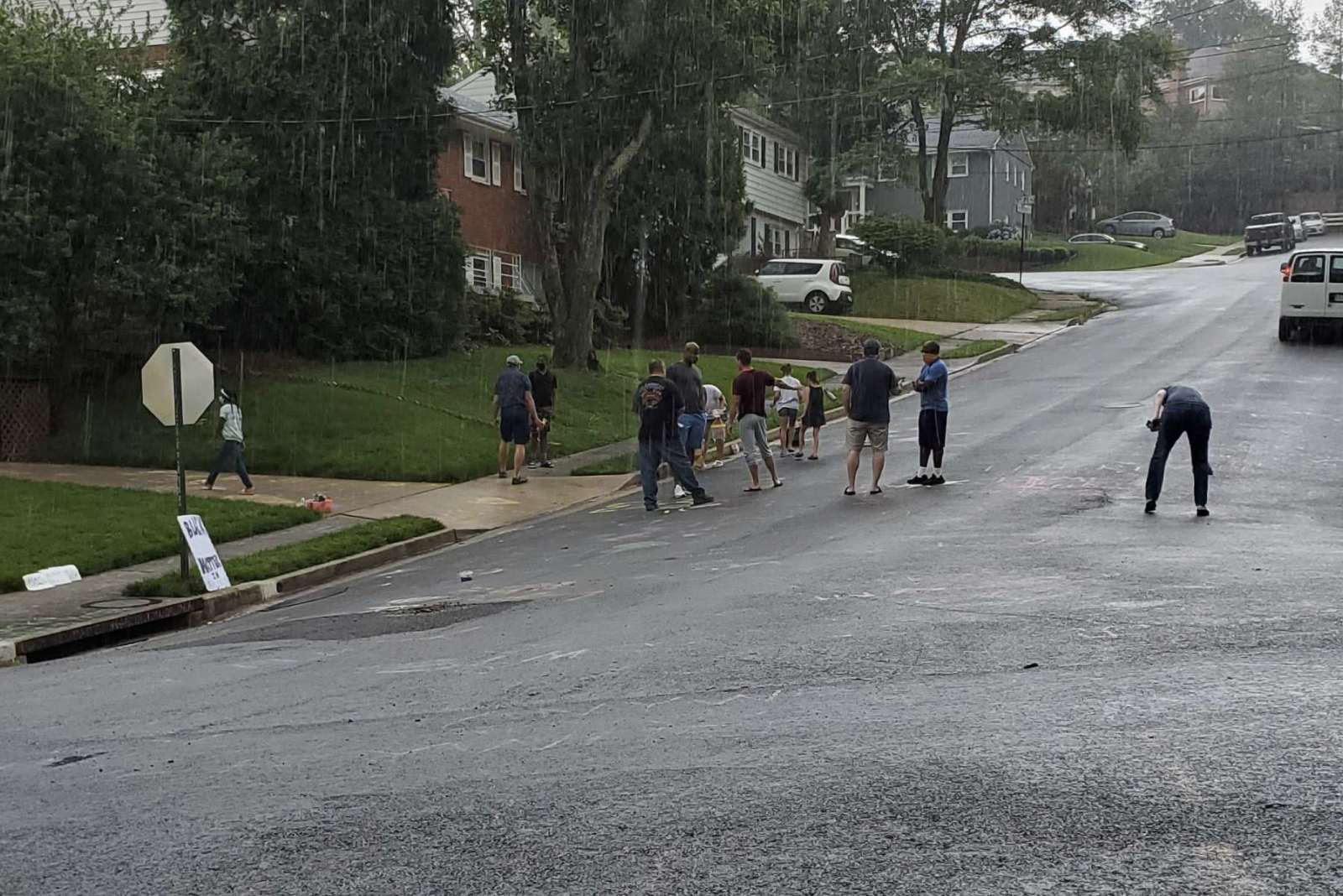
(Updated at 4:15 p.m.) On Friday, Arlington County workers — dispatched after a resident complained — power washed away a girl’s Black Lives Matter chalk art from in front of her Boulevard Manor home. After an uproar, the county later apologized.
A memo from County Manager Mark Schwartz, sent to county employees on Saturday and obtained by ARLnow, shows some of the internal soul searching that followed the incident.
The memo says that Schwartz first heard about what happened due to “an inquiry from the press” — ARLnow first asked the county for comment around 10:30 a.m. He learned that the sequence of events started when “a resident complaint about ‘graffiti.'” Then he saw the photos of county employees erasing quotes from Dr. Martin Luther King, Jr., among other phrases and drawings.
“A series of flowers, hearts, and quotations focusing on understanding and the sanctity of Black lives had been removed by 3 county employees — all 3 are Black,” Schwartz wrote. “What was first described as graffiti removal became obviously something very different. My heart sank. How could this have happened? On Juneteenth of all days? I was sick.”
Schwartz says he asked himself a series of questions, including how those involved in the incident were doing and “In the time of pandemic, why are our limited resources being used to remove chalk from the street?”
He concluded that the employees and family involved, as well as county taxpayers, are all owed apologies. He personally delivered the apology to the workers. Among those to reach out to the family were Arlington County Board Chair Libby Garvey and Arlington Dept. of Environmental Services Director Greg Emanuel.
Schwartz ruminated on how the incident could have taken place despite the county’s focus on equity. He focused both on how the employees involved did not feel empowered to question their orders, and how the county has created a complaint-based system of resident services.
“Calling the ‘authorities’ is the wrong way to address our concerns as neighbors and community members,” Schwartz wrote. “This should be reserved for cases where our safety is at risk.”
The workers involved were not empowered “to make a judgment better than stipulated by the letter of the policy,” the county manager wrote. “The way we currently operate, it is too hard for employees to question what they are asked to do under a policy that is blind to feelings, nuance and the world we live in.”
Other notable questions raised by Schwartz in the memo include:
- “Was this possibly the worst example of how we ignore equity in doing our work?”
- “[Does] our complaint driven enforcement efforts lead us to address concerns (regardless of how serious they are) by some residents for any problem that frustrates them, while larger problems that affect our residents go unaddressed?”
- “[Are we] intentional about reaching impacted residents during public engagement processes, or only those who show up regularly?”
In the memo, Schwartz notes that the county will soon be hiring a Chief Equity and Diversity Officer, who will report directly to the county manager.
“This will take some time, but it is an overdue step,” he said.
The full memo is below.