One of the country’s leading progressive activists and researchers is launching a new fundraising push for primary challengers to two Arlington lawmakers.

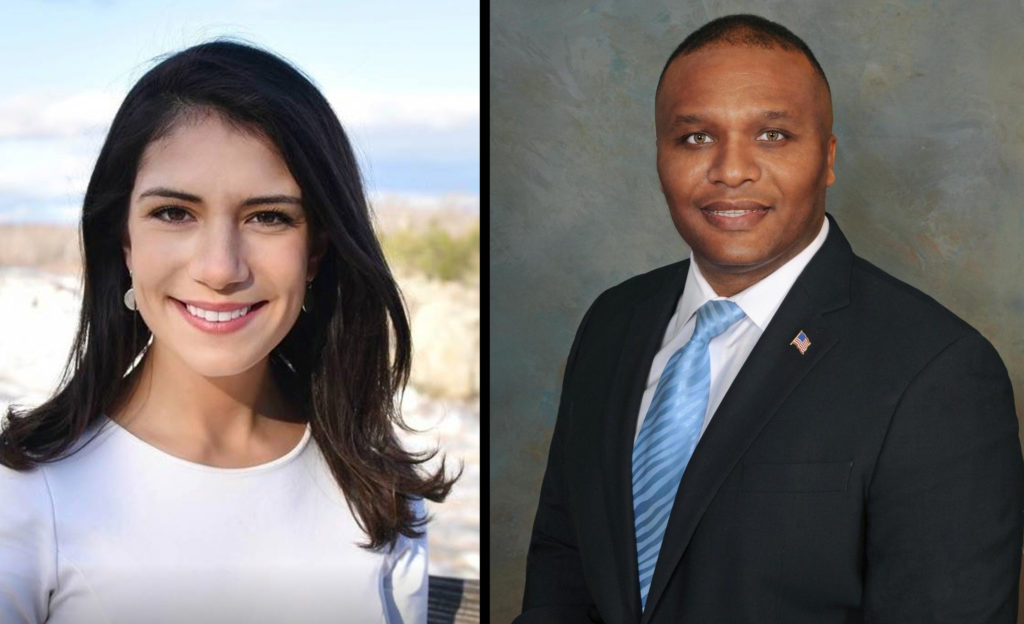
Sean McElwee, a co-founder of Data for Progress, announced yesterday (Wednesday) that his organization would be launching “The Progressive Virginia Project,” an effort to raise cash for four candidates in Virginia’s statehouse races this fall. Among the group set to benefit from the fundraising is Nicole Merlene, who is challenging state Sen. Barbara Favola (D-31st District) and J.D. Spain, who is looking to unseat Del. Alfonso Lopez (D-49th District).

In a tweet describing the new program, McElwee wrote that his group is seeking to elect “progressives who are fighting for a Virginia where Dominion Energy doesn’t set the agenda.”

The utility company’s influence in Richmond has become an increasingly controversial issue for the state’s Democrats in recent years, with many (Lopez included) swearing off contributions from Dominion. The General Assembly helps regulate the company, convincing many lawmakers and activists that it’s inappropriate to then rely on Dominion’s largesse when election season rolls around.

https://twitter.com/SeanMcElwee/status/1103313125246414848

Any money taken in by the program will be divvied up among Merlene, Spain and two other candidates: Del. Lee Carter (D-50th District), the legislature’s lone Democratic socialist and a fierce Amazon opponent, and Yasmine Taeb, who is challenging Senate Minority Leader Dick Saslaw (D-35th District).

McElwee was previously a leading voice in supporting Rep. Alexandria Ocasio-Cortez’s insurgent progressive candidacy in New York, and launched a similar initiative during the 2018 midterms to elect several other candidates in statehouse races across the country. In all, his group was able to raise more than $448,000 to support races in eight states.

Data for Progress wrote on the new fundraising page that it picked the four candidates not only for their opposition to Dominion, but their support for a “Green New Deal, universal healthcare and racial justice” in Virginia.

https://twitter.com/SeanMcElwee/status/1103315361582276608

https://twitter.com/SeanMcElwee/status/1103316305027977216

Merlene, who up until recently held leadership positions with the Arlington County Civic Federation and the county’s Economic Development Commission, has framed her run against Favola as a chance for a new generation to take the reins in Richmond.

In addition to criticizing Favola’s acceptance of Dominion cash — she’s taken $9,500 from Dominion over the last eight years — Merlene has blasted her work as a lobbyist while also serving as a senator. Favola runs a lobbying and consulting firm representing influential local institutions like Virginia Hospital Center and Marymount University.

Spain has also sworn off corporate cash in his challenge to Lopez, but that doesn’t provide quite the same contrast between the candidates. Lopez has refused money from both Dominion and Amazon (though he has taken Dominion money in past years), and draws most of his campaign cash from progressive groups.

Spain, currently the president of Arlington’s NAACP, has focused his campaign thus far on providing fresh representation in Richmond, and beefing up support for affordable housing and schools in the South Arlington district. He has not, however, attacked Lopez over his much-discussed consulting work for an ICE contractor, which McElwee highlighted in his support for Spain. The activist has made calls to “Abolish ICE” a central part of his work, prompting a broader debate within the Democratic party about the agency’s role.

It remains to be seen, however, just how much traction either candidate has gained in their primary challenges thus far — statehouse candidates won’t report how much cash they’ve raised again until April 15. A June 11 primary will decide the intraparty contests.

Photo of Merlene, left, via Facebook
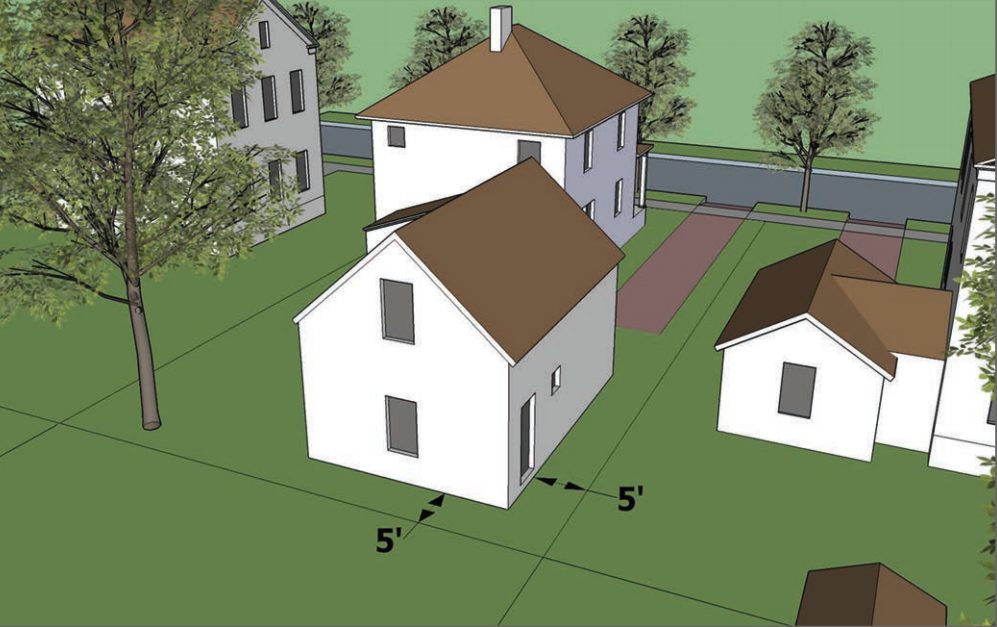

Arlington officials now look set to further loosen rules around the creation of “accessory dwelling units” sometime this spring, changing some zoning standards to allow more property owners to build the homes on their land.

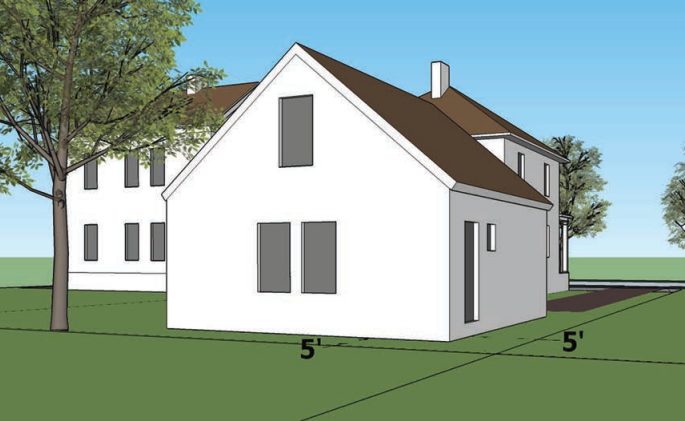
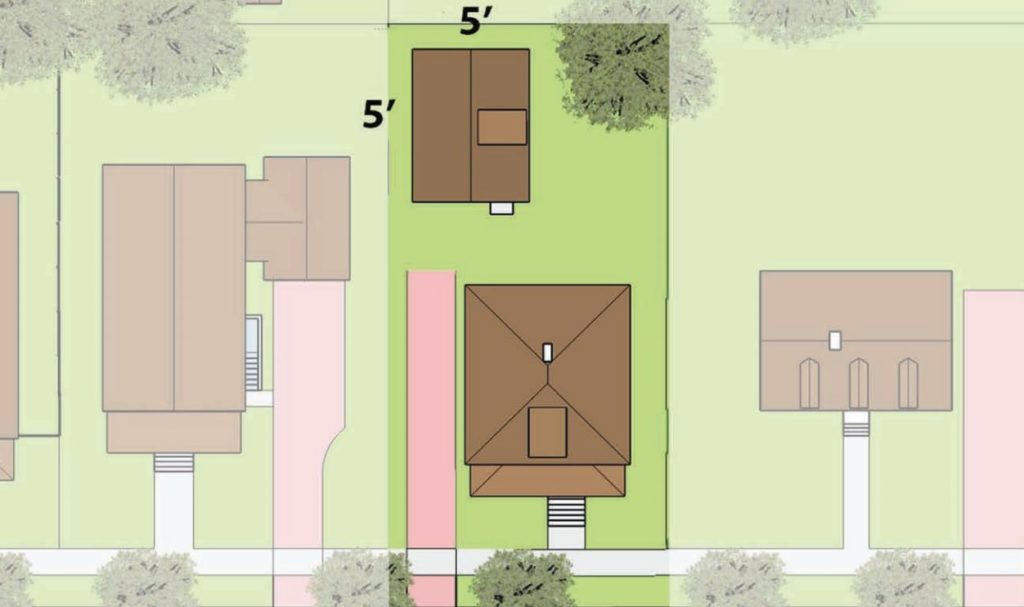
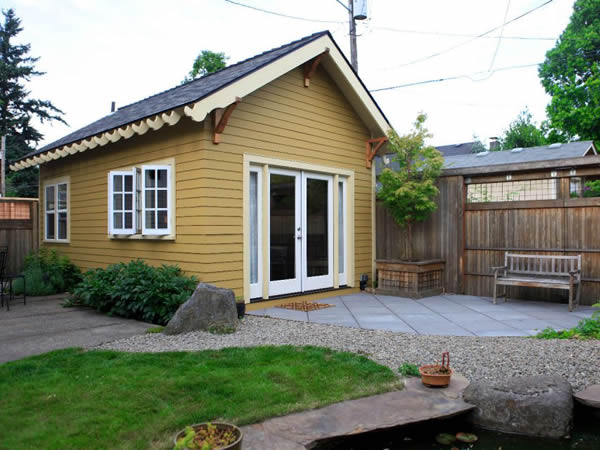
County staff are now circulating a draft policy recommending that local leaders allow property owners to build the homes, commonly known as “mother-in-law suites,” with a five-foot setback from the street and property lines.

The County Board has long sought to see more people build “ADUs” around Arlington, viewing them as low-cost way to beef up the county’s housing options. Officials have become especially interested in the homes as they’ve debated ways to improve access to “missing middle” housing, or homes that offer rent prices somewhere in between new, luxury apartments and subsidized affordable homes.

The Board worked in 2017 to loosen regulations on ADUs and expand their creation in Arlington, but those changes only impacted apartments to be created within a single-family home, like in a garage or attic. The rule tweaks also allowed property owners to convert existing detached buildings on their lots into ADUs, but they did not allow anyone to build new ADUs unattached to other buildings on the property.

This latest proposal would change that. County staff examined the potential for one-foot, five-foot and 10-foot setback requirements, and they settled on the middle option as the best way to balance competing priorities.

“The five-foot setback balances privacy and separation concerns, design flexibility and the county’s housing goals regarding increasing housing options,” staff wrote in documents presented at an open house earlier this week.

Staff estimate that altering the setback requirements in that way would allow the owners of 42 percent of all homes in residential zoning districts to build new ADUs. They expect that a five-foot setback would allow some space between property lines and ADUs, and create enough room for direct sunlight to flow into all buildings on a given property.

Officials declined to side with a one-foot setback requirement, noting that it would allow for considerably less privacy, with buildings right up against property lines. Yet they found that it would only slightly increase the number of properties where ADUs could be built — 44 percent of residential properties would be eligible, staff estimated.

They also found that buildings so close to property lines are subject to more stringent fire safety-related building requirements, whereas buildings five feet away are not, “potentially decreasing the cost of construction for the owner.”

As for the 10-foot setback option, staff found it would substantially decrease the percentage of eligible properties — they calculated about 37 percent would qualify — while also creating the potential for buildings on sites to feel more clustered together, creating “the perception of greater massing on the site.”

It helped, too, that staff found that other, similarly sized localities around the country use the five-foot setback standard.

Staff found that Charlottesville, Seattle, Santa Cruz, California and Los Angeles County all use a similar guideline — only Portland uses the 10-foot standard, while no other localities staff examined use the one-foot setback. D.C., however, allows ADUs to be built right up to the property line, as the city has gone through its own efforts in recent years to expand access to the homes.

Staff plan to convene a series of additional meetings on the setback proposals in the coming weeks, with plans to send them to the Planning Commission for debate by May 6. The County Board could then take action by May 18.


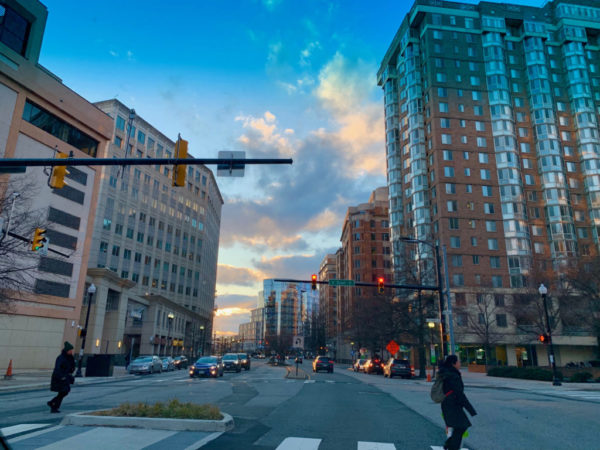
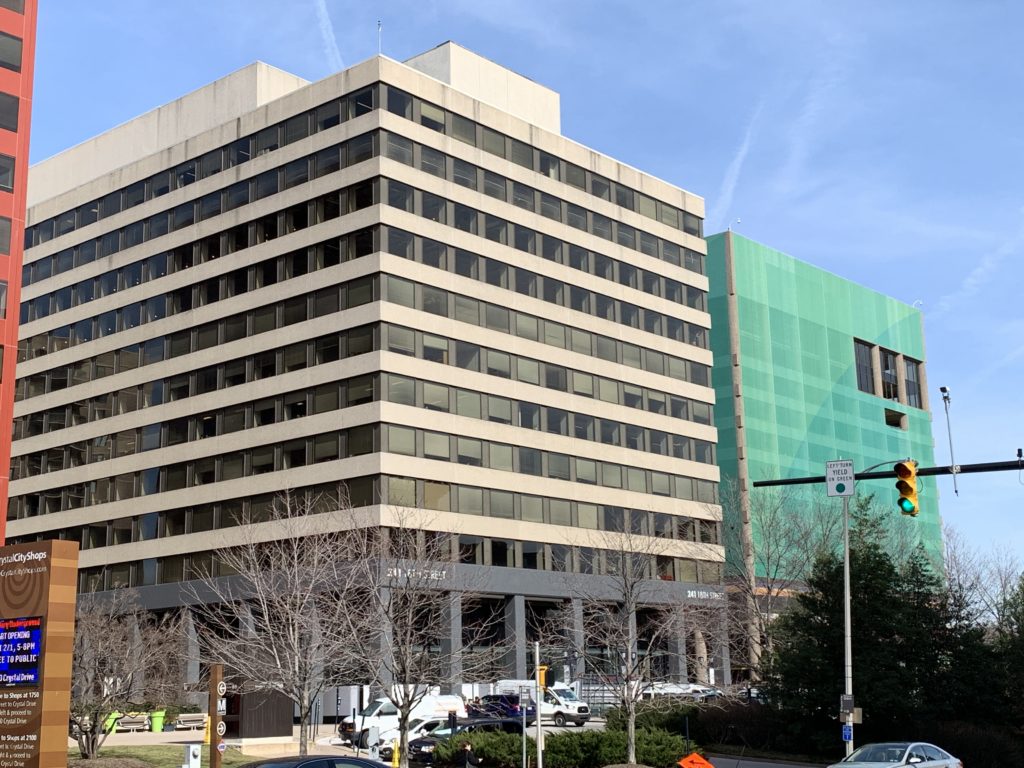
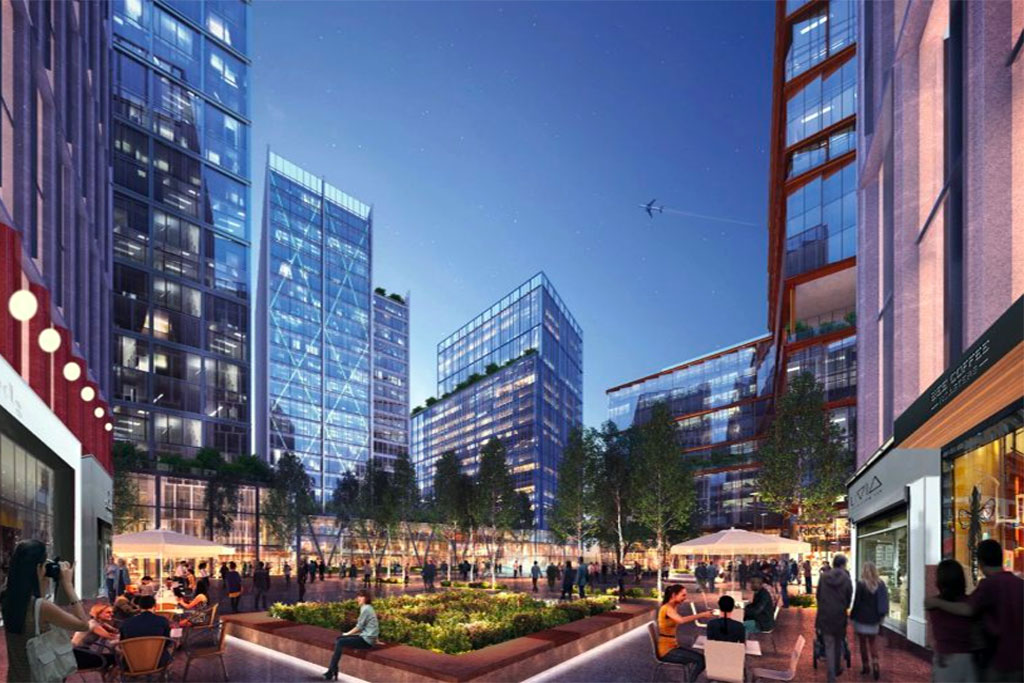
Some of Amazon’s future neighbors in Crystal City now say that they’re eager to see the County Board approve an incentive package to bring the company to Arlington.

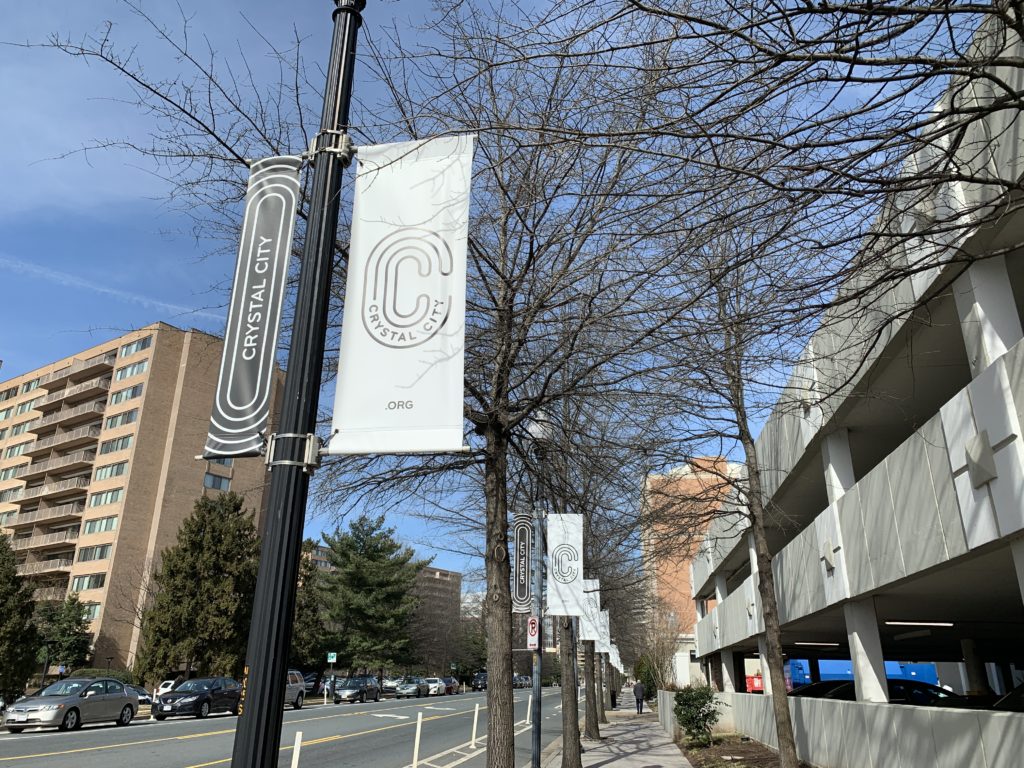
The Crystal City Civic Association penned a letter of support Monday (March 4) for the company’s arrival in the neighborhood, encouraging the Board to give the green light to a plan to hand over $23 million in grant money to the tech giant over the next 15 years. The Board is set to consider the deal, publicly revealed for the first time this week, later this month.

Civic Association President Carol Fuller wrote that the citizens group still has “some concerns, obviously ‐‐ e.g., housing costs, traffic, schools.” But she says its members “look to the county to prepare adequately,” and trust that the neighborhood can handle the arrival of Amazon and its promised 25,000 workers.

“As the civic association to be most affected initially, we welcome the planned gradual arrival of Amazon to Crystal City,” Fuller wrote to the Board. “The $23 million in incentives from the county makes sense — they are paid only if/when Amazon creates the jobs it promised. Moreover, we expect the Amazon arrival to help increase hotel and restaurant business in Crystal City, which will increase county tax income and help pay for those incentives.”

In all, the county expects Amazon to generate $342 million in tax revenue over the 16 years the tech giant plans to spend setting up shop in the county — and that’s without the hefty tax break the company could soon earn from the county.

Fuller also cited the transportation improvements bound for the neighborhood as a major factor in her group’s support for the project, including the planned second entrance for the neighborhood’s Metro station and a pedestrian bridge connecting Crystal City to National Airport.

Some county officials and activists critical of the project have urged Amazon to better engage with its soon-to-be neighbors, and Fuller said the company has so far done a good job on that front. She pointed out that Holly Sullivan, the company’s worldwide economic development head who has begun appearing at some Arlington gatherings, stopped by the civic association’s Feb. 23 meeting and has been invited to return.

“We look to Amazon to fulfill its promise to be a ‘good neighbor,'” Fuller said. “We want them, both as a corporation and as individual residents, to be active participants in our community.”

Fuller’s support for the project echoes the broad sentiment of most county, and state, residents, who have said that they support the company’s arrival in both Crystal City and Pentagon City. The Arlington Chamber of Commerce, Crystal City Business Improvement District and the Crystal City Citizen Review Council have all issued recent statements similarly urging the Board to approve its incentive package for Amazon.

But some residents and activists remain fiercely opposed to the company, fearing its potential impacts on everything from housing prices to the region’s transportation networks.

The Board is currently planning a vote on the matter on March 16. In the likely event the incentives are approved, Amazon expects to begin submitting plans for new office buildings shortly afterward.


Experts See More Amazon Jobs Heading Here — “Given Amazon’s Northern Virginia incentives allowing for as many as 38,000 jobs over 15 years, CoStar Managing Consultant and Senior Real Estate Economist Paul Leonard expects it will absorb much of the planned New York payroll, despite Amazon’s company line that ‘nothing has changed’ for National Landing.” [Bisnow]

More on I-395 Incident — Arlington County Police say it was a juvenile suspect, driving a stolen car without a driver’s license, who caused a big crash on I-395 before leading police on a foot chase during Tuesday’s evening rush hour. [Arlington County]

Inside Look at Memorial Bridge Work — Workers are laboring to restore the Arlington Memorial Bridge to its former glory, one piece of 90-year-old granite at a time. [NBC Washington]

Copa Kitchen & Bar Opening Today — The latest restaurant to open at Ballston Quarter is Copa Kitchen & Bar, which is expected to serve customers from 11 a.m.-6 p.m. today, according to a social media post. [Instagram]

Where’s the Weather? — Our faithful weather bar, which has graced the top of our site for many years, is out of commission, for now. IBM, in its infinite wisdom, killed the source of our data. Why, Watson, why? We’re working to restore the current conditions display with a new data source, but it’s probably going to take a few months. [Weather Underground]

Flickr pool photo by Tom Mockler


(Updated at 4:45 p.m.) Once Amazon starts to move into Arlington, the company could take advantage of a little-used county incentive program for tech firms to substantially slash its local tax burden.

Documents released in late January show that Arlington officials explicitly pitched the tech giant on the prospect of scoring major tax savings through the county’s “Technology Zone” program, back when they were still wooing Amazon last year. Created in 2001 and last updated in 2014, the program was designed to provide incentives for high-tech businesses to move to Arlington by offering significantly reduced rates for the county’s “Business, Professional and Occupational License” tax in certain neighborhoods.

Amazon wouldn’t be eligible to apply for the tax break until it actually sets up shop at its planned destinations in Crystal City and Pentagon City. One of the county’s “Technology Zones” runs along the “Jefferson Davis Corridor,” including the neighborhoods near Route 1 that the tech firm hopes to someday call home.

Once it arrives, however, the company could use the program to shrink its BPOL rate by as much as 72 percent for the next decade.

The potential tax break was not described in the memorandum of understanding laying out the county’s promised incentives to the company signed by both parties on Nov. 9, 2018, nor was it mentioned in any subsequent announcement of Arlington’s plans for Amazon.

Yet the county did advertise the program in documents dated Oct. 11, 2018, recently posted on the county’s website, outlining Arlington’s pitch to Amazon.

“Based on the jobs Amazon creates, if the company is eligible for tech zone benefits, it would apply each year for that BPOL credit,” said Cara O’Donnell, a spokeswoman for Arlington Economic Development, which helped broker the Amazon deal. “It’s a standard part of our proposals to technology-related companies and each one is handled individually.”

Critics of the deal see this potential tax saving as part of a pattern for Amazon, however.

Amazon is already set to receive $750 million in state incentives designed to defray its state tax burden, and Arlington officials have insisted that the company’s massive expansion plans could have a transformative impact on the county’s flagging tax revenues. Yet this BPOL tax break could result in Arlington losing out on a hefty chunk of cash from Amazon — the county collected $65.6 million in BPOL revenue in the last fiscal year, its third largest source of tax dollars behind the real estate and personal property levies.

“Their track record is clear — they try to do everything they can not to pay taxes,” said Danny Cendejas, an organizer with the “For Us, Not Amazon” coalition opposing the company’s Arlington plans. “I wouldn’t be surprised if they were looking for every possible loophole.”

The company has drawn criticism before for successfully avoiding paying any federal taxes for the last two years, largely by leveraging a mix of tax breaks and credits.

But O’Donnell stressed that county officials “have not factored BPOL into any of our revenue projections” associated with the company’s arrival. The county has long expected to see about $342 million in tax revenues from Amazon as it develops the new headquarters over the next 16 years.

O’Donnell added that the company would have to apply for the program like any other business.

Without the “Technology Zone” tax break, Amazon would also be responsible for paying $0.36 for every $100 of its gross receipts as part of the BPOL tax. Should it earn eligibility for that program, the company could see the rate cut in half if it can prove it employs up to 499 people in “business units with a primary function in the creation, design and/or research and development of technology hardware or software,” according to county documents.

If Amazon can show it employs up to 999 people for those purposes, it could pay a rate of $0.14 per $100 of receipts. If the company exceeds 1,000 employees, it would pay $0.10 for every $100.

The company hasn’t settled on the exact mix of job functions for the 25,000 to 38,000 employees who could someday call the Arlington headquarters home — Holly Sullivan, the company’s worldwide head of economic development, said at an event in Arlington last week that she anticipates a “50-50” split between tech workers and other staff on the campus, making it a pretty safe bet that Amazon could meet the program’s standards.

The potential size of the company’s tax savings also remains a bit murky. County documents estimated that the “Technology Zone” savings “are equivalent to approximately $2 to $3 per square foot in building occupancy costs annually.”

Kasia Tarczynska, a research analyst with Good Jobs First, an advocacy group studying the Amazon deal, says that the savings are difficult to estimate, but she suspects it would work out to “a lot of money because of the size of the project.”

And Tarczynska adds that this is the first she’s heard of Amazon being eligible for the tax break. The head of Good Jobs First, vocal Amazon critic Greg LeRoy, agreed with her assessment.

Many of Amazon’s local opponents were similarly surprised to hear the news that the company could reap the tax savings, particularly given the frequent assurances from county leaders that Amazon would help relieve the recent strain on Arlington’s finances.

“In all of the numerous meetings I’ve been to with the [County Board], they have never once mentioned the tech zone incentive,” said Roshan Abraham, an anti-Amazon organizer with Our Revolution Arlington.

Tarczynska says that such a tax break “is a common subsidy in the region” — neighboring Fairfax County has a similar program — yet Arlington has regularly seen anemic participation in the program.

When ARLnow last investigated the program in 2015, just eight businesses were currently taking advantage of it. These days, O’Donnell says the county has recorded approximately 70 businesses participating in the program since it began.


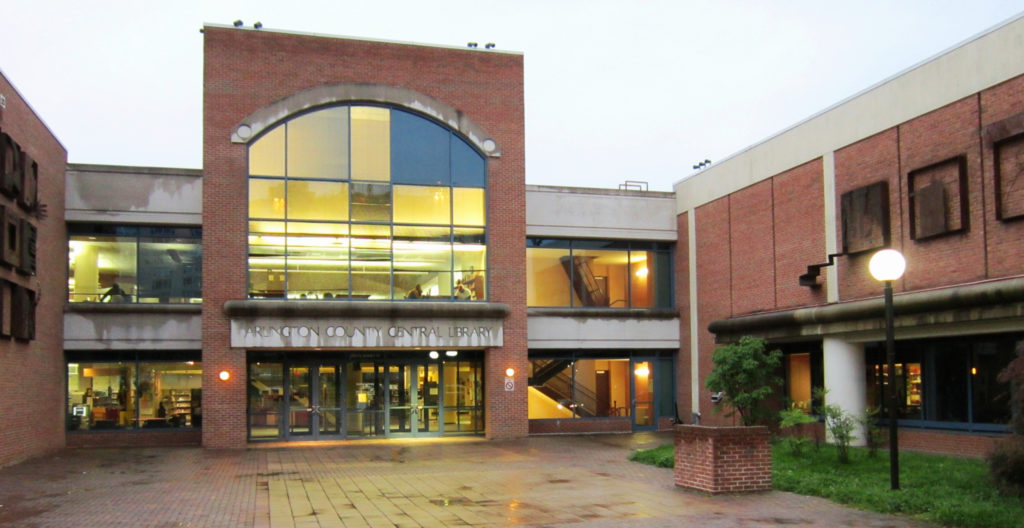
The County Board is moving closer to approving the first increase in the Arlington Public Library’s (APL) collections budget since 2014.

The proposal is part of the FY2020 budget sketched out by County Manager Mark Schwartz, which allocates $300,000 to APL’s budget for books and other materials for rent. The Board expressed broad support for beefing up the library’s budget during a work session Tuesday.

APL’s chief materials manager Peter Petruski presented that increasing the budget would help reduce the e-book hold times which have been “climbing precipitously.”

Together with APL Director Diane Kresh, Petruski told the Board that currently average hold times for an e-book are 38 weeks, but they are confident they can knock that down to 28 weeks.

“That’s a significant jump,” noted Board member Matt de Ferranti. “Is there any particular reason that we’re able to make that transition to pull that all the way down?”

“If we directly go towards the most in-demand titles, more copies of them, into people’s hands… that’s how we getting that 10-week that drop,” replied Petruski.

Director Kresh shared that the hold times for print books hover between 18 and 19 weeks, and that APL is “very hopeful” that the six-figure budget increase will help reduce that as well. Kresh also said the library would like to use the funding to buy extra copies of hot items, like Michelle Obama’s biography, which still has 300 holds.

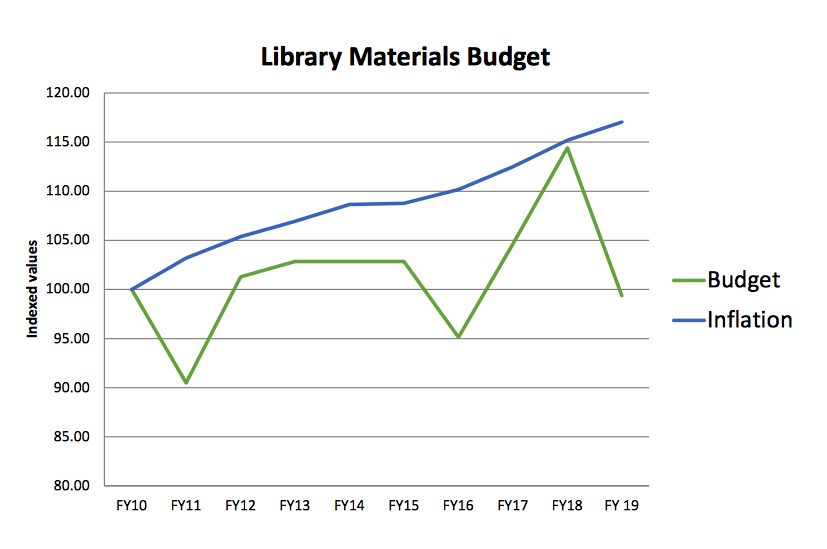
APL also wants to use the funds to roll out a new movie and documentary streaming service called “Kanopy” currently used in Alexandria and D.C. public libraries. The last fiscal year budget cut 17 percent from the collections budget — leading the library to remove free digital services like its audiobook streaming service and investment research tool in July.

Schwartz previously forecasted up to $30 million more in county budget cuts this year, but proposed only $5.2 million due to some unexpected growth in real estate revenues and lower-than-expected employee healthcare costs. In a February letter about the proposed FY2020 budget Schwartz recommended using the county’s fortuitous finances to increase APL’s collection budget.

“This really goes a long way towards addressing where we’ve been in the past and we’re very, very grateful for the support,” Kresh said to the Board Tuesday afternoon.

“Since 2014, not only has the collection budget not increased as costs have escalated but the use of e-books and other digital platforms have become increasingly popular,” wrote Schwartz in February. “The library’s ability to provide popular materials to patrons in a timely manner, in either digital or print format, has eroded significantly.”

On Tuesday afternoon, Board members Katie Cristol and Eric Gutshall seemed to signal support for the budget increase by commending the library for its goals to reduce hold times and increase collections.

Board Chair Christian Dorsey said, “It’s remarkable when you think about it even though we’re having a budget discussion, libraries serve as any and everything for people in our community. Safe spaces for kids, productive spaces for teens, ways to combat social isolation for seniors and everything in between.”

The County Board will have until late April to amend the proposed county budget for the next fiscal year and is scheduled to vote on the final version on April 23.


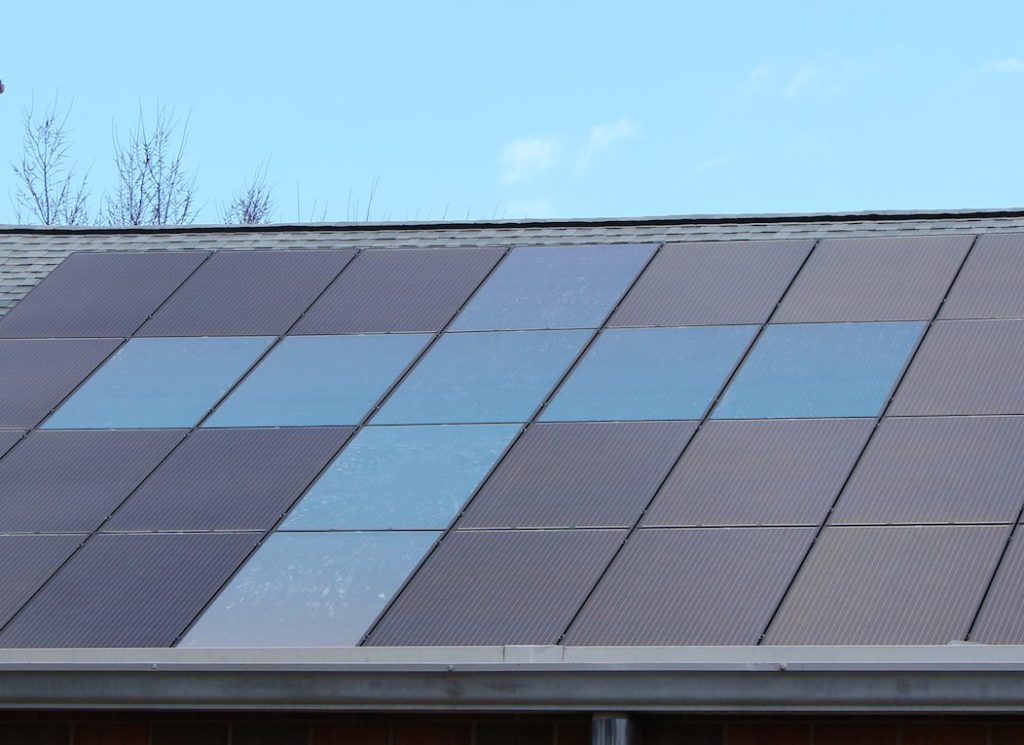
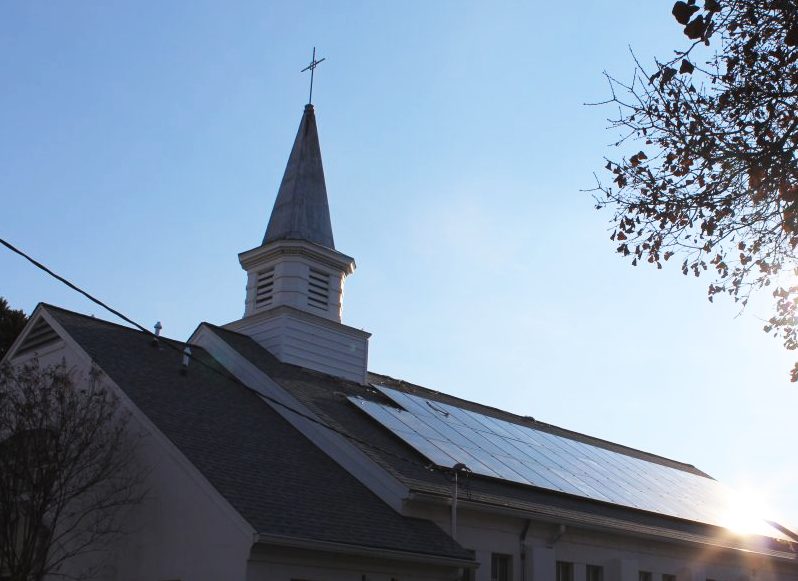
A Catholic church is Nauck is making a big move to solar power, installing a large, cross-shaped set of solar panels over the last few weeks.

Our Lady Queen of Peace Catholic Church, located at 2700 19th Street S. on the border of the Army Navy Country Club, announced what it described as “the largest solar array at a place of worship” in Arlington in a press release yesterday (Tuesday).

The church says the new solar array includes 319 panels in all, generating a total of “over 95 kilowatts of solar capacity.” That should help the church account for just under half of all its power needs across its buildings on the property.

Parishioners at Our Lady Queen of Peace said they were inspired to take on the solar project by Pope Francis’ efforts to spur Catholics to take action on climate change, in addition to recent warnings from the United Nations’ scientific panel on climate change that countries around the world must take drastic steps to prevent the worst effects of global warming.

“We wanted to try to get as much energy as we can from a renewable source,” church parishioner Luc DeWolf wrote in a statement.

The church is working with the D.C.-based firm Ipsun Solar on the project. According to the company’s blog, an investor will provide the $233,000 in up-front costs for the project, then the church plans to sell back excess energy generated by the panels to Dominion Energy. The church hopes to then pay back that investor with the cash it raises through that process, and even support its operating budget going forward.

Parishioners project that in the solar array’s first year alone, it will “reduce carbon emissions by an amount equal to preventing nearly half a railcar of coal from being burned.”

Our Lady Queen Peace will hold a reception Saturday (March 9) at 10 a.m. for anyone interested in learning more about the solar project.

Photo 2 via Ipsun Solar


Chamber Rallying Members to Support Amazon — “The Arlington Chamber of Commerce wants to make sure supporters of Amazon’s decision to locate in Crystal City aren’t caught napping. The business organization on March 4 sent out a missive to rally the troops in the days leading up to the County Board’s expected action on an economic-incentive package.” [InsideNova]

Local Bars Helping Women in Unsafe Situations — “Something from the United Kingdom’s bar scene is coming all the way across the pond to Arlington, Virginia — but it isn’t a new beer or liquor. Several bars in Arlington County have implemented the ‘Ask for Angela’ campaign, which aims to help women and anyone in an uncomfortable or threatening situation get help.” [NBC Washington]

Panel Recommends Aquatics Center Fees — “Fees ranging from $9 for a one-day entrance to $630 for an annual pass have been proposed for the future Long Bridge Park aquatics and fitness center. But the fee schedule, developed by a task force set up by county leaders, leaves undetermined, for now, how much of a subsidy taxpayers will need to provide for the Crystal City facility’s operation.” [InsideNova]

Flickr pool photo by Tim Brown


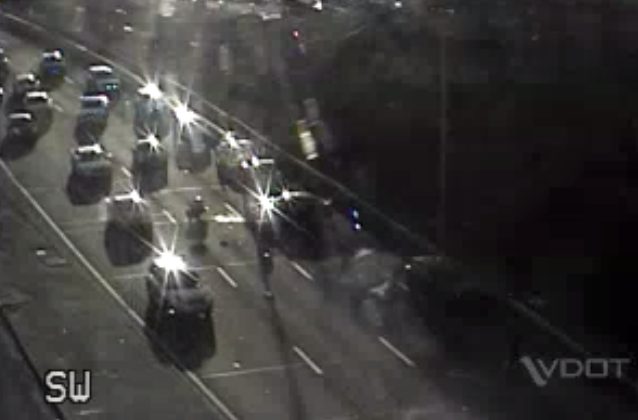
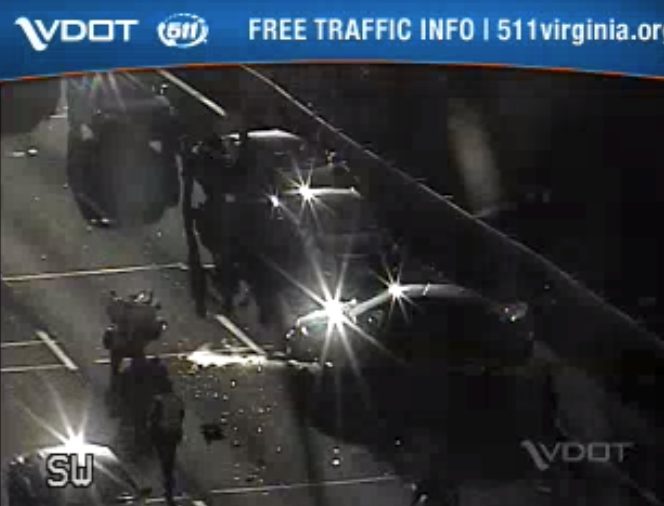
Drivers should expect police activity along I-395 and the GW Parkway following a reported multi-vehicle crash and police foot chase.

A suspect ran from the five-vehicle crash along northbound I-395 near the 14th Street Bridge, according to scanner traffic. He was reportedly apprehended by police along the GW Parkway.

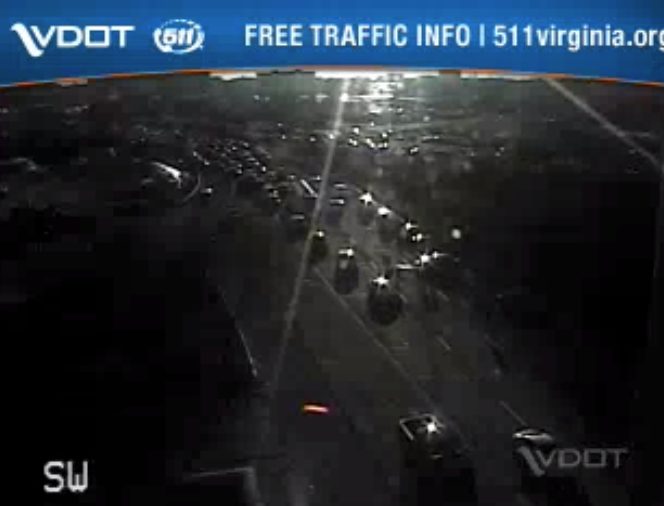
Traffic is heavy and building approaching the crash scene. Two northbound lanes are blocked. Police are also planning a rolling closure on southbound I-395 to assist with the investigation.

At least one injury was reported in the crash.


Arlington officials have, at last, unveiled a detailed version of the county’s proposed incentive package designed to bring Amazon to the county.

A draft copy of the county’s “Economic Development Incentive Grant Agreement” posted online for the first time today (Tuesday) sketches out the exact amount of office space Amazon will need to occupy in Arlington in order to win $23 million in incentive cash over the next 15 years.

The agreement also reveals additional details about how the county plans to work with the company to add infrastructure improvements in the Crystal City and Pentagon City neighborhoods, which Amazon hopes to soon call home, and lays out the procedure for either side canceling the incentive arrangement.

County staff are unveiling the incentives agreement 11 days before the County Board is set to vote on the deal, the last hurdle for the company to clear before it can start to officially set up shop in Arlington. Gov. Ralph Northam signed off on $750 million in state incentives for the company last month, amid persistent complaints from critics on both sides of the political aisle that government officials shouldn’t dole out grants to a company run by the world’s richest man — proponents of the deal argue that the incentives are well worth it, given Amazon’s potential to send hundreds of millions to county coffers in tax revenues.

Notably, Amazon has agreed to only use the incentive money to build its new Arlington facilities, including any expenses associated with “construction,” and “furniture, fixtures and equipment.”

Under the terms of the proposed deal, Amazon will need to lease 60,000 square feet of space in the county by June 30, 2020 to start qualifying for the cash. Arlington plans to draw the money from an expected increase in revenue from a tax on hotel stays, with Amazon’s arrival projected to juice hotel tax revenues in the area.

That office space occupancy target jumps to more than 567,000 square feet by 2021, and regularly creeps upward from there. By 2026, when the company expects to have new buildings built near Metropolitan Park in Pentagon City, Amazon will need to occupy about 1.8 million square feet of space. By 2028, when its new buildings at the former “PenPlace” site are set to be ready, it will need to hit a 2.69 million-square-foot target.

The timeline included in the incentive agreement tops out with a 6 million-square-foot target in 2035. The company has said it intends to build and lease a minimum of 4 million square feet in the county, and could reach 8 million square feet by the time it reaches its peak of roughly 38,000 employees stationed at the new headquarters.

(more…)


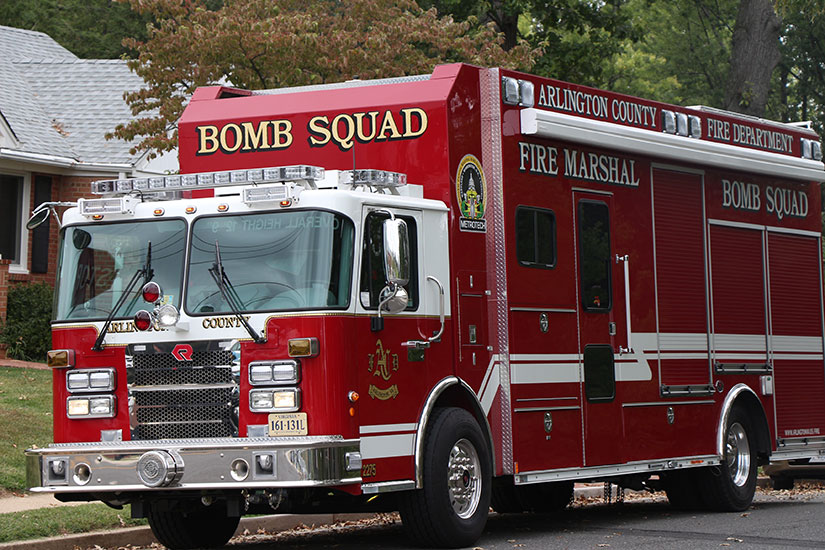
Update at 3:30 p.m. — The “all clear” has been given after the bomb squad inspected and “disrupted” the device. It’s unclear if it was determined to have been hazardous or, perhaps, just misplaced.

Earlier: Arlington’s bomb squad is responding to the Long Branch Creek neighborhood to investigate a suspicious object in a condominium parking lot.

Police were called to the Olde Factory condos on S. Meade Street, between S. Glebe Road and Gunston Park, shortly before 2:30 p.m., for a report of a suspicious device — possibly a pressure cooker — left in or around the parking lot.

While the bomb squad investigates the object, students from nearby Gunston Middle School and other pedestrians are being kept away from the scene by Arlington County police, according to scanner traffic. Police are encouraging the public to avoid the area altogether.

The parking lot is across the street from the busy Arlington Ridge Shopping Center.

File photo


View More Stories