A tree that fell into a house along Vacation Lane during Thursday afternoon’s severe thunderstorm (staff photo)

It’s been a hot, humid and rainy week and we can expect more of the same over the weekend and for the start of next week.

No wonder 68% of respondents to an ARLnow poll on Tuesday said they were ready for fall weather to start ASAP.

https://twitter.com/NRMorrow/status/1430976303952498696

Let’s forget about the miserable weather for a moment and take a look at the most-read articles of the past week.

  1. Thousands Lose Power After Strong Storm Rips Through Arlington
  2. Maison Cheryl in Clarendon Promises Chic Atmosphere for ‘Older Millennials’
  3. Five Arrested in D.C. After Armed Robbery in Pentagon City
  4. Numerous Residents Displaced After Fire at Crystal City Apartment Building
  5. Arlington Charities Helps Afghans Resettle in Northern Virginia
  6. What $750,000 Can Get You in Northern Virginia Real Estate
  7. Long Bridge Aquatics and Fitness Center Now Open
  8. Arlington Pet of the Week: Cthulhu
  9. Knife-Wielding Man Tased Outside Arlington Police HQ
  10. Peruvian Restaurant Inca Social Eyes October Opening in Rosslyn

Though she has mostly been focused on reporting on our Reston and Tysons sites, we’d like to take a moment to recognize the efforts of Hannah Foley, who has been interning with us since early this year. It’s Hannah’s last day here before she heads back to school. Thank you for your hard work!

Feel free to discuss the stories above or anything else of local interest in the comments. Have a nice weekend!


Arlington might not be as hard-hit as places with lower vaccination rates, but the delta variant of the coronavirus is still infecting dozens of people a day in the county.

The latest data from the Virginia Dept. of Health shows the seven-day trailing average of new infections in Arlington ticking up from 32 to 36 cases per day since Tuesday.

With elevated infection rates but relatively low hospitalization rates in Arlington, we’re wondering whether locals have started taking more precautions over the past month or so.

Have you been more diligent about masking up, social distancing, or avoiding crowds since cases started rising two months ago? Or have you gone about your daily life much as before, putting trust in the vaccine and its ability to protect against infections or against serious illness in the event of breakthrough cases?

Let’s find out where the community currently stands.


What’s Next with Nicole is a biweekly opinion column. The views expressed are solely the author’s.

Last year’s Redistricting Commissioning Constitutional Amendment approved by Virginia voters changed how we will draw lines for the Virginia Legislature and United States House of Representatives from state legislators to a process to be determined by an independent redistricting commission.

This 16-member commission composed of eight legislators and eight citizen participants has been hosting meetings since July 13 and will continue to do so through October.

The clock has begun ticking since the Census released population data on Aug. 12. The commission will have 45 days from the release to draw maps of Virginia’s House and Senate districts to the State Legislature for consideration, and 60 days for a map of U.S. House districts.

This past Monday August 23, the commission voted 12-4 for an agreed-upon bipartisan group of independent, but politically aligned, map-drawers to start from a clean slate, rather than beginning with current district lines.

This was a positive step in the right direction, but what happened via a proposed motion from George Barker, a Democrat representing parts of Alexandria City, Fairfax, and Prince William and leading Senate Republican Steve Newman. They proposed starting from old maps because it “could help the commission gain needed support for the maps from the General Assembly, which will have to approve the maps for them to be enacted,” as reported by the Richmond Times-Dispatch. Luckily the proposal failed 9-7, but is still a disturbing development for many reasons.

This shows that A — it is likely that the Republicans will block votes against the new lines, and B — that there are incumbent Democrats that are hesitant to vote for new lines in fear of losing their seats, including in extremely liberal districts adjacent to Arlington.

Democrats hold a thin lead in the Legislature and we need every vote possible to pass these independently drawn lines. The result if these lines aren’t approved by the General Assembly: redistricting will be handed over to the conservative leaning Supreme Court of Virginia. This is a large part of why most Republicans will vote in block against any proposal given by the independent commission.

This is likely the most important administrative task that the Virginia legislature will vote on this decade as it will re-draw lines for the next 10 years. We cannot leave this process to a court process where six out of seven judges were appointed by a Republican-led General Assembly.

I would like to laud Delegate Marcus Simon of Falls Church, who has been a champion of a fair and independent redistricting from the very beginning and throughout these commission hearings, for being able to see through the technicalities of every step in this process.

After this process is through, my hope is that the commission will have done a commendable job of drawing fair, compact and non-discriminatory lines for our new General Assembly and U.S. House of Representatives. If you believe this to be the case, reach out to your Delegate and State Senator encouraging them to support the measure. Even strong Democratic districts are at risk of legislators voting for their own self-serving interests. Find your legislators online.

Nicole Merlene is an Arlington native and former candidate for Virginia State Senate. She has served as a leader in the community on the boards of the Arlington County Civic Federation and North Rosslyn Civic Association, as an Arlington Economic Development commissioner, in neighborhood transportation planning groups, and as a civic liaison to the Rosslyn Business Improvement District.


Peter’s Take is a biweekly opinion column. The views expressed are solely the author’s.

Arlington County government should increase substantially the amount of Arlington taxpayer dollars devoted to providing housing for our lowest income Arlington households — those living on 30% or less of Area Median Income (AMI).

The most fiscally responsible way to fund this increase is first to redirect taxpayer dollars that currently are used to provide housing subsidies for those at the highest AMI levels.

Arlington housing trends by income levels

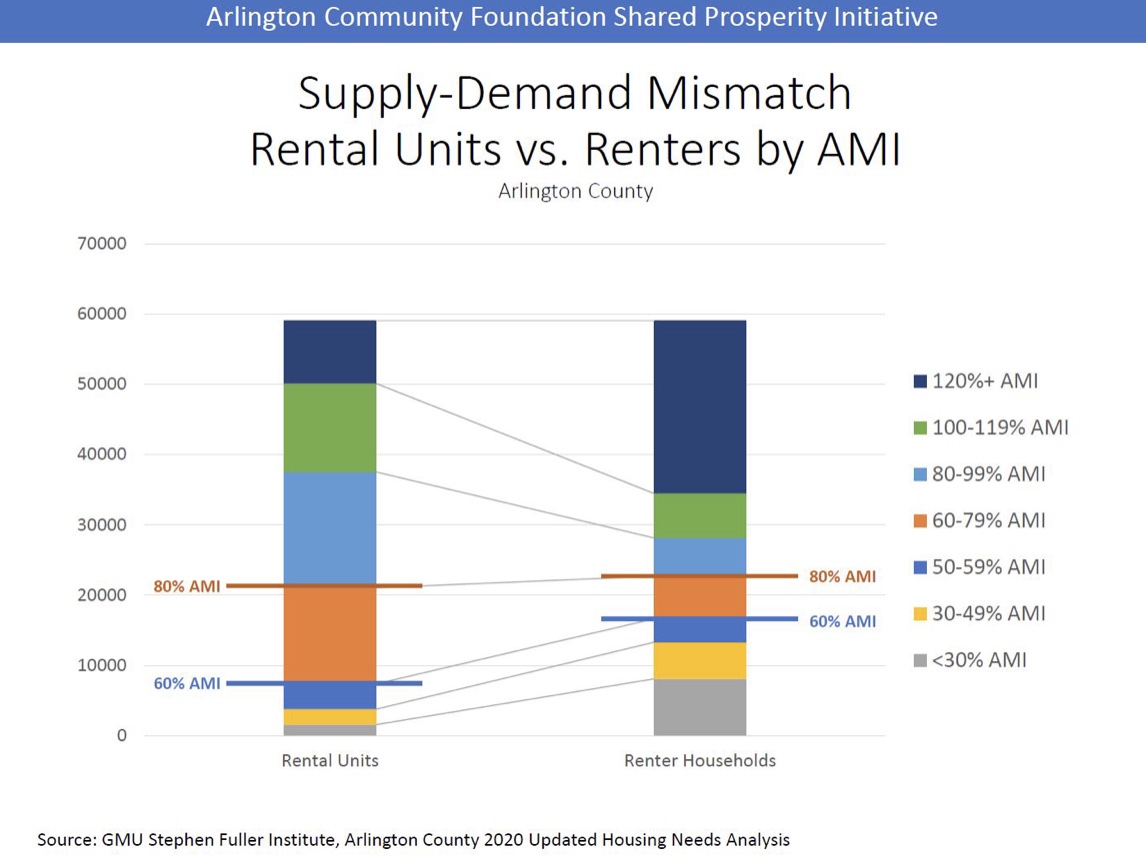
A 2020 Housing Needs Analysis shows far too few housing units available for our most needy Arlington residents.

The supply of rental units available to those households living on 30% or less of AMI, or $37,800 for a family of four in 2020, was far outstripped by the number of households seeking such units. (Updated data show that 2021 AMI in Arlington is now $129,000.)

The 2020 Housing Needs Analysis established that from 2012 to 2018, there was a significant decline in the number of these low-income rental households–from 9,067 to 8,077. By contrast, the number of households in the highest income categories (100% of AMI and above) increased from 27,667 to 30,955.

Many members of Arlington’s lowest-income households work multiple jobs such as hospital aides, office cleaners, and construction and food service employees. They play a vital part in our economic success and provide our diverse community fabric.

These residents are all just one emergency away from job loss or eviction. The statistical trends discussed above document the steady displacement of Arlington’s lowest-income households.

We have a moral obligation to assign the highest priority to stabilize these lowest-income families and putting them in the position to contribute to the social and cultural fabric of our community as both residents and employees.

Arlington Community Foundation (ACF), in collaboration with the national Shared Prosperity Partnership, has been a leader in advocating for our community to take bold steps to prevent the involuntary displacement of our lowest-income renters. We should support this ACF initiative with a substantial increase in taxpayer funding.

(more…)


The Arlies are back again with a new category. First, the results from last week’s voting.

Arlington’s favorite lawn care service is Andy’s Lawn and Landscape, followed by Better Lawn Service, Inc. and The Lawn Barbers.

Now, let’s vote on this week’s category. When you’re feeling sick do you have a go-to urgent care? A favorite clinic that will see you quickly and diagnose you accurately? Let us know below or by clicking this link.

Voting is open until next Tuesday, when we announce the winners and vote on a new category.


The Right Note is a biweekly opinion column. The views expressed are solely the author’s.

Every year is an election year here in the Commonwealth of Virginia. This November, voters will head to the polls to select new statewide leadership and elect every member of the House of Delegates.

In fact, the House of Delegates are likely to conduct elections in three consecutive years. Due to the delayed Census data, delegate races will be held under existing district lines this year. Then special elections will be conducted in 2022, and regular elections again in 2023, both under the new lines.

The new bipartisan redistricting commission is now at work and is slated to produce maps for the General Assembly and Congress in October. Over the last week, the Commission opted to evaluate political data in drawing the maps. They also opted to do two things which seemingly stand in opposition to each other — take into account where incumbents lived while also starting the maps from scratch. Hopefully, the Commission and the General Assembly can meet the deadlines laid out by law and avoid leaving this up to the Virginia Supreme Court.

But before these maps take effect, hundreds of millions of dollars will flow into Virginia to impact a statewide election which often foreshadows the mood of the voters nationally after a presidential election. There are big questions about who will turn out to vote and why?

According to the most recent VCU poll on the 2021 gubernatorial election, Virginia voters see “the economy” as the biggest issue facing the new Governor. When combined with those who put “employment” at the top of their list, a full 40 percent of Virginians are most concerned about how they will provide for themselves and their families. Healthcare is a distant second at 17 percent.

Here in Arlington where unemployment numbers for residents remains relatively stable, our workforce shrank by 8.3 percent year-over-year, higher than the national average of 4.5 percent. This should come as no surprise after a year of lockdowns, mandates and uncertainty. Some businesses closed their doors. Others were hurt but found a way to survive.

Many businesses have help wanted signs up and are hoping workers will return. That’s good news for displaced low wage workers have benefitted from enhanced unemployment benefits which are likely coming to an end soon. The trillions of dollars of federal stimulus propping up the economy (and driving inflation) may be coming to an end soon as well.

Over the long term, we need to get back to the fundamentals of the private marketplace not government intervention, and the voters are evaluating who is right to lead Virginia through an economic recovery. It is no surprise then, that despite Republican losses in every statewide election since 2009 we see businessman Glenn Youngkin within the margin of error in poll after poll in the Governor’s race. Former Governor Terry McAuliffe is having trouble approaching the 48 percent of the vote he received in 2013. Maybe it’s because McAuliffe is a known quantity, but it’s not for his business acumen?

McAuliffe and company are running the same anti-Trump playbook Democrats have used since 2017, and banking on recent voting trends to carry him to victory and hold the majority in the House of Delegates. Will it work with the economy-weary voters of 2021? We will know 10 weeks from today.

Mark Kelly is a former Arlington GOP Chairman and two-time Republican candidate for Arlington County Board.


Another week, another stretch of temperatures in the 90s and heat indexes near 100.

It’s been a hot and humid summer in Arlington and the D.C. area. With a predicted high of 93, today will likely be the 41st day with the temperature over 90 (the yearly average is 40).

Yet, the outward signs of fall are there: Oktoberfest beers at the grocery store, football on the television, the return of the Pumpkin Spice Latte today at Starbucks.

(For what it’s worth, the “PSL” arrived a day earlier than last year and a full week earlier than four years ago.)

https://twitter.com/ConnieSchultz/status/1430147094720008209

ARLnow readers have told us they consider the fall equinox in the latter half of September to be the “real start of fall” in Arlington, as opposed to Labor Day, the first day of September, or the debut of the sweet pumpkin-y goodness at Starbucks. But with a premium put on outdoor activity during the pandemic, maybe this year locals are mentally prepared for an earlier start of fall.

Given the sweltering temperatures, cicadas, itch mites and heavy rains, are you suffering summer fatigue? Would you trade the remaining four weeks of summer for a changeover to cooler and crisper weather? Let’s find out.

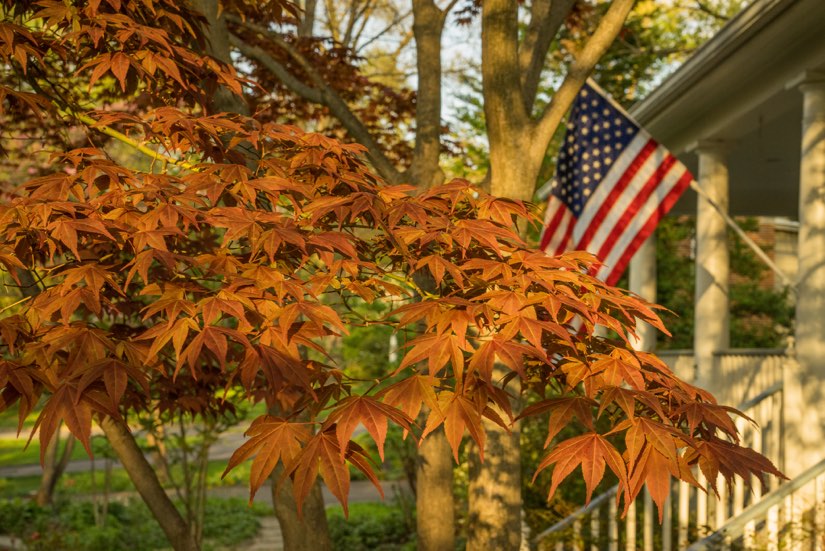
Flickr pool photo by Kevin Wolf


Progressive Voice is a biweekly opinion column. The views expressed are solely the author’s.

By Nancy White

Despite Arlington’s prosperity, not everyone is thriving.

Tremendous health disparities exist in our community as evidenced by data showing a 10-year difference in life expectancy between neighboring census tracts. And more than six percent of Arlington residents — about 11,000 — have no access to health insurance due to immigration status or incomes that are too high to qualify for Medicaid but too low to afford subsidized Obamacare plans.

How does an organization effectively address health disparities in a community? Health disparities are variations in the rates of disease between groups of people, often because of factors such as race/ethnicity, socioeconomic status and access to nutritious food and safe, affordable housing.

For 27 years, Arlington Free Clinic (AFC) has had a clear mission of providing free, comprehensive healthcare to low-income, uninsured Arlington adults through the generosity of volunteers and donors. As we emerge from the pandemic and consider our new-normal, I’ve given thought to what has made AFC successful and how our strategic focus will help us continue.

Disciplined focus on mission: Providing healthcare is what we do best, and this focus has allowed the organization to resist the seduction of funding opportunities that would take us off-mission or duplicate services already available.

We considered but said no to opportunities including:

  • Medicaid Funding. When Virginia expanded Medicaid in 2019, AFC had an option to become a provider for low-income, Medicaid recipients. After much communication with health safety net partners, county leaders and AFC board members, we decided to refer our Medicaid-eligible patients to local providers and open our doors to accept even more patients who had no options for insurance.
  • Social Services. Today, significant funding is available to address “upstream” causes of poor health like homelessness, unemployment and food insecurity. Instead of shifting to provide these services onsite, we’ve opted for a case manager to refer patients to our community partners who are experts in these areas.

We debated and ultimately said yes to others:

  • Dental. When a donor shared her dream of funding a dental clinic to honor her father who died of a dental infection he couldn’t afford to treat, AFC carefully considered the need for dental care and the impact on the clinic. After a year-long pilot program in county-donated space and many discussions with AFC board, staff and community partners helped us move forward. This program matched our mission and met community needs because of the important link between oral health and overall health, and because community dental care was inaccessible to our low-income patients.
  • Advocacy. As healthcare providers, we are aware of the community conditions impacting our patients’ health. This has given us confidence to be at the table as their advocate for issues ranging from improved digital broadband to easier access to groceries during the pandemic.

(more…)


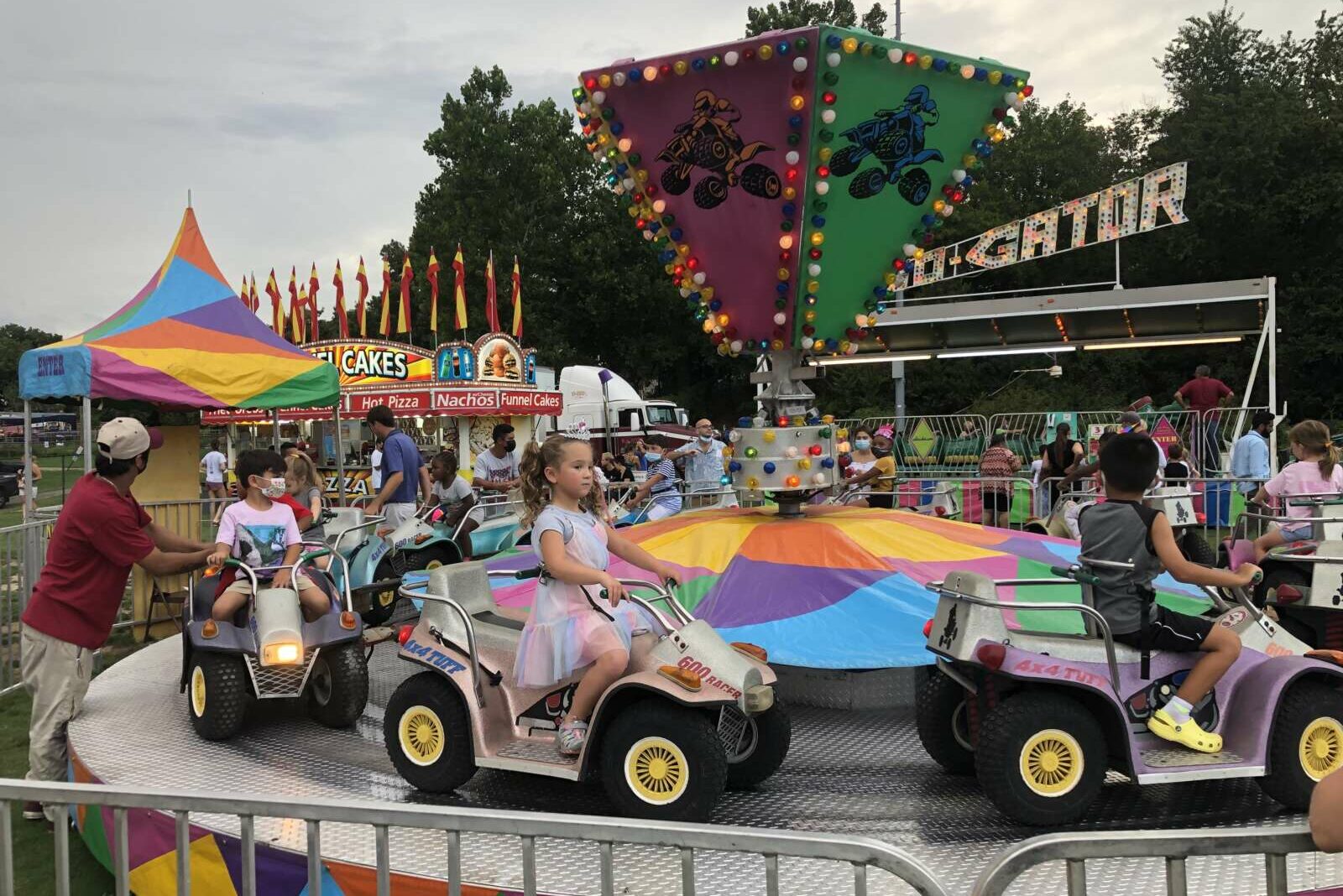
Kids ride a race-car ride at the Arlington County Fair (staff photo)

After a particularly hot week last week, the past five days have been especially wet.

That’s not great news for the Arlington County Fair, which ends Sunday. Rain is in the forecast for both Saturday and Sunday, but there should be dry patches. Bring your galoshes.

Here are your most-read Arlington stories of the week:

  1. Two Hurt in Morning Robbery of Local Pharmacy
  2. Man Stabbed at Clarendon Bar in Seemingly Random Attack
  3. SUV Overturns in Pentagon City After Shoe Theft
  4. Local TikTok Personality to Face Trial, But Notches Partial Court Victory (Aug. 12)
  5. Local TikTok Star Arrested Amid Spat with Restaurants (Aug. 10)
  6. Local Agriculture Office Agrees Mysterious Bites Likely Oak Itch Mites
  7. Lottery Immigration System Forces Marymount Grad to Bid U.S. Goodbye
  8. New Census Data Shows How Arlington Grew in 10 Years
  9. A Gutted Restaurant Near Courthouse Could Become a Daycare
  10. Flash Flood Warning Issued for Arlington (Aug. 16)
  11. Morning Poll: But Seriously, Should We Build a Gondola?
  12. Why Helicopters Land in a Local Elementary School Field

The last story in that list was written by our summer intern, Anuj Khemka. Today is the last day for Anuj, who is heading back to school. Thank you, Anuj, for your hard work!

Feel free to discuss the stories above or anything else of local interest in the comments. Have a nice weekend!


Ed Talk is a biweekly opinion column. The views expressed are solely the author’s.

The Individuals with Disabilities Education Act (IDEA) is a federal law that requires that a free appropriate public education (FAPE) be provided to eligible children with disabilities and ensures special education and related services to those children. Despite those requirements and assurances, special education (SpEd) students in Arlington Public Schools are in crisis. The system that should be supporting and reinforcing them is broken.

Often, a parent must wait for their child to fail in order to get school administrators, referred to as the Local Education Agency (“LEA”), to refer their child for an evaluation. Preventive measures are virtually nonexistent. This “wait-to-fail” model results in extensive collateral damage to students academically, psychologically, emotionally and physically. The fallout is not only borne by these students and their families, but also by their teachers and classmates. Everyone is impacted — directly or indirectly.

Some assessments APS conducts to identify whether a student has a learning disability are incomplete, outdated, not comprehensive or not aligned with best practices and as such, are inferior to private evaluations. Resulting determinations about eligibility are therefore inaccurate or flawed. This presents an enormous equity issue. Parents who can afford a private evaluation (3K-5K avg.) will have a deeper, more comprehensive lens into what is going on with their child and what academic support and accommodations are recommended. Parents who cannot afford this get whatever APS presents them with, unless they know to request an Independent Education Evaluation (IEE) at public expense. Even then, APS significantly limits which assessments and costs they will approve, often leaving parents to pay the difference if they want more.

How hard a parent must fight to get an evaluation and how much pushback a parent receives from LEAs are grossly inconsistent from school-to-school, down to the quality of assessments and expertise of the school’s psychologist. It is quite literally, “the luck of the draw.” None of this is standardized or consistent. What is consistent is the utter anguish and stress many APS parents endure trying to hold APS accountable to its legal obligation to provide FAPE.

Once a student is found eligible for an Individualized Education Plan (IEP), the “wait-to-fail” model then shifts to one of “continue-to-fail” in order to retain SpEd services. In many cases, when the student stabilizes or improves given the appropriate supports, or is seemingly doing well, APS will try to remove those supports on the premise that they are no longer needed. At triennial reevaluation meetings, some parents are misled to terminate their child’s IEP altogether or transition to a 504 plan instead, based on the narrative that “special education isn’t designed to be permanent,” or being congratulated that their child is doing so well, they no longer needs special education.

(more…)


Artist’s rendering of a gondola over the Potomac (image via Georgetown BID)

It’s the subject of humor, t-shirts and desire.

Now there’s some actual, tangible progress that can advance the much-discussed idea for a Rosslyn-Georgetown gondola.

The Washington Business Journal’s Alex Koma reported yesterday afternoon that D.C. is acquiring the Exxon station in Georgetown that could serve as the gondola’s eastern terminus.

The D.C. Council included $10 million for the purchase in the 2022 budget it passed earlier this month, teeing up a deal for the property at 3607 M St. NW once the spending plan receives sign-offs from both Mayor Muriel Bowser and Congress.

The half-acre site, by the famous “Exorcist” steps, currently belongs to a joint venture of Altus Realty Partners and DYNC Atlantic Property and Investment, who have spent years pursuing its redevelopment as condos, so far to no avail. But the shuttered gas station has also been envisioned as an ideal landing spot for a gondola stretching across the Potomac River, providing a transportation link between Georgetown and Rosslyn that some local business leaders and politicians have championed.

The potential acquisition doesn’t mean that the gondola, a subject of controversy on both sides of the river, is anywhere close to actually happening, but it should preserve it as an option by bringing a valuable piece of real estate under the city’s control.

Plenty of challenges remain, not the least of which is the fact that Arlington County said it was “not in favor” of the $80-90 million project four years ago.

Still, the news raised some hopes among the gondola faithful — and those who just appreciate the somewhat whimsical notion of aerial lift transportation across the Potomac.

https://twitter.com/abeaujon/status/1428031628769644546

https://twitter.com/abeaujon/status/1428032453764075527

Okay, but in all seriousness, do people want the gondola to be built?

One has to imagine that, given the rising costs of large building projects, the price tag on the gondola has to be pushing $100 million at this point. Is that worth it for something that would mostly benefit tourists, Georgetown students and Rosslyn-Georgetown commuters?

Would the experience of riding the gondola, compared to walking over the Key Bridge, be significantly better for the projected 6,500 daily riders? (Most riders will be local workers or residents, according to a study.)

What do you think?


View More Stories