It may not be a holiday for Arlington County this year, but Monday is still a state and federal holiday.

Except in the case of breaking news, ARLnow will not be publishing on Presidents Day, aka George Washington Day in Virginia. Our normal news coverage schedule will resume on Tuesday, though don’t be surprised to see some weather coverage on Saturday if the predicted iciness materializes locally.

Here are the most-read articles of the past week in Arlington:

  1. CVS To Begin Administering Vaccines in Va. on Friday
  2. Marriott Cedes Rosslyn Location to New Hotel Operator
  3. APS Sets Dates for Return to In-Person Learning
  4. Vaccinations Numbers Rise Amid Long Lines at County Facility
  5. Metro’s Blue Line To Shut Down For Three Months Starting Saturday
  6. A New Bill, Inspired by Purple Lounge, Would Make it Easier to Deny Liquor Licenses
  7. Morning Poll: What Do You Think of the APS Return to School Plan?
  8. St. Charles in Clarendon Envisions New Parish and New Housing
  9. Popular D.C.-Based Restaurant Lucky Danger Set to Open in Pentagon City

Feel free to discuss those stories, or anything else of local interest, in the comments. Have a nice holiday weekend and please stay safe on the roads. Oh, and happy Valentine’s Day!


Most Arlington students will be heading back to classrooms next month.

Arlington Public Schools announced Tuesday that in-person learning — with students in classrooms two days per week — will resume for all grade levels between March 2 and March 18, with younger students starting earlier. Students who opt out will remain in full-time virtual learning.

The announcement follows prodding by Virginia Gov. Ralph Northam, who last week encouraged school systems to return by March 15.

The news is being met with jubilation from many APS families, but others are not as happy. Many teachers wanted more time for vaccinations, while a contingent of parents think in-person learning should have resumed much earlier.

(Half of APS staff members have received at least one vaccine dose, according to Superintendent Francisco Durán, who cited improving health metrics as an impetus for his return-to-school decision.)

What do you think?


Peter’s Take is a biweekly opinion column. The views expressed are solely the author’s.

March 2020: the COVID-19 pandemic forces APS to shut down in-person instruction. APS is caught with many students, many digital devices, but no real plan to continue meaningful learning virtually. Teachers are left to create virtual lessons, delivering inconsistent curriculum and outcomes.

All this happens despite APS’s insistence — pre-COVID-19 — that APS already had adopted “Personalized Learning.” APS claimed that its version of personalized learning (heavily dependent on digital devices) ensured “instruction, curriculum and outcomes are connected to our learners’ unique talents, skills and interests and [use] technology to provide flexibility and choice for our learners.”

The pandemic exposed a very different reality: Failing grades — despite really hard-working teachers and staff. Critically missing: in-person interactions among teachers and students. Overall: declining test scores and inconsistent supports for students most in need.

May 2020: APS superintendent Francisco Durán inherits this chaotic and challenging situation. Since then, much of our community’s focus appropriately has been on when, where, and under what safety protocols APS should re-open for in-person instruction.

But for years before Dr. Durán arrived, and continuing today — whether our students are trying to learn in or out of a school building — APS has dropped the instructional ball. Dr. Durán and the current School Board now own it and must fix it.

APS must refocus on instruction, especially remediation for learning losses suffered by at-risk groups, and adopting evidence-based resources, particularly for reading, writing and math.

ATSS

Instructional challenges have been exacerbated during the pandemic version of virtual learning, with no solid countywide remediation plan in place. The Arlington Tiered System of Support (ATSS) was a pre-COVID-19 program created to provide time each day to help with interventions in areas like reading, writing, and math: “Research does show that in order for an intervention to be effective targeted instruction should range from 20-40 minutes 4-5 days a week.” But this program has gone radio silent since March 2020. Why isn’t APS prioritizing the continuation of this program and creating small groups to remediate the learning deficits of those children who need ATSS services (regardless of school)?

Literacy

As ARLnow.com has reported, at the elementary and middle and high school levels, more students are struggling to make passing grades this year: ” Black and Hispanic students, English-language learning students, and students with disabilities are experiencing the deepest drops.”

Over half of rising 6th graders are reading below grade level. Black and Hispanic students, English-language learning students, and students with disabilities are seeing literacy declines, with inconsistent or no interventions to address pre- and current pandemic-related academic concerns.

Dr. Durán’s February 4, 2021 presentation (Slides 22-31) displayed this Fall’s DIBELS reading scores for grades 3-5, underscoring the urgency for intensive reading interventions for at-risk students.

(more…)


The Right Note is a biweekly opinion column. The views expressed are solely the author’s.

Thumbs Up to Governor Northam for announcing schools should reopen by March 15. If Arlington meets this deadline, it will be one full year since the schools were shut down on March 13, 2020. But this must mean in-person instruction, not a glorified study hall where kids learn virtually while sitting in a school classroom. States across America and countries around the world have figured out how to do it safely and responsibly. We have the resources to do it, so hopefully the Superintendent and APS School Board will provide the detailed roadmap soon.

Thumbs Down to those saying it cannot or should not be done. Too many of our kids have fallen behind during this lost year. Too many families have been stretched thin trying to make school happen at home. The time for excuses is over. The time to make it work is long overdue.

Thumbs Up to the bipartisan effort in Richmond to provide tax relief to small businesses. In December, the federal government made tax changes to the administration of the Paycheck Protection Program to allow the funds to flow to small businesses completely tax free. Without a conforming change to the Virginia code, these businesses which are just trying to make it through the pandemic will get an unwanted and unexpected tax bill from the Commonwealth. The compromise proposals currently under consideration in Richmond would cap the benefits so that the smallest businesses would benefit most. Hopefully one will be signed into law very soon.

Thumbs Up to former County Board member John Vihstadt for working toward more transparency for the financial disclosure forms that are required to be filed by our elected officials, top staff, and those appointed to boards and commissions. As Mr. Vihstadt suggested, forms should be available online, particularly for our elected officials. There is no reason this cannot happen, and in short order.

Thumbs Up to county officials for scrambling to make the best of a bad situation on the COVID-19 vaccine distribution front. In January, Governor Northam’s administration suddenly pulled the rug out from under the County Board’s partnership with Virginia Hospital Center resulting in thousands of cancelled appointments. While there have been a few bumps in the road since, and we all wish for faster progress, our officials are on the right track.

Mark Kelly is a long-time Arlington resident, former Arlington GOP Chairman and two-time Republican candidate for Arlington County Board.


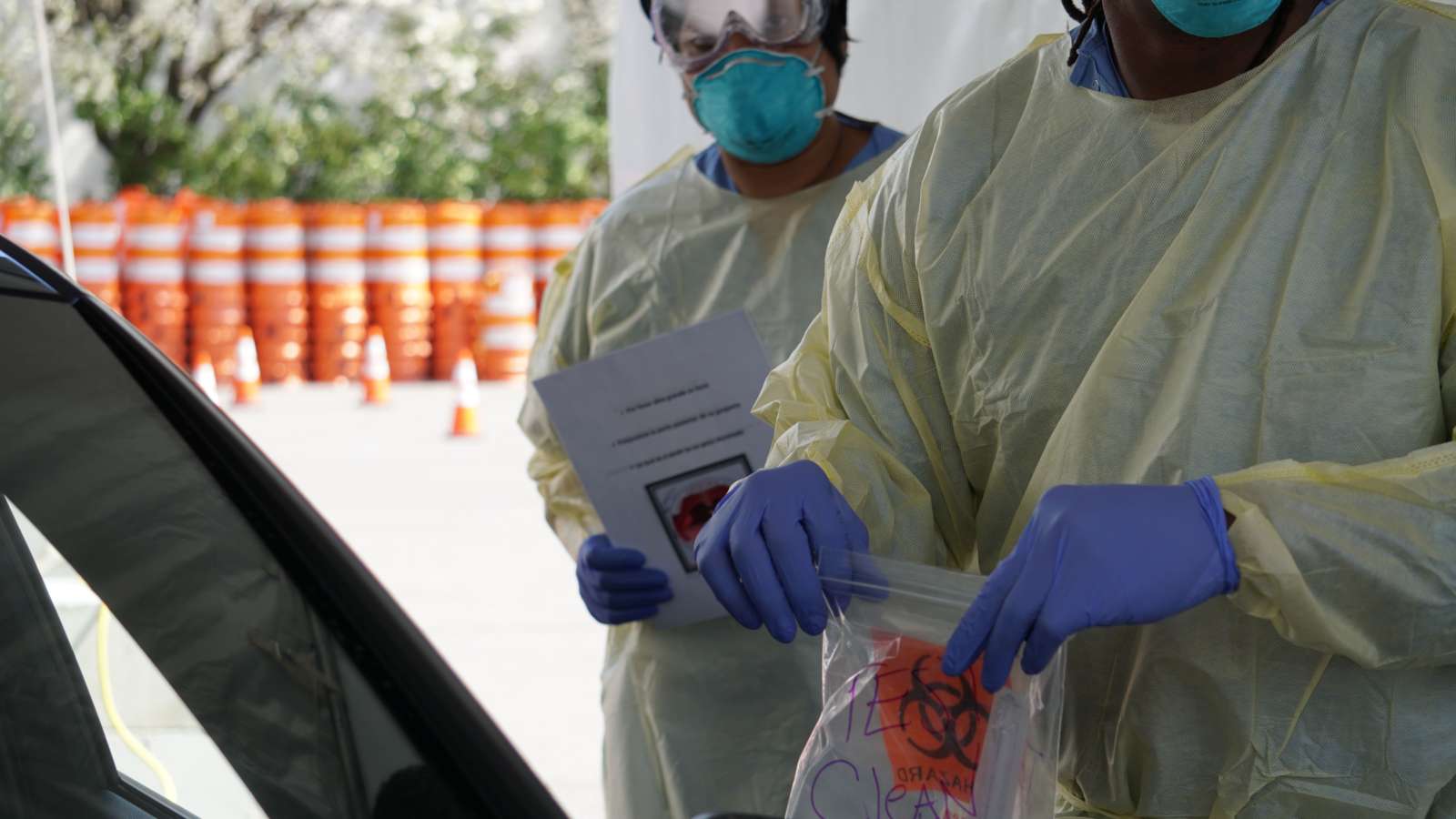
As of Monday, a total of 189,689 coronavirus testing encounters have been reported in Arlington County.

That’s nearly one test for every adult in Arlington since the start of the pandemic. Of course, not everyone has been tested.

With steady growth in the county’s COVID-19 case count, we’re wondering how many ARLnow readers have been tested, compared to those who have yet to experience the big cotton swab thing up the nose.

Which of the following best describe you?


Progressive Voice is a bi-weekly opinion column. The views expressed are solely the authors’. 

By Detta Kissel and Charles Head

A growing group of Arlingtonians are calling for the County to form a broadband authority to provide high-speed, low-cost internet.

This movement arose in response to scenes of school children accessing lessons in fast food parking lots, along with others seeking jobs, vaccines, and assistance. The pandemic has only highlighted what was there all along, excessively high-priced internet access that created a digital divide, leaving some Arlington residents without access to services essential to modern life, and everyone paying more than we should.

The pandemic also revealed that not just any internet connection will do. During this pandemic, working parents compete with their children for bandwidth, and social and civic engagement requires a reliable connection. Non-fiber connections are quickly overwhelmed, leading some providers to respond with data caps, price-hikes, and throttling. Only optical fiber provides reliable, high speed internet connectivity that can handle the demands of any household, now and in the future.

To eliminate the digital divide and protect all residents from higher rates, slower speeds, and reduced services, Arlington should join other jurisdictions in Virginia and around the country that treat the internet as a utility, with optical fiber infrastructure owned by the locality.

Virginia law allows localities to establish broadband networks by creating a broadband authority, an entity similar to a utility commission. A broadband authority is a flexible tool that can build and own infrastructure, and provide internet service directly, or license network access to multiple internet service providers who compete for customers. While customers would not be required to switch to service provided through the broadband authority, experience shows that broadband authorities provide higher quality internet service at lower rates, due to the increased competition. What’s more, Arlington need not go it alone; we could partner with adjacent jurisdictions to create a regional network with greater economies of scale and cost sharing.

Does this sound expensive? There are three things to remember. The first is that Arlington already built the backbone of this network. Nearly 10 years ago, the county government made a strategic investment that has more than paid for itself — it chose to build a fiber network to provide its own internet services rather than remain dependent upon a large telecom. While building its network for government needs, the County included fiber sufficient to provide service to every home and business in Arlington. The task that remains is to extend the County’s network by running fiber to homes and businesses in Arlington.

(more…)


If the snowy past week was enjoyable for you, more fun may be in store.

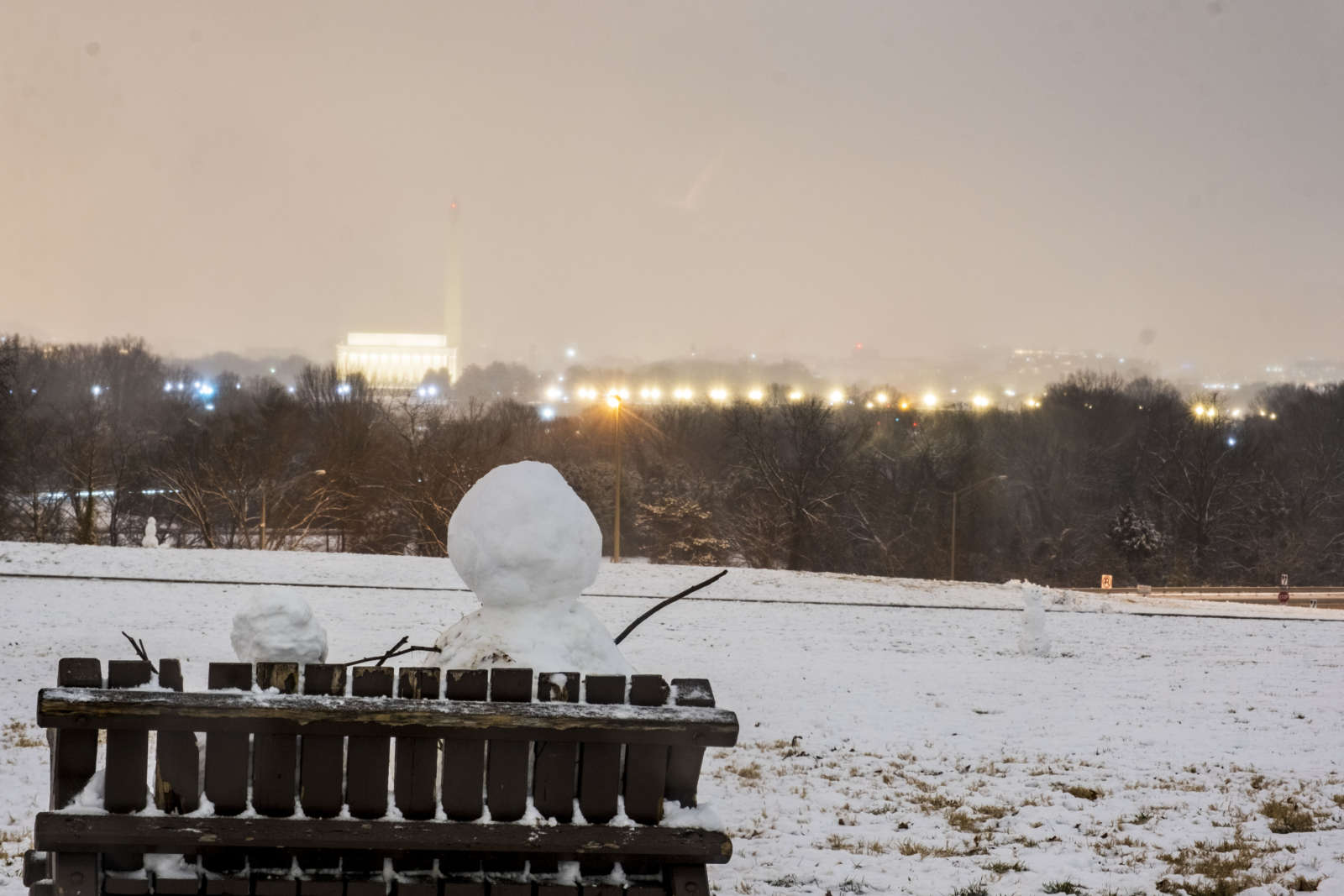
Another few inches of snow may fall this weekend, forecasters say, just in time for Super Bowl Sunday. For those who need an excuse to get the kids out of the house for awhile — you know who you are — more sledding and snowman-making may be ahead.

Below are the most-read stories of the past week on ARLnow.

  1. Amazon Unveils Plans for Futuristic, Nature-Inspired Phase 2 of HQ2
  2. Virginia’s Senators Have “Deep Concern” About Locals Not Getting Mail On Time
  3. ACFD Responded to Sledding Crash, Gym Accident This Afternoon
  4. Arlington Maserati Dealership Closed, But Tesla Kicking the Tires
  5. Former Vice President Pence Opens Arlington Office
  6. Meridian Pint Owner Taps Out
  7. Photos: Snow Day in Arlington
  8. Morning Poll: What Do You Think of Amazon’s Latest HQ2 Designs?
  9. County Tries to Quell Suspicions of Line-Jumping Opportunists and Wasted Doses Amid Vaccine Rollout
  10. New Vending Machine in Shirlington Dispenses Pasta, Tiramisu and Coffee

Feel free to discuss those, or any other topics of local interest, in the comments. Have a nice weekend!


Health Matters is a biweekly opinion column. The views expressed are solely the author’s.

Arlington started its vaccination efforts with healthcare workers days after the COVID vaccine was granted Emergency Use Authorization from the FDA last December.

Despite a somewhat turbulent rollout (concerns about being too slow, vaccination sites abruptly canceling appointments and line-jumping opportunists), vaccinations in Arlington are steadily rising. As a state, Virginia ranks #12 in the country with 69% of distributed vaccines administered.

As of this writing, 15,410 Arlingtonians have been vaccinated, with 2,409 being fully vaccinated. Does that mean everybody with vaccinations can finally ditch their masks? As liberating as disposing of facemasks would be, the short answer is: not yet. In fact, we shouldn’t really change much of our social distancing habits that we have honed over the year. I know, not another doctor trying to kill the feel-good buzz of a modern miracle–but hear me out. Here are 5 good reasons to keep your masks on after vaccination.

  1. You might still infect others.

It is unclear whether people who are vaccinated can get asymptomatic infections and spread it to those without the vaccine. Studies are being done in real-time to determine transmissibility of vaccinated, infected people.

  1. “Herd Immunity” takes time–and it’s not guaranteed

An estimated 60-70% of the population needs to be vaccinated before “herd immunity” could happen. Arlington currently stands at around 6.5% receiving the first vaccination, so it will take months to get near the 60-70% goal. Wearing masks will continue to help stop the spread while we get closer to that goal.

  1. COVID variants have been identified

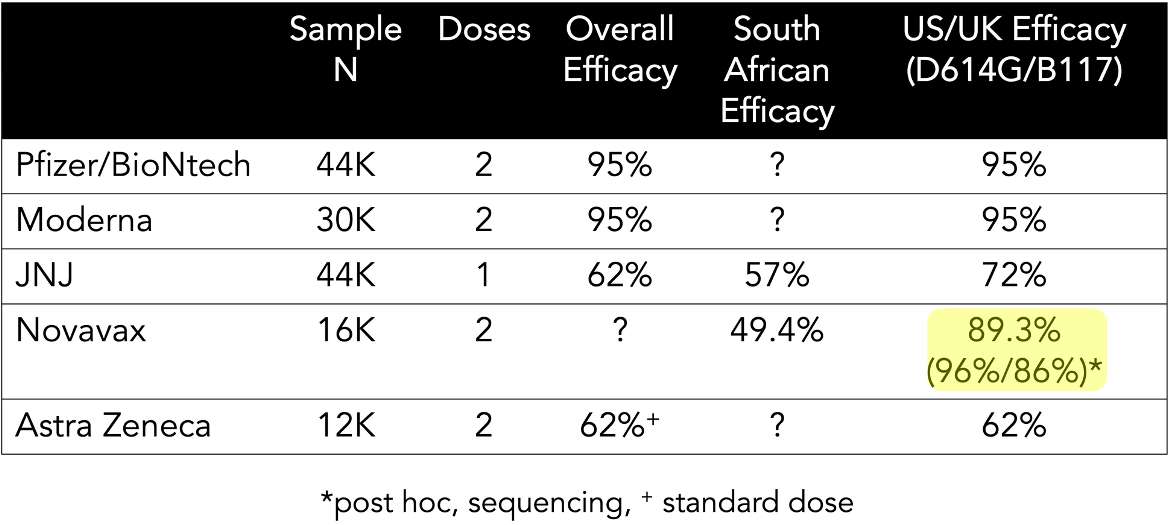
Studies on the variants from the UK, South Africa and Brazil are happening in real-time, and initial reports from the newer vaccines show less effectiveness against the variants.

Since the variants are so new, there is no published data for Pfizer or Moderna vaccines’ effectiveness against the variants. The mutations are believed to be more infectious/transmissable, further fueling anxiety and confusion. Until we get more data on the variants, wearing masks is still important to prevent spread and further mutations. (more…)


Modern Mobility is a biweekly opinion column. The views expressed are solely the author’s.

The public meetings around the Shirlington Road Bridge project have reignited a long-standing community conversation about crossing safety near Four Mile Run Drive and Shirlington Road that has gone on for at least 10 years.

The area, at the confluence of the W&OD Trail, several legs of the Four Mile Run Trail, also suffers from a bridge over Four Mile Run that only has a sidewalk on one side, with that sidewalk being extremely narrow, traffic coming off of a major interstate highway, and a very auto-centric built environment with many curb cuts crossing the sidewalks and large trucks from the concrete plant.

These factors all coming together in such a small area leads to a situation where no one is comfortable. Trail users feel like there are no safe way for them to get through the area. Drivers feel like they already have too many things to keep an eye out for and trail users are adding to that complexity.

The Shirlington Road bridge project will help a bit — fixing the narrow sidewalk on the bridge by adding a wide, comfortable parallel bike & pedestrian bridge as well as making the mid-block crossing near 27th Street more prominent and eye-catching, but community feedback at both the recent public meeting as well as the Green Valley Bridges Ad Hoc Working Group make it clear that there is more work to be done.

The remaining issue is the crossing of Shirlington Road; it’s easiest to think about this from the perspective of someone who has just gone under 395 on the trail and is trying to continue to the West, either on the W&OD Trail or down on the Four Mile Run Trail (perhaps on their way to shop in Shirlington).

A trail user’s most obvious choice is the mid-block crossing immediately before them, but reports from existing trail users are that cars often don’t stop for the Rectangular Rapid Flash Beacon (RRFB). Adding a HAWK signal or traffic signal at the mid-block crossing have been ruled out by the County due to the proximity to the existing traffic signals.

A trail user heading for the W&OD could head north on the sidewalk to cross at Four Mile Run Drive, but this brings along new conflicts — cars entering and exiting the Exxon as well as concrete trucks going to and from the concrete plan. Additionally, even those crossing Shirlington Road with the walk signal find there are dangerous conflicts — cars turning left from Four Mile Run Drive onto northbound Shirlington Road as well as cars making a right-on-red from Shirlington Road to Four Mile Run Drive and who aren’t paying sufficient attention to yield. (more…)


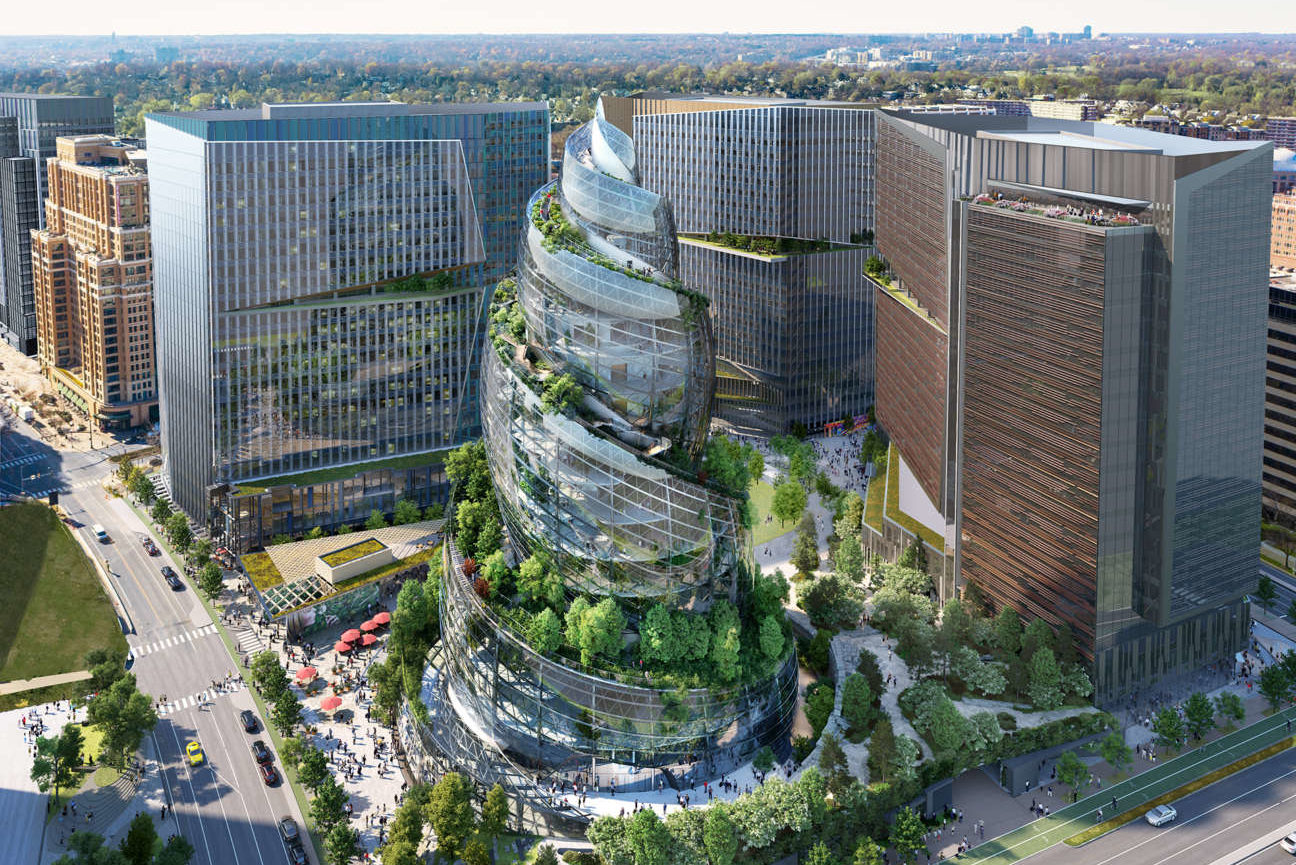
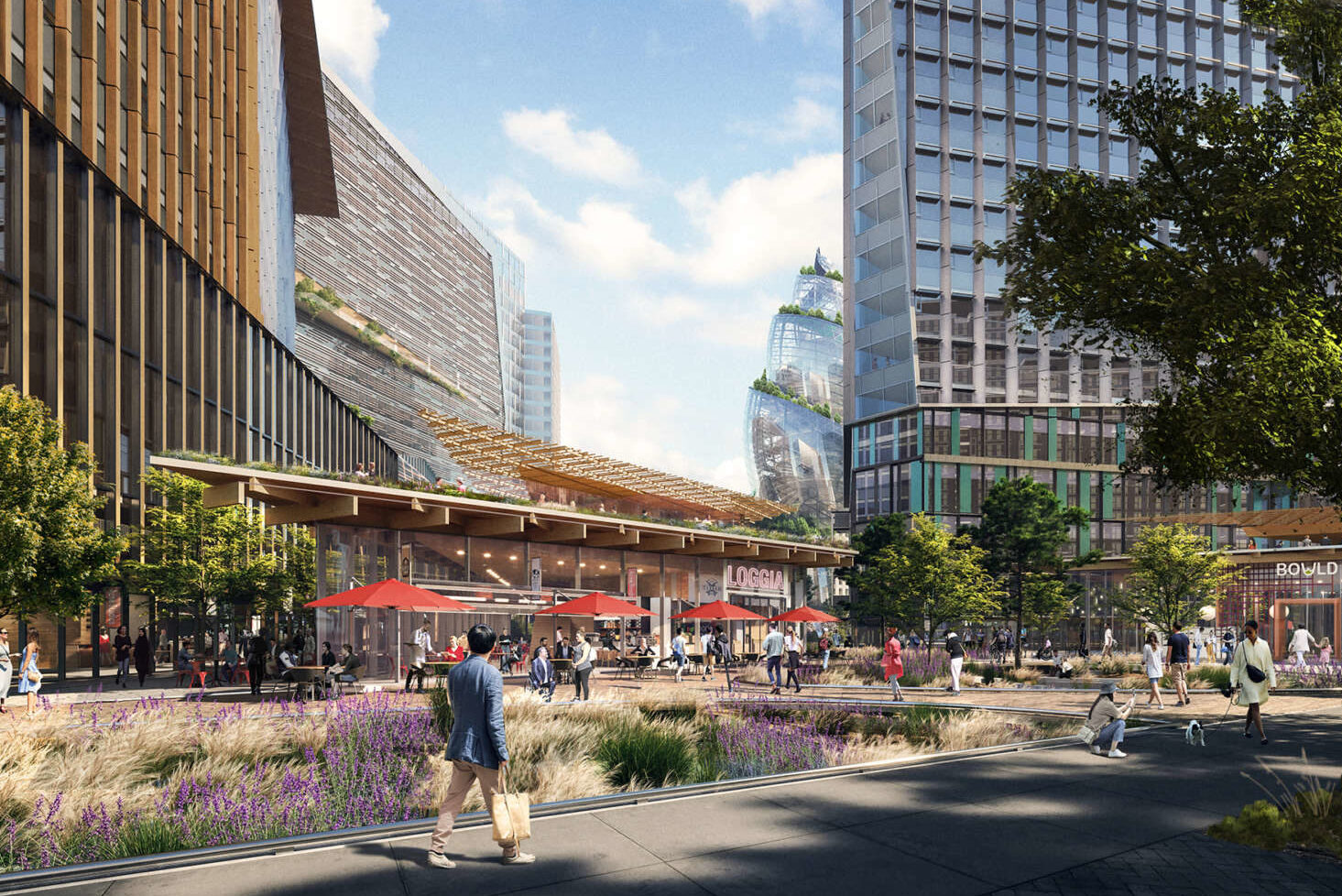
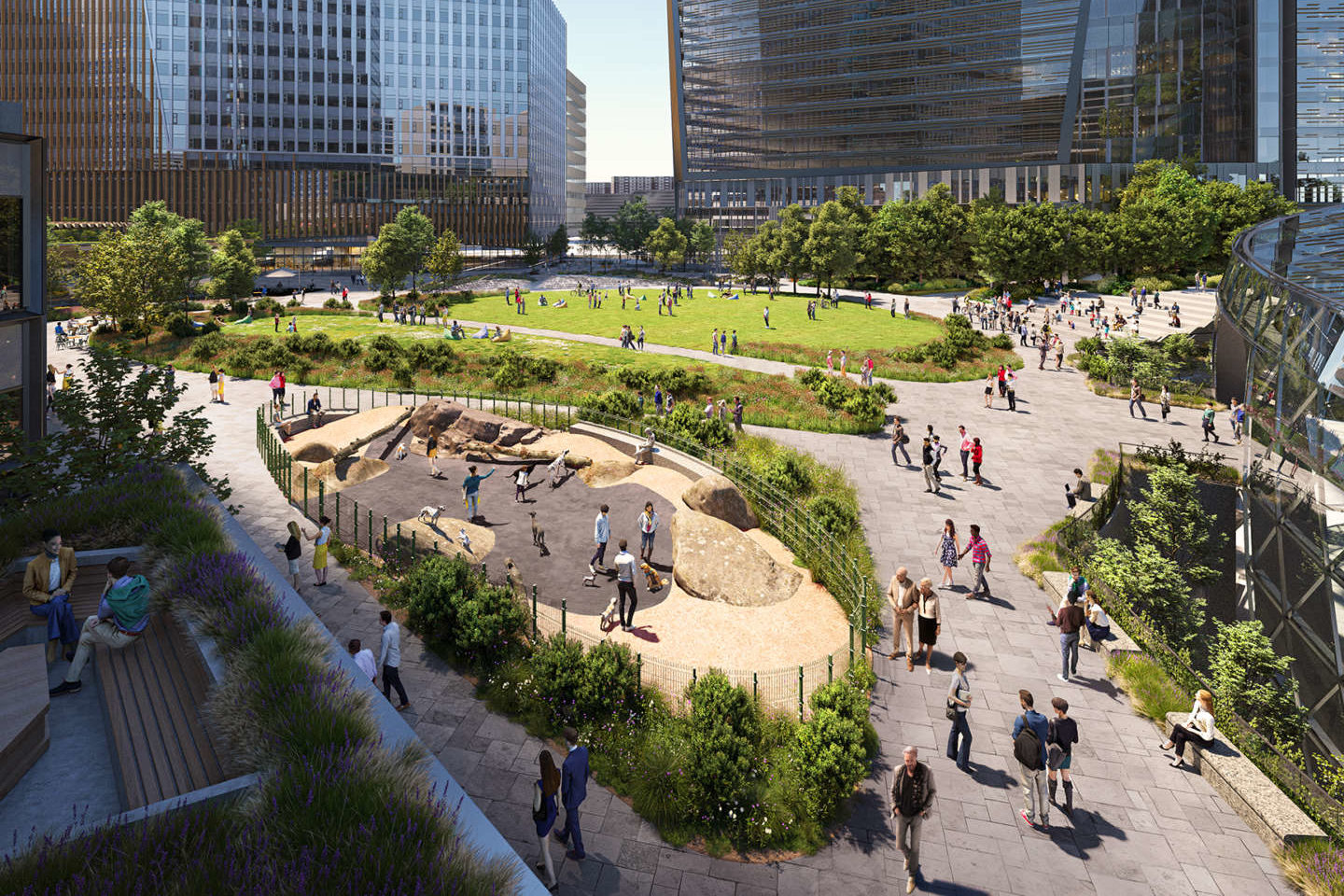
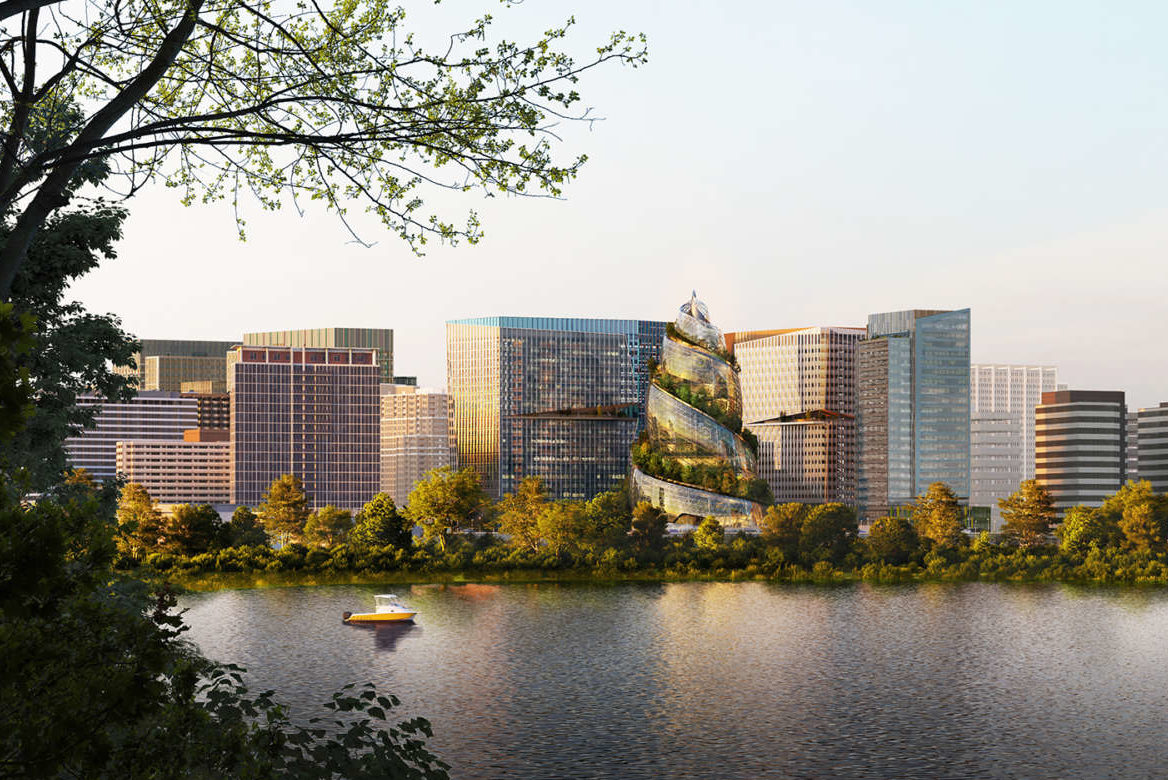
Yesterday, Amazon revealed a bold plan for the second phase of its HQ2 in Pentagon City.

The main attraction of the 2.8 million square foot office proposal is The Helix, “a 350-foot tall spiraling office building that recreates a climb in the Blue Ridge Mountains.” Part park, part office building, The Helix could one day be as prominent an Arlington landmark as any other building, except perhaps the Pentagon — which is just across the street.

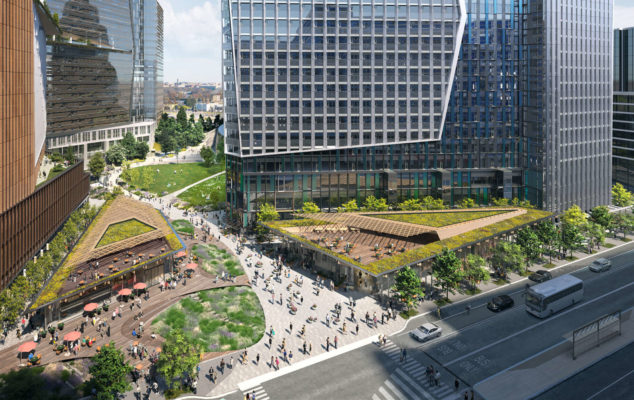
The Helix will be joined by three 22-story buildings, an amenity building with a community gathering space and daycare center, a public pedestrian promenade and dog park, and three retail pavilions. That’s in addition to everything in the first HQ2 phase.

The design of the development, specifically The Helix, has drawn mixed reviews. Among the headlines generated by the big reveal:

  • “Amazon’s next headquarters is a glass poop emoji covered in trees” (The Verge)
  • “A Soft Serve Matcha Ice Cream Cone” (Washingtonian)
  • “Amazon Plans a Climbable Office Tower: Building across river from DC will rival Washington Monument on area’s skyline” (Newser)

What do you think?


Community Matters is a biweekly opinion column. The views expressed are solely the author’s.

I feel a shift in Arlingtonians’ desire to increase communication.

Whether it’s reaching out to our government officials, advocacy organizations, fellow residents, or media platforms, there is less acceptance of the status quo, and more impetus to tell someone how we feel.

Since we must often communicate virtually, we have to find a way to communicate effectively, including expressing dissent, sadness, and joy, all through computer screens. Some of us may find this more difficult, and some may actually prefer the lack of in person communication.

In recent weeks I have also been more aware of an increase in general, as well as the facets of dissent. Brene Brown’s recent conversation with President Barack Obama focuses on the tension of opposites, or the ability to hold two competing ideas in our minds. This is an important aspect of leadership, and if we can hold more than our own ideas in our minds when we disagree, it will help us reach more viable, long-term solutions.

As our communication changes, how we disagree might also change.  In today’s culture, it’s easier to disagree anonymously and online. Researcher Arthur Santana showed that anonymous comments on news sites can be classified as “uncivil” around  53% of the time, compared to just 29% for not anonymous comments. Psychologist Sherry Turkle says we are rude because we tend to dehumanize each other online. As we don’t see the immediate effect of our words on the other person, we don’t choose our language carefully.

We should all consider ways that we can disagree more effectively, and remember that we are communicating with a person with thoughts, feelings, and sometimes, good ideas.

Start interactions by connecting, and truly seeing others as people. While this is simply good manners, some people respond better to social connections as opposed to plunging into the topic of the discussion. Especially with virtual communication, it may be even more important to try to connect to see how people are really doing as people, before any conversation, whether there is discord or not.

Look at the situation holistically. While your perspective is just as important as anyone else’s, I would encourage those who are truly concerned about moving the whole community forward, to think about other perspectives and the big picture. Consider thinking about how we can work together for a common, larger solution, and factor that into your ideas.

We need better arguments. In his October 2020 article, Erik Gross notes that, “better arguments are about prioritizing relationships and listening passionately, paying attention to context, embracing vulnerability, and making room to transform. Arguing, if done right, can humanize those that we disagree with and bring people together in the common pursuit.”

Think. Dr. Martin Luther King. Jr. said, “Rarely do we find men who willingly engage in hard, solid thinking. There is an almost universal quest for easy answers and half-baked solutions. Nothing pains some people more than having to think.” In order to disagree respectfully, we have to think more than if  we speak from the top of our heads.

We are on the cusp of tremendous growth and change in Arlington. These daily interactions as we seek to embrace new people and ideas will inevitably result in conflict. When we choose to intentionally and respectfully disagree, and dare to take the time to see others as people, and everything they bring to the table, we create a better Arlington for us all.

Krysta Jones has lived in Arlington since 2004 and is active in local politics and civic life. This column is in no way associated with or represents any person, government, organization or body — except Krysta herself.


View More Stories