Making Room is a biweekly opinion column. The views expressed are solely the author’s.

This piece was cross-posted at Greater Greater Washington.
When I moved to Arlington in 2015, it was the largest metro area I had ever lived in, with the most extensive public transportation and the best examples of mixed-use development. My husband and I picked an apartment building next to a Metro station to facilitate an easy commute. We are fortunate to be able to afford the cost premium of living in such a great location.

I grew up in a large suburban home. We literally had an entire bedroom devoted to our Barbie doll collection and a whole closet for Legos. We had a yard big enough for a garden and a playhouse. But I never had friends over who didn’t come by car.

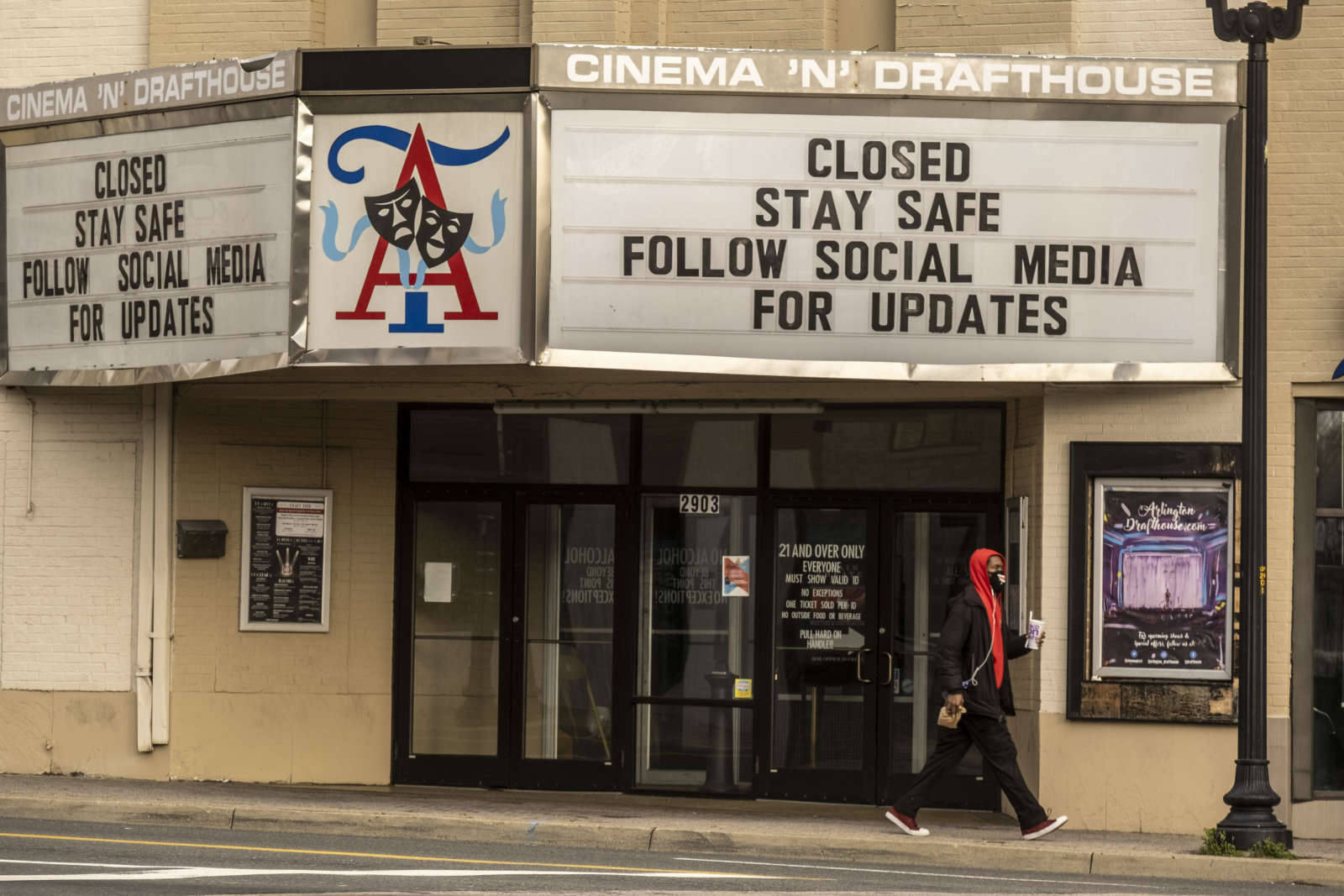
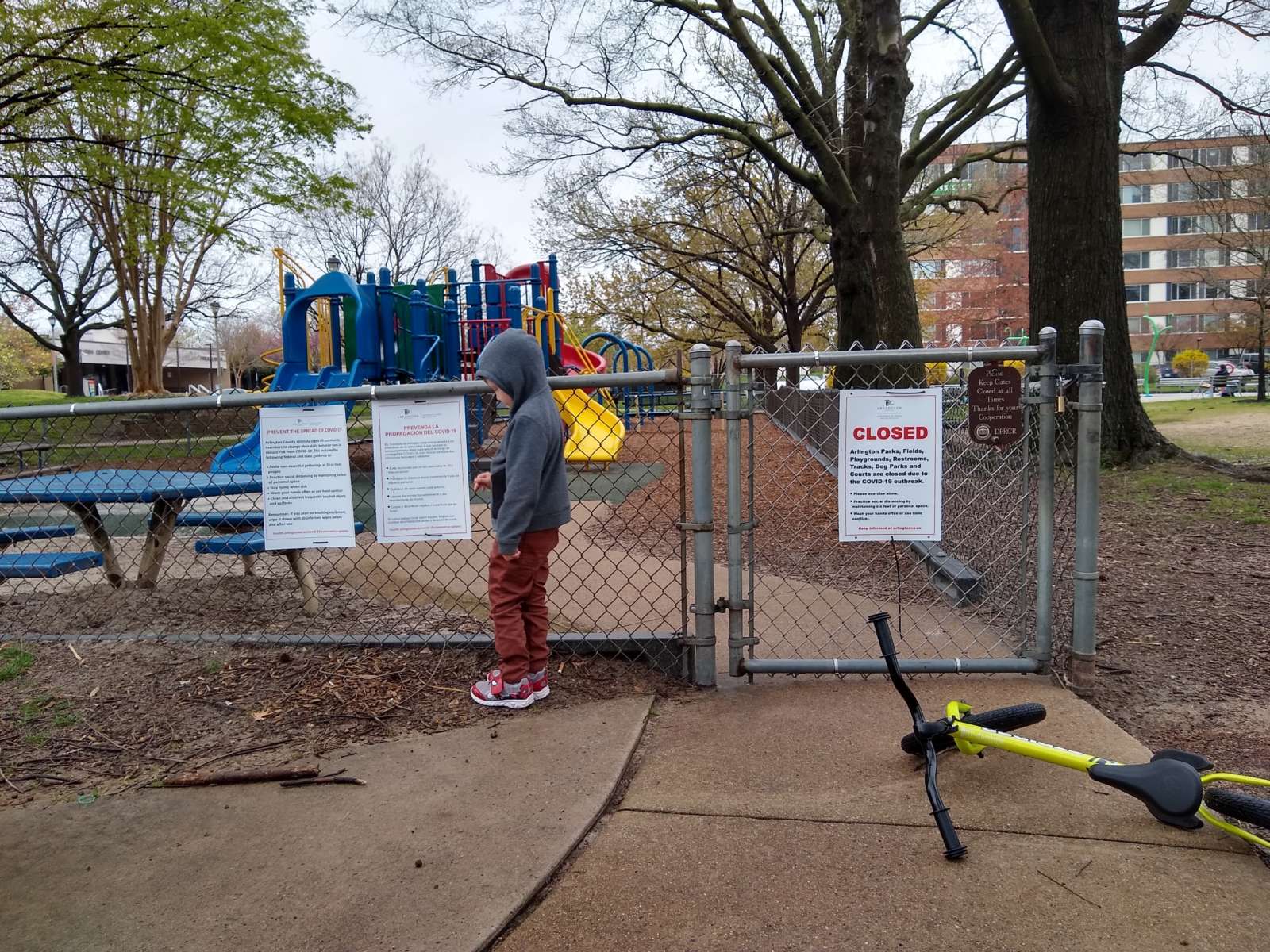
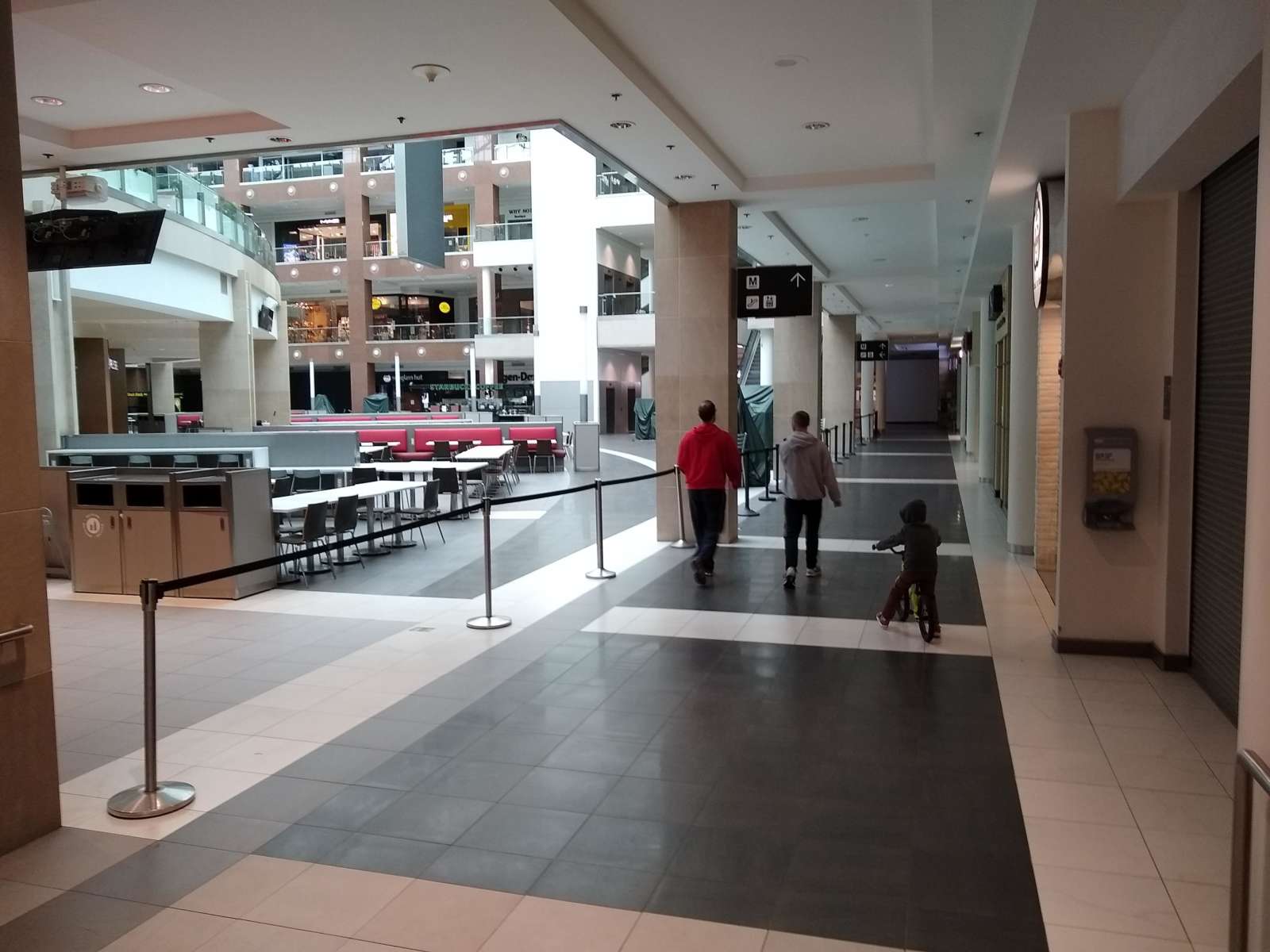
Now I am raising two kids in a two-bedroom apartment. I never saw these close quarters as a problem because we have playgrounds, museums, libraries, and even a mall at our fingertips. Our apartment has common space when our preschooler needs a change of scenery. I have always embraced our limited private space because it pushed us out into the community. Spending so much time in the neighborhood has made Arlington feel like home. But social distancing has taken all of this away.

We know from public health experts that social distancing — limiting our proximity and interactions with people outside of our families — is critical for slowing the spread of coronavirus and preventing our medical system from becoming overwhelmed. I need to acknowledge that we are incredibly privileged to have secure jobs, deep savings, and many layers of support. We will weather this crisis. But being stuck in the house is a real drag. It’s not just the lack of space. It’s the limitations on social connections.

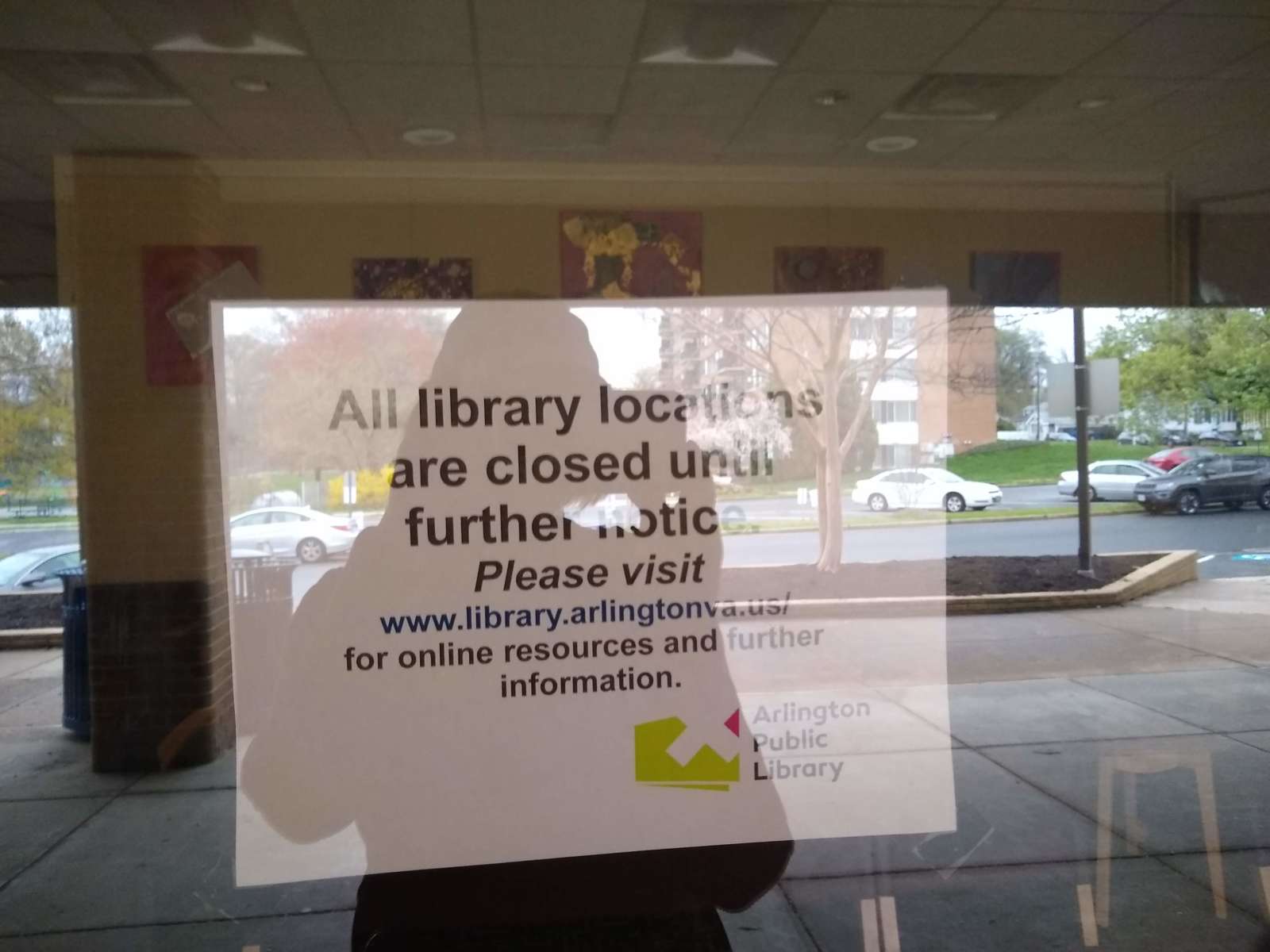
It is in public social spaces — the playground, the library — that we’ve built our community. What I love about our neighborhood is the ability to see friends and acquaintances as we go about our day. On a walk to the library, I can see half a dozen people that I know just by chance. What’s the point of paying a premium for Metro access when the Metro is essentially closed and all of the things I would visit downtown — my office, museums, restaurants — are closed?

The point of living in a walkable urban place is to connect with people. Right now, it would be great to have my own private yard, basement, and home office. But these features of suburban life create a default social distance that I don’t want under normal circumstances.

For the past five years, density has given me everything I wanted in a community. Now, the virus has taken all of that away. But when this crisis passes, I won’t be looking for a house out in Fairfax County. Instead, I’ll be looking to rebuild the social connections with friends and neighborhood acquaintances that I haven’t been able to see.

For now, I am grateful for a few remaining outlets for enjoying public space such as bike lanes and the community garden. I am thankful that my family and friends are healthy. And I am wishing health, safety, and sanity for everyone, no matter how many square feet you have.

Jane Fiegen Green, an Arlington resident since 2015, proudly rents an apartment in Pentagon City with her husband and son. By day, she is the Development Director for Greater Greater Washington and by night she tries to navigate the Arlington Way. Opinions here are her own.
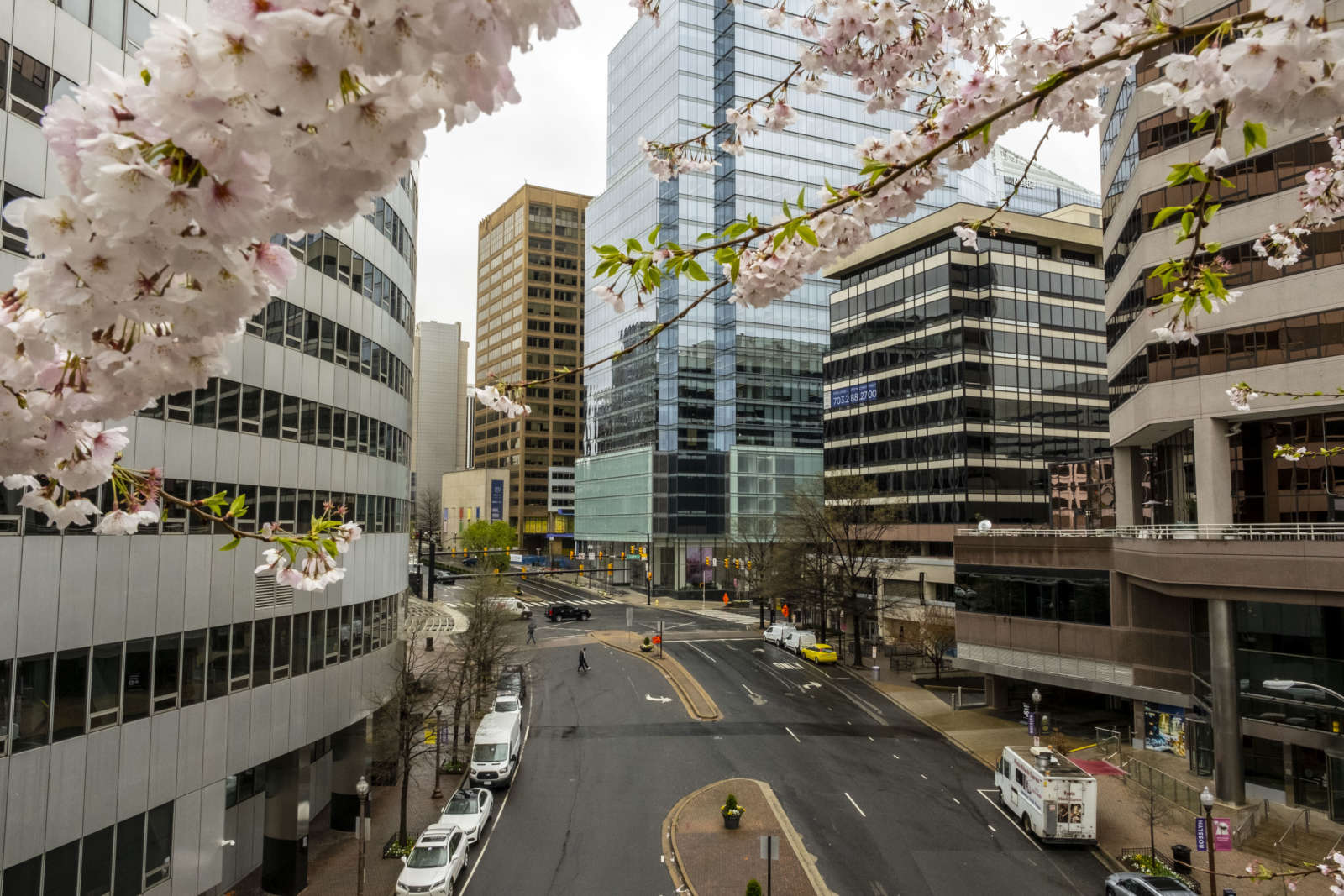

It’s a beautiful end to a busy but — if we’re going to be honest — pretty nerve-wracking work week, with hospitals filling and economic calamity hanging in the balance.

Fortunately, with regard to the latter, temporary relief is on the way for people and small businesses in the form of a newly-passed $2 trillion stimulus package. With continued social distancing measures, hopefully the worst of the medical side of the coronavirus crisis will be over in weeks and not months.

Here are the most-read ARLnow articles of the past five days:

  1. Another Jump in Coronavirus Cases in Arlington, Fairfax County (March 25)
  2. List: Arlington Restaurants That Are Offering Delivery or Takeout
  3. Bracket Room in Clarendon is Closing for Good
  4. Here’s What Happens When There’s a Coronavirus Case in an Apartment Building
  5. Governor Announces New Closure Orders for Schools, Businesses
  6. Arlington Grapples with Community Transmission of Coronavirus
  7. Athletic Fields, Dog Parks, Playgrounds Closing in Arlington
  8. El Pollo Rico Now Delivering for the First Time

Feel free to discuss those stories and anything else of local interest in the comments.


The following Letter to the Editor was written by long-time Arlington resident John Seymour.

In a video panel discussion held this week with local Democratic leaders, several Northern Virginia members of the General Assembly were asked to select the piece of legislation passed this session of which they were most proud.

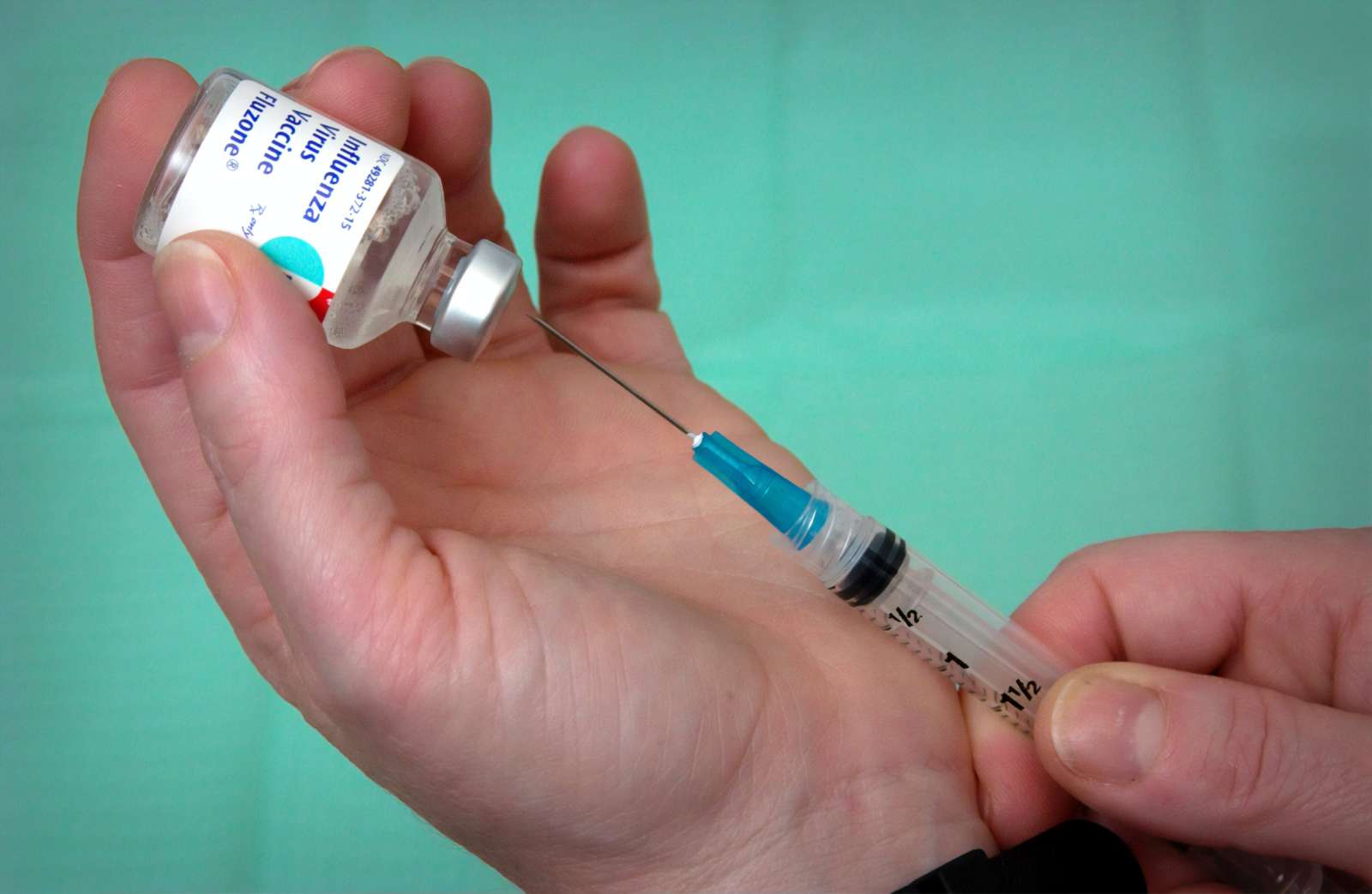
Del. Patrick Hope (D), six-term House of Delegates member representing much of Arlington County, did not choose one of the Democrats’ marquee accomplishments — expansion of voting rights, gun control measures, increased transportation funding, raise in the minimum wage, or even a Clean Energy Act which signaled a transformation in the energy sector. Instead, Delegate Hope picked a little known — but now seemingly prescient — bill intended solely to increase Virginia immunization rates.

Championed by Delegate Hope for years, the bill’s final vote was a close thing. In a deeply divided House and Senate, the bill passed on party lines with razor thin margins. One Republican Senator, a physician representing Henrico County, broke party ranks and voted for the bill. She reminded her GOP colleagues that “this is the 21st Century” and that the proposed legislation simply represented what the Commonwealth should be doing to protect its citizens from communicable diseases.

Delegate Hope echoed that conviction and also expressed his belief that the bill will expedite responses to the current coronavirus crisis and future pandemics, when and if vaccines become available. The bill is on the Governor Northam’s desk awaiting signature.

In earlier times, when our nation’s citizens displayed higher levels of trust in science and professional health expertise, the bill would have been viewed as unremarkable and commonsense. In a very few lines of text, the bill simply elevates science over politics. It gives the Virginia Department of Health the authority to align Virginia’s school immunization schedule with the recommendations of the U.S. Centers for Disease Control and Prevention — the nation’s preeminent health authority.

Under current law, in contrast, only illnesses identified and recommended by non-physicians– the Assembly itself — can be added to the Department of Health schedule. Unsurprisingly, no disease has been added since 2008. Republicans controlling both Houses blocked periodic efforts to add vaccines recommended by the CDC.

The immediate effect of the bill is to add several additional vaccinations — for rotavirus, hepatitis A, meningitis, and human papillomavirus (HPV) — to the Commonwealth’s vaccination schedule. Its long-term import is to introduce an evidence-based and scientifically rigorous process, free of partisan wrangling, for amending Virginia’s immunization schedule to address existing as well as new and emerging public health threats.

Although health groups overwhelmingly supported the bill, opposition to the bill was fierce. The bill was opposed by such groups as the National Vaccine Information Center, an organization criticized by national and international health organizations as a leading source of false and inflammatory anti-vaccine propaganda.

(more…)


While the human toll of the COVID-19 outbreak becomes shockingly apparent, particularly in New York, the shutdown to slow the disease is also having widespread economic impacts.

Nationwide, the Department of Labor reported 3.28 million new unemployment claims, smashing the previous record. There were a total of 102,240 new claims in Virginia, D.C. and Maryland.

While Congress works to approve a $2 trillion relief package today, more and more people are being laid off. Locally, that includes the employees of many local restaurants and other retail-oriented businesses; last night, the group behind local stalwarts Liberty Tavern, Northside Social and Lyon Hall announced that most of its employees had been laid off and funds established to support them.

The Labor Department does not break down its data to the city or county level, but we were hoping to get a sense for where Arlington stands via this morning’s poll. Assuming you were working from the outset of the outbreak, which of the following applies to you?


What’s Next with Nicole is a biweekly opinion column. The views expressed are solely the author’s.

Coronavirus in Arlington has increased ninefold in just ten days. This is all with extremely limited testing resources. We need more tests and we needed them last week.

America just hit the highest number of individuals filing for unemployment in history. Unemployment insurance filings in Virginia jumped from just 2,706 last week to 46,885 this week — a 17-fold increase. People are losing their jobs and they’re losing them quickly.

The response of our community during this unprecedented health crisis has been heartening, however.

Virginia Hospital Center’s (VHC) COVID-19 testing site has gained national attention. President Obama shared the work of the Maywood Community Association’s effort to help the elderly and at-risk neighbors. Some restaurants like Good Stuff Eatery, Bayou Bakery, Medium Rare, and Good Company Doughnuts and Cafe are offering free meals to school-age kids or at-risk seniors. Arlington was the first in Northern Virginia to encourage bars/businesses to close prior to St, Patrick’s Day and encouraged the Governor to make a statewide announcement, apparently facing opposition from leadership in Fairfax County.

While our spirit remains resilient, our new normal has not yet appeared. Arlington has the second-largest coronavirus infections reported in Virginia. Virginia received 44,000 new filings for unemployment last week, and small businesses and restaurants are having to make hard decisions about their future. VHC’s drive-through testing requires a doctor’s note, which is difficult for those who are recently unemployed, uninsured, and particularly service workers who unknowingly interacted with infected patrons. Local doctors have reported turning away hundreds of patients who needed testing due to lack of tests.

My fear is that our reporting of infected persons is being vastly underreported due to a reluctance of doctors to issue a note for recommended testing because of limited testing resources.

Short Term Response: Safety

Ensuring the safety of our community always comes first. We have heard from VHC and other hospitals in the region that we don’t have enough testing.

(more…)


Peter’s Take is a biweekly opinion column. The views expressed are solely the author’s.

The University of Virginia (UVA) and the Virginia Department of Education (VDOE) have used their status and political power to prevent the Virginia General Assembly from taking action to enable the use of by far the most effective reading readiness screening test (RAN).

Instead, Virginia’s children are being tested using a much less effective test (PALS) from which UVA-associated individuals and organizations derive financial benefits.  The Virginia General Assembly will be investigating those financial benefits this year.

The VDOE – UVA literacy screening partnership

Since 1997, Virginia has been using the state-endorsed Phonological Awareness Literacy Screening test (PALS), created by UVA, to identify students experiencing or at-risk for reading difficulties. UVA and the VDOE worked in tandem to support and sponsor PALS.

PALS’ questionable effectiveness for identifying dyslexia and other reading disabilities

According to the International Dyslexia Association, “perhaps as many as 15-20% of the population as a whole–have some of the symptoms of dyslexia, including slow or inaccurate reading, poor spelling, poor writing, or mixing up similar words.”

Despite Virginia’s screening and intervention processes having been in place since 1997, children continue to be identified after 3rd grade as being dyslexic, when remediation is more intensive and costly to be effective. How many of these students could/should have received more effective K-3 reading interventions based on a timely identification, perhaps obviating their need for special education or remain unidentified and struggling in the general education system?

In the meantime, another test, RAN, (5-10 minute administration time) is “one of the strongest predictors of later reading ability” (p. 431).

(more…)


As of midday Tuesday, Arlington County had 36 known cases of COVID-19. There are likely many more that have gone unreported.

While totally unscientific, we wanted to get some perspective on the case count from the personal experience of our readers. Are there substantially more people out there experiencing symptoms, for instance, but who haven’t tested positive yet?

Please answer honestly and select the options that apply to you. Note that the typical symptoms of COVID-19 are cough, fever, tiredness and — in more serious cases — difficulty breathing.

Please do not use this poll response data for policy decision-making — but do use it as a reminder of the importance of social distancing, practicing good hygiene, and flattening the curve.

If you have any personal stories to tell about people you know personally who have been infected, please do so in the comments, but in the interest of privacy avoid using names and other identifiable information.

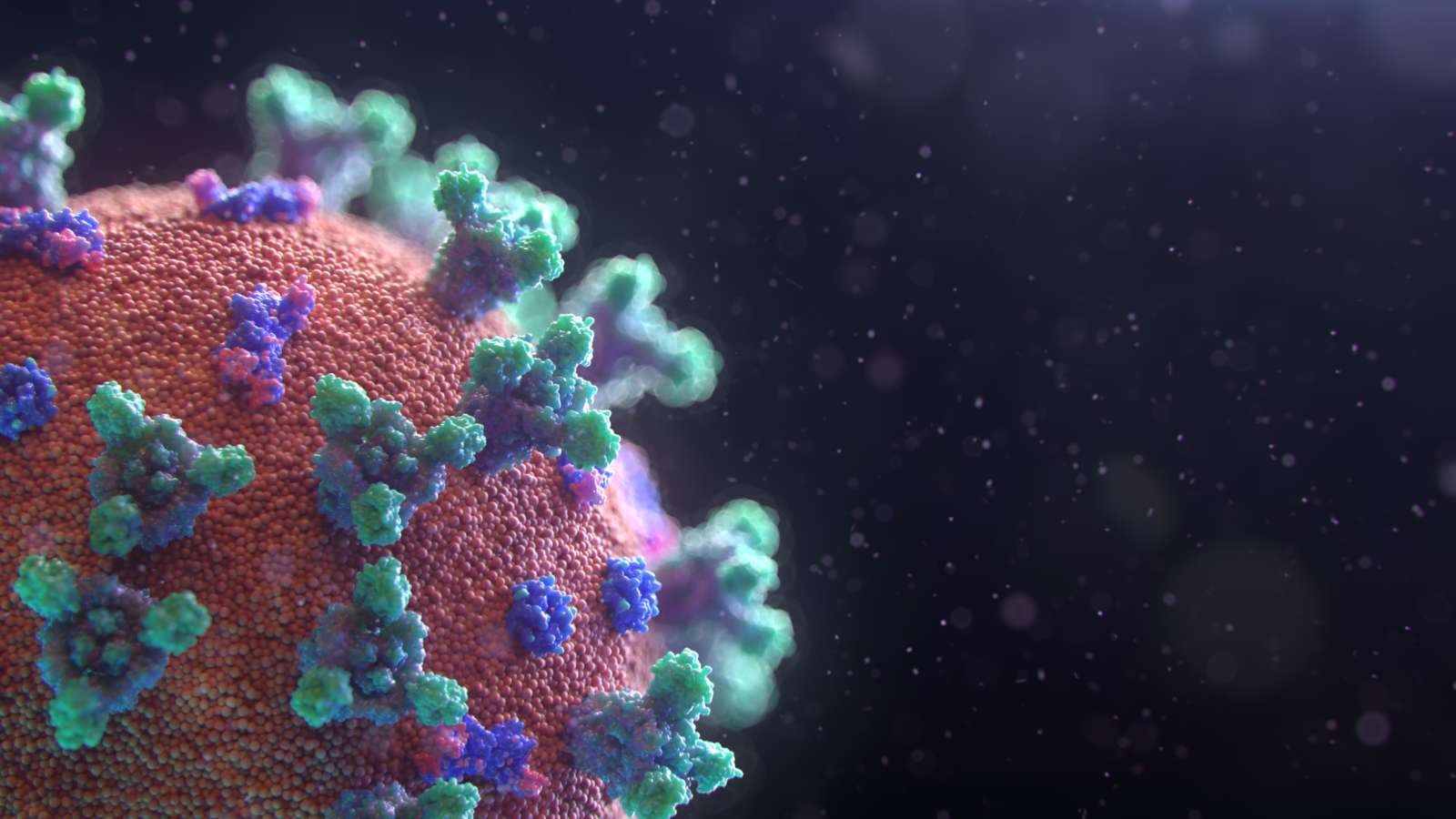
Photo by Fusion Medical Animation on Unsplash


The Right Note is a biweekly opinion column. The views expressed are solely the author’s.

We are 10 days into an initial 15-day nationwide effort to stop the spread of COVID-19.

Lives have tragically been lost. Jobs that seemed secure are now gone. Uncertainty surrounds every decision being made by individuals, families, businesses and our elected leaders. Decisions are being made daily, even hourly that in some cases drastically impact our lives.

Here in Arlington, our county leaders declared a state of emergency to maximize social distancing, even closing our parks. Closed schools are still serving school lunches and breakfasts to kids who rely on them. Local leaders worked together with Virginia Hospital Center to stand up a drive-through testing site.

County Manager Mark Schwartz announced last weekend he would come back to the County Board with a revised annual budget. Certainly, county officials are expecting to lose the revenue cushion that had lead Chair Libby Garvey to speculate the Board would cut the tax rate.

At the same time, the fiscal year does not begin until July 1, which hopefully will be after we have turned the corner on coronavirus. The Board will also have access to closeout funds later in the year to bridge the gap. And, for years Arlington has banked large emergency reserves that we can tap into if necessary. In other words, we should be able to get through this without taking drastic measures.

Sadly, yesterday Governor Northam announced an end to the school year. In Arlington, the Governor turned a 30-day school shutdown into a 100-day shutdown. By contrast, the Governor’s order only required non-essential businesses to close for the next 30 days.

It is not entirely clear why the Governor did not wait until mid-April to make this long-term school decision when he would have had more information available to him. However, there will be plenty of time for after-action reports, public criticism and public praise in the weeks and months after we get through this.

In the meantime, as we make our way through this unprecedented national crisis, may we all take a measured response to the actions and decisions of our leaders. We have to trust that every elected official is trying to both protect public health, particularly for the most vulnerable of our people, and guard against the potential of an economic collapse.

Arlingtonians can stay up to date on all of the latest news and information at the county’s website. Not only does it include announcements about what the county is doing in response to COVID-19, it also outlines resources to meet community needs during this difficult time.

Right now, if you have the means, please consider helping your neighbors. You can check in with local charitable organizations or reach out directly to those who may be in need. It certainly is a cliche, but we will come out of this stronger if we continue to remember that we are all in this together.

Mark Kelly is a 19-year Arlington resident, former Arlington GOP Chairman and two-time Republican candidate for Arlington County Board.


Progressive Voice is a biweekly opinion column. The views expressed are solely the authors’.

By Chris DeRosa

Note: The person-to-person activities described in this article have been suspended to ensure health and safety during the COVID-19 pandemic. The volunteers’ research, paperwork and electronic organization continue.

Kent* was in a local homeless shelter, discouraged and confused. He had completed his felony sentence years ago, but he had a disability, no job, and an uncertain future. A visitor wearing a t-shirt that said “Spread the Vote” asked if he wanted to request to have his civil rights restored. He was a bit leery, but he sat with her for a few minutes as they completed the online form.

Then it was a matter of waiting. It took nearly 8 months and many emails and phone calls to the Eastern District Federal Court and Federal Bureau of Prisons, plus calls to Richmond. In October 2018, his request was finally granted. Kent registered to vote, and has voted in every election since then. He also is in his own apartment now and his outlook on life is much brighter.

Many such citizens have been disenfranchised in Virginia because of a felony conviction. After completing their sentence and probation, they have a legal right to vote, but must apply to have their voting rights restored. Many don’t realize they can do this; many don’t have access to a computer to submit an application.

Carolina* was in her building’s computer room, fretting and near tears. Her ID had expired; without a current ID, she could not start her new job. A friend told her to contact Spread the Vote. A volunteer met with Carolina a couple of days later and ordered a birth certificate for her; after it arrived, she drove Carolina to the DMV. Carolina got her legal photo ID (paid for by STV), started her new job, and continues happily raising her two adorable little boys.

Kent and Carolina are but two of Arlington and Falls Church citizens who, for various reasons, don’t have government-issued photo IDs. Many cannot vote because of a prior felony conviction (voting rights can be restored but must be applied for); others just don’t have a photo ID due to circumstances like a lost birth certificate.

Without a government-issued ID, many also face barriers to housing, employment, and healthcare; they can’t cash a check or open a bank account. They need an ID for life. That’s where the trained volunteers from Spread the Vote can provide encouragement and experience to frustrated clients.

Spread the Vote/Project ID is a non-profit, non-partisan organization that aims to remedy these situations. It is staffed largely by volunteers who are working in communities throughout Virginia and in many other states. What do these states have in common? They all require voters to have photo IDs in order to vote. It’s estimated that 21 million Americans do not have government-issued photo IDs, though they are legally entitled to them.

Isn’t it easy to get an ID? That’s what I thought. How wrong I was! Many don’t have the money to pay for their IDs or the required documents such as birth certificates. Some have lost their documents when they slept under a bridge on a rainy night; others had their backpacks stolen as they napped on the Metro. Many have gone to the DMV to try and get an ID, but were turned away and gave up. Frustrating. Not easy at all.

Spread the Vote/Project ID volunteers have donated hundreds of hours to help our Virginia neighbors. This involves spending up to 6 hours meeting with each client, driving them to the DMV and SSA, and following up with agencies. Nationwide, Spread the Vote has obtained nearly 5,000 legal photo IDs. That includes IDs for over 1,000 Virginians, plus around 250 birth certificates. Spread the Vote/Project ID pays the cost of obtaining IDs and necessary supporting documents. The average cost of getting a valid photo ID is $40. (Non-citizens with visas and green cards can also get IDs.)

These volunteers are changing lives, one ID, one voter, at a time. It is extremely time-consuming, but truly gratifying work! Find out more at our website, or email [email protected].

*Names have been changed to protect individuals’ identity.

Chris DeRosa is a longtime Arlingtonian and is the leader of the Arlington/Falls Church chapter of Spread the Vote/Project ID, a nonprofit, non-partisan organization.


Ed Talk is a biweekly opinion column. The views expressed are solely the author’s.

People assert “social engineering” to oppose ideas to increase the socioeconomic diversity within our schools or neighborhoods. Where has this indignant outcry been as Arlington County policies “socially engineered” us into the segregated neighborhoods and schools we have today?

“Social engineering” is always applied as though it is necessarily bad. The fact is, all public policies and practices socially shape our communities. Is it “social engineering” per se that people object to? Or the intended results that potentially threaten their status quo?

Arlington County’s development and zoning regulations and housing policies reinforce and perpetuate the same impacts of redlining from decades past. Concentrating affordable housing for the lowest income levels in a few specific areas of the county has created segregated neighborhoods and, by consequence, segregated schools.

We have “socially engineered” ourselves into a situation whereby some schools require a broad range of supportive services not traditionally provided by a public school. To support families, Community in Schools programs are implemented in high-needs, high-poverty schools. Arlington has done so at Carlin Springs Elementary School, and there is support for expanding that model to others.

Some argue it is more efficient to bring services and resources to the schools near where many people in need live and where their children are enrolled. This is not necessarily a bad idea. But even if this is the preferred model, what about children and families in need at more affluent schools where a Community in Schools program is unlikely to be implemented?

A more equitable approach would be to ensure that all services and supports are accessible by any student in need at any school in the district. Intentional segregation should not be implemented for the sake of efficiency. People should not have to live in low-income neighborhoods zoned to a specific school offering the unique services they need. Affordable housing should be sufficiently available throughout the County. Disadvantaged families should be able to send their children to any school and receive the same assistance in accessing the services and programs they need.

(more…)


The Hurtt Locker is a biweekly opinion column. The views expressed are solely the author’s.

There’s a growing movement in America comprised of people with wildly diverse views from across the political and cultural spectrum. They’re coming together over dinner to respectfully debate the most contentious issues of our time. And as you might imagine, the Washington, D.C.-area is ground zero for this movement.

While there are more than a dozen organizations engaged in these civil dialogue events, the two most active groups in the D.C.-area are “Make America Dinner Again” and “Better Angels,” both of which host events in the area. I am both the Northern Virginia coordinator for Make America Dinner Again (MADA) and a semi-regular attendee to Better Angels events.

MADA was founded by two young liberals after the 2016 election. They sought to bring people who voted for Hillary Clinton and Donald Trump together over a meal to better understand why people voted the way they did in 2016. These dinners spread from the first one in San Francisco to now 17 city-based chapters that host regular dinners from coast to coast. I recently hosted a MADA event in Arlington with more than a dozen attendees, including fellow ARLnow columnist Nicole Merlene.

Attendees debated healthcare, immigration, and the environment, to name just a few topics. You can get a better idea of how MADA dinners go by watching coverage of the most recent Arlington dinner here.

Similarly, Better Angels was founded after the 2016 election by bringing Clinton and Trump supporters together to see if attendees could “respectfully disagree and find common ground.” Their discovery in that first gathering? “The results were remarkable,” according to their website. “We liked each other. We wanted to know more about each other. We wanted to keep on meeting. We wanted to help start workshops in communities all across America!”

This budding movement was invigorated by a 2018 report commissioned by More in Common titled, “Hidden Tribes: A Study of America’s Polarized Landscape.” The report surveyed 8,000 Americans, breaking them out into six “Hidden Tribes” – Progressive Activists (8% of survey respondents), Traditional Liberals (11%), Passive Liberals (15%), Politically Disengaged (26%), Moderates (15%), Traditional Conservatives (19%), and Devoted Conservatives (6%).

One of the key takeaways in this study is that all too often the “wings” (far-left and far-right) drive the public discourse across social media and in the headlines, while an “Exhausted Majority” tends to be solutions-oriented, open to compromise, and rarely newsworthy. People from the “wings” are the ones who make headlines because it’s what leads. We sometimes make hasty generalizations about other “Tribes” based on the loudest member, especially when that generalization confirms our own prejudice or worldview.

(more…)


View More Stories