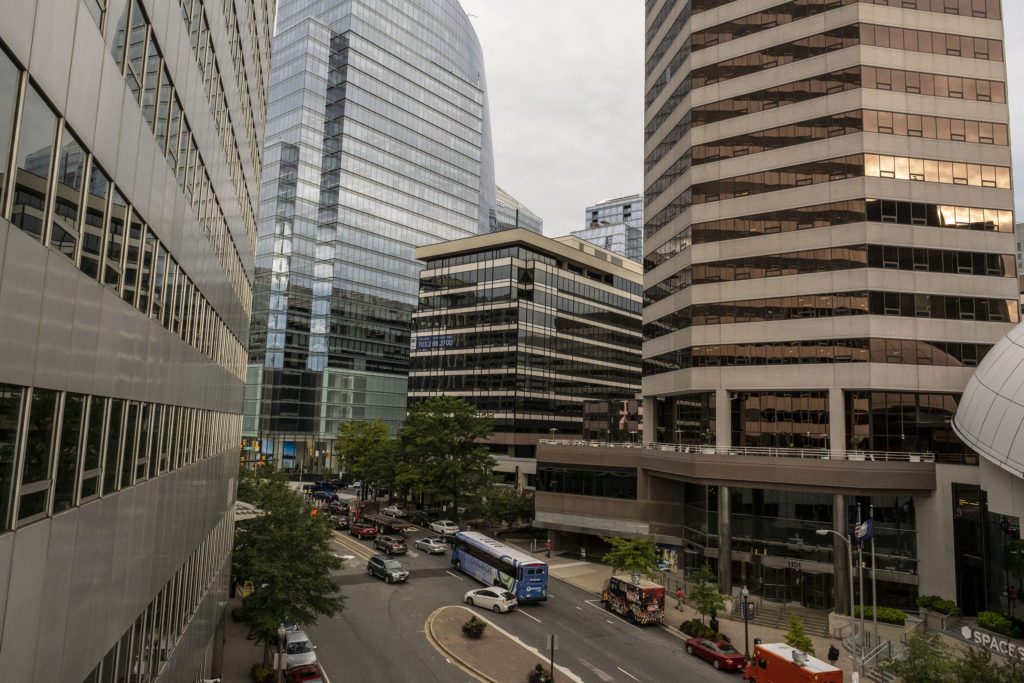
A warm and mostly dry weekend is on tap, though any rain that falls will be welcome given the region’s current drought.

There’s a ton to do this weekend and over the coming week, so be sure to check out our Arlington Agenda post and event calendar to plan your local outings.

If you’re heading into D.C. on the Metro, an important heads up: the Yellow Line bridge over the Potomac will be closed for the bridge’s annual inspection, so you’ll need to take the Blue Line to the District instead.

In the meantime, here are the most-read articles of the past week.

  1. Beyer Now Supports Articles of Impeachment
  2. Video Shows Drivers in Va. Square Blowing Past Undercover Cop in Crosswalk
  3. New Pupatella Location to Open As Early As Next Month
  4. Large Portion of Foxcroft Heights Listed For Sale for $11 Million
  5. Arlington County Adding Three New Glass Drop-Off Centers
  6. Ballston Church Affordable Housing Project Moving Forward
  7. Bryce Harper Poses for Photo with Arlington Firefighters After Playoff Hopes Extinguished By Nats
  8. Crystal City BID Expands, Seeks to Rename Itself “National Landing”
  9. Blockchain Company to Open U.S. HQ in Arlington

Feel free to discuss those stories or other topics of local interest in the comments. Have a great weekend!

Flickr pool photo by Kevin Wolf


What’s Next with Nicole is a weekly opinion column. The views and opinions expressed in the column are those of the individual and do not necessarily reflect the views of their organizations or ARLnow.

High speed rail isn’t just a pipedream. But to make it a reality in Arlington, it will require a new bridge.

In the next decade or two, high speed rail lines will shuttle passengers between Richmond and D.C. in less than an hour. A train ride between Arlington and Baltimore will take the same amount of time as taking the Metro to Union Station. This will only happen, however, if we approve and fully fund the Richmond to D.C. Long Bridge rail project.

Long Bridge is the only railroad crossing between D.C. and Virginia — spanning from Crystal City to L’Enfant Plaza. The bridge is 115 years old and currently owned by the rail transportation company CSX. At 98% capacity, it serves 76 trains per day and has become a massive bottleneck for our regional train network.

The five year, $1.9 billion project would expand Long Bridge from two to four tracks and increase the number of trains served everyday by over 250% to 192.

Doubling the number of tracks at Long Bridge is now the highest transportation priority in Virginia, according to state officials. This month, the federal government cleared the environmental impact study requirements to build a high speed rail line between Richmond to D.C., which includes making significant improvements to the Long Bridge. While the project is currently underfunded, it is now eligible for federal transportation funds.

I strongly support the Long Bridge project for four primary reasons:

  • It creates not only a more connected Richmond to Baltimore regional economy, but it will also create the potential for high speed rail spanning the entire East Coast along I-95
  • To relieve congestion along I-95, thus creating a more efficient workforce
  • It is environmentally beneficial, helping to get more cars off the road
  • It will help decrease regional housing costs by making it faster for people living further from urban centers to get to work, expanding what we consider to be Northern Virginia’s housing stock.

I strongly support the Long Bridge project and hope you will join me in showing your support during the public comment period, which ends October 26.

Nicole Merlene is an Arlington native and former candidate for Virginia State Senate. She has served as a leader in the community on the boards of the Arlington County Civic Federation and North Rosslyn Civic Association, as an Arlington Economic Development commissioner, in neighborhood transportation planning groups, and as a civic liaison to the Rosslyn Business Improvement District.


Peter’s Take is a weekly opinion column. The views and opinions expressed in this column are those of the author and do not necessarily reflect the views of ARLnow.com

The July 8, 2019 flash flooding incident devastated Donaldson Run’s Tributary, exposing the flaws in Donaldson Run’s Tributary B restoration design. The County also is now on a path to use that same fundamentally flawed approach at Gulf Branch.

Killing a Stream to “Restore” a Stream 

So-called “stream restorations” frequently kill streams by increasing water temperature and reducing oxygen. Cutting down trees and existing vegetation and using excavators to disturb the land in or near a streambed simply compound the problem and unleash invasive plants that also negatively impact stream ecology.

Studies show that the underlying cause for urban stream syndrome — the trigger for these “restoration” projects in the first place — is the growing volume and speed of stormwater runoff that results from the proliferation of impervious surfaces:

The ultimate mechanisms by which urbanization degrades streams are manifold but can usually be attributed to a small number of landscape-scale land-use practices for which alternative management approaches are available….

Our analyses reveal urban stormwater as a new class of environmental flow problem: one that requires reduction of a large excess volume of water to maintain riverine ecological integrity

County government disregards climate science

Instead of addressing the underlying problem, Arlington continues to spend millions on outdated, cookie-cutter “restoration” plans that produce counterproductive outcomes. The Donaldson Run Tributary A project is a prime example:

[A] large number of stream restoration projects focus primarily on physical channel characteristics. We show that this is not a wise investment if ecological recovery is the goal. Managers should critically diagnose the stressors impacting an impaired stream and invest resources first in repairing those problems most likely to limit restoration.

Since 2011, scientists and others have shown that the types of “restoration” projects conducted here in Arlington and elsewhere fail to achieve basic ecological and water quality goals.

Many streams are chosen for restoration simply because they are the “low hanging fruit.” This occurs when engineers–rather than ecologists, naturalists and conservation biologists–control a project. After the damage is done, those tasked with protecting natural resources are given the impossible task of trying to restore a semblance of life, natural
functionality, and ecological balance to a seriously degraded, post-construction landscape.

Streams will try to restore themselves (for example, trees falling into the water provide resistance and can slow water down). But to truly restore a stream, you must first reduce the inputs (the volume and speed of the runoff entering the stream). Otherwise, any benefits from so-called restoration efforts will be quickly nullified, as the Baltimore Sun reported:

[S]ome scientists say controlling erosion[‘s] … benefits don’t last if nothing else is done to reduce runoff from development before it pours into the stream.

“You can’t ask a stream to do everything an entire watershed should do,” said Margaret A. Palmer, a University of Maryland scientist who’s researched restoration ecology. She’s published studies finding “no consistent evidence” that restored streams reduce nitrogen, another key pollutant fouling the bay.

And while stabilizing stream channels may reduce erosion at first, she said, the benefit is likely to decrease over time.

In addition to the ecological impacts, misguided stream “restoration” efforts can also exacerbate flash flooding. By continuing to dump greater and greater volumes of water into the stream system — a system not designed to receive all that water so rapidly — County government ensures that erosion and other problems plaguing the streambed will continue. Widening the channel will do little to alter these dynamics.

Conclusion

County government is poised to repeat past mistakes by replicating them at Donaldson Run Tributary B and at Gulf Branch. Papering over development and land-use problems by merely adjusting stream channels to manage greater volumes of runoff won’t work. Both these “restoration” projects should be halted until a revised, ecologically sound design is adopted.

County government must accept current climate science and directly address the stormwater runoff problems before attempting expensive stream restoration projects. County government must redesign these projects to fit within a sustainable environmental footprint.

Working harder to preserve Arlington’s remaining mature tree canopy, reducing the quantity of impervious/built surfaces, and focusing greater attention on conservation of our natural resources are the keys to cost-effective stormwater management.


The Right Note is a weekly opinion column. The views and opinions expressed in the column are those of the author and do not necessarily reflect the views of ARLnow.com.

Christian Dorsey made the word “equity” the central theme of his speech to kick off the year as Chairman. On Saturday, the County Board passed an “Equity Resolution.”

And really, who can oppose such a fine sounding word?

When asked to explain what he meant by achieving equity by Arlington Magazine earlier this year, Dorsey pointed to the Chestnut Hills Park expansion and wondered aloud if the Board should have supported it.

But what we didn’t do is ask whether or not that area actually needed a park expansion — whether it was over served, under served or adequately served. We’re making a policy decision to spend money that comes at the expense of doing something somewhere else [with those funds]. I’d prefer that we make decisions with an equity focus upfront.

That sounds good. Equity means the Board should not act without weighing the decision in light of all spending priorities as well as the impact of not spending that money on something else.

In fact, the resolution that was passed Saturday is filled with admirable sounding language. The county will establish a vocabulary, continue the dialogue, collaborate on initiatives, collect data, assess and analyze, develop a framework, and establish targets. There will be reports, and tools, and budget processes.

But outside of this resolution, what has Arlington done to support equity the past nine months?

In April, the Board passed a budget that raises taxes, making it more expensive to live here. As a reminder, Chairman Dorsey suggested people who work hard to pay their bill simply “scrub their family budgets” to pay for it.

The County rolled out a new “streamlined” permitting process that does little to speed up the time it takes to get a permit, which means it still takes just as long to accommodate our housing needs.

On Saturday, the County passed an energy plan which will almost certainly drive up the costs of transportation. And members of the Board have also signaled support for national energy plans which would drive up all energy costs to heat and cool our homes and get to and from work. Moreover, energy costs are factored into every good and service we consume. And, the people hurt most by higher energy costs are the people at the lower end of the economic ladder.

Resolutions and task forces and reports are fine and dandy. As with anything in life, actions speak louder than words.

Mark Kelly is a 19-year Arlington resident, former Arlington GOP Chairman and two-time Republican candidate for Arlington County Board.


Progressive Voice is a weekly opinion column. The views and opinions expressed in the column are those of the individual authors and do not necessarily reflect the views of their organizations or ARLnow.com.

By Anne Vor der Bruegge

Given Arlington’s top national rankings in housing market competitiveness and child care costs, some say our region is destined to become another San Francisco, where affordability challenges have forced lower income people out and led to 2-hour commutes. Yet, we will always need child care workers, office cleaners and other workers whose role you may not have thought about. Virginia Hospital Center, for instance, needs personnel 24/7 to sterilize, process and distribute surgical equipment. But turnover costs are high if those employees are commuting from far suburbs and being tempted to take a position in other hospitals they pass on the way to Arlington.

No one wins if such workers have to commute long hours because living in or near Arlington is unaffordable. Ensuring that people of all economic backgrounds can thrive here is part of assuring Arlington’s vitality. Arlington is at a critical–some would say even risky–juncture as it tries to balance inclusivity with economic growth.

Could you live in Arlington with a family of four if you made less than $35,000 per year? About 9,000 households do, and they are facing increasing challenges to stay here. It will take both the government and private sector to make structural course-corrections to ensure residents of lesser means can continue to contribute to and share in our community’s prosperity.

Increasingly, businesses acknowledge the importance of local economic inclusivity. This means going beyond traditional corporate giving and volunteerism to make systemic community-level changes. Jamie Dimon, Chairman and CEO of JPMorgan Chase & Co., points out that Business Roundtable members recognize the priority of “investing in their workers and communities because they know it is the only way to be successful over the long term.”

Last spring, the Shared Prosperity Partnership–the Urban Institute, Kresge Foundation, Brookings Metropolitan Policy Program, and Living Cities–selected the Arlington Community Foundation (ACF) to convene local large businesses, along with our government and nonprofit partners, to address the displacement of Arlington’s low-income residents. We are examining new practices for workforce development and housing affordability and seeking innovative private investments to help households making under $35,000 stay in Arlington.

What specifically can businesses do to make structural impact? Here are a few examples.

1. Voluntarily offer a living wage. The MIT living wage calculator for Arlington indicates that an individual needs to make $17.44 per hour to cover the most basic expenses, yet the Virginia minimum wage remains $7.25. Companies can voluntarily set living wages for their employees, cleaning contractors and other vendors. For example, the Metropolitan Washington Airports Authority, which operates Reagan National and Dulles airports, set annually adjusted wages of nearly $15 per hour for airport vendors and just over $12 per hour for 4,500 support services employees such as baggage handlers and wheelchair attendants. This improves retention in jobs that keep our airports secure and fully functioning.

(more…)


The following op-ed was written by Del. Patrick Hope (D-Arlington).

The Labor Day holiday may have passed but the rights of workers remain at the forefront of my agenda.

When Democrats flip the General Assembly this year, it will be the first progressive legislature in modern history. Democrats will finally be in position to make government work for all Virginians, not just the wealthy few and big corporate donors. While Virginia may be the best state for business, it is the worst state for workers and that needs to change.

At the very top of the progressive agenda is to repeal the so-called “Right-to-Work.” Eradicating this law is both a civil rights issue and a matter of economic justice. Hopefully, it will also be at the top of Governor Ralph Northam’s list, and that of his newly established Commission to Examine Racial Inequity in Virginia Law. This commission is charged with reviewing the Virginia Code and administrative regulations to address the Commonwealth’s remaining policies that promote or enable racial discrimination or inequity. Its report is due to the Governor by November 15th.

A little history: the origins of Virginia’s right-to-work law is based on discrimination. Virginia passed its right-to-work law in 1947 during the tenure of Governor William Tuck, an avowed segregationist and union buster. Right-to-work spread across the south and mid-western states after World War II to block workers of all races from coming together to fight for better wages and benefits.

Dr. Martin Luther King understood the true nature of right-to-work. Dr. King said, “In our glorious fight for civil rights, we must guard against being fooled by false slogans, such as ‘right to work.’ It is a law to rob us of our civil rights and job rights. Its purpose is to destroy labor unions and the freedom of collective bargaining by which unions have improved wages and working conditions of everyone… Wherever these laws have been passed, wages are lower, job opportunities are fewer and there are no civil rights. We do not intend to let them do this to us. We demand this fraud be stopped.”

So why hasn’t this law been repealed sooner? A lot of right-to-work’s staying power has to do with its name, and the support received from the business community and the Republican Party.

Right-to-work may sound positive but it is far from it. People mistakenly think “right-to-work” means “right to a job,” and that they cannot be fired without cause. This is the exact opposite of what it means. Right-to-work prohibits union security agreements between companies and labor unions. It creates an unfair environment where employees cannot be compelled to join a union or pay union dues, but still may receive the benefits and protections of unions if they work in a unionized environment.

The purpose of right-to-work is to starve unions and make it harder for them to be effective advocates for things like: living wages, employer-sponsored family health insurance, vacation and sick leave, and pensions – all things Arlingtonians support. And make no mistake: while right-to-work hurts all workers, this policy has an outsized effect on people of color because they are the segment of the workforce mostly likely seeking to organize and fight for better wages and benefits.

Virginians are not fooled. When Republicans and business groups led an effort in 2016 to enshrine right-to-work in the Virginia Constitution, it was rejected by Virginia voters 54 percent to 46 percent. In Arlington, it was soundly rejected 62.5 percent to 37.5 percent.  When Virginia Democrats take the majority in 2020, it’s time to repeal Right-to-Work and put Virginia workers first.

Op-eds are written by local newsmakers on local topics of interest. The views and opinions expressed in the op-ed are those of the individual and do not necessarily reflect the views of ARLnow.


What’s Next with Nicole is a weekly opinion column. The views and opinions expressed in the column are those of the individual and do not necessarily reflect the views of their organizations or ARLnow.

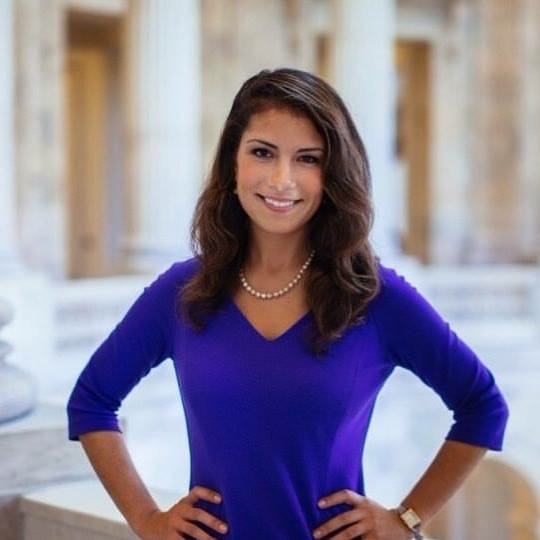
My name is Nicole Merlene and I’d like to welcome you to my new column, What’s Next with Nicole. Thank you to the ARLnow team for inviting me to write this regular opinion column.

I plan to write about a wide range of topics that impact our community. My hope is to not only provide a forward-thinking perspective on current policy considerations, but also to shed light on less publicized topics.

A bit about me: I am a 27-year-old Arlington native. I grew up in the Tara-Leeway Heights neighborhood, where I attended Glebe Elementary School, A.T.S., Swanson Middle School, and Yorktown High School. Currently, I am a renter living in a “market-rate affordable” garden apartment in Virginia Square.

This spring I ran for Virginia State Senate in the 31st district to represent areas of Arlington, Fairfax, and Loudoun counties. I have also served as the Vice President for both the Arlington County Civic Federation and North Rosslyn Civic Association, and currently serve on the Arlington Economic Development Commission. Prior to my run for office, I was Policy Director for the international trade association, Invest in the USA.

Arlington has one of the most educated populations in the country and I relish the opportunity to productively advance our public discourse in a new way. This column will focus on providing solutions rather than simply presenting problems, and while the solutions presented may not always be perfect, the goal is to bring thoughtfulness and a forward-looking perspective to local issues.

It is a wonderful thing that in contrast to what is happening on the national stage, our local community is able to have respectful conversations on substantive policy topics. I’m honored to be writing this column for ARLnow and look forward to kicking off my first full piece next week.

Nicole Merlene is an Arlington native and former candidate for Virginia State Senate. She has served as a leader in the community on the boards of the Arlington County Civic Federation and North Rosslyn Civic Association, as an Arlington Economic Development commissioner, in neighborhood transportation planning groups, and as a civic liaison to the Rosslyn Business Improvement District.


At its upcoming meeting, the County Board will adopt the latest iteration of Arlington’s Community Energy Plan. In reading the staff report, two interesting things stood out. First, the staff did not quantify how much it would cost for Arlington to reach “carbon neutral” status by 2050. Instead, the report suggested that the costs would be rolled out through future budgets and Capital Improvement Plans.

Second, the staff could not account for the final 14% in reductions in CO2 emissions. So, while they have set the ambitious goal of zero CO2 emissions by 2050, they do not yet know how they are going to get there.

We should always be wary of a government plan that does not even attempt to quantify its costs, then again it is hard to put a price tag on unknown “future opportunities.”

Next up for the County Board this fall is the annual dance with closeout spending and preparing the ground for next year’s budget.

Will County Manager Mark Schwartz speak on the next budget cycle at this week’s County Board meeting? At the 2018 September meeting, Schwartz signaled a budget gap was on the horizon for the coming year. Of course, that gap was virtually erased by the time he put forward a proposed budget.

If the real estate market is any indication of where assessments are headed for the coming year, revenue is unlikely to be a problem. Maybe Schwartz will call it the “Amazon effect?”

If revenue does jump (again), it will also free up the County Board to spend all of the available closeout funds rather than setting some aside to ease the upward pressure of real estate taxes on Arlingtonians next year. The closeout spending spree would be made even easier now that John Vihstadt is no longer sitting on the dias or considering a return to the ballot.

If Schwartz talks about a budget gap, he will almost certainly be previewing some significant spending increases. Any increases would likely be framed in terms of restoration of service and personnel cuts as well as school enrollment pressures.

Stay tuned.


Progressive Voice is a weekly opinion column. The views and opinions expressed in the column are those of the individual and do not necessarily reflect the views of their organizations or ARLnow.

By Jay Fisette

Seriously? “Clean” Natural Gas? Natural gas is a fossil fuel. This is false advertising and it undermines the message and goals of our Community Energy Plan (“Energy Plan”).

Arlington’s local ART bus system is celebrating its 20th anniversary. Kudos that the ART buses have never been dirty diesel. Arlington’s transportation system overall is outstanding. We set a high bar on reducing vehicle miles traveled and providing a robust array of transportation options. Continuing these efforts is essential…yet insufficient because today 36% of Arlington’s overall greenhouse gas (GHG) emissions still come from transportation.

We must better integrate and embrace energy and climate goals into transportation planning and investments.

Later this month, the County Board will act to update the 2013 Energy Plan. They have already made some important improvements to the staff draft–such as setting a goal of carbon neutrality by 2050. What remains weak are the transportation goals.

The County Board needs to direct county staff to develop a plan, by 2021, for the ultimate transition of our county fleet to zero emissions. The ART buses need to move beyond natural gas and transition to electric vehicles (EVs).

Alexandria’s Environmental Action Plan calls for replacing 25% of their municipal fleet with electric vehicles by 2027, and 100% by 2040–with a plan due by 2021. By 2020, they will develop a strategy for a community electric vehicle-charging infrastructure.

Montgomery County has a goal of zero emissions from transportation by 2035. King County/Seattle has a goal of electrifying its entire 1,400-bus fleet by 2040.

At my training with Al Gore’s Climate Reality Project, I learned the two fundamental changes needed to meet the imperative of climate change are: (1) replacing fossil fuels with renewables, and (2) electrifying transportation.

Arlington’s sustainability story is a source of pride for me and for our community. We pioneered smart growth, and we integrated that land use with a robust transportation system. Now we must fully integrate climate and energy goals into all we do.

Even in Virginia where local government authority is often limited by the state, Arlington has complete authority to electrify public transportation and create a public charging infrastructure for private vehicles.

Our County and Arlington Public Schools (APS) fleet includes sedans (why not start purchasing all electric sedans now?), municipal buses and school buses.

Dominion Energy just launched an ambitious school bus initiative. They will pay the difference between an electric and diesel bus as well as the charging infrastructure for thousands of buses over the next decade. Their goal: all school bus purchases will be electric by 2030. Arlington should sign up early! I hope Dominion will do the same with municipal bus fleets.

Arlington can lead by example to encourage residents, businesses and other localities to buy electric vehicles. We should aggressively engage the region in negotiating with the utilities, explore joint procurement savings, and advocate for needed state policy changes.

The wave has already begun. 17% of the world’s buses are already electric. Many major cities have committed to buy only zero emission buses by 2025 (Aukland, Seattle, Vancouver, Los Angeles, etc.). Shanghai and Shenzhen are already 100% electric.

And all major car manufacturers are designing electric vehicles. In 2018, Volkswagen, GM, BMW, Ford, Fiat, and Volvo all announced $100 billion investments in new electric vehicles. In 2017, Mark Reuss, GM’s EVP for Global Product Development, stated, “GM believes the future is all electric.”

Electric vehicles cost more to buy today, though battery and bus costs are coming down. However, when life cycle costs are considered, the savings on the operation and maintenance of electric vehicles, along with options to lease the battery, are closing the cost differential.

The County needs a long-term transportation plan to create a zero emissions fleet that includes electric vehicles…and should remove the misleading language from our 81 ART buses today.

Jay Fisette served on the County Board from 1998 – 2017 and led the development and adoption of the initial Community Energy Plan.


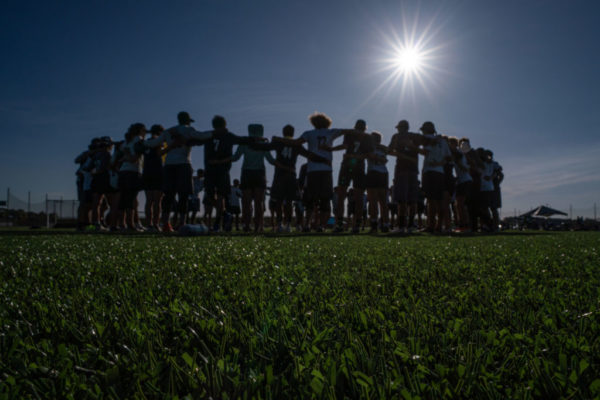
After a brief resurgence of sweltering summer, more fall-like weather is here, ahead of what should be a pretty nice weekend.

Despite a relatively slow second week of September, compared to the usual frenetic pace of things this time of year, there were a number of stories of note over the past five days.

Here were the most-read articles of the week:

  1. Amazon Holding ‘Career Day’ in Crystal City
  2. Hula Girl Closing in Shirlington
  3. Man Shot on Columbia Pike Early Thursday Morning
  4. Pedestrian Dies After Crash Near Nottingham Elementary
  5. Police Searching for Thieves Who Burglarized Home While Family Was Inside
  6. Opening Nears for New Harris Teeter Store on the Pike
  7. You May Be Able to Take Your Drink to Go Near HQ2
  8. As MONA Membership Grows, So Does Its Public Outreach
  9. An Indoor Running Studio Is Coming to Clarendon

Feel free to discuss those stories, your tales of Friday the 13th bad luck, or anything else of local interest in the comments below.


The Right Note is a weekly opinion column. The views and opinions expressed in the column are those of the author and do not necessarily reflect the views of ARLnow.com.

For years in this column, I have noted that the county annually underestimates revenue. As a result, the County Board creates a year-end slush fund of tens of millions of taxpayer dollars to spend outside of the regular budget process. Arlington’s schools are a big beneficiary of this closeout process.

APS receives an infusion of the closeout dollars each year as a sizable mid-year boost to its budget. Last year it was about $10 million.

Now it appears APS may have learned from county budget writers as APS is consistently over-estimating enrollment when it builds its budget.

This could lead one to believe the school system is doing so in order to put a cushion in its annual budget. Earlier this spring, APS told us 28,495 students were expected to enroll at a total per-student cost of $23,569. This is the dollar figure you arrive at when you divide $671.6 million by 28,495.

Last week, APS announced that 27,996 students had enrolled. That’s a difference of 499 students. Not only does this increase the per student cost to $23,989, but it effectively gives APS nearly $12 million in added budget flexibility.

Last year, APS told us 28,027 students would enroll. The actual number was 591 students less or 27,436. That was over $13 million in potential budget flexibility.

Some might argue that APS is getting pretty close. After all, 499 students is less than a 2% error rate out of the total student population. Another way to look at it is that APS estimated 1,059 more students would enroll last week. When only 560 new students showed up, it means they missed it by 499 students. And that is a 47% error rate. That’s better than last year, but still pretty high.

At any rate, APS should re-evaluate how they are estimating enrollment every year because they are clearly missing something. And at nearly $24,000 spent per student, it adds up very quickly.

Mark Kelly is a 19-year Arlington resident, former Arlington GOP Chairman and two-time Republican candidate for Arlington County Board.


View More Stories