Progressive Voice is a weekly opinion column. The views and opinions expressed in the column are those of the individual authors and do not necessarily reflect the views of their organizations or ARLnow.com.

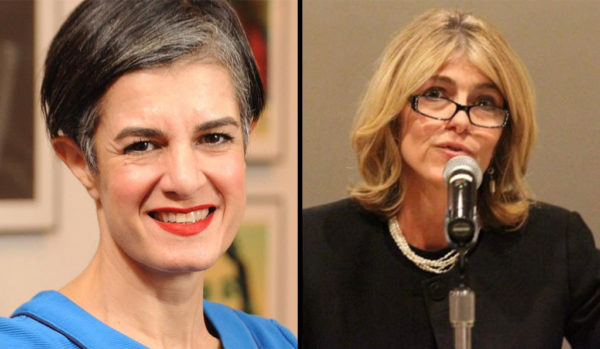
In the upcoming June 11 primary, one of the local races in Arlington is for the Democrat who will run for Commonwealth’s Attorney for Arlington County and the City of Falls Church. Progressive Voice asked each candidate for this office “What is the main differentiating factor between you and your opponent in relation to progressive values?”

Here are their responses.
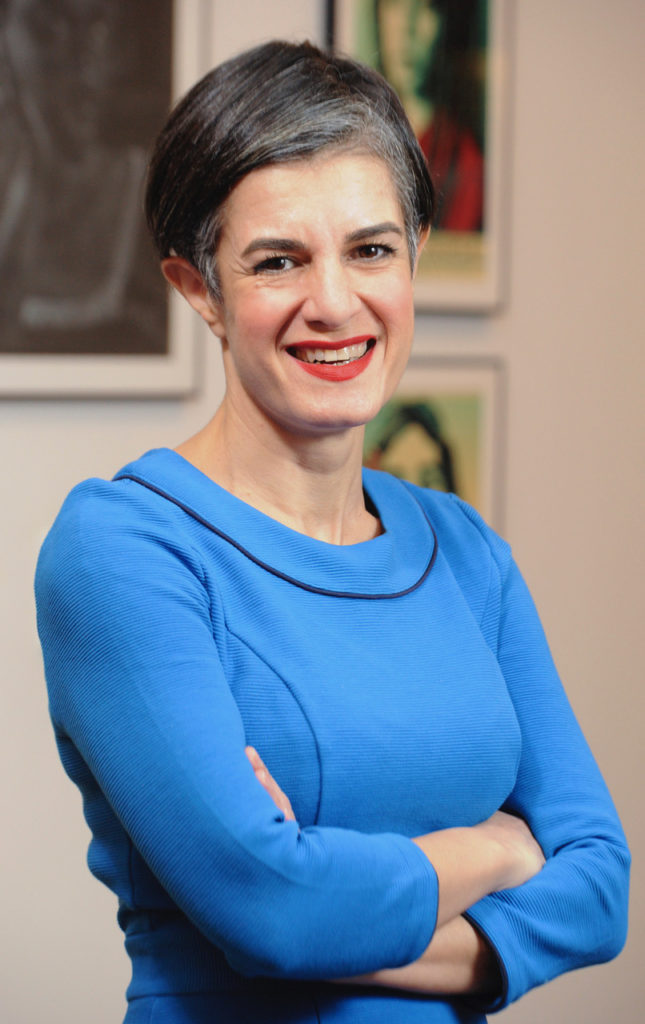
Commonwealth’s Attorney Candidate Parisa Dehghani-Tafti

Our criminal legal system needs reform, but what does real reform look like? And, can a career prosecutor in the same office for 32 years be trusted to enact real reform?

This we know: the United States incarcerates at a higher rate than any other nation; states account for 90% of incarcerated people; Virginia incarcerates at a higher rate than the national average; and local prosecutors bear primary responsibility for those results.

In Arlington and the City of Falls Church, the Commonwealth’s Attorney prosecuted over 3,200 simple marijuana possession cases in 6 years, 57% of which in the last 2 years were of black people; though only 9% of the county population, black people are 66% of the jail population; the majority of those in jail are on psychotropic drugs; ten year old kids are charged with felonies for school infractions, and the Commonwealth’s Attorney blocks efforts to raise the felony threshold to $1,000, to expunge records of people convicted of minor marijuana and alcohol offenses before they were 21, to restore voting rights to returning citizens, and to prohibit execution of the seriously mental ill.

I will work to eliminate cash bail; expand diversion programs for our youth, and people who are mentally ill, in the grips of addiction, and with special needs; focus on serious crime; use restorative justice to decrease recidivism and help survivors; and share data to make the office accountable.

If I’m fortunate enough to earn your vote this year, in four years, I’ll come back to this page and, instead of a pithy campaign slogan, I’ll show you a reformed justice system that keeps us safe without participating in mass incarceration, criminalizing poverty, penalizing vulnerable people, or tolerating racial disparities–a system you will be proud of and that will reflect our values.
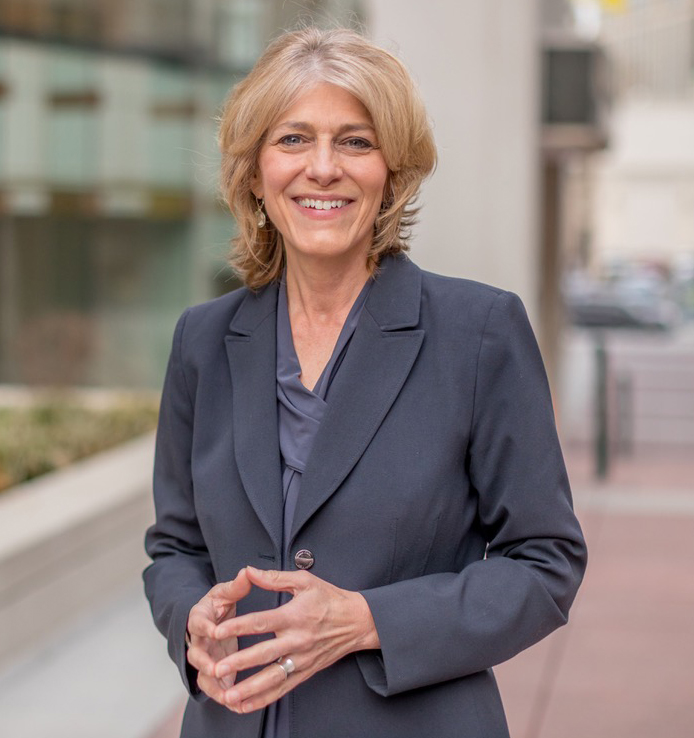
Commonwealth’s Attorney Theophani K. “Theo” Stamos

As a Commonwealth’s Attorney for the past seven years, I have been a progressive pioneer on the front lines of the criminal justice system. Whether it was creating Arlington’s first Drug Court program, supporting the creation of our Second Chance program for our youth, expanding criminal discovery or supporting our Bond Diversion program that works to reduce incarceration rates for offenders suffering with mental illness, I have been a leader.

Arlington is a public safety success story because of programs and initiatives I have led on. Second Chance is a robust drug and alcohol intervention program that has diverted more than 500 kids from school suspensions and prosecutions. Our Drug Court, now in its seventh year, helps those on the other side of the spectrum — adults whose lives have been overrun by the disease of addiction. Both programs are built on the belief that we are better off as a community by diverting these folks and getting them the help they need.

I have been a leader in protecting the rights of LBGT crime victims. Long before state law required it, my office insisted that cases of LBGT intimate partner violence be heard in the Juvenile and Domestic Relations District Court because these relationships deserve equal treatment with other intimate partner relationships in the broader community. And it is through my leadership that Arlington has a state-of-the-art protocol dedicated to improving services to victims of sexual assault which is a model for the Commonwealth.

I have more than three decades of experience promoting progressive values to insure fairness to defendants while never forgetting that the criminal justice system exists to provide justice to victims of crime. I will continue to promote these values if I am fortunate enough to be re-elected your Commonwealth’s Attorney.

Theo Stamos, a life-long Democrat, has served as Commonwealth’s Attorney for Arlington County and the City of Falls Church since 2011.

Parisa Dehghani-Tafti has nearly 20 years of experience in the criminal justice system, as a public defender and innocence attorney who has fixed the system’s mistakes, exonerated innocent people of the most serious crimes, and worked to make the system more fair and accurate. Parisa has lived in Arlington for 12 years with her husband, a Georgetown University law professor, and their two kids who attend public school.

The work week is over and spring is now fully upon us. But this writer worries you all might have missed ARLnow’s very own celebrity encounter in between the start of baseball season and cherry blossoms.

Today (Friday) yours truly was retweeted by none other than Captain Kirk himself.

William Shatner was continuing a spirited exchange about e-bikes that Arlington’s Department of Environmental Services began with the actor-turned-e-bike-enthusist back in November.

Shatner had commended NOVA Parks for lifting its ban on e-bikes on trails. And when asked by this intrepid reporter if he’d let us interview him about his zeal for zoom he didn’t say yes, but he also didn’t say no!

Coincidentally it’s also going to be great weather for biking this weekend: temperatures are expected to reach around 75 degrees by Saturday afternoon.

But we understand if you need to take a minute indoors to catch up on what has been an epically strange news cycle this week. Here are some of the must-read stories worth catching up on:

  1. Traffic Nightmare Continues As I-495 Inner Loop Remains Closed
  2. Arlington Police, FBI Arrest 9 After Prostitution Bust
  3. Drag Is Coming Out of The (Gay Bar) Closet in Arlington
  4. A Pawn Shop in Crystal City is Selling a Pair of Super Bowl Rings and Trophies
  5. Nearly 70 Rats and Mice Rescued from Arlington Hoarding Case Now Eligible for Adoption

Head down to the comments to discuss your worst commuting story, your favorite Star Trek episode or anything else of local interest.


Peter’s Take is a weekly opinion column. The views and opinions expressed in this column are those of the author and do not necessarily reflect the views of ARLnow.com.

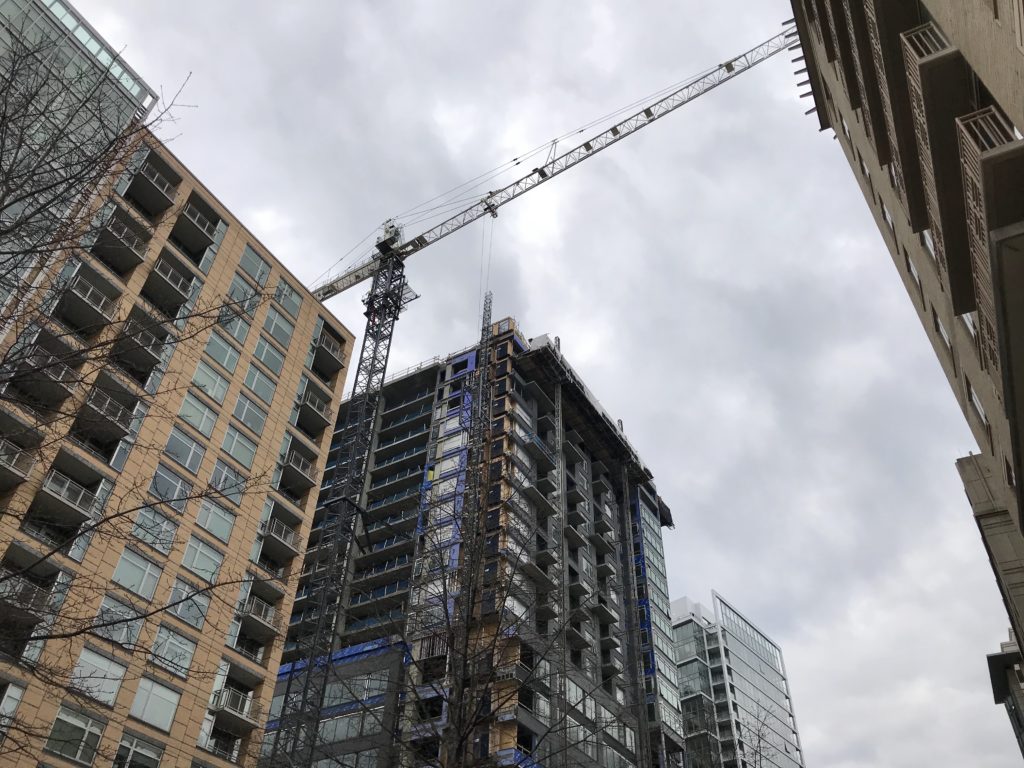
In an earlier column, I discussed an ARLnow.com story quoting County Board members on why Arlington should up-zone major portions of the County to improve housing affordability. (Up-zoning = approving more dense development than permitted by current zoning.)

That column sparked many comments regarding whether up-zoning will have the beneficial effect on housing costs these Board members expect.
A small sampling:

  • S. Sundburg:A 2018 Federal Reserve report, highlighted by Forbes, suggests that housing will be much the same: ‘The implication of this finding is that even if a city were able to ease some supply constraints to achieve a marginal increase in its housing stock, the city will not experience a meaningful reduction in rental burdens’. Add 5% more housing to the most expensive neighborhoods and the rents would drop only by 0.5% and the underlying Fed report can be found here.
  • UrbanNotSuburban:Math. If land values go up 20%, say, but the number of units per acre triples, then the land value PER UNIT declines. It would only go up if land prices tripled, but that doesn’t happen…. The driver is jobs and demand for housing created by those jobs, not density….
  • Dave Schutz:One of the problems we are having … is different specifications of ‘here’. If ‘here’ is Arlington all by itself, we are in a world of hurt, and trampling on the settled expectations of folks who bought in single-family neighborhoods is pretty compelling. If ‘here’ is the DMV, then lots of things are more feasible, because there’re a lot more less expensive building sites.

Like many other jurisdictions, Arlington should deploy tools to measure the fiscal impacts of development

Faced with conflicting arguments about the potential fiscal impacts of major new development projects, or major new policies like large-scale up-zoning, other jurisdictions already are far ahead of Arlington in facilitating an understanding of what those fiscal impacts will be.

Prospective project-specific fiscal impact analyses

Project-specific, prospective fiscal impact statements for each special exception, site plan project were recommended by Arlington’s Community Facilities Study Group in 2015. Such statements would be helpful because they would inject vital, new input into the County’s planning and budgeting. But Arlington’s County Manager and County Attorney have strenuously resisted such analyses for years. They continue to be unwilling to candidly and transparently share their detailed reasoning with the community.

By contrast, most of our Northern Virginia neighbors have been using these tools for years. Examples include the City of Falls Church, Stafford County, and Loudoun County.

(more…)


The Right Note is a weekly opinion column. The views and opinions expressed in the column are those of the author and do not necessarily reflect the views of ARLnow.com.

The next four weeks will be all budget, all the time for the County Board. The Board will hold five work sessions with the County Manager and two public hearings before arriving at the April meeting to approve the fiscal year 2020 budget. The two public hearings provide you with an opportunity to give feedback to the Board about the levels of spending and the level of taxation.

Those who are concerned about items impacted by potential cuts, and some of those who think other spending increases are not enough, will bring a contingent of supporters to speak out at the April 2nd budget hearing. The Board will hear plenty of speeches asking for more money to be spent, and few, if any, asking for spending restraint. Multiple people will “understand budgets are tight” while making their pitch. It is unlikely anyone will point out that a proposed 4.7% spending increase is not really tight.

If past years are any indication, few people will show up to talk about taxes. Last year, it was only nine, and included Clerk of the Court Paul Ferguson. The Board spent most of the hour in recess waiting for their appointed time to expire.

The conventional wisdom percolating out there is that the Board will settle at a tax rate higher than the County Manager’s proposed 1.5% increase and lower than the advertised 2.75%. The higher rate would take nearly 6% more out of your family budget this year, retroactive to January 1st.

If you talk to Arlingtonians from across the political spectrum who are not excited about yet another property tax increase, they will usually tell you something like this, “it doesn’t matter what we say, the Board is going to do what it wants.” But what if 100 people showed up to testify against the rate increase and brought another 100 people to stand with them? The message would be clear, and the Board would not be able to just ignore it.

On April 4 at 7 p.m., you have an opportunity to send a message. You can show up and oppose a nearly 6% tax increase. Otherwise, your only option is to complain about it.

Well, there is a third option. Elect one or two new Board members in November. Sound even harder? Well, John Vihstadt still has not officially announced his plans.


Progressive Voice is a weekly opinion column. The views and opinions expressed in the column are those of the individual authors and do not necessarily reflect the views of their organizations or ARLnow.com.

By Claire Noakes

If you think it is hard getting a reservation at the popular restaurant Komi, you haven’t tried enrolling your elementary school children in the APS Extended Day program. Parents mark their calendars and set midnight alarms because the stakes are high for a limited number of slots. Yet, for two years in a row, the vendor failed, the website crashed and parents became frantic, staying up late at night or missing work to line up in person on registration day.

After being unable to hire a suitable replacement vendor, the Extended Day program chose to end its first come, first serve policy, instead offering enrollment if a student is registered between April 1 – May 15. They instituted a random lottery system at schools receiving more registrations than slots available. Children not enrolled will be on a waiting list.

This lottery creates a random outcome and also fails to address the core issue: demand for Extended Day exceeds the supply of childcare slots. Last year, 271 children were placed on the waitlist because there were not enough slots available, and demand is projected to increase. It’s time to focus on how to better support Extended Day.

Around 4,100 kids participate in Extended Day at 31 Arlington schools, allowing for a seamless handoff before and after the school day, including on early release days. This population is equivalent to filling roughly seven elementary schools.

Yet management of this significant program is anything but seamless. APS operates the Extended Day program, and donates the physical school space, but APS is prohibited by state law from spending a dime of its budget on childcare services. Parents pay fees on a sliding scale to cover operational and staffing costs, but parents can’t buy more physical space from APS to meet the enrollment demand. Arlington County contributes to the cost of building APS schools and subsidizes around $200,000 in sliding fees for lower-income parents, but doesn’t have a direct management role in the program. Under this set up, each stakeholder has limited ability to influence the program in its entirety, and it’s easy for Extended Day to fall through the cracks.

But imagine a world where the program no longer operates:

  • Kids would no longer get a safe, unstructured play opportunity with a large number of their peers. Unstructured play with kids of different ages affords unique social development opportunities that can’t easily be replicated.
  • Parents would lose a reliable, high quality source of childcare aimed at addressing the mismatch between employer schedules and school hours. Finding a qualified individual to care for your kid for just a few hours a day is a logistical nightmare, and individuals get sick or have emergencies. Many parents would have to cut back on hours or forego a needed second income.
  • Commuters could see traffic spike as schools filled up and emptied out completely at bell time, increasing school bus ridership, and traffic and parking management.
  • Arlington County’s Child Care Initiative could experience a setback in improving access, availability and quality of childcare for residents.

The Extended Day program provides excellent value to the community. Arlington County, APS and parents must step up and creatively address short and longer-term concerns.

Could the county offer to run the enrollment process this year? Could the county pay for retrofits of flexible space options (such as interior removable partitions) at schools to allow for classroom space to be converted to meet the higher square footage requirements for child care space? Could PTAs brainstorm with principals and Extended Day staff on how to maximize use of existing physical space? Is new school design helping or hurting the capacity challenges of this program?

Parents won’t be setting their alarms at midnight this year, but there is still plenty to keep us up at night worrying about the Extended Day program. It’s time for all stakeholders to look at structural ways to eliminate waiting lists for this high-impact program that benefits so many Arlington working families.

Claire Noakes lives near the East Falls Church metro station, where she enjoys watching her children chase rabbits away from their vegetable garden.


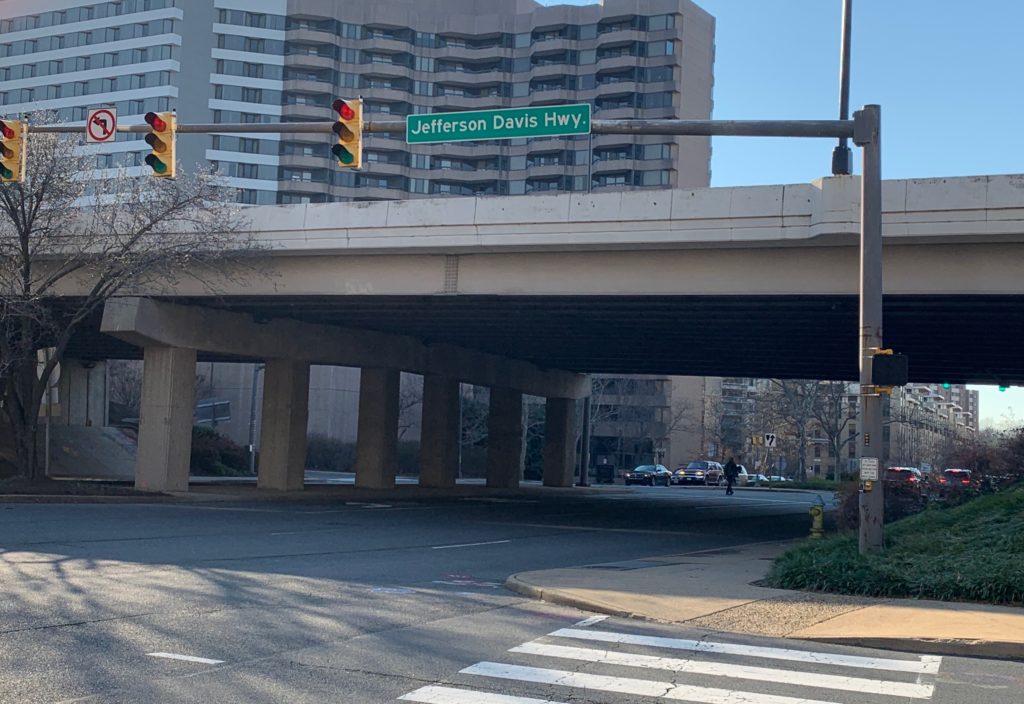
Late last week, a mini legal bombshell dropped: Virginia Attorney General Mark Herring issued an opinion that Arlington County can, in fact, initiate a renaming of Jefferson Davis Highway (Route 1) within its borders.

After years of unsuccessfully pushing for state legislation to allow it, the Arlington County Board can now just go ahead and pick a new name for “J-D Highway” and ask the Commonwealth Transportation Board to make it so, bypassing the change-resistant General Assembly.

Herring’s opinion came at the prompting of local state legislator Del. Mark Levine (D), who cheered Arlington’s newfound ability to request the removal of the Confederate leader’s name from the main thoroughfare through Crystal City and Pentagon City.

County Board Chair Christian Dorsey told the Washington Post that he expects the Board to move forward with a renaming.

So what should Route 1 now be called as it runs through Arlington? The obvious option is Richmond Highway: that’s what it’s already called in Alexandria and what Google Maps has unilaterally decided to label it as of January.

Of course, there will also be those who think that Jefferson Davis Highway should remain named as such, for old time’s sake. And still others may want a completely different name — Jeff Bezos Highway, anyone? (Just kidding.)

What do you think?


It’s Friday everyone! This means the end of a busy week for Arlington with news about everything from transit updates to whether Arlington really does recycle its glass and how Amazon may already be affecting real estate development.

It’s also been a week for Arlingtonians making their voices heard — whether that’s by signing petitions to save high school crew teams or literally singing on The Voice.

Then there’s the weather, from flooding to sunshine — it’s been a rollercoaster. Even the dogs are happier now, at least until the thunderstorm warnings kicked in.

It’s also been a big week for restaurants opening (and closing briefly thanks to electrical outages). Here’s five restaurant-related stories worth checking out:

  1. New Mexican Restaurant TTT Opening Today in Clarendon
  2. The Lot Beer Garden in Clarendon Plans Grand Opening for Next Spring
  3. New Restaurant Coming to Walter Reed Drive ‘Bermuda Triangle’
  4. New-Look Wendy’s Now Open on Route 7
  5. The Pinemoor’ Coming to Former Clarendon Grill Space

What are you eating this weekend? Let us know your weekend plans, and share your thoughts on our stories in the comments below.


Peter’s Take is a weekly opinion column. The views and opinions expressed in this column are those of the author and do not necessarily reflect the views of ARLnow.com.

(Updated: 3/26/19) As ARLnow reported earlier this month, County Manager Mark Schwartz has proposed significant cuts to Arlington’s subsidies for various arts programs:

“Schwartz plans to close the Costume Lab and Scenic Studio Program located at the Gunston Community Center (2700 S. Lang Street), which provide[s] scenery construction space and costume rentals for local arts groups. That will involve laying off two employees who staff the programs, a savings of about $180,000 each year.

The manager also expects to cut funding for its arts grants program by a third, dropping it from about $216,000 to $146,000 annually. The program provides some matching funds to support local artists, and both [2018] County Board contenders [John Vihstadt & Matt de Ferranti] … pressed for increases to the fund.”

It’s commendable that Schwartz has attempted to work through the County budget, looking for excessive or unnecessary spending. Arlington’s poor track record regarding arts subsidies, including the Artisphere, the Signature Theatre bailout, and the Sewage Treatment Plant fence fiasco all show that arts subsidies remain a part of the budget that cries out for serious reforms.

But Janet Kopenhaver, Chair of the advocacy group Embracing Arlington Arts, also has a point when she highlights the magnitude of the cuts (about $500,000 out of $5.2 million) that the arts subsidy budget is being asked to absorb for FY 2020: “we remain stunned at the very high proportion the small arts budget is being asked to shoulder.”

Arlington needs a 21st century arts subsidy policy

The controversy over the Manager’s proposed cuts to Arlington’s arts subsidies exposes a larger problem: Arlington lacks a coherent 21st century arts subsidy policy–a set of easily understandable principles against which proposed cuts and proposed new spending alike can be measured.

Instead, Arlington has a confusing patchwork quilt of programs, initiatives, studies, task forces, and partial policies that make it impossible for the ordinary Arlington resident to understand when, how, and under what circumstances taxpayer money will be used or refused to promote the arts in Arlington.

Can you explain to the ordinary Arlington resident how these things fit together into a coherent statement regarding the principles County government will follow in subsidizing the arts?

A 21st century arts subsidy policy should reflect current fiscal realities

Arlington is facing a completely different fiscal environment in 2019 than it did in 1990, such as the capacity crisis in our public schools and our lack of adequate unprogrammed open green space for our surging population.

Current fiscal realities require that core services should receive priority

I strongly favor an appropriate level of continued County government public subsidies for the arts. But the arts are not a core government service in the same way as schools, parks, roads, sewers, and public safety. Because the arts are not core government services like these, the County Board should prioritize public spending for schools, parks, roads, sewers, and public safety. Is that what Mark Schwartz is doing with his proposed arts subsidy cuts? We can’t tell because we don’t have an easily understandable statement of arts subsidy principles against which to evaluate Schwartz’s proposed cuts.

Conclusion

After first utilizing the highest level of its public engagement guide, the Arlington County Board should adopt a 21st century arts subsidy policy.

Boston only adopted its impressive arts plan after a year-long public engagement period. Arlington should follow this public engagement example to determine the right balance for Arlington between private and public support for the arts.

Perhaps the County could create such a page by expanding the listing to include all other County subsidized arts activities that are NOT currently listed. To begin this critical, transparent community conversation, the County Board promptly should direct the County Manager to publish on one dedicated website a comprehensive, easily understandable listing of all current county-subsidized arts activities and the dollars they receive.

Arlington should not try to replicate arts options that are easily accessible elsewhere in the region. But maybe Goody’s could get its mural back.


The Right Note is a weekly opinion column. The views and opinions expressed in the column are those of the author and do not necessarily reflect the views of ARLnow.com.

Apparently, there is a rumor being spread in our schools that staff positions are being cut next year because of the most recent vote of the County Board “to give $23 million to Jeff Bezos.” Whether you agree with Arlington’s decision to give incentives to Amazon or not, the claim deserves further examination.

First, the money being granted to Amazon comes by way of an increase in transient occupancy tax revenue which is being attributed to Amazon’s arrival. It amounts to $22.7 million over 16 years out of a total of $342.3 million in new tax dollars estimated to be generated by Amazon. It is not $23 million being given away out of next year’s budget. Moreover, if the estimates are correct, over the long haul APS will receive even more funding than it otherwise would without Amazon’s presence.

Second, nearly half of that money is anticipated to go to Amazon in years 13-16. That means the impact of the Amazon grants on the total budget for next year is minimal, even less so when weighed against another closeout windfall APS is almost certainly guaranteed to receive in November.

Third, the APS budget is increasing by 4.9% to $671.6 million next year or $23,569 per student. Proposing any reductions in current positions is nothing more than a reflection of the Superintendent’s priorities in light of a healthy and growing budget.

I have written against Tax Increment Financing in the past as I prefer to have any project stand on its own funding merits when weighed against other priorities. This is particularly true as we have had a history of borrowing to pay for basic infrastructure maintenance, and we have the continued need to address increasing school enrollment. I would also prefer that policy changes directly benefit all Arlington businesses, existing and new. However, the claim that Jeff Bezos is to blame for any cut in Superintendent Murphy’s 2020 budget proposal is misleading at best.

If you want more facts, for or against the Amazon deal, you can read the full County Board report. Page 13 of the staff presentation also has a graph which shows the long term revenue growth and the amount being given to Amazon.

Mark Kelly is a 19-year Arlington resident, former Arlington GOP Chairman and two-time Republican candidate for Arlington County Board.


Progressive Voice is a weekly opinion column. The views and opinions expressed in the column are those of the individual authors and do not necessarily reflect the views of their organizations or ARLnow.com.

By Daniela Hurtado

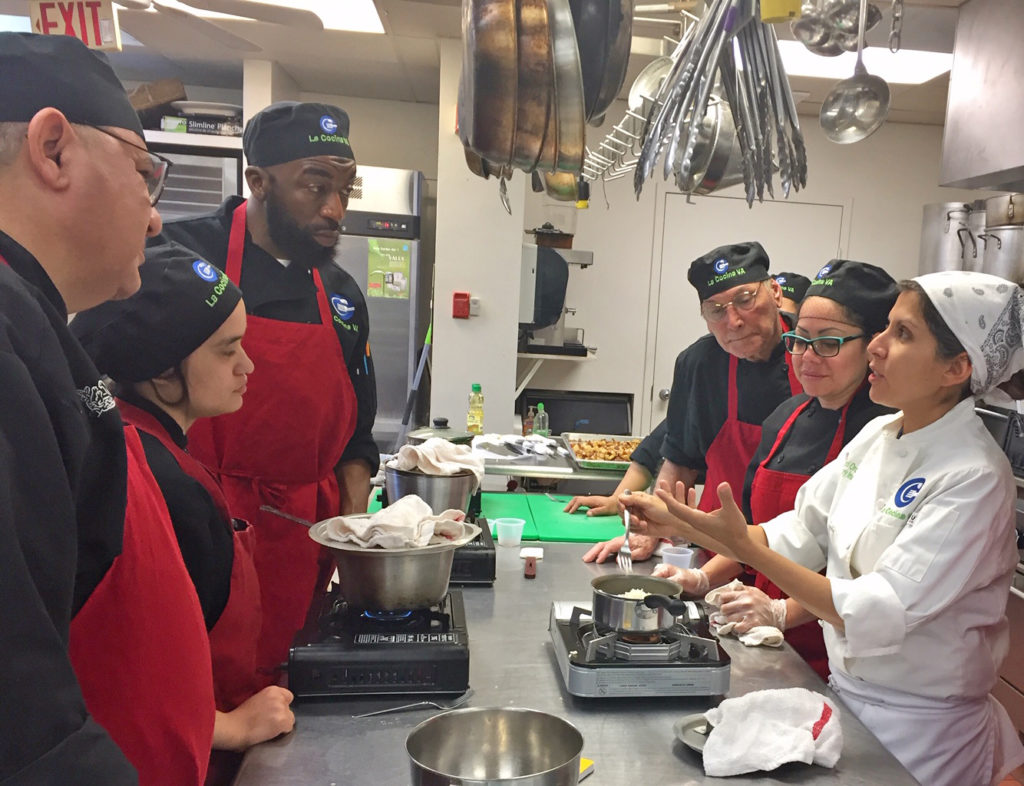
When chef Sol Orozco looks at her culinary class, she sees faces full of hope and promise. Her students range from ages 19 to 78, from Bolivians to Palestinians, and they are all looking for better-paying jobs and a path to self-sufficiency. La Cocina VA, a culinary training program housed in a church kitchen, offers that. It quickens the route by which low-income workers can get higher-skilled jobs and improve their English.

“I was excited, I saw this as an open door for me,” says Rahel Kassa, who has lived in Arlington since 2013. Another student, Dawud Abdul-Wakil, born and raised in Arlington, says, “I am learning how to be successful, I am changing who I used to be, to who I want to become.”

At no cost to the students, the 16-week non-profit program prepares unemployed or underemployed people for careers in the food service industry. Its track record is solid: 85% job placement and 78% still employed after two years. These jobs offer hourly rates from $14.30 to $21.00, provided by more than 50 employer partners.

“By using the power of food, we can generate opportunities for social and economic change,” says founder and CEO Paty Funegra. “Workforce, unemployment, lack of entrepreneurship opportunities and healthier eating are problems that we are solving in sustainable ways.”

While some students have previous kitchen experience, the most important quality La Cocina VA looks for is “their work ethics, like being on time. They have to be open, humble, willing to learn,” says Orozco.

Most of the classes take place in the kitchen of Mt. Olivet Methodist Church in Arlington, with 10 or so red-aproned students intently watching Orozco demonstrate everything from knife skills to how to “make a proper rice pilaf.” Making meals, Orozco doles out rapid-fire instructions and responsibility.

“This chicken is burning — who is the owner of this chicken? Check the temperature!”

“Same size, watch for same size when you’re cutting those vegetables.”

When the program started from scratch in 2014, Mt. Olivet was an original sponsor. Since then, corporate partners Wegmans, Capital One, Wells Fargo, Nestle and more have supported the effort. Chefs, nutritionists and business development experts helped dreams take off. Nearby restaurants and hotels, such as Hyatt Regency Tysons Corner, Alexandria Restaurant Group, Hilton Hotels, Wegmans and Sodexo, offer a week of “shadowing” experiences so students can see first-hand what a commercial kitchen’s pressures feel like. They also provide a one-month paid internship.

A workforce development instructor teaches students employment readiness, such as a positive work attitude and techniques for successful job interviewing. Students also improve their English-speaking abilities, through classes customized for the culinary workplace, and complete a ServSafe course on food safety and sanitation.

Now La Cocina VA has branched out to preparing healthy meals for low-income families. Students make 10,000 meals a year for families living in a homeless shelter in Arlington or in affordable housing managed by Arlington Partnership for Affordable Housing (APAH). These healthier meals contain at least 50% fruits and vegetables, aiming to help reverse obesity among people receiving the meals.

Another new effort is La Cocina VA’s Zero Barriers Training and Entrepreneurship Center, now being built on Columbia Pike. It will triple the organization’s capacity to serve people from the immigrant community, other people of color and veterans. They can more likely become entrepreneurs since they will get commercial kitchen space, training, and exposure to micro lending and distribution opportunities. The organization also wants to create a self-sustained model by providing catering services for private events and local contracts as well as opening a community kitchen and its own line of food products.

That would be another chapter in progressive values at work, building economic development and self-sufficiency. Or as Funegra says, “By using the power of food, we can help people get on a more solid economic footing and create a healthier community at the same time.”

Daniela Hurtado has been the programs manager of La Cocina VA since 2017. She has worked more than 15 years in the culinary education field and the nonprofit sector.


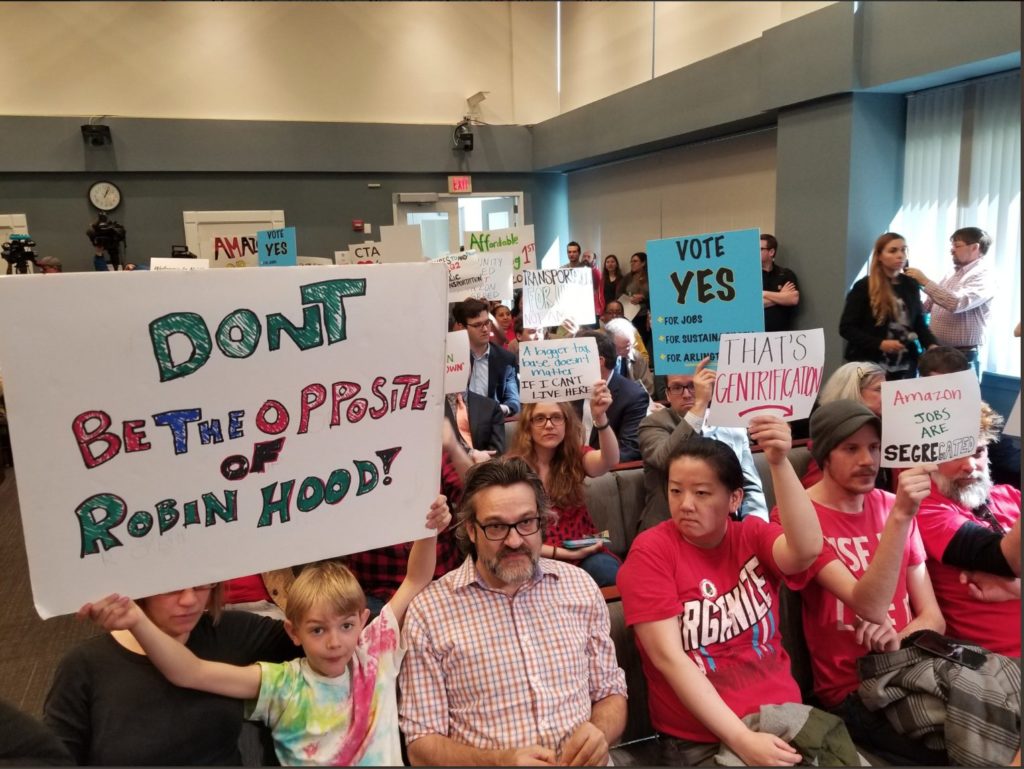
Over the weekend, the Arlington County Board voted unanimously to approve an incentive package that will help bring Amazon and its expected 25,000 or so jobs to the Pentagon City and Crystal City areas.

The approval followed impassioned public testimony from about 100 speakers.

Those in favor of the incentives, which include an estimated $23 million over 15 years from an expected rise in hotel tax revenues attributable to Amazon’s presence, says it’s a small price to pay for one of the biggest economic development prizes in a generation. Amazon, proponents say, will bring thousands of good jobs to the area and act as a magnet for other employers considering their next destination.

Those against the incentives say sending any tax revenue to one of the world’s largest companies, led by the world’s richest man, is a particularly egregious form of “corporate welfare.” That’s doubly so given Amazon’s oft-criticized treatment of its warehouse workers and the effect the company is having on brick-and-mortar retailers, critics say. Also, Amazon’s arrival may bring with it higher housing prices that could push out lower-income residents.

In the end, the Board decided that the benefits outweighed any potential negatives. Do you think they made the right decision?


View More Stories