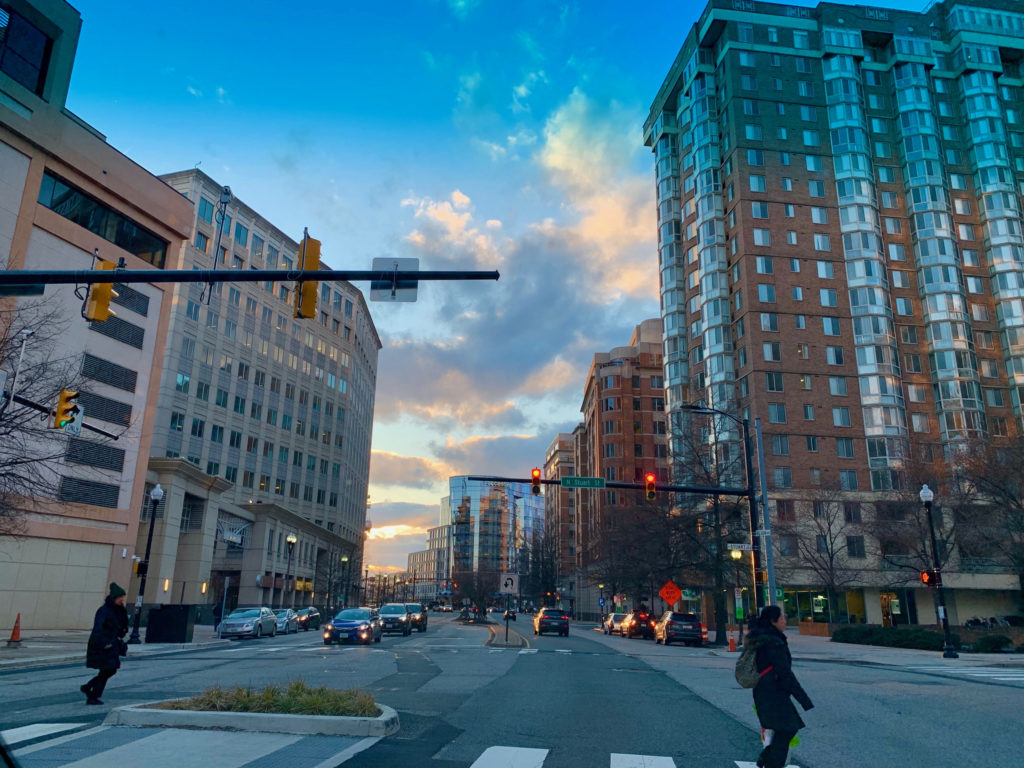
(Updated at 10 a.m.) Well folks, the warmer weather is now officially upon us. No more shall we have to shoulder our coats and mitten our hands — except for maybe this weekend when temperatures are expected to dip down into the low 30s after nightfall.

While this placates cold weather lovers like yours truly, I urge everyone to dress warm whether you’re spending your weekend watching, protesting or cheering on Saturday’s Amazon County Board vote, participating in the police’s anti-drunk driving event, or St. Patricks’ Day many anti-sober events.

When in doubt, I hear #weatherpupdates has the hard-hitting updates you need.

In other news, our dearly departed Alex Koma is now officially with the Washington Business Journal. But Koma’s spirit lives on in a 3,200-word-blockbuster investigation into the county’s bitter battle over golf course taxes — just in time for National Sunshine Week which celebrates public information laws.

Other must-reads from this week include:

  1. Virginia Hospital Center Prepares to Close Glencarlyn Childcare Center, Leaving Parents ‘Panicking’
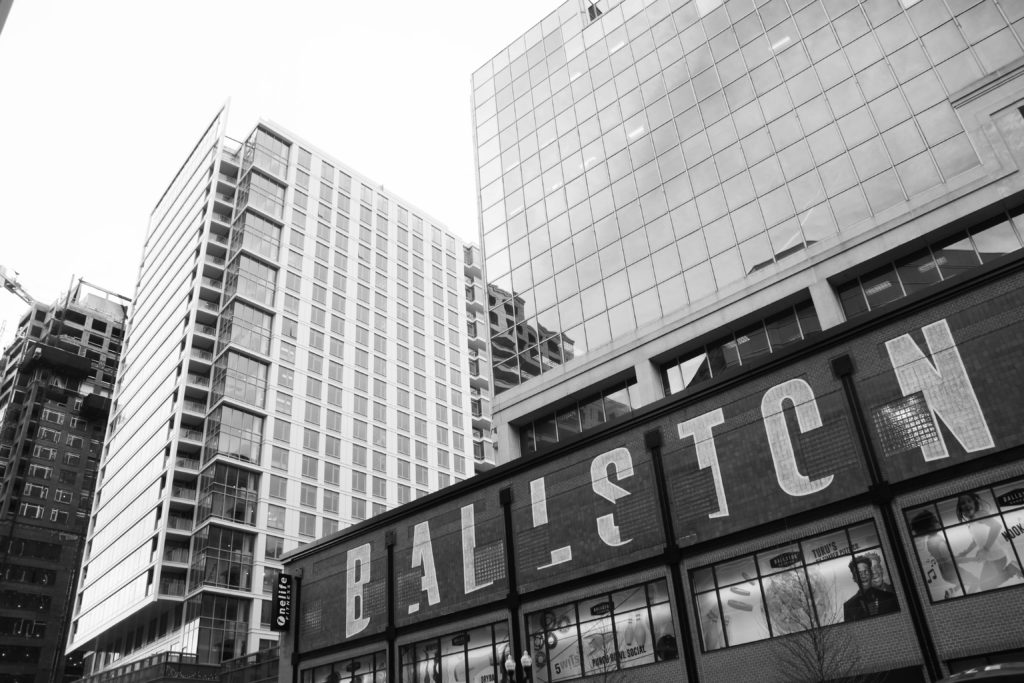
  2. Two New Restaurants Open in Ballston Quarter’s Food Court, With Others Nearly Ready for Diners
  3. Clarendon Restaurant Le Kon Closed, With Plans to Reopen as ‘La Finca’
  4. Plans Drawn Up for New, Six-Story Senior Living Center Along Lee Highway
  5. Man Electrocuted During Fall at Columbia Pike Apartment Building

Let us know what you think of these and other local stories, and what your plans for the weekend are in the comments below. And a big thank you to all our readers who welcomed me to Arlington this week!


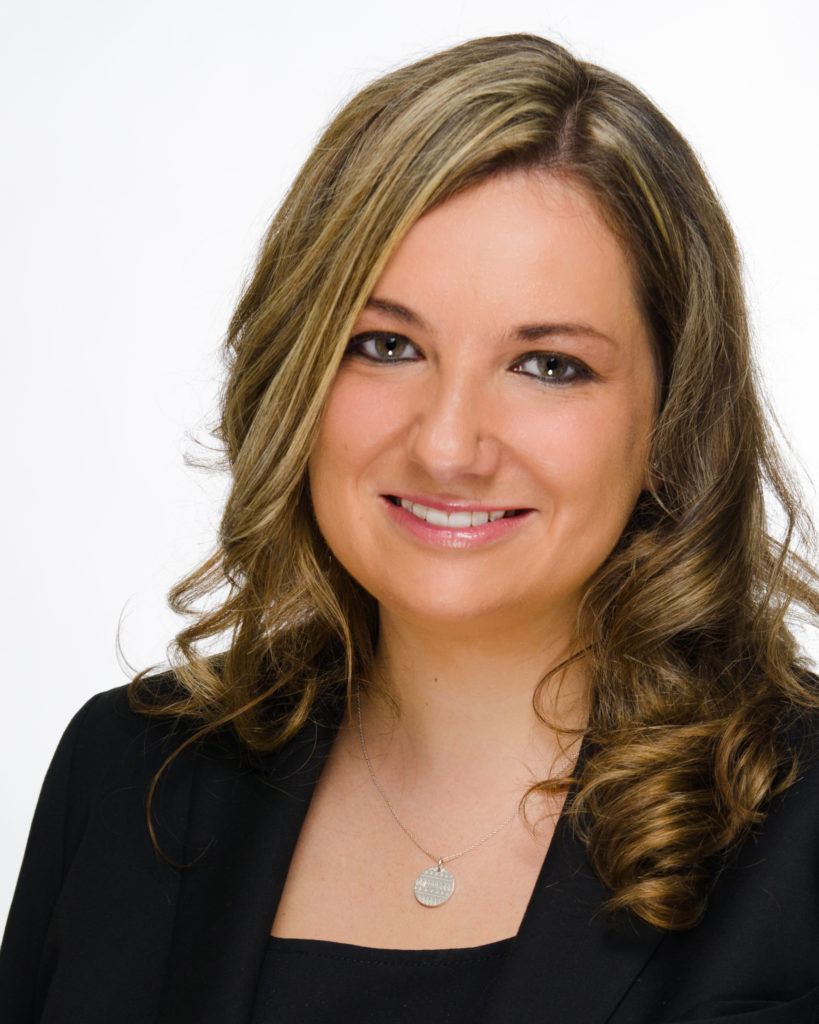
The following Letter to the Editor was submitted by Arlington Chamber of Commerce President Kate Bates, who writes in support of passing the county’s incentive deals made to motivate Amazon to open its new headquarters in Crystal City and Pentagon City.  

The Chamber is a non-profit which advocates for 750 county businesses and organizations, which includes Amazon as of December. The Chamber has written several letters to County Board members and the Virginia General Assembly over the last year in support of bringing Amazon to the region, and to urge officials to pass state and local tax incentives. 

The County Board will vote on Saturday for their incentive package finalizing Amazon’s plans to move to area.

It’s an exciting time for Arlington. On Saturday, the County Board will vote on the performance agreement for Amazon’s headquarters. Approving this agreement is a powerful statement that Arlington is open for business and we are no longer solely a government town, but a magnet for innovation in all sectors. Welcoming Amazon to Arlington will create opportunities for residents and businesses. The community as a whole will benefit from the jobs, economic activity, and innovation that Amazon will bring to Arlington. The performance agreement is a good deal for Arlington.

Economic Well-being

Amazon’s commitment to Arlington will provide us with balance; adding business diversity will strengthen our local economy. The job losses from BRAC and sequestration, and the uncertainty of the recent shutdown have shown that we cannot rely on the Federal Government alone for our prosperity. Amazon gradually adding 25,000-37,850 private-sector jobs will replace the 24,000 federal and contractor jobs lost in the Crystal City area over the past two decades.

Amazon’s presence will solidify Arlington as an innovation hub. Having Amazon as an anchor will help Arlington and Northern Virginia attract innovative companies. A robust job market will provide opportunities for our young people to succeed here, in the community where they are growing up and getting their education. Our local businesses expect Amazon’s arrival and the resulting diversification in our local economy to help them thrive.

Incentives

Arlington Economic Development crafted a groundbreaking incentive package that truly invests in Arlington’s future. The overwhelming majority, 95%, of the Arlington incentive package comprises investments in our community through housing, transportation, and infrastructure. The incentive payment to Amazon, the other 5%, depends Amazon hitting their established benchmarks for office space.

The direct financial incentive to Amazon is funded through a fraction of the growth in the Transient Occupancy Tax, a tax paid by guests staying in Arlington’s hotels. Tying Amazon’s direct incentives to revenue growth ensures that payments will not divert money from other priorities. Focusing on the Transient Occupancy Tax means that taxes on Arlington residents and businesses will not fund these incentives and that Amazon will receive these payments only if our hoteliers grow their businesses too.

Community

In the months since the announcement, Amazon has shown they want to be a part of the Arlington community. Amazon is already engaging, joining the Chamber and meeting with businesses, nonprofits, and community groups to build long-term relationships. Amazon’s Director of Community Engagement met with more than 50 leaders from Arlington nonprofits at a Chamber-hosted gathering, and senior Amazon team members have attended many community events. Amazon’s culture values making direct change; we look forward to the prospect of thousands of innovative people participating in our community.

The Amazon headquarters announcement has focused Arlington on our transportation, housing, and school funding challenges, all of which predate Amazon. The redevelopment of the Crystal City area will bring the transportation infrastructure improvements and amenities envisioned in its sector plan. Approving this agreement will help secure Arlington’s fiscal health and provide tax revenues to help the community address these challenges.

This is an historic moment for Arlington. The establishment of Amazon’s headquarters offers Arlington a unique occasion to strengthen our economy, to create opportunities for residents, and to improve the County’s fiscal position. We look forward to working together as a community to seize the opportunities that welcoming Amazon affords to all of Arlington.

ARLnow.com occasionally publishes thoughtful letters to the editor about issues of local interest. To submit a letter to the editor for consideration, please email it to [email protected]. Letters may be edited for content and brevity. 


Peter’s Take is a weekly opinion column. The views and opinions expressed in this column are those of the author and do not necessarily reflect the views of ARLnow.com.

As Arlington continues to prepare for Amazon’s arrival, justified concerns have been raised about the impact of Amazon’s coming here on our environment, our parks, and our schools.

Concerns relating to the environment take place in the context of a Virginia legal system that reserves to the state, rather than municipalities like Arlington, many decisions regarding regulation of products and practices that harm our environment.

Today, I’m focusing on some promising new community initiatives that highlight the environmental threats posed by some of these products and practices. I’m not focusing on whether the appropriate response to any particular environmental threat should be:

  • citizen or regulatory action
  • in Arlington or Richmond
  • some combination of the above

Film screening of “StyrofoamMom” — a locally produced documentary

On Saturday, April 6, from 5:30 to 8:30 pm, a group of organizations are sponsoring a dinner and open-house reception featuring a showing of a locally produced documentary, “StyrofoamMom.”

StyrofoamMom is a name given to Miriam Gennari, an Arlington resident, by Chris Zimmerman, a former County Board member, when she caught him eating from a Styrofoam® container. Gennari ran for School Board in 2013 focusing on environmental stewardship and literacy in Arlington Public Schools.

Gennari has been advocating the Arlington County government for 10 years, asking our government to develop policies and strategies regarding Arlington’s most ignored single-use plastic, expanded-polystyrene. Her hope in sharing the film is that with new student leadership, she can hand the microphone over to the youth of Arlington and the region, to work with government and business leaders to finish the job properly.

Film production

StyrofoamMom was made with critical support from Arlington Independent Media (AIM) and its state-of-the-art studio, video and sound equipment, as well as the talents of hundreds of volunteers. At the event AIM will announce its decision to bestow two local student scholarships. This new “green crew” will be taught filmmaking and will produce environmental films in multiple languages. Students will be trained in studio, field, editing and radio production.

Participating organizations

The dinner, reception, and film are being organized and sponsored by Eco Teen Action Network, supported by Global Co Lab Network and Smithsonian Conservation Commons, together with student environmental clubs, organizations and business leaders.

The Global Co Lab Network is a local Arlington non-governmental organization created to focus experts and stakeholders on youth and their ideas for change.  Utilizing living room gatherings or “Co Labs,” combined with virtual rooms or “Dream Hubs”, the Global Co Lab Network is working with the Smithsonian Conservation Commons to build a local and global network of teens. The Network will showcase its efforts at the 50th anniversary of Earth Day at the Earth Optimism Summit in Washington, DC. in April 2020.

Event host JBG SMITH

The event and film screening will be hosted at a JBG Smith building in National Landing. For JBG Smith, hosting this event demonstrates a willingness to encourage young people’s interest in discussions regarding sustainability. The reported sustainability values expressed by both Amazon and JBG Smith have been driven by consumer demand. With universities investing in the area, bright and creative minds will be coming together to discuss the complexities of building a mega community and the waste and pollution it could produce if not carefully planned.

Conclusion

The Global Co Lab Network is sponsoring the April 6 event to highlight its goal to empower the next generation to address environmental issues.  Arlington has not made this a priority, but it should. Global Co Lab Network has observed that there are very few environmental clubs at schools in Arlington compared to other places. This is unfortunate since we are a county that prides itself on our green environmental culture.

Amazon’s new HQ at National Landing, together with the new talent it has the potential to attract, can bring together a new focus on environmental sustainability and specific plans to achieve it.

Arlington must decide which priorities are most important to it, and how those priorities will be implemented. The April 6 event will combine the new perspectives of young people, veteran activists, and other partners who can work together to make Arlington a green, healthy, sustainable county that will serve as an example in the United States.

More information is available herehere and here. To attend the event, register here.

Peter Rousselot previously served as Chair of the Fiscal Affairs Advisory Commission (FAAC) to the Arlington County Board and as Co-Chair of the Advisory Council on Instruction (ACI) to the Arlington School Board. He is also a former Chair of the Arlington County Democratic Committee (ACDC) and a former member of the Central Committee of the Democratic Party of Virginia (DPVA). He currently serves as a board member of the Together Virginia PAC-a political action committee dedicated to identifying, helping and advising Democratic candidates in rural Virginia.


The Right Note is a weekly opinion column. The views and opinions expressed in the column are those of the author and do not necessarily reflect the views of ARLnow.com.

For years, I have advocated for eliminating the anti-business Business, Professional and Occupational License or BPOL tax.

Now comes news that Arlington officials are looking for a way to slash the tax for Amazon, or eliminate their requirement to pay altogether.

The BPOL is a tax levied by Arlington County for the privilege of doing business here. And it takes 37 pages of the county code to explain. The simple version it that the BPOL is a tax based on gross receipts, not on profits.

So, if you operate a business with high revenue, but relatively small margins, it can take a chunk out of your bottom line.

The county manager is estimating that BPOL will bring in $67.5 million to Arlington next year. As residential taxpayers stare down another substantial tax increase this year, we should certainly not be asked to pay even more.

But, if the County Board wanted to attract more business to fill empty space, they could phase out the BPOL over the next three to five years. They could “pay for” it by holding the overall rate of spending growth to inflation plus population growth.

If that is not enough, they could designate a portion of their closeout spending each year to make up the difference.

If the BPOL is not good for Amazon, it’s not good for any Arlington business.

Speaking of the County Board, Chairman Christian Dorsey formally announced his bid for re-election this past week. Dorsey’s campaign theme is “equity,” which is no surprise since it was the main buzzword in the speech he gave to kick off his year as chairman.

Dorsey’s old campaign website seems to be offline and his Facebook page (as of writing this column) has not been updated since he called for the resignation of Gov. Ralph Northam. So, there is really no substance available to back up his announcement.

It is hard to be against a guy who says he is for a word that means fairness, but it would be nice to get some specifics.

Mark Kelly is a 19-year Arlington resident, former Arlington GOP Chairman and two-time Republican candidate for Arlington County Board.


Progressive Voice is a weekly opinion column. The views and opinions are those of the individual authors and do not necessarily reflect the views of their organizations or ARLnow.com.

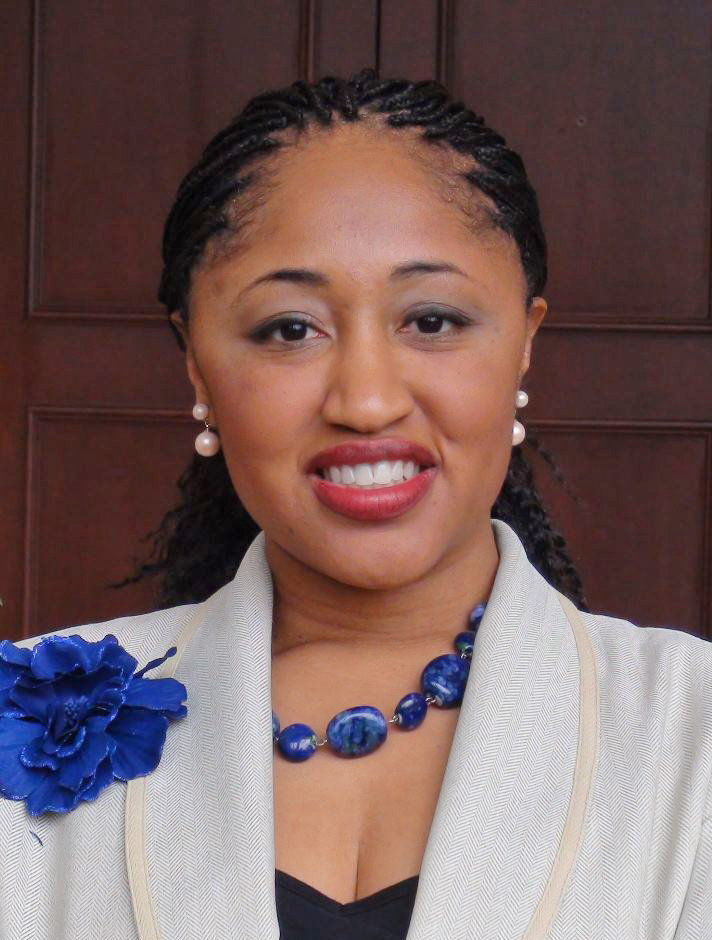
By Krysta Jones

Growing up as a Black girl in the 1980s and 1990s in the American South, I would not have described myself as a victim of racism. I know that my family members and I have been beneficiaries of affirmative action and outreach programs which were critical in giving Blacks and other minorities equal footing. Yet despite my personal experiences and our progress as a nation in a number of areas, racial disparities still exist.

In the wake of the revelations that Gov. Ralph Northam and Attorney General Mark Herring posed in blackface, there has been renewed conversation about racial equity and healing. Dialogue on this issue is critical, and a necessary part of how we ensure current and future generations of Black Americans have the opportunity to succeed.

Diversity training combined with the “rising tide lifts all boats” mentality, which has been traditionally employed, can only get us so close to achieving the American dream. The remnants of the peculiar institution of slavery still exist throughout our laws, our culture and our collective psyche. It permeates norms and traditions that are passed down in families. True racial healing is a massive undertaking which can’t be achieved in a few years (or apparently 50+). Northam can continue past gains by focusing on a few key areas.

  • It is no secret that pre-Kindergarten is a critical time for learning. By continuing to invest in early childhood education for Black children, we can start them off with the skills they need to succeed throughout their lives.
  • According to the Economic Policy Institute the average wealth for white families is seven times higher than the average wealth for Black families. And a recent study called The Racial Wealth Gap: Why Policy Matters co-authored by Demos and the Institute on Assets and Social Policy, noted that an increase in the minimum wage  and a direct federal job creation program could help eliminate the racial wealth gap. Virginia could implement a similar program at the state level.
  • Reducing sentencing disparities in the criminal justice system is yet another concern. In Virginia, the problem is particularly acute with probation violation sentencing. In 2015, a Daily Press review of records found that 13.7 percent of probation violation charges against Blacks are dismissed or dropped versus 19.2 percent for whites.
  • Health should also be a focus. In addition to expanding Medicaid and moving forward with recent commitments to decrease the number of Black women who die in or near childbirth, mental health care should also be prioritized. While there is more attention focused on mental health care today, what is not always discussed are the effects of persistent racism on the psychological state of the Black community.
  • Increased political leadership provides a greater opportunity for representation at our decision making tables that is also essential for achieving racial equality. In 2006, I founded Vote Lead Impact (VLI) to increase the number of Black elected and appointed officials throughout the commonwealth. Our model includes not only education on civic engagement and campaigns in a typical classroom setting, but also incorporates mentoring, scholarships, networking and a support system for the Black political community.

In 2018, I held focus groups with Black and white women to discuss common challenges that women often have in building relationships with each other across racial lines. In these gatherings I could feel the weight being lifted off the women. There was a mutual acknowledgement of common struggles and a satisfaction in knowing they were able to be themselves in a space where they often have to pretend. The stereotypes we hold also affect how we treat each other, which has psychological and tangible effects. As Virginia moves forward, our plan of action should be holistic, including policy positions and proven templates for difficult conversations.

You hear a lot about “white guilt.” The best way to repay Black Virginians for the years of slavery and oppression is to implement real policies that allow our children to look back and thank us for what we did today, by ending the rhetoric and fulfilling the American dream which was promised to us as a commonwealth and a nation.

Krysta Jones is Founder and CEO of Vote Lead Impact, Inc., and a graduate of Leadership Arlington, the Sorensen Institute of Political Leadership, and the Women’s Campaign School at Yale.


You might’ve spotted some snow flurries today, but this weekend figures to feature a major warm-up.

Though temperatures may remain a bit chilly through Saturday, the forecast includes rising temperatures up to the 50s by tomorrow afternoon. By Sunday, things could even make it to the 60s and 70s.

That makes it a fine end-of-winter weekend to check out one of the many events on our event calendar.

Or if you need to catch up on our most popular stories from the past week, look no further:

  1. Arlington Couple Featured on Episode of HGTV’s ‘House Hunters’
  2. New Polling Ranks Arlington Among Country’s Most Politically Intolerant Counties
  3. Arlington Once Again Ranked ‘Best City to Live in America’
  4. Ballston Quarter Food Court Opens to Customers, Though Just One Restaurant is Serving Meals
  5. Police: Man Broke into Apartment, Kissed Sleeping Woman on the Cheek

Head down to the comments to discuss these stories, your weekend plans or anything else local. Have a great weekend!

Flickr pool photo via Tom Mockler


Peter’s Take is a weekly opinion column. The views and opinions expressed in this column are those of the author and do not necessarily reflect the views of ARLnow.com.

On Feb. 23, the Arlington County Board voted to advertise a 2.75-cent real estate tax-rate increase for calendar year 2019.

As ARLnow.com reported:

“Board members hoped to add an extra penny to the tax rate beyond Schwartz’s proposal, generating an extra $7.8 million to dedicate specifically to schools.”

Since APS already receives about 47 cents out of every locally generated tax-revenue dollar, under its revenue sharing agreement with the county, APS will automatically receive about $5.5 million from the 1.5-cent tax-rate increase originally recommended by the County Manager.

If the full, advertised 2.75-cent tax-rate increase were to be approved, generating an estimated total of $21.4 million, APS would receive $13.3 million — 62 percent of the additional tax revenue being generated.

The 2.75-cent tax-rate increase, if adopted, will be applied on top of higher 2019 home assessments, an average increase of 2.9 percent. For example, a home assessed at $800,000 in 2018 accrued an $8,048 real-estate tax bill; that home would be assessed at $823,200 in 2019, and the tax bill would grow to $8,508.

The advertised tax-rate increase exposes an unresolved structural problem

For purposes of this column, I won’t discuss such important issues as whether the County Board should have advertised a lower tax rate in order to impose greater fiscal discipline. Nor will I discuss whether any specific APS operating-budget expenditure is justified.

In designating 62 percent of new revenue (generated by the 2.75-cent advertised tax-rate increase) to APS (even though APS is entitled to receive only about 47 percent of locally generated tax revenues), the County Board is tacitly acknowledging that APS’s operating budget, as currently structured, is growing faster than the county’s own operating budget.

But neither the School Board nor the County Board are publicly acknowledging or explaining the long-term fiscal impact of APS’s operating-budget growth. Instead, both boards continue to treat APS’s relentless budgetary increases as one-time events that require a simple one-time fix. Or, as APS Superintendent Patrick Murphy put it recently, “take a breath, look at this one year, and see if these patterns begin to play themselves out over a long period of time.”

We can already see how these “patterns” are playing out in our tax bills. Let’s examine some of the future implications.

Long-term enrollment growth = long-term budget growth

The latest APS enrollment projections released on Jan. 24 expect enrollment to swell from the current 26,400 students to 33,000 by 2028, an increase of 25 percent. Under Superintendent Murphy’s proposed FY2020 budget, presented to the School Board on Feb. 28, APS’s per-pupil expenditure is estimated to be $20,012.

If that $20,012 per-pupil expenditure level remains constant, it will add $132,079,200 to APS’s operating budget by 2028 — solely to support the 6,600-student increase in APS enrollment.

Below are some figures that help explain the significance of this $132,079,200 increase in APS operating costs, attributable solely to enrollment growth:

  • It will require an additional tax-rate increase of at least 17 cents — so a home assessed at $800,000 in 2018 (and $823,200 in 2019) will have a tax bill of at least $9,907 in 2028, even if there were NO additional assessment growth (highly unlikely) between 2019 and 2028.
  • If assessments grow by an average of 3 percent per year from 2019 through 2028, the tax bill on that home will increase to $12,879 by 2028.

Conclusion

On its current trajectory, the APS operating budget will, over the next 10 years:

  • shift tens of millions of dollars away from other essential county services and
  • require painful, annual tax-rate increases solely to fund school enrollment growth.

Both County and School Boards must publicly acknowledge this reality now, before a fiscal crisis occurs. Continuing to pretend each year that school budget increases are unique, one-time events is untenable. The two boards must publicly:

  • acknowledge the long-term budgetary consequences of enrollment growth on the county’s own budget and
  • engage the community in an honest dialogue about the difficult trade-offs and choices that must be made in order to stabilize spending and put Arlington’s operating budgets on a long-term sustainable footing.

A reality-driven plan of action is the only way to safeguard Arlington’s financial stability, protect the most vulnerable members of our community and maintain a reasonable quality of life for Arlington residents.

Peter Rousselot previously served as Chair of the Fiscal Affairs Advisory Commission (FAAC) to the Arlington County Board and as Co-Chair of the Advisory Council on Instruction (ACI) to the Arlington School Board. He is also a former Chair of the Arlington County Democratic Committee (ACDC) and a former member of the Central Committee of the Democratic Party of Virginia (DPVA). He currently serves as a board member of the Together Virginia PAC-a political action committee dedicated to identifying, helping and advising Democratic candidates in rural Virginia.


The Right Note is a weekly opinion column. The views and opinions expressed in the column are those of the author and do not necessarily reflect the views of ARLnow.com.

Arlington School Superintendent Patrick Murphy made news this week by proposing his “first” budget in excess of $20,000 per student. Except it is not.

The Fiscal Year 2019 APS adopted budget was $640.1 million. So, per student cost for the current year is $23,331 based on an enrollment of 27,436 (which was nearly 600 students less than the initial enrollment projection).

The proposed Fiscal Year 2020 APS budget is $671.6 million. Enrollment for the year is projected to be 28,495. So, per student cost is projected to be $23,569 not the $20,012 reported by Murphy. This per student cost is expected to rise if enrollment projections are once again higher than actual.

To put it another way, the difference of $3,557 per student at 28,495 students is $101.4 million. That means if the per student cost were actually $20,012, the total school budget would be $570.2 million, not $671.6 million. Undoubtedly, there is a reason APS annually claims the per student cost is regularly $3,500 less than the actual cost. However, they never publicly explain the substantial discrepancy which has now reached $101.4 million in the overall budget.

Murphy also claims he has trimmed the budget by $10.1 million. The projected budget grew by 4.9 percent over last year, so it would have grown by 6.4 percent without the “reductions.”

And how does our per student spending compare to our neighboring jurisdictions? Using Murphy’s math, we are currently spending $804 more than Falls Church, $1,742 more than Alexandria and $3,251 more than Fairfax County.

Also this week, a new study has found that Arlington is the most politically intolerant counties in America. And it is the Democrats who are more likely to be dismissive of Republicans, not the other way around.

For years, Democrat candidates for office have talked about the importance of an inclusive and diverse community. We now know what we suspected for a long time. That philosophy applies to everything except for diversity of political thought.

Mark Kelly is a 19-year Arlington resident, former Arlington GOP Chairman and two-time Republican candidate for Arlington County Board.


Progressive Voice is a weekly opinion column. The views and opinions expressed in the column are those of the individual authors and do not necessarily reflect the views of their organizations or ARLnow.com.

By Reid Goldstein

With high school, middle school and a portion of elementary school boundary adjustments behind us, this is a good time to reflect on the recent boundary processes and consider how we can collectively improve future ones.

There will be a continuation of the elementary boundary process in 2020, and boundary adjustments will most likely need to be considered more frequently as we grow in 2020-29.

Boundaries help to ensure that we consistently deliver quality instruction and services to all of our students, so the School Board needs to make decisions in the best interest of the entire county. At the same time, we need to be cautious that in improving service delivery, we are not setting neighborhood against neighborhood.

One of the most important priorities for me as we move forward is to leverage the success of all of our schools and to build a community sense of ownership. We want the community to understand that they own all APS schools, not just the ones closest to them or the ones they currently attend. Recognizing that they all provide excellent resources for student learning and are places to come together will go a long way to avoid communities fighting one another.

In any boundary process, I think it is also important to keep communicating the complex interplay among:

  • Arlington Public Schools (APS) staff who analyze enrollment data and propose changes;
  • the community, which gives feedback on staff’s data, assumptions and proposals; and
  • the School Board, which holds responsibility to make a decision that optimizes the present and prepares for the future.

During the past boundary processes, all Board members heard input from myriad individuals, PTA representatives, teachers and advisory commissions during open office hours, Board meetings, work sessions, over coffee, on phone calls and via email. Here are some of the lessons I have taken and my thoughts on how Board leadership can guide in the future.

The first lesson is that change happens, but it happens differently in different locations. Many think we can accommodate growth without affecting the current situations. That is not realistic. Leveling enrollment across boundaries is one of the most cost-effective tools we have. After planning, siting, funding and constructing new facilities to reduce crowding, then boundary changes are a necessary step in the process to alleviate overcrowding.

Second, the Board needs to find ways to better educate the community about the six considerations in the APS boundary policy (Policy B-2.1). The six considerations (efficiency, proximity, stability, alignment, demographics and contiguity) are not ranked, and sometimes they collide with each other; not all are 100 percent achievable in any decision.

Third, we need to continue to find new strategies for communication with families about the boundary deliberations. Despite the time devoted to discussing the pros and cons of various options, boundary processes can become muddled and contentious. I would like to see:

  • More engagement with the community using the County Council of PTAs (CCPTA) and the cadre of parent ambassadors we have at every school. I believe community engagement through these channels can make options and outcomes more understandable.
  • Greater appreciation by the School Board and staff that people have carefully calibrated lives. It has taken families months to arrange child care, transportation and work schedules, and school changes can be disruptive. The process is not simply about numerical balancing.
  • APS staff proposals with full supporting data and explanations, so the community can see the basis for proposals. Data and assumptions can often change, but we need well-scrubbed proposals and robust community response.
  • Avenues for families to connect and engage with their new school community. As soon as the boundary process starts, then “Meet the Principal” sessions and PTA Leadership Nights can provide tangible experiences for families to allay fears and confusion. Families can find great educational experiences everywhere! That’s why Arlington’s enrollment is booming.
  • Everyone promoting civility in discussing boundary options. There are many ways to express alternative ideas, disagreement and dissent while modeling civil and respectful behavior for our children and neighbors.

I am looking forward to future boundary discussions that integrate the best actions and outcomes of the Board, the community and APS staff. I invite you to join us in this journey.

Reid Goldstein has been an Arlington resident since 1985, School Board member since 2016, and its chair since July 2018. His opinions do not signify APS policy or practice, or a consensus of the School Board.


Keep your eyes peeled for another round of snow and wintry mix tonight into tomorrow morning.

It seems March has plenty of cold weather left, with evening an outside shot at some snow Sunday night in the forecast.

But if you feel like braving the cold, you can check out our round-up of popular events around the county. And if you’re driving around Ballston, watch out for a major road closure near Ballston Quarter this weekend.

If you’d rather stay inside, you can always catch up on our most popular stories of the past week:

  1. Students at Rosslyn’s Argosy University Left Without Federal Aid Cash, As School Faces Financial Woes
  2. Ballston Quarter Misses Proposed Opening Date for New Food Court, Targets Early March
  3. Pedestrian Struck in GW Parkway Crosswalk, A Frequent Spot for Dangerous Crashes
  4. In Rare Public Appearance, Amazon Leaders Pledge to Become ‘Good Neighbors’ in Arlington
  5. Redevelopment of American Legion Post into Affordable Housing Complex Wins County Approval

Head down to the comments to discuss these stories, your weekend plans or anything else local. Have a great weekend!

Flickr pool photo via wolfkann


Peter’s Take is a weekly opinion column. The views and opinions expressed in this column are those of the author and do not necessarily reflect the views of ARLnow.com.

Arlington residents and County government have had a tortured, fitful relationship with streetlights — a key piece of infrastructure on which everyone depends.

That relationship is complicated by the fact that Dominion Energy — not Arlington County government — owns a majority of Arlington’s approximately 19,000 streetlights (Slide 4):

Slide 4 also displays a useful scatter diagram showing the areas of the County in which the Dominion and County streetlights, respectively, are concentrated.

Background

Early in 2018, Arlington County government launched a project to create what it labelled a “Streetlight Management Plan,” and launched a special county website to present key dates and documents. The latest version of the plan posted on that website is dated Nov. 8, 2018.

On Jan. 29, 2019, the chair of Arlington’s Environment and Energy Conservation Commission (E2C2) wrote an insightful three-page letter to the County Board (“E2C2 letter”; not yet posted on that website) summarizing the challenges presented by the plan.

Dominion-owned streetlights

At a Jan. 29 County Board meeting, County Manager Mark Schwartz sharply criticized Dominion’s performance:

“Local residents were ‘constantly writing and legitimately complaining’ not just about streetlights that weren’t working, but how their concerns were handled by Dominion.”

There were 3,754 repairs to or replacements of Dominion streetlights from March 2017 through Jan. 31, 2019. For 2,887 cases, the average time without lighting was eight days, but for the remaining 687, the average outage lasted 91 days.

Although Dominion’s local representatives have promised to do better, it’s clear that more and different kinds of pressure must be brought to bear to improve Dominion’s performance.

For decades, Dominion has been among the most powerful business interests in Virginia, lobbying to maximize its profits and minimize its obligations to provide customer service.

One aspect of Arlington’s strategy must be lobbying more aggressively at the regional and state levels to ensure that Dominion is devoting greater revenues to maintenance and replacement of its aging infrastructure rather than distributing those revenues to its shareholders. We need legislators leading the charge for Arlington who are not beholden to Dominion’s legislative apologists such as “Dominion Dick” Saslaw.

While the Virginia State Corporation Commission (SCC) that regulates Dominion still has “some teeth left,” Arlington should lead the charge for further SCC consumer-friendly reforms.

Arlington-owned streetlights

Arlington’s major challenge with respect to the streetlights it owns is to improve current response times which Manager Schwartz noted two years ago were “an average repair time of 30 days for minor outages and up to 120 days for major outages.”

Arlington must improve those metrics by prioritizing streetlight spending according to this principle Schwartz embraced: “People want their government to do the basics before other things.”

Options to rationalize streetlight ownership patterns

The Streetlight Management Plan strives to identify cost-effective ways in which to rationalize current streetlight ownership patterns. Among many other astute observations, the E2C2 letter offers these cautionary notes about the “blending ownership option” of streetlight ownership transfers between Dominion and the County favored by County staff:

“According to preliminary plans, the County would own and maintain streetlights in the business corridors and Dominion would own and maintain streetlights elsewhere. At the end of the transfers, Dominion and the County would own approximately the same number of streetlights.  The costs of this approach are not trivial, however — $20 to $30 million over 10 years.

“E2C2 believes that the approach has merit but offers the following cautions. The approach would relegate virtually all of the streetlights in Arlington’s residential neighborhoods to Dominion. … Dominion has been very reluctant to convert its streetlights to LED, has not introduced dimming technology or a central system for remote sensing, and has a poor response rate to outages and other problems.”

Conclusion

We need to have an extensive and transparent public discussion about the economic benefits and costs of County staff’s blending ownership option compared to the benefits and costs of other options.

For example, the County Board should direct the County Manager to provide for community discussion another option that would involve no ownership transfers, but would involve:

  • a more aggressive lobbying and regulatory strategy to improve Dominion’s performance
  • adjustments to Arlington’s budget to provide greater investments in improving Arlington’s response times

Peter Rousselot previously served as Chair of the Fiscal Affairs Advisory Commission (FAAC) to the Arlington County Board and as Co-Chair of the Advisory Council on Instruction (ACI) to the Arlington School Board. He is also a former Chair of the Arlington County Democratic Committee (ACDC) and a former member of the Central Committee of the Democratic Party of Virginia (DPVA). He currently serves as a board member of the Together Virginia PAC-a political action committee dedicated to identifying, helping and advising Democratic candidates in rural Virginia.


View More Stories