The D.C. region seems set to miss the worst of Hurricane Florence’s rain and wind this weekend, so don’t go clearing out the grocery store shelves just yet.

In fact, the forecast is calling for only isolated showers between tonight and Sunday. While Arlington might see some stronger storms early next week, the storm’s southerly track should keep us relatively dry this weekend.

Even still, county officials are urging people to use caution. Many outdoor events have been called off or pushed back as well — check our event calendar for the latest details.

And if you’re behind on what’s going on around Arlington, here’s a look at our most popular stories of the last week:

  1. Mysterious Artwork Blooms Between Pentagon City, Crystal City
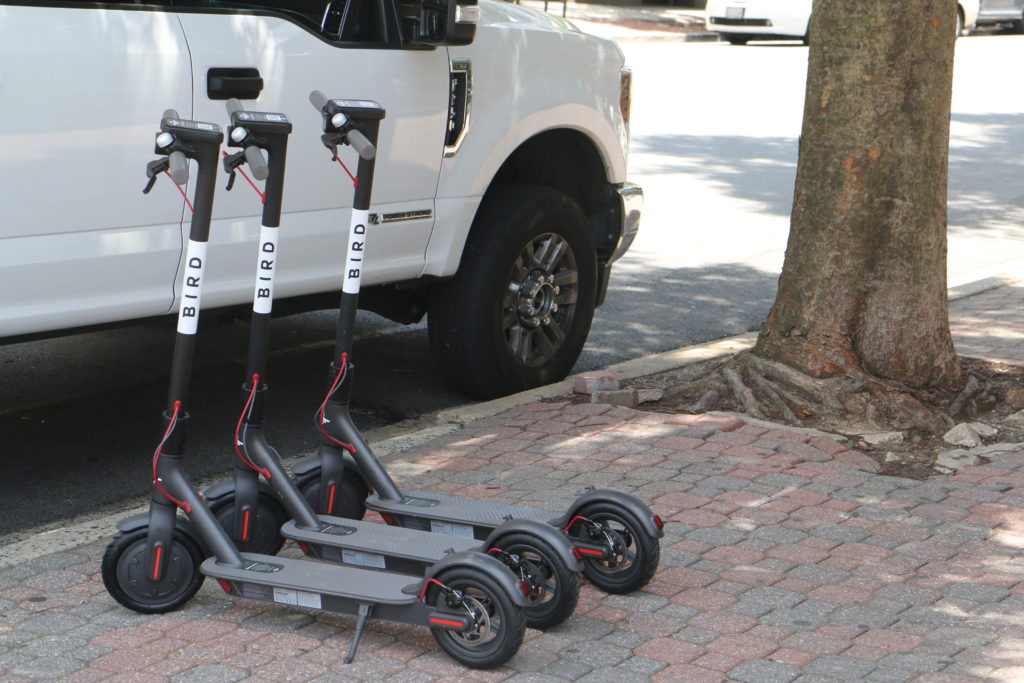
  2. Letter to the Editor: Don’t Overlook the Dangers of Electric Scooters
  3. Three Arrested in D.C. After Driving the Wrong Way Down I-395 While Fleeing Police
  4. Arlington County Urges Residents to Be Prepared for Hurricane Florence
  5. Man Shot by Arlington Police Claims Officers Opened Fire as He Tried to Surrender

Head down to the comments to discuss these stories, your hurricane-adjusted weekend plans or anything else local. Have a great weekend, and stay dry!

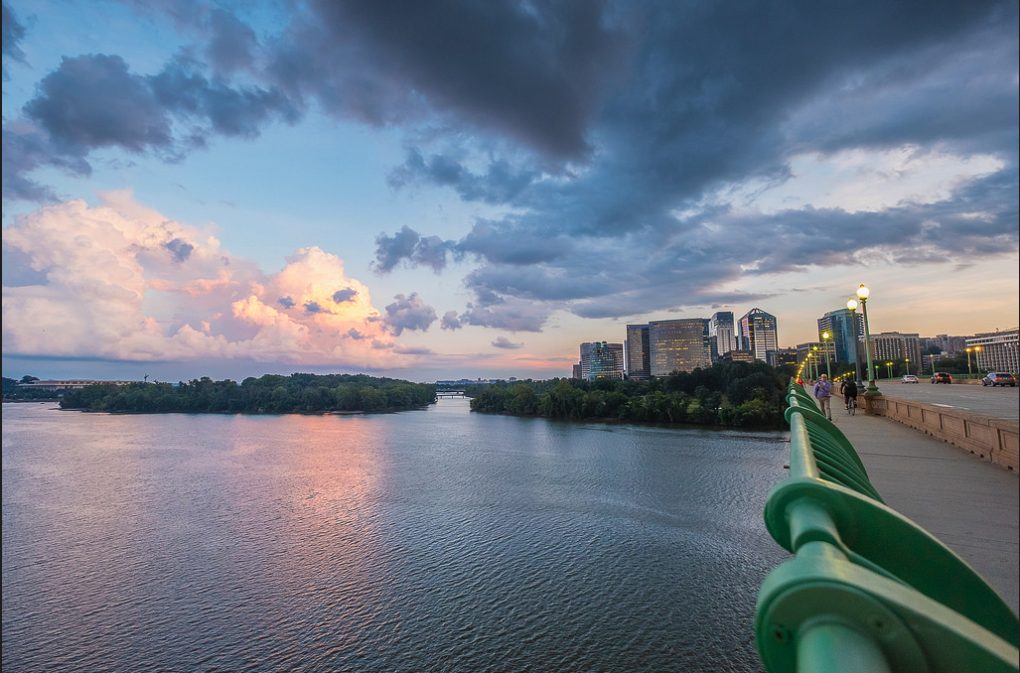
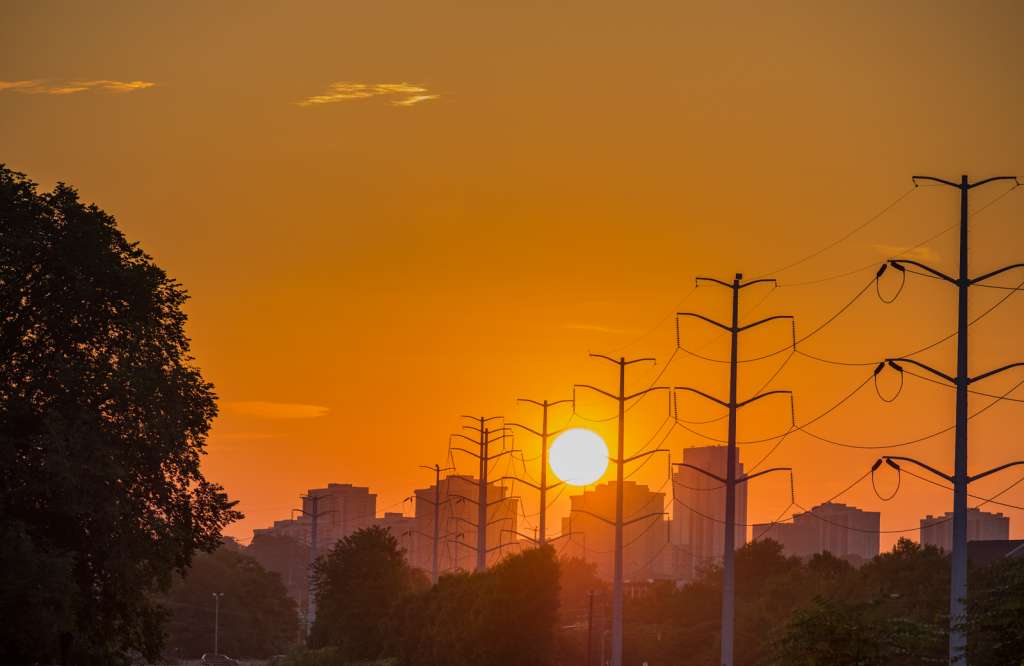
Flickr pool photo via wolfkann


The Right Note is a weekly opinion column. The views and opinions expressed in the column are those of the author and do not necessarily reflect the views of ARLnow.com.

The Arlington Planning Commission is recommending that the County Board delay consideration of the Virginia Hospital Center’s planned expansion, due largely to pushback from neighbors.

Arlington’s long history of community involvement is a good one. Taking neighborhood concerns into consideration, particularly when it comes to mitigating traffic volume around the hospital, is not without merit. The Planning Commission, however, wants to send the hospital back to the drawing board largely for aesthetics, asking that they move some of the taller buildings to a different location in the plans to create less of a “wall” between the hospital and the neighboring single family homes.

While the Metro corridor has a natural step down effect from large buildings into residential neighborhoods, the hospital has long been established in the middle of single family homes. And these neighbors moved into the area with the full knowledge that Arlington’s only hospital was there.

Our population continues to grow as the County Board adds more density to our major corridors. In addition to impacts on schools, it means our healthcare needs will grow as well. Allowing the hospital to expand will add 101 beds to that capacity right here in our community and meet the needs for the next decade or so.

The hospital already adds upwards of $50 million a year in community benefit, according to the Chamber of Commerce. The proposed expansion will add not only short-term construction jobs but permanent jobs for doctors, nurses, clinical professionals and many other support staff here in Arlington.

As the County Board knows from its own projects, construction delays add to construction costs.  This is an important factor in favor of quick approval of this project, particularly in the face of healthcare costs that are already growing faster than inflation.

Virginia Hospital Center is an asset to Arlington. It is needed to meet our healthcare needs and it provides good jobs. That is why there is little doubt that the Board intends to ultimately approve this project, and almost just as certainly additional expansion will be needed in the future. With all of this in mind, they should move forward as quickly as they can rather than causing an extensive delay.


Progressive Voice is a weekly opinion column. The views and opinions expressed in the column are those of the individual authors and do not necessarily reflect the views of their organizations or ARLnow.com.

By Erik Gutshall

In the 1990s Eastman Kodak dominated the world of photography and held the patent for the world’s first digital camera — yet by 2012, it was bankrupt. Kodak’s failure to respond fast enough to the rapidly changing world around it would forever redefine the once ubiquitous “Kodak moment.”

As the speed of life continues to accelerate, Arlington, perched atop the summit of many “best of” lists, should heed the caution of Kodak’s tale by striving to meet our current challenges with deliberate speed and gusto. While our current success was built on innumerable extensive multi-year community efforts, we must now embrace a more agile model — employing an iterative test-learn-tweak-grow rapid deployment methodology.

Whether the sudden arrival of dockless electric scooters, redevelopment pressure on Lee Highway, or the daily exit of valued Arlingtonians frustrated by housing costs, the urgency for the county to respond to a multitude of threats and opportunities is evident. Unfortunately, our ability to respond is too often hampered by our “bandwidth,” including a lack of staff resources and the time and energy for the requisite citizen engagement process.

Budget constraints render hiring more staff and consultants not feasible. Further, simply pushing more decision-making through our current lengthy civic engagement framework will only backfire with increased frustration from both staff and citizens worn thin by inefficient and tiresome processes.

Kodak’s leaders effectively sealed their fate by insisting they could keep doing what they had become very good at doing their first 100 years. Arlington need not make that mistake. Just as social media re-invented how we share “Kodak moments” with each other, we must re-invent how we engage in decision-making, while embracing three essential priorities:

1.     Smaller pilot projects first instead of grand comprehensive plans.

2.     Streamlined quality of civic engagement, not exhaustive quantity.

3.     Strengthening community trust.

Pilot projects by their nature, define a problem, test ideas, gather reactions and analyze results as a road to permanent solutions. They offer ample opportunity for community input, but without bogging down in multiple rounds of gestation. County staff engender trust in quality civic engagement by sharing information early, widely and completely. Likewise, Arlington’s new agile approach demands a citizenry willing to avoid “paralysis by analysis” and to move forward, even in the face of vocal minority opposition.

There will still be a place for major processes to develop such things as a Lee Highway Corridor Master Plan, but whenever possible, we can break larger issues down into more manageable components for trial-and-error prototyping. No longer untouchable monumental documents adopted at contentious County Board meetings, our major plans will be living documents whose values guide incremental evolution as we pilot-evaluate-modify-expand — always solving real-world problems for real people.

Beyond doubt, robust innovation in county government will produce occasional failure. But if Arlingtonians embrace each failure as a necessary component of continual improvement instead of assigning blame, we will assuredly find greater success than our current sluggish approach.

This new, iterative approach is ideal for a “Missing Middle” initiative to pilot new planning, zoning, and financing tools to create innovative neighborhood-scale housing forms for the middle class. We know the status quo is failing to deliver housing other than high-rise condos for anyone who can’t afford a single-family home. We don’t know yet exactly what will work. We could spend five years studying and talking about it, certainly hardening opinions yet without really gaining much more confidence. Or we could invite developers and citizens to propose what they think would work, pick one or more limited sites for pilot, learn from that experience, adjust and expand.

The County Board can pounce on an early win for rapid deployment by quickly enacting a handful of zoning ordinance amendments to correct technical errors and process noncontroversial amendments consistent with adopted policy.

In Fortune magazine’s eulogy of Kodak’s demise, they observed, “It is the more nuanced story of how easy it can be to get things wrong, even when trying with the best of intentions to do everything right. It’s a cautionary tale of the need for deeper understanding of what innovation really means, and how it is infinitely more vital than most people think it is, even as it isn’t about any single product or widget or technology.”

Arlington would be wise to define our moment — and our future — with an embrace of iterative rapid deployment innovation.

Erik Gutshall is a member of the Arlington County Board elected in 2017 and former Chair of the Planning Commission. A small business owner, he lives in Lyon Park with his wife, Renee, and their three daughters.


The following Letter to the Editor was submitted by Daniel Berkland, an Ashton Heights resident who was recently involved in an accident on a Bird electric scooter.

The dockless vehicles first arrived in Arlington in June, and county officials are planning to unveil a new policy governing their use later this month, as scooter-related injuries appear to be on the rise as the vehicles gain popularity nationwide.

Flippin’ the Bird:  A Cautionary Tale

On Labor Day afternoon I was in Clarendon when I decided it was time to go home. I texted my daughter and told her that I was on my way. Then I saw a Bird scooter and thought to myself it is so hot I really want to just ride this scooter home.

I rented the device and was soon on my way. About six blocks from home I turned down Irving because I thought it would be safer not to ride on the busier Wilson Boulevard. I noticed a couple of trucks coming towards me and I remember slowing down — that is my final memory until I woke up in the EMS vehicle. They were taking my vitals and asking me what year it was – a question that I could not answer. I was transported to GW Hospital because I had passed out and had a concussion. There I received a CT scan and a bed. They kept me over night so they could do a follow up scan and monitor my condition.

The good news is there was no bleeding in my brain and I could be released. The bad news was I had bruises on my head, shoulder, hands, elbows, and knees. I am going to be stiff and sore for quite a while. I’m getting a little better every day, but anyone who has been in this condition will recognize the special horror that is sneezing when one is hurt like this. The pain is simply excruciating.

The very worst part was I was given an alias when I checked into GW Hospital so my family couldn’t find me for a couple of hours. A terrifying experience for them while I was in the ER.

I also want to give special thanks to the unknown neighbor who called 911 for me. Who knows how long I would have lain there without someone’s intervention. I owe you one!

So take my unsolicited advice – stay off the scooters. While they may be convenient, they can also be very dangerous! Walking is good for you.

A postscript after this appeared in the Ashton Heights newsletter — the kind neighbor who helped me out was Doug Williams, the AHCA treasurer.  Neighbors helping neighbors is what Ashton Heights is all about!

ARLnow.com occasionally publishes thoughtful letters to the editor about issues of local interest. To submit a letter to the editor for consideration, please email it to [email protected]. Letters may be edited for content and brevity.


Tropical storms Florence and Gordon are set to hammer other parts of the country quite a bit harder than Arlington, but the D.C. region is still in for a wet weekend.

The forecast is calling for scattered storm chances tonight and Saturday, with wettest conditions set for Sunday, so get your outdoor activities out of the way before then.

That means the weather should be decent, if a little dicey, for the Rosslyn Jazz Fest tomorrow. And if you need other ideas to fill out the weekend, head to our event calendar.

If it gets too wet out there, you can always stay inside and catch up on our most popular articles of the past week:

  1. Body Found in Four Mile Run
  2. Plans Coming Together for Redevelopment of Ballston Harris Teeter
  3. Rescue Underway After Vehicle Runs Down Four Mile Run Embankment
  4. Top Chef Star’s ‘Le Kon’ Restaurant Opens in Clarendon
  5. Commuter Incentives Suspended for APS Employees

Head down to the comments to discuss these stories, your weekend plans or anything else local. Have a great weekend!

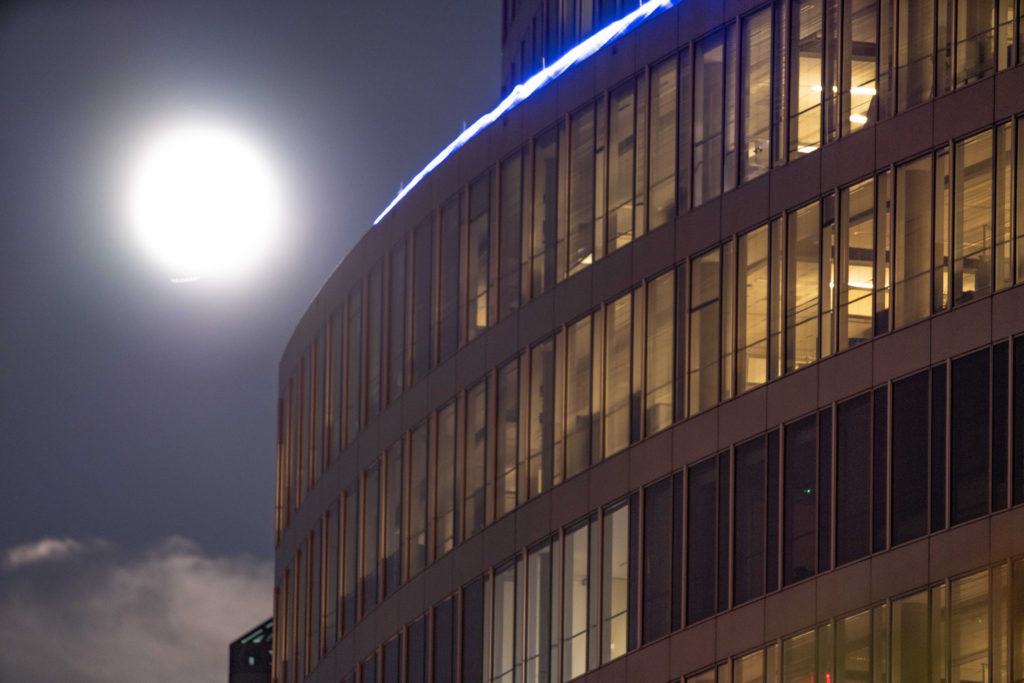
Flickr pool photo via Erinn Shirley


The Right Note is a weekly opinion column. The views and opinions expressed in the column are those of the author and do not necessarily reflect the views of ARLnow.com.

Leaving the annual Civic Federation candidate forum Tuesday evening, I was already writing this column in my head. It was going to be heavy with criticism about the format.

Delegates were essentially allowed to race to the microphone and form a line to ask questions. With two-minute answers for each candidate, only four questions were asked of each of the three panels.

As a result, County Board candidates were asked two questions about elections: one on access to in-person absentee voting and one on election security. This might have been more appropriate for the Electoral Board or the Registrar, but on Tuesday it made up 50 percent of the Q & A for the position that determines how our local tax dollars are raised and spent.

For School Board, one question was asked about the tree canopy and another about the cost of facility rentals. No question was asked about renaming Washington-Lee High School, though Audrey Clement brought up the issue. Little time was spent on classroom performance or per-pupil spending. (And no one took me up on my suggestion of asking whether or not elementary school students should be assigned homework.)

This is nothing new. Having been through two Civic Federation forums as a candidate myself, I came to expect the non-traditional questions from delegates. Once I was asked simply why I liked living in Arlington.

As I thought about the forum more, my stance on the format began to change. Sure, we may have gotten to more of the “big issues” had questions been submitted in advance so the moderator could have asked the two most popular ones before turning it over to the delegates. Or, each answer could have been shortened to 60 or 90 seconds to allow for more questions from the delegates.

At the same time, if you want to know where the candidates stand on the big issues, you can read their websites or go to one of the many civic association forums on the calendar between now and Election Day. And you should go listen to the candidates in person, after all, local government is the most important government to our everyday lives.

But there is no doubt, they have those talking points down. What makes the Civic Federation forum unique is you never know what will be asked. The way a candidate answers those non-standard questions gives us a little insight into how a candidate thinks when pushed off their regular talking points. And it reminds the candidates that voters have many different issues that rise to the top of their lists when it comes to what’s most important to them.

So the Civic Federation should keep letting delegates ask the questions. It works for you.


Progressive Voice is a weekly opinion column. The views and opinions expressed in the column are those of the individual authors and do not necessarily reflect the views of their organizations or ARLnow.

By John F. Seymour

Updated 3:45 “Why am I doing this?” It was a lovely summer morning and I could be watching my grandson’s soccer game, or finishing the crossword, or dividing perennials. Instead, I was knocking on the doors of 35 strangers in Arlington.

The homeowner looked at me with the familiar impatient frown. But it (thankfully) morphed into a wry grin as she saw this thin, white-haired, unprepossessing guy. I could see the speech bubble above her head –“No clue who this is, but he seems harmless.”

I introduced myself as a volunteer for Arlington Democrats. I asked whether she was registered to vote, and was likely to vote in the upcoming election. For a likely Democratic voter, I simply highlighted the importance of every vote–a message made more credible following the one-vote loss of the Democratic candidate for the House of Delegates in Newport News in 2017 and the repercussions of that loss on the evenly-divided House. I was prepared to engage on issues, but Saturday morning conversations with the uninvited typically hold little appeal — for either person. I thanked her and went on to the next door. Thirty-two doors to go.

So why do we canvass, particularly those of us who guard our own privacy, dislike arguments and are by temperament very reserved?

The Practical Reason: At bottom, we do it because we believe in the party’s platform and values and have the time to, perhaps, nudge turnout a tiny bit. Door-to-door canvassing is generally believed to increase voter turnout among frequent voters–at least marginally. Turnout in non-presidential elections is particularly important for Democrats. And Arlington Democratic turnout has become critical in statewide races.

Where Sen. Warner and then-Gov. McAuliffe won with narrow statewide voting totals (a 1% margin for Warner and 2.5% margin for McAuliffe), Arlington voters provided winning margins of more than 40% for both candidates–enough, together with other northern Virginia jurisdictions, to offset deep red voting elsewhere. Although Sen. Tim Kaine’s re-election race this year is unlikely to be close, turnout can help with down ballot candidates, proposed constitutional amendments, and bond referenda.

The Real Reason: But canvassing these days is, at least for me, far more important as an outlet for outrage at the flood of voter suppression measures championed by Republican legislators in Richmond. Virginia’s photo ID law–among the strictest in the country–purports to fight an epidemic of voter fraud but is viewed, by all but the most credulous, as a tactic to disenfranchise eligible Democratic voters.

Indeed, Republican legislators have fought hard for legislation requiring any voter submitting an application for an absentee ballot by mail to submit a photo ID. Such a law seems absurd because the registrar would have no corporeal being standing before him to compare to the photograph. The absurdity did nothing, however, to discourage the Virginia House and Senate from passing the bill on party line votes, although the Republicans were unable to override then-Gov. McAuliffe’s veto.

Virginia also remains one of four states to permanently disenfranchise citizens with past felony convictions, unless the Governor grants relief. Such laws have their roots in Virginia’s Reconstruction Era efforts to deny civil rights to newly freed slaves. In most states, convicted felons regain the right to vote upon release from prison or at thereafter.

Although then-Gov. McAuliffe expanded upon the efforts of prior governors by issuing an Executive Order restoring voting rights to convicted felons upon completion of their sentences, the order was subject to a successful Republican legal challenge. Currently, the Governor has begun to issue voting restoration orders on an individual basis, over the strong objections of Republican legislators.

Absentee voting, too, continues to be curbed by Republican lawmakers. Republicans continue to oppose efforts by Virginia Democrats to extend and legitimize early “no-excuse” absentee voting. Republicans have even opposed legislation seeking to allow certain caregivers or voters older than 70 to vote absentee without an excuse. As Republicans are well aware, Democrats lead Republicans by a wide margin in absentee voting.  Broadened absentee voting rights, irrespective of their obvious benefits in furthering democracy and civil society as a whole, simply do not serve Republican interests.

In the face of efforts to dampen voting rights, canvassing represents, for many of us, an individual act of defiance against the dysfunctional ugliness of contemporary politics and Republican efforts to preserve and extend Jim Crow-era restrictions on state voting rights. However time-consuming and awkward it can seem, canvassing is the very stuff of democracy. In these days when a governing national party sows discord and incites contempt for government and its institutions, canvassing is not an antidote to cynicism and despair. But it can be, even for the shy, a weekly tonic.

John F. Seymour is a long-time resident of Arlington, Virginia.


Peter’s Take is a weekly opinion column. The views and opinions expressed in this column are those of the author and do not necessarily reflect the views of ARLnow.com.

ARLnow reported last Thursday that “South Arlington Water Main Breaks Cut Off Service for Thousands Overnight“:

“The problems started around 7 p.m. yesterday (Wednesday), when the county’s Department of Environmental Services received word of pipe problems near the intersection of Columbia Pike and S. Frederick Street… . By 10 p.m., they reported several other water main breaks along the pike … and determined that the S. Park Drive problem was “related” to the previous breaks.”

In a tweet last week, the County’s Department of Environmental Services (DES) attempted to explain by saying:

“Arlington has some 500 miles of mains bringing water to homes, schools and businesses. As in most urban American towns, a lot of those mains have been in the ground and working non-stop since before World War II.

Arlington needs to replace its World War II water mains faster

It’s not as if the county government hasn’t seen this coming.

In January 2018, ARLnow reported that “County Crews Have Repaired Dozens of Water Main Breaks Since Mid-December.”

At that time, DES pointed the finger at freezing temperatures:

“When ground temperatures drop to the water main depth, the pipe material gets cold, but the water temp drops at a slower rate due to its movement…”

In May 2016, ARLnow reported that DES had boasted it had fixed “217 water main breaks in the past year.”

In January 2014, ARLnow posted another story about water main breaks. That story also highlighted the fact that “Arlington has 500 miles of water mains, 60 percent of which are 55 years or older,” with the oldest dating to 1927.

county video accompanying the January 2014 story struck the same ironic tone as last week’s DES tweet. That 2014 video proceeded from the faulty premise that water main breaks are always “unavoidable.” The video’s message: learn to live with them. The video explains why old water mains break. Surprise: it’s because they’re old and decaying!

Conclusion

Freezing weather did not cause last week’s water main breaks along Columbia Pike.

Arlington County needs a more aggressive program of water main replacement, not the “Que Será, Será” attitude consistently displayed in Arlington County’s 2014 video right on through last week’s DES tweet.

The county government is simply devoting too few of our finite taxpayer dollars to replacing World War II water mains, while devoting too many of those finite dollars to projects like a new $60 million Aquatics Center.

We can and should do better in setting priorities for how our county government spends our tax dollars.

Arlington is facing this situation (at p. 25):

“[W]ater-main failure rates generally increase exponentially over time (Kleiner, 2002). One could envision a rapid increase in break rates in the future… If a break rate doubles, the economic impact is significant; one would need to double the number [of] personnel repairing the breaks.”

The county government should prepare and share for discussion with its residents a Life Cycle Replacement Cost analysis of Arlington’s water mains as recommended (at p. 44) by Dr. Sunil Sinha, Professor of Civil and Environmental Engineering and Director of the Sustainable Water Infrastructure Management (SWIM) Center at Virginia Tech:

“[T]o meet the important challenges of the 21st century, a new paradigm for the planning, design, construction, and management of water pipeline infrastructure is required.”


If you’re one of the estimated 850,000 people around the D.C. area hitting the road for Labor Day this weekend, be prepared for delays — and the unexpected.

“If past is prologue, holiday travelers departing the Washington metro area this Labor Day weekend will find slowing traffic beginning at 2 p.m. Friday, August 31, 2018, and the worst time to travel between 5-6 p.m. The best bet for drivers is to wait until after 7 p.m. on Friday or before noon on Saturday to help ensure valuable vacationing time isn’t spent in standstill traffic during summer’s swansong,” said John Townsend, Manager of Public and Government Affairs for AAA Mid-Atlantic, in a press release this morning.

The auto org is gearing up for one its busiest weekends of the year — it responded to more than 14,000 roadside assistance calls across the D.C. region during last year’s Labor Day holiday.

And if you’re stuck in an airport or in the car, be sure to catch up on our most-read stories of the past week:

  1. New Casual Italian Restaurant Coming to Columbia Pike
  2. Pedestrian Struck by Car Along Columbia Pike
  3. Arlington Ranked as Most Dog Friendly Spot in the Nation
  4. Police Arrest Man for Lewd Act Inside Glebe Road Business
  5. Cassatt’s Hasn’t Been Operating, Fueling Fears About Its Future

Head down to the comments to discuss your plans for the long weekend, or anything else local. Have a nice weekend — barring breaking news in the meantime, we’ll be back publishing as the kids go back to school on Tuesday.

Flickr pool photo by Erinn Shirley


The Right Note is a weekly opinion column. The views and opinions expressed in the column are those of the author and do not necessarily reflect the views of ARLnow.com.

Straight from the “headlines you never thought you would read” category, at a recent forum for Northern Virginia elected leaders, Stewart and Cristol agreed that more money was needed for roads. But, they did not exactly see eye-to-eye on what to do about it.

Cristol supported another round of tax increases to pay for it, backing a plan that failed to get through the General Assembly. It would increase the tax on the sale of a home, about $250 in taxes for a $500,000 house and increase taxes on hotel rooms.

Stewart reminded everyone that new tax dollars were already earmarked for roads, but were diverted to transit as part of the recent Metro funding deal. He would not commit to supporting another new tax increase to pay for it this time around.

There is another option.

As a result of the new federal tax law, Virginia is projected to run a revenue surplus of $500 million a year until 2024. There is a push underway to return at least some of this money to the taxpayers. Gov. Ralph Northam wants to focus on a refundable tax credit. Republicans want to focus on conforming the Virginia code to the structure of the new federal tax law, ensuring middle class taxpayers in Virginia fully benefit from the new tax code.

The General Assembly could also set aside a portion of surplus funds available after any tax reform to go toward road projects. It is a little surprising Cristol is not actively championing this idea since we know the Arlington County Board generally uses most, if not all, of our surplus tax revenue to pay for new spending projects. Then again, the idea of new sources of tax revenue may have been too difficult for Cristol to pass up.

In other news, oddsmakers now favor Washington, D.C. or Northern Virginia as the top two likely destinations for Amazon HQ2. If it lands in Arlington, expect real estate values to make a significant jump and provide a substantial tax revenue boost to the county. But how much will Arlington send back out the door as part of the incentive package necessary to land the online giant? And would there be enough left over for us to see a cut in our tax rate?


Peter’s Take is a weekly opinion column. The views and opinions expressed in this column are those of the author and do not necessarily reflect the views of ARLnow.com.

Last week, the Washington Post reported record rainfall statistics for communities all around the DC region:

“It has not been a friendly rain, either. Flash flooding continues to occur somewhere in our area with almost every passing wave.”

Damage from flooding in Arlington has been severe and widespread

Just a few examples illustrate the severity of the flooding Arlington residents have experienced from the unfriendly 2018 rain storms:

  • Donaldson Run

In the Donaldson Run area, erosion and significant losses of mature trees  due to a county remediation project have led to discussion and controversy among Donaldson Run-area residents and between those residents and county government.

This situation was profiled in a February 2018 story in the Donaldson Run Civic Association newsletter (at p. 5). Two more major flooding washouts occurred in May-June 2018.

The county government’s design of the stream restoration project remains very controversial. The county has not explained publicly how it plans to pay to remediate the effects of the 2018 Donaldson Run washouts nor all the other county-wide flooding incidents.

  • Lubber Run

As ARLnow.com reported on August 7:

“A bridge for walkers and cyclists in Lubber Run Park is now closed, at least temporarily. An alert on the county’s website says the bridge, closest to N. George Mason Drive as a trail runs over Lubber Run itself, will be closed “until further notice.'”

According to a county spokesperson, this bridge was closed because a DPR crew “was concerned with the bridge, but they aren’t bridge experts.”

Residents report what appears to be significant erosion damage to various areas of the park near the Lubber Run stream bed. Quite a few mature trees along that stream bed appear to be endangered by excessive soil loss. The foundations of trail segments and existing stream-side borders appear undermined.

The bridge closure alert remains in effect. No plans have been announced publicly to reopen the bridge or to remediate the other apparent storm damage.

  • Long Branch Creek

As an apparent result of the recent severe rainstorms, residents of Arlington’s Long Branch Creek neighborhood report recent erosion damage to areas along the Long Branch Creek stream bed between the Long Branch Nature Center and Four Mile Run.

  • Waverly Hills

In a June column, I featured two graphic videos that capture the effects of severe flooding occurring in portions of the Waverly Hills neighborhood during a May 2018 storm. Another severe storm in July 2018 caused renewed severe flooding in Waverly Hills.

Three flooding mitigation projects previously were planned for Waverly Hills but were dropped from Arlington’s Capital Improvement Plan due to lack of funds.

Conclusion

In my Waverly Hills column, I recommended that Arlington adopt a new plan similar to Westchester County’s (NY) Flooding and Land Use manual.

One commenter asked why Arlington’s 2014 Stormwater Master Plan isn’t sufficient?

Answers to that commenter’s question include:

The 2014 Plan isn’t working.

Arlington needs new approaches to development and stormwater planning that are:

The “unexpected” is now the new normal.


View More Stories