With a budget well over $1 billion, Arlington’s checkbook can feel a bit overwhelming to the average taxpayer — but the county is launching a new resource to help change that.
The county rolled out the first phase of “Arlington Wallet” yesterday (Tuesday), unveiling a new online tool to help Arlingtonians get a clearer look at how officials are spending money each year.
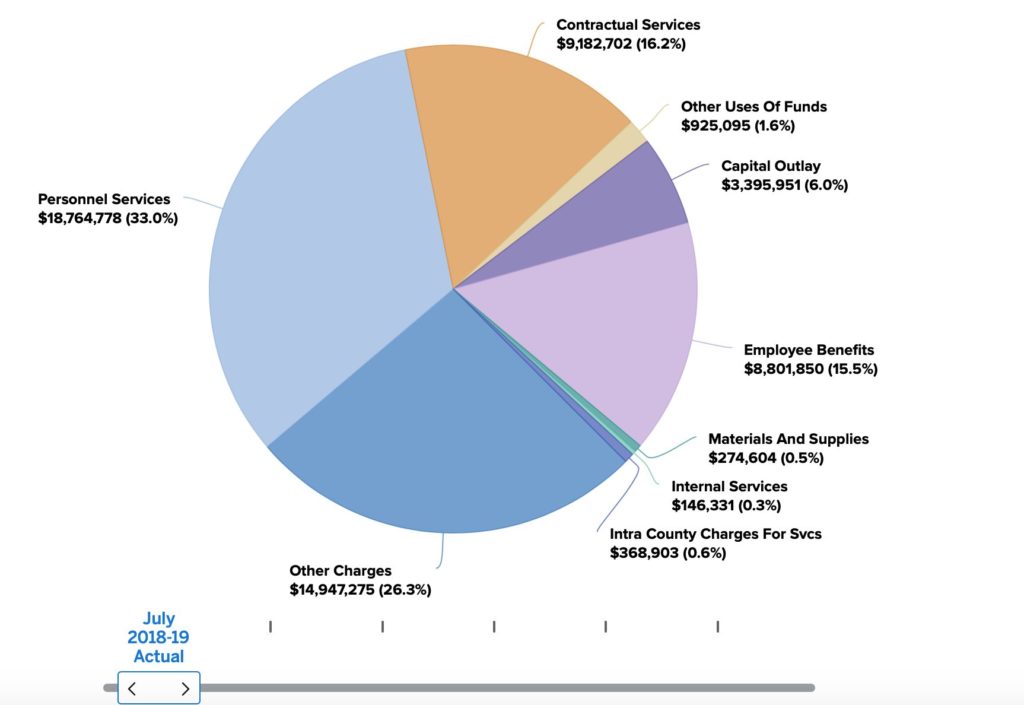
The website, commonly known as an “open budget” database, will allow users to access budget data in graphs and charts, and drill down into each county department’s budget for a clearer look at Arlington’s expenses and revenues over the years.
The tool also lets users create their own charts and download any of the raw data for themselves.
“There’s no greater obligation we have than to be good stewards of taxpayer dollars,” County Manager Mark Schwartz said in a statement. “Arlington Wallet makes it easier than ever for our residents and business owners to see exactly how the county is spending money.”
The database currently contains budget information from fiscal year 2014 through December 2018, though the county has plans to expand it in the future. Officials are also planning to launch a second phase of the tool later this year, with data on individual county transactions.
The county compared the new phase in a news release to a “a personal checkbook or online account statement” that will show “what the county is buying and who it’s buying it from.”
“Arlington Wallet” runs on a platform created by the software company OpenGov, which provides similar services to hundreds of other governments and government agencies. Information on how to access the database is available on the county’s website.
Arlington previously launched an open data portal with a variety of county information available back in 2016, and has since regularly convened meetings of an “Open Data Advisory Group” to guide its transparency efforts.
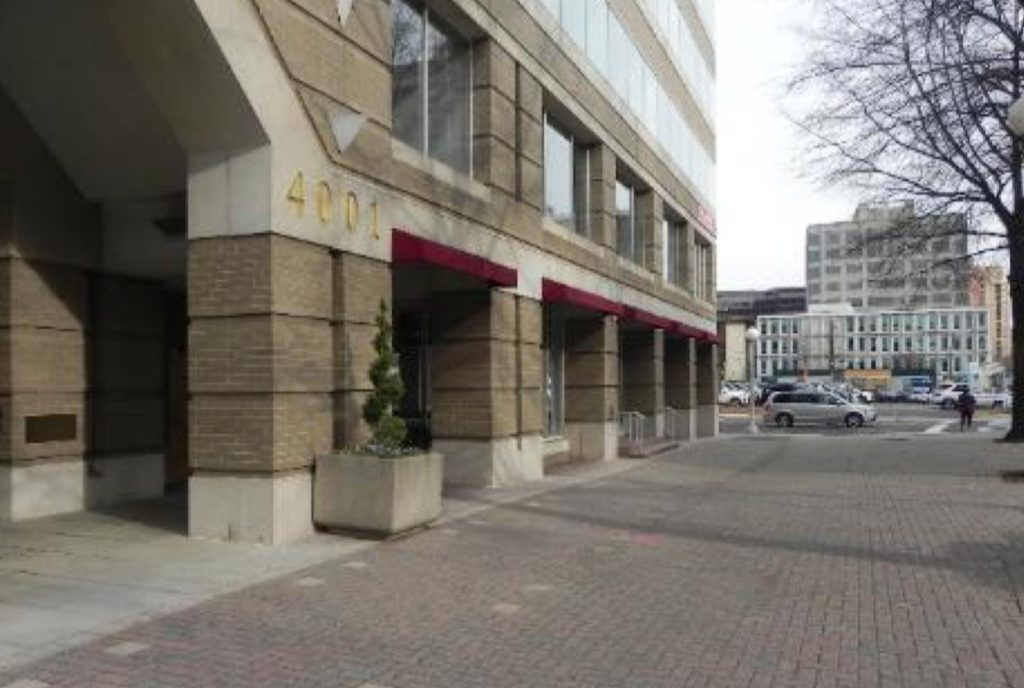
The location of a new childcare center at 4001 Fairfax Drive in Ballston (via Arlington County)
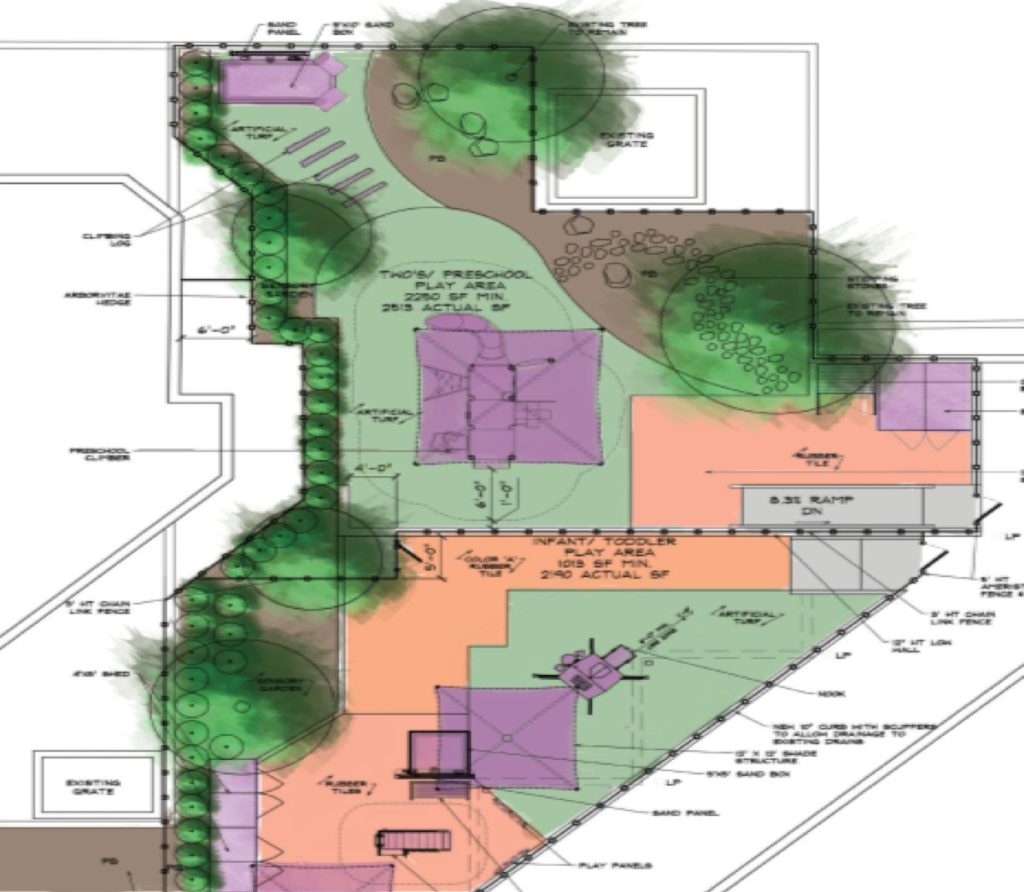
A map for a new playground at a new childcare center in Ballston (via Arlington County)
Arlington officials have given the green light for a new childcare center to set up shop in Ballston, in a debate that forced the County Board to weigh its years-long effort to expand access to childcare in the county against the vocal opposition of neighbors to the project.
The Board voted unanimously last night (Tuesday) to award the Bright Horizons Children’s Center with the permits it needs to open a new location on the first and second floors of a building at 4001 Fairfax Drive.
The new center will have room for about 145 kids in all, and include a 4,700-square-foot playground in the small courtyard between the building and an adjacent set of condos at 1001 N. Randolph Street.
The playground, in particular, worried neighbors. Matt Nyce, a board member at the nearby EastView Condos, told ARLnow via email that the location was a “totally inappropriate” place for a playground, given its proximity to two exhaust fans and how close it would be located to homes on the first floors of the two buildings.
But Board members were convinced that some of those concerns were a bit overblown — as Erik Gutshall put it, the Board judged the childcare center unlikely to be “an overwhelming detriment” to quality of life in the area, or to property values.
Officials would acknowledge that the playground would be a bit of a tight fit in the courtyard, and that it would occupy some of Ballston’s very limited open space. But, as the Board weighs a comprehensive overhaul of its zoning regulations governing childcare centers, members also said that they were willing to allow designs that may not be absolutely perfect if it means expanding options for Arlington parents.
“This is not a willy nilly one-off, but consistent with a direction the county seeks to go,” Gutshall said. “This is an evolution as we rethink what is acceptable for our ground floor uses.”
The Board did not make the decision lightly, however. Board member Katie Cristol, a lead backer of the county’s childcare overhaul, said she even considered pushing for a deferral of any decision on the matter, particularly after the Ballston-Virginia Square Civic Association decided to oppose the project.
Collier Cook, the group’s president, told the Board that he worried that dropping a playground on the site would rob the nearby residents of some crucial open space.
And, as an EastView resident himself, Cook said he understood the concerns of his neighbors. One, Andres Delgado, told the Board that the prospect of additional noise was particularly concerning for people who live in the building and work from home.
“We have neighbors who live on the first floor and it goes right into their living room,” Delgado said. “Noise is a big concern for them.”
Similarly, he said neighbors are worried about smoke from the nearby parking garage impacting the kids’ health.
But Zach Williams, an attorney representing Bright Horizons, said the company made every effort possible to address those playground concerns. The childcare center plans to pay for a timer to ensure the exhaust fans aren’t operating while children are outside, and Williams said they even agreed to shrink the playground by 200 square feet to give residents some more breathing room.
Yet, with the county’s ordinances requiring that the center add 75-square-feet of playground space for each child outside at any given time, Williams said Bright Horizons can’t do much more to address those issues.
“We don’t have a lot of flexibility, but we’ve tried to do as much as we can,” Williams said.
Board members commended those efforts and made another point for neighbors worried about noise — considering the way the area is zoned, a new bar or nightclub could easily move into the space instead and set up outdoor seating, which could prompt even more substantial noise concerns than the childcare center.
“It would be completely irresponsible for us, I believe, to suggest we can prevent change from happening,” said County Board Chair Christian Dorsey. “The other ways in which this property could change could be all manner of degrees more intense.”
With this approval in hand, Williams said the center plans to open by January 2020. Bright Horizons is also on the cusp of opening another childcare center in Courthouse, which also faced its fair share of pushback from neighbors last year.
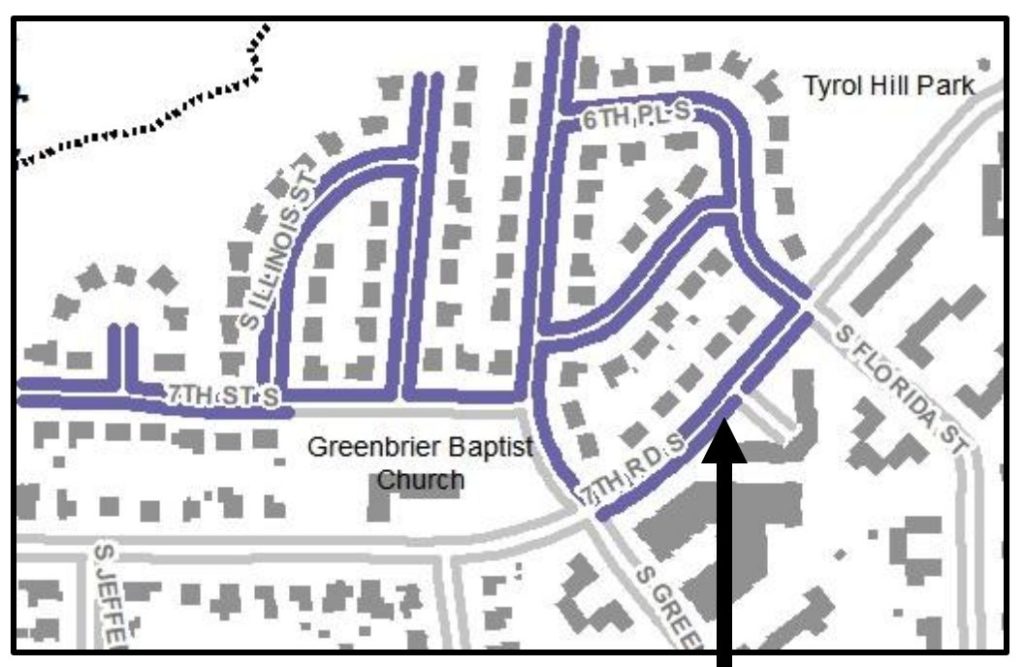
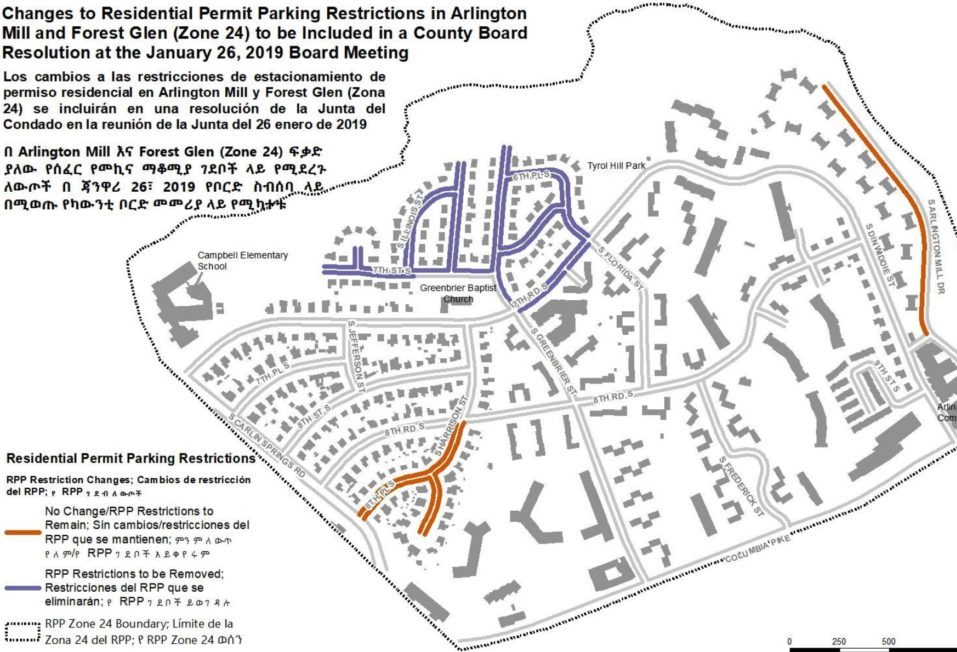
Map showing RPP restrictions that will be lifted in the Forest Glen neighborhood (via Arlington County)
Map showing RPP restrictions that will be lifted in the Forest Glen neighborhood (via Arlington County)
(Updated at 9:55 a.m.) The Arlington County Board has done away with parking restrictions on a handful of streets in two South Arlington neighborhoods, putting to rest a contentious dispute that has dragged on for years between Forest Glen and Arlington Mill residents.
The Board voted unanimously Saturday (Jan. 26) to end zoned parking on eight streets in the area. As part of the county’s “Residential Parking Program,” the county previously barred anyone without a permit from parking on the roads from 9 p.m. to 6 a.m. each day.
The following streets, once part of the county’s “Zone 24” and stretching into sections of both Forest Glen and Arlington Mill, are now open for parking around the clock:
6th Place S.
7th Street S.
7th Road S.
S. Florida Street
S. Greenbrier Street
S. Harrison Street (north of 7th Street S.)
S. Illinois Street
S. Jefferson Street
Arlington officials first zoned the streets off in 2016, largely due to Forest Glen residents arguing that too many drivers from outside the area were occupying the neighborhood’s limited parking spots. But residents of Arlington Mill said they started to feel the squeeze instead once that change was made, as it cut off street parking near the many apartment complexes in the neighborhood.
“Street parking in Arlington Mill became so scarce that it was rare to find a parking spot anywhere after 7 p.m.,” Austin McNair, an Arlington Mill resident who fought for the change, told ARLnow via email. “Anyone not working a traditional 9 to 5 job was now faced with the extra task of finding parking more than a mile away from their home. I can promise that this is the story for many families.”
Ordinarily, the county likely wouldn’t have waded into such a dispute — the Board put a two-year moratorium on any parking zone changes as it reviews the efficacy of the entire program, a process that isn’t set to wrap up until sometime early next year.
Yet the Board subsequently determined that county staff didn’t follow their usual process for setting up the zoned parking in the area, convincing officials that the parking restrictions both weren’t working well and that they were likely set up improperly in the first place.
“This was not a decision that we take lightly or came to easily… but the status quo is not acceptable,” said Board member Erik Gutshall. “What this is all about, for me, is the efficient allocation of a public resource, which is on-street parking. I’m sorry that this is the least objectionable of lots of other bad options.”
Board members stressed that they’d urged staff to work out some sort of compromise position between the two neighborhoods over the past few months, perhaps by putting restrictions on one side of each street but freeing up the other side. But they could never quite find an acceptable solution to all sides, or manage to find one that county lawyers thought would hold up in court — the county’s parking restrictions were challenged all the way up to the U.S. Supreme Court in 1977, and officials have since been careful to limit the parking zones to the narrow intent of keeping commuters out of residential areas.
“While the neighborhood has grown in density, it has never been and is still not a destination for commercial customers or commuters who would be parking their cars to access public transportation,” McNair said.
The dispute has also turned a bit ugly in recent weeks. A community meeting the Board convened to discuss the matter drew plenty of raised voices, with some in Forest Glen arguing that the parking restrictions were necessary to prevent speeding, littering and other criminal activity in the neighborhood. Others in Arlington Mill, particularly some advocates for Latino residents, claimed those concerns were based in some deep-seated racial stereotypes.
That divide was evident at the Board’s gathering as well. Danny Cendejas, an activist on variety of local issues, told the Board that the current parking restriction “has discriminated against our neighbors,” while Forest Glen residents argued that reversing the restriction would harm their quality of life.
“I had to place trash cans in the middle of the street to slow down people who were racing to find parking while my three young children were riding their bicycles,” Brent Newton, a six-year resident of the neighborhood, told the Board. “When we were granted the [Residential Parking Program designation], our neighborhood became quiet, clean and tranquil. With utmost certainty, it will return to what it was before the RPP: speeding cars, trash and noise.”
While Board members sympathized with those concerns, they didn’t believe changing the parking restriction would make a difference on those fronts. Board member Libby Garvey suggested that they may be “related,” but she would rather see police step up enforcement in the area to address those worries.
Gutshall pointed out that his own neighborhood, near Clarendon, has parking restrictions in place, but still deals with its own share of littering issues as people flock to the area to reach nearby bars and restaurants. For him, and the rest of the Board, the parking staff’s missteps in evaluating the neighborhood for earning zone restrictions were more important to address.
Stephen Crim, the manager of the county’s parking program, told the Board that his staff discovered that they didn’t check license plates on the affected streets against records maintained by the county’s Commissioner of the Revenue, which tracks tax payments on property like vehicles. That means that staff didn’t necessarily have a full picture of how many people from outside the county were actually parking in the neighborhoods.
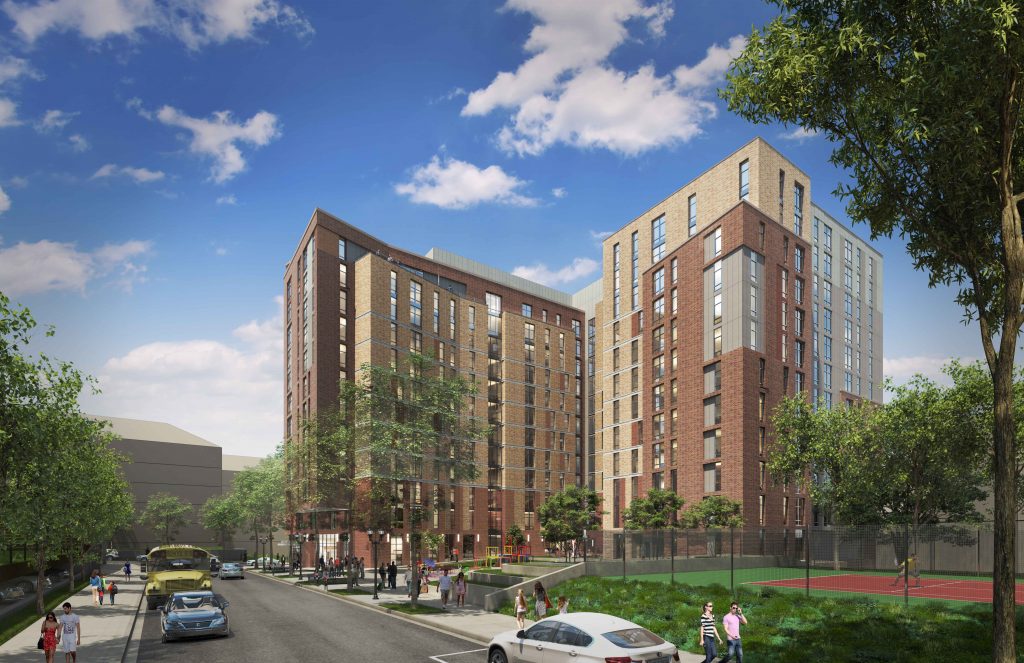
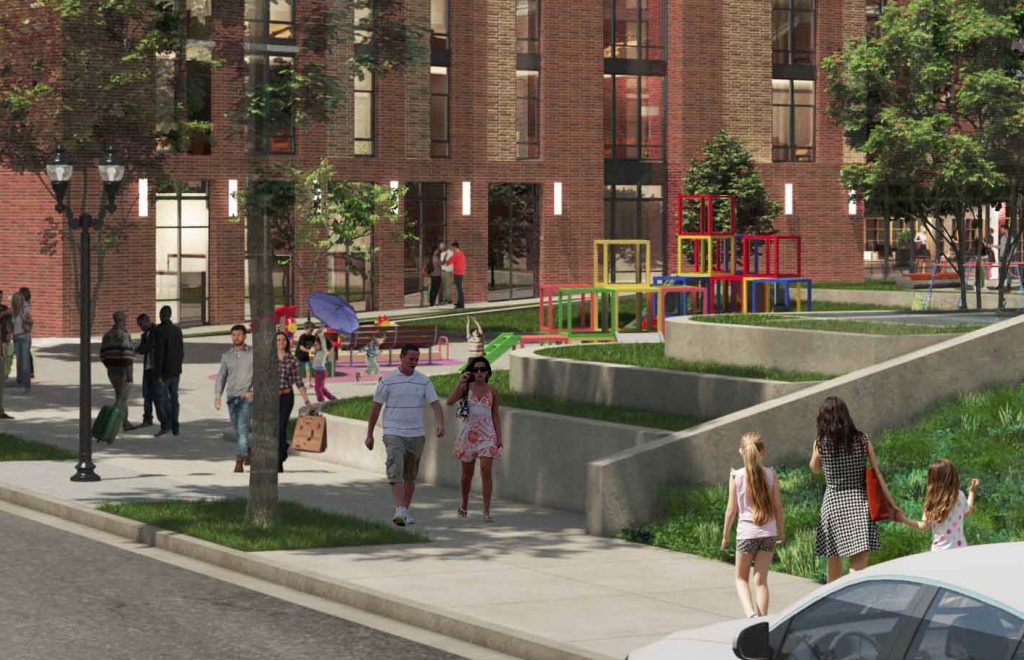
Rendering of the Queens Court courtyard (via Arlington County)
Rendering of the Queens Court courtyard (via Arlington County)
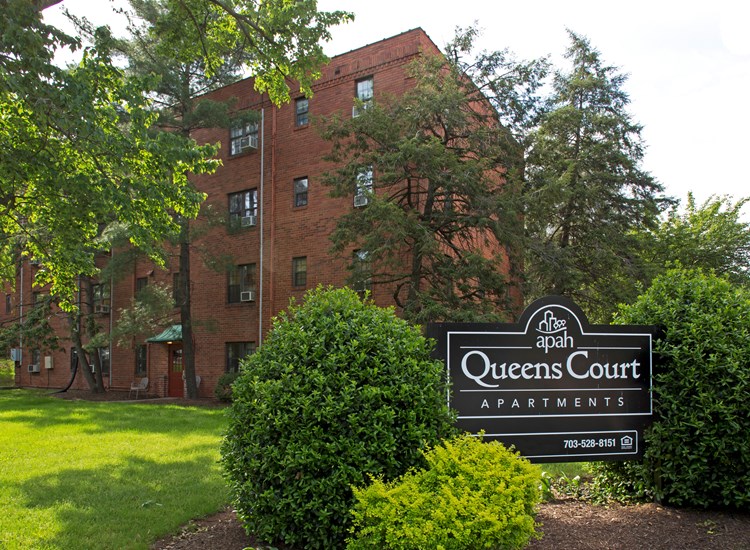
The current Queens Court building in Rosslyn. (Photo via S.L. Nusbaum Realty Company).
Arlington officials are sending another $8.8 million in loan funds to support the redevelopment of Queens Court in Rosslyn, supplying a nonprofit with the cash it needs to move ahead with construction of the new affordable housing complex.
The County Board unanimously approved the loan at its meeting Saturday (Jan. 26), committing a total of $16.7 million to the Arlington Partnership for Affordable Housing’s effort construct two new buildings on the property at 1801 N. Quinn Street.
In all, the developer plans to build 249 apartments at the site which are guaranteed to remain affordable to renters, replacing 39 garden apartments built back in 1940. One new building will have room for 90 apartments, earning loan funds from the county last February, while the other will have 159. That second phase of the development prompted the loan approved this weekend, which is drawn from the county’s “Affordable Housing Investment Fund.”
Most of the apartments, dubbed “committed affordable” units due to the nonprofit’s guarantee to hold rent prices steady for the next 75 years, will serve people making 80 percent of the Arlington’s “Area Median Income.” The county currently pegs that amount at $49,260 annually, for a household of just one person.
But some other homes will be set aside for people at 50 percent and 40 percent of the AMI, tabbed at $41,050 and $32,840 annually for one-person households, respectively.
“It’s a substantial project, with a lot of units,” said County Board Chair Christian Dorsey. “But, within those units, we’re providing some affordability that we don’t normally get.”
Dorsey also hailed the project as one that will “accomplish a lot of our objectives of our master plan” governing the county’s affordable housing goals, which stipulates that officials work to generate 585 new affordable homes each year. However, the county has consistently fallen short of meeting that goal since signing off on the plan four years ago.
The Queens Court project also includes a 9,000-square-foot public park and playground, which the Board also approved Saturday, designed as a northern extension of the new Rosslyn Highlands park. A developer building a new mixed-use complex around the corner, at 1555 Wilson Blvd, will add new green space to the area as it builds atop the existing park.
The county will shell out just under $1.5 million for the section of the park attached to Queens Court, while APAH will spend another $125,000 on the effort.
The nonprofit is hoping to have all its construction contracts for the Queens Court project drawn up by this spring, and hopes to wrap up work on the redevelopment sometime in 2021.
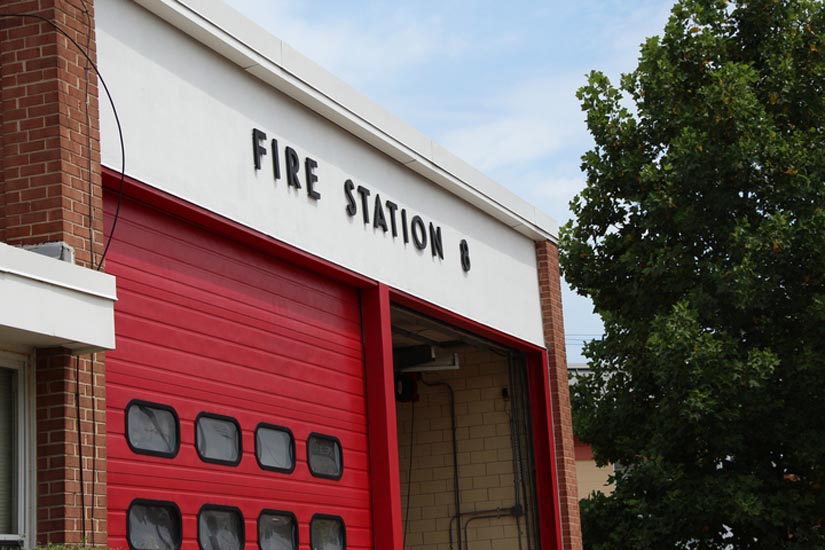
Board Approves Water Main, Fire Station Projects — “The Arlington County Board today approved contracts for two capital improvement projects, one to bring Fire Station 8 into the 21st century, and the other to replace a 90-year old water main with a larger pipe that will better serve the Cherrydale and Waverly Hills neighborhoods.” [Arlington County]
‘Say Yes to the Dress’ Star in Arlington — “TLC’s Say Yes to the Dress Atlanta’s Monte Durham will be on campus next Tuesday, January 29th from 7:30-8:30 at Ballston Center. Durham will announce the Portfolio In Motion fashion show Designer of the Year.” [Twitter]
Snow, Cold on the Way — “A powerful arctic cold front is set to blast through the Washington region Tuesday evening. It could have disruptive effects, with rain quickly changing to snow during the evening commute and then rapidly freezing over roads.” [Capital Weather Gang, Twitter]
New Publishing Schedule this Week — Readers may notice some regular ARLnow features publishing at different times and/or days this week. For instance, this Morning Notes post is publishing at 7:30 a.m., while an opinion column that usually publishes on Thursdays is scheduled for this afternoon. We are trying out a new schedule this week — let us know what you think.
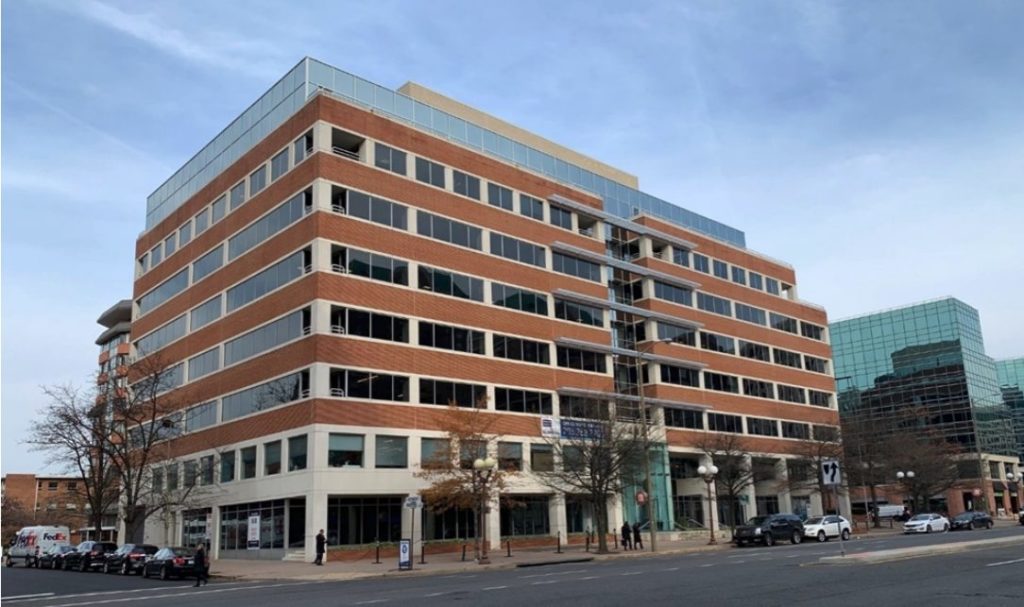
A Ballston office building that’s sat largely empty ever since a federal agency moved out a few years back could soon lure a bevy of new tenants to the space.
The Arlington Square building, located at 4401 Fairfax Drive, looks set to experience a bit of a revitalization. The County Board is set to consider a series of zoning changes for the property tomorrow (Saturday) to lure in two tenants, and other retailers look to be on the way as well.
Built in 1988, the eight-story building was long the headquarters of the U.S. Fish and Wildlife Service. But the agency took off for Falls Church in 2014, as part of a series of federal tenants leaving the area, and the building has been “mostly vacant” since then, county staff wrote in a report to the Board.
The Brookfield Property Group bought Arlington Square for $33.5 million back in 2017, paying substantially less than its previous owner did in acquiring it for $53.9 million in 2010, according to county property records. The developer now “intends to attract a variety of uses and tenants to occupy the building,” staff wrote.
Specifically, the building’s owner is looking for a zoning change in order to lease out about 2,800 square feet of space on its ground floor to a “private college.” The Board report doesn’t name the institution looking to move into the space, but it does say that it will offer classes on nights and weekends, with “degrees in a Master of Business Administration, Bachelors of Science in Business, Bachelors of Science in Information Technology and general studies and electives programs.”
A behavioral therapy provider, known as “Mind Body Health,” is also hoping to move into about 2,400 square feet of space on the building’s second floor. The business is currently based in Courthouse, in a building at 2200 Wilson Blvd, and is looking for a new permit to operate in the space.
Brookfield is also planning on adding two retailers to the ground floor, to further “activate the streetscape,” staff wrote. One, the soup-and-salad restaurant Zoup!, has already posted signs at the location. The other looks to be Poke It Up, according to a report from Eater D.C., a chain with a location in the Pentagon City mall.
County staff are recommending that the Board sign off on the proposal, hailing its potential to bring more business to “a building that has sat largely vacant for five years.”
The Board has certainly put an emphasis on reversing the county’s rising office vacancy rate in recent years — though Amazon’s arrival in Crystal City and Pentagon City will make a huge impact on that effort, officials have warned that neighborhoods like Ballston and Rosslyn still have some catching up to do.
Residential and commercial property values in Arlington ticked up last year, sending more revenue into the county’s coffers, but officials warn the increase won’t be enough to avoid the painful budget gaps facing county leaders this year.
The good news, the county says, is that the total assessed value of all Arlington property increased by 3.5 percent this year, compared to a 2.2 percent bump last year. Today (Friday), county mailed out property assessments, which determine the size of homeowners’ tax burdens. It plans to make all that information available online by tonight at 6 p.m.
The county said in a news release that three out of every four homes saw an increase in assessed value, for an overall bump in residential property values of about 2.9 percent. The average home’s value is now $658,600, up from $640,900 last year.
Commercial property also saw a 4.1 percent increase in value, and the county says the construction of new apartments was “responsible for about a third of the collective increase.” Office properties specifically saw a 4.3 percent bump, a substantial turnaround from the 6.9 percent decrease they recorded last year.
“Rising property values mean Arlington is a place people want to live and work,” County Manager Mark Schwartz said in a statement. “And the revenue we collect from real estate taxes helps us maintain the high-quality amenities and public services that make Arlington so attractive.”
Of course, the county still has its challenges. The release notes that Arlington’s office vacancy rate still sits at about 17.4 percent, and the resulting tax revenue slowdown has led to all sorts of fiscal challenges over the last few years.
Amazon’s arrival in Crystal City and Pentagon City will go a long way toward reversing that trend, but county leaders expect that it will take years for Arlington to start to feel the positive revenue impacts.
In the meantime, Schwartz is warning that the county’s budget deficit could be as large as $78 million in fiscal year 2020, given the gap facing both the county and its school system.
Schwartz expects that the county will need to close a gap of anywhere from $20 million to $35 million all on its own, which is driven by factors including Metro’s increasing expenses, the new raises for public safety workers the Board approved in the FY 2019 budget and new spending associated with the statewide Medicaid expansion.
The county school system could also tack on another $43 million in unmet needs, as it works feverishly to build new schools and keep pace with the county’s influx of students.
The County Board has already directed Schwartz to prepare options for the new budget ranging from tax increases to staff layoffs. He’ll deliver a proposal for a new spending plan next month, as will schools Superintendent Patrick Murphy.
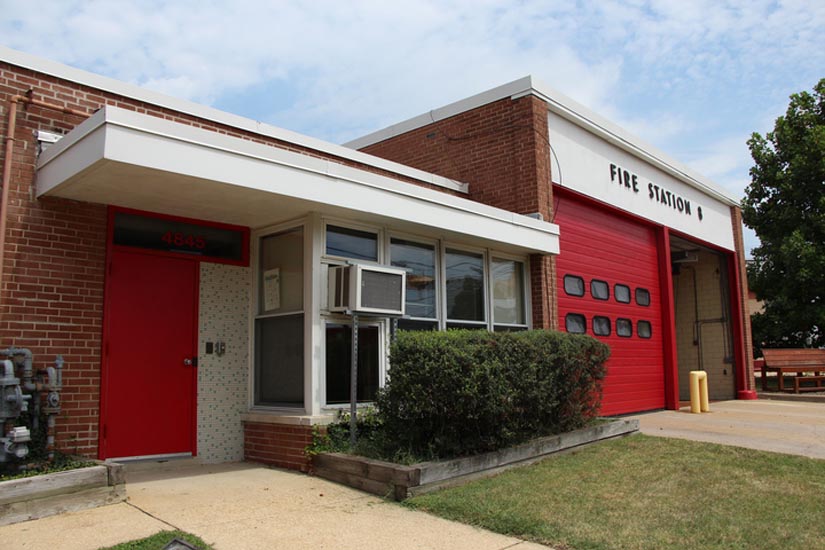
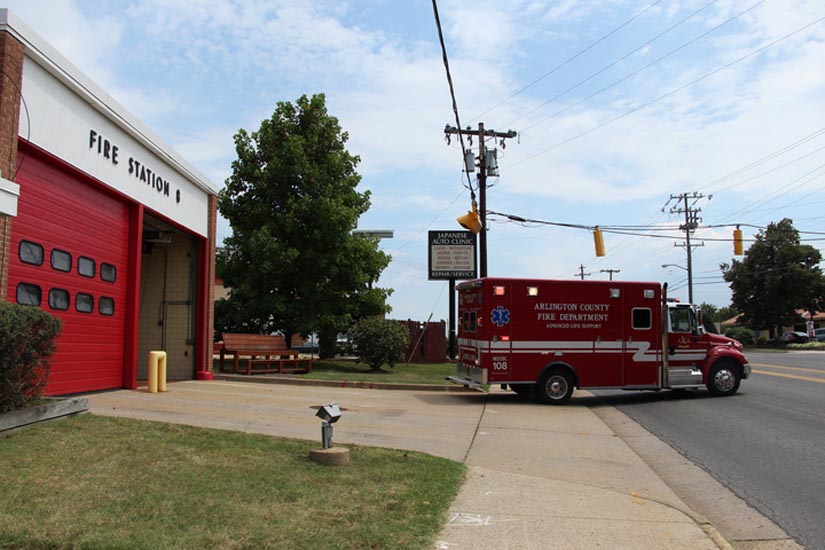
The Board voted back in 2016 to approve the construction of a new, two-story building on the same site as the current station, located at 4845 Lee Highway. That decision was a particularly contentious one, as some favored relocating it to a site adjacent to Marymount University’s campus, a property that’s home to Arlington’s northern salt storage facility.
But the majority of the Board hoped to keep the station at the same location, reasoning that it would be closer to a rapidly developing section of the county. The station’s history also factored into the debate — it was once the only firehouse in segregated Arlington to employ black firefighters.
The $21 million project will eventually add a 15,000-square-foot building to the site, with room for four fire engine bays and a new fueling station, according to a report prepared for the Board by county staff.
Construction is set to start on the effort later this year, so long as the Board signs off on the design contract at its meeting Saturday (Jan. 26).
Once it does, the fire department will set up a “temporary engine bay structure” on some land along N. Culpepper Street that the county recently acquired for the project. Firefighters will have a temporary living quarters at an existing building along the street.
The current building just passed its 100th birthday just last year, and a celebration of its history is set to take place in Ballston tomorrow. It will be held at the National Rural Electric Cooperative Association building (4301 Wilson Blvd) from 2-6 p.m.
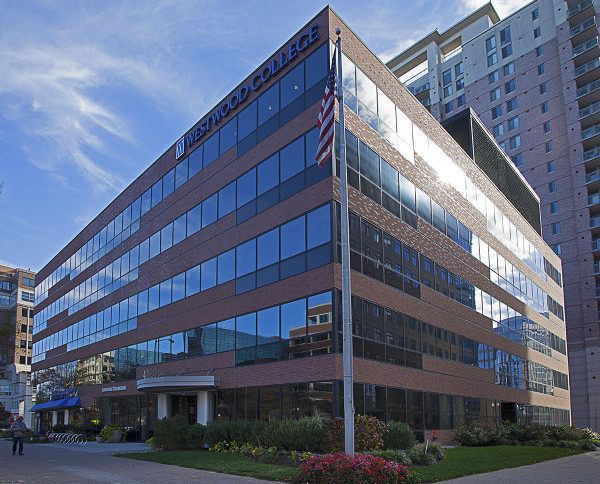
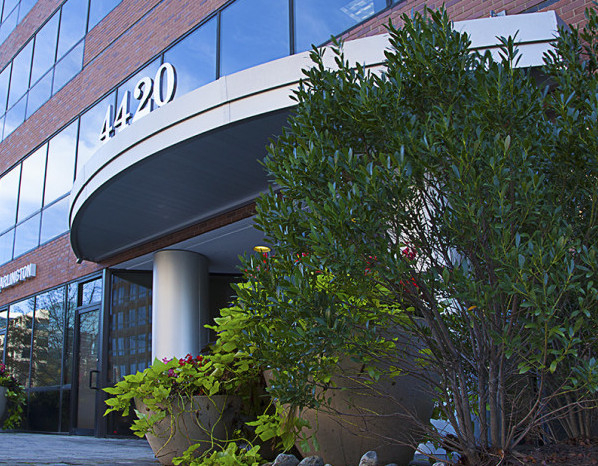
An office building at 4420 Fairfax Drive in Ballston, slated for redevelopment (via Washington Capitol Partners)
An office building at 4420 Fairfax Drive in Ballston, slated for redevelopment (via Washington Capitol Partners)
A Ballston redevelopment project that’s been in the works for more than a decade now could soon face yet another delay, complicating Arlington’s push to build a second entrance for the neighborhood’s Metro station in the process.
Since 2005, a rotating cast of developers has sought to tear down the office building at 4420 Fairfax Drive and transform it into a mixed-use building instead. Current plans call for a new, 23-story structure to be built on the property, complete with 237 apartments and 9,200 square feet of retail space.
But the trio of companies backing the redevelopment effort — Washington Capitol Partners, Kettler Development and Bognet Construction — haven’t made much progress since buying the property for $21.8 million back in 2015. Like developer JBG Smith before them, they’ve been unable to so much as tear down the existing, five-story building on the site.
Accordingly, the developers are asking the county for a bit more time to complete the project, generally dubbed “the Spire at Fairmont.” The site plan governing the project is currently set to expire in July 2020 — they’re hoping the County Board will agree to push that deadline back to December 2022 instead.
But the companies are also envisioning a few other changes. Not only do they want to cut back on the number of parking spaces they’ll offer on the property — moving from 289 spaces down to 237 — but they’re asking for a change in their obligations regarding the planned western entrance for the Ballston Metro station.
When JBG first secured the Board’s sign-off on the project roughly 13 years ago, it agreed to partially design and build the new station entrance at the base of the new building. That was a crucial concession for county officials, who hope to ease Metro access for people living and working along N. Glebe Road.
Now, the project’s backers are asking the Board to let them hand over cash to fund the second entrance, instead of building it themselves. The developers are also proposing to let the county start work on the project, which will include the addition of two elevators to reach the underground station, right away by granting officials an easement to access the site. In exchange, they’re asking for an extension on some other zoning deadlines associated with the redevelopment.
The county seems inclined to accept the easement deal — staff are recommending that the Board agree to the arrangement at its meeting Saturday (Jan. 26). But officials seem a bit more uncertain about the proposal to accept cash for the station entrance, and the extension of the site plan deadline.
Some of that trepidation likely stems from the county’s history of challenges finding funding for the Ballston Metro project.
The county had hoped to win regional transportation funding for the new entrance, to the tune of about $72 million. But the complex structure of the deal hashed out by state lawmakers last year to provide dedicated funding for Metro meant that the very group set to send Arlington cash for the project — the Northern Virginia Transportation Authority — would lose tens of millions of dollars each year, diminishing the project’s chances to win the money any time soon.
Staff are suggesting that the Board defer any final decision on the matter until March, in order to allow negotiations to play out between the two sides.
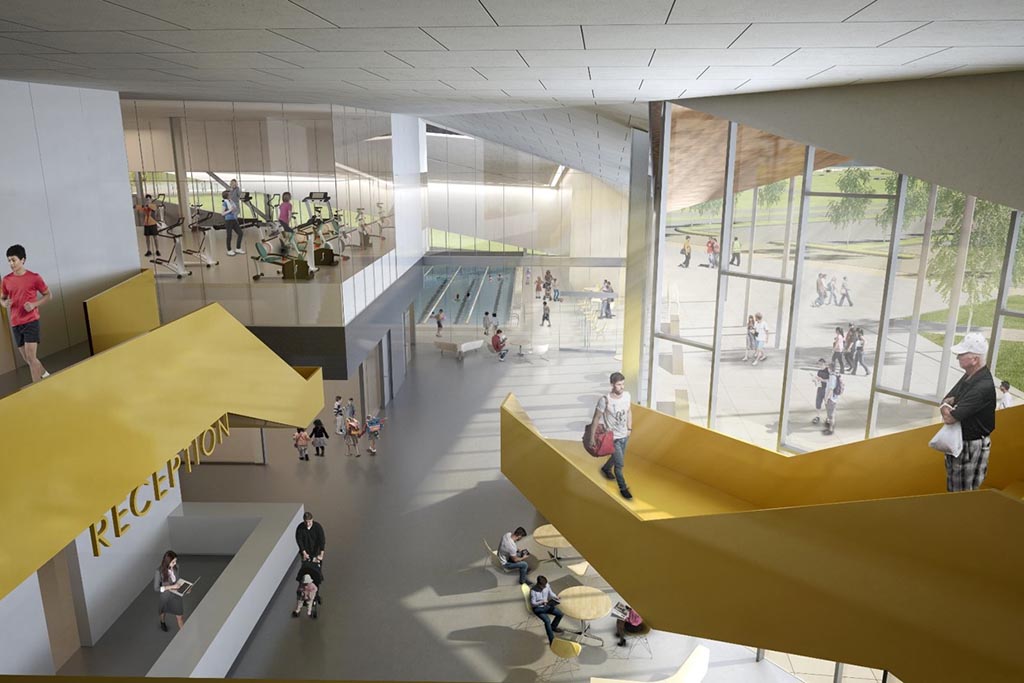
Long Bridge Park aquatics center interior (via Arlington County)
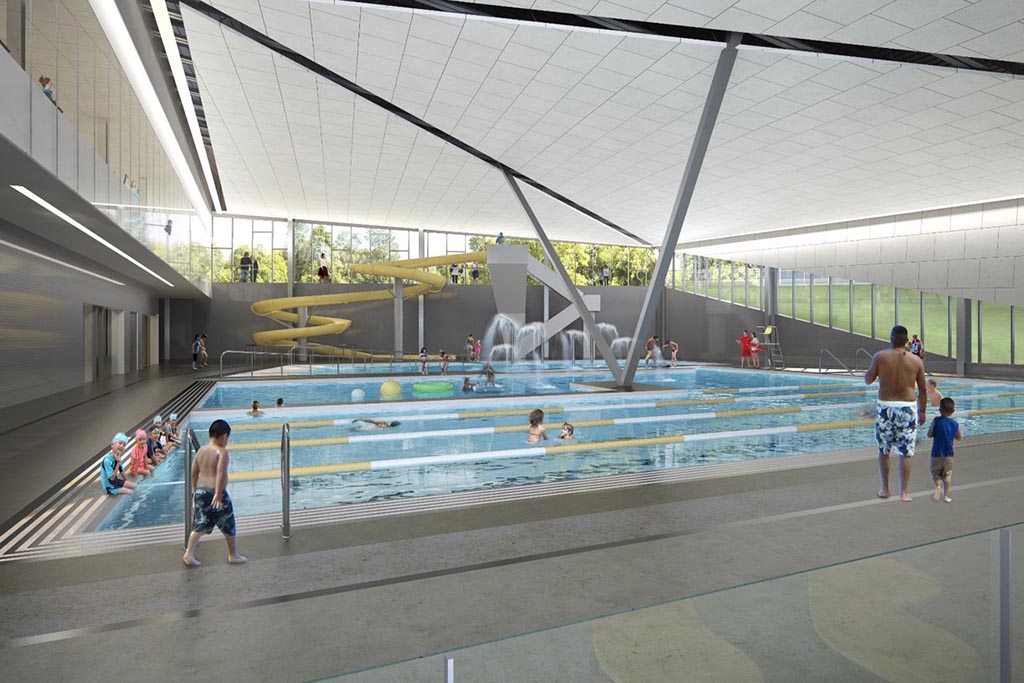
Long Bridge Park aquatics center family pool (via Arlington County)
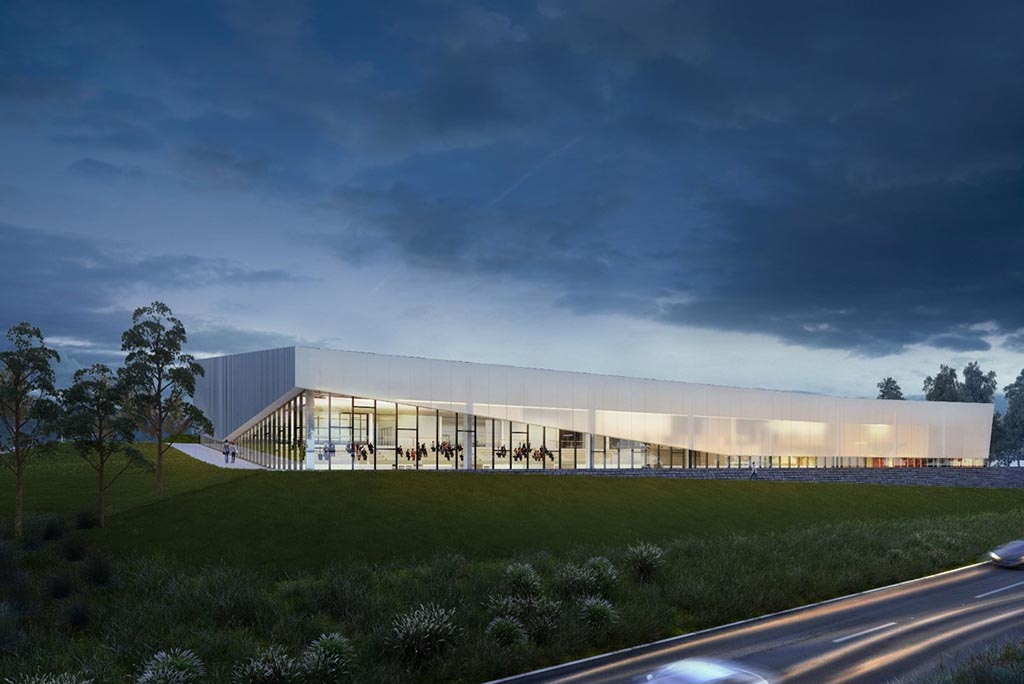
Long Bridge Park aquatics center exterior (via Arlington County)
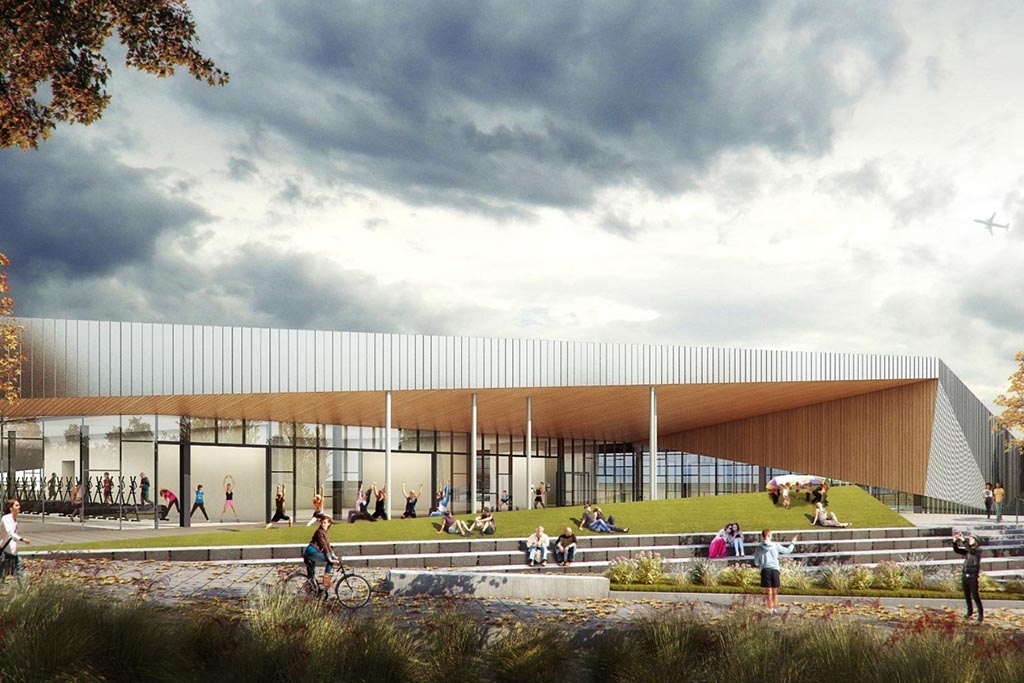
Long Bridge Park aquatics center exterior (via Arlington County)
Work kicks off to clear the site of the future Long Bridge Park aquatics and fitness center.
Work kicks off to clear the site of the future Long Bridge Park aquatics and fitness center.
Arlington officials are getting ready to spend nearly $410,000 for the installation of video boards at the Long Bridge Park aquatics and fitness center, a pricy project that has drawn plenty of criticism over the years.
The County Board is set to approve a contract with a construction company this weekend, after staff submitted a report arguing that only a firm with “specialized knowledge” will be able to handle the installation of the center’s audiovisual systems. The county’s main contractor kicked off work on the building this summer, though workers have mainly been occupied with clearing the site at 475 Long Bridge Drive since then.
In all, the contract calls for the erection of an “LED video board” in the center’s main “natatorium,” complete with an Olympic-sized swimming pool. Staff wrote in the Board report that the work will also include “fixed video cameras, associated broadcasting equipment, ceiling mounted speakers, and other associated hardware and software” in order to allow for the “live streaming of swimming and diving events.”
“The facility will also include speaker systems in the leisure/family pool, that will interact with wireless microphones, as well as in exercise spaces in the facility,” staff wrote. “The package also includes central paging, to ensure all areas of the building can be reached in an emergency.”
The Long Bridge project has long been the subject of intense scrutiny, after creeping costs convinced county leaders to repeatedly delay its construction. Former County Board member John Vihstadt was no fan of the project either, railing against its expense during his successful bids for office in 2014. Vihstadt and other skeptics around the county argued that Arlington had more pressing budget needs than a new pool, and that the project had become full of excesses.
But the Board signed off on a scaled down, $60 million version of the project over Vihstadt’s objections in 2017. However, there were few mentions of the audiovisual system set to be installed as part of this work during debates over the matter.
The Board is currently set to draw the $410,000 for the A/V installation from a $10.7 million fund the county set aside for the project’s “soft costs,” on top of the original $60 million sum designated for the center’s construction. Board members are set to approve the new contract at its meeting Saturday (Jan. 26).
When the project is finished, likely sometime in 2021, the center is also set to include room for diving at a variety of heights, and a family pool, complete with elements including a lazy river, splash pad for tots, basketball, volleyball, lap lanes and a water slide. The project also includes a new fitness center, billed as the largest one operated by the county, and an expansion of the adjacent park and its walkways.
A working group convened to hash out potential fees for the center’s users is also set to meet next Thursday (Jan. 31), as the county solicits feedback on what services residents want to see at Long Bridge.
Arlington zoning inspectors recently made an unusual discovery — a group of nuns living in a Williamsburg convent is currently running afoul of some county rules.
And in the process of trying to right that zoning quirk, county officials stumbled upon a similarly unique dispute within the neighborhood over how, exactly, the county should hand out a permit to let the nuns continuing living in their current home.
The dispute is set to come before the County Board this weekend, and involves a group of seven nuns who work as teachers at the nearby Bishop O’Connell Catholic High School.
The “Sisters of the Immaculate Heart of Mary” have lived in a home along the 2800 block of N. Rochester Street since winning a permit from the Board last year, according to a report prepared for the Board.
But as county staff commenced a one-year review of that permit, they discovered that the nuns never obtained a “certificate of occupancy,” a document from the county certifying that the building’s occupants were following the terms of the convent’s permit.
Staff notified the sisters and the Catholic Diocese of Arlington, and they’re now recommending that the Board give them three months to straighten out that deficiency.
Yet they’re also suggesting a new condition for the permit allowing the convent to operate, after hearing from one concerned neighbor. That person expressed concern that “the use permit for group living/dormitory could be transferred to another occupant upon sale/leasing of the property to another user that could operate under the use permit without further review by the County Board.”
“If the current owners of the house were to sell the property to another user that agreed to abide by the current approved conditions, there is a possibility that another of the uses that falls within the group living category could occupy the premises,” staff wrote. “As a result, staff is recommending a new condition that would limit the use permit to the current convent use; any other use of the premises for group living would require a review by the County Board.”
If the Board agrees to follow staff’s recommendations, it will take up the matter again in April, when members could renew the convent’s permit for a full year. The matter is slated for the Board’s consent agenda Saturday, which is generally reserved for noncontroversial items to be passed all at once.