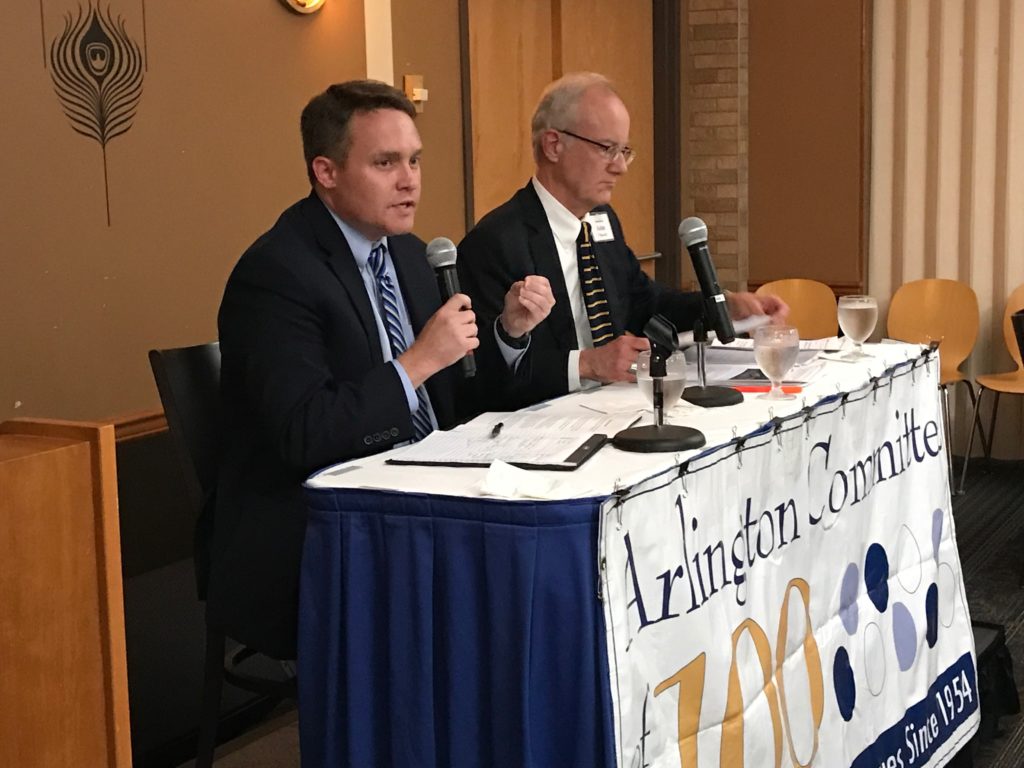
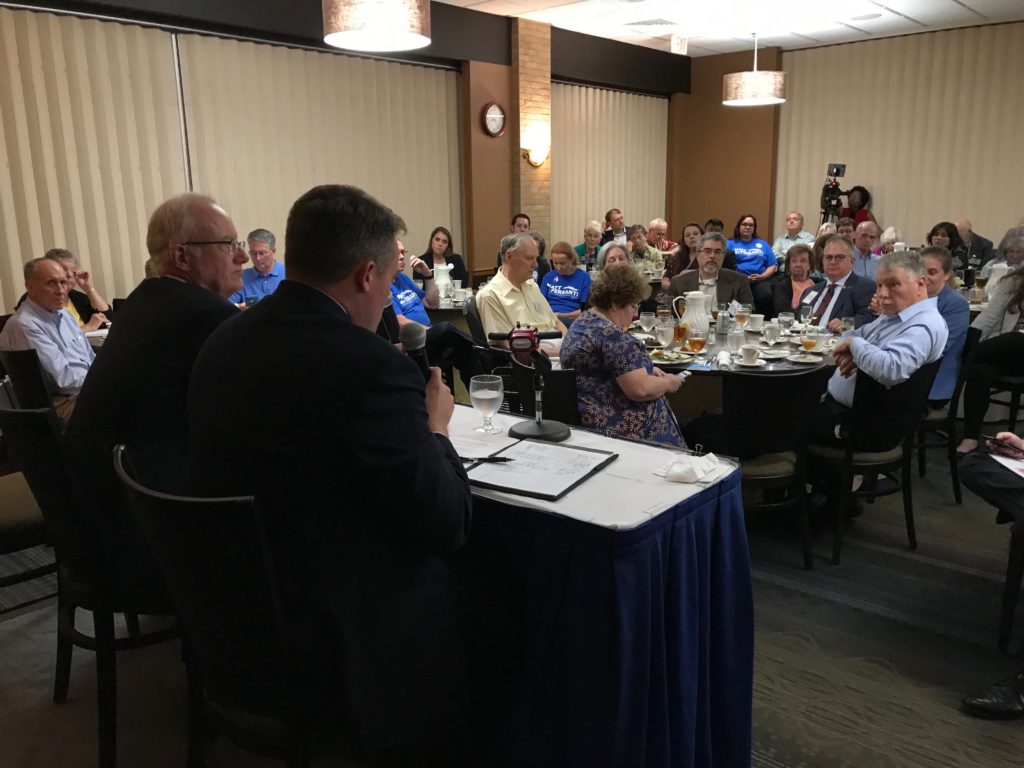
Arlington’s lone County Board race this fall has largely been a genteel affair so far, but Democratic challenger Matt de Ferranti is sharpening his attacks on incumbent John Vihstadt’s record, claiming the independent hasn’t done enough to address the county’s high office vacancy rate.

County officials of all stripes have long identified Arlington’s challenges filling vacant office space in corridors like Crystal City and Rosslyn as a prime reason that the county’s tax revenues have shrunk, squeezing its budget and creating a whole host of challenges for the county government.

Accordingly, both Vihstadt and de Ferranti have made the issue a central one for their respective campaigns, particularly because whoever wins a spot on the Board will likely need to wrestle with a budget that includes tax increases to tackle those revenue challenges.

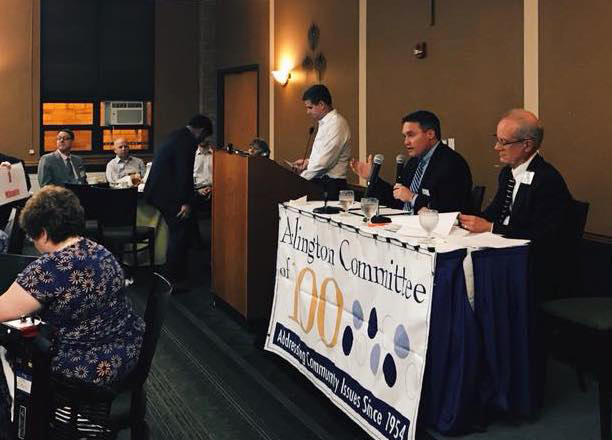
Yet the Democrat has pledged a laser focus on the issue in recent debates and forums, and the Committee of 100 Board debate on Wednesday (Oct. 10), moderated by ARLnow’s Scott Brodbeck, was no exception. De Ferranti even went a step further to critique Vihstadt’s handling of the vacancy rate since he first won a special election four years ago, when he became the first non-Democrat on the Board since 1999.

“It’s been at 20 percent for four years,” de Ferranti said. “We need to bring it down and make it our priority to bring it down… and we need new vision to bring down that vacancy rate.”

Vihstadt pointed out that the county has successfully lured major companies during his tenure, with few bigger than Nestle and Gerber, in addition to smaller firms like trade associations and tech companies.

He added that he remains committed to “business and tax base diversification” to address the office vacancy rate as federal tenants increasingly go elsewhere, noting that “we’re not just a company town anymore.”

“We need green tech, med tech, cybersecurity and so forth,” Vihstadt said.

De Ferranti agrees on that point, but noted he’s been discussing the prospect of luring those industries to Arlington since his successful primary campaign this spring, charging that Vihstadt was coming to that particular talking point a bit late in the game.

“I’m glad that we’re both mentioning now, clean tech, green tech, energy efficiency technology,” de Ferranti said. “Those are the right fields, but we should’ve identified those four years ago.”

The spat over the office vacancy rate also carried over to perhaps the most contentious topic in Arlington at the moment: whether Amazon’s potential arrival in the county should be welcomed, or feared.

Vihstadt, as he has for months now, struck a cautious tone on the matter, noting that the county winning HQ2 would be a “mixed bag” in terms of its impacts on Arlington.

“We need to confirm the purported positives of this development coming to Arlington, but we also need to be mindful about addressing mitigants and negatives,” Vihstadt said.

De Ferranti acknowledged that caution is warranted, given the myriad ways in which the sudden arrival of 50,000 Amazon workers could disrupt the county’s housing market and strain its infrastructure. But he was also considerably more bullish on how the company could solve the very problem he spent so much time discussing, should Jeff Bezos follow through on the rumors and tab Crystal City for his second headquarters.

“With a vacancy rate of above 20 percent in Crystal City, we can’t turn it down,” de Ferranti said. “Count me as someone who says, we have conditions, but we have to move forward. That’s not to say your anxieties, and all Arlingtonians’ concerns on this, aren’t relevant, but eventually you have to take a position. My position is we need to ensure there are net benefits…but we also need to have a solid plan before we sign on to anything.”

You can listen to the entire debate on this week’s edition of the 26 Square Miles podcast.

Listen below or subscribe to the podcast on iTunesGoogle PlayStitcher or TuneIn.


ACPD Expands Push to Make County Bar Scene Safer — County police are making their “Arlington Restaurant Initiative” permanent after piloting the program earlier this year. The initiative involves working directly with local bars to promote responsible alcohol service and reduce crime. [Arlington County]

Prepare for Years-Long Memorial Bridge Lane Closures — As part of extensive renovation work that’s involved complete shutdowns of the bridge, federal officials say they need to shut down three of the bridge’s six lanes, and a sidewalk, from now through 2021. [NBC4]

Sun Gazette Endorses John Vihstadt for County Board — Arlington’s weekly paper supports the independent incumbent for the lone Board seat on the ballot this fall, arguing that Democrat Matt de Ferranti deserves consideration but has not “made much of an attempt at telling the electorate what, specifically, the incumbent has done wrong in the past four years.” [InsideNova]

Metro Leaders Show Little Interest in Service Increases — With debate heating up over Metro’s strategy to lure back riders, a WMATA Board meeting turned contentious today. One member charged that “it would be crazy for this authority to simply run more trains in off-peak times chasing additional passengers.” [Washington Post]

Flickr pool photo via wolfkann


There isn’t much daylight between the two contenders for County Board this fall on affordable housing issues in Arlington, but the pair is offering different answers on one key matter: how much money the county should chip in to encourage affordable development.

Independent incumbent John Vihstadt and Democratic challenger Matt de Ferranti have both stressed the importance of preserving affordable homes in Arlington as part of their respective campaigns, and both did so once more in responses to a questionnaire from the advocates at the Alliance for Housing Solutions, released yesterday (Wednesday).

Both candidates also offered many of the same solutions for preserving affordable housing, like an increased reliance on housing conservation districts to protect older buildings. But their biggest divergence in answering the group’s questions came on whether the county should increase its annual contribution to its Affordable Housing Investment Fund.

Commonly known as AHIF, the fund is a loan program aimed at encouraging developers to build affordable housing by offering low-interest loans for new construction or redevelopments. Though the fund also draws in some federal funding, tax revenue and developer contributions, the bulk of the cash comes courtesy of a county contribution set in each budget cycle.

The Alliance for Housing Solutions asked each candidate whether the county should increase that annual contribution, particularly as rent prices continue to climb and the potential arrival of Amazon looms. For his part, de Ferranti offered a clear “yes” to that query, arguing that the county needs to strive to create substantially more “committed affordable” units per year, or homes with lower, more stable rent prices.

“We should use AHIF to work to reach our goals, and at the very least should work to get from [creating] 280 [units per year] to a much higher number of units,” de Ferranti wrote. “I fully realize that in this tight budget environment, increasing funding to those levels will be very difficult, but I do not think the levels we have at the moment are sufficient to say that we are truly making a real effort to fulfill our goals.”

Vihstadt would not be so definitive as to say he didn’t want to see an increase in the county’s AHIF contribution, noting that he’d like to reduce Arlington’s office vacancy rate and use the additional tax revenue to increase AHIF funding. But he also made no specific commitment to a funding boost, stressing instead that he wants to “move an increasing portion of AHIF funding from one-time to ongoing [in the county budget] to provide a more predictable and reliable funding stream for affordable housing.”

“This will have the helpful byproduct of allowing us to better plan for new projects,” Vihstadt wrote.

Michelle Winters, the executive director of the AHS, says her group won’t be evaluating the candidates’ answers to these questions, but does point out that “moving funds from one-time to ongoing does not equate to having more funds for AHIF in the budget.”

“It just theoretically helps insulate the ‘ongoing’ portion from potential budget cuts in the future,” Winters told ARLnow. “For example, in [fiscal year 2019], the total AHIF allocation dropped from $15 million to $14.3 million, but the ‘ongoing’ or base portion of that amount was increased from $4.9 million to $6.7 million.”

That difference aside, however, both candidates agreed that the Board should find new funding sources for the AHIF to ensure the program gets the money it needs to succeed.

Vihstadt referenced the possibility of “increased dedicated recordation tax monies and even special purpose bonds” to send more cash to AHIF, or somehow taking advantage of the new “Opportunity Zone” designation created by the Republican tax reform bill last year, which is designed to lure investment to disadvantaged areas through tax breaks.

De Ferranti also raised the possibility of setting aside “dedicated funding for AHIF through a specific revenue stream,” as the “community could more clearly understand the investment in affordable housing” if the county makes clear how it’s funding the AHIF. Like Vihstadt, he also proposed funding the AHIF with a bond as part of the county’s Capital Improvement Plan, which is normally set aside to guide funding for large construction projects around Arlington.

“This would require considerable public engagement to achieve, but it is worth considering,” he wrote.

Photo via Facebook


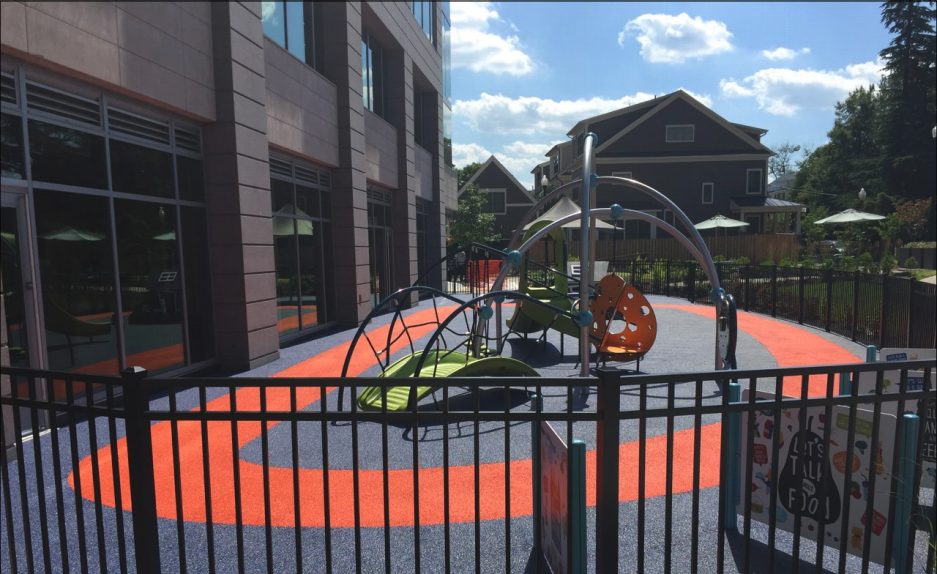
Arlington officials are outlining more details about potential changes on the way for the county’s childcare policies, raising the possibility that Arlington could soon allow more children in small daycare centers, cut back on the permitting and zoning requirements for daycares and reduce the number of staff required for each center to operate.

County leaders have spent years studying what they could do to make childcare more accessible and affordable for Arlington parents, signing off on some broad goals with a “Childcare Action Plan” this summer. But the County Board is also hoping to make some more specific tweaks to its childcare ordinances, and a survey released this week reveals some of the proposals officials could consider before the year is up.

The Board has already agreed to set up a new subsidy to defray childcare costs for families that don’t qualify for state assistance, and plans to streamline some of its online resources for parents looking to find childcare options. Yet, after holding a community forum on the topic this month, the Board could endorse a dozen or more separate policy changes this December.

The new survey looks to collect yet more opinions on the proposed changes. Chiefly, the county could soon allow up to 12 children in small, family daycare homes, up from the current limit of nine. That change would match state law, which permits up to 12 kids in such a setting.

The Board could also do away with its requirement that anyone looking to open a new family childcare center first secure separate “use permits” from the county, making the process “by-right” instead to speed the proliferation of those daycare facilities. Additionally, the Board could eliminate limits on operating hours for those centers, or allow them to open earlier or stay open later to better accommodate working parents.

Another option the Board could consider would be changing its zoning ordinance to set more uniform standards for daycares, in order to help compensate for a lack of permit reviews. New guidelines could include limits on the hours of outdoor playtime for kids or requirements surrounding screening and buffering for playgrounds.

As for larger daycare centers, the Board may also allow them to bump up classroom sizes across kids of various age ranges. For instance, the county currently caps daycares at 10 children per class for two-year-olds, 16 per class for three-year-olds, and 25 per class for kids ranging from 6 to 14.

The Board could choose to adopt state standards instead, including a limit of 24 kids for age 2 and 30 for age three, with no cap on the number of kids per class above the age of six.

Finally, the Board could reduce the number of caregivers each daycare is required to have on staff, or change up its educational requirements for daycare staffers. The county currently stipulates that daycare providers should have two years of college experience, with evidence of childcare-focused coursework — the Board could move instead to state standards, which require a high school diploma and a set amount of relevant experience and training.

The survey on childcare changes is set to close by Friday (Oct. 12).

Photo via Arlington County


Man Punched Outside Ballston Subway — A man was punched in the face outside the Subway on Fairfax Drive in Ballston yesterday. The assault occurred just before lunchtime and those flocking to the restaurant for footlongs had to step over splatters of blood on the sidewalk. No word yet on what prompted the fight nor whether the suspect, who reportedly fled into the Metro station, was later apprehended. [Twitter]

Tonight: Committee of 100 County Board Debate — The Arlington Committee of 100 will be holding a County Board debate tonight at Marymount University. The program, moderated by ARLnow’s Scott Brodbeck, will start at 8 p.m. after a meet and greet and dinner. [Committee of 100]

History of the W&OD Railroad — Before it was a bike and pedestrian trail, the W&OD was a regional railroad that transported goods and people across Northern Virginia. How would the area and our transportation problems be different if it had stayed a transit corridor, asks a GGW contributor. [Greater Greater Washington]

Local Social Media Influencer Profiled — Clarendon resident and mother of two Angelica Talan “has made a career out of building a loyal following on social media.” She blogs at Clarendon Moms and Angelica in the City and also has done some modeling and acting. [Arlington Magazine]

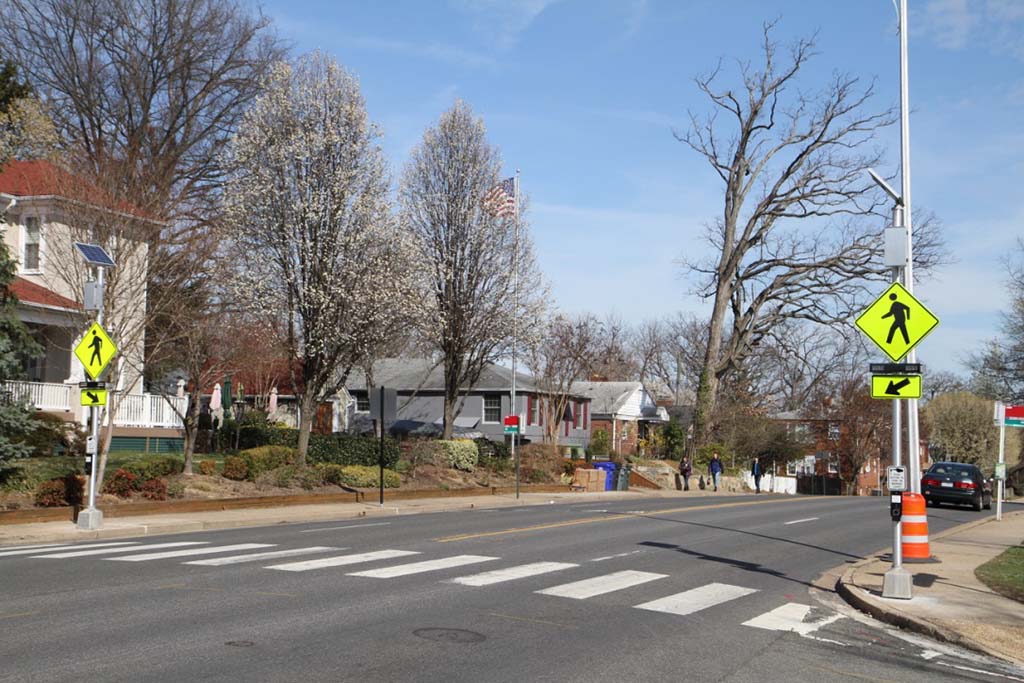
Tree Group Wants More Trees — The Arlington Tree Action Group replied on Twitter to a posting of the photo above: “Beautiful sky! It would look even better with more trees! #ArlingtonVA #trees.” [Twitter]

Nearby: Alexandrians Worry About Takeout Window — A proposed takeout window for a new Mexican restaurant on King Street prompted a protracted debate among members of the Alexandria city council. Said one opponent on the council, who ultimately lost out on a 4-3 vote: “I think this is maybe one small step in the direction of what we don’t want Old Town to become.” [Washington Business Journal]

Photo courtesy Dennis Dimick


Arlington officials are gearing up to loosen some of the zoning rules governing community swimming pools, in a bid to make it easier for organizations to build or renovate pools across the county.

The Planning Commission is set to hold a public hearing on the zoning tweaks this coming Wednesday (Oct. 10), with the County Board considering the changes soon afterward.

Primarily, the changes would give the Board more latitude to hand out “use permits” for the pools, giving officials the chance to review standards for things like fencing and setbacks on a case-by-case basis, rather than subjecting every pool to the same rigid standard.

The county doesn’t currently boast a large number of community pools, by any stretch of the imagination — there are just five pools around Arlington that aren’t owned by the county or restricted for a specific neighborhood or development’s use — but the zoning changes have sped through the county’s engagement process, nonetheless.

That’s largely due to the fact that the Macedonia Baptist Church is currently hoping to redevelop a former YMCA community center in Nauck, located at 3440 22nd Street S., into a community pool, and has been pressing the county for changes to the zoning standards.

Most of those documents haven’t changed since the mid-1950s, according to a county staff report, when many of the original community pools were first built. Staff notes that those standards “were originally intended to buffer residential communities adjacent to community swimming pools from the impacts of the use, and to ensure that the pool provided ample parking on site that did not congest nearby on street parking or other off-site parking facilities.”

But as Arlington has urbanized over the years, staff believes those standards have become increasingly out of date.

For instance, the zoning ordinance currently requires pools to be built with a 100-foot setback from a residential street, a standard designed to “minimize the audible and visual impacts of the pool on nearby neighbors,” staff wrote. But with space in Arlington increasingly at a premium, county officials believe “a combination of opaque fencing and landscaping” can accomplish the same goal without requiring quite so many design headaches.

County staff don’t want to see the Board do away with that sort of limit entirely, noting that there could be plenty of future instances where the “100-foot setback requirement could be warranted to prevent mechanical equipment, storage buildings, and other pool-related facilities from being located too close to an adjacent neighborhood or property.”

By changing zoning rules to give the Board the chance to review future community pool designs, however, staffers believe members would be able to examine each application on its own and evaluate “the specific circumstances of individual properties,” making the whole process a bit less rigid.

After the Planning Commission gets a chance to offer a recommendation on the zoning changes next week, the Board is set to consider them at its Oct. 20 meeting.

Flickr pool photo by Alves Family


A new group set to study potential reforms for the county’s “Neighborhood Conservation” program will soon start its work, with the broad goal of evaluating the program’s efficacy after it endured some deep cuts this year.

The county is now recruiting members for a working group on the subject, after staff sketched out their plans for the new committee to the County Board last Tuesday (Sept. 25).

The program, which lets communities lobby for money to complete modest improvement projects like new sidewalks or landscaping, has earned its fair share of critics over the years. Projects funded through the program have often been plagued by cost overruns, and the pace of its evaluation process has slowed dramatically, leading to some calls to end the program in its entirety.

The Board even slashed $23 million from its budget when setting a new Capital Improvement Plan in July, in order to cope with an increasingly challenging budget picture. The program’s supporters argued that amounted to effectively killing Neighborhood Conservation by starving it of funding.

But, in a concession to its backers, the Board also agreed to a year-long study of how the program is working to see how it might be reformed or otherwise reconstituted.

A draft charge for the working group presented to the Board calls for it to examine a variety of questions, with one more important than most: “are the goals and objectives of the NC program still valid in today’s environment, and are they being achieved?”

County Manager Mark Schwartz is planning on appointing one community member and a staffer from the county’s planning department to co-chair the group. Then, the rest of the group will include members from the following:

  • Neighborhood Conservation Advisory Committees
  • Parks and Recreation Commission
  • Transportation Commission
  • Neighborhood Complete Streets Commission
  • Environment and Energy Conservation Commission
  • Civic Federation
  • Planning Commission
  • Department of Community Planning, Housing and Development, Neighborhood Conservation team
  • Department of Environmental Services, engineering bureau
  • Department of Parks and Recreation, park development team

The group will also include two “at-large” members from the community.

The new group’s charge also calls for it to examine the cause of “unanticipated cost increases” for Neighborhood Conservation projects, which are often triggered by “unforeseen needs to address failing infrastructure incidental to the scope and implementation” of the projects.

The committee is also set to study whether the program’s funding is distributed “equitably” to projects around the county. A frequent criticism leveled at the program is that wealthier, older communities tended to benefit the most, as the process of lobbying for a project’s inclusion in the program could be quite time consuming, and most accessible to people already highly involved in civic life.

“Some parts of the county are way more involved and they communicate a lot more readily than others,” Board member Libby Garvey said. “There are a lot of voices we don’t hear, and they might live in communities that have a real need, but we don’t hear from them for a variety of reasons.”

That’s why county planner Anthony Fusarelli assured the Board that “we want to make sure the perspectives brought to bear in this effort are diverse and capture those viewpoints.”

Fusarelli added that the group will likely begin meeting by December, with plans to deliver a final report to the Board in the fall or winter of 2019.

As for projects already in the queue for Neighborhood Conservation funding, Schwartz says the county fully plans to move ahead in working on those in the meantime.

“We’ll reassess that, probably about a year from now, to see if adjustments need to be made,” Schwartz said.

File photo


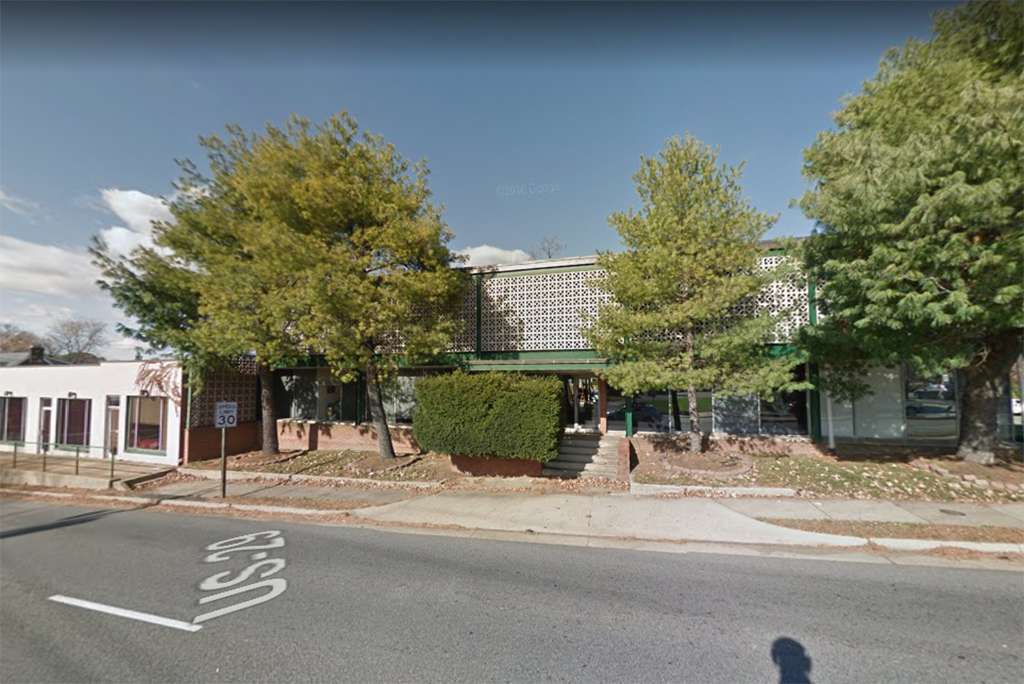
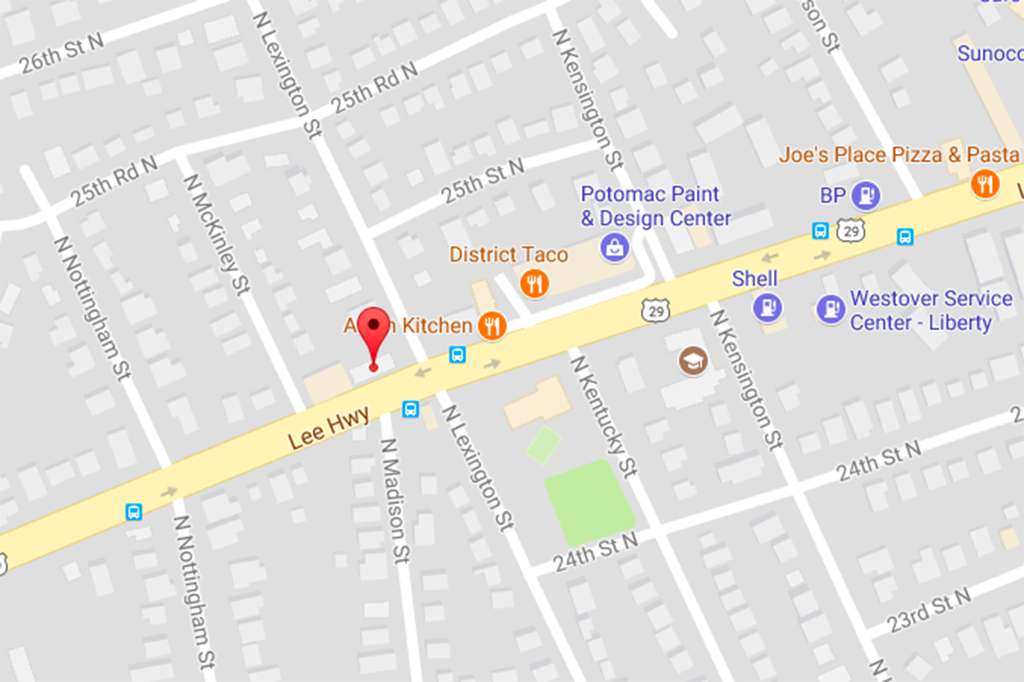
A proposed childcare center on Lee Highway that has irked neighbors for months is now on track to open in the next few months.

The County Board unanimously signed off on a permit Tuesday to let Little Ambassadors’ Academy move ahead with plans to open a third location at 5801 and 5901 Lee Highway. The childcare center is now on course to open by February or March of next year.

The daycare company has hoped for just over a year now to remodel two existing buildings on the property and create space for as many as 155 children, but people living nearby have repeatedly raised concerns about how the facility’s addition would impact traffic in the area.

Two people living behind the site even filed a lawsuit to block the daycare center’s construction after the Board lent its initial approval last September, though a judge tossed out that case in January. The Leeway Overlee Civic Association has raised concerns about the project as well, urging the Board to restrict the number of children allowed at the facility in a bid to ease traffic in the area.

All the while, Little Ambassadors has worked to open up the new center — but the process has dragged on so long that the permit the Board issued last year came up for review, even though the daycare has yet open.

As Sara Mariska, an attorney for Little Ambassadors, told the Board: “There has been no change in circumstances since we were here a year ago.”

Nevertheless, neighborhood concerns linger. Adam Watson, a staffer in the county’s planning division, said he’s heard from a variety of people in the area concerned that the daycare will snarl an already-busy section of Lee Highway. The original District Taco location sits just down the block, and a new 711 is on the way nearby at 5747 Lee Highway as well.

“[Our] initial expression of general support for [the company’s] application was based on the understanding that the child care center would operate with no more than 135 children,” Leeway Overlee Civic Association President Jack Grimaldi wrote to the Board. “More children, in other words, raises the likelihood of more vehicles being needed to get them to and from the center.”

But Joanne Gabor, who works with county’s Department of Environmental Services, assured the Board that staff believe Little Amabassdors’ strategy for managing traffic in the area “is a good plan and it’s workable.” And without any real-world examples of the childcare facility’s impact on the local traffic, the Board wasn’t inclined to change its original decision.

“A lot of the concerns that people had when this use permit was approved originally, we haven’t had a chance to see if any mitigating or corrective actions will be needed,” said Vice Chair Christian Dorsey. “I can’t find a way to mitigate something that hasn’t happened. It may seem like a callous approach to safety, but we have to see how the network responds.”

Board member Libby Garvey added that Little Ambassadors’ track record at its other Lee Highway locations, at 5232 Lee Highway and 3565 Lee Highway, also gives the Board confidence.

“We have a lot of background coming to us on this,” Garvey said. “I don’t want people to think we’re just winging this.”

The Board will review the daycare center’s use permit once more in September 2019, when it will have a chance to assess any potential traffic impact.


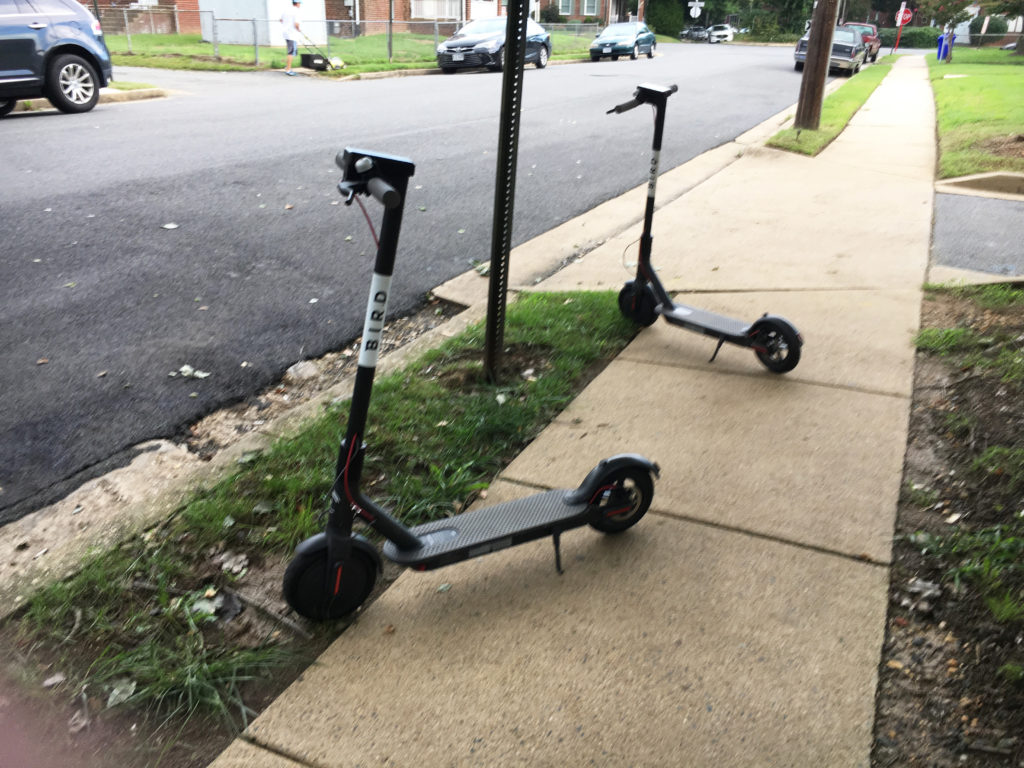
Arlington officials will soon allow dockless vehicle companies to operate up to 750 electric scooters and bikes in the county over the next nine months, reversing earlier plans to set a much lower cap on the vehicles as part of a new pilot project.

Starting next week, companies will be able to participate in the “demonstration project” the County Board unanimously approved Tuesday. While an earlier version of the program called for a cap of 350 vehicles per company, the Board ultimately opted for a much larger limit over concerns that a smaller cap would stymie the success of the dockless vehicle firms.

Bird first dropped its scooters in the county in June, becoming the first company to cross from D.C. into Arlington, but that move caught county officials a bit flat-footed. Arlington decided against retaliatory action on that front, choosing instead to launch the nine-month pilot to better evaluate how it manages the bikes and scooters going forward.

“I’m really proud that we’re not going to react to this major change to our transportation network in a kneejerk way,” said Board Chair Katie Cristol. “We’re going to do it through data.”

The program will set some new standards on dockless companies, forcing them to pay $8,000 for a permit to participate, post a “surety bond” in case they go out of business and share ridership data with the county. It will also require them to remove an improperly parked bike or scooter within one hour from 8 a.m. to 9 p.m. each day.

But the top issue the Board hopes to suss out as part of the pilot is just how many dockless vehicles Arlington can realistically handle.

Cameron Kilberg, senior manager of government affairs for Bird, told the Board that her company already had 500 scooters in the county, with each one averaging roughly three trips per day. County staff initially only expected to allow companies to reach the 350 vehicle cap if they could demonstrate a six-trip average per day, strictures Kilberg warned would hurt Bird’s ability to operate in Arlington. The county’s Transportation Commission also urged against the lower cap in a letter to the Board.

Some dockless companies have already pulled out of D.C., citing the city’s 400 vehicle cap, and the Board feared a similar development in Arlington if they mirrored that approach.

“What would be the goals of a pilot coming in at a scale lower than what you’re actually seeing on the ground?” said Vice Chair Christian Dorsey.

Even still, transportation staffers told the Board that they’re wary of just how many vehicles could show up in the county all at once.

For instance, commuter services bureau chief Jim Larsen pointed out that Skip, another dockless company operating in D.C., told him that they envision deploying 500 vehicles to the county right away in the near future. He added that he foresees as many as 10 companies applying as part of the new pilot program, meaning the county would soon be awash in thousands of the vehicles.

“Those jurisdictions that don’t have a cap have run into problems, and in some cases have had to entirely pull back, pull all the devices off the market and start over,” said county transportation chief Dennis Leach. “We don’t feel that’s a good way to move forward.”

Yet Board member Erik Gutshall pointed out that if the 350-vehicle cap forced companies to leave the county, “we could find ourselves midway through the pilot, and our hands are tied.” That’s why the Board ultimately decided to allow dockless companies to immediately deploy 350 bikes and scooters, then apply for an increase of 50 vehicles each month over the duration of the pilot, so long as they can prove they’re being ridden three times each day.

Dorsey added that an increase in the number of scooters and bikes might also force companies to deploy the vehicles beyond just the heavily trafficked Rosslyn-Ballston corridor, which he deemed an “equity issue.”

“I’d hope with this more permissive approach, we can get these companies really thinking about how they deploy on Columbia Pike, Lee Highway, Shirlington, all these areas not served by the multiplicity of modes on the R-B corridor,” Dorsey said.

Gutshall even proposed someday moving to a “free for all” approach, where the county would require companies to “draw down” if they can’t provide data demonstrating they’re hitting a target number of trips per day. Dorsey even suggested setting a cap on the total number of vehicles in the county, then putting forth some sort of competitive bidding process for companies looking to meet that demand.

The new policy also bans people from riding the scooters on sidewalks and county trails — staff believes the county would need to pass a new ordinance to allow them on the trails, yet lacks the authority to do so under state law — and caps their speed limit at 10 miles per hour.

Kilberg suggested changing both provisions, particularly the speed limit, as the company’s scooters are currently capped at 15 miles per hour.

“Most people aren’t going 15… and if you’re only using them on the street, you’re competing with other cars,” Kilberg said.

But any of those proposed changes would only come once the county gets a chance to evaluate the results of the pilot, Cristol said. County staff plans to collect data from the companies on the scooters and bikes, and gather comments from the community to gauge how the dockless vehicles are working in practice.

“We want complaints, commendations, to know if you’re enjoying the program, or possibly not,” said Paul DeMaio, the pilot program’s manager.


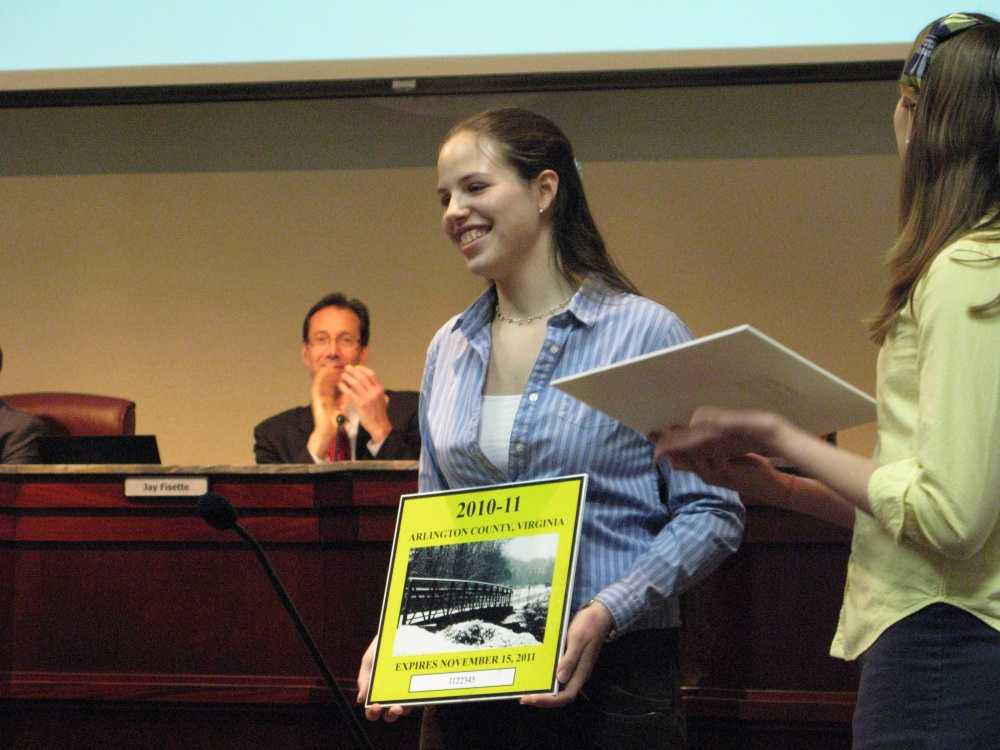
Starting next year, Arlington drivers won’t need to display a car decal on their vehicles for the first time in decades.

The County Board voted unanimously yesterday (Tuesday) to end the requirement that owners of vehicles parked in Arlington use a sticker to prove they’ve paid personal property taxes.

The “motor vehicle license fee” associated with the decal, which helps the county pull in about $5 million each year, will remain under the Board’s plan. But starting July 1, 2019, the county will now rely entirely on license plate readers to track whether drivers are up to date on their taxes.

“This is truly the end of an era for Arlington,” County Board Chair Katie Cristol said in a statement. “The decal is going the way of the horse-and-buggy.”

The county first began requiring drivers to display a metal tag on license plates all the way back in 1949, moving to a decal system in 1967. Yet, as other localities across the state have increasingly abandoned similar decals, pressure on the county to follow suit mounted.

“It’s been a long time coming,” Board member John Vihstadt said at the meeting Tuesday. “We’re not getting rid of the fee, it’s important to our tax base and enforcement of motor vehicle regulations and so forth. But this will eliminate the nuisance of having a decal.”

County treasurer Carla de la Pava remains confident that Arlington will be able to maintain its low tax delinquency rate even with this change, though it will also mark the end of her office’s annual design competition for the decal, which featured art from local high school students.

“The decal competition was a great collaboration between art, teens, and local government, and I am sorry to see it end,” de la Pava said in a statement.

File photo


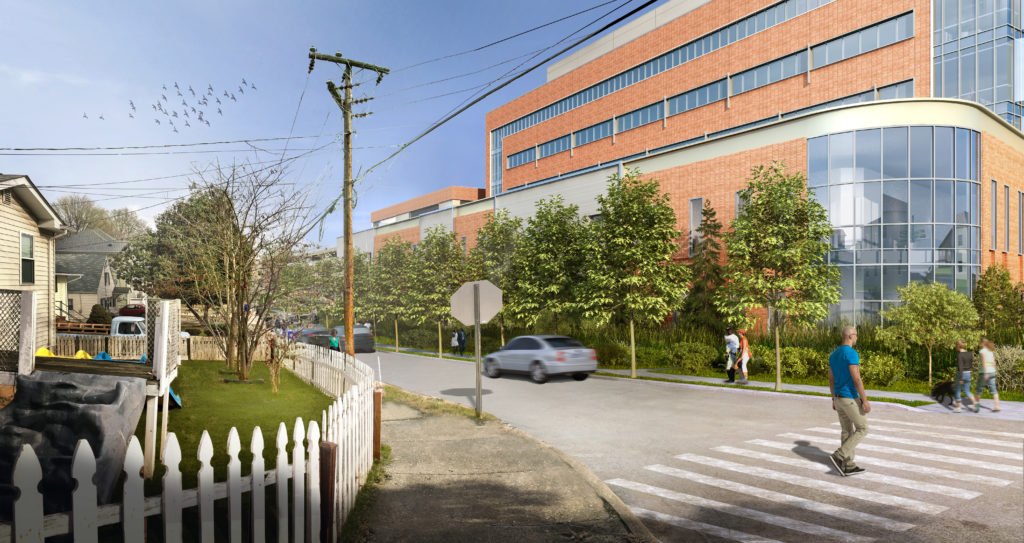
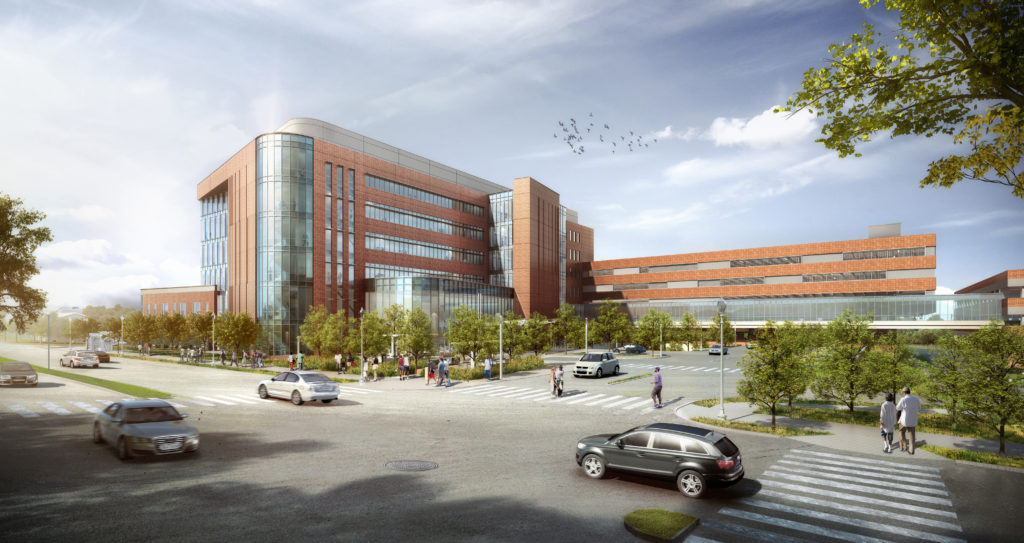
The Virginia Hospital Center will need to wait a bit longer to kick off its coveted expansion project, but Arlington officials are largely optimistic that they’ve charted out a path to help the county’s lone hospital meet some community concerns and ultimately win approval.

VHC, and the county’s business community, pressed hard to earn a green light from the County Board this weekend, in order to start work on a $250 million expansion the hospital says it desperately needs to manage demand. But the Board chose to follow the recommendation of its planners instead, and push back a final vote on the project until December.

Rather than ordering any substantial reworking of the project’s design, however, the Board asked that the hospital make some more modest changes to its plans.

While those alterations may not address each and every concern raised by people living nearby, who argue that the two new structures the hospital wants to build are hopelessly out of step with the surrounding community, county leaders hope they strike the right balance between addressing neighborhood worries and providing VHC with reasonable goals to meet.

“We didn’t want to kick this back to everybody to noodle over for the next three months,” Board Chair Katie Cristol told ARLnow. “We wanted to be clear about the targets the hospital needs to hit to reach approval… I do this think it’s likely that they meet these criteria. We tried to take the judgement calls out of it.”

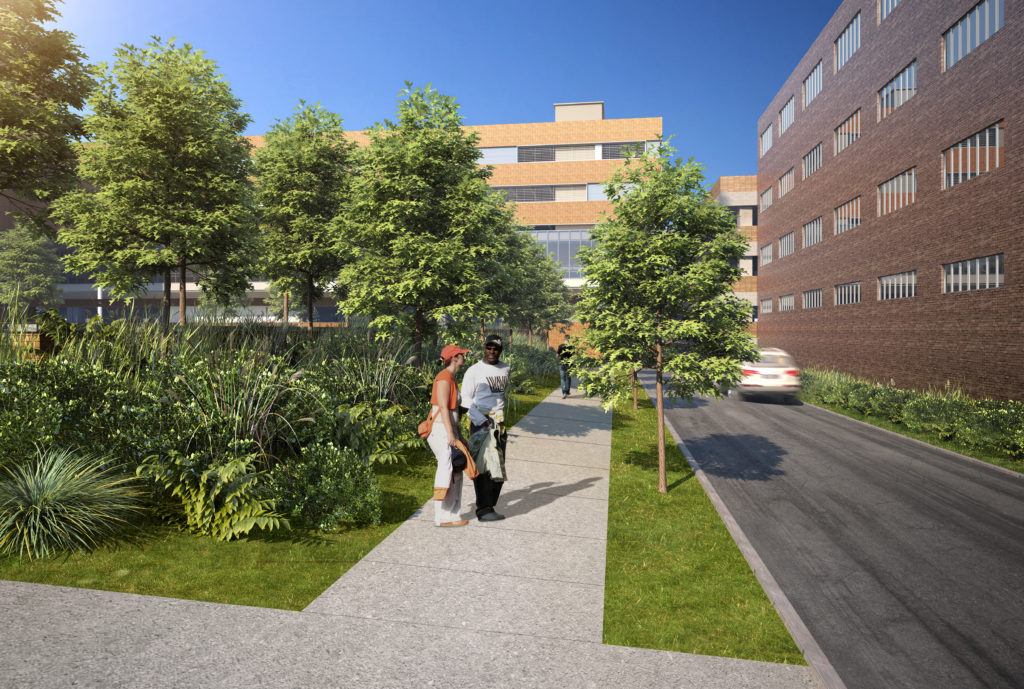
Those new requests of VHC include a requirement to add better connections throughout the site of the expansion, in a lot on N. Edison Street immediately adjacent to its existing campus at 1701 N. George Mason Drive. As Cristol puts it, she wants to see less of a “superblock,” particularly after planners and neighbors balked at the potential of the proposed seven-story parking garage and 10-story outpatient facility to effectively wall off the hospital from single-family homes in the neighborhood.

The Board also wants to see the hospital spruce up the facade of the garage itself to help it better fit in to the community, and create a pedestrian connection between 19th Street N. and one of the expansion’s proposed terraces.

All of those requests seem reasonable enough to Adrian Stanton, VHC’s vice president of business development and community affairs. He told ARLnow that the hospital is, of course, “disappointed” by the Board’s decision to delay the proceedings, but largely optimistic about the project’s prospects.

“We’re very confident that we can work collaboratively with the county and community to iron out these remaining issues,” Stanton said. “I truly believe we will, and that’s where we appreciate the Board being very specific.”

But the Board’s requests won’t fundamentally impact a chief concern of many people living near the hospital: the size of the new buildings.

The county’s Planning Commission urged the Board to force VHC to move the largest structures closer to the center of the site, in order reduce their impact on the community. Neighbors similarly hoped for larger setbacks or other measures to help the structures better blend into the area, but felt those requests went ignored.

“None of these hopes were realized,” Suzanne Nirschl-Brown, head of the nearby Taratown Homeowners Association, told the Board Saturday. “We’re the ones with the towering structures close to our homes.”

However, Stanton noted that the hospital is fundamentally “landlocked” by those single-family homes and will need to build large structures to make any expansion happen. Cristol added that VHC did also reduce the size of its garage, simultaneously shrinking the structure and satisfying the demands of transit advocates concerned that offering so many parking spaces would encourage employees to drive to the hospital.

Planners are also concerned that the hospital still hasn’t done enough to lay out what its future construction on the site might look like. Once it can complete the expansion, the hospital hopes to overhaul its existing campus over the coming decades — the Planning Commission called for VHC to go through a different process known as a “phased development site plan” to help the county better scrutinize those long-range plans.

Yet Stanton says that the constantly changing nature of the healthcare industry would’ve made it difficult to predict exactly what sort of facilities the hospital will need to build so far in the future. He added that VHC also fully plans to go through the PDSP process when it proposes any design for a future overhaul of its campus, which he doesn’t expect to happen for the next 10 to 15 years.

The Board agreed to that condition, even if it doesn’t quite meet the demands of planners.

“That’s akin to closing the barn door after the horse is gone,” Planning Commissioner Nancy Iacomini said Saturday. “One of the most important things a PDSP does is make the edge of a site match its context.”

Still, Stanton pledged to work closely with the community over both the next three months and the coming years on all manner of designs. Cristol and her fellow Board members agreed that was well warranted, given the hours of public comment they heard Saturday.

Cristol pointed out that tensions between VHC and its neighbors “go back decades.” One resident of the nearby Halls Hill neighborhood, Tia Alfred, compared the hospital’s design to the infamous “wall” used to separate the historically black community from its white neighbors decades ago.

To some Board members, such recriminations suggested that a lot more community engagement is needed on VHC’s part.

“If only VHC would treat their neighbors the way they treat their patients,” Board member Libby Garvey said Saturday. “I really hope this is one of the first steps between a repaired relationship between the hospital and the neighborhood.”

Stanton says VHC staff will meet with community members “as frequently as they request,” but did underscore the urgency of the hospital’s expansion, nonetheless. He noted that VHC regularly has to send patients seeking some mental and behavioral health services elsewhere, and will continue to feel a squeeze in its emergency rooms until the expansion can move forward.

Stanton added that the hospital expects construction to take from 24 to 30 months, and it will only be able to offer more in-patient beds on its current campus once it can build the new outpatient facility. The county has its own interest in seeing the project go forward as well, as it’s set to provide the Edison Street property with the hospital in a swap for a property on S. Carlin Springs Road.

But even with those pressing needs, and the Board’s specific guidelines, county officials warn that they’re not willing to simply offer a rubber stamp to the plan three months from now.

“I’m not going to support any proposed solutions for today’s problem if I believe it’s going to cause more problems the next time around,” Board member Erik Gutshall said Saturday. “Come back to us with what’s really your best and final offer.”


View More Stories