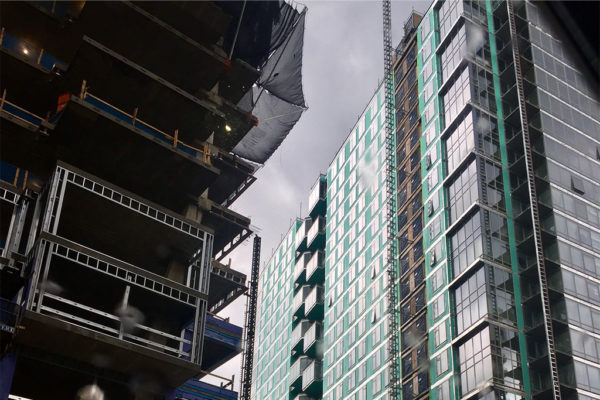
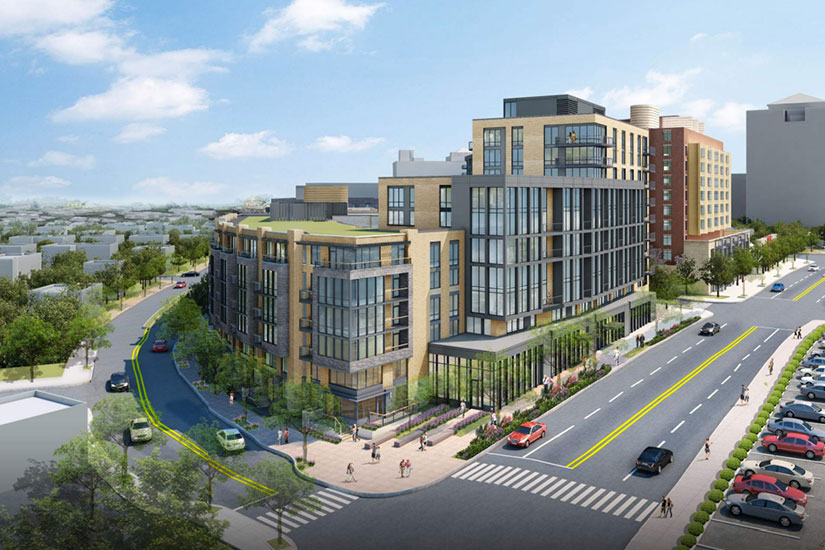
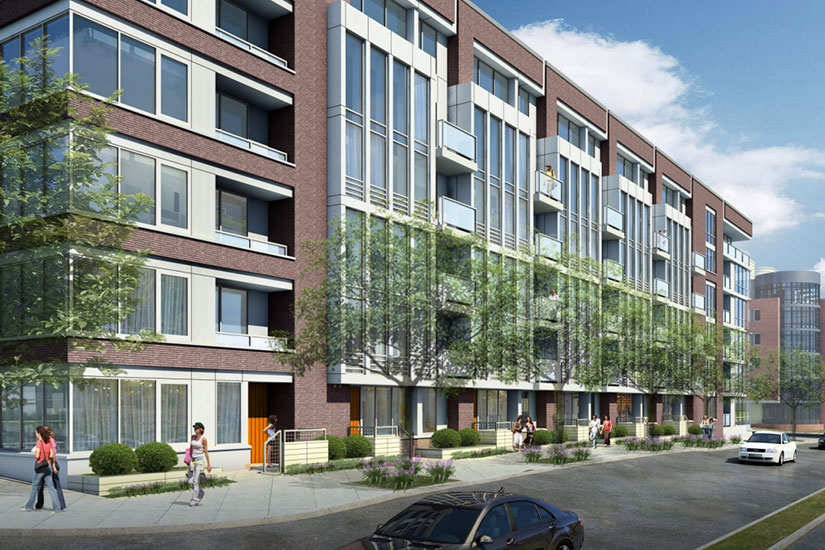
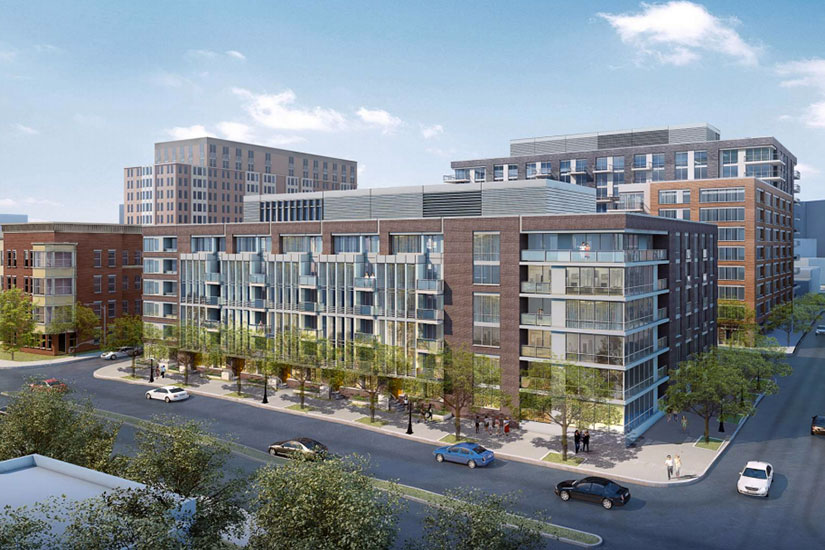
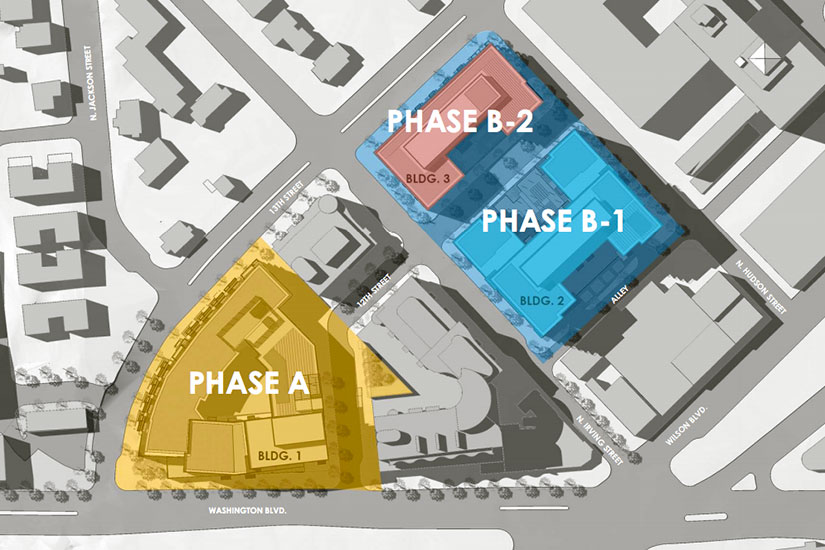
The developer looking to transform the Red Top Cab properties in Clarendon into three mixed-use buildings now hopes to cut back on the parking offered on the properties, prompting some worries from neighbors.

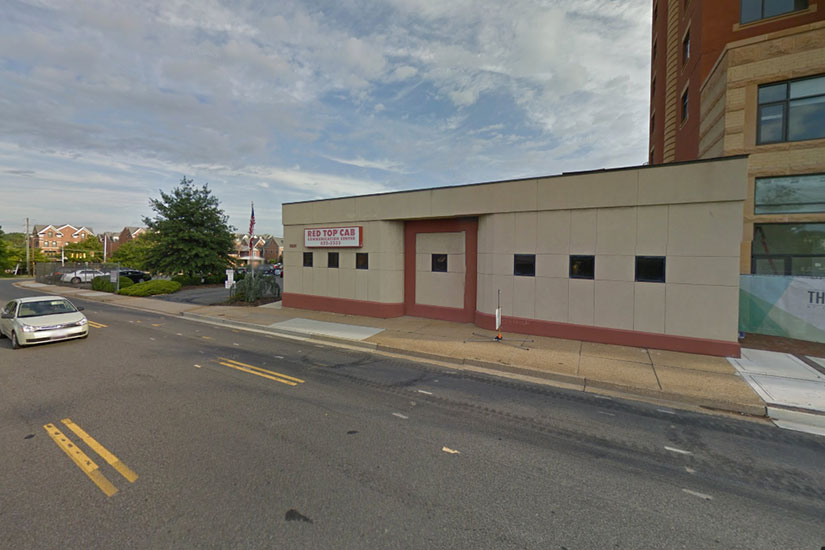
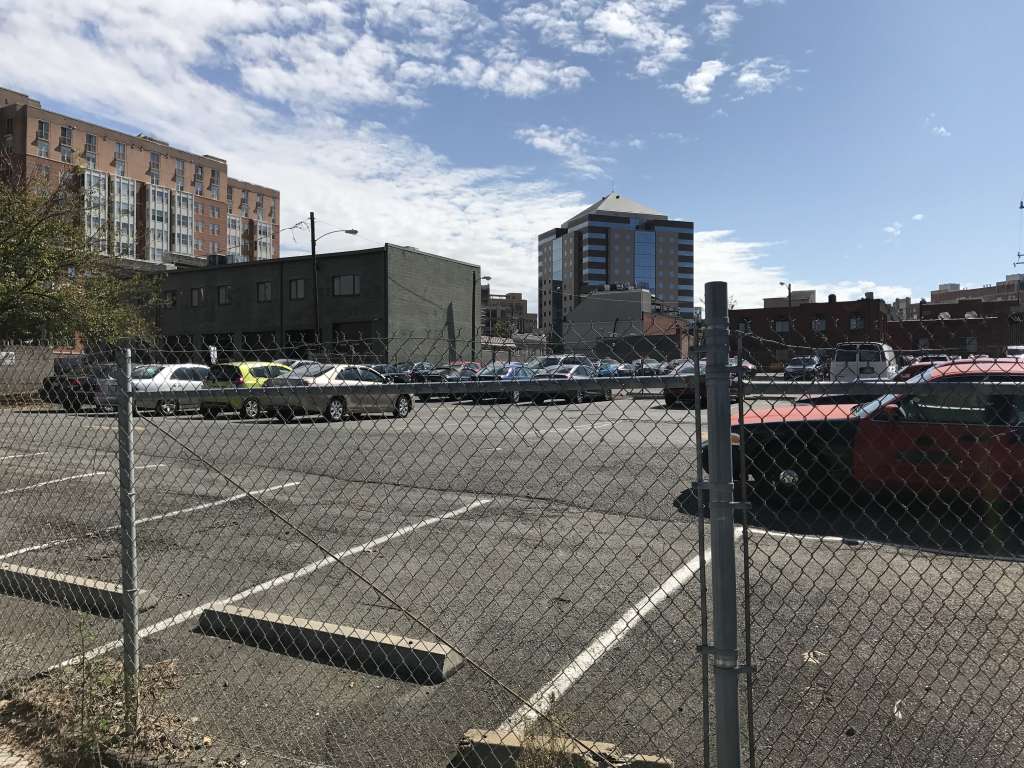
The Shooshan Company is asking the County Board for permission to remove one floor from both of the underground lots planned for the site, a reduction of about 178 parking spaces in all. Work is set to begin soon on the long-delayed development, which will replace Red Top’s headquarters (located where Washington Boulevard meets 13th Street N.) and the lot the company once used for vehicle maintenance at 1200 N. Hudson Street.

The three buildings are set to offer a total of 584 multifamily units, with 1,295 square feet of retail space thrown in as well, yet the Ballston-based developer is looking to cut back on parking as a cost-saving measure. In all, the company is proposing dividing 285 spaces between the two garages, compared to the 463 originally approved when the Board signed off on the project a few years back.

County staff seem more than ready to agree to such a change, noting in a report prepared for the Board that the development still “meets and exceeds” the county’s minimum parking requirements, even after the space reduction. The Board passed a plan last November to allow developers to build less parking along Metro corridors, in order to increase the use of public transit, car-sharing and other, greener transportation options.

Shooshan also plans to offer 20 parking spaces specifically reserved for visitors to the development, “which will mitigate overspill parking on surrounding streets from building visitors,” staff predict.

Even still, the Lyon Village Civic Association has made it clear to the county that it harbors concerns about the parking reduction’s impact on surrounding neighborhoods. While the development itself sits on the edge of Clarendon’s main strip, there are a series of single-family homes along streets like N. Kirkwood Road, N. Johnson Street and N. Jackson Street.

“The civic association representatives expressed concern about the potential for overspill parking as a result of the applicant not providing mitigation, such as additional bike parking, in exchange for the lowered parking ratio,” staff wrote in the report.

Yet transportation planners believe Shooshan has enough bike parking built into its plans already, noting just how close the development will be to the Clarendon Metro station and a variety of bus stops as part of the area’s “robust transportation network.”

Staff fully endorsed all these changes, but the Board will have the final say at its meeting Saturday (Sept. 22). Should it win these remaining approvals, the developer plans to start work on two of the three buildings sometime “in the first quarter of 2019,” staff wrote.
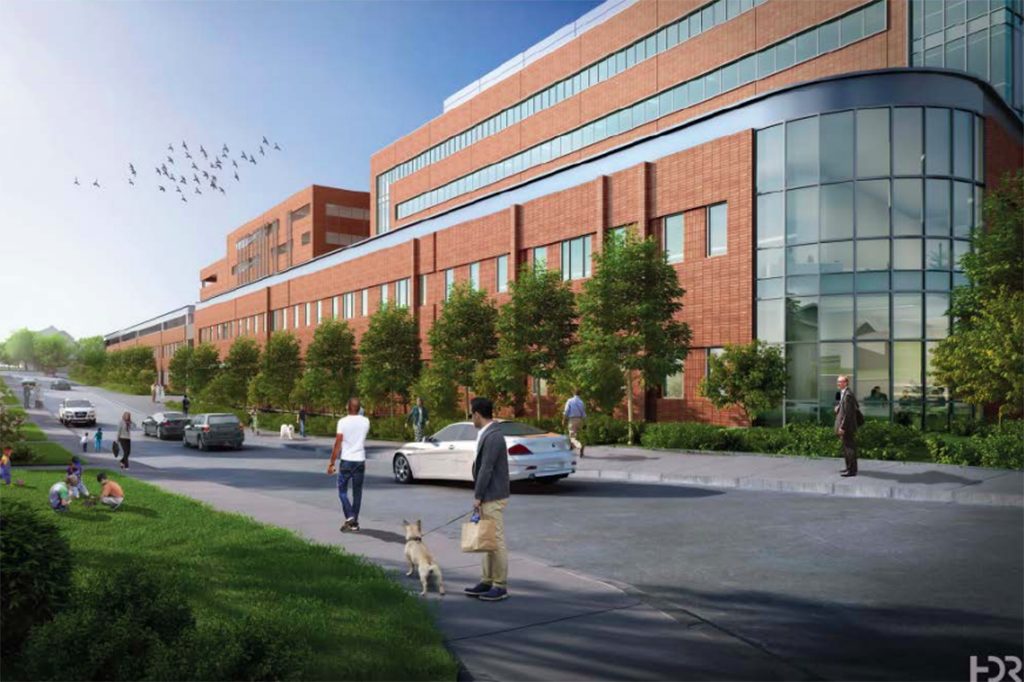
Supporters of the Virginia Hospital Center’s expansion plans are ramping up their advocacy efforts, now that the project’s fate looks murky ahead of a key County Board vote.

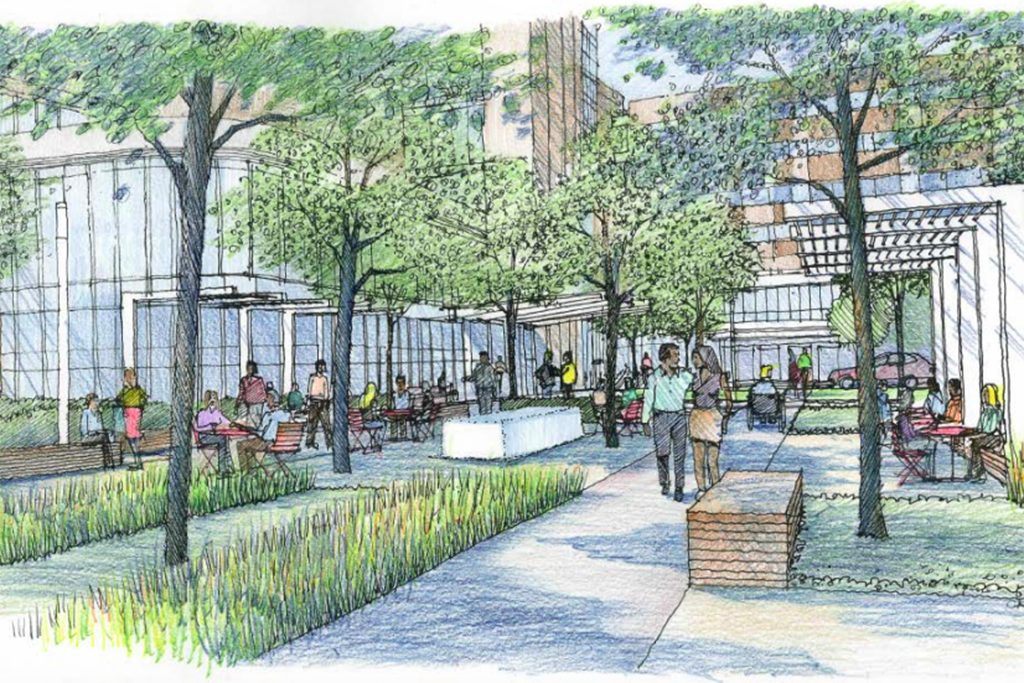
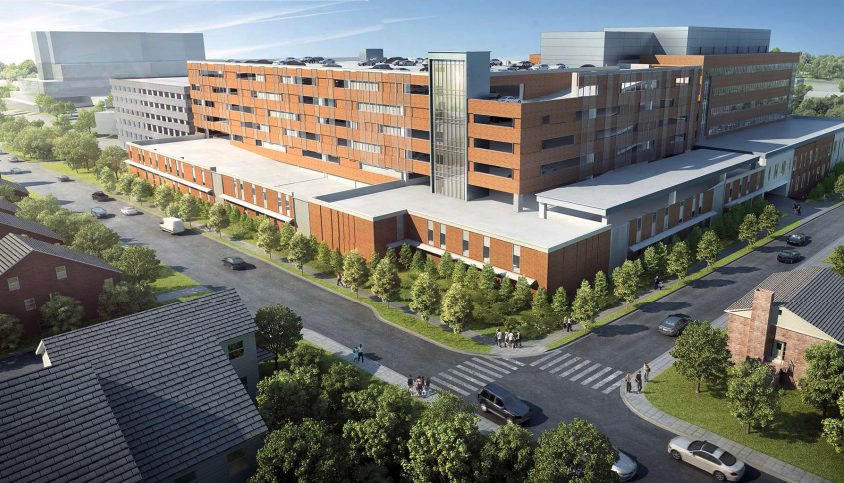
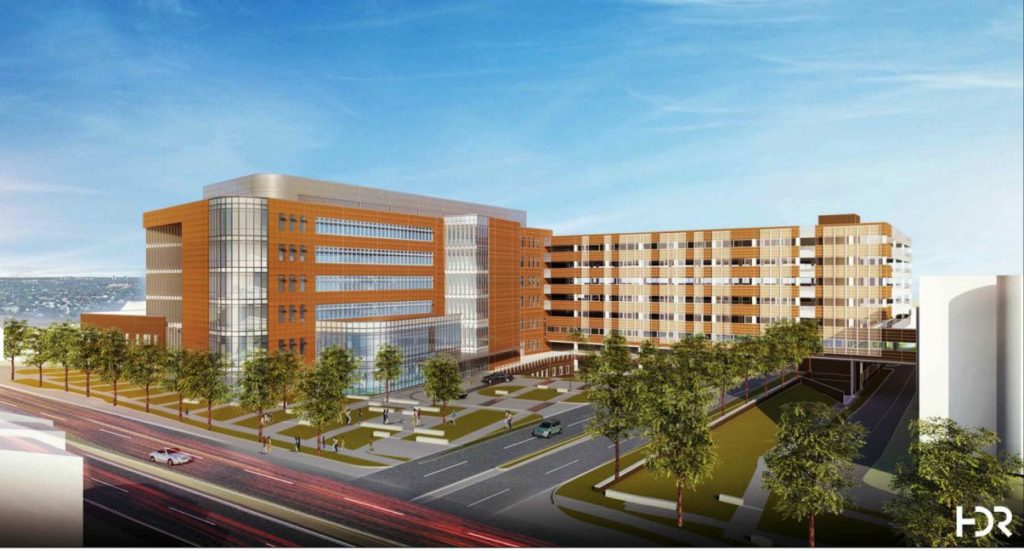
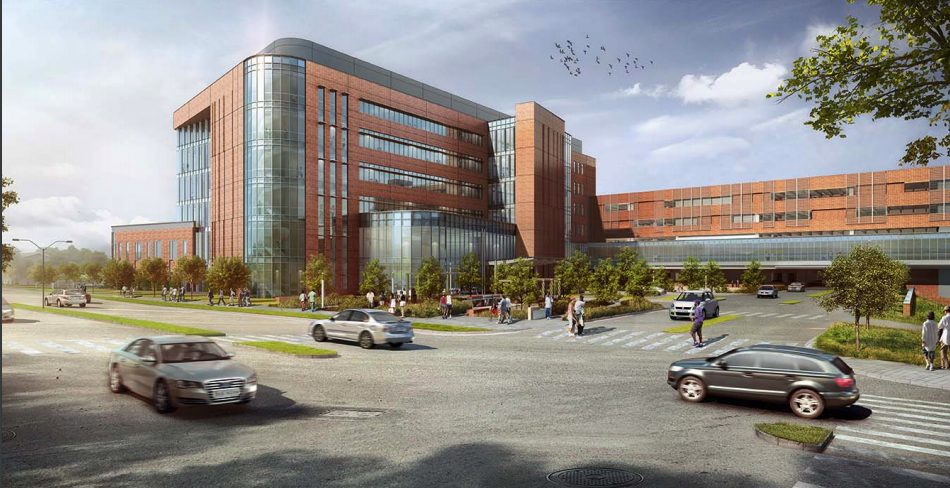
The hospital itself has begun sending out mailers backing the expansion, according to ARLnow reader Dave Schutz, urging county residents to contact the Board about the $250 million project. Arlington’s lone comprehensive hospital has hoped for roughly a year now to add a seven-story outpatient facility and a 10-story parking garage next to its existing campus (1701 N. George Mason Drive), arguing that it desperately needs more space to keep pace with the county’s burgeoning population.

Meanwhile, the county’s business community is also redoubling its efforts to push the expansion forward. The Chamber of Commerce penned a new letter to the Board today (Tuesday), imploring officials to ignore the recommendation of the county’s Planning Commission and approve the project “without further delay” this weekend.

“Further deferral of this already-delayed project will impose additional financial and time costs that will redirect resources that VHC would otherwise use to provide health care services to the Arlington community,” Chamber President and CEO Kate Bates wrote.

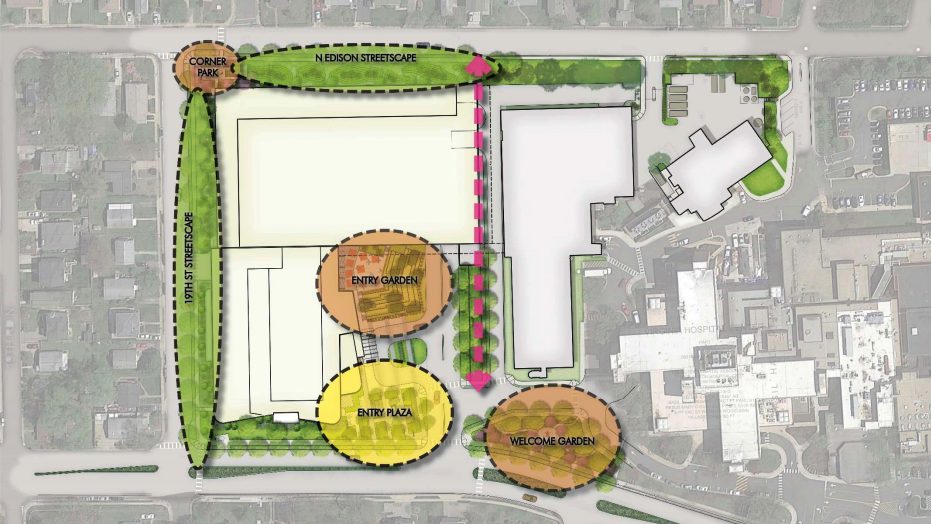
County planners are indeed urging the Board to hold off on giving the project a green light, over concerns about the height and design of the proposed buildings. VHC is looking to build the facilities on a parcel of county-owned land near the intersection of 19th Street N. and N. Edison Street, and the commission argues the large new buildings would look out of place sitting across the street from small single-family homes.

Though commissioners support the project in principle, they voted unanimously last week to recommend that the Board force the hospital to revise its plans to address those concerns. They argue that the county would be better served by requiring the hospital to go through a “Phased Development Site Plan” process, a long-range exercise that would give planners more say over VHC’s intentions to redevelop its existing campus.

The hospital argued that such a process would be prohibitively difficult and expensive, and Bates alleged in her letter that VHC has already been made to wait too long to move ahead with its expansion plans. The hospital originally hoped to earn the Board’s approval this July, but neighbors successfully convinced the county to hold off on until the end of the summer to allow for more community involvement in the process.

“Each additional delay in the approval of the site plan application puts off the day when VHC will be able to care for its patient load in a full and comfortable facility,” Bates wrote. “Absent a timely expansion of VHC to accommodate its patient-centric mission, the community as a whole will bear these costs.”

The Board will have the final say on the matter at its meeting Saturday (Sept. 22), a vote made all the more consequential for the county because Arlington stands to gain an 11.5-acre site on S. Carlin Springs Road as part of a “land swap” with the hospital if the expansion moves forward.

Though Board members have been loath to tip their hands on the vote, they are pledging to thoughtfully consider the concerns of neighbors and planners about the project.

“Public or private institutions and buildings, whether hospitals or schools, office buildings or community centers, must respect our planning documents, the built environment and the residents of surrounding communities,” said Board member John Vihstadt during a Chamber forum last week. “Height, setbacks, connectivity, building orientation, traffic and parking concerns are critical factors in any development proposal, and they’re concerns I take seriously. I’m looking forward to hearing more from the hospital and community in the coming days.”


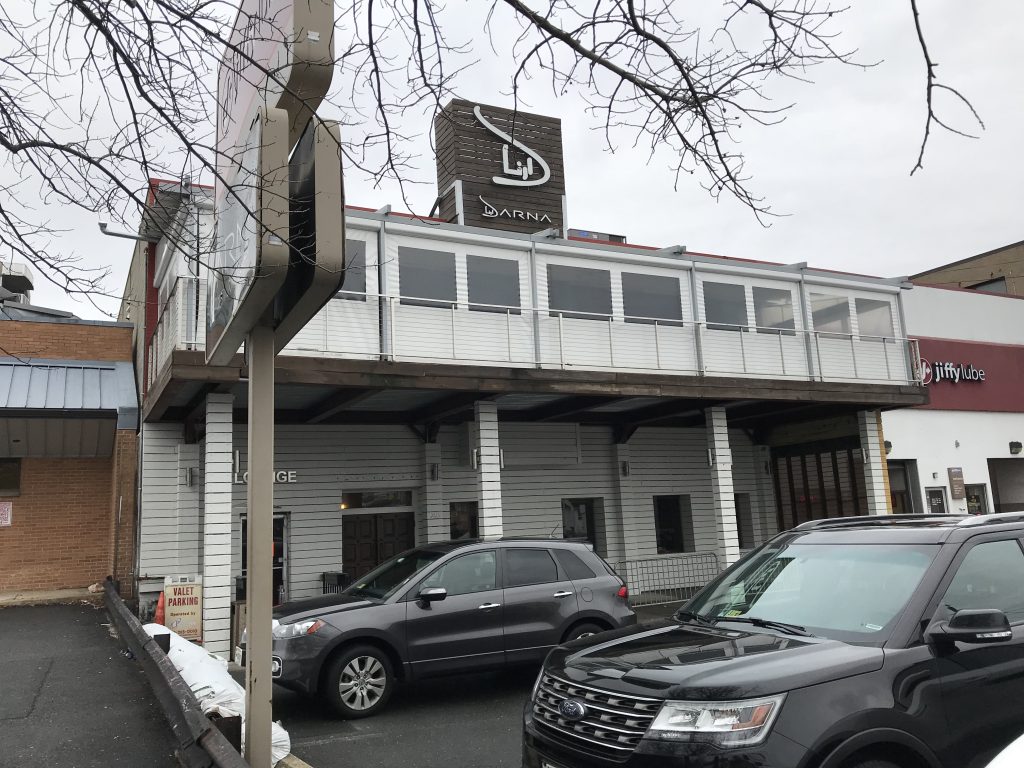
After months of back-and-forth with county inspectors, Darna Restaurant and Lounge looks to be out of the woods.

The Virginia Square bar, located at 946 N. Jackson Street, is now in line to win a key permit renewal from the County Board this weekend. County staff say Darna successfully resolved its outstanding code violations last month, and they’re recommending that the Board allow the lounge to stay open, at least for the next year.

Arlington briefly shut down Darna earlier this year, citing a variety of health and safety code violations at the site, though it did manage to resolve enough of those to re-open in April and attract some attention from both Tristan Thompson and TMZ.

But the county found more issues at the restaurant this summer, and even charged owner Ahmad Ayyad with a misdemeanor for his failure to secure the proper building permit for doing some work on the property. By Aug. 17, however, county staff wrote in a Board report that Ayyad had “resolved all violations” at the restaurant, and earned a new “certificate of occupancy.”

Staff noted in the report that Darna still ran into a few problems over the past few months — on July 27, the fire marshal’s office cited the restaurant for being over capacity by several dozen people.

Even still, the county staff is recommending that the Board renew Darna’s use permit through September 2019. The Board will take up the matter on Saturday (Sept. 22) as part of its consent agenda, which is largely designed for non-controversial items to be approved all at once.

The county’s case against Ayyad and his Maaj Corporation remains active, however. He’s set for an adjudicatory hearing in Arlington General District Court on Sept. 27, per court records.

File photo


Ballston Mall LED Screens Nixed — Developer Forest City is, for now, withdrawing a request to install two large, high-definition LED video screens above the main entrance to its still under-construction Ballston Quarter mall. The screens do not comply with Arlington zoning rules. Attorneys for Forest City say they are still hoping that the County Board will eventually amend the zoning ordinance to allow such screens. [Washington Business Journal]

Free ART Bus Rides Thursday — “Think there’s no such thing as a free ride? Not if you take the bus in Arlington, Virginia, and you’re traveling on Sept. 20. Arlington Transit is letting passengers ride free Sept. 20 as a way to celebrate the transit agency’s 20th anniversary.” [WTOP]

Tax Delinquency List — Arlington County Treasurer Carla de la Pava has released her office’s annual list of residents and businesses that have not paid their taxes. The list includes nearly $200,000 in delinquent real estate taxes, $1.3 million in delinquent personal property taxes, $1 million in delinquent business license and property taxes, and more than $500,000 in delinquent meal (restaurant) taxes. [Arlington County]

Celebrating Community and Elders in Nauck — “Celebrating the lives and achievements of the community’s elders was a centerpiece of the 2018 Nauck Civic & Community Pride Day, which brought food, music and fellowship to Drew Model School on Sept. 15. Four community residents who had reached, or were set to reach, the centennial mark – Elizabeth Cole, Novella Cummings, Mary Lockett and Thelma Russell – were honored by the Nauck Civic Association.” [InsideNova]

Critic Praises Shirlington’s Signature — “The Tony Award-winning Signature Theatre — the Arlington troupe known for musicals — shapes up as my favorite D.C. company. I’m not saying Signature is hands-down the best theater in Washington… But Signature showcases a lot of assets, from its singular glam factor to plain old ease of use.” [Washington Post]

Late Night Storms — Thunderstorms that rumbled through Arlington around midnight last night brought a period of frequent lightning and thunder that set off car alarms and awakened some residents from their sleep. [Twitter, Twitter]

Flickr pool photo by Tom Mockler


A new Domino’s Pizza location could soon be on the way for Ballston.

The County Board is set to sign off this weekend on a use permit for the pizza chain to open up a new shop at 550 N. Quincy Street. The location is adjacent to a Jimmy John’s, just near the Founders Square development.

According to a staff report prepared for the Board, the new Domino’s will offer delivery for “the north and central Arlington areas including the Rosslyn-Ballston Corridor.” The location would become the chain’s fourth store in the county.

Staff is recommending that the Board require the pizza purveyor to “implement a delivery and driver safety plan” before opening its doors, and stipulate that Domino’s delivery drivers can only park in the surface lot behind the building instead of on the street. The restaurant would be allowed to have four drivers working at any one time, according to proposed terms of the permit.

The Board will vote on the permit at its meeting Saturday (Sept. 22) as part of its consent agenda, a slew of noncontroversial items generally approved all at once.

Photo via Arlington County


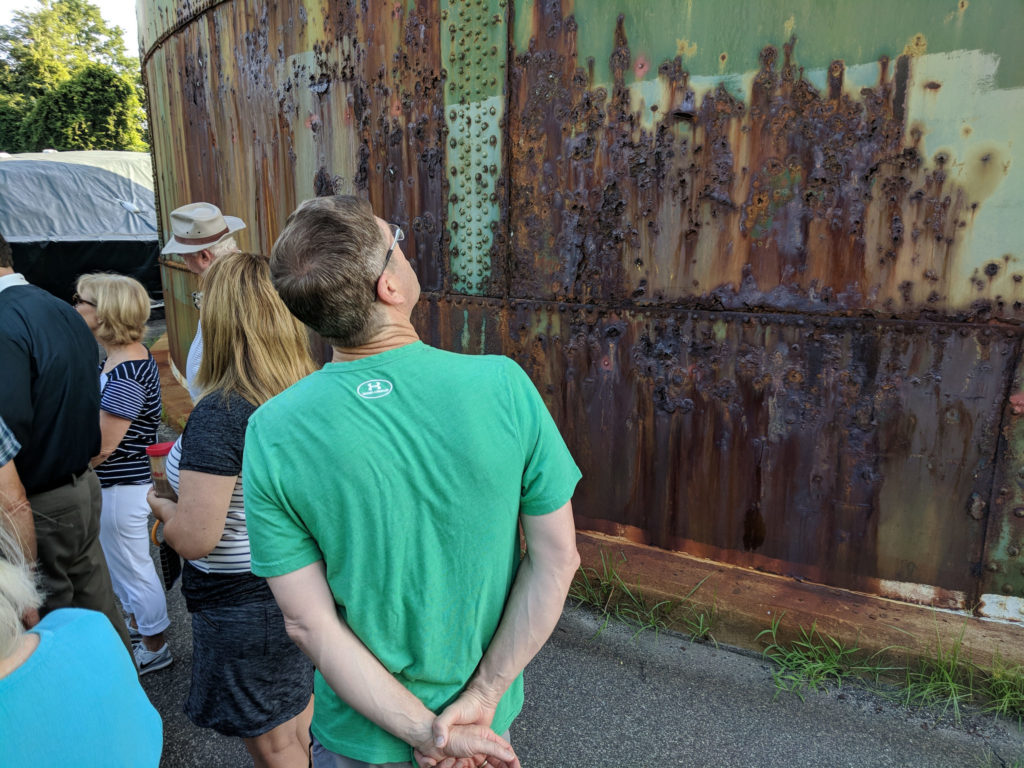
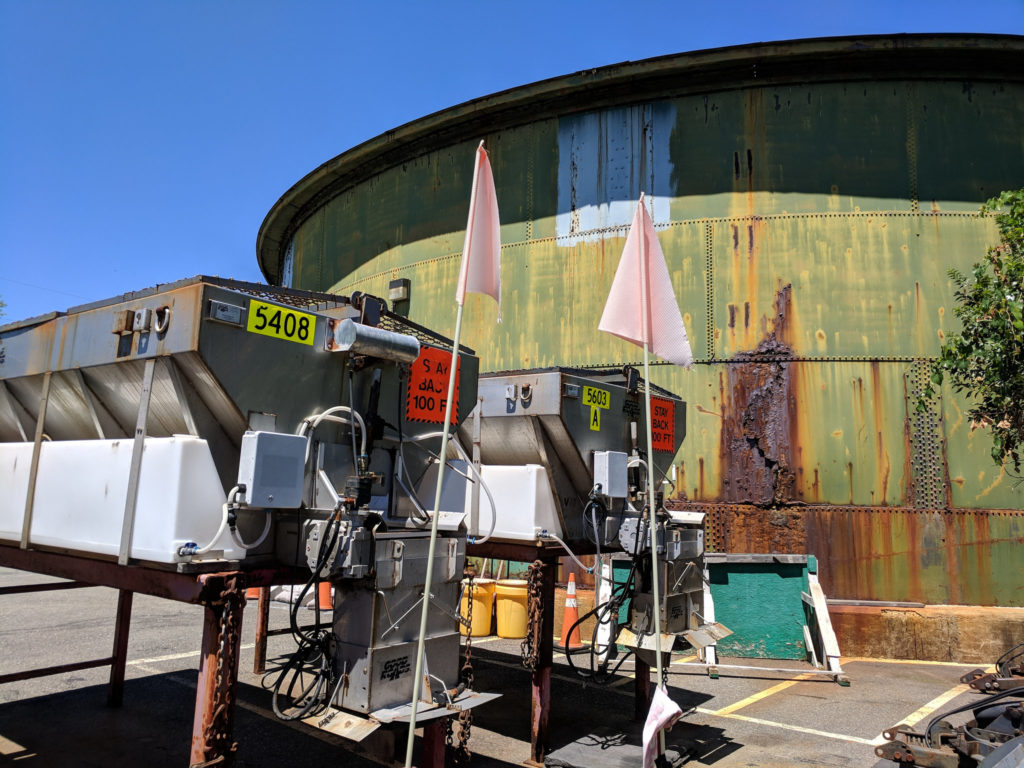
Arlington’s plans to demolish a roughly 90-year-old storage “dome” for road salt and build a temporary replacement are inching forward, even as some neighbors have cried foul about the county’s rushed public engagement process for the project.

The county Planning Commission unanimously lent its seal of approval last night (Thursday) to a series of zoning changes to let work on the salt dome move ahead, keeping the county on track to move about 4,500 tons of salt into a new shelter in time for the first threats of snow in late November.

Officials discovered this spring that the old dome, made out of a repurposed water tank and located on a piece of county property near the intersection of 25th Road N. and Old Dominion Drive, was on the verge of collapse. Considering that the dome was one of just two of the county’s facilities for road salt storage, staff wanted to take urgent action to commission a replacement.

The County Board agreed to kick off that process in July, but people living nearby were peeved that officials would push ahead with these changes on a considerably more expedited timeline than Arlington’s notoriously lengthy engagement guidelines might normally allow. Many neighbors were particularly concerned that the temporary replacement for the dome might become permanent, lending a considerably more industrial feel to the neighborhood, which is just near Marymount University.

“It will be the defining feature of the entrance of our neighborhood, and it will say ‘Welcome to Industrialville,'” Mike Hogan, president of the Old Dominion Citizens Association, told the commission. “Never have so many planning rules been violated in one proposal as this one.”

Arlington Department of Environmental Services Director Greg Emanuel stressed to the commission the rushed process is “clearly not how we prefer to do our work,” offering a mea culpa for his staff’s failure to identify the problem a bit earlier. But he also emphasized that the project was so important that it was worth speeding things along — should the dome fail, he expects the county would see its response time to a snowstorm increase anywhere from 30 to 40 percent.

“There should’ve been a public process, there’s no question about it,” Planning Commission Chair Jane Siegel told ARLnow. “Nobody’s trying to hide the ball here… but if there is no salt storage in the appropriate part of the county, we risk people getting injured.”

Siegel expects that county staffers managed to overlook the salt dome’s degrading status because the property was at one time slated to become the home of a replacement for Fire Station 8. When those plans fell apart, she suspects the salt dome got lost in the shuffle, as officials were initially expecting it to be removed.

Some neighbors, however, were not so convinced of the county’s good intentions.

“We’ve all known for a long time this is failing,” Jacqueline Smith, another Old Dominion resident, told the commission. “This is a really predictable crisis… and we’re being put under this pressure, saying we have no other options. And personally, I don’t see that.”

But Emanuel told the commission that staff did examine other options for the temporary salt dome, like a site the county uses for storing leaf removal and the Buck property, a piece of county land near Ballston eyed for all manner of uses over the years. Neither option, however, would quite fit the county’s needs, Emanuel said.

Even with the county stuck using the Old Dominion property, Siegel pointed out that vocal community scrutiny of the project managed to force some concessions from the county to make the effort a bit more tolerable. For instance, the county shrank the amount of land it plans to use for the project, and will save all but three trees it originally planned to cut down on the site.

“Even though it was not a full public process, the public did weigh in and get some wins out of this,” Siegel said.

Still, Old Dominion neighbors worry about the site’s future.

“We recognize this is intended to be temporary, but we’d like to know what temporary means,” Hogan said.

Manuel estimates that the temporary structure will stay in place for the next three to four years, until the county can build a new salt storage tank. And for any concerned neighbors, Siegel also points out that the County Board will soon convene a working group on a “master plan” for the property, a process she says might not have started for quite some time without the community’s interest in the salt dome.

“Temporary things become permanent if there’s no opposing group or force or idea, but here there obviously will be,” Siegel said. “There is a bulwark against the drift.”

The County Board will get a chance to weigh in on the salt dome zoning changes at its Sept. 22 and Sept. 25 meetings.


When it comes to how to best grapple with Arlington’s gloomy economic future, the two contenders for County Board are pitching two decidedly different strategies: one with a look inward, another with a look outward.

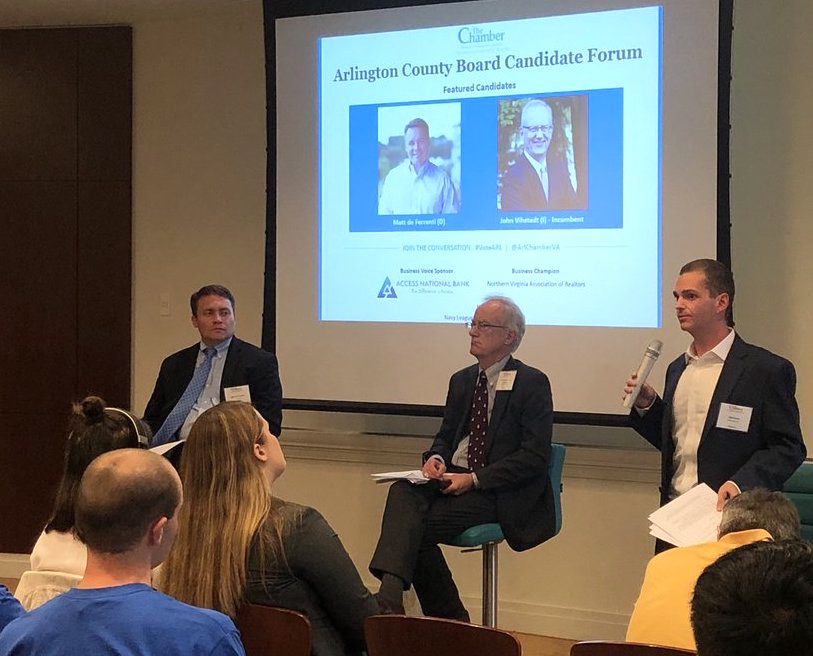
Independent incumbent John Vihstadt spent a Wednesday night candidate forum hosted by the Arlington Chamber of Commerce outlining ways he hopes to change county policies to wring more money from developers and manage growth, and strategies for reforming the county’s permitting processes for new businesses.

Democratic nominee Matt de Ferranti, however, dedicated most of his time to discussing his commitment to luring in businesses to reduce the county’s persistently high office vacancy rates, while pursuing tax increases in the meantime.

The business-focused debate, moderated by ARLnow, was perhaps best defined by an exchange where Vihstadt emphasized “the cold truth that we can not afford to do everything we might like to do, especially all at once.” The independent has been a sharp critic of some county infrastructure projects since winning a pair of elections to the Board back in 2014, particularly the Long Bridge Park Aquatics Center.

De Ferranti says he fully recognizes that Vihstadt’s assessment of the economic challenges ahead are certainly accurate, but he had a “cold truth” of his own to offer.

“The cold truth is that if we don’t grow, and don’t invest in the vision of a greater version of the American dream applied to Arlington, we won’t be able to address our challenges,” de Ferranti said. “We do face challenges, but the sky is not falling. We have resources, and we can invest in them.”

The Democrat reiterated his belief that “we can’t cut our way to prosperity,” pledging to work with the relentlessness of ex-Gov. Terry McAuliffe to attract businesses to Arlington and slash the county’s office vacancy rate to 15 percent over the next four years — it’s hovered around 20 percent for the last several years.

But de Ferranti noted that tax increases would have likely have to be part of the equation as well. He worked to make it clear that he’s “not a tax-and-spend liberal,” but also slammed Vihstadt for his decision to vote against soliciting community input on a tax rate hike this year.

“I am not saying that I necessarily would’ve voted for a half-cent tax increase,” de Ferranti said. “But we did not have that debate that we need to have. And I’m concerned that our community might be at risk over the coming years of having some shock at the struggles we’re going to face because we’re opening four schools this coming year… It’s about how soon to be honest with the community about difficult decisions that we face.”

Yet Vihstadt pointed out that the county just raised taxes last year, including a property tax rate hike that was “the largest in years,” and he felt that the county was better served by taking a “pause” this year. After all, he noted that County Manager Mark Schwartz fully expects to propose tax hikes next year, and perhaps the year after as well.

“We trimmed in some places, we hiked fees in others; it wasn’t easy,” Vihstadt said. “But we honored our commitments to schools, Metro and public safety personnel.”

Vihstadt took no firm stance on the possibility of tax increases going forward, but did stress that rate hikes could provide further challenges to seniors looking to remain in the county, a demographic he felt is often overlooked in the debate over affordable housing.

But he also pointed out that he believes there’s a better way to secure more cash for government services: extracting more concessions from developers.

The county can currently secure transportation improvements or affordable housing commitments from developers — but those changes only come on the site of the properties being developed. Vihstadt would rather see the county require developers kick in money for countywide services, even if the county’s own legal team believes such a move would ultimately be counterproductive.

“A new development, depending on what it is, means material impact on our already bursting schools, our limited green space, public safety resources and more,” Vihstadt said. “Our lawyers and planners have issues with modifying the way we do things. Change is tough… but I believe we need to start this community conversation soon.”

De Ferranti agreed that such a conversation might indeed be a worthy one to have. But he believes “those [changes] alone will not be sufficient to get us growing.”

“We have to have some tough discussions about where we’re going to invest to move our economy forward,” de Ferranti said.

The Board contenders will square off in several additional forums between now and the Nov. 6 election, including ones hosted by the Yorktown Civic Association on Oct. 1, the Committee of 100 on Oct. 10 and the League of Women Voters on Oct. 25.

Photo via @ArlChamberVa


Arlington’s Planning Commission isn’t ready to lend its seal of approval to a major expansion of the Virginia Hospital Center, urging the county’s lone hospital to re-work its plans for the project.

The commission unanimously voted last night (Tuesday) to urge the County Board to delay its consideration of the project, perhaps providing a major speed bump for an expansion the hospital has claimed is essential for serving the county’s growing population in the coming years.

VHC has hoped for roughly a year now to acquire a parcel of land adjacent to the hospital’s campus at 1701 N. George Mason Drive, and use it to construct a seven-story outpatient facility and a 10-story parking garage. That would enable the hospital to convert some of its existing outpatient space into 101 new hospital beds to better meet local demand, and pave the way for a wholesale redevelopment of the hospital’s campus.

But VHC’s plans have consistently run into opposition over the last few months, with neighbors worried that the new buildings will tower over residential neighborhoods in the area and transit advocates fretting that the large new garage will spur hospital employees to choose driving over more environmentally friendly transportation options.

The hospital addressed the latter concern by slightly shrinking the size of the garage from 2,093 spaces down to about 1,800, but the neighbors’ concerns about density proved persuasive to the Planning Commission. While they can only recommend that the County Board push back its planned Sept. 22 vote on the project, with the final decision resting with the Board itself, the commission forcefully outlined a series of changes they hope to see to the expansion effort before it becomes a reality.

“We all know it’s necessary, but we want to be respectful to the neighbors to north of the property as well as to the south,” said Commission Vice Chair James Schroll.

Specifically, the commission wants to see the hospital move some of the largest buildings toward the center of the land it hopes to acquire, which is bounded by 19th Street N. and N. Edison Street. Commissioners were perturbed that the current plans place some of the tallest structures just across the street from single family homes — Commission Chair Jane Siegel compared the new design to a “wall” between the hospital and the nearby neighborhoods.

“You’re not transitioning to other large buildings, you’re transitioning to single family neighborhoods,” said Commissioner Nancy Iacomini.

Nan Walsh, an attorney representing VHC, argued that the hospital was doing all it could to provide the necessary setbacks and vegetation to help the new structures blend into the neighborhood. However, she stressed that the hospital is fundamentally constrained by the fact it will someday seek to fully redevelop its existing campus and is looking to build on “every single inch of land” it owns in the area.

“We have 10 very, very old buildings there, but we can’t take them down until we construct these new buildings to replace them,” Walsh said. “This is it for us.”

Walsh doesn’t expect any redevelopment of the existing hospital campus to take place over the next 10 years, but she repeatedly stressed that VHC will eventually need to make such an overhaul happen.

Accordingly, commissioners frequently wondered why they couldn’t pursue a more holistic “phased development site plan” process, similar to the one developers are currently pursuing for the PenPlace project in Pentagon City. Such a planning process would give the county a chance to study each phase of the hospital’s development as it proceeds, and it’s one commissioners urged VHC to consider going forward.

“The hospital is an amazing resource to the community and we want it to be the best it possibly can, and the way to do that’s through a PDSP,” said Commissioner James Lantelme. “That will help it fit into its community as best as it possibly can.”


Arlington is looking for a bit more feedback on the county’s plans to expand access to childcare, releasing a new community survey on the topic.

The county rolled out the 19-question form today (Friday), just a few weeks after the County Board signed off on a final version of its “Childcare Action Plan.”

That document calls for the implementation of several new initiatives, like a subsidy program to defray childcare costs for families who don’t qualify for state assistance and the streamlining of the county’s online resources for parents. But the Board is also weighing some zoning and code changes to make it easier for daycare facilities to operate in Arlington, and pledged to collect more community feedback ahead of proposing those policy tweaks later this fall.

The survey asks respondents how they currently meet their childcare needs — via a public or private childcare program, a babysitter or a family day home childcare provider — and in what zip code of the county they live, work and patronize childcare facilities.

Respondents are also asked to select their preference for where they’d like to see daycare facilities located. That’s a key point the Board has debated in the past, as it found that many county workers rely on childcare services in neighboring localities like Falls Church or Fairfax County. Members have often sought more clarity on whether that’s because services in Arlington are inaccessible or because people who work in Arlington often live outside of the county and are looking for closer options.

The survey also includes questions on what barriers to accessing childcare parents encounter around the county. Available responses include factors like transportation, cost, a lack of care when it’s most needed (before 7 a.m. or after 6 p.m.) and potential language barriers.

The county is also planning a community forum on the childcare initiative next month. The meeting, scheduled for Sept. 17 from 7-9:30 p.m. at 2100 Washington Blvd, will focus on collecting opinions on some potential changes the Board could make. Per a county event description, those include the following topics:

  • Increasing the maximum number of children from nine to 12 in family day care homes and eliminating or adjusting the use permit requirement
  • Land use standards for family day care homes
  • Parking requirements for center-based and family-based child care programs
  • Group size requirements for center-based child care programs
  • Teacher-child ratio requirements for center-based and family-based child care programs
  • Teacher qualifications for center-based child care programs

The Board is aiming to pass more childcare changes by December.

File photo


Both contenders for the lone County Board seat on the ballot this fall say they want to see more money go toward grants for local artists, though they differ a bit on the exact logistics.

In a forum focused on the county’s arts scene, hosted by Embracing Arlington Arts and Arlington Independent Media earlier this month, both independent incumbent John Vihstadt and Democratic nominee Matt de Ferranti emphasized that the arts have such a vital role to play in the county’s cultural and economic health that the county needs to subsidize local programs.

Furthermore, both candidates want to see the county restore the $30,000 the Board slashed from the new year’s budget in funding for “Challenge Grants,” which provide some matching funds for artists who attract private donations. Vihstadt and de Ferranti both advocated for even increasing the amount offered through the program in future budget cycles, even with the county facing an uncertain financial future due to Metro funding obligations and a persistently high office vacancy rate.

Though the forum was light on stark disagreements between the two, Vihstadt painted the private sector as having an especially large role to play in supporting the arts. Though he remains confident the county will be able to eventually increase grant funding, he cautioned that Arlington’s “economic headwinds” will inevitably limit what the county can do.

“The arts are going to have to step up to the plate a bit, maybe to a greater degree than the art community has, in terms of really leveraging those private sector resources,” Vihstadt said. “The government can be a catalyst, it can help with climate change of a sort, but the government can’t do it all.”

He pointed out that the Board already took one step in the direction of encouraging artists to embrace the private sector when it restored $70,000 in funding for AIM originally set to be cut from the fiscal 2019 budget, which came with the condition that the organization pursue matching funding from donors.

“That was controversial, but I felt it was the right thing to do to encourage and really make sure that AIM would further reach out into that community and bring in those private sector dollars,” Vihstadt said.

De Ferranti says he was certainly glad to see those AIM cuts reversed, calling them “short sighted,” but he was more willing to see a role for direct county spending, connecting the success of Arlington’s arts scene to its economic prosperity.

“If we view this as a zero-sum game, then Arlington will lose in the long term,” de Ferranti said. “We have to see it as how we can grow together and have the vision to find the right investments to move us forward so the budget isn’t so tight… We have to think about, how do we create an environment where millenials don’t want to go to the Wharf and the Anthem, but want to stay in Crystal City, or at least consider it.”

Beyond direct subsidies, de Ferranti also expects the county can do more to help artists afford to live in Arlington. For instance, he pointed to the Maggie Walker Community Land Trust in Richmond as a model for the sort of program the county could experiment with to make home ownership more affordable — the nonprofit acquires single-family homes to sell to qualified buyers at affordable prices, but maintains ownership of the land itself. That helps the nonprofit reap the benefit of any increase in market value when owners decide to sell, which it uses to keep prices affordable going forward.

De Ferranti foresees the county creating a similar system matching artists, or even groups of artists in co-op communities, with affordable homes.

“Artists desperately want to live here… but in Arlington, being middle class is not easy,” de Ferranti said. “We need to make sure we’re caring for folks who need the chance to get up that economic ladder.”

Yet Vihstadt and de Ferranti both expressed confidence that space in the Four Mile Run valley in Nauck will someday be home to more affordable studio space for artists of all stripes. Though the creation of an “arts district” in the area has at times stirred controversy throughout a lengthy planning process for the valley, both candidates say they feel such a solution is the right fit for its future.

“We will have an arts district in harmony with the other uses around that park area, and we’ll have that synergy,” Vihstadt said.

Photo via YouTube


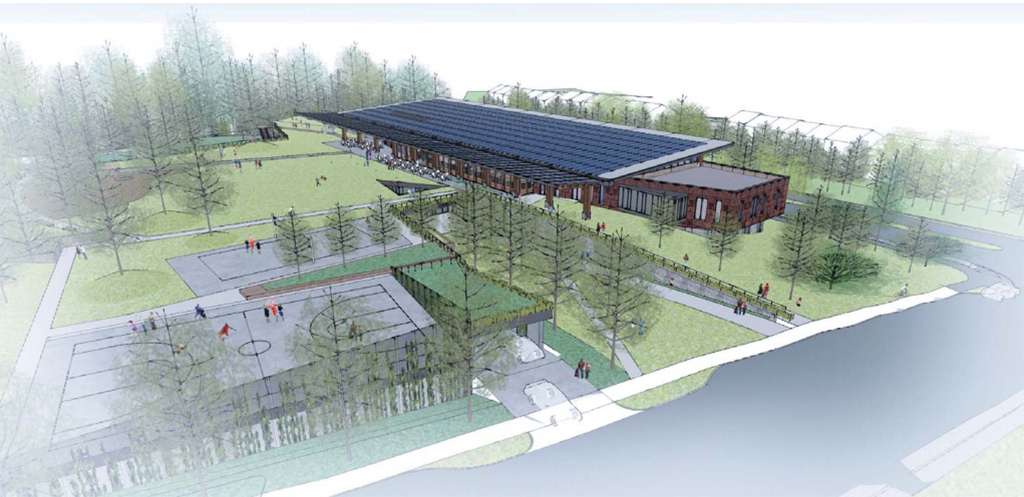
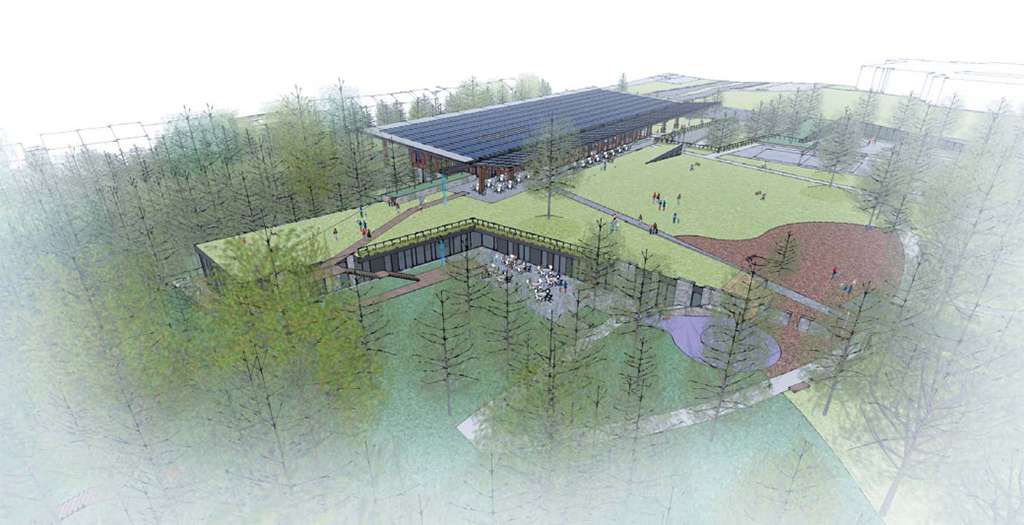
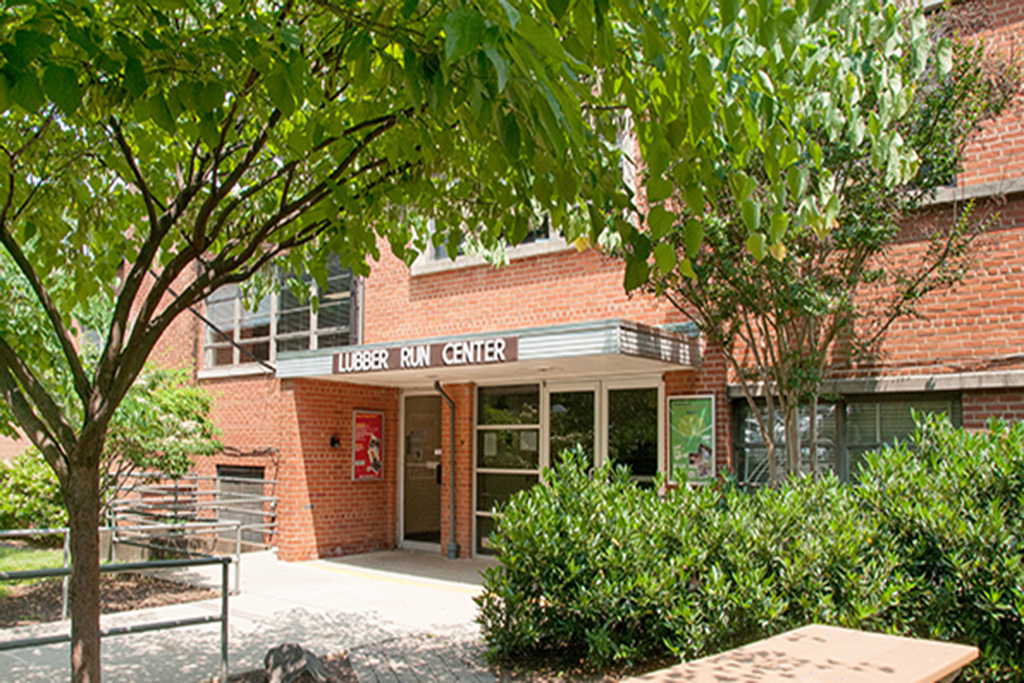
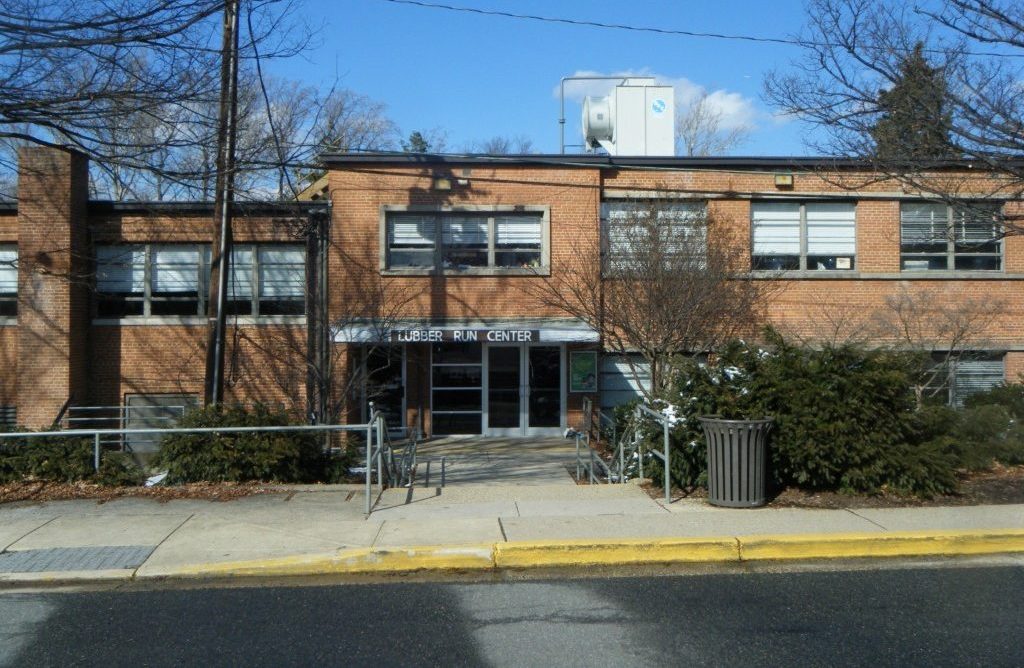
Construction work on the new Lubber Run Community Center is now set to start in just a few days, kicking off a years-long, nearly $48 million project.

The county’s Department of Parks and Recreation says construction should start in “early September,” with fencing going up to close the area to park visitors. The county closed down the old rec center, located at 300 N. Park Drive, early last month, then gave people a chance to decorate its walls with art ahead of its impending demolition.

The County Board agreed to move ahead with construction of the project last September, though Arlington officials have eyed a replacement for the Lubber Run facility for years now. The original community center was built back in 1956, and the two-story facility will provide anywhere from 45,000 to 55,000 square feet of new space at the site.

Construction is set to wrap up on the project sometime in 2020, prompting the relocation of a variety of community programs in the meantime. County parks staff have relocated to several locations around the county, while the Office of Senior Adult Programs moved to the Madison Community Center.

Meanwhile, the Lubber Run Creative Preschool has shifted over to the Langston-Brown Community Center, as have the “tot summer camps” held at the facility.

The “Kids-in-Action” Afterschool Program moved over to the Barrett Elementary Extended Day Program, and the county plans “to determine if the program will be revitalized in the new Lubber Run Community Center” moving forward.


View More Stories