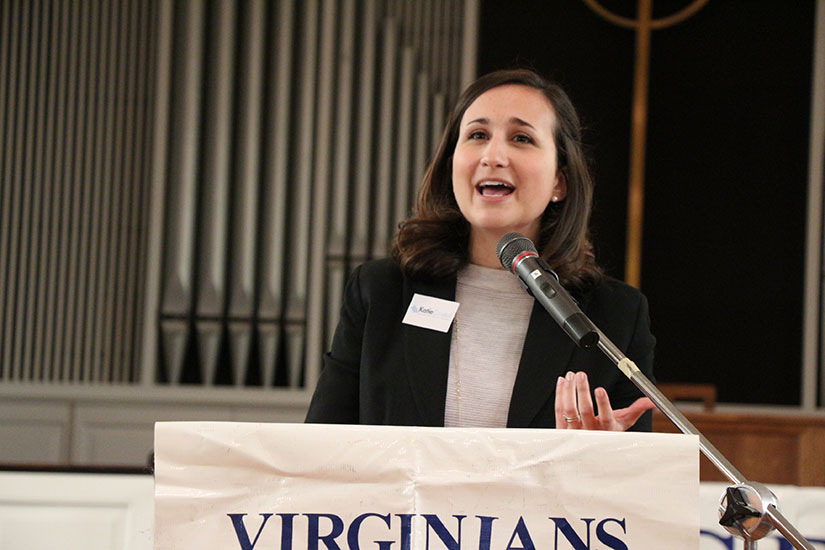
Arlington County Board Chair Katie Cristol is joining a statewide push for more education funding, calling on the General Assembly to send more cash to local school systems.

Cristol, a Democrat, is standing with leaders from 10 other Virginia localities in supporting the “March for More,” a demonstration in Richmond set for this Saturday (Dec. 8). Richmond Mayor Levar Stoney (D) is coordinating the effort and has made school funding a key focus of his administration.

The march is primarily focused on convincing state legislators to reverse cuts to K-12 education funding they made at the height of the Great Recession. Its supporters argue that the state’s failure to restore those funds and keep pace with rising enrollment levels have put a huge strain on local governments, which bear the burden of funding their school systems.

“As a locality that receives the smallest percentage of funds from the state for K-12 education, we’ve watched funding dwindle since the start of the recession in 2009,” Cristol wrote in a statement. “Shifting such a disproportionate burden of educating young Virginians on to the commonwealth’s localities is as inequitable as it is unsustainable.”

For fiscal year 2019, state funds accounted for about 12 percent of the roughly $640 million that Arlington Public Schools took in in revenue, while the county accounted for about 78 percent of that amount. However, there are plenty of factors accounting for Arlington’s small share of state funding — officials dole out money based on each locality’s “ability to pay,” a statistic that the state calculates by evaluating factors like property values, income levels and taxable retail sales. The county performs quite well relative to other Virginia localities on all of those measures.

But the “March for More” advocates point out that state law obligates the General Assembly to fund 55 percent of the costs of meeting the state’s “Standards of Quality,” which govern everything from class sizes to facility maintenance schedules, but Richmond has fallen far short of meeting that standard. As of 2017, the state combined to meet just 43 percent of school funding needs statewide.

Similarly, research from the left-leaning Commonwealth Institute for Fiscal Analysis suggests that state funding is down 9.1 percent per student compared to pre-recession levels.

Arlington officials are particularly interested in a little budget relief, given the county’s current fiscal challenges.

County leaders are considering everything from tax increases to staff layoffs to help meet a projected $78 million budget gap, which is driven in part by a $43 million deficit that the school system is facing. The school system only narrowly avoided increasing class sizes in this year’s budget, and may have to consider such a measure again in fiscal year 2020.
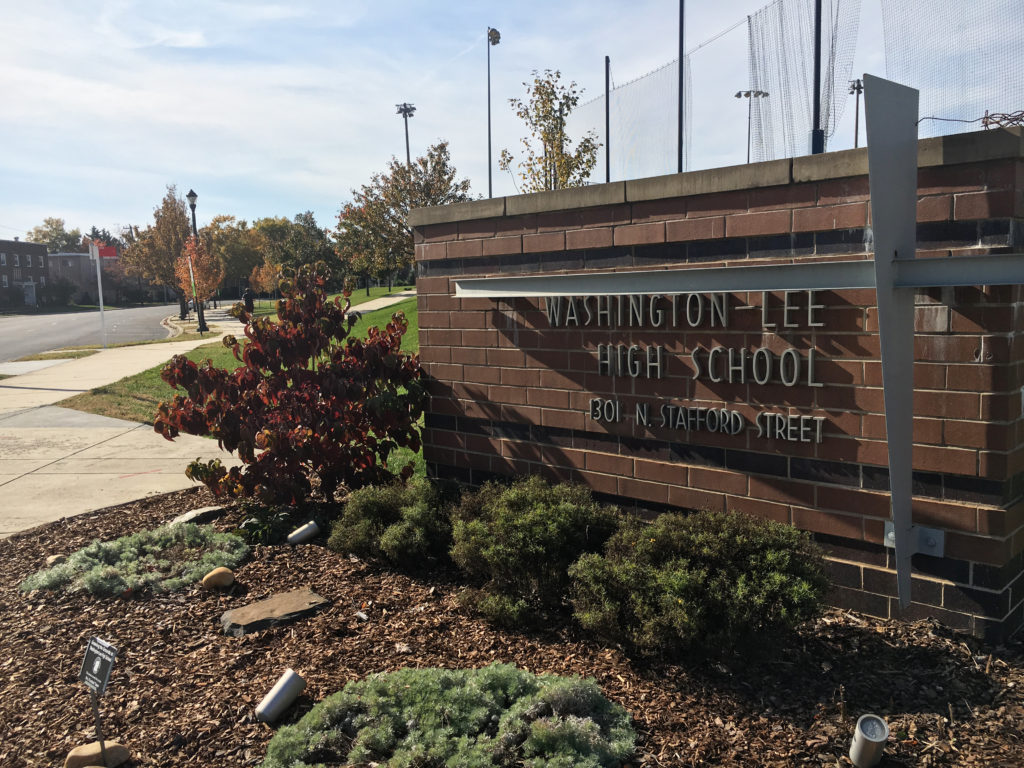
Washington-Lee High School could soon be renamed to honor Mildred and Richard Loving, the Virginia couple who successfully challenged the state’s ban on interracial marriages before the Supreme Court.

A committee tasked with suggesting a new name for the school voted on Thursday (Nov. 29) to recommend “Washington-Loving” as its new moniker, according to School Board spokeswoman Linda Erdos. She added that the committee’s second choice was “Washington-Liberty High School” in passing along recommendations to the Board.

The 23-member group began its work in September, after the Board voted in June to strip Confederate general Robert E. Lee’s name from the building due to his legacy of fighting to preserve slavery. Board members will now have the final say on a new name for the school, which they’re hoping to have in place in time for the 2019-2020 school year.

The renaming effort has been a controversial one throughout the community, with three W-L students suing the school to block the name change, arguing that the Board didn’t follow its own procedures in kicking off the renaming. The Board vigorously denies those charges, and a hearing in that case is set in Arlington Circuit Court later this month.

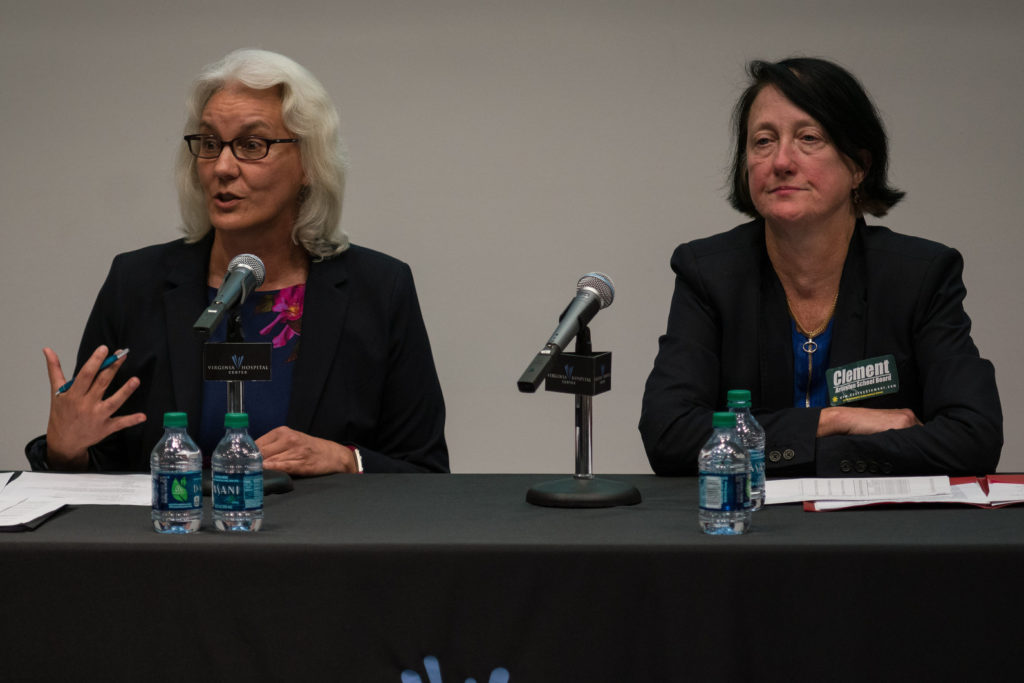
Other disgruntled alumni also backed Audrey Clement’s unsuccessful School Board campaign this fall in a bid to register their displeasure with the name change.

Nevertheless, the Board is set to debate the matter for the first time at its Dec. 20 meeting, Erdos said. In an email to the school’s staff that Erdos provided to ARLnow, W-L Principal Gregg Robertson expressed confidence that the “Washington-Loving” option would be the ideal option for the Board to consider.

“I don’t like to speculate, but ‘Loving’ holds a strong first place recommendation,” Robertson wrote. “I am so proud that our school community is moving forward in a positive way, while being insightful and thoughtful. I am also proud that we may be the first school in the United States to honor two individuals who looked past race and color and joined in a marriage based on their love and respect for each another. Though at the time, treated very unfairly by the state they loved — they will now hopefully be honored for possessing many of the same attributes we associate with our school, our goals and our vision for a global society.”

Chloe Slater, a junior at Washington-Lee who sat on the committee, agreed that “Washington-Loving” provides a “clear representation” of the school’s values. As the child of an interracial couple herself, Slater says the Lovings’ court battle represents an inspiring example of “how everyday people can accomplish great things.”

“I just really enjoy how we can turn a name with so many negative connotations into something positive,” Slater told ARLnow.

The Lovings, who have both since died, hailed from Caroline County, just south of Fredericksburg. The couple married in D.C. in 1958, but were subsequently convicted under a Virginia law banning interracial couples from returning to the state. The Lovings challenged that sentence in court, and the Supreme Court ultimately issued a unanimous decision in their favor in 1967, in effect striking down all laws banning interracial marriage across the county. The case was also the subject of the film “Loving” in 2016.

The Board had originally hoped to vote on a new name for W-L before year’s end. However, Erdos said it’s currently planning to do so at its Jan. 10 meeting.


The following Letter to the Editor was submitted by Amelia Black, a Nauck resident living within Drew Model School’s attendance boundaries and the mother of two young children.

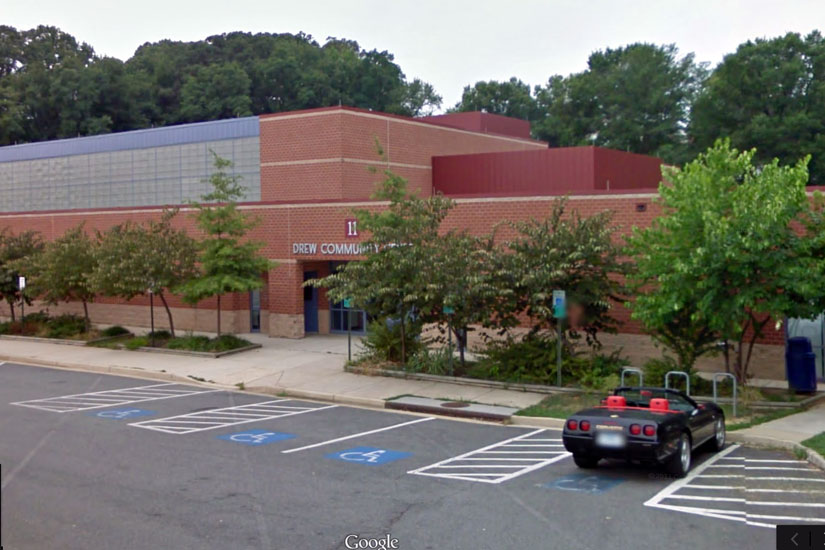
She penned this note to the Arlington School Board as it weighs a redrawing of South Arlington school boundaries. Parents at Henry Elementary School have proposed converting Drew into a neighborhood school accepting countywide transfers for a “STEAM” program in order to address some of their boundary concerns. The Board has dismissed the possibility of such a proposal, and is set to vote on a final boundary map next month.

My name is Amelia Black, and I am a parent of two children under the age of 5, and I live in the Drew neighborhood walk-zone. The views expressed here are my own.

I am writing because I have been frustrated to learn of the recent proposal by some community members to scrap this whole boundary process and make the new Drew neighborhood school a ‘hybrid option school.’ I thought it was ridiculous on its face, but learned it has been shopped around with all School Board members and even has a full PR campaign complete with ARLnow article and attempts to convince neutral stakeholders like Drew’s principal and PTA president.

I am not sure what you all think about this proposal, but I am hoping it is non-idea for you like it is for me. The school has been an option school for decades and has not had the benefit of a single community rallying around its success like other schools have had. You all know the history of the school, how we all got this point, and I hope that going back now is not considered an option.

I personally support map 6 with some reservation, in particular about filling the school and students not opting out, ultimately delaying Drew congealing into a strong community school. Changes that I hope would be considered 1) all Pre-school seats, including leftover non-VPI seats, should be given to Drew families living in this boundaries so as to encourage families to come into the school 2) Large numbers of students should not be allowed to stay at their former neighborhood school just because it has some extra capacity.

However, I am also formally requesting that you do what you feel is the best long-term solution for all students. The inherent problem with having all us parents constantly engaged in any process like this is that we all would do ANYTHING to prevent real or perceived threats to our children’s’ optimal development.

Parents can pull out charts, spreadsheets, and videos but none of us are objective, and we all want what we feel is the best solution RIGHT THIS MINUTE for our precious children. But often, what is best for those being the loudest right now is not necessarily the best solution for the long-term. We elected you all to gather our input and then make an objective decision that is best for all students, not just the ones who have time and resources to make our voices heard.  I’ve shared my opinion, and I am telling myself I’m objective, but I’m biased like every other parent, and I hope you will each do what you feel is most fair to all involved.

As a final thought, please though there have been many flaws in this process that I hope you will seriously reflect on in making improvements for the future, please do not delay this decision. Please make efforts to pull the band aid off now and make a decision on December 6.  Delaying the decision will only give people more time to creatively combat the inevitably painful acceptance of changes coming next year.

ARLnow.com occasionally publishes thoughtful letters to the editor about issues of local interest. To submit a letter to the editor for consideration, please email it to [email protected]. Letters may be edited for content and brevity. 

Photo via Google Maps


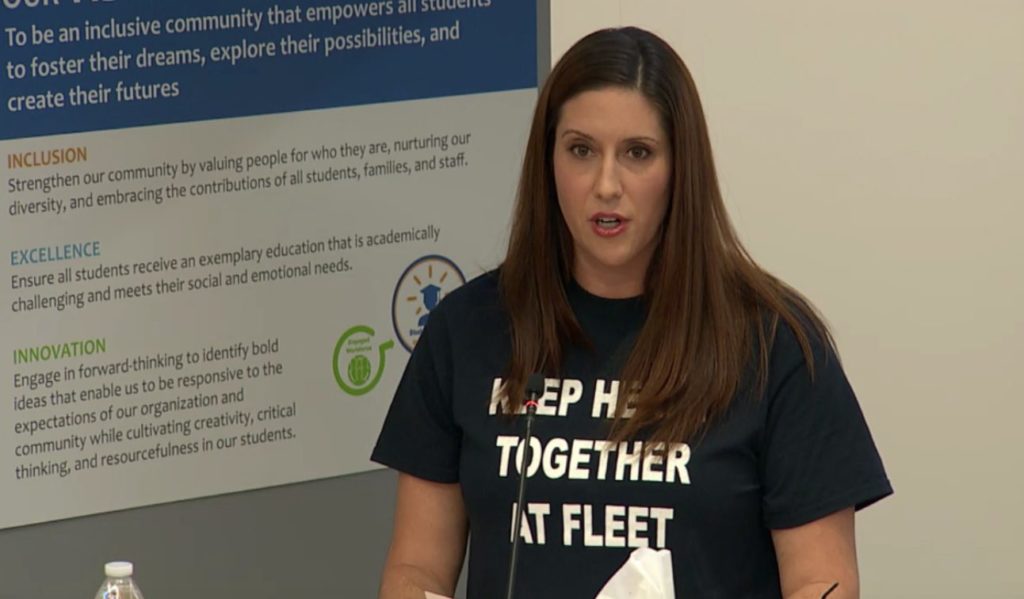
(Updated at 9:50 a.m.) Many parents of Patrick Henry Elementary School students have expected, for years, that their community would move as one to Alice West Fleet Elementary when it opens next fall.

They believe Arlington school officials have repeatedly promised them as much over the years, as deliberations have progressed over the best way to build a new South Arlington elementary school, then shift Drew Model School’s Montessori program to Henry’s old building. That’s why so many Henry parents are now furious that Superintendent Patrick Murphy’s proposal for a redrawing of school boundaries would send more than a fifth of current Henry students to schools other than Fleet.

School leaders, however, argue they’ve never made such promises about keeping the entirety of the Henry community together. The current boundary process is aimed at better spreading out students across eight different South Arlington elementary schools, and officials argue that it’s likely impossible they’ll be able to please every single parent as they look toward the greater good for the whole school system.

But some parents believe there’s a better way to achieve school officials’ stated goals for the boundary process, which simply involves a little bit of creative thinking. They’d much rather see the school system transform Drew into a science and technology-focused program that accepts transfers from across the county, as a way of simultaneously solving overcrowding issues in the area and avoiding a major breach of trust with the community.

“South Arlington has always been on the back end of receiving support for its schools,” Gary Belan, a parent of two current Henry students, told ARLnow. “But this whole process has not only been a disservice to the kids at Henry, but the folks at Drew. It does a minimal amount to set either up for success.”

After releasing a slightly revised version of Murphy’s map and holding a public hearing on the boundary proposals last night (Tuesday), the School Board won’t approve a final map until Dec. 6. Some early proposals would’ve moved all but a small section of the Henry community to Fleet, though some came at the cost of angering parents in Fairlington by moving students from Abingdon to Drew, and Board members stress that all of the draft maps remain on the table for debate.

Yet some parents who’ve spent years working on committees guiding Fleet’s opening have lost faith that the Board will listen to Henry’s concerns. For instance, Joe Everling, who worked on the Building Level Planning Committee for Fleet, believes the Board “wasted my time” and “co-opted me into this flawed process.”

“The ‘Arlington Way’ is often all about asking for feedback and then doing whatever you want anyway, and that’s what’s happening here,” said Everling, the parent of two kids currently at Henry and a third approaching school age. “They’re talking to us like we’re kindergarteners, telling us we didn’t hear what we heard… We’ve been working with them, not fighting with them. But then they reveal something that doesn’t even reflect what they’ve been promising.”

Yet Arlington Public Schools spokesman Frank Bellavia insists that moving Henry to Fleet was merely a “general plan” developed as the school system began planning for a new elementary school in 2013, and never an explicit promise.

“When APS began this boundary process, the School Board listed eight schools to be included in this process and none were to be exempt from possible boundary changes,” Bellavia said.

School Board Chair Reid Goldstein was even more emphatic during an Oct. 24 work session, arguing that parents were mistaken in assuming that Henry’s student body would move together to Fleet. He even conceded that some school officials, himself included, might have given parents the wrong impression about the matter, and should’ve expressed more uncertainty about the future.

Goldstein went on to explain that he’d requested a correction to an ARLnow article which reported on APS officials reassuring Henry parents that all students would move to Fleet, after several parents mentioned such assurances at an October School Board meeting. He argued that the article was “inaccurate” and “further inflamed” tensions over the matter.

“Staff has attempted to quell this rumor but, unfortunately, it still persists in some places,” Goldstein said. “I’m addressing it here to hopefully, finally, put it to bed.”

But Everling points to a number of school documents delivered to various committees over the years dubbing Fleet “a new school for Henry Elementary.” The Board’s April 2016 motion approving plans for Fleet even refers to it as such; a January 2018 presentation on the school’s design similarly notes that the Board “identified Patrick Henry Elementary as the school community that will occupy the new elementary school.”

And, in a May 2016 email to Douglas Park Civic Association leaders obtained by ARLnow, Goldstein himself looks to quell what he dubs “rumors” that the Henry community will be split up in the move to Fleet.

“To fill up the new building, we need to move all of the Henry students there,” Goldstein wrote. “Removing current Henry students from that new boundary zone is counter-productive to accomplishing this goal.”

(more…)


Arlington school officials are weighing a new proposal to give all staff Columbus Day off next year, a move that would end up giving students another day home from school in the process.

The county school system is currently accepting feedback on two options for the 2019-2020 year. One would maintain Columbus Day, which will fall on Oct. 14 next year, as a holiday for students and a “professional learning day” for all year-round employees, with those same workers getting Dec. 26 as a day off.

The other would make Columbus Day a holiday for students and staff alike, and Arlington Public Schools will set aside Oct. 7 for staff training instead. That would mean that students also get that day off, while 12-month staffers would need to report to work on Dec. 26.

The change would result in students having 27 weekdays off from school next year, compared to 26 under the first plan. It would not, however, impact the last day of school for students at any level, or affect the dates of any holiday breaks.

The school system is unique in the county in observing Columbus Day in the first place, as most other county government offices and facilities remain open for the controversial holiday.

School officials are still accepting feedback on those two options, and the final decision rests with the School Board, which has yet to review the new school calendar.

An online APS survey on the matter — asking responders to rate each of the two calendar options — will close by the end of the day today (Monday).

File photo


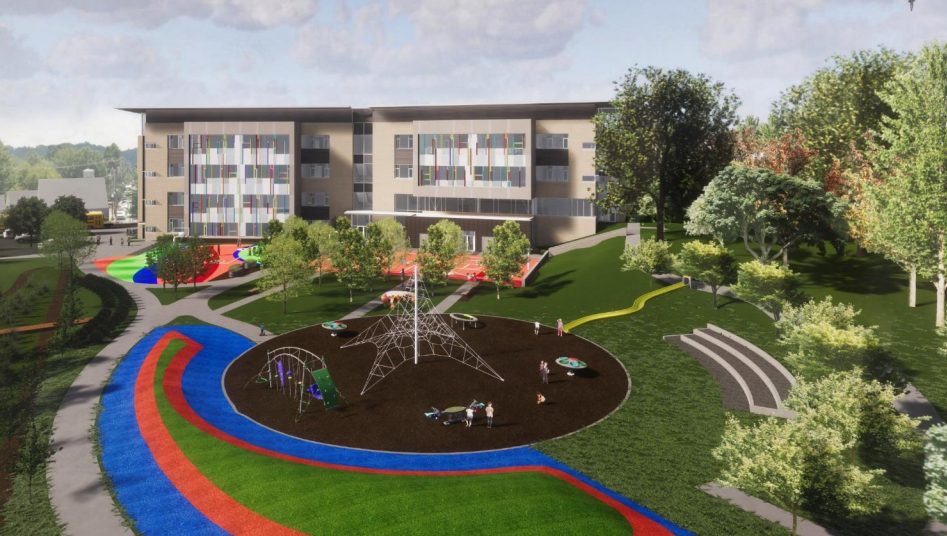
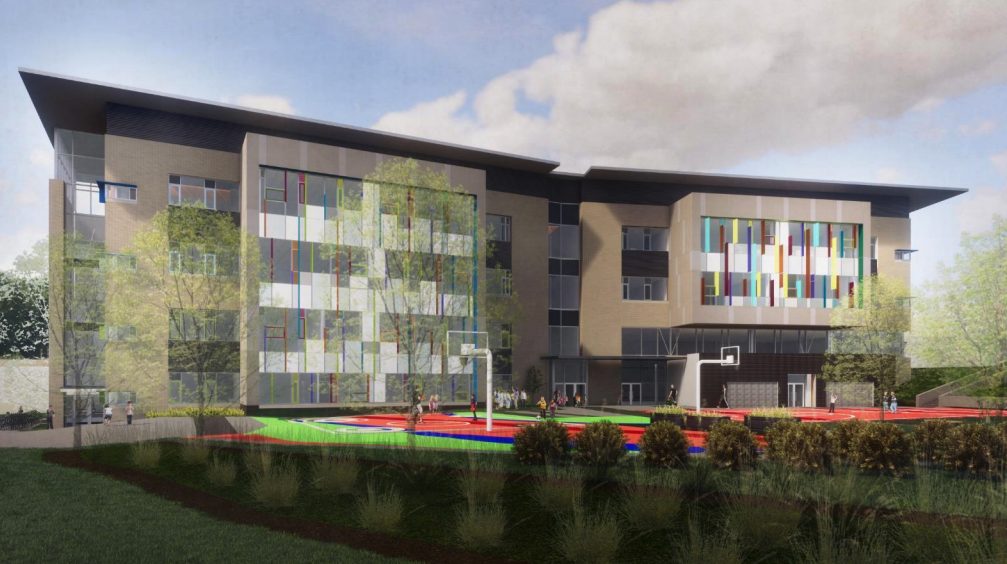
Construction could soon get started on the new elementary school planned for the Reed School site in Westover, as the project looks set to earn the county’s approval this weekend.

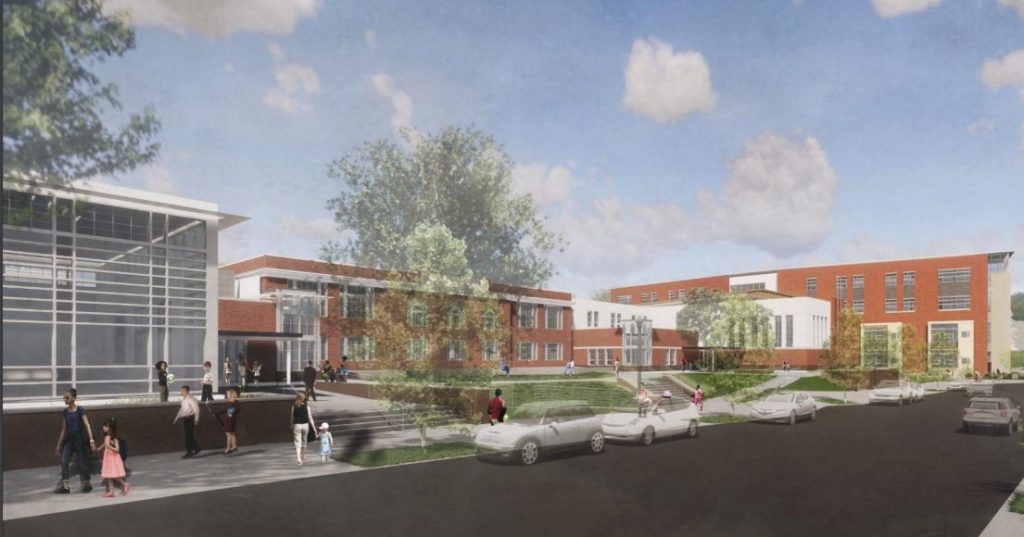
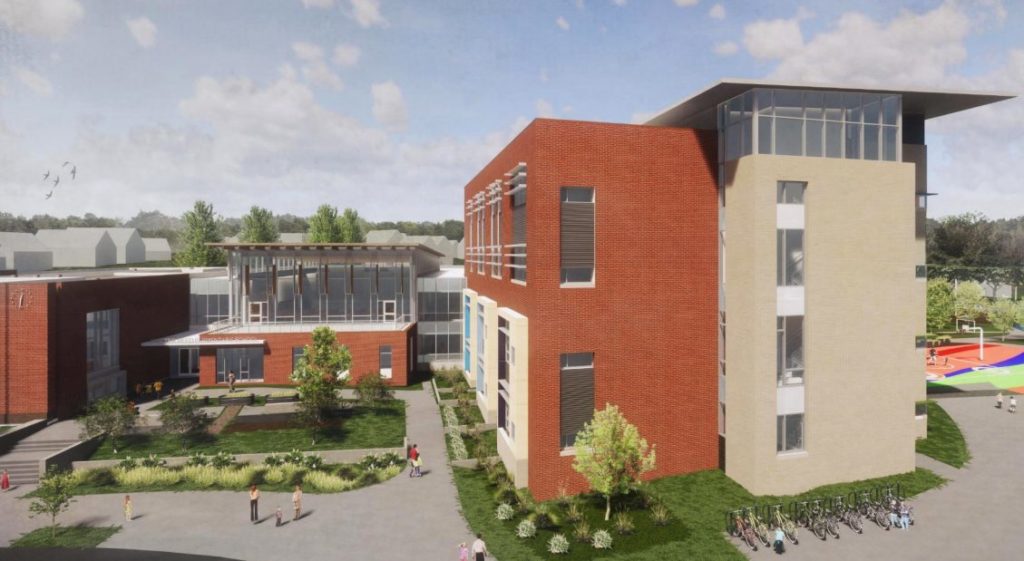
The County Board is set to vote Saturday (Nov. 17) on a few zoning and easement tweaks for the property, located at 1644 N. McKinley Road. Arlington Public Schools is hoping to open the building in time for the 2021-2022 school year, and it will serve at least 732 students in all.

The school system’s plans call for the demolition of part of the existing school on the site, in order to allow for the construction of a new “two and four story school building, containing approximately 112,919 square feet, on the northeast side of the existing building,” according to a staff report prepared for the Board.

The School Board signed off on designs for the $55 million project back in August, and the plans have since earned the endorsement of the Planning Commission as well.

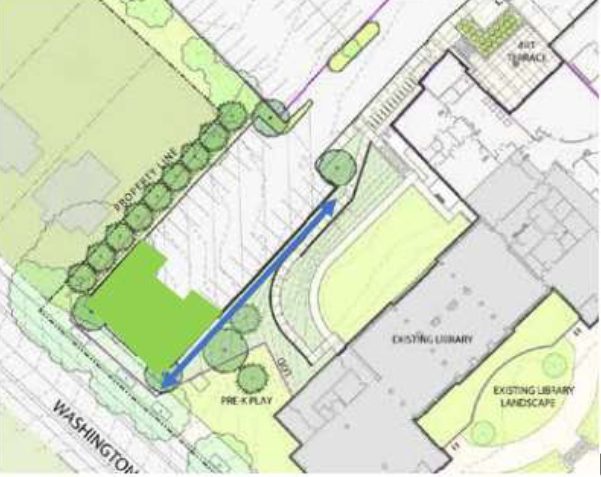
The lone change county planners are recommending is an alteration of a walking path to connect the school to Washington Blvd.

Originally, the path would run through an existing parking lot, up a small slope. But the slope was large enough to prompt some concerns about its accessibility for pedestrians with disabilities.

Accordingly, planners are recommending an alternative design to run the path parallel to the parking lot instead. To do so, the school system will have to cut back on nine parking spaces in the lot (bringing its total down to 133 spaces) in order to keep costs for the project down, a key concern for the School Board.

Both county staff and planners are recommending that the County Board adopt these plans, including the path alteration.


Opponents of the decision to change the name of Washington-Lee High School have long claimed the School Board improperly cast aside its established engagement process on the matter — but the school system has now provided its most robust rebuttal of those charges to date.

A trio of students at Washington-Lee are hoping to block the school’s renaming with a lawsuit targeting the School Board and other top Arlington Public Schools officials, arguing primarily that the Board rushed a vote on the issue and failed to follow its proscribed process for accepting public comments on the name change.

The Board and its lawyers have already asked a judge to toss out the suit, claiming that the question of whether Board members followed their proposed engagement schedule is irrelevant in the legal proceedings. But, in a legal memorandum filed in late October, the APS lawyers argue extensively that the Board “properly followed its procedures in voting to rename W-L,” should the students’ legal challenge survive a judge’s scrutiny.

In short, name-change opponents have accused the Board of misleading the community by promising a two-step process, and not delivering; they argue the Board pledged to first revise its policy for naming all county schools, then consider whether to change Washington-Lee’s name specifically. Instead, the Board changed the naming policy, then voted to rename W-L all on the same night back in June.

The students backing the lawsuit, who have asked the court to withhold their names despite some giving on-camera interviews about the case, even claim a recording of their meeting with Board Vice Chair Tannia Talento bolsters those arguments. In that conversation, Talento did admit that “there was never any intentional engagement to the community about specifically changing [the name of] Washington-Lee.”

However, in the Oct. 26 motion, the School Board’s attorneys argue that name-change challengers have misunderstood what Board members promised to do.

The motion points specifically to the Board’s vote in October 2017 to adopt a four-stage process for drafting a new school naming policy. That process involved a staff committee identifying the names of schools that “may need to be considered for renaming” based on a revised policy governing school monikers, which ended up including W-L. Then, the Board agreed to “in tandem” adopt the new naming policy and “begin a renaming process for any schools that may need to be renamed.”

That means the lawyers believe Board followed its planned process during its June meeting, despite the claims to the contrary.

The Board’s attorneys do note that Superintendent Patrick Murphy did proposed a “modified procedure and timeline” for the process in January, which did allow for a separate round of community engagement and Board vote on a potential W-L renaming.

However, the lawyers write that “at no point did the School Board vote to adopt this alternate procedure and/or its accompanying timeline,” making it merely a proposal and not set policy. The attorneys even go on to describe Murphy’s January plan as a “non-binding, contingency plan” that “never supplanted the naming process or its accompanying timeline that had been previously adopted by the School Board in fall 2017.”

“Plaintiffs’ specific allegations that the School Board gave no advance public notice that the revised naming policy would be considered for a vote — and that the amendment was not circulated to the public in advance of its June 7, 2018 meeting — are both factually contradicted by the plaintiffs’ own amendment complaint and exhibits, and are legally irrelevant in any event,” the lawyers wrote.

Certainly, there are a variety of other legal arguments that the Board’s lawyers make to justify their earlier request that the case be dismissed. They believe the students don’t have standing to sue — as all of them are currently seniors, and won’t be attending the school by the time it’s set to be renamed in fall 2019 — and that the lawsuit improperly targets Board members and school leaders in their personal capacities, rather than the Board as a whole.

The attorneys also point out that a Fairfax County Circuit Court judge dismissed a similar legal challenge to the renaming of J.E.B. Stuart High School in Falls Church earlier this year. That school is now known as Justice High School.

The students and their attorney now have until Dec. 7 to file a motion rebutting the Board’s claims. A judge is set to hold a hearing on whether the case can go forward on Dec. 19.

Meanwhile, the Board has pressed ahead with the renaming process, in the hopes of voting on a new name for Washington-Lee next month.


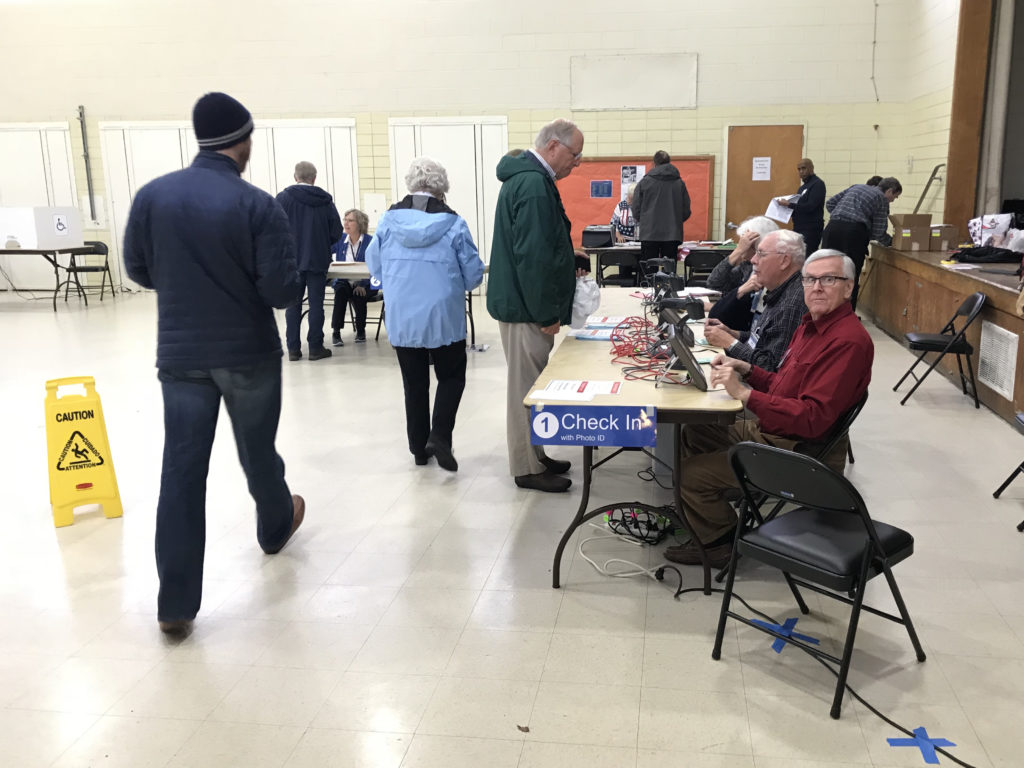
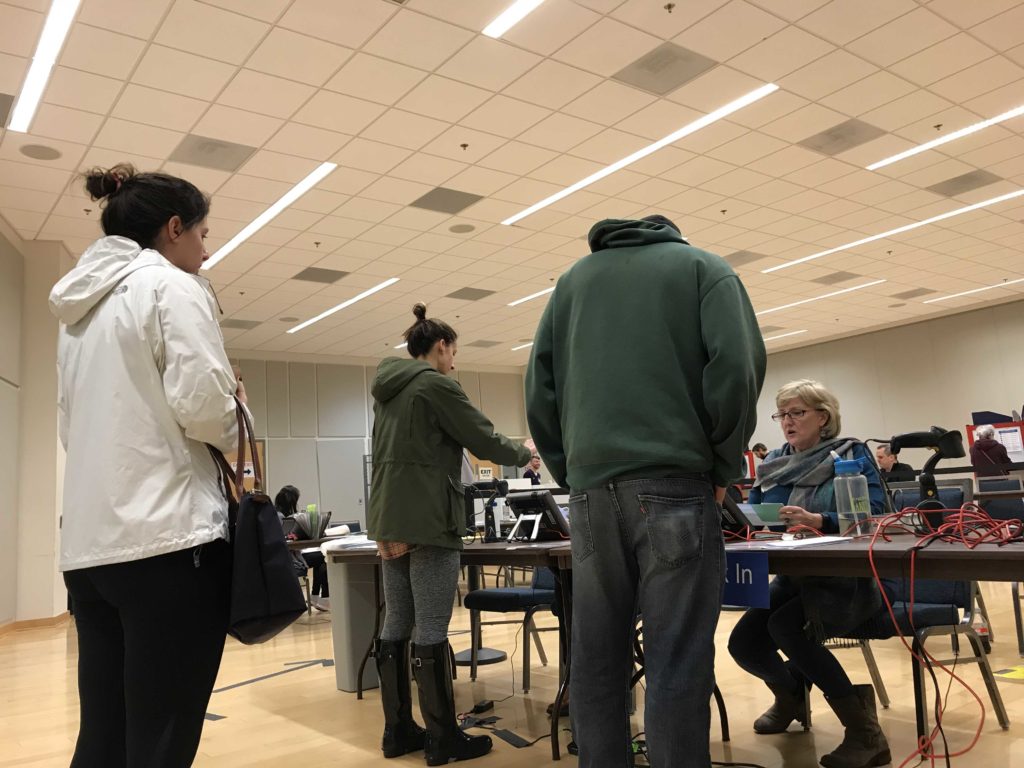
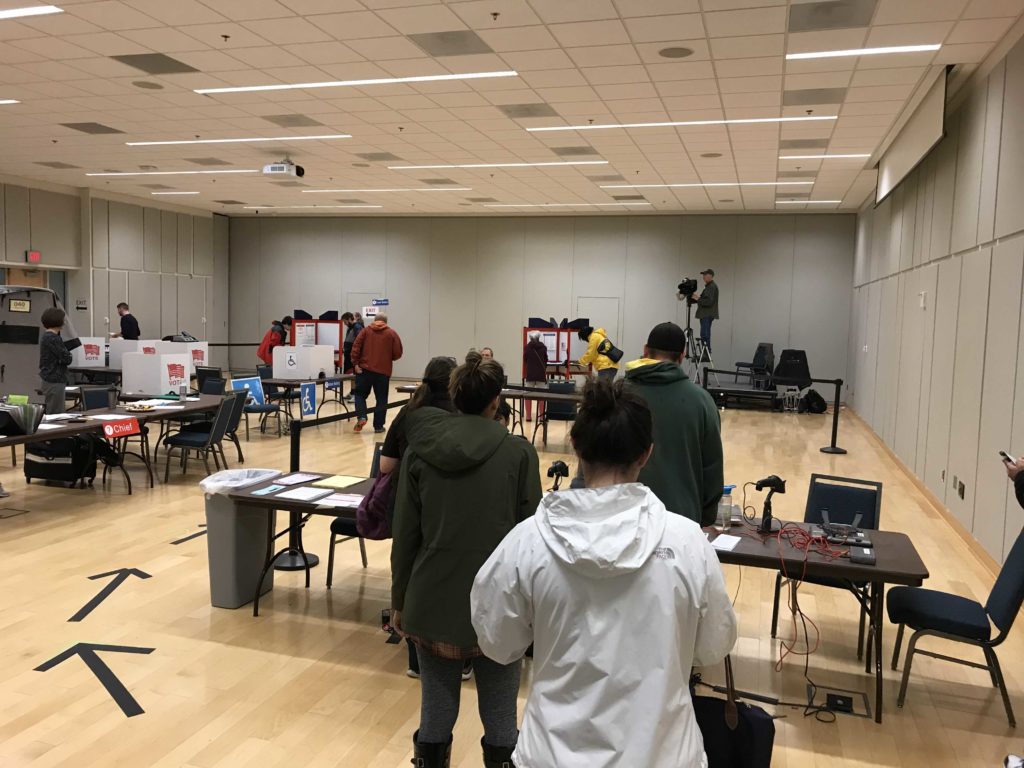
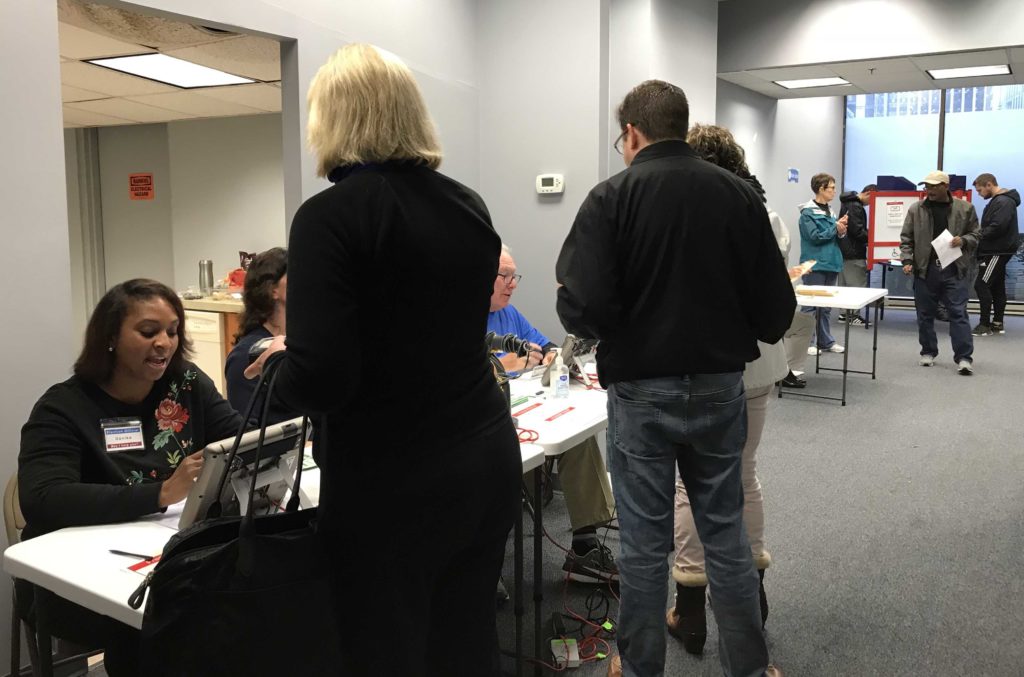
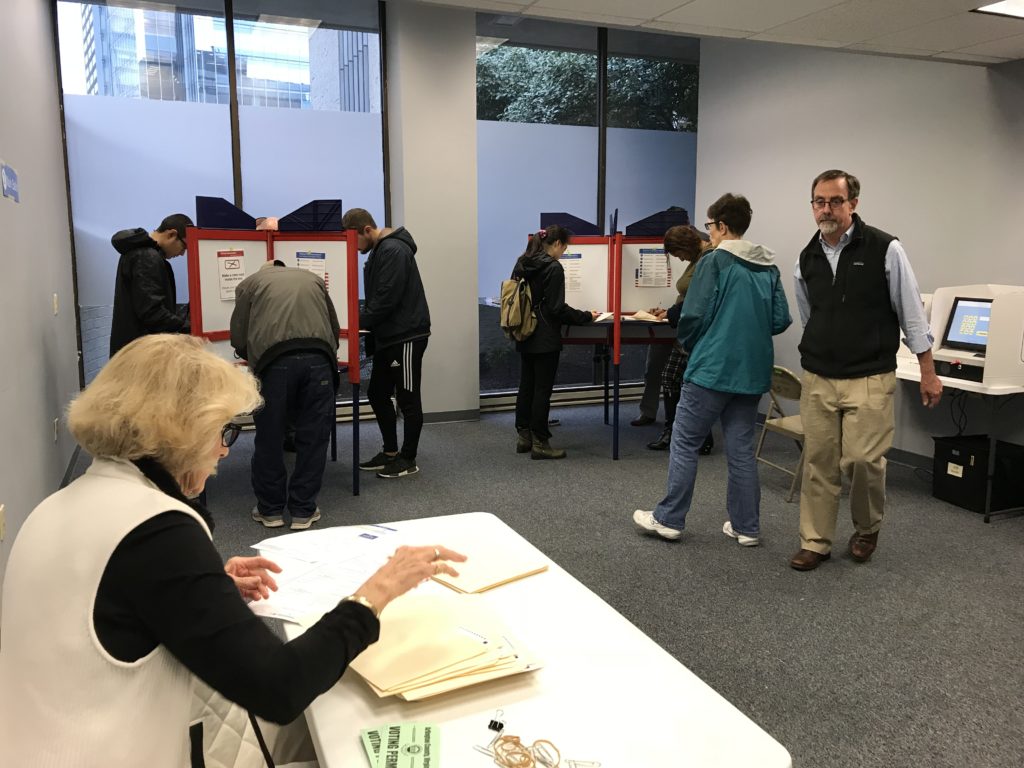
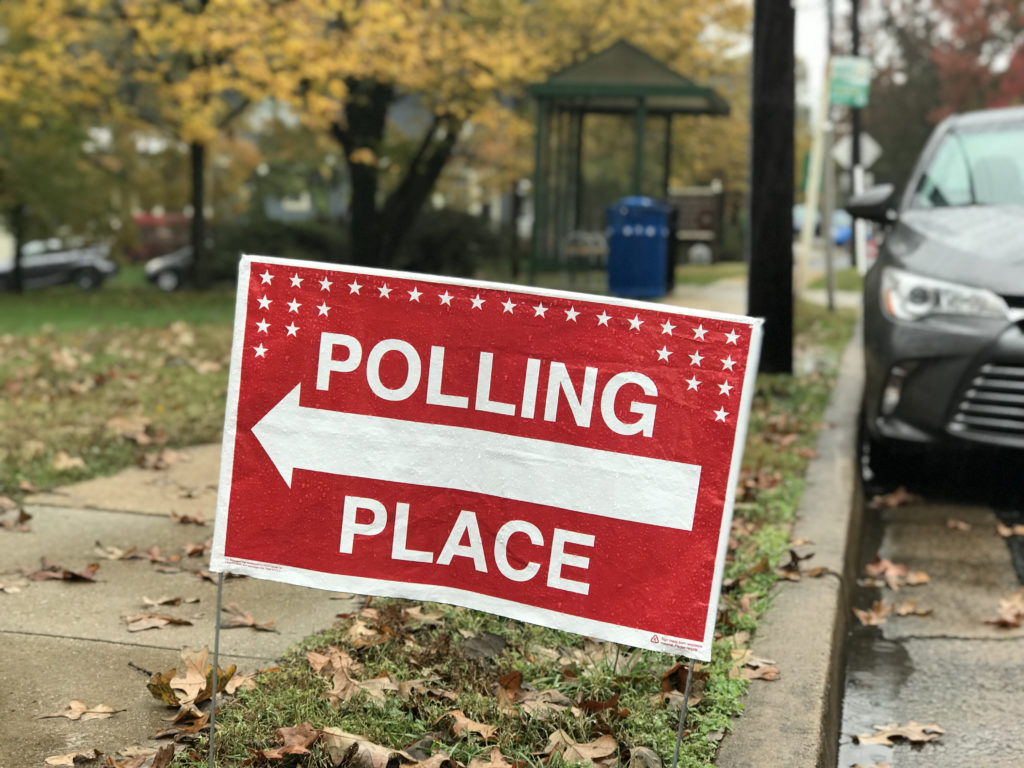
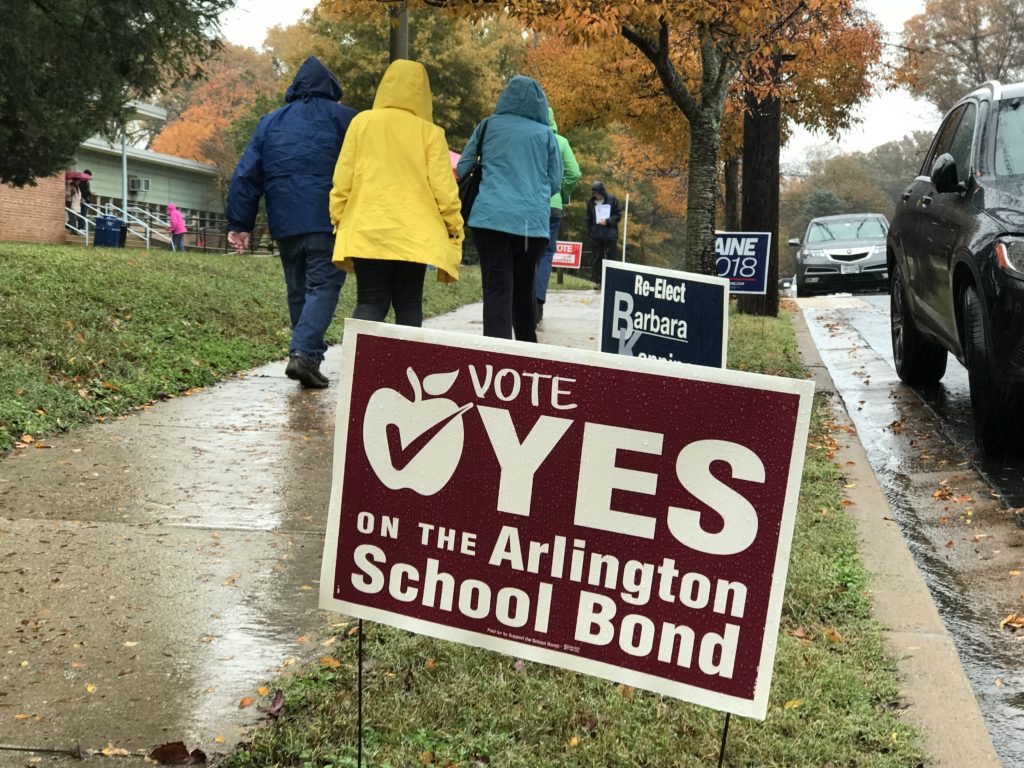
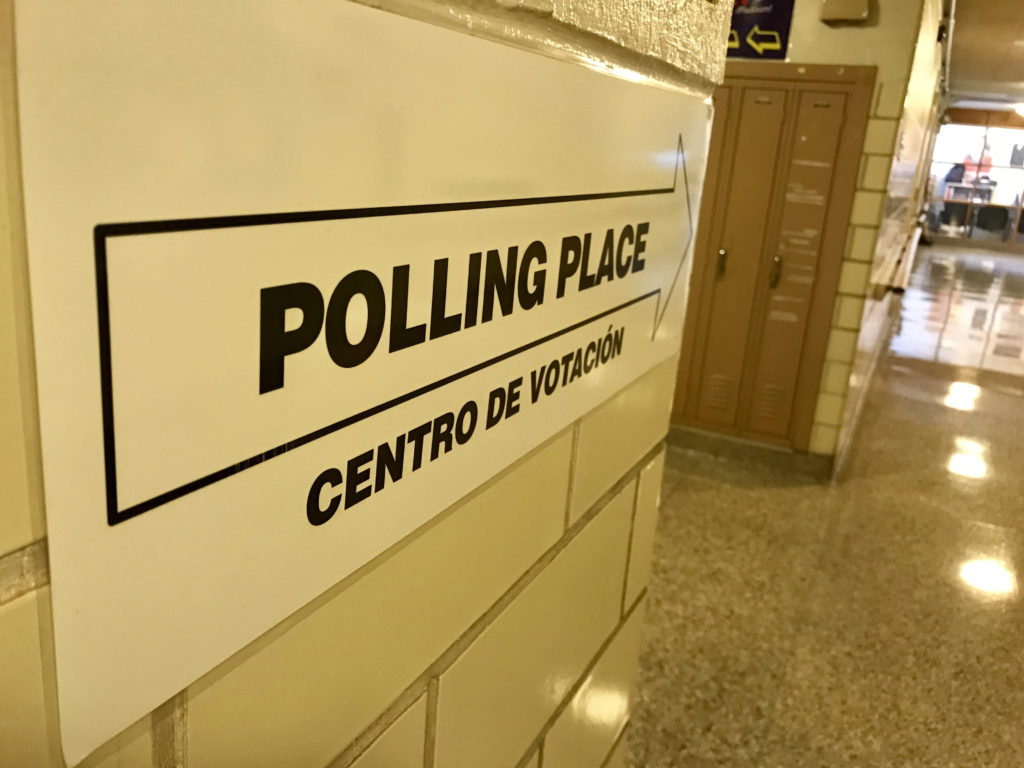
(Updated at 3:20 p.m.) Voting is in full swing around Arlington for the midterm elections, and election officials are reporting plenty of lines and enthusiasm at polling places around the county.

As of noon, the county’s election office reported seeing 40 percent of its just over 149,000 registered voters cast ballots. That figure includes only in-person voting today, according to general registrar Linda Lindberg.

In general, Lindberg says that number is a bit higher than the county would expect for a non-presidential year. For comparison, Arlington recorded about 31 percent turnout by the middle of the day a year ago, according to the nonpartisan Virginia Public Access Project.

“We usually have a burst in the morning, and the difference has been that burst was a bit longer this year,” Lindberg told ARLnow. “We definitely have a sense we’re getting people at the polls who don’t vote regularly. We always have that issue for presidential elections, but not usually for the midterms.”

Lindberg added that turnout may well be even stronger, but there are plenty of absentee ballots for her staffers to count as well.

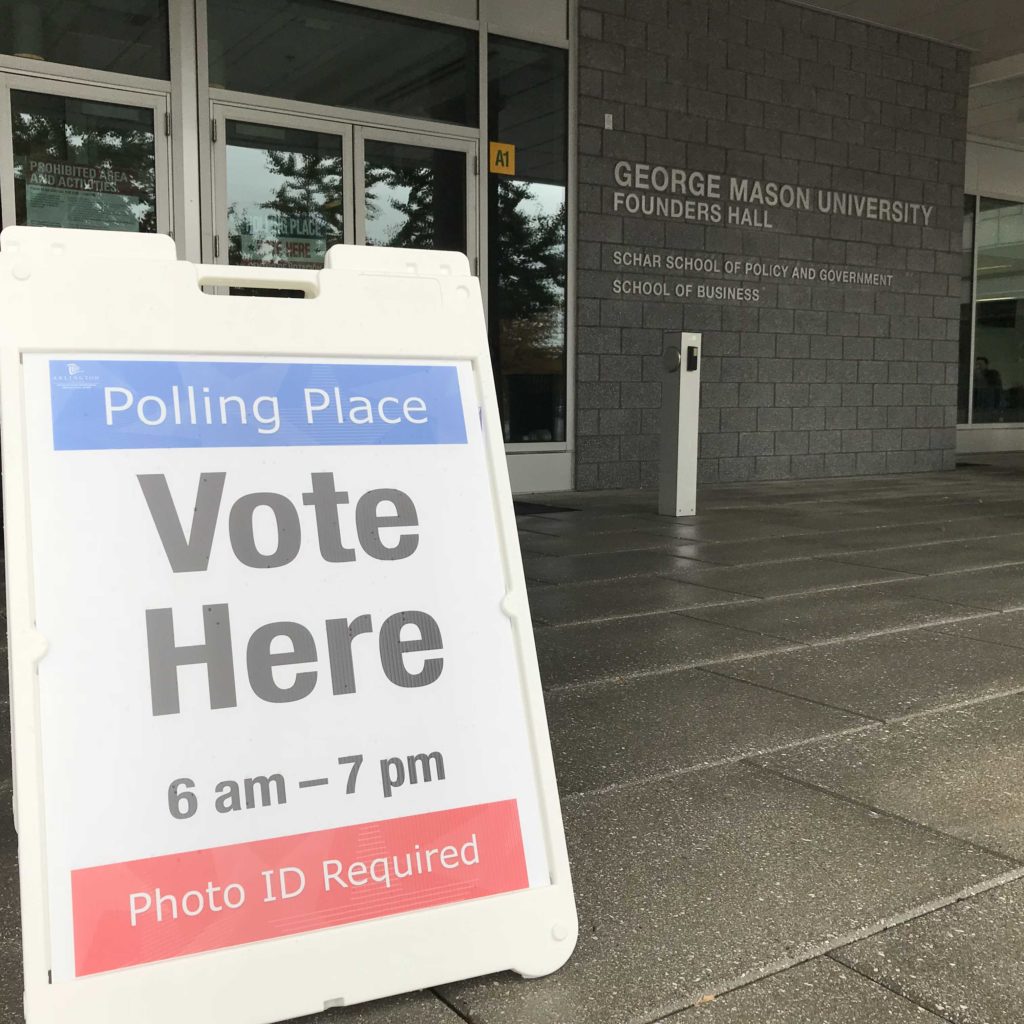
The Virginia Square polling place, located on George Mason University’s campus, certainly saw robust turnout this morning. Aimee Bosse, the precinct’s elections chief, told ARLnow that the polling place saw a rush of about 50 to 100 people as soon as polls opened this morning, with a line wrapping around the lobby and running out the door.

“This has been really busy,” Bosse said. She’s expecting another afternoon rush around 3:30 p.m. or so.

One voter at the polling place, Alexei Monsarrat, said that the whole operation was “perfectly well organized,” despite the high interest.

He added that he voted for Democrats up and down the ballot and is hoping that the party regains control of both the House and Senate to rebuke President Donald Trump. Monsarrat even brought along his 8-year-old son, Asher, to let him see the process.

“Obviously I’m very excited to vote today,” Monsarrat said. “I’m looking for a change… I’m a straight democratic voter.”

Aaron Webb, elections chief at the Rosslyn Gateway polling place (1911 Fort Myer Drive), added that his location has seen lines up to 30 minutes long so far today.

Others also reported unusually long lines at precincts elsewhere around the county on Twitter.

https://twitter.com/Politidope/status/1059783001184317441

Lindberg says there haven’t been any major issues at polling places, outside of some puddles making it a bit hard to reach the polls. But as the rain subsides, and maintenance workers get a chance to mop up, she’s not predicting any major issues.

In fact, Lindberg says she’s heard the more concerning reports today about the behavior of voters themselves. She notes that her office has received some complaints about voters being “less than friendly” to some members of the foreign press covering Arlington’s elections, particularly those from Middle Eastern countries.

“They’re just trying to do their jobs and report, so it’s unfortunate to hear,” Lindberg said.

Races on the ballot for Arlington voters this year include the U.S. Senate contest between Sen. Tim Kaine (D-Va.) and Republican Corey Stewart and the 8th District Congressional seat pitting Democratic Rep. Don Beyer against Republican Thomas Oh. In local races, voters will choose between incumbent independent John Vihstadt and Democrat Matt de Ferranti for County Board and independent Audrey Clement and incumbent Barbara Kanninen, who was endorsed by county Democrats, for School Board.

A variety of bond measures and two constitutional questions will also be on the ballot. The county website features full sample ballots, and details on where to vote.

Catherine Douglas Moran contributed reporting


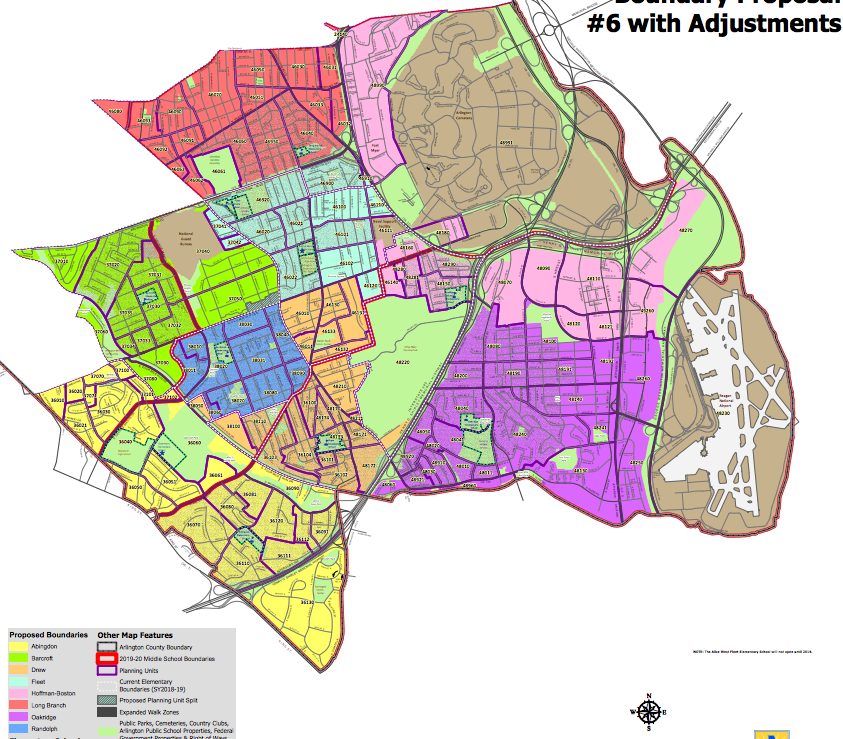
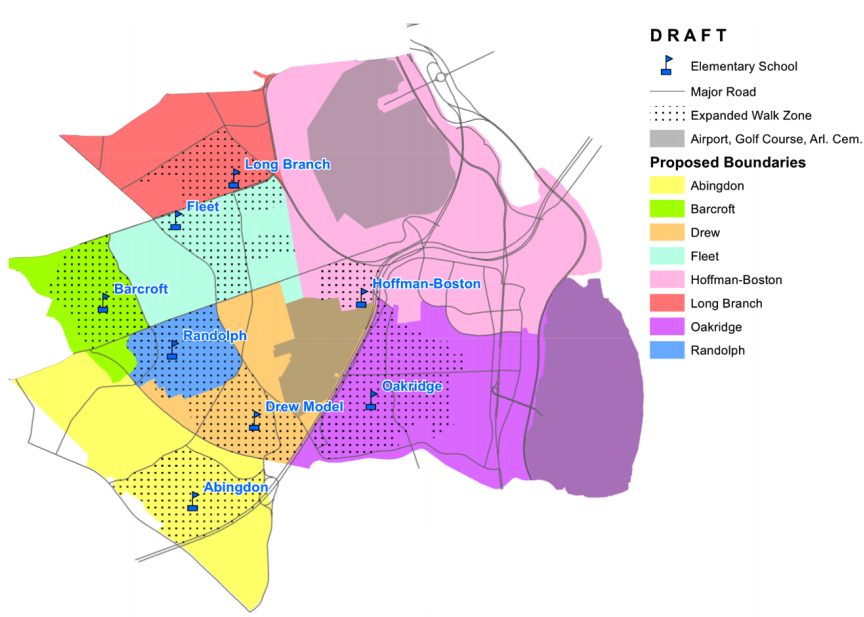
Superintendent Patrick Murphy has revealed his final proposal for new elementary school boundaries to forward along to the School Board, with a new map designed to simultaneously the answer the concerns of some Fairlington parents and reduce overcrowding at Barcroft Elementary.

Arlington Public Schools officials have spent months drawing up map after map to guide attendance boundaries at eight South Arlington elementary schools set to go into effect next fall. Each one has prompted fresh rounds of concern among parents nervous about seeing their kids moved to different schools, as the school system prepares to open up the new Alice West Fleet Elementary next year.

Murphy’s new proposal, released yesterday (Monday), incorporates changes made to several prior maps worked up by APS staffers.

Perhaps most notably, the proposal keeps the entirety of the Fairlington community within Abingdon’s attendance boundaries, rather than sending some students in South Fairlington neighborhoods to Drew Model School. Parents from across Fairlington vigorously protested previous proposals to do so, arguing that it would unnecessarily split up the community and require plenty of busing to help students reach Drew.

School officials worked up a map last week to leave Abingdon’s boundaries unchanged, but that proposal would’ve left both Drew and Fleet with far fewer students than the buildings are designed to hold. Meanwhile, Barcroft, in particular, would’ve remained substantially over its capacity.

Murphy’s new map would move 100 students out of the school, reducing it from being at 149 percent of its capacity next year to 120 percent. Randolph would also see a slight decrease of about 40 students, and Drew and Fleet would absorb most of the students from those schools.

Neighborhoods just off Columbia Pike would be primarily impacted by the change, with a cluster of streets behind the Walter Reed Community Center and others around Alcova Heights Park all moving to Fleet.

The superintendent’s proposal would mean that Fleet will open at about 88 percent of its planned capacity, while Drew will move to about 92 percent of its capacity. Abingdon remains relatively unchanged, and is scheduled to be at about 120 percent of its capacity, but school officials hope to address that in a new round of boundary adjustments in 2020.

Next year, Drew will see hundreds of students leave the building, as the Montessori program moves to Patrick Henry Elementary. Yet parents there worried the school system’s initial plans would involve unfairly packing the school with students from low-income families, as measured by the percent of the student body eligible for free and reduced price lunch.

Murphy’s proposal would mean that about 56 percent of the school’s population would be FRL-eligible, down slightly from the 60 percent figure that officials initially proposed. Of the eight schools included in the process, only three will have more than 50 percent of the student bodies eligible for free and reduced price lunch, the school system’s target benchmark throughout the boundary process.

The School Board will get its first look at the superintendent’s boundary proposal at its meeting Thursday (Nov. 8), with a public hearing set for Nov. 27. The Board plans to pass a final map by Dec. 6, and could make plenty of changes to Murphy’s proposal between now and then.

Photo via Arlington Public Schools


Opponents of the Arlington School Board’s decision to change the name of Washington-Lee High School have now poured thousands of dollars into Audrey Clement’s independent bid to unseat incumbent Board member Barbara Kanninen, providing the perennial candidate with her largest fundraising haul across any of her eight bids for local office.

Clement managed to raise just over $13,300 over the month of October alone, according to campaign finance documents, far outpacing Kanninen’s $4,200 raised over the same time period. Of that amount, nearly $10,200 came from two outspoken opponents of the Board’s vote in June to strip Confederate general Robert E. Lee’s name from the school.

Most of the rest of her fundraising haul for the month — just over $1,700 — came courtesy of Clement herself. She’s provided the bulk of the cash to support her second bid for the School Board, chipping in about $11,300 of the $28,200 she’s raised since January.

But the late monetary support has provided Clement, a member of the county’s Transportation Commission and a programmer for a Reston-based software company, with the most cash to power any of her long-shot campaigns since she first started running for various county offices in 2011. She’s never garnered more than 33 percent of the vote in any of her various races, often losing to county Democrats — Kanninen has the local party’s backing in the nominally nonpartisan School Board race, just as she did when first won office in 2014.

The contributions appear to be headed Clement’s way because she’s made preserving W-L’s name a prime focus of her campaign. She’s accused the Board of pushing through the name change while ignoring more substantive issues within the school system, targeting Kanninen for criticism specifically. Kanninen served as chair of the Board last year, a post that rotates among the five members, when the Board ultimately voted to change the school system’s policies for school names, then kicked off a renaming process for W-L, specifically.

While the Board has consistently acted unanimously when it comes to the renaming decisions, opponents of the change have zeroed in on Kanninen in recent weeks, calling her the prime architect of the initiative. Ed and John Hummer, a pair of W-L basketball stars in the mid-1960s, even purchased a full-page ad in the Sun-Gazette this week to promote Clement’s candidacy and blast Kanninen as “the person responsible for the whole ill-conceived name change project.”

John Hummer, who attended Princeton and became a first-round draft pick in the National Basketball Association after graduating W-L, provided Clement with nearly $5,200 in cash over the course of the last month. Donald Morey, another name-change opponent and frequent author of critical letters to the editor on the subject, added another $5,000.

Clement seems to have spent that cash just as quickly as she pulled it in — finance reports show that she spent nearly $13,000 last month, with the bulk of that paying for ads in the Washington Post and the Sun-Gazette.

She only reported having about $1,600 in the bank for the campaign’s closing days, compared to Kanninen’s war chest of nearly $19,200.

Flickr pool photo via wolfkann


Last week, we asked the two candidates seeking a seat on the Arlington School Board to write a sub-750 word essay on why our readers should vote for them in the Nov. 6 elections. 

Here is the unedited response from Barbara Kanninen, who has been endorsed by county Democrats in the nonpartisan race:

I’m Barbara Kanninen, and I’m running for re-election to the Arlington School Board. I’m seeking your vote so we can keep working together to support the whole child, support teachers and staff, and build a stronger school system that will provide a 21st-century education to all of our students.

My husband, Kevin, and I have lived in Arlington for 25 years and have two sons, Fred and Markus, who were both K-12 Arlington Public Schools students and are now in college. I am a Ph.D. environmental economist, children’s book author, and co-founder of the Youth Ultimate League of Arlington. Since I joined the School Board in 2014, I’ve put my passion, experience, and skills to work in service of Arlington’s schools. Here’s how:

Support for Students

I’ve worked to lift up student voices and develop innovative programs and policies to support all students. In the past four years, we have provided more resources to promote students’ mental, social, and emotional health and adopted academic supports for struggling learners. We continued to support our immigrant student population and DREAMers, LGBTQ+ student rights, and all student voices. We’ve expanded our STEM programs, career and technical education, music and the arts, and sports and fitness opportunities. And we’ve launched a strategic plan process to generate a fresh vision for Arlington Public Schools–one that will support the whole child, provide a vision for 21st-century teaching and learning, and is sustainable.

Respect for Teachers

The work of our teachers and staff–their engagement with children in the classroom everyday–is the whole point of our school system. Our teachers and staff deserve fair pay, and I’m proud to say that since I have been on the School Board, we have ensured that teachers received their step increases every year. I have also worked to provide teachers with professional development that they find relevant and productive, and, most important, a voice in the decision-making process and respect for their essential and tireless work. I’m honored that the Arlington Education Association, which represents Arlington’s teachers, has endorsed my re-election campaign.

Strong Schools in a Time of Growth

Our county has faced, and still faces, challenging rates of growth. I’ve worked to improve how APS makes projections and to engage the community in positive, constructive planning processes to ensure that our schools provide all students with high-quality opportunities. I have brought to this job a laser focus on our numbers so that today we have a plan that addresses our growth at all levels–elementary, middle, and high school.

Next Steps

Looking ahead to the next four years, I am committed to continuing to support all students and prepare them for the fast-changing challenges and opportunities of the 21st century. I will keep fighting for our teachers and staff and will work to improve staff retention, empower all staff to define their own professional paths, and provide the tools they need to succeed in the classroom. Our schools are still growing, and I will work hard to provide high-quality schools, with a range of options, to fit all types of learners, all across Arlington.

Let’s keep working together to make Arlington’s schools the best they can be. I would be honored to have your vote on November 6. To learn more about my campaign, please visit my website www.bk2018.org.


View More Stories