

Sponsored by Monday Properties and written by ARLnow, Startup Monday is a weekly column that profiles Arlington-based startups, founders, and other local technology news. Monday Properties is proudly featuring 1812 N. Moore Street in Rosslyn.

The finish line is in sight for a Clarendon-based startup that has developed a wearable breathing sensor called Respa.

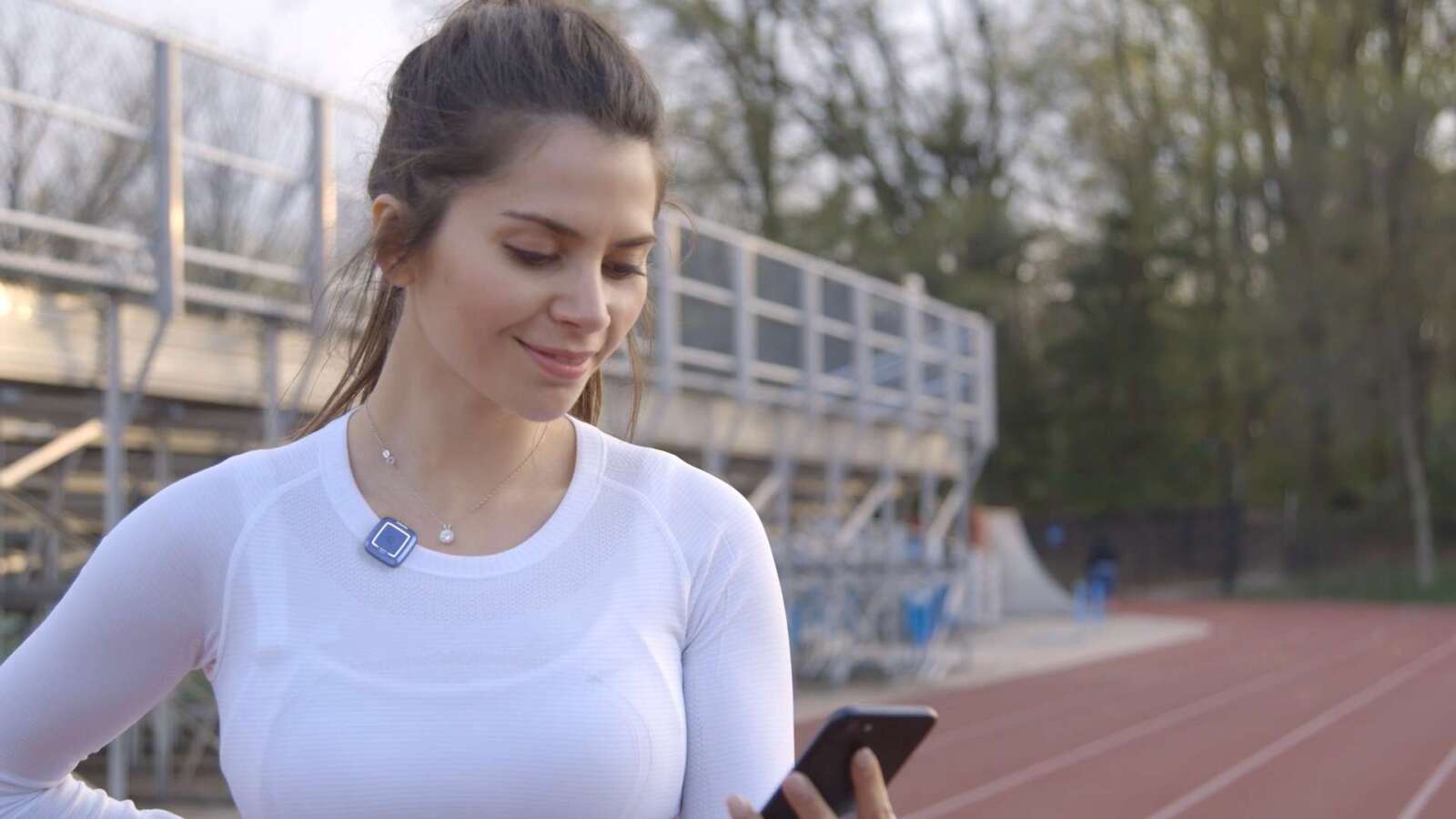
Zansors, located at 3100 Clarendon Blvd, has created an inch-square device that connects to a mobile app, showing wearers their breathing patterns. Originally created to help people screen themselves for sleep apnea from the comfort of their home, Zansors has also tailored the product to fit the needs of fitness enthusiasts who want additional data on their exercise.

The company has been around nearly nine years, during which time the product has gone through research and development and has been beset by engineering and developmental delays, said co-founder Abhijit Dasgupta. Now, Zansors is in the final stages of developing the app and connecting it to the device.

“We’re looking forward to ramping up this spring and getting out the door in the summer,” Dasgupta said. “It’s obviously a good feeling that we’re in the final stretch. It’s a lot of work, effort and sweat equity. The hiccups have been frustrating, but we’re just trying to hammer it home.”

Dasgupta, who has a doctorate in biostatistics and previously worked in medical research, said the idea for a wearable breathing sensor came from seeing how common — but under-detected — sleep apnea is.

“To create a device that can allow you to detect it at home, you wouldn’t have to get wired up, and spend the night in a foreign bed,” Dasgupta said. “We felt sleep studies weren’t reflective of your own sleep experience.”

The wearable sensor detects how sleepers move and breathe and warns doctors of abnormal patterns, he said. But Respa is a screening product, not a diagnostic one, he said.

Over time, Zansors started looking into other areas where breath and motion are synced, and made it work for athletes and fitness buffs.

“It’s the same device, leveraged in different ways,” he said.
Dasgupta and his team have other ideas for repurposing the product for respiratory diseases, something at the forefront of their minds due to the coronavirus pandemic.

Although it has become fodder for future development, the pandemic has also hurt Zansors’ ability to travel, meet buyers and clients and raise investment money, Dasgupta said. When personal protective equipment was hard to come by, Zansors pivoted to selling high-quality masks with filters, which it sold to several U.S. Army and Air Force bases, he said. Now that PPE is easier to find again, Zansors has refocused on the Respa.

The company is also in active talks about possible military usage of the device, Dasgupta said.

“There are plenty of ideas out there but we need to get this out the door so that we can put this in the ‘done’ column,” he said.

Initially, most of Zansors’ work was funded by the National Institutes of Health, through its Small Business Innovation Research grant program, as well as a few investors in Northern Virginia. The Arlington community specifically has been supportive of Zansors, Dasgupta said.

“I think it’s great that we’re in Arlington,” Dasgupta said. “Arlington is a great place to center a business because there’s so much going on: There’s so much networking and the business development groups are good.”

Sponsored by Monday Properties and written by ARLnow, Startup Monday is a weekly column that profiles Arlington-based startups, founders, and other local technology news. Monday Properties is proudly featuring 1812 N. Moore Street in Rosslyn.

Courthouse-based startup WireWheel is gearing up to bring its software to more mid- and small-sized companies looking to comply with new data privacy laws being passed in the U.S.

And the startup, located at 1310 N. Courthouse Road, recently raised $20 million in funding, led by ForgePoint Capital, to make that expansion happen.

“We raised our financing with a terrific investor out of Silicon Valley that helps companies build out and sell products,” said co-founder and CEO Justin Antonipillai.

Founded in 2016, WireWheel provides companies with the infrastructure needed to show customers what data they collect on customers and how that data is used. These platforms also help customers access or delete this data or indicate they do not want their data sold.

“People are getting creeped out by the idea that you go to a website and then you start seeing ads everywhere,” Antonipillai said.

Antonipillai, the former Acting Undersecretary of Economic Affairs at the U.S. Department of Commerce under President Barack Obama, predicts this infrastructure will become more crucial in the near-term. In the coming year, he said between five and 10 states are poised to pass laws on data privacy, following the lead of California and Virginia.

While each state’s law may look different, he said, they generally will require companies to be more transparent with users and potential auditors about the data they collect and whether and to whom they sell that sensitive information.

“Every company you know is worried about a simple problem: How do I make sure my marketing and website are complying with laws?” he said. “We help companies solve that problem.”

California rang in 2020 with the first major data privacy law and Virginia passed the second this year, he said. Arlington and Northern Virginia’s robust cybersecurity industries likely contributed to this push, he added.

WireWheel first targeted a handful of big-brand companies, and this year, made its essential offerings available to companies of all sizes, Antonipillai said. This includes a product that helps new companies weave law-abiding data privacy into their websites and platforms as they build them.

It recently launched a data privacy conference called Spokes that has quickly become the largest such conference in the world, attracting business and government leaders from Europe and the US, he said. That trans-Atlantic collaboration is important because Europe has considered shutting down data-sharing operations because the US had fewer regulations on data privacy, he said.

“You don’t really think of data as something that a group of countries could stop but the truth is that it can be,” he said.

Although data-sharing, with the lack of privacy regulations, poses problems now, it can be a powerful tool for good, he said. Antonipillai imagines WireWheel helping usher in a world in which consumers actually trust the government or a company to use data responsibly and delete their identifying information if they wish.

“If I felt more comfortable with that, I would let more companies and governments use my data to solve big problems,” he said.

One example is in healthcare, where patients could permit their information to be shared anonymously with researchers for further study or with organizations, such as cancer societies, so newly diagnosed individuals can learn more about their chances for survival and remission, and what lifestyle changes they can make to improve their chances.

“Those are the kinds of things where a lot of people want to help, but don’t trust healthcare data will be protected and used the right way,” he said.


Sponsored by Monday Properties and written by ARLnow, Startup Monday is a weekly column that profiles Arlington-based startups, founders, and other local technology news. Monday Properties is proudly featuring 1812 N. Moore Street in Rosslyn.

(Updated 1:20 p.m.) Arlington resident and avid cyclist Carla Uriona spends most of her time demystifying data for people.

The English major-turned-coder-turned-designer is the co-founder of Factor3 Digital, a small, Arlington-based design company that creates data visualizations for nonprofits and corporations. In addition to design projects, she and co-founder Evan Potler spend a good deal of time helping prospective and current clients understand the fundamentals of responsible data visualization so they can do the work in-house if they wanted.

“Not enough agencies take that mentoring perspective,” she said.

Uriona founded Factor3 Digital partly out of frustration. The nonprofit firms she worked for, which farmed out some of their digital operations to contractors, often called on her to “translate” what the firms were doing.

“I think that those of us who are in these specialized fields, we live in our heads all the time,” she said. “Some don’t want people to see the ‘magic formula,’ and I fundamentally disagree with that so much.”

So in 2017, she and Potler, who had worked together at three nonprofits before, took the plunge to “be the firm we wish we could have hired” — the one that takes the time to cultivate relationships with clients and mentor them.

She said the pandemic led her and Potler to do some soul-searching about how much they want the company to grow or take on new clients.

“We had no idea before the pandemic how much we needed our clients and how much relationships mattered,” she said. “We’ve decided that we want to stay small enough so that we can personally focus on the majority of projects.”

Although it means sacrificing large-scale growth, Uriona — who has always worked for nonprofits — said she feels fulfilled in her work. About 80% of Factor3 Digital’s work is with nonprofits, and work with corporations makes up the remaining 20% and subsidizes the lower rates Factor3 Digital offers to nonprofits.

“The folks who are corporate know that — I wonder if it makes them feel good about the work they do,” she said.

The pandemic has led to more soul-searching among designers who work with data. Graphics of case numbers and transmission rates are everywhere but prone to misinterpretation, which can be deadly, she said.

“That points to a need for data literacy in schools,” she said. “I assure you, I’m going to make sure my son, who’s in sixth grade, knows how to read data.”

But the responsibility also falls to designers, who have to do a better job designing charts and graphics that regular people can understand.

“I don’t think we have gotten there yet,” she said.

This reckoning started before the pandemic as data became democratized and products to make graphics became more readily accessible.

(more…)


Sponsored by Monday Properties and written by ARLnow, Startup Monday is a weekly column that profiles Arlington-based startups, founders, and other local technology news. Monday Properties is proudly featuring 1812 N. Moore Street in Rosslyn.

After a turbulent two years, a Ballston-based weightless flight company named ZERO-G is once again ready for take-off.

The company, with its administrative headquarters at 4601 N. Fairfax Drive, announced a recent financing round led by private equity firm Rock Mountain Capital. ZERO-G’s CEO Matt Gohd said this investment will help purchase another plane, add more takeoff cities for its consumer flight program, and support the company’s renowned weightless research lab.

Founded in 1995, ZERO-G chartered its first specially modified Boeing 727 boasting a “microgravity experience” in 2004, and has since hosted scientists and celebrities from Stephen Hawking and Buzz Aldrin to Kate Upton and Martha Stewart. Early investors and riders included Tesla founder Elon Musk and Sergey Brin, the co-founder of Google. ZERO-G has also conducted 211 research missions on its Federal Aviation Administration-approved planes, leading to major advances in multiple industries.

“Our goal is to provide the most accessible, most unique extraordinary experience that someone could have — literally, floating like an astronaut in ZERO-G — while being able to support growing research in microgravity,” Gohd said.

The upward trajectory came to a halt in 2019, when the company had major issues that kept the planes grounded, according to the CEO. The financial distress was so extreme that the company could not make payroll and in November, the previous CEO resigned and Gohd took the helm.

The new CEO raised a “rescue round” of funding, began charting a new course for the company, and watched the first plane of his tenure take flight in late January 2020. But one month later, the research staff started talking to him about the coronavirus.

“They said it would be much worse than people thought,” he said.

They were right: Flights were canceled through July 2020 and 90% of staff were furloughed.

But now, with the end of the pandemic in sight, the appetite for microgravity is skyrocketing, he said. ZERO-G resumed operations in August and sold out most flights, a trend that has continued this year.

For about $7,000, people can buy a seat on a flight or for $175,000, companies and groups can charter the entire plane. ZERO-G also makes money from studios shooting movies and commercials on the plane.

“There’s nothing that compares to what we do,” Gohd said.

With the funding he started raising in August, the CEO envisions buying a plane or two to meet this rising demand. The funding will also support research, which he said is the fastest-growing sector of ZERO-G’s operations because of renewed interest in space.

ZERO-G works with NASA and a number of universities to run experiments in microgravity, to see how fluids move or to see how things react in Martian or lunar gravity, both of which ZERO-G can simulate. Outside of ZERO-G, many researchers have no other way to do this work without incurring huge costs, he said.

“We’re the only way to provide an interactive platform for researchers,” he said.

Rock Mountain Capital founder, David Stonehill, now a board member for ZERO-G, commended Gohd for revitalizing the company and credited him for its growth.

“ZERO-G’s unique experience is valued by consumers, corporate customers, entertainment companies, and scientific research teams at NASA and beyond,” Stonehill said in a statement.


Sponsored by Monday Properties and written by ARLnow, Startup Monday is a weekly column that profiles Arlington-based startups, founders, and other local technology news. Monday Properties is proudly featuring 1812 North Moore. 

Recent Yorktown High School graduate Eva Gary is bringing the magic of princesses, princes and superheroes to kids — from a safe distance and over Zoom.

At the height of the pandemic, Gary, a lifelong performer and musical theater lover, decided to defer college for a year. She wanted to re-apply to competitive musical theater programs that she could not get into and wait until more schools and classes are in-person.

With the extra time she had, she started Princess Wish Parties, granting the wishes of kids who want to see their favorite fairy tale characters.

Over the last year, Gary and her squad of characters have visited virtual art parties, events for school pods, and drive-up parties. The dance, do crafts, play games and perform sing-a-longs with kids.

“I love working with kids, and performing, and this is the most magical combination of those two things, literally,” she said.

Gary started “princessing” for other companies as a sophomore, saying it was the perfect job for a teen who needed improvisation practice and had experience working with kids. She took a break from it to apply for college, but when she ultimately decided to put college off for one year, she picked it back up.

Although she was skeptical of the first socially distanced party she attended, Gary said the experience did not change much: She still could believably embody a princess character, sing, dance and form connections with the kids.

Bolstered by the positive experience and encouraged by her mom, Gary took steps toward launching a princess company. She found second-hand “Snow Queen,” “Mermaid Princess” and “Rapunzel” costumes and wigs — these companies are not affiliated with Disney, for the record — and tested them on neighborhood kids who she said are in “the princess stage.”

“The girls believed it and were so excited about it,” she said. “That was when I realized I can do this. Having had a little bit of experience as a performer, I knew I needed to get my head around the business side, but performing would be the same.”

Since then, she has virtually auditioned and hired actors, many of whom she knew from other “princessing” gigs and the musical theater community. She has quickly added on more princesses and expanded her offerings to include princes and superheroes.

“Every second of free time is spent on this company and recently, applying for schools,” she said.

Working as a princess this year has helped her hone her craft as a princess and a performer.

“I think I’ve grown immensely as a princess performer from my sophomore year until now,” she said, adding that she also has to “be prepared to remind their kid to not put dirt in their mouth — in a friendly, princessy way.”

Now that the company has taken off, she said she plans to manage the company and hire actors from a distance during college, and delegate the logistics of handling parties to one of her younger sisters.

“It’s been harder than I expected, but I could spend every waking moment working on this and I would be happy,” she said

Photo courtesy Princess Wish Parties 


Sponsored by Monday Properties and written by ARLnow, Startup Monday is a weekly column that profiles Arlington-based startups, founders, and other local technology news. Monday Properties is proudly featuring Shirlington Gateway. The new 2800 Shirlington recently delivered a brand-new lobby and upgraded fitness center, and is adding spec suites with bright open plans and modern finishes. Experience a prime location and enjoy being steps from Shirlington Village.

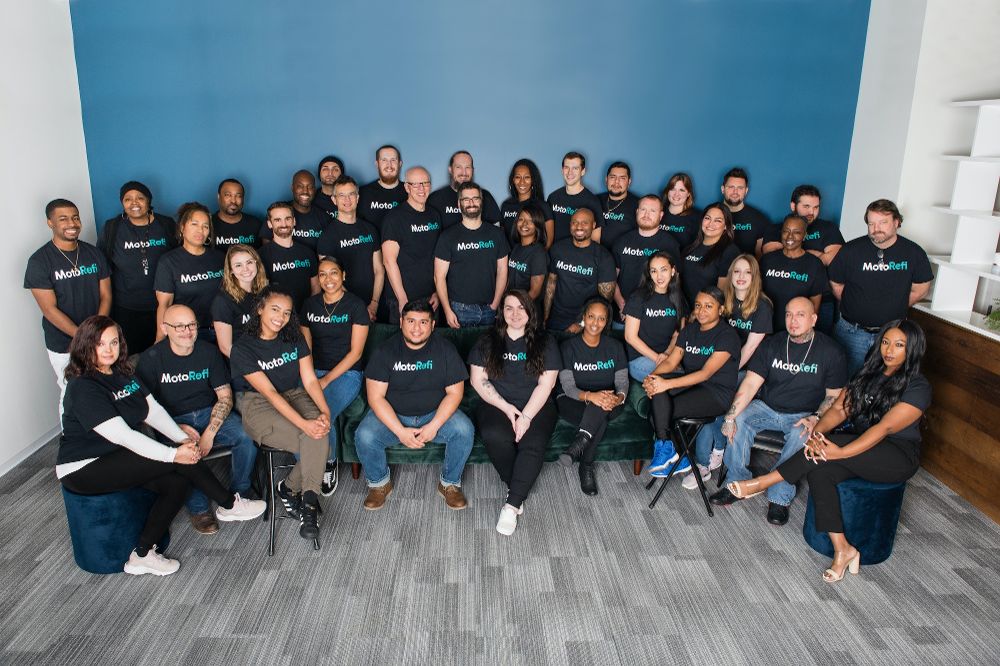
Arlington-based auto-refinancing startup MotoRefi recently announced $10 million in funding, led by Moderne Ventures.

The funding announcement comes after a year of gains for the four-year-old company, CEO Kevin Bennett tells ARLnow. In 2020, MotoRefi — based at 1010 N. Glebe Road in Ballston — raised $9.4 million, saw the number of users on its platform double and saw its revenue grow six times over. It facilitated over $250 million in auto refinancings and brought on an additional 100 employees.

(Bennett said MotoRefi does not release the number of users.)

The company, which was created by a team of venture-builders from Alexandria-based QED Investors, matches drivers looking to refinance their auto loans with credit unions and community banks. Bennett, who has worked on four other D.C.-area startups, said QED Investors co-founder and managing partner Nigel Morris asked him to lead the fledgling startup.

“Most consumers don’t know they can refinance their cars,” he said, contrasting it with a more commonly-understood home refinancing. “Only 47% know they can refinance their car and 2 to 3% do it.”

And unlike refinancing a home and or some student loans, where online platforms such as Rocket Mortgage and SoFi have made the process easier and more transparent, Bennett said this part of the market has not had its “Rocket Mortgage moment.” MotoRefi changes that, he said.

“People rightly don’t see the process as laid-out fairly,” he said. “One of the things that’s attractive about this startup is that it has a real very specific impact on people’s lives. We see the results of our work every day and that’s incredibly motivating.”

The startup handles the refinancing process from soup to nuts, checking credit scores and matching users only with the rates from banks and credit unions that they qualify for, Bennett said. The average customer saves about $100 a month.

For the smaller credit unions and banks that MotoRefi partners with, Bennett said the startup provides them access to customers they would not otherwise be able to reach. The startup also smoothes out the onboarding of new customers by streamlining the process of gathering documents and matching people with companies based on whether they would be approved, he said.

“We’re more efficient than our competitors because we’re the first real tech company in the space,” he said. “Our approval rates are higher, and it’s much less work for that credit union to review and fund a loan since we’re only sending customers who we know are a match.”

MotoRefi’s revenue comes from a number of different streams, Bennett said. The startup charges customers a processing fee in their loan and lenders pay MotoRefi for access to the people seeking loans, he said. The company also sells car-related services like a gap warranty.

Photo courtesy MotoRefi


Sponsored by Monday Properties and written by ARLnow, Startup Monday is a weekly column that profiles Arlington-based startups, founders, and other local technology news. Monday Properties is proudly featuring Shirlington Gateway. The new 2800 Shirlington recently delivered a brand-new lobby and upgraded fitness center, and is adding spec suites with bright open plans and modern finishes. Experience a prime location and enjoy being steps from Shirlington Village.

Last spring, Kapil Thangavelu and Travis Stanfield quit their tech jobs to launch Stacklet and help companies secure and manage their cloud networks.

Then the coronavirus was declared a global pandemic.

“Markets were in free fall and companies did not know what to do,” said Thangavelu, an Arlington local who founded Cloud Custodian, a popular open-source solution for securing and managing cloud systems, while working at Capital One.

Six months later, Stacklet — which builds on Cloud Custodian and provides professional services that an open-source project cannot — was starting paying off. The Clarendon-based company had raised $4 million in funding in August.

Last month, investors pitched in $18 million. Stanfield said that money will help realize his goal for 2021: to raise the company’s public profile. With the funding, the co-founders plan to hire more staff in engineering, marketing, sales and customer success and publicize the existence of Stacklet.

The company is backed by prominent investors, including renowned venture capitalist Lee Fixel, who has also backed Spotify and Peloton, and Silicon Valley-based venture capital firm Foundation Capital. In this round of funding, Stacklet also gained a new individual investor: Liam Randall.

Randall is an Arlington local who “believe[s] in Stacklet so much [he] joined the company.” He was most recently the vice president of software innovation at Capital One.

The forced remote work of 2020 has accelerated the need among companies to transition their software and services to the cloud, and many are turning to Cloud Custodian, which means investors are turning their sights on Stacklet, Randall said. That is because Stacklet gives companies the extra support and features Cloud Custodian cannot, Stanfield said.

Open source is amazing, and the best way to develop certain kinds of software, but open source does not solve some of the real, material concerns that enterprises have,” the Stacklet co-founder said. “They want to know that they have a team that they can work with that prioritizes their needs.”

If the cloud is a metaphorical road in terms of what it enables users to do with their computing vehicles, Stacklet provides the guardrails, Randall said.

“We help people to know that they can use the cloud safely without accidentally driving off the cliff,” he said. “The cloud does let you configure things how you want them, and frequently, there are accidental configuring errors that lead to security implications, governance implications and cost implications.”

Often, Thangavelu added, cloud security relies on companies and employees “making the right choices all the time,” as physical security relies on people not forgetting to lock their doors.

But sometimes, people forget and do things online that could compromise a company’s cloud network.

“Whatever accidents happen, Cloud Custodian and Stacklet ensure the overall organization and customers’ data are secure,” as well as cost-efficient and well-managed, Thangavelu said.

One year ago, Stanfield said he and Thangavelu were nervous about the future, taking on a huge risk as the world was shutting down to combat the coronavirus.

Instead, this past year contained the moments that Stanfield said “have given us the confidence that this is good.”


Sponsored by Monday Properties and written by ARLnow, Startup Monday is a weekly column that profiles Arlington-based startups, founders, and other local technology news. Monday Properties is proudly featuring Shirlington Gateway. The new 2800 Shirlington recently delivered a brand-new lobby and upgraded fitness center, and is adding spec suites with bright open plans and modern finishes. Experience a prime location and enjoy being steps from Shirlington Village.

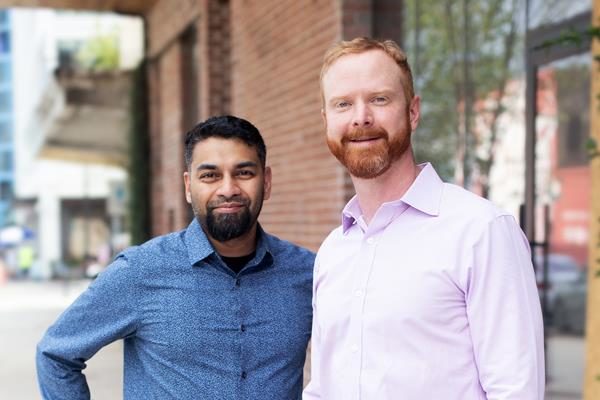
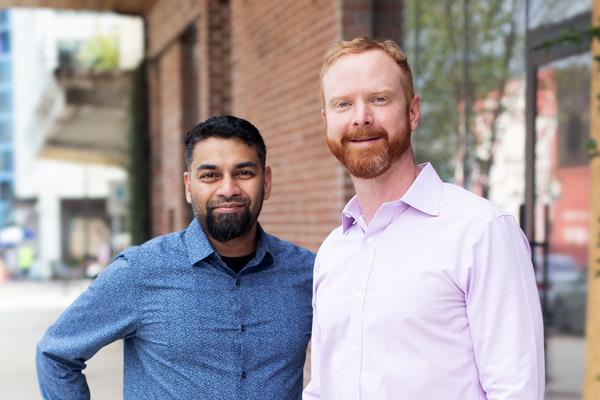
Clarendon-based CareerGig, a one-stop-shop for freelancers and companies looking for contract workers, has acquired another freelancing platform called Moonlighting.

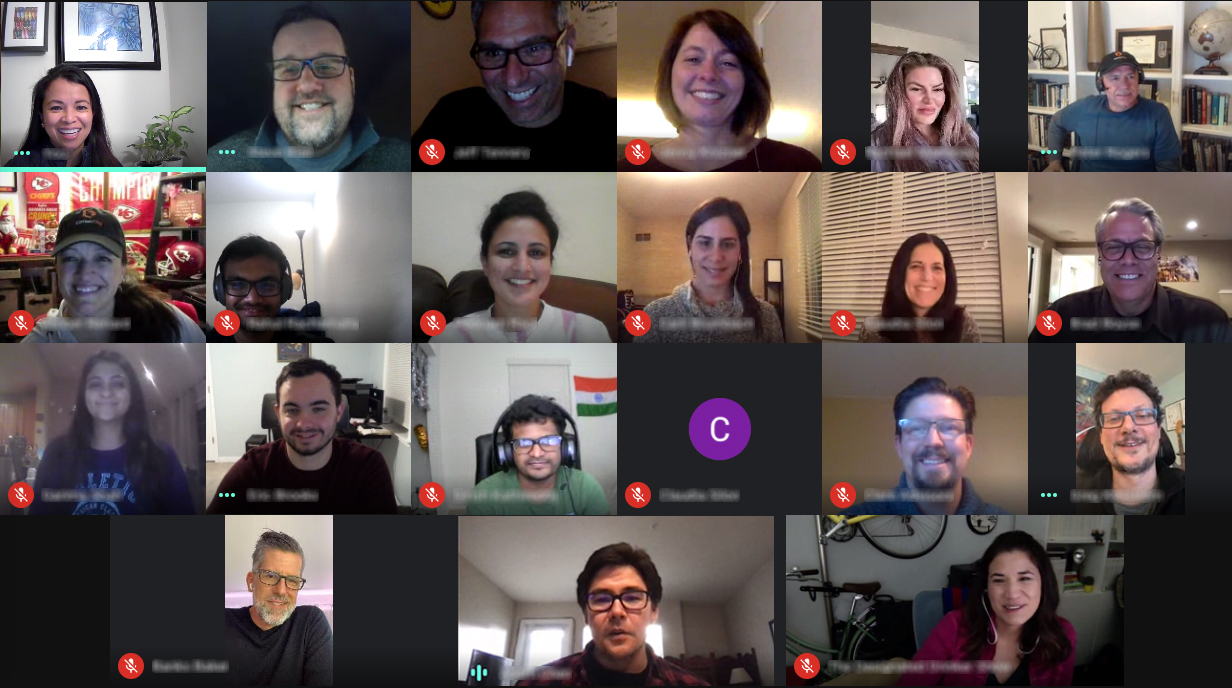
The acquisition, effective Jan. 11, folds Moonlighting’s network of 850,000 freelancers and small businesses into CareerGig’s brand, CEO and co-founder Greg Kihlström said in a statement. The merger, which will be finalized over the next few months, will make CareerGig one of the world’s largest freelancer platforms, he said.

“We are excited to have the opportunity to expand the CareerGig brand and offerings to a wider pool of freelancers and contractors, and our partnership with Moonlighting gives us the ability to accomplish this quickly and efficiently,” the CEO said.

The combined technologies and networks will enhance CareerGig’s ability to source freelancers and match them with companies, Kihlström said.

CareerGig, which officially started operating in July 2020, provides to freelancers the health and retirement benefits enjoyed by full-time employees while triple-verifying their qualifications for companies strapped for time and resources. Now, Moonlighting’s network of freelancers will have access to CareerGig’s benefits packages.

Founded in 2014 by Jeff Tennery, Ritesh Johar, and Roy Slater, Moonlighting lets freelancers build profiles and allows businesses to hire professionals quickly and affordably. Tennery, Moonlighting’s CEO, will join CareerGig as the Chief Business Development Officer and lead efforts to grow business-to-business sales and partnerships.

“CareerGig is the ideal partner for Moonlighting to take this next step in supporting freelancers around the world,” Tennery said in a statement. “Their team shares our same passion and vision to deliver the best marketplace platform for the gig economy.”

CareerGig also gives freelancers access to education and certification opportunities through partnering colleges, universities and training organizations. They can also work with established and up-and-coming technology companies in and outside of Silicon Valley, the CEO said.

CareerGig, which has an office at 3100 Clarendon Blvd, rode the wave of people who decided to take the freelancing plunge due to the way the pandemic has upended traditional work. But Kihlström, a longtime freelancer, has watched the industry grow since the early 2000s and said it is worth $440 billion in the U.S. and $1.5 trillion worldwide.

The company also recently welcomed two high-profile leaders in tech and finance to its leadership team. Banks Baker, Google’s Head of Global Product Partnerships – Search Content, and veteran financial markets executive Brad Boyse joined in December.

Baker said the startup has its sights set on meeting the needs of future workers.

“CareerGig’s freelance network is growing to become the most comprehensive of its kind, enabling the type of growth in critical parts of the workforce that the future workforce requires,” he said in a statement.


Sponsored by Monday Properties and written by ARLnow, Startup Monday is a weekly column that profiles Arlington-based startups, founders, and other local technology news. Monday Properties is proudly featuring Shirlington Gateway. The new 2800 Shirlington recently delivered a brand-new lobby and upgraded fitness center, and is adding spec suites with bright open plans and modern finishes. Experience a prime location and enjoy being steps from Shirlington Village.

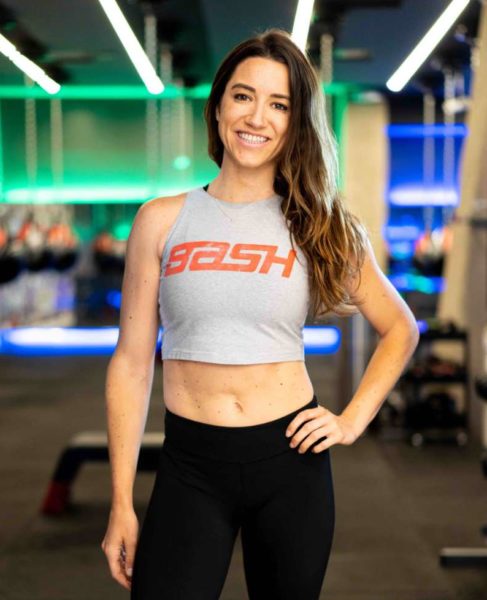
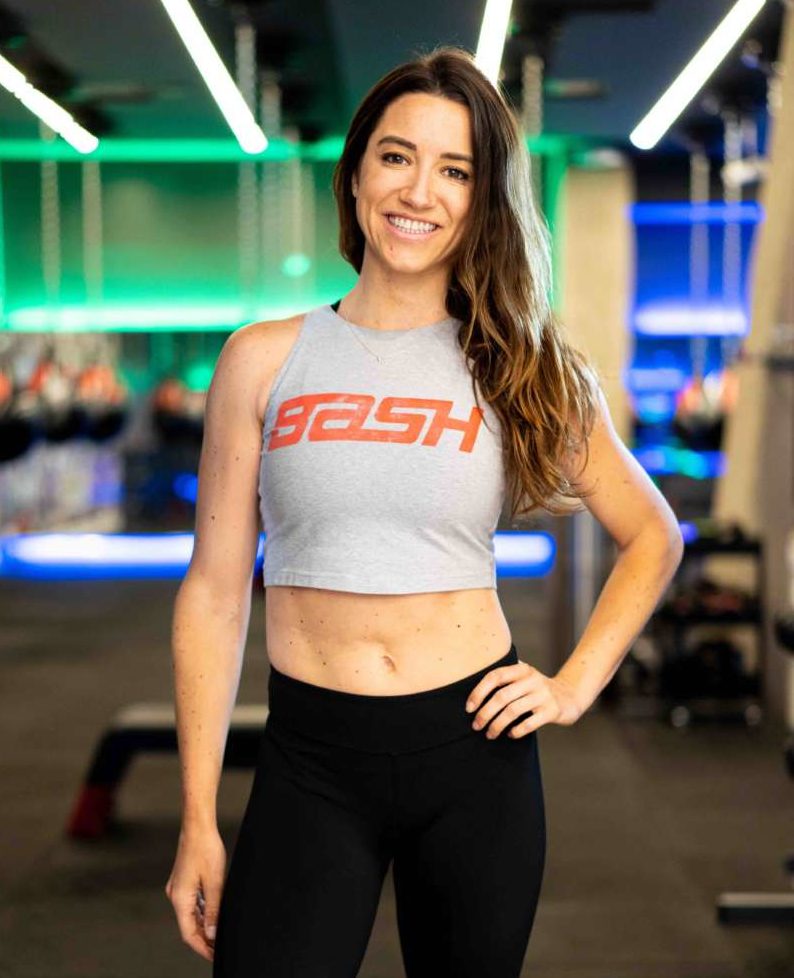
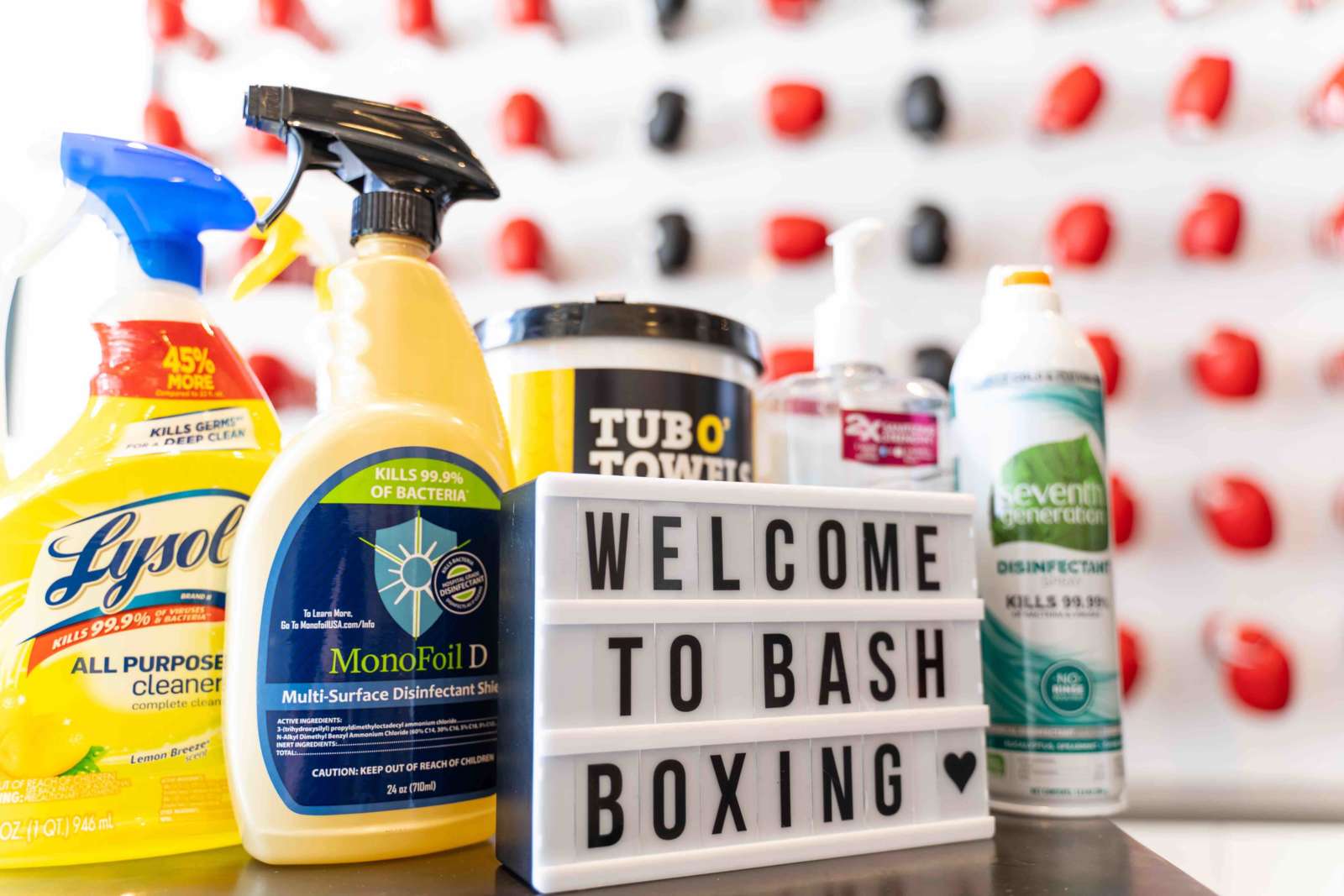
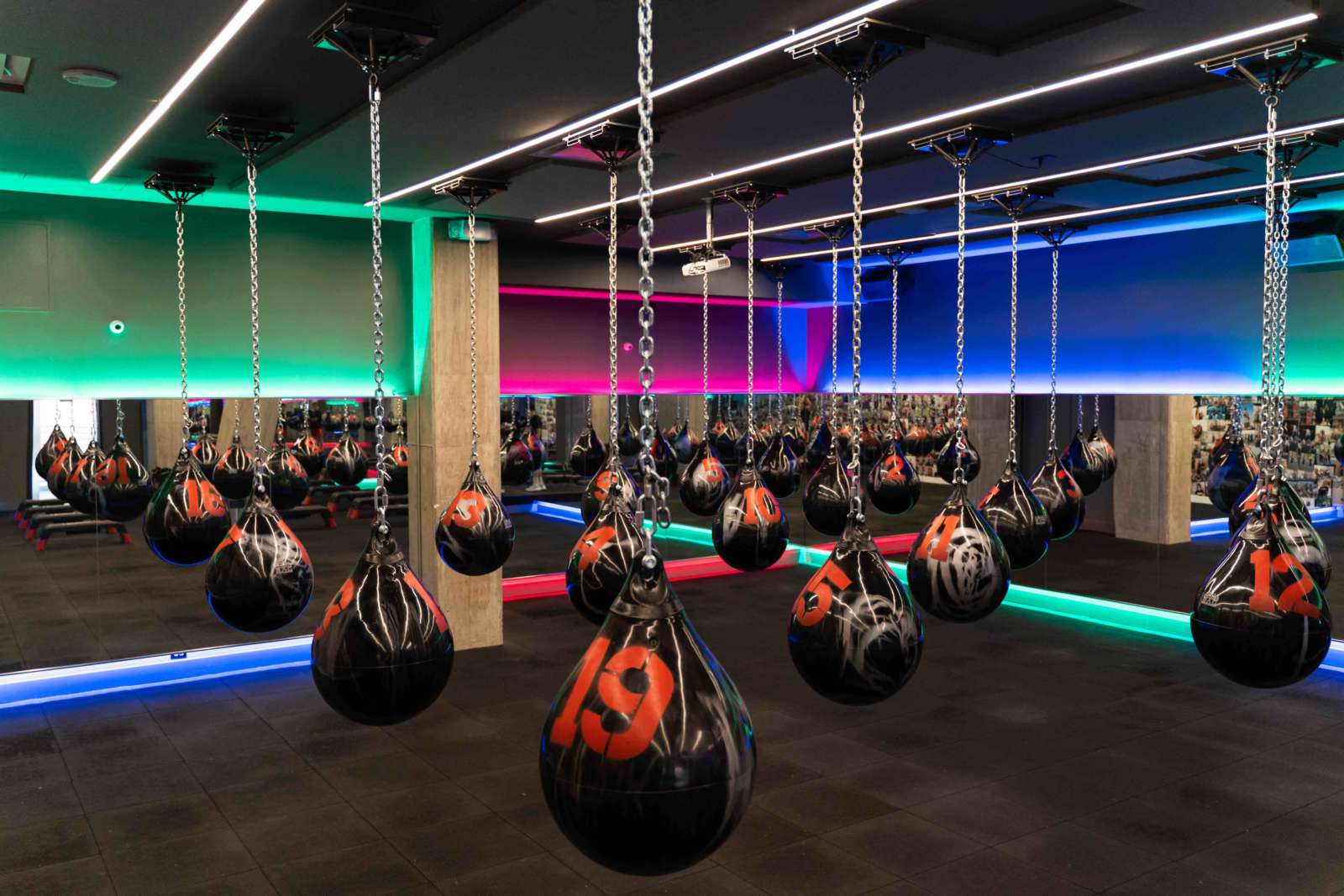
BASH Boxing, a boutique boxing gym founded in Arlington, has announced plans to franchise its model across the country.

“There’s so much uncertainty because people lost jobs, or stepped out of corporate jobs,” co-owner and founder Alexandra Trakas told ARLnow. “This is an amazing opportunity for people who want a fresh start to own their own business.”

Trakas and her investment team, which includes Washington Capitals player Tom Wilson, plan to help open hundreds of locations “in the coming years,” locally and nationally.

Trakas, who turns 32 this March and entered the fitness industry at 24, opened her first location in Rosslyn in November 2018 and her second in Ballston in October 2019. A graduate of Shenandoah University with a bachelor’s in fine arts and a concentration in dance, she said she came out of the womb with an entrepreneurial mind.

“It’s the way I’ve always been,” she said.

After working for franchise outposts of The Bar Method and Orangetheory Fitness, she said was ready to discuss with partners the possibility of franchising a new boutique gym.

“Give me the playbook — I’ll add a few things to bring camaraderie — but stick to the playbook and it works,” she said.

She announced to staff early last year that the business will be franchising and that more information would come soon. For front desk staff and sales associates, she said, the news would mean more opportunities to view the job as a career path.

Although Trakas had to lay off some staff and regroup as a result of the pandemic, she never fully closed BASH. Instead, she said her team always pivoted to meet changing regulations for staying open. During the spring shutdowns, coaches taught free Instagram Live classes almost every day, before reopening on June 13. Today, they can only coach nine members at a time, despite having 1,000 members and a capacity of up to 44.

“The only reason we made it through the coronavirus is because of our community,” Trakas said. “I have an incredible team with me.”

She pressed pause on franchising work for about five months, but by July, Trakas could sit and wait no longer. She wanted agreements with franchisees and properties in hand for when the country fully reopened.

“We want to be ready to grow,” she said.

Trakas is looking to expand into what she calls “sub-cities” — suburbs of large metropolises that are also cities in their own right. Her first choice is not the sprawling, fitness-obsessed Los Angeles, but rather a place like Arlington, or Reston, she said.

The first 5-10 franchisees will get the most favorable terms and hands-on support.

“If you have the means and the commitment, it’s time to get in,” Trakas said

Images via BASH Boxing


Sponsored by Monday Properties and written by ARLnow, Startup Monday is a weekly column that profiles Arlington-based startups, founders, and other local technology news. Monday Properties is proudly featuring Shirlington Gateway. The new 2800 Shirlington recently delivered a brand-new lobby and upgraded fitness center, and is adding spec suites with bright open plans and modern finishes. Experience a prime location and enjoy being steps from Shirlington Village.

(Updated 9:30 p.m.) Ballston-based Fluence is ramping up its efforts to tackle climate change with energy storage systems for renewable energy.

The energy storage company was founded three years ago this month as the joint venture of Berlin-based Siemens and Arlington-based Fortune 500 company, AES Corp. It enjoyed torrid growth over the course of 2020: About 100 staff came on, including a new CEO, and it acquired a company in October.

This year is off to a great start, too, with a pledge of $125 million in investment from the Qatar Investment Authority.

“We have been experiencing an enormous growth since the inception of the company,” said Vice President of Strategy Marek Wolek.

Fluence develops batteries that store energy from wind and solar. Since 2018, Fluence had quadrupled the amount of energy storage it has deployed or is working on, from 600 megawatts to 2,400 megawatts. It has deployed or been awarded contracts for storage in 24 countries.

The work is “a little bit more complicated” than just batteries, however, Wolek said. It also makes sure the supply of natural, renewable energy can be converted into enough electricity to meet demands, without leading to surges in electricity or deficits for customers.

“That’s extremely valuable, and makes the whole energy grid stable,” Wolek said.

But to keep up in a rapidly innovating market, the company started seeking out investing partners about six months ago, he  said.

“How we effectively create a grid of future requires investments,” he said. “The mark is moving very fast: We have to make sure the technology is easier and faster, and efficient to use, for our customers.”

With the $125 million from Qatar Investment Authority, a founding member of the One Planet Sovereign Wealth Fund Initiative, which invests government funds into climate change solutions. Fluence will be investing in hardware and software, as well as staff to further develop the battery technology, he said.

In a statement, CEO Manuel Perez Dubuc said tackling climate change requires both technology and investment worldwide.

“We see energy storage as the linchpin of a decarbonized grid and adding QIA to our international shareholder base will allow Fluence to innovate even faster and address the enormous global market for large-scale battery-based energy storage.”

Dubuc came on as CEO in May 2020, after serving on the company’s board. He switches roles with Stephen Coughlin, who now sits on the board, said Director of Communications Alison Mickey.

He and the newly hired 100 staff members grew the company’s workforce to more than 300 worldwide.

In October, the company bought Advanced Microgrid Solutions, which develops AI bidding software for batteries and other tech for storing and generating renewably sourced electricity. The merger will help to improve energy storage, grid reliability and efficiency, Wolek said.

Fluence is headquartered at 4601 N. Fairfax Drive, and has offices in San Francisco, suburban Atlanta, Germany and Australia.


Sponsored by Monday Properties and written by ARLnow, Startup Monday is a weekly column that profiles Arlington-based startups, founders, and other local technology news. Monday Properties is proudly featuring Shirlington Gateway. The new 2800 Shirlington recently delivered a brand-new lobby and upgraded fitness center, and is adding spec suites with bright open plans and modern finishes. Experience a prime location and enjoy being steps from Shirlington Village.

Ballston-based cybersecurity startup GroupSense is helping governments fend off targeted attacks on COVID-19 vaccine distribution.

The vaccine action plan, a modified version of GroupSense’s 2020 election plans, is a pivot that CEO and founder Kurtis Minder never envisioned when he established the company in 2014.

“We didn’t go seeking this out — it came to us,” he said.

Today, GroupSense helps a handful of local governments combat vaccine misinformation and negotiate with hackers targeting manufacturers in the vaccine’s supply chain. The company anticipates working with these municipalities for one year, but could extend that work if the protections are still needed later on.

During the 2016 and 2020 elections, GroupSense worked with municipalities, website hosts and social media companies to take down misinformation. After the 2020 elections, Minder said local governments asked GroupSense to secure their vaccine rollouts.

“It occurred to us that you could use this technology on vaccines,” Minder said.

GroupSense reports “disinformation” to local governments, which decide whether to take down or refute the claims, he said.

“If someone on Reddit starts a thread, it gives City Hall the opportunity to get into that conversation and post links to debunk that particular narrative,” Minder said.

While rumors run rampant on Reddit, bad actors working for foreign governments or themselves are taking advantage of the increased cybersecurity risks of remote work, he said.

“The remote-work problem has actually made ransomware easier,” he said. “Eighty percent of the time, the way the bad guy gets in, it’s because the company did not secure the network properly for work-from home.”

Government-led attacks are originating from countries including Russia and Iran, he said. They are often aimed at stealing intellectual property related to vaccines, and are harder to detect and stop because they have more resources.

Meanwhile, hackers looking to make a buck are demanding ransoms of small-scale businesses, such as refrigeration companies, which keep the vaccines cold, Minder said.

These hackers, from Russia, Moldova or Belarus, get access to a network, shut it down and demand a ransom, Minder said. They target “low-hanging fruit,” or businesses that are less likely to be secured against cyber threats and more likely to pay a ransom because the vaccine is in high demand.

“It just reinforced something we already knew: The security of the supply chain is really important to the outcomes of an organization,” he said.

GroupSense keeps tracks of these reports in a dashboard that it developed, Minder said. Federal law enforcement agencies have access to this dashboard, and use it to track attack trends, he said.

The CEO advises companies and governments to secure their remote access, teach employees about phishing, and ensure they only use private emails to sign up for non-work-related accounts.

This year, the company — located at 4040 Fairfax Drive, in the Marymount University building — reported 65% year-over-year growth, despite the pandemic.


View More Stories